Péptidos
Subcategorías de "Péptidos"
Se han encontrado 29805 productos de "Péptidos"
Anti Angiostatin (128-141) (Mouse) Serum
Anti Angiostatin (128-141) (Mouse) Serum is a peptide that is able to inhibit the activity of angiostatin, a protein that has been implicated in the process of blood vessel growth. This serum is a research tool for use in cell biology and biochemistry.Pureza:Min. 95%Anti Chromogranin A (359-389) (Rat) Serum
Anti Chromogranin A (359-389) (Rat) Serum is an inhibitor of the peptide hormone, chromogranin A. This antibody was raised in rat serum and can be used as a research tool to study the molecular mechanisms of chromogranin A. It is also used to detect the presence of chromogranin A in human tissues, which is associated with diseases such as lung cancer, breast cancer, and pancreatic cancer. Anti Chromogranin A (359-389) (Rat) Serum binds to the active site of the protein and inhibits its function.Pureza:Min. 95%IL 15 Human
IL-15 is a cytokine that belongs to the IL-2 family and is produced by activated T cells. IL-15 binds with high affinity to the IL-15 receptor, which then signals through the JAK/STAT pathway. IL-15 has been shown to activate NK cells and stimulate their production of IFNγ. In addition, IL-15 has been shown to cause activation of certain B cells, which leads to increased antibody production. This cytokine also stimulates proliferation of CD4+ and CD8+ T cells and induces differentiation into Th1 or cytotoxic T cell subsets.
Pureza:>97% By Sds-Page And Rp-Hplc.Biotin-dPEG®23-Lipoamide
Biotin-dPEG®23-Lipoamide is a PEG compound with two different functional groups (also known as heterobifunctional). Unlike homobifunctional PEG compounds (same functional group on both ends), this type of compounds are more versatile as have two different anchor points. Biotin-dPEG®23-Lipoamide is used as a linker and spacer to add a PEG moiety, via pegylation (a bioconjugation technique) to proteins, peptides, oligonucleotides, small molecules and nanoparticles.Fórmula:C66H126N4O26S3Pureza:Min. 95%Peso molecular:1,487.92 g/molCortistatin (Rat)
CAS:Cortistatin is a peptide that belongs to the group of activators. It is a high-purity product with an amino acid sequence identical to cortistatin (rat). Cortistatin activates ion channels, which may be due to its ability to bind to receptors and ligands. This product can be used in life science research or cell biology experiments as an inhibitor or as a tool for protein interactions. The CAS number for this product is 937031-00-0.
Fórmula:C81H113N19O19S2Pureza:Min. 95%Peso molecular:1,721 g/molEGF Mouse
Epidermal Growth Factor, Mouse sequence. Produced recombinantly in E.Coli. 53 amino acids (6 kDa) including 3 intramolecular disulfide-bonds.Pureza:Min. 95%Anti G-Protein: Galpha olf (23-38), Human Serum
Anti G-Protein: Galpha olf (23-38), humanSerum is a research tool that is used to study protein interactions. It can be used for the investigation of ion channels, cell biology, and pharmacology. The antibody reacts with the specific antigen for which it was raised. The antibody may be used in immunohistochemistry on tissue sections or in ELISA as a detection tool.
Pureza:Min. 95%[Sar1,Ala8]-Angiotensin II
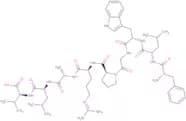
Sar1,Ala8]-Angiotensin II is a peptide that has been shown to bind to the angiotensin receptor and activate it. This peptide is a research tool for studying ion channels, ligand-receptor interactions, and protein interactions. The peptide can be used to study the pharmacology of the angiotensin receptor, as well as its role in cell biology and other biological processes. Sar1,Ala8]-Angiotensin II binds to the angiotensin receptor with high affinity, making it an excellent candidate for use in antibody production against this receptor.Fórmula:C43H67N13O10Pureza:Min. 95%Peso molecular:926.07 g/molNma-His-Pro-Lys(Dnp)
Nma-His-Pro-Lys(Dnp) is a synthetic peptide that can be used as a research tool to study the interactions of proteins in biological systems. It has been shown to inhibit the activity of ion channels and receptor proteins, and it specifically binds to an antibody. Nma-His-Pro-Lys(Dnp) is supplied at high purity and is suitable for use in pharmacological studies.Pureza:Min. 95%Azido-dPEG®4-TFP Ester
Azido-dPEG®4-TFP Ester is a PEG compound with two different functional groups (also known as heterobifunctional). Unlike homobifunctional PEG compounds (same functional group on both ends), this type of compounds are more versatile as have two different anchor points. Azido-dPEG®4-TFP Ester is used as a linker and spacer to add a PEG moiety, via pegylation (a bioconjugation technique) to proteins, peptides, oligonucleotides, small molecules and nanoparticles.
Pureza:Min. 95%Peso molecular:439.36 g/molGalanin (Rat) Antiserum
Galanin is a peptide that is involved in the regulation of many physiological processes, including the regulation of food intake, water balance, and pain perception. The rat galanin antiserum reacts with both human and rat galanin. Galanin is a member of the family of G protein-coupled receptors (GPCRs).Pureza:Min. 95%MAL-dPEG®4-Glu(OH)-NH-m-dPEG®24
MAL-dPEG®4-Glu(OH)-NH-m-dPEG®24 is a peptide containing polyethylene glycol (PEG) as spacer to alter their pharmacokinetic properties and pharmodynamics.
Fórmula:C72H134N4O35Pureza:Min. 95%Peso molecular:1,615.84 g/molGlucagon-HS ELISA (Kit) (1ea)
The Glucagon-HS ELISA (Kit) is a sandwich ELISA for the quantitative measurement of human glucagon in serum. The kit contains an antibody specific to human glucagon, and a detection antibody that has been pre-coated onto the wells of the microtiter plate. Standards are provided in order to generate a standard curve. A sample is added to each well and any human glucagon present will bind to the antibody. After incubation and washing, a substrate solution is added which will react with the bound human glucagon, resulting in a color change proportional to the amount of human glucagon present in the sample. The color change is measured by absorbance at 450 nm and compared against known concentrations of human glucagon on a standard curve. br>br> The Glucagon-HS ELISA (Kit) provides an accurate means for measuring serum levels of human glucagon in clinical, research, or veterinary settings. It can be used as a diagnostic aidPureza:Min. 95%DOTA-tris(Acid)-Amido-dPEG®23-Maleimide
DOTA-tris(Acid)-Amido-dPEG®23-Maleimide is a PEG compound with two different functional groups (also known as heterobifunctional). Unlike homobifunctional PEG compounds (same functional group on both ends), this type of compounds are more versatile as have two different anchor points. DOTA-tris(Acid)-Amido-dPEG®23-Maleimide is used as a linker and spacer to add a PEG moiety, via pegylation (a bioconjugation technique) to proteins, peptides, oligonucleotides, small molecules and nanoparticles.Pureza:Min. 95%Peso molecular:1,838.88 g/mol1-Deoxyfructosyl-Val-His-[D7]Leu-Thr-Pro-Glu
1-Deoxyfructosyl-Val-His-[D7]Leu-Thr-Pro-Glu is a research tool that belongs to the group of activators. It activates receptors and ion channels. This product has been shown to inhibit cell proliferation, peptide binding and protein interactions. 1-Deoxyfructosyl-Val-His-[D7]Leu-Thr-Pro-Glu is a high purity and potent inhibitor of protein interactions with pharmacological applications.
Fórmula:C37H53D7N8O15Pureza:Min. 95%Peso molecular:863.96 g/molMAGE-3 Antigen (271-279) (human) trifluoroacetate salt
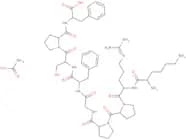
CAS:ALPHA FACTOR SIGNALING PEPTIDEFórmula:C53H79N13O10Pureza:Min. 95%Peso molecular:1,058.28 g/molAngiotensin I (Human)
CAS:Angiotensin I (Human) is a protein that is found in the blood and other tissues. It is a peptide hormone, which acts on the kidneys to increase blood pressure and on the heart to increase cardiac output. This protein has been detected in several biological samples such as plasma, serum, or urine. Angiotensin I (Human) can be used as an enzyme form of angiotensin 1-converting enzyme (ACE). ACE catalyzes the conversion of angiotensin I to its active form, angiotensin II. Angiotensin II has been shown to reduce the production of inflammatory cytokines such as tumor necrosis factor-alpha and interleukins. It also stimulates vascular smooth muscle cells and increases the production of nitric oxide by these cells, leading to vasodilation. The measurement of this enzyme form in a sample may help determine disease activity in patients with bowel disease or squamous cell cancer of the skin.Fórmula:C62H89N17O14•2CH3COOH•4H2OPureza:Min. 95%Peso molecular:1,488.66 g/molAmino-dPEG®4-t-Butyl Ester
CAS:Amino-dPEG®4-t-Butyl Ester is a PEG compound with two different functional groups (also known as heterobifunctional). Unlike homobifunctional PEG compounds (same functional group on both ends), this type of compounds are more versatile as have two different anchor points. Amino-dPEG®4-t-Butyl Ester is used as a linker and spacer to add a PEG moiety, via pegylation (a bioconjugation technique) to proteins, peptides, oligonucleotides, small molecules and nanoparticles.
Fórmula:C22H42O13Pureza:Min. 95%Peso molecular:514.56 g/molVIP (Human, Porcine)
CAS:VIP is a peptide that is an activator of cAMP-dependent protein kinase (PKA) and phospholipase C. It also inhibits the release of histamine from mast cells, stimulates gastric acid secretion, and causes vasodilation. VIP has been shown to interact with a number of proteins including ion channels and receptors. The peptide is a ligand for the neuropeptide Y receptor (NPY-R) and is involved in the regulation of appetite, immune responses, and blood pressure. VIP can be used as a research tool for studying protein interactions or as an inhibitor in pharmacological studies.Fórmula:C147H238N44O42SPureza:Min. 95%Peso molecular:3,325.8 g/mol2-Deoxy-2-Phthalimido-3,4,6-Tri-O-Acetyl-α-D-Glucopyranosyl Fluoride
CAS:2-Deoxy-2-Phthalimido-3,4,6-Tri-O-Acetyl-α-D-Glucopyranosyl Fluoride is a glycosyl compound that is used as a fluorinating agent. It reacts with proteins to form glycosyl fluorides by the action of fluoride ion, which introduces fluorine atoms into the carbohydrate side chains of proteins. This product is specifically designed for use in peptide synthesis. 2DGTGF may be used in the preparation of peptides for use in protein sequencing and mapping techniques.Fórmula:C20H20NO9FPureza:Min. 95%Peso molecular:437.37 g/molMet-Leu-AMC
CAS:Met-Leu-AMC is a fluorescent analogue of the amino acid methionine. It is used for cell biology, research, and detection of ligands that bind to ion channels or receptors. Met-Leu-AMC can be used as a high purity reagent for peptide synthesis and as an inhibitor in receptor binding assays. This product has CAS No. 1009549-31-8 and can be used in antibody production, cell biology, and pharmacology studies.Fórmula:C21H29N3O4SPureza:Min. 95%Peso molecular:419.54 g/mol[Pyr3]-Amyloid Beta-Protein (Human, 3-42)
CAS:[Pyr3]-Amyloid Beta-Protein (Human, 3-42) is a fragment of the human amyloid beta protein that inhibits ion channels and ligand-activated receptors. It has been shown to be an inhibitor of ion channel activity in vitro. [Pyr3]-Amyloid Beta-Protein (Human, 3-42) is a synthetic peptide that can be used as a research tool for investigating the effects of amyloid beta protein on cell biology.Fórmula:C196H299N53O55SPureza:Min. 95%Peso molecular:4,309.9 g/molGuanylin (Human)
CAS:Guanylin is a human gastrointestinal hormone which can be used to activate the transmembrane receptor Guanylate Cyclase C on the intestinal epithelial cells surface. This product contains disulfide bonds between Cys4-Cys12 and Cys7-Cys15 and is available as a 0.1mg vial.Fórmula:C58H87N15O21S4Pureza:Min. 95%Peso molecular:1,458.7 g/molAc-Ile-Glu-Thr-Asp-AMC
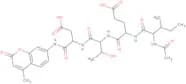
CAS:Ac-Ile-Glu-Thr-Asp-AMC is a high purity, water soluble peptide consisting of the amino acid sequence Ile-Glu-Thr-Asp. Ac-Ile-Glu-Thr-Asp-AMC has been shown to activate the nicotinic acetylcholine receptor and inhibit ligand binding to the NMDA glutamate receptor in rat cortical neurons. Ac-Ile-Glu-Thr-Asp AMC is also an inhibitor of voltage gated potassium channels and has been used as a research tool for studying ion channel function.Fórmula:C31H41N5O12Pureza:Min. 95%Peso molecular:675.68 g/molAnti GIP (1-30)-OH (Porcine) Serum
Anti GIP (1-30)-OH (Porcine) Serum is a research tool that is used as an inhibitor of protein interactions. It is a natural, high purity, and biologically active product that is used for immunoassays and other biochemical studies. This product can be used to inhibit the activation of the GIP receptor by ligands, such as peptides or antibodies. Anti GIP (1-30)-OH (Porcine) Serum binds to the ligand and prevents it from binding to the receptor.Pureza:Min. 95%Suc-Ala-Leu-Pro-Phe-pNA
CAS:Suc-Ala-Leu-Pro-Phe-pNA is a synthetic peptide that can bind to the beta 2 adrenergic receptor. It is an activator of the receptor and it can be used as a research tool to study protein interactions. This peptide is a potent inhibitor of the receptor. Suc-Ala-Leu-Pro-Phe-pNA binds to the beta 2 adrenergic receptor by preventing the binding of other ligands and thus reducing its activity. The peptide has been shown to bind with high affinity, but low potency, in vitro. Suc-Ala-Leu-Pro-Phe pNA is not toxic as it does not lead to cell death.Fórmula:C33H42N6O9Pureza:Min. 95%Peso molecular:666.72 g/molMidkine (Human, 1-59) Antiserum
Midkine is a protein that belongs to the group of proteoglycans. It is expressed in many tissues, and its function is unknown. Midkine has been shown to have ion channel activity, and it may be involved in receptor binding and ligand-receptor interactions. It may also play a role in cell growth and differentiation due to its ability to activate various cells types. The midkine 1-59 peptide, which corresponds to amino acids 1-59 of the midkine protein sequence, can be used as an inhibitor of this protein. This antibody can also be used as a research tool for investigating protein interactions or studying the effects of peptides on proteins.Pureza:Min. 95%β-Endorphin (Human)
CAS:Human beta-endorphin is an opioid receptor agonist that belongs to the group of endogenous opioids. It is released by the pituitary gland and binds to receptors in the brain, where it stimulates the release of dopamine, which acts on many regions of the brain. Beta-endorphin has been used as a research tool for its ability to activate opioid receptors and study ligand-receptor interactions. This protein has also been used as a tool for studying ion channels, cell biology, pharmacology, and protein interactions. This product is available as an 0.5mg vial.Fórmula:C158H251N39O46SPureza:Min. 95%Peso molecular:3,465 g/molUb4ix
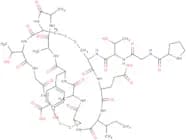
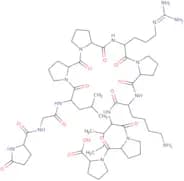
The ability to modify ubiquitin chains would be a useful research tool for understanding ubiquitin signalling in health and disease. The initial step in ubiquitin signalling is attachment of a ubiquitin molecule to a lysine residue, further ubiquitins can then be added to the initial monomer creating a chain. The chain length and location can affect the fate of the protein. The most well studied are lysine 48 (K48) linked ubiquitin chains. K48 polyubiquitin chains are recognised by deubiquitinating enzymes (DUBS) and targeted for proteasomal degradation. Macrocyclic peptides are being explored as ubiquitin ligands to better understand ubiquitin signalling.Ub4ix is a macrocyclic peptide that selectively binds to lysine48-linked ubiquitin dimer (K48-Ub2), with much higher affinity than linear counterparts. Importantly, binding of ub4ix to K48-Ub2 prevents recognition by DUBS thus inhibiting protein targeting for proteosomal degradation. This has been shown to promote apoptosis in cancer cells. Therefore, molecules like ub4ix could be a valuable tool in understanding ubiquitin signalling as well as lead to future disease treatments. Potentially, the ubiquitin system in could be a target for cancer therapy to alter the polyubiquitin recognition by interacting proteins, further work with ubi4x could provide vital steps along this path.Peso molecular:1,766.7 g/molThiol-dPEG®4-Acid
CAS:Thiol-dPEG®4-Acid is a PEG compound with two different functional groups (also known as heterobifunctional). Unlike homobifunctional PEG compounds (same functional group on both ends), this type of compounds are more versatile as have two different anchor points. Thiol-dPEG®4-Acid is used as a linker and spacer to add a PEG moiety, via pegylation (a bioconjugation technique) to proteins, peptides, oligonucleotides, small molecules and nanoparticles.Pureza:Min. 95%Peso molecular:282.35 g/molBis-dPEG®13-Acid
CAS:Bis-dPEG®13-Acid is a PEG polymer categorised as homobifunctional PEG (X-PEG X). Used as a linker, bis-dPEG®13-Acid is used to attached PEG to proteins, peptides, oligonucleotides, nanoparticles and small molecules via pegylation, a bioconjugation technique.
Fórmula:C30H58O17Pureza:Min. 95%Peso molecular:690.77 g/molEpoxomicin
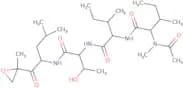
CAS:Epoxomicin is an activator that binds to the ligand-binding site of a receptor. It has been used as a research tool in cell biology, pharmacology, and immunology. Epoxomicin has been shown to inhibit ion channels by binding to them and blocking their activity. This property makes epoxomicin a good candidate for the treatment of epilepsy. Epoxomicin also inhibits protein synthesis through inhibition of ribosomal S6 kinase, which is involved in signal transduction pathways.
Fórmula:C28H50N4O7Pureza:Min. 95%Peso molecular:554.72 g/molDes-Arg10-Kallidin
CAS:Producto controladoKallidin is a peptide that is found in the venom of the Brazilian pit viper (Bothrops jararaca). It has been shown to activate ion channels and receptors. Des-Arg10-Kallidin is a research tool that can be used in cell biology, pharmacology, and life science research. This peptide binds to antibodies and creates an ion channel when it binds to a receptor. Kallidin also inhibits protein interactions by binding to the active site of proteases such as thrombin, trypsin, and cathepsin B. The high purity of this peptide makes it ideal for use in pharmaceuticals.Fórmula:C50H73N13O11Pureza:Min. 95%Peso molecular:1,032.2 g/molm-dPEG®48-MAL
CAS:m-dPEG®48-MAL is a PEG compound with two different functional groups (also known as heterobifunctional). Unlike homobifunctional PEG compounds (same functional group on both ends), this type of compounds are more versatile as have two different anchor points. m-dPEG®48-MAL is used as a linker and spacer to add a PEG moiety, via pegylation (a bioconjugation technique) to proteins, peptides, oligonucleotides, small molecules and nanoparticles.
Fórmula:C104H202N2O51Pureza:Min. 95%Peso molecular:2,296.7 g/molSARS Spike (14-1195)
SARS Coronavirus is an enveloped virus containing 3 outer structural proteins, namely the membrane (M), envelope (E), and spike (S) proteins. Spike (S)-glycoprotein of the virus interacts with a cellular receptor and mediates membrane fusion to allow viral entry into susceptible target cells. Accordingly, S-protein takes part in virus infection cycle and is the primary target of neutralizing antibodies. SARS Spike is produced in Sf9 Baculovirus cells and is a single, glycosylated polypeptide chain containing 1188 amino acids (14-1195 aa) and having a molecular mass of 131.9kDa.SARS Spike is fused to a 6 amino acid His tag at C-terminus and purified by proprietary chromatographic techniques. The formulation of the SARS Spike (14-1195) solution (0.25mg/ml) contains Phosphate-Buffered Saline (pH 7.4) and 10% Glycerol. Its biological activity has been measured by its binding ability in a functional ELISA with Human ACE-2. For long term storage it is recommended to add a carrier protein (0.1% HSA or BSA). One-Letter Formula: SDLDRCTTFD DVQAPNYTQH TSSMRGVYYP DEIFRSDTLY LTQDLFLPFY SNVTGFHTIN HTFGNPVIPF KDGIYFAATE KSNVVRGWVF GSTMNNKSQS VIIINNSTNV VIRACNFELC DNPFFAVSKP MGTQTHTMIF DNAFNCTFEY ISDAFSLDVS EKSGNFKHLR EFVFKNKDGF LYVYKGYQPI DVVRDLPSGF NTLKPIFKLP LGINITNFRA ILTAFSPAQD IWGTSAAAYF VGYLKPTTFM LKYDENGTIT DAVDCSQNPL AELKCSVKSF EIDKGIYQTS NFRVVPSGDV VRFPNITNLC PFGEVFNATK FPSVYAWERK KISNCVADYS VLYNSTFFST FKCYGVSATK LNDLCFSNVY ADSFVVKGDD VRQIAPGQTG VIADYNYKLP DDFMGCVLAW NTRNIDATST GNYNYKYRYL RHGKLRPFER DISNVPFSPD GKPCTPPALN CYWPLNDYGF YTTTGIGYQP YRVVVLSFEL LNAPATVCGP KLSTDLIKNQ CVNFNFNGLT GTGVLTPSSK RFQPFQQFGR DVSDFTDSVR DPKTSEILDI SPCAFGGVSV ITPGTNASSE VAVLYQDVNC TDVSTAIHAD QLTPAWRIYS TGNNVFQTQA GCLIGAEHVD TSYECDIPIG AGICASYHTV SLLRSTSQKS IVAYTMSLGA DSSIAYSNNT IAIPTNFSIS ITTEVMPVSM AKTSVDCNMY ICGDSTECAN LLLQYGSFCT QLNRALSGIA AEQDRNTREV FAQVKQMYKT PTLKYFGGFN FSQILPDPLK PTKRSFIEDL LFNKVTLADA GFMKQYGECL GDINARDLIC AQKFNGLTVL PPLLTDDMIA AYTAALVSGT ATAGWTFGAG AALQIPFAMQ MAYRFNGIGV TQNVLYENQK QIANQFNKAI SQIQESLTTT STALGKLQDV VNQNAQALNT LVKQLSSNFG AISSVLNDIL SRLDKVEAEV QIDRLITGRL QSLQTYVTQQ LIRAAEIRAS ANLAATKMSE CVLGQSKRVD FCGKGYHLMS FPQAAPHGVV FLHVTYVPSQ ERNFTTAPAI CHEGKAYFPR EGVFVFNGTS WFITQRNFFS PQIITTDNTF VSGNCDVVIG IINNTVYDPL QPELDSFKEE LDKYFKNHTS PDVDLGDISG INASVVNIQK EIDRLNEVAK NLNESLIDLQ ELGKYEQYIK WPHHHHHHPureza:Min. 95%H-SDEGGYTCFFRDHSYQEE-OH
MOG(91-108) corresponds to amino acids 97 to 108 of the rat myelin oligodendrocyte glycoprotein (MOG).
[5-FAM]-Collagen alpha-1(I)-(5-TAMRA)
Collagens are the most abundant family of extra cellular matrix (ECM) proteins, accounting for two-thirds of the dry mass of adult articular cartilage. Several subtypes have been identified including types II, IX, X, XI, VI, XII, and XIV collagen, however 80 to 90% of the collagen in the body consists of types I, II, and III. Collagen is a long thin protein which consists of three coiled subunits: two α1(I) chains and one α2(I). Type 1 collagen forms part of the major structure of the bone, and mutations in the α1(I) or α2(I) genes lead to-osteogenesis imperfecta, or brittle-bone disease.Collagen is cleaved by mammalian tolloid (mTld) and its splice variant- bone morphogenetic protein 1 (BMP1), a metalloprotease and member of the peptidase M12A family enzymes.This peptide contains a FRET (fluorescence or Fö-rster resonance energy transfer) pair. N-terminal 5-Carboxyfluorescein (5-FAM), a widely used green fluorescent tag which excites at 495 nm and emits at 517 nm, and a 5-Carboxytetramethylrhodamine-(5-TAMRA), present on the side chain of a C-terminal lysine which has been added to the peptide. 5-TAMRA is a widely used fluorescent dye which excites at 546 nm and emits at 579 nm. In the intact peptide TAMRA quenches the fluorescence of 5-FAM, however upon cleavage of the peptide by a protease such as BMP1, the fluorescence of 5-FAM is recovered and can be monitored.Peso molecular:2,738.1 g/molt-boc-N-Amido-dPEG®12-OH
CAS:t-boc-N-Amido-dPEG®12-OH is a PEG polymer categorised as monofunctional (OH-PEG-X). Used as a linker, t-boc-N-amido-dPEG®12-OH is used to attached PEG to proteins, peptides, oligonucleotides, nanoparticles and small molecules via pegylation, a bioconjugation technique.
Fórmula:C29H59NO14Pureza:Min. 95%Peso molecular:645.78 g/molTau (195-209) Light
Amino acids 195-209 of tubulin-associated unit (tau). This region represents a tau tryptic peptide and is part of the core of the tau protein. Tau is a phosphoprotein involved in microtubule (MT) assembly and stability as well as brain development. Tau is phosphorylated at multiple sites by several protein kinases, including cyclic-AMP-dependent protein kinases and casein kinase type-1. Tau phosphorylation causes tau to change shape, negatively regulating its ability to stimulate MT assembly. Tau is also glycosylated, and-O-glycosylation may have a role in its subcellular localisation and degradation.Malfunctioning tau protein contributes to the structural core of the paired helical filaments (PHFs), which make up neurofibrillary tangles (NFTs). NFTs are often observed in neurodegenerative disorders, such as Alzheimer disease and other tauopathies. Tau is expressed from a single gene and is alternatively spliced to yield six different isoforms in the adult central nervous system (CNS).Peso molecular:1,392.6 g/molMAL-dPEG®8-Acid
CAS:MAL-dPEG®8-Acid is a PEG compound with two different functional groups (also known as heterobifunctional). Unlike homobifunctional PEG compounds (same functional group on both ends), this type of compounds are more versatile as have two different anchor points. MAL-dPEG®8-Acid is used as a linker and spacer to add a PEG moiety, via pegylation (a bioconjugation technique) to proteins, peptides, oligonucleotides, small molecules and nanoparticles.
Fórmula:C19H38O10SPureza:Min. 95%Peso molecular:458.57 g/molSARS-CoV-2 Nucleoprotein 1 (56-70)
The coronavirus (CoV) nucleoprotein is the major component of CoV structural proteins. Also known as the nucleocapsid protein, it is an abundant RNA-binding protein critical for viral genome packaging. These factors make nucleoprotein a good target for developing new antiviral drugs. In addition, the identification of epitopes within the nucleoprotein sequence can help design more effective SARS-CoV-2 vaccines.Models have predicted epitopes exhibiting antigenicity, stability and interactions with MHC class-I and class-II molecules. Nucleoprotein (56-70) is an epitope candidate with various HLA restrictions. This epitope can be used to better vaccine design for more durable CD4+ and CD8+ T cell responses for long-lasting immunity.Peso molecular:1,752.9 g/molNma-Gly-Gly-Val-Val-Ile-Ala-Thr-Val-Lys(Dnp)-D-Arg-D-Arg-D-Arg-NH₂
CAS:Nma-Gly-Gly-Val-Val-Ile-Ala-Thr-Val-Lys(Dnp)-D-Arg-D-Arg-D-Arg NH₂ is a peptide that can be used as a research tool to study ion channels. It is an inhibitor of the chloride channel, and it can also inhibit other ion channels. This peptide has been shown to bind to the receptor site of the nicotinic acetylcholine receptor, which is found in muscle and nerve cells. When bound to this receptor, Nma Gly Gly Val Val Ile Ala Thr Val Lys (Dnp) D Arg D Arg D Arg NH2 blocks the passage of ions through the membrane.Fórmula:C70H116N26O18Pureza:Min. 95%Peso molecular:1,609.8 g/molmonobiotin RLN2
Monobiotin is a monovalent cation that inhibits the binding of ATP. It is also a potent activator of the potassium ion channels, and has been used as a research tool for studying the effects of ion channels on cell growth and protein synthesis. Monobiotin has been shown to inhibit the binding of ATP to its receptor, thereby inhibiting protein synthesis in cells. Monobiotin is also an inhibitor of peptidases and can be used as an inhibitor in pharmacology studies. Monobiotin RLN2 is a high-purity monobiotin that does not contain any impurities or other proteins.Pureza:Min. 95%BNP-32 (Rat)
CAS:BNP-32 is a peptide that is an activator of the B2 receptor. It has been shown to inhibit the ion channels in cells, which may be due to its binding to the ligand-binding site on the receptor. BNP-32 has also been shown to bind to antibodies and can be used as a research tool for cell biology or other areas of life science. BNP-32 is a high purity product with CAS No. 123337-89-3.
Fórmula:C146H239N47O44S3Pureza:Min. 95%Peso molecular:3,452.9 g/molLipoamido-dPEG®4-TFP Ester
CAS:Lipoamido-dPEG®4-TFP Ester is a PEG molecule conjugated with a lipid moiety. Lipoamido-dPEG®4-TFP Ester, conjugated to this lipid constituent, is very important especially in drug delivery and vaccine development as it helps improve the stability and circulation time of lipid nanoparticles (LNPs) and liposomes.Fórmula:C31H62O15Pureza:Min. 95%Peso molecular:674.81 g/molm-dPEG®11-OH
CAS:m-dPEG®11-OH is a PEG polymer categorised as monofunctional (OH-PEG-X). Used as a linker, m-dPEG®11-OH is used to attached PEG to proteins, peptides, oligonucleotides, nanoparticles and small molecules via pegylation, a bioconjugation technique.Pureza:Min. 95%Peso molecular:516.62 g/mol[Pyr1]-Apelin-13 (Human, Bovine)
CAS:Apelin-13 is a peptide that belongs to the class of activators. It has been shown to activate the ATP-sensitive potassium ion channels and inhibit the calcium ion channels in cells. Apelin-13 also binds to receptors on cells, which leads to activation of signaling pathways. The affinity for these receptors has been determined using an antibody. In addition, it has been shown that Apelin-13 interacts with other proteins and ligands in a variety of ways through protein interactions and receptor binding.Fórmula:C69H108N22O16SPureza:Min. 95%Peso molecular:1,533.8 g/mol[FITC]-pCREB (127-134) substrate
The cyclic AMP (cAMP) response element binding protein (CREB) is a transcription factor that regulates the transcription of several genes that mediate important cellular processes. CREB is phosphorylated by several kinases, including PKA- Akt- and CamK I, II, and IV. Phosphorylated pCREB translocates to the nucleus, where it forms homodimers or heterodimers, and recruits p300/CREB binding protein (CBP) to initiate transcription of its target genes. pCREB is an important regulator of apoptosis and is also involved in modulating several immune processes and neuronal plasticity. CREB signalling has a critical role in the formation of memories and may be dysfunctional in the brains of Alzheimer's disease (AD).Peptide is labelled with an N-terminal 5-carboxyfluorescein (5-FAM), a widely used green fluorescent tag.
Peso molecular:1,572.6 g/molNeurokinin A (Human, Porcine, Rat, Mouse)
CAS:Neurokinin A is a peptide that belongs to the tachykinin family and has been shown to activate receptors, such as NK-1. It is a potent inhibitor of ion channels and has also been shown to inhibit ligand binding to the receptor. Neurokinin A is used in research for studying protein interactions, receptor effects, peptides, and ion channels. It can be used in cell biology for studying life science and research tools for high purity and antibody production. This product is not intended for therapeutic use.
Fórmula:C50H80N14O14SPureza:Min. 95%Peso molecular:1,133.3 g/molCalcitonin (Human)
CAS:Calcitonin is a hormone produced by the C cells (also known as parafollicular cells) in the thyroid gland. Its main function is to regulate the levels of calcium and phosphate in the blood. Calcitonin works by inhibiting the activity of osteoclasts, which are cells that break down bone tissue and release calcium and phosphate into the bloodstream. This leads to a decrease in the amount of calcium and phosphate in the blood. Calcitonin is released in response to high levels of calcium in the blood, and it acts to reduce these levels by increasing the excretion of calcium by the kidneys and inhibiting the absorption of calcium by the intestines. It also promotes the storage of calcium in the bones, which helps to maintain their strength and density. Calcitonin may be used therapeutically to treat conditions such as osteoporosis and hypercalcemia (high levels of calcium in the blood) or even diagnostically as a marker for tumors in medullary thyroid cancer. This product has a disulfide bond between Cys1-Cys7 and is available as a 0.5mg vial.Fórmula:C151H226N40O45S3Pureza:Min. 95%Peso molecular:3,417.8 g/molBradykinin-Potentiator B
CAS:Bradykinin-potentiator B is a peptide that belongs to the group of activators. It has been shown to activate ion channels and is used as a research tool for studying protein interactions, receptor pharmacology, and ligand binding. Bradykinin-potentiator B can be used in cell biology for studying protein interactions with antibodies or receptors. Bradykinin potentiator B binds to the receptor site and activates it by changing its conformation. This leads to changes in the cell's behavior, such as increased secretion of hormones or neurotransmitters.Fórmula:C56H91N15O13Pureza:Min. 95%Peso molecular:1,182.4 g/molH-SLYNTVATL-OH
HIV-1 p17 Gag (77-85), also called SL9, is a short part of the Human Immunodeficiency Virus 1 especially a short peptide of matrix composed of the viral protein p17 ensuring the integrity of the virion particle. HIV-1 p17 Gag (77-85) HLA-A*02:01-restricted was one of the first cytotoxic T lymphocytes epitope identified for HIV-1. It produces a specific cytotoxic T cells response in 75% of chronically infected adults but a rare activity in acute infection. Therefore, HIV-1 p17 Gag (77-85) may serve as target for anticancer immunotherapeutic strategies especially for vaccine development. Applications of HIV-1 p17 Gag (77-85): HIV-1 p17 Gag (77-85) is used to stimulate CTL responses in peripheral blood mononuclear cells (PBMCs). Then, ELISPOT assay is used to quantify peptide epitope specificity and IFN-γ releasing effector cells. Potential cross-reactivities with FluM1 (58-66) and HCV NS5B (2594-2602): Moreover, HIV-1 p17 Gag (77-85) share similarities with FluM1 (58-66) which can potentially show a cross-reactivity between these epitopes. It has been demonstrated a cross-reactivity and results suggest that immunity following infection by Influenza virus causes specific immune response to HIV-1 p17 Gag (77-85). Similarities between two others HLA-A2-restricted epitopes of two viruses have been demonstrated too: the amino acid sequence of HIV-1 p17 Gag (77-85) (SLYNTVATL) and of HCV NS5B (2594-2602) (ALYDVVTKL). Therefore, researches are conducted to know if during HCV/HIV co-infection it could be exist a T cell cross reactivity.SARS-CoV-2 Spike (996-1004)
The SARS-CoV-2 spike protein is present on the outside of the virus particles and can bind to angiotensin-converting enzyme II (ACE2) present on the host cells. The C-terminal receptor binding domain (RBD) of the spike protein binds to the N-terminal peptidase M2 domain of ACE2. This receptor binding results in the internalisation of the virus-receptor complex and is, therefore the mechanism of entry of SARS-CoV-2 into host cells.The spike protein residues LITGRLQSL (996-1004) from C have been identified as a T-cell epitope with a predicted HLA restriction. Immune targeting of confirmed epitopes may potentially offer protection against SARS-CoV-2 and help the development of vaccines for long-lasting immunity.Peso molecular:999.6 g/molBis-Maleimide Amine, TFA Salt
CAS:Bis-Maleimide Amine, TFA Salt is a pharmacological research tool that is used to study protein interactions. It is also used as an inhibitor and activator of proteins, specifically ion channels. This product has a CAS number of 62921-76-0, which can be found on the Chemical Abstracts Services website. This product is high purity and is used in life science research. The salt form of this product is used as a ligand for receptor binding studies.Fórmula:C16H26O7SPureza:Min. 95%Peso molecular:362.44 g/molAdenylate Kinase 4, human, recombinant
Adenylate kinase 4 (AK4) is a protein that in humans is encoded by the AK4 gene. AK4 catalyzes the conversion of adenosine triphosphate (ATP) to adenosine monophosphate (AMP). The enzyme has been shown to play an important role in the regulation of cell proliferation and survival, as well as in the regulation of ion channels, neurotransmitter release, and other biological processes. AK4 is also an activator of G-protein coupled receptors and a ligand for certain nuclear receptors. It can also function as an inhibitory receptor for certain G-protein coupled receptors.Pureza:Min. 95%Bz-Ala-OMe
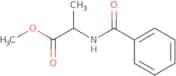
CAS:Bz-Ala-OMe is a reactive mercuric chloride that undergoes hydrolysis to form reactive mercuric acetate. It has been shown that the activation energy of the reaction is high and the reaction can be initiated by soybean trypsin. The reactive site of Bz-Ala-OMe is composed of chloride atoms and sephadex g-100. This compound reacts with serine proteases, such as trypsin or chymotrypsin, to form an amide intermediate. This intermediate reacts with n-acetyl-l-tyrosine to produce a chloromethyl ketone which then undergoes a nucleophilic attack by histidine to produce histamine in the presence of H2O2 or O2. Histamine binds to H1 receptors in the body, leading to an inflammatory response.
Fórmula:C11H13NO3Pureza:Min. 95%Peso molecular:207.23 g/molAmylin (Rat)
CAS:Producto controladoAmylin is a peptide that belongs to the group of activators. It has been shown to be an inhibitor of ion channels, and has also been demonstrated to activate cell signaling pathways. Amylin can be used as a research tool for studying protein interactions, receptor ligands, and pharmacology. Amylin can be used in antibody production or as a high-purity reagent for life science or cell biology applications.
Fórmula:C167H272N52O53S2Pureza:Min. 95%Peso molecular:3,920.4 g/mol(3,5-Difluorophenylacetyl)-Ala-Phg-OtBu
CAS:(3,5-Difluorophenylacetyl)-Ala-Phg-OtBu is a peptide that is an inhibitor of Protein interactions. It blocks the binding of the enzyme to its substrate and prevents the conversion of substrate to product. This peptide was used as a research tool for studying protein interactions in cell biology and as an activator for Ligands. This peptide can be used as a reagent for antibody production. The purity of this peptide is high and it has been shown to have no adverse effects in animal research studies.Fórmula:C23H26N2O4F2Pureza:Min. 95%Peso molecular:432.46 g/molAzido-dPEG®4-NHS ester
CAS:Azido-dPEG®4-NHS ester is a PEG compound with two different functional groups (also known as heterobifunctional). Unlike homobifunctional PEG compounds (same functional group on both ends), this type of compounds are more versatile as have two different anchor points. Azido-dPEG®4-NHS ester is used as a linker and spacer to add a PEG moiety, via pegylation (a bioconjugation technique) to proteins, peptides, oligonucleotides, small molecules and nanoparticles.
Fórmula:C27H53N3O14Pureza:Min. 95%Peso molecular:643.72 g/molAlpha-Conotoxin GI
CAS:A synthetic cone snail toxin, sourced from the marine snail, Conus geographus and can be applied as a blocker for the nicotinic acetylcholine receptor. This product is available as a 0.5mg vial with disulfide bonds between Cys2-Cys7 and Cys3-Cys13 and in the hydrochloride salt form.Fórmula:C55H80N20O18S4Pureza:Min. 95%Peso molecular:1,437.6 g/molAnti Amyloid B-Protein (1-40), Human Serum
Anti Amyloid B-Protein (1-40), human serum is a recombinant inhibitor of amyloid beta protein (Aβ) that inhibits the formation of amyloid plaques in Alzheimer's disease. This product is used as a research tool for studying the mechanism of Aβ toxicity. It is also used as a reagent for antibody detection and other research purposes.Pureza:Min. 95%RFamide-Related Peptide-1, human
RFamide-Related Peptide-1, human is a protein that belongs to the family of G-protein coupled receptors. It is activated by RFamide-related peptides and has been shown to be involved in the regulation of ion channels, such as potassium channels. The activation of these channels leads to the inhibition of neuronal excitation and can affect many other biological functions, such as cell proliferation or differentiation. RFamide-Related Peptide-1, human has been used as a pharmacological research tool for studying its ligand binding properties and protein interactions.Fórmula:C195H304N52O51S2Pureza:Min. 95%Peso molecular:4,256.9 g/molAnti GRF/GH-RH (Rat) Serum
Anti GRF/GH-RH (Rat) Serum is a research tool that is used to detect the presence of GH and GRF receptors. This antibody can be used for the study of GH and GRF receptor interactions and their roles in cell biology. Anti GRF/GH-RH (Rat) Serum can also be used as an inhibitor to block protein interactions.Pureza:Min. 95%Insulin Los Angeles, human
Insulin is a peptide hormone that regulates the metabolism of carbohydrates, fats, and proteins. Insulin has been shown to bind to insulin receptors in the cell membrane. When insulin binds to the receptor, it triggers a series of biochemical reactions that lead to increased glucose uptake by cells and increased synthesis of glycogen in the liver. Insulin also activates ion channels, which leads to an increase in calcium influx into cells. Insulin is involved in many other functions within the body, such as promoting growth and development, regulating protein synthesis, and controlling lipid storage.
Insulin is used as a research tool for studying carbohydrate metabolism or as an antidiabetic drug for people who have diabetes mellitus. The most common form of insulin used today is human recombinant insulin (H-insulin). Human recombinant insulin can be synthesized from genetically engineered bacteria or yeast cultures.Pureza:Min. 95%Ac-Abu-D-Tyr-Leu-Gln-VS
Ac-Abu-D-Tyr-Leu-Gln-VS is a synthetic peptide that can be used as a research tool, an activator, or an inhibitor. It is a high purity product that has been extensively tested for its use in ion channels and receptor pharmacology.Pureza:Min. 95%Anti GLP-2 (Rat) Serum
Anti GLP-2 (Rat) Serum is a high purity and potent activator of the GLP-2 receptor. It is a peptide that binds to the GLP-2 receptor and activates it. The GLP-2 receptor is a G protein coupled receptor that belongs to the class of receptors for peptides. Activation of this receptor leads to an increase in intracellular calcium ions and increased cell proliferation, differentiation, and survival. This product can be used as a research tool for Cell Biology, Pharmacology, or Biochemistry studies.Pureza:Min. 95%Anti PACAP (1-15), Human Serum
Anti PACAP (1-15) is a peptide that belongs to the class of activators. It has been shown to activate ion channels, increase intracellular calcium levels, and inhibit ligand-induced receptor desensitization. Anti PACAP (1-15) has also been shown to bind to a number of receptors with high affinity, including the corticotropin-releasing hormone receptor type 2 (CRHR2). This peptide is used as a research tool in cell biology and pharmacology studies.Pureza:Min. 95%Anti Preprorenin (288-317) (Human) Serum (1ea)
This peptide is a specific inhibitor of human preprorenin, which is the precursor of renin. The peptide has been shown to inhibit the activation of renin with high specificity and potency.Pureza:Min. 95%ANP (Rat, 3-28)
CAS:ANP (Rat, 3-28) is a peptide that is a potent inhibitor of protein interactions. This peptide binds to the ligand-binding domain of the receptor and blocks the binding of the ligand. ANP (Rat, 3-28) also has high purity and can be used as a research tool or an antibody in life science studies.
Fórmula:C119H189N43O36S2Pureza:Min. 95%Peso molecular:2,862.2 g/molAnti TGF-Alpha, Human Serum
Anti TGF-Alpha, humanSerum is a recombinant antibody that specifically binds to the ligand of the Transforming Growth Factor-alpha receptor. It is used as a research tool for protein interactions, pharmacology and cell biology.Fórmula:C33H52N8O7Pureza:Min. 95%Peso molecular:672.82 g/molMet-Met
CAS:Met-Met is a dipeptide that is synthesized from the amino acids methionine and methyltetrahydrofolate. It is used in the synthesis of peptides and biochemicals, as well as in pharmacological treatments for diseases including bacterial infections. Met-Met has significant interactions with dopamine, catechol-o-methyltransferase, and energy metabolism. The enzyme catechol-o-methyltransferase catalyzes the conversion of dopamine to 3,4-dihydroxyphenylacetic acid (DOPAC), which may lead to a decrease in dopamine levels. Met-Met also inhibits the metabolism of catecholamines, leading to an increase in cellular levels of catecholamines such as dopamine and norepinephrine. This inhibition may be responsible for metabolic disorders such as obesity or low body mass index (BMI)
Fórmula:C10H20N2O3S2Pureza:Min. 95%Peso molecular:280.41 g/molBz-Arg-AMC
CAS:Bz-Arg-AMC is a fluorescent probe that binds to the nicotinic acetylcholine receptor (nAChR) in the presence of calcium ions and emits light when excited by ultraviolet light. It can be used to study the activation of nAChRs, as well as their interactions with other proteins such as peptides. Bz-Arg-AMC has a molecular weight of 551.9 g/mol, with a purity of > 98% and an optical purity of > 99%. This product can be used for research purposes only, not for diagnostic or therapeutic purposes.
Fórmula:C23H25N5O4Pureza:Min. 95%Peso molecular:435.48 g/molGlucagon-like Peptide 1 (Human 7-37)
CAS:GLP-1 is a peptide hormone that is released by the pancreas in response to food intake. This hormone activates receptors on the L cells of the ileum and duodenum, which causes increased production of insulin and decreased production of glucagon. GLP-1 also decreases appetite, slows gastric emptying, and reduces blood glucose levels by increasing the uptake of glucose into muscle cells. GLP-1 has been shown to be effective in reducing body weight, lowering blood pressure and cholesterol levels, improving glycemic control, and preventing diabetes. The GLP-1 receptor is found in ion channels and cell biology as well as pharmacology.Fórmula:C151H228N40O47Pureza:Min. 95%Peso molecular:3,355.7 g/molGly-Phe
Gly-Phe is a kinetic glycolytic inhibitor that has antiviral properties. It has been shown to be effective against a number of viruses, including the herpes simplex virus type 1 (HSV-1), influenza virus A/PR/8/34 (PR8), and human immunodeficiency virus type 1 (HIV-1). Gly-Phe inhibits viral growth by blocking the synthesis of nucleic acids in cells infected with these viruses. The antiviral activity of Gly-Phe was demonstrated in animal models and humans, where it acted as an effective treatment for HSV-1 infection. Gly-Phe also has anti-inflammatory properties, which may be due to its ability to inhibit bacterial enzymes in the intestinal tract.Fórmula:C11H14N2O3Pureza:Min. 95%Peso molecular:222.24 g/molMAL-dPEG®12-TFP Ester
MAL-dPEG®12-TFP Ester is a PEG compound with two different functional groups (also known as heterobifunctional). Unlike homobifunctional PEG compounds (same functional group on both ends), this type of compounds are more versatile as have two different anchor points. MAL-dPEG®12-TFP Ester is used as a linker and spacer to add a PEG moiety, via pegylation (a bioconjugation technique) to proteins, peptides, oligonucleotides, small molecules and nanoparticles.Fórmula:C31H45N5O13Pureza:Min. 95%Peso molecular:695.71 g/molAbz-Ala-Pro-Glu-Glu-Ile-Met-Arg-Arg-Gln-EDDnp
CAS:Abz-Ala-Pro-Glu-Glu-Ile-Met-Arg-Arg-Gln-EDDnp is a peptide that is an elastase substrate derived from PAI-1Fórmula:C61H93N21O19SPureza:Min. 95%Peso molecular:1,456.59 g/molDns-Glu(Cys-Gly)
Dns-Glu(Cys-Gly) is a peptide that is reactive and can be used as a biochemical. It has been shown to have both reactive metabolites and biologically active peptides.
Fórmula:C22H28N4O8S2Pureza:Min. 95%Peso molecular:540.61 g/molInsulin-ELISA Kit (1ea)
The ELISA (enzyme-linked immunosorbent assay) is a powerful and sensitive technique to detect and quantify antigens of interest in biological samples. The Insulin ELISA kit from Specialty Products and Technologies contains the reagents necessary for in vitro measurement of human insulin in serum, plasma, or urine. This kit utilizes a monoclonal antibody specific for human insulin as the detection antibody. The Insulin ELISA Kit is designed to measure human insulin concentrations in range 0.5-25 ng/mL with an accuracy of ±15%.Pureza:Min. 95%Matrix Metalloproteinase-1 , human, recombinant
Matrix Metalloproteinase-1 is a recombinant human protein that is used as a research tool to study the function of matrix metalloproteinases. It has been shown to bind to peptides and activate them, which may lead to new insights into their function. Matrix Metalloproteinase-1 also binds to ion channels and ligands, which may be useful for understanding the role of these molecules in diseases such as cancer.Pureza:Min. 95%Leptin (Rat)-HS ELISA Kit (1ea)
The leptin (RAT)-HS ELISA Kit is a sandwich enzyme-linked immunosorbent assay kit for the quantitative measurement of rat leptin in serum or plasma. Rat leptin is a protein hormone that regulates body weight, food intake, and energy expenditure. Leptin is synthesized and secreted by adipose tissue in proportion to fat mass. The human form of this hormone is called human leptin.
Pureza:Min. 95%Amino-dPEG®12-ODMT
CAS:Amino-dPEG®12-ODMT is a PEG compound with two different functional groups (also known as heterobifunctional). Unlike homobifunctional PEG compounds (same functional group on both ends), this type of compounds are more versatile as have two different anchor points. Amino-dPEG®12-ODMT is used as a linker and spacer to add a PEG moiety, via pegylation (a bioconjugation technique) to proteins, peptides, oligonucleotides, small molecules and nanoparticles.
Fórmula:C10H20O5Pureza:Min. 95%Peso molecular:220.26 g/molAnti PACAP38, Human Serum
Anti PACAP38, humanSerum is a research tool that can be used to study the role of PACAP in various biological processes. The antibody is generated against human PACAP38 and has been shown to inhibit the activity of this peptide. The antibody also binds to the receptor for this peptide, which is a G protein-coupled receptor. This antibody can be used as an inhibitor of PACAP and its receptor in various cell types.Pureza:Min. 95%TentaGel® Macrobead PHB Resin
TentaGel Macrobead PHB Resin is a polymer resin which is used for the synthesis of peptides. The resin can be used as a building block in peptide synthesis, as well as being mixed with other resins for use in other applications. TentaGel Macrobead PHB Resin is supplied in particles that are made up of polystyrene beads and hydroxypropyl-b-cyclodextrin (PHB) groups. The PHB groups are designed to bind to peptides during the synthesis process, while the polystyrene bead provide a support matrix. This product is primarily used by researchers who are interested in using it for the study of protein structure and function.Pureza:Min. 95%m-dPEG®12-Propionaldehyde
m-dPEG®12-Propionaldehyde is a PEG compound with two different functional groups (also known as heterobifunctional). Unlike homobifunctional PEG compounds (same functional group on both ends), this type of compounds are more versatile as have two different anchor points. m-dPEG®12-Propionaldehyde is used as a linker and spacer to add a PEG moiety, via pegylation (a bioconjugation technique) to proteins, peptides, oligonucleotides, small molecules and nanoparticles.Fórmula:C374H726N18O178Pureza:Min. 95%Peso molecular:8,323.87 g/molAnti Galanin (9-30), Human Serum
Anti Galanin (9-30), humanSerum is a peptide that inhibits the activity of galanin, which is a neuropeptide. It has been shown to have an effect on ion channels and receptors in the central nervous system. Anti Galanin (9-30), humanSerum binds to the receptor for galanin and blocks the binding of galanin molecules to these receptors, preventing activation of these cells. Anti Galanin (9-30), humanSerum is used as a research tool for studying protein interactions and as a pharmacological inhibitor for studying ion channels and receptors in the central nervous system.
Pureza:Min. 95%Azido-dPEG®36-Alcohol
CAS:Azido-dPEG®36-Alcohol is a PEG polymer categorised as monofunctional (OH-PEG-X). Used as a linker, azido-dPEG®36-Alcohol is used to attached PEG to proteins, peptides, oligonucleotides, nanoparticles and small molecules via pegylation, a bioconjugation technique.
Pureza:Min. 95%Peso molecular:1,628.92 g/mol[Pyr33]-Pancreastatin (Porcine, 33-49) Antiserum
Pancreastatin is a peptide that is an inhibitor of potassium channels. Pancreastatin binds to and blocks the opening of K+ channels, thereby inhibiting the propagation of action potentials. Pancreastatin is a potent inhibitor of voltage-gated K+ channels in pancreatic β-cells and inhibits insulin secretion. Pancreastatin has been shown to inhibit the activity of sodium channels in the central nervous system, which may have therapeutic benefits for patients with epilepsy or other seizure disorders. Pancreastatin also has inhibitory effects on norepinephrine release from sympathetic nerves and acetylcholine release from parasympathetic nerves, which may be beneficial for patients with Parkinson's disease or Alzheimer's disease.Pureza:Min. 95%H-Gln-2-ClTrt-Resin (200-400 mesh) 1% DVB
H-Gln-2-ClTrt-Resin is a resin that consists of polystyrene crosslinked with divinylbenzene. It is used in peptide synthesis to provide amino acids and building blocks for the synthesis of peptides and proteins. This resin can be used as a component in the production of amines, alcohols, thiols, and other organic compounds. The crosslinking agent in this resin is divinylbenzene (DVB).
Pureza:Min. 95%MOCAc-Gly-Lys-Pro-Ile-Leu-Phe-Phe-Arg-Leu-Lys(Dnp)-D-Arg-NH₂
CAS:MOCAc-Gly-Lys-Pro-Ile-Leu-Phe-Phe-Arg-Leu-Lys(Dnp)-D-Arg is a peptide with ion channel activity. It is a potent activator of potassium channels and has been used in research as a tool for studying ion channel function. MOCAc is not an inhibitor of voltage sensitive sodium channels but does inhibit calcium currents. MOCAc also has been shown to be a ligand for the nicotinic acetylcholine receptor and is able to bind to the beta subunit of this receptor. This peptide binds to the alpha subunit of the calcium channel, leading to inhibition of calcium currents and activation of potassium channels.
Fórmula:C85H122N22O19Pureza:Min. 95%Peso molecular:1,756 g/molPTH-rP (Human,1-34 Amide)
CAS:PTH-rP is a peptide that has been used as a research tool for the study of ion channels, protein interactions, and receptor signaling. It is an inhibitor of PTH/PTH-related protein receptor. PTH-rP is a ligand for the PTH/PTH-related protein receptor and can be used to identify novel receptors or ligands. This compound has been shown to have the ability to inhibit cellular proliferation and induce apoptosis in certain cell lines.Fórmula:C180H288N58O47Pureza:Min. 95%Peso molecular:4,016.6 g/molMAL-dPEG®2-NHS Ester
MAL-dPEG®2-NHS Ester is a PEG compound with two different functional groups (also known as heterobifunctional). Unlike homobifunctional PEG compounds (same functional group on both ends), this type of compounds are more versatile as have two different anchor points. MAL-dPEG®2-NHS Ester is used as a linker and spacer to add a PEG moiety, via pegylation (a bioconjugation technique) to proteins, peptides, oligonucleotides, small molecules and nanoparticles.Pureza:Min. 95%TentaGel® Macrobead HMBA Resin
TentaGel; is a gelatinous resin, an important support for solid phase synthesis. TentaGel resins are constructed with a backbone of low crosslinked polystyrene grafted with polyoxyethylene (polyethylene glycol) as shown below. The typical chain length of POE (n) is approximately 68 ethylene oxide units or an average MW of 3000. This long chain creates a spacer that effectively separates the reactive site (X) from the crosslinked backbone matrix.
Pureza:Min. 95%Amyloid β-Protein (Human,11-40)
CAS:The amyloid β-protein (Aβ) is a peptide of 40 amino acids that is a major constituent of the amyloid deposits in the brain. The Aβ peptide is derived from the proteolytic cleavage of the beta-amyloid precursor protein (APP). This product can be used as a research tool and as an activator or ligand for receptor, cell biology, antibody, ion channels, and pharmacology. It can also be used to study protein interactions and peptides in life science.Fórmula:C143H228N38O40SPureza:Min. 95%Peso molecular:3,151.6 g/molm-dPEG®24-MAL
CAS:m-dPEG®24-MAL is a PEG compound with two different functional groups (also known as heterobifunctional). Unlike homobifunctional PEG compounds (same functional group on both ends), this type of compounds are more versatile as have two different anchor points. m-dPEG®24-MAL is used as a linker and spacer to add a PEG moiety, via pegylation (a bioconjugation technique) to proteins, peptides, oligonucleotides, small molecules and nanoparticles.
Fórmula:C22H39F3N4O7SPureza:Min. 95%Peso molecular:560.63 g/molAnti Preprogalanin (89-124) (Rat) Serum
Anti Preprogalanin (89-124) (Rat) Serum is a research tool that can be used to study the interactions of proteins with other proteins, peptides, and receptors. Anti Preprogalanin (89-124) (Rat) Serum has been shown to activate ion channels and ligand-gated ion channels. It also has an antibody against it, which can be used in immunoassays. This serum is purified from rat plasma and contains no preservatives.Pureza:Min. 95%BD 3 MOUSE
BD 3 MOUSE is a peptide that is used as a research tool for the study of ion channels. BD 3 MOUSE is an activator of the nicotinic acetylcholine receptor. It can be used to inhibit protein interactions, such as those between ligands and receptors. BD 3 MOUSE is also an inhibitor of potassium channels, which are important for neuronal excitability and muscle contraction. This peptide has been shown to bind to voltage-gated sodium channels, leading to a decrease in sodium current. This inhibition leads to an increase in action potential duration and amplitude.Pureza:Min. 95%t-boc-N-Amido-dPEG®23-Amine
t-boc-N-Amido-dPEG®23-Amine is a PEG compound with two different functional groups (also known as heterobifunctional). Unlike homobifunctional PEG compounds (same functional group on both ends), this type of compounds are more versatile as have two different anchor points. t-boc-N-Amido-dPEG®23-Amine is used as a linker and spacer to add a PEG moiety, via pegylation (a bioconjugation technique) to proteins, peptides, oligonucleotides, small molecules and nanoparticles.Fórmula:C53H108N2O25Pureza:Min. 95%Peso molecular:1,173.44 g/molBeta-ANP, human
Beta-ANP is a peptide that belongs to the class of activators. It is an inhibitor of ion channels and has been shown to be a ligand for the beta-1 adrenergic receptor. Beta-ANP has been used as a research tool in cell biology, pharmacology, and biochemistry.Fórmula:C254H406N90O78S6Pureza:Min. 95%Peso molecular:6,160.9 g/mol





![[Sar1,Ala8]-Angiotensin II](/_next/image/?url=https%3A%2Fstatic.cymitquimica.com%2Fproducts%2F3D%2Fthumb-webp%2FPAN-4035-V.webp&w=3840&q=75)




![1-Deoxyfructosyl-Val-His-[D7]Leu-Thr-Pro-Glu](/_next/image/?url=https%3A%2Fstatic.cymitquimica.com%2Fproducts%2F3D%2Fthumb-webp%2FTSI-3415-V.webp&w=3840&q=75)





![[Pyr3]-Amyloid Beta-Protein (Human, 3-42)](/_next/image/?url=https%3A%2Fstatic.cymitquimica.com%2Fproducts%2F3D%2Fthumb-webp%2FPAB-4367-V.webp&w=3840&q=75)








![[5-FAM]-Collagen alpha-1(I)-(5-TAMRA)](/_next/image/?url=https%3A%2Fstatic.cymitquimica.com%2Fproducts%2F3D%2Fthumb-webp%2FCRB1100323.webp&w=3840&q=75)






![[Pyr1]-Apelin-13 (Human, Bovine)](/_next/image/?url=https%3A%2Fstatic.cymitquimica.com%2Fproducts%2F3D%2Fthumb-webp%2FPAP-4361-V.webp&w=3840&q=75)
![[FITC]-pCREB (127-134) substrate](/_next/image/?url=https%3A%2Fstatic.cymitquimica.com%2Fproducts%2F3D%2Fthumb-webp%2FCRB1100419.webp&w=3840&q=75)








![[Pyr33]-Pancreastatin (Porcine, 33-49) Antiserum](/_next/image/?url=https%3A%2Fstatic.cymitquimica.com%2Fproducts%2F3D%2Fthumb-webp%2FNPP-14186-V.webp&w=3840&q=75)