Péptidos
Subcategorías de "Péptidos"
Se han encontrado 29633 productos de "Péptidos"
Biotin-dPEG®23-NH2
CAS:Biotin-dPEG®23-NH2 is a PEG compound with two different functional groups (also known as heterobifunctional). Unlike homobifunctional PEG compounds (same functional group on both ends), this type of compounds are more versatile as have two different anchor points. Biotin-dPEG®23-NH2 is used as a linker and spacer to add a PEG moiety, via pegylation (a bioconjugation technique) to proteins, peptides, oligonucleotides, small molecules and nanoparticles.Fórmula:C58H114N4O25SPureza:Min. 95%Peso molecular:1,299.6 g/molMAL-dPEG®4-Glu(OH)-NH-m-dPEG®24
MAL-dPEG®4-Glu(OH)-NH-m-dPEG®24 is a peptide containing polyethylene glycol (PEG) as spacer to alter their pharmacokinetic properties and pharmodynamics.Fórmula:C72H134N4O35Pureza:Min. 95%Peso molecular:1,615.84 g/molNeuropeptide W-30 (Rat)
CAS:Neuropeptide W-30 (Rat) is a peptide that belongs to the family of neuropeptides. It has been identified as an inhibitor of the ion channel TRPV1 and TRPA1, which are involved in pain perception. Neuropeptide W-30 (Rat) also inhibits the activation of phospholipase C, protein kinase C, and cAMP response element binding protein. Neuropeptide W-30 (Rat) is used as a research tool for studying protein interactions and for pharmacological studies.
Fórmula:C165H249N49O38SPureza:Min. 95%Peso molecular:3,559.1 g/molFmoc-Thr[Ac4Galß(1- >3)Ac2GalNAcα(1->O)] -OH-O-ß-2,3,4,6-Tetra-O-Acetyl-D-Galactopyranosyl-(1- >3)-O-α-4,6-Di-O-Acetyl-2-Acetamido-2 -Deoxy-D-Galactopyranosyl-(1- >O)-9-Fluorenylmethoxycarbonyl-L-Threonine
CAS:Fmoc-Thr[Ac4Galß(1- >3)Ac2GalNAcα(1->O)] -OH-O-ß-2,3,4,6-Tetra-O-Acetyl-D-Galactopyranosyl-(1- >3)-O-α-4,6-Di-O-Acetyl-2 -Acetamido -2 -Deoxy -D -Galactopyranosyl-(1->0)-9 Fluorenylmethoxycarbonyl L Thr Fmoc Thr is an amino acid that is used in peptide synthesis. It is a protected form of the amino acid threonine that can be cleaved by hydrogen fluoride to yield free Thr. Fmoc Thr has been shown to inhibit the production of inflammatory cytokines and chemokines in vitro.Fórmula:C45H54N2O21Pureza:Min. 95%Peso molecular:958.91 g/molArphamenine B
CAS:Arphamenine B is an enzyme inhibitor that inhibits metalloproteinases and serine proteases. It has been shown to be a potent osteoinductive agent in cell culture. Arphamenine B has also been found to have a depressant effect on the growth of cells in culture, with lysine residues as the probable site of action. Arphamenine B has also been shown to inhibit soybean trypsin, which is a serine protease enzyme.
Fórmula:C16H24N4O4H2SO4•H2OPureza:Min. 95%Peso molecular:403.45 g/molLipoamido-dPEG®12-TFP Ester
CAS:Lipoamido-dPEG®12-TFP Ester is a PEG molecule conjugated with a lipid moiety. Lipoamido-dPEG®12-TFP Ester, conjugated to this lipid constituent, is very important especially in drug delivery and vaccine development as it helps improve the stability and circulation time of lipid nanoparticles (LNPs) and liposomes.Fórmula:C28H50N4O6S3Pureza:Min. 95%Peso molecular:634.91 g/molH-Ala-Ala-Phe-AMC
CAS:H-Ala-Ala-Phe-AMC is a positively charged peptide that binds to the extracellular domain of the human α2δ1 calcium channel. It is a research tool for studying the interactions between ligands and receptors, as well as protein interactions. H-Ala-Ala-Phe-AMC is used to study the pharmacology of ion channels, such as their activation and inhibition by different ligands. H-Ala-Ala-Phe-AMC can be used in cell biology studies to study protein interactions and changes in protein conformation.Fórmula:C25H28N4O5Pureza:Min. 95%Peso molecular:464.51 g/molm-dPEG®8-Amine
CAS:m-dPEG®8-Amine is a PEG compound with two different functional groups (also known as heterobifunctional). Unlike homobifunctional PEG compounds (same functional group on both ends), this type of compounds are more versatile as have two different anchor points. m-dPEG®8-Amine is used as a linker and spacer to add a PEG moiety, via pegylation (a bioconjugation technique) to proteins, peptides, oligonucleotides, small molecules and nanoparticles.Pureza:Min. 95%Peso molecular:383.48 g/molBromoacetamido-dPEG®24-Amido-DBCO
Bromoacetamido-dPEG®24-Amido-DBCO is a PEG compound with two different functional groups (also known as heterobifunctional). Unlike homobifunctional PEG compounds (same functional group on both ends), this type of compounds are more versatile as have two different anchor points. Bromoacetamido-dPEG®24-Amido-DBCO is used as a linker and spacer to add a PEG moiety, via pegylation (a bioconjugation technique) to proteins, peptides, oligonucleotides, small molecules and nanoparticles.
Pureza:Min. 95%Peso molecular:1,525.6 g/molAnti Retinoblastoma (RB) (901-928) Human Serum (50 ul)
CAS:Anti Retinoblastoma (RB) (901-928) Human Serum is a research tool that can be used for the study of cell biology, protein interactions, and pharmacology. Anti Retinoblastoma (RB) (901-928) Human Serum is a ligand that can bind to the receptor and activate its function. It has been found to inhibit ion channels, which are proteins that regulate the flow of ions in cells. It also has been shown to have an effect on cell growth and differentiation.Fórmula:C37H47N7O9Pureza:Min. 95%Peso molecular:733.81 g/molOrexin-A (Human, 17-33)
CAS:Orexin-A (Human, 17-33) is a neuropeptide also known as hypocretin-1 and this product is available as a 0.1 mg vial. Orexin-A is primarily produced by a group of neurons located in the lateral hypothalamus of the brain, known as the orexinergic neurons.
Orexin-A is involved in regulating a variety of physiological functions, including the sleep-wake cycle, appetite, energy metabolism, and reward pathways. It acts as an agonist for two G protein-coupled receptors, known as orexin receptor 1 and orexin receptor 2.
Studies have shown that disruption of orexin signaling can lead to sleep disorders, obesity, and other metabolic disorders. Orexin-A has also been studied for its potential as a therapeutic target for the treatment of these disorders.Fórmula:C79H125N23O22Pureza:Min. 95%Peso molecular:1,749 g/molLeucine-Enkephalin
CAS:Leucine-Enkephalin is a research tool that binds to the opioid receptor. It is an activator of the receptor and can be used in cell biology, pharmacology, and as a ligand or antibody for receptor studies. Leucine-Enkephalin has been shown to inhibit ion channels in vitro and can be used to study protein interactions. This peptide also exhibits pharmacological effects in vivo, including analgesia, inhibition of gastrointestinal motility, and induction of emesis.Fórmula:C28H37N5O7Pureza:Min. 95%Peso molecular:555.62 g/molFRETS-25Tyr (1 umol) (1umol)
FRETS-25Tyr (1 umol) (1umol) is a peptide that is used as a research tool for the study of protein interactions, receptor function, ion channels and ligand binding. FRETS-25Tyr (1 umol) (1umol) is an activator of protein kinase C and has been shown to inhibit ion channels. This peptide is also used in the study of cell biology, with an antibody that detects it. FRETS-25Tyr (1 umol) (1umol) has high purity and CAS No. 6058-57-2.Pureza:Min. 95%MAL-dPEG®12-Acid
CAS:MAL-dPEG®12-Acid is a PEG compound with two different functional groups (also known as heterobifunctional). Unlike homobifunctional PEG compounds (same functional group on both ends), this type of compounds are more versatile as have two different anchor points. MAL-dPEG®12-Acid is used as a linker and spacer to add a PEG moiety, via pegylation (a bioconjugation technique) to proteins, peptides, oligonucleotides, small molecules and nanoparticles.Fórmula:C27H37F4N7O6SPureza:Min. 95%Peso molecular:663.69 g/molLysyl-Bradykinin (Kallidin) (Human, Bovine)
CAS:Producto controladoLysyl-bradykinin (kallidin) is a peptide that is a potent activator of non-selective cation channels. It has been shown to activate potassium channels and calcium channels, but not sodium channels. The activation by lysyl-bradykinin leads to an increase in the permeability of the membrane, which can lead to release of neurotransmitters from nerve endings. Lysyl-bradykinin also has been shown to be an inhibitor of protein interactions with the receptor in certain cell lines. The antibody used to measure this inhibition is L1420.Fórmula:C56H85N17O12Pureza:Min. 95%Peso molecular:1,188.40 g/molProtein Disulfide Isomerase, human, recombinant
Enzyme that catalyzes the formation of disulfide bonds in proteinsPureza:Min. 95%Bz-Tyr-pNA
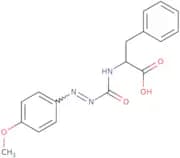
CAS:Bz-Tyr-pNA is a peptide that has been shown to inhibit the activity of serine proteases. The peptide consists of Boc-Tyr-Nal-pNA, which is an artificial amino acid that has been synthesized for use as a substrate in assays and as a probe in the study of protein structure and function. Bz-Tyr-pNA inhibits the enzyme activity of a recombinant human neutrophil elastase, with an IC50 of about 12.5 μM. This peptide also inhibits the catalytic action of human neutrophil elastase by binding to its active site and blocking access to the substrate Tyr-pNA. It has been shown that Bz-Tyr-pNA can be used as an immunosuppressant to prevent graft rejection, although it is not yet approved for this use.Fórmula:C22H19N3O5Pureza:Min. 95%Peso molecular:405.4 g/mol4-Methoxyphenylazoformyl-Phe
CAS:4-Methoxyphenylazoformyl-Phe is a synthetic molecule that can be used as a research tool in the study of ion channels and ligands. The receptor binding affinity of 4-methoxyphenylazoformyl-Phe is unknown, but it has been shown to activate peptides in living cells. This compound is an inhibitor of ion channels and ligand for G protein coupled receptors. It can be used as a research tool in the study of ion channels and ligands. The receptor binding affinity of 4-methoxyphenylazoformyl-Phe is unknown, but it has been shown to activate peptides in living cells. This compound is an inhibitor of ion channels and ligand for G protein coupled receptors.Fórmula:C17H17N3O4Pureza:Min. 95%Peso molecular:327.33 g/molMAL dPEG®6-Acid
CAS:MAL dPEG®6-Acid is a PEG compound with two different functional groups (also known as heterobifunctional). Unlike homobifunctional PEG compounds (same functional group on both ends), this type of compounds are more versatile as have two different anchor points. MAL dPEG®6-Acid is used as a linker and spacer to add a PEG moiety, via pegylation (a bioconjugation technique) to proteins, peptides, oligonucleotides, small molecules and nanoparticles.
Fórmula:C22H36N2O11Pureza:Min. 95%Peso molecular:504.53 g/molLH-RH (Human)
CAS:Luteinizing hormone-releasing hormone (LH-RH), also known as Gonadotropin-Releasing Hormone (GnRH), stimulates the pituitary gland’s production and secretion of luteinizing hormone and follicle-stimulating hormone. LHRH is a decapeptide and is itself secreted by the hypothalamus. It is crucial for human reproduction and is heavily involved in the regulation of ovulation, sexual development and the onset of puberty. When secreted, GNRH binds to the G-protein coupled receptor, gonadotropin-releasing hormone receptor (GNRHR) located on pituitary gonadotrophic cells in the anterior pituitary. Medically, the understanding of GnRH is paramount, due to its involvement in the pathogensis of central hypogonadism. Any obstructions to its function in the reproductive system can result in the development of human pathologically conditions. It is important to note that analogs of GnRH can be used in pharmacology, in the treatment of gynaecological diseases, through blocking the secretion of estrogen secretion from the ovary. Additional GNRH analogs can be used to treat ovarian cancer, hormone-dependent cancers, endometriosis and modality in infertility. Therefore this product is a useful research tool and is available in a 0.5mg vial.Fórmula:C55H75N17O13•(C2H4O2)2Pureza:Min. 95%Peso molecular:1,302.4 g/molBz-Gly-Lys [Hippuryl-Lysine]
CAS:Bz-Gly-Lys is a peptide that is a derivative of lysine residues. This peptide can compete with the natural substrate, L-lysine, for binding to the active site of creatine kinase and inhibit its enzymatic activity. Bz-Gly-Lys has been shown to be effective in inhibiting monoclonal antibody production in human serum. Furthermore, this peptide can also have inhibitory properties on cell culture and may be useful in the treatment of diabetic patients. The optimum pH for Bz-Gly-Lys is neutral, and hydrolysis by proteases is required for it to be active. It has been shown to inhibit polymerase chain reaction (PCR) procedures. In addition, this peptide has been shown to enhance the inhibitory properties of fatty acids on cell culture.Fórmula:C15H21N3O4Pureza:Min. 95%Peso molecular:307.34 g/molBoc-Gly-Arg-Arg-AMC
CAS:Boc-Gly-Arg-Arg-AMC is a research tool that has a high purity and is used in cell biology, antibody production, ion channels, and protein interactions. It is an inhibitor of ion channels, which can be used for pharmacology to study the function of ion channels. Boc-Gly-Arg-Arg-AMC has also been shown to inhibit binding between the ligand and receptor.
Fórmula:C29H44N10O7Pureza:Min. 95%Peso molecular:644.72 g/molAmyloid β-Protein (Human, 1-16)
CAS:Amyloid beta-protein (Aβ) is a peptide that is associated with Alzheimer's disease. It is a research tool for understanding the biology of Aβ. The Aβ peptide has been shown to activate a number of receptors and ion channels, including the nicotinic acetylcholine receptor, which may be due to its ability to bind to these proteins with high affinity. Amyloid beta-protein has also been shown to bind antibodies, which may be due to its ability to act as an antigen. Amyloid beta-protein inhibits the function of ion channels and can be used in pharmacological studies as a tool for understanding how this protein interacts with other proteins.Fórmula:C84H119N27O28Pureza:Min. 95%Peso molecular:1,955 g/molAnti GIP (1-30)-OH (Porcine) Serum
Anti GIP (1-30)-OH (Porcine) Serum is a research tool that is used as an inhibitor of protein interactions. It is a natural, high purity, and biologically active product that is used for immunoassays and other biochemical studies. This product can be used to inhibit the activation of the GIP receptor by ligands, such as peptides or antibodies. Anti GIP (1-30)-OH (Porcine) Serum binds to the ligand and prevents it from binding to the receptor.Pureza:Min. 95%Biotin-SARS-CoV-2 Spike RBD 395-430 peptide
Biotin-SARS-CoV-2 Spike RBD 395-430 peptide is the biotinylated version of SARS-CoV-2 Spike RBD 395-430 peptide. SARS-CoV-2 Spike RBD 395-430 peptide is an epitope of interest of the SARS-CoV-2 Spike S glycoprotein Receptor-Binding Domain (RBD). Biotin-SARS-CoV-2 Spike RBD 395-430 peptide is useful for vaccine development and for structure-activity relationship studies
SARS-CoV-2 Spike (S) glycoprotein
Spike (S) glycoprotein corresponds to one of the leading targets for COVID-19 disease. Present on the surface of Sars-CoV-2 virus, Spike S protein is a class I fusion protein that allows the virus to enter host cells.
With a 1 273 aa length, Spike protein has 2 subunits : S1 contains the receptor-binding domain RBD and S2 induces the fusion of the viral envelop with the cellular membrane.
SARS-CoV-2 Spike RBD:
The receptor-binding domain in SARS-CoV-2 Spike protein allows binding to the Angiotensin-Converting Enzyme receptor 2 (ACE2 receptor) which mediates the viral entry.YASESISGIPSR* - SIL Cetuximab signature peptide quantifier
Primary SIL peptide for Cetuximab detection and quantification
Biotin-SARS-CoV-2 Spike RBM 438-458 peptide
Biotin-SARS-CoV-2 Spike RBM 438-458 peptide is the biotinylated version of SARS-CoV-2 Spike RBM 438-458 peptide. SARS-CoV-2 Spike RBM 438-458 peptide is an epitope of interest of the SARS-CoV-2 Spike S glycoprotein Receptor-Binding Motif (RBM). Biotin-SARS-CoV-2 Spike RBM 438-458 peptide is useful for vaccine development and for structure-activity relationship studies
SARS-CoV-2 Spike (S) glycoprotein
Spike (S) glycoprotein corresponds to one of the leading targets for COVID-19 disease. Present on the surface of Sars-CoV-2 virus, Spike S protein is a class I fusion protein that allows the virus to enter host cells.
With a 1 273 aa length, Spike protein has 2 subunits : S1 contains the receptor-binding domain RBD and S2 induces the fusion of the viral envelop with the cellular membrane.
SARS-CoV-2 Spike RBM:
The receptor-binding domain in SARS-CoV-2 Spike protein contains a receptor-binding motif RBM. SARS-CoV-2 Spike RBM is the main functional motif in RBD and allows contacts between the S protein and the Angiotensin-Converting Enzyme receptor 2 (ACE2 receptor) which mediates the viral entry.LEWIGEIDPSESNTNYNQK* - SIL Vedolozumab signature peptide quantifier
SIL peptide for Vedolozumab detection and quantificationBiotin-SARS-CoV-2 Spike RBD 523-541 peptide
Biotin-SARS-CoV-2 Spike RBD 523-541 peptide is the biotinylated version of SARS-CoV-2 Spike RBD 523-541 peptide. SARS-CoV-2 Spike RBD 523-541 peptide is an epitope of interest of the SARS-CoV-2 Spike S glycoprotein Receptor-Binding Domain (RBD). Biotin-SARS-CoV-2 Spike RBD 523-541 peptide is useful for vaccine development and for structure-activity relationship studies
SARS-CoV-2 Spike (S) glycoprotein
Spike (S) glycoprotein corresponds to one of the leading targets for COVID-19 disease. Present on the surface of Sars-CoV-2 virus, Spike S protein is a class I fusion protein that allows the virus to enter host cells.
With a 1 273 aa length, Spike protein has 2 subunits : S1 contains the receptor-binding domain RBD and S2 induces the fusion of the viral envelop with the cellular membrane.
SARS-CoV-2 Spike RBD:
The receptor-binding domain in SARS-CoV-2 Spike protein allows binding to the Angiotensin-Converting Enzyme receptor 2 (ACE2 receptor) which mediates the viral entry.Plectasin
A synthetic antimicrobial peptide whose sequence is derived from the Fungus, Pseudoplectania nigrella. This product has disulfide bonds between Cys4-Cys30, Cys15-Cys37, and Cys19-Cys39 and is available as a hydrochloride salt and as a 0.1mg vial. One letter code: GFGCNGPWDEDDMQCHNHCKSIKGYKGGYCAKGGFVCKCYFórmula:C189H267N53O56S7Pureza:Min. 95%Peso molecular:4,401.9 g/molOVA 257-264 scrambled
SB-peptide offers the scrambled version of OVA 257-264. FILKSINE can be used as a negative control of OVA 257-264 studies.
SB-peptide offers also OVA 257-264 (see section OVA 257-264).
Ovalbumin protein:
OVA 257-264 (H-2Kb) is an epitope of interest of the egg white albumen, ovalbumin. Ovalbumin is a glycoprotein that is sufficiently large and complex to be mildly immunogenic. Indeed, it has been demonstrated that Ovalbumin contains B-cell epitopes which are recognized by specific IgE antibodies and CD4 T cell epitopes restricted by the MHC I-Ad molecule in mice and by HLA-D molecule in human.
Applications of OVA 257-264:
OVA 257-264 is used to stimulate T cells in PBMCs and to quantify peptide epitope specificity and IFN-γ releasing effector cells by ELISPOT assay. OVA 257-264 is also used to test new adjuvant in immunotherapeutic vaccine development. OVA 257-264 can form a stable hydrogel and stimulate a immune response. This reaction seems to be linked with OVA 257-264 property to self-assemble into a hydrogel.
Sequence:C45H74N10013LSITIRPR* - SIL Dupilumab signature peptide quantifier
Primary SIL peptide for Dupilimab detection and quantification
NY-ESO-1 (123-137) DRB1*04:01
NY-ESO-1 protein:
NY-ESO-1 (123-137) DRB1*04:01 is an epitope analogue of the New York esophageal squamous cell carcinoma-1, also named cancer testis. NY-ESO-1 is expressed in 82% of neuroblastomas and 46% of melanomas but also in many others solid tumors and hematological malignancies. That’s why, NY-ESO-1 peptides are attractive targets for specific immunotherapies and for the stimulation of human NY-ESO-1 specific CD8+ T cells.
Applications of NY-ESO-1 (123-137) DRB1*04:01:
Results of studies suggest after stimulation of NY-ESO-1 (123-137) DRB1*04:01 specific T cells and IFN- ELISPOT and chronium release assays that NY-ESO-1 (123-137) DRB1*04:01 can be an immunogenic epitope encoded by NY-ESO-1. NY-ESO-1 (123-137) DRB1*04:01 contains epitope capable of binding HLA-DR molecules.Biotin-SARS-CoV-2 Spike RBD 352-365 peptide
Biotin-SARS-CoV-2 Spike RBD 352-365 peptide is the biotinylated version of SARS-CoV-2 Spike RBD 352-365 peptide. SARS-CoV-2 Spike RBD 352-365 peptide is an epitope of interest of the SARS-CoV-2 Spike S glycoprotein Receptor-Binding Domain (RBD). Biotin-SARS-CoV-2 Spike RBD 352-365 peptide is useful for vaccine development and for structure-activity relationship studies SARS-CoV-2 Spike (S) glycoprotein Spike (S) glycoprotein corresponds to one of the leading targets for COVID-19 disease. Present on the surface of Sars-CoV-2 virus, Spike S protein is a class I fusion protein that allows the virus to enter host cells. With a 1 273 aa length, Spike protein has 2 subunits : S1 contains the receptor-binding domain RBD and S2 induces the fusion of the viral envelop with the cellular membrane. SARS-CoV-2 Spike RBD: The receptor-binding domain in SARS-CoV-2 Spike protein allows binding to the Angiotensin-Converting Enzyme receptor 2 (ACE2 receptor) which mediates the viral entry.Spike S protein library
Spike (S) glycoprotein corresponds to one of the leading targets for COVID-19 disease. Present on the surface of Sars-CoV-2 virus, Spike S protein is a class I fusion protein that allows the virus to enter host cells.V5 peptide
Simian Parainfluenza Virus type 5
V5 peptide is an epitope peptide of Simian Parainfluenza Virus type 5 (SV5) belonging to the Paramyxovirus family. SV5 causes some common human diseases, such as pneumonia, bronchiolitis, measles and mumps.
V5 peptide
V5 peptide represents amino acids 95-108 of SV5 corresponding to RNA polymerase alpha subunit and non-structural protein V. V5 peptide sequence was chosen because high-affinity antibodies can be produced in many different species. V5 peptide is useful as tag for protein purification and detection such as Western blotting, ELISA assays, immunofluorescence, immunoprecipitation assays and for protein purification.ADALQAGASQFETSAAK* - SIL Infliximab signature peptide
SIL peptide for Infliximab detection and quantification
MOG (97-108)
MOG(97-108) corresponds to amino acids 97 to 108 of the myelin oligodendrocyte glycoprotein (MOG).
Z-Glu-Lys(Biotinyl)-Asp-CH2-DMB [Z-EK(bio)D-aomk]
Z-Glu-Lys(Biotinyl)-Asp-CH2-DMB is a peptide that belongs to the class of activators. It is a high purity, ion channel inhibitor and has been shown to inhibit protein interactions. The peptide has also been shown to be an antibody and receptor ligand. Z-Glu-Lys(Biotinyl)-Asp-CH2-DMB is used as a research tool to study ion channels and cell biology. This peptide has been found in the CAS Registry Number 57590-46-8.Fórmula:C43H56N6O13SPureza:Min. 95%Peso molecular:897 g/molLISA-101
CAS:LISA-101 is a peptide that can be used as a research tool for the study of receptor activation and ligand binding. LISA-101 is an inhibitor of ion channels, which are proteins that allow electrically charged particles to move in and out of cells. LISA-101 binds to receptors on the surface of cells and blocks ion channels from opening. This prevents the flow of ions across the membrane, which blocks nerve impulses, leading to a decrease in pain sensation. LISA-101 has been shown to inhibit voltage-gated sodium channels and calcium channels, both which are involved in pain perception.
Fórmula:C24H26N4O9Pureza:Min. 95%Peso molecular:514.48 g/molSARS-CoV-2 Spike RBD 523-541 peptide
SARS-CoV-2 Spike RBD 523-541 peptide is an epitope of interest of the SARS-CoV-2 Spike S glycoprotein Receptor-Binding Domain (RBD). SARS-CoV-2 Spike RBD 523-541 peptide is useful for vaccine development and for structure-activity relationship studies
SARS-CoV-2 Spike (S) glycoprotein
Spike (S) glycoprotein corresponds to one of the leading targets for COVID-19 disease. Present on the surface of Sars-CoV-2 virus, Spike S protein is a class I fusion protein that allows the virus to enter host cells.
With a 1 273 aa length, Spike protein has 2 subunits : S1 contains the receptor-binding domain RBD and S2 induces the fusion of the viral envelop with the cellular membrane.
SARS-CoV-2 Spike RBD:
The receptor-binding domain in SARS-CoV-2 Spike protein allows binding to the Angiotensin-Converting Enzyme receptor 2 (ACE2 receptor) which mediates the viral entry.
SB-PEPTIDE also offers SARS-CoV-2 Spike RBD 523-541 (Biotin-LC) peptideApidaecin IB
Apidaecin IB is a proline-rich antimicrobial peptide (PrAMP) isolated from Apis mellifera hemolymph. Apidaecin IB mainly possesses activity against Gram-negative bacteria. It has been reported that Apidaecin IB is a non-lytic AMP which enters the cell and inhibits an intracellular target, the chaperone DnaK. Apidaecin IB is not toxic for humans and animals. It has been studied for treating systemic bacterial infections.Biotin-SARS-CoV-2 Spike RBM 500-509 peptide
Biotin-SARS-CoV-2 Spike RBM 500-509 peptide is the biotinylated version of SARS-CoV-2 Spike RBM 500-509 peptide. SARS-CoV-2 Spike RBM 500-509 peptide is an epitope of interest of the SARS-CoV-2 Spike S glycoprotein Receptor-Binding Motif (RBM). Biotin-SARS-CoV-2 Spike RBM 500-509 peptide is useful for vaccine development and for structure-activity relationship studies
SARS-CoV-2 Spike (S) glycoprotein
Spike (S) glycoprotein corresponds to one of the leading targets for COVID-19 disease. Present on the surface of Sars-CoV-2 virus, Spike S protein is a class I fusion protein that allows the virus to enter host cells.
With a 1 273 aa length, Spike protein has 2 subunits : S1 contains the receptor-binding domain RBD and S2 induces the fusion of the viral envelop with the cellular membrane.
SARS-CoV-2 Spike RBM:
The receptor-binding domain in SARS-CoV-2 Spike protein contains a receptor-binding motif RBM. SARS-CoV-2 Spike RBM is the main functional motif in RBD and allows contacts between the S protein and the Angiotensin-Converting Enzyme receptor 2 (ACE2 receptor) which mediates the viral entry.Spike S biotin protein library
Biotinylated version of the Spike (S) glycoprotein which corresponds to one of the leading targets for COVID-19 disease. Present on the surface of Sars-CoV-2 virus, Spike S protein is a class I fusion protein that allows the virus to enter host cells.Z-Phe-Tyr-Leu
CAS:Z-Phe-Tyr-Leu is a synthetic peptide that has been shown to have prognostic value in patients with pancreatic cancer. It is a substrate for the protease carboxypeptidase and can be cleaved by trypsin to form Z-Phe-Tyr and Leu. Z-Phe-Tyr has been shown to reduce cell proliferation by inhibiting transcriptional regulation of genes, including those involved in epithelial mesenchymal transition. The studies suggest that Z-Phe-Tyr may be useful as an anti-cancer agent, as it inhibits tumor growth by reducing cell proliferation.Fórmula:C32H37N3O7Pureza:Min. 95%Peso molecular:575.65 g/molAnti Chromogranin A (344-374), Human Serum
Anti-chromogranin A (344-374) is a peptide that binds to the receptor for gastrin. It is used as a research tool and can be used to study the pharmacology of gastrin and the role of this hormone in the regulation of stomach acid production. Anti-chromogranin A (344-374) is purified from human serum, with an antibody specific to the peptide immobilized on a solid support.Pureza:Min. 95%Z-Gly-Pro-Leu-Gly
CAS:Z-Gly-Pro-Leu-Gly is a synthetic peptide with a kinetic and biochemical profile that is similar to that of the bacterial enzyme monoiodotyrosine hydroxylase. Z-Gly-Pro-Leu-Gly has been shown to react with the substrate, monoiodotyrosine, by forming hydrogen bonds. The enzyme activities of Z-Gly-Pro-Leu-Gly are inhibited by neutral pH and increased at acidic pH. The optimum pH for this reaction is 4.5. When injected subcutaneously, Z-Gly-Pro-Leu-Gly can penetrate the skin and hydrolyze monoiodotyrosine in ascidians.Fórmula:C23H32N4O7Pureza:Min. 95%Peso molecular:476.52 g/molAc-Lys-Val-Pro-Leu-ACC
Ac-Lys-Val-Pro-Leu-ACC is a peptide used as a research tool to study protein interactions. Ac-Lys-Val-Pro-Leu-ACC binds to the extracellular domain of the human epidermal growth factor receptor (EGFR) and inhibits EGFR signaling. It blocks ligand binding and receptor activation, which prevents the phosphorylation of downstream signaling proteins. Ac-Lys-Val-Pro-Leu-ACC can be used in pharmacology to identify new drugs that inhibit EGFR signaling pathways.
Fórmula:C35H51N7O8Pureza:Min. 95%Peso molecular:697.82 g/molMAL-dPEG®4-Lys(-5(6)-Carboxyfluorescein)-NH-m-dPEG®24
MAL-dPEG®4-Lys(-5(6)-Carboxyfluorescein)-NH-m-dPEG®24 is a PEG compound containing a fluorescein dye used for tagging biomolecules, and serving as fluorescent probe for bioimaging applications.Fórmula:C94H149N5O39Pureza:Min. 95%Peso molecular:1,973.2 g/molPDGFD Human
PDGFD is a potent inhibitor of protein interactions. PDGFD has been shown to inhibit the interaction between Kv1.2 and its ligand, as well as inhibit the activation of potassium channels by ATP. PDGFD has also been used in research as a tool to study receptor-ligand interactions and ion channels. This product is a recombinant human protein that has been expressed in E. coli cells with an N-terminal hexahistidine tag for easy purification, and is >95% pure.Pureza:Min. 95%Adrenomedullin (Human, 1-25)
Adrenomedullin (Human, 1-25) is a vasopressor fragment of the human peptide hormone adrenomedulin. This product has a disulfide bond between Cys16-Cys21 and is available as a 0.5mg vial.
Fórmula:C125H192N40O36S3Pureza:Min. 95%Peso molecular:2,927.3 g/molH-YLEYRQVPV-OH
MAGE-A protein: MAGE-A p248V9, also kwon as multi-MAGE-A (YLEYRQVPV) is an epitope of Melanoma Antigen Gene expressed by tumors of different histological types and is a Cancer/Testis Antigens (CTA). Type of MAGE-A expressed in tumors cells varies according to the type of tumor. Targeting epitopes shared by all MAGE-A antigens would be interest in immunotherapy against a broad spectrum of cancers. Applications of MAGE-A p248V9 (multi-MAGE-A) : MAGE-A p248V9 is very useful because it could generate an HLA-A*02:01-restricted CTL response and shared by MAGE-A1,-A2,-A3,-A4,-A6,-A10 and -A12. MAGE-A p248V9 is used to stimulate specific cytotoxic T lymphocytes (CTL) in PBMCs and then to analyze CTL response especially the cytokine production by ELISPOT assay.t-boc-NH-dPEG®24-Tris (-TFP Ester)3
t-boc-NH-dPEG®24-Tris (-TFP Ester)3 is a PEG compound with two different functional groups (also known as heterobifunctional). Unlike homobifunctional PEG compounds (same functional group on both ends), this type of compounds are more versatile as have two different anchor points. t-boc-NH-dPEG®24-Tris (-TFP Ester)3 is used as a linker and spacer to add a PEG moiety, via pegylation (a bioconjugation technique) to proteins, peptides, oligonucleotides, small molecules and nanoparticles.Fórmula:C87H132F12N2O36Pureza:Min. 95%Peso molecular:2,009.97 g/molPentraxin-3, human, recombinant
Pentraxin-3 is a peptide that is an inhibitor of the activator protein. It is used in pharmacology and cell biology research to identify ligands, receptors, and ion channels. Pentraxin-3 has shown to be a useful research tool for learning about the activation of various types of ion channels, including nicotinic acetylcholine receptors, glutamate receptors, and voltage-gated potassium channels. It can also be used as an antibody to identify cells that have been activated by specific ligands or signaling pathways.
Pureza:Min. 95%VEGI Human
VEGI Human is a cytokine that belongs to the group of proteins. Cytokines are small proteins that act as chemical messengers and regulators in the immune system. They are involved in the regulation of immune responses, including induction, activation, and suppression. VEGI Human is a cytokine that regulates the production of other cytokines. VEGI Human has been shown to have anti-inflammatory properties and can be used for the treatment of inflammation-related diseases such as asthma and arthritis.Pureza:Min. 95%Anti Met-Enkephalin-Arg6-Gly7-Leu8 Serum
Anti Met-Enkephalin-Arg6-Gly7-Leu8 Serum is a research tool for the study of ion channels, ligands and receptors. Anti Met-Enkephalin-Arg6-Gly7-Leu8 Serum blocks the binding of peptides to receptors and can be used to determine the specificity of receptor binding. Anti Met-Enkephalin-Arg6-Gly7-Leu8 Serum is also a useful reagent in cell biology, as it can be used to block peptide interactions with proteins such as ion channels or membrane receptors. The antibody has been shown to inhibit the activity of the enzyme tyrosine phosphatase, which regulates cellular growth and differentiation.Pureza:Min. 95%IL 5 Human
IL-5 is a cytokine that belongs to the group of hematopoietic cytokines. It is an activator of B cells and eosinophils, which are involved in the immune response to infection. IL-5 also stimulates the production of immunoglobulin E (IgE), a type of antibody that plays an important role in allergic reactions. IL-5 has been shown to inhibit ion channels and protein interactions. This molecule is a receptor for a ligand called stem cell factor, which plays an important role in the development and function of white blood cells. The CAS number for IL-5 is 57748-87-6.
Pureza:Min. 95%Insulin Wakayama, human
Insulin Wakayama is a recombinant human insulin that is made from genetically engineered bacteria. This product's amino acid sequence is identical to that of human insulin, and it has been shown to be active in humans. Insulin Wakayama has a high degree of purity and can be used as an immunological reagent, research tool, or pharmaceutical agent. It is also useful for studying protein interactions and the pharmacology of peptides. Insulin Wakayama has an ion channel activity and binds to receptors on the cell surface through its ligand-binding domain. This interaction activates the receptor by opening ion channels in the membrane, resulting in changes in cellular metabolism. Insulin Wakayama is not an inhibitor of tyrosine kinase enzymes such as protein tyrosine phosphatases or protein tyrosine kinases.
Pureza:Min. 95%NHS-dPEG®4-( m-dPEG®8)3-Este
NHS-dPEG®4-( m-dPEG®8)3-Este is a PEG compound with two different functional groups (also known as heterobifunctional). Unlike homobifunctional PEG compounds (same functional group on both ends), this type of compounds are more versatile as have two different anchor points. NHS-dPEG®4-( m-dPEG®8)3-Este is used as a linker and spacer to add a PEG moiety, via pegylation (a bioconjugation technique) to proteins, peptides, oligonucleotides, small molecules and nanoparticles.Fórmula:C182H347F4N5O86Pureza:Min. 95%Peso molecular:4,057.72 g/molMAL-dPEG®4-Glu(TFP e=Ester)-NH-m-dPEG®24
MAL-dPEG®4-Glu(TFP Ester)-NH-m-dPEG®24 is a peptide containing polyethylene glycol (PEG) as spacer to alter their pharmacokinetic properties and pharmodynamics.Fórmula:C78H134F4N4O35Pureza:Min. 95%Peso molecular:1,763.9 g/molLaminin Pentapeptide YIGSR-NH2
CAS:Laminin is a structural protein that provides a scaffold for cell-cell and cell-matrix interactions. Laminin Pentapeptide YIGSR-NH2 is a synthetic peptide that has been shown to be an activator of the laminin receptor and an inhibitor of ion channels. It has also been used as a research tool in studies on antibody production, life science, cell biology, and pharmacology. This peptide is highly pure with no detectable contaminants.Fórmula:C26H43N9O7•2CH3COOH•2H2OPureza:Min. 95%Peso molecular:749.81 g/molCGRP, Human Antiserum
CGRP, humanAntiserum is a peptide that is the major peptide in the calcitonin gene-related peptide family. CGRP inhibits the activation of certain ion channels, which are proteins in cell membranes that allow ions to cross the membrane. It is also known to be an activator of certain G protein-coupled receptors, as well as a ligand for some receptor types. CGRP has been shown to play a role in vascular smooth muscle contraction and pain regulation.
Pureza:Min. 95%Mannose Binding Lectin Light Tryptic Peptide Standard (4 nmol)
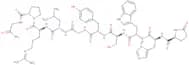
Mannose binding lectin is a host defense protein which has the ability to recognize a variety of infectious agents. This Mannose Binding Lectin Light Tryptic Peptide Standard can be used in protein identification and quantitation studies.Pureza:Min. 95%Thyrotropin Releasing Hormone (TRH) (Human, Ovine, Porcine, Rat)
CAS:Thyrotropin releasing hormone (TRH) is a peptide that is produced in the hypothalamus. It has various functions, including being an activator of thyroid stimulating hormone (TSH) and releasing growth hormone from the anterior pituitary gland. TRH also has anti-inflammatory effects and is used as a research tool in cell biology. TRH binds to receptors on cells and can activate ion channels, which causes an influx of calcium ions into cells. This leads to the activation of protein kinases, which are important in cell signaling pathways. TRH also interacts with other proteins, such as receptor tyrosine kinases and G-protein coupled receptors.Fórmula:C16H22N6O4Pureza:Min. 95%Peso molecular:362.38 g/molBz-Gly-His-Leu • H2O [Hippuryl-Histidyl-Leucine]
CAS:Bz-Gly-His-Leu is a peptide that has the amino acid sequence of Hippuryl-Histidyl-Leucine. The peptide binds to Angiotensin I Converting Enzyme I Substrates and prevents the enzyme from converting Angiotensin I to Angiotensin II, thereby lowering blood pressure. Bz-Gly-His-Leu has been shown to be effective in reducing blood pressure in patients with congestive heart failure as well as those with normal cardiac function.Fórmula:C21H27N5O5•H2OPureza:Min. 95%Peso molecular:447.49 g/molTityustoxin Ka
CAS:A synthetic scorpion toxin, sourced from the Scorpion, Tityus serrulatus This product is a voltage-dependent K+ channel (A channel) Blocker and it has disulfide bonds between Cys7-Cys28, Cys13-Cys33, and Cys17-Cys35.Fórmula:C168H275N49O46S7Pureza:Min. 95%Peso molecular:3,941.7 g/molEndothelin-1 (Human)
CAS:Endothelin-1 is a peptide that acts as a vasoconstrictor and plays an important role in the regulation of blood pressure. Endothelin-1 is also an endogenous ligand for two G protein-coupled receptors, ETA and ETB. Interesting Endothelin-1 is the most abundant isoform and is expressed in endothelial cells of every blood vessel. It exerts its vasoconstrictor effects through binding to ETA receptors located on the smooth muscle. This product has disulfide bonds between Cys1-Cys15 and Cys3-Cys11, sourced from Porcine, Canine, Rat, Mouse and Bovine and is available as a 0.5mg vial.Fórmula:C109H159N25O32S5Pureza:Min. 95%Peso molecular:2,491.9 g/molChemotactic Peptide
CAS:Chemotactic peptides are peptides that possess chemotactic properties, which means they attract cells. One well-known chemotactic peptide is For-Met-Leu-Phe (FMLP) and is a chemoattractant for phagocytic leukocytes and neutrophils. During the acute inflammatory response chemotactic factors activate neutrophils which have seven transmembrane G-protein coupled receptors. FMLP bind to these G-protein coupled receptors on the surface of neutrophils and activate NF- κB, MAPK and PI3K pathways. In particular FMLP is known to induce Interleukin-8 (IL-8) which is responsible for both tissue damage and the pathogenesis of inflammatory processes resulting from neutrophils. Chemotactic peptide have been used to study the function of polymorphonuclear leukocytes and other white blood cells in inflammation. Chemotactic peptides are often used as fluorescent probes to measure intracellular metabolic responses to chemoattractant stimulation.Fórmula:C21H31N3O5SPureza:Min. 95%Peso molecular:437.55 g/molAmyloid Beta-Protein (Human, 1-40) (HCl Form)
CAS:Amyloid beta-protein (Aβ) is a peptide that is derived from amyloid precursor protein (APP). Aβ is the main component of amyloid plaques which are found in the brains of people with Alzheimer's disease. It has been shown to be a ligand for LRP1 and LRP2, two receptors involved in the clearance of APP. Amyloid beta-protein (Aβ) is an activator of ion channels in cell membranes and can affect the activity of several types of ion channels, including high-voltage activated potassium channels and low-voltage activated calcium channels.
Fórmula:C194H295N53O58SPureza:Min. 95%Peso molecular:4,329.89 g/mol[Pmp1, Tyr(Me)2]-Arg8-Vasopressin
CAS:[Pmp1, Tyr(Me)2]-Arg8-vasopressin is a peptide that has been shown to activate the V2 receptor and inhibit vasopressin-induced water retention. It has also been shown to inhibit the binding of vasopressin to its receptor. The peptide is an excellent research tool for studying the interaction between the V2 receptor and vasopressin. The peptide is supplied at high purity in lyophilized form and can be reconstituted with water or buffer before use.Fórmula:C52H75N14O12S2Pureza:Min. 95%Peso molecular:1,152.4 g/molBoc-Leu-Arg-Arg-AMC
CAS:Boc-Leu-Arg-Arg-AMC is a synthetic, nonpeptide antagonist of the CGRP receptor. It has been shown to inhibit the binding of peptides to the CGRP receptor and is used as a research tool for studying the pharmacology and protein interactions of this receptor. Boc-Leu-Arg-Arg-AMC has been shown to stimulate ion channel activity in vitro. This compound also has an affinity for antibodies that are specific for CGRP receptors, which can be used as a ligand in immunoassays.Fórmula:C33H52N10O7Pureza:Min. 95%Peso molecular:700.83 g/molAc-Trp-OEt
CAS:Ac-Trp-OEt is a tryptophan derivative that contains an acetyl group, a trityl group, and oleic acid. It is used as a substrate for enzyme assays to investigate the activation energies of enzymes such as chymotrypsin and chymotrypsin-like proteases. Ac-Trp-OEt is fluorescent in the presence of ultraviolet light, which can be detected using spectrophotometry. Ac-Trp-OEt has been used to study the activity of serine proteases such as neurokinin-1 receptor and collagenase. Ac-Trp-OEt also binds to chloride ions with high affinity, which can be used to study ion binding by ion exchange chromatography.Fórmula:C15H18N2O3Pureza:Min. 95%Peso molecular:274.32 g/molCalcitonin (Human)
CAS:Calcitonin is a hormone produced by the C cells (also known as parafollicular cells) in the thyroid gland. Its main function is to regulate the levels of calcium and phosphate in the blood. Calcitonin works by inhibiting the activity of osteoclasts, which are cells that break down bone tissue and release calcium and phosphate into the bloodstream. This leads to a decrease in the amount of calcium and phosphate in the blood. Calcitonin is released in response to high levels of calcium in the blood, and it acts to reduce these levels by increasing the excretion of calcium by the kidneys and inhibiting the absorption of calcium by the intestines. It also promotes the storage of calcium in the bones, which helps to maintain their strength and density. Calcitonin may be used therapeutically to treat conditions such as osteoporosis and hypercalcemia (high levels of calcium in the blood) or even diagnostically as a marker for tumors in medullary thyroid cancer. This product has a disulfide bond between Cys1-Cys7 and is available as a 0.1mg vial.Fórmula:C151H226N40O45S3Pureza:Min. 95%Peso molecular:3,417.8 g/molTyrosyl-CNP-22 (Human)
CAS:Tyrosyl-CNP-22 is a peptide that binds to the C-terminal domain of the human N-methyl-D-aspartate receptor (NMDAR) and inhibits its function. It can be used as a pharmacological tool for research. Tyrosyl-CNP-22 is also an activator of the NMDAR, which may have therapeutic applications in conditions such as epilepsy. The peptide has been shown to bind specifically to the NMDAR and inhibit the function of this receptor. This inhibition can be reversed by adding excess glutamate or glycine, which are neurotransmitters that are released from neurons during synaptic transmission. Tyrosyl-CNP-22 has been shown to activate the NMDAR and promote neuronal survival in acute brain injury models, which may have therapeutic implications for conditions such as epilepsy.Fórmula:C102H166N28O30S3Pureza:Min. 95%Peso molecular:2,360.8 g/molPoly-L-Glutamic Acid Sodium Salt
CAS:Poly-L-glutamic acid sodium salt (PGA) is a biodegradable polymer that can be used as a tissue sealant or to deliver drugs to specific sites in the body. It is also used in wound healing and in the treatment of inflammatory skin conditions such as psoriasis. PGA has been shown to stimulate antibody production, which may be due to its ability to act as an adjuvant for the formation of antibodies. This polymer has been shown to have a positive effect on diastolic and systolic blood pressure levels. PGA has also been shown to have a role in improving disease activity, with some evidence suggesting it may play a role in atrial fibrillation and cardiac function.Fórmula:(C5H9NO4)x·XNaPureza:Min. 95%H-MLNIPSINV-OH
CMV pp65 protein: CMV pp65 (120-129) is an epitope of the main component of the enveloped subviral particle pp65 (phosphoprotein ppUL83) of Cytomegalovirus, a member of herpes virus group. CMV pp65 antigens are used as target for the diagnosis of concomitant CMV end-organ disease. Applications of CMV pp65 (120-129): CMV pp65 (120-129) HLA-A*02:01-restricted is an immunodominant target of CD4+ and CD8+ responses to CMV. CMV pp65 (120-129) is used to stimulate in vitro pp65-specific CD4+ and CD8+ T cells in PBMCs and to analyze by ELISPOT peptide epitope specificity and cytokine production like IFN-γ, IL-2 and TFN-α.SPAI-1 (Porcine)
SPAI-1 is a protein that belongs to the group of activator proteins. It is an activator of the N-type calcium channels. SPAI-1 interacts with the receptor and peptides, which are involved in signal transduction pathways. SPAI-1 has been shown to be a high purity ion channel ligand that can be used as a research tool for cell biology and pharmacology studies.Fórmula:C245H378N72O65S8Pureza:Min. 95%Peso molecular:5,628.6 g/molMambalgin-1
CAS:Mambalgin-1 is a peptide that can be used as a research tool to study the function of ion channels and receptor proteins. It is an activator of potassium ion channels, which are involved in the regulation of cell membrane potential. Mambalgin-1 also binds to serotonin receptors, which are involved in the transmission of nerve impulses. The peptide's affinity for different types of receptors suggests it may have therapeutic potential for treating disorders such as depression and schizophrenia.Fórmula:C272H429N85O84S10Pureza:Min. 95%Peso molecular:6,554.5 g/molIL 3 Rhesus Macaque
The IL-3R is a cytokine receptor that binds to the interleukin 3 (IL-3) molecule. The protein has a molecular weight of approximately 40 kDa and consists of two extracellular immunoglobulin-like domains, a transmembrane domain, and an intracellular tyrosine kinase domain. The IL-3R is expressed on hematopoietic stem cells, progenitor cells, erythrocytes, mast cells, neutrophils, lymphocytes and macrophages.
Pureza:Min. 95%




![Fmoc-Thr[Ac4Galß(1- >3)Ac2GalNAcα(1->O)] -OH-O-ß-2,3,4,6-Tetra-O-Acetyl-D-Galactopyranosyl-(1- >3)…](/_next/image/?url=https%3A%2Fstatic.cymitquimica.com%2Fproducts%2F3D%2Fthumb-webp%2FCAR-22104.webp&w=3840&q=75)






![Bz-Gly-Lys [Hippuryl-Lysine]](/_next/image/?url=https%3A%2Fstatic.cymitquimica.com%2Fproducts%2F3D%2Fthumb-webp%2FSGK-3047.webp&w=3840&q=75)
































![Z-Glu-Lys(Biotinyl)-Asp-CH2-DMB [Z-EK(bio)D-aomk]](/_next/image/?url=https%3A%2Fstatic.cymitquimica.com%2Fproducts%2F3D%2Fthumb-webp%2FICA-3189-V.webp&w=3840&q=75)


























![Bz-Gly-His-Leu • H2O [Hippuryl-Histidyl-Leucine]](/_next/image/?url=https%3A%2Fstatic.cymitquimica.com%2Fproducts%2F3D%2Fthumb-webp%2FSGL-3064.webp&w=3840&q=75)


![[Pmp1, Tyr(Me)2]-Arg8-Vasopressin](/_next/image/?url=https%3A%2Fstatic.cymitquimica.com%2Fproducts%2F3D%2Fthumb-webp%2FPVP-4203-V.webp&w=3840&q=75)