Péptidos
Subcategorías de "Péptidos"
Se han encontrado 29608 productos de "Péptidos"
PRKY Blocking Peptide
A synthetic peptide for use as a blocking control in assays to test for specificity of PRKY antibody, catalog no. 70R-3691Pureza:Min. 95%PDK4 Blocking Peptide
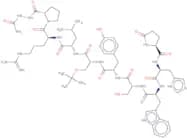
A synthetic peptide for use as a blocking control in assays to test for specificity of PDK4 antibody, catalog no. 70R-2477Pureza:Min. 95%(D-Ser4,D-Ser(tBu)6,Azagly10)-LHRH
CAS:Please enquire for more information about (D-Ser4,D-Ser(tBu)6,Azagly10)-LHRH including the price, delivery time and more detailed product information at the technical inquiry form on this pageFórmula:C59H84N18O14Pureza:Min. 95%Peso molecular:1,269.41 g/molAGPAT4 Blocking Peptide
A synthetic peptide for use as a blocking control in assays to test for specificity of AGPAT4 antibody, catalog no. 70R-10193Pureza:Min. 95%Angiotensin IV acetate
CAS:Angiotensin IV (human) is an active analogue of the chemoattractant protein, angiotensin. It is a potent anti-inflammatory cytokine that inhibits the production of pro-inflammatory cytokines, such as IL-10. Angiotensin IV (human) has been shown to significantly reduce the production of pro-inflammatory cytokines in mice with chronic inflammation and can be used to treat autoimmune diseases. The biological properties of this protein have been studied using polymerase chain reactions and cytosolic calcium assays. It has been shown to inhibit binding to both the angiotensin receptor and angiotensin converting enzyme. Angiotensin IV (human) also has locomotor activity.Fórmula:C40H54N8O8Pureza:Min. 95%Peso molecular:774.91 g/molCLCNKB Blocking Peptide
A synthetic peptide for use as a blocking control in assays to test for specificity of CLCNKB antibody, catalog no. 70R-5058
Pureza:Min. 95%CCDC25 Blocking Peptide
A synthetic peptide for use as a blocking control in assays to test for specificity of CCDC25 antibody, catalog no. 70R-3622Pureza:Min. 95%MUC15 Blocking Peptide
A synthetic peptide for use as a blocking control in assays to test for specificity of MUC15 antibody, catalog no. 70R-6736Pureza:Min. 95%ATG9B Blocking Peptide
A synthetic peptide for use as a blocking control in assays to test for specificity of ATG9B antibody, catalog no. 70R-9615Pureza:Min. 95%Simian Virus 40 Large Tumor Antigen Amino-Terminal Peptide
CAS:Please enquire for more information about Simian Virus 40 Large Tumor Antigen Amino-Terminal Peptide including the price, delivery time and more detailed product information at the technical inquiry form on this page
Fórmula:C46H76N14O14SPeso molecular:1,080 g/molIGHG1 MS Calibrator-4 (25nmol)
The IGHG1 MS Calibrator-4 is a tryptic peptide that is a product of the Ig gamma-1 chain C region. This peptide is used as a calibrator for mass spectrometry. The IGHG1 MS Calibrator-4 contains Biologically Active Peptides, which can be used to identify the presence of proteins in biological samples. The New England Peptide Company offers peptides for use in proteomics, such as the IGHG1 MS Calibrator-4.Pureza:Min. 95%CYTB Blocking Peptide
A synthetic peptide for use as a blocking control in assays to test for specificity of CYTB antibody, catalog no. 70R-7028Pureza:Min. 95%Azido-dPEG®8-OH
Azido-dPEG®8-OH is a PEG polymer categorised as monofunctional (OH-PEG-X). Used as a linker, Aazido-dPEG®8-OH is used to attached PEG to proteins, peptides, oligonucleotides, nanoparticles and small molecules via pegylation, a bioconjugation technique.
Fórmula:C64H108F4N2O29Pureza:Min. 95%Peso molecular:1,445.53 g/molNH2-dPEG®4-Glu(OH)-NH-dPEG®4-Glu(OH)-NH-m-dPEG®24
NH2-dPEG®4-Glu(OH)-NH-dPEG®4-Glu(OH)-NH-m-dPEG®24 is a peptide containing polyethylene glycol (PEG) as spacer to alter their pharmacokinetic properties and pharmodynamics.Fórmula:C97H185N7O48Pureza:Min. 95%Peso molecular:2,217.52 g/molMAL-dPEG®24-Tris (-dPEG®24-Tris (m-dPEG®24)3)3
MAL-dPEG®24-Tris (-dPEG®24-Tris (m-dPEG®24)3)3 is a PEG compound with two different functional groups (also known as heterobifunctional). Unlike homobifunctional PEG compounds (same functional group on both ends), this type of compounds are more versatile as have two different anchor points. MAL-dPEG®24-Tris (-dPEG®24-Tris (m-dPEG®24)3)3 is used as a linker and spacer to add a PEG moiety, via pegylation (a bioconjugation technique) to proteins, peptides, oligonucleotides, small molecules and nanoparticles.Fórmula:C704H1386N18O343Pureza:Min. 95%Peso molecular:15,592.45 g/molBis-Bromoacetamido-dPEG®11
Bis-Bromoacetamido-dPEG®11 is a PEG polymer categorised as homobifunctional PEG (X-PEG X). Used as a linker, bis-bromoacetamido-dPEG®11 is used to attached PEG to proteins, peptides, oligonucleotides, nanoparticles and small molecules via pegylation, a bioconjugation technique.Pureza:Min. 95%Peso molecular:786.54 g/mol(Des-Asp1-Ile5)angiotensin I trifluoroacetate
CAS:(Des-Asp1-Ile5)angiotensin I trifluoroacetate is an analog of angiotensin I that acts as an inhibitor of kinases. It has been shown to induce apoptosis in human cancer cells and may have potential as an anticancer agent. This compound is derived from Chinese urine and has been found to be effective against a variety of tumors, including those resistant to chloroquine or artesunate treatment. The mechanism by which (Des-Asp1-Ile5)angiotensin I trifluoroacetate exerts its anticancer effects is not fully understood, but it is believed to involve the inhibition of kinase activity and the induction of apoptosis in cancer cells. This compound may hold promise as a novel inhibitor for the treatment of various cancers.Fórmula:C58H84N16O11•(C2HF3O2)xPureza:Min. 95%Azido-dPEG®36-OH
Azido-dPEG®36-OH is a PEG polymer categorised as monofunctional (OH-PEG-X). Used as a linker, azido-dPEG®36-OH is used to attached PEG to proteins, peptides, oligonucleotides, nanoparticles and small molecules via pegylation, a bioconjugation technique.Fórmula:C57H101F4N3O26Pureza:Min. 95%Peso molecular:1,320.41 g/molABCC3 Blocking Peptide
A synthetic peptide for use as a blocking control in assays to test for specificity of ABCC3 antibody, catalog no. 70R-6716Pureza:Min. 95%Lipoamido-dPEG®24-TFP Ester
Lipoamido-dPEG®24-TFP Ester is a PEG molecule conjugated with a lipid moiety. Lipoamido-dPEG®24-TFP Ester, conjugated to this lipid constituent, is very important especially in drug delivery and vaccine development as it helps improve the stability and circulation time of lipid nanoparticles (LNPs) and liposomes.
Fórmula:C8H14O6Pureza:Min. 95%Peso molecular:206.19 g/molNUSAP1 Blocking Peptide
A synthetic peptide for use as a blocking control in assays to test for specificity of NUSAP1 antibody, catalog no. 70R-2411Pureza:Min. 95%Glycoprotein Blocking Peptide
A synthetic peptide for use as a blocking control in assays to test for specificity of GPNMB antibody, catalog no. 70R-7158Pureza:Min. 95%Z-Leu-Leu-H aldehyde
Z-Leu-Leu-H aldehyde is a water soluble and non-toxic chemical compound that belongs to the class of heterocycles. It inhibits ion channels by binding to their receptor and also has a high affinity for ligand binding sites. Z-Leu-Leu-H aldehyde is used as a research tool in pharmacology, cell biology, and antibody production. It can be used to activate or inhibit the function of proteins in cells by acting as an agonist or antagonist, respectively. This chemical is also an inhibitor with high purity, which is suitable for use in protein crystallization experiments.Fórmula:C20H30N2O4Pureza:Min. 95%Peso molecular:362.46 g/molIL 7 Human
IL-7 is a colony-stimulating factor that is expressed in the stromal cells of human cells. IL-7 has been shown to have modulatory effects on neutrophils and myeloid cells, which are important for immune responses. IL-7 stimulates phagocytosis and the production of reactive oxygen species by neutrophils and myeloids. IL-7 also has autocrine and paracrine effects on lymphoblasts and amplifies their proliferation. This protein may be used as a tumor marker for some malignant tumors because it can be detected in autocrine loops and in the circulation of patients with cancer.Pureza:Min. 95%Glu17,Gla21,24-Osteocalcin, human
CAS:Glu17,Gla21,24-Osteocalcin is a peptide that is used as a research tool to study ion channels and receptor interactions. It has been shown to bind to the human insulin receptor and act as an agonist. Glu17,Gla21,24-Osteocalcin also binds to the calcitonin receptor with high affinity. This peptide can be used in pharmacology studies as an inhibitor of insulin-mediated glucose uptake or as an activator of calcium release from intracellular stores.
Fórmula:C268H381N67O80S2Pureza:Min. 95%Peso molecular:5,885.4 g/molC5 MS Calibrator-5 (25nmol)
C5 MS Calibrator-5 is a tryptic peptide calibration standard for mass spectrometry. It contains a C5, CO5, and protein. The peptide calibrator is useful as a molecular weight marker in proteomics experiments.Pureza:Min. 95%Ghrelin Human
Ghrelin is a peptide hormone that is synthesized by ghrelin cells in the stomach. Ghrelin stimulates appetite and plays an important role in regulating food intake. It also regulates energy balance and has been shown to increase blood pressure, heart rate, and gastric motility. The secretion of ghrelin increases before meals and decreases after meals. Ghrelin can be measured in the blood or urine of humans and animals. Ondansetron hydrochloride (OND) is a drug used for the treatment of nausea and vomiting caused by chemotherapy or radiation therapy. Sildenafil citrate (Viagra) is a phosphodiesterase inhibitor that is used for the treatment of erectile dysfunction (ED). Imatinib mesylate (Gleevec) is a tyrosine kinase inhibitor that inhibits cancer cell growth and prevents relapse in patients with chronic myelogenous leukemia who have not responded to other therapies. Tiagabine hydrochloride (Pureza:Min. 95%Neuromedin C (Human, Porcine, Canine)
Neuromedin C is a peptide hormone that is involved in the regulation of feeding behavior. It is found in humans, pigs, and dogs. Neuromedin C has been shown to be involved in the regulation of gastric acid secretion and pancreatic secretion. The peptide also plays a role in the regulation of insulin release from the pancreas. In addition, neuromedin C has been shown to be an effective treatment for diabetes-related neuropathy.Fórmula:C50H73N17O11S•2CH3COOH•5H2OPureza:Min. 95%Peso molecular:1,330.49 g/mol[Ser(PO3H2)65]-Ubiquitin
[Ser(PO3H2)65]-Ubiquitin is a peptide that binds to the ubiquitin receptor, which is a protein that regulates the degradation of proteins. It has been shown to be an activator of ion channels and ligands for antibodies. This product is used as a research tool in Cell Biology and other life sciences. [Ser(PO3H2)65]-Ubiquitin may also be used as an inhibitor in pharmacology. This peptide has high purity and is CAS No. 544-81-4.Pureza:Min. 95%Fmoc-N-Amido-dPEG®4-t-boc-Hydrazide
CAS:Fmoc-N-Amido-dPEG®4-t-boc-Hydrazide is a PEG compound with two different functional groups (also known as heterobifunctional). Unlike homobifunctional PEG compounds (same functional group on both ends), this type of compounds are more versatile as have two different anchor points. Fmoc-N-Amido-dPEG®4-t-boc-Hydrazide is used as a linker and spacer to add a PEG moiety, via pegylation (a bioconjugation technique) to proteins, peptides, oligonucleotides, small molecules and nanoparticles.Fórmula:C31H43N3O9Pureza:Min. 95%Peso molecular:601.69 g/molMelanoma Antigen Family A, 3, human, recombinant
Melanoma Antigen Family A, 3, human, recombinant is a recombinant human protein. It has an inhibitory effect on the activity of ion channels. It is a high purity reagent for use in immunohistochemistry and other research applications. This protein interacts with a variety of proteins such as activators, ligands and receptors.Pureza:Min. 95%Peptide YY (Human)-EIA Kit (1ea)
Peptide YY (Human)-EIA Kit (1ea) is an EIA kit for the quantitative analysis of human peptide YY. Peptide YY is a neuropeptide with a role in the regulation of food intake and energy expenditure. The kit contains one vial each of peptide YY antiserum, peptide YY antibody, and standard reference material. The assay can be used to detect the level of peptide YY in tissue samples or cell culture supernatants.
Pureza:Min. 95%Histone Acetyltransferase 1, human, recombinant
Histone acetyltransferase 1 (HAT1) is a protein that transfers an acetyl group to histones. It is mainly found in the nucleus and is involved in gene regulation. HAT1 interacts with many other proteins such as receptors, peptides, activators, and ion channels. The recombinant form of this enzyme has been shown to be a potent inhibitor of L-type calcium channels, which are important for the transmission of nerve impulses. This enzyme also inhibits glutamate receptors and can affect the activation of phospholipase C. HAT1 has also been shown to inhibit various types of cancers by suppressing tumor growth and invasion.Pureza:Min. 95%TGF b 3 Mouse
TGF-b3 is a cytokine that belongs to the transforming growth factor beta family. It has been shown to be involved in the regulation of cell proliferation, differentiation, and apoptosis. TGF-b3 has also been implicated in the pathogenesis of inflammatory diseases and chronic obstructive pulmonary disease (COPD). The protein sequence for TGF-b3 is available for Cytokine. The protein sequence for TGF-b3 can be found in the following databases: GenBank, SwissProt, EMBL, DDBJ and PDB. Protein sequences are typically identified by their 'accession number'. For example, the accession number for TGF-b3 is NP_001408.1. The sequences of genes may be found at NCBI's nucleotide database (NCBI). The sequences of proteins may be found at NCBI's protein database (NCBI).Pureza:Min. 95%IGF1 Rat
IGF1 Rat is a recombinant IGF-1 receptor ligand that is a member of the insulin-like growth factor family. It activates the IGF-1 receptor and has been used as a research tool for studying protein interactions, such as those with G-protein coupled receptors and ion channels. The recombinant IGF-1 rat peptide is an excellent choice for pharmacological studies because it is highly purified and contains no contaminants.Pureza:Min. 95%Chikungunya E2 Recombinant
Chikungunya E2 Recombinant is a peptide that activates the ion channels. It is derived from the Chikungunya virus, and has been shown to inhibit the binding of ligands to their receptors. The recombinant protein can be used as a research tool in cell biology and pharmacology. Chikungunya E2 Recombinant also binds to antibodies and can be used in immunohistochemistry, Western blotting, and ELISA.Pureza:Min. 95%IL 12 Human
IL-12 is a proinflammatory cytokine that is produced by activated T cells and natural killer (NK) cells. IL-12 activates macrophages, which then produce tumor necrosis factor alpha (TNFα), inducible nitric oxide synthase (iNOS), and other inflammatory mediators. IL-12 has also been shown to increase the expression of major histocompatibility complex class II molecules on antigen presenting cells, which may be important for activating CD4+ T helper cells. IL-12 is a receptor activator that binds to its receptor with high affinity and specificity. It has been found to inhibit voltage-gated ion channels, ligand binding, and antibody binding in vitro.Pureza:Min. 95%Methoxytrityl-S-dPEG®12-Acid
CAS:Please enquire for more information about Methoxytrityl-S-dPEG®12-Acid including the price, delivery time and more detailed product information at the technical inquiry form on this pageFórmula:C47H70O15SPureza:Min. 95%Peso molecular:907.11 g/molNH2-dPEG®4-Glu(OH)-NH-m-dPEG®24
NH2-dPEG®4-Glu(OH)-NH-m-dPEG®24 is a peptide containing polyethylene glycol (PEG) as spacer to alter their pharmacokinetic properties and pharmodynamics.Fórmula:C65H129N3O32Pureza:Min. 95%Peso molecular:1,464.72 g/molProsaposin, human, recombinant
Prosaposin is a human, recombinant secretory protein that is produced by the freeze-drying of a lysosomal extract. It is used to treat cerebrospinal fluid that has been depleted of prosaposin. This protein functions as a linker and interacts with choline, glycosphingolipids, and phospholipids to form the myelin sheath in the central nervous system. Prosaposin can also be reconstituted with deionized water and aliquots containing 1 mg/mL of this protein are available for purchase.
Pureza:Min. 95%FRETS-25Trp (1 umol) (1umol)
FRETS-25Trp is a peptide that is used as a research tool for the study of protein interactions. It is an activator of ion channels and has been shown to bind to the receptor site of protein. FRETS-25Trp has also been shown to inhibit the interaction between ligands and receptors, which may be due to its ability to mimic the natural ligand or compete with it for binding sites. FRETS-25Trp is synthesized by solid phase peptide synthesis on a resin, which provides high purity and yields of up to 1 umol per reaction. FRETS-25Trp (1 umol) (1umol) is CAS No. 120106-03-5 and Reagent No. F2204.Pureza:Min. 95%TentaGel® H RAM
TentaGel H RAM is a building block for peptide synthesis and a resin for peptide synthesis. It is made of 3-hydroxypropyl methacrylate (HPM) and bis-acrylamide (BAM) in a ratio of 1:1. TentaGel H RAM is used as an alternative to polystyrene, which has been used as the base resin for peptide synthesis.Pureza:Min. 95%m-dPEG®48-CO(CH2)3-Acid
m-dPEG®48-CO(CH2)3-Acid is a PEG compound with two different functional groups (also known as heterobifunctional). Unlike homobifunctional PEG compounds (same functional group on both ends), this type of compounds are more versatile as have two different anchor points. m-dPEG®48-CO(CH2)3-Acid is used as a linker and spacer to add a PEG moiety, via pegylation (a bioconjugation technique) to proteins, peptides, oligonucleotides, small molecules and nanoparticles.Fórmula:C102H203NO51Pureza:Min. 95%Peso molecular:2,259.7 g/molTentaGel® R NH2 Resin (90 um)
This resin is specially designed for difficult and long sequences. TentaGel is a gelatinous resin, an important support for solid phase synthesis. TentaGel resins are constructed with a backbone of low crosslinked polystyrene grafted with polyoxyethylene (polyethylene glycol) as shown below. The typical chain length of POE (n) is approximately 68 ethylene oxide units or an average MW of 3000. This long chain creates a spacer that effectively separates the reactive site (X) from the crosslinked backbone matrix. Particle size 90 µm; capacity: 0.18-0.22 meq/g. Substiution Functional Group: -O-CH2-CH2-NH2Pureza:Min. 95%Pyr-Pro-Val-pNA
CAS:Pyr-Pro-Val-pNA is a research tool that can be used to study protein interactions. It is an activator ligand that binds to the receptor and can activate ion channels. Pyr-Pro-Val-pNA has been shown to inhibit the binding of antibodies to their antigen. This ligand can be used as a pharmacological agent for the treatment of various diseases, including cancer.Fórmula:C21H27N5O6Pureza:Min. 95%Peso molecular:445.47 g/molAnti GRP (Porcine) Serum
GRP is a member of the G protein-coupled receptor family. GRP is an endogenous ligand for the GPCR, with binding affinity to GRP receptors. Activation of GRP receptors results in inhibition of cAMP production and activation of K+ channels. Anti-GRP serum is a research tool that can be used to identify and characterize GRP receptors by blocking their ability to bind endogenous ligands. This inhibitor has been shown to inhibit peptides that are inhibitors for ion channels, such as the nicotinic acetylcholine receptor and the glycine receptor. The anti-GRP serum also binds to antibodies raised against the peptide sequence of GRP, which may be used to identify these proteins in immunoblots or Western blots.Pureza:Min. 95%ATP2A3 Blocking Peptide
A synthetic peptide for use as a blocking control in assays to test for specificity of ATP2A3 antibody, catalog no. 70R-6857
Pureza:Min. 95%Granzyme H Blocking Peptide
A synthetic peptide for use as a blocking control in assays to test for specificity of GZMH antibody, catalog no. 70R-1596Pureza:Min. 95%MBD1 Blocking Peptide
A synthetic peptide for use as a blocking control in assays to test for specificity of MBD1 antibody, catalog no. 70R-2023
Pureza:Min. 95%Anti Angiostatin (128-141) (Mouse) Serum
Anti Angiostatin (128-141) (Mouse) Serum is a peptide that is able to inhibit the activity of angiostatin, a protein that has been implicated in the process of blood vessel growth. This serum is a research tool for use in cell biology and biochemistry.Pureza:Min. 95%SLC37A1 Blocking Peptide
A synthetic peptide for use as a blocking control in assays to test for specificity of SLC37A1 antibody, catalog no. 70R-7152Pureza:Min. 95%CA-125 Heavy Tryptic Peptide Standard (4nmol)
Cancer antigen 125 (CA 125) heavy tryptic peptide standard for proteomics studies. CA 125 is an antigenic tumor marker which can be used to diagnose epithelial ovarian cancers. It is expressed by epithelial ovarian neoplasms and cells lining the fallopian tubes, endometrium, pericardium, peritoneum and pleura.Pureza:Min. 95%Fmoc-N-Amido-dPEG®12-NHS Ester
CAS:Fmoc-N-Amido-dPEG®12-NHS Ester is a PEG compound with two different functional groups (also known as heterobifunctional). Unlike homobifunctional PEG compounds (same functional group on both ends), this type of compounds are more versatile as have two different anchor points. Fmoc-N-Amido-dPEG®12-NHS Ester is used as a linker and spacer to add a PEG moiety, via pegylation (a bioconjugation technique) to proteins, peptides, oligonucleotides, small molecules and nanoparticles.Fórmula:C46H68N2O18Pureza:Min. 95%Peso molecular:937.03 g/molAnti Chromogranin A (359-389) (Rat) Serum
Anti Chromogranin A (359-389) (Rat) Serum is an inhibitor of the peptide hormone, chromogranin A. This antibody was raised in rat serum and can be used as a research tool to study the molecular mechanisms of chromogranin A. It is also used to detect the presence of chromogranin A in human tissues, which is associated with diseases such as lung cancer, breast cancer, and pancreatic cancer. Anti Chromogranin A (359-389) (Rat) Serum binds to the active site of the protein and inhibits its function.Pureza:Min. 95%IL 15 Human
IL-15 is a cytokine that belongs to the IL-2 family and is produced by activated T cells. IL-15 binds with high affinity to the IL-15 receptor, which then signals through the JAK/STAT pathway. IL-15 has been shown to activate NK cells and stimulate their production of IFNγ. In addition, IL-15 has been shown to cause activation of certain B cells, which leads to increased antibody production. This cytokine also stimulates proliferation of CD4+ and CD8+ T cells and induces differentiation into Th1 or cytotoxic T cell subsets.
Pureza:>97% By Sds-Page And Rp-Hplc.ZNF561 Blocking Peptide
A synthetic peptide for use as a blocking control in assays to test for specificity of ZNF561 antibody, catalog no. 70R-8120Pureza:Min. 95%Biotin-dPEG®23-Lipoamide
Biotin-dPEG®23-Lipoamide is a PEG compound with two different functional groups (also known as heterobifunctional). Unlike homobifunctional PEG compounds (same functional group on both ends), this type of compounds are more versatile as have two different anchor points. Biotin-dPEG®23-Lipoamide is used as a linker and spacer to add a PEG moiety, via pegylation (a bioconjugation technique) to proteins, peptides, oligonucleotides, small molecules and nanoparticles.Fórmula:C66H126N4O26S3Pureza:Min. 95%Peso molecular:1,487.92 g/molCortistatin (Rat)
CAS:Cortistatin is a peptide that belongs to the group of activators. It is a high-purity product with an amino acid sequence identical to cortistatin (rat). Cortistatin activates ion channels, which may be due to its ability to bind to receptors and ligands. This product can be used in life science research or cell biology experiments as an inhibitor or as a tool for protein interactions. The CAS number for this product is 937031-00-0.
Fórmula:C81H113N19O19S2Pureza:Min. 95%Peso molecular:1,721 g/molSuc-Ala-pNA
CAS:Suc-Ala-pNA is a molecule that is composed of alendronic acid, which is a prodrug that has been conjugated to polyethylene glycol and polyaspartic acid. The pNA moiety in the molecule is capable of penetrating the mucosal membrane and can be cleaved by aminopeptidase and peptidase to release active alendronic acid. The mucoadhesive polymers increase the permeability of the molecule, while the spacer group increases its stability. Suc-Ala-pNA has been shown to have a high affinity for bone mineralization, as it reacts with bone mineral surfaces to form a covalent bond. This reaction mechanism leads to increased bone mineralization, which may help treat osteoporosis.Fórmula:C13H15N3O6Pureza:Min. 95%Peso molecular:309.27 g/molEGF Mouse
Epidermal Growth Factor, Mouse sequence. Produced recombinantly in E.Coli. 53 amino acids (6 kDa) including 3 intramolecular disulfide-bonds.Pureza:Min. 95%Fmoc-Asn[per-O-Boc-(Fucα1-6GlcNAcß)]
Fmoc-Asn[per-O-Boc-(Fucα1-6GlcNAcß)] is a glycopeptide that is synthesized with an N-linked glycosylation. This product is a disaccharide that contains two hydroxy groups and one hydroxy group. The peptide bond has been shown to be stable in both acidic and basic conditions. It can be used for peptide synthesis and has an affinity for the sugar moieties of proteins.
Fórmula:C58H81N3O24Pureza:Min. 95%Peso molecular:1,204.3 g/molDMRTA2 Blocking Peptide
A synthetic peptide for use as a blocking control in assays to test for specificity of DMRTA2 antibody, catalog no. 70R-7974Pureza:Min. 95%Nma-His-Pro-Lys(Dnp)
Nma-His-Pro-Lys(Dnp) is a synthetic peptide that can be used as a research tool to study the interactions of proteins in biological systems. It has been shown to inhibit the activity of ion channels and receptor proteins, and it specifically binds to an antibody. Nma-His-Pro-Lys(Dnp) is supplied at high purity and is suitable for use in pharmacological studies.Pureza:Min. 95%Azido-dPEG®4-TFP Ester
Azido-dPEG®4-TFP Ester is a PEG compound with two different functional groups (also known as heterobifunctional). Unlike homobifunctional PEG compounds (same functional group on both ends), this type of compounds are more versatile as have two different anchor points. Azido-dPEG®4-TFP Ester is used as a linker and spacer to add a PEG moiety, via pegylation (a bioconjugation technique) to proteins, peptides, oligonucleotides, small molecules and nanoparticles.
Pureza:Min. 95%Peso molecular:439.36 g/molGalanin (Rat) Antiserum
Galanin is a peptide that is involved in the regulation of many physiological processes, including the regulation of food intake, water balance, and pain perception. The rat galanin antiserum reacts with both human and rat galanin. Galanin is a member of the family of G protein-coupled receptors (GPCRs).Pureza:Min. 95%MAL-dPEG®4-Glu(OH)-NH-m-dPEG®24
MAL-dPEG®4-Glu(OH)-NH-m-dPEG®24 is a peptide containing polyethylene glycol (PEG) as spacer to alter their pharmacokinetic properties and pharmodynamics.
Fórmula:C72H134N4O35Pureza:Min. 95%Peso molecular:1,615.84 g/molMOCAc-Asp-Glu-Val-Asp-Ala-Pro-Lys(Dnp)-NH₂
MOCAc-Asp-Glu-Val-Asp-Ala-Pro-Lys(Dnp)-NH₂ is a peptide that can be used as a research tool to study protein interactions and receptor function. MOCAc-Asp-Glu-Val-Asp-Ala-Pro-Lys(Dnp)-NH₂ inhibits the ion channels, which are involved in the transmission of nerve impulses. The peptide has been shown to bind with high affinity to the nicotinic acetylcholine receptor (nAChR) and may be used as a ligand for this receptor.Fórmula:C50H63N11O21Pureza:Min. 95%Peso molecular:1,154.1 g/molGDNF Human
GDNF is a growth factor that was originally identified in the rat brain as a trophic factor for dopaminergic neurons. It has been found to be involved in the regulation of mood and to have acute-phase effects in animals. GDNF is also an antigen that stimulates antibody production and is used as a diagnostic marker for certain diseases. GDNF is a neurotrophic factor that affects neural progenitor cells, promoting their survival and differentiation into neurons. It has been found to have neurotrophic effects on striatal dopaminergic neurons, which may be responsible for its antidepressant effect. GDNF is a member of the family of neurotrophins, which includes nerve growth factor (NGF) and brain-derived neurotrophic factor (BDNF). The gene encoding GDNF contains two exons separated by an intron and encodes a protein with 209 amino acids.Pureza:>95% By Sds-Page And Rp-Hplc.Anti PTHrP (15-34)-NH₂, Human Serum
Anti PTHrP (15-34)-NH₂, humanSerum is a peptide that specifically binds to the receptor of parathyroid hormone related protein (PTHrP). It inhibits the activity of this receptor by binding to it and preventing PTHrP from binding. This peptide is used as a research tool to study the effects of PTHrP on cells in culture.Pureza:Min. 95%I-TAC, human, recombinant (CXCL11)
I-TAC is a chemokine that is expressed in high amounts in the human blood and leukocytes. It also has been shown to be an inducible chemoattractant for leukocytes. I-TAC is a member of the CXC family of chemokines, which are small proteins that act as chemoattractants for cells of the immune system. I-TAC has been shown to attract neutrophils, monocytes, and T cells by binding to their receptors.Pureza:Min. 95%Bis-dPEG®4-TFP Ester
Bis-dPEG®4-TFP Ester is a PEG polymer categorised as homobifunctional PEG (X-PEG X). Used as a linker, bis-dPEG®4-TFP Ester is used to attached PEG to proteins, peptides, oligonucleotides, nanoparticles and small molecules via pegylation, a bioconjugation technique.
Fórmula:C24H22F8O8Pureza:Min. 95%Peso molecular:590.41 g/molSARS Spike (14-1195)
SARS Coronavirus is an enveloped virus containing 3 outer structural proteins, namely the membrane (M), envelope (E), and spike (S) proteins. Spike (S)-glycoprotein of the virus interacts with a cellular receptor and mediates membrane fusion to allow viral entry into susceptible target cells. Accordingly, S-protein takes part in virus infection cycle and is the primary target of neutralizing antibodies. SARS Spike is produced in Sf9 Baculovirus cells and is a single, glycosylated polypeptide chain containing 1188 amino acids (14-1195 aa) and having a molecular mass of 131.9kDa.SARS Spike is fused to a 6 amino acid His tag at C-terminus and purified by proprietary chromatographic techniques. The formulation of the SARS Spike (14-1195) solution (0.25mg/ml) contains Phosphate-Buffered Saline (pH 7.4) and 10% Glycerol. Its biological activity has been measured by its binding ability in a functional ELISA with Human ACE-2. For long term storage it is recommended to add a carrier protein (0.1% HSA or BSA). One-Letter Formula: SDLDRCTTFD DVQAPNYTQH TSSMRGVYYP DEIFRSDTLY LTQDLFLPFY SNVTGFHTIN HTFGNPVIPF KDGIYFAATE KSNVVRGWVF GSTMNNKSQS VIIINNSTNV VIRACNFELC DNPFFAVSKP MGTQTHTMIF DNAFNCTFEY ISDAFSLDVS EKSGNFKHLR EFVFKNKDGF LYVYKGYQPI DVVRDLPSGF NTLKPIFKLP LGINITNFRA ILTAFSPAQD IWGTSAAAYF VGYLKPTTFM LKYDENGTIT DAVDCSQNPL AELKCSVKSF EIDKGIYQTS NFRVVPSGDV VRFPNITNLC PFGEVFNATK FPSVYAWERK KISNCVADYS VLYNSTFFST FKCYGVSATK LNDLCFSNVY ADSFVVKGDD VRQIAPGQTG VIADYNYKLP DDFMGCVLAW NTRNIDATST GNYNYKYRYL RHGKLRPFER DISNVPFSPD GKPCTPPALN CYWPLNDYGF YTTTGIGYQP YRVVVLSFEL LNAPATVCGP KLSTDLIKNQ CVNFNFNGLT GTGVLTPSSK RFQPFQQFGR DVSDFTDSVR DPKTSEILDI SPCAFGGVSV ITPGTNASSE VAVLYQDVNC TDVSTAIHAD QLTPAWRIYS TGNNVFQTQA GCLIGAEHVD TSYECDIPIG AGICASYHTV SLLRSTSQKS IVAYTMSLGA DSSIAYSNNT IAIPTNFSIS ITTEVMPVSM AKTSVDCNMY ICGDSTECAN LLLQYGSFCT QLNRALSGIA AEQDRNTREV FAQVKQMYKT PTLKYFGGFN FSQILPDPLK PTKRSFIEDL LFNKVTLADA GFMKQYGECL GDINARDLIC AQKFNGLTVL PPLLTDDMIA AYTAALVSGT ATAGWTFGAG AALQIPFAMQ MAYRFNGIGV TQNVLYENQK QIANQFNKAI SQIQESLTTT STALGKLQDV VNQNAQALNT LVKQLSSNFG AISSVLNDIL SRLDKVEAEV QIDRLITGRL QSLQTYVTQQ LIRAAEIRAS ANLAATKMSE CVLGQSKRVD FCGKGYHLMS FPQAAPHGVV FLHVTYVPSQ ERNFTTAPAI CHEGKAYFPR EGVFVFNGTS WFITQRNFFS PQIITTDNTF VSGNCDVVIG IINNTVYDPL QPELDSFKEE LDKYFKNHTS PDVDLGDISG INASVVNIQK EIDRLNEVAK NLNESLIDLQ ELGKYEQYIK WPHHHHHHPureza:Min. 95%TTR MS Calibrator (1ea)
TTR MS Calibrator is a research tool that is used to calibrate the mass spectrometer for TTR peptide analysis. It has an excellent purity and is provided as a lyophilized powder. This calibrator contains high-quality TTR peptides with a low level of impurities. The product can be used for pharmacological or proteomic studies, as well as other research applications.Pureza:Min. 95%1-Deoxyfructosyl-Val-His-[D7]Leu-Thr-Pro-Glu
1-Deoxyfructosyl-Val-His-[D7]Leu-Thr-Pro-Glu is a research tool that belongs to the group of activators. It activates receptors and ion channels. This product has been shown to inhibit cell proliferation, peptide binding and protein interactions. 1-Deoxyfructosyl-Val-His-[D7]Leu-Thr-Pro-Glu is a high purity and potent inhibitor of protein interactions with pharmacological applications.
Fórmula:C37H53D7N8O15Pureza:Min. 95%Peso molecular:863.96 g/molCaspase 3 Substrate 1m (Apopain), fluorogenic
CAS:Please enquire for more information about Caspase 3 Substrate 1m (Apopain), fluorogenic including the price, delivery time and more detailed product information at the technical inquiry form on this page
Fórmula:C30H37N5O13Peso molecular:675.65 g/molHER-2 Light Tryptic Peptide Standard (4nmol)
This HER-2 Light Tryptic Peptide standard can be applied to protein identification and quantitation studies. HER-2 is the human epidermal growth factor receptor 2, which has tyrosine kinase activity and is involved the control of epithelial cell growth and differentiation. The overexpression of HER2 has been implicated with adenocarcinomas such as cervix, lung, ovary and breast.Pureza:Min. 95%C7ORF31 Blocking Peptide
A synthetic peptide for use as a blocking control in assays to test for specificity of C7orf31 antibody, catalog no. 70R-3267Pureza:Min. 95%MAGE-3 Antigen (271-279) (human) trifluoroacetate salt
CAS:ALPHA FACTOR SIGNALING PEPTIDEFórmula:C53H79N13O10Pureza:Min. 95%Peso molecular:1,058.28 g/molRAB37 Blocking Peptide
A synthetic peptide for use as a blocking control in assays to test for specificity of RAB37 antibody, catalog no. 70R-9347Pureza:Min. 95%ZNF169 Blocking Peptide
A synthetic peptide for use as a blocking control in assays to test for specificity of ZNF169 antibody, catalog no. 70R-8768Pureza:Min. 95%RNF39 Blocking Peptide
A synthetic peptide for use as a blocking control in assays to test for specificity of RNF39 antibody, catalog no. 70R-1169Pureza:Min. 95%LOC729185 Blocking Peptide
A synthetic peptide for use as a blocking control in assays to test for specificity of LOC729185 antibody, catalog no. 70R-6940Pureza:Min. 95%NR0B1 Blocking Peptide
A synthetic peptide for use as a blocking control in assays to test for specificity of NR0B1 antibody, catalog no. 70R-1932Pureza:Min. 95%Total GLP-1-HS ELISA (1ea)
The Total GLP-1-HS ELISA (1ea) is a sandwich enzyme-linked immunosorbent assay that measures the concentration of active GLP-1 in human serum. The assay employs a monoclonal antibody specific to human GLP-1 and an enzyme conjugate, which is a radiolabeled anti-human GLP-1 antibody. The Total GLP-1-HS ELISA (1ea) has been validated for use with samples from both healthy subjects and subjects with type 2 diabetes mellitus.Pureza:Min. 95%KIAA0494 Blocking Peptide
A synthetic peptide for use as a blocking control in assays to test for specificity of KIAA0494 antibody, catalog no. 70R-1815
Pureza:Min. 95%CLIC2 Blocking Peptide
A synthetic peptide for use as a blocking control in assays to test for specificity of CLIon Channel2 antibody, catalog no. 70R-1511Pureza:Min. 95%Azido-dPEG® 12-NHS ester
CAS:Azido-dPEG® 12-NHS ester is a PEG compound with two different functional groups (also known as heterobifunctional). Unlike homobifunctional PEG compounds (same functional group on both ends), this type of compounds are more versatile as have two different anchor points. Azido-dPEG® 12-NHS ester is used as a linker and spacer to add a PEG moiety, via pegylation (a bioconjugation technique) to proteins, peptides, oligonucleotides, small molecules and nanoparticles.Pureza:Min. 95%Peso molecular:740.79 g/molMRPL24 Blocking Peptide
A synthetic peptide for use as a blocking control in assays to test for specificity of MRPL24 antibody, catalog no. 70R-4800
Pureza:Min. 95%FLJ10490 Blocking Peptide
A synthetic peptide for use as a blocking control in assays to test for specificity of FLJ10490 antibody, catalog no. 70R-9475Pureza:Min. 95%[Sar1,Ile8]-Angiotensin II
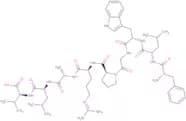
CAS:Sar1,Ile8]-Angiotensin II is a peptide that acts as an inhibitor of angiotensin II. It interacts with protein targets in the cell and blocks their function. Sar1,Ile8]-Angiotensin II is a research tool that can be used to study the interactions between proteins and inhibitors. Sar1,Ile8]-Angiotensin II has high purity and is not radioactive. It is also an antibody that can be used in life science research.Fórmula:C46H73N13O10Pureza:Min. 95%Peso molecular:968.15 g/molH-QYIKANSKFIGITE-OH
Tetanus toxin TetTox-B (830-843) DRB1*07:01 is a short part of the tetanus toxin. Tetanus toxin is produced by Clostridium tetani and is a potent neurotoxin. Indeed, tetanus toxin arrives on bloodstream and moves to a receptor complex at the neuromuscular junction. TetTox-B (830-843) DRB1*07:01 TetTox-B (830-843) DRB1*07:01 is used to stimulate the immune response and to generate DRB1*07:01-restricted T cells specific for the tetanus toxin peptide. TetTox-B (830-843) is also a classical peptide reference for the binding affinity with DRB1*07:01 molecules.Fmoc-N-Amido-dPEG®12-Acid
CAS:Fmoc-N-Amido-dPEG®12-Acid is a PEG compound with two different functional groups (also known as heterobifunctional). Unlike homobifunctional PEG compounds (same functional group on both ends), this type of compounds are more versatile as have two different anchor points. Fmoc-N-Amido-dPEG®12-Acid is used as a linker and spacer to add a PEG moiety, via pegylation (a bioconjugation technique) to proteins, peptides, oligonucleotides, small molecules and nanoparticles.Pureza:Min. 95%Peso molecular:839.96 g/molACADM Blocking Peptide
A synthetic peptide for use as a blocking control in assays to test for specificity of ACADM antibody, catalog no. 70R-1108Pureza:Min. 95%SDSL Blocking Peptide
A synthetic peptide for use as a blocking control in assays to test for specificity of SDSL antibody, catalog no. 70R-2921Pureza:Min. 95%BRF2 Blocking Peptide
A synthetic peptide for use as a blocking control in assays to test for specificity of BRF2 antibody, catalog no. 70R-8949Pureza:Min. 95%L-Asparaginase
L-asparaginase is a drug that inhibits the production of asparagine, which is an amino acid that is used in the synthesis of proteins. It has been shown to be effective against T-cell lymphomas, as well as other cancers such as leukemia and colorectal cancer. L-Asparaginase has been shown to inhibit mitochondrial functions in blood samples from patients with prostate cancer. This inhibition may lead to cell death. L-Asparaginase binds to the sephadex G-100 column in a similar manner to sodium citrate and prevents the formation of polymers when it combines with ATP. The enzyme can also be found in primary cells and liver cells, where it causes hypoglycemia by inhibiting glucose production. L-Asparaginase also inhibits dna synthesis by binding to DNA polymerases, preventing their attachment to nucleotide triphosphates (e.g., ATP).
Pureza:Min. 95%LYAR Blocking Peptide
A synthetic peptide for use as a blocking control in assays to test for specificity of LYAR antibody, catalog no. 70R-3415Pureza:Min. 95%Z-Phe-Tyr
CAS:Z-Phe-Tyr is a potent irreversible inhibitor of serine proteases. It binds to the active site of the enzyme and prevents it from performing its function, which is to cleave proteins at specific sites. Z-Phe-Tyr has been shown to be effective against inflammatory bowel disease, but not against other types of diseases such as diabetes mellitus or rheumatoid arthritis. The drug inhibits protease activity and can be used in experimental models to study the molecular mechanisms of inflammation and inflammatory diseases.Fórmula:C26H26N2O6Pureza:Min. 95%Peso molecular:462.49 g/molSuc-Ala-Ala-Pro-Phe-AMC
CAS:Suc-Ala-Ala-Pro-Phe-AMC is a peptide that is an activator of the acetylcholine receptor. Suc-Ala-Ala-Pro-Phe-AMC has been shown to inhibit the binding of the ligand to the receptor and also prevent activation of ion channels. It has been used as a research tool for studying protein interactions, as well as, antibody production and cell biology. This peptide can also be used as a pharmacological agent, which may be useful in treating diseases such as Alzheimer's disease.
Fórmula:C34H39N5O9Pureza:Min. 95%Peso molecular:661.7 g/mol















![[Ser(PO3H2)65]-Ubiquitin](/_next/image/?url=https%3A%2Fstatic.cymitquimica.com%2Fproducts%2F3D%2Fthumb-webp%2FIUB-4486-V.webp&w=3840&q=75)











![Fmoc-Asn[per-O-Boc-(Fucα1-6GlcNAcß)]](/_next/image/?url=https%3A%2Fstatic.cymitquimica.com%2Fproducts%2F3D%2Fthumb-webp%2FCCK-22105.webp&w=3840&q=75)





![1-Deoxyfructosyl-Val-His-[D7]Leu-Thr-Pro-Glu](/_next/image/?url=https%3A%2Fstatic.cymitquimica.com%2Fproducts%2F3D%2Fthumb-webp%2FTSI-3415-V.webp&w=3840&q=75)





![[Sar1,Ile8]-Angiotensin II](/_next/image/?url=https%3A%2Fstatic.cymitquimica.com%2Fproducts%2F3D%2Fthumb-webp%2FPAN-4016-V.webp&w=3840&q=75)