Péptidos
Subcategorías de "Péptidos"
Se han encontrado 29595 productos de "Péptidos"
CA7 Blocking Peptide
A synthetic peptide for use as a blocking control in assays to test for specificity of CA7 antibody, catalog no. 70R-9982
Pureza:Min. 95%Leptin (57 - 74)
Leptin (57 - 74) is a custom research peptide; min purity 95%, TFA salt. For different specs please use the Peptide Quote Tool
H-SIIPR-OH
Peptide H-SIIPR-OH is a Research Peptide with significant interest within the field academic and medical research. This peptide is available for purchase at Cymit Quimica in multiple sizes and with a specification of your choice.
CMVpp65 - 9
CMVpp65 - 9 is a custom research peptide; min purity 95%, TFA salt. For different specs please use the Peptide Quote Tool
Anti TNF-Alpha (Rat) Serum Host Rabbit
Anti-TNF-alpha (rat) serum is a protein that blocks the effects of tumor necrosis factor-alpha. This protein has been shown to regulate the immune system and inhibit inflammation. Anti-TNF-alpha (rat) serum is a high quality, purified protein for use as a research tool in cell biology or other life science applications. The product is supplied at a concentration of 1 mg/ml in phosphate buffered saline with 0.02% sodium azide and is suitable for use in mammalian experiments.
Pureza:Min. 95%H-GKTGGKAR-OH
Peptide H-GKTGGKAR-OH is a Research Peptide with significant interest within the field academic and medical research. This peptide is available for purchase at Cymit Quimica in multiple sizes and with a specification of your choice.
GPX4 Blocking Peptide
A synthetic peptide for use as a blocking control in assays to test for specificity of GPX4 antibody, catalog no. 70R-2447
Pureza:Min. 95%ACADS Blocking Peptide
A synthetic peptide for use as a blocking control in assays to test for specificity of ACADS antibody, catalog no. 70R-2485
Pureza:Min. 95%H-LQAR-OH
Peptide H-LQAR-OH is a Research Peptide with significant interest within the field academic and medical research. This peptide is available for purchase at Cymit Quimica in multiple sizes and with a specification of your choice.
Cliotide T4
Cliotide T4 is a custom research peptide; min purity 95%, TFA salt. For different specs please use the Peptide Quote Tool
CCDC74A Blocking Peptide
A synthetic peptide for use as a blocking control in assays to test for specificity of CCDC74A antibody, catalog no. 70R-4386
Pureza:Min. 95%H-VSHKPSGLVMAR-OH
Peptide H-VSHKPSGLVMAR-OH is a Research Peptide with significant interest within the field academic and medical research. This peptide is available for purchase at Cymit Quimica in multiple sizes and with a specification of your choice.
Ac-ASGVAVSDGVIK-OH
Peptide Ac-ASGVAVSDGVIK-OH is a Research Peptide with significant interest within the field academic and medical research. This peptide is available for purchase at Cymit Quimica in multiple sizes and with a specification of your choice.
IDO199-207 (HLA-A*02:01)
Peptide IDO199-207 (HLA-A*02:01) is a Research Peptide with significant interest within the field academic and medical research. This peptide is available for purchase at Cymit Quimica in multiple sizes and with a specification of your choice.
Ref: 3D-PI17039
Producto descatalogadoH-GRCRGFRRRCFCTTHC-OH
H-GRCRGFRRRCFCTTHC-OH is a custom research peptide; min purity 95%, TFA salt. For different specs please use the Peptide Quote Tool
CMVpp65 - 93
CMVpp65 - 93 is a custom research peptide; min purity 95%, TFA salt. For different specs please use the Peptide Quote Tool
CSTF3 Blocking Peptide
A synthetic peptide for use as a blocking control in assays to test for specificity of CSTF3 antibody, catalog no. 70R-4939
Pureza:Min. 95%Bombesin
CAS:Producto controladoBombesin is a small peptide that was first isolated from the skin of a frog, Bombina bombina, with homologs later found to be present in mammalian tissues, including the brain and gastrointestinal tract. It is a member of the bombesin-like peptide family, which includes several related peptides such as gastrin-releasing peptide (GRP) and neuromedin B.
Bombesin acts as a neuromodulator and regulates various physiological functions, including gastrointestinal motility and stimulation of gastrin release from G cells. It also plays a role in the regulation of cardiovascular function and neurotransmitter release. In addition, bombesin has been shown to stimulate the growth and proliferation of certain types of cancer cells, including prostate and lung cancer cells, through its interaction with bombesin receptors. It may therefore be used as a potential biomarker for certain cancers.
This product is available as a 0.5mg vial.Fórmula:C71H110N24O18SPureza:Min. 95%Peso molecular:1,619.8 g/molGALNT10 Blocking Peptide
A synthetic peptide for use as a blocking control in assays to test for specificity of GALNT10 antibody, catalog no. 70R-5370
Pureza:Min. 95%PLEKHA1 Blocking Peptide
A synthetic peptide for use as a blocking control in assays to test for specificity of PLEKHA1 antibody, catalog no. 70R-3873
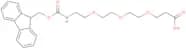
Pureza:Min. 95%Fmoc-N-Amido-dPEG®3-Acid
CAS:Fmoc-N-Amido-dPEG®3-Acid is a PEG compound with two different functional groups (also known as heterobifunctional). Unlike homobifunctional PEG compounds (same functional group on both ends), this type of compounds are more versatile as have two different anchor points. Fmoc-N-Amido-dPEG®3-Acid is used as a linker and spacer to add a PEG moiety, via pegylation (a bioconjugation technique) to proteins, peptides, oligonucleotides, small molecules and nanoparticles.
Fórmula:C24H29NO7Pureza:Min. 95%Peso molecular:443.49 g/molC2orf60 Blocking Peptide
A synthetic peptide for use as a blocking control in assays to test for specificity of C2orf60 antibody, catalog no. 70R-9071
Pureza:Min. 95%Big Endothelin-1 (Porcine, 1-39)
CAS:This product has disulfide Bonds between Cys1-Cys15 and Cys3-Cys11, is sourced from: Porcine, 1-39 and is available as a 0.5mg vial. Big Endothelin-1 (Porcine, 1-39) is a precursor peptide of the vasoconstrictor Endothelin-1 (ET-1). ET-1 exhibits vasoconstrictive properties and is an activator of endothelin G-protein coupled receptors. Furthermore ET-1 is produced when inflammation, vascular stress or hypoxia occurs. In vivo Big Endothelin-1 has a greater half life compared to ET-1 and therefore makes it useful to study secretory activity in the endothelial system.
Overall Big Endothelin-1 (Porcine, 1-39) can be used as a research tool for studying protein interactions, receptor activation and function, and ligand binding. This peptide is also used in pharmacology to study the effects of therapeutic agents on receptor activity and expression.Fórmula:C193H289N49O58S5Pureza:Min. 95%Peso molecular:4,384 g/molDes-Arg9-[Leu8]-Bradykinin
CAS:Des-Arg9-[Leu8]-bradykinin is a bradykinin receptor activator. This peptide can be used as a research tool to study the relationship between peptides and ion channels in cell biology, and to assess the effects of inhibitors on protein interactions. Des-Arg9-[Leu8]-bradykinin has shown inhibitory activity against a number of ligand binding receptors, including the beta-adrenergic receptor, angiotensin II receptor, and acetylcholine muscarinic receptor. The affinity of this peptide for different receptors is dependent on its position within the molecule.
Fórmula:C41H63N11O10Pureza:Min. 95%Peso molecular:870.01 g/molGly-Phe-NH2• AcOH
CAS:Producto controladoGly-Phe-NH2 is an amino acid that can be used as a research tool in the study of protein interactions, receptor activation, and ion channels. It has been shown to activate ligands such as peptides and antibodies. This compound also inhibits ligands in the cell biology field. Gly-Phe-NH2• AcOH is a white powder with a purity of 99%.
Fórmula:C11H15N3O2•CH3COOHPureza:Min. 95%Peso molecular:281.31 g/molAc-Asp-Glu-Val-Asp-AMC
CAS:Ac-Asp-Glu-Val-Asp-AMC is an ion channel activator. It binds to the receptor site of the ligand, which causes a conformational change in the protein that leads to the opening of the ion channel. Ac-Asp-Glu-Val-Asp-AMC is a peptide with a molecular weight of 927.6 and is soluble in water. This product has been shown to be stable under various conditions and can be used as research tool or pharmacological agent. Ac-Asp-Glu-Val-Asp-AMC is also an antibody that binds to an epitope on human CD8 protein and can be used for cell biology studies, such as activation and inhibition of these proteins.Fórmula:C30H37N5O13Pureza:Min. 95%Peso molecular:675.64 g/molm-dPEG®12-MAL
CAS:m-dPEG®12-MAL is a PEG compound with two different functional groups (also known as heterobifunctional). Unlike homobifunctional PEG compounds (same functional group on both ends), this type of compounds are more versatile as have two different anchor points. m-dPEG®12-MAL is used as a linker and spacer to add a PEG moiety, via pegylation (a bioconjugation technique) to proteins, peptides, oligonucleotides, small molecules and nanoparticles.
Fórmula:C58H108N2O29Pureza:Min. 95%Peso molecular:1,297.47 g/molCSF1 Blocking Peptide
A synthetic peptide for use as a blocking control in assays to test for specificity of CSF1 antibody, catalog no. 70R-6241
Pureza:Min. 95%NPY (Porcine, 13-36)
CAS:NPY is a peptide that belongs to the family of neuropeptides. It is an activator of G-protein coupled receptors, which are proteins found on the surface of cells. NPY binds to these receptors and triggers a signal transduction cascade that leads to increased activity in ion channels. This results in an increase in the permeability of the membrane and the influx of calcium ions into cells, which can cause cell death or inhibition of cell growth. NPY has been shown to be involved in many physiological processes, including regulation of food intake, body weight, water balance, reproduction, and immune function. NPY has also been shown to inhibit receptor binding by antibodies.
Fórmula:C135H209N41O36Pureza:Min. 95%Peso molecular:2,982.4 g/molNPY (Human, Rat)
CAS:NPY (Human, Rat) is a peptide that belongs to the family of neuropeptides. It is a central neurotransmitter and neuromodulator in the brain and has an important role in the regulation of many physiological processes, including feeding behavior, body weight, blood pressure, stress responses and reproduction. NPY (Human, Rat) is used as a research tool for studying ion channels and receptor interactions. This product is also used to develop antibodies that can be used as a research tool or diagnostic reagent. NPY (Human, Rat) is not active when taken orally; it must be injected into the body.
Fórmula:C189H285N55O57SPureza:Min. 95%Peso molecular:4,271.7 g/molC17ORF82 Blocking Peptide
A synthetic peptide for use as a blocking control in assays to test for specificity of C17orf82 antibody, catalog no. 70R-4283
Pureza:Min. 95%MLF2 Blocking Peptide
A synthetic peptide for use as a blocking control in assays to test for specificity of MLF2 antibody, catalog no. 70R-6859
Pureza:Min. 95%Rpsa Blocking Peptide
A synthetic peptide for use as a blocking control in assays to test for specificity of Rpsa antibody, catalog no. 70R-9281
Pureza:Min. 95%CASP7 Blocking Peptide
A synthetic peptide for use as a blocking control in assays to test for specificity of CASP7 antibody, catalog no. 70R-9653
Pureza:Min. 95%CANT1 Blocking Peptide
A synthetic peptide for use as a blocking control in assays to test for specificity of CANT1 antibody, catalog no. 70R-5808
Pureza:Min. 95%C7orf16 Blocking Peptide
A synthetic peptide for use as a blocking control in assays to test for specificity of C7orf16 antibody, catalog no. 70R-9151
Pureza:Min. 95%HP1BP3 Blocking Peptide
A synthetic peptide for use as a blocking control in assays to test for specificity of HP1BP3 antibody, catalog no. 70R-3141
Pureza:Min. 95%Amino-dPEG® t-Butyl Ester
CAS:Amino-dPEG® t-Butyl Ester is a PEG compound with two different functional groups (also known as heterobifunctional). Unlike homobifunctional PEG compounds (same functional group on both ends), this type of compounds are more versatile as have two different anchor points. Amino-dPEG® t-Butyl Ester is used as a linker and spacer to add a PEG moiety, via pegylation (a bioconjugation technique) to proteins, peptides, oligonucleotides, small molecules and nanoparticles.
Pureza:Min. 95%Peso molecular:497.62 g/molPON3 Blocking Peptide
A synthetic peptide for use as a blocking control in assays to test for specificity of PON3 antibody, catalog no. 70R-6930
Pureza:Min. 95%HNRPLL Blocking Peptide
A synthetic peptide for use as a blocking control in assays to test for specificity of HNRPLL antibody, catalog no. 70R-1458
Pureza:Min. 95%C9ORF68 Blocking Peptide
A synthetic peptide for use as a blocking control in assays to test for specificity of C9orf68 antibody, catalog no. 70R-4309
Pureza:Min. 95%PIGA Blocking Peptide
A synthetic peptide for use as a blocking control in assays to test for specificity of PIGA antibody, catalog no. 70R-6607
Pureza:Min. 95%Dnp-Pro-Gln-Gly
CAS:Dnp-Pro-Gln-Gly is a synthetic peptide that can be used as an artificial substrate in protease assays. It is activated by the addition of trypsin and catalyzes hydrolysis of peptide bonds at the C-terminus of the proline residue. The chromatographic profile of Dnp-Pro-Gln-Gly on a Zorbax 300SBX column shows two peaks, with retention times of 8.2 minutes and 9.4 minutes. In tissue culture experiments, Dnp-Pro-Gln-Gly was found to enhance the activity of matrix metalloproteinases and collagenase. The optimum pH for Dnp-Pro-Gln-Gly is 5.5, which is near the pH optimum for most mammalian tissues and organs.
Fórmula:C18H22N6O9Pureza:Min. 95%Peso molecular:466.4 g/molTIGD1 Blocking Peptide
A synthetic peptide for use as a blocking control in assays to test for specificity of TIGD1 antibody, catalog no. 70R-2987
Pureza:Min. 95%MCD-Peptide
CAS:A synthetic voltage-dependent K+ channel blocker derived from bee venom. This product is sourced from the Honeybee, Apis mellifera and has disulfide bonds between Cys3-Cys15 and Cys5-Cys19.
Available as a 0.5mg vial.Fórmula:C110H192N40O24S4Pureza:Min. 95%Peso molecular:2,587.2 g/molZNF614 Blocking Peptide
A synthetic peptide for use as a blocking control in assays to test for specificity of ZNF614 antibody, catalog no. 70R-8380
Pureza:Min. 95%UNG Blocking Peptide
A synthetic peptide for use as a blocking control in assays to test for specificity of UNG antibody, catalog no. 70R-10266
Pureza:Min. 95%Annexin A5 Blocking Peptide
A synthetic peptide for use as a blocking control in assays to test for specificity of ANXA5 antibody, catalog no. 70R-1669
Pureza:Min. 95%MAL-dPEG®4-t-boc-Hydrazide
CAS:MAL-dPEG®4-t-boc-Hydrazide is a PEG compound with two different functional groups (also known as heterobifunctional). Unlike homobifunctional PEG compounds (same functional group on both ends), this type of compounds are more versatile as have two different anchor points. MAL-dPEG®4-t-boc-Hydrazide is used as a linker and spacer to add a PEG moiety, via pegylation (a bioconjugation technique) to proteins, peptides, oligonucleotides, small molecules and nanoparticles.
Fórmula:C18H34O11Pureza:Min. 95%Peso molecular:426.46 g/molRAB15 Blocking Peptide
A synthetic peptide for use as a blocking control in assays to test for specificity of RAB15 antibody, catalog no. 70R-9363
Pureza:Min. 95%t-boc-N-Amido-dPEG®24-Acid
CAS:t-boc-N-Amido-dPEG®24-Acid is a PEG compound with two different functional groups (also known as heterobifunctional). Unlike homobifunctional PEG compounds (same functional group on both ends), this type of compounds are more versatile as have two different anchor points. t-boc-N-Amido-dPEG®24-Acid is used as a linker and spacer to add a PEG moiety, via pegylation (a bioconjugation technique) to proteins, peptides, oligonucleotides, small molecules and nanoparticles.
Fórmula:C58H114N4O25SPureza:Min. 95%Peso molecular:1,299.6 g/molHSF5 Blocking Peptide
A synthetic peptide for use as a blocking control in assays to test for specificity of HSF5 antibody, catalog no. 70R-8700
Pureza:Min. 95%MAML3 Blocking Peptide
A synthetic peptide for use as a blocking control in assays to test for specificity of MAML3 antibody, catalog no. 70R-8733
Pureza:Min. 95%Azido-dPEG®3-Amine
CAS:Azido-dPEG®3-Amine is a PEG compound with two different functional groups (also known as heterobifunctional). Unlike homobifunctional PEG compounds (same functional group on both ends), this type of compounds are more versatile as have two different anchor points. Azido-dPEG®3-Amine is used as a linker and spacer to add a PEG moiety, via pegylation (a bioconjugation technique) to proteins, peptides, oligonucleotides, small molecules and nanoparticles.
Pureza:Min. 95%Peso molecular:218.25 g/molC14orf126 Blocking Peptide
A synthetic peptide for use as a blocking control in assays to test for specificity of C14orf126 antibody, catalog no. 70R-9183
Pureza:Min. 95%Antipain
CAS:Antipain is a proteolytic enzyme that hydrolyzes peptide bonds in proteins. It is a member of the papain family of proteases and has been shown to activate peptides and inhibit ion channels, both of which are important for cell biology research. Antipain, an inhibitor of protein synthesis, is also used as a research tool in cell biology and biochemistry.
Fórmula:C27H44N10O6Pureza:Min. 95%Peso molecular:604.7 g/mol[Arg8]-Vasotocin (0.5 mg vial)
CAS:Vasotocin is a peptide hormone that is found in the hypothalamus. It is an activator of the vasopressin receptor and has been shown to activate ion channels and inhibit the release of neurotransmitters. Vasotocin also binds to a specific receptor on the surface of cells, which may be involved in cell biology and may have applications in pharmacology and antibody research. Vasotocin is purified from pig pituitary glands.
Fórmula:C43H67N15O12S2Pureza:Min. 95%Peso molecular:1,050.2 g/molCGRP (Human, 8-37)
CAS:CGRP (Human, 8-37) is a peptide derived from the calcitonin gene-related peptide (CGRP) that is found in the nervous system and other tissues in humans. It is a truncated form of the full-length CGRP peptide, consisting of the last 30 amino acids of the CGRP sequence (amino acids 8-37).
CGRP is a potent vasodilator and plays a key role in regulating blood flow and blood pressure. It is also involved in pain perception, inflammation, and neurogenic inflammation. CGRP (Human, 8-37) is an antagonist of CGRP, meaning that it binds to the CGRP receptor without activating it, thereby blocking the effects of CGRP.
CGRP (Human, 8-37) has been used as a research tool to study the physiological and pathological roles of CGRP in various tissues and diseases, such as migraine headaches, cardiovascular diseases, and inflammatory disorders. It has also been investigated as a potential therapeutic agent for these conditions, as well as for the treatment of pain and other neurological disorders.
This product is available as a 0.5mg vial.Fórmula:C139H230N44O38Pureza:Min. 95%Peso molecular:3,125.6 g/molNHS-dPEG®12 Biotin
CAS:NHS-dPEG®12 Biotin is a PEG compound with two different functional groups (also known as heterobifunctional). Unlike homobifunctional PEG compounds (same functional group on both ends), this type of compounds are more versatile as have two different anchor points. NHS-dPEG®12 Biotin is used as a linker and spacer to add a PEG moiety, via pegylation (a bioconjugation technique) to proteins, peptides, oligonucleotides, small molecules and nanoparticles.
Pureza:Min. 95%Peso molecular:941.09 g/molBis-dPEG®7-NHS Ester
CAS:Bis-dPEG®7-NHS Ester is a PEG polymer categorised as homobifunctional PEG (X-PEG X). Used as a linker, bis-dPEG®7-NHS Ester is used to attached PEG to proteins, peptides, oligonucleotides, nanoparticles and small molecules via pegylation, a bioconjugation technique.
Fórmula:C26H40N2O15Pureza:Min. 95%Peso molecular:620.6 g/molm-dPEG®24-Azide (Azido-m-dPEG®24)
CAS:m-dPEG®24-Azide (Azido-m-dPEG®24) is a PEG compound with two different functional groups (also known as heterobifunctional). Unlike homobifunctional PEG compounds (same functional group on both ends), this type of compounds are more versatile as have two different anchor points. m-dPEG®24-Azide (Azido-m-dPEG®24) is used as a linker and spacer to add a PEG moiety, via pegylation (a bioconjugation technique) to proteins, peptides, oligonucleotides, small molecules and nanoparticles.
Fórmula:C32H44F4N2O13Pureza:Min. 95%Peso molecular:740.69 g/molMAL-dPEG®24-Acid
CAS:MAL-dPEG®24-Acid is a PEG compound with two different functional groups (also known as heterobifunctional). Unlike homobifunctional PEG compounds (same functional group on both ends), this type of compounds are more versatile as have two different anchor points. MAL-dPEG®24-Acid is used as a linker and spacer to add a PEG moiety, via pegylation (a bioconjugation technique) to proteins, peptides, oligonucleotides, small molecules and nanoparticles.
Fórmula:C58H108N2O29Pureza:Min. 95%Peso molecular:1,297.47 g/molAmyloid Beta-Protein (Human, 25-35)
CAS:Amyloid beta-Protein (Human, 25-35) is the shortest amyloid fragment that forms β-sheet fibrils, while retaining toxicity, and may also induce the aggregation of N-tau protein and N-tau peptide 1/2R. Consequently this peptide may play a role in the pathogenesis of Alzheimer's disease, a neurodegenerative disorder that affects memory and cognitive function.
This product is available as a trifluoroacetate salt and as a 0.5mg vial.Fórmula:C45H81N13O14SPureza:Min. 95%Peso molecular:1,060.3 g/molBiotin-dPEG®3-MAL
CAS:Biotin-dPEG®3-MAL is a PEG compound with two different functional groups (also known as heterobifunctional). Unlike homobifunctional PEG compounds (same functional group on both ends), this type of compounds are more versatile as have two different anchor points. Biotin-dPEG®3-MAL is used as a linker and spacer to add a PEG moiety, via pegylation (a bioconjugation technique) to proteins, peptides, oligonucleotides, small molecules and nanoparticles.
Fórmula:C15H32N2O5Pureza:Min. 95%Peso molecular:320.43 g/molt-Boc-N-Amido-dPEG®3-Amine
CAS:t-Boc-N-Amido-dPEG®3-Amine is a PEG compound with two different functional groups (also known as heterobifunctional). Unlike homobifunctional PEG compounds (same functional group on both ends), this type of compounds are more versatile as have two different anchor points. t-Boc-N-Amido-dPEG®3-Amine is used as a linker and spacer to add a PEG moiety, via pegylation (a bioconjugation technique) to proteins, peptides, oligonucleotides, small molecules and nanoparticles.
Pureza:Min. 95%Peso molecular:320.43 g/molCrotamine
CAS:Crotamine is a bioactive compound that is isolated from Croton tiglium, which is a plant indigenous to Southeast Asia. It is the most active component of the extract, and has been shown to have anti-inflammatory properties in various animal models. Crotamine has been used as an analytical standard for HPLC and can be used as a reference material for screening purposes. CAS No. 58740-15-1
Fórmula:C214H326N64O54S7Pureza:Min. 95%Peso molecular:4,884 g/molSer-Gln-Asn-Tyr-Pro-Ile-Val
CAS:Ser-Gln-Asn-Tyr-Pro-Ile-Val is a synthetic peptide. It has been shown to act as a competitive inhibitor of the GABA receptor, specifically in the alpha3 subunit. This inhibition has been found to be competitive with respect to GABA and benzodiazepine binding. Additionally, Ser-Gln-Asn-Tyr-Pro-Ile-Val has been shown to inhibit ion channels that are activated by extracellular potassium ions, such as KV7.1 and KV7.2 potassium channels.
Fórmula:C37H57N9O12Pureza:Min. 95%Peso molecular:819.9 g/molPDGF AA Human
PDGF AA is a protein that belongs to the group of growth factors. It interacts with its receptor, PDGFR, which is a type I transmembrane tyrosine kinase receptor. The binding of PDGF AA to the receptor leads to activation of the tyrosine kinase activity and subsequent phosphorylation of downstream targets. PDGF AA has been shown to be an activator for ion channels and ligands as well as inhibitory for antibodies.
PDGF AA is used in research tools and cell biology studies as a potent inhibitor of tumor growth and angiogenesis.Pureza:Min. 95%MSH-Release Inhibiting Factor
CAS:MSH-Release Inhibiting Factor (MRIF) has been shown to be a potent inhibitor of the release of proinflammatory cytokines. It is derived from the acid methyl ester of mouse serum, and has been shown to inhibit the release of tumor necrosis factor-α (TNF-α) in animal studies. MRIF has also been shown to have anti-diabetic effects in mice. MRIF inhibits the production of inflammatory cytokines by blocking TNF-α at a molecular level. This protein binds to progesterone receptor and prevents it from interacting with its ligand, which is necessary for cancer cell growth. The expression system for this protein is E. coli, and it can be used as an immunosuppressant in animal studies.
MRIF also blocks TNF-α activity by inhibiting transcriptional activation of NFκB and AP-1, which are proteins that regulate gene expression.Fórmula:C13H24N4O3H2OPureza:Min. 95%Peso molecular:293.36 g/molm-dPEG®4-MAL
CAS:m-dPEG®4-MAL is a PEG compound with two different functional groups (also known as heterobifunctional). Unlike homobifunctional PEG compounds (same functional group on both ends), this type of compounds are more versatile as have two different anchor points. m-dPEG®4-MAL is used as a linker and spacer to add a PEG moiety, via pegylation (a bioconjugation technique) to proteins, peptides, oligonucleotides, small molecules and nanoparticles.
Fórmula:C32H63NO61Pureza:Min. 95%Peso molecular:717.84 g/molThiol-dPEG®8-Acid
CAS:Thiol-dPEG®8-Acid is a PEG compound with two different functional groups (also known as heterobifunctional). Unlike homobifunctional PEG compounds (same functional group on both ends), this type of compounds are more versatile as have two different anchor points. Thiol-dPEG®8-Acid is used as a linker and spacer to add a PEG moiety, via pegylation (a bioconjugation technique) to proteins, peptides, oligonucleotides, small molecules and nanoparticles.
Pureza:Min. 95%Peso molecular:322.39 g/molAnti Na Channel ll (467-485) (Rat) Serum
Anti Na Channel ll (467-485) (Rat) Serum is an anti-Na channel antibody that can be used for research purposes. It is a monoclonal antibody that has been generated according to the sequence and features of the rat N-type voltage-gated sodium channels. The affinity of this antibody for its target is high, with a Kd of 0.5 nM. This antibody can be used in immunoassays, Western blots and immunoprecipitations to determine the level of Na channel expression in various tissues.
Pureza:Min. 95%m-dPEG®36-Amine
CAS:m-dPEG®36-Amine is a PEG compound with two different functional groups (also known as heterobifunctional). Unlike homobifunctional PEG compounds (same functional group on both ends), this type of compounds are more versatile as have two different anchor points. m-dPEG®36-Amine is used as a linker and spacer to add a PEG moiety, via pegylation (a bioconjugation technique) to proteins, peptides, oligonucleotides, small molecules and nanoparticles.
Fórmula:C73H149NO36Pureza:Min. 95%Peso molecular:1,616.95 g/molParathyroid Hormone (Human, 39-68)
CAS:Amino acids 39-68 of the Parathyroid Hormone (PTH) which is a peptide hormone that is secreted from the parathyroid gland in the event of abnormal serum calcium levels and it ultimately regulates calcium and phosphate levels in the body. The PTH exerts its activity through binding to the G-protein coupled receptor type 1 PTH receptor, which activates adenylate cyclase or phospholipase C thus activating pathways involved in the mediation of bone resorption and bone formation. This product is suitable for life science applications and is available as a 0.5mg vial.
Fórmula:C139H234N46O46Pureza:Min. 95%Peso molecular:3,285.6 g/molBiotin-dPEG®11-Lipoamide
CAS:Biotin-dPEG®11-Lipoamide is a PEG compound with two different functional groups (also known as heterobifunctional). Unlike homobifunctional PEG compounds (same functional group on both ends), this type of compounds are more versatile as have two different anchor points. Biotin-dPEG®11-Lipoamide is used as a linker and spacer to add a PEG moiety, via pegylation (a bioconjugation technique) to proteins, peptides, oligonucleotides, small molecules and nanoparticles.
Fórmula:C42H78N4O14SPureza:Min. 95%Peso molecular:959.28 g/molß-Casomorphin-7 (Bovine)
CAS:β-Casomorphin-7 (Bovine) is an opioid peptide that belongs to the class of casomorphins. It is a fragment of the larger ß-casomorphin molecule, which is derived from the breakdown of proline-rich proteins in cow milk. β-Casomorphin-7 has been shown to have potent bronchial and renal proximal effects in rats, as well as analgesic properties. It also inhibits aminopeptidase activity in lung explants and muscle tissues, which may be due to its ability to act on opioid receptors. β-Casomorphin-7 also has been shown to inhibit growth factor production and increase the production of factor β1 in a rat model of pulmonary fibrosis. This may be due to its ability to inhibit inflammation by acting on inflammatory cells such as macrophages or neutrophils.
Fórmula:C41H55N7O9•4H2OPureza:Min. 95%Peso molecular:861.98 g/molMargatoxin
CAS:Margatoxin is a research tool that has been shown to activate the nicotinic acetylcholine receptor. It binds to the ligand-binding site of the receptor and blocks ion channel activity. Margatoxin is a small molecule with high purity that can be used as a tool to study protein interactions and biological functions. This compound is also an inhibitor of peptide binding, which can be used in pharmacology studies.
Fórmula:C178H286N52O50S7Pureza:Min. 95%Peso molecular:4,178.9 g/molCoV-2 N (127 a.a.)
A human infecting coronavirus (viral pneumonia) called 2019 novel coronavirus, 2019-nCoV was found in the fish market at the city of Wuhan, Hubei province of China on December 2019. The 2019-nCoV shares an 87% identity to the 2 bat-derived severe acute respiratory syndrome 2018 SARS-CoV-2 located in Zhoushan of eastern China. 2019-nCoV has an analogous receptor-BD-structure to that of 2018 SARS-CoV, even though there is a.a. diversity so thus the 2019-nCoV might bind to ACE2 receptor protein (angiotensin-converting enzyme 2) in humans. While bats are possibly the host of 2019-nCoV, researchers suspect that animal from the ocean sold at the seafood market was an intermediate host. RSCU analysis proposes that the 2019-nCoV is a recombinant within the viral spike glycoprotein between the bat coronavirus and an unknown coronavirus. The E. coli derived recombinant protein contains the Coronavirus 2019 C-terminal region 127 a.a. from the Nucleocapsid protein and fused to GST-6xHis tag at N-terminal and having a M.W. of 39.4 kDa. It has been purified using PNTA Sepharose-Affinity Purification. The CoV-2 Nucleocapsid protein solution is supplied in 50mM Tris-HCl pH 8, 1M Urea, and 50% Glycerol.
Pureza:Min. 95%Beta-Neo-Endorphin (Porcine)
CAS:Beta-Neo-Endorphin is an opioid peptide which binds with high affinity to μ, δ and κ-receptors and has been found to be involved in the modulation of pain, epidermal nerve fiber regulation and skin homeostasis. It is further demonstrated the ability to in human keratinocytes, stimulate wound healing. Beta-neoendorphin is derived from prodynorphin when it is proteolytically cleaved.
This product is available as a 0.5mg vials and is sourced from Porcine.Fórmula:C54H77N13O12Pureza:Min. 95%Peso molecular:1,100.3 g/molLH-RH (Human)
CAS:Producto controladoLuteinizing hormone-releasing hormone (LH-RH), also known as Gonadotropin-Releasing Hormone (GnRH), stimulates the pituitary gland’s production and secretion of luteinizing hormone and follicle-stimulating hormone. LHRH is a decapeptide and is itself secreted by the hypothalamus. It is crucial for human reproduction and is heavily involved in the regulation of ovulation, sexual development and the onset of puberty.
When secreted, GNRH binds to the G-protein coupled receptor, gonadotropin-releasing hormone receptor (GNRHR) located on pituitary gonadotrophic cells in the anterior pituitary.
Medically, the understanding of GnRH is paramount, due to its involvement in the pathogensis of central hypogonadism. Any obstructions to its function in the reproductive system can result in the development of human pathologically conditions. It is important to note that analogs of GnRH can be used in pharmacology, in the treatment of gynaecological diseases, through blocking the secretion of estrogen secretion from the ovary. Additional GNRH analogs can be used to treat ovarian cancer, hormone-dependent cancers, endometriosis and modality in infertility. Therefore this product is a useful research tool.Fórmula:C55H75N17O13•2CH3COOHPureza:Min. 95%Peso molecular:1,302.4 g/molAc-Ile-Glu-Thr-Asp-H (aldehyde)
CAS:Ac-Ile-Glu-Thr-Asp-H (aldehyde) is a peptide fragment of the human calcitonin gene. It is a research tool used in immunology and cell biology. Ac-Ile-Glu-Thr-Asp-H (aldehyde) binds to different types of ion channels, including ligand gated ion channels, voltage gated ion channels, and receptor activated ion channels. Ac-Ile-Glu-Thr-Asp-H (aldehyde) can also bind to membrane receptors such as the muscarinic acetylcholine receptor and the alpha adrenergic receptor. Acetylcholine is a neurotransmitter that activates the muscarinic acetylcholine receptor, which leads to an increase in intracellular levels of cyclic AMP. Alpha adrenergic receptors are located on the surface of blood vessels and activate vasoconstriction by inhibiting adenylyl cyclase activity.
Fórmula:C21H34N4O10Pureza:Min. 95%Peso molecular:502.52 g/molH-LIAHNQVRQV-OH
HER-2/neu protein:
HER-2/neu (85-94) is an epitope from the extracellular region of Human Epidermal Growth Factor Receptor-2, receptor tyrosine kinase, also known as CD340, ERBB2 and proto-oncogene Neu. HER-2/neu contains a binding domain for HLA-A*02:01 molecule. It has been demonstrated that the over-expression of HER-2/neu plays an important role in the development and progression in primary breast cancer but also in ovarian colorectal and pancreatic adenocarcinoma. HER-2/neu has become an important biomarker and target of therapy for 30% of breast cancer patients.
Applications of HER-2/neu (85-94):
HER-2/neu (85-94) has shown its capacity to induce both cellular and humoral immune response in vivo. HER-2/neu (85-94) is used to analyze specific cytotoxic CD8 T cells responses, it has been demonstrated by ELISPOT analyses that the stimulation of cytotoxic T cells in PBMCs by HER-2/neu (85-94) produce IFN-γ against cancer cell expressing HLA-A*02:01 molecules and HER-2/neu.
It has been also demonstrated that HER-2/neu (85-94) is the single peptide of HER-2/neu which involve an increase frequency of cytotoxic CD8 T cells in the peripheral blood of breast cancer patients. HER-2/neu (85-94) is also used for vaccine development to treat diagenous rat from allied ALC cancer cells co-expressing HLA-A*02:01 and HER-2/neu.Azido-dPEG®23-Amine
CAS:Azido-dPEG®23-Amine is a PEG compound with two different functional groups (also known as heterobifunctional). Unlike homobifunctional PEG compounds (same functional group on both ends), this type of compounds are more versatile as have two different anchor points. Azido-dPEG®23-Amine is used as a linker and spacer to add a PEG moiety, via pegylation (a bioconjugation technique) to proteins, peptides, oligonucleotides, small molecules and nanoparticles.
Fórmula:C48H98N4O23Pureza:Min. 95%Peso molecular:1,099.3 g/molBis-dPEG®5-PFP Ester
CAS:Bis-dPEG®5-PFP Ester is a PEG polymer categorised as homobifunctional PEG (X-PEG X). Used as a linker, bis-dPEG®5-PFP Ester is used to attached PEG to proteins, peptides, oligonucleotides, nanoparticles and small molecules via pegylation, a bioconjugation technique.
Fórmula:C26H24F10O9Pureza:Min. 95%Peso molecular:670.45 g/molNOVA1 Blocking Peptide
A synthetic peptide for use as a blocking control in assays to test for specificity of NOVA1 antibody, catalog no. 70R-4832
Pureza:Min. 95%TTC14 Blocking Peptide
A synthetic peptide for use as a blocking control in assays to test for specificity of TTC14 antibody, catalog no. 70R-4867
Pureza:Min. 95%Fbxo32 Blocking Peptide
A synthetic peptide for use as a blocking control in assays to test for specificity of Fbxo32 antibody, catalog no. 70R-9209
Pureza:Min. 95%TMTC4 Blocking Peptide
A synthetic peptide for use as a blocking control in assays to test for specificity of TMTC4 antibody, catalog no. 70R-6734
Pureza:Min. 95%VDAC3 Blocking Peptide
A synthetic peptide for use as a blocking control in assays to test for specificity of VDAC3 antibody, catalog no. 70R-5050
Pureza:Min. 95%MCM9 Blocking Peptide
A synthetic peptide for use as a blocking control in assays to test for specificity of MCM9 antibody, catalog no. 70R-5552
Pureza:Min. 95%NARG1 Blocking Peptide
A synthetic peptide for use as a blocking control in assays to test for specificity of NARG1 antibody, catalog no. 70R-4598
Pureza:Min. 95%ACVR1 Blocking Peptide
A synthetic peptide for use as a blocking control in assays to test for specificity of ACVR1 antibody, catalog no. 70R-7319
Pureza:Min. 95%CALCR Blocking Peptide
A synthetic peptide for use as a blocking control in assays to test for specificity of CALCR antibody, catalog no. 70R-9835
Pureza:Min. 95%HMGCL Blocking Peptide
A synthetic peptide for use as a blocking control in assays to test for specificity of HMGCL antibody, catalog no. 70R-1589
Pureza:Min. 95%ZIC1 Blocking Peptide
A synthetic peptide for use as a blocking control in assays to test for specificity of ZIC1 antibody, catalog no. 70R-7992
ZER1 Blocking Peptide
A synthetic peptide for use as a blocking control in assays to test for specificity of ZER1 antibody, catalog no. 70R-9767
Pureza:Min. 95%FZD10 Blocking Peptide
A synthetic peptide for use as a blocking control in assays to test for specificity of FZD10 antibody, catalog no. 70R-7226
Pureza:Min. 95%SIGLEC6 Blocking Peptide
A synthetic peptide for use as a blocking control in assays to test for specificity of SIGLEC6 antibody, catalog no. 70R-6185
Pureza:Min. 95%ARL6IP2 Blocking Peptide
A synthetic peptide for use as a blocking control in assays to test for specificity of ARL6IP2 antibody, catalog no. 70R-5948
Pureza:Min. 95%BVES Blocking Peptide
A synthetic peptide for use as a blocking control in assays to test for specificity of BVES antibody, catalog no. 70R-6558
Pureza:Min. 95%









![Des-Arg9-[Leu8]-Bradykinin](/_next/image/?url=https%3A%2Fstatic.cymitquimica.com%2Fproducts%2F3D%2Fthumb-webp%2FPBK-4065-V.webp&w=3840&q=75)









![[Arg8]-Vasotocin (0.5 mg vial)](/_next/image/?url=https%3A%2Fstatic.cymitquimica.com%2Fproducts%2F3D%2Fthumb-webp%2FPVP-4192-V.webp&w=3840&q=75)