Péptidos
Subcategorías de "Péptidos"
Se han encontrado 29634 productos de "Péptidos"
S-Trityl-ß-Mercaptopropionyl-AM Resin
S-Trityl-ß-Mercaptopropionyl-AM Resin is a resin that can be used for peptide synthesis. It is used in the building blocks of protein, and its ligation is used to build peptides. This resin is a building block for protein synthesis and can be used as an alternative to Fmoc-protected amino acids.Pureza:Min. 95%CART (Human, 55-102)
CAS:CART is a peptide that acts as an activator for the CART receptor. It has been shown to be a ligand for the CART receptor and blocks calcium channels in cell culture. It is a potent inhibitor of ion channels, which are proteins that allow ions to pass through the membrane of cells. CART is also used as a research tool in cell biology, pharmacology, and life science.Fórmula:C225H365N65O65S7Pureza:Min. 95%Peso molecular:5,245.2 g/molLactacystin
CAS:Lactacystin is a peptide that acts as an activator of ion channels. It binds to the receptor and activates the ligand-gated ion channel, which then opens the ion channel. This leads to increased influx of ions into the cell and an increase in intracellular calcium concentration. Lactacystin has been used as a research tool for studies on protein interactions, such as antibody-antigen interactions and receptor-ligand interactions. Lactacystin is also used for pharmacological purposes, such as for pain relief or for treatment of epilepsy.Fórmula:C15H24N2O7SPureza:Min. 95%Peso molecular:376.43 g/molBoc-D-Glu(OBzl)-OH
CAS:Boc-D-Glu(OBzl)-OH is a potent and selective activator of the D2 dopamine receptor. It binds to the D2 receptor with high affinity and specificity. Boc-D-Glu(OBzl)-OH will protect against D2 receptor desensitization and downregulation, which are common side effects that occur when the D2 receptor is overstimulated by other ligands. Boc-D-Glu(OBzl)-OH may also be useful as a pharmacological tool in studying the function of the D2 receptor in cell biology, cancer research, immunology, and neuropharmacology.
Fórmula:C17H23NO6Pureza:Min. 95%Peso molecular:337.37 g/molEndothelin-1 (Human) Antiserum
Endothelin-1 (ET-1) is a peptide hormone that stimulates the release of catecholamines from the adrenal medulla, and acts as a vasoconstrictor. ET-1 is a potent activator of endothelin receptor type A (ETA), which causes vasoconstriction and bronchoconstriction. The antibody recognizes human ET-1 and does not cross react with other endothelin peptides. This antibody can be used for the detection of ET-1 in tissues or cell culture supernatants. It can also be used to purify recombinant human endothelin or ET receptor subtypes.Pureza:Min. 95%Boc-D-Phe-OH
CAS:Boc-D-Phe-OH is an antimicrobial peptide that is a small molecule with a molecular weight of 254.8. It has been shown to have anti-tumor activity, and can be used as an alternative to conventional chemotherapeutic drugs in the treatment of cancer. Boc-D-Phe-OH binds to the hydrophobic region on the surface of cells and disrupts the cell's membrane, causing cell death by apoptosis. This peptide also shows antibacterial activity against gramicidin S, which is a Gram-positive antibiotic that belongs to the polymyxins class. The antibacterial activity of this peptide may be due to its ability to bind to divalent cations such as calcium ions and magnesium ions. Boc-D-Phe-OH has been synthesized using a method that is both efficient and rapid (less than 12 hours). It has also been shown that this peptide does not show anyFórmula:C14H19NO4Pureza:Min. 95%Peso molecular:265.3 g/molH-Glu-AMC
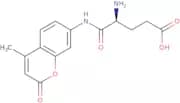
CAS:H-Glu-AMC is a fluorescent substrate for the aminopeptidases that can be used for their detection in extracellular spaces. H-Glu-AMC is also a model substrate for homopolymeric strings, which are detectable by microscopy. The pathogenesis of hyopneumoniae has been shown to be associated with an increase in aminopeptidase activity and tissue plasminogen activator on the surface of the bacteria. It has been shown that these enzymes are responsible for cleaving proline from the amino acid chain, resulting in a break in the peptide bond.Fórmula:C15H16N2O5Pureza:Min. 95%Forma y color:White PowderPeso molecular:304.3 g/molTAPI-1
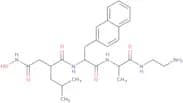
CAS:TAPI-1 is an inhibitor of TACE (TNF-α converting enzyme, also known as ADAM17) and matrix metalloproteinases (MMPs). It blocks the shedding of several cell surface proteins, including tumor necrosis factor-alpha (TNF-α), IL-6 receptor, and TNF receptors p60 (TNFRI) and p80 (TNFRII).Fórmula:C26H37N5O5Pureza:Min. 95%Peso molecular:499.60 g/molH-Pro-Asp-OH
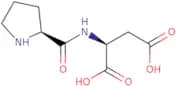
CAS:H-Pro-Asp-OH is a conjugate of the amino acid proline and aspartic acid. H-Pro-Asp-OH is synthesized in the liver, where it can be found in the extracellular environment. This drug has been shown to be effective against hyperproliferative disorders and cancer. H-Pro-Asp-OH binds to the surface of cells, which inhibits the growth rate of cancer cells by inhibiting the synthesis of DNA, RNA, and proteins. The uptake of this drug by cells is increased when dietary protein levels are low. H-Pro-Asp-OH has also been shown to inhibit cell proliferation in humans and pigs.Fórmula:C9H14N2O5Pureza:Min. 95%Forma y color:White PowderPeso molecular:230.22 g/molH-Glu(Glu-OH)-OH
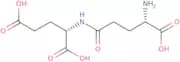
CAS:H-Glu(Glu-OH)-OH is a synthetic amino acid that is currently being investigated as a diagnostic agent for the detection of intracellular protein degradation by matrix metalloproteinase-9 (MMP-9). H-Glu(Glu-OH)-OH is taken up by cells in a concentration and time dependent manner, with an uptake rate of approximately 1.6 x 10^6 molecules per cell per hour. The uptake mechanism is not yet known, but has been hypothesized to be due to receptor binding. H-Glu(Glu-OH)-OH binds to cerebellar granule cells and alters mitochondrial metabolism, which may be related to its effects on the ubiquitin proteasome pathway. This compound also has diagnostic potential for atherosclerosis and glutamate transport disorders.Fórmula:C10H16N2O7Pureza:Min. 95%Peso molecular:276.24 g/molKisspeptin-10 (Human) / Metastin (Human, 45-54)
CAS:Metastin is a peptide that activates the Kisspeptin receptor. It has been shown to inhibit protein interactions, activate ligands and receptors, and act as a research tool in cell biology. Metastin is an inhibitor of the G-protein coupled receptor, KISS1R. Metastin has been shown to activate the LGR5 receptor.
Fórmula:C63H83N17O14Pureza:Min. 95%Peso molecular:1,302.4 g/molFGF 2 Human
Fibroblast Growth Factor-2 Human Recombinant (FGF-2) produced in E.Coli is a single, non-glycosylated, polypeptide chain containing 154 amino acids and having a molecular mass of 17.2kDa.Pureza:>98% By Sds-PageFRETS-VWF73 (0.1 mg vial)
FRETS-VWF73 is a fluorogenic peptide substrate used to measure ADAMTS13 activity in a FRET assay. Measuring the activity of ADAMTS13, a metalloprotease that cleaves von Willebrand factor (VWF), is important in diagnostic applications, particularly for patients with suspected thrombotic microangiopathies.Fórmula:C370H583N103O113SPureza:Min. 95%Peso molecular:8,314.3 g/molUbenimex (Bestatin) HCl Salt
CAS:Ubenimex is a peptide-based inhibitor of aminopeptidase enzymes that act on the N-terminus of amino acid chains. It is also an inhibitor of Leucine aminopeptidase 3 (LAP3) and a potent irreversible inhibitor of Leukotriene A4 (LTA4) hydrolase. It is used in the treatment of non-alcoholic steatohepatitis. Ubenimex binds to the active site of aminopeptidases and inhibits their activity, thus preventing degradation of peptides. Ubenimex has been shown to inhibit aminopeptidase A and B, but not C or D. As a result, it prevents cleavage of the N-terminal amino acids from proteins, which may be involved in inflammatory processes. Furthermore Bestatin has been shown to exhibit antibacterial properties against P. gingivalis and F. nucleatum and is available in the salt form: Hydrochloride.Pureza:Min. 98%Peso molecular:344.84 g/molH-VIILGDSGVGK^-OH
Peptide H-VIILGDSGVGK^-OH is a Research Peptide with significant interest within the field academic and medical research. This peptide is available for purchase at Cymit Quimica in multiple sizes and with a specification of your choice.H-GVDEVTIVNILTNR^-OH
Peptide H-GVDEVTIVNILTNR^-OH is a Research Peptide with significant interest within the field academic and medical research. This peptide is available for purchase at Cymit Quimica in multiple sizes and with a specification of your choice.[Leu31, Pro34]-NPY (Porcine)
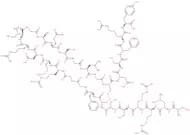
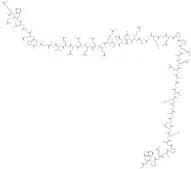
CAS:NPY is a neuropeptide that belongs to the peptide family of neuropeptides. NPY is an activator of G-protein coupled receptors, and it regulates a variety of physiological functions, such as feeding behavior, energy expenditure and water balance. NPY is also involved in various diseases, such as diabetes mellitus, hypertension and cardiac hypertrophy. NPY (Porcine) can be used as a research tool for studying the biological function of NPY or for ligand-binding assays.Fórmula:C190H286N54O56Pureza:Min. 95%Peso molecular:4,222.6 g/molHepcidin (baboon, cynomolgus, macaque, and gorilla)
This product is of Hepcidin Baboon, Cynomolgus, Macaque, and Gorilla origin contains the disulfide bonds: Cys7- Cys23, Cys10- Cys13, Cys11- Cys19, and Cys14- Cys22. Hepcidin is a hormone that is produced by the liver in response to iron overload and regulates iron uptake in the gastrointestinal tract. Hepcidin binds to ferroportin, the protein that transports iron across the enterocyte cell membrane, and mediates internalization of ferroportin. Interestingly Hepcidin also displays antimicrobial activity as it reduces the amount the iron available to pathogens invading the body.Fórmula:C113H170N36O31S9Pureza:Min. 95%Peso molecular:2,817.41 g/molBoc-Dap-OtBu hydrochloride salt
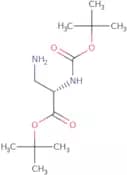
CAS:Boc-Dap-OtBu hydrochloride salt is a chemical that is synthesized by anhydride and trifluoroacetic acid. It can be used in the laboratory for protein visualization, as well as to detect proteins using LC-MS. The presence of trifluoroacetic acid makes the Boc-Dap-OtBu hydrochloride salt fluorescent, which makes it possible to visualize the reaction products under UV light. This chemical is often used in fluorescence spectrometry to identify amino acids and other compounds.Fórmula:C12H24N2O4Pureza:Min. 95%Forma y color:PowderPeso molecular:260.33 g/molPramlintide
CAS:Pramlintide is a synthetic analog for amylin pancreatic peptide that has been used for the treatment of Type I and Type II Diabetes as a tool for glycemic control, stimulating glucose production and reducing appetite. This product has disulfide bonds between Cys2 and Cys7 and is available in the trifluoroacetate salt form.Fórmula:C171H267N51O53S2Pureza:Min. 95%Peso molecular:3,949.47 g/molH-Trp-2-ClTrt-Resin (100-200 mesh) 1% DVB
H-Trp-2-ClTrt-Resin (100-200 mesh) 1% DVB is a resin that is used in the synthesis of peptides. It is an alcohol and amine-containing resin which is typically used as a building block for peptide synthesis. The H-Trp side chain in this resin can be cleaved with thiols to yield a free Trp residue.Pureza:Min. 95%Fmoc-Trp(Boc)-Rink-Amide MBHA Resin
Please enquire for more information about Fmoc-Trp(Boc)-Rink-Amide MBHA Resin including the price, delivery time and more detailed product information at the technical inquiry form on this page
Pureza:Min. 95%Biotinylated Vn96 peptide, patent WO 2012/126118
A kit for releasing EVs from their bound state with the Vn96 peptide.Pureza:Min. 95%H-Ala-Tyr-Pro-Gly-Lys-Phe-NH2
CAS:H-Ala-Tyr-Pro-Gly-Lys-Phe-NH2 is a selective inhibitor of aminopeptidase N. It has been shown to inhibit neutrophil and leukocyte recruitment in rat peritonitis models, as well as to reduce the severity of carrageenan induced paw edema in rats. H-Ala-Tyr-Pro-Gly-Lys-Phe NH2 also inhibits the activation of platelets by aspirin and reduces their aggregation, which may be due to inhibition of PAR4.
PAR4 is a G protein coupled receptor that is activated by proteases such as thrombin and trypsin. Activation of PAR4 induces proinflammatory cytokines, leading to increased leukocyte recruitment and inflammation.Fórmula:C34H48N8O7Pureza:Min. 95%Peso molecular:680.80 g/molPACAP38 (Human)
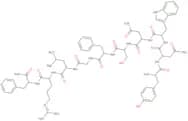
CAS:PACAP38 is a ligand that belongs to the family of peptides. It binds to the PAC1 receptor and activates it. PACAP38 has been shown to inhibit ion channels, such as potassium channels and calcium channels, in neuronal cells. The protein interactions of PACAP38 are not yet fully understood.Fórmula:C203H331N63O53SPureza:Min. 95%Peso molecular:4,534.3 g/molDnp-Arg-Pro-Leu-Ala-Leu-Trp-Arg-Ser-OH
CAS:The enzyme DNP-Arg-Pro-Leu-Ala-Leu-Trp-Arg-Ser (DAPPLE) is a zymogen that is activated by proteolytic cleavage to form an active enzyme. DAPPLE has been shown to cause neuronal death in vitro. The enzyme can be inhibited by the addition of specific inhibitors, such as 4-(2-aminoethyl)benzenesulfonyl fluoride, which blocks the activity of matrix metalloproteinases. DAPPLE has been found in mammalian ovaries and induces the release of growth factors when it is activated by proteolytic cleavage. The optimum pH for DAPPLE activity is 7.5 and it can be inhibited by the addition of certain drugs, such as phenylmethylsulfonyl fluoride or sodium azide.Fórmula:C52H77N17O14Pureza:Min. 95%Peso molecular:1,164.3 g/molFS1 peptide
FS1, a synthetic BH3 peptide used in BH3 profiling, shows promise in enhancing Natural Killer (NK) cell-mediated cancer therapy. By selectively targeting anti-apoptotic BCL-2 family proteins, FS1 can trigger cytochrome c release in sensitive cancer cell lines, promoting apoptosis. This mechanism synergizes with NK cell activity, leading to increased cancer cell death both in vitro and in vivo. Therefore, FS1 represents a potential therapeutic agent for enhancing NK cell-based immunotherapy approaches.
Mca-Pro-Leu-OH
CAS:Mca-Pro-Leu-OH is a monoclonal antibody that recognizes the antigen staphylococcus. It is useful for the diagnosis of postoperative infections, nephrology dialysis, and in renal transplantation to prevent graft rejection. It has been used as an immunofluorescent stain in human chorionic gonadotropin (hCG) and follicle stimulating hormone (FSH) studies. Mca-Pro-Leu-OH is a mouse monoclonal antibody that reacts with human chorionic gonadotropin (hCG). The specificity of this antibody has been shown to be very high since it does not react with other proteins found in nature such as follicle stimulating hormone (FSH).Fórmula:C23H28N2O7Pureza:Min. 95%Forma y color:PowderPeso molecular:444.48 g/mol1,3-Dipalmitoylglycerol
CAS:1,3-Dipalmitoylglycerol is a diacylglycerol, which is a type of fatty acid that is also known as a 1,2-diacylglycerol. It has been shown to exhibit hemolytic activity in the presence of hydroxyl groups. The optimum pH for 1,3-dipalmitoylglycerol is at around 7.5 and it can be used as a biocompatible polymer to form controlled-release preparations with neutral pH that are tumoricidal.Fórmula:C35H68O5Pureza:Min. 95%Forma y color:PowderPeso molecular:568.91 g/molEDDnp
CAS:EDDnp is a potent and selective inhibitor of the proteolytic enzyme dipeptidyl peptidase IV (DPP-IV). EDDnp binds to the active site of DPP-IV, which prevents it from cleaving peptides at the carboxy terminus. The inhibition of DPP-IV results in an increase of peptide hormones such as glucagon-like peptide 1 (GLP-1) and gastric inhibitory polypeptide (GIP), which are involved in regulating blood glucose levels. In addition, there are high values of EDDnp in human serum and urine, which may be due to its function as a potential biomarker for diabetes. The physiological function of EDDnp is still being investigated.
Fórmula:C8H10N4O4Pureza:Min. 95%Peso molecular:226.19 g/molBoc-D-Ser(Bzl)-OH
CAS:Boc-D-Ser(Bzl)-OH is a synthetic molecule that can be used in peptide synthesis. It is a potent inhibitor of galactose and tetrazole, and it inhibits the activities of enzymes involved in the synthesis of proteins, such as methionine synthase. Boc-D-Ser(Bzl)-OH has been shown to inhibit atherosclerotic lesions by blocking secretagogue activity and also inhibits the production of inflammatory mediators. This compound has potent inhibitory effects on piperidine.Fórmula:C15H21NO5Pureza:Min. 95%Peso molecular:295.33 g/molH-Orn-Orn-Orn-OH acetate salt
CAS:H-Orn-Orn-Orn-OH acetate salt is a chemical compound with the molecular formula C10H14O2. It is used as a building block in organic chemistry, often as an intermediate for the synthesis of other compounds, or as a reagent.Fórmula:C15H32N6O4Pureza:Min. 95%Forma y color:PowderPeso molecular:360.45 g/molZ-Gly-Gly-Arg-AMC·HCl
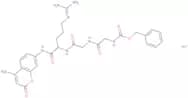
CAS:Z-Gly-Gly-Arg-AMC·HCl is a proteolytic enzyme that cleaves proteins at the carboxyl side of the amino acid arginine. It has been shown to have potential as a drug target and has been found to be active against carcinoma cell lines, but not normal cells. Z-Gly-Gly-Arg-AMC·HCl is activated by light and can be inhibited by natural compounds such as 2-aminoethoxydiphenyl borate. In addition, it specifically cleaves proteins at the carboxyl side of arginine residues, which makes it useful for studying protein degradation mechanisms in living cells and tissues.Fórmula:C28H33N7O7·HClPureza:Min. 98%Forma y color:White PowderPeso molecular:616.07 g/molH-Leu-Asp-OH
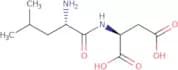
CAS:H-Leu-Asp-OH is a phenolic compound that is synthesized by the esterification of L-leucine and L-aspartic acid. The solubility of H-Leu-Asp-OH in organic solvents, such as dichloromethane and ethanol, is higher than in water. This product can be used as a solvent for other substances and as a boosting agent for other products during clinical trials. It has been shown to have health effects on humans, but more research is needed to determine any possible side effects or long term health problems.Fórmula:C10H18N2O5Pureza:Min. 95%Forma y color:White PowderPeso molecular:246.26 g/molH-Arg-AMC hydrochloride
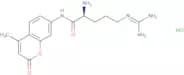
CAS:H-Arg-AMC hydrochloride is a denaturing agent that is used to prevent the proteolytic degradation of proteins in muscle and other tissues. It has been shown to inhibit the activity of lipase, myofibrillar, and endoplasmic enzymes. H-Arg-AMC hydrochloride also has cancer preventive effects by inhibiting the growth of tumor cells. H-Arg-AMC hydrochloride has been shown to have high values in notochord markers, supplementing cytosolic markers, and endogenous markers.Fórmula:C16H21N5O3·xHClPureza:Min. 95%Forma y color:White PowderPeso molecular:331.37 g/molFmoc-D-Ala-Wang Resin (100-200 mesh) 1% DVB
Fmoc-D-Ala-Wang resin is an inhibitor that binds to the active site of peptidyl-serine and peptidyl-threonine phosphatases, which are enzymes that remove phosphate groups from proteins. This resin has been shown to inhibit protein phosphatase 1 and 2A in vitro. Fmoc-D-Ala-Wang resin can be used as a research tool for the study of protein interactions, ligand receptor interactions, or ion channels. Fmoc-D-Ala Wang resin is also used as a high purity reagent for the synthesis of peptides or proteins.Pureza:Min. 95%Lixisenatide
CAS:Lixisenatide is a peptide hormone that belongs to the class of dipeptidyl peptidase-4 inhibitors. It is used in the treatment of type 2 diabetes, including those with a body mass index (BMI) greater than 27 kg/m2 or who have had type 2 diabetes for more than 10 years. Lixisenatide reduces postprandial blood glucose levels by delaying gastric emptying and increasing glucagon-like peptide-1 (GLP-1) release. Lixisenatide has been shown to be effective in reducing cardiovascular events in people with congestive heart failure. Lixisenatide also has water vapor and cardiac effects that are similar to those of GLP-1 agonists.Fórmula:C215H347N61O65SPureza:Min. 95%Peso molecular:4,858.6 g/molAtrial natriuretic factor (1-28) trifluoroacetate
CAS:Please enquire for more information about Atrial natriuretic factor (1-28) trifluoroacetate including the price, delivery time and more detailed product information at the technical inquiry form on this pageFórmula:C127H203N45O39S3•C2HF3O2Pureza:Min. 95%Forma y color:PowderPeso molecular:3,194.47 g/molMS1 peptide
MS1 is a peptide that binds to the pro-survival protein Mcl-1, disrupting its ability to inhibit cell death. It is used in research to study how cancer cells depend on Mcl-1 for survival and to assess the effectiveness of drugs that target this protein. Modifications to the MS1 peptide, such as stapling and introducing mutations, can further enhance its binding affinity to Mcl-1, making it a valuable tool in developing new cancer therapies.Fmoc-Asp(OtBu)-OH
CAS:Fmoc-Asp(OtBu)-OH is a chemical compound that belongs to the group of modified amino acids. The synthesis of Fmoc-Asp(OtBu)-OH starts with the reaction of nicotinic acetylcholine, sodium carbonate, and chloride in trifluoroacetic acid. The product is then reacted with a disulfide bond and modified with polymerase chain and saponified. The final modification is achieved by reacting Fmoc-Asp(OtBu)-OH with messenger RNA (mRNA), which produces the desired product. Fmoc-Asp(OtBu)-OH has been shown to have minimal activity, as it does not elute from an ion exchange column under normal conditions. It also has no effect on acetylcholine release in rat hippocampal slices or on morphology when incubated in vitro for 24 hours at 37 degrees Celsius.Fórmula:C23H25NO6Pureza:Min. 98.0 Area-%Peso molecular:411.46 g/molH-Ser-Phe-Leu-Leu-Arg-Asn-Pro-Asn-Asp-Lys-Tyr-Glu-Pro-Phe-OH
CAS:Hypertension is a common condition that affects millions of people worldwide. It is characterized by an elevated blood pressure and the subsequent damage to the heart, kidneys, and other tissues. Metyrapone is a drug that inhibits the synthesis of corticosteroids from cholesterol in the adrenal glands. It was shown to reduce blood pressure in vivo by blocking the formation of cytosolic calcium and subsequent release of vasopressin. The use of metyrapone as a hypertension treatment has been limited due to its side effects on the liver. A new model system using basic fibroblasts (BF) instead of liver cells has been developed to study this drug's effects on hypertension without causing liver lesions. This model has proven successful for other drugs with similar biological properties, such as Hytrinol, which also blocks corticosteroid synthesis from cholesterol but does not cause liver lesions. The BF system can be used for testing new drugs that are selective for PAR1 receptors, which are
Fórmula:C81H118N20O23Pureza:Min. 95%Peso molecular:1,739.96 g/molFmoc-Ser(tBu)-Gly-OH
CAS:Fmoc-Ser(tBu)-Gly-OH is a building block for the synthesis of dipeptides. It contains a free amino group and can be used to synthesize peptides containing serine and glycine. This reagent can also be used in the synthesis of other dipeptides, such as Fmoc-Leu-OH, Fmoc-Phe-OH, and Fmoc-Ile-OH.Fórmula:C24H28N2O6Pureza:Min. 95%Peso molecular:440.49 g/molUroguanylin (Human)
CAS:Uroguanylin (Human) product containing the disulfide bonds: Cys4-Cys12 and Cys7-Cys15 and avaialable in the trifluoroacetate salt form. Uroguanylin is a peptide hormone that is involved in the regulation of fluid and electrolyte balance in the body. It is produced in the intestinal tract, specifically in the lining of the small intestine and colon.
Uroguanylin belongs to a family of peptides that includes guanylin and the heat-stable enterotoxins (STs).These peptides all share a similar structure and function, as they bind to and activate the guanylate cyclase-C (GC-C) receptor in intestinal cells.
Activation of GC-C by uroguanylin leads to an increase in cyclic GMP (cGMP) levels, which in turn activates a variety of downstream signaling pathways. This leads to an increase in chloride and bicarbonate secretion in the intestine, as well as an increase in intestinal fluid secretion. Uroguanylin also stimulates sodium and water reabsorption in the kidneys, leading to an increase in urine output.
Uroguanylin has been studied for its potential therapeutic applications, particularly in the treatment of gastrointestinal disorders. For example, synthetic analogs of uroguanylin are being developed as potential treatments for constipation and other disorders of intestinal motility. Additionally, uroguanylin has been shown to have anti-inflammatory properties and may be useful in the treatment of inflammatory bowel disease.Fórmula:C64H102N18O26S4Pureza:Min. 95%Peso molecular:1,667.89 g/molFmoc-Glu(OtBu)-OH•H2O
CAS:Please enquire for more information about Fmoc-Glu(OtBu)-OH•H2O including the price, delivery time and more detailed product information at the technical inquiry form on this pageFórmula:C24H27NO6•H2OPureza:Min. 98.0 Area-%Peso molecular:443.51 g/molZ-Ile-Glu(OtBu)-Ala-Leu-H (aldehyde)
CAS:inhibitor of chymotrypsin-like activity of the multicatalytic proteinase complex in HT4 cells. Causes accumulation of ubiquitinylated proteins in neuronal cells.Fórmula:C32H50N4O8Pureza:Min. 95%Peso molecular:618.76 g/molH-AVLGTSNFK^-OH
Peptide H-AVLGTSNFK^-OH is a Research Peptide with significant interest within the field academic and medical research. This peptide is available for purchase at Cymit Quimica in multiple sizes and with a specification of your choice.
H-VNVEDAGGETLGR^-OH
Peptide H-VNVEDAGGETLGR^-OH is a Research Peptide with significant interest within the field academic and medical research. This peptide is available for purchase at Cymit Quimica in multiple sizes and with a specification of your choice.
H-IALGGLLFPASNLR^-OH
Peptide H-IALGGLLFPASNLR^-OH is a Research Peptide with significant interest within the field academic and medical research. This peptide is available for purchase at Cymit Quimica in multiple sizes and with a specification of your choice.Ac-SEEEDPAPSRKIHFSTAPIQVFST-NH2
Peptide Ac-SEEEDPAPSRKIHFSTAPIQVFST-NH2 is a Research Peptide with significant interest within the field academic and medical research. This peptide is available for purchase at Cymit Quimica in multiple sizes and with a specification of your choice.H-FSPDDSAGASALL^^R-OH
Peptide H-FSPDDSAGASALL^^R-OH is a Research Peptide with significant interest within the field academic and medical research. This peptide is available for purchase at Cymit Quimica in multiple sizes and with a specification of your choice.
H-FYALSQGTTIR^-OH
Peptide H-FYALSQGTTIR^-OH is a Research Peptide with significant interest within the field academic and medical research. This peptide is available for purchase at Cymit Quimica in multiple sizes and with a specification of your choice.H-Gly-Tyr-Pro-Gly-Lys-Phe-NH2
CAS:This is a synthetic peptide that mimics the endogenous human epidermal growth factor (EGF) and binds to the toll-like receptor. It has been shown to stimulate physiological function in experimental models of bowel disease and cardiac disease, as well as cancer tissues. The peptide also binds to the guanine nucleotide-binding protein, polymerase chain reaction, and inflammatory bowel disease genes. In vivo studies have confirmed that this peptide enhances the production of EGF in maternal blood and stimulates squamous carcinoma growth in an animal model.Fórmula:C33H46N8O7Pureza:Min. 95%Peso molecular:666.78 g/molH-QIWLSSPSSGPK^-OH
Peptide H-QIWLSSPSSGPK^-OH is a Research Peptide with significant interest within the field academic and medical research. This peptide is available for purchase at Cymit Quimica in multiple sizes and with a specification of your choice.Pancreastatin (Dephosphorylated Porcine)
CAS:Pancreatastatin is a peptide hormone that inhibits energy metabolism. Pancreatastatin is a biologically active peptide that has been isolated from the pancreas and shown to have effects on the endocrine system, including regulation of feeding behavior. Pancreatastatin is also known as somatostatin and is found in both animals and humans. Pancreatastatin has been shown to inhibit cellular proliferation and decrease tumor size in animal models of cancer, as well as to regulate blood sugar levels in diabetic patients. Pancreatastatin is also used for treating bowel diseases such as colitis.Fórmula:C214H330N68O76SPureza:Min. 95%Peso molecular:5,103.49 g/molCandidalysin
CAS:Candidalysin is a research tool that is used to activate, bind, or block the activity of receptors. Candidalysin is a ligand that binds to specific receptors on cells and activates them. It can be used as a receptor-specific inhibitor or activator.
Fórmula:C153H266N38O38S2Pureza:Min. 95%Peso molecular:3,310.1 g/molAc-Arg-Gly-Lys-MCA
CAS:Ac-Arg-Gly-Lys-MCA is a histone deacetylase inhibitor that belongs to the class of peptides. This drug has been shown to inhibit the activity of histone deacetylases and can be used for the treatment of diabetes. Ac-Arg-Gly-Lys-MCA is an enzyme substrate, which means it is not active when taken orally. It must be administered intravenously or intraperitoneally in order to be metabolized by enzymes in the body.Fórmula:C26H38N8O6Pureza:Min. 95%Peso molecular:558.63 g/mol(Des-acetyl)-α-MSH
CAS:Custom research peptide; min purity 95%. For different specs please use the Peptide Quote Tool
Fórmula:C75H107N21O18S1Peso molecular:1,622.88 g/molFibronectin Adhesion-Promoting Peptide
CAS:Fibronectin Adhesion-Promoting Peptide is a polyclonal antibody that recognizes fibronectin, a glycoprotein found in the extracellular matrix. Fibronectin promotes cell adhesion and proliferation by binding to collagen. This antibody can be used to detect fibronectin in tissues from patients with cancer. It may also be used as a tool for identifying cancer cells that have metastasized to other sites in the body.Fórmula:C47H74N16O10Pureza:Min. 95%Peso molecular:1,023.22 g/molCaloxin 2A1
CAS:Caloxin 2A1 is a peptide that has been shown to activate the receptor for bradykinin, a peptide hormone that causes vasodilation. The activation of this receptor by Caloxin 2A1 leads to the opening of ion channels in the cell membrane, which causes an influx of calcium ions into the cell. This influx activates enzymes that break down proteins and increases the permeability of blood vessels. Caloxin 2A1 also inhibits ligand-induced activation of phospholipase C. Caloxin 2A1 binds to an antibody against bradykinin, which can be used as a research tool or as a means to measure levels of bradykinin in blood plasma. Caloxin 2A1 has a molecular weight of 543 g/mol and CAS number 350670-85-8.Fórmula:C64H91N19O22Pureza:Min. 95%Peso molecular:1,478.5 g/moltrans-Cinnamoyl-Tyr-Pro-Gly-Lys-Phe-NH2
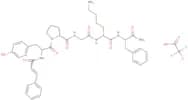
CAS:Trans-Cinnamoyl-Tyr-Pro-Gly-Lys-Phe-NH2 is a cardiac peptide that belongs to the class of PAR4 and PAR1 receptor agonists. It has been shown to be an endogenous agonist of both PAR4 and PAR1 receptors, which are involved in blood pressure regulation. Trans-Cinnamoyl-Tyr-Pro-Gly-Lys-Phe-NH2 has been shown to activate these receptors in vivo, leading to increased blood pressure. Additionally, it has been shown to have a cardioprotective effect by decreasing myocardial infarct size in rats.Fórmula:C40H49N7O7Pureza:Min. 95%Peso molecular:739.88 g/molPKC β pseudosubstrate
CAS:Custom research peptide; min purity 95%. For different specs please use the Peptide Quote Tool
Fórmula:C177H294N62O38S3Peso molecular:3,994.84 g/molSuc-Ala-Ala-Pro-Abu-pNA
Suc-Ala-Ala-Pro-Abu-pNA is a peptide that has been shown to inhibit the activity of elastase, an enzyme that breaks down proteins in tissues. It is used as a substrate for enzyme assays and as a tool for studying elastase. This peptide can be used to study the structure and function of elastases, which are necessary for the breakdown of proteins in tissues.
Fórmula:C25H34N6O9Pureza:Min. 95%Peso molecular:562.58 g/molH-Trp(Boc)-2-ClTrt-Resin (100-200 mesh) 1% DVB
H-Trp(Boc)-2-ClTrt-Resin (100-200 mesh) 1% DVB is a resin for the synthesis of peptides. It is used as building blocks in the synthesis of peptide derivatives, such as amines, alcohols, thiols, and other amino acids. This resin has been shown to be stable in aqueous or organic solvents.
Pureza:Min. 95%Cys-TAT(48-60)
Peptide derived from the HIV transactivator of transcription protein. TAT is a cationic cell-penetrating peptide.
Pureza:Min. 95%Forma y color:PowderPeso molecular:1,821.18 g/molCathepsin G FRET substrate [5-FAM]/[6-TAMRA]
Substrate peptide for Cathepsin G, a serine protease belonging to the chymotrypsin superfamily which acts as a physiologic regulator of platelet activation and thrombus formation. Cathepsin G also has antimicrobial activity and is involved in chemotaxis, apoptosis, the immune response and inflammation and hydrolysis of extracellular matrix proteins. Cathepsin G can cleave protease activated receptor-4 (PAR4) and is a potential target for novel anti-thrombotic therapies.This peptide contains the FRET pair: 5-Carboxyfluorescein (5-FAM) and 6-Carboxytetramethylrhodamine (6-TAMRA). 5-Carboxyfluorescein (5-FAM), which is present at the N-terminus of this peptide, is a widely used green fluorescent tag which excites at 495 nm and emits at 517 nm. 6-carboxytetramethylrhodamine (6-TAMRA), which is attached at the C-terminus, is a widely used fluorescent dye which excites at 546 nm and emits at 579 nm. In the intact peptide 6-TAMRA acts as a quencher of the fluorescence of 5-FAM therefore no fluorescence can be detected. However hydrolysis of the peptide between the donor/acceptor pair allows the fluorescence of 5-FAM to be recovered, enabling the quantitative measurement of enzymatic activity.Fluorescence Resonance Energy Transfer (FRET) peptides are convenient tools for the study of peptidase specificity and enzymatic activity.Pureza:Min. 95%Forma y color:PowderPeso molecular:1,846.7 g/molClick (KFF)3K
(KFF)3K is a cationic cell penetrating peptide which can be conjugated to PNA oligomers to aid in their penetration of the bacterial cell wall to function as anti-microbials. (KFF)3K is labelled at the N-terminus with an alkyne attachment for ease of reaction with an opposite Click reactive partner (azide).
Pureza:Min. 95%Forma y color:PowderPeso molecular:1,491.8 g/molH-Arg-Gly-Asp-Ser-Lys-OH
H-Arg-Gly-Asp-Ser-Lys-OH is a peptide that is used as a marker for the identification of villi in the small intestine. The peptide is synthesized by gland cells in the intestinal epithelium and released into the lumen of the small intestine. It is then taken up by other cells such as enterocytes, which are located at the apical end of villi. In untreated animals and humans, H-Arg-Gly-Asp-Ser-Lys-OH can be detected using immunohistochemistry on tissue sections and flow cytometry.Fórmula:C21H39N9O9Pureza:Min. 95%Peso molecular:561.6 g/molHistone H3 (1-20) K4Me3, K9Ac, pS10-GG-[Cys(AZ647)]
Histone H3 (1 - 20) K4Me3 is derived from Histone 3 (H3), which is one of the four core histones (H2A, H2B, H3 and H4) fundamental in compacting eukaryotic DNA into the nucleosome. The nucleosome arises when 147 base pairs of DNA wrap around a H3-H4 tetramer and two H2A-H2B dimers, forming the histone octamer core. H4 and H3 are highly conserved and perform roles in binding to segments of DNA which enter and leave the nucleosome and in chromatin formation. Like the other core histone, H3 has a globular domain and a flexible N-terminal domain, 'histone tail' which can undergo modifications such as acetylation, methylation, phosphorylation and ubiquitination. Due to histones containing many lysine and arginine residues, they have a positive net charge which interacts electrostatically with the negatively charged phosphate groups in DNA. The transcriptional activation or silencing of the chromatin is controlled by ATP-dependent chromatin remodelling factors and histone-modifying enzymes which target histone proteins. Both processes alter the positioning of the nucleosome, allowing the DNA to be either available or inaccessible to the transcription machinery.Histone tails can undergo multiple modifications, including acetylation, methylation, ubiquitylation and sumoylation. The purpose of the modifications is believed to alter chromatin function/structure. Lysine 4 of Histone H3 (1 - 20) K4Me3 has been tri-methylated, lysine 9 has been acetylated, and serine 10 has been phosphorylated. This peptide is labelled with the Aurora Fluor 647 fluorescent tag.
Pureza:Min. 95%Peso molecular:3,543.6 g/molH-KISQTAQTYDPR^-OH
Peptide H-KISQTAQTYDPR^-OH is a Research Peptide with significant interest within the field academic and medical research. This peptide is available for purchase at Cymit Quimica in multiple sizes and with a specification of your choice.Biot-PRKVIKMESEE-OH
Peptide Biot-PRKVIKMESEE-OH is a Research Peptide with significant interest within the field academic and medical research. This peptide is available for purchase at Cymit Quimica in multiple sizes and with a specification of your choice.Alpha-Factor
CAS:The alpha factor pheromone arrests yeast in the G1 phase of their cell cycle, this allows the opposite mating type cells to synchronise. Alpha factor mating pheromone induces the expression of mating genes, changes in nuclear architecture, and polarizes growth toward the mating partner. STE2 encodes the alpha factor pheromone transmembrane G-protein coupled receptor (GPCR) found on mating-type-A cells in yeast. Alpha factor binds Ste2 and activates prototypic mitogen-activated protein kinase (MAPK) cascade. The dose of pheromone exposure differentially activates the MAPK Fus3 for alternate effects. A high dose of alpha factor leads to growth arrest and schmooing formation for mating, a lower dose causes elongated cell growth.Fórmula:C82H114N20O17SPureza:Min. 95%Forma y color:PowderPeso molecular:1,683.97 g/molAAA-C(AF647) C-Terminal Sortagging
This C-terminal Sortagging peptide acts as a (oligo)glycine nucleophile in the final steps of a sortagging protein labelling reaction. This reaction results in the (AF647) fluorescent moiety being attached to the C-terminus of the target protein or peptide.Sortase A (SrtA) from Staphylococcus aureus has become a valuable tool via sortase-mediated ligation of various substrates for bioconjugation. SrtA recognises the LPxTG motif as a substrate. Cleavage results in a thioester intermediate between the peptide and SrtA. The thioester is resolved by the N-terminus of a nucleophile, usually with two glycines at the start, creating a new bond. In bacteria, SrtA aids surface proteins being ligated into the peptidoglycan cross-bridge. The peptidoglycan of S. pyogenes provides an N-terminal alanine residue for the ligation reaction. AAA-C(AF647) is a nucleophile for SrtA S. pyogenes- the sortase-mediated ligation reaction results in protein labelling with a C-terminal Alexa Fluor 647 fluorescent dye. Alexa Fluor 647 has a maximum emission of 668 nm when excited at 650nm. AAA-C(AF647) has the potential to be used for a wide variety of purposes, as has been demonstrated with other SrtA ligations such as intracellular ligation of protein in living cells.Pureza:Min. 95%Forma y color:PowderPeso molecular:1,327.4 g/molPip6a
Pip6a is part of a novel series of transduction peptides termed Pips (PNA/PMO internalisation peptides). Pip peptides were designed around an original R6-penetratin cell penetrating peptide (CPP) and are able to transport PNA/PMO molecules across cell membranes. Pip peptides can be covalently conjugated to PNAs/PMOs to deliver them to a variety of adult tissues, including liver, kidney, skeletal muscle, diaphragm, and heart.Due to its ability to target the heart, pip6a has important implications for the development of therapeutic antisense oligonucleotide therapy using PMOs for diseases such as Duchenne muscular dystrophy (DMD). DMD causes progressive muscle weakening and often results in cardiac failure and death. Pip6a has also been studied for delivery of antisense oligonucleotide therapy in spinal muscular atrophy (SMA).
Pureza:Min. 95%Forma y color:PowderPeso molecular:2,952.6 g/molFmoc-Cys(Trt)-Rink-Amide MBHA Resin
Fmoc-Cys(Trt)-Rink-Amide MBHA Resin is a peptide resin for the synthesis of peptides. It is used in the production of antibodies and other research tools. The product can be used as an inhibitor, activator, or ligand in cell biology and pharmacology research. Fmoc-Cys(Trt)-Rink-Amide MBHA Resin has a purity of at least 98% with a CAS number of 563925-03-8. This product is recommended for life sciences, ion channels, and antibody production.
Pureza:Min. 95%PKA Substrate
Substrate peptide for adenosine 3',5'-monophosphate (cyclic AMP)-dependent protein kinase (PKA) and related kinases, for use in kinase assays. The peptide sequence is based on the cAMP-dependent protein kinase inhibitor alpha (amino acid 15-23).Protein kinase A (PKA) also known as cAMP-dependent protein kinase is a family of serine/threonine protein kinase enzymes whose activity is regulated by cyclic AMP (cAMP). PKA is involved in a plethora of roles within the cell including: regulation of glycogen, sugar and lipid metabolism and roles within adipocytes and hepatocytes, nucleus accumbens neurons, skeletal muscle, cardiac muscle and in memory formation.Pureza:Min. 95%Forma y color:PowderPeso molecular:1,117.6 g/molHLA-DRB1*1501 peptide
The HLA-DRB1*1501 peptide, is encoded by the disease-associated MHC allele histocompatibility leukocyte antigen (HLA)-DRB1*1501 which is present on the MHC region of chromosome 6. The increased frequency of the HLA-DRB*11501 haplotype found in Multiple Sclerosis (MS) patients, may contribute to the MS phenotype through disrupting T cell repertoire selection and through the presentation of self-peptides which can be targeted by the body's autoimmune response. Moreover studies investigating the accumulation of amyloid β-peptide (Aβ) as a factor producing Alzheimer's disease (AD) pathogenicity, found that HLA-DR alleles such as DRB1*1501 demonstrate immunogenic properties. It is evident that the DRB1*1501 halotype is associated with strong Aβ-T cell responses resulting in the large production of IFN- γ and IL-17. Therefore the HLA-DRB1*1501 peptide would be beneficial in studies exploring the phenotypes of autoimmune-diseases like MS and AD.Pureza:Min. 95%Forma y color:PowderPeso molecular:1,568.7 g/molp53 Protein, human, recombinant
The p53 protein is a transcription factor that regulates the cell cycle and suppresses tumor development. It is a type of tumor suppressor protein that helps prevent cells from becoming cancerous. The p53 protein is found in every human cell and has been shown to play an important role in apoptosis, or programmed cell death. The recombinant p53 protein can be used as an inhibitor for ion channels and as a research tool for studying protein interactions.Pureza:Purified By Proprietary Chromatographic TechniquesC-terminal Sortagging-[Cys(AF680)] acid
This C-terminal Sortagging peptide acts as an (oligo)glycine nucleophile in the final steps of a sortagging protein labelling reaction. This reaction results in the [Cys(AF680)]- fluorescent moiety being attached to the C-terminus of the target protein or peptide.A substrate peptide containing the LPXTG motif is recognised and cleaved by the enzyme Sortase A (SrtA) from Staphylococcus aureus. The catalytic cysteine residue in the active site of SrtA serves as a nucleophile to cleave the peptide bond between threonine and glycine of the substrate peptide. Cleavage results in the formation of a thioacyl intermediate between the substrate peptide and SrtA. This intermediate is then resolved by the N-terminus of this (oligo)glycine nucleophile peptide, resulting in the creation of a new peptide bond that links the substrate peptide to this peptide and its fluorescent dye. This method of protein labelling is known as sortagging.C-Terminal Sortagging-[Cys(AF680)] contains the AF680 fluorescent dye- AF680 is a bright green dye with excitation at 633 nm, well suited for flow cytometry and imagery. AF680 is particularly photostable, allowing better detection of low abundance conjugates. C-Terminal Sortagging-[Cys(AF680)] acid is provided here. However, the amide version is also available.Pureza:Min. 95%Peso molecular:1,241.3 g/molMOG (35-55) acid Mouse, Rat
CAS:Myelin oligodendrocyte glycoprotein (MOG) is a member of the immunoglobulin (Ig) protein superfamily and is expressed exclusively in the central nervous system on the surface of myelin sheaths and oligodendrocyte processes. MOG is expressed at the onset of myelination, and therefore is a potential marker for oligodendrocyte maturation.MOG contains an extracellular domain, a transmembrane domain, a cytoplasmic loop, a membrane-associated region and a cytoplasmic tail. MOG may function as a cell surface receptor or cell adhesion molecule. Fifteen different alternatively spliced isoforms have been detected in humans. These are present either on the cell surface, the endoplasmic reticulum in the endocytic system, or in secreted form.The secreted form of MOG may trigger autoimmunity if released into the cerebrospinal fluid and periphery. MOG is thought to be a key target for autoantibodies and cell-mediated immune responses in inflammatory demyelinating diseases such as multiple sclerosis (MS) and is therefore widely studied in this field.The MOG (35-55) fragment is the most potent auto-antigenic region of MOG, and the most effective at inducing experimental autoimmune/allergic encephalomyelitis (EAE), an animal model that resembles MS. This peptide has a free carboxylic acid at the C-terminus, an amide version is also available in our catalogue.Fórmula:C118H177N35O29SPureza:Min. 95%Forma y color:PowderPeso molecular:2,581.95 g/molH-DDNPNLPR^-OH
Peptide H-DDNPNLPR^-OH is a Research Peptide with significant interest within the field academic and medical research. This peptide is available for purchase at Cymit Quimica in multiple sizes and with a specification of your choice.
H-HGEGTFTSDLSKQMEEEAVRL^FIEWL^KNGGPSSGAPPPS-NH2
Peptide H-HGEGTFTSDLSKQMEEEAVRL^FIEWL^KNGGPSSGAPPPS-NH2 is a Research Peptide with significant interest within the field academic and medical research. This peptide is available for purchase at Cymit Quimica in multiple sizes and with a specification of your choice.
HLA leader peptide LVL (heavy-labeled)
Fragment of the signal peptide from endogenous HLA Class I molecules which is also found in viral glycoproteins, for example human Cytomegalovirus (hCMV) protein UL40. When presented on a cell surface via HLA-E molecules, the HLA-peptide complex binds NKG2A receptors on Natural Killer (NK) cells and some CD8⁺ cytotoxic T cells to reduce their cytotoxic activity. Blocking this interaction is an attractive opportunity for immune checkpoint (IC) approach therapies. This is relevant in both cancer therapies, and viral infections, where endogenous HLA Class I peptide presentation is exploited to escape immune attack.Peptide H-VMAPRTLL^-OH is a heavy-labeled version of PP45242, and is a Research Peptide with significant interest within the field academic and medical research. This peptide is available for purchase at Cymit Quimica in multiple sizes and with a specification of your choice.[5-FAM]-GLP-1
Glucagon-like peptide (GLP)-1 is a gastrointestinal peptide hormone with multiple roles in relation to metabolism. The primary role of GLP-1 is increasing insulin secretion in the presence of high plasma glucose levels, in addition, GLP-1 also suppresses glucagon secretion from the pancreas. GLP-1 slows down gastric emptying and regulates appetite, both valuable in reducing food intake and body weight. These roles of GLP-1 make it a useful target in the management of type 2 diabetes mellitus (T2DM).GLP-1 exerts its effects by binding to and activating the class B G protein-coupled receptor (GPCR): GLP-1 receptor (GLP-1R). Receptor activation in turn activates signalling pathways which culminates in insulin secretion via CAMP and Ca2+ signalling.Recently evidence has increased for GLP-1 playing a cardio-protective role as well as regulating immune responses and even in kidney function. GLP-1 may also exert neuroprotective and neurotropic effects as it can decrease endogenous levels of amyloid-β (Aβ) and prevent Aβ-induced cell death.This peptide contains N-terminal 5-Carboxyfluorescein (5-FAM), a widely used green fluorescent tag.Pureza:Min. 95%Forma y color:PowderPeso molecular:4,467.1 g/molH-RGFFYTPK^T-OH
Peptide H-RGFFYTPK^T-OH is a Research Peptide with significant interest within the field academic and medical research. This peptide is available for purchase at Cymit Quimica in multiple sizes and with a specification of your choice.
H-YLYTDDAQQTEAHLEIR^-OH
Peptide H-YLYTDDAQQTEAHLEIR^-OH is a Research Peptide with significant interest within the field academic and medical research. This peptide is available for purchase at Cymit Quimica in multiple sizes and with a specification of your choice.
Bradykinin (1-7)
CAS:Custom research peptide; min purity 95%. For different specs please use the Peptide Quote ToolFórmula:C35H52N10O9Peso molecular:756.87 g/molGly-Val-Val
Custom research peptide; min purity 95%. For different specs please use the Peptide Quote ToolFórmula:C12H23N3O4Peso molecular:273.33 g/molSIVmac239 - 19
Custom research peptide; min purity 95%. For different specs please use the Peptide Quote Tool
Peso molecular:1,785.1 g/molH-FSGVPDR^-OH
Peptide H-FSGVPDR^-OH is a Research Peptide with significant interest within the field academic and medical research. This peptide is available for purchase at Cymit Quimica in multiple sizes and with a specification of your choice.
AF488 6xHis Tag
[AF488] 6xHis Tag, composed of a hexa-histidine tag and the fluorescent dye, Alexa Fluor 488 (AF488).Pureza:Min. 95%Peso molecular:1,356.4 g/molSMAC/DIABLO-[Cys(AF647)]
SMAC/DIABLO-[Cys(AF647)] is a pro-apoptotic peptide that is derived from the mitochondrial protein known either as Second Mitochondria-Derived Activator of Caspases (Smac) or Direct IAP Binding Protein with low isoelectric point, pI (DIABLO). During apoptosis the mitochondria has increased permeability to Smac/DIABLO, which causes the protein to diffuse into the cytosol. Here, Smac/DIABLO adheres to Inhibitors of apoptosis proteins (IAPs) and prevents them from binding to caspases, which in turn accentuates apoptosis.This peptide has a C-terminal cysteine linker labelled with AF647, which is a bright, far-red-fluorescent dye with excitation between 594 nm and 633 nm.Pureza:Min. 95%Forma y color:PowderPeso molecular:1,427.7 g/molBiot-RDVYEEDSYVKRSQG-NH2
Peptide Biot-RDVYEEDSYVKRSQG-NH2 is a Research Peptide with significant interest within the field academic and medical research. This peptide is available for purchase at Cymit Quimica in multiple sizes and with a specification of your choice.SBP1
Fragment of the angiotensin-converting enzyme 2 (ACE2) peptidase domain (PD) alpha1 helix, a domain important for the interaction of ACE2 with the severe acute respiratory syndrome (SARS coronavirus receptor binding domain (SARS-CoV-2-RBD). SBP1 associates with the SARS-CoV-2-RBD with nanomolar affinity and can potentially block the key mechanism by which SARS CoV-2 initiates entry into human cells.Pureza:Min. 95%Forma y color:PowderH-SNL-NH2
Peptide H-SNL-NH2 is a Research Peptide with significant interest within the field academic and medical research. This peptide is available for purchase at Cymit Quimica in multiple sizes and with a specification of your choice.




![[Leu31, Pro34]-NPY (Porcine)](/_next/image/?url=https%3A%2Fstatic.cymitquimica.com%2Fproducts%2F3D%2Fthumb-webp%2FPNP-4314-S.webp&w=3840&q=75)


















![Cathepsin G FRET substrate [5-FAM]/[6-TAMRA]](/_next/image/?url=https%3A%2Fstatic.cymitquimica.com%2Fproducts%2F3D%2Fthumb-webp%2FCRB1100420.webp&w=3840&q=75)

![Histone H3 (1-20) K4Me3, K9Ac, pS10-GG-[Cys(AZ647)]](/_next/image/?url=https%3A%2Fstatic.cymitquimica.com%2Fproducts%2F3D%2Fthumb-webp%2FCRB1101681.webp&w=3840&q=75)

![C-terminal Sortagging-[Cys(AF680)] acid](/_next/image/?url=https%3A%2Fstatic.cymitquimica.com%2Fproducts%2F3D%2Fthumb-webp%2FCRB1101684.webp&w=3840&q=75)
![[5-FAM]-GLP-1](/_next/image/?url=https%3A%2Fstatic.cymitquimica.com%2Fproducts%2F3D%2Fthumb-webp%2FCRB1100880.webp&w=3840&q=75)
![SMAC/DIABLO-[Cys(AF647)]](/_next/image/?url=https%3A%2Fstatic.cymitquimica.com%2Fproducts%2F3D%2Fthumb-webp%2FCRB1110326.webp&w=3840&q=75)