Péptidos
Subcategorías de "Péptidos"
Se han encontrado 29608 productos de "Péptidos"
MALT1 substrate
The optimal proteolytic substrate for mucosa-associated lymphoid tissue 1 (MALT1). MALT1 is an arginine-specific protease which cleaves after the C-terminal arginine residue. This peptide can be used to test MALT1 protease activity with the addition of an appropriate C-terminal tag.MALT1 has both adaptor and protease functions and is involved in controlling antigen receptor-mediated signalling to nuclear factor KB (NF-KB). When activated, MALT1 forms a complex with B-cell lymphoma/leukemia 10 (BCL10) and caspase recruitment domain-containing protein 11(CARD11)/CARD-containing MAGUK protein 1 (CARMA1), which results in NF-KB nuclear translocation. The protease function of MALT1 promotes gene transcription by inactivating negative regulators of NF-KB and JNK signalling, such as A20, RELB and CYLD. MALT1-dependent cleavage of the RNAse MCPIP1 (also known as Regnase-1) is then thought to lead to the stabilization of the resulting transcripts.Peso molecular:515.3 g/molH2N-Trp-Leu-Ser-Glu-Ala-Gly-Pro-Val-Val-Thr-Val-Ar
Custom research peptide; min purity 95%. For different specs please use the Peptide Quote ToolFórmula:C97H152N28O27Peso molecular:2,142.42 g/mol[5-TAMRA]/[Lys(BHQ-2)]-CoV Main Protease (Mpro) Substrate
Fluorescently labelled substrate for the severe acute respiratory syndrome coronavirus main protease (SARS-CoV Mpro). The substrate sequence is derived from residues P4-P5' of the SARS-CoV Mpro N-terminal autoprocessing site which has the sequence AVLQSGFRK. SARS-CoV Mpro is a key antiviral target.This peptide contains an N-terminal a 5-carboxytetramethylrhodamine (5-TAMRA), a widely used fluorescent dye which excites at 546 nm and emits at 579 nm and a black hole quencher 2 (BHQ-2) group. This Mpro substrate is used in Mpro inhibition assays. The compound being tested for its inhibitory capacity of Mpro is added alongside [5-TAMRA]/[Lys(BHQ-2)]-CoV, after a set time period, the amount of fluorescence released is read as a percentage inhibition by a plate reader.The fluorescence from 5-TAMRA is efficiently quenched by resonance energy transfer to the BHQ-2 group when the peptide is intact, however upon cleavage of the peptide by Mpro, 5-TAMRA and BHQ-2 are separated, allowing fluorescence to be detected. This therefore represents a useful tool for investigating Mpro activity.Peso molecular:2,048 g/molHistone H4 (1-21)
Histone 4 (H4) is one of the four core histones (H2A, H2B, H3 and H4) which are essential for compacting eukaryotic DNA into the nucleosome. Due to the high lysine and arginine content, histones have a net positive charge and therefore electrostatically interact with negatively charged DNA. The nucleosome arises when 147 base pairs of DNA wrap around a H3-H4 tetramer and two H2A-H2B dimers, forming the histone octamer core. Like other core histones, H4 has a globular domain and a flexible N-terminal domain, the histone tail, which can undergo modifications such as acetylation, methylation, phosphorylation and ubiquitination.Gene transcriptional activation or inactivation is controlled by ATP-dependent chromatin remodelling factors and histone modifying enzymes. Both processes function to alter the positioning of the nucleosome, allowing the DNA within to be either accessible to the transcription machinery or inaccessible. H4's lysine rich tail plays a role in the higher order chromatin folding.Peso molecular:2,090.2 g/molAc-TNL-NH2
Peptide Ac-TNL-NH2 is a Research Peptide with significant interest within the field academic and medical research. This peptide is available for purchase at Cymit Quimica in multiple sizes and with a specification of your choice.
Ac-WDCCPGCCK-NH2
Peptide Ac-WDCCPGCCK-NH2 is a Research Peptide with significant interest within the field academic and medical research. This peptide is available for purchase at Cymit Quimica in multiple sizes and with a specification of your choice.H-Glu-Glu-Leu-OH
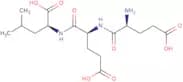
CAS:H-Glu-Glu-Leu-OH is a vitamin that is essential for the production of hydroxyproline, which aids in the formation of collagen. It is also used to treat osteoarthritis and rheumatoid arthritis. H-Glu-Glu-Leu-OH is synthesized from glutamate, glutamic acid, and leucine in the liver and kidney. This reaction proceeds by two steps: first, glutamate carboxylase converts glutamate to α-ketoglutarate; then, aspartate aminotransferase converts α-ketoglutarate to aspartate semialdehyde. Aspartate semialdehyde is converted to H-Glu-Glu-Leu by an enzyme called glutamyl aminopeptidase. The reaction mechanism of this enzyme has been studied experimentally and theoretically using sodium bicarbonate (NaHCO) as a buffer. The sequential natureFórmula:C16H27N3O8Pureza:Min. 95%Forma y color:White Off-White PowderPeso molecular:389.40 g/molSARS-CoV-2 Antigen Peptide NCAP (LLNKHIDAYKTFPPTEPK)
Custom research peptide; min purity 95%. For different specs please use the Peptide Quote Tool
Fórmula:C99H154N24O27Peso molecular:2,112.55 g/molAcetylated alpha-synuclein (1-7) amide
Acetylated α-synuclein (1-7) amide is derived from the alpha-synuclein intrinsically disordered protein which is found in the neurons and presynaptic terminals. Encoded by the SNCA1/PARK1 gene alpha-synclein is structurally composed of 140 amino acids, making up the three domains: N-terminal membrane binding domain, a hydrophobic non-amyloid-β component domain and a hydrophilic C-terminal domain. Usually alpha-synuclein plays a role in protecting neurons from apoptotic stimuli and is involved in synaptic vesical trafficking.However it has been found that the accumulation of alpha-synuclein aggregates can lead to neurodegenerative diseases such as Parkinson disease, dementia with Lewy bodies and multiple system atrophy. It is further involved in the fibrilisation of amyloid-b and tau which play a major role in Alzheimer disease. Amyloid fibrils are formed from alpha synuclein monomers within the cytosol and when bound to membranes these monomers can undergo conformational changes to form protofibrils and then ring like oligomers. This can result in the formation of transmembrane pores which disrupts the membrane, calcium homeostasis and signalling.Alpha-synuclein can be subjected to the post-translational modifications of phosphorylation and N-terminal acetylation. When acetylation occurs at the N-terminus of an alpha-synuclein monomer, the intramolecular hydrogen bonds are altered thus reducing the rate of alpha-synuclein aggregation and the strength at which it interacts with the membrane is increased.
Peso molecular:867.4 g/molbeta-Amyloid (1-16) Human
Amyloid β-peptide (Aβ) has been identified as the key subunit of the extracellular plaques found in the brains of patients with Alzheimer's disease (AD) and Down's syndrome (DS). Aβ has therefore been extensively studied as a potential target for treatment of AD. Aβ is formed from the cleavage of the large, transmembrane protein- APP (amyloid precursor protein). Cleavage of APP by β- and then γ-secretases results in the formation of Aβ. Aβ can aggregate to produce amyloid-β oligomers, which are thought to be highly neurotoxic. Over time Aβ can further aggregate to produce the characteristic senile plaques present in AD and DS. Aβ can be degraded by enzymes such as neprilysin, insulin degrading enzyme or endothelin converting enzyme. At physiological levels Aβ may be involved in controlling synaptic activity and neuronal survival.
Peso molecular:1,955.01 g/molCMVpp65 - 93 (FTSQYRIQGKLEYRH)
Custom research peptide; min purity 95%. For different specs please use the Peptide Quote ToolPeso molecular:1,927.2 g/mol[5-FAM]-TAT
[5-FAM]-TAT is a cell penetrating cationic peptide derived from the N-terminus of the Tat protein, which is a trans-activator of the transcription protein present in the human immunodeficiency virus (HIV). Specifically TAT (47-57) is located within the arginine-rich basic domain 48-60 of the TAT peptide which as a whole has three domains which function to aid HIV through transactivation, DNA binding and nuclear transport. As a cell penetrating peptide (CPP) TAT aids in the cellular uptake of molecules and hence serves a valuable purpose in transduction methods. This property has been demonstrated through its ability of allowing toxins such as the neurotoxin Botulinum neurotoxin Type A, produced by the Clostridium botulinum type A bacteria to penetrate the skin barrier non-invasively. Additionally TAT (47-57) can be used to deliver proteins, fluorophores, chelators and DNA to target cells.It contains 5-carboxyfluorescein (5-FAM), a widely used green fluorescent tag.Peso molecular:2,172.2 g/molAc-TYFAVLM-NH2
Peptide Ac-TYFAVLM-NH2 is a Research Peptide with significant interest within the field academic and medical research. This peptide is available for purchase at Cymit Quimica in multiple sizes and with a specification of your choice.MyHC (614-629)
Peptide derived from the myosin heavy-chain (MyHC) proteins which are differentially expressed in mammalian skeletal muscles.Peso molecular:2,073.40 g/molCONJUGATE B CONTAINING CAMPTOTHECIN-GLY-SUCCINATE
Peptide CONJUGATE B CONTAINING CAMPTOTHECIN-GLY-SUCCINATE is a Research Peptide with significant interest within the field academic and medical research. This peptide is available for purchase at Cymit Quimica in multiple sizes and with a specification of your choice.Histone H3 (1-21) K9Me2
Histone H3 (1-21) K9Me2 is derived from Histone 3 (H3) which is one of the four core histones (H2A, H2B, H3 and H4) fundamental in compacting eukaryotic DNA into the nucleosome. The nucleosome arises when 147 base pairs of DNA wrap around a H3-H4 tetramer and two H2A-H2B dimers, forming the histone octamer core. Both H4 and H3 are highly conserved and perform roles in binding to segments of DNA which enter and leave the nucleosome and in chromatin formation. Similar to the other core histone, H3 has a globular domain and a flexible N-terminal domain, 'histone tail' which can undergo modifications such as acetylation, methylation, phosphorylation and ubiquitination. Due to histones containing a large number of lysine and arginine residues they have a positive net charge which interacts in an electrostatic manner with the negatively charged phosphate groups in DNA. The transcriptional activation or silencing of the chromatin is controlled by ATP-dependent chromatin remodelling factors and histone modifying enzymes which target histone proteins. Both processes function to alter to change the positioning of the nucleosome, allowing the DNA it to be either available to the transcription machinery or inaccessible.The Histone H3 (1-21) lysine 9 has been dimethylated.Peso molecular:2,281.3 g/molBradykinin
Bradykinins and their associated kinins are inflammatory mediators produced during inflammation. The two main kinins in mammals are the nonapeptide bradykinin, BK (1-9) and the decapeptide kallidin (KD), [Lys0]-BK(1-10). Their biological actions are mediated by two distinct receptors, termed B1 and B2.-BK is involved in several pathophysiological processes, such as inflammation, pain, cell proliferation, and tumours. It plays a crucial role in corneal epithelial cells, corneal stromal cells, and fibroblasts.Inflammation has been reported as one significant hallmark of breast cancer in relation to tumour development, metastasis, and invasion. The bradykinin receptor 1 (B1R) associated with kallidin is highly expressed on inflammatory breast tumour cells thus providing a promising targeting site for tumour recognition and sufficient receptor mediated endocytosis.Peso molecular:1,059.6 g/molClick (AAKK)4
Small peptide design has become of interest to catalyse chemical transformations within the cell. The aim is to generate peptides to enhance the hybridization of attached oligonucleotides to complementary DNA sequences. (AAKK)4 is modelled on the surface of staphylococcal nuclease, it a short cationic lysine-rich peptide that can deliver a nucleophile to DNA or RNA. (AAKK)4 peptide can improve DNA-PNA (peptide nucleic acid) hybridisations dramatically as well as increase strand invasion rate. (AAKK)4 peptide is a non-lipid approach for cell penetration which is preferable for certain cell lines due to cytotoxicity issues. (AAKK)4-antisense conjugates have been used to silence gene expression.(AAKK)4 is provided here with a N-terminal alkyne attachment. Two of the most regularly encountered functional groups for click chemistry are azides and alkynes, and the azide-alkyne cycloaddition has become the most popular click reaction. The use of click chemistry with alkyne-(AAKK)4 allows a wide variety of applications particularly for conjugation, modification, and peptide design.
Forma y color:PowderPeso molecular:1,690.1 g/mol™PRSS4 (199-207) fluorogenic peptide
TMPRSS4 (199-207) fluorogenic peptideForma y color:PowderPeso molecular:1,691.8 g/molH-Asp(Lys-OH)-OH
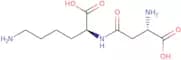
CAS:H-Asp(Lys-OH)-OH is a metabolite that is an intermediate in the fatty acid oxidation pathway. It may be involved in the progression of colorectal carcinoma by inhibition of fatty acid synthesis, leading to the accumulation of fatty acids and subsequent death. This metabolite can also be used to identify potential biomarkers for colorectal cancer. H-Asp(Lys-OH)-OH can be detected using liquid chromatography coupled with mass spectrometry (LC/MS).Fórmula:C10H19N3O5Pureza:Min. 95%Forma y color:White PowderPeso molecular:261.28 g/molAc-CR-NH2
Peptide Ac-CR-NH2 is a Research Peptide with significant interest within the field academic and medical research. This peptide is available for purchase at Cymit Quimica in multiple sizes and with a specification of your choice.
FFW
Sal-like4 (SALL4) derived peptide able to antagonise the SALL4-NuRD complex in hepatocellular carcinoma, turning SALL4 from a dual transcription repressor-activator to a singular transcription activator. Displays antitumour effects in xenograft mouse models.Peso molecular:1,378.8 g/molSARS-CoV-2 NSP13 (466-480)
The SARS-CoV-2 non-structural protein 13 (NSP13) has been identified as a target for anti-viral therapeutics due to its highly conserved sequence and is essential for viral replication. NSP13 is part of the helicase superfamily 1B. As an NTPase and RNA helicase, NSP13 binds to RNA-dependent RNA polymerase and acts in concert with the replication-transcription complex to stimulate backtracking and further activate NSP13 helicase activity. These factors make NSP13 a good target for developing new antiviral drugs. In addition, the identification of epitopes within the NSP13 sequence can help design more effective SARS-CoV-2 vaccines.Models have predicted epitopes exhibiting antigenicity, stability and interactions with MHC class-I and class-II molecules. NSP13 (466-480) is an epitope candidate with various predicted HLA restrictions. This epitope can be used to better vaccine design for more durable CD4+ and CD8+ T cell responses for long-lasting immunity.Peso molecular:1,763.9 g/molIRBP (161-180)
CAS:IRBP (161-180) derived from the interphotoreceptor retinoid-binding protein (IRBP), present in the interphotoreceptor matrix and is expressed by cone and rod photoreceptors in the eye. IRBP is involved in retinoid delivery and protects retinal cells from oxidative stress.In retinitis pigmentosa patients, IRBP can be subjected to mutations resulting in a non-secreted form of IRBP to be produced. Furthermore IRBP gene mutations have been associated with high myopia and retinal dystrophy.The expression of IRBP is reduced in diabetes patients which may lead to visual cycle misfunction and the photoreceptors can be vulnerable to damage.Fórmula:C103H157N25O29Forma y color:PowderPeso molecular:2,209.5 g/molH-VISPSEDR^-OH
Peptide H-VISPSEDR^-OH is a Research Peptide with significant interest within the field academic and medical research. This peptide is available for purchase at Cymit Quimica in multiple sizes and with a specification of your choice.SPA4 Peptide
SPA4 is a surfactant protein-A (SP-A)-derived peptide which is an antagonist of toll-like receptor-4 (TLR4). SP-A and TLR4 have been identified as important pathogen-pattern recognition receptors (PPRRs). SP-A represents the majority of SPs and plays a key role in fighting pathogens and down-regulating inflammation, whereas TLR4 recognises pathogens and endogenous stress proteins and induces the inflammatory and adaptive immune responses.Over-activation of TLR4 induces inflammatory response via NF-KB and TNF-α cytokine. SPA4 has been shown to bind to TLR4 and inhibit the release of TNF-α in response to the most potent TLR4-ligand: Gram-negative bacteria-derived lipopolysaccharide (LPS), however SPA4 does not interfere with LPS binding to TLR4. The suppression of LPS-TLR4 signalling by SPA4 peptide alleviates inflammatory response.Peso molecular:2,396 g/mol[5-FAM]-RGD peptide
The RGD peptide is a ligand for cell-surface integrin receptors, which are used by most cells to attach to and sense the extracellular environment and to establish a cytoskeleton. RGD peptide can be attached to biologically important molecules, such as nanoparticles, to enable active targeting of drugs or gene delivery. Model substrates presenting immobilised RGD peptide can be used to promote the adhesion and spreading of cells which have been engineered to expresses integrin receptors such as the platelet cell-surface integrin receptor, alphaIIbβ3. Cells growing in these conditions appear to have well developed cytoskeletons suggesting that binding to the integrin receptor mediates biologically relevant adhesion and RGD substrates are able to support cell survival. Peptide is labelled with an N-terminal 5-carboxyfluorescein (5-FAM), a widely used green fluorescent tag.Forma y color:PowderPeso molecular:950.3 g/mol[5-TAMRA]-Galanin (1-30) Human
Galanin (1-30) (human) is an endogenous neuropeptide with endocrine, metabolic and behavioural effects. Galanin has a role in intestinal smooth muscle contraction, insulin and somatostatin release, and synaptic neurotransmission.Galanin is widely distributed in the central nervous, peripheral, and endocrine systems. Galanin's overarching function is as an inhibitory, hyper-polarizing neuromodulator for classical neurotransmitters like acetylcholine and serotonin. Galanin interacts with 3 receptor subtypes, GalR1-3 G protein-coupled receptors inserted into the plasma membrane. GalR1 is believed to activate a Gβγ pathway to regulate MAPK activation. GalR2 can also activate the MAPK pathway, but unlike GalR1, there is detectable inositol phosphate production. GalR3 is associated with the Galphai/o pathway. Activation of the receptor leads to a cellular influx of K+. Each receptor has been associated with neurological diseases such as GalR3 and epilepsy.Galanin protects against various physiological insults in vitro, including excitotoxicity and β-amyloid toxicity. Changes in galanin have been widely studied concerning Alzheimer's disease, and galaninergic neurons are spared in late-stage Alzheimer's relative to non-galaninergic neurones.Galanin (1-30) has been used as an agonist for the GalR2 receptor in vitro for calcium mobilisation assays to understand the role Galanin/GalR2 play in multiple sclerosis.Galanin (1-30) is provided with an N-terminal 5-TAMRA, a widely used red fluorescent reagent ideal for peptide labelling and detection. The excitation/emission for this reagent is 555 nm/580 nm.
Peso molecular:2,296.4 g/molORF65 (131-140) [Murid herpesvirus 4]
Human γHV Epstein-Barr virus (EBV) is host-specific, making it challenging to study. Evidence suggests EBV infection provides an enhanced immune response against other future heterologous infections. Murid herpesvirus 4 (MuHV-4) in mice can be used as a model to help understand herpesviruses. The peptide provided here (ORF65131-140) has been used in CTL assays to show that MuHV-4 improves the effector CD8+ T cells response against a heterologous virus. MuHV-4 ORF65131-140 epitope can stimulate interleukin production ex vivo and be detected by tetramer staining to MHC. Further work with MuHV-4 ORF65131-140 could be crucial for understanding the reactivity of the human immune system to other viruses after infection with γHV Epstein-Barr virus (EBV).Peso molecular:989.5 g/mol(Arg8) Vasopressin (AVP)
Arginine vasopressin (AVP) is a neurohypophysial hormone that is synthesized in the supraoptic nucleus and paraventricular nucleus of the hypothalamus. The major function of AVP is to regulate extracellular fluid volume and electrolyte homeostasis via its anti-diuretic action. It is also a vasoconstrictor and pressor agent. AVP is important to the central nervous system (CNS) and also has physiological actions in the peripheral organs, such as the kidney, heart and vascular beds.Forma y color:PowderPeso molecular:1,083.4 g/molHistone H3 (1-20) K4Me3, pS10-GG-[Lys(5-FAM)]
Histone 3 (H3) is one of the four core histones (H2A, H2B, H3 and H4) fundamental in compacting eukaryotic DNA into the nucleosome. The nucleosome arises when 147 base pairs of DNA wrap around a H3-H4 tetramer and two H2A-H2B dimers, forming the histone octamer core. Similar to the other core histone, H3 has a globular domain and a flexible N-terminal domain, 'histone tail' which can undergo modifications such as acetylation, methylation, phosphorylation and ubiquitination. The transcriptional activation or silencing of the chromatin is controlled by ATP-dependent chromatin remodelling factors and histone modifying enzymes which target histone proteins. Both processes function to alter the positioning of the nucleosome, allowing the DNA it to be either available or inaccessible to the transcription machinery.The lysine at position 4 of this peptide has been tri-methylated and it is implicated in studies that this modification may remodel the chromatin so that it is more accessible to transcription factors, which may ultimately increase the level of gene expression. Moreover, the serine at position 10 has been phosphorylated, and studies have suggested that this may induce chromatin condensation, and subsequently repress transcription and gene expression.Histone H3 (1-20) K4Me3, pS10-GG-[Lys(5-FAM)] has a C-terminal GKK linker labelled with 5-Carboxyfluorescein (5-FAM), a widely used green fluorescent tag.
Peso molecular:2,904.5 g/molS2-16
Myocarditis is an inflammatory heart disease often associated with a previous viral infection. Evidence has suggested that myocarditis may be due to autoimmune responses directed against cardiac tissue. The inflammatory immune response caused after infection may break tolerance by mechanisms of molecular mimicry, bystander activation, and loss of immune regulation. Experimental autoimmune myocarditis (EAM) is a model of inflammatory heart disease generated by immunizing susceptible rats or mice with cardiac myosin or its myocarditic epitopes. In the EAM model, cellular infiltrates consist primarily of T cells and macrophages, and T lymphocytes responsive to cardiac myosin can transfer disease. Cardiac myosin is a large peptide, which is composed of two H chains and two pairs of L chains. Proteolysis of myosin yields three subfragments including a globular head or subfragment 1 (S1) region, an alpha helical coiled coil rod comprised of subfragment 2 (S2), and light meromyosin (LMM). In the Lewis rat, the S2 subfragment has been shown to produce the most severe myocarditis.Forma y color:PowderPeso molecular:2,971.6 g/molRNase A (77-82) Amyloidogenic peptide
H-STMSIT-OH peptide, corresponding to RNase A 77-82 (Chain A of bovine pancreatic ribonuclease) has been published to have amyloidogenic properties, and under certain conditions H-STMSIT-OH hexapeptide forms amyloid fibrils. Please also see CRB1001321, which you can use as a negative control in amyloid formation experiments.Peso molecular:638.3 g/molPAR-2 agonist
Protease activated receptors (PARs) are a distinctive four-member family of seven transmembrane G protein-coupled receptors (GPCRs) widely expressed in inflammatory cells. PARs are cleaved by certain serine proteases to expose a tethered ligand domain, this ligand domain then binds to and activates the receptors to initiate multiple signalling cascades. These PAR-activating proteases therefore represent PAR agonists. This PAR-2 agonist peptide mimics the sequence of the 'tethered ligand' and is therefore capable of activating the receptor independently of N-terminal proteolysis.SLIGRL-NH2 inhibits the development of airway eosinophilia, hyper-responsiveness and displays bronchodilator activity in allergic mice and also facilitates gastrointestinal transit in mice-in vivo.PAR activation has been linked to inflammation, therefore compounds that mimic or interfere with the PAR-activating processes are attractive therapeutic candidates.
Peso molecular:656.4 g/mol[Cys(Npys)]-TKD (450-463)
TKD (450-463) is an immunogenic heat shock protein 70 peptide which has been labelled at the N-terminus with Cys(Npys).Peso molecular:1,821.87 g/molHistone H3.2 (1-44)
Histone H3.2 is a highly common variant of the core histone H3 which is found in all eukaryotes except budding yeast. H3.2 is replication-dependent and is associated with gene silencing. Histone variants can replace canonical histones in certain cells or stages of development and help regulate numerous nuclear processes including transcription, DNA repair and chromosome segregation.Histone 3 (H3) which is one of the four core histones (H2A, H2B, H3 and H4) fundamental in compacting eukaryotic DNA into the nucleosome. Both H4 and H3 are highly conserved and perform roles in binding to segments of DNA which enter and leave the nucleosome and in chromatin formation. Similar to the other core histone, H3 has a globular domain and a flexible N-terminal domain, 'histone tail' which can undergo modifications such as acetylation, methylation, phosphorylation and ubiquitination.Peso molecular:4,668.7 g/molACTH (7-39) human
C- terminal fragment of adrenocorticotropic hormone (ACTH) also known as corticotropin, and competitive antagonist of ACTH receptor (ACTHR), also known as melanocortin type 2 receptor (MC2R).ACTH is a member of the melanocortins-peptide family, this tropic hormone is produced and secreted by the anterior pituitary gland. ACTH is an important component of the hypothalamic-pituitary-adrenal (HPA) axis and is often produced in response to biological stress. ACTH acts to increase the production and release of cortisol via its interaction with ACTHR. Receptor activation increases the intracellular concentration of cAMP via adenylyl cyclase. Abnormal ACTH levels in the body have been linked to primary adrenal insufficiency/Addison's disease, Cushing's disease and secondary adrenal insufficiency.Forma y color:PowderPeso molecular:3,804 g/molAngiotensin IV Trifluoroacetate
CAS:Angiotensin-IV is primarily produced from angiotensin-III by the removal of an arginine residue from the N-terminal by membrane alanyl aminopeptidase N (AP-N). Ang-IV can however also be formed by the action of aminopeptidases on Ang-I directly.Ang-IV has been shown to enhance cognitive functions, although how it does this in still unclear. It has been suggested that Ang-IV is able to inhibit the insulin-regulated aminopeptidase (IRAP) receptor in the brain (originally defined as the AT(4) receptor). IRAP is a single-spanning transmembrane zinc-metallopeptidase that belongs to the M1 family of aminopeptidases and its substrates include vasopressin, somatostatin, and cholecystokinin. The half-life of these compounds are prolonged when IRAP is inhibited by Ang-IV, and this may result in the enhanced cognitive abilities seen with Ang-IV treatment. c-Met, a tyrosine kinase receptor that binds hepatocyte growth factor (HGF) has also been proposed as an Ang IV targets. c-Met is associated with memory and learning consolidation.
Peso molecular:774.4 g/molACTH (7-39) Cys
C-terminal fragment of adrenocorticotropic hormone (ACTH), also known as corticotropin, with a C-terminal cysteine residue for conjugation. ACTH (7-39) is a competitive antagonist of ACTH receptor (ACTHR), also known as melanocortin type 2 receptor (MC2R).ACTH is a member of the melanocortins-peptide family, this tropic hormone is produced and secreted by the anterior pituitary gland. ACTH is an important component of the hypothalamic-pituitary-adrenal (HPA) axis and is often produced in response to biological stress. ACTH acts to increase the production and release of cortisol via its interaction with ACTHR. Receptor activation increases the intracellular concentration of cAMP via adenylyl cyclase. -Abnormal ACTH levels in the body have been linked to primary adrenal insufficiency/Addison's disease, Cushing's disease and secondary adrenal insufficiency.Peso molecular:3,906 g/molGRGD-acid
CAS:GRGD-acid is a cell adhesive peptide containing the RGD motif. This enables it the ability to increase cell adhesion and rates of cell growth, differentiation and proliferation. When immobilised onto a Poly(etheretherketone) (PEEK) surface it has been shown to increase cell adhesion and proliferation in MC3T3-E1 cells. GRGD could therefore be used in dental implants.Fórmula:C14H25N7O7Forma y color:PowderPeso molecular:403.39 g/molC105Y
CAS:C105Y is a cell penetrating peptide aiding in the delivery of DNA into cells.Fórmula:C97H148N20O23SPeso molecular:1,994.4 g/molAcetyl-ccbeta
The ccβ peptide has been used to study conformational changes in response to stimuli such as temperature and salt. The ccβ peptide adopts a three-stranded alpha-helical coiled-coil structure at low temperature and changes to an amyloid conformation with increasing temperature. The ccβ peptide can be used as a model for prion diseases and in amyloid studies.Peso molecular:2,093.2 g/molP1A antigen
P1A was the first tumour antigen identified to be recognised by cytotoxic T cells. Tumour antigens are highly expressed on tumour cells however, they are also expressed during early embryogenesis then largely silenced in adulthood thus termed onco-fetal antigens. Targetting tumours expressing these antigens is possible due to their absence in adult tissue (apart from within the testes and placenta). The immune response to the P1A antigen is the major component of the tumour rejection response observed in normal mice. P1A antigen has been tested as a vaccine for tumours to induce P1A-specific CD8+ tumour-infiltrating lymphocytes (TILs). Therefore, the P1A antigen is a useful tool in the search in new cancer immunotherapies using targeted tumour-specific antigens.Peso molecular:1,105.6 g/molNictide
LRRK2 is a leucine rich repeat kinase 2. Increase in LRRK2 kinase activity due to mutation has been linked to numerous forms of Parkinson disease (PD). Theoretically, identification of suitable inhibitors of LRRK2 could be the basis for treatments of PD. Markers of LRRK2 activity and function are available that may be clinically relevant in the future as prognostic indicators. Nictide is a substrate model peptide for LRRK2 activity in in vitro kinase assay analysis. -LRRK2 phosphorylates Rab GTPases and alters their association with effector proteins leading to changes in a vast array of cellular functions including the immune response. The use of in vitro kinase assays with small molecules substrates makes screening for LRRK2 inhibitors possible. Alongside nictide, LRRKtide is also used in the same in vitro assays as a substrate model peptide for LRRK2.- Nictide and LRRKtide are available in our catalogue.Peso molecular:2,748.5 g/molAcetyl-Alpha-synuclein (1-13)
Acetylated α-synuclein (1-13) is derived from the alpha-synuclein intrinsically disordered protein which is found in the neurons and presynaptic terminals. Encoded by the SNCA1/PARK1 gene alpha-synclein is structurally composed of 140 amino acids, making up the three domains: N-terminal membrane binding domain, a hydrophobic non-amyloid-β component domain and a hydrophilic C-terminal domain. Usually alpha-synuclein plays a role in protecting neurons from apoptotic stimuli and is involved in synaptic vesical trafficking.However it has been found that the accumulation of alpha-synuclein aggregates can lead to neurodegenerative diseases such as Parkinson disease, dementia with Lewy bodies and multiple system atrophy. It is further involved in the fibrilisation of amyloid-b and tau which play a major role in Alzheimer disease. Amyloid fibrils are formed from alpha synuclein monomers within the cytosol and when bound to membranes these monomers can undergo conformational changes to form protofibrils and then ring like oligomers. This can result in the formation of transmembrane pores which disrupts the membrane, calcium homeostasis and signalling.Alpha-synuclein can be subjected to the post-translational modifications of phosphorylation and N-terminal acetylation. When acetylation occurs at the N-terminus of an alpha-synuclein monomer, the intramolecular hydrogen bonds are altered thus reducing the rate of alpha-synuclein aggregation and the strength at which it interacts with the membrane is increased.
Peso molecular:1,524.8 g/molBid BH3 Peptide
The Bid BH3 Peptide is derived from the pro-apoptotic proteins Bid (BH3-interacting domain death agonist) and BH3, which are both members of the BCL-2 family proteins and activate the BAX and BAK proteins to promote apoptosis.The process of apoptosis can be activated by the intrinsic or extrinsic pathways, the former is activated by stress stimuli such as DNA damage and nutrient deficiency, while the latter is induced through activation of the death receptors FAS and TRAIL.The BCL-2 family's transmembrane anchor at the C-terminus allows them to locate at the mitochondrial outer membrane and play a vital role in apoptosis.Within the mitochondria BH3 molecules, containing the members BID, BIM, PUMA and NOXA, can be activated by the intrinsic pathway. These in turn can initiate the homo-oligomerisation of BAX and BAK which induce mitochondrial outer membrane permeabilisation (MOMP) and the release of cytochrome c into the cytosol. Here cytochrome c associates with APAF-1 and dATP, ultimately activating effector caspase3/7 and apoptosis.In addition to Bid's role in apoptosis, it also plays a role within a mitosis checkpoint and genomic stability maintenance. Bid's main role is in the extrinsic pathway of apoptosis. When the death receptors are activated Caspase-8 generates tBid through the cleavage of Bid. This then locates to and targets Bax to the outer mitochondrial membrane (OMM) where it induces permeabilisation and hence apoptosis.Forma y color:PowderPeso molecular:2,308.2 g/molAc-ARPLEQAVAAIV-NH2
Peptide Ac-ARPLEQAVAAIV-NH2 is a Research Peptide with significant interest within the field academic and medical research. This peptide is available for purchase at Cymit Quimica in multiple sizes and with a specification of your choice.Macropin 2
This anti-microbial peptide (AMP) has been shown to cause lysis of several human cancer cell lines. Macropin-2 is most potent against CCRF-CEM T lymphoblastoid (human acute lymphoblastic leukemia) cells. At higher concentrations Macropin-2 also causes lysis of human umbilical vein endothelial cells (HUVEC), rat intestinal epithelial cells (IEC), human cervix carcinoma (HeLa) cells and human colon adenocarcinoma (SW480). Macropin-1 is also available in our catalogue.
Peso molecular:2,007.53 g/molH-SPGVAELSLR^-OH
Peptide H-SPGVAELSLR^-OH is a Research Peptide with significant interest within the field academic and medical research. This peptide is available for purchase at Cymit Quimica in multiple sizes and with a specification of your choice.Pap12-6
Broad-spectrum antibacterial, active against multidrug-resistant Gram-negative bacteria. Acts though permeabilizing the bacterial membrane and also shows anti-inflammatory activity via a TLR4-mediated NF-KB signaling pathway. Significantly improves survival in a mouse sepsis model.
Peso molecular:1,644.1 g/molHuman Lysozyme (107-115)
Human Lysozyme (107-115) is derived from human lysozyme, a glycosidase enzyme which can kill both gram-positive and gram-negative bacteria. This can be carried out in a catalytic manner through the hydrolysis of peptidoglycan in the cell wall or alternatively in a non-catalytic manner. Due to the surface of bacteria being negatively charged, they are vulnerable to be targeted by the human lysozyme which is cationic. These antimicrobial properties can be used therapeutically as an anti-pseudomonal agent.Structurally the human lysozyme is comprised of four intramolecular disulphide bonds, four alpha helices within an alpha domain and β-sheets within a β-domain. Human lysozyme (107-115) is found within the α-domain.Peso molecular:1,212.7 g/molTemporin SHF
Temporin-SHf is a broad spectrum anti-microbial peptide (AMP) with activity against Gram-positive and Gram-negative bacteria and yeasts, which displays no haemolytic activity. Temporin-SHf was first isolated from the skin of the frog Pelophylax saharica and is a member of the temporin family of AMPs. Temporins are a large family of short, linear, AMPs produced in the skin of frogs belonging to Rana species, but are also found in wasp venom. Temporin-SHf is the smallest natural linear AMP found to date and has a highly hydrophobic sequence (75%) plus the highest percentage of phenylalanine residues of any known peptide (50%).Temporin-SHf works by disrupting the acyl chain packing of anionic lipid bilayers, causing cracks and microbial membrane disintegration through a detergent-like effect. Temporin-SHf is a promising candidate for the development of a new class of anti-microbial drugs.Forma y color:PowderPeso molecular:1,075.3 g/molTAT-CHN9 (C-ter)
Trans-activator of transcription protein (Tat) (47-57) is a cell penetrating cationic peptide derived from the N-terminus of the Tat protein from the human immunodeficiency virus (HIV). Chimerin 1, (CHN1) is a GTPase activating protein specific for RAC GTP-binding proteins, expressed primarily in the brain. CHN1 is involved in signal transduction and is a direct effector of proteins involved in axon guidance. CHN1 is transferred to the plasma membrane and negatively regulates Rho-family small GTPases RAC1 and CDC42, to cause morphological changes to axons by pruning the ends of axon dendrites. As a cell penetrating peptide (CPP) TAT aids in the cellular uptake of molecules. TAT (47-57) can be used to deliver proteins, fluorophores, chelators and DNA to target cells.Peso molecular:2,644.6 g/molAc-Arg-Gly-Lys(Ac)-AMC
Histone deacetylases (HDACs) are a family of enzymes which are highly evolutionary conserved across all eukaryotes. HDACs modify histones by removing acetyl groups from the tail regions. Histone deacetylation is generally associated with reduced gene expression due to a more compact chromatin state less accessibility for transcription factors (TFs). HDACs are essential for many physiological processes including development and cellular homeostasis. They also play an important role in disease states, including neurodegenerative disorders, genetic diseases and cancers.This peptide is the fluorogenic substrate for assaying histone deacetylase (HDAC) activity in a two-step enzymatic reaction. The assay consists of the initial lysine deacetylation by HDAC followed by the release of the fluorescent group by trypsin. Fluorescence can be detected upon fluorophore release.Peso molecular:600.3 g/molSetmelanotide
Pro-opiomelanocortin (POMC)-derived peptides act on neurons expressing the Melanocortin 4 receptor (MC4R) to reduce body weight. Setmelanotide is a highly potent MC4R agonist that leads to weight loss in diet-induced obese animals and obese individuals with complete POMC deficiency.The endogenous ligand alpha-melanocyte-stimulating hormone (alpha-MSH) for MC4R has been shown to have a much lower affinity than Setmelanotide, explaining some of the drug's potency. Administration of Setmelanotide to wildtype mice resulted in significant weight loss while MC4R knockout mice fail to respond. Setmelanotide is in numerous clinical trials and shows promising results. Patients with POMC defects upstream of MC4R show more significant responses to treatment than those with MC4R deficiency or obese controls.Peso molecular:1,117.34 g/molHistone H3 (1-22) K4Me3-Biotin
Histone H3 (1-22) K4Me3 is derived from Histone 3 (H3) which is one of the four core histones (H2A, H2B, H3 and H4) fundamental in compacting eukaryotic DNA into the nucleosome. The nucleosome arises when 147 base pairs of DNA wrap around a H3-H4 tetramer and two H2A-H2B dimers, forming the histone octamer core. Both H4 and H3 are highly conserved and perform roles in binding to segments of DNA which enter and leave the nucleosome and in chromatin formation. Similar to the other core histone, H3 has a globular domain and a flexible N-terminal domain, 'histone tail' which can undergo modifications such as acetylation, methylation, phosphorylation and ubiquitination. Due to histones containing a large number of lysine and arginine residues they have a positive net charge which interacts in an electrostatic manner with the negatively charged phosphate groups in DNA. The transcriptional activation or silencing of the chromatin is controlled by ATP-dependent chromatin remodelling factors and histone modifying enzymes which target histone proteins. Both processes function to alter the positioning of the nucleosome, allowing the DNA it to be either available or inaccessible to the transcription machinery.Another modification process histones can undergo is biotinylation where the covalent attachment of a biotin molecule is catalysed by the enzyme biotinidase. This cleaves biocytin to generate a biotinyl-thiester intermediate. The biotinyl can then be transferred onto the histone lysine ɛ-amino group which in this case it is covalently attached to Histone 3. Overall the biotinylation sites identified in histone 3 are: K4, K9 and K18. The presence of biotinylated histones have been detected in human cells such as lymphocytes and lymphomas.Lysine 4 of H3 (1-22) has been tri-methylated.Peso molecular:2,851.7 g/molβ-Amyloid (11-20) Human
Amyloid β-peptide (Aβ) has been identified as the key subunit of the extracellular plaques found in the brains of patients with Alzheimer's disease (AD) and Down's syndrome (DS). Aβ has therefore been extensively studied as a potential target for treatment of AD. Aβ is formed from the cleavage of the large, transmembrane protein APP (amyloid precursor protein). Cleavage of APP by β- and then γ-secretases results in the formation of Aβ. Aβ can aggregate to produce amyloid-β oligomers, which are thought to be highly neurotoxic. Over time Aβ can further aggregate to produce the characteristic senile plaques present in AD and DS. Aβ can be degraded by enzymes such as neprilysin, insulin degrading enzyme or endothelin converting enzyme. At physiological levels Aβ may be involved in controlling synaptic activity and neuronal survival.Peso molecular:1,283.48 g/molCalcitonin, Salmon
Calcitonin is a peptide hormone excreted by the thyroid parafollicular cells to regulate calcium and phosphorus levels. Calcitonin acts in opposition to parathyroid hormone (PTH) and vitamin D. Calcitonin functions by inhibiting osteoclast activity in the bones preventing calcium release- there is also inhibition of renal tubular cell reabsorption of calcium and phosphate, so they are excreted preventing a rise in levels.Calcitonin is used for as marker for detection and prognosis of nodular thyroid diseases. Medullary thyroid cancer is one example of the malignant parafollicular cells detectable with the assay, as they present with an increased calcitonin level even at an early stage.Since the discovery of calcitonin over 50 years ago the salmon sourced peptide has been used in numerous treatments including bone metastases, Paget disease, hypercalcaemia, and postmenopausal osteoporosis. The salmon calcitonin has been shown to be equivalent to human form but more active and can be synthetically generated.Peso molecular:3,429.7 g/molHistone H3 (1-8)
Histone H3 (1-8) is derived from Histone 3 (H3) which is one of the four core histones (H2A, H2B, H3 and H4) fundamental in compacting eukaryotic DNA into the nucleosome. The nucleosome arises when 147 base pairs of DNA wrap around a H3-H4 tetramer and two H2A-H2B dimers, forming the histone octamer core. Both H4 and H3 are highly conserved and perform roles in binding to segments of DNA which enter and leave the nucleosome and in chromatin formation. Similar to the other core histone, H3 has a globular domain and a flexible N-terminal domain 'histone tail' which can undergo modifications such as acetylation, methylation, phosphorylation and ubiquitination. Due to histones containing a large number of lysine and arginine residues they have a positive net charge which interacts in an electrostatic manner with the negatively charged phosphate groups in DNA. The transcriptional activation or silencing of the chromatin is controlled by ATP-dependent chromatin remodelling factors and histone modifying enzymes which target histone proteins. Both processes function to alter the positioning of the nucleosome, allowing the DNA it to be either available or inaccessible to the transcription machinery.Peso molecular:931.05 g/molVIP (6-28)
Vasoactive intestinal peptide (VIP) is a neuropeptide found throughout the body and the central nervous system (CNS). VIP is located within cell bodies and nerve endings of the enteric nervous system, brain and pancreas. VIP neurons in the peripheral system fire to regulate blood vessels, and the CNS innervate cerebral vasculature. VIP binds to G protein-coupled receptors VPAC1 and VPAC2. VIP and VPAC2 are detected in circular smooth muscle cells of cerebral arterioles. VIP and VPAC1 are also found in lymphatic tissue. VIP can block inflammation, modify the Th response favouring Th2 and induce regulatory T cells. Overexpression of each receptor has been linked to various cancers.VIP administration leads to pancreatic bicarbonate-rich fluid secretion but not to the same degree stimulated by secretin. VIP stimulates insulin secretion in a glucose-dependent manner and also stimulates glucagon secretion. Studies have found that in morbidly obese patients, VIP levels are lowered and work to slow gastric and duodenal motility but increase gastric emptying. Therefore, decreasing VIP levels in obese patients may increase weight gain by accelerating gastric emptying.VIP has been well studied in pancreatic acini. VIP is a full agonist of amylase secretion and increases cyclic AMP synchronised with an increase in intracellular Ca2+ triggered by stimuli that act through cholecystokinin (CCK) or cholinergic agonists. Most cAMP increases, and amylase secretion appear to be mediated via VPAC1.The discovery of VPAC antagonists can help to understand VIPs roles and may also provide new therapies in VIP dysregulated systems such as cancers. VIP (6-28) is a specific competitive inhibitor of the VIP receptor derived from VIP. VIP-induced vasodilatation was blocked by co-administration of the VIP receptor antagonist VIP (6-28). Using a VIP receptor antagonist has made VIP function easier to study during neuronal injury, inflammation, and heart innervation. The VIP receptor antagonist is being considered for osteoarthritis treatment, an area with no current treatments other than analgesics.
Peso molecular:898.5 g/molLL-37 fragment (24-29)
LL-37 is a member of the large cationic family of anti-microbial peptides called cathelicidins which have broad-spectrum anti-microbial activity and are expressed in many species. The only cathelicidin found in humans is LL-37, this is produced in epithelial cells, by proteolytic cleavage from the C-terminal of the hCAP-18 protein. LL-37 can be processed into different forms of anti-microbial peptides. As well as its anti-microbial properties LL-37 also regulates many aspects of the innate immune system and overexpression of LL-37 has been linked to autoimmune diseases such as asthma and psoriasis, making LL-37 the most studied form of the human cathelicidin peptides.More recently, studies have shown that LL-37 binds to SARS-CoV-2 S protein and inhibits binding to its receptor hACE2, which may inhibit viral entry into the cell. LL-37 is upregulated by vitamin D, therefore this may be one mode of action for the positive outcomes seen with vitamin D treatment for Covid-19.
Forma y color:PowderPeso molecular:790.5 g/molAc-TGGKAPR-NH2
Peptide Ac-TGGKAPR-NH2 is a Research Peptide with significant interest within the field academic and medical research. This peptide is available for purchase at Cymit Quimica in multiple sizes and with a specification of your choice.
beta-Amyloid (1-14) Biotin
Amino acids 1-14 of β-amyloid peptide (Aβ).Aβ has been identified as the key subunit of the extracellular plaques found in the brains of patients with Alzheimer's disease (AD) and Down's syndrome (DS). Aβ has therefore been extensively studied as a potential target for treatment of AD. Aβ is formed from the cleavage of the large, transmembrane protein- APP (amyloid precursor protein). Cleavage of APP by β- and then γ-secretases results in the formation of Aβ. Aβ can aggregate to produce amyloid-β oligomers, which are thought to be highly neurotoxic. Over time Aβ can further aggregate to produce the characteristic senile plaques present in AD and DS. Aβ can be degraded by enzymes such as neprilysin, insulin degrading enzyme or endothelin converting enzyme. At physiological levels Aβ may be involved in controlling synaptic activity and neuronal survival.Contains a C-terminal biotin tag for easy detection and purification.Peso molecular:1,965.9 g/molMyelin Basic Protein (MBP) (68-82), guinea pig
The 14 amino acid fragment of myelin basic protein (MBP) (68-82) can induce experimental allergic encephalomyelitis (EAE) in Lewis rats. EAE is the most used experimental model for studying the human inflammatory demyelinating diseases, such as multiple sclerosis (MS).MBP is an integral component of myelin found in the central nervous system (CNS). MBP is considered vital for the development and stability of the myelin sheath where it plays a role in membrane adhesion. MPBs constitute an extraordinarily varied collection of splice isoforms which show a myriad of post-translational modifications. MBP may be targeted by auto-antibodies in diseases such as MS. Use of MBP fragments in immunology assays are helping to answer this. The low affinity of MBP (1-9) peptide for major histocompatibility complex (MHC) class II molecules may result in MBP autoreactive T cells escaping central-tolerance, where self-reactive T cells are usually eliminated. The activity induced by MBP (68-82) suggests it can cause EAE but other EAE MBP peptides were found to induce a stronger response. The MBP (68-82) and others available in our catalogue may help to understand the nature of demyelinating diseases and find the target autoantigens of conditions such as MS.Forma y color:PowderPeso molecular:1,735.8 g/molPNC 27
Membrane-active peptide that binds to HDM-2 expressed in the membranes of solid tissue tumour cells to induce transmembrane pore formation in cancerous, but not normal cells, resulting in tumour cell necrosis independent of p53 activity.
Peso molecular:4,029.2 g/molAlyteserin-1c
Alyerserin-1c is a C-terminally α-amidated 23 residue Cationic antimicrobial peptide (AMP) with a net charge of +2. Anti-microbial peptides (AMPs) are produced by the innate immune system and are expressed when the host is challenged by a pathogen. The Alyerserin family of peptides was first identified in norepinephrine-stimulated skin secretions of the midwife toad-Alytes obstetricans-(Alytidae). Alyteserin-1 peptides have limited structural similarity to the ascaphins from the skins of frogs of the Leiopelmatidae family. Alyteserin-1 peptides are selective at inhibiting growth activity of Gram-negative bacteria-such as Escherichia coli and show weak haemolytic activity against human erythrocytes.Alyteserin contain at least 50% hydrophobic amino acids. Hydrophobic residues contribute to the insertion of the peptide into the hydrophobic membrane core which results in membrane disruption and death of the pathogen. Due to their mechanism of action it is less likely for resistance to develop towards such peptides compared to conventional antibiotics.Peso molecular:2,265.74 g/molClick TP10
TP10 is an amphipathic cell-penetrating peptide (CPP) also known as transportan 10. Its formation involves the use of a lysine residue to form a chimeric linkage between a mastoparan 21-residue peptide, a wasp venon 14-residue peptide and 6-residues derived from the neuropeptide galanin. Structurally TP10 contains only positively charged amino acids along with 4 lysines and an N-terminus. Therefore, it will produce a +5 charge under conditions of a neutral pH. It has been found that TP10 may aid molecules in penetrating through the cell membrane barrier through directly interacting with the lipid bilayer. During these interactions with the membrane TP10 will form an amphipathic α-helix. TP10 can be used in transduction methods.TP10 is provided here with a N-terminal alkyne attachment. Two of the most regularly encountered functional groups for click chemistry are azides and alkynes, and the azide-alkyne cycloaddition has become the most popular click reaction. The use of click chemistry with alkyne-TP10 allows a wide variety of applications particularly for conjugation, modification, and peptide design. Fluorescent labelling of TP10 for drug delivery has been used in vivo.
Forma y color:PowderPeso molecular:2,260.4 g/molIRBP (1-20)
IRBP (1-20) is derived from the interphotoreceptor retinoid-binding protein (IRBP), present in the interphotoreceptor matrix and is expressed by cone and rod photoreceptors in the eye. IRBP is involved in retinoid delivery and protects retinal cells from oxidative stress.In retinitis pigmentosa patients, IRBP can be subjected to mutations resulting in a non-secreted form of IRBP to be produced. Furthermore IRBP gene mutations have been associated with high myopia and retinal dystrophy.The expression of IRBP is reduced in diabetes patients which may lead to visual cycle misfunction and the photoreceptors can be vulnerable to damage.
Peso molecular:2,193.2 g/molRAGE antagonist peptide
RAGE antagonist peptide is an S100P-derived peptide based competitive antagonist for receptor for advanced glycation end product (RAGE). Recent studies have shown it to disrupt the interaction between RAGE and its ligands, such as S100P, S100A4 and HMGB-1 in binding assays and in multiple cancer cell lines. As well as this, it also blocks RAGE-dependent NF-kB activation in MPanc96, MOH and HPAF II tumor cell lines.Systemic administration of RAGE antagonist peptide also diminishes NF-kB signaling in vivo and significantly reduces glioma tumour growth in murine models.
Peso molecular:1,271.7 g/molPTH (13-34) Human
PTH 13-34 is a biologically active fragment of parathyroid hormone (PTH) with hypertensive activities. PTH 13-34 is being trialled as a possible treatment for osteoporosis (to replace the existing recombinant human PTH 1-34 treatment peptide).PTH is an 84-amino-acid polypeptide hormone (PTH 1-84) which is secreted by the parathyroid glands along with its fragments (such as PTH 1-34 and PTH 7-84). PTH increases calcium and decrease phosphate levels in the blood and the abundance of PTH-derived peptides is regulated by blood calcium levels. PTH inhibits the bone growth-promoting activity of osteoblasts and induces osteoclasts to resorb bone and release calcium and phosphate ions into the blood. PTH binds to and activates the receptor parathyroid hormone receptor 1 (PTHR1). PTHR1 is a G-protein-coupled receptor (GPCR) which regulates mineral ion homeostasis, bone turnover and skeletal development.Peso molecular:2,806.5 g/mol(Cbz-LGR)2-[Rh110]
The protozoan Trypanosoma cruzi that causes South American trypanosomiasis expresses peptidases during its entire parasitic life cycle. Understanding better the function and specificity of the peptidases may lead to new inhibitors and potential therapies. It has been shown this alkaline peptidase has a preference for basic amino acids at position one and position two of the substrate. The sequence Leu-Gly-Arg was shown to have a high Km and high Vmax compared to other peptides tested.Provided here is a fluorogenic peptide substrate for Trypanosoma cruzi alkaline peptidase. In its entire state, this peptide is not fluorescent. However, this peptide is cleaved by T. cruzi alkaline peptidase. Upon rhodamine 110 fluorophore release, fluorescence can then be detected. This peptide, therefore, allows for the quantification of T. cruzi alkaline peptidase activity. Rhodamine 110 is a widely used red fluorescent probe.Peso molecular:1,250.6 g/molLCBiot-KRREILSRRPSYR-OH
Peptide LCBiot-KRREILSRRPSYR-OH is a Research Peptide with significant interest within the field academic and medical research. This peptide is available for purchase at Cymit Quimica in multiple sizes and with a specification of your choice.Histone H3 (1-21)
Histone H3 (1-21) is derived from Histone 3 (H3) which is one of the four core histones (H2A, H2B, H3 and H4) fundamental in compacting eukaryotic DNA into a structure known as the nucleosome. The nucleosome arises when 147 base pairs of DNA wrap around a H3-H4 tetramer and two H2A-H2B dimers, forming the histone octamer core. Both H4 and H3 are highly conserved and perform roles in binding to segments of DNA which enter and leave the nucleosome and in chromatin formation. Similar to the other core histone, H3 has a globular domain and a flexible N-terminal domain, 'histone tail' which can undergo modifications such as acetylation, methylation, phosphorylation and ubiquitination. Due to histones containing a large number of lysine and arginine residues they have a positive net charge which interacts in an electrostatic manner with the negatively charged phosphate groups in DNA. The transcriptional activation or silencing of the chromatin is controlled by ATP-dependent chromatin remodelling factors and histone modifying enzymes which target histone proteins. Both processes function to alter the positioning of the nucleosome, allowing the DNA it to be either available or inaccessible to the transcription machinery.Histone H3 (1-21) has been utilised in research as a substrate for methyltransferase (Histone 3 K4 and K9) and acetyltransferase (Histone 3 K9 and K14) assays. Histone H3 (1-21) and these assays have already provided vital insights into the role's modifications play on the core histone functions. However, with so many histone modifications in different conditions still to be characterised the histone H3 (1-21) peptide still has a lot of insight to provide in the field.Peso molecular:2,253.3 g/molT-9 peptide
Duchenne muscular dystrophy is a severe muscle wasting X-linked genetic disease cause by mutations in the gene encoding the muscle structural protein, dystrophin. Exon skipping therapy remains a key approach for treatment of DMD but still requires considerable research to improve efficient and specific delivery of molecules to myofibers. Use of a phage library identified this sequence as having a high affinity for myofibers. Conjugation of this peptide to novel DMD molecules could provide the insights needed in the field.
Peso molecular:1,343.6 g/molSARS-CoV-2 Membrane protein (141-158)
SARS-CoV-2 Membrane protein (141-158)Peso molecular:1,932.1 g/molGalanin (2-12) acid
Galanin is a neuropeptide synthesised and released by the brainstem locus coeruleus (LC). Galanin is expressed in most LC neurons in rodents and humans. Galanin has been shown to inhibit LC activity by hyperpolarising LC neurons, suppressing their spontaneous firing rate, and enhancing alpha2-adrenergic receptor-mediated negative feedback. Galanin is also a potent trophic and neuroprotective factor throughout the nervous system.Galanin is widely distributed from the central nervous, peripheral, and endocrine systems. Galanin's overarching function is as an inhibitory, hyper-polarizing neuromodulator for classical neurotransmitters like acetylcholine and serotonin. Galanin interacts with 3 receptor subtypes, GalR1-3 G protein-coupled receptors which are inserted into the plasma membrane. GalR1 is believed to activate a Gβγ pathway to regulate MAPK activation. GalR2 can also activate the MAPK pathway, but unlike GalR1, there is detectable inositol phosphate production. GalR3 is associated with the Galphai/o pathway. Activation of the receptor leads to a cellular influx of K+. Each receptor has been associated with neurological diseases such as GalR3 and epilepsy.Some N-terminal fragments naturally occur in vivo but their relevance is unclear. The physiological relevance of the galanin fragment (2-12) and its affinity to the various GalR receptors has yet to be made clear. Binding assays and displacement assays in rat brain tissue have been performed with similar N-terminal galanin fragments to try and elucidate their function. . The use of N-terminal fragments such as galanin (2-12) can help clarify the function of full-length galanin. This may highlight new agonists/antagonists for the galanin GalR receptors that can be putative therapeutic targets for treatments of conditions such as cardiovascular disease.NMR has used this galanin fragment (2-12) to help characterise the structure of galanin. It shows the critical residues Tyr(9), Leu(10), and Leu(11) for interaction with the galR receptors. They cluster together as collapsed hydrophobic residues irrelevant to forming higher-order structures.Peso molecular:1,193.6 g/mol[5-FAM]-PTH (1-34)
PTH 1-34, is a biologically active peptide fragment of parathyroid hormone (PTH). PHT 1-34 has been shown to enhance bone fracture healing by promoting osteogenesis. PTH 1-34 also has chondrogenic properties.PTH is an 84-amino-acid polypeptide hormone (PTH 1-84) which is secreted by the parathyroid glands along with its fragments (such as PTH 1-34 and PTH 7-84). PTH increases calcium and decrease phosphate levels in the blood and the abundance of PTH-derived peptides is regulated by blood calcium levels. PTH inhibits the bone growth-promoting activity of osteoblasts and induces osteoclasts to resorb bone and release calcium and phosphate ions into the blood. PTH binds to and activates the receptor parathyroid hormone receptor 1 (PTHR1). PTHR1 is a G-protein-coupled receptor (GPCR) which regulates mineral ion homeostasis, bone turnover and skeletal development.It contains 5-Carboxyfluorescein (5-FAM), a widely used green fluorescent tag.Forma y color:PowderPeso molecular:4,473.2 g/molAc-PRRYSPVAKDLLGEEDIC-NH2
Peptide Ac-PRRYSPVAKDLLGEEDIC-NH2 is a Research Peptide with significant interest within the field academic and medical research. This peptide is available for purchase at Cymit Quimica in multiple sizes and with a specification of your choice.Elf18
Translation elongation factor thermo unstable (EF-Tu), is a highly conserved protein in bacteria which is essential for the synthesis of new proteins through translation in the ribosome. EF-Tu is also a pathogen-associated molecular pattern (PAMP) protein. PAMPs are elicitors of plant defences and are recognised by pattern recognition receptors in the plant. In Arabidopsis thaliana EF-Tu is recognised by EF-Tu Receptor (EFR), a leucine-rich repeat-receptor kinase XII family member.Elf18 represents the N-terminal of EF-Tu, the region specifically recognised by Arabidopsis. This N-acetylated peptide is a strong inducer of plant defence responses and results in the biosynthesis of ethylene in leaves which triggers resistance to subsequent infection by pathogenic bacteria.Forma y color:PowderPeso molecular:2,068.1 g/molH-Ala-Asp-OH
CAS:H-Ala-Asp-OH is a tetrapeptide that belongs to the group of p2, acidic, magnetic and isomeric haemoglobins. This molecule has been shown to hydrolyze enzymes in red blood cells. H-Ala-Asp-OH also binds to red blood cells and may be involved in the regulation of oxygen transport. The magnetic properties of this molecule have been studied by NMR spectroscopy and X-ray crystallography.Fórmula:C7H12N2O5Pureza:Min. 98 Area-%Forma y color:PowderPeso molecular:204.18 g/molH-STDYGIFQINSR^-OH
Peptide H-STDYGIFQINSR^-OH is a Research Peptide with significant interest within the field academic and medical research. This peptide is available for purchase at Cymit Quimica in multiple sizes and with a specification of your choice.RKOpep
Peptide identified through phage display that binds to colorectal cancer cell line RKO cells, as well as other cancer cells including Caco-2, HCT 116 and HCT-15, but not to normal cells, possibly through targeting the monocarboxylate transporter 1, which has been implicated in colorectal cancer progression and prognosis.
Peso molecular:920.4 g/molLeptin (93 - 105) Human
Leptin is a member of the adipocytokines or adipokines group of cytokines primarily produced in adipose tissue. Leptin is a hormone involved in multiple endocrine functions, bone metabolism and thermoregulation, and a cytokine promoting inflammatory responses. There are elevated levels of leptin found in people with obesity. This contributes to the state of low-grade inflammation that makes those individuals more likely to develop cardiovascular diseases, type II diabetes, degenerative disease and autoimmune disease. Reduced levels of leptin, found in malnourished individuals, have been linked to an increased risk of infection and reduced cell-mediated immunity.Leptin binds to leptin receptors (ObRs), of which there are at least six isoforms (ObRa, ObRb, ObRc, ObRd, ObRe, and ObRf). Leptin-related analogs such as (93-105) fragment can mimic the interaction and activation of the ObR to improve their anti-obesity effects. Peptide vectors with a linker to a leptin fragment were patented as new leptin agonists with an improved permeability through the blood-brain barrier. Administration of leptin or leptin (93-105) to rats was shown to raise the blood levels of aldosterone and corticosterone. The use of the (93-105) fragment has allowed a better understanding of full-length leptin and its function in its various roles.Forma y color:PowderPeso molecular:1,526.8 g/molrec FGF acidic (human)
CAS:Please enquire for more information about rec FGF acidic (human) including the price, delivery time and more detailed product information at the technical inquiry form on this pagePureza:Min. 95%GLP-1 (7-36) [Cys(Sulfocyanine5)]
The native form of GLP-1 in humans is the GLP-1 (7-36) amide. GLP-1 (7-36) amide is highly unstable (half-life <-2 minutes) due to proteolytic degradation by the serine protease, dipeptidyl peptidase-IV (DPP-IV). DPP-IV cleaves the N-terminal histidine and alanine residues from GLP-1 to generate two equipotent forms: GLP-1 (9-37) and GLP-1 (9-36) amide. This degradation mitigates against the therapeutic use of GLP-1 itself, therefore DPP-IV-resistant peptide analogues have been developed and licensed for clinical use.Contains a sulfo-Cyanine5 fluorescent dye, an analogy of Cy5® and one of the most popular fluorophores. Sulfo-Cyanine5 is a red emitting fluorescent dye which is highly hydrophilic and water-soluble. Compatible with various equipment such as plate readers, microscopes, and imagers.Forma y color:PowderPeso molecular:4,162.9 g/molSARS-CoV-2 Nucleoprotein (266-280)
The coronavirus (CoV) nucleoprotein is the major component of CoV structural proteins. Also known as the nucleocapsid protein, it is an abundant RNA-binding protein critical for viral genome packaging. These factors make nucleoprotein a good target for developing new antiviral drugs. In addition, the identification of epitopes within the nucleoprotein sequence can help design more effective SARS-CoV-2 vaccines.Models have predicted epitopes exhibiting antigenicity, stability and interactions with MHC class-I and class-II molecules. Nucleoprotein (266-280) is an epitope candidate with various HLA restrictions. This epitope can be used to better vaccine design for more durable CD4+ and CD8+ T cell responses for long-lasting immunity.Peso molecular:1,692.9 g/molGIP (1-30) Human amide
GIP (1-30) Human amide is derived from the Gastric inhibitory peptide (GIP). Gastric inhibitory polypeptide (GIP) is an inhibiting hormone of the secretin family of hormones. While GIP is a weak inhibitor of gastric acid secretion, its main role is to stimulate insulin secretion - in a glucose-dependent mechanism. Therefore, GIP is referred to as a glucose-dependent insulinotropic peptide.GIP is derived from a 153-amino acid pro-protein encoded by the GIP gene. It is synthesised by K cells, which are found in the mucosa of the duodenum and the jejunum of the gastrointestinal tract. GIP receptors are seven-transmembrane proteins found on β-cells in the pancreas. These β-cells are those that are able to simultaneously detect glucose and release insulin as a result to GIP binding.The clinical relevance of GIP is related to type 2 diabetes mellitus (T2DM)- studies have found that T2DM diabetics are unresponsive to GIP and have lower levels of GIP secretion after a meal when compared to non-diabetics. In research involving knockout mice, it was found that absence of the GIP receptors correlates with resistance to obesity.
Forma y color:PowderPeso molecular:3,531.99 g/molβ-Amyloid (1-6)-GGC Human
Amino acids 1-6 of amyloid β peptide (Aβ). This fragment represents an immunogenic portion of Aβ which has been used as the basis for potential immunotherapies for Alzheimer's disease. Aβ has been identified as the key subunit of the extracellular plaques found in the brains of patients with Alzheimer's disease (AD) and Down's syndrome (DS). Aβ has therefore been extensively studied as a potential target for treatment of AD. Aβ is formed from the cleavage of the large, transmembrane protein- APP (amyloid precursor protein). Cleavage of APP by β- and then γ-secretases results in the formation of Aβ. Aβ can aggregate to produce amyloid-β oligomers, which are thought to be highly neurotoxic. Over time Aβ can further aggregate to produce the characteristic senile plaques present in AD and DS. Aβ can be degraded by enzymes such as neprilysin, insulin degrading enzyme or endothelin converting enzyme. At physiological levels Aβ may be involved in controlling synaptic activity and neuronal survival.Contains a GGC linker, the thiol on the Cysteine can be used for conjugation to dyes and other molecules.Forma y color:PowderPeso molecular:990.4 g/molLeuprolide Acetate
Leuprolide acetate is a synthetic peptide analogue of naturally occurring gonadotropin releasing hormone (GnRH also known as luteinising hormone-releasing hormone, LHRH). Leuprolide Acetate has a longer half-life and a higher affinity to the pituitary GnRH-receptor than physiological GnRH due to the presence of a D-amino acid. Leuprolide acts as a super-agonist of the pituitary gonadotropin-releasing hormone (GnRH) receptor in the hypothalamo-pituitary-gonadal axis and disrupts the maintenance of the normal hypothalamo-pituitary-gonadal axis and desensitizes the GnRH receptor. This results in lower levels of testosterone in the blood. Leuprolide is used to treat prostate cancer, endometriosis, fibroids and precocious puberty. Peptide is for research purposes only, strictly not for human use.Peso molecular:1,208.6 g/molClick Tat (47-59)
Tat (47-59) is a cell penetrating cationic peptide derived from the N-terminus of the Tat protein, which is a trans-activator of the transcription protein present in the human immunodeficiency virus (HIV). Specifically, TAT (47-57) is located within the arginine-rich basic domain of the TAT peptide. TAT has three domains which function to aid HIV through transactivation, DNA binding and nuclear transport. As a cell penetrating peptide (CPP) TAT aids in the cellular uptake of molecules and hence serves a valuable purpose in transduction methods. This property has been demonstrated through its ability of allowing toxins such as the neurotoxin Botulinum neurotoxin Type A, produced by the Clostridium botulinum type A bacteria to penetrate the skin barrier non-invasively.Tat (47-59) is provided here with a N-terminal alkyne attachment. Two of the most regularly encountered functional groups for click chemistry are azides and alkynes, and the azide-alkyne cycloaddition has become the most popular click reaction. The use of click chemistry with alkyne-Tat (47-59) allows a wide variety of applications particularly for conjugation, modification, and peptide design.Forma y color:PowderPeso molecular:1,797.1 g/molH-LVNEVTEFAK^-OH
Peptide H-LVNEVTEFAK^-OH is a Research Peptide with significant interest within the field academic and medical research. This peptide is available for purchase at Cymit Quimica in multiple sizes and with a specification of your choice.[β-Ala]-[Lys(AMCA)]-acid
[β-Ala]-[Lys(AMCA)]-acid.
Forma y color:PowderPeso molecular:432.2 g/molFREG peptide
PDGF-Ra agonist with in vitro and in vivo antimelanoma growth activity.
Peso molecular:1,290.7 g/mol



![[5-TAMRA]/[Lys(BHQ-2)]-CoV Main Protease (Mpro) Substrate](/_next/image/?url=https%3A%2Fstatic.cymitquimica.com%2Fproducts%2F3D%2Fthumb-webp%2FCRB1101530.webp&w=3840&q=75)








![[5-FAM]-TAT](/_next/image/?url=https%3A%2Fstatic.cymitquimica.com%2Fproducts%2F3D%2Fthumb-webp%2FCRB1101019.webp&w=3840&q=75)














![[5-FAM]-RGD peptide](/_next/image/?url=https%3A%2Fstatic.cymitquimica.com%2Fproducts%2F3D%2Fthumb-webp%2FCRB1100470.webp&w=3840&q=75)
![[5-TAMRA]-Galanin (1-30) Human](/_next/image/?url=https%3A%2Fstatic.cymitquimica.com%2Fproducts%2F3D%2Fthumb-webp%2FCRB1101477.webp&w=3840&q=75)
![ORF65 (131-140) [Murid herpesvirus 4]](/_next/image/?url=https%3A%2Fstatic.cymitquimica.com%2Fproducts%2F3D%2Fthumb-webp%2FCRB1001226.webp&w=3840&q=75)

![Histone H3 (1-20) K4Me3, pS10-GG-[Lys(5-FAM)]](/_next/image/?url=https%3A%2Fstatic.cymitquimica.com%2Fproducts%2F3D%2Fthumb-webp%2FCRB1101264.webp&w=3840&q=75)




![[Cys(Npys)]-TKD (450-463)](/_next/image/?url=https%3A%2Fstatic.cymitquimica.com%2Fproducts%2F3D%2Fthumb-webp%2FCRB1000426.webp&w=3840&q=75)




































![(Cbz-LGR)2-[Rh110]](/_next/image/?url=https%3A%2Fstatic.cymitquimica.com%2Fproducts%2F3D%2Fthumb-webp%2FCRB1001676.webp&w=3840&q=75)





![[5-FAM]-PTH (1-34)](/_next/image/?url=https%3A%2Fstatic.cymitquimica.com%2Fproducts%2F3D%2Fthumb-webp%2FCRB1100983.webp&w=3840&q=75)






![GLP-1 (7-36) [Cys(Sulfocyanine5)]](/_next/image/?url=https%3A%2Fstatic.cymitquimica.com%2Fproducts%2F3D%2Fthumb-webp%2FCRB1100802.webp&w=3840&q=75)

![GG-[AMC]](/_next/image/?url=https%3A%2Fstatic.cymitquimica.com%2Fproducts%2F3D%2Fthumb-webp%2FCRB1100969.webp&w=3840&q=75)






![[β-Ala]-[Lys(AMCA)]-acid](/_next/image/?url=https%3A%2Fstatic.cymitquimica.com%2Fproducts%2F3D%2Fthumb-webp%2FCRB1101526.webp&w=3840&q=75)