Péptidos
Subcategorías de "Péptidos"
Se han encontrado 29634 productos de "Péptidos"
H-FSPDDSAGASALL^^R-OH
Peptide H-FSPDDSAGASALL^^R-OH is a Research Peptide with significant interest within the field academic and medical research. This peptide is available for purchase at Cymit Quimica in multiple sizes and with a specification of your choice.
H-Asn(Trt)-2-ClTrt-Resin (100-200 mesh) 1% DVB
H-Asn(Trt)-2-ClTrt-Resin (100-200 mesh) 1% DVB is an alcohol resin that can be used for the synthesis of peptides. The resin has a thiol group on each side, which allows for the attachment of amines or thiols. H-Asn(Trt)-2-ClTrt-Resin (100-200 mesh) 1% DVB is available in different sizes and can be ordered as either powder or pellets.Pureza:Min. 95%MS1 peptide
MS1 is a peptide that binds to the pro-survival protein Mcl-1, disrupting its ability to inhibit cell death. It is used in research to study how cancer cells depend on Mcl-1 for survival and to assess the effectiveness of drugs that target this protein. Modifications to the MS1 peptide, such as stapling and introducing mutations, can further enhance its binding affinity to Mcl-1, making it a valuable tool in developing new cancer therapies.MART-1 (27-35) (human)
CAS:Tumour antigens recognised by cytotoxic T cells (CTLs) are a keen area of research to develop antigen-specific cancer therapies. However, hurdles are weak immunogenicity and high rates of degradation in vivo. In the search for a melanoma vaccine, the human tumour antigen Melan-A/MART-1 (27-35) has been used as a model to design peptides with improved characteristics for use in anti-tumour vaccines. The epitope can induce the production of melanoma-specific CD8+ T-cell responses. It has been included in melanoma antigen peptide vaccines, clinical trial data suggest that MART-1 (27-35) in human systems alongside other epitopes does affect the cellular and humoral responses, but much more work is required with this peptide to optimise it for clinical efficacy against melanoma.An alternate route that is possible but less studied is using MART-1 (27-35) to isolate CD8(+) T-cell clones with greater recognition for the epitope due to the contact with the T-cell receptor. This suggests melanomas could be targeted by optimising the T-cell receptor-peptide recognition of the T-cell repertoire by enhancing antigen targeting.Fórmula:C37H67N9O11Peso molecular:813.98 g/molKDAMP
Keratin-Derived anti-microbial Peptides (KDAMPs), are peptide fragment of the intermediate filament protein cytokeratin 6A. They were originally isolated from lysates of human corneal epithelial cells. KDAMPs exhibit coil structures with low α-helical content and are smaller and more stable than other known host-expressed anti-microbials.Multiple length KDAMPs have been studied for their anti-microbial properties, and different fragments show different anti-microbial spectrums. The 19 mer KDAMP peptide is rapidly bactericidal against multiple clinical isolates of Pseudomonas aeruginosa, and shows even greater activity against-Streptococcus pyogenes. However it is not active against Staphylococcus aureus-or-Escherichia coli.
Peso molecular:1,765.9 g/molRecombinant Pseudomonas aeruginosa Major outer membrane lipoprotein (oprI)
Custom research peptide; min purity 95%. For different specs please use the Peptide Quote ToolPeso molecular:12.9 g/molLL-17-29
Residues 17-29 of the LL-37 peptide, also known as FK-13. FK-13 has near-similar anti-microbial and anti-cancer properties to LL-37. This core fragment also contains part of the LL-37 actin binding domain and can associate weakly with actin, actin binding protects this fragment from protease degradation.LL-37 is a member of the large cationic family of anti-microbial peptides called cathelicidins which have broad-spectrum anti-microbial activity and are expressed in many species. The only cathelicidin found in humans is LL-37- this is produced in epithelial cells, by proteolytic cleavage from the C-terminal of the hCAP-18 protein. LL-37 can be processed into several different forms of anti-microbial peptides. As well as its anti-microbial properties LL-37 also has anti-cancer properties and regulates many aspects of the innate immune system- overexpression of LL-37 has been linked to autoimmune diseases such as asthma and psoriasis.Peso molecular:1,719.09 g/molβ-Amyloid (37-43)
Custom research peptide; min purity 95%. For different specs please use the Peptide Quote ToolFórmula:C27H49N7O9Peso molecular:615.73 g/molHepcidin (baboon, cynomolgus, macaque, and gorilla)
This product is of Hepcidin Baboon, Cynomolgus, Macaque, and Gorilla origin contains the disulfide bonds: Cys7- Cys23, Cys10- Cys13, Cys11- Cys19, and Cys14- Cys22. Hepcidin is a hormone that is produced by the liver in response to iron overload and regulates iron uptake in the gastrointestinal tract. Hepcidin binds to ferroportin, the protein that transports iron across the enterocyte cell membrane, and mediates internalization of ferroportin. Interestingly Hepcidin also displays antimicrobial activity as it reduces the amount the iron available to pathogens invading the body.Fórmula:C113H170N36O31S9Pureza:Min. 95%Peso molecular:2,817.41 g/molMotilin (human, porcine)
Peptide derived from the gastrointestinal hormone Motilin, secreted from endocrine cells in the small intestines, mainly from the jejunum and duodenum, in response to the fasting, drinking water or the mechanical stimulus of eating.Peso molecular:2,697.4 g/molC7
Selective peptide ligand for FRalpha, demonstrating specific binding to FRalpha expression cells and tumour targeting ability in vivo.Peso molecular:1,374.7 g/molLCBiot-LTERHKILHRLLQE-NH2
Peptide LCBiot-LTERHKILHRLLQE-NH2 is a Research Peptide with significant interest within the field academic and medical research. This peptide is available for purchase at Cymit Quimica in multiple sizes and with a specification of your choice.M12 muscle-homing peptide
Gene therapy is potentially an ideal treatment for muscle tissue myopathies but targeting remains an issue. The large volume of muscle in the body versus the requirement for tissue-specificity is of particular concern. This heptapeptide has been shown to preferentially bind myofibers and thus can be used to study targeting of peptide/gene- delivery to muscle tissue. Research into gene therapy of Duchenne muscular dystrophy (DMD) and Spinal muscular atrophy (SMA) has been of particular interest with muscle targeting peptides.- This product has been shown to orientate to muscle and heart tissue and when conjugated to a phosphorodiamidate morpholino oligomer (PMO)-increases dystrophin expression by 25%. This product already shows ideal placement to continue cardiac research to overcome some of these issues.Forma y color:PowderPeso molecular:1,416.8 g/molSARS-CoV-2 ORF7a-10 (69-86)
ORF7a is an accessory protein that is key to SARS-CoV-2 evading the immune system. ORF7a acts on the secretory pathway to lower surface MHC-I expression by specifically interacting with the MHC-I heavy chain and delaying its export from the endoplasmic reticulum. These factors make the ORF6 protein a viable target for developing new antiviral drugs. In addition, the identification of epitopes within the ORF7a-10 protein sequence can help design more effective SARS-CoV-2 vaccines.Models have predicted epitopes exhibiting antigenicity, stability and interactions with MHC class-I and class-II molecules. ORF7a-10 protein (69-86) is an epitope candidate with various predicted HLA restrictions. This epitope can be used to better vaccine design for more durable CD4+ and CD8+ T cell responses for long-lasting immunity.Peso molecular:2,052.2 g/molZ-Gly-Met-OH
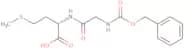
CAS:Z-Gly-Met-OH is a buffer that can be used to create an acidic solution. It is often used in liquid chromatography and peptide synthesis. Z-Gly-Met-OH has been shown to have potential use as an enzyme inhibitor, specifically for proteases and peptidases. The hydrolyzed form of Z-Gly-Met-OH has been shown to bind zinc ions and could be used in the treatment of metal ion poisoning.Fórmula:C15H20N2O5SPureza:Min. 95 Area-%Forma y color:PowderPeso molecular:340.4 g/molHistone H3 (1-22) K9Me1-Biotin
Histone H3 (1-22) K9Me1-Biotin is derived from Histone 3 (H3) which is one of the four core histones (H2A, H2B, H3 and H4) fundamental in compacting eukaryotic DNA into the nucleosome. The nucleosome arises when 147 base pairs of DNA wrap around a H3-H4 tetramer and two H2A-H2B dimers, forming the histone octamer core. Both H4 and H3 are highly conserved and perform roles in binding to segments of DNA which enter and leave the nucleosome and in chromatin formation. Similar to the other core histone, H3 has a globular domain and a flexible N-terminal domain, 'histone tail' which can undergo modifications such as acetylation, methylation, phosphorylation and ubiquitination. Due to histones containing a large number of lysine and arginine residues they have a positive net charge which interacts in an electrostatic manner with the negatively charged phosphate groups in DNA. The transcriptional activation or silencing of the chromatin is controlled by ATP-dependent chromatin remodelling factors and histone modifying enzymes which target histone proteins. Both processes function to alter the positioning of the nucleosome, allowing the DNA it to be either available or inaccessible to the transcription machinery.Another modification process histones can undergo is biotinylation where the covalent attachment of a biotin molecule is catalysed by the enzyme Biotinidase. This cleaves biocytin to generate a biotinyl-thiester intermediate. The biotinyl can then be transferred onto the histone lysine ɛ-amino group which in this case it is covalently attached to Histone 3. Overall the biotinylation sites identified in histone 3 are: K4, K9 and K18. The presence of biotinylated histones have been detected in human cells such as lymphocytes and lymphomas.Forma y color:PowderPeso molecular:2,823.7 g/molAD01
AD01 is a derivative of the FK506 binding protein-like (FKBPL), and exerts potent anti-angiogenic activity in vitro and in vivo to control tumour growth. Recent studies have shown that AD-01 inhibits Rac-1 activity, and up-regulates RhoA and the actin binding proteins, profilin and vinculin. In this way, the anti-angiogenic proteins, FKBPL, and AD-01, offer a promising and alternative approach for targeting both CD44 positive tumours and vasculature networks. Recent clinical studies have shown that AD01 and other FKBPL-based peptides may offer an alternative for targeting treatment-resistant breast cancer stem cells.Peso molecular:2,574.3 g/molHLA-A*02:01 Polymerase (417-425)
HLA-A*02 is a class I major histocompatibility complex (MHC) allele which is part of the HLA-A group of human major histocompatibility complex (MHC) leukocyte antigens (HLA). HLA-A is a human MHC class I cell surface receptor and is involved in presenting short polypeptides to the immune system. These polypeptides are typically 7-11 amino acids in length and originate from proteins being expressed by the cell. Cytotoxic T cells in the blood "read" the peptide presented by the complex and should only bind to non-self peptides. If binding occurs, a series of events is initiated culminating in cell death via apoptosis. Hepatitis B virus (HBV) polymerase is a multifunctional enzyme that can use both RNA and DNA as a template for amplification and also has an RNase H function. First the polymerase acts on the HBV pre-genomic RNA (pgRNA) to reverse transcribe it to form the (-) DNA strand. Simultaneously the RNA template is degraded by the polymerases RNase H activity, except for a stretch of RNA at 5' end of the pgRNA which is used to prime the synthesis of the (+) DNA strand. This process results in a new partially double-stranded relaxed circular DNA molecule (rcDNA) within a new capsid.
Peso molecular:1,031.6 g/molYSA amide
YSA binds to the extracellular domain of ephrin type-A receptor 2 (EphA2) with high affinity and selectivity. YSA binding activates EphA2 and its tumour suppressing downstream signalling pathways (including inhibition of the PI3K/Akt and ERK pathways), and promotes receptor internalisation.EphA2 is highly expressed in many types of solid tumour, and the level of EphA2 expression is positively correlated with malignancy and poor prognosis in some cancer types.YSA has been shown to be an effective targeting peptide of chemotherapeutic drugs to EphA2 expressing tumours. YSA-drug conjugates are able to selectively target EphA2 expressing tumours, both activating tumour supressing downstream signalling pathways, and becoming effectively internalised by cancer cells to further increase the potency of the chemotherapeutic drug. YSA-drug conjugates have been shown to be dramatically more effective at inhibiting tumour growth than chemotherapy alone. Selective tumour targeting with YSA could also reduce the systemic toxicity caused by nonselective and highly toxic chemotherapy agents, and thus reduce adverse side effects of chemotherapy.The uncharged C-terminal amide has the potential to increase the biological activity of this peptide.Peso molecular:1,345.6 g/mol