Péptidos
Los péptidos son cadenas cortas de aminoácidos unidas por enlaces peptídicos, que desempeñan papeles importantes como moléculas biológicas en los procesos celulares. Funcionan como hormonas, neurotransmisores y moléculas de señalización, y se utilizan ampliamente en aplicaciones terapéuticas y diagnósticas. Los péptidos también son cruciales en la investigación para estudiar las interacciones de proteínas, actividades enzimáticas y vías de señalización celular. En CymitQuimica, ofrecemos una amplia selección de péptidos de alta calidad para apoyar sus necesidades de investigación y desarrollo en biotecnología y farmacéutica.
Subcategorías de "Péptidos"
Se han encontrado 30306 productos de "Péptidos"
Ordenar por
Pureza (%)
0
100
|
0
|
50
|
90
|
95
|
100
TRPC4AP Blocking Peptide
<p>A synthetic peptide for use as a blocking control in assays to test for specificity of TRPC4AP antibody, catalog no. 70R-5845</p>Pureza:Min. 95%UGT3A2 Blocking Peptide
<p>A synthetic peptide for use as a blocking control in assays to test for specificity of UGT3A2 antibody, catalog no. 70R-1871</p>Pureza:Min. 95%CCDC38 Blocking Peptide
<p>A synthetic peptide for use as a blocking control in assays to test for specificity of CCDC38 antibody, catalog no. 70R-3282</p>Pureza:Min. 95%LMAN2 Blocking Peptide
<p>A synthetic peptide for use as a blocking control in assays to test for specificity of LMAN2 antibody, catalog no. 70R-7315</p>Pureza:Min. 95%Stat5b Blocking Peptide
<p>A synthetic peptide for use as a blocking control in assays to test for specificity of Stat5b antibody, catalog no. 70R-8200</p>Pureza:Min. 95%RAD23B Blocking Peptide
<p>A synthetic peptide for use as a blocking control in assays to test for specificity of RAD23B antibody, catalog no. 70R-3307</p>Pureza:Min. 95%KCTD19 Blocking Peptide
<p>A synthetic peptide for use as a blocking control in assays to test for specificity of KCTD19 antibody, catalog no. 70R-5057</p>Pureza:Min. 95%RPL9 Blocking Peptide
<p>A synthetic peptide for use as a blocking control in assays to test for specificity of RPL9 antibody, catalog no. 70R-1401</p>Pureza:Min. 95%VISA Blocking Peptide
<p>A synthetic peptide for use as a blocking control in assays to test for specificity of VISA antibody, catalog no. 70R-6462</p>Pureza:Min. 95%CLEC4M Blocking Peptide
<p>A synthetic peptide for use as a blocking control in assays to test for specificity of CLEC4M antibody, catalog no. 70R-8545</p>Pureza:Min. 95%Omega-Conotoxin MVIIA
CAS:Producto controlado<p>Omega-Conotoxin MVIIA is a neurotoxin that inhibits voltage-dependent calcium channels and has been shown to be effective against neuropathic pain, chronic pain, and inflammatory pain. The long-term efficacy of this drug is due to its ability to block cytosolic calcium, which leads to the activation of neurotrophic factors. Omega-Conotoxin MVIIA binds to specific protein targets and inhibits ion channel activity in neurons. This toxin can also inhibit the production of proinflammatory cytokines by blocking the activation of NF-κB through intracellular targets. Omega-Conotoxin MVIIA has been shown to have a wide range of therapeutic potentials, including as an analgesic for acute and chronic pain, as an anti-inflammatory agent, and as a neuroprotective agent for treating neuronal degeneration.</p>Fórmula:C102H172N36O32S7Pureza:Min. 95%Peso molecular:2,639.14 g/molPhrixotoxin 3
CAS:<p>Phrixotoxin 3 is a neurotoxin that belongs to the class of bioconjugate chemistry. It has been shown to have inhibitory effects on voltage-dependent calcium channels in ganglion cells and on voltage-gated sodium channels in rat dorsal root ganglia. Phrixotoxin 3 has also been shown to bind to bacteria, including gram-negative bacteria, and to target complementarity regions. The amino acid composition of Phrixotoxin 3 is homologous with a region of the C3 protein, which is involved in the complement system. This neurotoxin can be used as a research tool for investigating the role of voltage-gated channels in pain pathways.</p>Fórmula:C176H269N51O48S6Pureza:Min. 95%Peso molecular:4,060 g/molUbiquitin, human, recombinant
<p>Ubiquitin is a small (8.5 kDa) protein that was first discovered in the 1960s and has been extensively studied ever since. Ubiquitin is involved in many cellular processes, including cell cycle regulation, DNA repair, and apoptosis. Ubiquitin's role in cell cycle regulation is to bind to other proteins to mark them for degradation by proteasomes. This process of marking for degradation is called ubiquitylation. There are six different types of ubiquitin chains: K48-linked polyubiquityl chain, K63-linked polyubiquityl chain, linear polyubiquityl chain, N-end rule modified linear polyubiquityl chain, mixed linkage linear polyubiquityl chain and C-end rule modified linear polyubiquityl chain.<br>Ubiquitin is also involved in DNA repair as it binds to damaged DNA and removes the damage before it can lead to mutations. Ubiquit</p>Pureza:Min. 95%ANP (Human, 5-28)
CAS:<p>ANP (human, 5-28) is a peptide that is used as a research tool for studying the function of ion channels. It is also an antibody that can be used to measure protein interactions. ANP (human, 5-28) has been shown to inhibit protein interactions with the receptor and ligand. This peptide has been shown to act as an activator at high concentrations and an inhibitor at low concentrations.</p>Fórmula:C106H163N35O34S3Pureza:Min. 95%Peso molecular:2,567.8 g/molCarboxyfluorescein-dPEG®24-Amido-dPEG®24-DSPE
<p>Carboxyfluorescein-dPEG®24-Amido-dPEG®24-DSPE is a PEG compound containing a fluorescein dye used for tagging biomolecules, and serving as fluorescent probe for bioimaging applications.</p>Pureza:Min. 95%Peso molecular:3,363.04 g/molGly-Gly-Tyr-Arg acetate dihydrate
Gly-Gly-Tyr-Arg acetate dihydrate is a tetrapeptide and a ligand for the enzyme papain. It binds to the active site of papain and inhibits its proteolytic activity. Gly-Gly-Tyr-Arg acetate dihydrate has been shown to be an inhibitor of trypsin and chymotrypsin, but not other proteases. It has also been shown to inhibit the polymerase chain reaction and RNA synthesis in vitro.Fórmula:C19H29N7O6•CH3COOH•2H2OPureza:Min. 95%Peso molecular:547.56 g/molBromoacetamido-dPEG®23-Azide
<p>Bromoacetamido-dPEG®23-Azide is a PEG compound with two different functional groups (also known as heterobifunctional). Unlike homobifunctional PEG compounds (same functional group on both ends), this type of compounds are more versatile as have two different anchor points. Bromoacetamido-dPEG®23-Azide is used as a linker and spacer to add a PEG moiety, via pegylation (a bioconjugation technique) to proteins, peptides, oligonucleotides, small molecules and nanoparticles.</p>Pureza:Min. 95%Peso molecular:1,220.24 g/molTIMP1 Heavy Tryptic Peptide Standard (4nmol)
<p>A TIMP1 Heavy Tryptic Peptide Standard for protein identification and quantitation studies. TIMP1, also known as TIMP metallopeptidase inhibitor 1 is an inhibitor of matrix metalloproteinases, which are enzymes that break down the extracellular matrix. It has also been associated with cell proliferation promotion and may have a role in apoptosis.</p>Pureza:Min. 95%Streptavidin-NC Recombinant
<p>Streptavidin-NC is a recombinant protein that is used in immunoassays. It binds to biotin and can be used as an alternative to the antigen-antibody reaction. Streptavidin-NC binds to the biotinylated antigen at the same time as it binds to the specific antibody, forming a sandwich complex. Streptavidin-NC has been shown to be more sensitive than antibodies in cardiac muscle and skeletal muscle immunoassays, with better specificity for cardiac troponin I and T than monoclonal antibodies. The molecular mass of this protein is about 50000 Da, which corresponds to a chain with about 500 amino acids.</p>Pureza:>93% By Sds-Page.SPDP-dPEG®4-Acid
CAS:<p>SPDP-dPEG®4-Acid is a PEG compound with two different functional groups (also known as heterobifunctional). Unlike homobifunctional PEG compounds (same functional group on both ends), this type of compounds are more versatile as have two different anchor points. SPDP-dPEG®4-Acid is used as a linker and spacer to add a PEG moiety, via pegylation (a bioconjugation technique) to proteins, peptides, oligonucleotides, small molecules and nanoparticles.</p>Fórmula:C59H110N2O27S2Pureza:Min. 95%Peso molecular:1,343.63 g/molAbz-Ala-Pro-Glu-Glu-Ile-Met-Arg-Arg-Gln-EDDnp
CAS:<p>Abz-Ala-Pro-Glu-Glu-Ile-Met-Arg-Arg-Gln-EDDnp is a peptide that is an elastase substrate derived from PAI-1</p>Fórmula:C61H93N21O19SPureza:Min. 95%Peso molecular:1,456.59 g/molDer P1 Protein (recombinant)
Der P1 Protein is a recombinant protein that inhibits the activity of the protease dermaseptin-1. This protein is mainly found in the skin and is an important regulator of epidermal permeability barrier function. Der P1 Protein binds to the protease and prevents it from degrading other proteins, which are essential for maintaining skin integrity. Der P1 Protein can also be used as a research tool to study protein interactions, activators, ligands, receptors, ion channels, and antibodies.Pureza:Min. 95%Anti GIP (18-42) (Rat) Serum
<p>Anti GIP (18-42) (Rat) Serum is a research tool used to activate the Ligand, Receptor, Cell Biology, Antibody, Ion channels, High purity, Protein interactions, Pharmacology, Peptides, Life Science. It can be used in the inhibition of GIP receptor and is an excellent choice for pharmacological studies.</p>Pureza:Min. 95%Arg-MCA
CAS:<p>Arg-MCA is a synthetic peptide that activates the receptor for bradykinin. It is used as a research tool in cell biology and pharmacology to study the interactions of peptides with various receptors and ion channels. Arg-MCA has been shown to inhibit the activity of ligand-gated ion channels, such as nicotinic acetylcholine receptors and glutamate receptors.</p>Fórmula:C16H21N5O3Pureza:Min. 95%Peso molecular:331.37 g/molFGF 22 Human
<p>Fibroblast growth factor 22 (FGF22) is a cytokine that belongs to the FGF family. FGF22 has been shown to play a role in the modulation of glucose homeostasis and the regulation of insulin secretion. FGF22 is produced by pancreatic β cells, liver, kidney, muscle, and fat tissue. It has been shown to be involved in the regulation of cellular proliferation and apoptosis, as well as the control of inflammation and immune response.</p>Pureza:Min. 95%Alyteserin-1d
<p>Alyerserin-1b is a C-terminally α-amidated 23 residue Cationic anti-microbial peptide (AMP). Anti-microbial peptides (AMPs) are produced by the innate immune system and are expressed when the host is challenged by a pathogen. The Alyerserin family of peptides was first identified in norepinephrine-stimulated skin secretions of the midwife toad-Alytes obstetricans-(Alytidae). Alyteserin-1 peptides have limited structural similarity to the ascaphins from the skins of frogs of the Leiopelmatidae family. Alyteserin-1 peptides are selective at inhibiting growth activity of Gram-negative bacteria-such as Escherichia coli and show weak haemolytic activity against human erythrocytes.Alyteserin contain at least 50% hydrophobic amino acids. Hydrophobic residues contribute to the insertion of the peptide into the hydrophobic membrane core which results in membrane disruption and death of the pathogen. Due to their mechanism of action it is thought to be less likely for resistance to develop towards these peptides compared to conventional antibiotics.</p>Forma y color:PowderPeso molecular:2,334.4 g/molAF647 RGD peptide
<p>The RGD peptide is an adhesive peptide present in extracellular matrix proteins allowing them to attach to a range of biological materials. It is labelled with Alexa Fluor 647.</p>Peso molecular:1,432.2 g/molTau (195-209) Light
<p>Amino acids 195-209 of tubulin-associated unit (tau). This region represents a tau tryptic peptide and is part of the core of the tau protein. Tau is a phosphoprotein involved in microtubule (MT) assembly and stability as well as brain development. Tau is phosphorylated at multiple sites by several protein kinases, including cyclic-AMP-dependent protein kinases and casein kinase type-1. Tau phosphorylation causes tau to change shape, negatively regulating its ability to stimulate MT assembly. Tau is also glycosylated, and-O-glycosylation may have a role in its subcellular localisation and degradation.Malfunctioning tau protein contributes to the structural core of the paired helical filaments (PHFs), which make up neurofibrillary tangles (NFTs). NFTs are often observed in neurodegenerative disorders, such as Alzheimer disease and other tauopathies. Tau is expressed from a single gene and is alternatively spliced to yield six different isoforms in the adult central nervous system (CNS).</p>Peso molecular:1,392.6 g/molBevacizumab Light chain
<p>Light chain of the bevacizumab monoclonal antibody, sold as the antitumour therapeutic Avastin. It prevents vascular endothelial growth factor (VEGF) from binding to VEGF receptors 1 and 2 thus inhibiting angiogenesis in tumours.</p>Peso molecular:1,282.6 g/molHistone H3-GGC-amide
<p>Histone protein H3 is a core component of the nucleosome, functioning in DNA compaction and availability to transcription machinery. Histones thereby play a central role in transcription regulation, DNA repair, DNA replication and chromosomal stability. DNA accessibility is regulated via a complex set of post-translational modifications of histones, also called histone code, and nucleosome remodelling. Similar to the other core histone, H3 has a globular domain and a flexible N-terminal domain, &amp-ldquo-histone tail&amp-rdquo- which can undergo modifications such as acetylation, methylation, phosphorylation and ubiquitination. There is a wealth of data recording these modifications but understanding their significance is not as clear. The first 20 residues (1-20) of H3 N terminal domain are provided here. This sequence has already been used to investigate H3 phosphorylation and methylation events in the cell cycle.A glycine linker is C-terminally attached as a highly flexibly linker to allow the best pharmacokinetic profiling of the fused domain such as expression, localisation, or activity data. Provision of this H3 sequence with a glycine linker may allow further understanding of histone regulation.</p>Peso molecular:2,398.3 g/molSer3-n-octanoyl Ghrelin-[Cys(AF647)] Human
<p>Ghrelin is involved in several physiological processes, including feeding and lipid accumulation, stress response- anxiety- cardiac performance- immunity and inflammation- taste sensation, reward-seeking behaviour, regulation of glucose metabolism and thermogenesis, memory, motivation and learning.Ghrelin is a peptide hormone that typically has a serine at the third residue and relies on modification with a fatty acid to give ghrelin its functional activity. In its modified form, ghrelin is an endogenous ligand for the pituitary gland's growth hormone receptor (GHS-R) and stimulates growth hormone release.Ghrelin acts on the hypothalamic arcuate nucleus as an orexigenic agent to stimulate appetite. Ghrelin is produced in the stomach as a precursor peptide preproghrelin, cleaved to ghrelin. Ghrelin circulates in the blood and can cross the blood-brain barrier. Levels of ghrelin respond to fasting conditions and allow signals about the energy status to be transmitted from the peripheral organs to the central nervous system to maintain energy homeostasis.Ghrelin is a valuable target for treating conditions such as anorexia, cachexia, sarcopenia, cardiopathy, neurodegenerative disorders, renal and pulmonary disease, gastrointestinal disorders, inflammatory disorders and metabolic syndrome.Ser3-n-octanoyl ghrelin has a C-terminal AF647, a structural analog to Alexa Fluor 647, a widely used far-red fluorescent dye. Its excitation is ideally suited to 594nm or 633nm. This dye is suited for low abundance targets as it has high initial brightness and a high photostability allowing detection of low abundance peptides.</p>Peso molecular:4,450.9 g/molPlasmin-[AMC] substrate
<p>vLK-[AMC], Plasmin fluorogenic substrate. Plasmin is an enzyme that plays a fundamental role in blood clot fibrinolysis. Plasmin acts as a proteolytic factor and is involved in cell migration, tissue remodelling, wound healing, inflammation, angiogenesis, embryogenesis and the degradation of extracellular matrix.</p>Peso molecular:515.3 g/molP12 amide
<p>Interactions between ECM proteins and growth factors were only thought to concentrate growth factors and to enhance their multimerisation for signalling. However, recent studies indicate that binding of growth factors to ECM proteins may enhance interactions between multi-domain ECM proteins, such as fibronectin (FN), with cell surface receptors, mostly integrins. The discovery of P12 amide revealed that a small peptide can mimic the role of FN with PDGF-BB, suggesting that some ECM-growth factor interactions may be less complex. P12 amide can not only bind to PDGF-BB, but also promote cell survival and improve rat skin burns in a dose dependent manner.P12 amide may have a clinical potential, especially in the reduction of cell death after tissue damage.</p>Peso molecular:1,323.7 g/molAlyteserin-2b
<p>Alyerserin-2b is a C-terminally α-amidated 17 residue cationic anti-microbial peptide (AMP). Anti-microbial peptides (AMPs) are produced by the innate immune system and are expressed when the host is challenged by a pathogen. The Alyerserin family of peptides was first identified in norepinephrine-stimulated skin secretions of the midwife toad-Alytes obstetricans-(Alytidae). Alyteserin-2a, 2b and -2c show some sequence identity with bombinin H6, a peptide from the skins Bombinatoridae family of frogs.Alyteserin-2b is most potent against the Gram-positive bacteria-Staphylococcus aureus and has weak haemolytic activity against human erythrocytes.Alyteserin contain at least 50% hydrophobic amino acids. Hydrophobic residues contribute to the insertion of the peptide into the hydrophobic membrane core which results in membrane disruption and death of the pathogen. Due to their mechanism of action it is thought to be less likely for resistance to develop towards them compared to conventional antibiotics. Alyteserin-2b has a low probability of adopting a helical conformation unlike related Alyteserin-2 peptides.</p>Forma y color:PowderPeso molecular:1,719.1 g/molRituximab Light chain (41-55)
<p>Rituximab is a chimeric monoclonal antibody used in the treatment of some cancers like CD20 non-Hodgkin's lymphoma and a few autoimmune conditions such as rheumatoid arthritis. However, antibody treatment can lead to generation of neutralising antibodies thus curtailing the efficacy of the therapy. CD 4+ T cells are critical to initiate antibody response so identification of epitopes within molecules using T cell assays can be a vital tool for understanding the immune response and thereby prevent induction of neutralising antibodies. Within rituximab, the variable region of the light chain (41-55) was found to have strong affinity for leukocytes in a specific binding assay, the epitope was also correlated to patients who developed neutralising antibodies. This T cell epitope within rituximab in further immune studies could help design or selection of antibodies without T cell epitopes present for low immunogenicity.</p>Peso molecular:1,620.8 g/molMAGE-3 Antigen (271-279) (human) trifluoroacetate salt
CAS:ALPHA FACTOR SIGNALING PEPTIDEFórmula:C53H79N13O10Pureza:Min. 95%Peso molecular:1,058.28 g/mol1-Deoxyfructosyl-Val-His-[D7]Leu-Thr-Pro-Glu
<p>1-Deoxyfructosyl-Val-His-[D7]Leu-Thr-Pro-Glu is a research tool that belongs to the group of activators. It activates receptors and ion channels. This product has been shown to inhibit cell proliferation, peptide binding and protein interactions. 1-Deoxyfructosyl-Val-His-[D7]Leu-Thr-Pro-Glu is a high purity and potent inhibitor of protein interactions with pharmacological applications.</p>Fórmula:C37H53D7N8O15Pureza:Min. 95%Peso molecular:863.96 g/molMAL-dPEG®4-Glu(OH)-NH-m-dPEG®24
<p>MAL-dPEG®4-Glu(OH)-NH-m-dPEG®24 is a peptide containing polyethylene glycol (PEG) as spacer to alter their pharmacokinetic properties and pharmodynamics.</p>Fórmula:C72H134N4O35Pureza:Min. 95%Peso molecular:1,615.84 g/molGalanin (Rat) Antiserum
Galanin is a peptide that is involved in the regulation of many physiological processes, including the regulation of food intake, water balance, and pain perception. The rat galanin antiserum reacts with both human and rat galanin. Galanin is a member of the family of G protein-coupled receptors (GPCRs).Pureza:Min. 95%[Sar1,Ala8]-Angiotensin II
Sar1,Ala8]-Angiotensin II is a peptide that has been shown to bind to the angiotensin receptor and activate it. This peptide is a research tool for studying ion channels, ligand-receptor interactions, and protein interactions. The peptide can be used to study the pharmacology of the angiotensin receptor, as well as its role in cell biology and other biological processes. Sar1,Ala8]-Angiotensin II binds to the angiotensin receptor with high affinity, making it an excellent candidate for use in antibody production against this receptor.Fórmula:C43H67N13O10Pureza:Min. 95%Peso molecular:926.07 g/molAnti G-Protein: Galpha olf (23-38), humanSerum
<p>Anti G-Protein: Galpha olf (23-38), humanSerum is a research tool that is used to study protein interactions. It can be used for the investigation of ion channels, cell biology, and pharmacology. The antibody reacts with the specific antigen for which it was raised. The antibody may be used in immunohistochemistry on tissue sections or in ELISA as a detection tool.</p>Pureza:Min. 95%Centromere Protein B, human, recombinant
<p>Centromere protein B (CENP-B) is a protein that belongs to the histone H3 family. It is one of the proteins involved in regulating chromosome segregation during mitosis and meiosis. CENP-B has been shown to be involved in the activation of kinetochores, which are structures on the surface of chromosomes that attach to microtubules and help with mitotic chromosome movement. Centromere protein B can also be used as a ligand or receptor, or a tool for cell biology, immunology, and pharmacology research.</p>Pureza:Min. 95%Anti ATP Receptor P2X4 (370-388) (Rat) Serum
<p>Anti ATP Receptor P2X4 (370-388) (Rat) Serum is an antibody that binds to the extracellular domain of the P2X4 receptor. The antibody has been shown to inhibit the ATP-induced increase in intracellular calcium levels. It is a research tool for studying the function of P2X4 receptors and ion channels. It is also used as an inhibitor in pharmacology, cell biology, and protein interactions. Anti ATP Receptor P2X4 (370-388) (Rat) Serum has a CAS number of 12056-07-8.</p>Pureza:Min. 95%Porcine Follicle Stimulating Hormone
Porcine follicle stimulating hormone (FSH) is a peptide hormone that belongs to the group of gonadotropin hormones. It is produced in the anterior pituitary gland and stimulates ovarian activity, as well as follicular growth in females. FSH has been shown to stimulate cell factor, an enzyme involved in erythropoiesis, through a dinucleotide phosphate-dependent polymerase chain reaction. FSH also has been shown to increase estradiol benzoate levels and disulfide bond formation. Porcine FSH can be used for in vitro fertilization by stimulating the growth of human egg cells in culture with human serum or sephadex g-100.Pureza:Min. 95%PSA (53-92), humanAntiserum
<p>PSA (53-92) is a peptide with the sequence of Gly-Gly-Ala-Pro-Lys. It is an activator of ion channels and can be used as a research tool in pharmacology, cell biology, and biochemistry. PSA (53-92) has been shown to be an inhibitor of the ligand binding domain of the human erythrocyte receptor for pyruvate dehydrogenase complex. The antibody that recognizes PSA (53-92) is also available.</p>Pureza:Min. 95%Prosaposin, human, recombinant
<p>Prosaposin is a human, recombinant secretory protein that is produced by the freeze-drying of a lysosomal extract. It is used to treat cerebrospinal fluid that has been depleted of prosaposin. This protein functions as a linker and interacts with choline, glycosphingolipids, and phospholipids to form the myelin sheath in the central nervous system. Prosaposin can also be reconstituted with deionized water and aliquots containing 1 mg/mL of this protein are available for purchase.</p>Pureza:Min. 95%TGF b 3 Mouse
TGF-b3 is a cytokine that belongs to the transforming growth factor beta family. It has been shown to be involved in the regulation of cell proliferation, differentiation, and apoptosis. TGF-b3 has also been implicated in the pathogenesis of inflammatory diseases and chronic obstructive pulmonary disease (COPD). The protein sequence for TGF-b3 is available for Cytokine. The protein sequence for TGF-b3 can be found in the following databases: GenBank, SwissProt, EMBL, DDBJ and PDB. Protein sequences are typically identified by their 'accession number'. For example, the accession number for TGF-b3 is NP_001408.1. The sequences of genes may be found at NCBI's nucleotide database (NCBI). The sequences of proteins may be found at NCBI's protein database (NCBI).Pureza:Min. 95%Histone Acetyltransferase 1, human, recombinant
Histone acetyltransferase 1 (HAT1) is a protein that transfers an acetyl group to histones. It is mainly found in the nucleus and is involved in gene regulation. HAT1 interacts with many other proteins such as receptors, peptides, activators, and ion channels. The recombinant form of this enzyme has been shown to be a potent inhibitor of L-type calcium channels, which are important for the transmission of nerve impulses. This enzyme also inhibits glutamate receptors and can affect the activation of phospholipase C. HAT1 has also been shown to inhibit various types of cancers by suppressing tumor growth and invasion.Pureza:Min. 95%Melanoma Antigen Family A, 3, human, recombinant
Melanoma Antigen Family A, 3, human, recombinant is a recombinant human protein. It has an inhibitory effect on the activity of ion channels. It is a high purity reagent for use in immunohistochemistry and other research applications. This protein interacts with a variety of proteins such as activators, ligands and receptors.Pureza:Min. 95%Albumin Heavy Tryptic Peptide Standard (4nmol)
Albumin heavy tryptic peptide standard for use in protein identification and quantitation studies. Albumin is a globular protein found in plasma and is produced by liver hepatocytes. Serum albumin plays an important role in the regulation of plasma oncotic pressure.Pureza:Min. 95%DOTA-tris(Acid)-Amido-dPEG®4-TFP Ester
<p>DOTA-tris(Acid)-Amido-dPEG®4-TFP Ester is a PEG compound with two different functional groups (also known as heterobifunctional). Unlike homobifunctional PEG compounds (same functional group on both ends), this type of compounds are more versatile as have two different anchor points. DOTA-tris(Acid)-Amido-dPEG®4-TFP Ester is used as a linker and spacer to add a PEG moiety, via pegylation (a bioconjugation technique) to proteins, peptides, oligonucleotides, small molecules and nanoparticles.</p>Pureza:Min. 95%Peso molecular:1,027.81 g/molLipoamido-dPEG®24-TFP Ester
<p>Lipoamido-dPEG®24-TFP Ester is a PEG molecule conjugated with a lipid moiety. Lipoamido-dPEG®24-TFP Ester, conjugated to this lipid constituent, is very important especially in drug delivery and vaccine development as it helps improve the stability and circulation time of lipid nanoparticles (LNPs) and liposomes.</p>Fórmula:C8H14O6Pureza:Min. 95%Peso molecular:206.19 g/molDBCO-dPEG®12-MAL
<p>DBCO-dPEG®12-MAL is a PEG compound with two different functional groups (also known as heterobifunctional). Unlike homobifunctional PEG compounds (same functional group on both ends), this type of compounds are more versatile as have two different anchor points. DBCO-dPEG®12-MAL is used as a linker and spacer to add a PEG moiety, via pegylation (a bioconjugation technique) to proteins, peptides, oligonucleotides, small molecules and nanoparticles.</p>Pureza:Min. 95%Peso molecular:1,027.17 g/molAzido-dPEG®36-OH
<p>Azido-dPEG®36-OH is a PEG polymer categorised as monofunctional (OH-PEG-X). Used as a linker, azido-dPEG®36-OH is used to attached PEG to proteins, peptides, oligonucleotides, nanoparticles and small molecules via pegylation, a bioconjugation technique.</p>Fórmula:C57H101F4N3O26Pureza:Min. 95%Peso molecular:1,320.41 g/molIGHG1 MS Calibrator-4 (25nmol)
The IGHG1 MS Calibrator-4 is a tryptic peptide that is a product of the Ig gamma-1 chain C region. This peptide is used as a calibrator for mass spectrometry. The IGHG1 MS Calibrator-4 contains Biologically Active Peptides, which can be used to identify the presence of proteins in biological samples. The New England Peptide Company offers peptides for use in proteomics, such as the IGHG1 MS Calibrator-4.Pureza:Min. 95%1-Deoxyfructosyl-Gly
CAS:<p>1-Deoxyfructosyl-Gly is a multifunctional inhibitor that has been shown to inhibit the activity of protein interactions, activator, ligand, and receptor. It is a research tool used to investigate the role of ion channels in cell biology. The antibody has high purity and is suitable for use in life science research.</p>Fórmula:C8H15NO7Pureza:Min. 95%Peso molecular:237.21 g/molPLGF 2 Human
PLGF-2 is a cytokine that is secreted by activated platelets. It has been shown to inhibit the proliferation of various human cancer cells, including breast and prostate cancer cells. PLGF-2 is also a potent stimulator of endothelial cell growth and angiogenesis.Pureza:Min. 95%Amyloid Beta-Protein (Human, 34-40) Antiserum
<p>This product is an antiserum targeting amino acids 34-40 of the amyloid beta-protein which is a key component of extracellular plaques found in the brains of patients with Alzheimer’s disease (AD). It may also be involved in the pathogenesis of other neurodegenerative diseases such as Huntington’s disease and Parkinson’s disease. Targeting this protein may be key to drug discovery and the treatment of AD and other diseases this protein is associated with. Furthermore amyloid beta peptides located in the cerebrospinal fluid are well known biomarkers used to diagnose AD. Although AD is not yet curable, an early diagnosis can be useful in that patients can be treated to delay or improve symptoms.</p>Pureza:Min. 95%Azido-dPEG®4-OH
Azido-dPEG®4-OH is a PEG polymer categorised as monofunctional (OH-PEG-X). Used as a linker, azido-dPEG®4-OH is used to attached PEG to proteins, peptides, oligonucleotides, nanoparticles and small molecules via pegylation, a bioconjugation technique.Fórmula:C40H60F4N2O17Pureza:Min. 95%Peso molecular:916.9 g/molGlicentin (Rat)-EIA Kit (1ea)
Glicentin is a rat-specific serum protein that is the major component of the alpha-2 macroglobulin (A2M) in the rat. Glicentin binds to various peptides, including beta-endorphin, vasopressin, angiotensin II, and oxytocin. This kit contains 1 vial of antibody against glicentin. The antibody has been purified by immunoaffinity chromatography on a column of immobilized peptide-glicentin complex. This kit can be used for detection of glicentin in rats.Pureza:Min. 95%LR3 IGF1 Human
LR3 IGF1 Human is a cytokine that is a member of the interleukin family. It is one of the two forms of human insulin-like growth factor 1 (IGF-1), which plays an important role in regulating cell growth and differentiation. LR3 IGF1 Human has been shown to stimulate the proliferation of various cells, such as lymphocytes and fibroblasts, in vitro. In addition, this cytokine has been shown to inhibit apoptosis induced by serum deprivation.Pureza:Min. 95%Anti ACTH (Rat) Serum
<p>Anti ACTH (Rat) Serum is a research tool that can be used to study the biological effects of ACTH. This serum contains activated rat ACTH, which is a ligand and binds to the receptor and activates the cell. The anti-ACTH antibody is used to detect ACTH in blood and tissue samples. Anti-ACTH serum has been shown to inhibit ion channel activity, protein synthesis, and peptide binding. It also inhibits the binding of an antibody specific for rat ACTH.</p>Pureza:Min. 95%Urinary Trypsin Inhibitor-Ulinastatin Human
<p>Urinary Trypsin Inhibitor-Ulinastatin Human is a protein that is found in human urine. This protein was originally identified as an autoantigen in patients with the tripartite syndrome, which consists of nephrotic syndrome, skin lesions and lymphocytic infiltration. The protein is also found to be involved in the development of type 1 diabetes and other autoimmune disorders. Urinary Trypsin Inhibitor-Ulinastatin Human may be a ribonucleoprotein or a proteinase inhibitor. It has been shown to inhibit trypsin activity on Escherichia coli cells.</p>Pureza:Min. 95%Biotin-dPEG®12-TFP Ester
Biotin-dPEG®12-TFP Ester is a PEG compound with two different functional groups (also known as heterobifunctional). Unlike homobifunctional PEG compounds (same functional group on both ends), this type of compounds are more versatile as have two different anchor points. Biotin-dPEG®12-TFP Ester is used as a linker and spacer to add a PEG moiety, via pegylation (a bioconjugation technique) to proteins, peptides, oligonucleotides, small molecules and nanoparticles.Fórmula:C43H69F4N3O16SPureza:Min. 95%Peso molecular:992.08 g/molAmyloid β (1-40)
Amyloid β (1-40) is a peptide that belongs to the group of amyloid proteins. It has been shown to decrease the activity of ion channels and receptors, as well as inhibit ligand binding to these receptors. Amyloid β (1-40) has also been shown to interact with other proteins by binding to them and inhibiting their function. Amyloid β (1-40) is used in research for pharmacology, cell biology, and neuroscience studies. It is purified from natural sources or synthesized in a laboratory, which yields high purity. The CAS number for this product is 43981-14-2.Pureza:Min. 95%Dnp-Leu-Gly-Ile-Ala-Gly-Arg-NH₂
CAS:<p>DNP-Leu-Gly-Ile-Ala-Gly-Arg-NH₂ is a synthetic peptide that belongs to the group of Ligands. It interacts with receptors, ion channels, and other proteins. DNP-Leu-Gly-Ile-Ala-Gly-Arg-NH₂ can be used as a research tool in pharmacology, protein interactions, cell biology, and antibody production. This compound is also an activator or inhibitor depending on the type of receptor it binds to.</p>Fórmula:C31H50N12O10Pureza:Min. 95%Peso molecular:750.8 g/molFRETS-25Val (1 umol) (1umol)
<p>FRETS-25Val is a research tool that is used to activate, inhibit, or modulate the function of ion channels. FRETS-25Val is an agonist of G protein-coupled receptors (GPCRs) and ligands for receptor tyrosine kinases (RTKs). It has been shown to bind to Ligand Binding Domains (LBDs) on cell surface receptors. FRETS-25Val binds to antibody Fc regions and also inhibits the binding of peptides to proteins by competing with them for binding sites.</p>Pureza:Min. 95%S-100ß ELISA (1ea)
<p>The S-100ß ELISA kit is a solid phase sandwich enzyme-linked immunosorbent assay (ELISA) that detects the presence of S-100ß protein in serum, plasma, or cerebrospinal fluid. The assay employs an antibody specific for S-100ß protein and an enzyme-labeled anti-IgG antibody as a second antibody to detect bound S-100ß protein.</p>Pureza:Min. 95%Obestatin (Mouse, Rat)-EIA Kit (1ea)
<p>Obestatin is a neuropeptide that was first isolated from the mouse and rat hypothalamus. The Obestatin (Mouse, Rat)-EIA Kit is an in-house ELISA assay for the detection of mouse and rat obestatin. This kit can be used to detect obestatin in serum, plasma, or cell culture supernatant samples. It is a useful tool for studying the role of this peptide in various biological processes.</p>Pureza:Min. 95%m-dPEG®36-OH
CAS:<p>m-dPEG®36-OH is a PEG polymer categorised as monofunctional (OH-PEG-X). Used as a linker, m-dPEG®36-OH is used to attached PEG to proteins, peptides, oligonucleotides, nanoparticles and small molecules via pegylation, a bioconjugation technique.</p>Fórmula:C24H47NO12Pureza:Min. 95%Peso molecular:541.63 g/molVasoactive Intestinal Peptide (VIP) Antiserum
<p>Vasoactive Intestinal Peptide (VIP) Antiserum is a research tool that can be used to investigate the function of VIP in different cell types. VIP Antiserum is also an inhibitor of Protein interactions and may have applications in pharmacology.</p>Pureza:Min. 95%Salusin-Beta, humanAntiserum
<p>Salusin-beta is a peptide that is used as a research tool for the study of ion channels and protein interactions. Salusin-beta inhibits potassium currents in cells, which may be due to its ability to bind to receptor sites on the cell membrane. It also inhibits the activity of protein kinase C and calcium channels. Salusin-beta has been shown to be an inhibitor of protein interactions, such as those between α-synuclein and synaptotagmin, which are involved in Parkinson's disease.</p>Pureza:Min. 95%Cbz-N-Amido-dPEG®8-Acid
Cbz-N-Amido-dPEG®8-Acid is a PEG compound with two different functional groups (also known as heterobifunctional). Unlike homobifunctional PEG compounds (same functional group on both ends), this type of compounds are more versatile as have two different anchor points. Cbz-N-Amido-dPEG®8-Acid is used as a linker and spacer to add a PEG moiety, via pegylation (a bioconjugation technique) to proteins, peptides, oligonucleotides, small molecules and nanoparticles.Pureza:Min. 95%TRAIL Human
<p>TRAIL is a peptide that belongs to the group of cytokines. It activates the receptor-mediated apoptosis pathway in cells that have been stimulated by tumor necrosis factor-α (TNF-α) and other pro-inflammatory cytokines. TRAIL has also been shown to inhibit protein interactions, such as those between the TNF receptors and their ligands or receptors, like CD4. TRAIL also binds to the Fas receptor and its ligand, FasL, which leads to activation of caspases in a similar manner as FADD binding. The recombinant human TRAIL is a research tool for studying cell biology and pharmacology.</p>Pureza:Min. 95%monoFITC INSL3
monoFITC INSL3 is a fluorescent peptide that can be used as a research tool. It is an activator of the Ligand-Receptor interaction and has been shown to inhibit Ion channels. The high purity of this product is suitable for use in Cell Biology, Antibodies, and Protein interactions. This ligand has also been shown to bind to Receptors and is used in Pharmacology and Peptides. monoFITC INSL3 has been shown to have anti-inflammatory properties in the body, which may be due to its inhibition of Prostaglandin synthesis.Pureza:Min. 95%Bromoacetamido-dPEG®11-Azide
<p>Bromoacetamido-dPEG®11-Azide is a PEG compound with two different functional groups (also known as heterobifunctional). Unlike homobifunctional PEG compounds (same functional group on both ends), this type of compounds are more versatile as have two different anchor points. Bromoacetamido-dPEG®11-Azide is used as a linker and spacer to add a PEG moiety, via pegylation (a bioconjugation technique) to proteins, peptides, oligonucleotides, small molecules and nanoparticles.</p>Pureza:Min. 95%Peso molecular:691.61 g/molIL 9 Mouse
<p>IL-9 is a cytokine that is involved in the regulation of immune system. IL-9 signaling is essential for the induction of B cell responses and mast cell activation, and IL-9 is also expressed in epithelial cells. The IL-9 Mouse (CAS No. 207870-05-2) antibody reacts with IL-9 protein, which has a molecular weight of 18 kDa. This antibody detects an epitope corresponding to amino acids 1 to 13 of human Interleukin 9 (IL-9).</p>Pureza:Min. 95%Insulin Chicago, human
<p>Insulin Chicago is a recombinant human insulin produced in E. coli. It is an insulin analog that has improved pharmacokinetic properties and a more rapid onset of action after subcutaneous injection, with a duration of activity approximately twice as long as regular insulin. Insulin Chicago has been shown to be effective in reducing the incidence of hypoglycemia in type 1 diabetes mellitus patients, especially when used in combination with sulfonylureas or metformin. This product can also be used as a research tool for the study of protein interactions, peptides, and antibodies. Insulin Chicago has high purity and is supplied in vials containing 100 units/mL or 500 units/mL.</p>Pureza:Min. 95%Heat Shock Protein-90 alpha , human, recombinant
<p>Heat Shock Protein-90 alpha (HSP-90α) is a molecular chaperone protein that is involved in the folding and stabilization of proteins. HSP-90α is a member of the HSP family, which are known to be involved in many processes such as apoptosis, cell cycle regulation, DNA repair, and intracellular signaling. HSP-90α has been shown to inhibit the replication of viruses such as HIV by binding to viral proteins and preventing their assembly into virus particles. This protein also has antiviral effects on other viruses such as influenza and herpes simplex virus type 1.</p>Pureza:Min. 95%TentaGel® S CHO
TentaGel is a synthetic resin that has been designed to bind to the surface of particles. It has the ability to form a continuous matrix around the particle and has shown potential for use in drug delivery, biotechnology, and nanotechnology. TentaGel can be used as building blocks by adding monomers or polymers which will then be embedded within the gel. This allows for more control over the properties of the final product.Pureza:Min. 95%GLP-2 (Human)-EIA Kit (1ea)
<p>GLP-2 is a gut peptide that belongs to the glucagon-like peptide family. It is produced by K cells in the ileum and colon, and also by L cells in the stomach. GLP-2 is composed of 31 amino acids, has a molecular weight of 3,000 daltons, and has an amino acid sequence that is highly conserved among species. The EIA kit for human GLP-2 (GLP-2 Human) is designed to detect the presence of GLP-2 in samples from human serum or plasma.</p>Pureza:Min. 95%Biotin-dPEG®12-DBCO
Biotin-dPEG®12-DBCO is a PEG compound with two different functional groups (also known as heterobifunctional). Unlike homobifunctional PEG compounds (same functional group on both ends), this type of compounds are more versatile as have two different anchor points. Biotin-dPEG®12-DBCO is used as a linker and spacer to add a PEG moiety, via pegylation (a bioconjugation technique) to proteins, peptides, oligonucleotides, small molecules and nanoparticles.Pureza:Min. 95%Peso molecular:1,102.34 g/molProlactin Human
Prolactin is a protein that is secreted by the anterior pituitary gland. It has many functions, including the stimulation of milk production and the regulation of other hormones. Prolactin Human contains purified human prolactin in a lyophilized powder form. It can be reconstituted with sterile water for injection or bacteriostatic water for injection for use in research or therapeutic applications.Pureza:Min. 95%Matrix Metalloproteinase-13, human, recombinant
Matrix Metalloproteinase-13 is a metalloproteinase with a broad substrate specificity. It is used as a prognostic factor for cancer patients, and is also used to diagnose and monitor inflammatory bowel disease. In addition, it has been shown to have chemiluminescence activity in the presence of hydrogen peroxide. The MMP-13 protein can be detected using Western blotting with monoclonal antibodies against the human MMP-13 protein. This recombinant human Matrix Metalloproteinase-13 (rMMP-13) can be used as an antigen for immunoassays such as ELISA and RIA.Pureza:Min. 95%Angiotensin II, human
CAS:Angiotensin II is a peptide that is involved in the regulation of blood pressure and fluid balance. Angiotensin II has been shown to be an activator of angiotensin-converting enzyme (ACE), which converts angiotensin I into angiotensin II. ACE is inhibited by the drug captopril, which reduces the conversion of angiotensin I to angiotensin II. Angiotensin II has also been shown to activate potassium channels, including voltage-gated potassium channels, and inhibit calcium channels. It has been found to bind to the receptor AT1 and trigger a number of responses, including vasoconstriction and increased heart rate. The ligand for this receptor is angiotensin II. The pharmacology of Angiotensin II includes its ability to act as an inhibitor on protein interactions with various proteins or enzymes, such as alpha-1 antitrypsin or beta-2 adrenergic receptors.Fórmula:C50H71N13O12•CH3COOH•4H2OPureza:Min. 95%Peso molecular:1,178.31 g/molBiotin-dPEG®3-TFPA
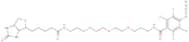
CAS:<p>Biotin-dPEG®3-TFPA is a PEG compound with two different functional groups (also known as heterobifunctional). Unlike homobifunctional PEG compounds (same functional group on both ends), this type of compounds are more versatile as have two different anchor points. Biotin-dPEG®3-TFPA is used as a linker and spacer to add a PEG moiety, via pegylation (a bioconjugation technique) to proteins, peptides, oligonucleotides, small molecules and nanoparticles.</p>Fórmula:C27H37F4N7O6SPureza:Min. 95%Peso molecular:663.69 g/mol[Asn1,Val5]-Angiotensin II
Angiotensin II is a peptide hormone that regulates blood pressure and fluid balance. It is also known as a vasopressor and as an activator of the renin-angiotensin system. Angiotensin II is synthesized from the precursor protein angiotensinogen, which is cleaved by renin to form angiotensin I. Angiotensin I is then converted to angiotensin II by the enzyme ACE (angiotensin-converting enzyme). Angiotensin II is found in the lungs, kidneys, adrenal glands, brain and blood. The biological effects of angiotensin II are mediated by its receptor on cells which stimulates G proteins to activate phospholipase C activity. This leads to increased levels of inositol triphosphate (IP3) and diacylglycerol (DAG) which cause release of calcium ions from intracellular stores such as the endoplasmicFórmula:C49H70N14O11•CH3COOH•4H2OPureza:Min. 95%Peso molecular:1,163.31 g/molExendin (5-39)
Exendin (5-39) is a synthetic Mexican beaded lizard venom-derived peptide and is available as a 0.5mg vial. This product has has a GLP-1 Receptor antagonist application..Fórmula:C169H262N44O54SPureza:Min. 95%Peso molecular:3,806.2 g/molTentaGel® S AC Resin
<p>TentaGel® S AC Resin is a building block that is used as a synthetic tool to make peptides. TentaGel® S AC Resin is composed of styrene, acrylates, and divinylbenzene, which are all monomers. TentaGel® S AC Resin is used for the synthesis of peptides to be used in various experiments such as proteomics and cell biology.</p>Pureza:Min. 95%Methionyl-Lysyl-Bradykinin (Human, Bovine)
Methionyl-Lysyl-Bradykinin is a peptide that is used as a research tool to study the interactions of bradykinin, its receptor, and ion channels. This product can be used in the study of pharmacology and cell biology. Methionyl-Lysyl-Bradykinin has been shown to inhibit the activity of ion channels by binding to their receptors. This product may also be used as an antibody or ligand in order to study protein interactions.Fórmula:C61H94N18O13S•3CH3COOH•2H2OPureza:Min. 95%Peso molecular:1,535.79 g/molAnti ACTH (21-39) (Rat) Serum
Anti ACTH (21-39) (Rat) Serum is a research tool that can be used to activate, bind, or inhibit the receptor. This product is a monoclonal antibody against the ACTH (21-39) peptide. It binds to the ACTH receptor and blocks calcium channels in cells. Anti ACTH (21-39) (Rat) Serum is suitable for use in cell biology, pharmacology, and peptide research.Pureza:Min. 95%ANP (Human, 7-28)
CAS:<p>ANP (Human, 7-28) is a peptide with inhibitor activity. ANP (Human, 7-28) binds to the receptor for atrial natriuretic peptide and inhibits its interaction with other proteins. It can also activate the receptor by binding to it. ANP (Human, 7-28) contains an N-terminal sequence of amino acids that are not present in the human atrial natriuretic peptide and can be used as a research tool or an antibody against this protein.</p>Fórmula:C100H153N33O30S3Pureza:Min. 95%Peso molecular:2,393.7 g/molMu-Conotoxin SIIIA
A synthetic cone snail toxin sourced from the marine snail, Conus striatus. This product is a tetrodotoxin-resistant Na+ channel blocker with analgesic activity, has disulfide bonds between Cys3-Cys13, Cys4-Cys19, and Cys8-Cys20 and is available as a 0.5mg vial.Fórmula:C83H123N33O27S6Pureza:Min. 95%Peso molecular:2,207.5 g/molAnxiety Peptide
<p>Custom research peptide; min purity 95%.</p>Fórmula:C81H138N24O29Pureza:Min. 95%Peso molecular:1,912.15 g/molα-Neo-Endorphin, porcine
CAS:Custom research peptide; min purity 95%.Fórmula:C60H89N15O13Pureza:Min. 95%Peso molecular:1,228.47 g/molNeuropeptide Y, human, rat
Custom research peptide; min purity 95%.Fórmula:C189H285N55O57SPureza:Min. 95%Peso molecular:4,271.7 g/molPrion Peptide (106-126), Human
CAS:Custom research peptide; min purity 95%.Fórmula:C80H138N26O24S2Pureza:Min. 95%Peso molecular:1,912.28 g/molDTrp-γ MSH
Custom research peptide; min purity 95%.Fórmula:C74H99N21O16SPureza:Min. 95%Peso molecular:1,570.81 g/molG250.A2
Custom research peptide; min purity 95%.Fórmula:C45H72N14O12Pureza:Min. 95%Peso molecular:1,001.16 g/molMelanocyte Protein PMEL 17 (44-59) (human, bovine, mouse)
Custom research peptide; min purity 95%.Fórmula:C95H137N27O29Pureza:Min. 95%Peso molecular:2,105.32 g/molAnti GLP-2 (Mouse) Serum
<p>Anti GLP-2 (Mouse) Serum is a high purity, reagent grade product that is used in research and pharmacology applications. This product has been shown to be an inhibitor of the GLP-2 receptor and can be used as a blocking antibody for the detection of GLP-2. The protein sequence of this serum is identical to that of human GLP-2. This product is available in a concentration of 0.5mg/ml and is supplied at a concentration of 0.1mg/ml in phosphate buffered saline with 0.02% sodium azide as preservative.</p>Pureza:Min. 95%HBV polymerase (455-463)
<p>Custom research peptide; min purity 95%.</p>Fórmula:C46H79N15O12Pureza:Min. 95%Peso molecular:1,034.24 g/molPolylysine
<p>Custom research peptide; min purity 95%.</p>Fórmula:C60H122N20O11Pureza:Min. 95%Peso molecular:1,299.77 g/molInsulin B (9-23)
Custom research peptide; min purity 95%.Fórmula:C72H116N20O22SPureza:Min. 95%Peso molecular:1,645.9 g/molG209-2M; gp100 (209-217)
Custom research peptide; min purity 95%.Fórmula:C47H74N10O14SPureza:Min. 95%Peso molecular:1,035.24 g/molSH2 Domain Ligand (2)
<p>Custom research peptide; min purity 95%.</p>Fórmula:C66H97N12O24PPureza:Min. 95%Peso molecular:1,473.57 g/molInfluenza NP (482-489)
Custom research peptide; min purity 95%.Fórmula:C44H55N9O15Pureza:Min. 95%Peso molecular:949.98 g/molKemptide
CAS:Custom research peptide; min purity 95%.Fórmula:C32H61N13O9Pureza:Min. 95%Peso molecular:771.92 g/mol[Phe17]-Apelin 17
<p>Custom research peptide; min purity 95%.</p>Fórmula:C96H156N34O20SPureza:Min. 95%Peso molecular:2,138.59 g/mol[Nle4,DPhe7] a-MSH, amide; Melanotan Ⅰ
CAS:Custom research peptide; min purity 95%.Fórmula:C78H111N21O19Pureza:Min. 95%Peso molecular:1,646.9 g/molTransduction Peptide 1 (α II)
Custom research peptide; min purity 95%.Fórmula:C75H110N22O25Pureza:Min. 95%Peso molecular:1,719.85 g/molLipoprotein Lipase , human, recombinant
Lipoprotein Lipase is a type of enzyme that is involved in the breakdown of fats (lipids) into smaller components like free fatty acids and glycerol. This enzyme is made up of two subunits, an alpha subunit and a beta subunit. The alpha subunit has four domains, while the beta subunit has three domains. Lipoprotein Lipase is found in human plasma and tissue, where it performs its function by attaching to the surface of cells or lipoproteins and releasing free fatty acids. It also binds to cholesterol, which may be due to its ability to form hydrogen bonds with this molecule.Pureza:Min. 95%HBcAg (HBV) (18-27)
<p>Custom research peptide; min purity 95%.</p>Fórmula:C580H78N10O15Pureza:Min. 95%Peso molecular:1,155.33 g/molAngiotensin I, human
CAS:Custom research peptide; min purity 95%.Fórmula:C62H89N17O14Pureza:Min. 95%Peso molecular:1,296.5 g/molNeuropeptide Y (free acid) (human)
Custom research peptide; min purity 95%.Fórmula:C189H284N54O58S1Pureza:Min. 95%Peso molecular:4,272.8 g/molDynorphin A (1-8), porcine
<p>Custom research peptide; min purity 95%.</p>Fórmula:C46H72N14O10Pureza:Min. 95%Peso molecular:981.17 g/molEGFR-derived peptide
Custom research peptide; min purity 95%.Fórmula:C69H114N18O24Pureza:Min. 95%Peso molecular:1,579.78 g/molβ-Amyloid (1-39)
Custom research peptide; min purity 95%.Fórmula:C81H128N32O19S2Pureza:Min. 95%Peso molecular:1,918.3 g/mol[Arg8]-Vasopressin
Custom research peptide; min purity 95%.Fórmula:C46H67N15O12S2Pureza:Min. 95%Peso molecular:1,086.25 g/molPhosphorylated Protein Kinase C Substrate 2
<p>Custom research peptide; min purity 95%.</p>Fórmula:C34H69N16O11PPureza:Min. 95%Peso molecular:909.02 g/molMBP (87-99), human; Myelin Basic Protein (87-99), guinea pig, human
Custom research peptide; min purity 95%.Fórmula:C74H114N20O17Pureza:Min. 95%Peso molecular:1,555.86 g/molBig Endothelin-2 (Human, 22-37) Antiserum
Big ET-2 (human, 22-37) Antiserum is an antibody that reacts with the Big ET-2 (human, 22-37) peptide. It can be used as a research tool to study the function of Ion channels, Life Science, Receptor, Ligand and Protein interactions. The high purity of this antibody makes it a valuable resource for drug development.Pureza:Min. 95%MAGEA10 Blocking Peptide
<p>A synthetic peptide for use as a blocking control in assays to test for specificity of MAGEA10 antibody, catalog no. 70R-3922</p>Pureza:Min. 95%CDC27 Blocking Peptide
<p>A synthetic peptide for use as a blocking control in assays to test for specificity of CDC27 antibody, catalog no. 70R-4087</p>Pureza:Min. 95%NEDD9 Blocking Peptide
<p>A synthetic peptide for use as a blocking control in assays to test for specificity of NEDD9 antibody, catalog no. 70R-1701</p>Pureza:Min. 95%KCNK15 Blocking Peptide
<p>A synthetic peptide for use as a blocking control in assays to test for specificity of KCNK15 antibody, catalog no. 70R-5222</p>Pureza:Min. 95%MIER2 Blocking Peptide
<p>A synthetic peptide for use as a blocking control in assays to test for specificity of MIER2 antibody, catalog no. 70R-4353</p>Pureza:Min. 95%IGFBP4 Blocking Peptide
<p>A synthetic peptide for use as a blocking control in assays to test for specificity of IGFBP4 antibody, catalog no. 70R-5309</p>Pureza:Min. 95%B4GALNT1 Blocking Peptide
<p>A synthetic peptide for use as a blocking control in assays to test for specificity of B4GALNT1 antibody, catalog no. 70R-7378</p>Pureza:Min. 95%Neurexophilin 4 Blocking Peptide
<p>A synthetic peptide for use as a blocking control in assays to test for specificity of NXPH4 antibody, catalog no. 70R-4049</p>Pureza:Min. 95%GRM7 Blocking Peptide
<p>A synthetic peptide for use as a blocking control in assays to test for specificity of GRM7 antibody, catalog no. 70R-9827</p>Pureza:Min. 95%Snx10 Blocking Peptide
<p>A synthetic peptide for use as a blocking control in assays to test for specificity of Snx10 antibody, catalog no. 70R-9294</p>Pureza:Min. 95%TPRXL Blocking Peptide
<p>A synthetic peptide for use as a blocking control in assays to test for specificity of TPRXL antibody, catalog no. 70R-9116</p>Pureza:Min. 95%CHCHD3 Blocking Peptide
<p>A synthetic peptide for use as a blocking control in assays to test for specificity of CHCHD3 antibody, catalog no. 70R-4355</p>Pureza:Min. 95%C14orf177 Blocking Peptide
<p>A synthetic peptide for use as a blocking control in assays to test for specificity of C14orf177 antibody, catalog no. 70R-9355</p>Pureza:Min. 95%TCTA Blocking Peptide
<p>A synthetic peptide for use as a blocking control in assays to test for specificity of TCTA antibody, catalog no. 70R-6740</p>Pureza:Min. 95%Transportin 2 Blocking Peptide
<p>A synthetic peptide for use as a blocking control in assays to test for specificity of TNPO2 antibody, catalog no. 70R-2301</p>Pureza:Min. 95%TLR6 Blocking Peptide
<p>A synthetic peptide for use as a blocking control in assays to test for specificity of TLR6 antibody, catalog no. 70R-2269</p>Pureza:Min. 95%OXCT2 Blocking Peptide
<p>A synthetic peptide for use as a blocking control in assays to test for specificity of OXCT2 antibody, catalog no. 70R-5373</p>Pureza:Min. 95%DDX52 Blocking Peptide
<p>A synthetic peptide for use as a blocking control in assays to test for specificity of DDX52 antibody, catalog no. 70R-4625</p>Pureza:Min. 95%PTGER3 Blocking Peptide
<p>A synthetic peptide for use as a blocking control in assays to test for specificity of PTGER3 antibody, catalog no. 70R-6527</p>Pureza:Min. 95%AGTPBP1 Blocking Peptide
<p>A synthetic peptide for use as a blocking control in assays to test for specificity of AGTPBP1 antibody, catalog no. 70R-9313</p>Pureza:Min. 95%DHX35 Blocking Peptide
<p>A synthetic peptide for use as a blocking control in assays to test for specificity of DHX35 antibody, catalog no. 70R-4797</p>Pureza:Min. 95%NR2F1 Blocking Peptide
<p>A synthetic peptide for use as a blocking control in assays to test for specificity of NR2F1 antibody, catalog no. 70R-1935</p>Pureza:Min. 95%ApoBEC3B Blocking Peptide
<p>A synthetic peptide for use as a blocking control in assays to test for specificity of APOBEC3B antibody, catalog no. 70R-4926</p>Pureza:Min. 95%Transglutaminase 7 Blocking Peptide
A synthetic peptide for use as a blocking control in assays to test for specificity of TGM7 antibody, catalog no. 70R-2336Pureza:Min. 95%ACPT Blocking Peptide
<p>A synthetic peptide for use as a blocking control in assays to test for specificity of ACPT antibody, catalog no. 70R-7296</p>Pureza:Min. 95%USP22 Blocking Peptide
<p>A synthetic peptide for use as a blocking control in assays to test for specificity of USP22 antibody, catalog no. 70R-3049</p>Pureza:Min. 95%B3GALT6 Blocking Peptide
<p>A synthetic peptide for use as a blocking control in assays to test for specificity of B3GALT6 antibody, catalog no. 70R-7452</p>Pureza:Min. 95%Neutrophil Gelatinase Associated Lipocalin/Lipocalin-2, human, recombinant
Neutrophil Gelatinase Associated Lipocalin (NGAL) is a lipocalin protein that is involved in many physiological and pathophysiological processes. NGAL binds to bacterial products, such as lipopolysaccharide, and can be used as a biomarker for inflammation or infection. NGAL has been shown to be elevated in the urine of patients with urinary tract infections. Additionally, NGAL has been shown to be associated with neurological diseases, such as Alzheimer's disease and Parkinson's disease. The recombinant human form of this protein can be used for research purposes or for the development of diagnostic tools. Neutrophil Gelatinase Associated Lipocalin (NGAL) is a lipocalin protein that is involved in many physiological and pathophysiological processes. It binds to bacterial products, such as lipopolysaccharide, and can be used as a biomarker for inflammation or infection. NGAL has been shown to be elevated in the urine of patientsPureza:Min. 95%[Nle8,18,Tyr34]-Parathyroid Hormone (Human, 1-34 amide)
Parathyroid hormone (PTH) is a peptide hormone that regulates the concentration of calcium, phosphorus and vitamin D in the blood. It is synthesized by the parathyroid glands and acts on bone, kidney and intestine to regulate the level of these substances in the blood. PTH has an N-terminal 34 amino acid residue that is responsible for the biological activity of the hormone. Inhibitors of PTH are used as research tools to study receptor interactions and ion channels.Fórmula:C183H296N56O51Pureza:Min. 95%Peso molecular:4,096.7 g/molH-KSDSC-OH
<p>Peptide H-KSDSC-OH is a Research Peptide with significant interest within the field academic and medical research. This peptide is available for purchase at Cymit Quimica in multiple sizes and with a specification of your choice.</p>H-SLLTQPSPA-OH
<p>Peptide H-SLLTQPSPA-OH is a Research Peptide with significant interest within the field academic and medical research. This peptide is available for purchase at Cymit Quimica in multiple sizes and with a specification of your choice.</p>H-SAGGE-OH
<p>Peptide H-SAGGE-OH is a Research Peptide with significant interest within the field academic and medical research. This peptide is available for purchase at Cymit Quimica in multiple sizes and with a specification of your choice.</p>H-STRQALRPRADGPVG-OH
<p>Peptide H-STRQALRPRADGPVG-OH is a Research Peptide with significant interest within the field academic and medical research. This peptide is available for purchase at Cymit Quimica in multiple sizes and with a specification of your choice.</p>Beta-Amyloid (17-28)
<p>Peptide Beta-Amyloid (17-28) is a Research Peptide with significant interest within the field academic and medical research. This peptide is available for purchase at Cymit Quimica in multiple sizes and with a specification of your choice.</p>H-NQEQVSPLERCG-NH2
<p>Peptide H-NQEQVSPLERCG-NH2 is a Research Peptide with significant interest within the field academic and medical research. This peptide is available for purchase at Cymit Quimica in multiple sizes and with a specification of your choice.</p>H-CGKLFGTSGQK-OH
<p>Peptide H-CGKLFGTSGQK-OH is a Research Peptide with significant interest within the field academic and medical research. This peptide is available for purchase at Cymit Quimica in multiple sizes and with a specification of your choice.</p>H-FELLPTPPL-OH
<p>Peptide H-FELLPTPPL-OH is a Research Peptide with significant interest within the field academic and medical research. This peptide is available for purchase at Cymit Quimica in multiple sizes and with a specification of your choice.</p>Human Natriuretic peptides A (NPPA)
Human Natriuretic peptides A (NPPA) is a custom research peptide; min purity 95%, TFA salt. For different specs please use the Peptide Quote ToolH-ILIDWLVQV-OH
<p>Peptide H-ILIDWLVQV-OH is a Research Peptide with significant interest within the field academic and medical research. This peptide is available for purchase at Cymit Quimica in multiple sizes and with a specification of your choice.</p>[Leu3]-Oxytocin
<p>[Leu3]-Oxytocin is a custom research peptide; min purity 95%, TFA salt. For different specs please use the Peptide Quote Tool</p>Cancer/testis antigen 1 (92-100)
<p>Peptide Cancer/testis antigen 1 (92-100) is a Research Peptide with significant interest within the field academic and medical research. This peptide is available for purchase at Cymit Quimica in multiple sizes and with a specification of your choice.</p>H-RRRRRRRRRC-OH
<p>Peptide H-RRRRRRRRRC-OH is a Research Peptide with significant interest within the field academic and medical research. This peptide is available for purchase at Cymit Quimica in multiple sizes and with a specification of your choice.</p>H-SQNPVQPIGPQTPK-OH
<p>Peptide H-SQNPVQPIGPQTPK-OH is a Research Peptide with significant interest within the field academic and medical research. This peptide is available for purchase at Cymit Quimica in multiple sizes and with a specification of your choice.</p>H-VQDAFAAAK-OH
<p>Peptide H-VQDAFAAAK-OH is a Research Peptide with significant interest within the field academic and medical research. This peptide is available for purchase at Cymit Quimica in multiple sizes and with a specification of your choice.</p>H-VVGGE-OH
<p>Peptide H-VVGGE-OH is a Research Peptide with significant interest within the field academic and medical research. This peptide is available for purchase at Cymit Quimica in multiple sizes and with a specification of your choice.</p>H-VTAPRTLIL-OH
<p>Peptide H-VTAPRTLIL-OH is a Research Peptide with significant interest within the field academic and medical research. This peptide is available for purchase at Cymit Quimica in multiple sizes and with a specification of your choice.</p>Human-monoFITC (PheB1)
<p>Human-monoFITC (PheB1) is a peptide with the amino acid sequence Phe-B1. It is a fluorescent ligand that is used as a research tool for receptor binding studies. The antibody conjugated to human-monoFITC (PheB1) can be used to detect and quantify the protein in Western blots.</p>Pureza:Min. 95%Melanoma-overexpressed antigen 1 (36-44)
<p>Peptide Melanoma-overexpressed antigen 1 (36-44) is a Research Peptide with significant interest within the field academic and medical research. This peptide is available for purchase at Cymit Quimica in multiple sizes and with a specification of your choice.</p>H-DGRGYVPATIK-OH
<p>Peptide H-DGRGYVPATIK-OH is a Research Peptide with significant interest within the field academic and medical research. This peptide is available for purchase at Cymit Quimica in multiple sizes and with a specification of your choice.</p>H-LAQEAGNFERISGDL-OH
<p>Peptide H-LAQEAGNFERISGDL-OH is a Research Peptide with significant interest within the field academic and medical research. This peptide is available for purchase at Cymit Quimica in multiple sizes and with a specification of your choice.</p>H-SLEPWIPYL-OH
<p>Peptide H-SLEPWIPYL-OH is a Research Peptide with significant interest within the field academic and medical research. This peptide is available for purchase at Cymit Quimica in multiple sizes and with a specification of your choice.</p>H-AEDTAVYYCAK-OH
<p>Peptide H-AEDTAVYYCAK-OH is a Research Peptide with significant interest within the field academic and medical research. This peptide is available for purchase at Cymit Quimica in multiple sizes and with a specification of your choice.</p>B2M MS Calibrator-3 (25nmol)
B2M (B 2 microglobulin) is a major component of the MHC class I molecule. The B2M calibrator-3 is a 25nmol/mL solution of B2M, which is used as a calibration standard for proteomics and Biologically Active Peptides. The calibrator-3 contains B2M in 0.1% formic acid at pH 3.5. The peptide TrypTides can be used to inhibit trypsin activity, which may be useful in proteomics experiments involving peptide cleavage.Pureza:Min. 95%Hepcidin (Rat)
<p>Synthetic product of the Hepcidin peptide hormone. Hepcidin in rats is a peptide hormone that plays a key role in the regulation of iron metabolism in the body. Like hepcidin in humans and other mammals, rat hepcidin is produced by the liver and secreted into the bloodstream, where it interacts with other proteins to control the uptake, storage, and distribution of iron.<br>Rat hepcidin is structurally similar to human hepcidin, with 88% sequence identity. It shares many of the same functional properties as human hepcidin, including the ability to bind to ferroportin, a protein that facilitates the export of iron from cells into the bloodstream, and to inhibit its activity.<br>In rats, hepcidin expression is regulated by a variety of factors, including iron status, inflammation, and erythropoietic signals. Studies in rats have shown that alterations in hepcidin levels can lead to changes in iron metabolism and the development of iron-related disorders, such as anemia and iron overload.<br>This product may be useful for the study of hepcidin biology and the regulation of iron metabolism in mammals. It can also provided valuable insights into the mechanisms of iron homeostasis and the development of iron-related diseases in humans.</p>Pureza:Min. 95%Peso molecular:2,712.2 g/molSARS-CoV-2 Spike RBD 336-347 peptide
SARS-CoV-2 Spike RBD 336-347 peptide is an epitope of interest of the SARS-CoV-2 Spike S glycoprotein Receptor-Binding Domain (RBD). SARS-CoV-2 Spike RBD 336-347 peptide is useful for vaccine development and for structure-activity relationship studies SARS-CoV-2 Spike (S) glycoprotein Spike (S) glycoprotein corresponds to one of the leading targets for COVID-19 disease. Present on the surface of Sars-CoV-2 virus, Spike S protein is a class I fusion protein that allows the virus to enter host cells. With a 1 273 aa length, Spike protein has 2 subunits : S1 contains the receptor-binding domain RBD and S2 induces the fusion of the viral envelop with the cellular membrane. SARS-CoV-2 Spike RBD: The receptor-binding domain in SARS-CoV-2 Spike protein allows binding to the Angiotensin-Converting Enzyme receptor 2 (ACE2 receptor) which mediates the viral entry. SB-PEPTIDE also offers SARS-CoV-2 Spike RBD 336-347 (Biotin-LC) peptideOvotransferrin (328-332)
<p>Ovotransferrin 328-332, also called Conalbumin 328-332, is a part of the egg white albumen.</p>SGGSIYNEEFQDR* - SIL Emicizumab signature peptide quantifier
<p>Primary SIL peptide for Emicizumab detection and quantification</p>SLEWIGAIDPYYGGTSYNQK* - SIL Dinutuximab signature peptide qualifier
Secondary SIL peptide for Dinutuximab detection and quantificationSARS-CoV-2 Spike RBM 480-496 peptide
SARS-CoV-2 Spike RBM 480-496 peptide is an epitope of interest of the SARS-CoV-2 Spike S glycoprotein Receptor-Binding Motif (RBM). SARS-CoV-2 Spike RBM 480-496 peptide is useful for vaccine development and for structure-activity relationship studies SARS-CoV-2 Spike (S) glycoprotein Spike (S) glycoprotein corresponds to one of the leading targets for COVID-19 disease. Present on the surface of Sars-CoV-2 virus, Spike S protein is a class I fusion protein that allows the virus to enter host cells. With a 1 273 aa length, Spike protein has 2 subunits : S1 contains the receptor-binding domain RBD and S2 induces the fusion of the viral envelop with the cellular membrane. SARS-CoV-2 Spike RBM: The receptor-binding domain in SARS-CoV-2 Spike protein contains a receptor-binding motif RBM. SARS-CoV-2 Spike RBM is the main functional motif in RBD and allows contacts between the S protein and the Angiotensin-Converting Enzyme receptor 2 (ACE2 receptor) which mediates the viral entry. SB-PEPTIDE also offers SARS-CoV-2 Spike RBM 480-496 (Biotin-LC) peptideACE2 peptide library
<p>Angiotensin-converting enzyme 2 (ACE2) is an enzyme involved in the cardiovascular system by decreasing arterial pressure by catalyzing the conversion of angiotensin II to angiotensin (1-7). Angiotensin II is a vasoconstrictor and angiotensin (1-7) is a vasodilatator. This effect makes ACE2 a therapeutic target for cardiovascular disease.</p>SARS-CoV-2 Spike RBM 450-473 peptide
<p>SARS-CoV-2 Spike RBM 450-473 peptide is an epitope of interest of the SARS-CoV-2 Spike S glycoprotein Receptor-Binding Motif (RBM). SARS-CoV-2 Spike RBM 450-473 peptide is useful for vaccine development and for structure-activity relationship studies<br>SARS-CoV-2 Spike (S) glycoprotein<br>Spike (S) glycoprotein corresponds to one of the leading targets for COVID-19 disease. Present on the surface of Sars-CoV-2 virus, Spike S protein is a class I fusion protein that allows the virus to enter host cells.<br>With a 1 273 aa length, Spike protein has 2 subunits : S1 contains the receptor-binding domain RBD and S2 induces the fusion of the viral envelop with the cellular membrane.<br>SARS-CoV-2 Spike RBM:<br>The receptor-binding domain in SARS-CoV-2 Spike protein contains a receptor-binding motif RBM. SARS-CoV-2 Spike RBM is the main functional motif in RBD and allows contacts between the S protein and the Angiotensin-Converting Enzyme receptor 2 (ACE2 receptor) which mediates the viral entry.<br>SB-PEPTIDE also offers SARS-CoV-2 Spike RBM 450-473 (Biotin-LC) peptide</p>NERP-1 - Neuroendocrine regulatory peptide 1
<p>NERP-1 (Human) modulates body fluid homeostasis and suppresses vasopressin release</p>Neuropeptide RFRP-2 (101-112)
<p>Neuropeptide:<br>Neuropeptides are small signaling molecules produced and released by neurons engaged in many physiological functions. Indeed, neuropeptides act on neural substrates such as G protein-coupled receptors (GPCRs), tyrosine-kinase receptor, insuline-like peptides and also ion channels. Actions of Neuropeptides result in slow-onset, long-lasting modulation of synaptic transmission.<br>Pro-FMRFamide-related neuropeptide VF:<br>Pro-FMRFamide-related neuropeptide VF also called neuropeptide VF precursor are expressed in neurons in mediobasal hypothalamus. Neuropeptide VF precursor is a propeptide which is cleaved in three others peptide: Neuropeptide RFRP-1, RFRP-2 and RFRP-3.<br>Neuropeptide RFRP-2 (101-112):<br>Neuropeptide RFRP-2 (101-112) is very interesting because RFRP-2 shows no inhibitory activity and RFRP-2 sequence is absent in mouse and rat.</p>SSSTAYMHLK* - SIL Dinutuximab signature peptide quantifier
<p>Primary SIL peptide for Dinutuximab detection and quantification</p>Nucleocapsid biotinylated protein library
<p>The Nucleocapsid Protein (N-protein), also called coronavirus nucleocapsid (N), is the most abundant protein in coronavirus. It is a structural protein that forms complexes with genomic RNA, interacts with the viral membrane protein during virion assembly and plays a critical role in enhancing the efficiency of virus transcription and assembly.</p>










![Ser3-n-octanoyl Ghrelin-[Cys(AF647)] Human](/_next/image/?url=https%3A%2Fstatic.cymitquimica.com%2Fproducts%2F3D%2Fthumb-webp%2FCRB1110383.webp&w=3840&q=75)
![Plasmin-[AMC] substrate](/_next/image/?url=https%3A%2Fstatic.cymitquimica.com%2Fproducts%2F3D%2Fthumb-webp%2FCRB1100385.webp&w=3840&q=75)
![1-Deoxyfructosyl-Val-His-[D7]Leu-Thr-Pro-Glu](/_next/image/?url=https%3A%2Fstatic.cymitquimica.com%2Fproducts%2F3D%2Fthumb-webp%2FTSI-3415-V.webp&w=3840&q=75)


![[Sar1,Ala8]-Angiotensin II](/_next/image/?url=https%3A%2Fstatic.cymitquimica.com%2Fproducts%2F3D%2Fthumb-webp%2FPAN-4035-V.webp&w=3840&q=75)















![[Asn1,Val5]-Angiotensin II](/_next/image/?url=https%3A%2Fstatic.cymitquimica.com%2Fproducts%2F3D%2Fthumb-webp%2FPAN-4036.webp&w=3840&q=75)



![[Phe17]-Apelin 17](/_next/image/?url=https%3A%2Fstatic.cymitquimica.com%2Fproducts%2F3D%2Fthumb-webp%2FPP16884.webp&w=3840&q=75)
![[Nle4,DPhe7] a-MSH, amide; Melanotan Ⅰ](/_next/image/?url=https%3A%2Fstatic.cymitquimica.com%2Fproducts%2F3D%2Fthumb-webp%2FPN16881.webp&w=3840&q=75)




![[Arg8]-Vasopressin](/_next/image/?url=https%3A%2Fstatic.cymitquimica.com%2Fproducts%2F3D%2Fthumb-webp%2FPA16868.webp&w=3840&q=75)










![[Nle8,18,Tyr34]-Parathyroid Hormone (Human, 1-34 amide)](/_next/image/?url=https%3A%2Fstatic.cymitquimica.com%2Fproducts%2F3D%2Fthumb-webp%2FPTH-4180-V.webp&w=3840&q=75)
![[Leu3]-Oxytocin](/_next/image/?url=https%3A%2Fstatic.cymitquimica.com%2Fproducts%2F3D%2Fthumb-webp%2FPL16884.webp&w=3840&q=75)