Péptidos
Los péptidos son cadenas cortas de aminoácidos unidas por enlaces peptídicos, que desempeñan papeles importantes como moléculas biológicas en los procesos celulares. Funcionan como hormonas, neurotransmisores y moléculas de señalización, y se utilizan ampliamente en aplicaciones terapéuticas y diagnósticas. Los péptidos también son cruciales en la investigación para estudiar las interacciones de proteínas, actividades enzimáticas y vías de señalización celular. En CymitQuimica, ofrecemos una amplia selección de péptidos de alta calidad para apoyar sus necesidades de investigación y desarrollo en biotecnología y farmacéutica.
Subcategorías de "Péptidos"
Se han encontrado 30318 productos de "Péptidos"
Ordenar por
Pureza (%)
0
100
|
0
|
50
|
90
|
95
|
100
Ac-HGEVCPAGW-NH2
<p>Peptide Ac-HGEVCPAGW-NH2 is a Research Peptide with significant interest within the field academic and medical research. This peptide is available for purchase at Cymit Quimica in multiple sizes and with a specification of your choice.</p>H-Phe-Leu-Leu-Arg-Asn-OH
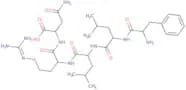
CAS:H-Phe-Leu-Leu-Arg-Asn-OH is a β-amino acid that has been shown to have antioxidant properties. It acts as a competitive inhibitor of the enzyme collagenase and has been shown to inhibit the development of atherosclerotic lesions in mice. The amide form of H-Phe-Leu-Leu-Arg-Asn has also been shown to have site specific activity on ventricular myocardium cells, which may be related to its ability to induce cytosolic calcium release. HPLR also has protease activity that can be inhibited by urea nitrogen and β amino acid. Basophilic leukemia cells produce HPLR at high levels and it is thought that this is due to an increased requirement for the production of collagen in these cells. HPLR has been shown to activate thrombin receptors, which are found on the surface of platelets and endothelial cells. Activated thrombinFórmula:C31H51N9O7Pureza:Min. 95%Peso molecular:661.81 g/molEchistatin
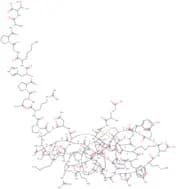
CAS:<p>Echistatin is a natural product isolated from the venom of the snake Echis carinatus. It is an inhibitor of protein synthesis that binds to the integrin receptor and blocks the binding of extracellular matrix proteins, leading to cell death. Echistatin has been shown to inhibit the proliferation of human osteosarcoma cells in vitro and induce neuronal death in vivo. In addition, it has been shown to be effective against human breast cancer cells that express high levels of integrins. The disulfide bond in echistatin may represent a potential anticancer agent due to its ability to form covalent bonds with other molecules such as DNA, RNA, or proteins.</p>Fórmula:C217H341N71O74S9Pureza:Min. 95%Peso molecular:5,417.14 g/molH-Arg-Arg-Leu-Ile-Glu-Asp-Ala-Glu-Tyr-Ala-Ala-Arg-Gly-NH2
CAS:This peptide hormone is a member of the lipid-binding proteins. It is a basic protein that has been found to be expressed in human leukemia cells and may have an important function in cellular transformation. The hl-60 cells, treated with this agent, show changes in cell shape and motility. Epidermal growth factor (EGF) receptors are activated by this fatty acid, which leads to an increase in the production of EGF by the cells. This peptide hormone has been shown to bind to the epidermal growth factor receptor and stimulate the production of EGF. Monoclonal antibodies can be used to identify this peptide hormone. The binding sites for this peptide hormone are dinucleotide phosphate or cytosolic proteins. This peptide hormone has been associated with autoimmune diseases such as rheumatoid arthritis and psoriatic arthritis.Fórmula:C64H106N22O21Pureza:Min. 95%Peso molecular:1,519.69 g/molH-SSFTVQDLKPFTEYVFR^-OH
<p>Peptide H-SSFTVQDLKPFTEYVFR^-OH is a Research Peptide with significant interest within the field academic and medical research. This peptide is available for purchase at Cymit Quimica in multiple sizes and with a specification of your choice.</p>H-FLEQELETITIPDVYGAK^-OH
Peptide H-FLEQELETITIPDVYGAK^-OH is a Research Peptide with significant interest within the field academic and medical research. This peptide is available for purchase at Cymit Quimica in multiple sizes and with a specification of your choice.H-VVLHPNYSQVDIGL^IK-OH
<p>Peptide H-VVLHPNYSQVDIGL^IK-OH is a Research Peptide with significant interest within the field academic and medical research. This peptide is available for purchase at Cymit Quimica in multiple sizes and with a specification of your choice.</p>[D-Arg1,D-Phe5,D-Trp7,9,Leu11]-Substance P
CAS:Substance P is a neuropeptide that belongs to the Feeding Regulatory Peptides family. It is synthesized in the hypothalamus and secreted by neurons in the spinal cord, brainstem, and gut. Substance P has been shown to regulate feeding behavior through its interaction with opioid receptors and the release of other neurotransmitters. The synthetic form of this peptide has been shown to reduce body fat in animal models and increased sensitivity to insulin in diabetic patients. This peptide also reduces camp levels in rats, which may be due to its ability to stimulate secretion of camp from pancreatic cells.Fórmula:C79H109N19O12Pureza:Min. 95%Peso molecular:1,516.87 g/molH-Val-Lys-Gly-Ile-Leu-Ser-NH2
CAS:<p>H-Val-Lys-Gly-Ile-Leu-Ser-NH2 is a biologically active peptide. It is a peptide that is derived from the amino acid sequence of protease activated receptor 2 (PAR2) and has been shown to induce coagulation. This peptide has also been shown to have cardiovascular effects, such as reducing blood pressure, and may be useful in the treatment of hypertension.</p>Fórmula:C28H54N8O7Pureza:Min. 95%Peso molecular:614.79 g/molBoc-Asn-OH
CAS:<p>Boc-Asn-OH is a glycopeptide that has a basic structure. It is soluble in water and hydrochloric acid. Boc-Asn-OH has been shown to have antibacterial activity against methicillin-resistant Staphylococcus aureus (MRSA) and Clostridium perfringens, as well as good solubility in organic solvents such as chloroform and acetonitrile. Preparative high performance liquid chromatography (HPLC) of Boc-Asn-OH reveals an amide, toxicity studies, proton, oligosaccharides, disulfide bond, thp-1 cells, conformational properties, esters hydrochloride.</p>Fórmula:C10H19NO4Pureza:Min. 95%Peso molecular:232.23 g/mol(3,5-Difluorophenylacetyl)-Ala-Phg-OtBu
CAS:<p>(3,5-Difluorophenylacetyl)-Ala-Phg-OtBu is a secretase inhibitor that inhibits the enzyme that cleaves amyloid precursor protein (APP) to release beta-amyloid. It has been shown to prevent the formation of plaques in the brain and may be used to treat Alzheimer's disease. (3,5-Difluorophenylacetyl)-Ala-Phg-OtBu has also been shown to inhibit the production of tumor necrosis factor alpha (TNFα), which is involved in inflammation and carcinogenesis. The drug has been shown to reduce myocardial infarct size by preventing cardiac cell death and reducing inflammation following a heart attack. It is also active against multiple types of cancer cells, including carcinoma cell lines and multidrug resistant cells.</p>Fórmula:C23H26N2O4F2Pureza:Min. 95%Peso molecular:432.47 g/molIberiotoxin
CAS:<p>Iberiotoxin a synthetic scorpion toxin sourced from the Buthus tamulus scorpion, has disufide bonds formed between Cys7-Cys28, Cys13-Cys33, and Cys17-Cys35. This prodict can be used as a Ca2+-Activated K+ Channel Blocker (Maxi-K+ Channel Blocker). This peptide can be used in pharmacological studies to investigate the effects of Iberiotoxin on various ion channels and receptors.</p>Fórmula:C179H274N50O55S7Pureza:Min. 95%Peso molecular:4,230.8 g/mol[Arg8]-Vasopressin
CAS:<p>Vasopressin is a peptide antidiuretic hormone, originating from the hypothalamus, that regulates water balance in the body. It is also known as arginine vasopressin or antidiuretic hormone (ADH). The clinical efficacy of vasopressin has been evaluated using in vitro methods on mouse monoclonal antibody production cells, blood sampling, and microdialysis probes for monitoring blood pressure. This product is available in the salt form: Acetate.</p>Fórmula:C46H65N15O12S2Pureza:Min. 95%Peso molecular:1,084.25 g/molZ-Leu-Leu-Glu-MCA
CAS:<p>L-Leu-Leu-Glu-MCA is a research tool that activates the receptor. It is a ligand that binds to the receptor, activating it. L-Leu-Leu-Glu-MCA is a small molecule that has been shown to be an antagonist of ion channels in cell biology. It has been shown to inhibit protein interactions and peptide synthesis by inhibiting the binding of ATP. L-Leu-Leu-Glu-MCA also acts as an inhibitor of ion channels and high purity protein interactions, which may be due to its competitive inhibition of ATP binding. Ligands are used in pharmacology for studying protein interactions or inhibiting enzyme activity. The CAS No. for this compound is 348086-66-8.</p>Fórmula:C35H44N4O9Pureza:Min. 95%Peso molecular:664.75 g/molMOG (Rat, Mouse, 35-55)
CAS:<p>Amino acids 35-55 derived from the Immunogenic Myelin Oligodendrocyte protein (MOG). Produced by oligodendrocytes, MOG is an integral part of the oligodendrocyte surface membrane, located in the central nervous system (CNS) and plays an important role in the maintenance and disintegration of the myelin sheath. Unique within their immunoglobulin superfamily, MOG is composed of a transmembrane hydrophobic domain, an extracellular immunoglobulin variable (IgV) domain, a short cytoplasmic loop and within the membrane bilayer there is a second hydrophobic region and after this, a cytoplasmic end. In addition to 218 amino acids of the mature MOG protein, it contains a 29 amino acids long signal peptide.<br>MOG has not only been found to be expressed in the CNS but also at low levels in the peripheral nervous system. Generally MOG is expressed during myelination and functions to maintain the myelin sheath’s structurally integrity through mediating interactions between the myelin and the immune system. This is possible due to its adhesion characteristics and its external location which makes it accessible to antibodies and T-cells. Furthermore is has been suggested that MOG is involved in regulating oligodendrocyte microtubule stability and it can be used as a differentiation marker for oligodendrocyte maturation.Myelin forms a lipid layer around neurons which insulates them. MOG has immunodmainant epitopes: 1-22; 35-55 and 92-106 and this is located at the dimer interface which is formed by MOG IgV domains forming a dimer. These MOG epitopes are recognized by encepalitogenic T cells as foreign antigens. As a result demyelination occurs and this happens in the disease state of Multiple Sclerosis (MS).<br>As MOG is associated with inflammatory demyelinating diseases within the CNS such as neuromyelitis optica spectrum disorders and acute disseminated encephalomyelitis, this MOG (35-55) product can be used to induce these disease states in animal models.<br>One-Letter Formula: MEVGWYRSPFSRVVHLYRNGK</p>Fórmula:C118H177N35O29SPureza:Min. 95%Peso molecular:2,581.95 g/molBQ-610
CAS:<p>BQ-610 is a drug that has been shown to improve brain functions and energy metabolism. It also inhibits the transmission of pain signals in the mesenteric region of rats by blocking voltage-dependent calcium channels. BQ-610 is found to suppress the production of endothelin-a receptor, which is an important regulator for many diseases such as infectious diseases, hypertension, and other cardiovascular disorders. The drug has also been shown to reduce oxidative stress by inhibiting cell nuclei and reducing inflammation by inhibiting basic protein synthesis. BQ-610 has been shown to be effective against congestive heart failure in rats by increasing blood flow and improving biochemical properties.</p>Fórmula:C36H44N6O6Pureza:Min. 95%Peso molecular:656.79 g/molCpp-AAF-pAb
CAS:<p>Cpp-AAF-pAb is a synthetic peptide that corresponds to the amino acid sequence of the C terminus of human basic fibroblast growth factor (bFGF) and has been shown to have a variety of effects on cells. It has been used in cell culture studies to measure the effect of bFGF on renal blood flow, which is an important marker for kidney disease. In addition, this peptide inhibits tumor cell growth and has antinociceptive properties in rats. The inhibition of tumor cell growth may be due to its ability to inhibit metalloendopeptidases and polyclonal antibodies.</p>Fórmula:C32H36N4O7Pureza:Min. 95%Peso molecular:588.67 g/molPro-OBzl • Cl
CAS:<p>Pro-OBzl • Cl is a monoclonal antibody that binds to the active site of the ns3 protease, which is an enzyme that is involved in the processing of many proteins. Pro-OBzl • Cl has been shown to inhibit cancer cell growth and to reduce microbial infection by decreasing their ability to produce virulence factors. Pro-OBzl • Cl also has been shown to be effective against viruses such as hepatitis B virus. This drug binds to the receptor on the surface of cells and inhibits viral entry into cells.</p>Fórmula:C12H15NO2•HCIPureza:Min. 95%Peso molecular:241.7 g/molObestatin (Human)
CAS:Obestatin is a 23 amino acid gastrointestinal peptide, encoded for by the ghrelin gene and is known to reduce food intake through supressing appetite. This peptide has been found to influence the pancreas, cardiovascular system and adipose tissues as well as the gastrointestinal system. One study showed that when high-fat diet fed rats were given chronic administration of obestatin it prevented the development of non-alcoholic fatty liver disease. Consequently Obestatin has the potential to be used in preventing obesity-related diseases.Fórmula:C116H176N32O33Pureza:Min. 95%Peso molecular:2,546.89 g/molCyclo(Arg-Ala-Asp-D-Phe-Lys)
CAS:<p>Cyclo(Arg-Ala-Asp-D-Phe-Lys) is a cyclic peptide that has been shown to have antiangiogenic properties. It may be used as a linker for the conjugation of drugs to compounds with different target specificities. Cyclo(Arg-Ala-Asp-D-Phe-Lys) is a negative control peptide that has the RGD sequence, which is the most common motif in peptides that are used for cell targeting. This peptide was tested against human ovarian carcinoma and inhibited endothelial cell proliferation and tumor vasculature formation. Cyclo(Arg-Ala-Asp-D-Phe-Lys) also inhibited angiogenesis in vitro and in vivo, suggesting that it may be useful for the treatment of cancer and other diseases involving abnormal blood vessel growth.</p>Fórmula:C28H43N9O7Pureza:Min. 95%Peso molecular:617.71 g/molH-Ser-Phe-Leu-Leu-Arg-Asn-NH2
CAS:<p>This is a monoclonal antibody that binds to the alpha-integrin receptor. The alpha-integrin receptor is an integrin that is involved in cell adhesion and migration, as well as the activation of several signaling pathways. This antibody has been shown to inhibit the binding of alpha-integrins to phospholipid membranes, which may be due to inhibition of protein kinase C (PKC). This antibody also inhibits thrombin receptor activation and dextran sulfate-induced cytosolic calcium mobilization.</p>Fórmula:C34H57N11O8Pureza:Min. 95%Peso molecular:747.9 g/molBoc-D-Leu-OH • H2O
CAS:<p>Boc-D-Leu-OH • H2O is an intramolecular hydrogen. It has a helical structure and forms hydrogen bonds with other molecules. Boc-D-Leu-OH • H2O is a cyclic peptide with a hydrophobic side chain and a hydrophilic head group. The peptide has been shown to have antimicrobial activity in the biliary and intestinal tract, as well as chronic pain relief properties. Boc-D-Leu-OH • H2O was found to be effective in animal studies for neuropathic pain, which may be due to its amide structure. A silico analysis revealed that the drug substance had a high binding affinity for the mu opioid receptor and could potentially be used to treat chronic pain caused by inflammation.</p>Fórmula:C11H21NO4•H2OPureza:Min. 95%Peso molecular:249.31 g/molβ-Defensin-2 (Human) Antiserum
<p>β-defensin-2 Antiserum is a research tool that can be used to study the interactions of ion channels, receptor and ligand. It is likely to be used in pharmacology and protein interactions. β-defensin-2 Antiserum is purified and has an affinity for antibody proteins.</p>Pureza:Min. 95%Fmoc-Lys(Biotin)-OH
CAS:<p>Fmoc-Lys(Biotin)-OH is a biotin-reactive derivative of the lysine amino acid. It is used to study the interactions between bacterial pathogens and human cells. Fmoc-Lys(Biotin)-OH has been shown to inhibit the growth of P. aeruginosa in thp-1 cells, which are immortalized human lung epithelial cells. This drug also inhibits the synthesis of proteins in the cell nuclei, which prevents the development of bacterial colonies on solubilized cell nuclei in human serum. The effects of Fmoc-Lys(Biotin)-OH have been observed using an unlabeled drug and preincubation with unlabeled protein to observe cytosolic protein synthesis inhibition. A confocal microscope was used to show that Fmoc-Lys(Biotin)-OH inhibited recombinant proteins that bind to human pathogens, such as Staphylococcus a</p>Fórmula:C31H38N4O6SPureza:Min. 95%Peso molecular:594.74 g/molBoc-Asp(OcHex)-OH
CAS:<p>Boc-Asp(OcHex)-OH is a peptide with pharmacological and biological properties. It is an inhibitor of the phospholipase A2 enzyme, which plays a role in inflammation. Boc-Asp(OcHex)-OH also has been shown to activate the epidermal growth factor receptor (EGFR). This peptide has been used as a research tool for studying protein interactions and is also used as an antibody.</p>Fórmula:C15H25NO6Pureza:Min. 95%Peso molecular:315.36 g/molβ-Sheet Breaker Peptide iAß5 (Bulk)
CAS:β-Sheet Breaker Peptide iAß5 (Bulk) is a peptide that inhibits the formation of β-sheets in proteins. It has been shown to be an excellent inhibitor of protein interactions, with good selectivity for its target. This peptide also has high purity and can be used as a research tool for studying the function of ion channels and antibodies.Fórmula:C33H43N5O8Pureza:Min. 95%Peso molecular:637.74 g/molPepstatin A (Synthetic)
CAS:<p>Pepstatin A is a natural product that has been synthesized for use as an inhibitor of proteolytic enzymes. It inhibits the activity of a wide range of proteases and is used in vitro to study the biochemical properties of these enzymes. Pepstatin A inhibits the activity of many important proteases, including those involved in infectious diseases, such as HIV and hepatitis C virus. Pepstatin A binds to the active site on serine proteases, blocking access by their substrates and thereby inhibiting enzyme activity. The binding site is highly conserved among different types of serine protease, with approximately 90% homology between trypsin and chymotrypsin. The inhibitory mechanism involves a specific interaction between pepstatin A's hydrophobic side chain and the catalytic triad residues His57, Asp102, and Ser195 in trypsin or His57, Asp102, and Ser188 in chymotrypsin.</p>Fórmula:C34H63N5O9Pureza:Min. 95%Peso molecular:685.89 g/molCharybdotoxin
CAS:<p>Charybdotoxin is a potent and selective ion channel inhibitor. It is a peptide that binds to the receptor site of the potassium channels that are found in nerve cells, blocking their activation. Charybdotoxin has also been shown to inhibit the activity of ligand-gated ion channels, such as acetylcholine receptors. This toxin has been used in research as a tool for studying protein interactions and has also been used in pharmacology as an experimental drug for treating hypertension.</p>Fórmula:C176H277N57O55S7Pureza:Min. 95%Peso molecular:4,295.9 g/molGlt-Gly-Arg-MCA
CAS:<p>Glt-Gly-Arg-MCA is a research tool that is used to activate the GLT1 receptor. It binds to the GLT1 receptor and activates it by binding to the Ligand-binding site. Glt-Gly-Arg-MCA has been shown to be an inhibitor of ion channels, such as Na+ channels, K+ channels, Ca2+ channels and voltage-gated Ca2+ channels. This product also binds to antibody molecules and inhibits their ability to bind with antigens or receptors. Glt-Gly-Arg-MCA has been used in research for Cell Biology, Pharmacology, and Life Science.</p>Fórmula:C23H30N6O7Pureza:Min. 95%Peso molecular:502.52 g/molBoc-D-Pro-OH
CAS:<p>Boc-D-Pro-OH is a model compound for the synthesis of peptides. Boc-D-Pro-OH has been used in many surface-enhanced Raman spectroscopy studies to investigate the stereochemistry of glycosidic bonds. It has also been used in pharmacokinetic studies to investigate the drug's absorption, distribution, metabolism, and excretion (ADME) properties. The solute is soluble in water due to its hydrophilic nature. Boc-D-Pro-OH is an enantiomer of Boc-L-Pro-OH and a functional group that contains a trifluoromethyl group. This chemical can be used in Tools for Peptide Synthesis with other compounds to form peptides with specific amino acid sequences.</p>Fórmula:C10H17NO4Pureza:Min. 95%Peso molecular:215.25 g/molFmoc-Cys(Trt)-OH
CAS:<p>Fmoc-Cys(Trt)-OH is a chemical compound that has been shown to have potent antitumor activity in mice. It is synthesized by the stepwise addition of amino acids to the resin-bound Cys residue in the presence of trifluoroacetic acid and a coupling agent such as EDC. This reaction produces a functional protein with an amide bond. The acetylcholine receptor binding properties of Fmoc-Cys(Trt)-OH are due to its ability to form a disulfide bond with cysteine residues on the receptor.</p>Fórmula:C37H31NO4SPureza:Min. 98.0 Area-%Peso molecular:585.71 g/molBoc-Cys(tBu)-OH
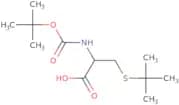
CAS:<p>Boc-Cys(tBu)-OH is a peptide that is an activator of ion channels. It is used as a research tool to study protein interactions, antibody binding, and cell biology. The peptide has been shown to act as an inhibitor of ion channels by binding to the extracellular domain of the receptor and inhibiting ligand binding. It has also been shown to activate potassium channels in mammalian cells.</p>Fórmula:C12H23NO4SPureza:Min. 95%Peso molecular:277.38 g/molEnterotoxin STp
CAS:<p>Enterotoxin STp is an Escherichia coli Enterotoxin, with the following disulfide bonds: Cys5 and Cys10; Cys6 and Cys14; Cys9 and Cys17 and available as the trifluoroacetate salt.<br>One-Letter-Code: H-NTFYCCELCCNPACAGCY-OH</p>Fórmula:C81H110N20O26S6Pureza:Min. 95%Peso molecular:1,972.26 g/molFmoc-D-Lys(Boc)-OH
CAS:<p>Fmoc-D-Lys(Boc)-OH is a building block for the synthesis of peptides. It can be used to synthesize chains that are up to 17 amino acids long. Fmoc-D-Lys(Boc)-OH is a protected amino acid with an active group on the alpha carbon and has been used in the synthesis of ganirelix acetate, a peptide that is used in the treatment of prostate cancer. The Boc group is an organic compound that protects the lysine side chain from reacting with other compounds. The Fmoc group is also an organic compound, which helps to protect the side chain from reactions with other compounds. These groups are removed at different stages of synthesis, depending on what type of reaction needs to take place next.</p>Fórmula:C26H32N2O6Pureza:Min. 95%Peso molecular:468.55 g/molNeuropeptide S (Human)
CAS:Neuropeptide S is a neuropeptide and a novel modulator of arousal and anxiety. This neuropeptide is found in the mammalian brain and is also involved in the suppression of food intake, reward-like effects, mediation of fear expression and memory and learning processes. This product can be used in pharmacological research and is available as a 0.5 mg vial.Fórmula:C93H155N31O28SPureza:Min. 95%Peso molecular:2,187.5 g/mol1-(Fmoc-Aminomethyl)-β-D-Galacturonic Acid
CAS:1-(Fmoc-Aminomethyl)-Beta-D-Galacturonic Acid is a glycopeptide that has been shown to be taken up by the cells of humans. It is also effective when given at doses of 1 mg/kg. This drug can be pegylated, which increases its uptake in humans and prevents it from being degraded in the liver. The pharmacokinetic properties of 1-(Fmoc-Aminomethyl)-Beta-D-Galacturonic Acid have been studied in humans, where it was found that this drug can be detected in plasma as well as in urine after single or multiple doses. The human studies done with this drug have shown that it has a short half life and is quickly eliminated from the body. Positron emission tomography (PET) studies have indicated that this drug may bind to specific receptors on the surface of cells, which could potentially lead to new diagnostic applications for beta-galactosidFórmula:C22H23NO8Pureza:Min. 95 Area-%Peso molecular:429.42 g/molAc-Asp-Glu-Val-Asp-H (aldehyde)
CAS:<p>Ac-Asp-Glu-Val-Asp-H (aldehyde) is a peptide that belongs to the group of ligands. It has been used as an inhibitor of ion channels and as an antibody for cell biology research. Ac-Asp-Glu-Val-Asp-H (aldehyde) is a potent activator of the class IB metabotropic glutamate receptors and has been shown to inhibit the activity of the Na+/K+ ATPase pump in rat brain synaptosomes. This peptide also binds to beta 2 adrenergic receptors with high affinity, but does not activate them.</p>Fórmula:C20H30N4O11Pureza:Min. 95%Peso molecular:502.47 g/molBNP-45 (Rat)
CAS:<p>BNP-45 is a peptide that binds to the beta-subunit of the Na+/K+ ATPase, inhibiting its activity. It is a potent inhibitor of the enzyme and has been used in research as a tool to study ion channels and receptor activation.<br> BNP-45 has been shown to inhibit ion-channel activity by binding to the beta subunit of the Na+/K+ ATPase. This inhibition leads to an increase in intracellular sodium and calcium levels, which may result in a variety of physiological effects.</p>Fórmula:C213H349N71O65S3Pureza:Min. 95%Peso molecular:5,040.7 g/molp-Methyl-Benzhydrylamine Resin•HCl (200-400 mesh) 1% DVB
<p>MBHA resin is a solid phase synthesis material that is used as a building block in the synthesis of peptides. The resin is a very stable, insoluble polymer with a high capacity for binding amino acids. MBHA resin provides a clean surface for peptide synthesis and an efficient coupling reaction. It can be used to make any type of peptide, including natural and unnatural amino acids and modified amino acids.</p>Pureza:Min. 95%Elastatinal
CAS:<p>Elastatinal is a natural product that has been shown to inhibit the protease activity of HIV-1. This inhibition may be due to its ability to bind to the cell surface and prevent the assembly of the virus-cell complex. Elastatinal binds to hydroxyl groups on proteins, which may inhibit enzymes in cells by preventing them from carrying out their functions. The biological sample can be any type of biological fluid or tissue, such as blood, saliva, semen, and vaginal secretions. Elastatinal is a natural product that has been shown to inhibit the protease activity of HIV-1. This inhibition may be due to its ability to bind to the cell surface and prevent the assembly of the virus-cell complex. Elastatinal binds to hydroxyl groups on proteins, which may inhibit enzymes in cells by preventing them from carrying out their functions. The biological sample can be any type of biological fluid or tissue, such as blood, saliva, semen, and</p>Fórmula:C21H36N8O7Pureza:Min. 95%Peso molecular:512.56 g/molAbz-Ala-Gly-Leu-Ala-p-Nitro-Benzyl-Amide
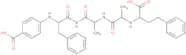
CAS:<p>Abz-Ala-Gly-Leu-Ala-p-Nitro-Benzyl-Amide is an enzyme inhibitor that is used to treat cancer. It is a potent and selective inhibitor of neutral endopeptidase, which is an enzyme involved in the process of inflammation. Abz-Ala-Gly-Leu-Ala-p-Nitro-Benzyl Amide can be used to inhibit the interaction between gram negative bacteria and human cells, and has been shown to have antimicrobial properties against Pseudomonas aeruginosa. This compound may also be able to modulate metalloendopeptidases, which are resistant to endopeptidases.</p>Fórmula:C28H37N7O7Pureza:Min. 95%Peso molecular:583.64 g/molFor-Met-Leu-pNA
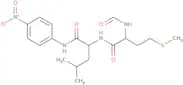
CAS:<p>For-Met-Leu-pNA is a synthetic peptide that can be used as a research tool for studying protein interactions. It has been shown to inhibit ion channels and may be useful in the treatment of epilepsy, especially in cases of drug resistant seizures. For-Met-Leu-pNA is also an inhibitor and can be used as an anticonvulsant.</p>Fórmula:C18H26N4O5SPureza:Min. 95%Peso molecular:410.5 g/molHCTU Reagent
CAS:<p>HCTU Reagent is an organic compound that is used for diagnosis of infectious diseases, chemical biology, and polymerase chain reaction. It is a disulfide bond-forming reagent that contains two reactive thiols and can be used to form a disulfide bond between two cysteine residues. HCTU Reagent has been shown to be effective in the treatment of prostate cancer cells by inhibiting the growth factor-β1 receptor and preventing the binding of heme to its intracellular site. This reagent also binds to iron and has conformational properties that are important for cyclic lipopeptides.</p>Fórmula:C11H15N5OClPF6Pureza:Min. 98.0 Area-%Peso molecular:413.69 g/molInsulin (Human)
CAS:<p>Insulin is a peptide hormone that regulates the uptake and storage of glucose by muscle and fat cells. Insulin is produced by beta cells in the pancreas, which release it into the bloodstream when blood sugar levels rise. Insulin lowers glucose levels by increasing the amount of glucose taken up from the blood into muscle and fat cells, suppressing hepatic gluconeogenesis, and promoting glycolysis. It also increases protein synthesis, decreases proteolysis, and stimulates growth. With a molecular weight of 5808 Da, insulin is composed of two polypeptide chains with an approximate molecular weight of 3120 Da each linked by disulfide bonds. Insulin has no lipid moiety or carbohydrate moiety.<br>Insulin binds to its receptor on the surface of a cell to trigger one or more signaling cascades leading to changes in metabolism. Binding to the receptor triggers a conformational change in the receptor that causes insulin to be released from its binding site on the receptor.</p>Fórmula:C257H383N65O77S6Pureza:Min. 95%Peso molecular:5,807.6 g/molPoly-L-Lysine Hydrobromide
CAS:<p>Poly-L-Lysine Hydrobromide is a neurotrophic factor that is used to stimulate nerve growth in the peripheral nervous system. It has been shown to increase the production of nerve growth factor, which is important for neuronal development and regeneration. Poly-L-Lysine Hydrobromide also has biological properties against human erythrocytes, enabling it to bind to the erythrocyte membrane and subsequently cause hemolysis. This process is mediated by Toll-like receptors. The active form of this drug has been shown to have antiviral activity against HIV and other viruses in transfection experiments using cells from mice, as well as an ability to inhibit replication of herpes simplex virus type 1 (HSV-1) in a model system consisting of rat neurons grown on a polymer substrate. Poly-L-Lysine Hydrobromide can be cleaved into smaller pieces by enzymes such as DNase I or terminal transferases, forming polymers</p>Pureza:Min. 95%Ac-Arg-Gly-Lys(Ac)-MCA
CAS:<p>Ac-Arg-Gly-Lys(Ac)-MCA is a peptide that is used as a histone deacetylase substrate. It is an enzyme substrate in the histone deacetylase reaction and it has been shown to inhibit the growth of many bacterial strains. Ac-Arg-Gly-Lys(Ac)-MCA has been shown to inhibit the growth of Staphylococcus aureus, Bacillus subtilis, and Pseudomonas aeruginosa.</p>Fórmula:C28H40N8O7Pureza:Min. 95%Peso molecular:600.68 g/molCyclo(Arg-Ala-Asp-D-Phe-Val)
CAS:<p>Cyclo(Arg-Ala-Asp-D-Phe-Val) is an active, cyclic peptide that has been shown to have localized effects on the metaphase, meiosis, and gamete cells. Cyclo(Arg-Ala-Asp-D-Phe-Val) is a cilengitide, which are small molecules that bind to calcium ions and increase intracellular levels of calcium. This leads to the activation of biochemical pathways in cells. Cyclo(Arg-Ala-Asp-D-Phe-Val) has been shown to have a diacylglycerol antagonist effect in porcine oocytes and was used in clinical trials for the treatment of infertility. Cyclo(Arg-Ala-Asp-D-Phe Val) also has apoptotic activity in cancer cells.</p>Fórmula:C27H40N8O7Pureza:Min. 95%Peso molecular:588.68 g/molH-Gly-Arg-Gly-Asp-Ser-Pro-Cys-OH
CAS:<p>H-Gly-Arg-Gly-Asp-Ser-Pro-Cys-OH is a monoclonal antibody (mAb) that binds to the cell surface receptor, TGFβRI. It has been shown to exhibit biological activities including inhibition of tumor growth and induction of apoptosis in cancer cells. This mAb can be used as a tumor treatment and can also inhibit the proliferation of cells in tissue culture. H-Gly-Arg-Gly-Asp-Ser-Pro-Cys has been shown to inhibit the production of collagen, which may be due to its ability to block integrin activation by binding to the cell surface receptor, αVβ3. HGRGSSPC has also been found to have antiangiogenic properties, which may be due to its ability to bind with high affinity and specificity to αVβ3 on endothelial cells.</p>Fórmula:C23H42N10O11SPureza:Min. 95%Peso molecular:690.74 g/molFmoc-Lys(Boc)-OH
CAS:<p>Fmoc-Lys(Boc)-OH is a monoclonal antibody that reacts with lysine residues. It is synthesized by reacting a solid phase support with an aliphatic hydrocarbon. The reactive functional group on the hydrocarbon terminates in an amine and forms an amide linkage to the amino terminus of the peptide. The hydroxyl terminus of the peptide is then reacted with a trifluoroacetic acid (TFA) ester of lysine in the presence of base. This reaction produces a TFA salt of Fmoc-Lys(Boc)-OH, which can be purified by high salt precipitation or reversed to produce Fmoc-Lys(Boc)-OH by treatment with base. Fmoc-Lys(Boc)-OH has been used as a reagent for chemical conjugation to fluorophores and other molecules such as biotin, avidin, strept</p>Fórmula:C26H32N2O6Pureza:Min. 98.0 Area-%Peso molecular:468.54 g/molAbz-Thr-Asn-Met-Lys-His-Met-Ala-Gly-Ala-Ala-Gln-EDDnp
CAS:Abz-Thr-Asn-Met-Lys-His-Met-Ala-Gly-Ala-Ala-Gln (EDDNP) is a novel and potent inhibitor of the polymerase chain reaction (PCR). It has been shown to inhibit the activity of DNA polymerases, which are key enzymes in DNA replication. EDDNP binds to the active site of the enzyme and blocks access to the DNA template. In addition, this compound inhibits mitochondrial membrane potential, as well as transcriptional regulation and detoxification enzymes. This compound has also been shown to be effective in vivo in mouse models.Fórmula:C61H91N21O19S2Pureza:Min. 95%Peso molecular:1,486.66 g/mol



![[D-Arg1,D-Phe5,D-Trp7,9,Leu11]-Substance P](/_next/image/?url=https%3A%2Fstatic.cymitquimica.com%2Fproducts%2F3D%2Fthumb-webp%2FPGH-3652-PI.webp&w=3840&q=75)


![[Arg8]-Vasopressin](/_next/image/?url=https%3A%2Fstatic.cymitquimica.com%2Fproducts%2F3D%2Fthumb-webp%2FVAS-3878-PI.webp&w=3840&q=75)