Péptidos
Subcategorías de "Péptidos"
Se han encontrado 29599 productos de "Péptidos"
Anti Galanin (Porcine) Serum
Anti Galanin (Porcine) Serum is a research tool that is used to activate, bind, and inhibit the ligand-receptor interactions. It is also used for the study of ion channels and cell biology. Anti Galanin (Porcine) Serum can be used as an antibody or as a peptide in pharmacology studies. The protein interactions are used in life science research, as well as for inhibitor studies.Pureza:Min. 95%[D-Ala2,Met5]-Enkephalin
CAS:[D-Ala2,Met5]-Enkephalin is an inhibitory neurotransmitter that binds to receptors in the brain and spinal cord. It affects physiological functions such as locomotion, pain sensation, and blood pressure. Enkephalins are analogs of the natural neurotransmitter enkephalin that are synthesized by enzymatic cleavage of the latter from a larger precursor molecule called proenkephalin. [D-Ala2,Met5]-Enkephalin has been shown to be an effective antinociceptive agent when administered intraperitoneally or intravenously in rats. It also acts as a pressor agent and produces dextran sulfate-induced nociception in mice. The pharmacological properties of enkephalins have been shown using various analytical methods including acid analysis.Fórmula:C28H37N5O7S•CH3COOH•H2OPureza:Min. 95%Peso molecular:665.76 g/molTentaGel® B NH2 / Boc Resin (90 um)
TentaGel B resins represent a line of bifunctional resins that are useful for orthogonal synthesis. TentaGel; is a gelatinous resin, an important support for solid phase synthesis. TentaGel resins are constructed with a backbone of low crosslinked polystyrene grafted with polyoxyethylene (polyethylene glycol) as shown below. The typical chain length of POE (n) is approximately 68 ethylene oxide units or an average MW of 3000. This long chain creates a spacer that effectively separates the reactive site (X) from the crosslinked backbone matrix. Particle size 90 µm; capacity: 02-03 meq/g Inside: NH2 Outside: BocPureza:Min. 95%Cryptdin-4 (Mouse)
CAS:The most potent microbicide of the mouse Paneth cell α-defensins and is degraded by MMP-7. This product has disulfide bonds between Cys4-Cys30, Cys15-Cys37, and Cys19-Cys39, is available in the Hydrochloride salt form and as a 0.1mg vial.Fórmula:C158H257N57O38S6Pureza:Min. 95%Peso molecular:3,755.5 g/molm-dPEG®48-OH
m-dPEG®48-OH is a PEG polymer categorised as monofunctional (OH-PEG-X). Used as a linker, m-dPEG®48-OH is used to attached PEG to proteins, peptides, oligonucleotides, nanoparticles and small molecules via pegylation, a bioconjugation technique.Fórmula:C98H198O49Pureza:Min. 95%Peso molecular:2,160.59 g/molTentaGel® M RAM
TentaGel is a water-soluble polymer that can be used as a building block for various applications including drug delivery, food and beverage, cosmetics, and electronics. It consists of two main components: polyethylene glycol (PEG) and polypropylene glycol (PPG). TentaGel is soluble in water and has an average molecular weight of about 10,000 Da. The PEG-based component allows the polymer to be easily processed into particles or fibers by sonication or extrusion. TentaGel M RAM is a modified version of the original TentaGel. It contains methacrylic acid groups that have been grafted onto the PEG backbone to provide additional functionality such as reactive surfaces for conjugation with proteins or other molecules.Pureza:Min. 95%Neurokinin A (Human, Porcine, Rat, Mouse)
Neurokinin A is a peptide that is derived from the precursor protein, preprotachykinin A, and has been found to be an endogenous ligand for the NK-1 receptor. It is involved in a wide range of physiological processes such as neurotransmission and regulation of blood pressure. Neurokinin A has been shown to inhibit adenylate cyclase activity in guanethidine-sensitive tissues and ionophores-resistant cells. The effects of Neurokinin A are not due to its ability to bind to the NK-1 receptor but rather through other mechanisms. The amino acid sequence of this peptide was first determined by cloning methods in 1984 and it has since been used extensively as a tool for studying the function of this receptor. Neurokinin A also inhibits cell proliferation in glioma cells and has been shown to have an inhibitory effect on Ca2+ concentration during electrical nerve stimulation.Fórmula:C50H80N14O14S•2CH3COOH•5H2OPureza:Min. 95%Peso molecular:1,343.48 g/molMOCAc-Lys-Pro-Leu-Gly-Leu-A2pr(Dnp)-Ala-Arg-NH₂
MOCA-Lys-Pro-Leu-Gly-Leu-A2pr(Dnp)-Ala-Arg-NH₂ is a peptide that binds to the M1 muscarinic receptor. It is a research tool used in pharmacology and cell biology. This peptide has been shown to activate the M1 receptor, which may be due to its ability to inhibit protein kinase C. This peptide can also be used as an inhibitor of the M1 receptor.Fórmula:C55H80N16O16Pureza:Min. 95%Peso molecular:1,221.3 g/molFmoc-Can(Trt)
Fmoc-Can(Trt) is a hydroxylamine used in peptide synthesis. It has been shown to have antineoplastic properties, as well as anti-tumor activity against various types of cancer cells. Fmoc-Can(Trt) also blocks the production of ornithine, an amino acid that is required for the synthesis of polyamines and spermidine. Fmoc-Can(Trt) inhibits the growth of tumor cells by binding to t-cells, which are immune cells that regulate the production of lymphocytes. This prevents their proliferation and leads to their death. The use of Fmoc-Can(Trt) in research has led to new discoveries in the field of cancer.Fórmula:C38H34N2O5Pureza:Min. 95%Peso molecular:598.69 g/molFGF 8 Human
Fibroblast growth factor 8 (FGF8) is a cytokine that belongs to the family of fibroblast growth factors. It is a protein that is secreted by cells in the family of organs, including liver, kidney, lung, and heart. FGF8 has been shown to promote cell growth and organogenesis. In addition, FGF8 has been shown to stimulate tumor growth in animal models and humans. The function of FGF8 is mediated through binding to its receptor FGFR-2 on the cell surface. This receptor activates signaling pathways inside the cell by interacting with other proteins such as PI3K or Ras.Pureza:Min. 95%Amyloid beta (40-1)
Amyloid beta (Aβ) is a peptide fragment of the amyloid precursor protein, which is cleaved by β- and γ-secretases to form Aβ. It has been shown to be an activator of presynaptic ion channels and can bind to receptors such as the low density lipoprotein receptor related protein 1 (LRP1). Amyloid beta influences cell biology in many different ways. For example, it inhibits the growth of neurons and can induce apoptosis. In addition, this peptide can inhibit the activity of ion channels by binding to specific sites on their surface. Amyloid beta also binds to antibodies that are used for research purposes. Aβ40-1 is an antibody for research purposes only.Pureza:Min. 95%H-Met-Gly-Pro-[AMC].HCl
Substrate peptide for methionine aminopeptidases 1D (MetAP1D) and MetAP2 with aminomethylcoumarin (AMC) fluorophore. When the N-terminal methionine is leaved form this peptide by MetAP 1D/2 the remaining peptide GP-AMC is then rapidly degraded in cytosolic extracts to release the AMC fluorophore so fluorescence can be measured. This peptide is therefore a useful tool for analysing the activity MetAP1D and MetAP2. MetAPs are intracellular metalloproteases which remove the N-terminal methionine from eukaryotic proteins translationally, the removal of which is required for proper protein function, as it may affect their activity, localisation, and stability.MAP1D (or MetAP3) is localised in the mitochondria and has high amino acid homology to MetAP1. MetAP2 expression is associated with cell proliferation and is implicated in tumour growth. AMC is a fluorescent dye with excitation maxima at around 360 nm and emission maxima at around 450 nm. AMC can be excited with a mercury lamp and observed using a UV filter set.Peso molecular:460.2 g/molSARS-CoV-2 Nucleoprotein 1 (56-70)
The coronavirus (CoV) nucleoprotein is the major component of CoV structural proteins. Also known as the nucleocapsid protein, it is an abundant RNA-binding protein critical for viral genome packaging. These factors make nucleoprotein a good target for developing new antiviral drugs. In addition, the identification of epitopes within the nucleoprotein sequence can help design more effective SARS-CoV-2 vaccines.Models have predicted epitopes exhibiting antigenicity, stability and interactions with MHC class-I and class-II molecules. Nucleoprotein (56-70) is an epitope candidate with various HLA restrictions. This epitope can be used to better vaccine design for more durable CD4+ and CD8+ T cell responses for long-lasting immunity.Peso molecular:1,752.9 g/molAF647 RGD peptide
The RGD peptide is an adhesive peptide present in extracellular matrix proteins allowing them to attach to a range of biological materials. It is labelled with Alexa Fluor 647.Peso molecular:1,432.2 g/molAlyteserin-1d
Alyerserin-1b is a C-terminally α-amidated 23 residue Cationic anti-microbial peptide (AMP). Anti-microbial peptides (AMPs) are produced by the innate immune system and are expressed when the host is challenged by a pathogen. The Alyerserin family of peptides was first identified in norepinephrine-stimulated skin secretions of the midwife toad-Alytes obstetricans-(Alytidae). Alyteserin-1 peptides have limited structural similarity to the ascaphins from the skins of frogs of the Leiopelmatidae family. Alyteserin-1 peptides are selective at inhibiting growth activity of Gram-negative bacteria-such as Escherichia coli and show weak haemolytic activity against human erythrocytes.Alyteserin contain at least 50% hydrophobic amino acids. Hydrophobic residues contribute to the insertion of the peptide into the hydrophobic membrane core which results in membrane disruption and death of the pathogen. Due to their mechanism of action it is thought to be less likely for resistance to develop towards these peptides compared to conventional antibiotics.
Forma y color:PowderPeso molecular:2,334.4 g/molFGF 22 Human
Fibroblast growth factor 22 (FGF22) is a cytokine that belongs to the FGF family. FGF22 has been shown to play a role in the modulation of glucose homeostasis and the regulation of insulin secretion. FGF22 is produced by pancreatic β cells, liver, kidney, muscle, and fat tissue. It has been shown to be involved in the regulation of cellular proliferation and apoptosis, as well as the control of inflammation and immune response.Pureza:Min. 95%Nucleolar Protein 3, human, recombinant
Nucleolar Protein 3 (NOP3) is a human protein that belongs to the nucleolar-enriched phosphoproteins. NOP3 is an activator of RNA polymerase II and is involved in the regulation of ribosomal RNA transcription. The ligand for NOP3 has been identified as a peptide corresponding to the C-terminal domain of the protein. NOP3 also interacts with Ion channels and may be involved in the regulation of ion channel activity, including voltage-gated potassium channels.Pureza:Min. 95%RFamide-Related Peptide-1, human
RFamide-Related Peptide-1, human is a protein that belongs to the family of G-protein coupled receptors. It is activated by RFamide-related peptides and has been shown to be involved in the regulation of ion channels, such as potassium channels. The activation of these channels leads to the inhibition of neuronal excitation and can affect many other biological functions, such as cell proliferation or differentiation. RFamide-Related Peptide-1, human has been used as a pharmacological research tool for studying its ligand binding properties and protein interactions.Fórmula:C195H304N52O51S2Pureza:Min. 95%Peso molecular:4,256.9 g/molBig Endothelin-1 (Human, 22-38) Antiserum
Big endothelin-1 (ET-1) is a peptide with a molecular weight of 37.7 kDa that belongs to the class of endothelin peptides. ET-1 is an activator of ion channels and has been implicated in many physiological and pathological processes, including vasoconstriction, angiogenesis, cellular proliferation, and inflammation. The antibody reacts with human ET-1 with a high degree of specificity. It has been used as an immunological reagent for Western blotting and immunoprecipitation experiments.Pureza:Min. 95%D-Amino Acid Oxidase, human, recombinant
D-Amino Acid Oxidase is an enzyme that catalyzes the conversion of D-amino acid to alpha keto acid and ammonia. It is also known as DAAO or DAO.
Pureza:Min. 95%Flt3 Ligand Mouse
Flt3 ligand is a peptide that functions as an inhibitor of the receptor tyrosine kinase, Flt3. It is used in cell biology research to study protein interactions and receptor signaling pathways. Flt3 ligand binds to the extracellular domain of Flt3 and can activate the receptor by binding to it. This activation leads to phosphorylation of a number of proteins that regulate cellular processes such as ion channels, transcription factors, and other protein kinases.Pureza:Min. 95%Big Endothelin-2 (Human, 1-37)
CAS:Amino acids 1-37 of the Human Big Endothelian-2 peptide formed as a result of furin cleavage of proendothelin which in turn is produced from EDN2 gene transcription. Due to the actions of the Endothelin-Converting Enzymes: ECE-1 and ECE-2, Big Endothelin-2 is converted into Endothelin-2 (ET-2) peptide. ET-2 has affinity for ETA and ETB G-protein coupled receptors which are found in a variety of tissues, including lungs, heart, kidneys, uterus and vasculature. It is believed that ET-2 is a potent vasoconstrictor and may play a role in cancer, immunology and heart failure. This product has is available as a 0.1mg vial and has disulfide bonds between Cys1-Cys15 and Cys3-Cys11.Fórmula:C188H269N45O56S4Pureza:Min. 95%Peso molecular:4,183.7 g/molAnti TGF-Alpha, Human Serum
Anti TGF-Alpha, humanSerum is a recombinant antibody that specifically binds to the ligand of the Transforming Growth Factor-alpha receptor. It is used as a research tool for protein interactions, pharmacology and cell biology.Fórmula:C33H52N8O7Pureza:Min. 95%Peso molecular:672.82 g/molObestatin (Human)-EIA Kit (1ea)
Obestatin (Human)-EIA Kit is a specialty product for the detection of obestatin in human serum or plasma. Obestatin is an endogenous peptide hormone which is structurally related to ghrelin, which is produced by the stomach and regulates appetite. The kit contains one antibody labeled with a radioactive isotope and one control antibody. The kit can be used as a screening test for levels of obestatin in blood serum or plasma samples.Pureza:Min. 95%D-Arginyl-[Hyp3,Thi5,8,D-Phe7]-Bradykinin
D-Arginyl-[Hyp3,Thi5,8,D-Phe7]-Bradykinin is a biochemicals that acts as an antagonist of bradykinin. Bradykinins are peptides that are active in the human body and have a variety of physiological effects. D-Arginyl-[Hyp3,Thi5,8,D-Phe7]-Bradykinin has been shown to inhibit the release of neurotransmitters from nerve cells and has anti-inflammatory properties. It also has been shown to inhibit the activity of protein kinase C.Fórmula:C56H83N19O13S2•2CH3COOH•4H2OPureza:Min. 95%Peso molecular:1,486.67 g/molAbz-Ala-Pro-Glu-Glu-Ile-Met-Arg-Arg-Gln-EDDnp
CAS:Abz-Ala-Pro-Glu-Glu-Ile-Met-Arg-Arg-Gln-EDDnp is a peptide that is an elastase substrate derived from PAI-1Fórmula:C61H93N21O19SPureza:Min. 95%Peso molecular:1,456.59 g/molSPDP-dPEG®4-Acid
CAS:SPDP-dPEG®4-Acid is a PEG compound with two different functional groups (also known as heterobifunctional). Unlike homobifunctional PEG compounds (same functional group on both ends), this type of compounds are more versatile as have two different anchor points. SPDP-dPEG®4-Acid is used as a linker and spacer to add a PEG moiety, via pegylation (a bioconjugation technique) to proteins, peptides, oligonucleotides, small molecules and nanoparticles.Fórmula:C59H110N2O27S2Pureza:Min. 95%Peso molecular:1,343.63 g/molHeat Shock 70kDa Protein 5 , human, recombinant
Heat Shock Protein 70kDa is a protein that belongs to the heat shock protein family. It is an important regulator of the intracellular proteolytic and metabolic pathways. Heat Shock Protein 70kDa has been shown to be involved in the regulation of ion channels, receptor-ligand interactions, and protein synthesis. It also plays a role in cell cycle regulation, apoptosis, and other cellular processes. The recombinant human HSP70KD protein is produced in E. coli and has been purified by a series of chromatographic steps. This product is provided as lyophilized powder in 100% pure water with no additives or preservatives.Pureza:Min. 95%M CSF Mouse
M CSF Mouse is a research tool that is an activator, ligand, and receptor in cell biology. It is a cell-surface protein that binds to the receptor for macrophage colony-stimulating factor (M-CSF). M-CSF Mouse stimulates the proliferation of hematopoietic progenitor cells and enhances their differentiation into macrophages. This product has been extensively used as an antibody with high purity. M CSF Mouse has also been shown to be a natural inhibitor of ion channels, which may be due to its ability to bind to voltage-gated potassium channels.Pureza:>95% By Sds-Page.[Pyr33]-Pancreastatin (Porcine, 33-49) Antiserum
Pancreastatin is a peptide that is an inhibitor of potassium channels. Pancreastatin binds to and blocks the opening of K+ channels, thereby inhibiting the propagation of action potentials. Pancreastatin is a potent inhibitor of voltage-gated K+ channels in pancreatic β-cells and inhibits insulin secretion. Pancreastatin has been shown to inhibit the activity of sodium channels in the central nervous system, which may have therapeutic benefits for patients with epilepsy or other seizure disorders. Pancreastatin also has inhibitory effects on norepinephrine release from sympathetic nerves and acetylcholine release from parasympathetic nerves, which may be beneficial for patients with Parkinson's disease or Alzheimer's disease.Pureza:Min. 95%Anti PHI, Human Serum
Anti PHI, humanSerum is a research tool that is used to study protein interactions. It can be used in the study of ion channels, cell biology, and pharmacology. Anti PHI, humanSerum is also an inhibitor that binds to cells and prevents them from functioning normally. This product has been shown to inhibit the activity of erythropoietin receptor (EPOR) and has been used in the inhibition of tumor growth.Pureza:Min. 95%GLP-2 (Mouse)-EIA Kit (1ea)
GLP-2 (Mouse)-EIA Kit is a kit for the quantitative measurement of GLP-2 in mouse serum. It consists of a standard, antibody and reagents to measure GLP-2 in mouse serum. The assay has been validated for use with sera from mice. For research use only. Not for diagnostic or therapeutic purposes.Pureza:Min. 95%Proangiotensin-12 (Rat) Antibody (1ea)
Proangiotensin-12 (Rat) Antibody binds to proangiotensin 12 and blocks the activity of the angiotensin II receptor. This antibody is used in research as a ligand, activator, or inhibitor of protein interactions. It can be used in Cell Biology, Antibodies, Ion channels, High purity, Protein interactions, Pharmacology and Peptides.Pureza:Min. 95%ANP (Human, 5-28)
CAS:ANP (human, 5-28) is a peptide that is used as a research tool for studying the function of ion channels. It is also an antibody that can be used to measure protein interactions. ANP (human, 5-28) has been shown to inhibit protein interactions with the receptor and ligand. This peptide has been shown to act as an activator at high concentrations and an inhibitor at low concentrations.Fórmula:C106H163N35O34S3Pureza:Min. 95%Peso molecular:2,567.8 g/molt-boc-N-Amido-dPEG®23-Amine
t-boc-N-Amido-dPEG®23-Amine is a PEG compound with two different functional groups (also known as heterobifunctional). Unlike homobifunctional PEG compounds (same functional group on both ends), this type of compounds are more versatile as have two different anchor points. t-boc-N-Amido-dPEG®23-Amine is used as a linker and spacer to add a PEG moiety, via pegylation (a bioconjugation technique) to proteins, peptides, oligonucleotides, small molecules and nanoparticles.Fórmula:C53H108N2O25Pureza:Min. 95%Peso molecular:1,173.44 g/molBeta-ANP, human
Beta-ANP is a peptide that belongs to the class of activators. It is an inhibitor of ion channels and has been shown to be a ligand for the beta-1 adrenergic receptor. Beta-ANP has been used as a research tool in cell biology, pharmacology, and biochemistry.Fórmula:C254H406N90O78S6Pureza:Min. 95%Peso molecular:6,160.9 g/molNRG1 B1 Human
NRG1 B1 Human is a cytokine that is produced by human cells. It belongs to the group of interleukins and functions as an inflammatory mediator. NRG1 B1 Human is involved in a wide range of biological processes, such as the regulation of cellular proliferation, differentiation, and immune response. It may also be used as a treatment for cancer.Pureza:Min. 95%Bis-MAL-Lysine-dPEG®4-dPEG®12-Tris(m-dPEG®24)3
Bis-MAL-Lysine-dPEG®4-dPEG®12-Tris(m-dPEG®24)3 is a peptide containing polyethylene glycol (PEG) as spacer to alter their pharmacokinetic properties and pharmodynamics.Fórmula:C218H416N10O103Pureza:Min. 95%Peso molecular:4,825.69 g/molPhrixotoxin 3
CAS:Phrixotoxin 3 is a neurotoxin that belongs to the class of bioconjugate chemistry. It has been shown to have inhibitory effects on voltage-dependent calcium channels in ganglion cells and on voltage-gated sodium channels in rat dorsal root ganglia. Phrixotoxin 3 has also been shown to bind to bacteria, including gram-negative bacteria, and to target complementarity regions. The amino acid composition of Phrixotoxin 3 is homologous with a region of the C3 protein, which is involved in the complement system. This neurotoxin can be used as a research tool for investigating the role of voltage-gated channels in pain pathways.Fórmula:C176H269N51O48S6Pureza:Min. 95%Peso molecular:4,060 g/mol(Asp371)-Tyrosinase (369-377) (human) acetate salt
CAS:Tyrosinase protein:
Peptide Tyrosinase (Asp371) – HLA-A*0201 (YMDGTMSQV) is a human tyrosinase-derived (369-377) peptide by posttranslational conversion of the sequence YMNGTMSQV. Tyrosinase is an oxidase membrane-bound protein. Tyrosinase play a key role in the melanin synthesis pathway. Tyrosinase is presented on the surface of HLA-A*02:01 melanomas and also expressed in melanocytes. Tyrosinase has been still suggested to be a tumor antigen and might be implicated in improvement of immunotherapeutic strategies such as for efficient anticancer vaccine development.
Applications of Peptide Tyrosinase (Asp371) – HLA-A*0201 (YMDGTMSQV):
Peptide Tyrosinase (Asp371) – HLA-A*0201 (YMDGTMSQV) is used to stimulate specific cytotoxic T lymphocytes (CTL) in PBMCs and then to analyze CTL response especially the cytokine production by ELISPOT assay. Peptide Tyrosinase (Asp371) – HLA-A*0201 (YMDGTMSQV) is also involved in experimental therapies of metastatic melanoma by allogeneic hematopoietic stem cell transplantation. In fact, cytotoxic T cells were generated from peripherical blood mononuclear cells (PBMCs) of HLA-A*02:01 healthy donors after being stimulated by injection of Asp371 antigen (2). This strategy raises issues which concern the graft versus tumor (GvT) effect and graft versus host disease (GvHD).Fórmula:C42H66N10O16S2Pureza:Min. 95%Peso molecular:1,031.16 g/molBoc-Arg(Boc)2-OH
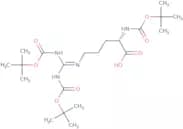
CAS:Boc-Arg(Boc)2-OH is a protected derivative of the amino acid arginine. The Boc (tert-butyloxycarbonyl) groups shield both the amino group and the side chain's guanidine functionality. This protection scheme allows for its selective incorporation during peptide synthesis while offering stability under various reaction conditions. Boc-Arg(Boc)2-OH has been also used in the synthesis of amino acid prodrugs of cytotoxic anthraquinones, demonstrating its potential utility in developing targeted cancer therapies.Fórmula:C21H38N4O8Pureza:Min. 95%Forma y color:PowderPeso molecular:474.55 g/molH-Asp-Leu-OH
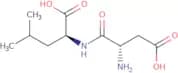
CAS:Please enquire for more information about H-Asp-Leu-OH including the price, delivery time and more detailed product information at the technical inquiry form on this page
Fórmula:C10H18N2O5Pureza:Min. 95 Area-%Forma y color:PowderPeso molecular:246.26 g/molThyroid Stimulating Hormone Human
Please enquire for more information about Thyroid Stimulating Hormone Human including the price, delivery time and more detailed product information at the technical inquiry form on this pagePro-Phe-Arg-MCA
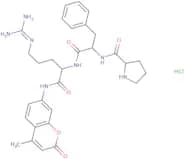
CAS:Pro-Phe-Arg-MCA is a Research peptideFórmula:C30H37N7O5Pureza:Min. 95%Peso molecular:575.66 g/molFmoc-N-amido-dPEG®4-TFP Ester
Fmoc-N-amido-dPEG®4-TFP Ester is a PEG compound with two different functional groups (also known as heterobifunctional). Unlike homobifunctional PEG compounds (same functional group on both ends), this type of compounds are more versatile as have two different anchor points. Fmoc-N-amido-dPEG®4-TFP Ester is used as a linker and spacer to add a PEG moiety, via pegylation (a bioconjugation technique) to proteins, peptides, oligonucleotides, small molecules and nanoparticles.Fórmula:C32H33F4NO8Pureza:Min. 95%Peso molecular:635.6 g/molGM2A Blocking Peptide
A synthetic peptide for use as a blocking control in assays to test for specificity of GM2A antibody, catalog no. 70R-4098Pureza:Min. 95%C1ORF96 Blocking Peptide
A synthetic peptide for use as a blocking control in assays to test for specificity of C1orf96 antibody, catalog no. 70R-4156Pureza:Min. 95%Prohibitin 2 Blocking Peptide
A synthetic peptide for use as a blocking control in assays to test for specificity of PHB2 antibody, catalog no. 70R-2417Pureza:Min. 95%COX10 Blocking Peptide
A synthetic peptide for use as a blocking control in assays to test for specificity of COX10 antibody, catalog no. 70R-6465Pureza:Min. 95%


![[D-Ala2,Met5]-Enkephalin](/_next/image/?url=https%3A%2Fstatic.cymitquimica.com%2Fproducts%2F3D%2Fthumb-webp%2FPEK-4116.webp&w=3840&q=75)






![H-Met-Gly-Pro-[AMC].HCl](/_next/image/?url=https%3A%2Fstatic.cymitquimica.com%2Fproducts%2F3D%2Fthumb-webp%2FCRB1110380.webp&w=3840&q=75)





![D-Arginyl-[Hyp3,Thi5,8,D-Phe7]-Bradykinin](/_next/image/?url=https%3A%2Fstatic.cymitquimica.com%2Fproducts%2F3D%2Fthumb-webp%2FPBK-4202.webp&w=3840&q=75)




![[Pyr33]-Pancreastatin (Porcine, 33-49) Antiserum](/_next/image/?url=https%3A%2Fstatic.cymitquimica.com%2Fproducts%2F3D%2Fthumb-webp%2FNPP-14186-V.webp&w=3840&q=75)