Péptidos
Subcategorías de "Péptidos"
Se han encontrado 29635 productos de "Péptidos"
Bis-dPEG®17-PFP Ester
CAS:Bis-dPEG®17-PFP Ester is a PEG polymer categorised as homobifunctional PEG (X-PEG X). Used as a linker, bis-dPEG®17-PFP Ester is used to attached PEG to proteins, peptides, oligonucleotides, nanoparticles and small molecules via pegylation, a bioconjugation technique.Fórmula:C50H72F10O21Pureza:Min. 95%Peso molecular:1,199.08 g/molL-685,458
CAS:L-685,458 is a peptide that is used as a research tool to study protein interactions and the role of ion channels in cell biology. It binds to the receptor site and inhibits the binding of natural ligands. L-685,458 is an inhibitor of ion channels and acts by blocking the voltage-dependent activation of sodium channels. It also blocks potassium channels, which are responsible for regulating membrane potentials and controlling nerve impulses. L-685,458 has been shown to inhibit protein interactions in pharmacology studies with receptor binding assays.Fórmula:C39H52N4O6Pureza:Min. 95%Peso molecular:672.85 g/molCl-Ac-(OH)Leu-Ala-Gly-NH2
CAS:Cl-Ac-(OH)Leu-Ala-Gly-NH2 is a peptide with an amino acid composition of Cl-Ac-(OH)Leu-Ala-Gly. It is synthesized by the chemical reaction of hydrochloric acid and L-alanine. This peptide has been shown to be an irreversible inhibitor of metalloendopeptidase, preventing the breakdown of proteins in the stomach. The pH profile for this peptide is acidic and its molecular weight is approximately 1296 daltons.Fórmula:C13H23N4O5ClPureza:Min. 95%Peso molecular:350.8 g/molMelanin-Concentrating Hormone (Human)
CAS:Melanin-concentrating hormone (MCH) is a neuropeptide that is used to study the regulation of food intake and body weight. MCH binds to its receptor, the melanocortin-4 receptor (MC4R), which is coupled to an ion channel. This binding causes the release of potassium ions from cells, leading to depolarization and increased neuronal excitability. It has been shown that MCH can be used as a research tool for studying ion channels, ligand-receptor interactions, and cell biology.
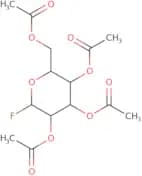
Fórmula:C105H160N30O26S4Pureza:Min. 95%Peso molecular:2,386.8 g/mol2,3,4,6-Tetra-O-Acetyl-α-D-Mannopyranosyl Fluoride
CAS:2,3,4,6-Tetra-O-acetyl-α-D-mannopyranosyl fluoride is a fluorinated glycoside that is used as a reagent in organic synthesis to fluorinate alcohols and amines. It selectively reacts with primary and secondary alcohols to give the corresponding fluorides. The product can be used for the synthesis of carboxylic acids and esters. 2,3,4,6-Tetra-O-acetyl-α-D-mannopyranosyl fluoride is also used in biochemistry research as a substrate for oligosaccharide synthesis. This product has been shown to react with proteins to form peptides and with DNA to form nucleosides.Fórmula:C14H19O9FPureza:Min. 95%Peso molecular:350.29 g/molSecretin (Human)
CAS:Secretin (human) is a peptide hormone that is produced in the duodenum and is involved in the regulation of pancreatic bicarbonate, gastric acid and osmoregulation. Secretin binds to secretin receptors which are G-protein coupled receptors and are expressed in pancreatic centroacinar cells. Secretin binds to these receptors and activates adenylate cyclase which converts ATP into cAMP which results in the secretion of bicarbonate from the pancreas. Secretin plays a role in osmoregulation through its effects on the kidney, pituitary gland and the hypothalamus. This product is available as a 0.5mg vial.
Fórmula:C130H220N44O40Pureza:Min. 95%Peso molecular:3,039.4 g/molD-Arginyl-[Hyp3,Thi5,D-Tic7,Oic8]-Bradykinin
D-Arginyl-[Hyp3,Thi5,D-Tic7,Oic8]-Bradykinin is a peptide that is an antagonist of bradykinin. It has been shown to bind to bradykinin receptors and inhibit the effects of bradykinin in both the vascular system and central nervous system. D-Arginyl-[Hyp3,Thi5,D-Tic7,Oic8]-Bradykinin may be used to treat diseases such as asthma or chronic obstructive pulmonary disease (COPD).Fórmula:C59H89N19O13S•2CH3COOH•H2OPureza:Min. 95%Peso molecular:1,496.66 g/molAPOB MS Calibrator (25nmol)
Apo B-1 is a major component of the lipoprotein particle. The APOB MS Calibrator provides a high quality, stable preparation of Apo B-1 for use as an internal standard for mass spectrometry analysis. The calibrator also contains a tryptic peptide that can be used for identification and quantification of this protein in proteomics experiments.Pureza:Min. 95%FGF 8 Human
Fibroblast growth factor 8 (FGF8) is a cytokine that belongs to the family of fibroblast growth factors. It is a protein that is secreted by cells in the family of organs, including liver, kidney, lung, and heart. FGF8 has been shown to promote cell growth and organogenesis. In addition, FGF8 has been shown to stimulate tumor growth in animal models and humans. The function of FGF8 is mediated through binding to its receptor FGFR-2 on the cell surface. This receptor activates signaling pathways inside the cell by interacting with other proteins such as PI3K or Ras.Pureza:Min. 95%Somatostatin (Human, Ovine, Porcine, Rat, Mouse)
CAS:Somatostatin is a peptide hormone that has been found to inhibit pituitary growth hormone release as well as endocrine, pancreatic and GI secretions. It is widely expressed throughout the body for example in the gastrointestinal (GI) tract, hypothalamus, pancreas and the central nervous system. In the central nervous system somatostatin plays a role in neurotransmission modification and it has also demonstrated to be effective against a number of cancers such as squamous carcinoma. This product contains disulfide bonds between Cys3-Cys14 and is available as a 0.5mg vial.
Fórmula:C76H10N18O19S2Pureza:Min. 95%Peso molecular:1,637.9 g/molAmyloid beta (40-1)
Amyloid beta (Aβ) is a peptide fragment of the amyloid precursor protein, which is cleaved by β- and γ-secretases to form Aβ. It has been shown to be an activator of presynaptic ion channels and can bind to receptors such as the low density lipoprotein receptor related protein 1 (LRP1). Amyloid beta influences cell biology in many different ways. For example, it inhibits the growth of neurons and can induce apoptosis. In addition, this peptide can inhibit the activity of ion channels by binding to specific sites on their surface. Amyloid beta also binds to antibodies that are used for research purposes. Aβ40-1 is an antibody for research purposes only.Pureza:Min. 95%Angiotensin IV acetate
CAS:Angiotensin IV (Human) is a peptide hormone and peptidase inhibitor that belongs to the family of angiotensins. It is produced by the renin-angiotensin system and inhibits the action of angiotensin converting enzyme, an enzyme that converts angiotensin I into angiotensin II. Angiotensin IV has been used for research purposes as well as for therapeutic applications in cardiovascular diseases, hypertension, and congestive heart failure. Angiotensin IV is a high purity product with a purity greater than 99%.
Fórmula:C40H54N8O8Pureza:Min. 95%Peso molecular:774.91 g/molAc-Gly-Lys-OMe • AcOH [AGLME]
CAS:Ac-Gly-Lys-OMe • AcOH is a synthetic substrate that is used in enzymatic reactions. This product is a peptide that contains an amide bond and a disulfide bond. It has been shown to be inactive when exposed to human serum for up to 30 minutes. Ac-Gly-Lys-OMe • AcOH has been shown to have inhibitory effects on the activity of monoclonal antibodies as well as dodecyl, which belongs to the group of lipids found in blood plasma. The rate of this reaction increases with increasing temperature and pH, but decreases with increasing concentrations of AGLME or dodecanol.Fórmula:C11H21N3O4•CH3COOHPureza:Min. 95%Peso molecular:319.35 g/molLipoamido-dPEG®8-Acid
CAS:Lipoamido-dPEG®8-Acid is a PEG molecule conjugated with a lipid moiety. Lipoamido-dPEG®8-Acid, conjugated to this lipid constituent, is very important especially in drug delivery and vaccine development as it helps improve the stability and circulation time of lipid nanoparticles (LNPs) and liposomes.
Fórmula:C41H67F4NO15S2Pureza:Min. 95%Peso molecular:954.09 g/molm-dPEG®24-DSPE
m-dPEG®24-DSPE is a PEG compound with two different functional groups (also known as heterobifunctional). Unlike homobifunctional PEG compounds (same functional group on both ends), this type of compounds are more versatile as have two different anchor points. m-dPEG®24-DSPE is used as a linker and spacer to add a PEG moiety, via pegylation (a bioconjugation technique) to proteins, peptides, oligonucleotides, small molecules and nanoparticles.Fórmula:C91H180NO33PPureza:Min. 95%Peso molecular:1,847.36 g/molVasoconstriction-Inhibiting Factor, human
Vasoconstriction-Inhibiting Factor, human (VIF) is a peptide that inhibits the activity of ATP-sensitive potassium channels. It has been shown to be an inhibitor of both P2X and P2Y purinergic receptors. VIF is a cell biology research tool that can be used as a high purity reagent for antibody production. The use of this factor in ion channels may lead to the discovery of new drugs for treating cardiovascular diseases.Fórmula:C163H256N42O67SPureza:Min. 95%Peso molecular:3,908.1 g/molExendin 3
Originally identified in Heloderma horridum horridum (Mexican beaded lizard), exendin-3 is in the glucagon family. Exendin 3 stimulates vasoactive intestinal peptide (VIP) receptors in high concentrations. This leads to increased cAMP levels and amylase secretion in the pancreas. However, low exendin-3 exposure only increases cAMP levels. In applications, exendin-3 was found to induce hypotension by relaxation of cardiac, smooth muscle. Using a tag, exendin-3 is being investigated as a stable agonist for GLP1R to detect insulinomas, a pancreatic B cell-derived cancer with high GLP1R expression. Exendin 3 has also been used on mouse models to assess its effect on glucose-stimulated insulin secretion in glucagon receptor knockout (Gcgr-/-) backgrounds. Understanding the interplay between exendin 3 and metabolism could provide new insights into the obesity crisis.
Peso molecular:4,202.63 g/molAmyloid Beta-Protein (42-1)
CAS:Amyloid Beta-Protein (42-1) is a recombinant form of the protein, amyloid beta-protein, that is relevant to Alzheimer's disease. It is used as a research tool and for pharmacological studies. Amyloid Beta-Protein (42-1) has been shown to bind to ion channels and activate them. This product can be used as an antibody or cell biology research tool.
Fórmula:C203H311N55O60SPureza:Min. 95%Peso molecular:4,514 g/mol[Sar1,Ala8]-Angiotensin II
Angiotensin II is a peptide hormone that is part of the renin-angiotensin system. It is used as an antagonist to study the effects of angiotensin in the cardiovascular system. Angiotensin II has been shown to decrease blood pressure by acting on specific receptors that are found on cells in the walls of blood vessels. These receptors cause constriction of these vessels and the release of aldosterone, which increases sodium retention and decreases potassium excretion. This leads to increased blood volume, which results in decreased blood pressure.Fórmula:C43H67N13O10•CH3COOH•4H2OPureza:Min. 95%Peso molecular:1,058.18 g/molBoc-Leu-Gly-Arg-AMC
CAS:Boc-Leu-Gly-Arg-AMC is a peptide that binds to the receptor for N-methyl-D-aspartate (NMDA) and inhibits the ion channel. It has been used as a research tool to study NMDA receptor interactions, as well as in cell biology and pharmacology. Boc-Leu-Gly-Arg-AMC is a high purity, ionic analog of glutamate that binds to the NMDA receptor without activating it, thereby inhibiting ion flow through the channel. This inhibition can be reversed by adding excess glutamate or glycine. The binding of this compound to the NMDA receptor has been shown to block activation of voltage gated calcium channels and reduce neuronal excitation, which may provide an alternative therapeutic strategy for controlling seizures or other neurological disorders.
Fórmula:C29H43N7O7Pureza:Min. 95%Peso molecular:601.69 g/molm-dPEG®12-Azide (Azido-m-dPEG®12)
CAS:m-dPEG®12-Azide (Azido-m-dPEG®12) is a PEG compound with two different functional groups (also known as heterobifunctional). Unlike homobifunctional PEG compounds (same functional group on both ends), this type of compounds are more versatile as have two different anchor points. m-dPEG®12-Azide (Azido-m-dPEG®12) is used as a linker and spacer to add a PEG moiety, via pegylation (a bioconjugation technique) to proteins, peptides, oligonucleotides, small molecules and nanoparticles.Pureza:Min. 95%Peso molecular:585.69 g/molDCCD (Redistilled for Solid-Phase Synthesis)
CAS:DCCD is a chemical inhibitor of the enzyme pyruvate dehydrogenase kinase that is used to study metabolic pathways. It inhibits the activity of this enzyme by binding reversibly to its active site, thereby blocking its phosphorylation of pyruvate dehydrogenase and thus inhibiting the conversion of pyruvate into acetyl-CoA. DCCD also has been shown to have antidiabetic effects in an experimental model. This drug has been used as a reagent for polymyxin B and other chemical inhibitors in vitro experiments.Fórmula:C13H22N2Pureza:Min. 95%Peso molecular:206.33 g/molCyclo(L-Pro-L-Pro)
CAS:Cyclo(L-Pro-L-Pro) is a cyclic peptide that was first synthesized in 1968 by the chemists, K. Brown and H. M. Schuster. Cyclo(L-Pro-L-Pro) has been shown to produce p-hydroxybenzoic acid, an intermediate in the metabolism of dopamine, when incubated with human serum or human erythrocytes. In addition, it has been shown to increase locomotor activity and enzyme activities in rats, as well as cytosolic calcium levels in cells. This compound may be a useful experimental model for studying Parkinson's disease because of its ability to inhibit dopamine uptake and increase the production of dopamine from its precursor L-DOPA. It also binds to neurokinin 1 receptor (NK1R), which is involved in inflammatory responses and pain sensation.Fórmula:C10H14N2O2Pureza:Min. 95%Peso molecular:194.23 g/molH-YLEYRQVPV-OH
MAGE-A protein: MAGE-A p248V9, also kwon as multi-MAGE-A (YLEYRQVPV) is an epitope of Melanoma Antigen Gene expressed by tumors of different histological types and is a Cancer/Testis Antigens (CTA). Type of MAGE-A expressed in tumors cells varies according to the type of tumor. Targeting epitopes shared by all MAGE-A antigens would be interest in immunotherapy against a broad spectrum of cancers. Applications of MAGE-A p248V9 (multi-MAGE-A) : MAGE-A p248V9 is very useful because it could generate an HLA-A*02:01-restricted CTL response and shared by MAGE-A1,-A2,-A3,-A4,-A6,-A10 and -A12. MAGE-A p248V9 is used to stimulate specific cytotoxic T lymphocytes (CTL) in PBMCs and then to analyze CTL response especially the cytokine production by ELISPOT assay.Azido-PEG3-DYKDDDDK
Azido-PEG3-DYKDDDDK is a peptide containing polyethylene glycol (PEG) as spacer to alter their pharmacokinetic properties and pharmodynamics.
Pureza:Min. 95%Amino-dPEG®12-t-Butyl Ester
Amino-dPEG®12-t-Butyl Ester is a PEG compound with two different functional groups (also known as heterobifunctional). Unlike homobifunctional PEG compounds (same functional group on both ends), this type of compounds are more versatile as have two different anchor points. Amino-dPEG®12-t-Butyl Ester is used as a linker and spacer to add a PEG moiety, via pegylation (a bioconjugation technique) to proteins, peptides, oligonucleotides, small molecules and nanoparticles.Fórmula:C56H100F4O26Pureza:Min. 95%Peso molecular:1,265.38 g/molBiotin-dPEG®4-TFP Ester
Biotin-dPEG®4-TFP Ester is a PEG compound with two different functional groups (also known as heterobifunctional). Unlike homobifunctional PEG compounds (same functional group on both ends), this type of compounds are more versatile as have two different anchor points. Biotin-dPEG®4-TFP Ester is used as a linker and spacer to add a PEG moiety, via pegylation (a bioconjugation technique) to proteins, peptides, oligonucleotides, small molecules and nanoparticles.Fórmula:C27H37F4N3O8SPureza:Min. 95%Peso molecular:639.66 g/mol[Sar1,Thr8]-Angiotensin II
Angiotensin II is a peptide hormone that is part of the renin-angiotensin system. It is an antagonist to the angiotensin I receptor, which leads to vasoconstriction, increased blood pressure, and increased water and salt retention by the kidneys. Angiotensin II also stimulates the release of aldosterone from the adrenal cortex, which increases sodium retention by the kidneys and decreases potassium excretion. The peptide is biologically active at nanomolar concentrations.Fórmula:C44H69N13O11•2CH3COOH•4H2OPureza:Min. 95%Peso molecular:1,148.27 g/molCCK-Octapeptide (26-33) (Sulfated Form)
CAS:CCK-Octapeptide (26-33) (Sulfated Form) is a peptide that has been shown to have a variety of biological effects. It has been found to enhance the activity of rifampicin against tuberculosis by increasing the activity of the kinase protein. CCK-Octapeptide (26-33) (Sulfated Form) also has natriuretic peptide-like activity, which means it can regulate blood pressure and fluid balance in the body. In addition, it has been shown to inhibit tumor growth and metastasis in animal models, possibly through its ability to modulate guanosine triphosphate-binding proteins. CCK-Octapeptide (26-33) (Sulfated Form) also exhibits trypsin inhibitory activity and thymidine uptake inhibition. Furthermore, it has been studied as a potential treatment for cancer and as an alternative to vasopressin or nesiritide in certain medical conditions where natriuretic peptides are used therFórmula:C49H62N10O16S3Pureza:Min. 95%Peso molecular:1,143.3 g/mol2-NBDG
CAS:2-NBDG is a fluorescent dye that exhibits high affinity for nucleic acid and protein. It has been used as an inhibitor of protein interactions, activator of ligands, and research tool in the study of ion channels. 2-NBDG has also been used as an antibody to identify receptors, and can be used to measure the concentration of proteins, lipids, and carbohydrates. 2-NBDG is listed by CAS No. 186689-07-6.
Fórmula:C12H14N4O8Pureza:Min. 95%Peso molecular:342.26 g/molGlucagon (Human, Rat, Mouse)-EIA Kit (1ea)
The Glucagon (Human, Rat, Mouse)-EIA Kit is a competitive enzyme immunoassay for the quantitative measurement of human glucagon in urine. The kit provides a competitive binding assay format that is designed to measure the concentration of glucagon in urine samples and provides a quantitative result.Pureza:Min. 95%DBCO-dPEG®24-Amido-dPEG®24-DSPE
DBCO-dPEG®24-Amido-dPEG®24-DSPE is a building block that can be used in peptide synthesis. It contains a spacer arm with an amine group and a reactive end group, which can be used for attaching to other building blocks or to the amino acid side chain during peptide synthesis. The DBCO-dPEG®24-Amido-dPEG®24-DSPE is also available as part of the Quanta BioDesign Building Blocks kit, which includes seven different building blocks for use in peptide synthesis.Pureza:Min. 95%Peso molecular:3,306.09 g/molDnp-Gln-Gly-Ile-Ala-Gly-Gln-D-Arg
CAS:Dnp-Gln-Gly-Ile-Ala-Gly-Gln-D-Arg is a peptide that has been shown to be an inhibitor of protein interactions. It has been shown to activate the G protein and inhibit the enzyme phospholipase C, which may provide a potential treatment for Alzheimer's Disease. Dnp-Gln-Gly-Ile-Ala-Gly-Gln-D-Arg also has a high purity and is used as a research tool in life science.
Fórmula:C35H54N14O14Pureza:Min. 95%Peso molecular:894.89 g/molNHS-m-dPEG®, MW 245
CAS:NHS-m-dPEG®, MW 245 is a PEG compound with two different functional groups (also known as heterobifunctional). Unlike homobifunctional PEG compounds (same functional group on both ends), this type of compounds are more versatile as have two different anchor points. NHS-m-dPEG®, MW 245 is used as a linker and spacer to add a PEG moiety, via pegylation (a bioconjugation technique) to proteins, peptides, oligonucleotides, small molecules and nanoparticles.Pureza:Min. 95%Peso molecular:245.23 g/molAnti Chromogranin A (343-360) (Rat) Serum
Anti Chromogranin A (343-360) (Rat) Serum is a high purity antibody that can be used as a research tool in cell biology and pharmacology. It has been shown to inhibit the activation of ion channels, such as sodium channels, which are involved in the transmission of nerve impulses. The antibody also binds to the ligand-binding site of receptors such as acetylcholine and serotonin receptors. Anti-Chromogranin A (343-360) (Rat) Serum is a purified protein that can be used for the detection of specific proteins by Western blotting or immunoprecipitation.Pureza:Min. 95%Lysenin Antiserum
Lysenin Antiserum is a peptide that was originally isolated from the venom of the Brazilian Wandering Spider, Phoneutria nigriventer. It has been shown to activate ion channels and inhibit protein interactions. It has also been shown to be a potent inhibitor of voltage-gated potassium channels in rat dorsal root ganglion neurons. This peptide is used as a research tool for studying ion channel function at the molecular level and as an antibody for identifying specific proteins in cells.Pureza:Min. 95%Fmoc-Dbz
Fmoc-Dbz is a hydrophobic chemical that can be used as a linker in peptide synthesis. It is used to connect two amino acids via a carbon-carbon bond, and has been shown to be more reactive than its analogs. Fmoc-Dbz is also an antibacterial agent, which may be due to its ability to inhibit protein synthesis. The chemical structure of Fmoc-Dbz is similar to the cyclic peptides found in plants such as cyclotides, which are composed of 21 amino acids. Cyclic peptides are composed of three disulfide bridges and have potent antiviral and antibiotic activities. These peptides may be useful for treating influenza and other viruses because they bind to the viral membrane and disrupt the virus’s ability to function.Fórmula:C22H18N2O4Pureza:Min. 95%Peso molecular:374.39 g/molmonoFITC RLN3
MonoFITC RLN3 is a labelled form of relaxin that can be used to measure the clearance of relaxin in tissue culture. It can also be used for quantification and localization of peptide receptors in tissues.Pureza:Min. 95%Dnp-Pro-Gln-Gly-Ile-Ala-Gly-Gln-D-Arg
CAS:Dnp-Pro-Gln-Gly-Ile-Ala-Gly-Gln-D-Arg is a synthetic peptide that is used as a research tool, an activator, and an inhibitor. This peptide is not expected to have any adverse effects on the environment or on animal or human health. It can be used in antibody production and has been shown to inhibit the activity of ion channels. Dnp-Pro-Gln-Gly-Ile-Ala-Gly-Gln-D-Arg binds to receptors and ligands, which may be involved in protein interactions.Fórmula:C40H61N15O15Pureza:Min. 95%Peso molecular:992 g/molProdynorphin (228-240), porcine
Custom research peptide; min purity 95%.Fórmula:C74H115N21O17Peso molecular:1,570.87 g/molDynorphin A (1-13), porcine
Custom research peptide; min purity 95%.Fórmula:C75H126N24O15Pureza:Min. 95%Peso molecular:1,603.99 g/molHBV env (183-191)
Custom research peptide; min purity 95%.Fórmula:C53H92N12O12Pureza:Min. 95%Peso molecular:1,089.4 g/molProtein Kinase A Substrate
Custom research peptide; min purity 95%.Fórmula:C34H64N14O11Pureza:Min. 95%Peso molecular:844.97 g/molβ-Amyloid (17-42)
Custom research peptide; min purity 95%.
Fórmula:C119H194N28O33SPureza:Min. 95%Peso molecular:2,577.1 g/molAkt Specific Substrate Peptide, Akt/PKB
Custom research peptide; min purity 95%.Fórmula:C36H59N13O9Pureza:Min. 95%Peso molecular:817.95 g/mol[Met5,Arg6] Enkephalin-Arg
Custom research peptide; min purity 95%.Fórmula:C39H59N13O9SPureza:Min. 95%Peso molecular:886.05 g/molAmylin (8-37),rat
Custom research peptide; min purity 95%.Fórmula:C140H227N43O43Pureza:Min. 95%Peso molecular:3,200.63 g/molGluten Exorphin B5
Custom research peptide; min purity 95%.Fórmula:C30H38N6O7Pureza:Min. 95%Peso molecular:594.67 g/molLEAP-2 (38-77) (Human)
Custom research peptide; min purity 95%.Fórmula:C191H320N64O57S5Pureza:Min. 95%Peso molecular:4,585.36 g/molMagainin 1
Magainin-1 is a 23-amino acids peptide which belongs to the magainin peptide family. Magainins are antibiotic peptides with antibacterial, antiviral and antifungal activities. These peptides cause perturbation of membrane functions responsible for osmotic balance. Magainin-1 carries out its antibacterial activity by folding to an amphiphilic helix to interact specifically with lipidic bilayer, resulting in a permeability change. Magainin-1 has broad-spectrum, non-specific activity against a wide range of micro-organisms including viruses as HSV-1 and HSV-2, gram-positive and gram-negative bacteria, protozoa, yeasts and fungi. Magainin-1 may also be hemolytic and cytotoxic to cancer cells. Besides its antimicrobial activity, Magainin-1 presents an antifungal activity against some pathogens such as Candida Albicans with a antifungal activity of 4.15 uM. Recently, it has also been shown that magainin-1 can induce apoptosis of some leukemia cells at a concentration of 10 to 50 nM.Fórmula:C112H177N29O28SPureza:Min. 95%Peso molecular:2,409.9 g/mol



![D-Arginyl-[Hyp3,Thi5,D-Tic7,Oic8]-Bradykinin](/_next/image/?url=https%3A%2Fstatic.cymitquimica.com%2Fproducts%2F3D%2Fthumb-webp%2FPKB-4293.webp&w=3840&q=75)


![Ac-Gly-Lys-OMe • AcOH [AGLME]](/_next/image/?url=https%3A%2Fstatic.cymitquimica.com%2Fproducts%2F3D%2Fthumb-webp%2FSGK-3058.webp&w=3840&q=75)




![[Sar1,Ala8]-Angiotensin II](/_next/image/?url=https%3A%2Fstatic.cymitquimica.com%2Fproducts%2F3D%2Fthumb-webp%2FPAN-4035.webp&w=3840&q=75)





![[Sar1,Thr8]-Angiotensin II](/_next/image/?url=https%3A%2Fstatic.cymitquimica.com%2Fproducts%2F3D%2Fthumb-webp%2FPAN-4102.webp&w=3840&q=75)








![[Met5,Arg6] Enkephalin-Arg](/_next/image/?url=https%3A%2Fstatic.cymitquimica.com%2Fproducts%2F3D%2Fthumb-webp%2FPM16879.webp&w=3840&q=75)