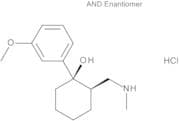
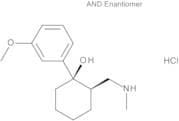
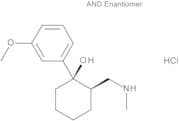
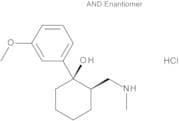
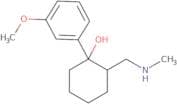
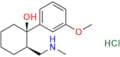
CAS 1018989-94-0
:Trier par
Degré de pureté (%)
0
100
|
0
|
50
|
90
|
95
|
100
10 produits concernés.
N-Desmethyl-cis-tramadol.HCl, 1mg/ml in Methanol (as free base)
CAS :Couleur et forme :Single SolutionN-Desmethyltramadol Hydrochloride 1.0 mg/ml in Methanol (as free base)
CAS :Couleur et forme :Single SolutionN-Desmethyl Tramadol HCl
CAS :Formule :C15H23NO2·HClCouleur et forme :White To Off-White SolidMasse moléculaire :249.35 36.46N-Desmethyltramadol Hydrochloride
CAS :Produit contrôléFormule :C15H23NO2·ClHCouleur et forme :NeatMasse moléculaire :285.81N-Demethyltramadol Hydrochloride
CAS :Produit contrôléFormule :C15H23NO2·ClHCouleur et forme :White To Off-WhiteMasse moléculaire :285.81N-Demethyltramadol hydrochloride
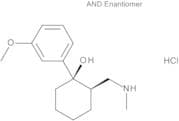
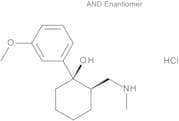
CAS :N-Demethyltramadol hydrochloride is a drug that belongs to the group of opioids. It is a metabolite of tramadol, which is an analgesic and antitussive. N-Demethyltramadol hydrochloride binds to opioid receptors in the brain and spinal cord, inhibiting the perception of pain and cough reflex. Tramadol was first synthesized in Germany in 1934 as an antidepressant, but its use was limited because it caused too many side effects. N-Demethyltramadol hydrochloride has been shown to be effective for treating long-term pain relief, but can cause addiction and dependency when used for long periods of time. The transformation of tramadol to n-demethyltramadol hydrochloride occurs in fruit, which may explain why this drug is found in wastewater samples from fruit processing plants.Formule :C15H23NO2·HClDegré de pureté :Min. 95%Masse moléculaire :285.81 g/mol