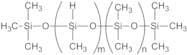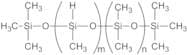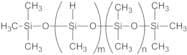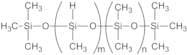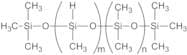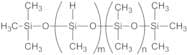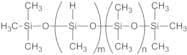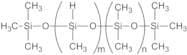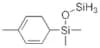
CAS 68037-59-2
:Polysiloxanes, di-Me, Me hydrogène
- 3002A
- 626V25H7
- 628V14
- 88466
- Hms-301
- Silicones, di-Me, Me hydrogen
- Siloxanes and Silicones, di-Me, Me hydrogen
- (25-35% Methylhydrosiloxane)-dimethylsiloxane copolymer
- Polysiloxanes di-Me Me hydrogen
- FZ 350
- Di-Me, Me hydrogen, trimethylsilyl-terminated siloxanes and silicones
- Polysiloxanes, di-Me, Me hydrogen
- Voir plus de synonymes
Methylhydrosiloxane-dimethylsiloxane copolymer trimethylsiloxy terminated cSt 25-35
CAS :HMS-151 - Methylhydrosiloxane-dimethylsiloxane copolymer trimethylsiloxy terminated cSt 25-35
Couleur et forme :LiquidMasse moléculaire :0.0(3-4% Methylhydrosiloxane)-dimethylsiloxane co-polymer Trimethylsiloxane terminated, 25-25cSt
CAS :HMS-031 - (3-4% Methylhydrosiloxane)-dimethylsiloxane co-polymer Trimethylsiloxane terminated, 25-25cSt
Couleur et forme :LiquidMasse moléculaire :428.20545126(7-9% METHYLHYDROSILOXANE) - DIMETHYLSILOXANE COPOLYMER, TRIMETHYLSILOXANE TERMINATED, 110-150 cSt
CAS :Siloxane-Based Silane Reducing Agent
Organosilanes are hydrocarbon-like and possess the ability to serve as both ionic and free-radical reducing agents. These reagents and their reaction by-products are safer and more easily handled and disposed than many other reducing agents. The metallic nature of silicon and its low electronegativity relative to hydrogen lead to polarization of the Si-H bond yielding a hydridic hydrogen and a milder reducing agent compared to aluminum-, boron-, and other metal-based hydrides. A summary of some key silane reductions are presented in Table 1 of the Silicon-Based Reducing Agents brochure.
Pendant Functional Fluid; MethylHydrosiloxane-Dimethylsiloxane Copolymer, TMS Terminated
MethylHydrosiloxane copolymers are the primary cross linkers for 2-part vinyl-addition silicones and intermediates for functional copolymers.
Hydrogen dimethicone; Dimethylhydropolysiloxane; Dimethicone/methicone copolymer; Polysiloxanes dimethyl methyl hydrogen, Hydride functional polydimethylsiloxane; Siloxanes and silicones, dimethyl, methyl hydrogen
Viscosity: 110-150 cStMolecular Weight: 5,500-6,500 g/molMol% Hydride: 7-9Potential reducing agents in the mode of HMS-991 or HMS-997Extensive review of silicon based reducing agents: Larson, G.; Fry, J. L. "Ionic and Organometallic-Catalyzed Organosilane Reductions", Wipf, P., Ed.; Wiley, 2007Couleur et forme :LiquidMasse moléculaire :5500 - 6500(45-55% METHYLHYDROSILOXANE) - DIMETHYLSILOXANE COPOLYMER, TRIMETHYLSILOXANE TERMINATED, 10-15 cSt
CAS :Siloxane-Based Silane Reducing Agent
Organosilanes are hydrocarbon-like and possess the ability to serve as both ionic and free-radical reducing agents. These reagents and their reaction by-products are safer and more easily handled and disposed than many other reducing agents. The metallic nature of silicon and its low electronegativity relative to hydrogen lead to polarization of the Si-H bond yielding a hydridic hydrogen and a milder reducing agent compared to aluminum-, boron-, and other metal-based hydrides. A summary of some key silane reductions are presented in Table 1 of the Silicon-Based Reducing Agents brochure.
Pendant Functional Fluid; MethylHydrosiloxane-Dimethylsiloxane Copolymer, TMS Terminated
MethylHydrosiloxane copolymers are the primary cross linkers for 2-part vinyl-addition silicones and intermediates for functional copolymers.
Hydrogen dimethicone; Dimethylhydropolysiloxane; Dimethicone/methicone copolymer; Polysiloxanes dimethyl methyl hydrogen; Hydride functional polydimethylsiloxane; Siloxanes and silicones, dimethyl, methyl hydrogen
Viscosity: 10-15 cStMolecular Weight: 900-1,200 g/molMol% Hydride: 45-55Potential reducing agents in the mode of HMS-991 or HMS-992Extensive review of silicon based reducing agents: Larson, G.; Fry, J. L. "Ionic and Organometallic-Catalyzed Organosilane Reductions", Wipf, P., Ed.; Wiley, 2007Couleur et forme :LiquidMasse moléculaire :900-1200(4-6% METHYLHYDROSILOXANE) - DIMETHYLSILOXANE COPOLYMER, TRIMETHYLSILOXANE TERMINATED, 750-1,000 cSt
CAS :Siloxane-Based Silane Reducing Agent
Organosilanes are hydrocarbon-like and possess the ability to serve as both ionic and free-radical reducing agents. These reagents and their reaction by-products are safer and more easily handled and disposed than many other reducing agents. The metallic nature of silicon and its low electronegativity relative to hydrogen lead to polarization of the Si-H bond yielding a hydridic hydrogen and a milder reducing agent compared to aluminum-, boron-, and other metal-based hydrides. A summary of some key silane reductions are presented in Table 1 of the Silicon-Based Reducing Agents brochure.
Pendant Functional Fluid; MethylHydrosiloxane-Dimethylsiloxane Copolymer, TMS Terminated
MethylHydrosiloxane copolymers are the primary cross linkers for 2-part vinyl-addition silicones and intermediates for functional copolymers.
Hydrogen dimethicone; Dimethylhydropolysiloxane; Dimethicone/methicone copolymer; Polysiloxanes dimethyl methyl hydrogen, Hydride functional polydimethylsiloxane; Siloxanes and silicones, dimethyl, methyl hydrogen
Viscosity: 750-1,000 cStMolecular Weight: 20,000-25,000 g/molMol% Hydride: 4-6Potential reducing agents in the mode of HMS-991 or HMS-994Extensive review of silicon based reducing agents: Larson, G.; Fry, J. L. "Ionic and Organometallic-Catalyzed Organosilane Reductions", Wipf, P., Ed.; Wiley, 2007Couleur et forme :LiquidMasse moléculaire :20000-25000(4-8% METHYLHYDROSILOXANE) - DIMETHYLSILOXANE COPOLYMER, TRIMETHYLSILOXANE TERMINATED, 6,000-9,000 cSt
CAS :Siloxane-Based Silane Reducing Agent
Organosilanes are hydrocarbon-like and possess the ability to serve as both ionic and free-radical reducing agents. These reagents and their reaction by-products are safer and more easily handled and disposed than many other reducing agents. The metallic nature of silicon and its low electronegativity relative to hydrogen lead to polarization of the Si-H bond yielding a hydridic hydrogen and a milder reducing agent compared to aluminum-, boron-, and other metal-based hydrides. A summary of some key silane reductions are presented in Table 1 of the Silicon-Based Reducing Agents brochure.
Pendant Functional Fluid; MethylHydrosiloxane-Dimethylsiloxane Copolymer, TMS Terminated
MethylHydrosiloxane copolymers are the primary cross linkers for 2-part vinyl-addition silicones and intermediates for functional copolymers.
Hydrogen dimethicone; Dimethylhydropolysiloxane; Dimethicone/methicone copolymer; Polysiloxanes dimethyl methyl hydrogen, Hydride functional polydimethylsiloxane; Siloxanes and silicones, dimethyl, methyl hydrogen
Viscosity: 6,000-9,000 cStMolecular Weight: 50,000-60,000 g/molMol% Hydride: 4-8Potential reducing agents in the mode of HMS-991 or HMS-995Extensive review of silicon based reducing agents: Larson, G.; Fry, J. L. "Ionic and Organometallic-Catalyzed Organosilane Reductions", Wipf, P., Ed.; Wiley, 2007Couleur et forme :LiquidMasse moléculaire :50000-60000(15-18% METHYLHYDROSILOXANE) - DIMETHYLSILOXANE COPOLYMER, TRIMETHYLSILOXANE TERMINATED, 25-35 cSt
CAS :Siloxane-Based Silane Reducing Agent
Organosilanes are hydrocarbon-like and possess the ability to serve as both ionic and free-radical reducing agents. These reagents and their reaction by-products are safer and more easily handled and disposed than many other reducing agents. The metallic nature of silicon and its low electronegativity relative to hydrogen lead to polarization of the Si-H bond yielding a hydridic hydrogen and a milder reducing agent compared to aluminum-, boron-, and other metal-based hydrides. A summary of some key silane reductions are presented in Table 1 of the Silicon-Based Reducing Agents brochure.
Pendant Functional Fluid; MethylHydrosiloxane-Dimethylsiloxane Copolymer, TMS Terminated
MethylHydrosiloxane copolymers are the primary cross linkers for 2-part vinyl-addition silicones and intermediates for functional copolymers.
Hydrogen dimethicone; Dimethylhydropolysiloxane; Dimethicone/methicone copolymer; Polysiloxanes dimethyl methyl hydrogen, Hydride functional polydimethylsiloxane; Siloxanes and silicones, dimethyl, methyl hydrogen
Viscosity: 25-35 cStMolecular Weight: 1,900-2,000 g/molMol% Hydride: 15-18Potential reducing agents in the mode of HMS-991 or HMS-998Extensive review of silicon based reducing agents: Larson, G.; Fry, J. L. "Ionic and Organometallic-Catalyzed Organosilane Reductions", Wipf, P., Ed.; Wiley, 2007Couleur et forme :LiquidMasse moléculaire :1900-2000(25-35% METHYLHYDROSILOXANE) - DIMETHYLSILOXANE COPOLYMER, TRIMETHYLSILOXANE TERMINATED, 25-35 cSt
CAS :Siloxane-Based Silane Reducing Agent
Organosilanes are hydrocarbon-like and possess the ability to serve as both ionic and free-radical reducing agents. These reagents and their reaction by-products are safer and more easily handled and disposed than many other reducing agents. The metallic nature of silicon and its low electronegativity relative to hydrogen lead to polarization of the Si-H bond yielding a hydridic hydrogen and a milder reducing agent compared to aluminum-, boron-, and other metal-based hydrides. A summary of some key silane reductions are presented in Table 1 of the Silicon-Based Reducing Agents brochure.
Pendant Functional Fluid; MethylHydrosiloxane-Dimethylsiloxane Copolymer, TMS Terminated
MethylHydrosiloxane copolymers are the primary cross linkers for 2-part vinyl-addition silicones and intermediates for functional copolymers.
Hydrogen dimethicone; Dimethylhydropolysiloxane; Dimethicone/methicone copolymer; Polysiloxanes dimethyl methyl hydrogen, Hydride functional polydimethylsiloxane; Siloxanes and silicones, dimethyl, methyl hydrogen
Viscosity: 25-35 cStMolecular Weight: 1,900-2,000 g/molMol% Hydride: 25-35Reduced volatility grade available, HMS-301Potential reducing agents in the mode of HMS-991 or HMS-999Extensive review of silicon based reducing agents: Larson, G.; Fry, J. L. "Ionic and Organometallic-Catalyzed Organosilane Reductions", Wipf, P., Ed.; Wiley, 2007Couleur et forme :LiquidMasse moléculaire :1900-2000GELEST® OE 41.2 Accelerated Cure 6kg Kit
CAS :2-Part 1:1 Kit
1 kg kit – contains 500 g part A (base), 500 g part B (cross-linker)6 kg kit – contains 3000 g part A (base), 3000 g part B (cross-linker)Couleur et forme :Liquid(6-7% METHYLHYDROSILOXANE) - DIMETHYLSILOXANE COPOLYMER, TRIMETHYLSILOXANE TERMINATED, 25-35 cSt
CAS :Siloxane-Based Silane Reducing Agent
Organosilanes are hydrocarbon-like and possess the ability to serve as both ionic and free-radical reducing agents. These reagents and their reaction by-products are safer and more easily handled and disposed than many other reducing agents. The metallic nature of silicon and its low electronegativity relative to hydrogen lead to polarization of the Si-H bond yielding a hydridic hydrogen and a milder reducing agent compared to aluminum-, boron-, and other metal-based hydrides. A summary of some key silane reductions are presented in Table 1 of the Silicon-Based Reducing Agents brochure.
Pendant Functional Fluid; MethylHydrosiloxane-Dimethylsiloxane Copolymer, TMS Terminated
MethylHydrosiloxane copolymers are the primary cross linkers for 2-part vinyl-addition silicones and intermediates for functional copolymers.
Hydrogen dimethicone; Dimethylhydropolysiloxane; Dimethicone/methicone copolymer; Polysiloxanes dimethyl methyl hydrogen, Hydride functional polydimethylsiloxane; Siloxanes and silicones, dimethyl, methyl hydrogen
Viscosity: 25-35 cStMolecular Weight: 1,900-2,000 g/molMol% Hydride: 6-7Potential reducing agents in the mode of HMS-991 or HMS-996Extensive review of silicon based reducing agents: Larson, G.; Fry, J. L. "Ionic and Organometallic-Catalyzed Organosilane Reductions", Wipf, P., Ed.; Wiley, 2007Couleur et forme :LiquidMasse moléculaire :1900-2000(0.5-1.5% METHYLHYDROSILOXANE) - DIMETHYLSILOXANE COPOLYMER, TRIMETHYLSILOXANE TERMINATED, 5,000-8,000 cSt
CAS :Pendant Functional Fluid; Methyl Hydrosiloxane-Dimethylsiloxane Copolymer
MethylHydrosiloxane copolymers are the primary cross linkers for 2-part vinyl-addition silicones and intermediates for functional copolymers.
Siloxane-Based Silane Reducing Agent
Organosilanes are hydrocarbon-like and possess the ability to serve as both ionic and free-radical reducing agents. These reagents and their reaction by-products are safer and more easily handled and disposed than many other reducing agents. The metallic nature of silicon and its low electronegativity relative to hydrogen lead to polarization of the Si-H bond yielding a hydridic hydrogen and a milder reducing agent compared to aluminum-, boron-, and other metal-based hydrides. A summary of some key silane reductions are presented in Table 1 of the Silicon-Based Reducing Agents brochure.
Hydrogen dimethicone; Dimethylhydropolysiloxane; Dimethicone/methicone copolymer; Polysiloxanes dimethyl methyl hydrogen; Hydride functional polydimethylsiloxane; Siloxanes and silicones, dimethyl, methyl hydrogen
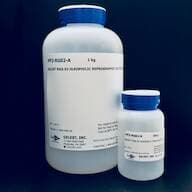
Viscosity: 5,000-8,000 cStMolecular Weight: 45,000-60,000 g/molMol% Hydride: 0.5-1.5High molecular weight silane reducing agentReduced volatility grade available, HMS-013RExtensive review of silicon based reducing agents: Larson, G.; Fry, J. L. "Ionic and Organometallic-Catalyzed Organosilane Reductions", Wipf, P., Ed.; Wiley, 2007Couleur et forme :LiquidMasse moléculaire :45000-60000GELEST® RG 02: OLEOPHILIC REPROGRAPHIC SILICONE SpeedMixer 100g Kit
CAS :Couleur et forme :Translucent Liquid(25-35% Methylethylhydrosiloxane)-dimethylsiloxane copolymer, trimethylsiloxane terminated, reduced volatility
CAS :Couleur et forme :LiquidMasse moléculaire :0.0Methylhydrosiloxane-dimethylsiloxane copolymer Trimethylsiloxy terminated cSt 25-35
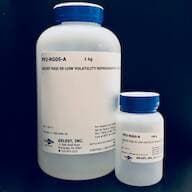
CAS :Couleur et forme :Liquid, ClearMasse moléculaire :0.0GELEST® RG 05: REPROGRAPHIC SILICONE Low Volatility 220g Kit; Part B (Crosslinker)
CAS :2-Part 10:1 Kit
100 g SpeedMixer™ Kit – contains100 g part A (base), 10 g part B (cross-linker) in FlackTek SpeedMixer™ cups 220 g kit – contains 200 g part A (base), 20 g part B (cross-linker)1.1 kg kit – contains 1000 g part A (base), 100 g part B (cross-linker)
Gelest®RG 05: 2-Part RTV Silicone Elastomer
PP2-RG05 is a flexible, clear, high definition molding and encapsulation PDMS with lower volatile content and greater dimensional stability than standard PDMS (PP2-RG01), which reduces the rate of hydrophobic recovery. These properties provide improved performance in microelectronics, microfluidics, and medical applications.
Cured PDMS Properties
Tensile Strength: 5.5-7.0 MPaElongation: 80-100%Durometer, Shore A: 45-60Volatiles (4hrs/150°C): <0.2 wt%Couleur et forme :Translucent Liquid