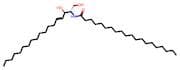
CAS 7344-02-7
:N-ARACHIDOYL-D-ÉRYTHRO-SPHINGOSINE
- N-ARACHIDOYL-D-ERYTHRO-SPHINGOSINE, 99+%, SYNTHETICAL
- N-Arachidoyl-D-sphingosine
- C20 Ceramide (d18:1/20:0)
- N-Arachidoyl-D-erythro-sphingosineCeramide C20
- N-ARACHIDOYL-D-ERYTHRO-SPHINGOSINE
- N-[(1S,2R,3E)-2-Hydroxy-1-(hydroxymethyl)-3-heptadecen-1-yl]eicosanamide
- N-(Eicosanoyl)-D-erythro-1,3-dihydroxy-2-aMino-4-trans-octadecene
- N-Arachidoyl-D-erythro-sphingosine, synthetical
- (2S,3R,4E)-2-(Eicosanoylamino)-4-octadecene-1,3-diol
- N-Eicosanoyl-C18-sphingosine
- CERAMIDE C20
C20-Ceramide
CAS :Formule :C38H75NO3Degré de pureté :>98%Couleur et forme :SolidMasse moléculaire :594.01C20 Ceramide
CAS :Produit contrôléApplications C20 Ceramide (cas# 7344-02-7) is a compound useful in organic synthesis.
Formule :C38H75NO3Couleur et forme :NeatMasse moléculaire :594.01C20 Ceramide
CAS :C20 Ceramide (N-Arachidoyl-D-sphingosine) is a 20:0 ceramide found in the brain that crosses the blood-brain barrier to activate microglia and induce depressiveFormule :C38H75NO3Degré de pureté :99.669% - 99.89%Couleur et forme :SolidMasse moléculaire :594.01C20-Ceramide
CAS :Ceramide is a group of sphingolipids that are found in the outermost layer of cells. Ceramides have been shown to be important for maintaining cell structure and function, as well as regulating cellular processes such as apoptosis, insulin resistance, and inflammation. A ceramide profile can be used to identify an individual's risk for developing certain conditions such as cardiovascular disease, chronic kidney disease, or cancer. In addition to its role in cell biology, ceramide has been shown to increase insulin sensitivity in animals by increasing glucose uptake in adipocytes. Ceramides are also produced by the body from other lipids such as cholesterol or fatty acids. They are found in various tissues and organs including the brain, skin, lungs, and gut.
Formule :C38H75NO3Degré de pureté :Min. 95%Masse moléculaire :594.01 g/mol