CAS 77756-22-0
:Trier par
Degré de pureté (%)
0
100
|
0
|
50
|
90
|
95
|
100
8 produits concernés.
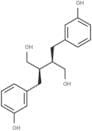
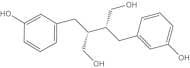
(±)-Enterodiol
CAS :"(±)-Enterodiol, the racemate of Enterodiol, is metabolized from lignans found in whole-grain cereals, nuts, legumes, flaxseed, and vegetables by human intestinal bacteria. This compound exhibits apoptotic effects in colorectal cancer (CRC) cells and has been identified to possess anti-cancer activities [1] [2]."Formule :C18H22O4Couleur et forme :SolidMasse moléculaire :302.36Enterodiol
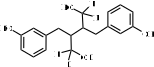
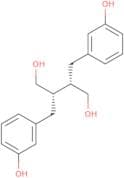
CAS :PolyphenolFormule :C18H22O4Degré de pureté :≥ 95.0 % (HPLC)Couleur et forme :PowderMasse moléculaire :302.37rac enterodiol
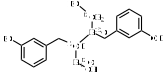
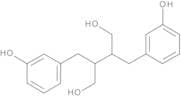
CAS :Rac-enterodiol is a lignan found in the seeds of the common garden bean. Rac-enterodiol has been shown to inhibit the production of inflammatory mediators, such as TNF-α and IL-6, by inhibiting cell signaling pathways. Rac-enterodiol also has been shown to have anti-inflammatory effects in rats with bowel disease. This compound has high levels of intramolecular hydrogen bonds and can be used for therapeutic purposes to treat diseases that involve inflammation.Formule :C18H22O4Degré de pureté :Min. 95%Masse moléculaire :302.36 g/molrac Enterodiol
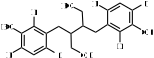
CAS :Produit contrôléApplications A compound closely related to Enterolactone (E558950). A metabolite of sesame lignans (sesamin, sesamolin). Inhibits colonic cancer cell growth by inducing cell cycle arrest and apoptosis. Possible relationship between exposure and reduced risk of breast cancer.
References Hirano, T. et al.: Res. Com. Chem. Path. Pharmac., 64, 227 (1989); Ayella, A. et al.: Nut. Res., 30, 762 (2010); Pianjing, P. et al.: J. Agric. Food Chem., 59, 212 (2011); Buck, K. et al.: Am. J. Clinic. Nut., 92, 141 (2010);Formule :C18H22O4Couleur et forme :NeatMasse moléculaire :302.36