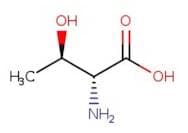
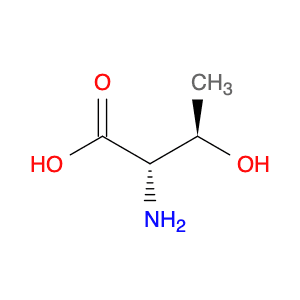
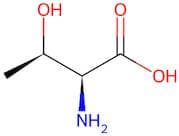
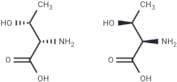
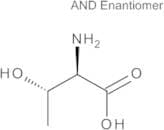
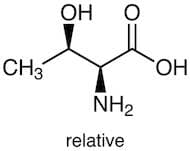
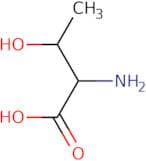
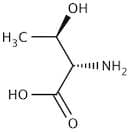
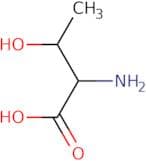
CAS 80-68-2
:DL-Thréonine
- (+/-)-2-Amino-3-hydroxybutyric acid
- (.+-.)-Threonine
- <span class="text-smallcaps">DL</span>-Threonine
- DL-Threonin
- DL-treonina
- H-DL-Thr-OH
- Nsc 206292
- Threonine, <span class="text-smallcaps">DL</span>-
- Threonine, Dl-
- DL-Threonine
- DL-2-AMINO-3-HYDROXYBUTANOIC ACID
- ALPHA-AMINO-BETA-HYDROXYBUTYRIC ACID
- DL-THREONINE ALLO-FREE CELL CULTURE*TEST ED
- DL-ALPHA-AMINO-BETA-HYDROXYBUTYRIC ACID
- DL-Threonine,99%
- DL-GAMMA-AMINO-BETA-HYDROXYBUTYRIC ACID
- DL-2-AMINO-3-HYDROXYBUTYRIC ACID
- DL-THREONINE, FREE OF ALLOTHREONINE
- (R*,S*)-2-AMINO-3-HYDROXYBUTYRIC ACID
- DL-THREONINE ALLO-FREE
- DL-Threonicne
- DL-Threonine, 99.50%
- DL-AMINO-HYDROXYBUTYRIC ACID
- Voir plus de synonymes
DL-Threonine, 99%
CAS :DL-Threonine is used as a polar essential amino acid. It serves as a precursor of glycine as well as used in the biosynthesis of proteins. Further, it is used for biochemical research. In addition to this, it is used as a nutrition enhancer. This Thermo Scientific Chemicals brand product was origina
Formule :C4H9NO3Degré de pureté :99%Couleur et forme :Crystals or powder or crystalline powder, White to pale creamMasse moléculaire :119.122-Amino-3-hydroxybutanoic acid
CAS :Formule :C4H9NO3Degré de pureté :95%Couleur et forme :SolidMasse moléculaire :119.1192DL-Threonine
CAS :DL-Threonine
Formule :C4H9NO3Degré de pureté :98%Couleur et forme : faint yellow solidMasse moléculaire :119.11916g/molDL-Threonine
CAS :Formule :C4H9NO3Couleur et forme :White To Off-White SolidMasse moléculaire :119.12DL-Threonine
CAS :Formule :C4H9NO3Degré de pureté :(Titration) ≥ 96.0%Couleur et forme :White to off-white crystalline powderMasse moléculaire :119.12DL-Threonine
CAS :DL-Threonine is a crucial amino acid for metabolic processes including glycine synthesis and muscle integrity maintenance.Formule :C4H9NO3Degré de pureté :99.80%Couleur et forme :SolidMasse moléculaire :119.12DL-Threonine (contains DL-Allothreonine)
CAS :Formule :C4H9NO3Degré de pureté :>97.0%(T)Couleur et forme :White to Almost white powder to crystalMasse moléculaire :119.12DL-Threonine
CAS :DL-Threonine (or 2-amino-3-hydroxybutanoic acid), is an essential, non-protein amino acid naturally occurring in the human body and it is involved in many biological processes. DL-threonine takes part in the conversion of glycogen into the glucose pathway, supports muscle tissue maintenance and growth, and plays a key role in regulating levels of other amino acids. In addition, DL-threonine helps to provide protection against heat, reduce tiredness and lowers blood pressure. It is an important source of energy for the liver and has been shown to be effective in stimulating liver function, as well as, to have a protective effect against various diseases, including hepatitis and cirrhosis. The liver uses DL-Threonine to produce other amino acids and helping in protein synthesis, such as insulin. The human body can produce DL-threonine from serine by threonine synthase, but not enough to meet the body's needs and thus it must be obtained from food sources or supplements. DL-Threonine can be found in many foods including meat, eggs, soybeans, and dairy products. It can chelate metal cations to improve the absorption of minerals from supplements, which is used in fertilizers for agriculture.Formule :C4H9NO3Masse moléculaire :119.12 g/molRef: 3D-T-3828
1kgÀ demander5kgÀ demander10kgÀ demander500gÀ demander2500gÀ demander-Unit-kgkgÀ demanderDL-Threonine extrapure CHR, 99%
CAS :Formule :C4H9NO3Degré de pureté :min. 99%Couleur et forme :White to off white, Cystalline powder, Clear, Colourless to pale yellowMasse moléculaire :119.12DL-Threonine
CAS :DL-Threonine (or 2-amino-3-hydroxybutanoic acid), is an essential, non-protein amino acid naturally occurring in the human body and it is involved in many biological processes. DL-threonine takes part in the conversion of glycogen into the glucose pathway, supports muscle tissue maintenance and growth, and plays a key role in regulating levels of other amino acids. In addition, DL-threonine helps to provide protection against heat, reduce tiredness and lowers blood pressure. It is an important source of energy for the liver and has been shown to be effective in stimulating liver function, as well as, to have a protective effect against various diseases, including hepatitis and cirrhosis. The liver uses DL-Threonine to produce other amino acids and helping in protein synthesis, such as insulin. The human body can produce DL-threonine from serine by threonine synthase, but not enough to meet the body's needs and thus it must be obtained from food sources or supplements. DL-Threonine can be found in many foods including meat, eggs, soybeans, and dairy products. It can chelate metal cations to improve the absorption of minerals from supplements, which is used in fertilizers for agriculture.
Formule :C4H9NO3Degré de pureté :Min 98%Couleur et forme :PowderMasse moléculaire :119.12 g/mol