CAS 9073-60-3
:β-Lactamase
Description :
β-Lactamase est une enzyme qui joue un rôle crucial dans la résistance aux antibiotiques, en particulier contre les antibiotiques β-lactamines tels que les pénicillines et les céphalosporines. Elle est produite par diverses bactéries, y compris des espèces à Gram positif et à Gram négatif. La fonction principale de β-Lactamase est d'hydrolyser l'anneau β-lactame de ces antibiotiques, les rendant inefficaces et permettant aux bactéries de survivre en présence de ces médicaments. L'enzyme présente une gamme de caractéristiques, y compris sa capacité à varier en spécificité et en activité selon la souche bactérienne et le type d'antibiotique β-lactame. Les β-Lactamase peuvent être classés en différents groupes en fonction de leur structure moléculaire et de leur mécanisme d'action, y compris les β-Lactamase de sérine et les métallo-β-Lactamase. La présence de gènes β-Lactamase dans les populations bactériennes est une préoccupation significative dans les milieux cliniques, car elle contribue au problème croissant de la résistance aux antibiotiques, rendant les infections plus difficiles à traiter. Comprendre les mécanismes et les caractéristiques des β-Lactamase est essentiel pour développer de nouvelles stratégies pour lutter contre les infections résistantes aux antibiotiques.
Formule :Unspecified
Synonymes :- 3: PN: WO2019216248 SEQID: 10 claimed DNA
- Carbapenamase
- Carbapenem hydrolase
- Carbapenem-hydrolyzing β-lactamase
- Carbapenemase
- Carbapenemase 1
- Cefinase
- Cefotaximase
- Ceftazidimase
- Ceftazimidase
- Cefuroximase
- Cephalosporinase
- Cephamycinase
- Cloxacilanase
- Difco Penase
- Difco Penase Concentrate
- E.C. 3.5.2.6
- E.C. 3.5.2.8
- Imipenem-hydrolyzing β-lactamase
- Imipenemase
- Lactamasa, Β-
- Lactamase
- Metallo-β-lactamase
- Metallo-β-lactamases
- Neutrapen
- Oxacillinase
- Oxyiminocephalosporinase
- Penase
- Penicilloyl serine transferase
- Proteins, gene blaZ
- β-Lactamase
- β-Lactamase II
- EC 3.5.2.6
- b-Lactamase, Bacillus cereus 569/H9
- CENTA B-LACTAMASE SUBSTRATE
- Voir plus de synonymes
Trier par
Le filtre de pureté n’est pas visible car les produits actuels ne disposent pas de données de pureté associées pour le filtrage.
34 produits concernés.
Penicillinase (1mL will inactivate 120000 units of Penicillin) (contains 0.25% phenol as preservative substance)
CAS :Couleur et forme :Colorless clear liquidPenicillinase (=Penicillin amido-β-lactamhydrolase), from Bacillus cereus, Lyophilized powder (2500000unit/vial)
CAS :Couleur et forme :White to Almost white powder to crystalPenicillinase (=Penicillin amido-β-lactamhydrolase), from Bacillus cereus, Lyophilized powder (50000000unit/vial)
CAS :Couleur et forme :White to Almost white powder to crystalβ-Lactamase Kit 01
CAS :Beta-lactamase enzymes demonstrate activity against clinically relevant beta-lactam antibiotics such as penicillins, carbapenems and cephalosporins. This product may be of particular interest for laboratory teams who require the sterility testing of biological specimens or for environmental monitoring applications.LacBuster™-S bulk for plates (β-lactamase)
CAS :<p>This product shows beta-lactamase activity against clinically relevant beta-lactam antibiotics such as penicillins, carbapenems and cephalosporins. This product may be of particular interest for laboratory teams who require the sterility testing of biological specimens or for environmental monitoring applications.</p>SPM-1 (β-Lactamase)
CAS :<p>SPM-1 (β-Lactamase) is an enzyme, which is a type of metallo-beta-lactamase enzyme, derived from bacterial origins, specifically from pathogens associated with nosocomial infections. This enzyme acts by hydrolyzing the amide bond in the beta-lactam ring of antibiotics, rendering β-lactam antibiotics ineffective. SPM-1 participates in antibiotic resistance by facilitating the degradation of a wide range of β-lactam antibiotics, including penicillins and cephalosporins, thereby nullifying their therapeutic effects.</p>NMCA (β-Lactamase)
CAS :<p>NMCA (β-Lactamase) is an enzyme that hydrolyzes β-lactam antibiotics, a type of product crucial for studies in antibiotic resistance mechanisms. This enzyme is derived from bacterial sources, specifically those strains known for their role in beta-lactam drug resistance. The mode of action of β-Lactamase involves the enzymatic breakdown of the β-lactam ring found in penicillins and cephalosporins, thereby neutralizing the antibiotic's efficacy. This catalytic process is an essential focus for researchers studying bacterial defense mechanisms and the development of resistant strains.</p>KPC-1 (β-Lactamase)
CAS :<p>KPC-1 (β-Lactamase) is an enzyme that breaks down β-lactam antibiotics, rendering them ineffective. It originates from strains of bacteria, particularly Klebsiella pneumoniae, which are significant sources of hospital-acquired infections. The mode of action involves hydrolyzing the β-lactam ring found in antibiotics such as penicillins and cephalosporins, neutralizing their antibacterial effects.</p>VIM-15 (β-Lactamase)
CAS :<p>VIM-15 (β-Lactamase) is a metallo-β-lactamase enzyme, which is derived from bacterial sources, particularly Gram-negative bacteria. Its mode of action involves the hydrolysis of β-lactam antibiotics, facilitating bacterial resistance. This enzyme employs zinc ions as cofactors to break the β-lactam ring, rendering these antibiotics ineffective against the bacteria that produce the enzyme. The hydrolysis process disrupts the antibiotic's structural integrity, crucial for its antibacterial activity, thereby nullifying its therapeutic effects.</p>OXA-11 (β-Lactamase)
CAS :OXA-11 is a β-lactamase enzyme, which is a type of protein produced by certain bacteria. These enzymes are derived from the bacterial source and are responsible for antibiotic resistance. The primary mode of action of OXA-11 is the hydrolysis of the β-lactam ring found in various antibiotics, such as penicillins and cephalosporins, rendering them ineffective. This enzymatic activity allows bacteria to survive exposure to these antimicrobial agents, posing a significant challenge in clinical settings.SPM-1 (β-Lactamase)
CAS :<p>SPM-1 (β-Lactamase) is a metallo-β-lactamase enzyme, which is derived from certain Gram-negative bacteria, such as Pseudomonas aeruginosa. This enzyme is characterized by its ability to hydrolyze a broad spectrum of β-lactam antibiotics, including penicillins, cephalosporins, and carbapenems, due to the presence of a zinc ion in its active site. The zinc ion plays a crucial role in the catalytic mechanism by facilitating the cleavage of the β-lactam ring, rendering the antibiotic ineffective against bacterial cell wall synthesis.</p>KPC-1 (β-Lactamase)
CAS :<p>KPC-1 (β-Lactamase) is a specialized enzyme, which is produced by certain Gram-negative bacteria, notably Klebsiella pneumoniae. It functions by hydrolyzing the β-lactam ring found in a wide range of β-lactam antibiotics, such as penicillins and cephalosporins. This enzymatic action effectively neutralizes the antibiotic's antimicrobial properties, rendering the drugs ineffective against bacteria that produce KPC-1.</p>NMCA (β-Lactamase)
CAS :<p>NMCA (β-Lactamase) is an enzyme, specifically acclaimed for its role in conferring antibiotic resistance. It is derived from bacterial sources, where it naturally occurs as part of the bacterial defense mechanism against β-lactam antibiotics. NMCA (β-Lactamase) functions by hydrolyzing the β-lactam ring present in these antibiotics, effectively rendering them inactive. This mode of action disrupts the antibiotic's ability to inhibit cell wall synthesis within bacteria, thereby permitting bacterial survival and proliferation.</p>Couleur et forme :PowderVIM-15 (β-Lactamase)
CAS :<p>VIM-15 (β-Lactamase) is an enzyme product, specifically a metallo-beta-lactamase, which is sourced from certain resistant bacterial strains. This enzyme functions by hydrolyzing the beta-lactam ring of antibiotics, rendering them ineffective. The primary mode of action involves the coordination of zinc ions at its active site, enabling the breakdown of a broad spectrum of beta-lactam antibiotics including penicillins, cephalosporins, and carbapenems. This enzymatic activity significantly contributes to antibiotic resistance, posing a challenge in the treatment of bacterial infections. Its prevalence is noted in healthcare settings, where multidrug-resistant organisms are a concern. VIM-15 is of particular interest in clinical microbiology research and antimicrobial resistance studies, where understanding its structure and function can aid in the development of new inhibitors, potentially restoring the efficacy of beta-lactam antibiotics against resistant strains. Its characterization and study are critical for developing strategies to combat antibiotic-resistant infections effectively.</p>OXA-11 (β-Lactamase)
CAS :<p>OXA-11 (β-Lactamase) is an enzyme of the β-lactamase class, which is primarily derived from Gram-negative bacteria. This enzyme is characterized by its ability to hydrolyze β-lactam antibiotics, rendering them ineffective by breaking the β-lactam ring, a crucial component of these antibiotics. OXA-11 is a notable member of the oxacillinase group within class D β-lactamases, known for its resistance to penicillins and cephalosporins.</p>LacBuster™-L 500 (β-lactamase)
CAS :<p>Ready to use beta-lactamase solution targeting beta-lactam antibiotics such as penicillins, carbapenems and cephalosporins. According to US Pharmacopeia (USP <71>) and EP, LacBusterTM-L is suitable for sterility testing methods such as membrane filtration and direct inoculation.</p>LacBuster™-L 250 (β-lactamase)
CAS :Ready to use beta-lactamase solution targeting beta-lactam antibiotics such as penicillins, carbapenems and cephalosporins. According to US Pharmacopeia (USP <71>) and EP, LacBusterTM-L is suitable for sterility testing methods such as membrane filtration and direct inoculation.LacBuster™-L bulk (β-lactamase)
CAS :<p>Ready to use beta-lactamase solution targeting beta-lactam antibiotics such as penicillins, carbapenems and cephalosporins. According to US Pharmacopeia (USP <71>) and EP, LacBusterTM-L is suitable for sterility testing methods such as membrane filtration and direct inoculation.</p>LacBuster™-S bulk (β-Lactamase)
CAS :<p>This product shows beta-lactamase activity against clinically relevant beta-lactam antibiotics such as penicillins, carbapenems and cephalosporins. This product may be of particular interest for laboratory teams who require the sterility testing of biological specimens or for environmental monitoring applications.</p>LacBuster™-L 1000 (β-lactamase)
CAS :<p>Ready to use beta-lactamase solution targeting beta-lactam antibiotics such as penicillins, carbapenems and cephalosporins. According to US Pharmacopeia (USP <71>) and EP, LacBusterTM-L is suitable for sterility testing methods such as membrane filtration and direct inoculation.</p>LacBuster™ TSA broad range β-lactamase settle plates, 10 plates per pack, barcoded
CAS :<p>A general purpose growth medium supplemented with LacBuster™ to effectively neutralize beta-lactam antibiotics. This product is suitable for the cultivation of a wide variety of microorganisms for environmental monitoring within the pharmaceutical industry and for high performance monitoring of your isolators and clean rooms during beta lactam manufacture</p>LacBuster™ TSA broad range β-lactamase contact plates, 10 plates per pack, barcoded
CAS :<p>A general purpose growth medium supplemented with LacBuster™ to effectively neutralize beta-lactam antibiotics. This product is suitable for the cultivation of a wide variety of microorganisms for environmental monitoring within the pharmaceutical industry and for high performance monitoring of your isolators and clean rooms during beta lactam manufacture</p>LacBuster™ TSA broad range β-lactamase settle plates, 10 plates per pack, barcoded
CAS :<p>A general purpose growth medium supplemented with LacBuster™ to effectively neutralize beta-lactam antibiotics. This product is suitable for the cultivation of a wide variety of microorganisms for environmental monitoring within the pharmaceutical industry and for high performance monitoring of your isolators and clean rooms during beta lactam manufacture</p>LacBuster™ TSA broad range β-lactamase contact plates, 10 plates per pack, barcoded
CAS :<p>A general purpose growth medium supplemented with LacBuster™ to effectively neutralize beta-lactam antibiotics. This product is suitable for the cultivation of a wide variety of microorganisms for environmental monitoring within the pharmaceutical industry and for high performance monitoring of your isolators and clean rooms during beta lactam manufacture</p>LacBuster™-S 2000 (β-lactamase)
CAS :<p>LacBuster™-S 2000 is an enzyme preparation, specifically a beta-lactamase, which is derived from bacterial sources known for their capacity to degrade beta-lactam antibiotics. Through hydrolytic cleavage of the beta-lactam ring, this enzyme neutralizes the efficacy of beta-lactam antibiotics, thereby rendering them inactive.</p>LacBuster™-S 1000 (β-lactamase)
CAS :<p>LacBuster™-S 1000 is an enzymatic product derived from microbial sources, specifically engineered for precision and efficiency. It is a beta-lactamase, which catalyzes the hydrolysis of the beta-lactam ring found in beta-lactam antibiotics such as penicillins and cephalosporins, rendering them inactive. The enzyme achieves this by breaking the amide bond within the beta-lactam ring, a critical structural component necessary for antibiotic activity.</p>LacBuster™-S 5000 (β-lactamase)
CAS :<p>LacBuster™-S 5000 is an enzymatic product, specifically a beta-lactamase, which originates from microbial sources known for their ability to produce enzymes that break down antibiotics. This product functions by hydrolyzing the beta-lactam ring of relevant antibiotics, thereby neutralizing their antibacterial activity.</p>LacBuster™-S 50 (β-lactamase)
CAS :<p>LacBuster™-S 50 is a beta-lactamase formulation, which is an enzyme of microbial origin with the ability to hydrolyze beta-lactam antibiotics. This enzymatic product is derived from specific bacterial species known for their resistance mechanisms, providing a robust capability to deactivate compounds such as penicillins and cephalosporins. Its mode of action involves the cleavage of the beta-lactam ring, a crucial structural component of these antibiotics, effectively neutralizing their antibacterial properties.</p>LacBuster™-L concentrate
CAS :<p>Beta-lactamase solution targeting beta-lactam antibiotics such as penicillins, carbapenems and cephalosporins. According to US Pharmacopeia (USP <71>) and EP, LacBusterTM-L is suitable for sterility testing methods such as membrane filtration and direct inoculation.</p>LacBuster™-L 100 (beta-lactamase)
CAS :<p>Ready to use beta-lactamase solution targeting beta-lactam antibiotics such as penicillins, carbapenems and cephalosporins. According to US Pharmacopeia (USP <71>) and EP, LacBusterTM-L is suitable for sterility testing methods such as membrane filtration and direct inoculation.beta lactamase I activity - min. 25.0 IU/mLbeta lactamase II activity - min. 10.0 IU/mL</p>LacBuster™ (b-lactamase) settle plates
CAS :A general purpose growth medium supplemented with LacBuster™ to effectively neutralize beta-lactam antibiotics. This product is suitable for the cultivation of a wide variety of microorganisms for environmental monitoring within the pharmaceutical industry and for high performance monitoring of your isolators and clean rooms during beta lactam manufactureCENTA(TM) β-LACTAMASE SUBSTRATE
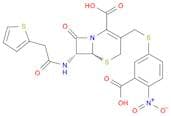
CAS :Formule :C21H17N3O8S3Couleur et forme :SolidMasse moléculaire :535.5700LacBuster™ (b-lactamase) contact plates
CAS :<p>A general purpose growth medium supplemented with LacBuster™ to effectively neutralize beta-lactam antibiotics. This product is suitable for the cultivation of a wide variety of microorganisms for environmental monitoring within the pharmaceutical industry and for high performance monitoring of your isolators and clean rooms during beta lactam manufacture</p>