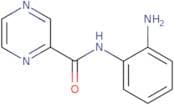
CAS 926259-99-6
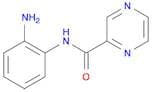
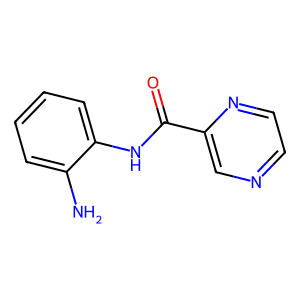
:N-(2-Aminophenyl)pyrazine-2-carboxamide
CAS :Formule :C11H10N4ODegré de pureté :99%Couleur et forme :SolidMasse moléculaire :214.2233BG45
CAS :BG45 is an HDAC I type inhibitor with IC50 of 289 nM, 2.0 μM, 2.2 μM and >20 μM for HDAC3/1/2/6 in cell-free assays, respectively.Formule :C11H10N4ODegré de pureté :99.77%Couleur et forme :SolidMasse moléculaire :214.22BG45
CAS :Produit contrôléApplications BG45 acts as an HDAC class I inhibitor with selectvity for HDAC3. HDACs represent novel targets for anti-tumer drugs treating various cancers including multiple myeloma cancer.
References Minami, J. et al.: Leukemia, 28, 680 (2014); Pinder, J. et al.: Pinder, J. et al.: Tetrahedron. Lett., 55, 4853 (2014);Formule :C11H10N4OCouleur et forme :NeatMasse moléculaire :214.22BG45
CAS :BG45 is a mutant strain of the bacterium Lactobacillus plantarum that has been modified to express a protein that inhibits the growth of tumor cells. The BG45 bacterium is capable of inducing an inhibitory effect on cancer cell growth in vitro and in vivo. This inhibitory effect is due to the immunomodulatory effects of the bacterium, which are mediated by suppressing genes that are involved in immune response and lipid metabolism. Furthermore, BG45 has significant cytotoxicity when cultured with human cancer cells and suppressed tumor growth in murine xenografts. This bacterium also has lysine residues that can be used as an indicator for identifying nutrient-poor environments such as microenvironments, suggesting that it may have potential use as a probiotic for patients with gastrointestinal disorders. In vitro assays have shown that BG45 produces fatty acids, which may be responsible for its activity against tumors.
Formule :C11H10N4ODegré de pureté :Min. 95%Masse moléculaire :214.22 g/molRef: 3D-BMB25999
Produit arrêté