CAS 99489-94-8
:Relaxine H2 (humaine)
Description :
La Relaxine H2 est une hormone peptidique principalement impliquée dans les processus reproductifs et est produite par les ovaires, le placenta et d'autres tissus. Elle joue un rôle crucial pendant la grossesse en favorisant la relaxation des ligaments pelviens et en facilitant l'accouchement. La structure chimique de la Relaxine H2 consiste en une chaîne d'acides aminés, présentant généralement une liaison disulfure caractéristique qui stabilise sa conformation. Cette hormone est connue pour ses effets vasodilatateurs, qui peuvent augmenter le flux sanguin et améliorer le remodelage des tissus. La Relaxine H2 interagit également avec des récepteurs spécifiques, influençant divers processus physiologiques, y compris la fonction cardiovasculaire et la réparation des tissus. Son potentiel thérapeutique est exploré dans des conditions telles que l'insuffisance cardiaque et la fibrose en raison de sa capacité à moduler le remodelage de la matrice extracellulaire. En tant que sujet de recherche, la Relaxine H2 a suscité un intérêt pour ses rôles multifacettes dans la santé reproductive et des fonctions physiologiques plus larges, en faisant un point focal significatif tant dans les études cliniques qu'expérimentales.
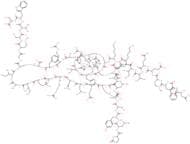
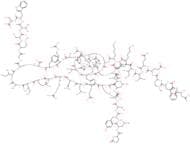
Formule :C256H408N74O74S8
Synonymes :- PubChem ID: 71300755
- (Pyr-Leu-Tyr-Ser-Ala-Leu-Ala-Asn-Lys-Cys-Cys-His-Val-Gly-Cys-Thr-Lys-Arg-Ser-Leu-Ala-Arg-Phe-Cys-OH)A(H-Asp-Ser-Trp-Met-Glu-Glu-Val-Ile-Lys-Leu-Cys-Gly-Arg-Glu-Leu-Val-Arg-Ala-Gln-Ile-Ala-Ile-Cys-Gly-Met-Ser-Thr-Trp-Ser-OH)B
- (Pyr-Leu-Tyr-Ser-Ala-Leu-Ala-Asn-Lys-Cys-Cys-His-Val-Gly-Cys-Thr-Lys-Arg-Ser-Leu-Ala-Arg-Phe-Cys-OH)A(H-Asp-Ser-Trp-Met-Glu-Glu-Val-IleLys-Leu-Cys-Gly-Arg-Glu-Leu-Val-Arg-Ala-Gln-Ile-Ala-Ile-Cys-Gly-Met-Ser-Thr-Trp-Ser-OH)B(Cys10A&Cys15ABridge,Cys11A&Cys1
- (Pyr-Leu-Tyr-Ser-Ala-Leu-Ala-Asn-Lys-Cys-Cys-His-Val-Gly-Cys-Thr-Lys-Arg-Ser-Leu-Ala-Arg-Phe-Cys-OH)A(H-Asp-Ser-Trp-Met-Glu-Glu-Val-IleLys-Leu-Cys-Gly-Arg-Glu-Leu-Val-Arg-Ala-Gln-Ile-Ala-Ile-Cys-Gly-Met-Ser-Thr-Trp-Ser-OH)B(Cys10A&Cys15ABridge,Cys11A&Cys11BBridge,Cys24A&Cys23BBridge)(Relax in H2 Human)
- Relaxin H2 (human)
- Relaxin H2 (human) trifluoroacetate salt
Trier par
Degré de pureté (%)
0
100
|
0
|
50
|
90
|
95
|
100
3 produits concernés.
Relaxin H2 (human)
CAS :Relaxin H2 is the major stored and circulating isoform of the peptide hormone relaxin in humans. This pregnancy hormone has also shown cardioprotective activity. The observed long-term effects of relaxin H2 on connective tissues may be due to alterations in the turnover of collagen and proteoglycans.Formule :C256H408N74O74S8Degré de pureté :96.3%Couleur et forme :White LyophilisateMasse moléculaire :5963.04Relaxin-2 (Human)
CAS :Relaxin-2 is a peptide hormone that belongs to the insulin family of hormones. It is produced by the corpus luteum and placenta. The relaxin-2 receptor is a G protein coupled receptor belonging to the superfamily of class A receptors, which are known as rhodopsin-like receptors. Relaxin-2 has been shown to activate ion channels in cells, leading to an increase in intracellular calcium levels. This hormone has also been shown to inhibit protein interactions and regulate cell growth and differentiation through its interaction with the receptor. The pharmacological effects of relaxin-2 are mediated by binding to the ligand-binding domain on the receptor, which leads to activation of a number of intracellular signaling pathways.Formule :C256H408N74O74S8Degré de pureté :Min. 95%Masse moléculaire :5,963 g/molRelaxin H2 (human) trifluoroacetate salt
CAS :Relaxin H2 is a hormone that is produced in the ovaries and has significant interactions with cyclase. It has been shown to bind to the receptor for relaxin and inhibit its activity. Relaxin H2 has been shown to be a potent inhibitor of cardiac growth factor-β1, which may contribute to its anti-fibrotic effects. This drug is also an inhibitor of fatty acid synthesis and can lead to metabolic disorders, such as glomerular filtration rate, by inhibiting the production of natriuretic peptide levels.
Formule :C256H408N74O74S8Degré de pureté :Min. 95%Masse moléculaire :5,962.95 g/mol