Dérivés d'acides aminés
Les dérivés d'acides aminés sont des composés structurellement liés aux acides aminés, mais qui ont été chimiquement modifiés pour introduire de nouveaux groupes fonctionnels ou altérer leurs propriétés. Ces dérivés sont largement utilisés dans la synthèse de peptides, le développement de médicaments et la recherche biochimique. Chez CymitQuimica, nous offrons une large gamme de dérivés d'acides aminés de haute qualité pour soutenir vos recherches et applications industrielles, garantissant des résultats précis et efficaces dans vos expériences et projets de synthèse.
3955 produits trouvés pour "Dérivés d'acides aminés"
Trier par
Degré de pureté (%)
0
100
|
0
|
50
|
90
|
95
|
100
Boc-Gly-Gly-OH
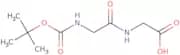
CAS :<p>Boc-Gly-Gly-OH is a synthetic molecule with inhibitory properties. It has been shown to prevent the polymerization of tubulin into microtubules by binding to the hydroxyl group on lysine residues in the monomeric form. Boc-Gly-Gly-OH can be used as a reagent in organic solution, and can be seen under an electron microscope as nanodots.</p>Formule :C9H16N2O5Degré de pureté :Min. 95%Couleur et forme :PowderMasse moléculaire :232.23 g/molFmoc-Ala-OH
CAS :<p>Fmoc-Ala-OH is a bioactive molecule with a molecular weight of 195.2 Daltons. It has been shown to have receptor activity and cyclic peptide properties. Fmoc-Ala-OH is soluble in chloroform and methanol, but insoluble in water. It can be used as a substrate for the chemical ligation reaction, which involves the joining of two peptides by forming an amide bond between their carboxyl groups. This process is known as "Fmoc chemistry". Fmoc-Ala-OH has also been shown to have anti-inflammatory effects in animal models of autoimmune diseases such as rheumatoid arthritis and multiple sclerosis.</p>Formule :C18H17NO4Degré de pureté :Min. 98 Area-%Couleur et forme :White PowderMasse moléculaire :311.33 g/molN,O-Bis-acetyl-L-tyrosine
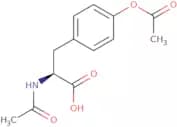
CAS :<p>N,O-Bis-acetyl-L-tyrosine is a bioreversible acetylated amino acid that is synthesized from L-tyrosine. It can be used in the preparation of creatine kinase. N,O-Bis-acetyl-L-tyrosine has been shown to bind to the aromatic residues on creatine kinase and inhibit its activity. The acetylation of lysine residues may be reversible, but this process requires the presence of a hydroxyl group on the tyrosine residue. This reaction is catalyzed by a lysine residue on creatine kinase. Studies have shown that the kinetic properties of N,O-Bis-acetyl-L-tyrosine are similar to those of L-tyrosine and therefore it can be used as an alternative substrate for creatine biosynthesis.</p>Formule :C13H15NO5Degré de pureté :Min. 98 Area-%Couleur et forme :White PowderMasse moléculaire :265.26 g/molSarcosine methyl ester hydrochloride
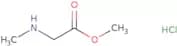
CAS :<p>Sarcosine methyl ester hydrochloride is a pharmaceutical drug that inhibits the production of inosine monophosphate (IMP) and guanosine monophosphate (GMP). It is thought to work by interfering with the synthesis of nucleotides. Sarcosine methyl ester hydrochloride has been shown to inhibit tumour growth in solid tumours. It also has pharmacokinetic properties that include a low volume of distribution, high protein binding, and low clearance rate.</p>Formule :C4H9NO2·HClCouleur et forme :White PowderMasse moléculaire :139.58 g/molL-Leucine, USP
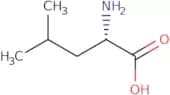
CAS :<p>Amino acid</p>Formule :C6H13NO2Degré de pureté :98.5 To 101.5%Couleur et forme :White PowderMasse moléculaire :131.17 g/molL-Tryptophan
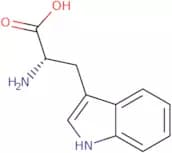
CAS :<p>L-tryptophan is a non-essential amino acid that is used as a building block in the synthesis of proteins. It has been used in research and as a starting material for the production of other chemicals. L-tryptophan has also been shown to have antidepressant effects, although it is not approved by the FDA for this use. L-tryptophan can be found in protein-rich foods such as meat, eggs, and soybeans.</p>Formule :C11H12N2O2Degré de pureté :Min. 98.0 Area-%Masse moléculaire :204.23 g/molRef: 3D-T-8320
1kgÀ demander100gÀ demander250gÀ demander500gÀ demander2500gÀ demander-Unit-kgkgÀ demanderFmoc-L-m-Tyrosine(tBu)-OH
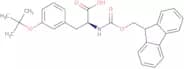
CAS :<p>Fmoc-L-m-Tyrosine is a reagent that is used in organic synthesis. It is a complex compound that can be synthesized from m-tyrosine and t-butyl bromoacetate. Fmoc-L-m-Tyrosine is also a useful intermediate for the preparation of other compounds, such as pharmaceuticals and agrochemicals. It has been shown to be a fine chemical that has a wide range of applications in the field of biotechnology and pharmaceuticals. Fmoc-L-m Tyrosine is also a versatile building block with many possible reactions, making it an excellent candidate for research chemicals, including speciality chemicals. The CAS number for this compound is 204384-71-4 and it's molecular weight is 262.3 g/mol.br></p>Formule :C28H29NO5Degré de pureté :Min. 97 Area-%Couleur et forme :Off-White PowderMasse moléculaire :459.53 g/molD-Cysteine
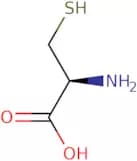
CAS :<p>D-Cysteine is a versatile building block for the synthesis of complex compounds and peptides.</p>Formule :C3H7NO2SMasse moléculaire :121.16 g/molL-Histidine acetate
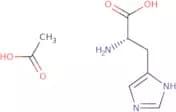
CAS :Produit contrôlé<p>L-Histidine acetate is a white, crystalline powder that has a constant melting point and can be soluble in water. It has a monoclinic crystal system with a crystal form of α-l-histidine dihydrogen acetate. L-Histidine acetate is an amino acid that is necessary for the biosynthesis of proteins and the metabolism of histamine. L-Histidine acetate has been studied using x-ray diffraction and optical properties to determine its functional groups. The activation energy for this compound is found to be at 4.1 kcal/mol, which is lower than most other compounds in nature. The frequencies of light waves are measured at 3,040 cm-1 and the evaporation rate at 15°C is 0.039 cm3/s.</p>Formule :C6H9N3O2•C2H4O2Degré de pureté :Min. 95%Masse moléculaire :215.21 g/molH-L-Pro-pNA Trifluoracetate
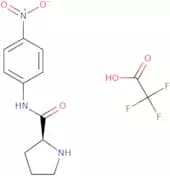
CAS :<p>H-L-Pro-pNA Trifluoracetate is a chromogenic substrate for prolyl aminopeptidase (proline iminopeptidase).</p>Formule :C13H14F3N3O5Degré de pureté :Min. 98.0 Area-%Couleur et forme :PowderMasse moléculaire :349.26 g/molArg-Gly-Asp TFA salt
CAS :<p>Arg-Gly-Asp TFA salt is a molecule that is used as a prodrug, meaning it is inactive until it has been converted to the active form. It has been shown to be effective when injected subcutaneously or intramuscularly and is hydrophilic. Arg-Gly-Asp TFA salt has been shown to have problematic effects on polymerization when exposed to heat. The molecule has an active form that can be absorbed into the body through injection sites and then hydrolyzed by esterases or glucuronidases, oxidized by cytochrome P450 enzymes, reduced by glutathione reductase, or conjugated with glucuronic acid. Arg-Gly-Asp TFA salt also specifically binds to markers expressed at high levels in Mycobacterium tuberculosis strains (e.g., ESX-1 secretion system protein) and inhibits cell growth in culture.</p>Formule :C12H22N6O6·C2HF3O2Degré de pureté :Min. 95%Couleur et forme :PowderMasse moléculaire :460.36 g/mol6-Oxo DL-norleucine, formate salt
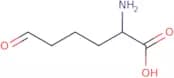
CAS :<p>6-Oxo DL-norleucine, formate salt is an anti-inflammatory agent that has been shown to reduce the symptoms of inflammatory bowel disease. It is a prodrug that is converted in vivo to 6-oxo DL-norleucine, its active form. This drug inhibits the activity of enzymes involved in metabolic pathways including ester hydrolysis and dinucleotide phosphate metabolism. 6-Oxo DL-norleucine has also been shown to inhibit the production of inflammatory mediators such as prostaglandin E2 (PGE2), leukotriene B4 (LTB4), and reactive oxygen species (ROS) in human serum. The mechanism by which this drug exerts its effects is not yet fully understood but may be due to inhibition of p. pastoris, a fungus that can cause opportunistic fungal infections.</p>Formule :C7H13NO5Degré de pureté :Min. 95%Couleur et forme :PowderMasse moléculaire :191.18 g/molL-Theanine
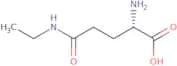
CAS :<p>L-Theanine is an amino acid found in various types of tea and has been shown to have physiological effects. It is also found in the leaves of Camellia sinensis plants. L-Theanine is a nonprotein amino acid that does not have any chiral centers, unlike other amino acids. It is chemically similar to glutamate and glutamine. L-Theanine has been shown to bind to alpha 1-acid glycoprotein and polymerase chain, which may affect its solubility in water. This amino acid also has a number of enzyme activities, including those that produce enzymes for acetylcholine synthesis and metabolism. L-Theanine has been shown to have antioxidant properties and can decrease neuronal death in humans when given intravenously.</p>Formule :C7H14N2O3Degré de pureté :Min. 98 Area-%Couleur et forme :White PowderMasse moléculaire :174.2 g/molGlutamic acid
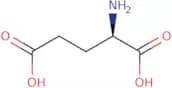
CAS :<p>Glutamic acid is a non-essential amino acid that is present in all cells. It is one of the most abundant amino acids and plays an important role in the biochemical properties and biological properties of living organisms. Glutamic acid has been found to be an important neurotransmitter and is involved in neuronal activity, which can lead to death. It also has been shown to be a potent inhibitor of DNA polymerase, which may explain the structural analysis of glutamic acid as a divalent cation coordination-activator molecule. Glutamate can be used as a model system for studying glutamate receptor function and its optimum concentration is determined using vitro assays. The dinucleotide phosphate (NADPH) oxidase pathway may be involved in the toxicity of glutamic acid as it produces reactive oxygen species.</p>Formule :C5H9NO4Degré de pureté :Min. 95%Couleur et forme :White PowderMasse moléculaire :147.13 g/molDL-Asparagine monohydrate
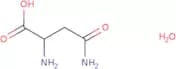
CAS :<p>DL-Asparagine monohydrate is a low potency amino acid that can be used as a biomarker for wastewater treatment. It has been shown to inhibit the activity of enzymes such as guanine nucleotide-binding proteins, toll-like receptors, and response elements. Asparagine also has inhibitory properties against tumour cells in solid tumours.</p>Formule :C4H10N2O4Couleur et forme :PowderMasse moléculaire :150.14 g/molBoc-D-Leu-OH
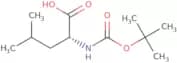
CAS :<p>Boc-D-Leu-OH is a cyclic peptide that has been shown to have antibacterial activity. It is a monomer with a hydroxy group and a cavity. Boc-D-Leu-OH was found to be able to transport hydrophobic compounds across membranes, which may be due to its hydrophobic nature. Boc-D-Leu-OH also induces apoptosis in cells, which can lead to cancer. This compound has been optimized by structural modifications and residue substitutions, which have led to improved properties such as enhanced stability and increased antimicrobial activity.</p>Formule :C11H21NO4Degré de pureté :Min. 95%Couleur et forme :PowderMasse moléculaire :231.29 g/molBoc-N-methyl-L-alanine
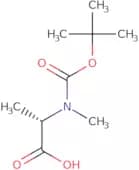
CAS :<p>Boc-N-methyl-L-alanine is a synthetic, active natural product that is used to diagnose cancer. It has been shown to be an inhibitor of serine protease and can be used to study the interactions between steric interactions and enzyme activity. Boc-N-methyl-L-alanine has also been shown to have anti-cancer activity by inhibiting acid conjugates in cancer cells. This compound can also be used for profiling purposes, as it has been shown to inhibit all trans retinoic acid (ATRA) production in prostate cancer cells.</p>Formule :C9H17NO4Degré de pureté :Min. 95%Couleur et forme :White PowderMasse moléculaire :203.24 g/molN,N'-Diacetyl-L-cystine
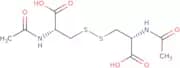
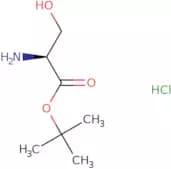
CAS :<p>N,N'-Diacetyl-L-cystine (NAC) is a cysteine derivative that is used in the preparation of samples for analysis by liquid chromatography. It has been shown to have an antiatherogenic effect in chronic bronchitis patients and has been found to be a growth factor, inhibiting apoptosis and stimulating cell proliferation. NAC also increases the activity of aminotransferases in serum samples, which can be used as an indicator of liver health. Its chemical stability and low toxicity make it an ideal candidate for use as a pharmaceutical preparation at doses below those required for its enzyme-stimulating effects.</p>Formule :C10H16N2O6S2Degré de pureté :Min. 95%Couleur et forme :PowderMasse moléculaire :324.38 g/molL-Serine tert-butyl ester hydrochloride
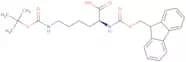
CAS :<p>L-Serine tert-butyl ester hydrochloride is a conditionally catalytic reagent that is used to synthesize aromatic compounds. It is an effective catalyst for toluene hydroxylation, and can be used in the synthesis of L-serine from serine. The tert-butyl group on the molecule prevents side reactions by sterically hindering other molecules from reacting with the reagent.</p>Formule :C7H15O3N·HClDegré de pureté :Area-% Min. 95 Area-%Couleur et forme :White PowderMasse moléculaire :197.66 g/molFmoc-Lys(Boc)-OH
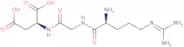
CAS :<p>Fmoc-Lys(Boc)-OH is a synthetic amino acid that has been used to synthesize polypeptides. It is prepared by the reaction of naphthalene, trifluoroacetic acid and copper (II) acetate in an acidic environment. The synthesis of Fmoc-Lys(Boc)-OH involves the use of a high salt and coordination geometry for the copper complex. This amino acid can be used as a cancer drug, because it inhibits NS3 protease, which is an enzyme that promotes tumor growth. Fmoc-Lys(Boc)-OH also binds to carbohydrate receptors on cancer cells and inhibits uptake of these cells by macrophages.</p>Formule :C26H32N2O6Degré de pureté :Min. 98 Area-%Couleur et forme :White PowderMasse moléculaire :468.54 g/molArg-Gly-Asp
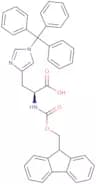
CAS :<p>Arg-Gly-Asp is a peptide with inhibitory properties against tumor growth. It binds to the integrin receptor and blocks the angiogenic process by inhibiting the expression of vascular endothelial growth factor (VEGF) and transforming growth factor beta (TGF-β). Arg-Gly-Asp also inhibits the proliferation of pluripotent cells, which are cells that can differentiate into any type of cell in the body, and prevents the formation of new blood vessels. This peptide has been shown to have inhibitory properties against leukemia inhibitory factor (LIF), which is a cytokine that regulates cell growth.</p>Formule :C12H22N6O6Degré de pureté :Min. 98 Area-%Couleur et forme :PowderMasse moléculaire :346.34 g/molFmoc-His(Trt)-OH
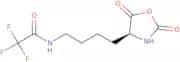
CAS :<p>Fmoc-His(Trt)-OH is an amino acid with the chemical formula HOOC-CH2-CH2-N(CH3)2. It has broad-spectrum antimicrobial activity and can be used as a chemosensor for trifluoroacetic acid. Fmoc-His(Trt)-OH also showed anticancer activity, which may be due to its ability to inhibit protein synthesis in cancer cells by inhibiting histidine decarboxylase. Fmoc-His(Trt)-OH is synthesized through a chemical reaction using trifluoroacetic acid, which reacts with His and Trt residues on the surface of the resin.</p>Formule :C40H33N3O4Degré de pureté :Min. 98 Area-%Couleur et forme :White PowderMasse moléculaire :619.71 g/molN6-Trifluoroacetyl-L-lysine N-carboxyanhydride
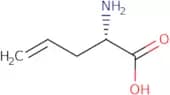
CAS :<p>Trifluoroacetyl-L-lysine N-carboxyanhydride is an N6-trifluoroacetylated lysine derivative that is used in the synthesis of peptides. It is a racemic mixture of L and D forms, which is hydrolyzed to form L-glutamic acid, NH4Cl, and CO2. Trifluoroacetyl-L-lyside N-carboxyanhydride has been shown to be useful in the formation of bonds between amino acids, such as lysine and dipeptides. The compound is also used for the protection of lysine against oxidation during peptide synthesis.</p>Formule :C9H11F3N2O4Degré de pureté :Min. 95%Couleur et forme :White PowderMasse moléculaire :268.19 g/molL-Allylglycine
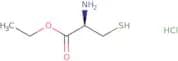
CAS :<p>L-Allylglycine is an antimicrobial agent that inhibits the growth of bacteria by binding to the glutamate receptor. L-Allylglycine has been shown to inhibit the locomotor activity in rats, which may be due to its ability to bind with the serotonergic system and dopamine receptors. L-Allylglycine also binds to Toll-like receptor 4, a protein found on macrophages and microglia in the brain, which may contribute to its neuroprotective effects. It has been shown that L-allylglycine can inhibit a glutamate receptor in mitochondria, which is responsible for the production of ATP. This inhibition prevents DNA replication and cell division, leading to cell death. The asymmetric synthesis of this molecule allows it to have a greater affinity for bacterial cells than mammalian cells.</p>Formule :C5H9NO2Degré de pureté :Min. 95%Couleur et forme :White PowderMasse moléculaire :115.13 g/molL-Cysteine ethyl ester hydrochloride
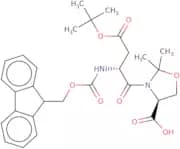
CAS :<p>L-Cysteine ethyl ester HCl is a disulfide bond that is used in the synthesis of proteins. It is also used to prevent hair loss and to treat baldness. L-Cysteine ethyl ester HCl has potent antitumor activity, which may be due to its ability to react with nucleophilic substitutions. In addition, L-Cysteine ethyl ester HCl can induce apoptosis by binding to the apoptosis protein. The reaction mechanism is not well understood but it may involve hydroxide ion and organometallic complexes. L-Cysteine ethyl ester HCl is soluble in water at neutral pH and poorly soluble in ethanol. It hydrolyzes in the presence of acid or base, forming trifluoroacetic acid or sodium hydroxide solution respectively.</p>Formule :C5H11NO2S•HClDegré de pureté :Min. 95%Couleur et forme :PowderMasse moléculaire :185.67 g/molFmoc-D-Asp(OtBu)-L-Ser(Psi(Me,Me)pro)-OH
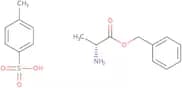
<p>Fmoc-D-Asp(OtBu)-L-Ser(Psi(Me,Me)pro)-OH is a high quality reagent that can be used as an intermediate in the synthesis of complex compounds. It is a useful building block for the synthesis of speciality chemicals and research chemicals. Fmoc-D-Asp(OtBu)-L-Ser(Psi(Me,Me)pro)-OH is also a versatile building block that can be used to synthesize different types of compounds.</p>Formule :C29H34N2O8Degré de pureté :Min. 95%Couleur et forme :PowderMasse moléculaire :538.59 g/molD-Alanine benzyl ester p-toluenesulfonate salt
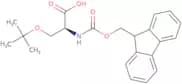
CAS :<p>D-Alanine benzyl ester p-toluenesulfonate salt is a fine chemical that is used in research and development. It is a versatile building block that can be used as an intermediate or a reaction component. D-Alanine benzyl ester p-toluenesulfonate salt has been shown to have high quality, which makes it useful for the production of complex compounds. This compound can be used as a speciality chemical or as a reagent in research.</p>Formule :C10H13NO2·C7H8O3SDegré de pureté :Min. 95%Couleur et forme :PowderMasse moléculaire :351.42 g/molFmoc-Ser(tBu)-OH
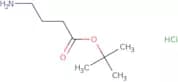
CAS :<p>Fmoc-Ser(tBu)-OH is a synthetic amino acid that is used in the synthesis of degarelix acetate, an amide ester of the vasodilator, prostaglandin F2α. Degarelix acetate binds to the fibrinogen receptor on the surface of cells and inhibits platelet aggregation. This drug has been shown to be effective in treating prostate cancer by inhibiting epidermal growth factor receptor signaling. It also has immune modulating effects by binding to monoclonal antibodies and altering antibody responses. Fmoc-Ser(tBu)-OH is synthesized from the amino acid serine and t-butyl alcohol, which are combined with trifluoroacetic acid (TFA) and hydroxyl group. The resulting product is then reacted with dansyl chloride or benzoyl chloride (BzCl), which cleaves off one carboxylic acid group from serine, forming an</p>Formule :C22H25NO5Degré de pureté :Min. 98 Area-%Couleur et forme :White Off-White PowderMasse moléculaire :383.44 g/molγ-Aminobutyric acid tert-butyl ester HCl
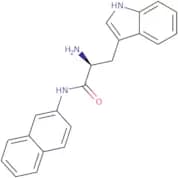
CAS :<p>GABA is a neurotransmitter that is found in the brain and spinal cord. It is an analog of the amino acid gamma-aminobutyric acid and can be synthesized from glutamic acid. GABA has been shown to have anti-inflammatory properties by inhibiting prostaglandin synthesis, which may be due to its ability to decrease the proliferation of T cells and macrophages. GABA also has been shown to promote growth of hybridomas, which are immune cells that produce antibodies.</p>Formule :C8H17NO2·HClDegré de pureté :Min. 95%Couleur et forme :White PowderMasse moléculaire :195.69 g/molL-Tryptophan β-naphthylamide
CAS :<p>L-Tryptophan beta-naphthylamide is a fine chemical that is useful for research purposes. It can be used as a versatile building block in the synthesis of other chemicals and can also be used as a reaction component. L-Tryptophan beta-naphthylamide has been used to synthesize complex compounds such as 5,6-dihydroindolizine, which has been shown to have anti-inflammatory properties. This compound can also be used as a reagent in organic synthesis.</p>Formule :C21H19N3ODegré de pureté :Min. 95%Couleur et forme :PowderMasse moléculaire :329.4 g/mol3,5-Diiodo-L-tyrosine dihydrate
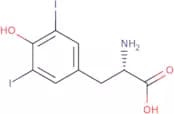
CAS :<p>There are many good reasons to eat fish and seafood, one of them is certainly the fact that they are rich in iodine salts, which are a fundamental for the endocrine activity of the thyroid gland. Iodine salts are enzymatically converted into molecular iodine, which adds to tyrosine residues in thyroglobulin forming diiodotyrosine. This is the first step towards the biosynthesis of thyroid hormones triodityronine T3 and tetraiodotyronine T4 which serve important regulatory functions in body metabolism and energy expenditure. Recently, the dietary introduction of potassium iodide and diiodotyrosine were compared in mice showing that diiodotyrosine can also be used effectively as food supplement preventing the potential damage from excessive intake of inorganic iodine salts.</p>Formule :C9H13I2NO5Degré de pureté :Min. 95.0 Area-%Masse moléculaire :469.02 g/mol5-Chloro-DL-tryptophan
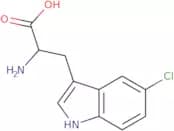
CAS :<p>5-Chloro-DL-tryptophan is an antibiotic that is synthesized from tryptophan. It is used as a precursor for the synthesis of other antibiotics, including 5-chloro-dl-tryptophan and indole. 5-Chloro-DL-tryptophan has been shown to have a significant effect on the synthesis of protein amino acids, such as d-aspartic acid and α-amino acids. The steric properties of 5-chloro-dl-tryptophan are also important in its ability to block protein synthesis. Ozonization can be used to oxidize α,β unsaturated carbonyl compounds found in 5 - chloro - DL - tryptophan.</p>Formule :C11H11ClN2O2Degré de pureté :Min. 95%Couleur et forme :White PowderMasse moléculaire :238.67 g/molH-Asp-OH
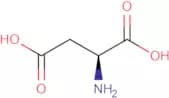
CAS :<p>M03000 - H-Asp-OH</p>Formule :C4H7NO4Degré de pureté :97%Couleur et forme :SolidMasse moléculaire :133.103Fmoc-Gly-OPfp
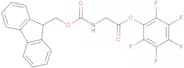
CAS :<p>M06246 - Fmoc-Gly-OPfp</p>Formule :C23H14F5NO4Degré de pureté :97%Couleur et forme :SolidMasse moléculaire :463.36Sodium N-lauroylalanine
CAS :<p>Sodium N-lauroylalanine is an agent of fatty acid.</p>Formule :C15H28NNaO3Degré de pureté :98%Couleur et forme :SolidMasse moléculaire :293.38Dansylleucine
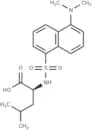
CAS :<p>Dansylleucine is an agent of bioactive chemical.</p>Formule :C18H24N2O4SDegré de pureté :98%Couleur et forme :SolidMasse moléculaire :364.464-Amino-N-(tert-butoxycarbonyl)-D-phenylalanine
CAS :Formule :C14H20N2O4Degré de pureté :>97.0%(HPLC)Couleur et forme :Light orange to Yellow to Green powder to crystalMasse moléculaire :280.32N-b-Boc-D-2,3-diaminopropionic acid
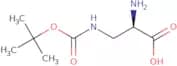
CAS :<p>N-b-Boc-D-2,3-diaminopropionic acid is a chemical compound that belongs to the group of polypeptides. It has been shown to act as a receptor activator in cell-based assays and is capable of binding to taste receptors. N-b-Boc-D-2,3-diaminopropionic acid has also been found to be an effective inhibitor of alpha amylase, which is an enzyme that breaks down starch into maltose and dextrin. This chemical compound could serve as a potential therapeutic agent for type 2 diabetes, obesity, and other metabolic disorders. NBDAPA has also been found in fossilized invertebrates such as squid and urchins.</p>Formule :C8H16N2O4Degré de pureté :Min. 95%Couleur et forme :White to off-white solid.Masse moléculaire :204.22 g/molFmoc-Thr(tBu)-Ser(Psi(Me,Me)pro)-OBzl
<p>Fmoc-Thr(tBu)-Ser(Psi(Me,Me)pro)-OBzl is a high quality, research chemical that is used as an intermediate in the synthesis of complex compounds. It is a useful building block and can be used to make speciality chemicals. This reagent has many uses including being a useful scaffold for organic synthesis and a reaction component in the production of other fine chemicals. Fmoc-Thr(tBu)-Ser(Psi(Me,Me)pro)-OBzl has CAS No. 7791-02-8 and may be found in the following chemical structure:</p>Formule :C36H42N2O7Degré de pureté :Min. 95%Couleur et forme :PowderMasse moléculaire :614.73 g/molDL-Histidine
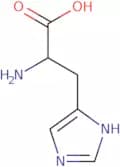
CAS :<p>DL-Histidine is an enantiopure antibiotic complex that is a proton donor. It is primarily used to treat bacterial infections. DL-Histidine inhibits bacterial growth by acting as a competitive inhibitor of the proton donor in the enzyme histidine decarboxylase and preventing the production of histamine, which is required for bacterial cell division. The molecular modeling study showed that DL-histidine has a linear plot with a high signal detection level, which makes it suitable for sample preparation. The crystalline cellulose molecule was found to form hydrogen bonds with the histidine molecule, which may have an effect on its activity.</p>Formule :C6H9N3O2Degré de pureté :Min. 95%Couleur et forme :White PowderMasse moléculaire :155.15 g/molD-Alanine methyl ester HCl
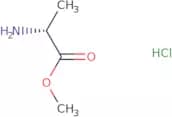
CAS :<p>D-Alanine methyl ester HCl is a diamide with antimycobacterial activity. It was synthesized by the reaction of D-alanine and methyl acrylate in the presence of methanesulfonic acid. The chiral compound was obtained as a racemic mixture. Optical properties are not reported.</p>Formule :C4H9NO2HCIDegré de pureté :Min. 95%Couleur et forme :White To Off-White SolidMasse moléculaire :243.04 g/molNα-[(9H-Fluoren-9-ylmethoxy)carbonyl]-N1-tert-butoxycarbonyl-L-tryptophan
CAS :Formule :C31H30N2O6Degré de pureté :>97.0%(HPLC)Couleur et forme :White to Orange to Green powder to crystalMasse moléculaire :526.59Fmoc-D-Asp(OtBu)-Opfp
CAS :<p>Fmoc-D-Asp(OtBu)-Opfp is a high quality, complex compound that is used as a building block for the synthesis of various drugs and pharmaceuticals. It has been shown to be an excellent reaction component in the synthesis of various drugs and pharmaceuticals. The versatility of this chemical makes it a useful scaffold for generating complex molecules. It has been shown to be a useful intermediate for the synthesis of peptides, oligonucleotides, and small organic molecules. Fmoc-D-Asp(OtBu)-Opfp can also be used as a reagent in biochemical research.<br>Fmoc-D-Asp(OtBu)-Opfp can be synthesized by reacting 2-(2'-aminoethoxy)propionic acid with N,N'-dimethylformamide dimethyl acetal in the presence of sodium hydride at 0°C. This reaction produces an amide bond between the N termin</p>Formule :C29H24NO6F5Degré de pureté :Min. 95%Couleur et forme :PowderMasse moléculaire :577.5 g/mol(R)-(-)-2-Phenylglycinol
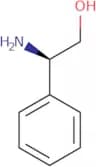
CAS :<p>(R)-(-)-2-Phenylglycinol is an enantiopure chiral compound that has been used in the synthesis of polymers. This polymerase chain reaction (PCR) inhibitor binds to the α subunit of DNA polymerase, preventing replication and transcription. The binding site for this inhibitor is located at the active site of the enzyme and is a hydroxyl group. The (S)-enantiomer of 2-phenylglycinol does not bind to the α subunit, so it can be used as a control in experiments. 2-Phenylglycinol is also known to have antiviral properties against HIV infection.</p>Formule :C8H11NODegré de pureté :Min. 97.5 Area-%Couleur et forme :White PowderMasse moléculaire :137.18 g/molN-[(9H-Fluoren-9-ylmethoxy)carbonyl]-L-homoarginine
CAS :Formule :C22H26N4O4Degré de pureté :>97.0%(T)(HPLC)Couleur et forme :White to Almost white powder to crystalMasse moléculaire :410.47Boc-L-Histidine
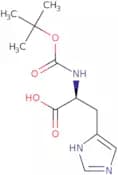
CAS :<p>Boc-L-histidine is a histidine derivative with a boronic acid group that can be used to synthesize imines. It is an organic solvent and can be used in magnetic resonance spectroscopy. Boc-L-histidine has been shown to inhibit the tyrosine activity of tyrosinase, which is involved in melanin synthesis. This compound also inhibits cancer cells by inhibiting the cellular process of protein synthesis and, as such, may be useful for the treatment of cancers.</p>Formule :C11H17N3O4Degré de pureté :Min. 98 Area-%Couleur et forme :White PowderMasse moléculaire :255.27 g/molBoc-homo-L-tyrosine
CAS :<p>Boc-homo-L-tyrosine is a high quality reagent, which is a useful intermediate for the synthesis of complex compounds. It is also a useful scaffold that can be used in the creation of fine chemicals and research chemicals. Boc-homo-L-tyrosine has been shown to be versatile, as it can serve as a reaction component in different types of chemical reactions. This compound can be used as a building block and is classified as a speciality chemical. Boc-homo-L-tyrosine has an CAS number of 198473-94-8.</p>Formule :C15H21NO5Degré de pureté :Min. 95%Couleur et forme :White PowderMasse moléculaire :295.33 g/molFmoc-Cys(3-(t-butoxycarbonyl)-propyl)-OH
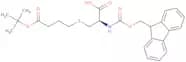
CAS :<p>Fmoc-Cys(3-(t-butoxycarbonyl)-propyl)-OH is a cysteine derivative that has been shown to be effective in the treatment of ulcers. It is a competitive inhibitor of the enzyme cyclooxygenase, which is responsible for the production of prostaglandins, and can be used to decrease inflammation. Fmoc-Cys(3-(t-butoxycarbonyl)-propyl)-OH has been shown to inhibit carassius erythrocyte meiosis, with an effective dose of 0.02 mM. The drug also has a conformation that can bind to the hydroxamic acid moiety, which is thought to be responsible for its anti-inflammatory properties. This drug also inhibits genotype 3a2 and 5b2 of Cyprinus carpio and may have potential as a chemotherapeutic agent for these genotypes.END></p>Formule :C26H31NO6SDegré de pureté :Min. 95%Couleur et forme :PowderMasse moléculaire :485.59 g/molL-Norvaline ethyl ester hydrochloride
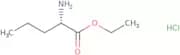
CAS :<p>L-Norvaline ethyl ester hydrochloride is an angiotensin-converting enzyme inhibitor. It has been shown to reduce the levels of angiotensin I and II, which are hormones that constrict blood vessels, resulting in a decrease in blood pressure. L-Norvaline ethyl ester hydrochloride also inhibits the production of aldosterone, a hormone involved in water retention. This drug is used as a supplement for people with congestive heart failure or those who have experienced a myocardial infarction. L-Norvaline ethyl ester hydrochloride is purified by elution from a column and then processed to remove impurities. The flow rate of the process is determined by measuring the height of the liquid in millimeters at various points on the column.</p>Formule :C7H15NO2·HClDegré de pureté :Min. 95%Couleur et forme :PowderMasse moléculaire :181.66 g/molL-Norleucine
CAS :Formule :C6H13NO2Degré de pureté :>98.0%(T)(HPLC)Couleur et forme :White to Almost white powder to crystalMasse moléculaire :131.18








![Nα-[(9H-Fluoren-9-ylmethoxy)carbonyl]-N1-tert-butoxycarbonyl-L-tryptophan](/_next/image/?url=https%3A%2Fstatic.cymitquimica.com%2Fproducts%2F3B%2Fthumb-webp%2FF0507.webp&w=3840&q=75)

![N-[(9H-Fluoren-9-ylmethoxy)carbonyl]-L-homoarginine](/_next/image/?url=https%3A%2Fstatic.cymitquimica.com%2Fproducts%2F3B%2Fthumb-webp%2FF1014.webp&w=3840&q=75)