Santé
98 produits trouvés pour "Santé"
Developing Your Prescribing Skills
Thomas, Trudy
First edition
Scheduled closure of pharmpress.com
Edited by Trudy Thomas-Head of Clinical and Professional Postgraduate Programmes Lead, Medway School of Pharmacy, UK
ISBN 978 0 85369 881 4
Published Dec 2010
Paperback 234 x 156 mm (176pp)
DESCRIPTION:
Developing Your Prescribing Skills helps practitioners and all new prescribers to assess their current skills, and recognise their skills gaps. It identifies ways to meet learning needs and be accountable for prescribing, both as individuals and teams. Using 'real life' case scenarios, it takes a practical view of the main issues facing prescribers in all walks of practice. This book encourages the reader to apply the generic prescribing skills covered in each chapter to their own practice through the use of reflective exercises with feedback from experienced prescribers, suggested areas for further study, mind maps and top tips.
Chapters offer information and advice on:
- taking a good history
- prioritising in polypharmacy
- consultations and prescribing in paediatrics
- monitoring prescribing
- ethical decision making in prescribing
- establishing partnerships with patients
- influences on prescribing.
Developing Your Prescribing Skills is an invaluable resource for all new prescribers including junior doctors and GPs, and non-medical prescribers such as pharmacists, nurses and allied health professionals. Developing Your Prescribing Skills is also available as an eBook.
CONTENTS:
1. Introduction to Prescribing and This Book
2. Being Accountable for Your Prescribing
3. Taking a Good History
4. Consultations Involving Children
5. Prioritising in Polypharmacy
6. Practical Prescribing In Paediatrics
7. Monitoring Prescribing
8. Ethical Decision Making in Prescribing
9. Prescribing As Part of a Team
10. Establishing Partnerships with Patients
11. Influences on Prescribing
REVIEWS:
Mar-2011, Doody's Notes
"This book uses real-life case scenarios to describe the art of prescribing for those new to the field...The reflective questions are a great way to think about the scenario and its clinical aspects...This book offers an excellent approach to learning. The use of real-life scenarios is always a useful tool for educating new practitioners. This is what makes this book unique"
Zina T. Saidi, Pharm.D. (Jeanes Hospital), Doody's Notes, March 2011.
Couleur et forme :234 x 156 mmFASTtrack: Pharmacology
Randall, Michael D; Kendall, David A; Alexander, Stephen PH
Second edition
Scheduled closure of pharmpress.com
Michael D. Randall - Professor of Pharmacology, School of Biomedical Sciences, University of Nottingham Medical School; David A. Kendall - Professor of Pharmacology, School of Biomedical Sciences, University of Nottingham Medical School; and Stephen PH Alexander, Associate Professor in Molecular Pharmacology, School of Biomedical Sciences, University of Nottingham Medical School.
ISBN 978 0 85711 057 2
Published Apr 2012
Paperback 234 x 156mm (288pp)
DESCRIPTION:
Are your exams coming up? Are you drowning in textbooks and lecture notes and wondering where to begin? Take the FASTtrack route to successful study for your examinations. FASTtrack provides the ultimate lecture notes and is a must-have for all pharmacy students wanting to study and test themselves for forthcoming exams.
FASTtrack: Pharmacology aims to provide a brief account of drug action, as a study and revision aid. In doing this, the authors have generally taken a therapeutic area and considered the major classes of drugs, their actions and, to a limited degree, their uses.
There are many excellent brief guides to pharmacology and so their second aim is to present a study guide which deals with molecular pharmacology at a more advanced level, so that the book is also useful for advanced pharmacology studied in the later years of pharmacy and science degrees. This study guide is therefore useful at each level of undergraduate study.
New in this edition:
- Each chapter completely updated to take account of recent changes, and include future drugs
- Multiple choice tests
- New chapters on immunopharmacology, oral contraceptives and local anaesthetics
- Greater use of summary tables.
FASTtrack: Pharmacology is also available as an ebook.
Visit the FASTtrack website for more MCQs from the FASTtrack series.
CONTENTS:
1. Pharmacodynamics
2. Receptors
3. G-proteins and Their Downstream Signaling Cascades
4. Ion Channels and Transporters
5. Quantitive Pharmacology
6. Autonomic Pharmacology
7. Local Mediators
8. Pharmacokinetics and Drug Metabolism
9. Gastric Pharmacology
10. Lower Gastrointestinal Pharmacology
11. Antiemetics
12. Antiarrhythmics
13. Cardiovascular Drugs
14. Renal and Urinary Pharmacology
15. Antithrombotic Agents
16. Antiobesity Drugs
17. Asthma and Chronic Obstructive Pulmonary Disease
18. Allergy
19. Anxiolytics and Hypnotics
20. Antidepressants
21. Antiepileptic Drugs
22. Antipsychotic Drugs
23. Parkinson's Disease
24. Analgesics
25. Drugs of Abuse
26. General Anaesthetics
27. Neuromuscular Blocking Drugs
28. Thyroid Disorders
29. Diabetes Mellitus
30. Antibacterial Agents
31. Non-bacterial Infections
32. Anticancer Drugs
33. Steroids
34. Oral Contraceptives
35. Immunopharmacology
36. Biopharmaceuticals
37. Variation in Clinical Efficacy
REVIEWS:
May 2013, Doody's Notes
"This book is intended to enhance material covered in traditional pharmacology textbooks...
...Visuals, algorithms, diagrams, and key points interspersed throughout the book help reinforce and summarize the material. Readers will be able to assess their understanding of the material through self-assessment questions at the conclusion of each chapter...
...Undergraduate pharmacy students, as well as other healthcare students, will find this a useful guide to help prepare for examinations."
Neela A. Bhajandas, PharmD, Doody's Notes, May 2013
June 2012, British Journal of Pharmacology
"The book provides good basic knowledge of pharmacology and is well organized, with sections on principles, followed by sections on the drugs used to treat different therapeutic areas...
...Overall the authors have generally obtained a good balance of core information that is accessible, without it being a textbook in disguise!...
...Whilst this book is aimed primarily at Pharmacists, I am sure it would also be of value as a revision aid for Medical students...
...my own daughter who is a 4th year Medical student said she would buy it, an endorsement indeed!"
Professor Clive Page, British Journal of Pharmacology, June 2012
Couleur et forme :234 x 156mmFacilitating Learning in Healthcare
Carter, Sarah
First edition
Scheduled closure of pharmpress.com
Edited by Sarah Carter - Research Manager, University of London School of Pharmacy, UK.
ISBN 978 0 85369 954 5
Published Oct 2011
Paperback 234 x 156mm (160pp)
DESCRIPTION:
This practical and easy-to-read guide is designed for people from non-teaching backgrounds who have been asked to facilitate the learning process in the healthcare disciplines. It will enable new teachers, lecturers, assessors, tutors and facilitators to quickly and easily understand common educational concepts, to learn how to effectively assist learning, and to reflect and improve upon their own teaching practice.
Containing top tips, personal accounts and exercises, this book includes:
- teaching and learning theories and concepts
- developing course material
- teaching strategies and approaches to learning
- assessing learning
- evaluating teaching
- reflecting on teaching and learning.
Facilitating Learning in Healthcare is a useful practical resource for new teachers, mentors and group supervisors in all healthcare disciplines.
Facilitating Learning in Healthcare is also available as an ebook.
CONTENTS:
1. Introducing Teaching and Learning
2. Developing Course Material
3. Teaching Strategies and Approaches to Learning
4. Assessing Learning
5. Evaluating Teaching
6. Reflecting on Teaching and Learning
REVIEWS:
May-2012, Nursingtimes.net
"...If teaching is not your main role, this book provides sufficient depth to support your development as an educator along with extensive reference lists to guide your further reading...This is a book that fills an important space on my bookshelf and has proven to be a fantastic, concise resource for teaching and learning theory. For practitioners like me who are developing their teaching skills or undertaking teaching qualifications, this book brings together a range of literature, theories and approaches into one accessible volume."
Simon Browes, Doctoral research student, nursingtimes.net, May 2012
2012, Nursing Standard
"The book would be useful as adjunct reading for those embarking on teaching for the first time. It provides a wealth of information on approaches to use that support learning, its assessment and evaluation, some of which are innovative and could be fun to use. It is well written...I especially like the way the bibliography is broken down into subject areas, enabling readers to spot texts supporting their special interests."
Dame Betty Kershaw, Nursing Standard, 2012
Jan-2012, British Journal of Clinical Pharmacology
"...This book will allow teachers new to the field of healthcare education to understand the common educational concepts and techniques, to learn how to effectively assist learning, and to reflect upon and improve their own teaching practice. This book is however not intended to be a comprehensive teaching manual. It is rather, an easy-to-read guide which will allow the teacher [to] understand common educational concepts and apply these to their every day teaching practice."
David Williams, RCSI/Beaumont Hospital, British Journal of Clinical Pharmacology, January 2012
04-Nov-2011, International Journal of Pharmaceutical Compounding
"As Colleges of Pharmacy seem to be shifting more and more pharmacy education activities to practicing pharmacists, this book will be of some value to those that have limited experience in teaching. It contains tips, personal accounts, and exercises...This book can be of great value to practitioners as well as college faculty and is written by experienced authors."
International Journal of Pharmaceutical Compounding, 4 November 2011
Couleur et forme :234 x 156mmBritish National Formulary
Joint Formulary Committee
Scheduled closure of pharmpress.com
Published jointly by BMJ Publishing Group Ltd and Royal Pharmaceutical Society
Product code MC_BNF
DESCRIPTION:
The BNF provides up-to-date, practical guidance on prescribing, dispensing, and administering medicines. This essential reference reflects current best practice as well as legal and professional guidelines relating to the uses of medicines, including:
- Guidance on the drug management of common conditions
- Details of medicines with special reference to their uses, cautions, contra-indications, side-effects, doses, and relative costs
- Guidance on prescribing, monitoring, dispensing, and administering medicines
for Children at NHS User registration .
Introduction to Statistics in Pharmaceutical Clinical Trials
Durham, Todd A; Turner, J Rick
First edition
Scheduled closure of pharmpress.com
Todd A Durham - Senior Director, Biostatistics and Data Management, Inspire Pharmaceuticals and J Rick Turner - Associate Professor of Clinical Research
ISBN 978 0 85369 714 5
Published Mar 2008
Paperback 246 x 189mm (240pp)
DESCRIPTION:
Introduction to Statistics in Pharmaceutical Clinical Trials is presented in the context of clinical trials conducted during pharmaceutical drug development.
This novel approach teaches the computational steps needed to conduct analyses. It also provides a conceptual understanding of how these analyses provide information that forms the basis for decision making throughout the drug development process.
This textbook conveys:
- why, and how data are collected in clinical studies
- how these data are summarized and analyzed
- what the results mean in the context of the clinical research question
- how the results are communicated to regulatory agencies and to the scientific and medical communities.
All students of pharmaceutical sciences and clinical research need a solid knowledge and understanding of the nature, methods, application, and importance of statistics. Introduction to Statistics in Pharmaceutical Clinical Trials will also be invaluable to professionals entering the pharmaceutical, biotechnology, and contract research organization industries who wish to gain a broader understanding of study design, research methodology, and statistical analysis and interpretation in clinical trials.
CONTENTS:
1. The Discipline of Statistics: Introduction and Terminology
2. The Role of Clinical Trials in New Drug Development
3. Research Questions and Research Hypotheses
4. Study Design and Experimental Methodology
5. Data, Central Tendency and Variation
6. Probability, Hypothesis Testing and Estimation
7. Early-phase Clinical Trials
8. Confirmatory Clinical Trials: Safety Data I
9. Confirmatory Clinical Trials: Safety Data II
10. Confirmatory Trials: Analysis of Categorical Efficacy Data
11. Confirmatory Clinical Trials of Analysis of Continuous Efficacy Data
12. Additional Statistical Considerations in Clinical Trials
13. Concluding Comments: Appendix: References
REVIEWS:
01-Aug-08, Doody Enterprises, Inc
'It fills the gap that exists between books that focus on research design and those that address statistical methods. The authors have clearly met this worthy objective. This book fills a unique position and uses innovative method.'
Michael R Jacobs, BS, PharmD (Temple University of Pharmacy) Doody Enterprises July 2008
Couleur et forme :246 x 189mmPharmacy Case Studies
Dhillon, Soraya; Raymond, Rebekah
First edition
Scheduled closure of pharmpress.com
Edited by Soraya Dhillon - Head, The School of Pharmacy, University of Hertfordshire and Rebekah Raymond - Teacher Practitioner
ISBN 978 0 85369 724 4
Published Feb 2009
Paperback 234 x 156mm (480pp)
DESCRIPTION:
Understand the application of therapeutics in clinical practice with Pharmacy Case Studies. This book helps you to integrate and demonstrate the knowledge gained during your undergraduate and pre-registration study.
Case studies of increasing complexity tie in strands of learning from across the pharmacy curriculum. Scenarios include both community and hospital pharmacy situations, as suited to the disease and pharmaceutical care provision.
Each chapter contains five case studies with questions and answers increasing in complexity from those for first year students through to cases designed for fourth year/pre-registration level.
Primarily aimed at pharmacy students and pre-registration pharmacists, this book will also be useful for qualified pharmacists as well as medical students, nurses and others with a professional interest in therapeutics.
CONTENTS:
1. Gastrointestinal
2. Cardiovascular
3. Respiratory
4. CNS
5. Infections
6. Endocrine
7. Obstetrics, Gynaecology and UTI
8. Malignant Disease
9. Nutrition and Blood
10. Musculoskeletal and Joint
11. Eyes
12. ENT
13. Skin
14. Immunological/vaccines
15. Liver Disease
16. Renal Diesase
17. Paediatrics
18. Elderly
CASE STUDY:
Try this sample case study on dementia , from Pharmacy Case Studies.
Couleur et forme :234 x 156mmHospital Pharmacy
Stephens, Martin
Second edition
Scheduled closure of pharmpress.com
Edited by Martin Stephens- Associate Medical Director, Clinical Effectiveness and Medicines Management, Southampton University Hospitals NHS Trust, Southampton, UK
ISBN 978 0 85369 900 2
Published Mar 2011
Paperback 234 x 156mm (352pp)
DESCRIPTION:
Hospital Pharmacy outlines the changes in pharmacy practice within the hospital setting and discusses the vast range of services that are provided. Each chapter is devoted to an area of pharmacy practice and discusses its history, current practice and future developments.
This new edition has been completely revised and updated and includes chapters on:
- pharmacy in the acute independent sector
- controlled drugs in hospital pharmacy
- clinical pharmacy
- pharmacist prescribing
- mental health
- consultant pharmacists.
This book is essential reading for pharmacy undergraduates, pre-registration graduates and newly qualified pharmacists as well as a key reference text for all hospital pharmacists departments. With its broad all-encompassing coverage it will also be of interest to other healthcare professionals.
Hospital Pharmacy is also available as an eBook.
CONTENTS:
1. Hospital Pharmacy within the NHS
2. Pharmacy in the acute independent sector
3. Purchasing medicines
4. Medicines supply and automation
5. Controlled drugs in hospital pharmacy
6. Technical services
7. Quality assurance
8. Medicines iInformation
9. Clinical pharmacy
10. Pharmacist prescribing
11. Strategic medicines management
12. Risks with medicines
13. Mental health pharmacy
14. Community health services
15. Information technology
16. Research and development
17. Workplace development
18. Consultant pharmacists
19. Managing services
REVIEWS:
Patrick McDonnell, Pharm.D.
"a book that details the features of pharmacy services within and from hospital-based
pharmacies in the United Kingdom...This book certainly provides readers with a solid understanding of the practice of hospital-based pharmacy in the U.K.
Patrick McDonnell, Pharm.D. (Temple University School of Pharmacy)
Couleur et forme :234 x 156mmInjectable Drugs Guide
Gray, Alistair; Wright, Jane; Goodey, Vincent; Bruce, Lynn
Scheduled closure of pharmpress.com
Alistair Gray - Senior Clinical Pharmacist (Community and Paediatric Services), Jane Wright - Lead Pharmacist, Lancashire Care NHS Trust, Vincent Goodey - Deputy Director of Pharmacy, and Lynn Bruce - Senior Clinical Pharmacist (Medical Assessment Unit)
Product code MC_IDG
DESCRIPTION:
Injectable Drugs Guide is a user-friendly, single point of reference for healthcare professionals in the safe and effective prescribing, administration and monitoring of injectable medicines. The guide consists of a A-Z listing of injectable drugs in monograph format. Each monograph covers:
- pre-treatment checks
- dosing regimens
- preparation and administration
- compatibility and stability information
- monitoring requirements during treatment
- side effects, interactions and pharmacokinetic information.
Designed to support the National Patient Safety Agency (NPSA) risk assessment process, each drug has a risk rating, with the text being reviewed and assessed at a number of hospital pharmacies.
CONTENTS:
Preface
How to use the Injectable Drugs Guide monographs
Injectable Drugs Guide on Medicines Complete
Feedback
About the authors
Contributors
Acknowledgements
Abbreviations
Index of cross-referenced terms
Monographs A - Z
Appendix 1. The basics of injectable therapy
Appendix 2. Good management principles
Appendix 3. Usual responsibilities of individual practitioners
Appendix 4. Advantages and disadvantages to parenteral therapy
Appendix 5. Injection techniques and routes
Appendix 6. Extravasation
Appendix 7. Intravascular devices
Appendix 8. Infusion devices
Appendix 9. Syringe drivers
Appendix 10. Ideal body weight, dosing in patients with renal or hepatic impairment
Appendix 11. Risk ratings
British National Formulary for Children
Paediatric Formulary Committee
Scheduled closure of pharmpress.com
Published jointly by the British Medical Association, Royal Pharmaceutical Society, the Royal College of Paediatrics and Child Health and the Neonatal and Paediatric Pharmacists Group
Product code MC_BNFC
DESCRIPTION:
It addresses a significant knowledge gap in many areas of paediatric practice by providing practical information on the use of medicines in children of all ages from birth to adolescence.
The BNF for Children includes:
- Guidance on the drug management of common childhood conditions
- Practical advice on topics such as prescription writing and reporting adverse drug reactions
- Hands-on information on prescribing, monitoring, dispensing, and administering medicines for childhood disorders
- Comprehensive dosing guidance for children from birth up to 18 years
- Details (including indicative prices) of products on the market as well as reference to many essential products that are not licensed
- Indication of the licensing status of drugs
Rules and Guidance for Pharmaceutical Distributors
Compiled by the Inspection, Enforcement and Standards Division, Medicines and Healthcare products Regulatory Agency (MHRA), London, UK.
Scheduled closure of pharmpress.com
Product code MC_GREEN
DESCRIPTION:
Rules and Guidance for Pharmaceutical Distributors (the MHRA Green Guide)
The MHRA Green Guide provides a single source for guidance and legislation on the distribution of medicines. It brings together the main pharmaceutical regulations, directive and guidance which wholesalers are expected to follow when distributing medicinal products in the European Union and European Economic area.
Introduction to Clinical Pharmaceutics (An)
Florence, A T
First edition
Scheduled closure of pharmpress.com
Alexander T Florence - Former Dean, School of Pharmacy, University of London, UK
ISBN 978 0 85369 691 9
Published Feb 2010
Paperback 234 x 156mm (208pp)
DESCRIPTION:
This unique textbook covers the role of basic pharmaceutics in clinical outcomes and in explaining the behaviour of medicines in the body. It includes adverse reactions due to formulations and excipients.
An Introduction to Clinical Pharmaceutics covers recent developments such as personalised therapies and nanotechnology. All of the principles underpinning clinical pharmaceutics are supported using relevant examples from recent literature and clinical case studies, including issues of:
- formulation and excipients
- surface tension
- rheology
- solubility
- crystallisation and precipitation
- aggregation
- absorption
Examples and implications of each phenomenon are discussed with a reminder of the underlying pharmaceutics. This book is aimed at undergraduate pharmacy students, those on taught Masters courses of clinical and hospital pharmacy, and new practitioners who require an update on the relevance of the subject that is virtually unique to pharmacy.
An Introduction to Clinical Pharmaceutics is also available as an eBook.
CONTENTS:
Introduction
Book Outline
1. What Is Clinical Pharmaceutics?
2. Excipients: Not Always Inert
3. Thinking Chemically
4. Looking at Formulations
5. Adverse Events and Formulations and Devices
6. Generic Medicines: Conventional Drugs and Biologicals
7. Paediatric, Geriatric Medicines and Special Formulation
8. The Future: Delivery Systems for Modern Therapeutics
Couleur et forme :234 x 156mmDietary Supplements
Mason, Pamela
Scheduled closure of pharmpress.com
Pamela Mason - Independent Pharmaceutical Consultant
Product code MC_DIET
DESCRIPTION:
Dietary supplements have become increasingly popular in recent years. Research into the safety and efficacy of these substances is intensifying, with a large number of quality trials being published. Dietary Supplements includes the latest findings on the most commonly used dietary supplements.
Dietary Supplements is an essential reference source for health professionals advising patients on the safe use and prescription of Dietary Supplements.
Introducing Palliative Care (IPC 6)
Edited by Andrew Wilcock, Robert Twycross and Claire Stark Toller
Sixth Edition
Scheduled closure of pharmpress.com
ISBN 9780857114174
Published Sep 2021
Paperback 416pp
DESCRIPTION:
Introducing Palliative Care is the well-established introductory resource for students and qualified healthcare professionals in the area of palliative care. The sixth edition has been fully revised in line with current practice. It is split into four parts to cover essential aspects of palliative care and include essential Palliative Care Formulary containing core information about drugs used in palliative care. New edition updates include: Fully revised in line with current practice and the latest edition of the Palliative Care Formulary (PCF7) Split into 4 parts to cover essential aspects of palliative care Updated essential Palliative Care Formulary containing core information about drugs used in palliative care Ethics chapter includes an expanded section on medically-assisted dying Although medically oriented, there is much of use to undergraduates and graduates of other disciplines. The clinical focus is on advanced cancer, but the general principles and most of the details are equally applicable to patients dying from other incurable, progressive, life-threatening conditions. About the Editors Andrew Wilcock is Macmillan Clinical Reader in Palliative Medicine and Medical Oncology, Nottingham University and Honorary Consultant Physician, Hayward House, Nottingham University, Hospitals NHS Trust. Robert Twycross is Emeritus Clinical Reader in Palliative Medicine, Oxford University. Claire Stark Toller is Consultant in Palliative Medicine, Mountbatten Hampshire and University Hospital Southampton NHS Trust.
CONTENTS:
Preface
IPC and beyond
Abbreviations
Part 1
1. Scope of palliative care
2. Ethical aspects
3. Communication
4. Psychological aspects
5. Spiritual aspects
6. Bereavement
Part 2
7. Symptom management: principles and pain
8. Symptom management: alimentary
9. Symptom management: respiratory
10. Symptom management: genito-urinary
11. Symptom management: psychological & neurological
12. Symptom management: other
13. Emergencies
14. End-of-life care: planning and last days of life
Part 3
15. Children: general aspects
16. Children: symptom management
17. Children: bereavement
Part 4
18. The Essential Palliative Care Formulary
Appendices
1. Curriculum for under-graduate medical education
2. Verifying and certifying a death in the UK
3. Palliative care resources for covid-19
Pharmaceutical Journal (The)
Scheduled closure of pharmpress.com
ISSN 0031-6873
DESCRIPTION:
All the latest news, information and learning resources on pharmacy and pharmaceutical sciences Published by the Royal Pharmaceutical Society, The Pharmaceutical Journal is updated online daily with authoritative content on global pharmacy and pharmaceutical science. You can also download the PJ app on Android and iPhone for easy access to content when on the move. The Pharmaceutical Journal brings you the latest news on policies and clinical research to developments affecting the pharmacy profession and the industry. It provides insightful comment articles and career advice, as well as comprehensive learning and continuing professional development (CPD) resources. The Pharmaceutical Journal is free with RPS Membership - Join now
FASTtrack: Pharmaceutics - Dosage Form and Design
Jones, David S
Second edition
Scheduled closure of pharmpress.com
David S Jones, Chair of Biomaterial Science, School of Pharmacy, Queen's University of Belfast
ISBN 978 0 85711 078 7
Published Jun 2016
Paperback 234 x 156mm (432pp)
DESCRIPTION:
FASTtrack Pharmaceutics - Dosage Form and Design focuses on what you really need to know in order to pass your pharmacy exams. It provides concise, bulleted information, key points, tips and an all-important self-assessment section, including MCQs.
This FASTtrack book discusses an array of major dosage forms that are commonly encountered by pharmacists in professional practice. Essential information concerning the formulation of these dosage forms is delivered in a format that will aid your understanding and remove the complexities of the various topics.
This second edition includes a new chapter on pharmaceutical engineering. All chapters have been revised and updated and there are self-assessment questions at the end of each section to reinforce understanding.
Are your exams coming up? Are you drowning in textbooks and lecture notes and wondering where to begin? Take the FASTtrack route and study successfully for your exams.
FASTtrack offers the ultimate lecture notes and is a must-have for all pharmacy undergraduate students and pre-registration trainees wanting to study, revise and practice MCQs ahead of exams.
Visit the FASTtrack website for more MCQs from the FASTtrack series.
CONTENTS:
Pharmaceutical solutions for administration to the gastrointestinal tract
Pharmaceutical disperse systems 1: suspensions - general principles and the formulation of suspensions for oral administration
Pharmaceutical disperse systems 2: emulsions and creams
Pharmaceutical disperse systems 3: ointments, pastes, lotions, gels and related formulations
Parenteral formulations
Ocular, nasal and otic dosage forms
Vaginal and rectal dosage forms
Respiratory dosage forms
Solid-dosage forms 1: tablets
Solid-dosage forms 2: capsules
Introduction to pharmaceutical engineering
Clinical Pharmacist
Wright, Matthew
Scheduled closure of pharmpress.com
Editor, Matthew Wright, MRPharmSAssistant Editor, Maureen O'Sullivan, MRPharmS
ISSN 1758-9061
DESCRIPTION:
Buy Clinical Pharmacist in print or online via Pharmaceutical-Journal.com.
Concentrating on issues of direct relevance to clinical pharmacy, Clinical Pharmacist enables readers to keep abreast of current advances in their field and assists them in expanding their professional skills and knowledge.
Launched in January 2009, Clinical Pharmacist has been developed to support pharmacists working in clinical roles in any sector of the profession.
- Leading clinical pharmacy publication in Great Britain
- Articles focusing on the clinical management of various diseases
- Features looking at all aspects of clinical pharmacy practice and highlighting the work of pharmacists working in high-level clinical roles
- Detailed analyses of new or prominent medicines
- Reviews of key Government policy documents
- Reports on clinical pharmacy conferences around the world
Clinical Pharmacist incorporates Hospital Pharmacist, which was established by the Royal Pharmaceutical Society in 1994 for the publication of articles, reviews, reports and papers about any aspect of hospital pharmacy.
Facebook: Visit the Clinical Pharmacist Facebook page
Frequency: 11 issues per volume; 1 volume per year.
CONTENTS:
Typical subjects covered include:
- Infection management Mental health pharmacy Cardiovascular diseases Intravenous infusions Developments in medicines information Hospital medicines procurement
While it will continue to appeal primarily to those working in hospitals, there is new content to support the clinical development of pharmacists in all other sectors, especially:
- Independent and supplementary prescribers Pharmacists with special interests Primary care pharmacists and prescribing advisors Consultant pharmacists Pharmacists who conduct clinics in GP practices Community pharmacists providing enhanced clinical services
Drugs in Use
Edited by Linda J Dodds and Kay M G Wood
Sixth Edition
Scheduled closure of pharmpress.com
ISBN 9780857114181
Published Nov 2021
Paperback 234 x 156 mm (710pp)
DESCRIPTION:
Drugs in Use helps you bridge the gap between theoretical knowledge about medicines and its practical application to patients. The new sixth edition of this popular text has been extensively revised and includes seven new chapters on atrial fibrillation, chronic asthma, chronic pain, sepsis in adults, sepsis in children, deprescribing and supporting adherence. The use of self-study questions and answers to accompany each case helps to challenge you to consider the many options often available when drug-therapy decisions are made. Whenever appropriate, the patient journey is followed across primary and secondary care, reflecting the fact that many chronic conditions are now managed predominantly in primary care. Optimising medicines to ensure only what is needed and what is acceptable to the patient is prescribed is a significant challenge for newly qualified healthcare professionals. This book demonstrates how to apply the knowledge and skills acquired from pharmacology texts and formal learning. It is a valuable resource not only for students, but also for pharmacists and new prescribers. Linda J Dodds, BPharm, PG Cert (HE), MSc (ClinPharm), FRPharmS Kay M G Wood, BSc, DipClinPharm, PhD, PG Cert (HE), FHEA, MRPharmS
CONTENTS:
1. Hypertension
2. Non-ST elevation myocardial infarction
3. Atrial fibrillation
4. ST elevation myocardial infarction
5. Heart failure
6. Stroke
7. Type 1 diabetes
8. Type 2 diabetes
9. Acute kidney injury
10. Acute asthma
11. Chronic asthma
12. Chronic obstructive pulmonary disease
13. Dyspepsia and peptic ulcer disease
14. Ulcerative colitis
15. Alcohol-related liver disease
16 .Rheumatoid arthritis
17. Epilepsy
18. Parkinsons disease
19. Depression
20. Schizophrenia
21. Substance misuse
22. Dementia
23. Oncology
24. Symptom control in palliative care
25. Chronic pain
26. Eczema
27. Psoriasis
28. Surgery
29. Sepsis in an adult
30. Sepsis in a child
31. Polypharmacy
32. Supporting medicines adherence
AHFS - Drug Information
Scheduled closure of pharmpress.com
Product code MC_AHFS_DI
DESCRIPTION:
Published by the American Society of Health-System Pharmacists (ASHP), AHFS Drug Information has been the leading source of evidence-based drug information available to healthcare professionals for almost 50 years.
The quality and consistency of the information make it the most widely respected drug reference for addressing critical questions that require objective evidence. It is evidence-based and peer-reviewed by over 500 pharmacists, physicians, and other healthcare professionals and is supported by extensive objective research from primary sources. AHFS DI is compiled without the influence of manufacturers, insurers, regulators or other interested parties.
Further MCQs in Pharmacy Practice
Azzopardi, Lilian M
First edition
Scheduled closure of pharmpress.com
Edited by Lilian M Azzopardi - Senior Lecturer, Department of Pharmacy, University of Malta
ISBN 978 0 85369 665 0
Published Aug 2006
Paperback 234 x 156mm (416pp)
DESCRIPTION:
Further MCQs in Pharmacy Practice is a study aid covering topics commonly featured in pharmacy student, registration and licensing multiple choice examinations.
These include:
- general pharmacy practice interventions
- pharmaceutical care
- simple pharmaceutical calculations
- doses and strengths
- nomenclature and abbreviations
- dosage forms
- specialities
- trade and generic names
- biochemical tests
- classification
- side-effects
- common diseases.
The book consists of 600 practice-oriented questions and includes both open- and closed-book sections. Answers with brief explanations are given at the end of each test. Further MCQs in Pharmacy Practice is an invaluable guide for those preparing to sit a multiple choice question examination in pharmacy.
CONTENTS:
Section 1 Open Book Questions
Test 1
Test 2
Test 3
Section 2 Closed Book Question
Test 4
Test 5
Test 6
Section 3 Sequential Questions
Test 7
Explanatory Notes
Bibliography
Appendices
Indices
REVIEWS:
01-Apr-07, Pharmacy World and Science
'The open-book section and the provision of explanations to the answers will help readers (pre-registration students as well as registered pharmacists) to identify areas of strength and weakness in their pharmacy knowledge. For a pharmacist it is indeed fun to read through this book and test his or her knowledge.'
J.W.Foppe van Mil. Pharmacy World and Science. Springer Science + Business Media. 29:705. Published online: 10 April 2007
Couleur et forme :234 x 156mmStockley's Interactions Checker
Scheduled closure of pharmpress.com
Product code SDIC
DESCRIPTION:
The Stockley's Interactions Checker
Quickly check online what interactions exist, between any number of drugs, foods, drinks (including alcohol) and tobacco. It searches and links to the trusted content of Stockley's Drug Interactions to provide you with a rating symbol, description of the interaction and guidance on the action you should take, making it an indispensable interactions tool.
or more information or to try it for yourself.
Pharmacy Registration Assessment Questions 4
Edited by Bukhari, Nadia
Fourth Edition
Scheduled closure of pharmpress.com
Nadia Bukhari - Senior Teaching Fellow in Pharmacy Practice & Pre-Reg Co-ordinator, UCL School of Pharmacy.
ISBN 978 0 85711 384 9
Published Apr 2020
Paperback 216 x 138mm (224pp)
DESCRIPTION:
Pharmacy Registration Assessment Questions 4 is the fourth volume in a series that follows on from the previous, highly popular Pharmacy Registration Assessment Questions 3. It features more than 400 entirely new, closed book and calculation questions. It can be used in conjunction with the previous volumes or on its own. All questions are in line with current GPhC guidance, enabling you to prepare for the pharmaceutical pre-registration exam with confidence. This invaluable tool will help you familiarise yourself with the current style of questions, and give you a head start on preparation, planning and implementation.
Questions are based on print versions of BNF 78 and BNF for Children 2019-2020 alongside the most current treatment guidelines available. Questions feature patient information and pictorial representation of conditions, replicating those you may encounter in the real exam. This revision aid gives you the opportunity to practice a variety of question styles found in the assessment including:
· single best answer questions
· extended matching questions
· calculations
Kucers' the Use of Antibiotics
Grayson, M. Lindsay
Scheduled closure of pharmpress.com
M. Lindsay Grayson, MD Editor in Chief
Product code MC_KUC
DESCRIPTION:
This leading reference brings together information on antimicrobial agents in a manner that is unrivalled. Kucers' outlines the clinical use of all antimicrobials - antibiotics, antifungals, antiparasitic and antiviral agents. The recent addition of antiparasitic agents means it now covers the whole of antimicrobial therapy.
Features include a diagram of the chemical structure for each compound, many more tables to better summarise susceptibility data, drug dosing and to collate important clinical trials, and new sections regarding clinically important pharmacokinetic/pharmacodynamic data and drug interactions.
CONTENTS:
Contributors
Foreword
Obituary
Preface
Abbreviations
Copyright
Antibiotics
Anti-Fungal Drugs
Anti-Parasitic Drugs
Anti-Viral Drugs
FASTtrack: Law and Ethics in Pharmacy Practice
Rodgers, Ruth; Dewsbury, Catherine; Lea, Andrew
First edition
Scheduled closure of pharmpress.com
Ruth Rodgers - Clinical Lecturer in Pharmacy Practice, Law and Ethics and Catherine Dewsbury - Clinical Lecturer in Pharmacy Practice, Law and Ethics, Medway School of Pharmacy, UK and Andrew Lea - Lecturer in Pharmacy Practice
ISBN 978 0 85369 885 2
Published Mar 2010
Paperback 234 x 156mm (176pp)
DESCRIPTION:
Law and Ethics in Pharmacy Practice focuses on what pharmacy students really need to know in order to pass exams. Concise, bulleted information, key points, and an all-important self-assessment section which includes MCQs. Pharmacy law and ethics, along with the knowledge of drugs and their uses, forms the foundation upon which professional pharmacy practice is built. This book covers key legislation affecting pharmacy and the pharmacist practitioner, including how laws are made, how they come into effect and are enforced.
It is an invaluable resource either as a study aid or as a companion to the established textbook, Dale and Appelbe's Pharmacy and Medicines Law and Medicines, Ethics and Practice .
Are your exams coming up? Are you drowning in textbooks and lecture notes and wondering where to begin? Take the FASTtrack route to study successfully for your examinations. FASTtrack provides the ultimate lecture notes and is a must-have for all pharmacy undergraduate students wanting to revise and test themselves for forthcoming exams.
FASTtrack: Law and Ethics in Pharmacy Practice is also available as an eBook.
CONTENTS:
1. Legislation
2. The Medicines Act 1968
3. Veterinary Medicines Regulations
4. Misuse of Drugs Act 1971
5. Health Acts 1999 and 2006
6. NHS Legislation
7. Other legislation relevant to pharmacy practice
8. Professional registration and regulation
9. Ethics and professionalism
10. Pharmacy practice problems, challenges and dilemmas
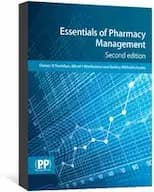
Couleur et forme :234 x 156mmEssentials of Pharmacy Management
Tootelian, Dennis H; Wertheimer, Albert I; Mikhailitchenko, Andrey
Second edition
Scheduled closure of pharmpress.com
Dennis H. Tootelian - Professor of Marketing, College of Business Administration, California State University; Albert I. Wertheimer - Professor of Pharmacy, Department of Pharmacy Practice, Temple University School of Pharmacy; and Andrey Mikhailitchenko - Assistant Professor of Marketing, College of Business Administration, California State University.
ISBN 978 0 85711 018 3
Published Sep 2012
Paperback 246 x 189mm (464pp)
DESCRIPTION:
Essentials of Pharmacy Management is an accessible introduction to management in an increasingly business-oriented environment. It provides a jump-start to leadership roles and career advancement.
This textbook provides pharmacy students with an understanding of business processes used, and how those processes impact their practice of pharmacy in providing patient care. The material provides those who aspire to become managers in healthcare organizations with a foundation of how to manage in an environment that is focused on "the business of healthcare." For pharmacists who prefer not to move into management positions, the book explains how and why business decisions are made relative to practice.
Written in an easy-to-use and understandable form, the text is direct and to the point, focussing on the basics of good business practice. Special features include cases that allow students to apply what they have learned in the chapters to business situations within the context of various practice settings. Essentials of Pharmacy Management provides all the valuable management information required in one reference; useful today and in the years ahead.
Essentials of Pharmacy Management is also available as an ebook.
CONTENTS:
Section 1: Pharmacy Practice in Perspective
1. The Evolving Nature of Pharmacy Practice
2. The Role of Business in Pharmacy Practice
3. Going Into "Business in Independent, Chain, and Hospital Pharmacy Settings
Section 2: Planning and Risk Management
4. Developing Business Plans and Policies
5. Risk and Insurance Management
Section 3: Accounting and Financial Management
6. Accounting and Financial Records
7. Use of Accounting and Financial Records
Section 4: Marketing Strategies
8. Prescription Product and Service Strategies
9. Pharmacy Location, Layout and Merchandising
10. Pricing Procedures and Credit Policies
11. Promotion and Personal Selling
Section 5: Organising and Staffing the Pharmacy
12. Organising and Staffing the Pharmacy
13. Employee Orientation, Training and Compensating
14. Personnel Relations
Section 6: Pharmacy Operations Management
15. Purchasing and Inventory Control
16. Operations Management
17. Measuring the Success of the Pharmacy
Answers to Self-test Questions
REVIEWS:
Doody's Notes, May 2013
"This introductory level book provides a foundation for pharmacy management...
...Pharmacy is more than clinical management of patients, it is a business, and this book details the basic aspects of running a pharmacy operation...
...Topics such as pricing, pharmacy layout, risk management, and personnel management are covered. Charts and case studies help illustrate the topics."
Barbara L. Giacomelli, PharmD, MBA, Doody's Notes, May 2013
October 2012
"...it did highlight several areas that I hadn't first thought about, such as appraising readiness to become an entrepreneur...
...this book seems to cover most bases, as well as including self-test questions at the end of each chapter with answers at the end of the book, and cases to look through. Overall, if you are considering owning your own pharmacy, or managing one, in the future, then this book is a good starting point."
Charlotte Goodwin, British Pharmaceutical Students Association, October 2012
Couleur et forme :246 x 189mmAdverse Drug Reactions
Edited by Anne Lee & Melinda Cuthbert
Third Edition
Scheduled closure of pharmpress.com
ISBN 9780857114006
Published Mar 2023
Paperback 496pp
DESCRIPTION:
Adverse reactions to medicines continue to present a considerable burden on healthcare, causing considerable morbidity and mortality. Healthcare professionals need to understand the problem of adverse drug reactions and be aware of how they can be prevented and managed. The new 3rd edition of Adverse Drug Reactions is a practical guide to the reactions that affect particular organ systems. Covers the most common types of reaction, how to recognise them, and the medicines implicated most often. Offers practical guidance on the most appropriate management of suspected adverse drug reactions. Includes clear learning objectives & case studies About the editors Melinda Cuthbert is Associate Director Pharmacy (Acute), NHS Lothian, Edinburgh Anne Lee is Chief Pharmacist, Scottish Medicines Consortium, Healthcare Improvement Scotland
CONTENTS:
Introduction to adverse drug reactions and pharmacovigilance: Melinda Cuthbert;
Side effects and patients: Sheila C Noble;
Pharmacogenetics: Munir Pirmohamed, Victoria Rollinson;
Pregnancy: Jane Bass, Matthew Caldwell, Sophie Lumley, Catherine Nelson-Piercy, Nanda Surabhi ;
Drug-induced cutaneous reactions: David Clifford, Sylwia Michlewska, Joanna Skwarski;
Gastrointestinal system: Benjamin Kelly Hannan, Lynne Michelle Merchant, Duncan James Wilson;
Hepatic disorders: Robbie Cord;
Renal disorders: Aileen Dunleavy;
Endocrine disorders: Yvonne Clark; Elaine McIvor;
Respiratory disorders: Fiona McTaggart, Jenny Scott;
Musculoskeletal disorders: Christine Randall;
Blood disorders: Kelly Baillie;
Mental health disorders: Anne Lee;
Cardiovascular effects: Aaron Linstead;
Neurological disorders: Fiona Needleman;
Sexual dysfunction and infertility: Sherry A Wright, Joo Thong;
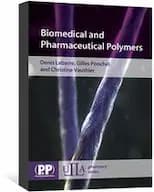
Biomedical and Pharmaceutical Polymers
Labarre, Denis; Ponchel, Gilles; Vauthier, Christine
First edition
Scheduled closure of pharmpress.com
Denis Labarre, Faculty of Pharmacy, University Paris South, France; Gilles Ponchel, Faculty of Pharmacy, University Paris South, France; Christine Vauthier, CNRS, France
ISBN 978 0 85369 730 5
Published Oct 2010
Paperback 234 x 156mm (176pp)
DESCRIPTION:
Biomedical and Pharmaceutical Polymers is the only book available for introducing polymers to graduate or post-graduate students who use them in the biomedical and pharmaceutical fields.
Polymers are becoming increasingly present in the domain of health yet introduction to polymers is not frequently taught. This much needed and timely book will provide students with an introduction to general concepts of polymer science and some insights into speciality polymers. In four sections the book covers:
- why study polymers for the health sciences?
- general characteristics of polymers
- main methods and processes to synthesize polymers
- special properties of polymers
The final section of the book also contains case studies and detailed examples of biomedical and pharmaceutical applications.
Biomedical and Pharmaceutical Polymers is a user-friendly textbook which will be an essential reference for postgraduate pharmaceutical science students, pharmaceutical scientists worldwide and pharmacy undergraduate students with an interest in polymers.
Biomedical and Pharmaceutical Polymers is also available as an eBook.
CONTENTS:
1. Introduction: Why study polymers for the health sciences
- Polymers are large molecules that nature relies on
- A brief history of polymers
- Definitions
- Morphology and nomenclature of polymers
2. General characteristics of polymers
- Characterisation of polymers
- Specific properties of polymers in the presence of liquid media
- Relationships between structure of polymers and cohesion of materials
- Properties of polymers as materials
3. Main methods and processes to synthesise polymers
- Why there is a need to synthesise polymers
- Introducing step and chain polymerisation
- Some examples of step polymerisation: from small reagents and from prepolymers
- Free radical chain polymerisation
- Limitations of polymerisation
- Overview of other synthetic methods
- Polymerisation reaction processes
- Copolymerisation
- Modifications of polymers
4. Special properties of polymers, case studies and detailed examples of applications
- Properties of block copolymers: phase separation in solution and at solid state
- Biodegradable and bioerodible polymers
- Applications of polymers in biomedical uses
- Applications of polymers in pharmaceutical uses
Glossary
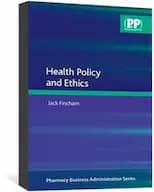
Couleur et forme :234 x 156mmHealth Policy and Ethics
Fincham, Jack
First edition
Scheduled closure of pharmpress.com
Jack Fincham - Professor of Pharmacy Practice and Administration, School of Pharmacy, University of Missouri Kansas City, Missouri, USA
ISBN 978 0 85369 838 8
Published Jun 2011
Paperback 234 x 156mm (320pp)
DESCRIPTION:
This text provides comprehensive, concise coverage of international health policy and ethics. It explains health policy and its influencers, and how policy directly affects health and health care. The book has an in-depth review of pertinent background concepts, current issues, future needs and assessments. Coverage includes:
- health care systems, policies, impacts and influencers
- health care quality concerns
- justice and access to care
- social and cultural issues
- regulatory actions
- global public health problems.
Health Policy and Ethics is an essential resource for graduate students in pharmacy administration, social pharmacy and health policy, PharmD students, and those involved in health policy decision making. Health Policy and Ethics is also available as an eBook.
CONTENTS:
1. Introduction: the growing disparity of excess and deprivation in healthcare
2. Health care systems and health policy
3. Quality issues
4. Justice and access to care
5. Social and cultural issues in healthcare
6. Varying organizational roles
7. Reimbursement issues
8. Health policy and regulatory actions - focus on tobacco
9. Global public health and ethical issues
10. Key policy issues
11. Health impacts and health policy influencers
12. Summary, global health, and global health policy
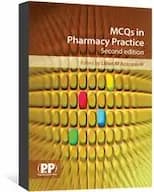
Couleur et forme :234 x 156mmMCQs in Pharmacy Practice
Azzopardi, Lilian M
Second edition
Scheduled closure of pharmpress.com
Edited by Lilian M Azzopardi - Head, Department of Pharmacy
ISBN 978 0 85369 839 5
Published Sep 2009
Paperback 234 x 156mm (464pp)
DESCRIPTION:
Designed as a study aid, MCQs in Pharmacy Practice covers topics commonly featured in pharmacy undergraduate, registration and licensing multiple choice examinations.
The book is divided into open book and closed book sections and has a total of 800 multiple choice questions intended to assess students' knowledge, analytical skills, and ability to apply this knowledge base in clinical practice.
Topics include:
- general pharmacy practice interventions
- pharmaceutical calculations
- doses and strengths
- nomenclature and abbreviations
- dosage forms
- biochemical tests
- side-effects
- common diseases
In this second edition, newly formatted MCQs have moved to a more detailed question style demanding accruement of knowledge, decision-making skills, factual accuracy and its application to realistic clinical situations. All information has been updated to reflect the content of the BNF at time of print, ensuring practical and contemporary questions. This comprehensive book edited by Lilian Azzopardi, chairperson of the examination boards in pharmacy practice, will be an invaluable resource for undergraduate or postgraduate students preparing to sit a multiple choice examination in pharmacy. MCQs in Pharmacy Practice is also available as an eBook.
CONTENTS:
Section 1: Open book questions
Test 1
Test 2
Test 3
Test 4
Section 2: Closed book questions
Test 5
Test 6
Test 7
Test 8
Appendix A: Proprietary (trade) names and equivalent generic names
Appendix B: Definitions of conditions
Appendix C: Abbreviations and acronyms
Appendix D: Performance statistics
REVIEWS:
02-Oct-09, IJPC
'A great review for pharmacists, pharmacy students, and for use in an intern program. This latest edition is divided into both "open book" and "closed book" sections and contains a total of 800 multiple choice questions designed to assess participants knowledge, analytical skills, and the ability to apply this knowledge base in clinical practice.'
The International Journal of Pharmaceutical Compounding, Volume 6, Issue 40, 2nd October 2009
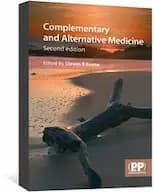
Couleur et forme :234 x 156mmComplementary and Alternative Medicine
Kayne, Steven B
Second edition
Scheduled closure of pharmpress.com
Edited by Steven B Kayne - Honorary Consultant Pharmacist, Glasgow Homeopathic Hospital; Visiting Lecturer in Complementary Medicine, University of Strathclyde School of Pharmacy, Glasgow, UK
ISBN 978 0 85369 763 3
Published Nov 2008
Paperback 234 x 156mm (624pp)
DESCRIPTION:
Complementary medical treatments are now increasingly popular and the public demand for information and treatment is growing rapidly. It is therefore essential that all pharmacists have good knowledge of the main aspects of complementary therapies as they are meeting more and more patients who want advice and treatment with alternative therapies.
This book provides a practical introduction and reference source on the products most frequently requested in community pharmacies and in hospitals. Chapters on other complementary therapies such as massage are also included for information so that pharmacists can give knowledge-based advice to the public.
Additionally CAM is now an integral part of every MPharm course in the UK and of the pharmacy degree course in the USA. This book has been adopted by universities both in the UK and the USA. Indeed in the UK, this is an essential textbook that includes all aspects of CAM covered in the MPharm degree.
For the new edition, all main areas including homeopathy, aromatherapy and herbalism are updated and two new sections added. All legal issues are updated and legal information included from USA, Australia and New Zealand. Plus, evidence based material and research has been updated and more case studies included. The book also focuses a lot more on application as well as information and is more interactive.
A contribution from the USA has been included, as Steven Kayne enlisted a renowned expert to write chapters for this new edition.
CONTENTS:
Part 1: Introduction to CAM
1. The Concepts of CAM
2. Integrative Medicine
3. Delivering CAM
4. CAM in the USA
5. The Evidence Base for CAM
6. Pharmacovigilance of Complementary Medicines
Part 2 Therapies Involving Use of Remedies
7. Homeopathy and Anthroposophy
8. Medical Herbalism
9. Aromatherapy
10. Flower Therapies
Part 3 Traditional Medicine
11. The Traditional Healthcare Environment
12. Traditional Chinese Medicine
13. Indian Ayurvedic Medicine
Part 4 Other Therapies and Diagnostic Techniques
14. Naturopathy
15. Diagnostic Techniques
16. Manual Therapies
17. Mind and Body Therapies
REVIEWS:
01-Dec-08, Doody's Notes
'This is a well written book and offers a good description of alternative medicine.'
Doody's Review Service, 2008
01-Apr-09
'With the advent of healthcare consumerism, people are now encouraged to be largely responsible for their own health. And so complementary medicines are becoming ever more widely used.'
Unknown , An article abridged from Complementary and Alternative Medicine, 2nd Edition
From the reviews of the previous edition
'...this book provides a detailed and comprehensive resource that will provide the pharmacist and the pharmacy counter staff with the background and information needed to be able to advise patients and the public on the safe, effective and appropriate use of complementary medicines and therapies.'
Jo Barnes (Pharmaceutical Journal)
'...an essential text for pharmacists and a valuable one for other healthcare professionals.'
Edzard Ernst (FACT)
'...Dr Kayne takes the largest areas of interest - homeopathy, herbal remedies and aromatherapy - and tries to give a balanced view of evidence related to use of various therapies...'
New Zealand Pharmacy
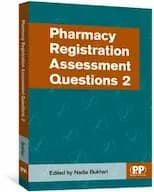
Couleur et forme :234 x 156mmPharmacy Registration Assessment Questions 2
Edited by Bukhari, Nadia
First Edition
Scheduled closure of pharmpress.com
Nadia Bukhari - Senior Teaching Fellow in Pharmacy Practice & Pre-Reg Co-ordinator, UCL School of Pharmacy.
ISBN 978 0 85711 326 9
Published Feb 2018
Paperback 216 x 138mm (224pp)
DESCRIPTION:
Pharmacy Registration Assessment Questions 2 is the second volume in a series that follows on from the previous, highly popular Pharmacy Registration Assessment Questions. It features more than 400 entirely new, closed book and calculation questions. It can be used in conjunction with the previous volume or on its own. All questions are in line with current GPhC guidance, enabling you to prepare for the pharmaceutical pre-registration exam with confidence. This invaluable tool will help you familiarise yourself with the current style of questions, and give you a head start on preparation, planning and implementation. Questions are based on BNF74 and BNF for Children 2017-2018, alongside the most current treatment guidelines available. Questions feature patient information and pictorial representation of conditions, replicating those you may encounter in the real exam. This revision aid gives you the opportunity to practice a variety of question styles found in the assessment including: - Single best answer questions - Extended matching questions - Calculations Nadia Bukhari is Senior Teaching Fellow in Pharmacy Practice & Pre-Registration Co-ordinator at the UCL School of Pharmacy. She is also the chairwoman for the Royal Pharmaceutical Society Pre-Registration conferences.
EXAM GUIDE:
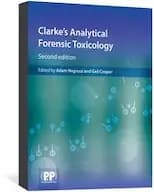
Clarke's Analytical Forensic Toxicology
Negrusz, Adam; Cooper, Gail
Second edition
Scheduled closure of pharmpress.com
Edited by Adam Negrusz, Associate Professor of Forensic Science, University of Illinois, and Gail Cooper, Lead Forensic Toxicologist and Senior Lecturer, Department of Forensic Medicine and Science, University of Glasgow.
ISBN 978 0 85711 054 1
Published May 2013
Paperback 246 x 189mm (656pp)
DESCRIPTION:
Clarke's Analytical Forensic Toxicology offers you a fresh perspective on the drugs and poisons that you are most likely to encounter in forensic toxicology. It focuses on collection, extraction and analysis.
This second edition is fully updated to reflect advances in analytical and forensic toxicology. New and extended chapters include:
- sampling, storage and stability
- in-utero exposure to drugs of abuse
- drug-facilitated sexual assault
- extraction.
Additional features are included from the fourth edition of Clarke's Analysis of Drugs and Poisons .
Forensic science laboratory workers will find this comprehensive textbook an invaluable tool.
For students and teachers of forensic science, toxicology, clinical pharmacology and analytical chemistry, this is a crucial resource. It provides unrivalled coverage of analytical forensic toxicology.
Clarke's Analytical Forensic Toxicology is also available as an eBook.
CONTENTS:
1. Introduction to Forensic Toxicology
2. Pharmacokinetics and Metabolism
3. Drugs of Abuse
4. Other Substances Encountered in Clinical and Forensic Toxicology
5. Workplace Drug Testing
6. Alternative Specimens
7. Postmortem Toxicology
8. Clinical Toxicology, Therapeutic Drug Monitoring, In Utero Exposure to Drugs of Abuse
9. Drug Abuse in Sport
10. Drug-Facilitated Sexual Assault
11. Alcohol, Drugs and Driving
12. Forensic Chemistry and Solid Dosage Form Identification
13. Sampling, Storage and Stability
14. Extraction
15. Colour Tests and Thin-Layer Chromatography
16. Immunoassays
17. Ultraviolet, Visible and Fluorescence Spectrophotometry
18. Infrared Spectroscopy
19. Gas Chromatography
20. High-Performance Liquid Chromatography
21. Mass Spectrometry
22. Quality Assurance and Control in the Toxicology Laboratory
REVIEWS:
November 2013, CHOICE
"This new edition is based on content in volume 1 of Clarke's Analysis of Drugs and Poisons, and modified for student use...
...this volume is full of useful information that will allow students to become familiar with the field. Summing up: Recommended. Upper-division undergraduates and graduate students."
J. Allison, The College of New Jersey, CHOICE (51:3) November 2013.
July 2013, TIAFT Bulletin
"...a useful reference for students both undergraduate and postgraduate, as well as toxicologists who are relatively new to this discipline...
...There are many chapters from experienced toxicologists (many who are familiar to us) and the book is well structured and follows a consistent approach to understanding the essentials of forensic toxicology...
...There is a comprehensive number of chapters on techniques (extraction and analysis) and the major chromatographic approaches are covered well by recognised authors with considerable expertise...
...So if you have the 4th edition of Clarke's Analysis of Drugs and Poisons would you also buy this volume as well? Yes I would because the book is geared to a more novice readership - students, researchers and inexperienced toxicologists."
Dimitri Gerostamoulos, TIAFT Bulletin 43(2), July 2013.
From the reviews of the previous edition:
"This book combines the pertinent subjects from the larger text with significant new chapters of more current interest, such as in-utero drug exposures and drug-facilitated sexual assault...
...it is a useful review for forensic toxicology in general, and an excellent explanation of the various techniques in analytical forensic toxicology. Practicing clinical toxicologists will find it a welcome addition to their references...
...it also covers the most important areas toxicologists will encounter, namely drug and alcohol impaired driving, sport toxicology, workplace drug testing, and postmortem toxicology. In-depth chapters cover all major analytical methods (i.e., immunoassay, GC, HPLC, MS, etc.), which practicing toxicologists will find useful"
Michael G Holland, Doody's Notes, 24th July 2009
"Affordable, comprehensive reference for students, researchers and both budding and practicing laboratory scientists...
...A very useful look up guide to what's what in techniques, drugs, metabolites, reagents and other things forensic. It's very easy on the eye with abbreviations in bold blue...
...Clarke's is essential reading matter for the forensic and clinical toxicologist. This edition, in soft cover, is very well presented and covers an exhaustive range of both esoteric and general topics."
Dr John Lewis, Bulletin of the International Association of Forensic Toxicologists Volume XXXIX Number 1
"The structure of the book is a wealthy mixture of problem-orientated and methodology orientated approach and covers all important aspects of the field."
Sandor Gorog, Trends in Analytical Chemistry, Vol. 28, No. 1, 2009
Couleur et forme :246 x 189mmStockley's Drug Interactions
Preston, Claire L.
Scheduled closure of pharmpress.com
Edited by Claire L. Preston
Product code MC_STOCK
DESCRIPTION:
Stockley's Drug Interactions is still the most indispensible and authoritative international source of drug interaction information. Based upon the many thousands of published clinical papers and reports, it provides a series of detailed, yet concise, monographs designed for quick and easy reference.
Each monograph contains a summary, clinical evidence for the interaction under discussion, its probable mechanism, clinical importance, and management.
INTERACTIONS CHECKER:
Stockley's Drug Interactions and the Stockley's Interactions Checker - a handy comparison
We've received some questions from users recently asking about the differences between Stockley's Drug Interactions and the Stockley's Interactions Checker , and why information contained in the Checker is not always found in Stockley's Drug Interactions . For all our Stockley's users, here are the answers:
What are the main differences between the products?
The Stockley's Interactions Checker provides healthcare professionals with a quick way to check for potential drug interactions. It gives a fast ready-reference to whether drugs can safely be taken together, and provides brief advice on how to manage the interaction.
Stockley's Drug Interactions provides concise, accurate, and detailed clinically relevant information on individual and related drug interactions in the form of monographs. Each monograph covers clinical evidence, mechanism, importance and management. It is based on all available published sources and is fully referenced.
Why is it that sometimes, interactions information in the Checker does not appear in Stockley's Drug Interactions?
The vast majority of messages in the Checker are derived from the monographs in Stockley's Drug Interactions , and currently, the interactions content in the Checker is updated on a monthly basis.
Stockley's Drug Interactions is updated quarterly, giving more time to review all the literature and revise the full monograph. So, when information is updated for the Checker it will not appear in Stockley's Drug Interactions until the full monograph is revised. For example, information that is updated in the Checker first might relate to a new drug, a new safety update from the MHRA or FDA, or a new dose adjustment.
Which Interactions resource should I use?
- If you need a quick answer to your interactions query, use the Stockley's Interactions Checker. If you require more detail or an understanding of why an interactions occurs, use Stockley's Drug Interactions. However, because of the differences between the two products, if you don't find the information you need in Stockley's Drug Interactions, try searching for the interaction in the Stockley's Interactions Checker.
The table below provides a quick comparison between the two products:
Stockley's Drug Interactions
Stockley's Interactions Checker
Provide detailed, fully-referenced information about a drug interaction
Gives you a quick answer to your interactions query
Summarises the available clinical evidence and explains how to manage the interaction
Consists of 2 short lines: what happens and what you should do
Explains the mechanism of the interaction
Links to the full monograph in Stockley's Drug Interactions should you require more detail
Includes drug-drug, drug-herb, drug-food interactions
Includes drug-drug, drug-herb, drug-food interactions
International in coverage
International in coverage
Download this information as a printable PDF.
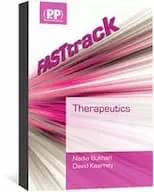
FASTtrack: Therapeutics
Bukhari, Nadia; Kearney, David
First edtion
Scheduled closure of pharmpress.com
Nadia Bukhari - Masters of Pharmacy Programme Manager and Pre registration co-ordinator and David Kearney - Senior Pharmacist in Neurology, University Hospitals of Leicester NHS Trust
ISBN 978 0 85369 775 6
Published Jun 2009
Paperback 234 x 156mm (240pp)
DESCRIPTION:
FASTtrack: Therapeutics is a revision book for pharmacy students. It covers all the main systems of the body with a summary of therapeutics in these areas.
This book focuses on what you really need to know in order to pass exams. Concise, bulleted information, key points, tips and an all-important self-assessment section which includes MCQs, case studies, sample essay questions and worked examples.
Therapeutics is a branch of medicine that is related to the application of drugs and other remedies for preventing, curing or healing disease. Many aspects should be considered when determining the appropriateness of therapy for patients.
Each chapter explores a different medical condition. By focusing on the key points of each disease state, this book provides you with a concise overview of therapeutics.
Are your exams coming up? Are you drowning in textbooks and lecture notes and wondering where to begin? Take theFASTtrackroute to successful study for your examinations. FASTtrack provides the ultimate lecture notes and is a must-have for all pharmacy students wanting to study and test themselves for forthcoming exams.
FASTtrack: Therapeutics is also available as an eBook.
CONTENTS:
1. Basic Biochemistry
2. Hypertension
3. Angina
4. Heart Failure
5. Ischaemic Heart Disease
6. Stroke
7. Asthma
8. Chronic Obstructive Pulmonary Disease
9. Inflammatory Bowel Disease (Ulcerative Colitis & Crohn's Disease)
10. Gastro Oesophageal Reflux Disease
11. Peptic Ulcer
12. Constipation
13. Diarrhea
14. Liver Disease
15. Acute Renal Failure
16. Chronic Renal Failure
17. Tuberculosis
18. Bacterial Infections
19. Epilepsy
20. Parkinson's
21. Alzheimers
22. Depression
23. Schizophrenia
24. Pain
25. Diabetes
26. Hypothyroidism
27. Hyperthyroidism
28. Eczema
29. Psoriasis
30. Glaucoma
31. Rheumatoid Arthritis
32. Osteoarthritis
33. Gout:
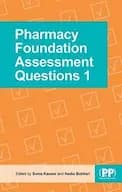
Couleur et forme :234 x 156mmPharmacy Foundation Assessment Questions 1
Edited by Nadia Bukhari and Sonia Kauser
Scheduled closure of pharmpress.com
ISBN 978 0 857114501
Published Jan 2023
DESCRIPTION:
Following on from the popular Pharmacy RegistrationAssessment Questions series, Pharmacy Foundation Assessment Questions featuresover 400 revision questions. Along with guidance about how to prepare for, andapproach taking the new GPhC Registration Assessment exams.
The questions and guidance are fully aligned to the latestguidance regarding the assessment process from the GPhC. Questions are based onlatest editions of both the BNF an BNFC, alongside the most current treatmentguidelines available at the time of writing. This book also includes questions featuring prescriptions, patientinformation and pictures of conditions, replicating the type of questionsstudents may encounter in the real exam.
This revision aid gives students the opportunity to practicea variety of questions on styles ahead of the assessment including:
single best answer questions
extended matching questions
calculations
Written by a team of experienced authors who all work withfoundation trainee pharmacists every day and including questions that arepractical and will truly challenge students.
This book is the handy guide to help students prepare for their exams.
About the authors
Nadia Bukhari is Associate Professor in Pharmacy Practice at the UCL School of Pharmacy.
Sonia Kauser is a Primary Care Pharmacist and Lecturer in Pharmacy Practice at the University of Manchester.
CONTENTS:
Table of contents
Preface
Acknowledgements
About the authors
Abbreviations
Introduction to the Assessment
How to use this book
Single Best Answer Questions (SBA)
Extended Matching Questions (EMQ)
Calculations
Case studies
Answers
Index
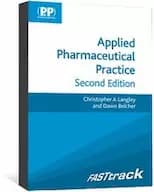
FASTtrack: Applied Pharmaceutical Practice
Langley, Christopher A; Belcher, Dawn
Second edition
Scheduled closure of pharmpress.com
Christopher A. Langley - Professor of Pharmacy Law and Practice, Aston University School of Pharmacy, and Dawn Belcher - Teaching Fellow, Pharmacy Practice, Aston University School of Pharmacy.
ISBN 978 0 85711 056 5
Published Apr 2012
Paperback 234 x 156mm (208pp)
DESCRIPTION:
FASTtrack: Applied Pharmaceutical Practice focuses on what you really need to know in order to pass exams. Concise, bulleted information, chapter overviews, key points, and an all-important self-assessment section which includes MCQs. This FASTtrack book has been written to guide the student pharmacist or pharmacy technician through the main stages involved in pharmaceutical dispensing.
FASTtrack: Applied Pharmaceutical Practice accompanies the compulsory dispensing courses found in all undergraduate MPharm programmes and equivalent technical training courses. It is an invaluable resource either as a study aid or as a companion to the core reference text Applied Pharmaceutical Practice .
Changes for the new edition include:
- Information on revisions to the community pharmacy contract
- Additional content on new advanced community pharmacy services
- Revised worked examples and student questions
- Updated prescription labelling information, including the use of new cautionary and warning labels
- Updated references and bibliography.
Read an interview with the authors discussing the new edition of the book, recording videos together, and their desert island essentials.
Are your exams coming up? Are you drowning in textbooks and lecture notes and wondering where to begin? Take the FASTtrack route to study successfully for your examinations. FASTtrack provides the ultimate lecture notes and is a must-have for all pharmacy students wanting to study and test themselves for forthcoming exams.
FASTtrack: Applied Pharmaceutical Practice is also available as an ebook.
CONTENTS:
1. Introduction, medicines classification and standard operating procedures
2. NHS supply in the community 1: prescription forms and prescribing
3. NHS supply in the community 2: prescribers and the dispensing process
4. NHS supply within hospitals
5. Non-NHS supply
6. Controlled drugs
7. Emergency supply
8. Patient counselling and communication 1: the basics of patient communication
9. Patient counselling and communication 2: product-specific counselling points
10. Poisons and spirits
Appendix 1: Commonly encountered qualifications of healthcare professionals
Appendix 2: Abbreviations commonly used within pharmacy
REVIEWS:
2013
"Applied Pharmaceutical Practice is good for all years and all stages of the MPharm course whether you are a first year learning from scratch or just refreshing your addled fourth year memory. It's great for practical dispensing, OSCEs, law exams or for anyone working in a pharmacy as a student, technician or newly qualified pharmacist...a brilliantly written book, student friendly, as well as being clear and interesting enough to read from cover to cover"
Katrina Fredericks, BPSA pharmacy student, 2013.
Couleur et forme :234 x 156mmFASTtrack: Pharmaceutical Compounding and Dispensing
Langley, Christopher A; Belcher, Dawn
Second edition
Scheduled closure of pharmpress.com
Christopher A. Langley - Senior Lecturer in Pharmacy Practice, Aston University School of Pharmacy, and Dawn Belcher - Lecturer in Pharmacy Practice, Aston University School of Pharmacy
ISBN 978 0 85711 055 8
Published May 2012
Paperback 234 x 156mm (224pp)
DESCRIPTION:
FASTtrack: Pharmaceutical Compounding and Dispensing focuses on what you really need to know in order to pass exams. Concise, bulleted information, key points, tips and an all-important self-assessment section which includes MCQs, case studies, sample essay questions and worked examples. Based on the successful textbook, Pharmaceutical Compounding and Dispensing , this FASTtrack book has been designed to assist the student compounder in understanding the key dosage forms encountered within extemporaneous dispensing.
For this new second edition all the references to modern texts (for example, the BNF ) have been updated, as well as labelling to reflect changes since the publication of the first edition. Some worked examples have been changed owing to the availability of pharmaceutical ingredients. Free access to online videos demonstrating various dispensing procedures is included.
Are your exams coming up? Are you drowning in textbooks and lecture notes and wondering where to begin? Take the FASTtrack route to successful study for your examinations. FASTtrack provides the ultimate lecture notes and is a must-have for all pharmacy students wanting to study and test themselves for forthcoming exams.
FASTtrack: Pharmaceutical Compounding and Dispensing is also available as an ebook.
CONTENTS:
1. Introduction
2. Solutions
3. Suspensions
4. Emulsions
5. Creams
6. Ointments, Pastes and Gels
7. Suppositories and Pessaries
8. Powders and Capsules
Bibilography
Further Reading
Appendix 1: Glossary of Terms Used in Formulations
Appendix 2: Abbreviations Commonly Used Within Pharmacy
Appendix 3: Formulae Contents
REVIEWS:
Jul-2012, Doody's Notes
"Of value to new practitioners involved in compounding nonsterile pharmaceutical preparations...Each chapter starts with an overview of the dosage form followed by discussions of general methods, a number of worked examples, and then a self-assessment section...each chapter includes both key points and tips. The detail included in the examples in the chapters on dosage forms is exceptional...it delivers a practical guide for students whose curricula continue to provide didactic and practice experiences in compounding."
Joseph Boullata, PharmD (University of Pennsylvania College of Nursing), Doody's Notes, July 2012
From the reviews of the previous edition:
15-Nov-09, Future Pharmacist
'This book (has the) ability to stand as both a perfect revision guide and possible reference resource. This book is well worth the money paid and time spent reading. I would definitely say this book is an essential read for all pharmacy students'
Ryan Hamilton, Future Pharmacist, British Pharmaceutical Students' Association, Winter 2009
08-Oct-08, American Journal of Pharmaceutical Education
'This book is a well organised and comprehensive review of extemporaneous pharmaceutical compounding and dispensing written by British educators. Overall this book is an excellent review of extemporaneous compounding and dispensing following the British National Formulary. This book would be a useful addition to the resource and reference library of pharmacy educators and practicing pharmacists seeking a review of extemporaneous pharmaceutical compounding and dispensing.'
Deborah Lester Strong, PharmD, American Journal of Pharmaceutical Education 2008 72 (5) Article 123 October 2008
08-Oct-08, Chemist and Druggist
'FASTtrack Pharmaceutical Compounding and Dispensing is an ideal small and compact textbook for both students and pharmacists involved in extemporaneous dispensing.'
Elizabeth Robinson, student, Keele University, Chemist and Druggist published online on October 2008
01-Feb-08, Doody Enterprises, Inc
'This book provides readers with a handy and useful guide to preparing accurate and effective pharmaceutical compounds and extemporaneous preparations. This is certainly written for students of pharmacy, but it is also useful for working pharmacists as a handy reference when they need to recall how to prepare/compound different dosage forms. Calculation examples and self assessment questions are a nice feature, particularly for pharmacy students. I was pleasantly surprised by this book. It certainly refreshed my memory of these topics from pharmacy school and it serves to remind us as pharmacists that this still is part of the job, albeit much less frequently.'
Patrick J. McDonnell, PharmD. Temple University School of Pharmacy. Doody Enterprises, Inc. February 2008
Couleur et forme :234 x 156mmApplication and Review of Pediatric Pharmacotherapy
Glover, Mark L
Second edition
Scheduled closure of pharmpress.com
Mark L Glover - Associate Professor and Director, College of Pharmacy, Nova Southeastern University, USA
ISBN 978 0 85369 941 5
Published Jan 2011
Paperback 234 x 156 mm (496pp)
DESCRIPTION:
Increase your understanding of pharmacotherapy prescribed to pediatric patients with these realistic case studies.
Application and Review of Pediatric Pharmacotherapy is designed as a self-assessment tool, comprising over 1,000 multiple choice questions. It enhances your knowledge of pediatric pharmacotherapy by allowing application of textbook information to case-based scenarios.
The pharmacotherapy issues that are most likely to be encountered during your exposure to pediatric medicine are covered in four sections:
- neonatal intensive care
- pediatric intensive care
- pediatric in-patient
- pediatric out-patient
Pharmacy, nursing and medical students and residents often receive limited exposure to pediatric pharmacology during their education. As a result, providing medical care for a pediatric patient can be intimidating. This book provides a pharmacological resource to help prepare your for pediatric clinical experiences. Application and Review of Pediatric Pharmacotherapy is also available as an eBook.
CONTENTS:
Module 1: Neonatal Intensive Care
Module 2: Pediatric Intensive Care
Module 3: Pediatric In-Patient
Module 4: Pediatric Out-Patient
REVIEWS:
Mar-2011, Doody's Notes
"The book uses case studies to illustrate different pediatric ailments and their treatments in a variety of care settings. It is comprehensive in its representation of various settings and the pharmacotherapy for different maladies. It is unique in its format of providing questions and answers with explanation...This is a good pharmacotherapy review book for students who may be studying for board exams or wanting a supplemental study guide with comprehensive applied case studies."
Judith Klevan, BA Biology, BS Pharmacy, Doody's Notes, March 2011
Couleur et forme :234 x 156 mmMinor Illness or Major Disease
Addison, Brian; Brown, Alyson; Edwards, Ruth; and Gray, Gwen
Sixth edition
Scheduled closure of pharmpress.com
Brian Addison, Alyson Brown, Ruth Edwards, Gwen Gray are from the School of Pharmacy and Life Sciences, Faculty of Health and Social Care, Robert Gordon University, Aberdeen, UK.
ISBN 978 0 85711 214 9
Published Jul 2016
Paperback 246 x 189mm (272pp)
DESCRIPTION:
Minor Illness or Major Disease eBook discusses in detail the diagnosis and management of frequently encountered ailments in community pharmacy practice. As well as being a well-established undergraduate textbook, this book aims to aid pharmacists with differentiating between a minor illness and a major disease that would need immediate referral to a medical practitioner.
This sixth edition has been thoroughly revised with updated advice and up to date information about pharmacy medicines. In addition it also:
- Utilises a problem-based learning approach with case studies throughout
- Includes trigger cases, management options, pharmacist and general practitioner opinions, self-assessment questions, summary of key points and key referral criteria
- Carries a further reading section at the end of most chapters, focusing on reviews and evidence of the efficacy of over-the-counter medicines.
Minor Illness or Major Disease is essential reading for pharmacy undergraduates and pre-registration students. It is also invaluable for community pharmacists.
CONTENTS:
Introduction
Gastrointestinal Illnesses
Respiratory Illnesses
Central Nervous System
Infections and Infestations
Obstetrics, Gynaecology and Urinary System
Eyes, Ears and Oral Health
Nutrition
Dermatology
REVIEWS:
Irish Pharmacy Union, November 2016
"The latest incarnation of such a valuable text comes courtesy of the well-established and renowned Pharmacy Practice team at Robert Gordons University Aberdeen...
...Differential diagnostic reasoning is presented throughout the chapter text, thereby allowing the reader to feel better informed when they ask that question of themselves - "Is this a Minor Illness or a Major Disease?" - when confronted with any clinical presentation...
...Text presentation is clear, concise and well delivered, with the result that the book itself represents an easily-accessible reference resource for the reader which can be cross-referenced with the BNF...
...The sixth edition of Minor Illness or Major Disease provides us with a timely update to what is already a stalwart within the Community Pharmacy practice resource library."
Noel Stenson, Irish Pharmacy Union, November 2016
The Pharmaceutical Journal, September 2016
"This latest edition offers a new approach to the management of minor illness, the most obvious difference from previous editions being the reformatting of the book to mirror the structure of the British National Formulary . The book also uses the problem-based learning approach where minor illnesses are discussed in the context of case studies...
...A pharmacist and a general medical practitioner or dietitian responds to the case. This illustrates the similarities and differences in approach by two different healthcare professionals...
...Each chapter ends with a series of self-assessment questions, the styles of which reflect those encountered in university or professional examinations...
...The book is well structured and easy to use. The tables are clear and concise and the photographs and illustrations are of the highest quality. It should be read by pharmacy undergraduates and preregistration trainees, and it will also be of great value to community pharmacists."
Laurence A. Goldberg, The Pharmaceutical Journal, 26 September 2016.
From the reviews of the previous edition:
"The book is, thankfully, easily navigable and readable, and thus of great benefit in quick referral, it additionally allow for self-assessment with use of a series of reflective questions to encourage learning not only as an undergraduate but as a qualified professional...The authorship is comprehensible and non-patronising, with further counseling options also noted within specific chapters linking the core scientific knowledge to practical reality.
Grace Hatton, BPSA Eastern Area Coordinator, BPSA e-newsletter, May 2012
"an excellent introductory chapter explaining the role of pharmacists in the community...The book makes use of handy, user-friendly tables, chapter summaries and other features...This would be a useful companion book for those studying pharmacy and it could be helpful in course work in ambulatory care and /or used as a supplement for students in their ambulatory and /or community practice experiences"
Patrick J. McDonnell, Pharm.D., Doody's Notes, May 2012
Pharmaceutical Calculations Workbook
Rees, Judith A; Smith, Ian
First edition
Scheduled closure of pharmpress.com
Judith A Rees - Senior Lecturer, School of Pharmacy and Pharmaceutical Sciences, University of Manchester and Ian Smith - Boots Teacher Practitioner, School of Pharmacy and Pharmaceutical Sciences, University of Manchester
ISBN 978 0 85369 602 5
Published Nov 2005
Paperback 246 x 189mm (240pp)
DESCRIPTION:
Pharmaceutical Calculations Workbook is the companion self-study aid to Introduction to Pharmaceutical Calculations . It contains practice calculations (with answers) similar to those encountered in pharmacy exams and in practice. Each chapter contains a variety of exercises for practising calculations using the methods covered in the companion text. Tables for completion are included in addition to individual drug- or patient-specific questions. This workbook will be invaluable to pharmacy students and preregistration pharmacists, as well as others who want to practise basic pharmaceutical calculations.
Save money by buying our special calculations package.
CONTENTS:
1. Calculations involving rational numbers
2. Calculations involving systems of units
3. Calculations involving concentrations
4. Calculations involving dilutions
5. Calculations involving formulations
6. Calculations involving doses
7. Calculations involving density, displacement volumes and displacement values
8. Calculations involving molecular weights
9. Calculations involving parenteral solutions
REVIEWS:
15-Oct-06, American Journal of Pharmaceutical Education
'Pharmaceutical Calculations Workbook provides a source of practice problems for students desiring more preparation, as well as providing a self-assessment resource to assure basic pharmacy calculations skills.'
Ann Zweber, BPharm, Oregon State University. American Journal of Pharmaceutical Education. v.70(5); Oct 15, 2006 (review received from the authors)
Couleur et forme :246 x 189mmIntroduction to Pharmaceutical Calculations and Pharmaceutical Calculations Workbook
Scheduled closure of pharmpress.com
ISBN 978 0 85711 246 0
Published Apr 2015
DESCRIPTION:
Buy both of these books together to take advantage of the special package price.
If bought individually, £54.98.
Package contains:
Introduction to Pharmaceutical Calculations , 4th edition
Written by experienced pharmacy lecturers and a teacher practitioner, this book will help you tackle every type of pharmaceutical calculation and is ideal for both students and pre-regs. Every chapter contains learning objectives, worked examples and sample questions and has been fully updated.
Pharmaceutical Calculations Workbook
This is the companion self-study workbook to Introduction to Pharmaceutical Calculations. It contains practice calculations (with answers) similar to those that might be presented in pharmacy examinations and in practice. This workbook will be invaluable to pharmacy undergraduates and preregistration pharmacists, as well as others who want to practise basic pharmaceutical calculations.
International Journal of Pharmacy Practice
Bond, Christine
Scheduled closure of pharmpress.com
Edited by Christine Bond, University of Aberdeen, UK
ISSN 0961-7671
Paperback 275 x 210mm
DESCRIPTION:
The Royal Pharmaceutical Society's learned journals are published by Oxford University Press on behalf of the Society.
International Journal of Pharmacy Practice (IJPP) publishes original research and review articles on all aspects of medicines management, policy, practice and education.
Abstracting and Indexing
International Journal of Pharmacy Practice is included in the following abstracting and indexing databases:
- British Nursing Index
- CAB Abstracts - including Abstracts of Hygiene and Communicable Diseases, Nutrition Abstracts and Reviews A, and Tropical Diseases Bulletin
- Cambridge Scientific Abstracts - including International Pharmaceutical Abstracts, and Neurosciences Abstracts
- CINAHL
- Elsevier Databases - including EMBASE/Excerpta Medica, EMCare, and Scopus
- Medline
- Pharm-line
- Zetoc
Readership
Academics and practitioners in healthcare, particularly pharmacy, nursing, medicine and pharmacoepidemiology. IJPP is essential reading for health services researchers and those involved in health promotion and education.
CONTENTS:
Topics covered include:
- Primary and secondary care
- Health economics and health policy
- Medicines information
- Medicines utilisation
- Medicines distribution and supply
- Pharmaceutical services provision
- Pharmaceutical public health
- Pharmacy education and practice
- Research methods
Quality Assurance of Aseptic Preparation Services: Standards Handbook
Beaney, Alison M.
Fifth edition
Scheduled closure of pharmpress.com
Edited by Alison M. Beaney, Regional Quality Assurance Specialist North East and North Cumbria, Chair NHS Pharmaceutical Quality Assurance Committee, Visiting Professor, University of Sunderland.
ISBN 978 0 85711 307 8
Published Oct 2016
Paperback 210 x 148mm (272pp)
DESCRIPTION:
Quality Assurance of Aseptic Preparation Services Standards Handbook (also known as the Yellow Guide ) provides standards for unlicensed aseptic preparation in the UK, as well as practical information to aid implementation of the standards. The handbook delivers essential standards in a practical way and in a format that will be useful for pharmacy management, staff working in aseptic preparation units and those whose role it is to audit the services. The accompanying support resources help with understanding the complexities of relevant topics including microbiology, radiopharmaceuticals, advanced therapy medicinal products, technical (quality) agreements and capacity planning.
All the standards have been revised and updated for this 5th edition. The text is produced on behalf of the Royal Pharmaceutical Society (RPS) and the NHS Pharmaceutical Quality Assurance Committee.
New in this edition:
- Replaces the 4th edition standards and forms the basis for an ongoing audit program in the NHS
- Many new and revised standards
- Greater emphasis on Pharmaceutical Quality Systems; the responsibilities of pharmacy management, Chief Pharmacists (or equivalent), has been expanded in line with developments in Good Manufacturing Practice
- Reformatted into 2 parts: standards and support resources.
This is a new collaboration between the RPS and NHS. Since the previous edition the RPS has become the professional body for pharmacists and pharmaceutical scientists. RPS launched these standards as part of a library of professional standards and a programme of work to create standards for all areas of pharmacy.
The Handbook is essential for pharmacists, hospital pharmacy management and technical services teams, and auditors of unlicensed NHS hospital pharmacy aseptic preparation services in the UK, pharmacists and regulators. The text is used to inform standards used in several other countries.
CONTENTS:
Part A - standards
Chapter 1 Introduction
Chapter 2 Definitions/Glossary of terms
Chapter 3 Minimising risk with injectable medicines
Chapter 4 Prescribing, clinical pharmacy and aseptic services verification
Chapter 5 Management
Chapter 6 Formulation stability and shelf life
Chapter 7 Facilities and equipment
Chapter 8 Pharmaceutical Quality System
Chapter 9 Personnel, training & competency assessment
Chapter 10 Aseptic processing
Chapter 11 Monitoring
Chapter 12 Cleaning, sanitisation and biodecontamination
Chapter 13 Starting materials, components and other consumables
Chapter 14 Product approval
Chapter 15 Storage and distribution
Chapter 16 Internal and external audit
Part B - support resources
1 Microbiological environmental monitoring techniques for the laboratory
2 Validation of aseptic preparation procedures:
2.1 Microbiological validation of the process
2.2 Microbiological validation of the operator
2.3 Product validation
2.4 Validation of training
2.5 Validation of cleaning processes
2.6 Computerised system validation
3 Technical (quality) agreements
4 Products for short-term use - maximum shelf life 24 hours
5 Capacity planning - technical services
6 Advanced therapy medicinal products (ATMPs)
REVIEWS:
From the reviews of the previous editions
"...a well written and extensively referenced book...an invaluable
resource for those working in those hospital pharmacy departments which
provide aseptic preparation services...
...very useful for those responsible
for the teaching of aseptic preparation to pharmacy students...contains
a wealth of pertinent information, clearly and concisely presented"
1 Mar 2002, Pharmacy Education
Pharmacy in Public Health
Krska, Janet
First edition
Scheduled closure of pharmpress.com
Edited by Janet Krska - School of Pharmacy and Biomolecular Sciences, Liverpool John Moores University, UK
ISBN 978 0 85369 879 1
Published Dec 2010
Paperback 234 x 156mm (304pp)
DESCRIPTION:
Pharmacy in Public Health focuses on the important topics in public health relevant to all pharmacists.
The role of pharmacists in improving the general health of the public is developing rapidly, directed by changes to health policy in the UK and elsewhere. Often the focus of the pharmacist is on individual patients. However the importance of pharmacy practice in population health should not be underestimated.
Case studies are used throughout the book to illustrate how public health initiatives can be implemented in different pharmacy sectors. Specific key concepts are outlined, including:
- determinants of health
- medicines management
- pharmacy within public health: UK and international perspective
- needs assessment and public involvement
- evidence-based delivery
- risks and benefits
- health education opportunities
- health protection
- developing pharmacy services and preventing disease.
This accessible and comprehensive book provides the thorough understanding of this discipline that will be needed for practising pharmacists and students to develop into effective public health practitioners.
Pharmacy in Public Health is also available as an eBook .
CONTENTS:
Section 1 Overview of Public Health
1. Public Health in the UK
2. Determinants of Health
3. Pharmacy Within Public Health: UK Perspective
4. Public Health Data
5. An International Perspective
Section 2 Developing pharmacy public health services
6. Needs Assessment and Public Health Involvement
7. Evidence-based Delivery
8. Working Together
9. Developing Pharmacy Services
10. Risks and Benefits
Section 3 Improving public health through pharmacy
11. Health Education Opportunities
12. Health Protection
13. Preventing Disease: Screening in the Pharmacy
14. Medicines Management
REVIEWS:
2011, American Journal of Pharmaceutical Education
"...the merits of the book in providing suggestions on how to interact with local and national populations to improve public health and ensure prevention, and should be seen as a case study of public health which can be adapted to other national governments and pharmacies around the world. Overall, this book is easily understood and presents information in a logical manner that readers can adapt to better the public health of their community, region, and nation
Fadi M. Alkhateeb, PhD, MBA, BSPharm, and Isaac Thompson, PharmD Candidate, American Journal of Pharmaceutical Education Volume 75 (5), 2011
Couleur et forme :234 x 156mmPathology and Therapeutics for Pharmacists
Greene, Russell J; Harris, Norman D
Third edition
Scheduled closure of pharmpress.com
Russell J Greene - Senior Lecturer in Clinical Pharmacy and Norman D Harris - Emeritus Reader in Pharmaceutics (Clinical Pharmacy)
ISBN 978 0 85369 690 2
Published Feb 2008
Paperback 246 x 189mm (1008pp)
DESCRIPTION:
Pathology and Therapeutics for Pharmacists takes an integrated approach to the pathophysiological and pharmacotherapeutic principles underlying the treatment of disease. It is based on many years' experience of teaching undergraduate clinical pharmacy courses.
This new edition has been completely revised and updated to reflect advances in therapeutic practice and in the understanding of many disease states.
Changes to the third edition include:
- a new chapter on haematological disease
- incorporation of evidence based national and international therapeutic guidelines
- the addition of thyroid disease in the endocrine chapter
- a thoroughly revised chapter on pathological processes
- re-ordered chapters to reflect British National Formulary sequence.
Pathology and Therapeutics for Pharmacists is an essential textbook for undergraduate pharmacists and should be of considerable practical help to practising pharmacists and other healthcare professionals.
CONTENTS:
Section 1:
Therapeutics
General Strategy
Major Pathological Processes in Disease
Section 2:
Gastrointestinal and Liver Disease
Cardiovascular System
Respiratory Disease
Central Nervous System
Pain and Its Treatment
Infections and Antimicrobial Therapy
Endocrine Diseases
Neoplastic Disease
Haematology-anaemia
Rheumatology
Skin Disorders
Renal System
REVIEWS:
08-Sep-08, Irish Pharmacy Journal
'The authors have produced a well written and easy-to-use book. Like its predecessors, this book is one of the essential reference texts for any pharmacy that provides clinical service.'
Sinead McCool, Irish Pharmacy Journal August/ September 2008
09-Sep-08, The Annals of Pharmacotherapy
'This book is well written with respect to its intended audience, providing adequate depth of explanation when necessary but expecting higher baseline knowledge than that of the general public.'
Philip J Wenger PharmD BCPS, The Annals of Pharmacotherapy Volume 42, September 2008
01-May-08, Doody
'The authors have extensive experience in community and hospital pharmacy, as well as teaching appointments at pharmacy schools...this is a useful book for students or pharmacists who would like an overview of treatment options available for certain disease states.'
Melissa M. Ranieri, BS, PharmD(Temple University School of Pharmacy) Doody Enterprises, Inc. May 2008
Couleur et forme :246 x 189mmMedicines Use Reviews
Youssef, Susan
First edition
Scheduled closure of pharmpress.com
Susan Youssef - Former Senior Lecturer at DeMontfort University, Leicester, UK
ISBN 978 0 85369 887 6
Published May 2010
Paperback 216 x 138mm (192pp)
DESCRIPTION:
Provides evidence-based information, tips and guidance on how to conduct successful Medicines Use Reviews (MURs).
The ten main chapters identify and discuss specific medical conditions seen in community pharmacy while further sub chapters include advice on treatment options and relevant practical tips.
This comprehensive book also includes:
- an overview of MURs
- explanation of the accreditation process
- advice on MUR form documentation
- guidance on providing a patient-focused service.
This excellent reference enables pharmacists to provide high quality advice to patients. It will be invaluable for all pharmacists carrying out MURs, pre-registration and newly registered pharmacists, clinical pharmacy students, accredited pharmacists setting up a MUR service, pharmacy students and lecturers in pharmacy practice.
Medicines Use Reviews is also available as an eBook.
CONTENTS:
Introduction to Medicine Use Reviews
1. Gastrointestinal Conditions
2. Cardiovascular Conditions
3. Respiratory Conditions
4. Neurological Conditions
5. Endocrine Conditions
6. Urinary Tract Conditions
7. Haematological Conditions
8. Bone and Joint Disorders
9. Eye Conditions
10. Skin Conditions
REVIEWS:
"I didn't expect Youssef's book to be as good as it is: very clear, covers topic from different points of view, brilliantly written."
RLM, Day Lewis Pharmacy, July 2016
"Excellent book. To be used with the BNF. All counselling points summarised with a few words. Can easily be assessed, carried around. Really good for quickly looking up drugs during reviews."
Olaola, Amazon.co.uk, September 2011
RESOURCES:
MUR training website
The author runs a website associated with this book. This website has been developed by practising pharmacists to help pharmacists who want ideas on how to develop their MUR skills. There are several case scenarios for you to work through, accompanied by the main MUR points and the MUR outcomes. There are also videos showing MUR snapshots.
Visit www.murtraining.co.uk
The MUR training website and resources do not express the views or concerns of the Royal Pharmaceutical Society of Great Britain or Pharmaceutical Press. Pharmaceutical Press can accept no responsibility or liability whatsoever in respect of their operation or content.
Couleur et forme :216 x 138mmMCQs in Pharmaceutical Science and Technology
Garg, Sanjay
First edition
Scheduled closure of pharmpress.com
Edited by Sanjay Garg - Associate Professor and Deputy Head, School of Pharmacy, University of Auckland, New Zealand
ISBN 978 0 85369 913 2
Published Dec 2010
Paperback 234 x 156mm (296pp)
DESCRIPTION:
MCQs in Pharmaceutical Science and Technology is an invaluable resource for students and instructors in pharmaceutical science. With 600 MCQs and answers divided into six sections, the book progresses logically from basic science through to clinical considerations.
Multiple choice questions (MCQs) are a key assessment and study tool in pharmacy courses throughout the world. Questions included in each chapter cover basic, conventional and novel delivery systems and allow you to gain valuable practice in this discipline.
Topics covered include:
- physical pharmaceutics
- pharmacokinetics and biopharmaceutics
- particle science and calculations
- dosage form design
- advanced drug delivery systems
This book, edited by Sanjay Garg and with contributions from a range of distinguished pharmacy educators worldwide, provides a much-needed examination and study guide for pharmacy students in the scientific aspects of their studies.
MCQs in Pharmaceutical Science and Technology is also available as an eBook .
CONTENTS:
Test 1. Physical pharmaceutics
Test 2. Pharmacokinetics and biopharmaceutics
Test 3. Particle Science and calculations
Test 4. Dosage form design
Test 5. Advanced drug-delivery systems
Test 6. Miscellaneous topics
Couleur et forme :234 x 156mmMCQs in Clinical Pharmacy
Azzopardi, Lilian M
First edition
Scheduled closure of pharmpress.com
Edited by Lilian M Azzopardi - Head, Department of Pharmacy
ISBN 978 0 85369 666 7
Published Apr 2007
Paperback 234 x 156mm (304pp)
DESCRIPTION:
MCQs in Clinical Pharmacy is an invaluable study aid for those preparing for multiple choice questions in clinical pharmacy. Questions in this textbook are practice-oriented and are intended to assess students' knowledge of clinical issues, evaluative and analytical skills, and ability to apply their knowledge in clinical practice.
Topics covered include:
- Therapeutics and rational drug use
- Aetiology of disease states
- Presentation of conditions
- Investigations and diagnostic testing
- Drug therapy including adverse drug reactions
- Drug interactions
- Contra-indications
The questions are presented as four practice tests, each consisting of 80 MCQs presented in a variety of formats.
MCQs in Clinical Pharmacy is an indispensable aid for anyone preparing to sit a multiple choice question examination in pharmacy and for those carrying out a self-evaluation exercise for continuing professional development.
CONTENTS:
Introduction: Hints for Preparing and Sitting for MCQS in Clinical Pharmacy
Test 1: Answers and Explanations
Test 2: Answers and Explanations
Test 3: Answers and Explanations
Bibliography
Appendix A: Proprietary Names and Generic Names Equivalent
Appendix B: Definitions
Appendix C: Abbreviations and Acronyms
Appendix D: Summarised Statistics of a Sample of Student Performance
REVIEWS:
08-Oct-08, Chemist and Druggist
'This is a wholesome and useful book and certainly worth considering if you're studying clinical pharmacy.'
Kevin Frost, a senior hospital clinical pharmacist, Chemist and Druggist, published online on October 2008
01-Jul-07, Irish Pharmacy Journal
'From the outset the editor displays an in-depth understanding of clinical pharmacy and how it relates to pharmacy practice. All questions are straightforward and clearly written, as are the answers to choose from. The explanations provided are simple, clear, concise and are an enjoyably effortless revision source. This book is a useful tool for pharmacists of all ages and stages.'
Sinead McCool, Course Co-ordinator, UCC/CACT MSc Clinical Pharmacy
Couleur et forme :234 x 156mmRemington Education: Pharmaceutics
Chambers Fox, Shelley
First edition
Scheduled closure of pharmpress.com
Shelley Chambers Fox - Clinical Associate Professor, Department of Pharmaceutical Sciences, Washington State University.
ISBN 978 0 85711 070 1
Published Jun 2014
Paperback 234 x 156mm (560pp)
DESCRIPTION:
Remington Education: Pharmaceutics provides comprehensive yet concise coverage of all aspects of pharmaceutics. The first part of the book covers physico-chemical principles and highlights the importance of designing dosage forms that contain the appropriate dose, are stable, palatable, easily used by the patient and release drugs in a predictable fashion for absorption. The second part applies these formulation principles to the design of dosage forms used by each route of administration.
Each chapter advises on both the science of the delivery mechanism and appropriate use of that delivery system including patient counselling points. Each chapter features:
- Learning objectives
- Key points boxes
- Drug examples
- Illustrations
- Assessment questions
- Further reading and references
Shelley Chambers Fox is a registered pharmacist with experience in pharmacy practice as well as academia. Written for students who aspire to be practicing pharmacists the author has included numerous case studies and self assessment questions to enable the key concepts to be grasped more readily, while illustrating how the science can be applied to practice to make sure that drugs offer the intended benefit to the patient.
Read our interview with the author .
Remington Education: Pharmaceutics is also available as an eBook .
CONTENTS:
1. Introduction to dosage form design
2. Intermolecular forces and the physical and pharmaceutical properties of drugs
3. Dispersed systems
4. Properties of solutions and manipulation of solubility
5. Chemical stability of drugs
6. Drug travel from dosage form to receptor
7. Bioavailability, bioequivalence and the Biopharmaceutical Classification System
8. Parenteral drug delivery
9. Delivery of biopharmaceuticals and the use of novel carrier systems
10. Drug delivery to the eye
11. Drug delivery from the oral cavity
12. Oral delivery of immediate release dosage forms
13. Oral delivery of modified release solid dosage forms
14. Rectal and vaginal drug delivery
15. Nasal drug delivery
16. Drug delivery to the lung and from the lung
17. Drug delivery to the skin
18. Transdermal dosage forms: drug delivery to the blood stream
Appendix
Answers to questions and cases
REVIEWS:
Doody's Reviews, November 2014
"Many chapters include patient counselling tips, which should be helpful for students. Providing examples of marketed products based on the delivery technology discussed in the chapter makes the concept interesting and relevant...
...The fundamental theoretical and practical aspects of various drug delivery systems that this book presents will help students develop a solid understanding of the subject."
Rahmat M. Talukder, PhD, RPh, Doody's Reviews, November 2014.
Couleur et forme :234 x 156mmDisease Management
Randall, Michael D and Neil, Karen E.
Third edition
Scheduled closure of pharmpress.com
Michael D Randall - Professor of Pharmacology, University of Nottingham Medical School, Nottingham, UK; and Karen E Neil - Pharmacist, Nottingham, UK.
ISBN 978 0 85711 209 5
Published Jul 2016
Paperback 246 x 189mm (496pp)
DESCRIPTION:
Disease Management provides a comprehensive discussion on the management of diseases which are commonly encountered by pharmacists. Viewing the subject of pharmacology from a clinical perspective, the book takes an inclusive approach to patient care, covers lifestyle issues, and the treatment and use of alternative remedies and complementary medicine.
This new edition takes into account the latest changes in clinical guidelines and a new chapter on drug choice and prescribing, including considerations that need to be taken into account.
The textbook considers diseases by system, covering common therapeutic issues. Each section includes:
- Disease characteristics
- Clinical features
- Pharmacology of therapeutics used to manage the condition
- Treatment guidelines
- Concurrent disease
- Interactions
- Counselling of the patient.
Boasting numerous case studies, self-assessment sections and practice points, Disease Management is an invaluable book for pharmacy undergraduates, pre-registration students, practising pharmacists as well as other healthcare professionals.
CONTENTS:
Part A The patient
1 Signs and symptoms
2 Clinical laboratory tests
3 Lifestyle
4 Herbal medicine and alternative remedies
Part B Treatment
5 Drug Choice and prescribing
6 Adverse drug reactions and interactions
7 Clinical pharmacokinetics
Part C Gastrointestinal diseases
8 Dyspepsia and peptic ulcer disease
9 Nausea and vomiting
10 Lower gastrointestinal problems
11 The liver patient
Part D Cardiovascular diseases
12 Hypertension
13 Lipids and cardiovascular risk
14 Obesity
15 Ischaemic heart disease
16 Heart failure
17 Thromboembolic prophylaxis
18 Anaemias
19 The renal patient
Part E Respiratory diseases
20 Coughs and colds
21 Allergy
22 Respiratory diseases: asthma and chronic obstructive pulmonary disease
Part F Central nervous system disorders
23 Migraine
24 Epilepsy
25 Affective disorders
26 Anxiety disorders
27 Insomnia
28 Schizophrenia
29 Parkinsons disease
Part G Pain
30 Pain management
31 Musculoskeletal pain
Part H Cancer
32 The cancer patient and chemotherapy
33 The cancer patient and palliative care
Part I Infections
34 Bacterial infections
35 Non-bacterial infections
Part J Dermatology
36 Dermatology
Part K Endocrine disorders
37 Diabetes mellitus
38 Thyroid disorders
Feedback on self-assessments
Appendices
1 Formulary of some important classes of drugs, commonly used examples, mechanisms of action and uses
2 Some important clinical measurements and therapeutic drug monitoring
REVIEWS:
The Pharmaceutical Journal, October 2016
"A useful book for students and preregistration trainees...
...Common diseases such as diabetes, hypertension, asthma, depression and peptic ulceration are described, followed by brief summaries of the pharmacology of the drugs used to manage these conditions. There is a strong focus on drug choice so that the reader can appreciate the rationale behind logical prescribing...
...drug interactions represent an important therapeutic challenge and attempts have been made to highlight important examples and how they may be overcome...
...The book will be of greatest value to pharmacy students in the latter part of their courses and to preregistration graduates undertaking their clinical practice."
Laurence A. Goldberg, The Pharmaceutical Journal, 12 October 2016
From the reviews of the previous edition
"...it is crucial to maintain your knowledge of pharmacology throughout the pre-registration year and beyond. Knowing your muscarinic receptor from your adrenoceptor will prove hugely beneficial as you prepare for the registration assessment as you wont need to memorise endless lists of interactions...
...the authors do not provide overwhelming detail, but offer the clinical reasoning behind interactions and potential consequences for the patient. The chapter concludes with some punchy practice points which help consolidate the readers learning...
...certainly a worthy investment for the pre-registration trainee. It bridges the gap between core scientific principles and clinical practice with ease."
Daniel Greenwood, Pharmacist and PhD candidate, University of Manchester, BPSA Graduate Link, Autumn 2015
"This is a worthy training tool for pharmacy students to apply what they've learned in the classroom to practical situations for management of patients. This is a nice supplement, it is easy to follow and has appropriate references to support the information outlined in the book"
Barbara Lane Giacomelli, PharmD, MBA, BS, Doody's Notes, 5 April 2009
"Excellent book to introduce applied pharmacotherapy concepts. Very well written and very simplified. Not all disease states included but great place to start."
Five stars.
Amazon.com
Handbook of Extemporaneous Preparation
Jackson, Mark; Lowey, Andrew
First edition
Scheduled closure of pharmpress.com
Edited by Mark Jackson - Quality Control and Quality Assurance Manager at Leeds Teaching Hospitals, UK and Andrew Lowey - Clinical Pharmacy Manager at Leeds Teaching Hospitals, UK
ISBN 978 0 85369 901 9
Published May 2010
Paperback 234 x 156mm (480pp)
DESCRIPTION:
Handbook of Extemporaneous Preparation is a comprehensive and easy-to-follow guide to good practice in extemporaneous compounding.
Written by experts in the field with input from the UK NHS Pharmaceutical Quality Assurance Committee, this book is an invaluable reference for any clinical or procurement pharmacist, pharmacy technician or student involved with extemporaneous preparation. Written in two parts, this book provides:
- standards for extemporaneous dispensing
- stability summaries for the 50 most commonly prepared extemporaneously prepared medicines in NHS hospitals.
It also includes sections relating to clinical risk assessment and advice for procuring "Specials" from manufacturers.
It incorporates the key findings and outputs from the UK National Advisory Board study, including advice on purchasing unlicensed medicines. Although the standards set out in this book are primarily written for implementation in NHS hospitals, the principles should be equally applied across the profession internationally. Handbook of Extemporaneous Preparation is also available as an eBook.
CONTENTS:
Part A - Standards
1. Introduction
2. Risk Management
3. Quality Management
4. Personnel & Training
5. Premises & Equipment
6. Documentation
7. Preparation
8. Formulation & Stability
9. Quality Control
10. Complaints, Product Recalls & Adverse Events
11. Procurement & Quality Assessment of Extemporaneously Prepared Medicines
12. Audit & Monitoring
Part B - Extemporaneous Preparation Formulary
13. Introduction
14. Formulary of Extemporaneous Preparations:
Acetazolamide oral liquid
Allopurinol oral liquid
Amiodarone hydrochloride oral liquid
L-Arginine hydrochloride oral liquid
Azathioprine oral liquid
Bendroflumethiazide oral liquid
Captopril oral liquid
Clobazam oral liquid
Clonazepam oral liquid
Clonidine hydrochloride oral liquid
Clozpine oral liquid
Co-careldopa oral liquid (levodopa and carbidopa)
Co-enzyme Q10 oral liquid
Dexamethasone oral liquid and dexamethasone sodium phosphate oral liquid
Diazoxide oral liquid
Dinoprostone (prostaglandin E2) oral liquid
Ergocalciferol oral liquid
Ethambutol hydrochloride oral liquid
Gabapentin oral liquid
Gliclazide oral liquid
Hydrocortisone oral liquid
Indometacin (indomethacin) oral liquid
Isosorbide mononitrate oral liquid
Joulie's solution (oral phosphate supplement)
Knox mouthwash
Levothyroxine sodium oral liquid
Lorazepam oral liquid
Magnesium glycerophosphate oral liquid
Menadiol sodium phosphate oral liquid
Metformin hydrochloride oral liquid
Midazolam hydrochloride oral liquid
Morphine sulfate oral liquid
Omeprazole oral liquid
Phenobarbital and phenobarbital sodium oral liquid
Phenoxybenzamine hydrochloride oral liquid
Potassium acid phosphate oral liquid
Primidone oral liquid
Pyrazinamide oral liquid
Pyridoxine hydrochloride (vitamin B6) oral liquid
Quinine sulfate oral liquid
Sildenafil citrate oral liquid
Sodium bicarbonate oral liquid
Sodium chloride oral liquid
Sodium phenylbutyrate oral liquid
St Mark's solution
Tacrolimus oral mouthwash
Tacrolimus oral suspension
Thiamine hydrochloride oral liquid
Tranexamic acid oral mouthwash
Vancomycin hydrochloride oral liquid
Warfarin sodium oral liquid
Appendix 1: Change control request form
Appendix 2: Deviation reporting form
Appendix 3: Example raw material specification
Appendix 4: Example worksheet
Appendix 5: Technical agreement for commissioning of extemporaneous product preparation service
Appendix 6: Audit tool for extemporaneous preparation
Appendix 7: Suspending agents
REVIEWS:
Oct-2011, Australian Prescriber
"...this resource offers a real advantage to both the prescriber and the pharmacist in the provision of quality oral liquids...Of particular use and unique to this text is the inclusion of a 'risk assessment' section in each monograph which addresses the clinical and technical risks associated with the extemporaneous preparation of each oral liquid...This book is not only a useful resource, but a valuable addition to the texts available on extemporaneous dispensing for those prescribers wanting quick access to suitable oral liquid alternatives..."
Alison Haywood, Senior Lecturer, Griffith University, and Beverley Glass, Professor of Pharmacy, James Cook University Queensland, Australian Prescriber 34(5), October 2011.
Couleur et forme :234 x 156mmHospital Pre-registration Pharmacist Training
Safdar, Aamer; Ip, Shirley
First edition
Scheduled closure of pharmpress.com
Aamer Safdar and Shirley Ip - Senior Pharmacist for Education and Development, RPSGB Preregistration Tutor
ISBN 978 0 85369 785 5
Published Aug 2009
Paperback 216 x 138mm (200pp)
DESCRIPTION:
Provides a practical explanation for undergraduates and pre-registration trainees on what to expect from a hospital pre-registration pharmacist training programme.
With tips, hints, past experiences and anecdotes from the authors in their roles as pre-registration tutors, this accessible book provides encouragement and guidance throughout the pre-registration process. Many areas are covered, including:
- getting to know your workplace, your tutor and team
- looking for your first job
- preparing for the registration exam
- making the transition from student to professional
- finding specialist placements.
Read our interview with author Aamer Safdar for more tips.
The fourth title in the Tomorrow's Pharmacists series, Hospital Pre-registration Pharmacist Training will be a valuable resource for pharmacy undergraduate students, hospital pre-registration trainees and hospital pre-registration tutors. Hospital Pre-registration Pharmacist Training is also available as an eBook.
CONTENTS:
Section 1: Pre-registration trainees
1. Expectations of the Preregistration Placement
2. Induction: getting to know your workplace and your team
3. The Prereg Team - team dynamics
4. Your Tutor - Developing That Special Relationship
5. Making the Transition From Student to Professional
Section 2: A guide to rotations
6. First Rotation
7. Ward Based Pharmacy
8. Patient Services
9. Medicines Information
10. Technical Services
11. Community Pharmacy
12. Pharmacy in the wider healthcare environment
Section 3: Assessment and Feedback
13. Assessment and Feedback: how to get through these
14. Getting Signed Off
Section 4: Finding your first real job
15. Your first job as a hospital pharmacist
Section 5: Preparing for the Registration Exam
16. Preparing for the Registration Exam
Section 6: Specialist Placements
17. Integrated Sandwich Courses
18. Primary Care Trusts
19. Pharmaceutical Industry
20. Specialist Focus: Paediatrics
Section 7: Future Issues
21. The Future: gazing at the crystal ball
REVIEWS:
"I found that the quotes from other trainees and Pharmacists were particularly good and they helped to reinforce the reality of going into training...
The information about the exam and finding a job after training means this book will be useful throughout the training year and not just in the first few weeks...
The information is clear and easy to take in. The informal way in which topics are discussed in this book help to make the reader feel at ease about their training year. The top tips at the end of each section are also really helpful and give a good overview of what has just been covered...
I think this book would be an excellent read for any student who is going to be doing their pre-registration training in hospital..."
Samantha Allen, University of Nottingham, bpsa.co.uk.
"The book provides a really good insight into hospital pharmacy and neighbouring aspects of pharmacy such as primary care, sandwich courses, industry, the whole part of the preregistration year, and this is something that interviewers are interested to know about"
Raffin Mazumder, PJOnline, October 2012
"Well written and well thought out book! - full of tips, for both those interested in completing a hospital pre-reg placement or about to undertake one.
Essential reading to understand the role of a hospital pre reg pharmacist and most importantly the issues that may arise during the year."
"Mad", June 2010, Amazon.co.uk
Couleur et forme :216 x 138mmPharmacy OSCEs
Edited by Evans, Beti Wyn; Kravitz, Laura; Walker, Nina and Lefteri, Kelly
First edition
Scheduled closure of pharmpress.com
Beti Wyn Evans, Principal Lecturer, Department of Pharmacy, University of Hertfordshire; Laura Kravitz, Principal Lecturer, Department of Pharmacy, University of Hertfordshire; Nina Walker, Principal Lecturer, Department of Pharmacy, University of Hertfordshire; Kelly Lefteri, Principal Lecturer, Department of Pharmacy, University of Hertfordshire
ISBN 978 0 85711 043 5
Published Apr 2013
Paperback 216 x 138mm (256pp)
DESCRIPTION:
Pharmacy OSCEs is the only pharmacy-specific OSCE revision guide. This easy-to-use book covers the key competencies that will be tested during your Objective Structured Clinical Examinations whether you are still studying or in practice.
Written in a concise and accessible way, all types of situations are covered from responding to a specific symptom to solving calculations. The scenarios read like tasks at an OSCE station and are accompanied by:
- learning objectives
- questions and answers
- feedback and revision points
- key references and further reading.
The examples vary in complexity, ranging from early undergraduate years through to postgraduate. With over 70 practice scenarios, this book will support you throughout your training and ensure your best performance on the day of the exam.
"Pharmacy OSCEs is great preparation for real life pharmacy consultation" - Amy Penni, University of Bradford, 4th year, April 2014.
Pharmacy OSCEs is also available as an eBook.
CONTENTS:
1. Responding to symptoms and history-taking
2. Systems-based client assessment
3. Legal aspects of prescriptions, and record-keeping
4. Data retrieval and interpretation
5. Clinical prescription management problems
6. General health advice
7. Counselling (medication and devices)
8. Problems involving calculations
REVIEWS:
May 2013
"Very useful review guide for OSCE. I am using this book to prepare for my OSCE exam, it is very helpful as it summarizes the most important situations encountered in pharmacies."
Five stars.
Simple, Amazon.co.uk, May 2013.
Couleur et forme :216 x 138mmFASTtrack: Pharmaceutics - Drug Delivery and Targeting
Perrie, Yvonne; Rades, Thomas
Second edition
Scheduled closure of pharmpress.com
Yvonne Perrie - Chair in Drug Delivery, Aston Pharmacy School, Aston University and Thomas Rades - Chair in Pharmaceutical Sciences, The New Zealand National School of Pharmacy.
ISBN 978 0 85711 059 6
Published Jun 2012
Paperback 234 x 156mm (256pp)
DESCRIPTION:
FASTtrack Pharmaceutics: Drug Delivery and Targeting systematically reviews important concepts and facts for the delivery and targeting of drugs. Relevant examples of drug delivery systems are given throughout the book with a focus on drug delivery systems that have actually reached clinical reality.
FASTtrack Pharmaceutics: Drug Delivery and Targeting focuses on what you really need to know in order to pass exams. Concise, bulleted information, chapter overviews, hints, key points, mind maps and an all-important self-assessment section which includes MCQs.
Information is presented concisely with self assessment questions/answers and mindmaps to aid learning. The text has been updated for the new edition based on student feedback.
Pharmaceutics: Drug Delivery and Targeting is a valuable resource for any pharmacy student needing to study the essentials of this topic.
Watch author Yvonne Perrie explaining how pharmaceutical scientists are responsible for the research and development of new medicines, ensuring their safety and quality.
Are your exams coming up? Are you drowning in textbooks and lecture notes and wondering where to begin? Take the FASTtrack route to study successfully for your examinations. FASTtrack provides the ultimate lecture notes and is a must-have for all pharmacy students wanting to study and test themselves for forthcoming exams.
FASTtrack Pharmaceutics: Drug Delivery and Targeting is also available as an ebook.
CONTENTS:
1. Controlling Drug Delivery
2. Immediate-Release Drug Delivery Systems I: Increasing the solubility and dissolution rate of drugs
3. Immediate-Release Drug Delivery Systems II: Increasing the permeability and absorption of drugs
4. Delayed-Release Drug Delivery Systems
5. Sustained-Release Drug Delivery Systems
6. Controlled-Release Dosage Forms
7. Site-Directed Drug Targeting
8. Carriers for Drug Targeting
Answers to self-assessment
Mind maps
REVIEWS:
February 2014
"I believe this book is truly a hidden gem...
...The self-assessment MCQs help to solidify knowledge covered in their relevant section, as well as highlighting areas of difficulty which could be easily found within the book and revised again if needed. I found that these questions were of similar difficulty to the MCQs used in lectures and past exam papers, facilitating exam prep...
...The diagrams were all very clear, simple and easy to understand, even when explaining complex mechanisms and routes of targeting...
...In conclusion I found this book really useful for basic and advanced understanding and revision of such a daunting unit. In addition to this it has also helped with thesis writing for my final year project that has a drug-targeting underlining."
Lauren Jones, 4th year student, Portsmouth University, February 2014.
Couleur et forme :234 x 156mmASHP Injectable Drug Information
American Society of Health-System Pharmacists
Scheduled closure of pharmpress.com
Product code MC_HID
DESCRIPTION:
ASHP Injectable Drug Information by the American Society of Health-System Pharmacists (ASHP), is the ultimate authority on compatibility and stability of injectable drugs. It brings together comprehensive information on parenteral drugs commercially available in the United States and in other countries, and offers pharmacists and health care professionals a precise, reliable way to make their organisations safer for patients.
For over 35 years this comprehensive, user-friendly resource has been widely recognised and trusted as the authority on injectable drug information. No other drug reference examines parenteral drug stability and compatibility in such extensive detail.
Complete Guide to Medical Writing (The)
Stuart, Mark C
First edition
Scheduled closure of pharmpress.com
Edited by Mark C Stuart
ISBN 978 0 85369 667 4
Published Apr 2007
Paperback 234 x 156mm (512pp)
DESCRIPTION:
Effectively presenting and communicating information for any medical document is paramount. It is essential that medical information is presented clearly and accurately so that it can be interpreted, validated and used safely. The Complete Guide to Medical Writing will help you do this in detail. This introductory book covers all aspects of scientific and medical documentation from the regulatory domain to the advertising arena. It covers fundamental principles of good writing techniques and provides tips on how to write different kinds of document. Sections include:
- medical writing essentials
- reviews and reports
- medical journalism and mass media
- medical writing in education
- medical writing for medical professionals
- medical publishing.
The Complete Guide to Medical Writing is an invaluable reference source for medical professionals and students wishing to effectively communicate scientific and medical information.
CONTENTS:
1. Style for Accurate and Readable Medical Writing
2. Writing in Plain English
3. Referencing
4. Writing a Research Report
5. Reviews
6. Medical Case Reports
7. Conference Posters
8. Writing an Editorial
9. Writing a Letter to the Editor
10. Writing for Magazines and Newspapers
11. Writing Press Releases
12. Advertisements
13. Writing Examination and Assessment Papers
14. Presentation Materials
15. Writing a Thesis
16. Writing Medicines Information for Healthcare Professionals
17. Writing and Implementing Procedures
18. Writing Marketing Authorisation Applications for Medicinal Products
19. Medical Media and the Law
20. Writing and Editing Books
21. Writing for the Internet
22. Getting Published
Appendix 1. Common Medical Abbreviations
Appendix 2. Measurements
Appendix 3. Normal Values for Common Laboratory Tests
Appendix 4. Proof Correction Marks
Appendix 5. A to Z of Medical Terms in Plain English:
REVIEWS:
03-Aug-09, Technical Communication
'I was especially impressed with the book's focus on audience, which infuses almost every chapter...John Kirkman provided an excellent discussion on writing for an audience, including some of the latest research on how readers read, an aspect of audience analysis often overlooked by authors of technical communication texts...I would not hesitate to recommend it to participants in a workshop for doctors or researchers who are writing for novices'
Carolyn Boiarsky, Technical Communication, Volume 56, Number 3, 3 August 2009
12-Sep-07, Pharmacy World and Science
'...very helpful for practicing (clinical and non-clinical) pharmacists, the format is very handy...I feel that this book can be very helpful for pharmacists in their daily practice.'
J.W.Foppe van Mil. Pharmacy World and Science. Springer Science + Business Media. 3-:210. Published online 12 September 2007
01-Jan-08, American Journal of Pharmaceutical Education
'This book presents medical writing guidance in an informal and entertaining manner...the practical advice offered by some of the authors may give valuable perspective to the new writer.'
Beatriz Manzor Mitrzyk, University of Michigan. American Journal of Pharmaceutical Education; 72 (2) Article 46. 2008
01-Feb-08, Australian Pharmacist
'The book is a useful source of information for both aspiring and experienced medical writers.'
Lynn Gould. Australian Pharmacist. Volume 27. Number 2. February 2008
01-Jan-08, Journal of the Medical Library Association
'The book is indeed complete and speaks to novice writers or students who may be new to the health professions, as well as knowledgeable clinicians and researchers who need help compiling examination questions, writing press releases, or adding publications to their resumes...besides a thorough back-of-the-book index, the book has useful appendixes...anyone involved in the health professions, whether readers or writers, will appreciate and enjoy this book...is a joy to read by any lover of language and its many applications.'
Elizabeth H. Wood. Journal of the Medical Library Association. 2008 January; 96(1): 70
01-Nov-07, The Journal of the European Medical Writers Association
'The contents are generally well organized, and the main chapters are clearly sign-posted, and so are easy to navigate...each of the six sections contains come outstanding chapters and many solid contributions.'
Karen Shashok, Translator/Editorial Consultant. The Journal of the European Medical Writers Association (The Write Stuff) Volume 16. No. 3, 2007
01-Jul-07, Irish Pharmacy Journal
Although very comprehensive the chapters are well written and easy to follow, with tables of handy hints and tips which summarise the key messages from each chapter...this book is an essential addition to any hospital or academic pharmacy department...a book like this is a valuable resource to encourage more pharmacists to take up the writing and documentation role'
Sinead McCool, Course Co-ordinator, UCC/CACT MSc Clinical Pharmacy. The Irish Pharmacy Journal, 2007, July 2007
01-Jul-07, Doody Enterprises, Inc
'This book is a tour-de-force of virtually all aspects of medical writing. It is a comprehensive, yet practical guide to the conception, preparation, and presentation of material in written form...this book delivers. It is difficult to imagine an area of medical writing that is not covered by this comprehensive and practical guide, and it is difficult to imagine any medical professional, at any level, not finding something extremely useful in it.'
Robert B. Raffa, Temple University School of Pharmacy. July 2007. Doody Enterprises, Inc.
Couleur et forme :234 x 156mmHandbook of Drug Administration via Enteral Feeding Tubes
White, Rebecca; Bradnam, Vicky
Third edition
Scheduled closure of pharmpress.com
Rebecca White, Medical Advisor at Baxter Healthcare Ltd; and Vicky Bradnam, Pharmaceutical Consultant
ISBN 978 0 85711 162 3
Published Mar 2015
Paperback 215 x 130mm (752pp)
DESCRIPTION:
This book covers the technical, practical and legal aspects that you should consider before prescribing or administering drugs via enteral feeding tubes.
Published in conjunction with the British Pharmaceutical Nutrition Group, the Handbook of Drug Administration via Enteral Feeding Tubes furnishes you with the background knowledge to inform clinical decision making as well as providing over 400 drug monographs.
This new edition features:
- 29 brand new monographs
- 404 updated monographs
- a brand new chapter on medicines optimisation.
An essential resource for pharmacists, doctors, nurses, dieticians in hospitals, community pharmacists, GPs and anyone else involved in administering drugs to patients with limited GI access.
This book supports the safe and effective prescribing and administration of drugs via enteral feeding tubes.
CONTENTS:
1. Introduction
2. Types of enteral feeding tubes
3. Flushing enteral feeding tubes
4. Restoring and maintaining patency of enteral feeding tubes
5. Drug therapy review
6. Choice of medication formulation
7. The legal and professional consequences of administering drugs via enteral feeding tubes
8. Health and safety and clinical risk management
9. Syringes and ports
10. Defining interactions
11. Medicines optimisation
Individual drug monographs
REVIEWS:
May 2015
"5 stars!...
...drug monographs are organized in a way that allows quick access to information and it is very easy to determine if the medication is safe to be administered through the enteral route. Information is current and properly referenced...
...This is a convenient and useful guide to have on the medical floor as a point of care reference for nurses, pharmacists, or any healthcare providers..."
Melissa M. Ranieri, BS, PharmD, Doody's Notes, May 2015.
From the reviews of the previous edition:
"This evidence-based text fills a gap in the market for detailed information on drugs administered via enteral feeding tubes. The only publication to bring together into one resource the legal, ethical, pharmaceutical and practical issues surrounding the administration of drugs using this method...
...This handbook would be extremely useful in hospitals, long-term care/rehabilitation settings, and skilled nursing facilities where patients may require feedings tubes for a prolonged period of time."
Jamila Stanton, PharmD, BCPS (Temple University School of Pharmacy), Doody's Notes, Feb 2011
"Monographs on over 360 drugs are included, providing information that is useful to pharmacists in preparing medication for enteral tube administration. Preparation steps and formulations are included and the information is well documented. Equipment used is also presented and diagrammed for easier understanding. This book is invaluable to those pharmacists preparing medication for administration via enteral feeding tubes."
International Journal of Pharmaceutical Compounding, Feb 2011
Physicochemical Principles of Pharmacy
Florence, Alexander T; Attwood, David
Sixth edition
Scheduled closure of pharmpress.com
Alexander T Florence - Former Dean, School of Pharmacy, University of London, UK and David Attwood - Professor Emeritus, School of Pharmacy and Pharmaceutical Sciences, University of Manchester, UK
ISBN 978 0 85711 174 6
Published Dec 2015
Paperback 246 x 189mm (664pp)
DESCRIPTION:
Physicochemical Principles of Pharmacy is an established textbook that provides you with full coverage of the physicochemical principles essential to the modern pharmacist and pharmaceutical scientist.
This sixth edition continues to boast a broad chemical and physicochemical base and covers every aspect of drug properties from the design of dosage forms to their delivery by all routes to sites of action in the body. Now with more clinical examples, new questions and extra case studies it encourages you to apply this knowledge and understand how these fundamental concepts relate to both clinical and industrial practice.
It features brand new chapters/sections on:
- Paediatric and geriatric formulations
- Adverse events: the role of formulations and delivery systems
- Generic medicines and biosimilars
- Solid dose form manufacture
Read our author interview .
Written by experienced academics and highly illustrated throughout, Physicochemical Principles of Pharmacy is an approachable and comprehensive resource that is perfect for supporting you through the physical pharmacy and drug delivery elements of pharmacy and pharmaceutical science courses.
CONTENTS:
Solids
Physicochemical properties of drugs in solution
Drug stability
The solubility of drugs
Surfactants
Emulsions, suspensions and related colloidal systems
Polymers and macromolecules
Drug absorption basics and the oral route
Parenteral routes of drug administration
Paediatric and geriatric formulations
Physicochemical interactions and incompatibilities
Adverse events: the role of formulations and delivery systems
Peptides, proteins and monoclonal antibodies
Pharmaceutical nanotechnology
Physical assessment of dosage forms
Generic medicines and biosimilars
REVIEWS:
Australian Prescriber, October 2016
"The text is highly illustrated throughout and includes key points and appropriate examples, providing clinicians with some easily accessible and relevant information...
...Some examples of adverse events due to excipients, impurities, the influence of dosage forms, materials in delivery devices and even light-induced effects are also included. Although the detection of adverse events is not an easy task, these examples may assist clinicians in asking the right questions to predict or identify adverse effects...
...The new focus on applications to clinical practice in this edition has extended its usefulness from pharmacy and pharmaceutical scientist courses to clinicians seeking an understanding of formulations, especially for children and older people, and in identifying the cause of adverse events."
Beverley Glass, Australian Prescriber, October 2016.
The Pharmaceutical Journal, January 2016
"A standard text on physical pharmacy for students around the world.
...The sixth edition features new chapters or sections on paediatric and geriatric formulations, adverse events, generic medicines and biosimilars, and solid dose form manufacture...
...All chapters are well illustrated and tables are clearly set out. Key points and clinical points are highlighted and readers are able to work through calculations and refer to the answers which can be found close by...
...It fulfils an important requirement of describing the principles of physical pharmacy by using pharmaceutical examples to illustrate the topics."
Laurence A. Goldberg, The Pharmaceutical Journal, January 2016
Doody's Notes, March 2016
"Anyone interested in understanding the fundamental physicochemical principles and their application in formulation development should find this an excellent resource...
...This sixth edition has maintained its superior quality both in content and in presentation. It has been recognized as an excellent resource by pharmacy educators and students and by pharmaceutical scientists. I have been using this book for the last 10 years and I have found it to be invaluable."
Rahmat M. Talukder, PhD, RPh, Doody's Notes, March 2016.
From the reviews of previous editions:
"Changes in this edition include the new chapter on pharmaceutical nanotechnology, key learning points, more complete examples of clinical calculations, and a more clear distinction between the basic text and more complex theory. This recommended book is easy-to-read and is an asset to compounding and formulation pharmacists."
International Journal of Pharmaceutical Compounding, October 2011
"This book is excellent. It is the most accessible book I have read on the topic and is perfect for undergraduate pharmacy students."
Michael Taylor, Lecturer in Pharmaceutics, School of Pharmacy and Pharmaceutical Sciences, University of Central Lancashire, January 2010
" an excellent reference for both graduate students and scientists in the pharmaceutical industry, as it provides and overview of the physicochemical principles important in pharmaceutics and biopharmaceutics."
Drug Development and Industrial Pharmacy, 33:209, 2007
Martindale: The Complete Drug Reference
Brayfield, Alison
Scheduled closure of pharmpress.com
Product code MC_MART
DESCRIPTION:
Martindale: The Complete Drug Reference is a comprehensive and reliable reference resource on drugs and medicines used throughout the world. It is prepared by an experienced team of pharmacists who receive training in literature evaluation and search techniques. They use their professional expertise to provide a digest of the available literature, selecting the most
clinically relevant and appropriate information from reliable published sources.
Basic Pharmacokinetics
Jambhekar, Sunil S; Breen, Philip J
Second edition
Scheduled closure of pharmpress.com
Sunil S Jambhekar - Professor of Pharmaceutics, LECOM-Bradenton School of Pharmacy, Florida, USA and Philip J Breen - Associate Professor of Pharmaceutics, School of Pharmacy, University of Arkansas Medical Center, USA
ISBN 978 0 85369 980 4
Published Mar 2012
Paperback 246 x 189mm (496pp)
DESCRIPTION:
Basic Pharmacokinetics provides an understanding of the principles of pharmacokinetics and biopharmaceutics. It addresses clearly and concisely how these principles can be applied to achieve successful drug therapy. The applications of principles and equations are illustrated with related problem sets and problem solving exercises.
Features include:
- the use of profiles (sketches of relationships among pharmacokinetic variables and parameters)
- learning objectives
- complete review of mathematical tools required to practice pharmacokinetics.
This new edition has been revised and updated to include:
- new chapters on metabolite pharmacokinetics and pharmacokinetic data fitting
- expanded question data base to include multiple choice questions and true/false questions
- a large increase in the number of questions based on pharmacokinetic profiles.
Basic Pharmacokinetics is an invaluable textbook for undergraduate and graduate students in pharmacy, medicine, and the pharmaceutical sciences. It enables the reader to become adept at solving pharmacokinetic problems arising in drug therapy and to understand the applications and utility of equations in clinical practice.
Basic Pharmacokinetics is also available as an eBook.
CONTENTS:
1. Introduction and Overview
2. Mathematical Review
3. Intravenous Bolus Administration (One-compartment Model)
4. Clearance Concepts
Problem Set 1
5. Drug Absorption From the Gastrointestinal Tract
6. Extravascular Routes of Drug Administration
Problem Set 2
7. Bioavilability/bioequivalence
Problem Set 3
8. Factors Affecting Drug Absorption: Physicochemical Factors
9. Gastrointestinal Absorption: Role of the Dosage Form
10. Continuous Intravenous Infusion (One-compartment Model)
Problem Set 4
11. Multiple Dosing: Intravenous Bolus Administration
12. Multiple Dosing: Extravascular Routes of Drug Administration
Problem Set 5
13. Two-compartment Model
Problem Set 6
14. Multiple Intermittent Infusions
Problem Set 7
15. Nonlinear Pharmacokinetics
Problem Set 8
16. Drug Interactions
Problem Set 9
17. Pharmacokinetic and Pharmacodynamic Relationships
Problem Set 10
18. Metabolite Pharmacokinetics
19. Pharmacokinetic Data Fitting
20. Pharmacokinetics and Pharmacodynamics of Biotechnology Drugs
Appendix: Statistical Moment Theory in Pharmacokinetics
REVIEWS:
From the reviews of the previous edition:
'Although directed at entry-level PharmD students, the book also may be useful for medical students, graduates, and pharmaceutical scientists with a lack of pharmacokinetic education...the authors appear to be experts in the field of pharmacokinetics with experience teaching the subject in a pharmacy curriculum...the authors have done a great job of explaining basic pharmacokinetic principles and mathematical equations.'
Jamila Stanton, PharmD, BCPS, Doody's Notes, 14th August 2009
'It explains the basics in a clear way which is appropriate for MPharm undergraduates, however still covers the more advanced areas in a way suitable for practitioners or postgraduate users. This would be ideal for MPharm students who normally study the two subjects at the same time.'
Michael Taylor, Lecturer in Pharmaceutics, School of Pharmacy and Pharmaceutical Sciences, University of Central Lancashire, UK, January 2010
Couleur et forme :246 x 189mmApplied Pharmaceutical Practice
Langley, Christopher A; Belcher, Dawn
First edition
Scheduled closure of pharmpress.com
Christopher A Langley - Senior Lecturer in Pharmacy Practice, Aston University School of Pharmacy and Dawn Belcher - Teaching Fellow, Pharmacy Practice, Aston University School of Pharmacy
ISBN 978 0 85369 746 6
Published Sep 2008
Paperback 246 x 189mm (304pp)
DESCRIPTION:
Applied Pharmaceutical Practice guides the student pharmacist and pharmacy technician through the steps involved in pharmaceutical dispensing. It is ideal as a companion to the compulsory dispensing courses found in all undergraduate MPharm programmes and the equivalent technical training courses.
Contents include:
- medicines classification and standard operating procedures
- NHS supply in the community and within hospitals
- non-NHS supply
- controlled drugs
- emergency supply
- patient counselling and communication
- poisons and spirits
This practical textbook contains useful exercises with an answers section and numerous examples. It is written by authors with extensive experience within the field.
CONTENTS:
1. Introduction and the Basics of Medicines Supply
2. NHS Supply in the Community 1
3. NHS Supply in the Community 2
4. NHS Supply Within Hospitals
5. Non-NHS Supply
6. Controlled Drugs
7. Emergency Supply
8. Patient Counselling and Communication 1
9. Patient Counselling and Communication 2
10. Poisons and Spirits
REVIEWS:
2013, BPSA
"Fantastic book...The topics are relevant for student pharmacists, newly qualified pharmacists and everything in between...
...The book explains all of the concepts necessary to make an informed choice when dealing with problems. The patient counselling section has particularly helped me during my pre-reg year, firstly in OSCEs, but more importantly ensuring I give understandable information to patients on the range of dosage forms discussed in the book. The whole book in general helps me, as a hospital pre-reg, as it discusses many of the problems one may come across in community which I do not have much experience at...
...I would buy this book and I have already recommended it to student technicians at the hospital I work at...One of the reasons for recommendation is that I have found it very helpful at providing practical information that is not particularly explained well in other books."
Philip Newland-Jones, Preregistration Pharmacist, www.bpsa.co.uk
21-Mar-09, The Pharmaceutical Journal
"This is an excellent book...this book covers all current key issues concerning pharmacy. I am not aware of any book in the current market that could compare with this one"
Halima Katune, The Pharmaceutical Journal, Volume 282, 21 March 2009
30-Jan-09, Doody's Notes
"The book meets its objectives with practical presentations of various real-time pharmacist activities...this book provides some very specific information relating to the National Health Service in the UK and highlights detail-orientated requirements for the practice of pharmacy in that country."
Patrick J. McDonnell, PharmD, Doody's Notes, 30th January 2009
//<![CDATA[
//]]>
Couleur et forme :246 x 189mmPharmacy Registration Assessment Questions Package
Edited by Bukhari, Nadia
Package
Scheduled closure of pharmpress.com
Nadia Bukhari - Senior Teaching Fellow in Pharmacy Practice & Pre-Reg Co-ordinator, UCL School of Pharmacy.
ISBN 978 0 85711 361 0
Published Mar 2019
Paperback 216 x 138mm
DESCRIPTION:
A collection of the first, second and third volume of the highly popular Pharmacy Registration Assessment Questions series is now available! Each individual volume in this bundle features more than 400 closed book and calculation questions which can be used in conjunction with the previous volume or on its own. Questions are based on editions of the BNF and BNF for Children, as well as the MEP from the last 3 years, alongside the most current treatment guidelines available. Each volume includes: questions in line with GPhC guidance patient information and clinical data a variety of question styles encountered in the assessment.
Drug Administration via Enteral Feeding Tubes
White, Rebecca; Bradnam, Vicky
Scheduled closure of pharmpress.com
Rebecca White - Pharmacy Department and Vicky Bradnam on behalf of the British Pharmaceutical Nutrition Group - Pharmacy Department, Princess Royal University Hospital. Kent
Product code MC_EFT
DESCRIPTION:
Drug Administration via Enteral Feeding Tubes offers safe practical guidance for healthcare professionals practicing this method of drug delivery.
The resource is compiled and updated by members of the British Pharmaceutical Nutrition Group (BPNG) and is intended for use by pharmacists, doctors, nurses, dieticians, pharmaceutical companies and enteral feed equipment manufacturers.
Clarke's Analysis of Drugs and Poisons
Moffat, Tony; Osselton, David; Elliott, Simon
Scheduled closure of pharmpress.com
Edited by Anthony C Moffat, David Osselton and Simon Elliott
Product code MC_CLARKE
DESCRIPTION:
Clarke's is the definitive source of analytical data for drugs and poisons. It is intended for use primarily by scientists faced with the need to identify and quantify these substances in body fluids, tissue samples and pharmaceutical and industrial products.
44 sections cover all practice areas and analytical procedures used in toxicology including drugs and alcohol in driving, drugs in sport, workplace drug testing and postmortem toxicology.
Written by more than 40 international experts, Clarkes Analysis of Drugs and Poisons is the complete online analytical toxicology reference.
Pharmacy Registration Assessment Questions 3
Edited by Bukhari, Nadia
Third Edition
Scheduled closure of pharmpress.com
Nadia Bukhari - Senior Teaching Fellow in Pharmacy Practice & Pre-Reg Co-ordinator, UCL School of Pharmacy.
ISBN 978 0 85711 357 3
Published Mar 2019
Paperback 216 x 138mm (224pp)
DESCRIPTION:
Pharmacy Registration Assessment Questions 3 is the third volume in a series that follows on from the previous, highly popular Pharmacy Registration Assessment Questions 2. It features more than 400 entirely new, closed book and calculation questions. It can be used in conjunction with the previous volume or on its own. All questions are in line with current GPhC guidance, enabling you to prepare for the pharmaceutical pre-registration exam with confidence. This invaluable tool will help you familiarise yourself with the current style of questions, and give you a head start on preparation, planning and implementation.
Questions are based on print versions of BNF 76 and BNF for Children 2018-2019 alongside the most current treatment guidelines available. Questions feature patient information and pictorial representation of conditions, replicating those you may encounter in the real exam. This revision aid gives you the opportunity to practice a variety of question styles found in the assessment including:
· single best answer questions
· extended matching questions
· calculations
Remington Education: Physical Pharmacy
Smith, Blaine Templar
First edition
Scheduled closure of pharmpress.com
Blaine Templar Smith, RPh, PhD, graduate of the University
of Oklahoma College of Pharmacy and Nuclear Pharmacy programme
ISBN 978 0 85711 106 7
Published Oct 2015
Paperback 234 x 156mm (192pp)
DESCRIPTION:
Remington Education: Physical Pharmacy provides a simple, concise view of the concepts and applications of physical pharmacy. It is laid out in an easy-to-understand structure, guiding students through each relevant component of physical pharmacy.
Remington Education is a series of guides created specifically for pharmacy students to help them integrate the science of pharmacy into practice. By providing a summary of key information in the relevant subject area and including cases and/or questions and answers for self-assessment, they offer a practical way to check knowledge and track progress before, during, and after a course.
Each chapter features:
- Learning objectives
- Key points boxes
- Illustrations
- Assessment questions
- Further reading and references.
Blaine Templar Smith is a graduate of the University of Oklahoma College of Pharmacy and Nuclear Pharmacy programs. He is a registered pharmacist in both Oklahoma and Massachusetts, and has taught for more than 20 years at university level.
CONTENTS:
Intermolecular interactions
Pharmaceutical solvents
Solubility and dissolution
Colligative properties of solutions
Interfacial phenomena
Disperse systems - Colloids
Disperse systems - Coarse dispersions - Suspensions and emulsions
Answers to self-assessment questions
Index
REVIEWS:
December 2015
"The study of physical pharmacy often fills many students with trepidation but this book, published by Pharmaceutical Press, Royal Pharmaceutical Society, can help to alleviate this by providing a simple introduction to the topic. The author defines physical pharmacy as a subcategory of pharmaceuticals that focuses on the reasons that drug delivery systems behave as they do...
"The book is laid out in an easy to understand way, guiding the reader through each relevant component. By providing a summary of important information and including self-assessment questions and answers, the book offers a practical way for students to check knowledge and track progress before, during and after a course in physical pharmacy."
Laurence A. Goldberg, The Pharmaceutical Journal, 22 December 2015
Integrated Pharmacy Case Studies
Sally-Anne Francis, Felicity Smith, John Malkinson, Andrew Constanti and Kevin Taylor
First edition
Scheduled closure of pharmpress.com
Sally-Anne Francis - Honorary Senior Lecturer in the Department of Practice & Policy at UCL School of Pharmacy; Felicity Smith - Professor of Pharmacy Practice at UCL School of Pharmacy; John Malkinson - Senior Lecturer in Pharmaceutical Science Applied to Practice at UCL School of Pharmacy; Andrew Constanti - Reader in Pharmacology at UCL School of Pharmacy; Kevin Taylor - Professor of Clinical Pharmaceutics at UCL School of Pharmacy.
ISBN 978 0 85369 884 5
Published Jun 2015
Paperback 246 x 189mm (456pp)
DESCRIPTION:
This innovative new textbook is one of the first to integrate the science of pharmacy with practice. Integrated Pharmacy Case Studies provides a case study approach to pharmacy education, demonstrating in the most practical way possible the relevance of pharmaceutical science in practice. The book includes more than 90 individual case studies based on real-life scenarios, each of which places the patient at the centre of understanding. The case studies have been developed between clinical practitioners and pharmaceutical scientists, ensuring an integrated approach to the topic. Each case draws on the fundamental aspects of pharmaceutical chemistry, pharmacology, pharmaceutics and therapeutics - giving you practical knowledge of what to expect. They include examples relating to the most recent developments in basic science research, drug development and delivery, and clinical practice. The featured cases cover all the main conditions (as well as some rarer disorders), guiding and challenging your students with each patient encounter. Each case includes: Learning outcomes The patient Case discussion References and further reading Extended learning points For more information, read our interview with the authors. Integrated Pharmacy Case Studies bridges the gap between science and practice in pharmacy education. It is important reading for undergraduate students and academics at schools of pharmacy, pharmacy technicians, pre-registration pharmacists and junior pharmacists.
CONTENTS:
Introduction
Part One: Gastrointestinal, liver and renal cases
Part Two: Cardiovascular cases
Part Three: Respiratory cases
Part Four: Central nervous system cases
Part Five: Infections cases
Part Six: Endocrinology cases
Part Seven: Malignant disease, immunosuppression and haematology cases
Part Eight: Musculoskeletal and joint diseases cases
Part Nine: Eye, nose and throat cases
Part Ten: Skin cases
Part Eleven: Special cases
Clinical Pharmacy Pocket Companion
Gray, Alistair Howard; Wright, Jane; Bruce, Lynn; Oakley, Jennifer
Second edition
Scheduled closure of pharmpress.com
Edited by Alistair Howard Gray, Clinical Services Lead Pharmacist, East Lancashire Hospitals NHS Trust; Jane Wright, Specialist Clinical Pharmacist, Lancashire Care Foundation Trust; Lynn Bruce, Medical Assessment Unit Lead Pharmacist, East Lancashire Hospitals NHS Trust; and Jennifer Oakley, Antimicrobial and Critical Care Pharmacist, East Lancashire Hospitals NHS Trust, UK
ISBN 978 0 85711 157 9
Published Dec 2015
Paperback 180 x 100mm (568pp)
DESCRIPTION:
The Clinical Pharmacy Pocket Companion is a comprehensive A-Z handbook containing a range of tools, suggestions and advice for administering effective pharmaceutical care. Bringing together a wealth of information not easily found in other reference sources, it provides essential, practical data for daily use by clinical pharmacists and other healthcare professionals.
In this second edition, the entries have been rewritten and revised by specialist pharmacists and clinicians from across the UK. Over 60% of the topics are new, adding appeal for community as well as hospital pharmacists, aiding medicines optimisation across both sectors. It is an essential handy guide and aims to complement existing resources used regularly such as the British National Formulary (BNF) , and the local health economy formulary.
This book is an invaluable tool for practising pharmacists, medical staff, clinical technicians and pharmacy students, providing information on obscure problems as well as routine queries.
REVIEWS:
February 2016
"The book can be described as having three main functions: an aide-mémoire to resolve routine queries; a prompt to seek further information; and a means to record personal information by utilising blank spaces provided at the end of each entry and section.
...Although the topics are not presented in a standard format, each is well written and provides valuable information and relevant references...
...This book will be useful to any person delivering a clinical pharmacy service, either in a primary or secondary healthcare environment. It provides information on obscure problems, as well as routine queries...
...community pharmacists will find that the book has immense value in supporting their clinical activities, particularly when offering post-hospital discharge pharmaceutical care."
Laurence A. Goldberg, The Pharmaceutical Journal, Feb 2016.
From the reviews of the previous edition:
"A total of five appendices supplement the handbook with common medical abbreviations, laboratory reference values, imperial to metric conversion tables and useful web addresses...
...the Clinical Pharmacy Pocket Companion can be highly recommended not only for clinical pharmacists but also for health professionals in general."
Hug (Freiburg). Die Pharmazie. Vol 62. July 2007
"It contains concise information drawn from many sources and is presented in an A-Z fashion that is easy to access and pleasant to read...it is a valuable resource for any clinical pharmacist and a handy reference guide for students...
...I found it helpful and easy to use and would recommend it to any pharmacy student"
Husam Jafar, Future Pharmacist, Spring 2007
"The information content is practical and covers a good range of standard clinical conditions...as a practical reference I like this book...
...I would recommend its use to all."
Andrzej Kostrzewski, student. The Pharmaceutical Journal, 2007, 278 (7455), 685
Prescribing Adult Intravenous Nutrition
Austin, Peter; Stroud, Mike
First edition
Scheduled closure of pharmpress.com
Peter Austin - Senior Pharmacist Nutrition Support Team, Pharmacy Department, Southampton General Hospital and Mike Stroud - Senior Lecturer in Medicine and Nutrition, and Consultant Gastroenterologist
ISBN 978 0 85369 658 2
Published Mar 2007
Paperback 234 x 156mm (320pp)
DESCRIPTION:
Patients who are unable to achieve an adequate nutritional intake via their gut are at risk of malnutrition and its many associated problems. They may, therefore, require feeding directly into a vein. Prescribing Adult Intravenous Nutrition is an introductory text offering the healthcare professional involved in nutritional support a practical guide to the broad principles and practice of adult intravenous nutrition.
Prescribing Adult Intravenous Nutrition describes:
- why nutritional care is so important
- what should be given
- what can go wrong
- how to deal with any intravenous feeding problems
- how to organise aspects of nutritional care.
Numerous illustrations and case studies help to illustrate the principles discussed.
CONTENTS:
1. The Importance of Nutritional Support
2. Oral and Enteral Tube Support
3. Intravenous Support
4. Clinical Assessment
5. Pharmaceutical Review
6. Decisions on Intravenous Nutrition
7. Fluid and Macronutrients
8. Electrolytes
9. Micronutrients
10. Prescribing for Patients with Specific Problems
11. Regimen Choice
12. Potential Complications
13. Monitoring
14. Organising Nutrition Support
15. Technical Services
16. On the Ward
Appendix 1 Stability
Appendix 2 Salts and Pharmaceutical Calculations
Appendix 3 Micronutrient Preparations
Appendix 4 High Sodium Drinks and Feeds for Short Bowel Syndrome
REVIEWS:
01-Mar-08, The Pharmaceutical Journal
'This textbook...is both a comprehensive introduction to intravenous nutrition (IVN) and a useful reference text. The writing style is easy to read and information is provided at an accessible level for those new to the subject. This textbook covers all the areas that prescribers of parenteral nutrition should be aware of. It has relevance to all members of the healthcare team.'
Rebecca white, chairman of the British Pharmaceutical Nutrition Group. The Pharmaceutical Journal (Vol. 280) 1 March 2008
01-Jul-07, PINTT
'It is written with the medical profession in mind and gives the facts in the candid and concise manner necessary for a book of this nature'
PINNT Online. July 2007
Couleur et forme :234 x 156mmSport and Exercise Medicine for Pharmacists
Kayne, Steven B
First edition
Scheduled closure of pharmpress.com
Edited by Steven B Kayne
ISBN 978 0 85369 600 1
Published Dec 2005
Paperback 234 x 156mm (376pp)
DESCRIPTION:
All the information you need to provide patients with evidence-based advice on sports and exercise related health matters. Sport and Exercise Medicine for Pharmacists is an authoritative and practical introduction to the prevention and treatment of injuries and ailments commonly experienced in sport and exercise. As a result of health promotion and changes in lifestyle, increasing numbers of people are taking part in sporting activities.
This book provides advice on health promotion and maintenance through an active lifestyle, the risks and benefits of sport and exercise in specific common conditions, and drug use and misuse in sport.
Edited by an expert in sport medicine, this book will be useful to community and pre-registration pharmacists, and pharmacy students. It will also appeal to other healthcare professionals working in this area.
CONTENTS:
Part 1. Introduction
1. The Physiology of Exercise
2. Physical Activity in the Community
3. Sports Nutrition
Part 2. Treatment and Prevention of Sports-related Problems in the Pharmacy
4. Soft Tissue Injury
5. Pharmacotherapy for Soft Tissue Injury
6. Complementary and Alternative Medicine in Sport
Part 3. Misuse of Drugs in Sport
7. History of Doping in Sport
8. Drug Use in Sport and Dope Testing
Part 4. The Application of Sports Pharmacy in Practice
9. Pharmacy for Elite Athletes at International Games
10. The Role of the Pharmacist in Sport and Exercise Care
REVIEWS:
17-Feb-07, The Pharmaceutical Journal
'This book is both an interesting read and a valuable reference source...it is an investment worth making in the emerging speciality of sport and exercise medicine.'
The Pharmaceutical Journal, February 2007, vol 278, p193
Couleur et forme :234 x 156mmPharmacy Management of Long-term Medical Conditions
Ross Ferguson, Jonathan Burton
Scheduled closure of pharmpress.com
ISBN 9780857114051
Published Mar 2021
370pp
DESCRIPTION:
Pharmacy Management of Long-term Medical Conditions shows you how you can use your expertise to improve health outcomes and quality of life for people with LTMCs by ensuring they get the best out of their medicines.
It contains 17 chapters with each chapter focusing on one of the most prevalent long-term medical conditions that you may encounter day-to-day including an overview, diagnosis, pharmacy input, pharmacy review and management/treatment.
Pharmacy Management of Long-term Medical Conditions features useful resources and case studies at the end of each chapter to help bring guidelines to life and into the practice setting.
Written by expert pharmacists in their respective fields, it provides practical information that can be easily implemented in practice to make a difference to patient care and outcomes.
This book is designed to support primary care pharmacists working in community and GP practice pharmacy.
CONTENTS:
Preface
Acknowledgement
About the contributors
Anxiety and depression in adults
Asthma
Atrial fibrillation
Bipolar disorder
Coronary heart disease
Chronic obstructive pulmonary disease
Chronic pain
Dementia
Diabetes
Epilepsy
Heart failure
Hypertension
Palliative care
Rheumatoid arthritis
Schizophrenia
Stroke and transient ischaemic attack
Polypharmacy and multimorbidity
Index
Lecture Notes in Pharmacy Practice
Azzopardi, Lilian M
First edition
Scheduled closure of pharmpress.com
Edited by Lilian M Azzopardi - Head, Department of Pharmacy
ISBN 978 0 85369 766 4
Published Nov 2009
Paperback 246 x 189mm (464pp)
DESCRIPTION:
A comprehensive study guide which summarises the basic principles in pharmacy practice. Lecture Notes in Pharmacy Practice comprises 70 concise chapters covering clinical pharmacy in both community and hospital settings, as well as the practice of pharmacy in other areas.
This text is an essential resource for pharmacy students studying for exams. It provides clear, bulleted information for quick reference. There are short questions at the end of each chapter to aid exam preparation.
Essential information is covered in the following five sections of the book:
- introduction to pharmacy
- clinical pharmacy and pharmacotherapeutics
- responding to symptoms in community pharmacy
- pharmacy information and research
- pharmacy systems.
Lecture Notes in Pharmacy Practice will help to prepare students for what they will experience when they start practising in real-life healthcare settings. It also applies to practitioners in their day-to-day work, aiding pharmacists in their efforts to stay abreast and maintain competency.
Lecture Notes in Pharmacy Practice is also available as an eBook.
CONTENTS:
Historical Perspectives
Pharmacy Practice and the Healthcare System
Medicine Presentation and Administration
Medicine Safety
Community Pharmacy Practice
Dispensing Prescriptions
Health Promotion
Communication Skills and Patient Counselling
Compliance, Adherence and Concordance
Mathematical Principles of Drug Therapy
Point-of-Care Testing
Pharmaceutical Care Plans
Medicine Action
Clinical Pharmacokinetics
Constipation and Diarrhoea
Gastro-oesophageal Reflux Disease and Peptic Ulcer Disease
Inflammatory Bowel Disease and Other Chronic Bowel Disorders
Emesis
Cardiovascular Disorders
Hypertension
Ischaemic Heart Disease
Congestive Heart Failure
Hyperlipidaemia
Thrombosis
Asthma, Chronic Obstructive Pulmonary Disorder and Allergic Rhinitis
Schizophrenia
Mood Disorders
Anxiety Disorders
Sleep Disorders
Eating Disorders
Pain Management and Fever
Dementia and Alzheimer's Disease
Parkinson's Disease
Anti-infective Agents
Human Immunodeficiency Virus Infection
Viral Hepatitis
Thyroid Disorders
Diabetes Mellitus
Menopause and Hormone Replacement Therapy
Menstrual Cycle Disorders and Contraception
Genito-urinary Disorders
Cancer and Palliative Care
Anaemia and Drug-induced Blood Dyscrasias
Rheumatoid Arthritis
Osteoarthritis and Gout
Bone Disorders
Skin Disorders
Wound Management
Drug Therapy in Geriatric Patients
Drug Therapy in Paediatric Patients
Drugs Used in Pregnancy and During Lactation
Critical Care Therapeutics
Recent Advances in Pharmacotherapy
Colds and Influenza
Eye
Oral and Dental
Foot
Ear
Musculoskeletal
Abdominal Pain, Perianal and Perivulval Pruritus
Travel Medicine
Pharmacy Literature and Medicine Information
Medical Writing
Research Methodology
Primary Care Health Services
Community Pharmacy Management
Hospital Pharmacy Services
Formulary Systems
Medicines Regulatory Affairs
Quality Standards in Community Pharmacy Practice
Couleur et forme :246 x 189mmIntroduction to Pharmaceutical Calculations
Rees, Judith A; Smith, Ian; Watson, Jennie
Fourth edition
Scheduled closure of pharmpress.com
Judith A Rees - Senior Lecturer, School of Pharmacy, Keele University; Ian Smith - Lecturer in Pharmacy Practice, Keele University; Jennie Watson - Boots Teacher Practitioner, University of Central Lancashire
ISBN 978 0 85711 168 5
Published Apr 2015
Paperback 234 x 156mm (288pp)
DESCRIPTION:
Introduction to Pharmaceutical Calculations is your comprehensive guide to successfully performing pharmaceutical calculations. Now in its fourth edition, this popular book covers everything you need to know to pass those all important pharmacy calculation exams.
Every chapter contains learning objectives, worked examples and sample questions and has been fully updated.
Brand new features include:
- Introduction (including expert tips for approaching calculations)
- Doses in children
- 8 short videos (to help you grasp some of the key concepts) covering:
- Simple dilution
- Proportional sets
- Conversion of units
- Representations of concentrations
- Mixing two concentrations without a final volume
- Displacement values
- Parenteral doses
- Moles
- More images and diagrams
Written by experienced pharmacy lecturers and a teacher practitioner, this book will help you tackle every type of pharmaceutical calculation and is ideal for both students and pre-regs.
We recommend you use it alongside the companion Pharmaceutical Calculations Workbook to practice and perfect your calculation skills.
Good luck in your exams!
Save money by buying our special calculations package .
Videos demonstrating calculations concepts can be viewed with the password from the book.
CONTENTS:
Introduction
Rational numbers
Systems of units
Concentrations
Dilutions
Formulations
Calculation of doses
Doses in children
Density, displacement volumes and displacement values
Calculations involving molecular weights
Parenteral solutions and isotonicity
Accuracy of measurement
Calculations involving information retrieval
Appendix 1: Metric prefixes
Appendix 2: Conversion factors
Appendix 3: Multiplication and division
Appendix 4: Atomic weights of the elements
Appendix 5: Body surface area in children
BNF for Children 2022-2023
Paediatric Formulary Committee
Scheduled closure of pharmpress.com
Published jointly by the British Medical Association, Royal Pharmaceutical Society, the Royal College of Paediatrics and Child Health, and the Neonatal and Paediatric Pharmacists Group
ISBN 9780857114297
Published Sep 2022
Paperback 1824pp
DESCRIPTION:
Published jointly by the British Medical Association, Royal Pharmaceutical Society, the Royal College of Paediatrics and Child Health, and the Neonatal and Paediatric Pharmacists Group
The BNF for Children is the first choice for concise medicines information for children. Trusted by healthcare professionals across the world to support confident decision-making at the point of care.
The new edition provides up-to-date guidance on prescribing, dispensing, and administering medicines to children, plus legal and professional guidelines.
Recommendations in the BNF for Children have been constructed on the basis of authoritative sources, emerging evidence, best practice guidelines and advice from a network of paediatric experts. The process is overseen by a paediatric formulary committee.
Extensive content updates in the BNF for Children 2022-2023 edition include:
New monographs for:
- Acarizax® [house dust mite extract] for house dust mite allergic rhinitis
- Adakveo® [crizanlizumab] for vaso-occlusive crises in sickle-cell disease
- Cibinqo® [abrocitinib] for atopic eczema
- Dificlir® [fidaxomicin] for Clostridioides difficile infection
- Evrysdi® [risdiplam] for 5q spinal muscular atrophy
- Fintepla® [fenfluramine] for adjunctive therapy of seizures associated with Dravet syndrome
- Givlaari® [givosiran] for acute hepatic porphyria
- Keytruda® [pembrolizumab] for classical Hodgkin lymphoma
- Koselugo® [selumetinib] for inoperable plexiform neurofibromas in patients with neurofibromatosis type 1
- Liraglutide for weight management or type 2 diabetes mellitus
- Orladeyo® [berotralstat] for hereditary angioedema
- Pradaxa® [dabigatran etexilate] for prophylaxis or treatment of venous thromboembolism
- Rinvoq® [upadacitinib] for atopic eczema
- Ruconest® [conestat alfa] for hereditary angioedema in patients with C1-esterase inhibitor deficiency
- Ryaltris® [mometasone furoate with olopatadine] for allergic rhinitis
- Taltz® [ixekizumab] for plaque psoriasis
- Ultomiris® [ravulizumab] for atypical haemolytic uraemic syndrome or paroxysmal nocturnal haemoglobinuria
- Xarelto® [rivaroxaban] for prophylaxis or treatment of venous thromboembolism
- Xeljanz® [tofacitinib] for polyarticular juvenile idiopathic arthritis or juvenile psoriatic arthritis
- Xevudy® [sotrovimab] for COVID-19
- Xofluza® [baloxavir marboxil] for post-exposure prophylaxis or treatment of influenza
MHRA advice on:
- Adrenaline/epinephrine auto-injectors: reminder for prescribers to support safe and effective use
- Amiodarone hydrochloride (Cordarone X®): reminder of risks of treatment and need for patient monitoring and supervision
- Atezolizumab (Tecentriq®) and other immune-stimulatory anti-cancer drugs: risk of severe cutaneous adverse reactions (SCARs)
- Chloral hydrate, cloral betaine (Welldorm®): restriction of paediatric indication
- Chloramphenicol eye drops containing borax or boric acid buffers: use in children younger than 2 years
- Chloroquine: increased risk of cardiovascular events when used with macrolide antibiotics; reminder of psychiatric reactions
- Hydroxychloroquine sulfate: increased risk of cardiovascular events when used with macrolide antibiotics; reminder of psychiatric reactions
- Ivacaftor, tezacaftor, elexacaftor (Kaftrio®▼) in combination with ivacaftor (Kalydeco®): risk of serious liver injury; updated advice on liver function testing
- Levothyroxine sodium: new prescribing advice for patients who experience symptoms on switching between different levothyroxine products
- Metformin hydrochloride: study shows no safety concerns in pregnancy
- Oral retinoid medicines: temporary monitoring advice during COVID-19 pandemic
- Remdesivir: reporting to the UK COVID-19 Antivirals Pregnancy Registry
- Tofacitinib (Xeljanz®): new measures to minimise risk of major adverse cardiovascular events and malignancies
- Topical corticosteroids: information on the risk of topical steroid withdrawal reactions
- Yellow fever vaccine, live (Stamaril®): new pre-vaccination checklist
Other significant changes include updated guidance on:
- Aciclovir: important safety information added to highlight different approaches to calculating doses depending on the age of the child
- Management of acne
- Management of anaphylaxis
- Contraceptives, interactions
- COVID-19 updated guidance in-line with Public Health England/UK Health Security Agency recommendations, including reports of myocarditis and pericarditis with the Pfizer/BioNTech and Moderna vaccines and update to age range of Pfizer/BioNTech vaccine
- Diabetic hyperglycaemic emergencies
- Management of acute otitis media
- Emergency contraception
- Management of Clostridioides difficile infection
- Immunisation schedule updated guidance in-line with Public Health England/UK Health Security Agency recommendations, including Bacillus Calmette-Guérin, human papillomavirus, and influenza vaccines and immunisation of neonates
- Levetiracetam dosing added for convulsive status epilepticus in children
- Malaria prophylaxis in-line with Public Health England recommendations
- Miconazole oral gel no longer licensed for treatment of intestinal candidiasis
- Preventative migraine treatment
- Management of nausea and vomiting during pregnancy
- New guidance on management of neonatal bacterial infection
- Oral anticoagulants
- Paediatric Steroid Treatment Card to support early recognition and treatment of adrenal crisis in children with adrenal insufficiency [British Society for Paediatric Endocrinology and Diabetes]
- Chronic pain
- Phenobarbital oral solutions and advice from the RCPCH/NPPG
- Phosphate imbalance
- Potassium permanganate: inadvertent oral administration of potassium permanganate [National Patient Safety Alert advice]
- Prescribing in renal impairment
- Rabies vaccine and post-exposure management
- Remdesivir treatment duration
- Management of secondary bacterial infection of common skin conditions, including eczema
- Smoking cessation
- Tetanus vaccine and the use of immunoglobulin for tetanus infection and prophylaxis in-line with Public Health England recommendations
- Trientine dihydrochloride: name change to Trientine, and update to dosing for Wilsons disease
- Recommended insulin regimens in type 1 diabetes
- Vitamin D
BNF for Children 2022-2023 is an essential publication, it provides you with:
- Up-to-date information on prescribing, dispensing, and administering medicines
- Authoritative, independent guidance on best practice enabling you to select safe and effective medicines
- Information you know you can trust for quality, reliability, and independence
- Everything you need at your fingertips, all in one book
Drugs and the Liver
North-Lewis, Penny
First edition
Scheduled closure of pharmpress.com
Edited by Penny North-Lewis
ISBN 978 0 85369 710 7
Published Jan 2008
Paperback 234 x 156mm (344pp)
DESCRIPTION:
Drugs and the Liver is designed to assist practitioners in making pragmatic choices for their patients.
Liver disease is a widespread and increasing problem throughout the world, however little is published on how different types and degrees of liver dysfunction affect the body's ability to handle medicines.
This book aims:
- to enable the practitioner to assess liver function using biochemical markers, other tests, signs, symptoms and disease knowledge
- to identify which pharmacokinetic and pharmacodynamic parameters of a drug are likely to be affected by different types of liver disease
- to consider the impact of a drug's side effects on a patient with liver disease.
This practical guide covers background information on liver function, the principles of drug use in liver disease and includes a section of worked examples of commonly asked questions. It will be invaluable to clinical pharmacists and anyone making medicine choices in patients with liver impairment.
CONTENTS:
Part 1 Understanding Liver Function
1. Introduction to the Anatomy of the Liver
2. Functions of the Liver
3. Causes of Liver Disease and Dysfunction
4. Assessing Liver Function
Part 2 Principles of Drug Use in Liver Disease
5. Pharmacokinetics of Drugs in Liver Disease
6. Undesirable Side Effects
Part 3 Putting the Theory Into Practice
7. Applying the Principles-introduction
8. Introducing the Aide Memoire
9. Scenario 1 Choice of Analgesia
10. Scenario 2 Choice of Anti-emetic
11. Scenario 3 Choice of Anti-hyperlipidaemic Agent
12. Scenario 4 Choice of Hormone Relacement Therapy (HRT)
13. Scenario 5 Choice of Contraceptive
Appendix 1 Detailed Description of the Patient Cases
Appendix 2 The Blank Aide Memoire Form
REVIEWS:
08-Oct-08, Chemist and Druggist
'For those pharmacists involved in medication reviews, interpretation of liver function test results is an essential part of the process. This book provides an excellent explanation of each parameter and the limitations of using the results alone when assessing the degree of liver function.'
Jackie Smith, a pharmaceutical advisor, Chemist and Druggist, published online on October 2008
08-Aug-08, The Annals of Pharmacotherapy
'This book combines all pertinent issues relating to liver dysfunction and medication use in one reference. The authors and contributors have done an excellent job to make the book a practical tool that can be used by clinicians when making therapeutic choices rather than merely presenting pharmacokinetic principles and expected alterations in liver disease.'
Sharya Vaughan Bourdet, PharmD BCPS, The Annals of Pharmacotherapy Vol. 42, July/August 2008
01-Apr-08, Doody Enterprises, Inc
'The book is written primarily for pharmacist clinicians, but it serves as a useful review for anyone who has an interest in drug metabolism and liver function...the thorough but easy to understand review of the liver anatomy and function is a highlight. This is a good read for those who need to brush up on these topics.'
Patrick J. McDonnell, Temple University School of Pharmacy. Doody Enterprises, Inc. April 2008
Couleur et forme :234 x 156mmFASTtrack: Complementary and Alternative Medicine
Kayne, Steven B
First edition
Scheduled closure of pharmpress.com
Steven B Kayne - Honorary Consultant Pharmacist, Glasgow Homeopathic Hospital; Honorary Lecturer, University of Strathclyde
ISBN 978 0 85369 774 9
Published Sep 2008
Paperback 234 x 156mm (208pp)
DESCRIPTION:
FASTtrack: Complementary and Alternative Medicine focuses on what you really need to know in order to pass exams. Concise, bulleted information, key points, tips and an all-important self-assessment section which includes MCQs, case studies, sample essay questions and worked examples. This book is a quick-start guide to all the main types of Complementary and Alternative Medicine. It is based on the successful textbook, Complementary and Alternative Medicine .
FASTtrack: Complementary and Alternative Medicine covers all the basics of CAM and some of the more common constituent therapies, including two traditional systems of medicine, traditional Chinese medicine and Indian ayurveda. Both theoretical and practical aspects of the subject matter are included. Exercises at the end of each chapter provide an opportunity to apply the facts learnt in the text.
Are your exams coming up? Are you drowning in textbooks and lecture notes and wondering where to begin? Take the FASTtrack route to successful study for your examinations. FASTtrack provides the ultimate lecture notes and is a must-have for all pharmacy students wanting to study and test themselves for forthcoming exams.
CONTENTS:
1. Introduction
2. Clinical Issues Associated with the Use of CAM
3. Introduction to Homeopathy
4. Prescribing and Dispensing Homeopathic Medicines
5. Introduction to Medical Herbalism
6. The Practice of Medical Herbalism
7. Aromatherapy
8. Flower Remedy Therapy
9. Traditional Medicine
10. Traditional Chinese Medicine
11. Indian Aruvedic Medicine
12. Manual Therapies
13. Naturopathy and Its Associated Medicines
14. Mind and Body Therapies
15. Diagnostic Methods
REVIEWS:
12-Dec-08, Chemist and Druggist
'FASTtrack Complementary and Alternative Medicine (CAM) provides a succinct and interesting description of the theory and practice behind more than 40 commonly used therapies.'
Elizabeth Robinson, Chemist and Druggist, published online on 12th December 2008
21-Nov-08, Doody's Notes
'This book is well organised and contains very comprehensive review of the many types of alternative medicines. This has the potential to be my "gold standard" on CAM because it covers so well the basics on many different aspects of alternative medicines, as well as the details on various herbal remedies.'
Judith Klevan, BA Biology, BS Pharmacy Doody's Notes 21st November 2008
Couleur et forme :234 x 156mmClarke's Analysis of Drugs and Poisons
Moffat, Anthony C; Osselton, M David; Widdop, Brian; Watts, Jo
Fourth edition
Scheduled closure of pharmpress.com
Edited by Anthony C Moffat - Emeritus Professor, Centre for Pharmaceutical Analysis, The School of Pharmacy, University of London, UK, M David Osselton - Head, Centre for Forensic Sciences, School of Conservation Studies, Bournemouth University, UK, Brian Widdop - Emeritus Doctor. Formerly, Laboratory Director, Medical Toxicology Unit, Guy's Hospital, London, UK, and Jo Watts - Executive Development Editor, Royal Pharmaceutical Society of Great Britain, London, UK
ISBN 978 0 85369 711 4
Published May 2011
Hardback276 x 219mm (2736pp)
DESCRIPTION:
Clarke's Analysis of Drugs and Poisons is the definitive source of analytical data for drugs and poisons. Written by over 40 international experts, the resource also boasts an editorial advisory board of over 45 world renowned scientists.
This reference work has been completely revised and updated for the new edition, and comprises two volumes.
The book is essential for all forensic and clinical toxicologists, pathologists, hospital pharmacists, pharmaceutical analysts, clinical pharmacologists, clinical and forensic laboratories, and poison information centres.
CONTENTS:
Volume one
Part one: methodology and analytical techniques
Contains 44 chapters by leading international scientists covering the practice areas and analytical procedures used in toxicology
Volumes two
Parts two and three: analytical and toxicological data
Contains 2111 drug and poison monographs detailing physical properties, analytical methods, pharmacokinetic data and toxicity data.
Part four: Indexes to analytical data
This part contains indexes of analytical data, including all data for colour tests, chromatography, ultraviolet spectrophotometry, infrared spectrometry and mass spectrometry.
REVIEWS:
2011, Journal of Forensic Science
"This continues to be an invaluable reference for pharmaceutical scientists, clinical and forensic toxicologists and environmental chemists...Both the number of substances discussed in the monograph section and the depth of information presented are quite impressive."
Randall C. Baselt, Ph.D., Journal of Forensic Science, 2011
2011, TIAFT Bulletin
"Pathologists, clinicians, lawyers and students will find the new Clarke engaging, systematic in its approach and daunting in the massive amount of information provided. It is not until you become accustomed with the layout and logical style of the book that one appreciates the thought that has gone into producing this excellent and essential reference. No toxicologist should be without one!"
Dimitri Gerostamoulos, TIAFT Bulletin 41(2), 2011
10-Jul-2011, Chromatographia
"The work provides a compilation and easy access to analytical data for numerous compounds that can give an overview without the need of an extensive database search. This is especially true for data of older compounds that cannot be easily found elsewhere...the reader is provided with substantial information making the work an incomparable reference book in drug analysis."
Gerhard K.E. Scriba, Department of Pharmaceutical Chemistry, University of Jena, Chromatographia, 10 July 2011
From the reviews of the previous edition
'Some things in life are worth the wait and truly this 3rd edition of Clarke's Analysis of Drugs and Poisons falls into this category the quality is superb' Australian Journal of Forensic Sciences
'Clarke has gained an international reputation as a reliable source of information for the analyses of drugs, and this new highly-expanded edition is the 21st century's successor.' Veterinary and Human Toxicology
'The content is comprehensive, absorbing and layout is well planned and executed. Without doubt, this volume will be a much well thumbed institution in any serious analytical laboratory and will assist generations of scientists in years to come.' Pharmacy Education
WHAT'S NEW?:
- Volume one has been greatly expanded from 31 to 44 chapters providing extensive coverage of all methodology and analytical techniques. Of significant interest include:
Quality control and assessment - separated into two chapters to reflect the differing situations/purposes/remits of the toxicology laboratory versus the pharmaceutical industry (accreditation with ISO17025 becoming the international standard in labs)
Method development and validation - now present since reliable analytical techniques and data should be of the utmost importance to any analyst
'Sampling, storage and stability', 'Measuring and reporting uncertainty' and 'Interpretation of results' now included to cover all aspects accreditation
Pharmacokinetics now coupled with Pharmacogenomics
- All chapters have been updated, for instance the colour test chapter now includes the analysis of metals, while newer analytical techniques, such as liquid chromatography-mass spectrometry (LC-MS) and atomic absorption spectrometry-inductively coupled- mass spectrometry (AAS-ICP-MS) are also covered. Parts two and three now contain 2111 monographs (1730 in 3rd edition). This includes over 200 new monographs with retention of all monographs included in previous edition. New monographs include metals, natural toxins and weapons of mass destruction Over 300 updated monographs including amphetamine, morphine and MDMA
DIGITAL PRODUCTS:
Couleur et forme :276 x 219mmRPS Pharmacy and Pharmacology Reports (RPSPPR)
Editor-in-Chief Professor Dionysios (Dennis) Douroumis, University of Greenwich, UK
Scheduled closure of pharmpress.com
ISSN 27545849
Published Jul 2022
DESCRIPTION:
From the discovery of new drugs to drug development, RPSPPR is a forum for members of the pharmacy, pharmacology, chemistry, biochemistry, physiology, and microbiology communities alike to come together to develop life-changing medicines of the future. Key topics of interest include (but are not limited to): Drug discovery and design Chemical and biological examination of drugs from natural sources Drug formulation and delivery Drug action Pharmacokinetics and Pharmacodynamics Clinical pharmacology and translational research Drug analysis Please visit RPS Pharmacy and Pharmacology Reports | Oxford Academic (oup.com) for more information.
Nuclear Pharmacy
Smith, Blaine
First edition
Scheduled closure of pharmpress.com
Edited by Blaine Templar Smith
ISBN 978 0 85369 866 1
Published Feb 2010
Paperback 234 x 156mm (304pp)
DESCRIPTION:
Nuclear Pharmacy offers a comprehensive introduction to nuclear medicine with focus on the application of basic information.
This book will appeal to those wanting an accessible introduction to the topic, as well as those using it as a reference. Essential information on nuclear pharmacy is discussed, covering:
- introduction to basic nuclear physics
- radioactive decay
- radiopharmaceuticals
- practice of nuclear pharmacy
- methods for acquiring and using radiopharmaceuticals in the nuclear medicine department.
Nuclear Pharmacy will be an invaluable resource for any pharmacy student, pharmacist, physician, nuclear pharmacy technician, radiology resident, and anyone seeking to explore and understand this fascinating field.
Nuclear Pharmacy is also available as an eBook .
CONTENTS:
Clinical Applications of Radiopharmaceuticals in the Nuclear Medicine Department
Radiopharmaceuticals
Interventional Agents
Radiation Physics and Biology
Radioactive Drugs in Medicine
Radiopharmaceuticals
Introduction to Radioactivity and Radioactive Decay
The physiologic basis of radiopharmaceuticals
Radiopharmacy operations
The basics of nuclear pharmacy practice
Positron Emission Tomography
Overview and Review of Current and Emerging Radiopharmaceuticals
Couleur et forme :234 x 156mmPalliative Care Formulary (PCF8)
Edited by Andrew Wilcock, Paul Howard, Sarah Charlesworth
Scheduled closure of pharmpress.com
ISBN 9780857114372
Published Aug 2022
DESCRIPTION:
The eighth edition of the Palliative Care Formulary (PCF), from Pharmaceutical Press, the Royal Pharmaceutical Societys knowledge business, is an essential resource for health professionals who care for patients with progressive end-stage disease. Although written primarily with cancer patients in mind, PCF8 contains specific material relating to several other life-limiting diseases e.g. COPD, end-stage heart failure, renal and hepatic failure, and end-stage Parkinson's disease. Grounded in clinical practice, this comprehensive title includes independent information about drugs used in palliative care, highlighting off-label indications or routes, and dealing with the administration of multiple drugs by continuous subcutaneous infusion. Updates in the new edition: Renamed monograph (Tricyclic antidepressants) and two discontinued - (Carbamazepine and Danazol). Fully reviewed and updated monographs including for: Individual strong opioid analgesic drug monographs and Quick Clinical Guides Antidepressants class and individual drug monographs Anti-epileptics class and individual drug monographs including a significantly updated section on the management of seizures and the use of subcutaneous levetiracetam Bisphosphonates monograph including the 2020 ESMO clinical practice guidelines and a new joint summary table for the indications of use for bisphosphonates and denosumab in palliative care Denosumab monograph including the 2020 ESMO clinical practice guidelines Drugs and fitness to drive chapter including updates to the summary table of the available evidence for sedative drugs Renal impairment chapter including significant changes to the sections on assessing renal function, and opioid use in renal impairment Drug administration to patients with swallowing difficulties or enteral feeding tubes chapter including a new step-wise approach for alternative formulations, and a fully updated table on commonly used alternative product Targeted updates to monographs including: H2-receptor antagonists monograph updated to reflect the alternative oral and parenteral options due to the world-wide absence of ranitidine Proton pump inhibitors monograph significant updates to the parenteral administration section Clonidine monograph, involving significant updates to the dose and use section and a new summary of dexmedetomidine use Drugs for diabetes monograph updated to include the 2021 Diabetes UK guidelines and the 2021 Joint British Diabetes Societies Inpatient Care Group guidelines. Significant changes to the sections on corticosteroid-induced diabetes mellitus, the management of hypoglycaemia, and the management of spikes of hyperglycaemia in the last few weeks of life Systemic corticosteroids significant updates on the risks of adrenal insufficiency including information about the new steroid emergency card and information on the evidence of use for appetite stimulation Anaphylaxis appendix updated to reflect the 2021 Resuscitation Council UK guidelines. PCF8 also includes several Quick Clinical Guides covering key topics in palliative care and designed for everyday use.
CONTENTS:
Preface
How PCF is constructed
Getting the most out of PCF
The use of medicinal products beyond (off-label) and without (unauthorized) marketing authorization
Drug names
Abbreviations
Part 1 Drug Monographs
1 Gastro-intestinal system
Antacids and antiflatulents
Antimuscarinics
Prokinetics
H2-receptor antagonists
Proton pump inhibitors
Loperamide
Laxatives
Topical products for haemorrhoids
Pancreatin
2 Cardiovascular system
Furosemide
Spironolactone
Systemic local anaesthetics
*Clonidine
Glyceryl trinitrate
Nifedipine
Anticoagulants
Haemostatics
3 Respiratory system
Bronchodilators
Inhaled corticosteroids
Oxygen
Drugs for cough
4 Central nervous system
Benzodiazepines and Z-drugs
Melatonin
Antipsychotics
Antidepressants
*Psychostimulants
*Cannabinoids
Anti-emetics
Anti-epileptics
5 Analgesics
Principles of use of analgesics
Adjuvant analgesics
Paracetamol
Nefopam
Non-steroidal anti-inflammatory drugs (NSAIDs)
Weak opioids
Strong opioids
Opioid antagonists (therapeutic target within the CNS)
Opioid antagonists (therapeutic target outside the CNS)
6 Infections
Antibacterials in palliative care
Oral candidosis
Metronidazole
Rifampicin
Urinary tract infections
Cellulitis in a lymphoedematous limb
7 Endocrine system and immunomodulation
Bisphosphonates
Denosumab
Systemic corticosteroids
Demeclocycline
Desmopressin
Drugs for diabetes mellitus
*Octreotide
Progestogens
*Thalidomide
8 Urinary tract disorders
Tamsulosin
Urinary antimuscarinics
Methenamine hippurate
Catheter patency solutions
Discoloured urine
9 Nutrition and blood
Anaemia
Ascorbic acid (vitamin C)
Vitamin K
Potassium
Magnesium
Zinc
10 Musculoskeletal and joint diseases
Depot corticosteroid injections
Rubefacients and other topical products
Skeletal muscle relaxants
11 Ear, nose and oropharynx
Mouthwashes
Artificial saliva
Pilocarpine
Drugs for oral inflammation and ulceration
Cerumenolytics
12 Skin
Emollients
Topical antipruritics
Barrier products
13 Anaesthesia
*Ketamine
*Propofol
Part 2 Prescribing in palliative care
14 Prescribing in palliative care
15 Anticipatory prescribing in the community
16 Prescribing for children
17 Renal impairment
18 Hepatic impairment
19 Variability in response to drugs
20 Prolongation of the QT interval in palliative care
21 Drug-induced movement disorders
22 Drugs and fitness to drive
23 Taking controlled and prescription drugs to other countries
24 Obtaining specials
25 Management of postoperative pain in opioid-dependent patients
26 Drugs for pruritus
27 Oral nutritional supplements
Part 3 Routes of administration
28 Drug administration to patients with swallowing difficulties or enteral feeding tubes
29 Continuous subcutaneous drug infusions
30 Transdermal patches
31 Nebulized drugs
32 Spinal analgesia
Appendices
A1Anaphylaxis
A2Opioid dose conversion ratios
A3Compatibility charts
Indexes
Drugs
Topics
REVIEWS:
From the reviews of previous editions
PCF [is] a core text for the speciality and has no serious rivals. Palliative Medicine
The information is up to date and prepared with extreme care. This handbook should be available to staff involved with inpatient consultation, inpatient units of care and home visits. Journal of Pain and Symptom Management
First class. Highly recommended. International Association for Hospice and Palliative Care
FASTtrack: Chemistry of Drugs
Barlow, David; Mountford, David
First edition
Scheduled closure of pharmpress.com
David Barlow - Reader, Pharmacy Department, Kings College London, and David Mountford - Lecturer, Pharmacy Department, Kings College London
ISBN 978 0 85711 083 1
Published Jul 2014
Paperback 234 x 156mm (272pp)
DESCRIPTION:
FASTtrack: Chemistry of Drugs focuses on what you really need to know in order to pass your pharmacy exams. It boasts concise bulleted information, key points, tips and a range of self assessment MCQs to consolidate learning.
Written by experts in the field and furnished with over 300 figures, this well illustrated book offers an accessible introduction to subjects that are fundamental to pharmaceutical science. It covers all the key aspects of organic chemistry, elementary medicinal chemistry, and biochemistry, required by undergraduate pharmacy and pharmaceutical sciences students.
Read an interview with the authors , who talk about how to learn the chemistry of drugs and the best way of using the book to revise for exams.
Are your exams coming up? Are you drowning in textbooks and lecture notes and wondering where to begin? Take the FASTtrack route and study successfully for your exams.
FASTtrack offers the ultimate lecture notes and is a must-have for all pharmacy undergraduate students and pre-registration trainees wanting to study, revise and practice MCQs ahead of exams.
Are you ready to challenge yourself? Even more self assessment MCQs are now available online at ONtrack - the ultimate pharmacy revision site . Select the FASTtrack option.
FASTtrack: Chemistry of Drugs is also available as an ebook
CONTENTS:
1. Chemical structure and bonding
2. Intermolecular interactions
3. Acids and bases
4. Stereochemistry
5. Chemical reaction mechanisms
6. Chemistry of electrophiles and nucleophiles
7. Chemistry of aromatic compounds
8. Chemistry of carbonyl compounds
9. Chemistry of aromatic heterocyclic compounds
10. Amino acids, peptides and proteins
11. Carbohydrates and nucleic acids
12. Lipids and steroids
13. Chemical stability of drugs
14. Drug metabolism
15. Molecular spectroscopy and pharmaceutical analysis
16. Drug licensing and pharmacopoeia
Answers to self-assessment
REVIEWS:
October 2014, Nursing Standard
"4 stars. This book is a brilliant resource written by two experts in the field of pharmaceutical and medicinal chemistry...
...It is intended to complement lecture notes and prepare pharmacy undergraduates for their exams. It would also be a useful resource for practising pharmacists, researchers, scientists and all those with an interest in chemical structure and bonding, intermolecular interactions, drug licensing and pharmacopoeia...
...The text is well written, with a clear, consistent and open layout. There are overviews outlining what the reader should know after completing each section. The text is presented in concise bullet points, with key points, tips and simple diagrams."
Oliver McGurk, medical science undergraduate, Nursing Standard, 29(9): October 2014.
Couleur et forme :234 x 156mmSampson's Textbook of Radiopharmacy
Theobald, Tony
Fourth edition
Scheduled closure of pharmpress.com
Edited by Tony Theobald, School of Medicine, Kings College, London, UK
ISBN 978 0 85369 789 3
Published Dec 2010
Hardback246 x 189mm (744pp)
DESCRIPTION:
As the demand for radiopharmacists continues to increase, Sampson's Textbook of Radiopharmacy meets the need for specialised information on the use of radiopharmaceuticals in the detection and treatment of diseases and conditions.
The fourth edition of this well-established book has been completely revised and updated to reflect developments in the science and practice of radiopharmacy. The book is divided into the following six sections:
- physics applied to radiopharmacy
- medicinal radio-elements
- radiopharmacology and radiopharmacokinetics
- radiopharmaceutics: formulation, preparation and quality assurance
- radiopharmacy practice
- new techniques for design and testing of radiopharmaceuticals.
Sampson's Textbook of Radiopharmacy is supported by the UK Radiopharmacy Group and includes contributions from experts worldwide. It is the only up-to-date reference that covers the regulation of radiopharmacy practice in the UK, the USA and Europe.
This book is essential reading for advanced students specialising in radiopharmacy and will serve as a lifelong reference for radiopharmacists practising in PET (Positron Emission Tomography) centres, nuclear medicine centres and radiopharmacies, as well as those working in research or the pharmaceutical industry.
Sampson's Textbook of Radiopharmacy is also available as an eBook .
CONTENTS:
1. What Is Radiopharmacy?
2. Nuclear Structure and Radioactivity
3. Radiation Protection
4. Detection of Radiation
5. Physics Applied to Radiopharmacy - Imaging Instruments for Nuclear Medicine
6. Production of Radionuclides
7. Radiopharmaceutical Chemistry - Basic Concepts
8. Fundamentals of Technetium and Rhenium Chemistry
9. Trivalent metals and thallium
10. Radiohalogenation
11. Radiolabeling Approaches with Fluorine-18
12. Carbon-11
13. Other Radioelements
14. Radiolabelling of Biomolecules
15. Radiopharmacokinetics
16. Receptors and Transporters
17. Radiation Dosimetry for Targeted Radionuclide Therapy
18. Survey of Current Diagnostic Radiopharmaceuticals
19. Survey of Current Therapeutic Radiopharmaceuticals
20. Formulation of Radiopharmaceuticals
21. Principles and Operation of Radionuclide Generators
22. Quality Assurance Requirements
23. Quality Control Methods for Radiopharmaceuticals
24. Radiolabelling of Blood Cells - Theory and Practice
25. Particulate Radiopharmaceuticals
26. Design and Operation of Radiopharmacy Facilities
27. Regulation of Radiopharmacy Practice in Europe
28. Regulation of Radiopharmacy Practice in the United Kingdom
29. Regulation of Nuclear Pharmacy Practice in the United States
30. Packaging and Transport of Radiopharmaceuticals
31. Patient Safety and Dispensing of Radiopharmaceuticals
32. The Effect of Patient Medication
33. Use of Drugs to Enhance Nuclear Medicine Studies
34. Molecular Biology Techniques in Radiopharmaceutical Development
35. Chemical Characterisation of Radiopharmaceuticals
36. Evaluation of Radiopharmaceuticals Using Cell Culture Models
37. Animal Models: Preclinical Molecular Imaging, Why and How?
REVIEWS:
2011, European Journal of Nuclear Medicine and Molecular Imaging
"All the chapters describe the real basics of the subject, therefore the book is very suitable as textbook and reference work for students on radiopharmacy or persons working in the field of nuclear medicine...the book is well referenced, so that the reader wishful to deepen any topic, may find a bunch of useful information at the end of each chapter; moreover, beside the obvious target represented by radiopharmacists/radiochemists, we would recommend the book to all the other professionals involved in the field of Nuclear Medicine"
Sergio Todde, University of Milano-Bicocca, Philip Elsinga, LIMCG Groningen, European Journal of Nuclear Medicine and Molecular Imaging (EJNMMI) 2011
June 2011
"...the 4th edition is a very useful book. We are using it in our MSc Radiopharmacy option. lt is more detailed and more up to date than Saha's textbook (our other prescribed book)...The book is well indexed...We will continue to use the book for the course."
Dr Beverley Summers, Department of Pharmacy/ Photobiology Laboratory, Medunsa Campus (UL), South Africa, June 2011.
Couleur et forme :246 x 189mmEssentials of Pharmaceutical Chemistry
Cairns, Donald
Fourth edition
Scheduled closure of pharmpress.com
Donald Cairns - Associate Head of School of Pharmacy, The Robert Gordon University, Aberdeen, UK
ISBN 978 0 85369 979 8
Published Jan 2012
Paperback 234 x 156mm (320pp)
DESCRIPTION:
Essentials of Pharmaceutical Chemistry is an introduction to pharmaceutical chemistry for undergraduate pharmacy, chemistry and medicinal chemistry students. It covers all of the core material necessary to provide an understanding of the basic chemistry of drug molecules. Now a core text on many university courses, the book contains numerous worked examples and problems.
The 4th edition includes new chapters on Chromatographic Methods of Analysis, and Medicinal Chemistry - The Science of Drug Design.
Read an interview with author Donald Cairns talking about his interest in the chemistry of drugs and poisons, the new edition of his book, and his desert island essentials.
CONTENTS:
1. Chemistry of acids and bases
2. Partition coefficient and biopharmacy
3. Physicochemical properties of drugs
4. Stereochemistry
5. Drug metabolism
6. Volumetric analysis of drugs
7. Analytical spectroscopy
8. Chromatographic methods of analysis
9. Stability of drugs and medicines
10. Kinetics of drug stability
11. Licensing of drugs and the British Pharmacopoeia
12. Medicinal chemistry: the science of rational drug design
13. Answers to problems
REVIEWS:
June 2013
"An essential chemistry textbook which supports the integrated pharmacy education and helps the students to grasp the principles of pharmaceutical chemistry and how they are applied in pharmacy."
Dr Praveen Bhugra, University of Sunderland, June 2013
May 2012, Doody's Notes
"...Donald Cairns is a well-known educator, mentor, and researcher...this is an excellent resource for pharmacy students taking pharmaceutical chemistry and for individuals who intend to pursue a career in the pharmaceutical industry...Readers will find this as a useful reference.
Rahmat M Talukder, Ph.D., Doody's Notes, May 2012
January 2012, Compounding Today
"NOT 'Medicinal Chemistry,' but 'Pharmaceutical Chemistry.' This is a great book detailing the basic chemistry of drugs...Throughout the book there are problems that can be worked, and it includes the answers at the end of the book. It is very easy-to-read and has very good graphics to support the discussions. In addition to being a good text, it is a good refresher for those that would like to review this topic."
Compounding Today, 27 Jan 2012.
Couleur et forme :234 x 156mmMCQs in Pharmaceutical Calculations
Donnelly, Ryan; Barry, Johanne
First edition
Scheduled closure of pharmpress.com
Ryan F Donnelly - Lecturer in Pharmaceutics and Johanne Barry - Teaching Fellow, Queen's University Belfast
ISBN 978 0 85369 836 4
Published Jun 2009
Paperback 216 x 138mm (224pp)
DESCRIPTION:
MCQs in Pharmaceutical Calculations aims to help pre-registration trainees and pharmacy students with their revision, enabling them to perform calculations accurately and with confidence.
Pharmacists frequently perform simple calculations as part of their professional practice. It is therefore vital that they are able to employ basic numeracy skills accurately so as not to compromise patient safety.
This book contains:
- 360 calculations questions in three commonly used multiple choice formats
- questions based on important areas in pharmaceutical science and practice:
- manipulation of formulae and dilutions
- dosing
- pharmacokinetics
- formulation and dispensing
- pharmaceutical chemistry
- descriptive answers giving the reasoning behind the answers.
MCQs in Pharmaceutical Calculations will be indispensable to pre-registration trainees and pharmacy students to help them prepare for their future career.
MCQs in Pharmaceutical Calculations is also available as an eBook.
CONTENTS:
1. Manipulation of Formulae and Dilutions
2. Dosing
3. Pharmacokinetics
4. Formulations and Dispensing
5. Pharmaceutical Chemistry
6. Practice Tests
REVIEWS:
24-Jul-09, IJPC
'Not only is this book a good review for pharmacy students AND pharmacists, but it can also serve to provide training to pharmacy technicians.'
The International Journal of Pharmaceutical Compounding, Volume 6, Issue 30 24th July 2009
Couleur et forme :216 x 138mmJournal of Pharmaceutical Health Services Research
Wertheimer, Albert
Scheduled closure of pharmpress.com
Edited by Albert Wertheimer, Temple University School of Pharmacy, Philadelphia, USA
ISSN 1759-8885
Paperback 275 x 210mm
DESCRIPTION:
The Royal Pharmaceutical Society's learned journals are published by Oxford University Press on behalf of the Society.
Journal of Pharmaceutical Health Services Research aims to become a focal point for the publication of all aspects of research within the field of health services research that relate to pharmaceuticals.
Health services research (HSR) can be defined as the multidisciplinary field of scientific investigation that studies how social factors, financing systems, organizational structures and processes, health technologies, and personal behaviours affect access to health care, the quality and cost of health care, and quantity and quality of life. Studies in health services research examine outcomes at the individual, family, organizational, institutional, community, and population level. HSR studies examine how people get access to health care, how much care costs, and what happens to patients as a result of this care. The primary goals of HSR are to identify the most effective ways to organize, manage, finance, and deliver high quality care, reduce medical errors and improve patient safety.
Pharmaceutical health services research incorporates pharmacoeconomics, health economics, finance, health outcomes, health planning and policy analysis, technology assessment and pharmacoepidemiology. The Journal welcomes papers on cost-benefit and cost-effectiveness studies, and the financial implications and political outcomes of drug policy.
Traditional Medicine
Kayne, Steven B
First edition
Scheduled closure of pharmpress.com
Edited by Steven B Kayne - Honorary Consultant Pharmacist, Glasgow Homeopathic Hospital; Honorary Lecturer, University of Strathclyde School of Pharmacy, Glasgow, UK
ISBN 978 0 85369 833 3
Published Nov 2009
Paperback 234 x 156mm (352pp)
DESCRIPTION:
The World Health Organization has acknowledged that the majority of people living in developing countries continue to use traditional medicine. Increased levels of immigration and migration also mean that health professionals are more likely to come into contact with patients using them.
Traditional Medicine is therefore a vital and timely book which covers medical systems practised on five continents, including:
- traditional European folk medicine
- Aboriginal/traditional medicine in North America
- traditional medicine in the Colombian Amazon Tropical forest
- traditional medical practice in Africa
- traditional Chinese medicine
- Indian Ayurvedic medicine
- Japanese Kampo medicine
- Korean medicine
- traditional medicines in the Pacific
- traditional Jewish medicine
Each section, written by an acknowledged expert, gives information on history, philosophy, methods of practice, safety issues, evidence, and examples of medicines.
Traditional Medicine is a crucial resource for complementary and alternative practitioners and students worldwide. It enables healthcare providers working in a multicultural society to interact effectively with their patients. Traditional Medicine is also available as an eBook.
CONTENTS:
1. Introduction to Traditional Medicine
2. European Folk Medicine
3. Native North American Medicine
4. South American Medicine
5. Africa
6. Chinese and Tibetan Medicine
7. Indian Ayurveda and Ulana
8. Japanese Kampo Medicine
9. Korean Medicine
10. Pacific
11. Biblical Medicine
Couleur et forme :234 x 156mmClinical Pharmacokinetics
Dhillon, Soraya; Kostrzewski, Andrzej J
First edition
Scheduled closure of pharmpress.com
Edited by Soraya Dhillon - Foundation Professor of Pharmacy and Head of School of Pharmacy, University of Hertfordshire and Andrzej Kostrzewski - Senior Principal Pharmacist, Guys, Kings and St Thomas'
ISBN 978 0 85369 571 4
Published Mar 2006
Paperback 234 x 156mm (280pp)
DESCRIPTION:
Clinical Pharmacokinetics is a practical guide to the use of pharmacokinetic principles in clinical practice. Over 30 clinical cases with self-study questions and answers are presented throughout to bridge the gap between pharmacokinetic concepts and their practical application to individual patients.
Pharmacokinetics is the study of the process of drug absorption, distribution, metabolism and elimination. The aim of applying pharmacokinetic principles is to individualise the dose of drug, and optimise the outcome achieved in each patient.
Its application reduces the chance of under-treatment, inadvertent poisoning and dose related adverse effects.
CONTENTS:
1. Basic pharmacokinetics
2. Therapeutic drug monitoring
3. Clinical pharmacokinetics in renal impairment
4. The effect of liver dysfunction on pharmacokinetics
5. Clinical pharmacokinetics in the elderly
6. Aminoglycosides
7. Digoxin
8. Theophylline
9. Lithium
10. Antiepileptics
11. Ciclosporin
12. Clinical case studies
REVIEWS:
01-Dec-06, Irish Pharmacy Journal
'...the language in the book [is] easy to understand, the font and format appealing and the chapter layout clear and uncluttered...overall this is a useful pharmacokinetics book providing background information and guidance not only to academic students of Pharmacokinetics but also to those needing to apply the principles of pharmacokinetics to real-life clinical situations.'
Irish Pharmacy Journal, December 2006, 457
01-Oct-06, The Annals of Pharmacotherapy
'The editors have been successful in making Clinical Pharmcokinetics a quick reference for practical, real-life pharmacokinetic examples...this reference would be a useful supplemental guide for pharmacy students and a helpful addition to pharmacy libraries in patient-care arenas and colleges of pharmacy.' Laurie S Mauro, The Annals of Pharmacotherapy, 2006; 40: 1893
01-Oct-06, New Zealand Pharmacy
'This book is a very practical and relevant resource for any health professional working with drugs which require the application of pharmacokinetic principles because of their narrow therapeutic range, or with patients whose metabolism of drugs may be altered because of their age, renal or liver function...it would also be valuable for students wanting a current resource covering pharmacokinetic principles and relating them to clinical application.'
New Zealand Pharmacy, October 2006
Couleur et forme :234 x 156mmInjectable Drugs Guide
Gray, Alistair; Wright, Jane; Goodey, Vincent; Bruce, Lynn
First edition
Scheduled closure of pharmpress.com
Alistair Gray - Senior Clinical Pharmacist (Community and Paediatric Services), Jane Wright - Lead Pharmacist, Lancashire Care NHS Trust, Vincent Goodey - Deputy Director of Pharmacy, and Lynn Bruce - Senior Clinical Pharmacist (Medical Assessment Unit)
ISBN 978 0 85369 787 9
Published Feb 2011
Paperback 215 x 130mm (928pp)
DESCRIPTION:
A user friendly, single point of reference for healthcare professionals in the safe and effective administration of injectable medicines. Injectable Drugs Guide is an A-Z of approximately 300 injectable drugs in monograph format, each covering the following topics:
- pre-treatment checks
- dosing regimens
- preparation and administration
- compatibility and stability information
- monitoring requirements during treatment
- side effects, interactions and pharmacokinetic information.
The Injectable Drugs Guide is designed to support the NPSA risk assessment process and each drug has a risk rating.
The book provides a holistic approach to injectable medicines to meet the needs of the many disciplines involved in the clinical use of injectables, and also those providing advice about injectable drug use.
Injectable Drugs Guide is also available as an eBook.
CONTENTS:
Preface
How to use the Injectable Drugs Guide monographs
Injectable Drugs Guide on Medicines Complete
Feedback
About the authors
Contributors
Acknowledgements
Abbreviations
Monographs A - Z
Appendix 1. The basics of injectable therapy
Appendix 2. Good management principles
Appendix 3. Usual responsibilities of individual practitioners
Appendix 4. Advantages and disadvantages to parenteral therapy
Appendix 5. Injection techniques and routes
Appendix 6. Extravasation
Appendix 7. Intravascular devices
Appendix 8. Infusion devices
Appendix 9. Syringe drivers
Appendix 10. Ideal body weight, dosing in patients with renal or hepatic impairment
Appendix 11. Risk ratings
Index of cross-referenced terms
REVIEWS:
May-2011, Doody's Notes
"...the book is a quick guide to the use, admixture, administration, monitoring, storage, physical characteristics, and other clinical information for injectable medications. The tables are well organized and the information is easy to retrieve and follow...This is a quick and dirty, go-to book for information on the use of injectable medications. It is a handy, "just in case" reference (just in case you don't know how to mix or administer, or are unsure of the compatibility of a medication). This is a good reference."
Judith Klevan, BA biology, BS Pharmacy (Jeanes Hospital), Doody's Notes, May 2011
Couleur et forme :215 x 130mmPharmaceutical Isolators
Midcalf, Brian; Phillips, Mitchell; Neiger, John S; Coles, Tim J
First edition
Scheduled closure of pharmpress.com
Edited by Brian Midcalf - Assistant PTQA Course Director, School of Continuing Education, University of Leeds, Mitchell Phillips - West Midlands Quality Assurance Pharmacist, John S Neiger - Chairman, Envair Limited, Haslingden and Tim J Coles - Isolator Specialist, GRC Consultants, Alton
ISBN 978 0 85369 573 8
Published May 2004
Paperback 234 x 156mm (288pp)
DESCRIPTION:
Pharmaceutical Isolators is an indispensable guide to the design, construction, commissioning, maintenance, use and monitoring of pharmaceutical isolators. The current validation protocols are explained and the book includes some useful technical appendices.
Written through the combined technical expertise of the Isolator Working Party, this new title will assist both experienced and new users to understand and manage this technology. The book will also be a useful reference source for auditors, inspectors and all those involved in standard setting and monitoring.
CONTENTS:
1. Isolator Applications
2. Design
3. Transfer Devices
4. Access Devices
5. Siting of Isolators and Clothing Regimes
6. Cleaning, Decontamination & Disinfection
7. Physical Monitoring
8. Leak Testing
9. Microbiological Monitoring
10. Validation
11. Standards and Guidelines
12. Definiton of Terms
A1. 'Handling Cytotoxic Drugs in Isolators in NHS Pharmacies.' HSE/MCA Guidance
A2. Training
A3. Stainless Steel for Isolators
A4. HEPA Filtration Mechanisms, MPPS and Typical Particle Sizes
A5. Calculations to Estimate the Size of a Leak That Can Be Detected Using DOP
A6. Activated Carbon Filters
A7. Useful Tables
REVIEWS:
01-Mar-05, Drug Development and Industrial Pharmacy
'The text is written in a clear and concise manner and desired information is readily accessible.'
Linda Felton, University of Mexico, College of Pharmacy, Mexico
Couleur et forme :234 x 156mmRules and Guidance for Pharmaceutical Manufacturers and Distributors
Medicines and Healthcare products Regulatory Agency
Scheduled closure of pharmpress.com
Compiled by the Inspection and Standards Division, Medicines and Healthcare products Regulatory Agency (MHRA), London, UK
Product code MC_ORANGE
DESCRIPTION:
Since its first publication in 1971, the MHRA Orange Guide has been an essential reference for all involved in the manufacture or distribution of medicines in Europe.
In one convenient and authoritative source, the MHRA Orange Guide brings together all the main European and UK directives, regulations and legislation relating to the manufacture and distribution of medicines.
Compiled by the Inspection, Enforcement and Standards Division, Medicines and Healthcare products Regulatory Agency (MHRA), London, UK.
Pharmaceutical Toxicology
Mulder, Gerard J; Dencker, Lennart
First edition
Scheduled closure of pharmpress.com
Edited by Gerard J Mulder - Director of Research and Lennart Dencker - Professor and Chairman of Toxicology; Dean, Faculty of Pharmacy at Uppsala University
ISBN 978 0 85369 593 6
Published Jun 2006
Paperback 234 x 156mm (280pp)
DESCRIPTION:
Pharmaceutical Toxicology explains the methodology and requirements of pre-clinical safety assessments of new medicines. With the focus on medicinal drugs, the most important safety issues of drugs are covered. This includes registration requirements of new drugs and pharmacovigilance. After a general introduction and a number of chapters on basic toxicological principles, organ toxicity of drugs is illustrated by chapters on toxicity in the liver, in the kidney, in the respiratory system and in the immune system. This book combines a broad treatment of the issues relevant for assessing the safety/efficacy balance of a new drug with information on the toxicological knowledge base and methodology.
Toxicology studies are carried out on all drug substances to ensure safety. This is an introductory text for students at BSc, MSc and PhD levels, and will be an excellent companion to pharmacology textbooks.
CONTENTS:
1. General Toxicology
2. Drug Metabolism: Inactivation and Bioactivation of Xenobioptics
3. Molecular and Cellular Mechanisms of Toxicity
4. Teratology
5. Genotoxicity
6. Carcinogenicity of Drugs
7. Liver Toxicity
8. Kidney Toxicity
9. Toxicology in the Respiratory System
10. Immunotoxicity
11. Clinical Toxicology
12. Safety Assessment of Pharmaceuticals: Regulatory Aspects
13. Pharmacovigilance
REVIEWS:
01-Jun-07, Summer 2007 Issue of the British Toxicology Society Newsletter
'...this is a great little book...the text is aimed primarily at new PHD students in the pharmaceutical and related sciences but could equally well serve taught postgraduate students on toxicology, clinical pharmacology, drug development and safety or similar courses. The book 'does exactly what it says on the tin' and will definitely whet the appetite of enthusiastic young researched for toxicology.'
Heather M Wallace, Summer 2007 issue of the British Toxicology Society Newsletter
01-Nov-06, Irish Pharmacy Journal
'The text is well written, concise and easy to understand with informative and helpful illustrations, figures and tables...it serves as an excellent companion to pharmacology textbooks, dealing with the issues relevant for assessing the safety of new drugs...a good starting point for the novice toxicologist, ambitious undergraduate student or graduate students working in the pharmaceutical sciences.'
Irish Pharmacy Journal, November 2006, p418
Couleur et forme :234 x 156mmPharmaceutical Compounding and Dispensing
Marriott, John; Wilson, Keith; Langley, Christopher A; Belcher, Dawn
Second edition
Scheduled closure of pharmpress.com
John F Marriott - Senior Lecturer, Pharmacy Practice, Aston University School of Pharmacy, Keith A Wilson - Head of School , Aston University School of Pharmacy, Christopher A Langley - Lecturer in Pharmacy Practice, Aston University School of Pharmacy and Dawn Belcher - Teaching Fellow, Pharmacy Practice, Aston University School of Pharmacy
ISBN 978 0 85369 912 5
Published May 2010
Paperback 246 x 189mm (304pp)
DESCRIPTION:
Pharmaceutical Compounding and Dispensing is a comprehensive guide to producing extemporaneous formulations safely and effectively. This is a modern, detailed and practical book on the theory and practice of extemporaneous compounding and dispensing.
The book covers three core sections:
- the history of compounding
- pharmaceutical forms and their preparation
- product formulae.
Pharmacists have been responsible for compounding medicines for centuries. Although most modern medicines are not compounded in a local pharmacy environment, there are still occasions when it is imperative that pharmacists have this knowledge.
Fully revised and updated, this new edition of Pharmaceutical Compounding and Dispensing is an indispensable reference for pharmacy students and practicing pharmacists.
Videos of dispensing procedures can be viewed with the password from the book.
Pharmaceutical Compounding and Dispensing is also available as an eBook.
CONTENTS:
Part 1 - History of compounding
1. Historical perspective
2. Obsolete dosage forms, equipment and methods of preparation
3. Historical weights and measures
Part 2 - Pharmaceutical forms and their preparation
4. Key formulation skills
5. Extemporaneous dispensing
6. Solutions
7. Suspensions
8. Emulsions
9. Creams
10. Ointments, pastes and gels
11. Suppositories and pessaries
12. Powders and capsules
13. Specialised formulation issues
Part 3 - Product formulae
14. Creams
15. Dusting powders
16. Internal mixtures
17. Liniments, lotions and applications
18. Ointments and pastes
19. Powders
20. Miscellaneous formulae
Appendix 1. Glossary of terms used in formulations
Appendix 2. Abbreviations commonly used in pharmacy
Appendix 3. Changing substance names from British Approved Names to recommended International Non-Proprietary Names
REVIEWS:
February 2011, American Journal of Pharmaceutical Education
"The book is well received, since there are few textbooks or reference books available devoted specifically to compounding. The authors should be commended for emphasizing the historical content in tandem with the preparation instruction...the book remains a good resource for anyone interested in compounding"
Christine R. Birnie, PhD, American Journal of Pharmaceutical Education 75(1), Feb 2011
Couleur et forme :246 x 189mmJournal of Pharmacy and Pharmacology
Jones, DS
Scheduled closure of pharmpress.com
Edited by D Jones, Queen's University of Belfast, UK
ISSN 0022-3573
Paperback 275 x 210mm
DESCRIPTION:
The Royal Pharmaceutical Society's learned journals are published by Oxford University Press on behalf of the Society. Journal of Pharmacy and Pharmacology, one of the leading pharmaceutical sciences journals has been published continuously since 1870 and monthly since 1949. The Journal publishes original research papers, critical reviews and rapid communications on the latest developments in the pharmaceutical sciences.
Aims and Scope
JPP keeps pace with new research on how drug action may be optimized by new technologies, and attention is given to understanding and improving drug interactions in the body. At the same time, the journal maintains its established and well-respected core strengths in areas such as pharmaceutics and drug delivery, experimental and clinical pharmacology, biopharmaceutics and drug disposition, and drugs from natural sources. JPP publishes at least one special issue on a topical theme each year.
Abstracting and Indexing
Journal of Pharmacy and Pharmacology is included in the following abstracting and indexing databases:
- CAB Abstracts - including Abstracts of Hygiene and Communicable Diseases, Index Veterinarius, Nutrition Abstracts and Reviews A, Review of Aromatic and Medicinal Plants, Tropical Diseases Bulletin, Veterinary Bulletin, and Veterinary Science Database
- Cambridge Scientific Abstracts - including International Pharmaceutical Abstracts, and Neurosciences Abstracts
- Chemical Abstracts/CAplus Elsevier Databases - including CrossFire Beilstein, EMBASE/Excerpta Medica, and Scopus
- MANTIS Database
- Medline
- OCLC ArticleFirst
- Thomson Reuters Databases - including Biological Abstracts, BIOSIS Previews, Biotechnology Citation Index, Chemistry Reaction Center, ChemPrep, Current Chemical Reactions, Current Chemical Reactions Database, Current Contents: Life Sciences, Derwent Drug File, Index Chemicus, Reaction Citation Index, and Science Citation Index
- Zetoc
Readership
Its audience includes pharmaceutical scientists,pharmacologists,regulatory professionals,formulation scientists, process chemists and analytical chemists
NVR 3-778
CAS :NVR 3-778 is a first-in-Class and oral bioavailable HBV CAM belonging to the SBA class It has anti-HBV activity.Formule :C18H16F4N2O4SDegré de pureté :99.74%Couleur et forme :SolidMasse moléculaire :432.39Ref: TM-T16366
1mg56,00€5mg119,00€10mg180,00€25mg354,00€50mg535,00€100mg772,00€1mL*10mM (DMSO)131,00€CALM1 Protein, Human, Recombinant
Calmodulin (CaM) is a multifunctional intermediate calcium-binding messenger protein expressed in all eukaryotic cells.Couleur et forme :Lyophilized PowderMasse moléculaire :16 KDa (reducing condition)Ref: TM-TMPJ-00029
1mg1.941,00€5µg80,00€10µg117,00€20µg174,00€50µg319,00€100µg496,00€200µg823,00€500µg1.569,00€CALM2 Protein, Human, Recombinant (His)
Calmodulin 2, also known as CALM2, is a calmodulin.Couleur et forme :Lyophilized PowderMasse moléculaire :18.7 kDa (predicted); 19-22 kDa (reducing conditions)W-7 hydrochloride
CAS :W-7 hydrochloride (W-7 HCl), a calmodulin antagonist, inhibits Ca2+-calmodulin-dependent myosin light chain kinase and phosphodiesterase, W-7 hydrochlorideFormule :C16H22Cl2N2O2SDegré de pureté :99.63%Couleur et forme :White Crystalline SolidMasse moléculaire :377.32Psoralenoside
CAS :Psoralenoside: a compound from Psoralea fruit; has estrogenic, osteoblastic, antitumor, and antibacterial properties.Formule :C17H18O9Degré de pureté :99.03% - 99.49%Couleur et forme :SolidMasse moléculaire :366.32Ref: TM-TN1008
1mg96,00€2mg139,00€5mg227,00€10mg364,00€25mg600,00€50mg845,00€100mg1.121,00€1mL*10mM (DMSO)235,00€W-9 hydrochloride
CAS :W-9 hydrochloride is a calmodulin antagonist.Formule :C16H22Cl2N2O2SDegré de pureté :98.9%Couleur et forme :SolidMasse moléculaire :377.33Ref: TM-T23525
1mg35,00€2mg44,00€5mg64,00€10mg96,00€25mg183,00€50mg284,00€100mg411,00€500mgÀ demander1mL*10mM (DMSO)70,00€