Pharmacopées, ouvrages relatifs à la pharmacie et aux médicaments
Les pharmacopées, la pharmacie et les ouvrages liés aux médicaments constituent la base réglementaire et technique qui garantit la qualité, la sécurité et l'efficacité des produits pharmaceutiques. Les pharmacopées sont des recueils officiels contenant des normes et des spécifications détaillées pour la fabrication et le contrôle de qualité des médicaments. Dans le domaine de la pharmacie, ces documents sont essentiels pour les professionnels qui développent, produisent et dispensent des médicaments, garantissant qu'ils respectent les normes requises. Chez CymitQuimica, nous proposons une vaste collection de produits et réactifs conformes aux spécifications des pharmacopées les plus reconnues au monde. Notre catalogue comprend des ingrédients actifs, des excipients et des standards de référence, tous conçus pour répondre aux besoins des professionnels du domaine de la pharmacie et de la recherche pharmaceutique, facilitant le développement et la production de médicaments sûrs et efficaces.
277 produits trouvés pour "Pharmacopées, ouvrages relatifs à la pharmacie et aux médicaments"
Trier par
Le filtre de pureté n’est pas visible car les produits actuels ne disposent pas de données de pureté associées pour le filtrage.
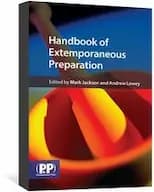
Handbook of Extemporaneous Preparation
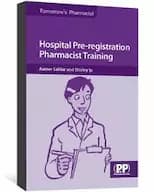
<p>Jackson, Mark; Lowey, Andrew<br><br>First edition<br><br>Scheduled closure of pharmpress.com<br><br>Edited by Mark Jackson - Quality Control and Quality Assurance Manager at Leeds Teaching Hospitals, UK and Andrew Lowey - Clinical Pharmacy Manager at Leeds Teaching Hospitals, UK<br><br>ISBN 978 0 85369 901 9<br><br>Published May 2010<br><br>Paperback 234 x 156mm (480pp)<br><br><br>DESCRIPTION:<br><br> Handbook of Extemporaneous Preparation is a comprehensive and easy-to-follow guide to good practice in extemporaneous compounding.<br>Written by experts in the field with input from the UK NHS Pharmaceutical Quality Assurance Committee, this book is an invaluable reference for any clinical or procurement pharmacist, pharmacy technician or student involved with extemporaneous preparation. Written in two parts, this book provides: <br> - standards for extemporaneous dispensing <br> - stability summaries for the 50 most commonly prepared extemporaneously prepared medicines in NHS hospitals. <br>It also includes sections relating to clinical risk assessment and advice for procuring "Specials" from manufacturers.<br>It incorporates the key findings and outputs from the UK National Advisory Board study, including advice on purchasing unlicensed medicines. Although the standards set out in this book are primarily written for implementation in NHS hospitals, the principles should be equally applied across the profession internationally. Handbook of Extemporaneous Preparation is also available as an eBook. <br> <br>CONTENTS:<br><br> Part A - Standards <br> 1. Introduction <br> 2. Risk Management<br> 3. Quality Management <br> 4. Personnel & Training <br> 5. Premises & Equipment<br> 6. Documentation <br> 7. Preparation <br> 8. Formulation & Stability <br> 9. Quality Control <br> 10. Complaints, Product Recalls & Adverse Events <br> 11. Procurement & Quality Assessment of Extemporaneously Prepared Medicines<br> 12. Audit & Monitoring<br> Part B - Extemporaneous Preparation Formulary <br> 13. Introduction <br> 14. Formulary of Extemporaneous Preparations:<br>Acetazolamide oral liquid <br>Allopurinol oral liquid <br>Amiodarone hydrochloride oral liquid <br>L-Arginine hydrochloride oral liquid <br>Azathioprine oral liquid <br>Bendroflumethiazide oral liquid <br>Captopril oral liquid <br>Clobazam oral liquid <br>Clonazepam oral liquid <br>Clonidine hydrochloride oral liquid <br>Clozpine oral liquid <br>Co-careldopa oral liquid (levodopa and carbidopa) <br>Co-enzyme Q10 oral liquid <br>Dexamethasone oral liquid and dexamethasone sodium phosphate oral liquid <br>Diazoxide oral liquid <br>Dinoprostone (prostaglandin E2) oral liquid <br>Ergocalciferol oral liquid <br>Ethambutol hydrochloride oral liquid <br>Gabapentin oral liquid <br>Gliclazide oral liquid <br>Hydrocortisone oral liquid <br>Indometacin (indomethacin) oral liquid <br>Isosorbide mononitrate oral liquid <br>Joulie's solution (oral phosphate supplement) <br>Knox mouthwash <br>Levothyroxine sodium oral liquid <br>Lorazepam oral liquid <br>Magnesium glycerophosphate oral liquid <br>Menadiol sodium phosphate oral liquid <br>Metformin hydrochloride oral liquid <br>Midazolam hydrochloride oral liquid <br>Morphine sulfate oral liquid <br>Omeprazole oral liquid <br>Phenobarbital and phenobarbital sodium oral liquid <br>Phenoxybenzamine hydrochloride oral liquid <br>Potassium acid phosphate oral liquid <br>Primidone oral liquid <br>Pyrazinamide oral liquid <br>Pyridoxine hydrochloride (vitamin B6) oral liquid <br>Quinine sulfate oral liquid <br>Sildenafil citrate oral liquid <br>Sodium bicarbonate oral liquid <br>Sodium chloride oral liquid <br>Sodium phenylbutyrate oral liquid <br>St Mark's solution <br>Tacrolimus oral mouthwash <br>Tacrolimus oral suspension <br>Thiamine hydrochloride oral liquid <br>Tranexamic acid oral mouthwash <br>Vancomycin hydrochloride oral liquid <br>Warfarin sodium oral liquid <br><br> Appendix 1: Change control request form<br> Appendix 2: Deviation reporting form<br> Appendix 3: Example raw material specification<br> Appendix 4: Example worksheet<br> Appendix 5: Technical agreement for commissioning of extemporaneous product preparation service<br> Appendix 6: Audit tool for extemporaneous preparation<br> Appendix 7: Suspending agents<br> <br>REVIEWS:<br><br> Oct-2011, Australian Prescriber<br> "...this resource offers a real advantage to both the prescriber and the pharmacist in the provision of quality oral liquids...Of particular use and unique to this text is the inclusion of a 'risk assessment' section in each monograph which addresses the clinical and technical risks associated with the extemporaneous preparation of each oral liquid...This book is not only a useful resource, but a valuable addition to the texts available on extemporaneous dispensing for those prescribers wanting quick access to suitable oral liquid alternatives..."<br> Alison Haywood, Senior Lecturer, Griffith University, and Beverley Glass, Professor of Pharmacy, James Cook University Queensland, Australian Prescriber 34(5), October 2011.<br> </p>Couleur et forme :234 x 156mmHospital Pre-registration Pharmacist Training
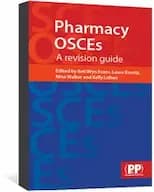
<p>Safdar, Aamer; Ip, Shirley<br><br>First edition<br><br>Scheduled closure of pharmpress.com<br><br>Aamer Safdar and Shirley Ip - Senior Pharmacist for Education and Development, RPSGB Preregistration Tutor<br><br>ISBN 978 0 85369 785 5<br><br>Published Aug 2009<br><br>Paperback 216 x 138mm (200pp)<br><br><br>DESCRIPTION:<br><br>Provides a practical explanation for undergraduates and pre-registration trainees on what to expect from a hospital pre-registration pharmacist training programme. <br>With tips, hints, past experiences and anecdotes from the authors in their roles as pre-registration tutors, this accessible book provides encouragement and guidance throughout the pre-registration process. Many areas are covered, including: <br> - getting to know your workplace, your tutor and team <br> - looking for your first job <br> - preparing for the registration exam <br> - making the transition from student to professional <br> - finding specialist placements.<br> Read our interview with author Aamer Safdar for more tips. <br>The fourth title in the Tomorrow's Pharmacists series, Hospital Pre-registration Pharmacist Training will be a valuable resource for pharmacy undergraduate students, hospital pre-registration trainees and hospital pre-registration tutors. Hospital Pre-registration Pharmacist Training is also available as an eBook.<br> <br>CONTENTS:<br><br> Section 1: Pre-registration trainees<br> 1. Expectations of the Preregistration Placement<br> 2. Induction: getting to know your workplace and your team <br> 3. The Prereg Team - team dynamics <br> 4. Your Tutor - Developing That Special Relationship <br> 5. Making the Transition From Student to Professional<br> Section 2: A guide to rotations<br> 6. First Rotation <br> 7. Ward Based Pharmacy <br> 8. Patient Services <br> 9. Medicines Information<br> 10. Technical Services<br> 11. Community Pharmacy <br> 12. Pharmacy in the wider healthcare environment<br> Section 3: Assessment and Feedback<br> 13. Assessment and Feedback: how to get through these<br> 14. Getting Signed Off <br> Section 4: Finding your first real job<br> 15. Your first job as a hospital pharmacist<br> Section 5: Preparing for the Registration Exam<br> 16. Preparing for the Registration Exam <br> Section 6: Specialist Placements<br> 17. Integrated Sandwich Courses<br> 18. Primary Care Trusts <br> 19. Pharmaceutical Industry <br> 20. Specialist Focus: Paediatrics<br> Section 7: Future Issues<br> 21. The Future: gazing at the crystal ball<br> <br>REVIEWS:<br><br>"I found that the quotes from other trainees and Pharmacists were particularly good and they helped to reinforce the reality of going into training... <br><br> The information about the exam and finding a job after training means this book will be useful throughout the training year and not just in the first few weeks...<br> The information is clear and easy to take in. The informal way in which topics are discussed in this book help to make the reader feel at ease about their training year. The top tips at the end of each section are also really helpful and give a good overview of what has just been covered...<br> I think this book would be an excellent read for any student who is going to be doing their pre-registration training in hospital..."<br> Samantha Allen, University of Nottingham, bpsa.co.uk.<br> <br> "The book provides a really good insight into hospital pharmacy and neighbouring aspects of pharmacy such as primary care, sandwich courses, industry, the whole part of the preregistration year, and this is something that interviewers are interested to know about"<br> Raffin Mazumder, PJOnline, October 2012<br> <br> "Well written and well thought out book! - full of tips, for both those interested in completing a hospital pre-reg placement or about to undertake one.<br> Essential reading to understand the role of a hospital pre reg pharmacist and most importantly the issues that may arise during the year."<br> "Mad", June 2010, Amazon.co.uk<br> <br> <br> </p>Couleur et forme :216 x 138mmPharmacy OSCEs
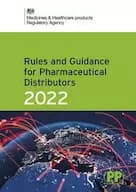
<p>Edited by Evans, Beti Wyn; Kravitz, Laura; Walker, Nina and Lefteri, Kelly<br><br>First edition<br><br>Scheduled closure of pharmpress.com<br><br>Beti Wyn Evans, Principal Lecturer, Department of Pharmacy, University of Hertfordshire; Laura Kravitz, Principal Lecturer, Department of Pharmacy, University of Hertfordshire; Nina Walker, Principal Lecturer, Department of Pharmacy, University of Hertfordshire; Kelly Lefteri, Principal Lecturer, Department of Pharmacy, University of Hertfordshire<br><br>ISBN 978 0 85711 043 5<br><br>Published Apr 2013<br><br>Paperback 216 x 138mm (256pp)<br><br><br>DESCRIPTION:<br><br> Pharmacy OSCEs is the only pharmacy-specific OSCE revision guide. This easy-to-use book covers the key competencies that will be tested during your Objective Structured Clinical Examinations whether you are still studying or in practice. <br>Written in a concise and accessible way, all types of situations are covered from responding to a specific symptom to solving calculations. The scenarios read like tasks at an OSCE station and are accompanied by: <br> - learning objectives <br> - questions and answers <br> - feedback and revision points <br> - key references and further reading.<br>The examples vary in complexity, ranging from early undergraduate years through to postgraduate. With over 70 practice scenarios, this book will support you throughout your training and ensure your best performance on the day of the exam. <br> "Pharmacy OSCEs is great preparation for real life pharmacy consultation" - Amy Penni, University of Bradford, 4th year, April 2014. <br>Pharmacy OSCEs is also available as an eBook.<br> <br>CONTENTS:<br><br> 1. Responding to symptoms and history-taking<br> 2. Systems-based client assessment<br> 3. Legal aspects of prescriptions, and record-keeping<br> 4. Data retrieval and interpretation<br> 5. Clinical prescription management problems<br> 6. General health advice<br> 7. Counselling (medication and devices)<br> 8. Problems involving calculations<br> <br>REVIEWS:<br><br> May 2013 <br>"Very useful review guide for OSCE. I am using this book to prepare for my OSCE exam, it is very helpful as it summarizes the most important situations encountered in pharmacies." <br>Five stars. <br> Simple, Amazon.co.uk, May 2013. <br> </p>Couleur et forme :216 x 138mmRules and Guidance for Pharmaceutical Distributors 2022 (The MHRA Green Guide)
<p>MHRA (Medicines and Healthcare products Regulatory Agency)<br><br>Scheduled closure of pharmpress.com<br><br>ISBN 978 0 85711 441 9<br><br>Published Mar 2022<br><br>244x172mm (400pp)<br><br><br>DESCRIPTION:<br><br> <br> </p>ASHP Injectable Drug Information
<p>American Society of Health-System Pharmacists<br><br>Scheduled closure of pharmpress.com<br><br>Product code MC_HID<br><br><br>DESCRIPTION:<br><br> ASHP Injectable Drug Information by the American Society of Health-System Pharmacists (ASHP), is the ultimate authority on compatibility and stability of injectable drugs. It brings together comprehensive information on parenteral drugs commercially available in the United States and in other countries, and offers pharmacists and health care professionals a precise, reliable way to make their organisations safer for patients. <br>For over 35 years this comprehensive, user-friendly resource has been widely recognised and trusted as the authority on injectable drug information. No other drug reference examines parenteral drug stability and compatibility in such extensive detail.<br> <br> <br> </p>Prescribing Medicines for Children
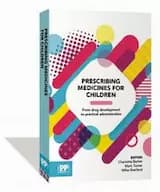
<p>Edited by Charlotte Barker<br><br>1st Edition<br><br>Scheduled closure of pharmpress.com<br><br>Mark Turner, Mike Sharland<br><br>ISBN 9780857111357<br><br>Published Jul 2019<br><br>Paperback 234 x 156mm<br><br><br>DESCRIPTION:<br><br> Your guide to delivering safe and effective medicines for children Prescribing Medicines for Children covers a broad range of important topics in paediatric therapeutics, ranging from the principles of clinical pharmacology in children through to medication safety and drug development. It is an international title that provides guidance on the principles behind optimal neonatal and paediatric prescribing globally. The book is divided into two parts. Part I provides concise educational material relating to paediatric clinical pharmacology and optimising how medicines are developed and prescribed for children. It covers research methods for investigating paediatric medicines, from clinical trials through to pharmacoepidemiology and medicinal formulations. Part II considers key clinical prescribing areas and can be used as a quick reference guide. Each chapter is focused on the key issues in prescribing for a respective clinical specialty or context, with a broad range of subjects from core topics of General Paediatrics through to Paediatric Intensive Care. This book complements British National Formulary for Children (BNFC). Prescribing Medicines for Children is indispensable reference guide for anyone involved in prescribing medicines to neonates and children. This includes undergraduate and postgraduate pharmacists, nurses, paediatricians and primary care physicians, academic scientists, and those working in the pharmaceutical industry and drug regulation. <br>CONTENTS:<br><br> PART I <br> 1 General principles of paediatric clinical pharmacology 1 <br> 2 Pharmacokinetics: an overview 7 <br> 3 Drug absorption 13 <br> 4 Drug distribution: from birth to adolescence 19 <br> 5 Drug metabolism 25 <br> 6 Drug elimination 31 <br> 7 Pharmacodynamics: practical examples 37 <br> 8 Pharmacogenetics and pharmacogenomics 43 <br> 9 Modelling and simulation: pharmacometrics 49 <br> 10 Adverse drug reactions 57 <br> 11 Drug interactions 65 <br> 12 Pregnancy and lactation 71 <br> 13 Paediatric clinical pharmacology 77 <br> 14 Education: training programmes and competencies 83 <br> 15 The paediatric drug discovery pipeline 91 <br> 16 Understanding phase I clinical trials 101 <br> 17 Early phase clinical trials: adaptive designs 109 <br> 18 Phase IV studies and pharmacovigilance 119 <br> 19 Non-interventional studies 123 <br> 20 Pharmacoepidemiology 131 <br> 21 Innovative strategies in paediatric drug development 137 <br> 22 The role of the pharmaceutical industry in developing <br> medicines for children 149 <br> 23 Paediatric drug formulations 157 <br> 24 Extemporaneous preparations of medicines for children 163 <br> 25 Excipients in medicines for children 171 <br> 26 The role of parents and children in paediatric medicines <br> research 179 <br> 27 The ethics of medicines research in children 187 <br> 28 Evidence-based prescribing 195 <br> 29 Improving training in prescribing 201 <br> 30 Electronic prescribing 211 <br> 31 Avoiding medication errors 219 <br> 32 Intravenous medicines administration 225 <br> 33 Team working in medicines administration 233 <br> 34 Evidence-based formularies 241 <br> 35 Therapeutic drug monitoring 247 <br> 36 Medicines for children in low to middle income countries 255 <br> 37 Optimal prescribing in the resource-poor setting 265 <br> <br> PART II <br> <br> 38 Gastrointestinal system 273 <br> 39 Cardiovascular system 287 <br> 40 Respiratory system 297 <br> 41 Antiepileptic drug therapy 305 <br> 42 Prescribing in infection: anti bacterials 319 <br> 43 Prescribing in infection: antifungals and antivirals 339 <br> 44 Endocrinology 353 <br> 45 Diabetes mellitus 369 <br> 46 Adolescent medicine 383 <br> 47 Nephrology 391 <br> 48 Prescribing blood and blood components 399 <br> 49 Oncology: cytotoxic drugs 409 <br> 50 Immunosuppressive agents in paediatric solid organ <br> transplantation 423 <br> 51 Nutrition and metabolism 431 <br> 52 Rheumatology 443 <br> 53 Ophthalmology 455 <br> 54 Ear, nose and throat disorders 471 <br> 55 Medical therapy in dermatology 481 <br> 56 Immunological products 495 <br> 57 Prescribing vaccines: an overview 503 <br> 58 Sedation and anaesthesia 513 <br> 59 Palliative care 523 <br> 60 Pain management 535 <br> 61 Drugs and pharmacology in paediatric intensive care 547 <br> <br> </p>Research Methods for Pharmaceutical Practice and Policy
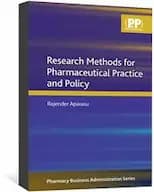
<p>Aparasu, Rajender<br><br>First edition<br><br>Scheduled closure of pharmpress.com<br><br>Rajender Aparasu, Division of Pharmacy, Administration and Public Health, Department of Clinical Sciences and Administration, College of Pharmacy, University of Houston, Texas, USA<br><br>ISBN 978 0 85369 880 7<br><br>Published Nov 2010<br><br>Paperback 234 x 156mm (336pp)<br><br><br>DESCRIPTION:<br><br>Using a scientific approach, Research Methods for Pharmaceutical Practice and Policy outlines a thorough process for conducting pharmaceutical practice and policy research. The book presents a theoretical and practical framework for research methods, supported by applications and examples. <br>Each chapter includes learning objectives, review questions, references, and recommended online resources to assist students. <br>The following topics are covered: <br> - conceptualizing and operationalizing research <br> - systematic review of literature <br> - experimental designs <br> - non-experimental research <br> - program evaluation <br> - measurement theory and methods <br> - sampling and data collection methods <br> - survey design <br> - secondary data analysis <br>As the only book available in this area, Research Methods for Pharmaceutical Practice and Policy will be an invaluable resource for graduate students in pharmacy administration and health services research, undergraduate students in pharmaceutical science, and practicing pharmacists. <br>Research Methods for Pharmaceutical Practice and Policy is also available as an eBook . <br> <br>CONTENTS:<br><br> 1. Scientific Approach to Pharmaceutical Practice and Policy Research <br> 2. Conceptualizing Research <br> 3. Operationalizing Research <br> 4. Measurement Theory and Methods <br> 5. Experimental Designs <br> 6. Non-experimental Research<br> 7. Sampling Methods<br> 8. Systematic Review of Literature<br> 9. Data Collection Methods<br> 10. Survey Design <br> 11. Statistical Analysis <br> 12. Secondary Data Analysis: Administrative Data <br> 13. Secondary Data Analysis: Commercial Data <br> 14. Secondary Data Analysis: National Sample Data<br> 15. Program Evaluation<br> 16. Future of Pharmaceutical Policy Research<br> <br>REVIEWS:<br><br> 2011, ScienceDirect<br> "Although Research Methods for Pharmaceutical Practice and Policy was designed to be an introductory textbook for graduate students in the social and administrative sciences in pharmacy, this book will be useful to other groups, including faculty and researchers in this area, and professional program students who desire to learn more about this type of research. The book is scholarly in tone and exceptionally well referenced. The book is easy to read and makes extensive use of research that has been conducted in this field.<br> David P. Zgarrick - ScienceDirect, 2011<br> 2011, American Journal of Pharmaceutical Education<br> "The editor has assembled a book that will take the reader through the steps of research from the conception of the research question through possible journals for submission...Individuals who are interested in teaching or performing research in the area of pharmacy practice and policy should consider obtaining this book as a resource for their library.<br> Dean L. Arneson, PharmD, PhD, American Journal of Pharmaceutical Education Vol 75 (5), 2011<br> </p>Couleur et forme :234 x 156mmComplete Guide to Medical Writing (The)
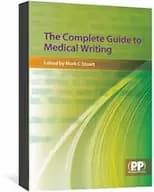
<p>Stuart, Mark C<br><br>First edition<br><br>Scheduled closure of pharmpress.com<br><br>Edited by Mark C Stuart<br><br>ISBN 978 0 85369 667 4<br><br>Published Apr 2007<br><br>Paperback 234 x 156mm (512pp)<br><br><br>DESCRIPTION:<br><br> Effectively presenting and communicating information for any medical document is paramount. It is essential that medical information is presented clearly and accurately so that it can be interpreted, validated and used safely. The Complete Guide to Medical Writing will help you do this in detail. This introductory book covers all aspects of scientific and medical documentation from the regulatory domain to the advertising arena. It covers fundamental principles of good writing techniques and provides tips on how to write different kinds of document. Sections include:<br> - medical writing essentials<br> - reviews and reports<br> - medical journalism and mass media<br> - medical writing in education<br> - medical writing for medical professionals<br> - medical publishing.<br> The Complete Guide to Medical Writing is an invaluable reference source for medical professionals and students wishing to effectively communicate scientific and medical information. <br> <br>CONTENTS:<br><br> 1. Style for Accurate and Readable Medical Writing<br> 2. Writing in Plain English<br> 3. Referencing<br> 4. Writing a Research Report<br> 5. Reviews<br> 6. Medical Case Reports<br> 7. Conference Posters<br> 8. Writing an Editorial<br> 9. Writing a Letter to the Editor<br> 10. Writing for Magazines and Newspapers<br> 11. Writing Press Releases<br> 12. Advertisements<br> 13. Writing Examination and Assessment Papers<br> 14. Presentation Materials<br> 15. Writing a Thesis<br> 16. Writing Medicines Information for Healthcare Professionals<br> 17. Writing and Implementing Procedures<br> 18. Writing Marketing Authorisation Applications for Medicinal Products<br> 19. Medical Media and the Law<br> 20. Writing and Editing Books<br> 21. Writing for the Internet<br> 22. Getting Published<br> Appendix 1. Common Medical Abbreviations<br> Appendix 2. Measurements<br> Appendix 3. Normal Values for Common Laboratory Tests<br> Appendix 4. Proof Correction Marks<br> Appendix 5. A to Z of Medical Terms in Plain English:<br> <br>REVIEWS:<br><br> 03-Aug-09, Technical Communication <br>'I was especially impressed with the book's focus on audience, which infuses almost every chapter...John Kirkman provided an excellent discussion on writing for an audience, including some of the latest research on how readers read, an aspect of audience analysis often overlooked by authors of technical communication texts...I would not hesitate to recommend it to participants in a workshop for doctors or researchers who are writing for novices' <br> Carolyn Boiarsky, Technical Communication, Volume 56, Number 3, 3 August 2009 <br> 12-Sep-07, Pharmacy World and Science <br>'...very helpful for practicing (clinical and non-clinical) pharmacists, the format is very handy...I feel that this book can be very helpful for pharmacists in their daily practice.' <br> J.W.Foppe van Mil. Pharmacy World and Science. Springer Science + Business Media. 3-:210. Published online 12 September 2007 <br> 01-Jan-08, American Journal of Pharmaceutical Education <br>'This book presents medical writing guidance in an informal and entertaining manner...the practical advice offered by some of the authors may give valuable perspective to the new writer.' <br> Beatriz Manzor Mitrzyk, University of Michigan. American Journal of Pharmaceutical Education; 72 (2) Article 46. 2008 <br> 01-Feb-08, Australian Pharmacist <br>'The book is a useful source of information for both aspiring and experienced medical writers.' <br> Lynn Gould. Australian Pharmacist. Volume 27. Number 2. February 2008 <br> 01-Jan-08, Journal of the Medical Library Association <br>'The book is indeed complete and speaks to novice writers or students who may be new to the health professions, as well as knowledgeable clinicians and researchers who need help compiling examination questions, writing press releases, or adding publications to their resumes...besides a thorough back-of-the-book index, the book has useful appendixes...anyone involved in the health professions, whether readers or writers, will appreciate and enjoy this book...is a joy to read by any lover of language and its many applications.' <br> Elizabeth H. Wood. Journal of the Medical Library Association. 2008 January; 96(1): 70 <br> 01-Nov-07, The Journal of the European Medical Writers Association <br>'The contents are generally well organized, and the main chapters are clearly sign-posted, and so are easy to navigate...each of the six sections contains come outstanding chapters and many solid contributions.' <br> Karen Shashok, Translator/Editorial Consultant. The Journal of the European Medical Writers Association (The Write Stuff) Volume 16. No. 3, 2007 <br> 01-Jul-07, Irish Pharmacy Journal <br>Although very comprehensive the chapters are well written and easy to follow, with tables of handy hints and tips which summarise the key messages from each chapter...this book is an essential addition to any hospital or academic pharmacy department...a book like this is a valuable resource to encourage more pharmacists to take up the writing and documentation role' <br> Sinead McCool, Course Co-ordinator, UCC/CACT MSc Clinical Pharmacy. The Irish Pharmacy Journal, 2007, July 2007 <br> 01-Jul-07, Doody Enterprises, Inc <br>'This book is a tour-de-force of virtually all aspects of medical writing. It is a comprehensive, yet practical guide to the conception, preparation, and presentation of material in written form...this book delivers. It is difficult to imagine an area of medical writing that is not covered by this comprehensive and practical guide, and it is difficult to imagine any medical professional, at any level, not finding something extremely useful in it.' <br> Robert B. Raffa, Temple University School of Pharmacy. July 2007. Doody Enterprises, Inc. <br> </p>Couleur et forme :234 x 156mmHandbook of Drug Administration via Enteral Feeding Tubes
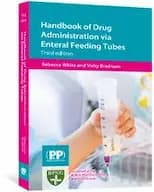
<p>White, Rebecca; Bradnam, Vicky<br><br>Third edition<br><br>Scheduled closure of pharmpress.com<br><br>Rebecca White, Medical Advisor at Baxter Healthcare Ltd; and Vicky Bradnam, Pharmaceutical Consultant<br><br>ISBN 978 0 85711 162 3<br><br>Published Mar 2015<br><br>Paperback 215 x 130mm (752pp)<br><br><br>DESCRIPTION:<br><br>This book covers the technical, practical and legal aspects that you should consider before prescribing or administering drugs via enteral feeding tubes. <br>Published in conjunction with the British Pharmaceutical Nutrition Group, the Handbook of Drug Administration via Enteral Feeding Tubes furnishes you with the background knowledge to inform clinical decision making as well as providing over 400 drug monographs. <br>This new edition features: <br> - 29 brand new monographs<br> - 404 updated monographs<br> - a brand new chapter on medicines optimisation.<br>An essential resource for pharmacists, doctors, nurses, dieticians in hospitals, community pharmacists, GPs and anyone else involved in administering drugs to patients with limited GI access. <br>This book supports the safe and effective prescribing and administration of drugs via enteral feeding tubes. <br>CONTENTS:<br><br>1. Introduction <br>2. Types of enteral feeding tubes <br>3. Flushing enteral feeding tubes <br>4. Restoring and maintaining patency of enteral feeding tubes <br>5. Drug therapy review <br>6. Choice of medication formulation <br>7. The legal and professional consequences of administering drugs via enteral feeding tubes <br>8. Health and safety and clinical risk management <br>9. Syringes and ports <br>10. Defining interactions <br>11. Medicines optimisation <br>Individual drug monographs <br>REVIEWS:<br><br> May 2015 <br>"5 stars!... <br>...drug monographs are organized in a way that allows quick access to information and it is very easy to determine if the medication is safe to be administered through the enteral route. Information is current and properly referenced... <br>...This is a convenient and useful guide to have on the medical floor as a point of care reference for nurses, pharmacists, or any healthcare providers..." <br> Melissa M. Ranieri, BS, PharmD, Doody's Notes, May 2015. <br> <br> From the reviews of the previous edition: <br><br> "This evidence-based text fills a gap in the market for detailed information on drugs administered via enteral feeding tubes. The only publication to bring together into one resource the legal, ethical, pharmaceutical and practical issues surrounding the administration of drugs using this method...<br> ...This handbook would be extremely useful in hospitals, long-term care/rehabilitation settings, and skilled nursing facilities where patients may require feedings tubes for a prolonged period of time."<br> Jamila Stanton, PharmD, BCPS (Temple University School of Pharmacy), Doody's Notes, Feb 2011<br> "Monographs on over 360 drugs are included, providing information that is useful to pharmacists in preparing medication for enteral tube administration. Preparation steps and formulations are included and the information is well documented. Equipment used is also presented and diagrammed for easier understanding. This book is invaluable to those pharmacists preparing medication for administration via enteral feeding tubes."<br> International Journal of Pharmaceutical Compounding, Feb 2011<br> </p>Financial Analysis in Pharmacy Practice
<p>Herist, Keith N; Rollins, Brent; Perri, Matthew<br><br>First edition<br><br>Scheduled closure of pharmpress.com<br><br>Keith N Herist, is Clinical Associate Professor, Clinical and Administrative Pharmacy, University of Georgia College of Pharmacy, USA. Brent L Rollins, is Assistant Professor, Pharmacy Administration, Philadelphia College of Osteopathic Medicine, School of Pharmacy, USA. Matthew Perri III, is Professor, Clinical and Administrative Pharmacy, University of Georgia College of Pharmacy, USA.<br><br>ISBN 978 0 85369 897 5<br><br>Published Jun 2011<br><br>Paperback 234 x 156mm (240pp)<br><br><br>DESCRIPTION:<br><br> Financial Analysis in Pharmacy Practice covers the basics of accounting and financial management, and demonstrates the application of these principles to pharmacy practice. <br>The book includes: <br> -the guiding principles of accounting.<br><br> -financial statements, from detailed transactions to summary reports.<br><br> -basics of finance and financial analysis .<br><br> -budgeting and inventory management.<br><br> -pricing goods and services.<br><br> -personal financial management.<br><br>Case studies, based on realistic examples are used to show how accounting and financial management principles apply to all areas of pharmacy practice. <br>Financial Analysis in Pharmacy Practice is an invaluable resource for graduate students in pharmacy administration and professional pharmacy students, as well as pharmacists in the public and private sectors who wish to be well informed when making financial decisions. <br>Financial Analysis in Pharmacy Practice is also available as an eBook . <br>CONTENTS:<br><br> 1. Introduction<br> 2. Understanding the Guiding Principles of Accounting<br> 3. From Detailed Transactions to Summary Reports<br> 4. Financial Statements<br> 5. Basics of Finance and Financial Analysis<br> 6. Financial Aspects of Inventory Management<br> 7. Budgeting<br> 8. Pricing Goods and Services<br> 9. Personal Financial Management<br> <br>REVIEWS:<br><br> Dec-2011, Journal of Pharmacy Practice and Research<br> "Of particular value to the pharmacist audience is Chapter 6, which the authors devote to the financial aspects of inventory management. Useful discussions in this chapter include inventory valuation methods...benchmarking inventory turnover rates and reorder points...the text is logically sequenced and well structured, making it easy to read and follow. The use of tables and figures is appropriate and not overdone. The use of case studies breaks up the chapters and maintains the reader's attention, bringing them back to a scenario they are familiar with to highlight the pharmacy relevance...a useful introductory resource for pharmacists wishing to embark on a career of management"<br> Natalie Bula, Acting Director of Pharmacy, Canberra Hospital and Health Services, Journal of Pharmacy Practice and Research, 41 (4) December 2011.<br> 18-Jul-2011, International Journal of Pharmaceutical Compounding<br> "Finally, a great "how to do it" book on finances and pharmacy. This easy-to-read, introductory text covers the basics of accounting and financial management, as well as demonstrating the application of these principles to pharmacy practice...This book, which was written by a team of accountants and pharmacists, is a great teaching tool about finances or to review your current knowledge on the topic<br> International Journal of Pharmaceutical Compounding, 18 July 2011 <br> </p>Couleur et forme :234 x 156mmMCQs in Pharmacy Practice
<p>Azzopardi, Lilian M<br><br>Second edition<br><br>Scheduled closure of pharmpress.com<br><br>Edited by Lilian M Azzopardi - Head, Department of Pharmacy<br><br>ISBN 978 0 85369 839 5<br><br>Published Sep 2009<br><br>Paperback 234 x 156mm (464pp)<br><br><br>DESCRIPTION:<br><br>Designed as a study aid, MCQs in Pharmacy Practice covers topics commonly featured in pharmacy undergraduate, registration and licensing multiple choice examinations. <br>The book is divided into open book and closed book sections and has a total of 800 multiple choice questions intended to assess students' knowledge, analytical skills, and ability to apply this knowledge base in clinical practice. <br>Topics include: <br> - general pharmacy practice interventions <br> - pharmaceutical calculations <br> - doses and strengths <br> - nomenclature and abbreviations <br> - dosage forms <br> - biochemical tests <br> - side-effects <br> - common diseases <br>In this second edition, newly formatted MCQs have moved to a more detailed question style demanding accruement of knowledge, decision-making skills, factual accuracy and its application to realistic clinical situations. All information has been updated to reflect the content of the BNF at time of print, ensuring practical and contemporary questions. This comprehensive book edited by Lilian Azzopardi, chairperson of the examination boards in pharmacy practice, will be an invaluable resource for undergraduate or postgraduate students preparing to sit a multiple choice examination in pharmacy. MCQs in Pharmacy Practice is also available as an eBook.<br> <br>CONTENTS:<br><br> Section 1: Open book questions<br> Test 1<br> Test 2<br> Test 3<br> Test 4<br> Section 2: Closed book questions<br> Test 5<br> Test 6<br> Test 7<br> Test 8<br> Appendix A: Proprietary (trade) names and equivalent generic names<br> Appendix B: Definitions of conditions<br> Appendix C: Abbreviations and acronyms<br> Appendix D: Performance statistics<br> <br>REVIEWS:<br><br> 02-Oct-09, IJPC <br>'A great review for pharmacists, pharmacy students, and for use in an intern program. This latest edition is divided into both "open book" and "closed book" sections and contains a total of 800 multiple choice questions designed to assess participants knowledge, analytical skills, and the ability to apply this knowledge base in clinical practice.' <br> The International Journal of Pharmaceutical Compounding, Volume 6, Issue 40, 2nd October 2009 <br> </p>Couleur et forme :234 x 156mmIntroduction to Statistics in Pharmaceutical Clinical Trials
<p>Durham, Todd A; Turner, J Rick<br><br>First edition<br><br>Scheduled closure of pharmpress.com<br><br>Todd A Durham - Senior Director, Biostatistics and Data Management, Inspire Pharmaceuticals and J Rick Turner - Associate Professor of Clinical Research<br><br>ISBN 978 0 85369 714 5<br><br>Published Mar 2008<br><br>Paperback 246 x 189mm (240pp)<br><br><br>DESCRIPTION:<br><br> Introduction to Statistics in Pharmaceutical Clinical Trials is presented in the context of clinical trials conducted during pharmaceutical drug development. <br>This novel approach teaches the computational steps needed to conduct analyses. It also provides a conceptual understanding of how these analyses provide information that forms the basis for decision making throughout the drug development process.<br>This textbook conveys: <br> - why, and how data are collected in clinical studies <br> - how these data are summarized and analyzed <br> - what the results mean in the context of the clinical research question <br> - how the results are communicated to regulatory agencies and to the scientific and medical communities. <br> All students of pharmaceutical sciences and clinical research need a solid knowledge and understanding of the nature, methods, application, and importance of statistics. Introduction to Statistics in Pharmaceutical Clinical Trials will also be invaluable to professionals entering the pharmaceutical, biotechnology, and contract research organization industries who wish to gain a broader understanding of study design, research methodology, and statistical analysis and interpretation in clinical trials.<br>CONTENTS:<br><br> 1. The Discipline of Statistics: Introduction and Terminology<br> 2. The Role of Clinical Trials in New Drug Development<br> 3. Research Questions and Research Hypotheses<br> 4. Study Design and Experimental Methodology<br> 5. Data, Central Tendency and Variation<br> 6. Probability, Hypothesis Testing and Estimation<br> 7. Early-phase Clinical Trials<br> 8. Confirmatory Clinical Trials: Safety Data I<br> 9. Confirmatory Clinical Trials: Safety Data II<br> 10. Confirmatory Trials: Analysis of Categorical Efficacy Data<br> 11. Confirmatory Clinical Trials of Analysis of Continuous Efficacy Data<br> 12. Additional Statistical Considerations in Clinical Trials<br> 13. Concluding Comments: Appendix: References<br>REVIEWS:<br><br> 01-Aug-08, Doody Enterprises, Inc <br>'It fills the gap that exists between books that focus on research design and those that address statistical methods. The authors have clearly met this worthy objective. This book fills a unique position and uses innovative method.' <br> Michael R Jacobs, BS, PharmD (Temple University of Pharmacy) Doody Enterprises July 2008 <br> </p>Couleur et forme :246 x 189mmPharmacy Registration Assessment Questions Package
<p>Edited by Bukhari, Nadia<br><br>Package<br><br>Scheduled closure of pharmpress.com<br><br>Nadia Bukhari - Senior Teaching Fellow in Pharmacy Practice & Pre-Reg Co-ordinator, UCL School of Pharmacy.<br><br>ISBN 978 0 85711 361 0<br><br>Published Mar 2019<br><br>Paperback 216 x 138mm<br><br><br>DESCRIPTION:<br><br> A collection of the first, second and third volume of the highly popular Pharmacy Registration Assessment Questions series is now available! Each individual volume in this bundle features more than 400 closed book and calculation questions which can be used in conjunction with the previous volume or on its own. Questions are based on editions of the BNF and BNF for Children, as well as the MEP from the last 3 years, alongside the most current treatment guidelines available. Each volume includes: questions in line with GPhC guidance patient information and clinical data a variety of question styles encountered in the assessment. <br> </p>Drug Administration via Enteral Feeding Tubes
<p>White, Rebecca; Bradnam, Vicky<br><br>Scheduled closure of pharmpress.com<br><br>Rebecca White - Pharmacy Department and Vicky Bradnam on behalf of the British Pharmaceutical Nutrition Group - Pharmacy Department, Princess Royal University Hospital. Kent<br><br>Product code MC_EFT<br><br><br>DESCRIPTION:<br><br> Drug Administration via Enteral Feeding Tubes offers safe practical guidance for healthcare professionals practicing this method of drug delivery.<br>The resource is compiled and updated by members of the British Pharmaceutical Nutrition Group (BPNG) and is intended for use by pharmacists, doctors, nurses, dieticians, pharmaceutical companies and enteral feed equipment manufacturers.<br> <br> </p>Focus on Alternative and Complementary Therapies
<p>Ernst, Edzard<br><br>Scheduled closure of pharmpress.com<br><br>Edited by Edzard Ernst, Peninsula Medical School, UK<br><br>ISSN 1465-3753<br><br>Paperback 275 x 210mm<br><br><br>DESCRIPTION:<br><br> The Royal Pharmaceutical Society's learned journals are published by Wiley-Blackwell on behalf of the Society. For further information about pricing or to subscribe to this journal, please visit the Wiley-Blackwell website. <br> Focus on Alternative and Complementary Therapies (FACT) is a quarterly review journal that aims to present the evidence on complementary and alternative medicine (CAM) in an analytical and impartial manner. <br>With increasing interest and growing research into CAM there are dozens of specific complementary medicine journals and thousands of general medical journals that present articles and research findings in this area. Knowing it is impossible to scan all these publications, the FACT editorial team systematically searches the world literature to uncover articles and key papers in all fields of CAM research. The journal saves readers times by making it easier to keep abreast of all the new research data related to CAM. <br>The most important factual papers are summarised and critically appraised in the form of an expert commentary written by a member of FACT's international editorial board. The author(s) of the original paper are invited to respond and their replies are also published when received. All summaries and commentaries are evidence-based, reporting clinical trials, systematic reviews or meta-analyses, compiling, interpreting and disseminating the up-to-date evidence for or against complementary medicine. <br> Abstracting and Indexing Focus on Alternative and Complementary Therapiesis included in the following abstracting and indexing databases: <br> - Acubriefs <br> - Allied and Complementary Medicine Database <br> - CAB Abstracts - including Abstracts of Hygiene and Communicable Diseases, and Nutrition Abstracts and Reviews A <br> - Cambridge Scientific Abstracts - including Neurosciences Abstracts <br> - CINAHL <br> - Elsevier Databases - including EMBASE/Excerpta Medica, EMCare, and Scopus <br> - MANTIS Database <br> - Zetoc <br>Readership <br>CAM academics,CAM practitioners, Healthcare professionals with an interest in CAM <br> To obtain permission to reproduce FACT content, please contact Wiley-Blackwell at PermissionsUK@wiley.com <br>CONTENTS:<br><br> Topics covered include:<br> - Herbal medicines <br> - Acupuncture <br> - Homeopathy <br> - Manipulative therapies <br> - Nutritional therapies <br> - Mind-body therapies <br> - Hypnotherapy <br> - Other CAM therapies <br> Each issue may include:<br> - Summaries and commentaries on key CAM areas <br> - Original articles that review the evidence for and against CAM in a particular therapeutic area <br> - Debate articles which present different or even opposing views to tease out the pros and contras in controversial areas <br> - A comprehensive compilation of recently published CAM literature <br> - Guest editorials <br> - Interviews of outstanding personalities in the field of CAM <br> - Book reviews and a list of new books <br> - Letters to the editor <br> </p>Clarke's Analysis of Drugs and Poisons
<p>Moffat, Tony; Osselton, David; Elliott, Simon<br><br>Scheduled closure of pharmpress.com<br><br>Edited by Anthony C Moffat, David Osselton and Simon Elliott<br><br>Product code MC_CLARKE<br><br><br>DESCRIPTION:<br><br> Clarke's is the definitive source of analytical data for drugs and poisons. It is intended for use primarily by scientists faced with the need to identify and quantify these substances in body fluids, tissue samples and pharmaceutical and industrial products. <br>44 sections cover all practice areas and analytical procedures used in toxicology including drugs and alcohol in driving, drugs in sport, workplace drug testing and postmortem toxicology. <br>Written by more than 40 international experts, Clarkes Analysis of Drugs and Poisons is the complete online analytical toxicology reference. <br> </p>FASTtrack: Law and Ethics in Pharmacy Practice
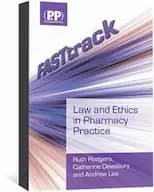
<p>Rodgers, Ruth; Dewsbury, Catherine; Lea, Andrew<br><br>First edition<br><br>Scheduled closure of pharmpress.com<br><br>Ruth Rodgers - Clinical Lecturer in Pharmacy Practice, Law and Ethics and Catherine Dewsbury - Clinical Lecturer in Pharmacy Practice, Law and Ethics, Medway School of Pharmacy, UK and Andrew Lea - Lecturer in Pharmacy Practice<br><br>ISBN 978 0 85369 885 2<br><br>Published Mar 2010<br><br>Paperback 234 x 156mm (176pp)<br><br><br>DESCRIPTION:<br><br> Law and Ethics in Pharmacy Practice focuses on what pharmacy students really need to know in order to pass exams. Concise, bulleted information, key points, and an all-important self-assessment section which includes MCQs. Pharmacy law and ethics, along with the knowledge of drugs and their uses, forms the foundation upon which professional pharmacy practice is built. This book covers key legislation affecting pharmacy and the pharmacist practitioner, including how laws are made, how they come into effect and are enforced. <br>It is an invaluable resource either as a study aid or as a companion to the established textbook, Dale and Appelbe's Pharmacy and Medicines Law and Medicines, Ethics and Practice . <br>Are your exams coming up? Are you drowning in textbooks and lecture notes and wondering where to begin? Take the FASTtrack route to study successfully for your examinations. FASTtrack provides the ultimate lecture notes and is a must-have for all pharmacy undergraduate students wanting to revise and test themselves for forthcoming exams. <br> FASTtrack: Law and Ethics in Pharmacy Practice is also available as an eBook.<br> <br> <br>CONTENTS:<br><br> 1. Legislation<br> 2. The Medicines Act 1968<br> 3. Veterinary Medicines Regulations<br> 4. Misuse of Drugs Act 1971<br> 5. Health Acts 1999 and 2006<br> 6. NHS Legislation<br> 7. Other legislation relevant to pharmacy practice<br> 8. Professional registration and regulation<br> 9. Ethics and professionalism<br> 10. Pharmacy practice problems, challenges and dilemmas<br> </p>Couleur et forme :234 x 156mmNon-medical Prescribing
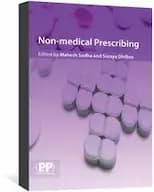
<p>Sodha, Mahesh; Dhillon, Soraya<br><br>First edition<br><br>Scheduled closure of pharmpress.com<br><br>Edited by Mahesh Sodha and Soraya Dhillon - Head, The School of Pharmacy, University of Hertfordshire<br><br>ISBN 978 0 85369 768 8<br><br>Published Aug 2009<br><br>Paperback 234 x 156mm (240pp)<br><br><br>DESCRIPTION:<br><br> An essential new guide designed to ensure confident prescribing in specialist areas. <br>The need for this text stems from the necessity to develop non-medical prescribing in practice. It is an indispensable resource for all non-medical prescribers including nurses, pharmacists, optometrists, physiotherapists and other healthcare professionals who desire to become supplementary or independent prescribers in their field. The book is divided into two comprehensive sections and provides an overview of non-medical prescribing by healthcare professionals other than doctors. In addition to providing background information on history and prescriber insights and reflections, it includes: <br> - competencies needed (including RPSGB guidelines) <br> - the moral aspects of prescribing <br> - specialist clinical topics from prescribing in diabetes, through to prescribing in oncology and palliative care <br> - clinical case studies for support <br> - sources for more detailed information in areas such as consultation skills. <br> Non-medical Prescribing is aimed both at those studying to obtain a prescribing qualification and at those who are qualified and need to develop their practical clinical skills. It is an indispensable guide to the key areas which consider safe and effective prescribing.<br> Non-medical Prescribing is also available as an eBook.<br> <br>CONTENTS:<br><br> 1. Development of Non-medical Prescribing<br> 2. Legal, Ethical and Moral Aspects of Prescribing<br> 3. Clinical Governance and Patient Safety on Prescribing<br> 4. Principles of Prescribing and Drug Handling<br> 5. Clinical Decision Making and Evidence Based Prescribing<br> 6. Prescribing in Diabetes<br> 7. Prescribing in Palliative Care<br> 8. Prescribing in Cardiology<br> 9. Respiratory Disease Management<br> 10. Prescribing in Oncology<br> 11. Prescribing in Mental Health<br> </p>Couleur et forme :234 x 156mmHealth Policy and Ethics
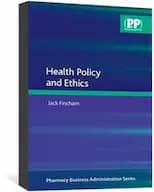
<p>Fincham, Jack<br><br>First edition<br><br>Scheduled closure of pharmpress.com<br><br>Jack Fincham - Professor of Pharmacy Practice and Administration, School of Pharmacy, University of Missouri Kansas City, Missouri, USA<br><br>ISBN 978 0 85369 838 8<br><br>Published Jun 2011<br><br>Paperback 234 x 156mm (320pp)<br><br><br>DESCRIPTION:<br><br> This text provides comprehensive, concise coverage of international health policy and ethics. It explains health policy and its influencers, and how policy directly affects health and health care. The book has an in-depth review of pertinent background concepts, current issues, future needs and assessments. Coverage includes: <br> - health care systems, policies, impacts and influencers <br> - health care quality concerns <br> - justice and access to care <br> - social and cultural issues <br> - regulatory actions <br> - global public health problems. <br> Health Policy and Ethics is an essential resource for graduate students in pharmacy administration, social pharmacy and health policy, PharmD students, and those involved in health policy decision making. Health Policy and Ethics is also available as an eBook. <br>CONTENTS:<br><br> 1. Introduction: the growing disparity of excess and deprivation in healthcare<br> 2. Health care systems and health policy<br> 3. Quality issues<br> 4. Justice and access to care<br> 5. Social and cultural issues in healthcare<br> 6. Varying organizational roles<br> 7. Reimbursement issues<br> 8. Health policy and regulatory actions - focus on tobacco<br> 9. Global public health and ethical issues<br> 10. Key policy issues<br> 11. Health impacts and health policy influencers<br> 12. Summary, global health, and global health policy<br> </p>Couleur et forme :234 x 156mmMCQs in Clinical Pharmacy
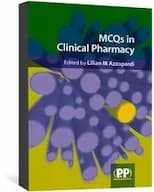
<p>Azzopardi, Lilian M<br><br>First edition<br><br>Scheduled closure of pharmpress.com<br><br>Edited by Lilian M Azzopardi - Head, Department of Pharmacy<br><br>ISBN 978 0 85369 666 7<br><br>Published Apr 2007<br><br>Paperback 234 x 156mm (304pp)<br><br><br>DESCRIPTION:<br><br> MCQs in Clinical Pharmacy is an invaluable study aid for those preparing for multiple choice questions in clinical pharmacy. Questions in this textbook are practice-oriented and are intended to assess students' knowledge of clinical issues, evaluative and analytical skills, and ability to apply their knowledge in clinical practice. <br>Topics covered include: <br> - Therapeutics and rational drug use <br> - Aetiology of disease states <br> - Presentation of conditions <br> - Investigations and diagnostic testing <br> - Drug therapy including adverse drug reactions <br> - Drug interactions <br> - Contra-indications <br>The questions are presented as four practice tests, each consisting of 80 MCQs presented in a variety of formats. <br>MCQs in Clinical Pharmacy is an indispensable aid for anyone preparing to sit a multiple choice question examination in pharmacy and for those carrying out a self-evaluation exercise for continuing professional development. <br>CONTENTS:<br><br> Introduction: Hints for Preparing and Sitting for MCQS in Clinical Pharmacy <br> Test 1: Answers and Explanations <br> Test 2: Answers and Explanations <br> Test 3: Answers and Explanations <br> Bibliography <br> Appendix A: Proprietary Names and Generic Names Equivalent <br> Appendix B: Definitions <br> Appendix C: Abbreviations and Acronyms <br> Appendix D: Summarised Statistics of a Sample of Student Performance<br> <br>REVIEWS:<br><br> 08-Oct-08, Chemist and Druggist <br>'This is a wholesome and useful book and certainly worth considering if you're studying clinical pharmacy.' <br> Kevin Frost, a senior hospital clinical pharmacist, Chemist and Druggist, published online on October 2008<br> 01-Jul-07, Irish Pharmacy Journal <br>'From the outset the editor displays an in-depth understanding of clinical pharmacy and how it relates to pharmacy practice. All questions are straightforward and clearly written, as are the answers to choose from. The explanations provided are simple, clear, concise and are an enjoyably effortless revision source. This book is a useful tool for pharmacists of all ages and stages.' <br> Sinead McCool, Course Co-ordinator, UCC/CACT MSc Clinical Pharmacy <br> </p>Couleur et forme :234 x 156mm