Pharmacopées, ouvrages relatifs à la pharmacie et aux médicaments
Les pharmacopées, la pharmacie et les ouvrages liés aux médicaments constituent la base réglementaire et technique qui garantit la qualité, la sécurité et l'efficacité des produits pharmaceutiques. Les pharmacopées sont des recueils officiels contenant des normes et des spécifications détaillées pour la fabrication et le contrôle de qualité des médicaments. Dans le domaine de la pharmacie, ces documents sont essentiels pour les professionnels qui développent, produisent et dispensent des médicaments, garantissant qu'ils respectent les normes requises. Chez CymitQuimica, nous proposons une vaste collection de produits et réactifs conformes aux spécifications des pharmacopées les plus reconnues au monde. Notre catalogue comprend des ingrédients actifs, des excipients et des standards de référence, tous conçus pour répondre aux besoins des professionnels du domaine de la pharmacie et de la recherche pharmaceutique, facilitant le développement et la production de médicaments sûrs et efficaces.
277 produits trouvés pour "Pharmacopées, ouvrages relatifs à la pharmacie et aux médicaments"
Trier par
Le filtre de pureté n’est pas visible car les produits actuels ne disposent pas de données de pureté associées pour le filtrage.
Strategic Medicines Management
<p>Stephens, Martin<br><br>First edition<br><br>Scheduled closure of pharmpress.com<br><br>Martin Stephens - Chief Pharmacist, Pharmacy Department, Southampton University Hospitals NHS Trust<br><br>ISBN 978 0 85369 598 1<br><br>Published May 2005<br><br>Hardback234 x 156mm (256pp)<br><br><br>DESCRIPTION:<br><br> Strategic Medicines Management is a practical guide focusing on the strategic elements of medicines management. This involves influencing the availability of medicines, and policies of their use in both primary and secondary care organisations. Chapters describe the concepts of strategic medicines management, review the available evidence, and suggest ways in which the concepts can be applied in practice.<br>Medicines are a key part of healthcare, but their use can be hazardous for both individuals and organisations. As well as adverse effects, prescribing errors, misuse and dependence, there are also financial risks associated with their use. Strategic Medicines Management is a useful book for hospital and primary care pharmacists, as well as other healthcare professionals involved in medicines management. <br>CONTENTS:<br><br>Introduction <br>1. National Influences <br>2. Organisational Approaches at Local Level <br>3. Formularies <br>4. Managed Entry of Medicines <br>5. Health Economics <br>6. Guidelines <br>7. Systematic Approaches to SMM <br>8. Managing Medicines Budgets <br>9. Performance Management <br>10. Research Agenda <br> </p>Couleur et forme :234 x 156mmStockley's Herbal Medicines Interactions
<p>Williamson, Elizabeth; Driver, Samuel; Baxter, Karen<br><br>Second edition<br><br>Scheduled closure of pharmpress.com<br><br>Edited by Elizabeth Williamson - Professor of Pharmacy Practice University of Reading, Samuel Driver - Development Editor, Stockley's Herbal Medicines Interactions, RPS, UK and Karen Baxter - Editor, Stockley's Drug Interactions, RPS, UK<br><br>ISBN 978 0 85711 026 8<br><br>Published Feb 2013<br><br>Hardback246 x 189mm (528pp)<br><br><br>DESCRIPTION:<br><br> Stockley's Herbal Medicines Interactions is now in its second edition and remains a unique collaboration between a team of experts in the fields of drug interactions, clinical herbal medicines, phytopharmacovigilance and regulation of herbal medicinal products. It provides an invaluable reference text for all healthcare professionals who require evidence-based information on the interactions of conventional medicines with herbal medicines, dietary supplements and nutraceuticals.<br> Stockley's Herbal Medicines Interactions brings together available data on over 190 of the most commonly used herbal medicines, dietary supplements and nutraceuticals in highly structured, rigorously researched, and fully referenced monographs.<br>Key features include:<br>Ease of use<br> - Structured format allows user to target key information at-a-glance <br>Clinically relevant<br> - Each monograph contains a concise summary on the available evidence and guidance on how the interaction can be managed <br>Ratings system<br> - Simple and intuitively understood, familiar to users of key drug interactions reference works <br>Worldwide appeal<br> - As well as commonly used synonyms nomenclature includes approved pharmacopoeial names from Europe and the US <br>Indexing<br> - Full, comprehensive interactions indexing, with lead-ins from appropriate synonyms <br>Extensively updated for this second edition over 40 new monographs have been added for herbal medicines and dietary supplements, including Blue cohosh, Bergamot, Carnitine derivatives, Goat's rue, Hibiscus, Holy basil, Juniper, Kava and Squill. Substantial updates have been undertaken to the standing content, including revisions of the interactions of St John's wort, Milk thistle, Evening primrose oil, Ginkgo and many others.<br>REVIEWS:<br><br> From reviews of the previous edition:<br> 'This edition is very easy to read and is a convenient size for easy reference. It is highly recommended as the number of patients taking these products along with prescription and nonprescription medications increases.'<br> The International Journal of Pharmaceutical Compounding, Volume 6, Issue 33 14th August 2009<br> '...from a regulatory and research perspective...expanding Stockley's Medicines Interactions into the field of herbal medicines and (food) supplements is an essential step towards a safer use of these products. Because of its breadth in scope and the very careful editing, the book will be an excellent, critical and up-to-date handbook on herb-drug interactions, but will also serve as a source if information about many commonly used herbal medicines and supplements. The book is essential in the fast developing field of 'natural medicines' (or phytotherapy) and I recommend it to anyone involved in the production, prescription and dispensing of such products or in teaching in this field.'<br> Michael Heinrich, Journal of Ethnopharmacology, 126 (2009) 375 (October)<br> 'This book is an invaluable source of information. It is well structured such that the readers find instantly what they have been looking for. It is also comprehensive and authoritative. This book should be on the shelves of all clinicians who use herbal medicines. It should also be a must for general practitioners who are often confronted with questions about herb-drug interactions without prescribing herbal remedies themselves.'<br> E Ernst, Focus on Alternative and Complementary Therapies, December 2009<br> </p>Couleur et forme :246 x 189mmPrescribing Adult Intravenous Nutrition
<p>Austin, Peter; Stroud, Mike<br><br>First edition<br><br>Scheduled closure of pharmpress.com<br><br>Peter Austin - Senior Pharmacist Nutrition Support Team, Pharmacy Department, Southampton General Hospital and Mike Stroud - Senior Lecturer in Medicine and Nutrition, and Consultant Gastroenterologist<br><br>ISBN 978 0 85369 658 2<br><br>Published Mar 2007<br><br>Paperback 234 x 156mm (320pp)<br><br><br>DESCRIPTION:<br><br>Patients who are unable to achieve an adequate nutritional intake via their gut are at risk of malnutrition and its many associated problems. They may, therefore, require feeding directly into a vein. Prescribing Adult Intravenous Nutrition is an introductory text offering the healthcare professional involved in nutritional support a practical guide to the broad principles and practice of adult intravenous nutrition. <br>Prescribing Adult Intravenous Nutrition describes: <br> - why nutritional care is so important <br> - what should be given <br> - what can go wrong <br> - how to deal with any intravenous feeding problems <br> - how to organise aspects of nutritional care. <br>Numerous illustrations and case studies help to illustrate the principles discussed. <br>CONTENTS:<br><br>1. The Importance of Nutritional Support <br>2. Oral and Enteral Tube Support <br>3. Intravenous Support <br>4. Clinical Assessment <br>5. Pharmaceutical Review <br>6. Decisions on Intravenous Nutrition <br>7. Fluid and Macronutrients <br>8. Electrolytes <br>9. Micronutrients <br>10. Prescribing for Patients with Specific Problems <br>11. Regimen Choice <br>12. Potential Complications <br>13. Monitoring <br>14. Organising Nutrition Support <br>15. Technical Services <br>16. On the Ward <br>Appendix 1 Stability <br>Appendix 2 Salts and Pharmaceutical Calculations <br>Appendix 3 Micronutrient Preparations <br>Appendix 4 High Sodium Drinks and Feeds for Short Bowel Syndrome <br>REVIEWS:<br><br> 01-Mar-08, The Pharmaceutical Journal <br>'This textbook...is both a comprehensive introduction to intravenous nutrition (IVN) and a useful reference text. The writing style is easy to read and information is provided at an accessible level for those new to the subject. This textbook covers all the areas that prescribers of parenteral nutrition should be aware of. It has relevance to all members of the healthcare team.' <br> Rebecca white, chairman of the British Pharmaceutical Nutrition Group. The Pharmaceutical Journal (Vol. 280) 1 March 2008 <br> 01-Jul-07, PINTT <br>'It is written with the medical profession in mind and gives the facts in the candid and concise manner necessary for a book of this nature' <br> PINNT Online. July 2007 <br> </p>Couleur et forme :234 x 156mmStockley's Drug Interactions
<p>Edited by Claire L Preston<br><br>Twelfth Edition<br><br>Scheduled closure of pharmpress.com<br><br>ISBN 978 0 85711 347 4<br><br>Published Mar 2019<br><br>Hardback276 × 219 mm (2048pp)<br><br><br>DESCRIPTION:<br><br>Stockleys Drug Interactions, edited by Claire L Preston, remains the worlds most comprehensive and authoritative international reference book on drug interactions. Based upon thousands of published papers and reports it: Covers interactions between therapeutic drugs, proprietary medicines, herbal medicines, foods, drinks, and drugs of abuse Contains in-depth yet concise monographs in an easy-to-read format Provides comprehensive details of the clinical evidence for the interactions under discussion, an assessment of their clinical importance, and clear guidance on managing the interaction in practice Eachmonograph has a brief summary of the interaction - perfect for the busyhealthcare professional Basedon published sources and fully referenced throughout Containsalmost 500 new monographs, Globalcoverageinclusion of drugs used worldwide The 12th edition are almost 500 new monographs, with reviews and updates for the existing 4500 monographs. <br> </p>Pharmacy Management of Long-term Medical Conditions
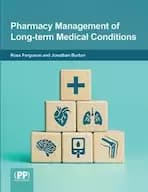
<p>Ross Ferguson, Jonathan Burton<br><br>Scheduled closure of pharmpress.com<br><br>ISBN 9780857114051<br><br>Published Mar 2021<br><br>370pp<br><br><br>DESCRIPTION:<br><br> Pharmacy Management of Long-term Medical Conditions shows you how you can use your expertise to improve health outcomes and quality of life for people with LTMCs by ensuring they get the best out of their medicines.<br>It contains 17 chapters with each chapter focusing on one of the most prevalent long-term medical conditions that you may encounter day-to-day including an overview, diagnosis, pharmacy input, pharmacy review and management/treatment.<br> Pharmacy Management of Long-term Medical Conditions features useful resources and case studies at the end of each chapter to help bring guidelines to life and into the practice setting. <br>Written by expert pharmacists in their respective fields, it provides practical information that can be easily implemented in practice to make a difference to patient care and outcomes. <br>This book is designed to support primary care pharmacists working in community and GP practice pharmacy.<br> <br>CONTENTS:<br><br> Preface <br> <br> Acknowledgement <br> <br> About the contributors <br> <br> Anxiety and depression in adults <br> <br> Asthma <br> <br> Atrial fibrillation <br> <br> Bipolar disorder <br> <br> Coronary heart disease <br> <br> Chronic obstructive pulmonary disease <br> <br> Chronic pain <br> <br> Dementia <br> <br> Diabetes <br> <br> Epilepsy <br> <br> Heart failure <br> <br> Hypertension <br> <br> Palliative care <br> <br> Rheumatoid arthritis <br> <br> Schizophrenia <br> <br> Stroke and transient ischaemic attack <br> <br> Polypharmacy and multimorbidity <br> <br> Index <br> <br> </p>FASTtrack Managing Symptoms in the Pharmacy
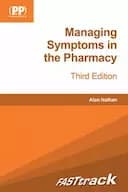
<p>Edited by Alan Nathan<br><br>Third Edition<br><br>Scheduled closure of pharmpress.com<br><br>ISBN 978 0 85711 388 7<br><br>Published Sep 2020<br><br>Paperback 234 x 156mm (240pp)<br><br><br>DESCRIPTION:<br><br> FASTtrack Managing Symptoms in the Pharmacy focuses on what you really need to know in order to pass exams. Concise, bulleted information and all-important self-assessment questions including MCQs and case studies. Addressing common ailments and organised alphabetically by system, FASTtrack Managing Symptoms in the Pharmacy provides all the essential information needed for managing symptoms presented in the pharmacy. This new edition has been revised and updated and now includes learning objectives for each chapter, new self-assessment questions and new chapters on benign prostatic hyperplasia and erectile dysfunction. Are your exams coming up? Are you drowning in textbooks and lecture notes and wondering where to begin? Take the FASTtrack route to successful study for your examinations. FASTtrack provides the ultimate lecture notes and is a must-have for all pharmacy students wanting to study and test themselves for forthcoming exams. . <br>CONTENTS:<br><br> FASTtrack Managing Symptoms in the Pharmacy <br> <br> Introduction to the FASTtrack series <br> About the author <br> <br> 1.Introduction <br> Cardiovascular <br> 2.Cardiovascular and cerebrovascular conditions <br> Central nervous system <br> 3.Motion sickness <br> 4.Pain <br> Eye and ear <br> 5.Ear problems <br> 6.Eye conditions <br> Foot conditions <br> 7.Athletes foot <br> 8.Foot (podiatric) problems <br> 9.Fungal nail infection (onychomycosis) <br> 10.Verrucas (plantar warts) and warts (common warts) <br> Gastrointestinal <br> 11.Constipation <br> 12.Diarrhoea <br> 13.Haemorrhoids (piles) <br> 14.Irritable bowel syndrome <br> 15.Indigestion <br> 16.Mouth ulcers (minor aphthous ulcers) <br> Infestations <br> 17.Head lice <br> 18.Scabies <br> 19.Threadworm <br> Mens conditions <br> 20.Benign prostatic hyperplasia <br> 21.Erectile dysfunction <br> Musculoskeletal <br> 22.Musculoskeletal conditions <br> Respiratory <br> 23.Common cold and influenza <br> 24.Cough <br> 25.Hay fever <br> 26.Nicotine replacement therapy <br> Skin <br> 27.Acne <br> 28.Cold sores (oral herpes simplex) <br> 29.Eczema/dermatitis <br> 30.Fungal skin infections <br> 31.Scalp conditions <br> Womens conditions <br> 32.Cystitis <br> 33.Menstrual disorders - dysmenorrhoea and menorrhagia <br> 34.Emergency hormonal contraception <br> 35.Premenstrual syndrome <br> 36.Vaginal thrush <br> <br> Answers <br> Glossary <br> Index <br> <br> </p>Pharmacy Foundation Assessment Questions 1
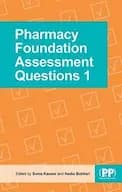
<p>Edited by Nadia Bukhari and Sonia Kauser<br><br>Scheduled closure of pharmpress.com<br><br>ISBN 978 0 857114501<br><br>Published Jan 2023<br><br><br>DESCRIPTION:<br><br> Following on from the popular Pharmacy RegistrationAssessment Questions series, Pharmacy Foundation Assessment Questions featuresover 400 revision questions. Along with guidance about how to prepare for, andapproach taking the new GPhC Registration Assessment exams. <br>The questions and guidance are fully aligned to the latestguidance regarding the assessment process from the GPhC. Questions are based onlatest editions of both the BNF an BNFC, alongside the most current treatmentguidelines available at the time of writing. This book also includes questions featuring prescriptions, patientinformation and pictures of conditions, replicating the type of questionsstudents may encounter in the real exam. <br>This revision aid gives students the opportunity to practicea variety of questions on styles ahead of the assessment including: <br> single best answer questions <br> extended matching questions <br> calculations <br>Written by a team of experienced authors who all work withfoundation trainee pharmacists every day and including questions that arepractical and will truly challenge students. <br>This book is the handy guide to help students prepare for their exams. <br> <br> About the authors <br>Nadia Bukhari is Associate Professor in Pharmacy Practice at the UCL School of Pharmacy. <br>Sonia Kauser is a Primary Care Pharmacist and Lecturer in Pharmacy Practice at the University of Manchester. <br> <br>CONTENTS:<br><br> Table of contents <br> <br> Preface <br> Acknowledgements <br> About the authors <br> Abbreviations <br> Introduction to the Assessment <br> How to use this book <br> <br> Single Best Answer Questions (SBA) <br> <br> Extended Matching Questions (EMQ) <br> <br> Calculations <br> <br> Case studies <br> <br> Answers <br> <br> Index <br> <br> </p>BNF for Children 2022-2023
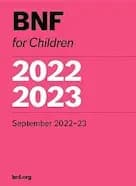
<p>Paediatric Formulary Committee<br><br>Scheduled closure of pharmpress.com<br><br>Published jointly by the British Medical Association, Royal Pharmaceutical Society, the Royal College of Paediatrics and Child Health, and the Neonatal and Paediatric Pharmacists Group<br><br>ISBN 9780857114297<br><br>Published Sep 2022<br><br>Paperback 1824pp<br><br><br>DESCRIPTION:<br><br> Published jointly by the British Medical Association, Royal Pharmaceutical Society, the Royal College of Paediatrics and Child Health, and the Neonatal and Paediatric Pharmacists Group<br>The BNF for Children is the first choice for concise medicines information for children. Trusted by healthcare professionals across the world to support confident decision-making at the point of care.<br>The new edition provides up-to-date guidance on prescribing, dispensing, and administering medicines to children, plus legal and professional guidelines.<br>Recommendations in the BNF for Children have been constructed on the basis of authoritative sources, emerging evidence, best practice guidelines and advice from a network of paediatric experts. The process is overseen by a paediatric formulary committee.<br>Extensive content updates in the BNF for Children 2022-2023 edition include:<br> New monographs for:<br> - Acarizax® [house dust mite extract] for house dust mite allergic rhinitis<br> - Adakveo® [crizanlizumab] for vaso-occlusive crises in sickle-cell disease<br> - Cibinqo® [abrocitinib] for atopic eczema<br> - Dificlir® [fidaxomicin] for Clostridioides difficile infection<br> - Evrysdi® [risdiplam] for 5q spinal muscular atrophy<br> - Fintepla® [fenfluramine] for adjunctive therapy of seizures associated with Dravet syndrome<br> - Givlaari® [givosiran] for acute hepatic porphyria<br> - Keytruda® [pembrolizumab] for classical Hodgkin lymphoma<br> - Koselugo® [selumetinib] for inoperable plexiform neurofibromas in patients with neurofibromatosis type 1<br> - Liraglutide for weight management or type 2 diabetes mellitus<br> - Orladeyo® [berotralstat] for hereditary angioedema<br> - Pradaxa® [dabigatran etexilate] for prophylaxis or treatment of venous thromboembolism<br> - Rinvoq® [upadacitinib] for atopic eczema<br> - Ruconest® [conestat alfa] for hereditary angioedema in patients with C1-esterase inhibitor deficiency<br> - Ryaltris® [mometasone furoate with olopatadine] for allergic rhinitis<br> - Taltz® [ixekizumab] for plaque psoriasis<br> - Ultomiris® [ravulizumab] for atypical haemolytic uraemic syndrome or paroxysmal nocturnal haemoglobinuria<br> - Xarelto® [rivaroxaban] for prophylaxis or treatment of venous thromboembolism<br> - Xeljanz® [tofacitinib] for polyarticular juvenile idiopathic arthritis or juvenile psoriatic arthritis<br> - Xevudy® [sotrovimab] for COVID-19<br> - Xofluza® [baloxavir marboxil] for post-exposure prophylaxis or treatment of influenza<br> MHRA advice on:<br> - Adrenaline/epinephrine auto-injectors: reminder for prescribers to support safe and effective use<br> - Amiodarone hydrochloride (Cordarone X®): reminder of risks of treatment and need for patient monitoring and supervision<br> - Atezolizumab (Tecentriq®) and other immune-stimulatory anti-cancer drugs: risk of severe cutaneous adverse reactions (SCARs)<br> - Chloral hydrate, cloral betaine (Welldorm®): restriction of paediatric indication<br> - Chloramphenicol eye drops containing borax or boric acid buffers: use in children younger than 2 years<br> - Chloroquine: increased risk of cardiovascular events when used with macrolide antibiotics; reminder of psychiatric reactions<br> - Hydroxychloroquine sulfate: increased risk of cardiovascular events when used with macrolide antibiotics; reminder of psychiatric reactions<br> - Ivacaftor, tezacaftor, elexacaftor (Kaftrio®▼) in combination with ivacaftor (Kalydeco®): risk of serious liver injury; updated advice on liver function testing<br> - Levothyroxine sodium: new prescribing advice for patients who experience symptoms on switching between different levothyroxine products<br> - Metformin hydrochloride: study shows no safety concerns in pregnancy<br> - Oral retinoid medicines: temporary monitoring advice during COVID-19 pandemic<br> - Remdesivir: reporting to the UK COVID-19 Antivirals Pregnancy Registry<br> - Tofacitinib (Xeljanz®): new measures to minimise risk of major adverse cardiovascular events and malignancies<br> - Topical corticosteroids: information on the risk of topical steroid withdrawal reactions<br> - Yellow fever vaccine, live (Stamaril®): new pre-vaccination checklist<br> Other significant changes include updated guidance on:<br> - Aciclovir: important safety information added to highlight different approaches to calculating doses depending on the age of the child<br> - Management of acne<br> - Management of anaphylaxis<br> - Contraceptives, interactions<br> - COVID-19 updated guidance in-line with Public Health England/UK Health Security Agency recommendations, including reports of myocarditis and pericarditis with the Pfizer/BioNTech and Moderna vaccines and update to age range of Pfizer/BioNTech vaccine<br> - Diabetic hyperglycaemic emergencies<br> - Management of acute otitis media<br> - Emergency contraception<br> - Management of Clostridioides difficile infection<br> - Immunisation schedule updated guidance in-line with Public Health England/UK Health Security Agency recommendations, including Bacillus Calmette-Guérin, human papillomavirus, and influenza vaccines and immunisation of neonates<br> - Levetiracetam dosing added for convulsive status epilepticus in children<br> - Malaria prophylaxis in-line with Public Health England recommendations<br> - Miconazole oral gel no longer licensed for treatment of intestinal candidiasis<br> - Preventative migraine treatment<br> - Management of nausea and vomiting during pregnancy<br> - New guidance on management of neonatal bacterial infection<br> - Oral anticoagulants<br> - Paediatric Steroid Treatment Card to support early recognition and treatment of adrenal crisis in children with adrenal insufficiency [British Society for Paediatric Endocrinology and Diabetes]<br> - Chronic pain<br> - Phenobarbital oral solutions and advice from the RCPCH/NPPG<br> - Phosphate imbalance<br> - Potassium permanganate: inadvertent oral administration of potassium permanganate [National Patient Safety Alert advice]<br> - Prescribing in renal impairment<br> - Rabies vaccine and post-exposure management<br> - Remdesivir treatment duration<br> - Management of secondary bacterial infection of common skin conditions, including eczema<br> - Smoking cessation<br> - Tetanus vaccine and the use of immunoglobulin for tetanus infection and prophylaxis in-line with Public Health England recommendations<br> - Trientine dihydrochloride: name change to Trientine, and update to dosing for Wilsons disease<br> - Recommended insulin regimens in type 1 diabetes<br> - Vitamin D<br> BNF for Children 2022-2023 is an essential publication, it provides you with:<br> - Up-to-date information on prescribing, dispensing, and administering medicines<br> - Authoritative, independent guidance on best practice enabling you to select safe and effective medicines<br> - Information you know you can trust for quality, reliability, and independence<br> - Everything you need at your fingertips, all in one book<br> <br> </p>Drugs and the Liver
<p>North-Lewis, Penny<br><br>First edition<br><br>Scheduled closure of pharmpress.com<br><br>Edited by Penny North-Lewis<br><br>ISBN 978 0 85369 710 7<br><br>Published Jan 2008<br><br>Paperback 234 x 156mm (344pp)<br><br><br>DESCRIPTION:<br><br> Drugs and the Liver is designed to assist practitioners in making pragmatic choices for their patients. <br>Liver disease is a widespread and increasing problem throughout the world, however little is published on how different types and degrees of liver dysfunction affect the body's ability to handle medicines. <br>This book aims: <br> - to enable the practitioner to assess liver function using biochemical markers, other tests, signs, symptoms and disease knowledge <br> - to identify which pharmacokinetic and pharmacodynamic parameters of a drug are likely to be affected by different types of liver disease <br> - to consider the impact of a drug's side effects on a patient with liver disease. <br>This practical guide covers background information on liver function, the principles of drug use in liver disease and includes a section of worked examples of commonly asked questions. It will be invaluable to clinical pharmacists and anyone making medicine choices in patients with liver impairment. <br>CONTENTS:<br><br> Part 1 Understanding Liver Function<br> 1. Introduction to the Anatomy of the Liver<br> 2. Functions of the Liver<br> 3. Causes of Liver Disease and Dysfunction<br> 4. Assessing Liver Function<br> Part 2 Principles of Drug Use in Liver Disease<br> 5. Pharmacokinetics of Drugs in Liver Disease<br> 6. Undesirable Side Effects<br> Part 3 Putting the Theory Into Practice<br> 7. Applying the Principles-introduction<br> 8. Introducing the Aide Memoire<br> 9. Scenario 1 Choice of Analgesia<br> 10. Scenario 2 Choice of Anti-emetic<br> 11. Scenario 3 Choice of Anti-hyperlipidaemic Agent<br> 12. Scenario 4 Choice of Hormone Relacement Therapy (HRT)<br> 13. Scenario 5 Choice of Contraceptive<br> Appendix 1 Detailed Description of the Patient Cases<br> Appendix 2 The Blank Aide Memoire Form<br> <br>REVIEWS:<br><br> 08-Oct-08, Chemist and Druggist <br>'For those pharmacists involved in medication reviews, interpretation of liver function test results is an essential part of the process. This book provides an excellent explanation of each parameter and the limitations of using the results alone when assessing the degree of liver function.' <br> Jackie Smith, a pharmaceutical advisor, Chemist and Druggist, published online on October 2008 <br> 08-Aug-08, The Annals of Pharmacotherapy <br>'This book combines all pertinent issues relating to liver dysfunction and medication use in one reference. The authors and contributors have done an excellent job to make the book a practical tool that can be used by clinicians when making therapeutic choices rather than merely presenting pharmacokinetic principles and expected alterations in liver disease.' <br> Sharya Vaughan Bourdet, PharmD BCPS, The Annals of Pharmacotherapy Vol. 42, July/August 2008 <br> 01-Apr-08, Doody Enterprises, Inc <br>'The book is written primarily for pharmacist clinicians, but it serves as a useful review for anyone who has an interest in drug metabolism and liver function...the thorough but easy to understand review of the liver anatomy and function is a highlight. This is a good read for those who need to brush up on these topics.' <br> Patrick J. McDonnell, Temple University School of Pharmacy. Doody Enterprises, Inc. April 2008 <br> </p>Couleur et forme :234 x 156mmFASTtrack: Complementary and Alternative Medicine
<p>Kayne, Steven B<br><br>First edition<br><br>Scheduled closure of pharmpress.com<br><br>Steven B Kayne - Honorary Consultant Pharmacist, Glasgow Homeopathic Hospital; Honorary Lecturer, University of Strathclyde<br><br>ISBN 978 0 85369 774 9<br><br>Published Sep 2008<br><br>Paperback 234 x 156mm (208pp)<br><br><br>DESCRIPTION:<br><br> FASTtrack: Complementary and Alternative Medicine focuses on what you really need to know in order to pass exams. Concise, bulleted information, key points, tips and an all-important self-assessment section which includes MCQs, case studies, sample essay questions and worked examples. This book is a quick-start guide to all the main types of Complementary and Alternative Medicine. It is based on the successful textbook, Complementary and Alternative Medicine . <br> FASTtrack: Complementary and Alternative Medicine covers all the basics of CAM and some of the more common constituent therapies, including two traditional systems of medicine, traditional Chinese medicine and Indian ayurveda. Both theoretical and practical aspects of the subject matter are included. Exercises at the end of each chapter provide an opportunity to apply the facts learnt in the text. <br>Are your exams coming up? Are you drowning in textbooks and lecture notes and wondering where to begin? Take the FASTtrack route to successful study for your examinations. FASTtrack provides the ultimate lecture notes and is a must-have for all pharmacy students wanting to study and test themselves for forthcoming exams. <br> <br>CONTENTS:<br><br> 1. Introduction<br> 2. Clinical Issues Associated with the Use of CAM<br> 3. Introduction to Homeopathy<br> 4. Prescribing and Dispensing Homeopathic Medicines<br> 5. Introduction to Medical Herbalism<br> 6. The Practice of Medical Herbalism<br> 7. Aromatherapy<br> 8. Flower Remedy Therapy<br> 9. Traditional Medicine<br> 10. Traditional Chinese Medicine<br> 11. Indian Aruvedic Medicine<br> 12. Manual Therapies<br> 13. Naturopathy and Its Associated Medicines<br> 14. Mind and Body Therapies<br> 15. Diagnostic Methods<br> <br>REVIEWS:<br><br> 12-Dec-08, Chemist and Druggist<br> 'FASTtrack Complementary and Alternative Medicine (CAM) provides a succinct and interesting description of the theory and practice behind more than 40 commonly used therapies.'<br> Elizabeth Robinson, Chemist and Druggist, published online on 12th December 2008<br> 21-Nov-08, Doody's Notes<br> 'This book is well organised and contains very comprehensive review of the many types of alternative medicines. This has the potential to be my "gold standard" on CAM because it covers so well the basics on many different aspects of alternative medicines, as well as the details on various herbal remedies.'<br> Judith Klevan, BA Biology, BS Pharmacy Doody's Notes 21st November 2008<br> </p>Couleur et forme :234 x 156mmClarke's Analysis of Drugs and Poisons
<p>Moffat, Anthony C; Osselton, M David; Widdop, Brian; Watts, Jo<br><br>Fourth edition<br><br>Scheduled closure of pharmpress.com<br><br>Edited by Anthony C Moffat - Emeritus Professor, Centre for Pharmaceutical Analysis, The School of Pharmacy, University of London, UK, M David Osselton - Head, Centre for Forensic Sciences, School of Conservation Studies, Bournemouth University, UK, Brian Widdop - Emeritus Doctor. Formerly, Laboratory Director, Medical Toxicology Unit, Guy's Hospital, London, UK, and Jo Watts - Executive Development Editor, Royal Pharmaceutical Society of Great Britain, London, UK<br><br>ISBN 978 0 85369 711 4<br><br>Published May 2011<br><br>Hardback276 x 219mm (2736pp)<br><br><br>DESCRIPTION:<br><br> Clarke's Analysis of Drugs and Poisons is the definitive source of analytical data for drugs and poisons. Written by over 40 international experts, the resource also boasts an editorial advisory board of over 45 world renowned scientists. <br>This reference work has been completely revised and updated for the new edition, and comprises two volumes. <br>The book is essential for all forensic and clinical toxicologists, pathologists, hospital pharmacists, pharmaceutical analysts, clinical pharmacologists, clinical and forensic laboratories, and poison information centres.<br> <br>CONTENTS:<br><br> Volume one<br> Part one: methodology and analytical techniques<br> Contains 44 chapters by leading international scientists covering the practice areas and analytical procedures used in toxicology<br> Volumes two <br> Parts two and three: analytical and toxicological data<br> Contains 2111 drug and poison monographs detailing physical properties, analytical methods, pharmacokinetic data and toxicity data.<br> Part four: Indexes to analytical data<br> This part contains indexes of analytical data, including all data for colour tests, chromatography, ultraviolet spectrophotometry, infrared spectrometry and mass spectrometry.<br> <br>REVIEWS:<br><br> 2011, Journal of Forensic Science <br>"This continues to be an invaluable reference for pharmaceutical scientists, clinical and forensic toxicologists and environmental chemists...Both the number of substances discussed in the monograph section and the depth of information presented are quite impressive." <br> Randall C. Baselt, Ph.D., Journal of Forensic Science, 2011<br> <br>2011, TIAFT Bulletin<br> "Pathologists, clinicians, lawyers and students will find the new Clarke engaging, systematic in its approach and daunting in the massive amount of information provided. It is not until you become accustomed with the layout and logical style of the book that one appreciates the thought that has gone into producing this excellent and essential reference. No toxicologist should be without one!" <br> Dimitri Gerostamoulos, TIAFT Bulletin 41(2), 2011<br> 10-Jul-2011, Chromatographia<br> "The work provides a compilation and easy access to analytical data for numerous compounds that can give an overview without the need of an extensive database search. This is especially true for data of older compounds that cannot be easily found elsewhere...the reader is provided with substantial information making the work an incomparable reference book in drug analysis." <br> Gerhard K.E. Scriba, Department of Pharmaceutical Chemistry, University of Jena, Chromatographia, 10 July 2011<br> <br> From the reviews of the previous edition<br> 'Some things in life are worth the wait and truly this 3rd edition of Clarke's Analysis of Drugs and Poisons falls into this category the quality is superb' Australian Journal of Forensic Sciences<br> 'Clarke has gained an international reputation as a reliable source of information for the analyses of drugs, and this new highly-expanded edition is the 21st century's successor.' Veterinary and Human Toxicology<br> 'The content is comprehensive, absorbing and layout is well planned and executed. Without doubt, this volume will be a much well thumbed institution in any serious analytical laboratory and will assist generations of scientists in years to come.' Pharmacy Education<br> <br>WHAT'S NEW?:<br><br><br> - Volume one has been greatly expanded from 31 to 44 chapters providing extensive coverage of all methodology and analytical techniques. Of significant interest include: <br><br><br><br><br><br>Quality control and assessment - separated into two chapters to reflect the differing situations/purposes/remits of the toxicology laboratory versus the pharmaceutical industry (accreditation with ISO17025 becoming the international standard in labs) <br><br><br>Method development and validation - now present since reliable analytical techniques and data should be of the utmost importance to any analyst <br><br><br>'Sampling, storage and stability', 'Measuring and reporting uncertainty' and 'Interpretation of results' now included to cover all aspects accreditation <br><br><br>Pharmacokinetics now coupled with Pharmacogenomics <br><br><br><br><br> - All chapters have been updated, for instance the colour test chapter now includes the analysis of metals, while newer analytical techniques, such as liquid chromatography-mass spectrometry (LC-MS) and atomic absorption spectrometry-inductively coupled- mass spectrometry (AAS-ICP-MS) are also covered. Parts two and three now contain 2111 monographs (1730 in 3rd edition). This includes over 200 new monographs with retention of all monographs included in previous edition. New monographs include metals, natural toxins and weapons of mass destruction Over 300 updated monographs including amphetamine, morphine and MDMA <br>DIGITAL PRODUCTS:<br><br><br> <br> <br> </p>Couleur et forme :276 x 219mmRPS Pharmacy and Pharmacology Reports (RPSPPR)
<p>Editor-in-Chief Professor Dionysios (Dennis) Douroumis, University of Greenwich, UK<br><br>Scheduled closure of pharmpress.com<br><br>ISSN 27545849<br><br>Published Jul 2022<br><br><br>DESCRIPTION:<br><br> From the discovery of new drugs to drug development, RPSPPR is a forum for members of the pharmacy, pharmacology, chemistry, biochemistry, physiology, and microbiology communities alike to come together to develop life-changing medicines of the future. Key topics of interest include (but are not limited to): Drug discovery and design Chemical and biological examination of drugs from natural sources Drug formulation and delivery Drug action Pharmacokinetics and Pharmacodynamics Clinical pharmacology and translational research Drug analysis Please visit RPS Pharmacy and Pharmacology Reports | Oxford Academic (oup.com) for more information. <br> </p>Nuclear Pharmacy
<p>Smith, Blaine<br><br>First edition<br><br>Scheduled closure of pharmpress.com<br><br>Edited by Blaine Templar Smith<br><br>ISBN 978 0 85369 866 1<br><br>Published Feb 2010<br><br>Paperback 234 x 156mm (304pp)<br><br><br>DESCRIPTION:<br><br> Nuclear Pharmacy offers a comprehensive introduction to nuclear medicine with focus on the application of basic information. <br>This book will appeal to those wanting an accessible introduction to the topic, as well as those using it as a reference. Essential information on nuclear pharmacy is discussed, covering: <br> - introduction to basic nuclear physics <br> - radioactive decay <br> - radiopharmaceuticals <br> - practice of nuclear pharmacy <br> - methods for acquiring and using radiopharmaceuticals in the nuclear medicine department. <br> Nuclear Pharmacy will be an invaluable resource for any pharmacy student, pharmacist, physician, nuclear pharmacy technician, radiology resident, and anyone seeking to explore and understand this fascinating field. <br>Nuclear Pharmacy is also available as an eBook . <br> <br>CONTENTS:<br><br> Clinical Applications of Radiopharmaceuticals in the Nuclear Medicine Department<br> Radiopharmaceuticals<br> Interventional Agents<br> Radiation Physics and Biology <br> Radioactive Drugs in Medicine<br> Radiopharmaceuticals<br> Introduction to Radioactivity and Radioactive Decay<br> The physiologic basis of radiopharmaceuticals<br> Radiopharmacy operations<br> The basics of nuclear pharmacy practice<br> Positron Emission Tomography<br> Overview and Review of Current and Emerging Radiopharmaceuticals<br> </p>Couleur et forme :234 x 156mmPalliative Care Formulary (PCF8)
<p>Edited by Andrew Wilcock, Paul Howard, Sarah Charlesworth<br><br>Scheduled closure of pharmpress.com<br><br>ISBN 9780857114372<br><br>Published Aug 2022<br><br><br>DESCRIPTION:<br><br> The eighth edition of the Palliative Care Formulary (PCF), from Pharmaceutical Press, the Royal Pharmaceutical Societys knowledge business, is an essential resource for health professionals who care for patients with progressive end-stage disease. Although written primarily with cancer patients in mind, PCF8 contains specific material relating to several other life-limiting diseases e.g. COPD, end-stage heart failure, renal and hepatic failure, and end-stage Parkinson's disease. Grounded in clinical practice, this comprehensive title includes independent information about drugs used in palliative care, highlighting off-label indications or routes, and dealing with the administration of multiple drugs by continuous subcutaneous infusion. Updates in the new edition: Renamed monograph (Tricyclic antidepressants) and two discontinued - (Carbamazepine and Danazol). Fully reviewed and updated monographs including for: Individual strong opioid analgesic drug monographs and Quick Clinical Guides Antidepressants class and individual drug monographs Anti-epileptics class and individual drug monographs including a significantly updated section on the management of seizures and the use of subcutaneous levetiracetam Bisphosphonates monograph including the 2020 ESMO clinical practice guidelines and a new joint summary table for the indications of use for bisphosphonates and denosumab in palliative care Denosumab monograph including the 2020 ESMO clinical practice guidelines Drugs and fitness to drive chapter including updates to the summary table of the available evidence for sedative drugs Renal impairment chapter including significant changes to the sections on assessing renal function, and opioid use in renal impairment Drug administration to patients with swallowing difficulties or enteral feeding tubes chapter including a new step-wise approach for alternative formulations, and a fully updated table on commonly used alternative product Targeted updates to monographs including: H2-receptor antagonists monograph updated to reflect the alternative oral and parenteral options due to the world-wide absence of ranitidine Proton pump inhibitors monograph significant updates to the parenteral administration section Clonidine monograph, involving significant updates to the dose and use section and a new summary of dexmedetomidine use Drugs for diabetes monograph updated to include the 2021 Diabetes UK guidelines and the 2021 Joint British Diabetes Societies Inpatient Care Group guidelines. Significant changes to the sections on corticosteroid-induced diabetes mellitus, the management of hypoglycaemia, and the management of spikes of hyperglycaemia in the last few weeks of life Systemic corticosteroids significant updates on the risks of adrenal insufficiency including information about the new steroid emergency card and information on the evidence of use for appetite stimulation Anaphylaxis appendix updated to reflect the 2021 Resuscitation Council UK guidelines. PCF8 also includes several Quick Clinical Guides covering key topics in palliative care and designed for everyday use. <br>CONTENTS:<br><br> Preface <br> How PCF is constructed <br> Getting the most out of PCF <br> The use of medicinal products beyond (off-label) and without (unauthorized) marketing authorization <br> Drug names <br> Abbreviations <br> <br> Part 1 Drug Monographs <br> 1 Gastro-intestinal system <br> Antacids and antiflatulents <br> Antimuscarinics <br> Prokinetics <br> H2-receptor antagonists <br> Proton pump inhibitors <br> Loperamide <br> Laxatives <br> Topical products for haemorrhoids <br> Pancreatin <br> <br> 2 Cardiovascular system <br> Furosemide <br> Spironolactone <br> Systemic local anaesthetics <br> *Clonidine <br> Glyceryl trinitrate <br> Nifedipine <br> Anticoagulants <br> Haemostatics <br> <br> 3 Respiratory system <br> Bronchodilators <br> Inhaled corticosteroids <br> Oxygen <br> Drugs for cough <br> <br> 4 Central nervous system <br> Benzodiazepines and Z-drugs <br> Melatonin <br> Antipsychotics <br> Antidepressants <br> *Psychostimulants <br> *Cannabinoids <br> Anti-emetics <br> Anti-epileptics <br> <br> 5 Analgesics <br> Principles of use of analgesics <br> Adjuvant analgesics <br> Paracetamol <br> Nefopam <br> Non-steroidal anti-inflammatory drugs (NSAIDs) <br> Weak opioids <br> Strong opioids <br> Opioid antagonists (therapeutic target within the CNS) <br> Opioid antagonists (therapeutic target outside the CNS) <br> <br> 6 Infections <br> Antibacterials in palliative care <br> Oral candidosis <br> Metronidazole <br> Rifampicin <br> Urinary tract infections <br> Cellulitis in a lymphoedematous limb <br> <br> 7 Endocrine system and immunomodulation <br> Bisphosphonates <br> Denosumab <br> Systemic corticosteroids <br> Demeclocycline <br> Desmopressin <br> Drugs for diabetes mellitus <br> *Octreotide <br> Progestogens <br> *Thalidomide <br> <br> 8 Urinary tract disorders <br> Tamsulosin <br> Urinary antimuscarinics <br> Methenamine hippurate <br> Catheter patency solutions <br> Discoloured urine <br> <br> 9 Nutrition and blood <br> Anaemia <br> Ascorbic acid (vitamin C) <br> Vitamin K <br> Potassium <br> Magnesium <br> Zinc <br> <br> 10 Musculoskeletal and joint diseases <br> Depot corticosteroid injections <br> Rubefacients and other topical products <br> Skeletal muscle relaxants <br> <br> 11 Ear, nose and oropharynx <br> Mouthwashes <br> Artificial saliva <br> Pilocarpine <br> Drugs for oral inflammation and ulceration <br> Cerumenolytics <br> <br> 12 Skin <br> Emollients <br> Topical antipruritics <br> Barrier products <br> <br> 13 Anaesthesia <br> *Ketamine <br> *Propofol <br> <br> Part 2 Prescribing in palliative care <br> 14 Prescribing in palliative care <br> 15 Anticipatory prescribing in the community <br> 16 Prescribing for children <br> 17 Renal impairment <br> 18 Hepatic impairment <br> 19 Variability in response to drugs <br> 20 Prolongation of the QT interval in palliative care <br> 21 Drug-induced movement disorders <br> 22 Drugs and fitness to drive <br> 23 Taking controlled and prescription drugs to other countries <br> 24 Obtaining specials <br> 25 Management of postoperative pain in opioid-dependent patients <br> 26 Drugs for pruritus <br> 27 Oral nutritional supplements <br> <br> Part 3 Routes of administration <br> 28 Drug administration to patients with swallowing difficulties or enteral feeding tubes <br> 29 Continuous subcutaneous drug infusions <br> 30 Transdermal patches <br> 31 Nebulized drugs <br> 32 Spinal analgesia <br> <br> Appendices <br> A1Anaphylaxis <br> A2Opioid dose conversion ratios <br> A3Compatibility charts <br> <br> Indexes <br> Drugs <br> Topics <br> <br>REVIEWS:<br><br> From the reviews of previous editions <br> <br> PCF [is] a core text for the speciality and has no serious rivals. Palliative Medicine <br> <br> The information is up to date and prepared with extreme care. This handbook should be available to staff involved with inpatient consultation, inpatient units of care and home visits. Journal of Pain and Symptom Management <br> <br> First class. Highly recommended. International Association for Hospice and Palliative Care <br> <br> </p>British National Formulary
<p>Joint Formulary Committee<br><br>Scheduled closure of pharmpress.com<br><br>Published jointly by the British Medical Association and the Royal Pharmaceutical Society<br><br>Product code BNFY2<br><br>BNF 2 Year Subscription<br><br><br>DESCRIPTION:<br><br> Access to the BNF is vital for all healthcare and pharmacy professionals, providing practical guidance on prescribing, dispensing, and administering medicines.<br>To help keep you up-to-date, print copies of this essential publication is now available via subscription, meaning you get the latest medicines information as it is published and for a reduced price.<br> Subscription option Subscription price Saving on RRP BNF subscription for 2 years £210.00 26% <br> Also available: <br> BNF subscription for 1 year <br> BNF + BNFC subscription for 1 year <br> BNF + BNFC subscription for 2 years <br> <br>CONTENTS:<br><br> This essential resource provides up-to-date, practical guidance on prescribing, dispensing, and administering medicines.<br> The BNF evaluates clinical evidence from diverse sources with information validated by a network of clinical experts and published under the authority of a Joint Formulary Committee. The BNF reflects current best practice as well as legal and professional guidelines relating to the uses of medicines. Includes:<br> - Guidance on the drug management of common conditions<br> - Details of medicines prescribed within the UK with special reference to their uses, cautions, contra-indications, side-effects, doses and relative costs<br> - Guidance on prescribing, monitoring, dispensing and adminstering medicines <br> <br> </p>Nutraceuticals
<p>Lockwood, Brian<br><br>Second edition<br><br>Scheduled closure of pharmpress.com<br><br>Brian Lockwood - Senior Lecturer, School of Pharmacy and Pharmaceutical Sciences, University of Manchester<br><br>ISBN 978 0 85711 242 2<br><br>Published Mar 2007<br><br>Paperback 234 x 156mm (448pp)<br><br><br>DESCRIPTION:<br><br>Nutraceuticals are complementary medicines of natural origin. Usually obtained from a food source, they are sold as isolated, purified components in pharmacological doses for specific ailments. The international market for nutraceuticals is rapidly expanding and new research is constantly being conducted. New products are appearing on the market, some with novel therapeutic applications. <br>This new edition of Nutraceuticals reflects these changes and has broadened its scope with coverage of: <br><br> - Monographs on 25 nutraceuticals including soy and tea <br> - Discussion of nutraceuticals according to disease state <br>and additional chapters on: <br> - Synergism and combination therapies <br> - Safety, adverse effects and interactions <br> - Quality issues <br> - Minor nutraceuticals <br>This authoritative text assesses the medical and scientific evidence for the use of nutraceuticals for prevention or treating important disease states. It will be of value to practising pharmacists, other healthcare professionals and complementary medicine practitioners.<br> <br>CONTENTS:<br><br>1. Introduction <br>2. Monographs <br>3. Source, Manufacture and Analysis of Major Nutraceuticals <br>4. Metabolism, Bioavailability and Pharmacokinetics of Nutraceuticals <br>5. Joint Health <br>6. Cardiovascular Health <br>7. Eye Health <br>8. Mental Health <br>9. Sleep Enhancement <br>10. Cancer Prevention <br>11. Bone Health <br>12. Respiratory Health <br>13. Women's Health <br>14. Weight Management <br>15. Skin Health <br>16. Oral Health <br>17. Sporting Performance/enhancement <br>18. Animal Health <br>19. Meta-analyses/systemic Reviews <br>20. Synergism, Beneficial Interactions and Combination Products <br>21. Emerging Nutraceuticals <br>22. Adverse Effects <br>23. Quality <br>24. Conclusions <br>REVIEWS:<br><br> 15-Aug-09, HerbalGram <br>'Finally, a nutraceuticals book on my shelf that is well-researched, <br>timely, highly credible, and well written...chapters 5-18 address <br>specific conditions. Topics include joint disease, heart-health, sleep, <br>sports, bone health, and so forth. Each are superbly researched and well<br> presented. To anyone who has anything to do with nutraceuticals be it <br>healthcare provider, product developer, or a regulator this book is a <br>must have...reading such a fine book on the subject of nutraceuticals <br>makes me proud to work in this field.' <br> Stacey J. Bell, DSc, RD, Herbalgram (American Botanical Council) August 2009 <br> 01-Jun-08, Doody <br>'This book provides a very detailed review of published data to support <br>or disprove the use of complementary medicine. This resource is <br>excellent for healthcare professionals especially pharmacists, <br>nutritionists, and physicians who are frequently relied on by consumers <br>for recommendations regarding the use of nutraceuticals. The updated <br>version is needed because it provides the most recent published <br>literature...' <br> Stephanie J Costante, Temple University School of Pharmacy, Philadelphia, USA. Doody Enterprises Ltd, June 2008 <br> 01-Jan-08, Science Direct - Elsevier <br>'This scholarly work on Nutraceuticals is a fascinating read. The <br>subject and literature are vast, and the author is to be complimented <br>for his through coverage...the book is recommended to researchers, <br>postgraduates and final year undergraduates whose studies encompass or <br>impinge upon the area, and to professionals in medicine, pharmacy, <br>nutrition and dietetics, who may have to respond to patients' requests <br>for information or who wish to recommend nutraceuticals. Manufacturers <br>and suppliers of nutraceuticals could also benefit from reading it.' <br> Mike Clifford, Emeritus Professor of <br>Food Safety, University of Surrey, Guildford. Science Direct. Elsevier, <br>2008. <br> 01-Dec-07, American Journal of Pharmaceutical Education <br>'The cross-relational approach to common conditions adds uniqueness to <br>the text...this text uniquely categorises the nutraceuticals by <br>co-morbid conditions, increasing its appeal for academic use.' <br>Seena Zierler-Brown, PharmD. Associate<br> Professor Pharmacy Practice. Palm Beach Atlantic University. American <br>Journal of Pharmaceutical Education 2007: 71(5) Article 99 <br> </p>FASTtrack: Chemistry of Drugs
<p>Barlow, David; Mountford, David<br><br>First edition<br><br>Scheduled closure of pharmpress.com<br><br>David Barlow - Reader, Pharmacy Department, Kings College London, and David Mountford - Lecturer, Pharmacy Department, Kings College London<br><br>ISBN 978 0 85711 083 1<br><br>Published Jul 2014<br><br>Paperback 234 x 156mm (272pp)<br><br><br>DESCRIPTION:<br><br> FASTtrack: Chemistry of Drugs focuses on what you really need to know in order to pass your pharmacy exams. It boasts concise bulleted information, key points, tips and a range of self assessment MCQs to consolidate learning. <br>Written by experts in the field and furnished with over 300 figures, this well illustrated book offers an accessible introduction to subjects that are fundamental to pharmaceutical science. It covers all the key aspects of organic chemistry, elementary medicinal chemistry, and biochemistry, required by undergraduate pharmacy and pharmaceutical sciences students. <br>Read an interview with the authors , who talk about how to learn the chemistry of drugs and the best way of using the book to revise for exams. <br>Are your exams coming up? Are you drowning in textbooks and lecture notes and wondering where to begin? Take the FASTtrack route and study successfully for your exams. <br>FASTtrack offers the ultimate lecture notes and is a must-have for all pharmacy undergraduate students and pre-registration trainees wanting to study, revise and practice MCQs ahead of exams. <br>Are you ready to challenge yourself? Even more self assessment MCQs are now available online at ONtrack - the ultimate pharmacy revision site . Select the FASTtrack option. <br>FASTtrack: Chemistry of Drugs is also available as an ebook <br> <br>CONTENTS:<br><br>1. Chemical structure and bonding <br>2. Intermolecular interactions <br>3. Acids and bases <br>4. Stereochemistry <br>5. Chemical reaction mechanisms <br>6. Chemistry of electrophiles and nucleophiles <br>7. Chemistry of aromatic compounds <br>8. Chemistry of carbonyl compounds <br>9. Chemistry of aromatic heterocyclic compounds <br>10. Amino acids, peptides and proteins <br>11. Carbohydrates and nucleic acids <br>12. Lipids and steroids <br>13. Chemical stability of drugs <br>14. Drug metabolism <br>15. Molecular spectroscopy and pharmaceutical analysis <br>16. Drug licensing and pharmacopoeia <br>Answers to self-assessment <br> <br>REVIEWS:<br><br> October 2014, Nursing Standard <br>"4 stars. This book is a brilliant resource written by two experts in the field of pharmaceutical and medicinal chemistry... <br>...It is intended to complement lecture notes and prepare pharmacy undergraduates for their exams. It would also be a useful resource for practising pharmacists, researchers, scientists and all those with an interest in chemical structure and bonding, intermolecular interactions, drug licensing and pharmacopoeia... <br>...The text is well written, with a clear, consistent and open layout. There are overviews outlining what the reader should know after completing each section. The text is presented in concise bullet points, with key points, tips and simple diagrams." <br> Oliver McGurk, medical science undergraduate, Nursing Standard, 29(9): October 2014. <br> </p>Couleur et forme :234 x 156mmMinor Illness or Major Disease
<p>Addison, Brian; Brown, Alyson; Edwards, Ruth; and Gray, Gwen<br><br>Sixth edition<br><br>Scheduled closure of pharmpress.com<br><br>Brian Addison, Alyson Brown, Ruth Edwards, Gwen Gray are from the School of Pharmacy and Life Sciences, Faculty of Health and Social Care, Robert Gordon University, Aberdeen, UK.<br><br>ISBN 978 0 85711 214 9<br><br>Published Jul 2016<br><br>Paperback 246 x 189mm (272pp)<br><br><br>DESCRIPTION:<br><br> Minor Illness or Major Disease eBook discusses in detail the diagnosis and management of frequently encountered ailments in community pharmacy practice. As well as being a well-established undergraduate textbook, this book aims to aid pharmacists with differentiating between a minor illness and a major disease that would need immediate referral to a medical practitioner. <br>This sixth edition has been thoroughly revised with updated advice and up to date information about pharmacy medicines. In addition it also: <br> - Utilises a problem-based learning approach with case studies throughout<br> - Includes trigger cases, management options, pharmacist and general practitioner opinions, self-assessment questions, summary of key points and key referral criteria<br> - Carries a further reading section at the end of most chapters, focusing on reviews and evidence of the efficacy of over-the-counter medicines.<br> Minor Illness or Major Disease is essential reading for pharmacy undergraduates and pre-registration students. It is also invaluable for community pharmacists. <br>CONTENTS:<br><br> Introduction<br> Gastrointestinal Illnesses<br> Respiratory Illnesses<br> Central Nervous System<br> Infections and Infestations<br> Obstetrics, Gynaecology and Urinary System<br> Eyes, Ears and Oral Health<br> Nutrition<br> Dermatology<br> <br>REVIEWS:<br><br> Irish Pharmacy Union, November 2016 <br>"The latest incarnation of such a valuable text comes courtesy of the well-established and renowned Pharmacy Practice team at Robert Gordons University Aberdeen... <br>...Differential diagnostic reasoning is presented throughout the chapter text, thereby allowing the reader to feel better informed when they ask that question of themselves - "Is this a Minor Illness or a Major Disease?" - when confronted with any clinical presentation... <br>...Text presentation is clear, concise and well delivered, with the result that the book itself represents an easily-accessible reference resource for the reader which can be cross-referenced with the BNF... <br>...The sixth edition of Minor Illness or Major Disease provides us with a timely update to what is already a stalwart within the Community Pharmacy practice resource library." <br> Noel Stenson, Irish Pharmacy Union, November 2016 <br> The Pharmaceutical Journal, September 2016 <br>"This latest edition offers a new approach to the management of minor illness, the most obvious difference from previous editions being the reformatting of the book to mirror the structure of the British National Formulary . The book also uses the problem-based learning approach where minor illnesses are discussed in the context of case studies... <br>...A pharmacist and a general medical practitioner or dietitian responds to the case. This illustrates the similarities and differences in approach by two different healthcare professionals... <br>...Each chapter ends with a series of self-assessment questions, the styles of which reflect those encountered in university or professional examinations... <br>...The book is well structured and easy to use. The tables are clear and concise and the photographs and illustrations are of the highest quality. It should be read by pharmacy undergraduates and preregistration trainees, and it will also be of great value to community pharmacists." <br> Laurence A. Goldberg, The Pharmaceutical Journal, 26 September 2016.<br> <br> From the reviews of the previous edition: <br>"The book is, thankfully, easily navigable and readable, and thus of great benefit in quick referral, it additionally allow for self-assessment with use of a series of reflective questions to encourage learning not only as an undergraduate but as a qualified professional...The authorship is comprehensible and non-patronising, with further counseling options also noted within specific chapters linking the core scientific knowledge to practical reality. <br><br> Grace Hatton, BPSA Eastern Area Coordinator, BPSA e-newsletter, May 2012<br> "an excellent introductory chapter explaining the role of pharmacists in the community...The book makes use of handy, user-friendly tables, chapter summaries and other features...This would be a useful companion book for those studying pharmacy and it could be helpful in course work in ambulatory care and /or used as a supplement for students in their ambulatory and /or community practice experiences"<br> Patrick J. McDonnell, Pharm.D., Doody's Notes, May 2012<br> </p>Sampson's Textbook of Radiopharmacy
<p>Theobald, Tony<br><br>Fourth edition<br><br>Scheduled closure of pharmpress.com<br><br>Edited by Tony Theobald, School of Medicine, Kings College, London, UK<br><br>ISBN 978 0 85369 789 3<br><br>Published Dec 2010<br><br>Hardback246 x 189mm (744pp)<br><br><br>DESCRIPTION:<br><br> As the demand for radiopharmacists continues to increase, Sampson's Textbook of Radiopharmacy meets the need for specialised information on the use of radiopharmaceuticals in the detection and treatment of diseases and conditions.<br>The fourth edition of this well-established book has been completely revised and updated to reflect developments in the science and practice of radiopharmacy. The book is divided into the following six sections: <br> - physics applied to radiopharmacy <br> - medicinal radio-elements <br> - radiopharmacology and radiopharmacokinetics <br> - radiopharmaceutics: formulation, preparation and quality assurance <br> - radiopharmacy practice <br> - new techniques for design and testing of radiopharmaceuticals.<br> Sampson's Textbook of Radiopharmacy is supported by the UK Radiopharmacy Group and includes contributions from experts worldwide. It is the only up-to-date reference that covers the regulation of radiopharmacy practice in the UK, the USA and Europe. <br>This book is essential reading for advanced students specialising in radiopharmacy and will serve as a lifelong reference for radiopharmacists practising in PET (Positron Emission Tomography) centres, nuclear medicine centres and radiopharmacies, as well as those working in research or the pharmaceutical industry. <br>Sampson's Textbook of Radiopharmacy is also available as an eBook . <br> <br>CONTENTS:<br><br>1. What Is Radiopharmacy? <br>2. Nuclear Structure and Radioactivity <br>3. Radiation Protection <br>4. Detection of Radiation <br>5. Physics Applied to Radiopharmacy - Imaging Instruments for Nuclear Medicine <br>6. Production of Radionuclides <br>7. Radiopharmaceutical Chemistry - Basic Concepts <br>8. Fundamentals of Technetium and Rhenium Chemistry <br>9. Trivalent metals and thallium <br>10. Radiohalogenation <br>11. Radiolabeling Approaches with Fluorine-18 <br>12. Carbon-11 <br>13. Other Radioelements <br>14. Radiolabelling of Biomolecules <br>15. Radiopharmacokinetics <br>16. Receptors and Transporters <br>17. Radiation Dosimetry for Targeted Radionuclide Therapy <br>18. Survey of Current Diagnostic Radiopharmaceuticals <br>19. Survey of Current Therapeutic Radiopharmaceuticals <br>20. Formulation of Radiopharmaceuticals <br>21. Principles and Operation of Radionuclide Generators <br>22. Quality Assurance Requirements <br>23. Quality Control Methods for Radiopharmaceuticals <br>24. Radiolabelling of Blood Cells - Theory and Practice <br>25. Particulate Radiopharmaceuticals <br>26. Design and Operation of Radiopharmacy Facilities <br>27. Regulation of Radiopharmacy Practice in Europe <br>28. Regulation of Radiopharmacy Practice in the United Kingdom <br>29. Regulation of Nuclear Pharmacy Practice in the United States <br>30. Packaging and Transport of Radiopharmaceuticals <br>31. Patient Safety and Dispensing of Radiopharmaceuticals <br>32. The Effect of Patient Medication <br>33. Use of Drugs to Enhance Nuclear Medicine Studies <br>34. Molecular Biology Techniques in Radiopharmaceutical Development <br>35. Chemical Characterisation of Radiopharmaceuticals <br>36. Evaluation of Radiopharmaceuticals Using Cell Culture Models <br>37. Animal Models: Preclinical Molecular Imaging, Why and How? <br>REVIEWS:<br><br> 2011, European Journal of Nuclear Medicine and Molecular Imaging<br> "All the chapters describe the real basics of the subject, therefore the book is very suitable as textbook and reference work for students on radiopharmacy or persons working in the field of nuclear medicine...the book is well referenced, so that the reader wishful to deepen any topic, may find a bunch of useful information at the end of each chapter; moreover, beside the obvious target represented by radiopharmacists/radiochemists, we would recommend the book to all the other professionals involved in the field of Nuclear Medicine"<br> Sergio Todde, University of Milano-Bicocca, Philip Elsinga, LIMCG Groningen, European Journal of Nuclear Medicine and Molecular Imaging (EJNMMI) 2011<br> June 2011<br> "...the 4th edition is a very useful book. We are using it in our MSc Radiopharmacy option. lt is more detailed and more up to date than Saha's textbook (our other prescribed book)...The book is well indexed...We will continue to use the book for the course." <br> Dr Beverley Summers, Department of Pharmacy/ Photobiology Laboratory, Medunsa Campus (UL), South Africa, June 2011.<br> <br> </p>Couleur et forme :246 x 189mmEssentials of Pharmaceutical Chemistry
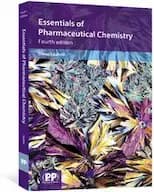
<p>Cairns, Donald<br><br>Fourth edition<br><br>Scheduled closure of pharmpress.com<br><br>Donald Cairns - Associate Head of School of Pharmacy, The Robert Gordon University, Aberdeen, UK<br><br>ISBN 978 0 85369 979 8<br><br>Published Jan 2012<br><br>Paperback 234 x 156mm (320pp)<br><br><br>DESCRIPTION:<br><br> Essentials of Pharmaceutical Chemistry is an introduction to pharmaceutical chemistry for undergraduate pharmacy, chemistry and medicinal chemistry students. It covers all of the core material necessary to provide an understanding of the basic chemistry of drug molecules. Now a core text on many university courses, the book contains numerous worked examples and problems.<br>The 4th edition includes new chapters on Chromatographic Methods of Analysis, and Medicinal Chemistry - The Science of Drug Design. <br>Read an interview with author Donald Cairns talking about his interest in the chemistry of drugs and poisons, the new edition of his book, and his desert island essentials.<br> <br>CONTENTS:<br><br>1. Chemistry of acids and bases <br>2. Partition coefficient and biopharmacy <br>3. Physicochemical properties of drugs <br>4. Stereochemistry <br>5. Drug metabolism <br>6. Volumetric analysis of drugs <br>7. Analytical spectroscopy <br>8. Chromatographic methods of analysis <br>9. Stability of drugs and medicines <br>10. Kinetics of drug stability <br>11. Licensing of drugs and the British Pharmacopoeia <br>12. Medicinal chemistry: the science of rational drug design <br>13. Answers to problems <br>REVIEWS:<br><br> June 2013<br> "An essential chemistry textbook which supports the integrated pharmacy education and helps the students to grasp the principles of pharmaceutical chemistry and how they are applied in pharmacy."<br> Dr Praveen Bhugra, University of Sunderland, June 2013<br> May 2012, Doody's Notes<br> "...Donald Cairns is a well-known educator, mentor, and researcher...this is an excellent resource for pharmacy students taking pharmaceutical chemistry and for individuals who intend to pursue a career in the pharmaceutical industry...Readers will find this as a useful reference.<br> Rahmat M Talukder, Ph.D., Doody's Notes, May 2012<br> January 2012, Compounding Today<br> "NOT 'Medicinal Chemistry,' but 'Pharmaceutical Chemistry.' This is a great book detailing the basic chemistry of drugs...Throughout the book there are problems that can be worked, and it includes the answers at the end of the book. It is very easy-to-read and has very good graphics to support the discussions. In addition to being a good text, it is a good refresher for those that would like to review this topic."<br> Compounding Today, 27 Jan 2012.<br> <br> </p>Couleur et forme :234 x 156mm