Colorants, teintes, teintures, imagerie fluorescente
Les colorants, teintures et solutions colorantes sont des outils essentiels en biologie moléculaire, cruciaux pour visualiser et étudier l'ADN, les chromosomes et les noyaux cellulaires. Ces composés permettent aux chercheurs de mettre en évidence des composants cellulaires spécifiques, facilitant ainsi l'observation et l'analyse détaillées au microscope. Dans cette catégorie, vous trouverez une large gamme de colorants et de teintures de haute qualité utilisés dans diverses techniques de coloration, y compris des colorants fluorescents pour l'analyse de l'ADN et des chromosomes, des colorants histologiques pour les échantillons de tissus et des colorants spécifiques pour les structures cellulaires. Ces outils sont indispensables en recherche génétique, cytologie, histologie et diagnostics, offrant clarté et contraste dans les échantillons biologiques. Chez CymitQuimica, nous proposons une sélection complète de colorants, teintures et solutions colorantes pour soutenir vos recherches en biologie moléculaire et garantir des résultats précis et fiables dans vos études.
Sous-catégories appartenant à la catégorie "Colorants, teintes, teintures, imagerie fluorescente"
- Colorants acides(49 produits)
- Azobenzènes(270 produits)
- Colorants azoïques(7 produits)
- Colorants de base(27 produits)
- Colorants de coumarine(71 produits)
- Colorants cyanine, colorants squarylium(53 produits)
- Colorants DCM(4 produits)
- Diarylethenes(12 produits)
- Colorants dipyrrométhéniques(26 produits)
- Colorants directs(17 produits)
- Colorants dispersés(2 produits)
- Sensibilisateurs de colorants(12 produits)
- Colorants(416 produits)
- Teintures et colorants(911 produits)
- Génération de colorants insolubles(14 produits)
- Génération de colorants solubles(11 produits)
- Hexaarylbiimidazole(4 produits)
- Indicateurs(575 produits)
- Colorants mordants(10 produits)
- Colorants dans le proche infrarouge (NIR)(28 produits)
- Colorants à l'huile(15 produits)
- Autres teintures et colorants(2 produits)
- Colorants au pérylène(17 produits)
- Colorants photochromiques(40 produits)
- Colorants phtalocyaniques, colorants porphyriniques(101 produits)
- Colorants à base de quinacridone(8 produits)
- Spiropyranes(16 produits)
- Réactifs colorés et colorants(243 produits)
- Réactifs colorés et colorants pour la microscopie(5 produits)
- Colorants de cuve(5 produits)
- Colorants xanthènes(65 produits)
Affichez 23 plus de sous-catégories
755 produits trouvés pour "Colorants, teintes, teintures, imagerie fluorescente"
Trier par
Degré de pureté (%)
0
100
|
0
|
50
|
90
|
95
|
100
C.I.Reactive Black 5
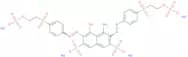
CAS :<p>C.I.Reactive Black 5 is a reactive dye that can be used to detect bacterial growth in the presence of sodium carbonate, which is added to the reaction solution at a concentration of 0.1M. The dye has been shown to inhibit enzyme activities, such as nitrogen atoms and anhydrous sodium, and disrupt bacterial growth by binding to cell surfaces. This dye is also able to photobind with bacterial cells in nutrient solutions and kinetic experiments, leading to inhibition of cell division through the disruption of DNA replication.</p>Formule :C26H21N5O19S6Na4Degré de pureté :Min. 95%Couleur et forme :Brown PowderMasse moléculaire :991.82 g/molC.I.Vat green 2
CAS :<p>C.I. Vat green 2 is a synthetic dye that has been shown to have genotoxic potential and is therefore considered carcinogenic. It is soluble in water, but not in organic solvents such as acetone or chloroform. C.I. Vat green 2 can be used in the textile industry as a colorant for nylon fibers, polyester yarns, rayon fabrics, and acrylic fibers, among others. The stability of this dye depends on temperature and pH; it decomposes at temperatures above 120 °C and pH above 10. This compound is commonly used to produce an emerald green color when dissolved in water or alcohol with the help of an acidifier or base catalyst such as sodium hydroxide, ammonium hydroxide, or hydrogen peroxide.</p>Formule :C36H18Br2O4Degré de pureté :Min. 95%Masse moléculaire :674.33 g/molPigment orange 34
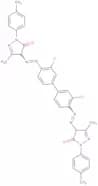
CAS :<p>Pigment orange 34 is a cross-linking agent that can be used as a hydroxyl radical scavenger. It has also been shown to have an inhibitory effect on the reaction of formaldehyde with protein, and is a molecule that contains both a hydroxyl group and a carboxylic acid group. Pigment orange 34 reacts with various substances such as glycol esters, fatty acids, or phenols to produce reaction products. This product is synergistic with other control agents such as magnetic particles or radiation. Pigment orange 34 is in its bound form when it is synthesized, but becomes reactive when it is mixed with other agents during surface methodology.</p>Formule :C34H28Cl2N8O2Couleur et forme :PowderMasse moléculaire :651.54 g/molAcid blue 182
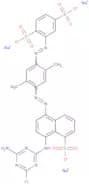
CAS :<p>Acid blue 182 is an alkali metal salt of a polycarboxylic acid. It is used as a detergent builder, where it regulates the pH and viscosity of hard water. Acid Blue 182 is bactericidal and has been shown to have good detergency properties at low concentrations. This compound also has surfactant properties, which make it effective in removing oils, fats, greases and other organic substances from surfaces. Acid Blue 182 is often used in laundry detergent compositions because it does not cause color fading or bleeding.</p>Formule :C23H17N3O9S2·2NaDegré de pureté :Min. 95%Couleur et forme :Blue PowderMasse moléculaire :589.51 g/mol4,4'-(4,5,6,7-Tetrabromo-1,1-dioxido-3H-2,1-benzoxathiol-3-ylidene)bis[2-iodo-6-nitrophenol]
CAS :Dye for detection of human serum albumin in urineFormule :C19H6Br4I2N2O9SDegré de pureté :Min. 95 Area-%Couleur et forme :PowderMasse moléculaire :1,011.75 g/molC.I.Reactive Red 180
CAS :C.I.Reactive Red 180 is a reactive dye with a red color that is used in experiments to monitor the electrochemical oxidation of metal ions, such as copper and iron. The dye is also used in the textile industry for coloring fabrics and paper. Reactive Red 180 has a density of 1.00 g/cm3 and an optimum pH of 4.0-5.5 depending on the environment it is exposed to. It has been shown to have an efficiency of around 80% when used as an electrode in electrolysis reactions and can be electrochemically oxidized at an optimum voltage of 0.2 V. The color produced by this dye ranges from yellow-red to deep red depending on the concentration of the solution or amount of exposure time to light or heat.Formule :C29H23N3O17S5·4NaDegré de pureté :Min. 95%Couleur et forme :Red PowderMasse moléculaire :937.79 g/molPigment blue 60 - technical grade
CAS :<p>Pigment blue 60 is a water-soluble dye that is used as a pigment in paints, inks, and textiles. Pigment blue 60 is also used as an indicator of the presence of alkanoic acids in wastewater. The reaction mechanism for the formation of pigment blue 60 has not been fully elucidated; however, it is thought to involve the oxidation of benzalkonium chloride by hydroxyl radicals from hydrogen peroxide. This reaction solution can be analysed using phosphorus pentoxide or nitrogen atoms to determine the quantity of pigment blue 60 present. Pigment blue 60 has been shown to have antibacterial activity against several bacterial strains including Escherichia coli and Staphylococcus aureus. Pigment blue 60 is also used as an analytical method for measuring the amount of oxygen in air or other gasses by reacting with nitrogen oxides at elevated temperatures.</p>Formule :C28H14N2O4Degré de pureté :(With Total Nitrogen) Min. 97.0%Couleur et forme :PowderMasse moléculaire :442.42 g/molBP Fluor 488 hydrazide
CAS :<p>Green fluorescent dye used for labelling aldehydes or ketones in polysaccharides or glycoproteins with an excitation peak at 499 nm and an emission peak at 520 nm. Frequently employed in microscopy and flow cytometry.</p>Formule :C21H16N4O10S2Masse moléculaire :548.51 g/molSanodure fiery red ML
<p>Please enquire for more information about Sanodure fiery red ML including the price, delivery time and more detailed product information at the technical inquiry form on this page</p>Degré de pureté :Min. 95%C.I.Solvent Orange 45
CAS :<p>Please enquire for more information about C.I.Solvent Orange 45 including the price, delivery time and more detailed product information at the technical inquiry form on this page</p>Formule :C32H24CoN8O10•HDegré de pureté :Min. 95%Couleur et forme :PowderMasse moléculaire :740.52 g/molNew methylene blue NX
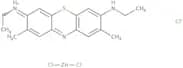
CAS :<p>New methylene blue NX is a versatile building block that can be used in the synthesis of many different compounds. It can be used as a reagent to produce research chemicals or as a reactant for the production of high quality, useful intermediates. The compound is also a useful scaffold for the synthesis of complex compounds. New methylene blue NX has CAS number 6586-05-6 and is registered under the Chemical Abstracts Service (CAS).</p>Formule :C18H22N3S•(Cl2Zn)x•ClDegré de pureté :Min. 95%Couleur et forme :Brown SolidMasse moléculaire :832.1Indigo
CAS :<p>Indigo is a dye that has been used for centuries in the textile industry for its unique blue color.</p>Formule :C16H10N2O2Degré de pureté :Min. 95%Couleur et forme :Blue PowderMasse moléculaire :262.26 g/molAmyloid Dan Protein (1-34) (reduced) trifluoroacetate salt
CAS :<p>Please enquire for more information about Amyloid Dan Protein (1-34) (reduced) trifluoroacetate salt including the price, delivery time and more detailed product information at the technical inquiry form on this page</p>Formule :C185H270N48O51S2Degré de pureté :Min. 95%Masse moléculaire :4,046.55 g/molPigment Red 52:1
CAS :<p>6-Fluoro-3-indoxyl-beta-D-galactopyranoside is a potent antituberculosis drug that falls under the class of rifamycins. It is highly effective in treating tuberculosis infections due to its bactericidal activity. This active compound works by inhibiting bacterial growth through binding to DNA-dependent RNA polymerase, which prevents transcription and replication. Its efficacy has been demonstrated through transcription-quantitative polymerase chain reactions and patch-clamp techniques on human erythrocytes. In terms of metabolism, it undergoes various transformations such as hydrolysis by esterases or glucuronidases, oxidation by cytochrome p450 enzymes, reduction by glutathione reductase, or conjugation with glucuronic acid. Additionally, 6-Fluoro-3-indoxyl-beta-D-galactopyranoside specifically targets markers expressed at high levels in Mycobacterium tuberculosis strains and inhibits their cell growth in culture</p>Degré de pureté :Min. 95%Glutathione-monoethyl ester (reduced)
CAS :<p>Glutathione-monoethyl ester (reduced) H-Glu(Cys-Gly-OEt)-OH is a polymerase chain reaction (PCR) enhancer that consists of a glutathione monoester and an ethyl ester. Glutathione monoethyl ester (reduced) H-Glu(Cys-Gly-OEt)-OH is used as a cancer therapeutics agent in the treatment of cells with high levels of reactive oxygen species. It also inhibits drug efflux from cells and induces apoptosis in endothelial cells, which can lead to the inhibition of tumor growth. Glutathione monoethyl ester (reduced) H-Glu(Cys-Gly-OEt)-OH has been shown to cause changes in intracytoplasmic sperm and protein thiols in PC12 cells, which may be related to its ability to inhibit cell proliferation.</p>Formule :C12H21N3O6SDegré de pureté :Min. 95%Masse moléculaire :335.38 g/molLys(Dabsyl)-(Asn670,Leu671)-Amyloid beta/A4 Protein Precursor770 (667-676)-Gln-Lucifer Yellow ammonium salt
CAS :<p>Please enquire for more information about Lys(Dabsyl)-(Asn670,Leu671)-Amyloid beta/A4 Protein Precursor770 (667-676)-Gln-Lucifer Yellow ammonium salt including the price, delivery time and more detailed product information at the technical inquiry form on this page</p>Formule :C89H122N24O31S3Degré de pureté :Min. 95%Masse moléculaire :2,120.26 g/molGraphitized carbon black - Partical size 100-300um
CAS :Graphitized; Particle size 100-300 µmFormule :CDegré de pureté :Min. 95%Couleur et forme :Black SolidMasse moléculaire :12.01 g/molMethylprednisolone EP impurity E
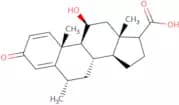
CAS :Produit contrôlé<p>Please enquire for more information about Methylprednisolone EP impurity E including the price, delivery time and more detailed product information at the technical inquiry form on this page</p>Formule :C21H28O4Degré de pureté :Min. 95%Couleur et forme :PowderMasse moléculaire :344.44 g/molMethylprednisolone hemisuccinate
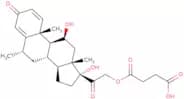
CAS :Produit contrôlé<p>Meghylprednisolone hemisuccinate is a nonsteroidal anti-inflammatory drug (NSAID) that belongs to the group of pharmacological agents. It is used for pain relief in cases of inflammatory bowel disease, and has been shown to be effective against human immunoglobulin A (IgA) nephropathy. Meghylprednisolone hemisuccinate inhibits prostaglandin synthesis by binding to the enzyme cyclooxygenase and blocking the conversion of arachidonic acid to prostaglandins. This drug also blocks the production of leukotrienes, which are mediators of inflammation and tissue injury. Meghylprednisolone hemisuccinate has been shown to be less toxic than methylprednisolone sodium succinate in rats when given at low doses orally, although it has not been studied in humans.</p>Formule :C26H34O8Degré de pureté :Min. 95%Masse moléculaire :474.54 g/molDisperse red 277
CAS :<p>Please enquire for more information about Disperse red 277 including the price, delivery time and more detailed product information at the technical inquiry form on this page</p>Degré de pureté :Strength 100%±3%Couleur et forme :PowderDirect Blue 15
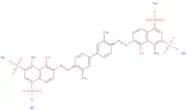
CAS :<p>Direct Blue 15 is a water-soluble organic dye that is used in electrochemical impedance spectroscopy for wastewater treatment. The high salt and physiological effects of Direct Blue 15 have been studied in dose groups of rats. Direct Blue 15 was not found to be carcinogenic to rats, but did cause liver lesions at high doses. However, it did not cause DNA damage or induce mutations in the calf-thymus DNA. The hydroxyl group on the molecule allows it to bind to amines, which may explain its toxicity and mutagenicity.</p>Formule :C34H24N6O16S4Na4Degré de pureté :Min. 95%Masse moléculaire :992.81 g/molC.I.Reactive Red 120
CAS :<p>C.I.Reactive Red 120 is a reactive dye that has been shown to adsorb onto the crystal structure of formic acid and react at a temperature of 50°C. C.I.Reactive Red 120 is also catalytic, with an efficiency of up to 80%. The antibacterial activity of this dye has been shown to be comparable to that of other dyes, such as Reactive Yellow 3 and Reactive Blue 15. This dye is used in the detection, identification, and quantification of bacteria by liquid chromatography (LC) with UV-visible spectroscopy or LC-MS/MS analysis. It can be used for bacterial identification in the presence of escherichia coli and bovine serum albumin (BSA) proteins as well as other interfering substances in biological samples.</p>Formule :C44H30O20N14S6Cl2Degré de pureté :Min. 95%Couleur et forme :PowderMasse moléculaire :1,338.09 g/molSomatostatin-14 (reduced)
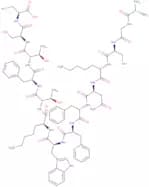
CAS :Somatostatin-14 (reduced) H-Ala-Gly-Cys-Lys-Asn-Phe-Phe-Trp-Lys-Thr-Phe-Thr-Ser-Cys is a synthetic peptide that is an adjuvant for vaccines. It induces a biphasic response by increasing the humoral immune response and decreasing the cellular immune response. Somatostatin has been shown to decrease the severity of symptoms in patients with psychiatric disorders and can be used as a long term treatment for these conditions. Somatostatin also has effects on the pancreas, such as inhibiting insulin release, leading to decreased blood glucose levels. Its disulfide bond in its structure may be important for its activity and stability.Formule :C76H106N18O19S2Degré de pureté :Min. 95%Masse moléculaire :1,639.9 g/molVictoria blue B
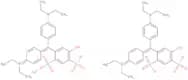
CAS :<p>Victoria Blue B is a compound that contains potassium dichromate and sodium citrate. It has been shown to have high resistance against many types of bacteria, including human serum and cell nuclei. Victoria Blue B has been shown to adsorb nitrite ions from wastewater, which can be useful for the treatment of sewage or as an antimicrobial agent in biological samples. The mechanism by which Victoria Blue B does this is not yet fully understood.</p>Formule :C33H32N3ClDegré de pureté :Min. 70 Area-%Couleur et forme :PowderMasse moléculaire :506.08 g/molTetrabromophenol blue
CAS :<p>Tetrabromophenol blue is a model system for the study of the mechanism of action of protein-inhibiting drugs. It has been shown to inhibit cancer cells and human pathogens by binding to basic proteins in the cell membrane, thereby preventing their activity. Tetrabromophenol blue inhibits polymerase chain reaction (PCR) by acting as a competitive inhibitor with respect to DNA, and also inhibits fluorescein angiography by reducing the rate at which dye is taken up by cells. Tetrabromophenol blue binds to wild-type strains of bacteria and halts protein synthesis, but does not bind to mutant strains or human serum. This drug has been shown to be effective against hl-60 cells when used at physiological levels.</p>Formule :C19H6Br8O5SDegré de pureté :Min. 95%Couleur et forme :Brown PowderMasse moléculaire :985.55 g/molPigment Red 48:1
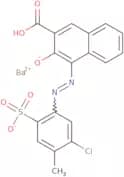
CAS :<p>Pigment Red 48:1 is a red pigment that is used in coatings, plastics, and inks. Pigment Red 48:1 is non-toxic to humans, and has been shown to be lightfast and resistant to pollution. The red pigment has been analysed for its potential to cause skin irritation. Pigment Red 48:1 does not cause skin irritation when tested on human volunteers. It was found that the pigment did not produce any irritation or sensitization reactions when applied to the skin of rabbits at a concentration of 0.5% for four weeks.</p>Formule :C18H11BaClN2O6SDegré de pureté :Min. 95%Couleur et forme :PowderMasse moléculaire :556.14 g/mol([15N]Gly)-Glutathione (reduced)
CAS :<p>Please enquire for more information about ([15N]Gly)-Glutathione (reduced) including the price, delivery time and more detailed product information at the technical inquiry form on this page</p>Degré de pureté :Min. 95%Patent blue V Calcium salt
CAS :<p>Patent Blue V calcium salt is a calcium salt of Patent Blue V, which is a light-sensitive dye with an absorption peak at 450 nm. It has been used in analytical chemistry to measure the fatty acid content of oils and fats. Patent Blue V calcium salt has also been used as a reagent in kinetic studies to measure the rate of reactions involving detergent compositions, cationic surfactants, and hydroxyl groups. The lymphatic vessels react to this dye by showing an increase in permeability. The activation energies for these reactions have been determined using kinetic data.</p>Formule :C27H31N2O7S2·5CaDegré de pureté :Min. 85.0 Area-%Couleur et forme :PowderMasse moléculaire :582.7 g/molFluorol yellow 088
CAS :<p>Please enquire for more information about Fluorol yellow 088 including the price, delivery time and more detailed product information at the technical inquiry form on this page</p>Formule :C22H16ODegré de pureté :Min. 95%Masse moléculaire :296.36 g/mol1,9-Dimethyl-methylene blue zinc chloride
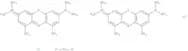
CAS :<p>1,9-Dimethyl-methylene blue zinc chloride double salt is a fluorescent dye that has been used in the study of hyaluronic acid and mesenchymal stem cells. The compound absorbs light at a wavelength of 580 nm, which is the same as the absorption wavelength for hyaluronic acid and mesenchymal stem cells. 1,9-Dimethyl-methylene blue zinc chloride double salt can be used to measure the amount of these compounds in tissues. This dye also shows sensitivity to artifacts such as hemolysis and lipemia, making it useful for research purposes.</p>Formule :(C18H22ClN3S)2•ZnCl2Degré de pureté :Min. 95%Couleur et forme :PowderMasse moléculaire :832.11 g/molEvans blue
CAS :<p>Evans blue is a basic protein that binds to the active site of metalloproteinases, such as MMP-9. It is used in the study of enzyme activities and in biological samples for determining levels of MMP-9 activity. Caproic acid is capable of chelating metal ions and is often used as a substrate for measuring water permeability. Evans blue has been shown to have a hypoglycemic effect and can be used as a pharmacological agent for treating conditions such as ischemia-reperfusion injury, congestive heart failure, and toll-like receptor 4 (TLR4) mediated inflammation.</p>Formule :C34H24N6O14S4Na4Degré de pureté :Min. 95%Masse moléculaire :960.81 g/molC.I.Solvent red 197
CAS :<p>C.I.Solvent Red 197 is a dye that is soluble in organic solvents and has a particle size of less than 10 microns. It is used in the textile industry as an extracellular dye and can be used for the production of polyols, uv irradiation, corrosion inhibitor, high concentrations, condensation products, high resistance, organic solvent, volatile oil, substrate film and polymerization initiator. The dye also exhibits affinity ligand properties which are used in microcapsules to bind to substances such as proteins or nucleic acids.</p>Formule :C23H19N5ODegré de pureté :Min. 85 Area-%Masse moléculaire :381.43 g/mol(Z-Asp-Glu-Val-Asp)2-Rhodamine 110
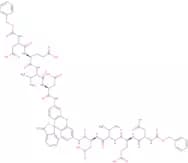
CAS :<p>Fluorogenic dye targeting caspase 3</p>Formule :C72H78N10O27Degré de pureté :Min. 95%Masse moléculaire :1,515.44 g/molBrilliant green
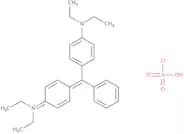
CAS :Brilliant green is a polymerase chain reaction (PCR) reagent that is used to monitor the progress of DNA amplification. It has been shown to bind specifically to double-stranded DNA and prevent the RNA polymerase from binding, thereby preventing transcription and replication. This dye may be used as an antimicrobial agent in wastewater treatment, where it can inhibit the growth of Aerobacter aerogenes. The adsorption properties of Brilliant green have been studied using an electrochemical impedance spectroscopy and Langmuir adsorption isotherm techniques. The hydrophobic interactions between this dye and the anhydrous sodium surface have also been investigated by structural analysis.Formule :C27H34N2O4SCouleur et forme :Green PowderMasse moléculaire :482.64 g/molC.I.Direct Red 83:1
CAS :<p>C.I.Direct Red 83:1 is a dye that has been used in wastewater treatment to remove color. It is a polymerized dye that has been shown to be more efficient than the decolouration process, which is the traditional method of removing color from wastewater. The light source for this process must be within the range of 350-500 nm and at least 100 mW/cm2 intensity. This dye has also been shown to be an effective photolysis agent for organic compounds such as phenols, amines, and sulfides.</p>Degré de pureté :Min. 95%Direct black 38
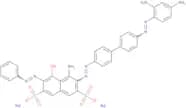
CAS :<p>Direct Black 38 (DB38) is a carbonate pigment with the chemical formula of Na2CO3. It has been used as a black pigment in paints, textiles, and plastics. DB38 has been shown to be genotoxic, meaning that it can cause mutations in cells by interacting with DNA. DB38 has also been shown to be toxic to animals and humans when ingested or inhaled at high concentrations. DB38 is not mutagenic, meaning that it does not cause genetic changes in cells or organisms. The toxicity of DB38 is dose-dependent: the higher the concentration of DB38, the more toxic it becomes.</p>Formule :C34H27N9O7S2·2NaDegré de pureté :Min. 95%Couleur et forme :Brown PowderMasse moléculaire :783.75 g/molFast Yellow
CAS :<p>Fast Yellow is a liquid crystal composition that is used in the production of devices and liquid crystal compositions. It has a high molecular weight, low surface tension, and excellent solvency and dispersing properties. Fast Yellow is also a disinfectant with good water absorption, which makes it suitable for use as an additive in polymer films. Fast Yellow consists of arylalkyl groups that are hydrophobic, making this product highly suitable for use in devices with hydrophobic surfaces.</p>Formule :C17H16N4O4Degré de pureté :Min. 95%Couleur et forme :PowderMasse moléculaire :340.33 g/molReactive black 39
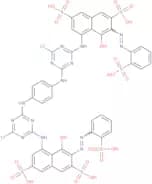
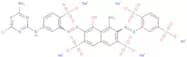
CAS :<p>Reactive black 39 is a benzalkonium chloride molecule that penetrates bacterial cell walls and reacts with the hydroxy groups, resulting in the formation of a reactive intermediate. This intermediate interacts with other molecules on the surface of bacteria, leading to the production of oxygen radicals. The radical initiates reactions such as oxidation and nitration, which damage the DNA and proteins in the cell. Reactive black 39 is used as a conditioning agent for wastewater treatment because it can be used to remove organic matter and heavy metals from wastewater. It also has been shown to have interactive effects with methyl glycine when treating water contaminated with phenols.</p>Formule :C25H19ClN10O16S5•Na5Degré de pureté :Min. 95%Masse moléculaire :1,026.21 g/molC.I.Disperse Orange 25
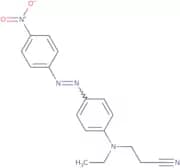
CAS :<p>C.I. Disperse Orange 25 is a dye that has been used in the textile industry for over 30 years. It is soluble in water and has low toxicity, and is not considered hazardous to health. C.I. Disperse Orange 25 is used as an optical sensor and fluorescent agent in kinetic studies of biological treatment of wastewater, and it can also be used as a reactive or activated antimicrobial agent. The dye can be synthesized using supercritical fluid technology, which makes it a potential candidate for use with radiation-sensitive polymers to form polymer matrices with antimicrobial properties that are resistant to microbial attack by radiation.</p>Formule :C17H17N5O2Degré de pureté :Min. 95%Masse moléculaire :323.35 g/molAcid Yellow 3 Aluminum Lake
CAS :<p>Please enquire for more information about Acid Yellow 3 Aluminum Lake including the price, delivery time and more detailed product information at the technical inquiry form on this page</p>Degré de pureté :Min. 95%Couleur et forme :PowderXTT sodium
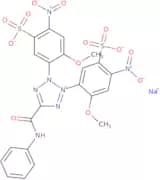
CAS :XTT sodium salt is a tetrazolium salt, which forms water-soluble formazan on bioreduction and has been used to assess cell viability by production of an orange colour.Formule :C22H17N7O13S2•NaDegré de pureté :Min. 95%Couleur et forme :PowderMasse moléculaire :674.53 g/molPigment red 48 (C.I. 15865)
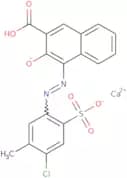
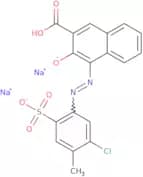
CAS :<p>Pigment Red 48 (C.I. 15865) is a red organic pigment that is soluble in water and most organic solvents. It has a melting point of 200°C and is used in paints, plastics, textiles, paper, and other products. Pigment Red 48 (C.I. 15865) can be synthesized by the diazonium salt coupling reaction between an aromatic amine and an acid chloride. The pigment also has a hydroxyl group that enables it to form covalent bonds with other molecules such as polymers or proteins. Pigment Red 48 (C.I. 15865) is used in many products because of its high stability, excellent heat resistance, low toxicity, non-irritating properties, high transparency, and good color fastness to light and washing.BR> Pigment Red 48 (C.I. 15865) is not considered hazardous according to the Globally Harmonized System of Classification and Lab</p>Formule :C18H11ClN2Na2O6SDegré de pureté :Min. 95%Masse moléculaire :464.79 g/molROSE BENGAL
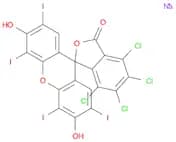
CAS :Formule :C20H2Cl4I4Na2O5Degré de pureté :95%+Couleur et forme :SolidMasse moléculaire :1017.6363Benz[b]indeno[1,2-d]pyran-3,4,6a,9,10(6H)-pentol, 7,11b-dihydro-,(6aS,11bR)-
CAS :Formule :C16H14O6Degré de pureté :97%Couleur et forme :SolidMasse moléculaire :302.27876Ref: IN-DA00I98R
Produit arrêtéReactive orange 35
CAS :<p>Reactive orange 35 is a functional group that is used as an analytical reagent in organic solvents. It is also used to introduce additives into polymers, oligosaccharides, and other compounds. Reactive orange 35 has been shown to react with amide groups in the presence of an amine or ammonia at elevated temperatures. This reaction system can be used to produce a variety of compounds, including pharmaceuticals and pesticides. The reactive nature of this compound makes it an excellent plant cell penetrant.</p>Formule :C27H19ClN9Na3O9S3Degré de pureté :Min. 95%Masse moléculaire :814.12 g/molCrocein Orange G
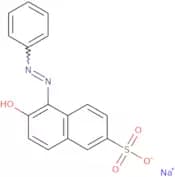
CAS :<p>Crocein Orange G is a water-soluble, orange fluorescent dye that is used in wastewater treatment. It has been shown to form stable complexes with fatty acids and other organic compounds. These complexes are more readily removed by adsorption. Crocein Orange G has also been shown to react with potassium dichromate and form a yellow product. This product can be detected at low concentrations and is not toxic to humans or animals.</p>Formule :C16H11N2O4SNaDegré de pureté :Min. 95%Couleur et forme :PowderMasse moléculaire :350.33 g/molPigment Yellow 3
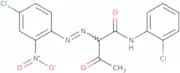
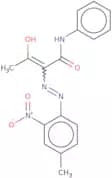
CAS :<p>Pigment Yellow 3 is a glycol ether that belongs to the class of organic compounds. It is used as a yellow coloring agent in paints, plastics, and textiles. Pigment Yellow 3 is also used in electrochemical impedance spectroscopy as a model system for carotenoid molecules. Pigment Yellow 3 has been shown to have an intramolecular hydrogen bond between the glycol ether moiety and the carotenoid chromophore, which stabilizes the molecule against thermal degradation. Pigment Yellow 3 is chemically stable at room temperature but decomposes when heated or irradiated with UV light. This compound can be found in nature as well as being synthesized artificially.</p>Formule :C16H12Cl2N4O4Degré de pureté :Min. 95 Area-%Couleur et forme :PowderMasse moléculaire :395.2 g/molC.I.Acid Yellow 117
CAS :<p>C.I. Acid Yellow 117 is a dye that has been used in the textile industry, but is now used primarily as a food colorant. It is not metabolized by the body and is excreted unchanged in urine and feces. C.I. Acid Yellow 117 may cause symptoms such as nausea, vomiting, abdominal pain, diarrhea, headache and dizziness at high levels of exposure (above 10 milligrams per day). The dye can also cause methemoglobinemia in children who have glucose-6-phosphate dehydrogenase deficiency or who are taking an oxidizing drug such as sulfonamides or nitrofurantoin. C.I. Acid Yellow 117 binds to form a water-soluble complex with calcium ions when it enters wastewater treatment plants where it can be removed by activated sludge treatment processes or by precipitation with lime or aluminum sulfate before release into rivers or oceans. C.I. Acid Yellow 117 has been shown to inhibit cell</p>Degré de pureté :Min. 95%Phenol red
CAS :<p>Phenol red is a pH indicator that finds broad applications from chemistry to microbiology. Colour varies from yellow at pH<6.8 (lmax 443nm) through to light red/pink at 6.8<pH<8.2 (lmax 570 nm) to vivid purple/red at pH>8.2. It is widely used in cell culture to monitor pH and for colorimetric titration. For example, phenol red can be used to quantify Br- content in sea or fresh water. It is added to VTM as pH indicator, at the concentration of 10mg/ml, maintaining a pink colour at neutral pH.</p>Formule :C19H14O5SCouleur et forme :PowderMasse moléculaire :354.38 g/molC.I.Vat green 11
CAS :<p>Please enquire for more information about C.I.Vat green 11 including the price, delivery time and more detailed product information at the technical inquiry form on this page</p>Degré de pureté :Min. 95%Fluorescein Isothiocyanate (mixture of 5- and 6- isomers)
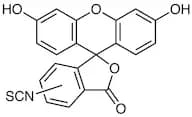
CAS :Formule :C21H11NO5SDegré de pureté :>97.0%(T)(HPLC)Couleur et forme :Light yellow to Brown powder to crystalMasse moléculaire :389.38Acid Orange 3
CAS :<p>Acid Orange 3 is a cationic surfactant that belongs to the family of dyes. It is used as a granulosa cell stain in histology, with the basic structure of a monosodium salt. Acid Orange 3 exhibits chronic oral toxicity in rats and mice, but does not show liver lesions at doses up to 4000 mg/kg. It has been shown to cause increased incidence of fatty acid oxidation, carcinogenic potential, and carcinogenesis studies in rats. Acid Orange 3 may also cause allergic reactions, such as skin irritation and erythema when applied topically. In some cases, it has been reported to cause contact dermatitis.</p>Formule :C18H13N4NaO7SDegré de pureté :Min. 95%Couleur et forme :PowderMasse moléculaire :452.37 g/molMercuric oxide red
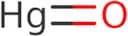
CAS :Produit contrôlé<p>Mercuric oxide red is a dinucleotide phosphate that has been used as an oxidation catalyst in organic synthesis. Mercuric oxide red is also used as a reagent for the conversion of glycoside derivatives to their corresponding mercuric salts. It can be used in the determination of certain metabolites, such as amino acids and fatty acids, in biological samples. In addition, it can be used to detect lipid peroxidation and oxidative stress. For example, Mercuric oxide red has been shown to have the ability to bind to Toll-like receptor 4 (TLR4). This binding induces the production of pro-inflammatory cytokines, including IL-6. Mercuric oxide red also inhibits plasma mass spectrometry by suppressing ionization and reducing fragmentation.</p>Formule :HgODegré de pureté :Min. 95%Couleur et forme :PowderMasse moléculaire :216.60 g/molIron oxide black
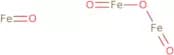
CAS :Produit contrôlé<p>Iron oxide black is a reactive dye that is used in wastewater treatment. It is an oxide of iron that can be synthesized from sodium carbonate and langmuir adsorption isotherm. Iron oxide black has been shown to have a colloidal gold-like color, chemical stability, and constant pressure. The particle size of this compound ranges from 10-1000 nm and it reacts with a solution containing anhydrous sodium carbonate to form magnetite nanoparticles. Iron oxide black also has an asymmetric synthesis reaction with ferric chloride and nitric acid, which produces magnetic nanoparticles.</p>Formule :Fe3O4Degré de pureté :Min. 95%Couleur et forme :PowderMasse moléculaire :231.53 g/molSilicon nitride - predominantly β-phase, -325 mesh
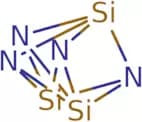
CAS :<p>Silicon nitride is a compound of silicon and nitrogen. It is used in the preparation of high purity silicon, as well as in the production of semiconductors, electronic devices, and other products. Silicon nitride is also used to make parts for aircraft engines and turbines. The thermal expansion coefficient of silicon nitride is typically 5x10⁻⁶/°C, which makes it ideal for use in high-temperature environments. Silicon nitride has antimicrobial properties that may be due to its ability to release hydrogen fluoride and water vapor when heated. These compounds are toxic to bacteria and fungi, making silicon nitride a potential candidate for use in biomedical implants or medical devices such as catheters or prosthetic joints. Silicon nitride is chemically stable at temperatures up to 1000°C, making it an excellent material for high-temperature applications such as aerospace engine components. Silicon nitride can also be used as a sample preparation tool because it can remove impurities from samples without</p>Formule :N4Si3Degré de pureté :Min. 95%Couleur et forme :PowderMasse moléculaire :140.28 g/mol

![4,4'-(4,5,6,7-Tetrabromo-1,1-dioxido-3H-2,1-benzoxathiol-3-ylidene)bis[2-iodo-6-nitrophenol]](/_next/image/?url=https%3A%2Fstatic.cymitquimica.com%2Fproducts%2F3D%2Fthumb-webp%2FFT76467.webp&w=3840&q=75)
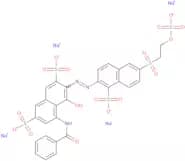
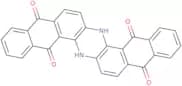









![([15N]Gly)-Glutathione (reduced)](/_next/image/?url=https%3A%2Fstatic.cymitquimica.com%2Fproducts%2F3D%2Fthumb-webp%2FFG109306.webp&w=3840&q=75)


![Benz[b]indeno[1,2-d]pyran-3,4,6a,9,10(6H)-pentol, 7,11b-dihydro-,(6aS,11bR)-](/_next/image/?url=https%3A%2Fstatic.cymitquimica.com%2Fproducts%2FIN%2Fthumb-webp%2FDA00I98R.webp&w=3840&q=75)