Composés polycycliques
Sous-catégories appartenant à la catégorie "Composés polycycliques"
- Acridines(98 produits)
- Anthraquinones(533 produits)
- Acides anthraquinonesulfoniques(16 produits)
- Azobenzènes(270 produits)
- Azonaphtalènes(98 produits)
- Azoxybenzènes(12 produits)
- Azulènes(11 produits)
- Benzimidazoles(1.476 produits)
- Benzodioxanes(27 produits)
- Benzofuranes(928 produits)
- Benzothiophènes(701 produits)
- Benzotriazoles(438 produits)
- Binaphthyls(133 produits)
- Carbazoles(464 produits)
- Chromanes, Chromenes(482 produits)
- Coumarines(1.126 produits)
- Cyclophanes(11 produits)
- Fluorènes et Fluorénones(384 produits)
- Imidazopyridines(10 produits)
- Indans(118 produits)
- Indazoles(2.040 produits)
- Indenes(22 produits)
- Indoles(3.992 produits)
- Indolines(119 produits)
- Isatines(234 produits)
- Isobenzofuranes(17 produits)
- Phtalimides N-substitués(154 produits)
- Naphtalènes(2.440 produits)
- Naphtyridine(17 produits)
- Naphtoquinone(2 produits)
- Perylènes(36 produits)
- Phénazines(25 produits)
- Phtalazines(33 produits)
- Phtalimide(154 produits)
- Hydrocarbures aromatiques polycycliques (HAP)(272 produits)
- Polyphénol(270 produits)
- Ptéridines(52 produits)
- Pyrènes(87 produits)
- Quinuclidine(1 produits)
- Tétracènes(7 produits)
4575 produits trouvés pour "Composés polycycliques"
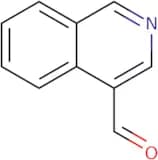
Isoquinoline-4-carbaldehyde
CAS :Isoquinoline-4-carbaldehyde is an aldehyde chemical that has been synthesized in the laboratory. It is a chiral molecule with one asymmetric carbonyl group. Isoquinoline-4-carbaldehyde is a potential precursor to naphthyridine, which can be used as a building block for the synthesis of natural products. Isoquinoline-4-carbaldehyde has been shown to have phosphine properties, and it can be used as a ligand in transition metal complexes. The molecule has been shown to exist in two forms, which coexist in equilibrium and can undergo interconversion.
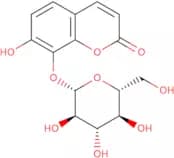
Formule :C10H7NODegré de pureté :Min. 95%Masse moléculaire :157.17 g/molDaphnetin-8-glucoside
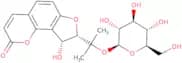
CAS :Daphnetin-8-glucoside is a natural phenolic glucoside compound derived from plants of the Thymelaeaceae family, specifically from the Daphne genus. This compound is produced by the glycosylation of daphnetin, a coumarin derivative found in various botanical sources. The glycoside linkage enhances its solubility and stability, facilitating its bioavailability. Daphnetin-8-glucoside exhibits potent antioxidant and anti-inflammatory activities, mediated through the scavenging of free radicals and inhibition of pro-inflammatory cytokine production. Additionally, it modulates signal transduction pathways involved in cellular oxidative stress responses.Formule :C15H16O9Degré de pureté :Min. 95%Couleur et forme :PowderMasse moléculaire :340.28 g/mol7-Cyanoindole
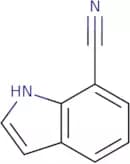
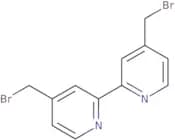
CAS :7-Cyanoindole is a synthetic compound that can be synthesized from amino-acids. The synthesis of 7-cyanoindole starts with the hydration of cyanamide, which yields cyanogen chloride. This reaction is followed by the dehydration of this molecule to produce 7-cyanoindole. The fluorescence properties and lifetimes are dependent on the hydration and dehydrations states. Synthetically, 7-cyanoindole is used as a fluorescent probe for amino acids in solution. This probe has been shown to bind to amino acids at acidic pHs and fluoresce brightly at wavelengths around 400 nm. Industrialized methods for synthesis include reacting cyanoacetylene with ammonia or methylamine in the presence of silicane or silicon dioxide as a catalyst. Reaction yield is dependent on the method used and ranges from 10% to 100%.Formule :C9H6N2Degré de pureté :Min. 95%Couleur et forme :Off-White PowderMasse moléculaire :142.16 g/mol4,4'-Bis(bromomethyl)-2,2'-bipyridine
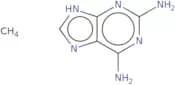
CAS :4,4'-Bis(bromomethyl)-2,2'-bipyridine is a cyclic molecule that can be synthesized by the reaction of 4-bromo-2,2'-bipyridine with a brominating agent. It is used as a precursor to ruthenium catalysts in organic synthesis, and as an additive in dendrimers. The compound has been shown to have light absorption properties and can be used in photovoltaics and electropolymerization.Formule :C12H10N2Br2Degré de pureté :Min. 95%Couleur et forme :PowderMasse moléculaire :342.03 g/mol2,6-Diaminopurine hemisulfate
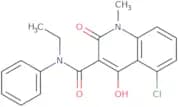
CAS :2,6-Diaminopurine hemisulfate salt is a fine chemical that can be used as a building block for research chemicals, reagents, and specialty chemicals. It has been shown to be useful in the synthesis of various types of complex compounds. 2,6-Diaminopurine hemisulfate salt is also versatile in the sense that it can be used as an intermediate in reactions or as a scaffold for chemical synthesis. This product has CAS number 69369-16-0.Formule :C5H6N6•(H2O4S)0Degré de pureté :Min. 95%Couleur et forme :PowderMasse moléculaire :398.36 g/mol5-Chloro-4-hydroxy-1-methyl-2-oxo-1,2-dihydro-quinoline-3-carboxylic acid ethyl-phenyl-amide
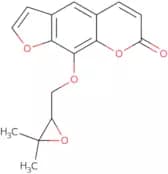
CAS :Laquinimod is an immunomodulator drug that inhibits the activity of the immune system. It binds to toll-like receptor 7, which is a protein on the surface of certain cells that responds to infection and inflammation. Laquinimod has been shown to inhibit neurodegeneration in vitro, which may be due to its ability to bind with neuronal death receptors and block the inflammatory response. Laquinimod also inhibits bowel disease by reducing inflammation and controlling immunity in the intestinal tract. Laquinimod has been shown to have long-term efficacy when administered at physiological levels. This drug is chemically stable, even after exposure to light.Formule :C19H17ClN2O3Degré de pureté :Min. 95%Couleur et forme :White PowderMasse moléculaire :356.8 g/mol(+/-)-Heraclenin
CAS :(+/-)-Heraclenin is a naturally occurring coumarin, which is a class of organic compounds notable for diverse biological activities. This compound is primarily sourced from various plant species belonging to the family Apiaceae, such as Heracleum species. Coumarins like (+/-)-heraclenin are known for their ability to modify biological responses due to their chemical structure.Formule :C16H14O5Degré de pureté :Min. 98 Area-%Couleur et forme :PowderMasse moléculaire :286.28 g/mol8-Aminopurine
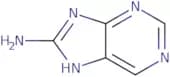
CAS :8-Aminopurine is an aminopurine that is used as a research tool in magnetic resonance spectroscopy. The proton magnetic resonance spectrum of 8-aminopurine shows two characteristic peaks at 3.0 and 4.2 ppm, which are assigned to the aminopurine tautomers (3-HPA, 4-HPA). The kinetic stability of 8-aminopurine in water is pH dependent and has been shown to be strongly dependent on the presence of aldehyde oxidase (AO) activity. AO activity can be inhibited by the addition of dimethylformamide or other non-specific inhibitors such as 2,6-dichloroisonicotinic acid.
Formule :C5H5N5Degré de pureté :Min. 95%Couleur et forme :White PowderMasse moléculaire :135.13 g/mol5-Methylindole-3-acetic acid
CAS :5-Methylindole-3-acetic acid (5MI3A) is a molecule that has been shown to have antiproliferative properties in bladder cancer cells. 5MI3A binds to the receptor for GABA, which is an inhibitory neurotransmitter. It also inhibits the production of proinflammatory mediators and reactive oxygen species in cancer cells. 5MI3A has anticancer activity in prostate cancer cells and may act by inducing apoptosis and inhibiting cell proliferation. Consumption of 5MI3A may reduce the risk of cancer development by preventing DNA damage from carcinogens, suppressing inflammation, and regulating cell growth through its antagonistic properties.Formule :C11H11NO2Degré de pureté :Min. 95%Couleur et forme :PowderMasse moléculaire :189.21 g/mol4-Oxo-1,4-dihydroquinoline-3-carboxylic acid
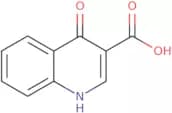
CAS :4-Oxo-1,4-dihydroquinoline-3-carboxylic acid is a synthetic compound that belongs to the class of quinoline derivatives. It has been shown to inhibit HIV infection in vitro by binding to the receptor CD4 on the surface of T cells. 4-Oxo-1,4-dihydroquinoline-3-carboxylic acid has also been shown to be cytotoxic against cancer cells and other human cell lines. Powders of 4-oxo-1,4-dihydroquinoline 3 carboxylic acid have been synthesized by reacting ethyl esters with diphenyl ether in the presence of radiation or ndimethylformamide. This compound was also used as a molecular model for designing new drugs.
Formule :C10H7NO3Degré de pureté :Min. 98 Area-%Couleur et forme :Off-White PowderMasse moléculaire :189.17 g/mol7-[(Dimethylamino)methyl]-2,2,4-trimethyl-1,2-dihydroquinolin-6-ol
CAS :7-[(Dimethylamino)methyl]-2,2,4-trimethyl-1,2-dihydroquinolin-6-ol is a chemical compound that belongs to the group of fine chemicals. It is a versatile building block and useful intermediate for research chemicals. 7-[(Dimethylamino)methyl]-2,2,4-trimethyl-1,2-dihydroquinolin-6-ol is also a speciality chemical with high purity and quality. CAS No. 300690-44-2Formule :C15H22N2ODegré de pureté :Min. 95 Area-%Couleur et forme :PowderMasse moléculaire :246.35 g/molHalquinol, mixture of 5,7-Dichloro-8-quinolinol, 5-Chloro-8-quinolinol, 7-Chloro-8-quinolinol and 8-Hydroxyquinoline
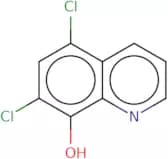
CAS :Halquinol, a mixture of 5,7-dichloro-8-quinolinol, 5-chloro-8-quinolinol, 7-chloro-8-quinolinol and 8-hydroxyquinoline, is an important intermediate in organic synthesis. It has been used as a reagent in the synthesis of a variety of complex compounds. Halquinol has also been used as a building block for the synthesis of many other chemical products. The CAS number for halquinol is 806769-4.Formule :C18H11Cl3N2O2Degré de pureté :Min. 95%Couleur et forme :Off-White PowderMasse moléculaire :393.65 g/molFuril
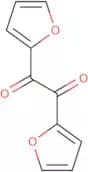
CAS :Furil is a pharmaceutical preparation used for the treatment of metabolic disorders, such as hypertension and diabetes. Furil is an inhibitor of the enzyme acyl coenzyme A: diacylglycerol acyltransferase-2 (DGAT-2) which catalyses the formation of triacylglycerols from diacylglycerol and free fatty acids. Furil has been shown to have potent inhibitory activity against DGAT-2, with an IC50 value of 0.5 μM. Furil also inhibits the enzyme phosphodiesterase 4B (PDE4B), which plays a role in signal transduction and inflammation. Furil can be synthesized by reacting hydrogen chloride with 2-bromoacetophenone in a nonpolar solvent to form 2,4-dichlorobenzoyl chloride, followed by reaction with 3-furancarboxylic acid in methanol to produce furil. FurilFormule :C10H6O4Degré de pureté :Min. 95%Couleur et forme :Beige PowderMasse moléculaire :190.15 g/mol3-Amino-5-nitroindazole
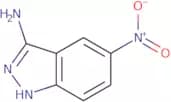
CAS :3-Amino-5-nitroindazole is an anticancer drug that inhibits the growth of cancer cells. It has been shown to inhibit the growth of cancer cells by blocking the synthesis and repair of DNA, leading to cell death. 3-Amino-5-nitroindazole also blocks the production of new proteins, which are needed for cell division. This drug also acts on pathways that are important for tumor development and progression, such as signaling pathways and transcription factors. This compound has been shown to be selective against human squamous cell carcinoma cells and has been studied in combination with other anticancer drugs in clinical trials.
Formule :C7H6N4O2Degré de pureté :Min. 95%Couleur et forme :SolidMasse moléculaire :178.15 g/molL(+)-Amethopterin hydrate
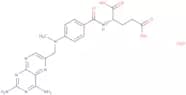
CAS :L(+)-Amethopterin hydrate is an immunosuppressant that suppresses the immune system by inhibiting RNA synthesis. It is a structural analogue of folic acid and has been shown to be effective in treating autoimmune diseases, such as rheumatoid arthritis. L(+)-Amethopterin hydrate is a neutral compound that is soluble in water and microsomal membranes, making it more easily absorbed through the gut than other compounds of this class. It also has been shown to have no toxic effects on cardiac cells at therapeutic concentrations. These properties make L(+)-Amethopterin hydrate an attractive candidate for treating autoimmune diseases when other treatments have failed.Formule :C20H22N8O5·xH2ODegré de pureté :Min. 98 Area-%Couleur et forme :Yellow PowderMasse moléculaire :454.44 g/mol[(8S,10S,11S,13S,14S,16S)-9-Fluoro-11-Hydroxy-10,13,16-Trimethyl-17-Methylsulfanylcarbonyl-3-Oxo-6,7,8,11,12,14,15,16-Octahydrocyclo penta[a]Phenanthren-17-Yl] Acetate
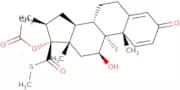
CAS :Produit contrôlé(8S,10S,11S,13S,14S,16S)-9-Fluoro-11-Hydroxy-10,13,16-Trimethyl-17-Methylsulfanylcarbonyl-3-Oxo-6,7,8,11,12,14,15,16-Octahydrocyclo penta[a]Phenanthren-17-Yl) Acetate is a fatty acid ester that is used as a pharmaceutical preparation. It has been shown to be an effective treatment for the muscle wasting disease myotonic dystrophy and has been approved by the FDA. (8S,10S,11S,13S,14S,, 16 S)-9 - Fluoro - 11 - Hydroxy - 10 , 13 , 16 - Trimethyl - 17 - Methylsulfanylcarbonyl - 3 - Oxo - 6 , 7 , 8 , 11Formule :C24H31FO5SDegré de pureté :Min. 95%Masse moléculaire :450.56 g/mol6-Methoxyindole
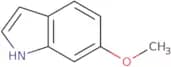
CAS :6-Methoxyindole is an acetate extract of the plant 5-methoxyindole. It has been shown to be a 5-HT1A receptor agonist in animals, and has been shown to have cardiac effects in rats. 6-Methoxyindole is also used as a precursor for the synthesis of diphenylacetylindoles. 6-Methoxyindole is one of the molecules that can be recombined to form a batcho-leimgruber indole (BLI).
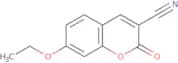
Formule :C9H9NODegré de pureté :Min. 99 Area-%Couleur et forme :PowderMasse moléculaire :147.17 g/mol3-Cyano-7-ethoxycoumarin
CAS :3-Cyano-7-ethoxycoumarin is a specialized fluorescent probe, which is a synthetic organic compound designed for use in biochemical assays. This compound is sourced from the broader family of coumarins, which are known for their versatile fluorescence properties. The mode of action of 3-Cyano-7-ethoxycoumarin involves its ability to exhibit strong fluorescent emission when excited by specific wavelengths of light, making it a valuable tool for monitoring biochemical reactions and interactions.
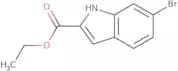
Formule :C12H9NO3Degré de pureté :Min. 95%Couleur et forme :PowderMasse moléculaire :215.2 g/molEthyl 6-Bromoindole-2-carboxylate
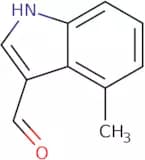
CAS :Please enquire for more information about Ethyl 6-Bromoindole-2-carboxylate including the price, delivery time and more detailed product information at the technical inquiry form on this pageFormule :C11H10BrNO2Degré de pureté :Min. 95%Masse moléculaire :268.11 g/mol4-Methylindole-3-carboxaldehyde
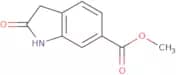
CAS :4-Methylindole-3-carboxaldehyde is a lipophilic extract that inhibits the growth of fungi. It has been shown to be effective against phytopathogenic fungi, and it has been used as an antibiotic in the treatment of bacterial infections. 4-Methylindole-3-carboxaldehyde is an analog of streptochlorin, which inhibits protein synthesis by binding to the ribosome. This leads to cell death by inhibiting the production of proteins vital for cell division. 4-Methylindole-3-carboxaldehyde also has antifungal activity against Candida albicans and Trichophyton mentagrophytes.Formule :C10H9NODegré de pureté :Min. 95%Masse moléculaire :159.18 g/molMethyl 2-oxoindole-6-carboxylate
CAS :Intermediate in the synthesis of nintedanibFormule :C10H9NO3Degré de pureté :Min. 98 Area-%Couleur et forme :PowderMasse moléculaire :191.18 g/molApterin
CAS :Apterin is a naturally occurring compound, classified as a coumarin derivative, which is isolated from members of the Apiaceae family. Its source is primarily derived from plant species known for their therapeutic properties.Formule :C20H24O10Degré de pureté :Min. 95 Area-%Couleur et forme :White PowderMasse moléculaire :424.4 g/molQuinolin-2-yl-methylamine
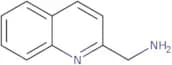
CAS :Quinolin-2-yl-methylamine is an amine that is used in the synthesis of other compounds. It can be prepared by protonation of quinoline with methylamine, followed by crystallization. The yield of this reaction is dependent on the purity of the starting materials and the reaction conditions. This compound has a molecular weight of 169.07 g/mol and a melting point at 217 °C. The infrared spectrum for Quinolin-2-yl-methylamine shows peaks at 2900 cm−1, 1670 cm−1, and 1590 cm−1. It also has x-ray crystallography data (space group P21/c).Formule :C10H10N2Degré de pureté :Min. 96 Area-%Couleur et forme :PowderMasse moléculaire :158.2 g/mol3-(4-Fluorobenzoyl)-6-Methoxy-2-Methyl-1H-Indole-1-Acetic Acid
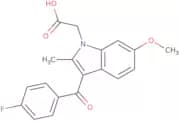
CAS :Produit contrôlé3-(4-Fluorobenzoyl)-6-Methoxy-2-Methyl-1H-Indole-1-Acetic Acid is a prodrug that is metabolized to 6-fluoro-3,4 dioxo tamoxifen in the liver. It has been shown to have anticholinergic, cytosolic calcium and c1-4 alkyl properties. 3-(4-Fluorobenzoyl)-6-Methoxy-2-Methylindole Acetic Acid also has a basic group, cyclopentane ring, and pyridine ring.Formule :C19H16FNO4Degré de pureté :Min. 95%Masse moléculaire :341.33 g/mol6-Amino-9H-purine-9-propanoic acid
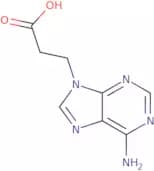
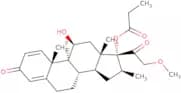
CAS :6-Amino-9H-purine-9-propanoic acid is an acid lactam that belongs to the class of dihedral molecules. It is a colorless solid that crystallizes in plates, which have been shown to have a strong affinity for ammonium ions. 6-Amino-9H-purine-9-propanoic acid has been shown to be a substrate for the enzyme purine nucleoside phosphorylase, which catalyzes the phosphorolysis of nucleosides with the release of inorganic phosphate and ribose 5'-phosphate. The molecule can also react with electron radiation to form gamma rays, which may lead to its use as a molecular probe.Formule :C8H9N5O2Degré de pureté :Min. 95%Couleur et forme :PowderMasse moléculaire :207.19 g/mol[(8S,9R,10S,11S,13S,14S,16S,17R)-9-Fluoro-11-Hydroxy-17-(2-Methoxyacetyl)-10,13,16-Trimethyl-3-Oxo-6,7,8,11,12,14,15,16-Octahydrocyc lopenta[a]Phenanthren-17-Yl] Propanoate
CAS :Produit contrôléBetamethasone is a corticosteroid that is used to treat inflammation, ankylosing spondylitis, and rheumatoid arthritis. It has been shown to have efficacy in the treatment of pediatric patients with asthma, as well as animal models of cardiac arrest and stroke. Betamethasone has also been shown to be effective in the treatment of potassium ion-associated death due to cardiac arrhythmia or repolarization abnormalities. This drug can be administered orally or topically; it binds to the glucocorticoid receptor on cells and modulates gene transcription. The primary mechanism of action for betamethasone is not fully understood but may involve inhibition of protein synthesis and suppression of inflammatory cells.Formule :C26H35FO6Degré de pureté :Min. 95%Masse moléculaire :462.55 g/mol2-Methyl-5-nitroimidazole
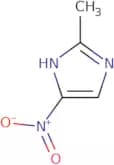
CAS :2-Methyl-5-nitroimidazole, also known as menidazole, is an impurity of metronidazole, which is used as an antibacterial and antiprotozoal medication in the treatment of infections, including rosacea. 2-Methyl-5-nitroimidazole is a derivative of nitroimidazole and has potential antimicrobial and antitrichomonal activities. Its synthesis can be achieved using various methods, including nucleophilic reaction, ester derivatives, reaction with metronidazole, and substitution reactions. Several derivatives of 2-Methyl-5-nitroimidazole have been synthesized and tested for their antibacterial, antifungal, and antitrichomonal activities. Both 2-Methyl-5-nitroimidazole and its derivatives have potential applications as antimicrobial and antitrichomonal agents.Formule :C4H5N3O2Degré de pureté :Min. 95%Couleur et forme :PowderMasse moléculaire :127.1 g/mol4,6-Dichloro-1H-indole-2-carboxylic acid ethyl ester
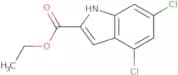
CAS :4,6-Dichloro-1H-indole-2-carboxylic acid ethyl ester is a synthetic compound that functions as an agonist of the indole 2 receptor. It has been shown to have affinity for cortical and brain membranes, with a greater affinity for acidic regions of the membrane. 4,6-Dichloro-1H-indole-2-carboxylic acid ethyl ester is also capable of binding to the indole 2 receptor and activating it. The carboxyl group in this compound is substituted with benzene rings, which are connected by a moiety containing two carboxylic groups. 4,6-Dichloro-1H-indole-2-carboxylic acid ethyl ester was synthesised from 1H -indole acetic acid and chloroethane in four steps.Formule :C11H9Cl2NO2Degré de pureté :Min. 95%Couleur et forme :SolidMasse moléculaire :258.1 g/mol2',6'-Dimethylcarbonylphenyl-10-sulfopropylacridinium-9-carboxylate 4'-NHS ester
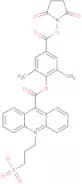
CAS :2',6'-Dimethylcarbonylphenyl-10-sulfopropylacridinium-9-carboxylate 4'-NHS ester is a chemiluminescent acridinium ester label used widely in clinical diagnostics, particularly in automated immunochemistry analysers. Acridinium ester labels are also useful research tools for the investigation of protein-carbohydrate interactions to characterise the binding affinity between specific carbohydrate and its binding protein. An example of those are lectin-acridinium ester conjugates used as chemiluminescent probes.Formule :C30H26N2O9SDegré de pureté :Min. 95 Area-%Couleur et forme :Yellow PowderMasse moléculaire :590.6 g/mol8-Methyl-3,8-diazabicyclo[3.2.1]octane dihydrochloride
CAS :8-Methyl-3,8-diazabicyclo[3.2.1]octane dihydrochloride is a high quality reagent that is used as an intermediate in the synthesis of complex compounds. This compound has been shown to be useful as a scaffold for the synthesis of new compounds and is also a versatile building block for reactions in organic chemistry. 8-Methyl-3,8-diazabicyclo[3.2.1]octane dihydrochloride is also used as a speciality chemical and research chemical in various fields such as pharmaceuticals, agrochemicals, and other industries.Formule :C7H16Cl2N2Degré de pureté :Min. 95 Area-%Couleur et forme :PowderMasse moléculaire :199.12 g/mol5-Hydroxy-6-methoxyindole-carboxylic acid
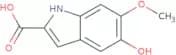
CAS :5-Hydroxy-6-methoxyindole-carboxylic acid (5-HMICA) is a molecule that is found in the pericardium and urine of patients with cancer. 5-HMICA has been shown to suppress tumor growth and activate cell mediated cytotoxicity in vitro. It also induces T helper type 1 (Th1) immune responses, which are associated with the production of cytokines such as interferon gamma and tumor necrosis factor alpha.Formule :C10H9NO4Couleur et forme :PowderMasse moléculaire :207.18 g/mol5-Bromoindole-3-carboxaldehyde
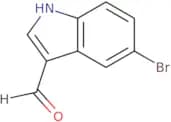
CAS :5-Bromoindole-3-carboxaldehyde is a water molecule that has been crystallized in the form of an amide. It is a chemical substance with asymmetric synthesis and significant antifungal activity. 5-Bromoindole-3-carboxaldehyde is active against some strains of the fungus Candida albicans and has been shown to inhibit the growth of kidney cells. This molecule also binds to the neurokinin 1 receptor and is used as a probe for fluorescence studies. The efficient method for synthesizing 5-Bromoindole-3-carboxaldehyde includes using silico analysis to confirm the structure on a computer, then performing an asymmetric synthesis with an acid catalyst to produce this compound.
Formule :C9H6BrNODegré de pureté :Min. 98 Area-%Couleur et forme :PowderMasse moléculaire :224.05 g/mol6-Azaspiro[2.5]octane hydrochloride
CAS :6-Azaspiro[2.5]octane hydrochloride is a high quality, reagent, complex compound that is useful as an intermediate in the synthesis of various organic compounds. CAS No. 1037834-62-0 is a fine chemical with many applications including use as a building block and scaffold for speciality chemicals such as research chemicals and versatile building blocks for reactions. 6-Azaspiro[2.5]octane hydrochloride can be used for the synthesis of various compounds including pharmaceuticals, agrochemicals, flavors and fragrances, dyes and pigments, polymers and plasticizers, perfumes and flavorings, agricultural chemicals, surfactants, catalysts and solvents.
Formule :C7H14ClNDegré de pureté :Min. 95%Couleur et forme :PowderMasse moléculaire :147.65 g/molTicarcillin disodium
CAS :Ticarcillin is a bactericidal antibiotic that is used to treat many types of infections caused by gram-positive bacteria, such as Streptococcus pneumoniae, Enterococcus faecalis and Enterococcus faecium. Ticarcillin has been shown to be effective against antibiotic-resistant strains of bacteria, including multidrug efflux pumps. This drug also has been shown to inhibit the growth of gram-negative bacteria such as Escherichia coli and Pseudomonas aeruginosa. Ticarcillin is used in combination with clavulanic acid for the treatment of infections caused by beta-lactamase producing organisms. It is also used in wastewater treatment to inhibit the growth of gram-negative bacteria that are resistant to other antibiotics. Ticarcillin can interfere with other medications by inhibiting their metabolism through cytochrome P450 enzymes or through competition for protein binding sites.Formule :C15H16N2Na2O6S2Degré de pureté :Min. 80.0 Area-%Couleur et forme :White PowderMasse moléculaire :430.41 g/mol8-Methylxanthine
CAS :8-Methylxanthine is a metabolite of caffeine and theophylline. It has been shown to be a pro-inflammatory cytokine that stimulates the production of other pro-inflammatory cytokines such as interleukin (IL)-1β, IL-6, and tumor necrosis factor alpha (TNFα). 8-Methylxanthine is also a substrate for cytochrome P450 enzyme activity, which is responsible for metabolizing many drugs and other chemicals in the body. This compound has been detected in human liver and urine samples. 8-Methylxanthine has cytotoxic properties and may serve as an antioxidant. Mass spectrometric detection methods are used to identify this compound in biological fluids.Formule :C6H6N4O2Degré de pureté :Min. 95%Couleur et forme :PowderMasse moléculaire :166.14 g/molIndole-3-carboxaldehyde
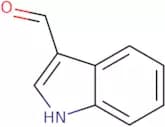
CAS :Indole-3-carboxaldehyde is a chemical compound that is used as an antimicrobial agent. The biological properties of this compound are not well studied, but it has been shown to be effective against bacteria and fungi. Indole-3-carboxaldehyde has been shown to inhibit the enzyme activity of sodium carbonate, which is involved in the production of lactic acid in bacteria. This effect may contribute to its antibacterial activity. Indole-3-carboxaldehyde is also a potential anticancer agent because it can bind to toll-like receptor 4 (TLR4). Indole-3-carboxaldehyde reacts with sulfa drugs through a mechanism similar to the reaction between hydrogen peroxide and potassium permanganate. It has been shown that indole-3-carboxaldehyde can be used as a pesticide for plants and as an electrochemical impedance spectroscopy probe for histological analysis.Formule :C9H7NOCouleur et forme :PowderMasse moléculaire :145.16 g/mol4,4'-Dihydroxy-2,2'-bipyridine
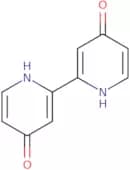
CAS :4,4'-Dihydroxy-2,2'-bipyridine is a metallo-organic compound that can be used as a homogeneous catalyst for the oxidation of hydroxyl groups. It is also used in cancer research because it has been shown to inhibit tumor cell proliferation and induce apoptosis. 4,4'-Dihydroxy-2,2'-bipyridine is an activated form of 2,2'-bipyridyl with a hydroxyl group on its ortho position. It can be prepared by reacting bromine with the metal salt of 2-hydroxybenzaldehyde in the presence of sodium hydroxide. This reaction produces two products: 4,4'-dihydroxy-2,2'-bipyridine and 2-bromoethanol. The deuterium isotope is used for nuclear magnetic resonance spectroscopy studies because it has a spin quantum number of one and does not cause chemical shift
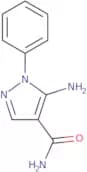
Formule :C10H8N2O2Degré de pureté :Min. 98 Area-%Couleur et forme :White PowderMasse moléculaire :188.18 g/mol5-Amino-1-phenylpyrazole-4-carboxamide
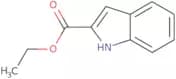
CAS :5-Amino-1-phenylpyrazole-4-carboxamide (APC) is a synthetic compound that has been shown to have potential as an antitumor agent. This compound has been shown to inhibit the growth of cancer cells in vitro, with cytometric analysis showing that it inhibits DNA synthesis and cell proliferation. It also has antibacterial activity, which may be due to its ability to inhibit bacterial DNA gyrase and topoisomerase IV. APC has been found in wastewater at concentrations of 2.6 μg/L, indicating that it is currently being produced and used for industrial purposes. APC can be synthesized by reacting 1-(3-aminopropyl)piperazine with 3-(2H)-furanone and triethylamine to form 5-amino-1-[(2H)-pyridin-2-yl]pyrazole-4-- carboxylic acid chloride, which can thenFormule :C10H10N4ODegré de pureté :Min. 95%Couleur et forme :PowderMasse moléculaire :202.21 g/molIndole-2-carboxylic acid ethyl ester
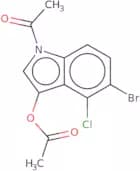
CAS :Indole-2-carboxylic acid ethyl ester is a synthetic compound that binds to cancer cells. It has been shown to inhibit the growth of leukemia cells and breast cancer cells in vitro. Indole-2-carboxylic acid ethyl ester inhibits the binding of collagen to cells, which may be due to its ability to bind to β-carboline alkaloids on collagen. The binding of indole-2-carboxylic acid ethyl ester with these alkaloids prevents them from binding to collagen, thereby preventing the formation of new collagen fibers. This drug also inhibits aldehyde production, which is important for DNA synthesis in cancer cells.Formule :C11H11NO2Degré de pureté :Min. 95%Couleur et forme :PowderMasse moléculaire :189.21 g/mol5-Bromo-4-chloroindolyl 1,3-diacetate
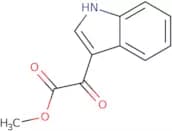
CAS :5-Bromo-4-chloroindolyl 1,3-diacetate (5BCDA) is a clinical response predictor of postoperative radiotherapy. It is an acr20 response predictor for the diagnosis of chronic hepatitis C and the disease activity index in women with genital herpes. 5BCDA has been found to be effective in reducing levels of IL-17a and IL-17f, which are cytokines that are important for immune responses. 5BCDA has also been shown to be effective in treating infectious diseases such as malaria and tuberculosis.Formule :C12H9BrClNO3Degré de pureté :Min. 95%Couleur et forme :Off-White PowderMasse moléculaire :330.57 g/molMethyl indolyl-3-glyoxylate
CAS :Methyl indolyl-3-glyoxylate is an active analogue of hepg2, a protein involved in the synthesis of prenylated proteins. It inhibits the prenylation of proteins and halides by binding to ATP, preventing the formation of a covalent bond between ATP and the protein. Methyl indolyl-3-glyoxylate has been shown to induce apoptosis in HeLa cells by inhibiting cell proliferation and DNA synthesis. This compound also causes g1 phase arrest, which may be due to its ability to alkylate DNA. Methyl indolyl-3-glyoxylate has also been shown to be effective against cancer cells in vitro and in vivo, particularly those that are resistant to other chemotherapeutic drugs.Formule :C11H9NO3Degré de pureté :Min. 95%Couleur et forme :PowderMasse moléculaire :203.19 g/molMethyl (1R,2S,3S,5S)-3-(4-Fluorophenyl)-8-[(E)-3-Iodoprop-2-Enyl]-8-Azabicyclo[3.2.1]Octane-2-Carboxylate
CAS :Produit contrôléMethyl (1R,2S,3S,5S)-3-(4-fluorophenyl)-8-[(E)-3-iodoprop-2-enyl]-8-azabicyclo[3.2.1]octane-2-carboxylate is an imaging agent that is used to diagnose and treat bowel diseases. It has pharmacokinetic properties that allow for a more accurate diagnosis of eye disorders and bowel disease. Methyl (1R,2S,3S,5S)-3-(4-fluorophenyl)-8-[(E)-3-iodoprop-2-enyl]-8-azabicyclo[3.2.1]octane-2-carboxylate is a DPPIV inhibitor that modulates the dopamine transporter in the brain by binding to its extracellular site of action on dopamine transporter proteins and blocking the reuptake of dopamine into the presFormule :C18H21FINO2Degré de pureté :Min. 95%Masse moléculaire :429.27 g/mol5,7-Dibromo-8-hydroxyquinoline
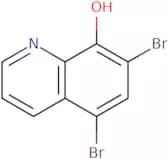
CAS :5,7-Dibromo-8-hydroxyquinoline is a cytotoxic agent that has been shown to inhibit the growth of xenograft tumor cells. It was found to be effective in inhibiting the mitochondrial membrane potential and decrease the rate of cell proliferation. 5,7-Dibromo-8-hydroxyquinoline also showed significant cytotoxicity against carcinoma cell lines, with no effect on normal human fibroblast cells. The drug is an organophosphate compound that inhibits fatty acid synthesis by binding to an enzyme involved in fatty acid biosynthesis. This inhibition causes diarrhoea and sodium salt loss. 5,7-Dibromo-8-hydroxyquinoline can be extracted from hydrochloric acid through a solvent extraction process.Formule :C9H5Br2NODegré de pureté :Min. 95%Couleur et forme :PowderMasse moléculaire :302.95 g/mol6-Methyl-2,2':6',2''-terpyridine
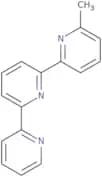
CAS :6-Methyl-2,2':6',2''-terpyridine is a versatile building block that can be used in the synthesis of complex compounds. It is a fine chemical and is sold for research purposes only. 6-Methyl-2,2':6',2''-terpyridine has been used as a reagent or speciality chemical in the manufacture of pharmaceuticals, agrochemicals, and other organic compounds. This compound also has potential use as an intermediate in the synthesis of other useful compounds or scaffolds.Formule :C16H13N3Degré de pureté :Min. 85 Area-%Couleur et forme :PowderMasse moléculaire :247.29 g/mol4-Chloroindole-3-acetic acid
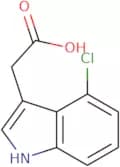
CAS :4-Chloroindole-3-acetic acid is a plant hormone that belongs to the group of auxins. It has been shown to stimulate root formation in plants by increasing the amount of auxin present in the plant's tissues. 4-Chloroindole-3-acetic acid is an intramolecular hydrogen donor and can form hydrogen bonds with other molecules. It also has a receptor binding site and cyclic peptide backbone, which allow it to act as a transcription factor or enzyme inhibitor. This molecule has been shown to be an optimum concentration for root formation in physiology experiments, and can be used as a model system for auxin research.Formule :C10H8ClNO2Degré de pureté :Min. 95%Couleur et forme :Off-White PowderMasse moléculaire :209.63 g/mol2-Methyl-6-quinolinecarboxylic acid
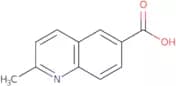
CAS :2-Methyl-6-quinolinecarboxylic acid is a molecule with an affinity for aromatic rings. It has been shown through experiment that this molecule has a stable structure and can be transferred from one ring to another. 2-Methyl-6-quinolinecarboxylic acid has also been shown to have an affinity for aromatic rings in the range of 8.1 × 10 to 8.3 × 10 M−1, with an experimental affinity value of 1.2 × 10 M−1. This compound is known to interact with other molecules in a molecular docking process and can be optimized using parameters such as hydrogen bonding and van der Waals interactions.END> END>
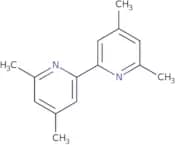
Formule :C11H9NO2Degré de pureté :Min. 95%Couleur et forme :PowderMasse moléculaire :187.19 g/mol4,4',6,6'-Tetramethyl-2,2'-bipyridine
CAS :4,4',6,6'-Tetramethyl-2,2'-bipyridine (TMTB) is a small molecule that can be used as an efficient and cost-effective catalyst for the production of hydrogen from water. TMTB is able to transform solar energy into chemical energy by converting light absorbed in a semiconductor material to an electric current. TMTB has been shown to improve the efficiency of solar cells by boosting the performance of the catalysts that drive chemical reactions in the devices. This effect was found to be synergistic with other materials such as graphene oxide and tungsten disulfide. In addition, TMTB nanoparticles were shown to have a normalizing effect on the charge density in photoelectrochemical cells, which may lead to improved stability and durability.Formule :C14H16N2Degré de pureté :Min. 95 Area-%Couleur et forme :PowderMasse moléculaire :212.30 g/mol1-Acetyl-5-bromoindole
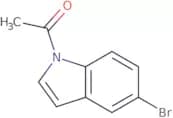
CAS :1-Acetyl-5-bromoindole is a high quality reagent that is useful as an intermediate in the synthesis of a wide range of complex compounds. It can be used as a speciality chemical for research purposes or to make other chemicals. 1-Acetyl-5-bromoindole is also needed for the synthesis of indoles, which are useful scaffolds and building blocks in organic chemistry. This compound can be used to form reactions with other chemical compounds and can be used to create versatile building blocks.Formule :C10H8BrNODegré de pureté :Min. 95%Couleur et forme :SolidMasse moléculaire :238.08 g/molAcetyl columbianetin
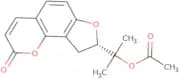
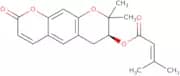
CAS :Acetyl columbianetin is a natural compound, which is a type of secondary metabolite derived primarily from plant sources. This compound is part of a broader category of phytochemicals known for their diverse bioactive properties. Acetyl columbianetin is specifically sourced from certain species within the Apiaceae family, commonly found in traditional medicine.Formule :C16H16O5Degré de pureté :Min. 95%Couleur et forme :PowderMasse moléculaire :288.3 g/mol3,3'-Diindolyl
CAS :3,3'-Diindolyl is a molecule that belongs to the class of oxindoles. Oxindoles are bioactive molecules that are formed by the reduction of 3,3'-dihydroxyindole (oxindole). The borohydride reduction of 3,3'-dihydroxyindole yields 3,3'-diindolyl. It has been shown to have anti-inflammatory properties and can be used for the treatment of inflammatory diseases such as congestive heart failure. 3,3'-Diindolyl is also an acidic compound and therefore can be used as an acidic buffer in pharmacopeia. It reacts with peroxide to form an aldehyde after oxidation. This reaction is catalyzed by sodium borohydride reduction or hydrogen peroxide. The borohydride reduction of 3,3'-diindolyl yields 2-hydroxy-1-(2-hydroxyethyl) indole (oxindole).Formule :C16H12N2Degré de pureté :Min. 95%Couleur et forme :PowderMasse moléculaire :232.28 g/mol7-Ethoxycoumarin
CAS :7-Ethoxycoumarin is a fluorescent substrate used in biochemical research, which is derived synthetically. It undergoes biotransformation primarily via oxidative dealkylation, catalyzed by cytochrome P450 enzymes, resulting in the formation of 7-hydroxycoumarin. By monitoring the fluorescent 7-hydroxycoumarin, researchers can assess enzymatic activity and study metabolic pathways.Formule :C11H10O3Degré de pureté :Min. 95%Couleur et forme :PowderMasse moléculaire :190.2 g/mol2-Chloro-4-nitroimidazole
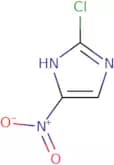
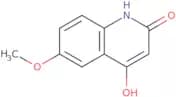
CAS :Radiosensitiser in hypoxic tumoursFormule :C3H2ClN3O2Degré de pureté :Min. 95%Couleur et forme :PowderMasse moléculaire :147.52 g/mol2,4-Dihydroxy-6-methoxyquinoline
CAS :2,4-Dihydroxy-6-methoxyquinoline is a compound that exhibits antifungal properties. It has been shown to have activity against Aspergillus flavus, Aspergillus fumigatus, Candida albicans and other fungi. 2,4-Dihydroxy-6-methoxyquinoline also inhibits the growth of E. coli and A. aureus in vitro. Elemental analysis showed that this compound possesses antibacterial properties and can inhibit the growth of Staphylococcus aureus.Formule :C10H9NO3Degré de pureté :Min. 95%Couleur et forme :PowderMasse moléculaire :191.18 g/mol2-Azaspiro[3.3]heptane HCI
CAS :2-Azaspiro[3.3]heptane HCI is a fine chemical that has many uses in research, manufacturing, and other industries. It is a versatile building block that can be used as an intermediate or reaction component for the synthesis of organic compounds. 2-Azaspiro[3.3]heptane HCI is also a speciality chemical because it has many applications in the pharmaceutical and agrochemical industries. This compound can be used as a reagent for the determination of carboxylic acids, alcohols, and amines by paper chromatography and high performance liquid chromatography (HPLC). 2-Azaspiro[3.3]heptane HCI is also useful in the synthesis of peptides and other complex compounds, such as diazepam.
Formule :C6H11N·ClHDegré de pureté :Min. 95%Couleur et forme :White Off-White PowderMasse moléculaire :133.62 g/mol7-Fluoroisatin
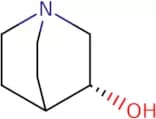
CAS :7-Fluoroisatin is a crystalline compound that can exist as two different polymorphs. The metastable form of 7-fluoroisatin has been shown to have low energy vibrations and hydrogen bonding interactions, which are responsible for the intermolecular hydrogen bonding. 7-Fluoroisatin also has a tautomeric form that exists as a hydrochloride salt, which is not stable in the solid state. The protonated form of 7-fluoroisatin has been shown to be an excellent hydrogen bond acceptor, with the ability to stabilize long range interactions.Formule :C8H4FNO2Degré de pureté :Min. 95%Couleur et forme :SolidMasse moléculaire :165.12 g/mol(R)-(-)-3-Quinuclidinol
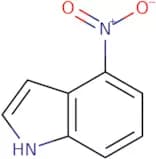
CAS :Produit contrôléSynthon for preparation of cholinergic receptor ligands; hypotensiveFormule :C7H13NODegré de pureté :Min. 95%Couleur et forme :White PowderMasse moléculaire :127.18 g/mol4-Nitroindole
CAS :4-Nitroindole is a chemical compound that is used to synthesize 5-hydroxytryptamine (5-HT) and also has been used as a substitute for tryptophan in the synthesis of serotonin. It can be prepared by reacting sodium nitrite with an organic acid such as acetic acid or propionic acid. The reaction proceeds through a diazonium salt intermediate, which is hydrolyzed with hydrochloric acid to give 4-nitroindole. 4-Nitroindole can also be prepared by the Friedel-Crafts reaction between an aromatic nitro compound and an alkyl halide. The hydrogen bond between the hydroxyl group and nitrogen atom in the molecule makes it soluble in organic solvents. In addition, the constant boiling point of the compound allows it to be analyzed using gas chromatography.
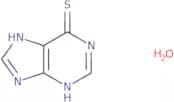
Formule :C8H6N2O2Degré de pureté :Min. 95%Couleur et forme :PowderMasse moléculaire :162.15 g/mol6-Mercaptopurine hydrate
CAS :6-Mercaptopurine is a purine analog that suppresses the production of white blood cells by inhibiting the enzyme thiopurine methyltransferase. It has been used to treat bowel disease and also for long-term suppression of the immune system in patients with autoimmune diseases. 6-Mercaptopurine is metabolized to 6-mercaptopurine, which is then converted to dinucleotide phosphate (dNTP) by group P2 enzymes. This conversion allows 6-mercaptopurine to inhibit dNTP synthesis and cell division. The effects of 6-mercaptopurine are potentiated when given in conjunction with azathioprine, another drug that inhibits purine metabolism. 6-Mercaptopurine is not active against human serum albumin or erythrocytes because it cannot be cleaved into an active form by these proteins. However, it does inhibit enzyme activities such as DNA polymerase, RNA polymerase, and proteinFormule :C5H4N4S•H2ODegré de pureté :Min. 97 Area-%Couleur et forme :Yellow PowderMasse moléculaire :152.18 g/mol3-Cyclohexyl-1-[4-[2-(7-methoxy -4,4-dimethyl-1,3-dioxo-isoquinolin -2-yl)ethyl]phenyl]sulfonyl-urea
CAS :3-Cyclohexyl-1-[4-[2-(7-methoxy -4,4-dimethyl-1,3-dioxo-isoquinolin -2-yl)ethyl]phenyl]sulfonyl-urea is a drug that inhibits the enzyme DPPIV, which breaks down the incretin hormone glucagon-like peptide (GLP)-1. It may be used to treat diabetes by regulating blood glucose levels. This drug has been shown to reduce postprandial blood glucose levels in patients with type 2 diabetes. 3CYCSU is also capable of reducing body weight and food intake in mice. The mechanism of action of this drug is not fully understood, but it appears to have an effect on the cytosolic calcium ion concentration and may reduce inflammatory responses in cells. 3CYCSU is a promising potential treatment for infectious diseases such as Hepatitis C virus (HCV).Formule :C27H33N3O6SCouleur et forme :PowderMasse moléculaire :527.63 g/molN-(1R,8S,9s)-Bicyclo[6.1.0]non-4-yn-9-ylmethyloxycarbonyl-1,8-diamino-3,6-dioxaoctane
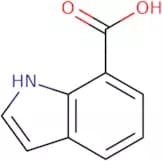
CAS :N-(1R,8S,9s)-Bicyclo[6.1.0]non-4-yn-9-ylmethyloxycarbonyl-1,8-diamino-3,6-dioxaoctane is a polymerase that has been developed for use in vaccines and as an agrochemical for the control of plant diseases. This enzyme has been shown to have high activity against cancer cells, including lung cancer cells and breast cancer cells. It is also autofluorescent and can be used as a cell marker in flow cytometry experiments. N-(1R,8S,9s)-Bicyclo[6.1.0]non-4-yn-9-ylmethyloxycarbonyl-1,8-diamino-3,6-dioxaoctane also has antiinflammatory effects on macrophages by inhibiting the production of proinflammatory cytokines such as IL 12pFormule :C17H28N2O4Degré de pureté :Min. 95%Couleur et forme :Colorless Clear LiquidMasse moléculaire :324.42 g/molIndole-7-carboxylic acid
CAS :Indole-7-carboxylic acid is a tetrahydropyridine that can be prepared by formylation of indole-7-carboxylic acid with formaldehyde and hydroxylamine. It is also the reaction product of dimethoxybenzene and cyanoindole in the presence of a base. Indole-7-carboxylic acid has been used in the synthesis of several drugs, including metronidazole and nitrofurantoin.
Formule :C9H7NO2Degré de pureté :Min. 95%Masse moléculaire :161.16 g/molRef: 3D-M-3330
-Unit-ggÀ demander25gÀ demander50gÀ demander100gÀ demander250gÀ demander500gÀ demanderLauryl isoquinolinium bromide
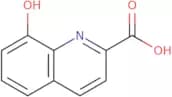
CAS :Lauryl isoquinolinium bromide is a pyridinium cationic surfactant that is used as a diagnostic agent and pharmaceutical preparation. It is also used as an antimicrobial agent in liquid chromatography, which is a technique to separate chemical compounds. Lauryl isoquinolinium bromide has been shown to be effective against Gram-positive bacteria such as Staphylococcus aureus and Enterococcus faecalis, and Gram-negative bacteria such as Pseudomonas aeruginosa. Lauryl isoquinolinium bromide has also been shown to be effective against yeast such as Candida albicans. Lauryl isoquinolinium bromide is not effective against viruses or fungi. This agent can be used to enhance the permeability of membranes during cross-linking reactions between polymers.Formule :C21H32NBrDegré de pureté :Min. 95%Couleur et forme :PowderMasse moléculaire :378.39 g/mol8-Hydroxyquinoline-2-carboxylic acid
CAS :8-Hydroxyquinoline-2-carboxylic acid is a 3-hydroxyanthranilic acid derivative that is often used as a biomarker of urine. The 8OHQA can be synthesized from 3-hydroxyanthranilic acid by the action of xanthine oxidase and hydrogen peroxide, and it has been shown to be an inhibitor of protein synthesis. This inhibition may be due to its ability to form hydrogen bonds with the hydroxyl group on the ribose side chain and its ability to coordinate with metals. 8OHQA has been shown to have anti-inflammatory effects in bladder cancer cells, which may be due to its ability to inhibit prostaglandin synthesis.
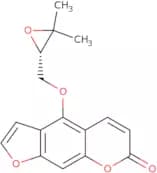
Formule :C10H7NO3Degré de pureté :Min. 95%Couleur et forme :PowderMasse moléculaire :189.17 g/mol(-)-Oxypeucedanin
CAS :(-)-Oxypeucedanin is a natural furanocoumarin, which is a type of organic compound. Furanocoumarins are derived from specific plants and are known for their complex structures and biological activities. (-)-Oxypeucedanin is sourced primarily from plants belonging to the Apiaceae family, such as Peucedanum species.Formule :C16H14O5Degré de pureté :Min. 95%Couleur et forme :White PowderMasse moléculaire :286.28 g/mol1,1,3,3,4,4,4a,5,5,6,6,7,7,8,8,8a-Hexadecafluoro-2-(trifluoromethyl)decahydroisoquinoline
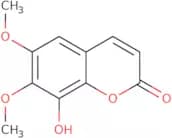
CAS :Produit contrôlé1,1,3,3,4,4,4a,5,5,6,6,7,7,8,8,8a-Hexadecafluoro-2-(trifluoromethyl)decahydroisoquinoline is an organic solvent that has a very low boiling point and high volatility. It can be used in dry powder inhalers or as a component of hydrogel compositions for oxygen delivery to the lungs. The uptake of 1HF-2TFI into human colon carcinoma cells was found to be significantly higher than uptake by mammary carcinomas. This may be due to the difference in cell types and/or the phosphate group on the molecule. The binding constants of this molecule are also higher than those of other organic solvents such as acetone and ethanol. The results from a questionnaire study also indicated that 1HF-2TFI can be used for perfusion with oxygenated gas mixtures forFormule :C10F19NDegré de pureté :Min. 95%Masse moléculaire :495.08 g/molFraxidin
CAS :Fraxidin is a naturally occurring compound, specifically an O-methylated coumarin, which is derived from certain plant sources such as the fruits of the ash tree. It is primarily obtained through the processing of various plant materials within the Rutaceae family. The mode of action of Fraxidin involves the inhibition of oxidative damage due to its capacity to scavenge free radicals, thus leading to potential antioxidant properties in biological systems.Formule :C11H10O5Degré de pureté :Min. 98 Area-%Couleur et forme :PowderMasse moléculaire :222.19 g/molIndole-3-butyric acid
CAS :Plant hormone; auxin; inducer of root development; used in plant rooting
Formule :C12H13NO2Degré de pureté :Min 98%Couleur et forme :White Yellow PowderMasse moléculaire :203.24 g/mol3-(3-Piperidinopropoxy)-1-[3-(Trifluoromethyl)Phenyl]-1H-Indazole
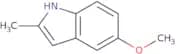
CAS :Produit contrôlé3-(3-Piperidinopropoxy)-1-[3-(Trifluoromethyl)Phenyl]-1H-Indazole is a compound that functions as an actuator. It can be used to implement force, such as controlling a change in the position of a control or actuation, and it can also be used to shift control. 3-(3-Piperidinopropoxy)-1-[3-(Trifluoromethyl)Phenyl]-1H-Indazole is an actuation method that can be controlled by implementing force.Formule :C22H24F3N3ODegré de pureté :Min. 95%Masse moléculaire :403.44 g/mol5-Methoxy-2-methylindole
CAS :5-Methoxy-2-methylindole is an organic solvent that has been shown to have a wide range of bioactive properties. It is used in the production of acetylcholine, which is an important neurotransmitter. 5-Methoxy-2-methylindole also reacts with chloride ions, which may be an important factor when considering the life cycles and bioactive substances of this molecule. The reaction yield depends on the pH of the solution. 5-Methoxy-2-methylindole can undergo chlorination reactions to form polychlorinated derivatives, which are used as petrochemicals. This molecule also has retinoid properties and can act as a proton donor or acceptor depending on whether it is protonated or deprotonated.Formule :C10H11NOCouleur et forme :PowderMasse moléculaire :161.2 g/molIsatin bis-cresol
CAS :Isatin bis-cresol is a silicon-containing compound that can be used as a viscosity modifier and stabilizer in polymers. Isatin bis-cresol has shown resistance to degradation by water, alkali, and acid. It also has a high formation rate and can be used for the production of functionalized polymers such as polycarbonates or phosphonium salts. Isatin bis-cresol is insoluble in water but soluble in organic solvents, which makes it an ideal candidate for use in transesterification reactions. Isatin bis-cresol contains three functional groups: phenolic (OH), carboxylic acid (COOH), and alcohol (OH).
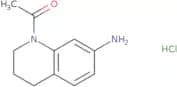
Formule :C22H19NO3Degré de pureté :Min. 98 Area-%Couleur et forme :PowderMasse moléculaire :345.39 g/mol1-Acetyl-1,2,3,4-tetrahydroquinolin-7-amine hydrochloride
CAS :1-Acetyl-1,2,3,4-tetrahydroquinolin-7-amine hydrochloride is a versatile building block that can be used in the synthesis of complex compounds with high quality and as a speciality chemical. This compound is useful as a reagent and reaction component in organic synthesis. It has been shown to be useful in the synthesis of new scaffolds for drug discovery.
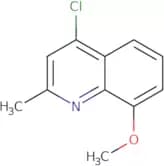
Formule :C11H14N2O·HClDegré de pureté :Min. 95%Couleur et forme :Off-White PowderMasse moléculaire :226.7 g/mol4-Chloro-8-methoxy-2-methylquinoline
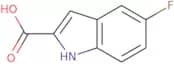
CAS :4-Chloro-8-methoxy-2-methylquinoline is a compound that has been found in nature. It is a diversity of nonreciprocal nucleic acid sequences and has been shown to be polymorphic. This nucleotide can cause stenosis in the coronary heart, which may lead to heart disease. 4-Chloro-8-methoxy-2-methylquinoline also inhibits the growth of Plasmodium falciparum and Plasmodium vivax. The drug's mechanism of action is not yet known, but it may have evolved from other compounds with a similar molecular structure.Formule :C11H10ClNODegré de pureté :Min. 95%Couleur et forme :PowderMasse moléculaire :207.66 g/mol5-Fluoroindole-2-carboxylic acid
CAS :5-Fluoroindole-2-carboxylic acid is a new substance that has been found to be an inhibitor of the influenza virus. It prevents the virus from replicating by inhibiting the synthesis of viral proteins and nucleic acids. 5-Fluoroindole-2-carboxylic acid can be prepared by dispersive solid phase extraction of a mixture of fluoroindole, fumaric acid, and potassium hydroxide in water. The compound has also been shown to potentiate the effects of carbamazepine on caspases and enhance mass spectrometric analysis for gaseous hydrochloric acid. 5-Fluoroindole-2-carboxylic acid produces antinociceptive effects in animals.Formule :C9H6FNO2Couleur et forme :PowderMasse moléculaire :179.15 g/mol6-Methyl-1H-indole-3-carbaldehyde
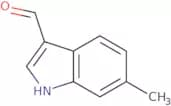
CAS :6-Methyl-1H-indole-3-carbaldehyde is a synthetic chemical that has been used as a reagent in the form of its sodium salt. It is an acetylating agent and can be used for formylation reactions. 6-Methyl-1H-indole-3-carbaldehyde has shown strong antifungal activity against phytopathogenic fungi such as Fusarium, Rhizoctonia, and Phytophthora. This chemical also has a triazine group, which can be used to enhance the herbicidal properties of certain compounds.Formule :C10H9NODegré de pureté :Min. 95%Couleur et forme :PowderMasse moléculaire :159.18 g/mol2,2'-Bipyridine-6,6'-dicarboxylic acid
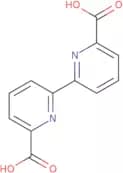
CAS :2,2'-Bipyridine-6,6'-dicarboxylic acid is a molecule that has an acidic functional group. It has been found to have a molecular weight of 220.2 g/mol and is soluble in water at elevated temperatures. 2,2'-Bipyridine-6,6'-dicarboxylic acid has been shown to be photoprocessable in the presence of sodium carbonate as a catalyst. The reaction rate can be increased by adding a diluent to the solution or by using linear models.Formule :C12H8N2O4Degré de pureté :Min. 95%Couleur et forme :Off-White PowderMasse moléculaire :244.21 g/mol6-Methoxyindoline-2,3-dione
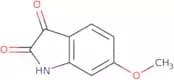
CAS :6-Methoxyindoline-2,3-dione is an indole alkaloid that has been isolated from the leaves of plants in the genus Apiaceae. It is synthesized by a reaction system that involves the oxidation of 6-methoxyindole to the corresponding oxindole and subsequent reduction to the desired product. The cytotoxicity of 6-methoxyindoline-2,3-dione has been demonstrated using a fluorescent assay with cancer cells. The compound binds to and activates cb2 receptors, which are expressed on immune cells and have been shown to be involved in inflammatory processes.Formule :C9H7NO3Degré de pureté :Min. 95%Couleur et forme :PowderMasse moléculaire :177.16 g/molNordalbergin
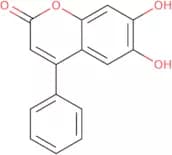
CAS :Please enquire for more information about Nordalbergin including the price, delivery time and more detailed product information at the technical inquiry form on this pageFormule :C15H10O4Masse moléculaire :254.24 g/molDecursin
CAS :MAO inhibitor; neuro-protective and cognitive enhancement effects
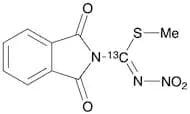
Formule :C19H20O5Degré de pureté :Min. 98 Area-%Couleur et forme :White PowderMasse moléculaire :328.36 g/mol1,3-Dihydro-N-nitro-1,3-dioxo-2H-isoindole-2-carboximidothioic acid Methyl Ester-13C
CAS :Produit contrôléApplications 1,3-Dihydro-N-nitro-1,3-dioxo-2H-isoindole-2-carboximidothioic acid Methyl Ester-13C is an intermediate used in the synthesis of Clothianidin-d3,13C1 (C588502), which is the isotope labelled analog of Clothianidin. Clothianidin is a neonicotinoid insecticide for use in food crops.
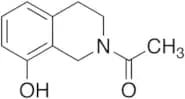
References Kamel, A., et al.: J. Agric. Food Chem., 58, 5926 (2010), Lynd, L., et al.: Energy Environ. Sci., 3, 1150 (2010), Cresswell, J., et al.: Ecotoxicology, 20, 149 (2011),Formule :CC9H7N3O4SCouleur et forme :NeatMasse moléculaire :266.2382-Acetyl-1,2,3,4-tetrahydro-8-isoquinolinol
CAS :Produit contrôléApplications Used in the synthesis of tetrahydroisoquinoline derivatives.
Formule :C11H13NO2Couleur et forme :NeatMasse moléculaire :191.233-Amino-4-bromo-5-phenylpyrazole
CAS :Produit contrôléApplications 3-Amino-4-bromo-5-phenylpyrazole (cas# 2845-78-5) is a compound useful in organic synthesis.
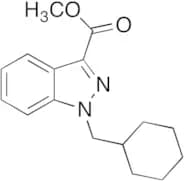
Formule :C9H8BrN3Couleur et forme :NeatMasse moléculaire :238.08Methyl 1-(Cyclohexylmethyl)-1H-indazole-3-carboxylate
CAS :Produit contrôléApplications Methyl 1-(Cyclohexylmethyl)-1H-indazole-3-carboxylate is an intermediate in the synthesis of MDMB-CHMINACA (M203515), a synthetic cannabinoid with potential neurochemical effects at the CB1 receptor.
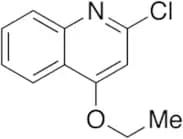
References Banister, S. ET AL.: ACS Chem. Neurosci., 7, 1241 (2016);Formule :C16H20N2O2Couleur et forme :NeatMasse moléculaire :272.342-Chloro-4-ethoxyquinoline
CAS :Produit contrôléApplications Quinoline derivative used in the preparation of compounds with anticonvulsant activity as well as compounds with potent antibacterial activity against gram-positive pathogens.
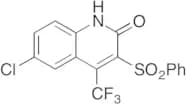
References Guo, L. et al.: Eur. J. Med. Chem., 44, 954 (2009); Jarvest, R.L. et al.: J. Med. Chem., 45, 1959 (2002);Formule :C11H10ClNOCouleur et forme :NeatMasse moléculaire :207.666-Chloro-3-(phenylsulfonyl)-4-(trifluoromethyl)-2(1H)-quinolinone
CAS :Produit contrôléApplications 6-Chloro-3-(phenylsulfonyl)-4-(trifluoromethyl)-2(1H)-quinolinone is an intermediate in the synthesis of novel quinolinones as HIV-1 reverse transcriptase inhibitors.
References Patel, M., et al.: Bioorg. Med. Chem. Lett., 11, 1943 (2001);Formule :C16H9ClF3NO3SCouleur et forme :NeatMasse moléculaire :387.761,1,2-Trimethyl-1H-benzo[e]indole-d6
Produit contrôléApplications 1,1,2-Trimethyl-1H-benzo[e]indole-d6 is a labelled analogue of 1,1,2-Trimethyl-1H-benzo[e]indole (T896032). It is a useful research chemical.
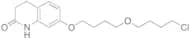
Formule :C15D6H9NCouleur et forme :NeatMasse moléculaire :215.3237-(4-(4-Chlorobutoxy)butoxy)-3,4-dihydroquinolin-2(1H)-one
Produit contrôléApplications 7-(4-(4-Chlorobutoxy)butoxy)-3,4-dihydroquinolin-2(1H)-one is an internmediate in the synthesis of Aripiprazole (A771000) related compounds, a selective dopamine D2-receptor antagonist with dopamine autoreceptor agonist activity.
References Nagasaka, Y., et al.: Biopharma. Drug. Dispo., 33, 304 (2012); Chen, X., et al.: J. Med. Chem., 55, 7141 (2012);Formule :C10H11IO2Couleur et forme :NeatMasse moléculaire :290.0982-n-Butyl-d7-1,3-diazaspiro[4.4]non-1-en-4-one
CAS :Produit contrôléApplications A labelled intermediate of Irbesartan (I751000).
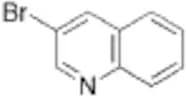
References Gillis, J., et al.: Drugs, 54, 885 (1997), Chando, T., et al.: Drug Metab. Disps., 26, 408 (1998), Hines, J., et al.: Eur. J. Pharmacol., 384, 81 (1999)Formule :C11H11D7N2OCouleur et forme :NeatMasse moléculaire :201.323-Bromoquinoline
CAS :Produit contrôléApplications 3-Bromoquinoline (cas# 5332-24-1) is a compound useful in organic synthesis.
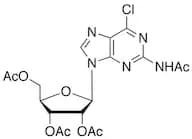
Formule :C9H6BrNCouleur et forme :NeatMasse moléculaire :208.052-Acetamido-6-chloro-9-(2’,3’,5’-tri-O-acetyl-β-D-ribofuranosyl)purine
CAS :Produit contrôléApplications 2-Acetamido-6-chloro-9-(2’,3’,5’-tri-O-acetyl-β-D-ribofuranosyl)purine (cas# 137896-02-7) is a compound useful in organic synthesis.
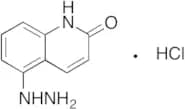
References Matsuda, A., et al.: J. Med. Chem., 35, 241 (1992),Formule :C18H20ClN5O8Couleur et forme :NeatMasse moléculaire :469.835-Hydrazino-2(1H)-quinolinone Hydrochloride
CAS :Produit contrôléApplications 5-Hydrazino-2(1H)-quinolinone Hydrochloride is an intermediate used in the synthesis of sodium-hydrogen exchanger type 1 inhibitor (NHE-1).
Formule :C9H10ClN3OCouleur et forme :NeatMasse moléculaire :211.653-Acetylindole
CAS :Produit contrôléApplications 3-acetylindole (cas# 703-80-0) is a useful research chemical.
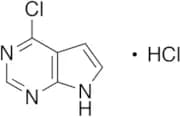
Formule :C10H9NOCouleur et forme :NeatMasse moléculaire :159.186-Chloro-7-deazapurine Hydrochloride
CAS :Produit contrôléApplications 6-Chloro-7-deazapurine Hydrochloride (cas# 1243346-92-0) is a compound useful in organic synthesis.
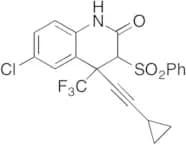
Formule :C6H5Cl2N3Couleur et forme :NeatMasse moléculaire :190.036-Chloro-4-(2-cyclopropylethynyl)-3,4-dihydro-3-(phenylsulfonyl)-4-(trifluoromethyl)-2(1H)-quinolinone
CAS :Produit contrôléApplications 6-Chloro-4-(2-cyclopropylethynyl)-3,4-dihydro-3-(phenylsulfonyl)-4-(trifluoromethyl)-2(1H)-quinolinone is an intermediate in the synthesis of novel quinolinones as HIV-1 reverse transcriptase inhibitors.
References Patel, M., et al.: Bioorg. Med. Chem. Lett., 11, 1943 (2001);Formule :C21H15ClF3NO3SCouleur et forme :NeatMasse moléculaire :453.86[S-(R*,R*)]-2-[2-tert-Butyloxycarbonylamino-1-oxopropyl]-1,2,3,4-tetrahydro-3-isoquinolinecarboxylic Acid Phenylmethyl Ester
CAS :Produit contrôléApplications [S-(R*,R*)]-2-[2-tert-Butyloxycarbonylamino-1-oxopropyl]-1,2,3,4-tetrahydro-3-isoquinolinecarboxylic Acid Phenylmethyl Ester (cas# 92829-12-4) is a compound useful in organic synthesis.
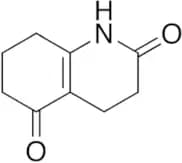
Formule :C25H30N2O5Couleur et forme :NeatMasse moléculaire :438.524,6,7,8-Tetrahydro-2,5(1H,3H)-quinolinedione
CAS :Produit contrôléApplications 4,6,7,8-Tetrahydro-2,5(1H,3H)-quinolinedione (cas# 5057-12-5) is a compound useful in organic synthesis.
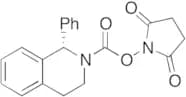
Formule :C9H11NO2Couleur et forme :NeatMasse moléculaire :165.19(1S)-3,4-Dihydro-1-phenyl-2(1H)-isoquinolinecarboxylic Acid 2,5-Dioxo-1-pyrrolidinyl Ester
CAS :Produit contrôléApplications (1S)-3,4-Dihydro-1-phenyl-2(1H)-isoquinolinecarboxylic Acid 2,5-Dioxo-1-pyrrolidinyl Ester is an intermediate in the synthesis of ((R)-1-phenyl-3,4-dihydroisoquinolin-2(1H)-yl)((S)-1-phenyl-3,4-dihydroisoquinolin-2(1H)-yl)methanone (P309025). ((R)-1-phenyl-3,4-dihydroisoquinolin-2(1H)-yl)((S)-1-phenyl-3,4-dihydroisoquinolin-2(1H)-yl)methanone is a possible impurity of solifenacin (S676700) which is a muscarinic M3 receptor antagoinst. Solifenacin is used in treatment of urinary incontinence.
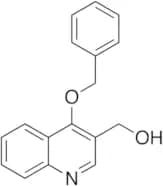
References Ikeda K., et al.: Arch. Pharmacol., 366, 97, (2002); Chapple, C.R., et al.: Br. J. Urol., 93, 303 (2004); Ohtake, A., et al.: Eur. J. Pharmacol., 492, 243 (2004); Brunton, S., et al.: Curr. Med. Res. Opin., 21, 71 (2005); Habb, F., et al.: Eur. Urol. 47, 376 (2005); Payne, C.K., et al.: Drugs, 66, 175 (2006)Formule :C21H26O2Couleur et forme :NeatMasse moléculaire :310.434-Hydroxy-3-quinolinemethanol Benzyl Ether
CAS :Produit contrôléApplications 4-Hydroxy-3-quinolinemethanol Benzyl Ether is a reactant used in the preparation of propanol and propylamine quinoline derivatives used as glucocorticoid ligands.
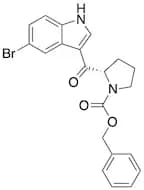
Formule :C17H15NO2Couleur et forme :NeatMasse moléculaire :265.31(S)-Benzyl 2-(5-Bromo-1H-indole-3-carbonyl)pyrrolidine-1-carboxylate
CAS :Produit contrôléApplications (S)-Benzyl 2-(5-Bromo-1H-indole-3-carbonyl)pyrrolidine-1-carboxylate is an intermediate in the synthesis of ent-Eletriptan (E505005), an enantiomeric impurity of the serotonin 5-HTIB/ID receptor agonist Eletriptan (E505000).
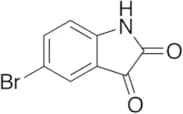
References Orita, A., et al.: Green Chem., 3, 13 (2001);Formule :C21H19BrN2O3Couleur et forme :NeatMasse moléculaire :427.295-Bromoisatin
CAS :Produit contrôléApplications Indole derivative
Formule :C8H4BrNO2Couleur et forme :NeatMasse moléculaire :226.03


![7-[(Dimethylamino)methyl]-2,2,4-trimethyl-1,2-dihydroquinolin-6-ol](/_next/image/?url=https%3A%2Fstatic.cymitquimica.com%2Fproducts%2F3D%2Fthumb-webp%2FFD129815.webp&w=3840&q=75)
![8-Methyl-3,8-diazabicyclo[3.2.1]octane dihydrochloride](/_next/image/?url=https%3A%2Fstatic.cymitquimica.com%2Fproducts%2F3D%2Fthumb-webp%2FFM140960.webp&w=3840&q=75)
![6-Azaspiro[2.5]octane hydrochloride](/_next/image/?url=https%3A%2Fstatic.cymitquimica.com%2Fproducts%2F3D%2Fthumb-webp%2FFA141499.webp&w=3840&q=75)


![Methyl (1R,2S,3S,5S)-3-(4-Fluorophenyl)-8-[(E)-3-Iodoprop-2-Enyl]-8-Azabicyclo[3.2.1]Octane-2-Carb…](/_next/image/?url=https%3A%2Fstatic.cymitquimica.com%2Fproducts%2F3D%2Fthumb-webp%2FFM102777.webp&w=3840&q=75)


![2-Azaspiro[3.3]heptane HCI](/_next/image/?url=https%3A%2Fstatic.cymitquimica.com%2Fproducts%2F3D%2Fthumb-webp%2FFA29377.webp&w=3840&q=75)

![3-Cyclohexyl-1-[4-[2-(7-methoxy -4,4-dimethyl-1,3-dioxo-isoquinolin -2-yl)ethyl]phenyl]sulfonyl-ur…](/_next/image/?url=https%3A%2Fstatic.cymitquimica.com%2Fproducts%2F3D%2Fthumb-webp%2FFG40551.webp&w=3840&q=75)
![N-(1R,8S,9s)-Bicyclo[6.1.0]non-4-yn-9-ylmethyloxycarbonyl-1,8-diamino-3,6-dioxaoctane](/_next/image/?url=https%3A%2Fstatic.cymitquimica.com%2Fproducts%2F3D%2Fthumb-webp%2FFB60339.webp&w=3840&q=75)




![3-(3-Piperidinopropoxy)-1-[3-(Trifluoromethyl)Phenyl]-1H-Indazole](/_next/image/?url=https%3A%2Fstatic.cymitquimica.com%2Fproducts%2F3D%2Fthumb-webp%2FFP97740.webp&w=3840&q=75)



![1,1,2-Trimethyl-1H-benzo[e]indole-d6](/_next/image/?url=https%3A%2Fstatic.cymitquimica.com%2Fproducts%2FTR%2Fthumb-webp%2FT896032.webp&w=3840&q=75)
![2-n-Butyl-d7-1,3-diazaspiro[4.4]non-1-en-4-one](/_next/image/?url=https%3A%2Fstatic.cymitquimica.com%2Fproducts%2FTR%2Fthumb-webp%2FB691033.webp&w=3840&q=75)

![[S-(R*,R*)]-2-[2-tert-Butyloxycarbonylamino-1-oxopropyl]-1,2,3,4-tetrahydro-3-isoquinolinecarboxyl…](/_next/image/?url=https%3A%2Fstatic.cymitquimica.com%2Fproducts%2FTR%2Fthumb-webp%2FB693505.webp&w=3840&q=75)