Composés polycycliques
Sous-catégories appartenant à la catégorie "Composés polycycliques"
- Acridines(98 produits)
- Anthraquinones(534 produits)
- Acides anthraquinonesulfoniques(16 produits)
- Azobenzènes(270 produits)
- Azonaphtalènes(98 produits)
- Azoxybenzènes(12 produits)
- Azulènes(11 produits)
- Benzimidazoles(1.476 produits)
- Benzodioxanes(27 produits)
- Benzofuranes(928 produits)
- Benzothiophènes(701 produits)
- Benzotriazoles(438 produits)
- Binaphthyls(133 produits)
- Carbazoles(464 produits)
- Chromanes, Chromenes(482 produits)
- Coumarines(1.137 produits)
- Cyclophanes(11 produits)
- Fluorènes et Fluorénones(384 produits)
- Imidazopyridines(10 produits)
- Indans(118 produits)
- Indazoles(2.043 produits)
- Indenes(22 produits)
- Indoles(4.022 produits)
- Indolines(119 produits)
- Isatines(234 produits)
- Isobenzofuranes(17 produits)
- Phtalimides N-substitués(154 produits)
- Naphtalènes(2.440 produits)
- Naphtyridine(17 produits)
- Naphtoquinone(2 produits)
- Perylènes(36 produits)
- Phénazines(25 produits)
- Phtalazines(33 produits)
- Phtalimide(154 produits)
- Hydrocarbures aromatiques polycycliques (HAP)(566 produits)
- Polyphénol(270 produits)
- Ptéridines(52 produits)
- Pyrènes(87 produits)
- Quinuclidine(1 produits)
- Tétracènes(7 produits)
4585 produits trouvés pour "Composés polycycliques"
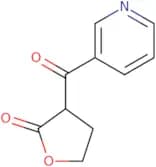
Dihydro-3-(3-pyridoyl)-2-(3H)-furanone
CAS :Please enquire for more information about Dihydro-3-(3-pyridoyl)-2-(3H)-furanone including the price, delivery time and more detailed product information at the technical inquiry form on this pageFormule :C10H9NO3Degré de pureté :Min. 95%Masse moléculaire :191.18 g/mol(S)-(-)-6,7-Dimethoxy-1,2,3,4-tetrahydroisoquinoline-3-carboxylic acid hydrochloride
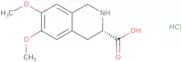
CAS :(S)-(-)-6,7-Dimethoxy-1,2,3,4-tetrahydroisoquinoline-3-carboxylic acid hydrochloride is a synthetic chiral compound that is used to study the role of glyoxylate in biochemical reactions. This drug is an enolate and alkylating agent that can react with nucleophiles such as amines and thiols. It has been shown to be effective against perchlorates by hydrolyzing them into chlorine and oxygen gas. This drug has also been shown to inhibit the growth of Rhodobacter sphaeroides by inhibiting glyoxylate metabolism.Formule :C12H15NO4·HClDegré de pureté :Min. 95%Couleur et forme :White PowderMasse moléculaire :273.71 g/mol8-Chloro-3,7-dihydro-1H-purine-2,6-dione
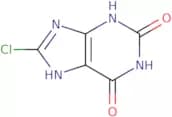
CAS :8-Chloro-3,7-dihydro-1H-purine-2,6-dione is a reactive molecule that binds to the active site of bacterial cyclic nucleotide phosphodiesterases and inhibits their activity. This inhibition prevents the breakdown of cAMP and cGMP, which are important second messengers in eukaryotic cells. 8-Chloro-3,7-dihydro-1H-purine-2,6-dione is also a potent inhibitor of protein synthesis and has been used in research studies on wheat leaves.
Formule :C5H3N4O2ClDegré de pureté :Min. 95%Couleur et forme :PowderMasse moléculaire :186.56 g/molDebacarb
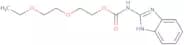
CAS :Debacarb is a subtilis mutant strain that produces the active substances debacarb and debacin. Debacarb inhibits the mitochondrial cytochrome b-245, which is an enzyme in the electron transport chain of mitochondria. It also inhibits bacterial growth by binding to nicotinic acetylcholine, which is an enzyme involved in the synthesis of bacterial cell walls. The target enzymes for this compound are not yet known. The bacterium Agrobacterium tumefaciens was found to be sensitive to Debacarb, but resistant strains were also obtained. Debacarb has been used as an agrochemical against bacterial strains such as Pseudomonas syringae and Erwinia carotovora. The effective dose for Debacarb varies depending on the bacterial strain. The most common effective doses are between 2 and 5 ppm, but higher concentrations may be needed against some bacteria.br> Debacarb can inhibit polymerase chain reactions, which
Formule :C14H19N3O4Degré de pureté :Min. 95%Masse moléculaire :293.32 g/mol7-[(2S,3R)-3-Amino-2-methyl-azetidin-1-yl]-1-(2,4-difluorophenyl)-6-fluoro-4-oxo-quinoline-3-carboxylic acid
CAS :7-[(2S,3R)-3-Amino-2-methyl-azetidin-1-yl]-1-(2,4-difluorophenyl)-6-fluoro-4-oxo-quinoline-3-carboxylic acid (ABT) is a drug that binds to bacterial enzymes and inhibits their ability to synthesize proteins. ABT is a conjugate of fluoroquinolone and an amino acid. As the drug is degradable by hydrolysis, it has been shown to be less toxic in Sprague Dawley rats than other fluoroquinolones. This drug has been used in diagnostic tests as a ligand for affinity ligands, but has not been approved for human use. The drug also possesses functional groups that are important for binding to reconstituted enzymes.br>br>ABT's ester linkages are degradable by hydrolysis and can beFormule :C20H16F3N3O3Degré de pureté :Min. 95%Masse moléculaire :403.35 g/mol5-[(1-Methylindole-3-yl)carbonyl]-4,5,6,7-tetrahydro-1H-bezimidazole
CAS :Produit contrôlé5-[(1-Methylindole-3-yl)carbonyl]-4,5,6,7-tetrahydro-1H-bezimidazole is a reactive heterocyclic compound. It is a carboxylic acid and an amide with a peptic and cephalalgic effect. The symptoms of 5-[(1-methylindole-3-yl)carbonyl]-4,5,6,7-tetrahydro-1H-bezimidazole are hemicrania and amnesia. It has been expressed in the calf thymus DNA.
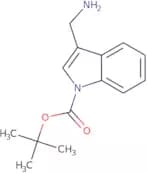
Formule :C17H17N3ODegré de pureté :Min. 95%Masse moléculaire :279.34 g/moltert-Butyl 3-(aminomethyl)-1H-indole-1-carboxylate hydrochloride
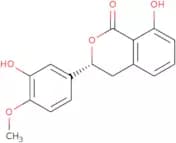
CAS :Please enquire for more information about tert-Butyl 3-(aminomethyl)-1H-indole-1-carboxylate hydrochloride including the price, delivery time and more detailed product information at the technical inquiry form on this pageFormule :C14H18N2O2Degré de pureté :Min. 95%Masse moléculaire :246.31 g/mol(+)-Phyllodulcin
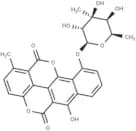
CAS :(+)-Phyllodulcin is a natural sweetener, which is predominantly derived from the leaves of the Hydrangea macrophylla var. thunbergii, commonly referred to as the sweet hydrangea. As a compound, it functions primarily as a sweetening agent by interacting with taste receptors on the human tongue, offering a sweetness intensity significantly greater than sucrose.Formule :C16H14O5Degré de pureté :Min. 95%Masse moléculaire :286.28 g/molElsamicin B
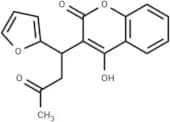
CAS :Elsamicin B is an antitumor antibiotic belonging to the Chartreusin group.Formule :C26H22O10Couleur et forme :SolidMasse moléculaire :494.447Coumafuryl
CAS :Coumafuryl is a coumarin-based rodenticide. It inhibits the metabolic cycle of vitamin K, thereby interfering with the biosynthesis of vitamin K-dependent clotting factors (factors II, VII, IX, and X) in the liver.Formule :C17H14O5Couleur et forme :SolidMasse moléculaire :298.29(+)(1S,2S,4R)-Bicyclo[2.2.1]heptane-2-amine
CAS :(+)(1S,2S,4R)-Bicyclo[2.2.1]heptane-2-amine is a heterocyclic compound that contains a nitrogen atom and an amine group. It has been shown to be a potent inhibitor of the enzyme activities of malonic acid decarboxylase and acetylcholinesterase. This compound can be used as a diagnostic tool for chronic kidney disease, specifically in cases of renal failure and polycystic kidney disease. The palladium complexes can be used for the synthesis of (+)(1S,2S,4R)-bicyclo[2.2.1]heptane-2-amine in high yield from malonic acid and ammonia.
Formule :C7H13NDegré de pureté :Min. 95%Masse moléculaire :111.18 g/molMethyl 6-nitropyrido[1,2-a]benzimidazole-8-carboxylate
CAS :Please enquire for more information about Methyl 6-nitropyrido[1,2-a]benzimidazole-8-carboxylate including the price, delivery time and more detailed product information at the technical inquiry form on this pageFormule :C13H9N3O4Degré de pureté :Min. 95%Masse moléculaire :271.23 g/mol2-Hydroxyamino-3-methyl-3H-imidazo[4,5-f]quinoline
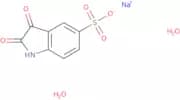
CAS :2-Hydroxyamino-3-methyl-3H-imidazo[4,5-f]quinoline (2HAIQ) is a reactive compound that binds to DNA. It has been shown to be a potent inhibitor of the enzyme cytosolic protein kinase C, which plays an important role in regulating cellular metabolism. 2HAIQ also inhibits the activity of enzymes such as hydroxylases and polymerases. The binding of 2HAIQ to DNA is thought to inhibit transcription by preventing RNA polymerase from transcribing DNA. 2HAIQ may also inhibit replication by binding to the dinucleotide phosphate molecule, which is essential for DNA synthesis.Formule :C11H10N4ODegré de pureté :Min. 95%Masse moléculaire :214.22 g/molIsatin-5-sulfonic acid sodium salt dihydrate
CAS :Isatin-5-sulfonic acid sodium salt dihydrate is a potent inhibitor of caspases. It has been shown to inhibit the activity of caspase-3 in vitro, thereby inhibiting apoptosis. Isatin-5-sulfonic acid sodium salt dihydrate has also been shown to increase survival rates in animal models of neurodegenerative diseases such as Parkinson's disease and Huntington's disease. Isatin-5-sulfonic acid sodium salt dihydrate may have neuroprotective effects by inhibiting the release of proinflammatory cytokines and nitric oxide, which are associated with neuronal death. This drug also inhibits monoamine oxidase A (MAO-A) and zymosterone B (ZVAD).Formule :C8H4NNaO5S·2H2ODegré de pureté :Min. 95%Couleur et forme :PowderMasse moléculaire :285.21 g/molBICYCLO[3.2.0]HEPT-2-EN-6-ONE
CAS :Formule :C7H8ODegré de pureté :98%Couleur et forme :LiquidMasse moléculaire :108.13781,4-Diazoniabicyclo[2.2.2]octane, 1,4-disulfino-, bis(inner salt)
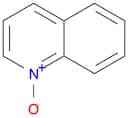
CAS :Formule :C6H12N2O4S2Degré de pureté :97%Couleur et forme :SolidMasse moléculaire :240.3005Quinoline, 1-oxide
CAS :Formule :C9H7NODegré de pureté :96%Couleur et forme :SolidMasse moléculaire :145.15801-Azabicyclo[2.2.2]octan-3-one, hydrochloride (1:1)
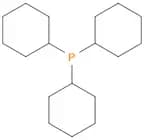
CAS :Formule :C7H12ClNODegré de pureté :98%Couleur et forme :SolidMasse moléculaire :161.6293Phosphine, tricyclohexyl-
CAS :Purity 95%
Formule :C18H33PDegré de pureté :98%Couleur et forme :SolidMasse moléculaire :280.42842-oxa-6-azaspiro[3.3]heptane
CAS :Formule :C5H9NODegré de pureté :98%Couleur et forme :LiquidMasse moléculaire :99.1311Ref: IN-DA001ZDD
Produit arrêté(1S,4S,5S)-4,7,7-Trimethyl-6-thiabicyclo[3.2.1]octane
CAS :Formule :C10H18SDegré de pureté :98%Couleur et forme :LiquidMasse moléculaire :170.31492-Oxa-6-azaspiro[3.4]octane
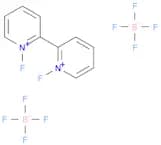
CAS :Formule :C6H11NODegré de pureté :98%Couleur et forme :LiquidMasse moléculaire :113.15762,2'-Bipyridinium, 1,1'-difluoro-, tetrafluoroborate(1-) (1:2)
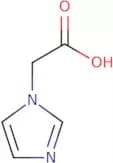
CAS :Formule :C10H8B2F10N2Degré de pureté :95%Couleur et forme :SolidMasse moléculaire :367.7900H-Imidazoleacetic acid
CAS :H-Imidazoleacetic acid is a synthetic compound that can be used to produce other compounds. It is soluble in water and has a hydrophilic interaction with calcium carbonate. H-Imidazoleacetic acid may be recycled, as it is easily synthesized from ethyl bromoacetate by reaction with hydrochloric acid. This substance has shown anticancer activity and may be used to treat blood pressure. The chromatographic method for H-Imidazoleacetic acid involves the use of extracellular medium to remove the organic solvent, followed by reversed phase chromatography on an ion exchange column. H-Imidazoleacetic acid is soluble in water and has a hydrophilic interaction with calcium carbonate. It may be recycled, as it is easily synthesized from ethyl bromoacetate by reaction with hydrochloric acid. This substance has shown anticancer activity and may be used to treat blood pressure. The
Formule :C5H6N2O2Degré de pureté :Min. 95%Couleur et forme :PowderMasse moléculaire :126.11 g/mol6-Fluoro-5-Methyl-2-[(5-Methyl-1H-Imidazol-4-Yl)Methyl]-2,3,4,5-Tetrahydro-1H-Pyrido[4,3-b]Indol-1-One
CAS :Produit contrôlé6-Fluoro-5-Methyl-2-[(5-Methyl-1H-Imidazol-4-Yl)Methyl]-2,3,4,5-Tetrahydro-1H-Pyrido[4,3-b]Indol-1-One is a drug that belongs to the class of fatty acid esters. It has been shown to be effective in clinical trials for the treatment of symptoms of dry eye syndrome. 6FMETI has a low safety profile and does not cause any adverse effects in humans. The drug can be administered by intravenous injection or oral administration and has a long elimination half life of 36 hours. 6FMETI is metabolized by hydrolysis to its active form, 5FMTI, which is then conjugated with glucuronic acid or methyl glutaryl coenzyme A to form an inactive metabolite. This drug also has good pharmacokinetic properties
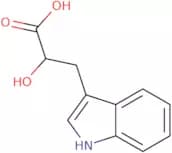
Formule :C17H17FN4ODegré de pureté :Min. 95%Masse moléculaire :312.34 g/molDL-Indole-3-lactic acid
CAS :Indole-3-lactic acid is a plant hormone that is produced in the leaves of the plant when they are under stress. It has been shown to have activity against bowel diseases and metabolic disorders. Indole-3-lactic acid has been isolated from plants like Caproicum album, which is used in vitro to measure its effect on caproic acid production. This compound has also been detected in human serum and wastewater treatment. Indole-3-lactic acid inhibits tryptophan degradation by competing with indolecarboxylase for substrate. The effect of indole-3-lactic acid on dextran sulfate and glomerular filtration rate was studied using a rat model, where it was found that it had no significant effects.
Formule :C11H11NO3Degré de pureté :Min. 95%Couleur et forme :PowderMasse moléculaire :205.21 g/molUmbelliferone
CAS :Umbelliferone or 7-hydroxycoumarin is a widespread natural product of the coumarin family. It occurs in many familiar plants from the umbelliferae family. Umbelliferone can be used as a fluorescence indicator for metal ions such as copper and calcium. It acts as a pH indicator in the range 6.5-8.9.
Formule :C9H6O3Degré de pureté :Min. 98.0 Area-%Masse moléculaire :162.15 g/molRef: 3D-U-3000
Produit arrêté2-Phenyl-4-quinolinecarboxylic acid
CAS :2-Phenyl-4-quinolinecarboxylic acid is a nonsteroidal anti-inflammatory drug that is commonly used to treat bronchoconstrictor response and inflammatory bowel disease. It is also an antimicrobial agent, which can be used to treat infectious diseases. The compound was found to have structural similarity to other nonsteroidal anti-inflammatory drugs, such as ibuprofen and naproxen. 2-Phenyl-4-quinolinecarboxylic acid has shown the ability to inhibit leukemia inhibitory factor (LIF) production by lymphocytes, which may have a role in the development of leukemia. This drug also possesses antioxidative properties and has been shown to have high values in group P2 polymerase chain reactions.
Formule :C16H11NO2Degré de pureté :Min. 98.5%Couleur et forme :PowderMasse moléculaire :249.26 g/molIso-oxypeucedanin
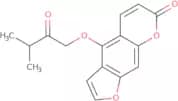
CAS :Iso-oxypeucedanin is a naturally occurring furanocoumarin compound, which is isolated from various plant species, particularly those belonging to the Apiaceae family. It exhibits a range of biological activities, primarily attributable to its structural properties that allow it to interact with various molecular targets.
Degré de pureté :Min. 95%2-Phenylindole-3-carboxaldehyde
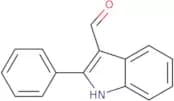
CAS :2-Phenylindole-3-carboxaldehyde is an organic compound that belongs to the class of bioactive molecules. It is a nitrogen heterocycle that has been shown to inhibit the growth of cancer cells in culture. 2-Phenylindole-3-carboxaldehyde has also been shown to have anti-inflammatory and antimicrobial properties. This molecule can be used in the treatment of cancer, as it inhibits the growth of tumor cells by inhibiting DNA synthesis, which leads to cell death. The molecular structure can be altered by allylation or replacement with other functional groups. The 2-phenylindole moiety can be modified at its C2 position, altering its pharmacological properties and may lead to new anticancer drugs.
Formule :C15H11NODegré de pureté :Min. 95%Couleur et forme :PowderMasse moléculaire :221.25 g/molSuberosin
CAS :Suberosin is a naturally occurring sesquiterpene lactone, which is isolated from members of the Rutaceae family, such as the plant Feronia limonia. The compound exhibits diverse biological activities, primarily attributed to its complex structure that facilitates interaction with various biological targets. Suberosin's mode of action involves disrupting microbial cell membranes and interfering with critical biochemical pathways, effectively inhibiting microbial growth and propagation.
Formule :C15H16O3Degré de pureté :Min. 95%Masse moléculaire :244.29 g/mol2-Butyl-1,3-diazaspiro[4.4]non-1-en-4-one Hydrochloride
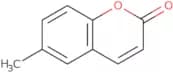
CAS :Formule :C11H18N2O·HClDegré de pureté :>98.0%(T)(HPLC)Couleur et forme :White to Almost white powder to crystalMasse moléculaire :230.746-Methylcoumarin
CAS :The 6-methylcoumarin is a benzalkonium chloride that can be used as a stabilizer for biological samples. It has been shown to inhibit the activity of coumarin derivatives, which are receptors that are involved in the transmission of pain signals in the brain. The 6-methylcoumarin is also able to inhibit signal peptide, which is a protein that is secreted by cells and functions as a messenger between cells. This compound was found to have hypoglycemic effects due to its ability to stimulate glucose uptake in the body.
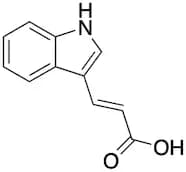
Formule :C10H8O2Degré de pureté :Min. 95%Couleur et forme :PowderMasse moléculaire :160.17 g/mol3-Indoleacrylic Acid
CAS :Produit contrôléApplications 3-Indoleacrylic Acid (cas# 1204-06-4) is a useful research chemical.
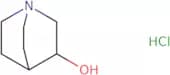
Formule :C11H9NO2Couleur et forme :NeatMasse moléculaire :187.193-Quinuclidinol HCl
CAS :Produit contrôlé3-Quinuclidinol HCl is a cholinergic drug that inhibits the enzyme acetylcholinesterase. This action prevents the breakdown of the neurotransmitter acetylcholine, which causes an increase in its concentration in the synaptic cleft. 3-Quinuclidinol HCl has been shown to have a dose-dependent effect on increasing acetylcholine levels, which is believed to be due to its ability to inhibit butyrylcholinesterase. In addition, this drug has been shown to have pharmacokinetic properties that are consistent with those of other cholinergic drugs. 3-Quinuclidinol HCl also interacts with other substances and can block nicotinic receptors at high doses.
Formule :C7H13NO·HClDegré de pureté :Min. 95%Masse moléculaire :163.64 g/mol

![7-[(2S,3R)-3-Amino-2-methyl-azetidin-1-yl]-1-(2,4-difluorophenyl)-6-fluoro-4-oxo-quinoline-3-carbo…](/_next/image/?url=https%3A%2Fstatic.cymitquimica.com%2Fproducts%2F3D%2Fthumb-webp%2FFA30404.webp&w=3840&q=75)
![5-[(1-Methylindole-3-yl)carbonyl]-4,5,6,7-tetrahydro-1H-bezimidazole](/_next/image/?url=https%3A%2Fstatic.cymitquimica.com%2Fproducts%2F3D%2Fthumb-webp%2FFM148522.webp&w=3840&q=75)

![(+)(1S,2S,4R)-Bicyclo[2.2.1]heptane-2-amine](/_next/image/?url=https%3A%2Fstatic.cymitquimica.com%2Fproducts%2F3D%2Fthumb-webp%2FFB163197.webp&w=3840&q=75)
![Methyl 6-nitropyrido[1,2-a]benzimidazole-8-carboxylate](/_next/image/?url=https%3A%2Fstatic.cymitquimica.com%2Fproducts%2F3D%2Fthumb-webp%2FFM132139.webp&w=3840&q=75)
![2-Hydroxyamino-3-methyl-3H-imidazo[4,5-f]quinoline](/_next/image/?url=https%3A%2Fstatic.cymitquimica.com%2Fproducts%2F3D%2Fthumb-webp%2FFH24305.webp&w=3840&q=75)
![BICYCLO[3.2.0]HEPT-2-EN-6-ONE](/_next/image/?url=https%3A%2Fstatic.cymitquimica.com%2Fproducts%2FIN%2Fthumb-webp%2FDA000ZN2.webp&w=3840&q=75)

![1,4-Diazoniabicyclo[2.2.2]octane, 1,4-disulfino-, bis(inner salt)](/_next/image/?url=https%3A%2Fstatic.cymitquimica.com%2Fproducts%2FIN%2Fthumb-webp%2FDA000PLR.webp&w=3840&q=75)
![1-Azabicyclo[2.2.2]octan-3-one, hydrochloride (1:1)](/_next/image/?url=https%3A%2Fstatic.cymitquimica.com%2Fproducts%2FIN%2Fthumb-webp%2FDA000IK0.webp&w=3840&q=75)
![2-oxa-6-azaspiro[3.3]heptane](/_next/image/?url=https%3A%2Fstatic.cymitquimica.com%2Fproducts%2FIN%2Fthumb-webp%2FDA001ZDD.webp&w=3840&q=75)
![(1S,4S,5S)-4,7,7-Trimethyl-6-thiabicyclo[3.2.1]octane](/_next/image/?url=https%3A%2Fstatic.cymitquimica.com%2Fproducts%2FIN%2Fthumb-webp%2FDA003BJS.webp&w=3840&q=75)
![2-Oxa-6-azaspiro[3.4]octane](/_next/image/?url=https%3A%2Fstatic.cymitquimica.com%2Fproducts%2FIN%2Fthumb-webp%2FDA00367X.webp&w=3840&q=75)
![6-Fluoro-5-Methyl-2-[(5-Methyl-1H-Imidazol-4-Yl)Methyl]-2,3,4,5-Tetrahydro-1H-Pyrido[4,3-b]Indol-1…](/_next/image/?url=https%3A%2Fstatic.cymitquimica.com%2Fproducts%2F3D%2Fthumb-webp%2FFF102588.webp&w=3840&q=75)



![2-Butyl-1,3-diazaspiro[4.4]non-1-en-4-one Hydrochloride](/_next/image/?url=https%3A%2Fstatic.cymitquimica.com%2Fproducts%2F3B%2Fthumb-webp%2FB3291.webp&w=3840&q=75)