Composés polycycliques
Sous-catégories appartenant à la catégorie "Composés polycycliques"
- Acridines(98 produits)
- Anthraquinones(533 produits)
- Acides anthraquinonesulfoniques(16 produits)
- Azobenzènes(270 produits)
- Azonaphtalènes(98 produits)
- Azoxybenzènes(12 produits)
- Azulènes(11 produits)
- Benzimidazoles(1.476 produits)
- Benzodioxanes(27 produits)
- Benzofuranes(928 produits)
- Benzothiophènes(701 produits)
- Benzotriazoles(438 produits)
- Binaphthyls(133 produits)
- Carbazoles(464 produits)
- Chromanes, Chromenes(480 produits)
- Coumarines(1.125 produits)
- Cyclophanes(11 produits)
- Fluorènes et Fluorénones(384 produits)
- Imidazopyridines(10 produits)
- Indans(118 produits)
- Indazoles(2.038 produits)
- Indenes(22 produits)
- Indoles(3.986 produits)
- Indolines(119 produits)
- Isatines(234 produits)
- Isobenzofuranes(17 produits)
- Phtalimides N-substitués(153 produits)
- Naphtalènes(2.438 produits)
- Naphtyridine(17 produits)
- Naphtoquinone(2 produits)
- Perylènes(36 produits)
- Phénazines(25 produits)
- Phtalazines(33 produits)
- Phtalimide(153 produits)
- Hydrocarbures aromatiques polycycliques (HAP)(285 produits)
- Polyphénol(270 produits)
- Ptéridines(52 produits)
- Pyrènes(87 produits)
- Quinuclidine(1 produits)
- Tétracènes(7 produits)
4575 produits trouvés pour "Composés polycycliques"
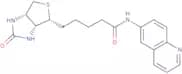
Biotinyl-6-aminoquinoline
CAS :Biotinyl-6-aminoquinoline is a synthetic chemical that has been shown to inhibit the growth of cancer cells in laboratory mice. It was synthesized to be a substrate for the enzyme quinolinate synthase, which is involved in the synthesis of nicotinic acid. Biotinyl-6-aminoquinoline is an analytical method that has been used in urinary samples from patients with bladder cancer as well as healthy individuals. The sequences of each individual were determined and analyzed using an algorithm that performs logistic regression, which can predict whether or not the patient has bladder cancer.
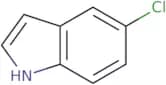
Formule :C19H22N4O2SDegré de pureté :Min. 95 Area-%Couleur et forme :PowderMasse moléculaire :370.47 g/mol5-Chloroindole
CAS :5-Chloroindole is a molecule that can bind to the CB2 cannabinoid receptor. It has been shown in experiments to be an allosteric modulator of this receptor. 5-Chloroindole has been found to have an inhibitory effect on degenerative diseases, such as Huntington's disease and Alzheimer's disease, and may have therapeutic potential for these disorders. 5-Chloroindole binds to a metal surface by forming hydrogen bonds with the oxygen atom of its carboxyl group and the metal surface. The nucleophilic nature of 5-chloroindole allows it to react with chloride ions present in solution. 5-Chloroindole reacts with the carbon source in tissue culture, which leads to receptor activity and inhibition of cell proliferation.
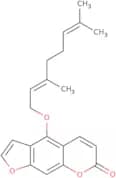
Formule :C8H6ClNCouleur et forme :White PowderMasse moléculaire :151.59 g/molBergamottin
CAS :Bergamottin is a furanocoumarin compound, which is primarily found in grapefruit juice and other citrus fruits. It is derived from natural sources, specifically within the fruit and peel of grapefruits. The mode of action of Bergamottin involves the inhibition of the cytochrome P450 enzymes, particularly CYP3A4, which play a significant role in the metabolism of various drugs. This inhibitory effect can alter the pharmacokinetics of certain medications by increasing their bioavailability.
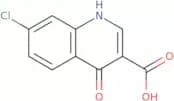
Formule :C21H22O4Degré de pureté :Min. 98 Area-%Couleur et forme :White PowderMasse moléculaire :338.4 g/mol7-Chloro-4-hydroxyquinoline-3-carboxylic acid
CAS :7-Chloro-4-hydroxyquinoline-3-carboxylic acid is a chemical compound that has antioxidative activity and is used in the production of various organic substances. It is synthesized by reacting ammonium nitrate with a hydroxy group, an organic solvent, and phenoxy. The resulting product can be heated to form 7-chloro-4-hydroxyquinoline, which undergoes a series of reactions to produce 7-chloro-4-(2,2,2,-trichloroethoxy)quinoline. This reaction system produces a quinoline derivative that has been shown to be expressed at high levels in phosphatidylcholine (PC) and alpha-tocopherol (a vitamin E derivative). The final product is then purified by triethyl orthoformate (TEO), which removes the sulfoxide group.
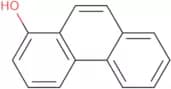
Formule :C10H6ClNO3Degré de pureté :Min. 95%Couleur et forme :PowderMasse moléculaire :223.61 g/mol1-Phenanthrol
CAS :1-Phenanthrol is a naturally occurring phenanthrene derivative that is used in the treatment of cervical cancer. It has been shown to be effective in the chemiluminescence method using urine samples, which indicates that it may have an effect on the body's metabolism. 1-Phenanthrol has also been shown to inhibit the production of s-phenylmercapturic acid, which is a metabolite of aromatic amines. This inhibition may be due to its receptor binding properties as it binds to and activates the peroxisome proliferator-activated receptor alpha (PPARα) and PPARγ. 1-Phenanthrol also inhibits angiotensin II type 1 receptors and can cause vasorelaxation by reducing blood pressure.
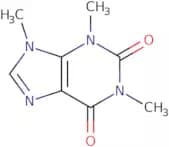
Formule :C14H10ODegré de pureté :Min. 95%Couleur et forme :Off-White PowderMasse moléculaire :194.23 g/mol1,3,9-Trimethylxanthine
CAS :Produit contrôlé1,3,9-Trimethylxanthine is a naturally occurring purine alkaloid that has been shown to have cytosolic calcium ion-antagonistic properties. It can also act as an antioxidant by donating electrons to free radicals and inhibiting lipid peroxidation. This compound is found in coffee beans and other sources of caffeine. It binds to the receptor for adenosine, which causes the antagonistic effects on intracellular calcium concentration. Trimethylxanthine can also be used to treat ventricular arrhythmias and increase locomotor activity in mammals. Trimethylxanthine has been shown to be effective in wastewater treatment as it removes organic pollutants from water by oxidizing them with hydrogen peroxide or chlorine gas.
Formule :C8H10N4O2Degré de pureté :Min. 95%Couleur et forme :White PowderMasse moléculaire :194.19 g/molRef: 3D-FT08061
Produit arrêtéBenzo[c]phenanthrene
CAS :Benzo[c]phenanthrene is a polycyclic aromatic hydrocarbon that has been shown to have carcinogenic properties in rats. It is also a potential mutagen and can cause DNA damage by forming intramolecular hydrogen bonds with guanine residues in DNA duplexes. These adducts are detected in tumor cells of rats treated with benzo[c]phenanthrene, as well as in human liver cells and mouse liver tumor cells. Benzo[c]phenanthrene can be activated by cytochrome P450 enzymes to form reactive metabolites, which bind covalently to DNA, proteins, and other cellular macromolecules. Benzo[c]phenanthrene has been shown to cause cancer in mice when given orally or injected into the peritoneal cavity. This chemical has also been found to cause liver cell necrosis in rats, at doses of 25 mg/kg body weight.
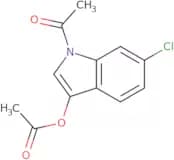
Formule :C18H12Degré de pureté :Min. 95%Couleur et forme :PowderMasse moléculaire :228.29 g/mol6-Chloro-3-indolyl 1,3-diacetate
CAS :6-Chloro-3-indolyl 1,3-diacetate is an aglycone that is used as a chromogenic substrate for the detection of bacteria. It reacts with specific enzymes in the bacterial cell wall to produce a red or pink color. 6-Chloro-3-indolyl 1,3-diacetate is used as a diagnostic tool to identify bacteria and has been shown to be excreted in urine.
Formule :C12H10ClNO3Degré de pureté :Min. 95%Couleur et forme :Yellow To Light Brown SolidMasse moléculaire :251.67 g/molN-Nitroso-3-azabicyclo[3.3.0]octane
CAS :N-Nitroso-3-azabicyclo[3.3.0]octane is a nitrosating agent that can be used for the determination of gliclazide in pharmaceuticals and other applications. It is synthesized by reacting 3-azabicyclo[3.3.0]octane with sodium nitrite in an alkaline environment, followed by hydrolysis with hydrochloric acid. Nitrosation reactions are usually slow, but N-nitroso-3-azabicyclo[3.3.0]octane has been shown to have a fast reaction kinetics, which makes it useful for the determination of gliclazide in pharmaceuticals and other applications. The product is analyzed using chromatographic techniques such as high performance liquid chromatography (HPLC) or gas chromatography/mass spectrometry (GC/MS). The product was found to be linear over the range of 0–
Formule :C7H12N2ODegré de pureté :Min. 95%Couleur et forme :Colorless PowderMasse moléculaire :140.18 g/mol2-Phenyl-4-quinolinecarboxylic acid
CAS :2-Phenyl-4-quinolinecarboxylic acid is a nonsteroidal anti-inflammatory drug that is commonly used to treat bronchoconstrictor response and inflammatory bowel disease. It is also an antimicrobial agent, which can be used to treat infectious diseases. The compound was found to have structural similarity to other nonsteroidal anti-inflammatory drugs, such as ibuprofen and naproxen. 2-Phenyl-4-quinolinecarboxylic acid has shown the ability to inhibit leukemia inhibitory factor (LIF) production by lymphocytes, which may have a role in the development of leukemia. This drug also possesses antioxidative properties and has been shown to have high values in group P2 polymerase chain reactions.
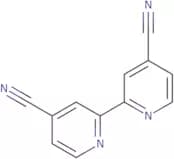
Formule :C16H11NO2Degré de pureté :Min. 98.5%Couleur et forme :PowderMasse moléculaire :249.26 g/mol4,4'-Dicyano-2,2'-bipyridine
CAS :4,4'-Dicyano-2,2'-bipyridine is a ligand that binds to molybdenum and has been used in the diagnosis of mitochondrial DNA. It has been shown to be an effective treatment for tropical diseases such as malaria. This drug binds to the molybdenum cofactor in the enzyme ribonucleotide reductase, thereby inhibiting the production of ATP. 4,4'-Dicyano-2,2'-bipyridine also reacts with formic acid and ruthenium to produce a redshifted product that can be detected by electron paramagnetic resonance spectroscopy.
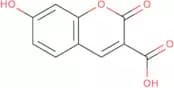
Formule :C12H6N4Degré de pureté :Min. 98 Area-%Couleur et forme :PowderMasse moléculaire :206.2 g/molUmbelliferone-3-carboxylic acid
CAS :Umbelliferone-3-carboxylic acid is a coumarin derivative, which is a type of natural or synthetic organic compound often utilized in biochemical research. It is sourced from modifications of natural coumarins, which are typically isolated from plants belonging to the Apiaceae family, such as parsley, celery, and carrots. This compound functions by interacting with cellular enzymes, providing a fluorescent probe that aids in the investigation of enzymatic activities and pathways.
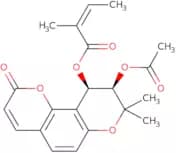
Formule :C10H6O5Degré de pureté :Min. 95%Couleur et forme :PowderMasse moléculaire :206.15 g/molPteryxin
CAS :Pteryxin is an alkaloid derivative, which is a natural product isolated primarily from certain plant species within the Apiaceae family. As a complex organic compound, it exhibits a range of biochemical interactions at the molecular level. The mode of action for Pteryxin primarily involves its ability to interact with specific enzymatic pathways and receptors, facilitating or inhibiting particular physiological processes. This biochemical interaction underlies its potential pharmacological effects, which are these products' primary focus of study.
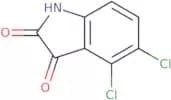
Formule :C21H22O7Degré de pureté :Min. 95%Couleur et forme :PowderMasse moléculaire :386.4 g/mol4,5-Dichloroisatin
CAS :4,5-Dichloroisatin is a versatile building block that can be used as a reagent for research and as a speciality chemical. It is also useful in the synthesis of complex compounds. 4,5-Dichloroisatin is a high quality compound with a CAS number of 1677-47-0. This compound is not intended for use in humans or animals.
Formule :C8H3Cl2NO2Degré de pureté :Min. 95%Couleur et forme :Yellow PowderMasse moléculaire :216.02 g/mol7-Chloro-2H-pyrido[3,2-B]-1,4-oxazin-3(4H)-one
CAS :7-Chloro-2H-pyrido[3,2-B]-1,4-oxazin-3(4H)-one is a chemical which is used as a reagent and building block in the synthesis of more complex compounds. It has been reported to be an intermediate for the production of pharmaceuticals and agrochemicals. The compound can also be used as an intermediate for the synthesis of other valuable chemicals such as pesticides and dyes. 7-Chloro-2H-pyrido[3,2-B]-1,4-oxazin-3(4H)-one has a CAS number of 205748-05-6.
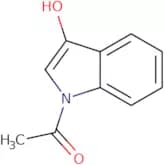
Formule :C7H5ClN2O2Degré de pureté :Min. 96 Area-%Couleur et forme :PowderMasse moléculaire :184.58 g/molN-Acetyl-3-hydroxyindole
CAS :N-Acetyl-3-hydroxyindole is a colorless liquid that inhibits the activity of enzymes such as butyric acid, active methylene, and acyl halides. It is also used to inhibit the enzyme eosinophil peroxidase in clinical tests. N-Acetyl-3-hydroxyindole has been shown to be an efficient method for high-throughput analysis of enzymatic reactions. This chemical can be immobilized on porous supports and used to measure enzyme activities. N-Acetyl-3-hydroxyindole has been shown to have therapeutic effects in clinical data with a potent inhibitor of eosinophil peroxidase.
Formule :C10H9NO2Degré de pureté :Min. 95%Couleur et forme :Orange PowderMasse moléculaire :175.18 g/molRef: 3D-FA17072
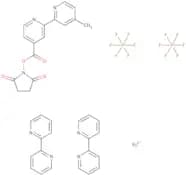
Produit arrêtéBis(2,2'-bipyridine)-4'-methyl-4-carboxybipyridine-ruthenium N-succinimidyl ester-bis(hexafluorophosphate)
CAS :Bis(2,2'-bipyridine)-4'-methyl-4-carboxybipyridine-ruthenium N-succinimidyl ester-bis(hexafluorophosphate) is a molecule that inhibits the activity of matrix metalloproteinases. It binds to the active site of the enzyme and blocks its activity. This drug has been shown to be effective in inhibiting the activity of MMPs in cells, but not in tissue culture because it does not cross cell membranes. Bis(2,2'-bipyridine)-4'-methyl-4-carboxybipyridine-ruthenium N-succinimidyl ester-bis(hexafluorophosphate) has also been shown to have a low detection limit and can detect low levels of matrix metalloproteinase activity in cells.
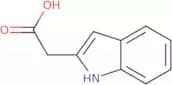
Formule :C36H29F12N7O4P2RuDegré de pureté :Min. 95%Couleur et forme :PowderMasse moléculaire :1,014.66 g/molIndole-2-acetic acid
CAS :Indole-2-acetic acid is a coumarin derivative that is found in plants and is used as a dietary supplement. It has been shown to have an inhibitory effect on photosynthetic activity and the growth of bacteria, fungi, and protozoa. Indole-2-acetic acid can be produced by chemical reactions involving aromatic hydrocarbons such as benzene or dioxane. It also inhibits the production of insulin in vivo and has been shown to reduce insulin resistance in rats.
Formule :C10H9NO2Degré de pureté :Min. 95%Couleur et forme :PowderMasse moléculaire :175.18 g/molMarmin
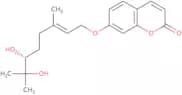
CAS :Marmin is a natural bioactive compound, which is a type of limonoid. It is primarily sourced from citrus fruits, especially those belonging to the Rutaceae family, such as lemons and oranges. The compound exhibits a range of biological activities due to its multifaceted mode of action.
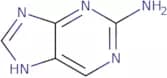
Formule :C19H24O5Degré de pureté :Min. 98 Area-%Couleur et forme :PowderMasse moléculaire :332.39 g/mol2-Aminopurine
CAS :Purine analog; fluorescent probe; kinase inhibitor; mutagenic
Formule :C5H5N5Degré de pureté :Min. 95%Couleur et forme :White PowderMasse moléculaire :135.13 g/mol

![Benzo[c]phenanthrene](/_next/image/?url=https%3A%2Fstatic.cymitquimica.com%2Fproducts%2F3D%2Fthumb-webp%2FFB18203.webp&w=3840&q=75)
![N-Nitroso-3-azabicyclo[3.3.0]octane](/_next/image/?url=https%3A%2Fstatic.cymitquimica.com%2Fproducts%2F3D%2Fthumb-webp%2FFN166610.webp&w=3840&q=75)

![7-Chloro-2H-pyrido[3,2-B]-1,4-oxazin-3(4H)-one](/_next/image/?url=https%3A%2Fstatic.cymitquimica.com%2Fproducts%2F3D%2Fthumb-webp%2FFC66462.webp&w=3840&q=75)