Coumarines
Les coumarines sont une classe de composés aromatiques polycycliques constitués d'un anneau benzénique fusionné à un anneau de pyrone. Ces composés sont largement utilisés comme parfums, agents aromatisants et dans la synthèse de produits pharmaceutiques et agrochimiques. Les coumarines présentent diverses activités biologiques, y compris des propriétés anticoagulantes, anti-inflammatoires et antimicrobiennes. Chez CymitQuimica, nous offrons une large sélection de coumarines de haute qualité pour vos recherches et applications industrielles.
1121 produits trouvés pour "Coumarines"
Trier par
Degré de pureté (%)
0
100
|
0
|
50
|
90
|
95
|
100
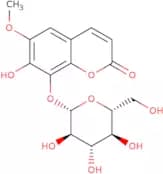
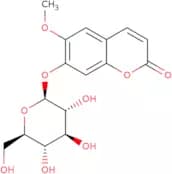
Fraxin
CAS :<p>Fraxin is a naturally occurring anticoagulant, which is derived from the bark of certain species of the Fraxinus tree. It functions by inhibiting thrombin and other key enzymes in the coagulation cascade, thus preventing the formation of blood clots. This mode of action makes it particularly valuable in research settings focused on cardiovascular diseases, as well as in the development of therapeutic agents targeting coagulopathies.</p>Formule :C16H18O10Degré de pureté :Min. 95%Couleur et forme :PowderMasse moléculaire :370.31 g/molCalycanthoside
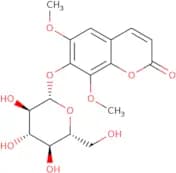
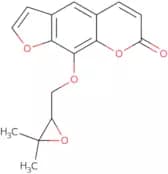
CAS :<p>Calycanthoside is a phenolic glycoside, which is a type of natural compound characterized by a glycosidic bond linking a phenolic moiety. It is derived from the plant Calycanthus chinensis, known for its rich array of bioactive compounds. The extraction and isolation processes of Calycanthoside involve sophisticated chromatographic techniques to ensure its purity and activity.</p>Formule :C17H20O10Degré de pureté :Min. 95%Couleur et forme :PowderMasse moléculaire :384.33 g/molEpoxybergamottin
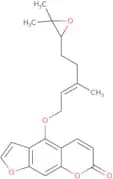
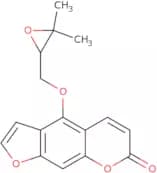
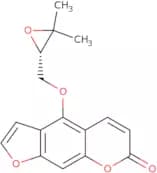
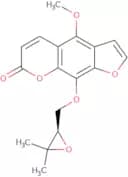
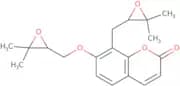
CAS :<p>Epoxybergamottin is a furanocoumarin derivative, which is a natural bioactive compound. It is primarily sourced from citrus fruits, particularly grapefruit. The primary mode of action of epoxybergamottin is the inhibition of cytochrome P450 enzymes, specifically CYP3A4. This enzyme is a major player in the metabolism of many pharmaceuticals, and its inhibition can lead to increased bioavailability and prolonged effects of drugs metabolized by this pathway.</p>Formule :C21H22O5Degré de pureté :Min. 95 Area-%Couleur et forme :PowderMasse moléculaire :354.40 g/molMarmin
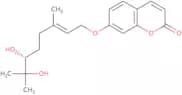
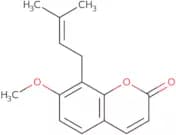
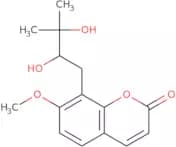
CAS :<p>Marmin is a natural bioactive compound, which is a type of limonoid. It is primarily sourced from citrus fruits, especially those belonging to the Rutaceae family, such as lemons and oranges. The compound exhibits a range of biological activities due to its multifaceted mode of action.</p>Formule :C19H24O5Degré de pureté :Min. 98 Area-%Couleur et forme :PowderMasse moléculaire :332.39 g/molOxypeucedanin
CAS :<p>Oxypeucedanin is a furanocoumarin compound, which is derived from various plant sources, most notably those in the Apiaceae family such as Peucedanum and Angelica species. It functions primarily as a photoreactive agent, capable of interacting with DNA under ultraviolet (UV) light through a process called photoactivation. Upon UV exposure, it forms covalent bonds with DNA, leading to cross-linking that can disrupt cellular functions.</p>Formule :C16H14O5Degré de pureté :Min. 95%Couleur et forme :Clear LiquidMasse moléculaire :286.28 g/molOsthenol
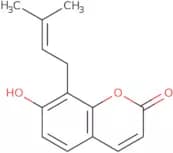
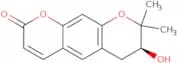
CAS :<p>Osthenol is a natural product compound, known for its osteogenic-promoting properties. It is derived from plant sources, specifically from the fruits of Cudrania tricuspidata, a member of the Moraceae family. This compound functions by modulating cellular activities associated with bone formation. Osthenol has been reported to promote the differentiation and maturation of osteoblasts, the bone-forming cells, through the activation of specific signaling pathways such as the BMP-2 and Wnt/β-catenin pathways. These pathways are crucial for enhancing the deposition of extracellular matrix and increasing the expression of osteogenic markers.</p>Formule :C14H14O3Degré de pureté :Min. 95%Couleur et forme :PowderMasse moléculaire :230.26 g/molGeiparvarin
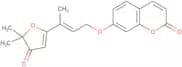
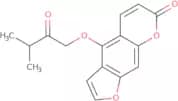
CAS :<p>Geiparvarin is a cytotoxic compound, which is a plant-derived chemical with notable bioactivity. It is sourced from the roots of the Daflon plant, known for various natural compounds with potential therapeutic effects. Geiparvarin acts by interfering with cellular processes, leading to apoptosis in malignant cells. This mode of action is particularly significant in the study and development of anticancer therapies.</p>Degré de pureté :Min. 95%5,7-Dimethoxycoumarin
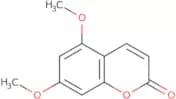
CAS :<p>5,7-Dimethoxycoumarin is a naturally occurring coumarin derivative, which is primarily sourced from various plant species, most notably those belonging to the Apiaceae and Rutaceae families. This compound is characterized by the presence of methoxy groups at the 5 and 7 positions on the coumarin core structure. These structural features contribute to its biological activity by influencing its interaction with various biomolecular targets.</p>Formule :C11H10O4Degré de pureté :Min. 95%Couleur et forme :White PowderMasse moléculaire :206.19 g/molIsopimpinellin - Angelica archangelica (angelica)
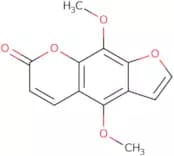
CAS :<p>Isopimpinellin is a furanocoumarin compound, which is derived from the plant Angelica archangelica, commonly known as angelica. This compound is characterized by its intricate chemical structure that includes the fusion of a furan ring to a coumarin backbone. The source, Angelica archangelica, is a biennial plant found predominantly in temperate regions and is notable for its use in traditional herbal medicine.</p>Formule :C13H10O5Degré de pureté :Min. 95%Couleur et forme :Off-White Yellow PowderMasse moléculaire :246.22 g/molAcetyl columbianetin
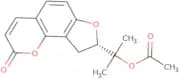
CAS :<p>Acetyl columbianetin is a natural compound, which is a type of secondary metabolite derived primarily from plant sources. This compound is part of a broader category of phytochemicals known for their diverse bioactive properties. Acetyl columbianetin is specifically sourced from certain species within the Apiaceae family, commonly found in traditional medicine.</p>Formule :C16H16O5Degré de pureté :Min. 95%Couleur et forme :PowderMasse moléculaire :288.3 g/molDaphnetin dimethyl ether
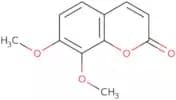
CAS :<p>Daphnetin dimethyl ether is a synthetic chemical compound, which is a derivative of the naturally occurring coumarin scaffold. It is primarily sourced through chemical synthesis rather than extraction from natural compounds, allowing for precise control over purity and structural modifications that are otherwise challenging to achieve through natural means.</p>Formule :C11H10O4Degré de pureté :Min. 95%Couleur et forme :PowderMasse moléculaire :206.19 g/mol7-Methoxy-4-methylcoumarin
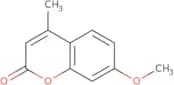
CAS :<p>7-Methoxy-4-methylcoumarin is a synthetic organic compound, which is a derivative of coumarins—a class of compounds widely found in plants. This compound is primarily synthesized through organic chemical reactions rather than extracted directly from natural sources. Its mode of action involves exhibiting fluorescence, which makes it a valuable probe in various scientific studies.</p>Formule :C11H10O3Degré de pureté :Min. 95%Couleur et forme :PowderMasse moléculaire :190.2 g/molScopolin
CAS :<p>Scopolin is a coumarin glucoside, which is derived from the plant secondary metabolism. It originates predominantly from species within the Solanaceae family, including tobacco and potato plants. Its biosynthesis involves the conversion of scopoline, a precursor molecule, through glucosylation. This process is catalyzed by glucosyltransferases, which facilitate the attachment of a glucose moiety.</p>Formule :C16H18O9Degré de pureté :Min. 98 Area-%Couleur et forme :White PowderMasse moléculaire :354.31 g/molDemethylsuberosin
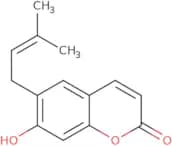
CAS :<p>Demethylsuberosin is a naturally-occurring compound, specifically a coumarin derivative, which is often extracted from plants. It originates from numerous botanical sources, including the family Rutaceae, where it serves as a secondary metabolite. Its mode of action involves the inhibition of fungal and bacterial growth, achieved by disrupting the integrity of microbial cell walls and interfering with their replication processes.</p>Formule :C14H14O3Degré de pureté :Min. 95%Couleur et forme :PowderMasse moléculaire :230.26 g/mol(-)-Oxypeucedanin
CAS :<p>(-)-Oxypeucedanin is a natural furanocoumarin, which is a type of organic compound. Furanocoumarins are derived from specific plants and are known for their complex structures and biological activities. (-)-Oxypeucedanin is sourced primarily from plants belonging to the Apiaceae family, such as Peucedanum species.</p>Formule :C16H14O5Degré de pureté :Min. 95%Couleur et forme :White PowderMasse moléculaire :286.28 g/molDecursinol angelate
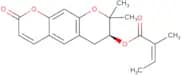
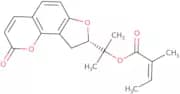
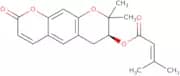
CAS :<p>Decursinol angelate is a bioactive compound, which is derived from the roots of plants such as Angelica gigas, a species commonly used in traditional Asian medicine. This compound is a coumarin derivative, known for its potential pharmacological properties. Decursinol angelate’s mode of action involves the modulation of inflammatory pathways, particularly through the inhibition of key enzymes and cytokines involved in inflammatory responses, such as COX-2 and TNF-alpha. This modulation leads to a reduction in the synthesis of pro-inflammatory mediators, which can be beneficial in managing inflammation-related conditions.</p>Formule :C19H20O5Degré de pureté :Min. 95%Couleur et forme :PowderMasse moléculaire :328.36 g/molDihydro coumarin
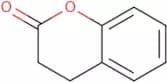
CAS :<p>Dihydro coumarin is a cyclic organic compound, which is a derivative of coumarin primarily obtained through synthetic processes. It possesses the characteristic odor reminiscent of freshly mown hay, contributing to its widespread application in various industries. The primary mode of action of dihydro coumarin involves its role as a fragrance and flavoring agent, capitalizing on its aromatic profile to enhance products’ sensory attributes.</p>Formule :C9H8O2Degré de pureté :Min. 95%Masse moléculaire :148.16 g/molIso-oxypeucedanin
CAS :<p>Iso-oxypeucedanin is a naturally occurring furanocoumarin compound, which is isolated from various plant species, particularly those belonging to the Apiaceae family. It exhibits a range of biological activities, primarily attributable to its structural properties that allow it to interact with various molecular targets.</p>Degré de pureté :Min. 95%Osthole
CAS :<p>Osthole is a coumarin derivative, which is a type of natural compound. It is predominantly sourced from the Cnidium monnieri plant, as well as other Apiaceae family members. Osthole exerts its effects primarily through modulation of various molecular pathways, including the suppression of inflammatory mediators and the modulation of calcium channels, which results in vasodilation and various other physiological effects.</p>Formule :C15H16O3Degré de pureté :Min. 95%Couleur et forme :PowderMasse moléculaire :244.29 g/molUmbelliferone
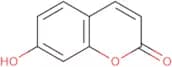
CAS :<p>Umbelliferone or 7-hydroxycoumarin is a widespread natural product of the coumarin family. It occurs in many familiar plants from the umbelliferae family. Umbelliferone can be used as a fluorescence indicator for metal ions such as copper and calcium. It acts as a pH indicator in the range 6.5-8.9.</p>Formule :C9H6O3Degré de pureté :Min. 98.0 Area-%Masse moléculaire :162.15 g/molRef: 3D-U-3000
1kgÀ demander50gÀ demander100gÀ demander250gÀ demander500gÀ demander-Unit-ggÀ demanderPsoralen
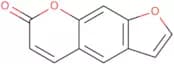
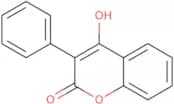
CAS :<p>Psoralen is a naturally occurring furocoumarin compound, which is derived from various plants, including those in the Apiaceae family, such as parsley and celery. Its mode of action involves intercalating into DNA and forming covalent cross-links when activated by ultraviolet A (UVA) light. This photoreactivity enables it to modify the biological activity of nucleic acids, making it a valuable tool in both therapeutic and experimental settings.</p>Formule :C11H6O3Degré de pureté :Min. 98 Area-%Couleur et forme :White PowderMasse moléculaire :186.16 g/mol4-Hydroxy-3-phenylcoumarin
CAS :<p>4-Hydroxy-3-phenylcoumarin is an organic compound, which is a derivative of coumarin. It is synthetically derived through chemical modification processes that introduce a hydroxy group and a phenyl ring to the coumarin core structure. Its mechanism of action involves the inhibition of vitamin K epoxide reductase, an enzyme critical for the cyclic conversion of vitamin K. This inhibition prevents the activation of vitamin K-dependent clotting factors, thereby exerting its anticoagulant effects.</p>Formule :C15H10O3Degré de pureté :Min. 98 Area-%Couleur et forme :PowderMasse moléculaire :238.24 g/mol(+/-)-Heraclenin
CAS :<p>(+/-)-Heraclenin is a naturally occurring coumarin, which is a class of organic compounds notable for diverse biological activities. This compound is primarily sourced from various plant species belonging to the family Apiaceae, such as Heracleum species. Coumarins like (+/-)-heraclenin are known for their ability to modify biological responses due to their chemical structure.</p>Formule :C16H14O5Degré de pureté :Min. 98 Area-%Couleur et forme :PowderMasse moléculaire :286.28 g/molBergamottin
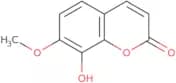
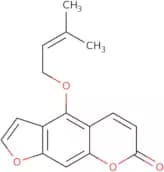
CAS :<p>Bergamottin is a furanocoumarin compound, which is primarily found in grapefruit juice and other citrus fruits. It is derived from natural sources, specifically within the fruit and peel of grapefruits. The mode of action of Bergamottin involves the inhibition of the cytochrome P450 enzymes, particularly CYP3A4, which play a significant role in the metabolism of various drugs. This inhibitory effect can alter the pharmacokinetics of certain medications by increasing their bioavailability.</p>Formule :C21H22O4Degré de pureté :Min. 98 Area-%Couleur et forme :White PowderMasse moléculaire :338.4 g/mol8-Hydroxy-7-methoxycoumarin
CAS :<p>8-Hydroxy-7-methoxycoumarin is a fluorescent compound, which is a derivative of the coumarin family. This compound is typically sourced through synthetic organic chemistry processes involving the modification of natural coumarin compounds. Its mode of action involves the ability to absorb ultraviolet light and re-emit it as visible light, a characteristic feature of fluorescent molecules. This property makes it particularly useful in scientific research.</p>Formule :C10H8O4Degré de pureté :Min. 95%Couleur et forme :PowderMasse moléculaire :192.17 g/molIsoimperatorin
CAS :<p>Isoimperatorin is a naturally occurring furanocoumarin, which is a phytochemical compound found in certain plants, particularly within the Apiaceae family, such as Angelica dahurica. It is extracted from these botanical sources through processes like solvent extraction. Isoimperatorin exhibits a diverse mode of action, including the inhibition of various enzymes and modulation of signaling pathways. It has demonstrated significant effects on cytochrome P450 enzymes, potentially influencing drug metabolism. Additionally, Isoimperatorin has shown antioxidant properties and the ability to interfere with cell proliferation and apoptosis mechanisms.</p>Formule :C16H14O4Degré de pureté :Min. 98 Area-%Couleur et forme :PowderMasse moléculaire :270.29 g/molByakangelicol
CAS :<p>Byakangelicol is a naturally occurring furanocoumarin, which is a type of organic compound found predominantly in the roots of certain plants, such as Angelica dahurica. This compound is synthesized through the plant's secondary metabolic pathways, primarily as a defense mechanism against herbivores and pathogens. Byakangelicol exerts its biological effects primarily through the inhibition of various enzymatic pathways, such as cytochrome P450s and monoamine oxidase, which are key in processes like drug metabolism and neurotransmitter regulation.</p>Formule :C17H16O6Degré de pureté :Min. 98 Area-%Couleur et forme :PowderMasse moléculaire :316.31 g/mol7-Methylcoumarin
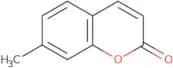
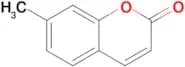
CAS :<p>7-Methylcoumarin is an organic compound classified as a coumarin derivative, which is sourced from various plants and synthesized chemically. Its basic structure consists of a benzopyrone, with a methyl group at the seventh position on the coumarin core, distinguishing it from naturally occurring coumarins.</p>Formule :C10H8O2Degré de pureté :Min. 95%Couleur et forme :White PowderMasse moléculaire :160.17 g/mol5-Methoxypsoralen
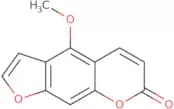
CAS :<p>5-Methoxypsoralen is a light-activated compound, which is a naturally derived organic substance found in certain plants, particularly from the Apiaceae family. This compound functions as a furocoumarin that interacts with DNA through photoactivation, forming cross-links upon exposure to ultraviolet A (UVA) light. These cross-links disrupt DNA replication, ultimately inhibiting cell proliferation.</p>Formule :C12H8O4Degré de pureté :Min. 98 Area-%Couleur et forme :White PowderMasse moléculaire :216.19 g/molIsopteryxin
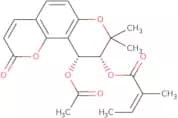
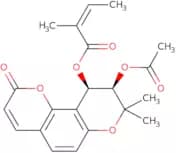
CAS :<p>Isopteryxin is a natural compound classified as a furanocoumarin, which is primarily derived from plants in the Apiaceae family, such as various species of Angelica. It is synthetically produced or extracted from these botanical sources using advanced chromatographic techniques. The mode of action of Isopteryxin involves interactions with cellular and molecular targets through its capability to intercalate with DNA and modulate enzyme activity. This confers notable biological activities, including antimicrobial, antifungal, and potentially anticancer effects. It may inhibit certain cell signaling pathways, thus influencing cellular processes such as apoptosis and proliferation.</p>Formule :C21H22O7Degré de pureté :Min. 95%Couleur et forme :PowderMasse moléculaire :386.4 g/molBergaptol
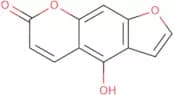
CAS :<p>Bergaptol is a naturally occurring furanocoumarin, which is a compound derived from plants, particularly from the Rutaceae family such as bergamot and other citrus species. It is primarily characterized by its chemical structure containing a furan ring fused to a coumarin moiety. Bergaptol acts primarily through its interaction with biological systems by inhibiting certain enzymatic activities and interfering with the biological pathways that involve reactive oxygen species. This compound exhibits antioxidant properties, reducing oxidative stress by scavenging free radicals and thereby protecting cells from damage.</p>Formule :C11H6O4Degré de pureté :Min. 95%Couleur et forme :Off-White PowderMasse moléculaire :202.16 g/molOroselol
CAS :<p>Oroselol is an innovative beta-adrenergic blocker, which is a synthetic derivative with unique cardiovascular targeting properties. It is sourced from engineered chemical synthesis, utilizing advanced molecular design to enhance selectivity for beta-adrenergic receptors. The mode of action of Oroselol involves competitive antagonism of beta-1 and beta-2 adrenergic receptors, leading to a decrease in heart rate and myocardial contractility. This blockade of adrenergic stimulation results in reduced cardiac output and lower blood pressure.</p>Formule :C14H12O4Degré de pureté :Min. 95%Couleur et forme :PowderMasse moléculaire :244.24 g/mol4-Hydroxycoumarin
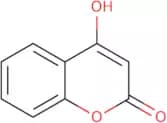
CAS :<p>4-Hydroxycoumarin is a synthetic organic compound, which is a derivative of coumarin. This compound derives from a benzopyrone structure, specifically known as a precursor in the synthesis of various anticoagulant agents. Its mode of action involves the inhibition of the enzyme vitamin K epoxide reductase. This inhibition subsequently decreases the synthesis of active clotting factors II, VII, IX, and X by preventing the regeneration of reduced vitamin K.</p>Formule :C9H6O3Degré de pureté :Min. 97.5 Area-%Couleur et forme :PowderMasse moléculaire :162.14 g/molPteryxin
CAS :<p>Pteryxin is an alkaloid derivative, which is a natural product isolated primarily from certain plant species within the Apiaceae family. As a complex organic compound, it exhibits a range of biochemical interactions at the molecular level. The mode of action for Pteryxin primarily involves its ability to interact with specific enzymatic pathways and receptors, facilitating or inhibiting particular physiological processes. This biochemical interaction underlies its potential pharmacological effects, which are these products' primary focus of study.</p>Formule :C21H22O7Degré de pureté :Min. 95%Couleur et forme :PowderMasse moléculaire :386.4 g/molDecursinol
CAS :<p>Decursinol is a coumarin derivative, which is sourced from the roots of the plant Angelica gigas, commonly found in East Asia. The compound is recognized for its biochemical properties, specifically as a secondary metabolite in the umbelliferous family. Its mode of action involves the inhibition of key inflammatory pathways, notably through the suppression of pro-inflammatory cytokines and enzymes such as COX-2 and NF-κB. This molecular interaction effectively reduces inflammatory responses at the cellular level.</p>Formule :C14H14O4Degré de pureté :Min. 98 Area-%Couleur et forme :White Off-White PowderMasse moléculaire :246.26 g/mol5-Geranyloxy-7-methoxycoumarin
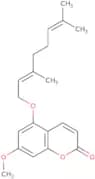
CAS :<p>5-Geranyloxy-7-methoxycoumarin is a naturally occurring compound known as a coumarin derivative, which is primarily sourced from specific plant species such as those within the Rutaceae family. This compound is characterized by its unique chemical structure that incorporates both geranyloxy and methoxy functional groups, conferring specific biological activities.</p>Formule :C20H24O4Degré de pureté :Min. 95%Couleur et forme :PowderMasse moléculaire :328.4 g/molDaphnetin-8-glucoside
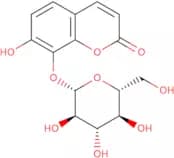
CAS :<p>Daphnetin-8-glucoside is a natural phenolic glucoside compound derived from plants of the Thymelaeaceae family, specifically from the Daphne genus. This compound is produced by the glycosylation of daphnetin, a coumarin derivative found in various botanical sources. The glycoside linkage enhances its solubility and stability, facilitating its bioavailability. Daphnetin-8-glucoside exhibits potent antioxidant and anti-inflammatory activities, mediated through the scavenging of free radicals and inhibition of pro-inflammatory cytokine production. Additionally, it modulates signal transduction pathways involved in cellular oxidative stress responses.</p>Formule :C15H16O9Degré de pureté :Min. 95%Couleur et forme :PowderMasse moléculaire :340.28 g/mol6-Hydroxy-7-methoxy-4-phenylcoumarin
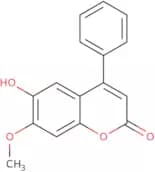
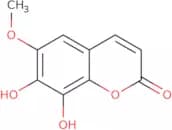
CAS :<p>6-Hydroxy-7-methoxy-4-phenylcoumarin is a synthetic chemical compound classified as a coumarin derivative. Derived from natural coumarin structures, this compound is often synthesized through organic chemistry techniques involving the hydroxylation and methoxylation of coumarin backbones, with the addition of a phenyl group.</p>Formule :C16H12O4Degré de pureté :Min. 95%Couleur et forme :PowderMasse moléculaire :268.26 g/molFraxetin
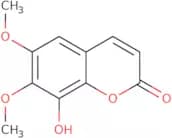
CAS :<p>Fraxetin is a coumarin compound, which is a type of secondary metabolite commonly found in plants. It is principally derived from sources such as Fraxinus rhynchophylla and other related species. Fraxetin functions through various biological mechanisms, including antioxidant, anti-inflammatory, and neuroprotective activities. It accomplishes this by scavenging free radicals, modulating inflammatory pathways, and inhibiting specific enzymes associated with oxidative stress.</p>Formule :C10H8O5Degré de pureté :Min. 95%Couleur et forme :PowderMasse moléculaire :208.17 g/mol6-Methylcoumarin
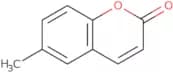
CAS :<p>The 6-methylcoumarin is a benzalkonium chloride that can be used as a stabilizer for biological samples. It has been shown to inhibit the activity of coumarin derivatives, which are receptors that are involved in the transmission of pain signals in the brain. The 6-methylcoumarin is also able to inhibit signal peptide, which is a protein that is secreted by cells and functions as a messenger between cells. This compound was found to have hypoglycemic effects due to its ability to stimulate glucose uptake in the body.</p>Formule :C10H8O2Degré de pureté :Min. 95%Couleur et forme :PowderMasse moléculaire :160.17 g/molSkimmin
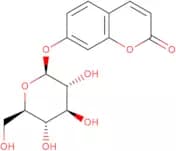
CAS :<p>Skimmin is a bioactive compound, classified as a coumarin, which is derived from various plant sources, particularly the bark of certain tree species. It functions through the modulation of enzyme activity, including antioxidant and anti-inflammatory pathways, by interacting with specific cellular receptors and enzymes.</p>Formule :C15H16O8Degré de pureté :Min. 95%Couleur et forme :PowderMasse moléculaire :324.28 g/mol7,8-Dihydroxycoumarin
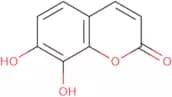
CAS :<p>7,8-Dihydroxycoumarin is a naturally occurring coumarin, which is derived from plants and certain fungi. It possesses a distinct chemical structure characterized by a benzopyrone core with hydroxyl groups at the 7th and 8th positions, contributing to its distinct biochemical properties. The mode of action of 7,8-Dihydroxycoumarin is largely attributed to its ability to act as a potent antioxidant, scavenging free radicals and chelating metal ions, thus mitigating oxidative stress at the cellular level.</p>Formule :C9H6O4Degré de pureté :Min. 95%Couleur et forme :PowderMasse moléculaire :178.14 g/molColumbianadin
CAS :<p>Columbianadin is a coumarin derivative, which is a natural compound primarily extracted from plants in the Apiaceae family, such as Angelica species. This natural product possesses a unique molecular structure characterized by the presence of a coumarin skeleton, which is responsible for its diverse biological activities.</p>Formule :C19H20O5Degré de pureté :Min. 98 Area-%Couleur et forme :PowderMasse moléculaire :328.36 g/mol7-Methoxycoumarin
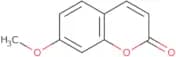
CAS :<p>7-Methoxycoumarin is a fluorescent compound, which is a derivative of coumarin. It is synthesized through chemical modification processes of natural coumarin, typically sourced from plant extracts of the Apiaceae and Rutaceae families.</p>Formule :C10H8O3Degré de pureté :Min. 95%Couleur et forme :PowderMasse moléculaire :176.17 g/mol5,7-Dihydroxy-4-methylcoumarin monohydrate
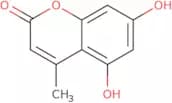
CAS :<p>5,7-Dihydroxy-4-methylcoumarin monohydrate is an organic chemical compound, specifically a type of coumarin derivative. Coumarins are a class of naturally occurring aromatic compounds that are found in various plant sources, such as tonka beans, sweet clover, and other botanicals. This particular compound, with its distinct hydroxyl and methyl groups, falls under the broader category of hydroxycoumarins, which are of significant interest in biochemical research due to their various functional properties.</p>Formule :C10H8O4·H2ODegré de pureté :Min. 95%Couleur et forme :Off-White Yellow PowderMasse moléculaire :210.18 g/molScopoletin
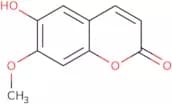
CAS :<p>Scopoletin is a naturally occurring coumarin derivative, which is primarily isolated from plants such as those in the Solanaceae and Asteraceae families. It exhibits a diverse range of biological activities due to its multifaceted mode of action, which includes antioxidant, anti-inflammatory, and antimicrobial properties. As a phytochemical, scopoletin can modulate various biochemical pathways, influencing both enzymatic and receptor-mediated processes.</p>Formule :C10H8O4Degré de pureté :Min. 95%Couleur et forme :Slightly Yellow PowderMasse moléculaire :192.17 g/molNordalbergin
CAS :<p>Please enquire for more information about Nordalbergin including the price, delivery time and more detailed product information at the technical inquiry form on this page</p>Formule :C15H10O4Masse moléculaire :254.24 g/molEsculetin
CAS :<p>Esculetin is a naturally occurring coumarin compound, which is predominantly derived from various plant sources, such as the bark and leaves of certain trees and shrubs. As a member of the coumarin family, it is characterized by its benzopyrone structure and is often isolated from botanicals through organic solvent extraction methods. <br><br>Its mode of action primarily involves its ability to scavenge free radicals and chelate metal ions, contributing to its notable antioxidant capacity. Furthermore, Esculetin exerts anti-inflammatory effects by inhibiting the activity of enzymes such as cyclooxygenase and lipoxygenase, which are integral to the inflammatory pathway.<br><br>Common applications of Esculetin are found in scientific research where it is utilized for its potential therapeutic properties. Studies have investigated its role in modulating oxidative stress, its protective effects in neurodegenerative disorders, and its capability to inhibit the proliferation of certain cancer cell lines. Additionally, it serves as a useful biochemical tool in elucidating the pathways of inflammation and oxidative stress within cellular models. Scientists continue to explore its potential as a lead compound in drug discovery and development.</p>Formule :C9H6O4Degré de pureté :Min. 98.0 Area-%Masse moléculaire :178.15 g/molPoncimarin
CAS :<p>Poncimarin is a citrus-derived flavor compound, which is extracted from the peels of citrus fruits. Its mode of action involves mimicking natural citrus flavors, providing authentic taste profiles through a combination of volatile compounds that resemble those found in fresh citrus. The primary application of Poncimarin lies in its utilization as a flavoring agent in the food and beverage industry. It is incorporated to enhance the sensory attributes of products like beverages, confectioneries, and baked goods, delivering a refreshing citrus note that is both recognizable and appealing. Poncimarin's efficacy is attributed to its ability to integrate seamlessly with the existing flavor matrices of these products, ensuring a balanced and natural sensory experience. Its use extends to applications requiring stable, long-lasting flavor profiles, contributing to product innovation and development within sensory science.</p>Formule :C19H22O5Degré de pureté :Min. 95%Couleur et forme :PowderMasse moléculaire :330.37 g/molIsoscopoletin
CAS :<p>Isoscopoletin is a naturally occurring coumarin derivative, which is typically sourced from various plants, including some medicinal herbs. This compound is found in a variety of plant species, where it plays a role in the plant's defense mechanisms against pathogens. It is known for its characteristic chemical structure that belongs to the coumarin family, which is widespread in the plant kingdom.</p>Formule :C10H8O4Degré de pureté :Min. 95%Couleur et forme :PowderMasse moléculaire :192.17 g/molRutaretin
CAS :<p>Rutaretin is a polyphenolic compound, which is a derivative of natural flavonoids extracted from plant sources. It functions primarily as an antioxidant by scavenging free radicals and inhibiting oxidative stress at the cellular level. Its molecular structure allows it to interact with reactive oxygen species, mitigating the damaging effects on cellular components such as DNA, proteins, and lipids.</p>Formule :C14H14O5Degré de pureté :Min. 98 Area-%Couleur et forme :PowderMasse moléculaire :262.26 g/mol7-Hydroxycoumarin
CAS :<p>7-Hydroxycoumarin is a fluorescent compound, known as a coumarin derivative, which is a naturally occurring chemical found in many plants. Derived from the umbelliferone compound family, it exhibits strong blue fluorescence under UV light due to its unique structural properties. This fluorescence is a result of its molecular conjugation and the electron-donating nature of the hydroxyl group, allowing it to absorb and emit light efficiently.</p>Formule :C9H6O3Degré de pureté :90%Couleur et forme :Off-White PowderMasse moléculaire :162.14 g/mol6-Hydroxy-4-methylcoumarin
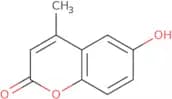
CAS :<p>6-Hydroxy-4-methylcoumarin is a chemical compound that serves as a lactone derivative. It is commonly derived from synthetic sources through various organic reactions involving resorcinol and ethyl acetoacetate. The compound functions primarily through its ability to absorb ultraviolet light and fluoresce, making it highly valuable in spectroscopic analyses.</p>Formule :C10H8O3Degré de pureté :Min. 95%Masse moléculaire :176.17 g/molUmbelliferone-3-carboxylic acid
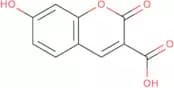
CAS :<p>Umbelliferone-3-carboxylic acid is a coumarin derivative, which is a type of natural or synthetic organic compound often utilized in biochemical research. It is sourced from modifications of natural coumarins, which are typically isolated from plants belonging to the Apiaceae family, such as parsley, celery, and carrots. This compound functions by interacting with cellular enzymes, providing a fluorescent probe that aids in the investigation of enzymatic activities and pathways.</p>Formule :C10H6O5Degré de pureté :Min. 95%Couleur et forme :PowderMasse moléculaire :206.15 g/molOxypeucedanin hydrate acetate
<p>Oxypeucedanin hydrate acetate is a furanocoumarin, primarily classified as a phytochemical. It is derived from various plant sources, particularly from species in the Apiaceae family, such as Peucedanum and Angelica. These compounds are typically isolated through advanced extraction and chromatographic techniques.</p>Degré de pureté :Min. 95%Decursin
CAS :<p>MAO inhibitor; neuro-protective and cognitive enhancement effects</p>Formule :C19H20O5Degré de pureté :Min. 98 Area-%Couleur et forme :White PowderMasse moléculaire :328.36 g/molFraxidin
CAS :<p>Fraxidin is a naturally occurring compound, specifically an O-methylated coumarin, which is derived from certain plant sources such as the fruits of the ash tree. It is primarily obtained through the processing of various plant materials within the Rutaceae family. The mode of action of Fraxidin involves the inhibition of oxidative damage due to its capacity to scavenge free radicals, thus leading to potential antioxidant properties in biological systems.</p>Formule :C11H10O5Degré de pureté :Min. 98 Area-%Couleur et forme :PowderMasse moléculaire :222.19 g/mol7-Methoxycoumarin
CAS :<p>Substrate for dealkylase.</p>Formule :C10H8O3Masse moléculaire :176.17 g/molRef: 3D-M-3330
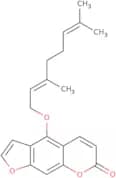
25gÀ demander50gÀ demander100gÀ demander250gÀ demander500gÀ demander-Unit-ggÀ demander8-Geranyloxypsoralen
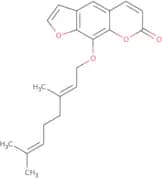
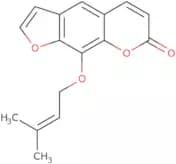
CAS :<p>8-Geranyloxypsoralen is a natural furanocoumarin, which is a secondary metabolite typically derived from plants, particularly those in the Rutaceae family. Its source lies predominantly in certain fruits and herbs, where it functions as a natural defense compound.</p>Formule :C21H22O4Degré de pureté :Min. 95 Area-%Couleur et forme :Off-White PowderMasse moléculaire :338.4 g/mol7-Ethoxycoumarin
CAS :<p>7-Ethoxycoumarin is a fluorescent substrate used in biochemical research, which is derived synthetically. It undergoes biotransformation primarily via oxidative dealkylation, catalyzed by cytochrome P450 enzymes, resulting in the formation of 7-hydroxycoumarin. By monitoring the fluorescent 7-hydroxycoumarin, researchers can assess enzymatic activity and study metabolic pathways.</p>Formule :C11H10O3Degré de pureté :Min. 95%Couleur et forme :PowderMasse moléculaire :190.2 g/mol6,7,8-Trimethoxycoumarin
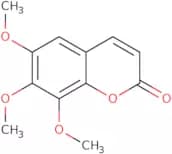
CAS :<p>6,7,8-Trimethoxycoumarin is a methoxylated coumarin compound, which is a derivative of the natural product coumarin. It is primarily sourced from certain plant species where methoxylation occurs naturally as part of plant secondary metabolism. The compound exhibits interesting properties due to its structural modifications, particularly in its potential interactions with biological molecules.</p>Formule :C12H12O5Degré de pureté :Min. 95%Couleur et forme :PowderMasse moléculaire :236.22 g/molAngelicin
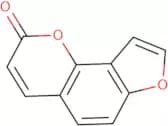
CAS :<p>Angelicin is a furanocoumarin compound, which is derived from various plant sources, particularly within the Apiaceae family. The source of angelicin is often linked to traditional medicinal plants, where it is extracted and subsequently isolated for scientific investigation. Angelicin's mode of action involves intercalating within DNA strands, thereby affecting transcription and replication processes. This action is understood to be primarily photoactivated, leading to the formation of covalent bonds with DNA upon exposure to ultraviolet light, which can result in cross-linking.</p>Formule :C11H6O3Degré de pureté :Min. 95%Couleur et forme :PowderMasse moléculaire :186.16 g/mol3-Cyano-7-ethoxycoumarin
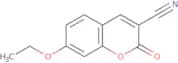
CAS :<p>3-Cyano-7-ethoxycoumarin is a specialized fluorescent probe, which is a synthetic organic compound designed for use in biochemical assays. This compound is sourced from the broader family of coumarins, which are known for their versatile fluorescence properties. The mode of action of 3-Cyano-7-ethoxycoumarin involves its ability to exhibit strong fluorescent emission when excited by specific wavelengths of light, making it a valuable tool for monitoring biochemical reactions and interactions.</p>Formule :C12H9NO3Degré de pureté :Min. 95%Couleur et forme :PowderMasse moléculaire :215.2 g/molEsculetin dibenzyl ether
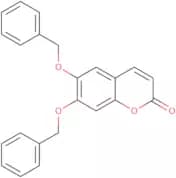
CAS :<p>Esculetin dibenzyl ether is a chemical compound, which is a derivative of esculetin, a natural coumarin obtained chiefly from plant sources such as the bark of horse chestnut and other similar species. The source of esculetin dibenzyl ether is typically synthesized from natural precursors through chemical modifications, allowing for the exploration of its structural analogs.</p>Formule :C23H18O4Degré de pureté :Min. 95%Masse moléculaire :358.39 g/molApterin
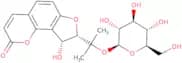
CAS :<p>Apterin is a naturally occurring compound, classified as a coumarin derivative, which is isolated from members of the Apiaceae family. Its source is primarily derived from plant species known for their therapeutic properties.</p>Formule :C20H24O10Degré de pureté :Min. 95 Area-%Couleur et forme :White PowderMasse moléculaire :424.4 g/molImperatorin
CAS :<p>Imperatorin is a furanocoumarin compound, which is a natural product primarily isolated from plants in the Apiaceae family, such as Angelica dahurica and Citrus species. This compound is characterized by its unique chemical structure that includes a furan ring fused to a coumarin backbone. Imperatorin exerts its biological activities through multiple modes of action, including the modulation of enzymatic activity, interference with cellular signaling pathways, and binding to specific biological targets.</p>Formule :C16H14O4Degré de pureté :Min. 98 Area-%Couleur et forme :White PowderMasse moléculaire :270.28 g/molEsculin hydrate
CAS :<p>Fluorescent dye used in diagnostic culture media</p>Formule :C15H16O9·xH2ODegré de pureté :Min. 98 Area-%Couleur et forme :White PowderMasse moléculaire :340.28 g/mol8-Methoxypsoralen
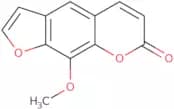
CAS :<p>8-Methoxypsoralen is a furocoumarin compound, which is derived from natural plant sources such as the seeds of the Ammi majus plant. Its primary mode of action involves intercalation into DNA strands and the formation of covalent bonds with pyrimidine bases upon exposure to ultraviolet A (UVA) light. This interaction results in the inhibition of DNA synthesis and cell proliferation.</p>Formule :C12H8O4Degré de pureté :Min. 95%Couleur et forme :White PowderMasse moléculaire :216.19 g/molMeranzin
CAS :<p>Meranzin is a bioactive compound, which is a naturally occurring coumarin derivative found in various citrus fruits. Its source lies primarily in the peels and seeds of specific citrus species, notably within the Rutaceae family. The mode of action of Meranzin involves the inhibition of acetylcholinesterase, thereby influencing neurotransmitter activity, specifically in the modulation of acetylcholine levels. This action can have significant implications in research focused on neurodegenerative disorders.</p>Formule :C15H16O4Degré de pureté :Min. 98 Area-%Couleur et forme :PowderMasse moléculaire :260.29 g/molEsculin sesquihydrate
CAS :<p>Fluorescent dye used in diagnostic culture media</p>Formule :C15H16O9•(H2O)1Degré de pureté :(Uv) Min. 97.5%Couleur et forme :White Off-White PowderMasse moléculaire :367.31 g/molAlloisoimperatorin
CAS :<p>Alloisoimperatorin is a naturally occurring furanocoumarin compound, which is extracted from certain plant species, primarily those belonging to the Apiaceae family. As a type of coumarin derivative, it is synthesized through intricate plant metabolic pathways involving the precursors umbelliferone and isopentenyl pyrophosphate, among others.</p>Formule :C16H14O4Degré de pureté :Min. 95%Masse moléculaire :270.28 g/molGlycocoumarin - Glycyrrhiza uralensis (liquorice)
CAS :<p>Glycocoumarin is a phytochemical compound that is primarily categorized as a bioactive flavonoid. It is derived from Glycyrrhiza uralensis, commonly known as liquorice, a plant renowned for its diverse pharmacological properties. The mode of action of glycocoumarin involves the modulation of various biological pathways, including its potential to influence inflammatory responses and antioxidant activity. This compound is known to interact with cellular signaling mechanisms, which could mediate its effects on immune modulation and cellular protection.</p>Formule :C21H20O6Degré de pureté :Min. 98 Area-%Couleur et forme :PowderMasse moléculaire :368.38 g/molScoparone
CAS :<p>Scoparone is a bioactive natural compound, which is primarily derived from plants in the Rutaceae family, such as Artemisia species. It is a coumarin derivative, known for its therapeutic properties due to its diverse biological activities. The mode of action of scoparone is multifaceted, involving the modulation of various enzymes and signaling pathways. It acts as an inhibitor of cytochrome P450 enzymes and influences pathways involving nitric oxide and reactive oxygen species, contributing to its anti-inflammatory and hepatoprotective effects.</p>Formule :C11H10O4Degré de pureté :Min. 95%Couleur et forme :PowderMasse moléculaire :206.19 g/molIsosibiricin
CAS :<p>Isosibiricin is a naturally occurring lignan, which is extracted from certain plant sources. This compound is derived from the genus Daphne, traditionally known for its diverse range of biologically active constituents. Its mode of action is primarily through the modulation of key signaling pathways involved in cell proliferation and apoptosis. Isosibiricin exhibits notable inhibitory effects on specific enzymes and receptors implicated in oncogenic processes, making it a subject of interest for cancer research.</p>Formule :C16H18O5Degré de pureté :Min. 95%Couleur et forme :PowderMasse moléculaire :290.31 g/molCoumarin
CAS :<p>Coumarin is an organic chemical compound, which is a naturally occurring substance found in various plants, including tonka beans, sweet clover, and cinnamon. Structurally, it is a benzopyrone, characterized by a benzene ring fused to a lactone. Coumarin acts primarily as an anticoagulant by inhibiting the synthesis of vitamin K-dependent clotting factors in the liver. This mode of action disrupts the coagulation cascade, reducing the blood’s ability to clot effectively.</p>Formule :C9H6O2Degré de pureté :Min. 95%Couleur et forme :White PowderMasse moléculaire :146.14 g/mol7-Methyl-2H-chromen-2-one
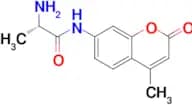
CAS :Formule :C10H8O2Degré de pureté :98%Couleur et forme :Solid, White to slightly pale yellow powderMasse moléculaire :160.172(S)-2-Amino-N-(4-methyl-2-oxo-2H-chromen-7-yl)propanamide
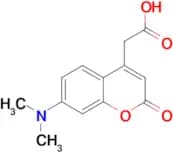
CAS :Formule :C13H14N2O3Degré de pureté :95%Masse moléculaire :246.2667-Dimethylaminocoumarin-4-acetic acid
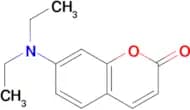
CAS :Formule :C13H13NO4Degré de pureté :98%Couleur et forme :Liquid, No data available.Masse moléculaire :247.257-(Diethylamino)-2H-chromen-2-one
CAS :Degré de pureté :95%Couleur et forme :SolidMasse moléculaire :217.2680054Succinimidyl 7-hydroxycoumarin-3-carboxylate
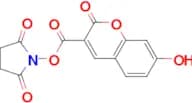
CAS :Formule :C14H9NO7Degré de pureté :97%Couleur et forme :Solid, Slightly pale yellow to yellow powderMasse moléculaire :303.2265,7-Dihydroxy-2H-chromen-2-one
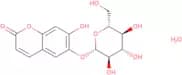
CAS :Formule :C9H6O4Degré de pureté :97%Couleur et forme :SolidMasse moléculaire :178.1437-Hydroxycoumarin-4-acetic acid
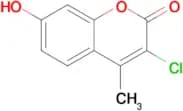
CAS :Formule :C11H8O5Degré de pureté :95.0%Couleur et forme :Solid, Crystalline Powder or PowderMasse moléculaire :220.183-Chloro-7-hydroxy-4-methyl-2H-chromen-2-one
CAS :Formule :C10H7ClO3Degré de pureté :98%Couleur et forme :Liquid, No data available.Masse moléculaire :210.61Hexyl 7-(diethylamino)-2-oxo-2H-chromene-3-carboxylate
CAS :Degré de pureté :98%Masse moléculaire :345.4389954Ethyl 2-((4-methyl-2-oxo-2H-chromen-7-yl)oxy)acetate
CAS :Degré de pureté :97%Masse moléculaire :262.26098636-Chloro-7-hydroxy-4-(trifluoromethyl)coumarin
CAS :Formule :C10H4ClF3O3Degré de pureté :95%Couleur et forme :Solid, No data available.Masse moléculaire :264.587-Amino-4-methylcoumarin
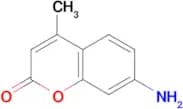
CAS :Formule :C10H9NO2Degré de pureté :96%Couleur et forme :Solid, Crystalline PowderMasse moléculaire :175.187Ref: 10-F017134
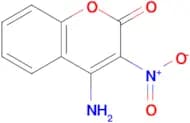
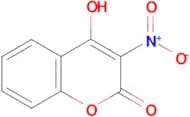
1g13,00€5g25,00€10g32,00€25g74,00€50g134,00€100g256,00€250g574,00€500g1.129,00€250mg9,00€4-hydroxy-3-nitro-2H-chromen-2-one
CAS :Formule :C9H5NO5Degré de pureté :98%Masse moléculaire :207.1414-hydroxy-6-methyl-2H-chromen-2-one
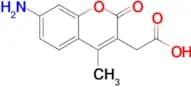
CAS :Formule :C10H8O3Degré de pureté :95%Masse moléculaire :176.1712-(7-Amino-4-methyl-2-oxo-2H-chromen-3-yl)acetic acid
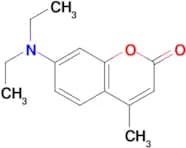
CAS :Formule :C12H11NO4Degré de pureté :97%Couleur et forme :SolidMasse moléculaire :233.2237-(Diethylamino)-4-methyl-2H-chromen-2-one
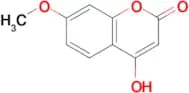
CAS :Formule :C14H17NO2Degré de pureté :98%Couleur et forme :SolidMasse moléculaire :231.2954-Hydroxy-7-methoxy-2H-chromen-2-one
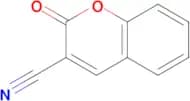
CAS :Degré de pureté :95%Couleur et forme :SolidMasse moléculaire :192.16999822-oxo-2H-chromene-3-carbonitrile
CAS :Formule :C10H5NO2Degré de pureté :98%Couleur et forme :SolidMasse moléculaire :171.155