


Coumarines
Les coumarines sont une classe de composés aromatiques polycycliques constitués d'un anneau benzénique fusionné à un anneau de pyrone. Ces composés sont largement utilisés comme parfums, agents aromatisants et dans la synthèse de produits pharmaceutiques et agrochimiques. Les coumarines présentent diverses activités biologiques, y compris des propriétés anticoagulantes, anti-inflammatoires et antimicrobiennes. Chez CymitQuimica, nous offrons une large sélection de coumarines de haute qualité pour vos recherches et applications industrielles.
1121 produits trouvés pour "Coumarines"
Trier par
Degré de pureté (%)
0
100
|
0
|
50
|
90
|
95
|
100
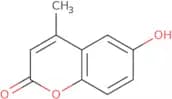
6-Hydroxy-4-methylcoumarin
CAS :<p>6-Hydroxy-4-methylcoumarin is a chemical compound that serves as a lactone derivative. It is commonly derived from synthetic sources through various organic reactions involving resorcinol and ethyl acetoacetate. The compound functions primarily through its ability to absorb ultraviolet light and fluoresce, making it highly valuable in spectroscopic analyses.</p>Formule :C10H8O3Degré de pureté :Min. 95%Masse moléculaire :176.17 g/mol7-Hydroxycoumarin
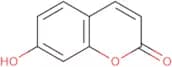
CAS :<p>7-Hydroxycoumarin is a fluorescent compound, known as a coumarin derivative, which is a naturally occurring chemical found in many plants. Derived from the umbelliferone compound family, it exhibits strong blue fluorescence under UV light due to its unique structural properties. This fluorescence is a result of its molecular conjugation and the electron-donating nature of the hydroxyl group, allowing it to absorb and emit light efficiently.</p>Formule :C9H6O3Degré de pureté :90%Couleur et forme :Off-White PowderMasse moléculaire :162.14 g/molUmbelliferone-3-carboxylic acid
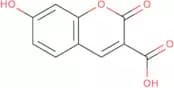
CAS :<p>Umbelliferone-3-carboxylic acid is a coumarin derivative, which is a type of natural or synthetic organic compound often utilized in biochemical research. It is sourced from modifications of natural coumarins, which are typically isolated from plants belonging to the Apiaceae family, such as parsley, celery, and carrots. This compound functions by interacting with cellular enzymes, providing a fluorescent probe that aids in the investigation of enzymatic activities and pathways.</p>Formule :C10H6O5Degré de pureté :Min. 95%Couleur et forme :PowderMasse moléculaire :206.15 g/molEsculetin dibenzyl ether
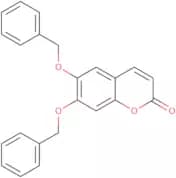
CAS :<p>Esculetin dibenzyl ether is a chemical compound, which is a derivative of esculetin, a natural coumarin obtained chiefly from plant sources such as the bark of horse chestnut and other similar species. The source of esculetin dibenzyl ether is typically synthesized from natural precursors through chemical modifications, allowing for the exploration of its structural analogs.</p>Formule :C23H18O4Degré de pureté :Min. 95%Masse moléculaire :358.39 g/molOxypeucedanin hydrate acetate
<p>Oxypeucedanin hydrate acetate is a furanocoumarin, primarily classified as a phytochemical. It is derived from various plant sources, particularly from species in the Apiaceae family, such as Peucedanum and Angelica. These compounds are typically isolated through advanced extraction and chromatographic techniques.</p>Degré de pureté :Min. 95%Decursin
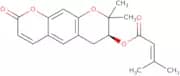
CAS :<p>MAO inhibitor; neuro-protective and cognitive enhancement effects</p>Formule :C19H20O5Degré de pureté :Min. 98 Area-%Couleur et forme :White PowderMasse moléculaire :328.36 g/molFraxidin
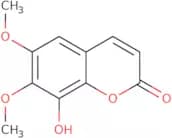
CAS :<p>Fraxidin is a naturally occurring compound, specifically an O-methylated coumarin, which is derived from certain plant sources such as the fruits of the ash tree. It is primarily obtained through the processing of various plant materials within the Rutaceae family. The mode of action of Fraxidin involves the inhibition of oxidative damage due to its capacity to scavenge free radicals, thus leading to potential antioxidant properties in biological systems.</p>Formule :C11H10O5Degré de pureté :Min. 98 Area-%Couleur et forme :PowderMasse moléculaire :222.19 g/mol7-Methoxycoumarin
CAS :<p>Substrate for dealkylase.</p>Formule :C10H8O3Masse moléculaire :176.17 g/molRef: 3D-M-3330
25gÀ demander50gÀ demander100gÀ demander250gÀ demander500gÀ demander-Unit-ggÀ demander8-Geranyloxypsoralen
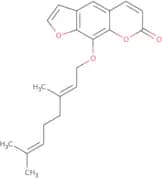
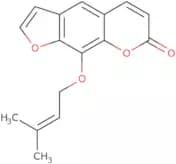
CAS :<p>8-Geranyloxypsoralen is a natural furanocoumarin, which is a secondary metabolite typically derived from plants, particularly those in the Rutaceae family. Its source lies predominantly in certain fruits and herbs, where it functions as a natural defense compound.</p>Formule :C21H22O4Degré de pureté :Min. 95 Area-%Couleur et forme :Off-White PowderMasse moléculaire :338.4 g/mol7-Ethoxycoumarin
CAS :<p>7-Ethoxycoumarin is a fluorescent substrate used in biochemical research, which is derived synthetically. It undergoes biotransformation primarily via oxidative dealkylation, catalyzed by cytochrome P450 enzymes, resulting in the formation of 7-hydroxycoumarin. By monitoring the fluorescent 7-hydroxycoumarin, researchers can assess enzymatic activity and study metabolic pathways.</p>Formule :C11H10O3Degré de pureté :Min. 95%Couleur et forme :PowderMasse moléculaire :190.2 g/mol6,7,8-Trimethoxycoumarin
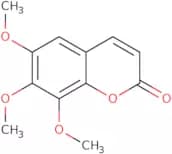
CAS :<p>6,7,8-Trimethoxycoumarin is a methoxylated coumarin compound, which is a derivative of the natural product coumarin. It is primarily sourced from certain plant species where methoxylation occurs naturally as part of plant secondary metabolism. The compound exhibits interesting properties due to its structural modifications, particularly in its potential interactions with biological molecules.</p>Formule :C12H12O5Degré de pureté :Min. 95%Couleur et forme :PowderMasse moléculaire :236.22 g/molAngelicin
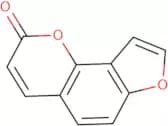
CAS :<p>Angelicin is a furanocoumarin compound, which is derived from various plant sources, particularly within the Apiaceae family. The source of angelicin is often linked to traditional medicinal plants, where it is extracted and subsequently isolated for scientific investigation. Angelicin's mode of action involves intercalating within DNA strands, thereby affecting transcription and replication processes. This action is understood to be primarily photoactivated, leading to the formation of covalent bonds with DNA upon exposure to ultraviolet light, which can result in cross-linking.</p>Formule :C11H6O3Degré de pureté :Min. 95%Couleur et forme :PowderMasse moléculaire :186.16 g/mol3-Cyano-7-ethoxycoumarin
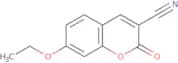
CAS :<p>3-Cyano-7-ethoxycoumarin is a specialized fluorescent probe, which is a synthetic organic compound designed for use in biochemical assays. This compound is sourced from the broader family of coumarins, which are known for their versatile fluorescence properties. The mode of action of 3-Cyano-7-ethoxycoumarin involves its ability to exhibit strong fluorescent emission when excited by specific wavelengths of light, making it a valuable tool for monitoring biochemical reactions and interactions.</p>Formule :C12H9NO3Degré de pureté :Min. 95%Couleur et forme :PowderMasse moléculaire :215.2 g/molEsculin hydrate
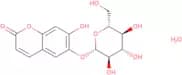
CAS :<p>Fluorescent dye used in diagnostic culture media</p>Formule :C15H16O9·xH2ODegré de pureté :Min. 98 Area-%Couleur et forme :White PowderMasse moléculaire :340.28 g/molApterin
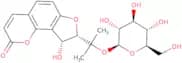
CAS :<p>Apterin is a naturally occurring compound, classified as a coumarin derivative, which is isolated from members of the Apiaceae family. Its source is primarily derived from plant species known for their therapeutic properties.</p>Formule :C20H24O10Degré de pureté :Min. 95 Area-%Couleur et forme :White PowderMasse moléculaire :424.4 g/molImperatorin
CAS :<p>Imperatorin is a furanocoumarin compound, which is a natural product primarily isolated from plants in the Apiaceae family, such as Angelica dahurica and Citrus species. This compound is characterized by its unique chemical structure that includes a furan ring fused to a coumarin backbone. Imperatorin exerts its biological activities through multiple modes of action, including the modulation of enzymatic activity, interference with cellular signaling pathways, and binding to specific biological targets.</p>Formule :C16H14O4Degré de pureté :Min. 98 Area-%Couleur et forme :White PowderMasse moléculaire :270.28 g/mol8-Methoxypsoralen
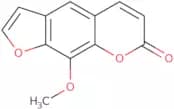
CAS :<p>8-Methoxypsoralen is a furocoumarin compound, which is derived from natural plant sources such as the seeds of the Ammi majus plant. Its primary mode of action involves intercalation into DNA strands and the formation of covalent bonds with pyrimidine bases upon exposure to ultraviolet A (UVA) light. This interaction results in the inhibition of DNA synthesis and cell proliferation.</p>Formule :C12H8O4Degré de pureté :Min. 95%Couleur et forme :White PowderMasse moléculaire :216.19 g/molMeranzin
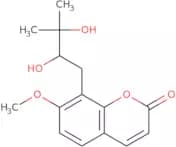
CAS :<p>Meranzin is a bioactive compound, which is a naturally occurring coumarin derivative found in various citrus fruits. Its source lies primarily in the peels and seeds of specific citrus species, notably within the Rutaceae family. The mode of action of Meranzin involves the inhibition of acetylcholinesterase, thereby influencing neurotransmitter activity, specifically in the modulation of acetylcholine levels. This action can have significant implications in research focused on neurodegenerative disorders.</p>Formule :C15H16O4Degré de pureté :Min. 98 Area-%Couleur et forme :PowderMasse moléculaire :260.29 g/molAlloisoimperatorin
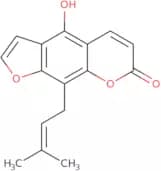
CAS :<p>Alloisoimperatorin is a naturally occurring furanocoumarin compound, which is extracted from certain plant species, primarily those belonging to the Apiaceae family. As a type of coumarin derivative, it is synthesized through intricate plant metabolic pathways involving the precursors umbelliferone and isopentenyl pyrophosphate, among others.</p>Formule :C16H14O4Degré de pureté :Min. 95%Masse moléculaire :270.28 g/molEsculin sesquihydrate
CAS :<p>Fluorescent dye used in diagnostic culture media</p>Formule :C15H16O9•(H2O)1Degré de pureté :(Uv) Min. 97.5%Couleur et forme :White Off-White PowderMasse moléculaire :367.31 g/molScoparone
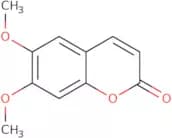
CAS :<p>Scoparone is a bioactive natural compound, which is primarily derived from plants in the Rutaceae family, such as Artemisia species. It is a coumarin derivative, known for its therapeutic properties due to its diverse biological activities. The mode of action of scoparone is multifaceted, involving the modulation of various enzymes and signaling pathways. It acts as an inhibitor of cytochrome P450 enzymes and influences pathways involving nitric oxide and reactive oxygen species, contributing to its anti-inflammatory and hepatoprotective effects.</p>Formule :C11H10O4Degré de pureté :Min. 95%Couleur et forme :PowderMasse moléculaire :206.19 g/molGlycocoumarin - Glycyrrhiza uralensis (liquorice)
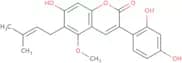
CAS :<p>Glycocoumarin is a phytochemical compound that is primarily categorized as a bioactive flavonoid. It is derived from Glycyrrhiza uralensis, commonly known as liquorice, a plant renowned for its diverse pharmacological properties. The mode of action of glycocoumarin involves the modulation of various biological pathways, including its potential to influence inflammatory responses and antioxidant activity. This compound is known to interact with cellular signaling mechanisms, which could mediate its effects on immune modulation and cellular protection.</p>Formule :C21H20O6Degré de pureté :Min. 98 Area-%Couleur et forme :PowderMasse moléculaire :368.38 g/molIsosibiricin
CAS :<p>Isosibiricin is a naturally occurring lignan, which is extracted from certain plant sources. This compound is derived from the genus Daphne, traditionally known for its diverse range of biologically active constituents. Its mode of action is primarily through the modulation of key signaling pathways involved in cell proliferation and apoptosis. Isosibiricin exhibits notable inhibitory effects on specific enzymes and receptors implicated in oncogenic processes, making it a subject of interest for cancer research.</p>Formule :C16H18O5Degré de pureté :Min. 95%Couleur et forme :PowderMasse moléculaire :290.31 g/molCoumarin
CAS :<p>Coumarin is an organic chemical compound, which is a naturally occurring substance found in various plants, including tonka beans, sweet clover, and cinnamon. Structurally, it is a benzopyrone, characterized by a benzene ring fused to a lactone. Coumarin acts primarily as an anticoagulant by inhibiting the synthesis of vitamin K-dependent clotting factors in the liver. This mode of action disrupts the coagulation cascade, reducing the blood’s ability to clot effectively.</p>Formule :C9H6O2Degré de pureté :Min. 95%Couleur et forme :White PowderMasse moléculaire :146.14 g/mol7-Methyl-2H-chromen-2-one
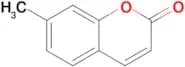
CAS :Formule :C10H8O2Degré de pureté :98%Couleur et forme :Solid, White to slightly pale yellow powderMasse moléculaire :160.172(S)-2-Amino-N-(4-methyl-2-oxo-2H-chromen-7-yl)propanamide
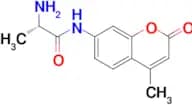
CAS :Formule :C13H14N2O3Degré de pureté :95%Masse moléculaire :246.2667-Dimethylaminocoumarin-4-acetic acid
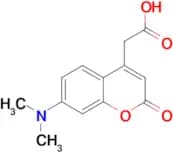
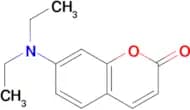
CAS :Formule :C13H13NO4Degré de pureté :98%Couleur et forme :Liquid, No data available.Masse moléculaire :247.257-(Diethylamino)-2H-chromen-2-one
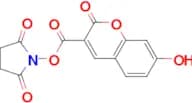
CAS :Degré de pureté :95%Couleur et forme :SolidMasse moléculaire :217.2680054Succinimidyl 7-hydroxycoumarin-3-carboxylate
CAS :Formule :C14H9NO7Degré de pureté :97%Couleur et forme :Solid, Slightly pale yellow to yellow powderMasse moléculaire :303.2265,7-Dihydroxy-2H-chromen-2-one
CAS :Formule :C9H6O4Degré de pureté :97%Couleur et forme :SolidMasse moléculaire :178.1437-Hydroxycoumarin-4-acetic acid
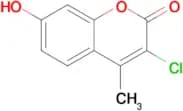
CAS :Formule :C11H8O5Degré de pureté :95.0%Couleur et forme :Solid, Crystalline Powder or PowderMasse moléculaire :220.183-Chloro-7-hydroxy-4-methyl-2H-chromen-2-one
CAS :Formule :C10H7ClO3Degré de pureté :98%Couleur et forme :Liquid, No data available.Masse moléculaire :210.61Hexyl 7-(diethylamino)-2-oxo-2H-chromene-3-carboxylate
CAS :Degré de pureté :98%Masse moléculaire :345.4389954Ethyl 2-((4-methyl-2-oxo-2H-chromen-7-yl)oxy)acetate
CAS :Degré de pureté :97%Masse moléculaire :262.26098636-Chloro-7-hydroxy-4-(trifluoromethyl)coumarin
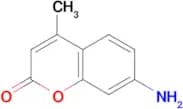
CAS :Formule :C10H4ClF3O3Degré de pureté :95%Couleur et forme :Solid, No data available.Masse moléculaire :264.587-Amino-4-methylcoumarin
CAS :Formule :C10H9NO2Degré de pureté :96%Couleur et forme :Solid, Crystalline PowderMasse moléculaire :175.187Ref: 10-F017134
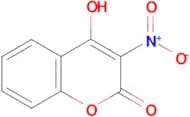
1g13,00€5g25,00€10g32,00€25g74,00€50g134,00€100g256,00€250g574,00€500g1.129,00€250mg9,00€4-hydroxy-3-nitro-2H-chromen-2-one
CAS :Formule :C9H5NO5Degré de pureté :98%Masse moléculaire :207.1414-hydroxy-6-methyl-2H-chromen-2-one
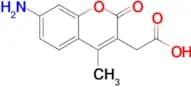
CAS :Formule :C10H8O3Degré de pureté :95%Masse moléculaire :176.1712-(7-Amino-4-methyl-2-oxo-2H-chromen-3-yl)acetic acid
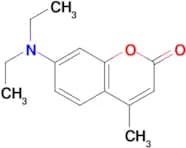
CAS :Formule :C12H11NO4Degré de pureté :97%Couleur et forme :SolidMasse moléculaire :233.2237-(Diethylamino)-4-methyl-2H-chromen-2-one
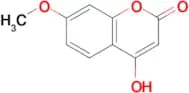
CAS :Formule :C14H17NO2Degré de pureté :98%Couleur et forme :SolidMasse moléculaire :231.2954-Hydroxy-7-methoxy-2H-chromen-2-one
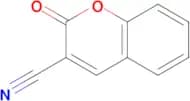
CAS :Degré de pureté :95%Couleur et forme :SolidMasse moléculaire :192.16999822-oxo-2H-chromene-3-carbonitrile
CAS :Formule :C10H5NO2Degré de pureté :98%Couleur et forme :SolidMasse moléculaire :171.1557-(Diethylamino)-3-(1-methyl-1H-benzo[d]imidazol-2-yl)-2H-chromen-2-one
CAS :Formule :C21H21N3O2Degré de pureté :98%Masse moléculaire :347.418













![7-(Diethylamino)-3-(1-methyl-1H-benzo[d]imidazol-2-yl)-2H-chromen-2-one](/_next/image/?url=https%3A%2Fstatic.cymitquimica.com%2Fproducts%2F10%2Fthumb-webp%2FF339986.webp&w=3840&q=75)