Ligands organométalliques
Sous-catégories appartenant à la catégorie "Ligands organométalliques"
- Ligands de Buchwald(22 produits)
- DPEN(4 produits)
- DPHEN(4 produits)
- JOSIPHOS(4 produits)
- Phosphine(497 produits)
- Porphyrines(75 produits)
2889 produits trouvés pour "Ligands organométalliques"
EPZ020411 2HCl
CAS :EPZ020411 2HCl is a chemical compound known as a potent selective inhibitor of the EZH2 methyltransferase, which is derived from enzymatic development processes involving high-throughput screening and medicinal chemistry optimization. With its mode of action centered on inhibiting the enzymatic activity of EZH2 (enhancer of zeste homolog 2), EPZ020411 2HCl effectively reduces the methylation of histone H3 on lysine 27 (H3K27), a critical process in gene expression regulation. This activity makes it an invaluable tool for studying epigenetic modifications and underlying oncogenic pathways.
The application of EPZ020411 2HCl is predominantly in the realm of cancer research, particularly in investigating the role of EZH2 in various malignancies, including prostate, breast, and hematopoietic cancers. By targeting and inhibiting EZH2, this compound aids in elucidating mechanisms of cancer progression, potentially leading to advancements in targeted therapeutic strategies. Additionally, it serves as a pivotal reference molecule in the structural and functional studies of histone methyltransferases, contributing to our broader understanding of epigenetic regulation.Formule :C25H40Cl2N4O3Degré de pureté :Min. 95%Masse moléculaire :515.52 g/molRaf1 Kinase Inhibitor I
CAS :Raf1 Kinase Inhibitor I is a small molecule inhibitor, which is synthetically derived to target the Raf1 kinase enzyme specifically. It operates by intervening in the kinase signaling pathways, particularly inhibiting the activity of Raf1 kinase, which is part of the MAPK/ERK pathway. This effectively impedes the downstream phosphorylation processes that are crucial for cell proliferation and differentiation.Formule :C15H8Br2INO2Degré de pureté :Min. 95%Masse moléculaire :520.94 g/mol2-((2,6-Dimethoxy-4-(2-methyl-1-oxo-1,2-dihydro-2,7-naphthyridin-4-yl)benzyl)(methyl)amino)-N-(2-(2-(2-((2-(2,6-dioxopiperidin-3-yl) -1,3-dioxoisoindolin-4-yl)amino)ethoxy)ethoxy)ethyl)acetamide
CAS :2-((2,6-Dimethoxy-4-(2-methyl-1-oxo-1,2-dihydro-2,7-naphthyridin-4-yl)benzyl)(methyl)amino)-N-(2-(2-(2-((2-(2,6-dioxopiperidin-3-yl)-1,3-dioxoisoindolin-4-yl)amino)ethoxy)ethoxy)ethyl)acetamide is a synthetic bioactive compound, which is developed through intricate organic synthesis processes. This compound functions primarily through the modulation of specific molecular pathways, such as protein-protein interactions or enzyme activity, potentially altering cellular processes. It may exhibit properties that interfere with particular signaling cascades or molecular targets, thus influencing their biological outcomes.Formule :C40H45N7O10Degré de pureté :Min. 95%Masse moléculaire :783.8 g/moltert-Butyl 3-benzyl-4-{4-[4-(trifluoromethoxy)phenyl]-1H-1,2,3-triazole-1-carbonyl}piperazine-1-carboxylate
CAS :Tert-Butyl 3-benzyl-4-{4-[4-(trifluoromethoxy)phenyl]-1H-1,2,3-triazole-1-carbonyl}piperazine-1-carboxylate is a specialized chemical compound, primarily utilized in the field of medicinal chemistry. This compound is synthetically derived, often produced through multi-step organic synthesis processes that incorporate click chemistry techniques, leading to the formation of 1,2,3-triazole rings.Formule :C26H28F3N5O4Degré de pureté :Min. 95%Masse moléculaire :531.5 g/molCarbidopa ethyl ester hydrochloride
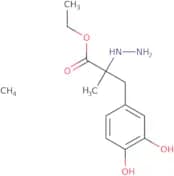
CAS :Produit contrôléCarbidopa ethyl ester hydrochloride is a biochemical compound that acts as a prodrug of carbidopa, often used in neurological studies. It is synthesized through the modification of carbidopa, itself a derivative of the amino acid hydrazine, by adding ethyl ester and hydrochloride groups to enhance its properties.Formule :C13H22N2O4Degré de pureté :Min. 95%Masse moléculaire :270.32 g/molCarbovir-13C,d2
CAS :Carbovir-13C,d2 is a stable isotope-labeled compound, specifically a version of the antiviral agent carbovir, which is a nucleoside analog. This labeled compound is derived through the incorporation of carbon-13 and deuterium atoms within the molecular structure of carbovir, a process typically achieved via synthetic organic chemistry techniques. Such isotopic labeling enables more precise investigation into the compound's pharmacokinetics and metabolic pathways.
Formule :C11H13N5O2Degré de pureté :Min. 95%Masse moléculaire :250.26 g/molMS37452
CAS :MS37452 is an antimicrobial peptide, which is a type of biomolecule sourced from natural or synthetic origins. These peptides are known for their ability to interact with bacterial cell membranes through electrostatic interactions and hydrophobic insertions. This mode of action leads to the disruption of bacterial cell integrity, resulting in cell lysis and death.
Formule :C22H26N2O5Degré de pureté :Min. 95%Masse moléculaire :398.45 g/molL-742001 Hydrochloride
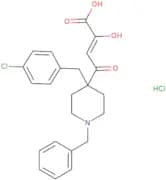
CAS :L-742001 Hydrochloride is a selective dopamine D4 receptor antagonist, which is synthesized as a research tool for scientific investigations into dopaminergic signaling. Its primary mode of action involves binding to the dopamine D4 receptor subtype, inhibiting its activity, and thus modulating various neurological processes. This compound serves as an invaluable tool for probing the dopamine D4 receptor's role in the central nervous system and its implications in psychiatric and neurological disorders.Formule :C23H24ClNO4•(HCl)Degré de pureté :Min. 95%Masse moléculaire :413.89 g/molSB 328437
CAS :SB 328437 is a selective 5-HT6 receptor antagonist, which is a synthetic compound developed for research purposes. It originates from a series of chemical syntheses aimed at creating ligands capable of specifically targeting serotonin receptors in the brain. The mode of action involves blocking the 5-HT6 receptor, a subtype of serotonin receptors primarily expressed in the central nervous system, thereby modulating the neurotransmission associated with this receptor.
Formule :C21H18N2O5Degré de pureté :Min. 95%Masse moléculaire :378.38 g/molComanthoside B
CAS :Comanthoside B is a saponin-derived compound, which is a glycoside notable for its complex sugar and triterpenoid aglycone structure. This compound is sourced from marine organisms, specifically from the genus Comanthus, common to tropical and subtropical marine environments. Comanthoside B operates through membrane modulation, by interacting with lipid bilayers and potentially altering cellular permeability and signaling pathways.Formule :C23H22O12Degré de pureté :Min. 95%Masse moléculaire :490.41 g/molKamebakaurin
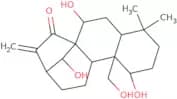
CAS :Kamebakaurin is a diterpenoid compound, which is a bioactive natural product sourced primarily from plants of the genus Isodon. This diterpenoid has garnered attention for its significant biological activities, particularly its anticancer and anti-inflammatory properties. Kamebakaurin acts by inhibiting the activity of the nuclear factor kappa-light-chain-enhancer of activated B cells (NF-κB) pathway, a critical signaling pathway that regulates immune response, cell proliferation, and survival. This mode of action underpins its potential therapeutic utility in various pathological conditions.
Formule :C20H30O5Degré de pureté :Min. 95%Masse moléculaire :350.4 g/molDimethyl sphingosine-1-phosphate (d18:1)
CAS :Dimethyl sphingosine-1-phosphate (d18:1) is a bioactive lipid molecule, specifically a sphingolipid derivative, which plays a critical role in cellular signaling pathways. It is a synthetic compound derived from natural sphingosine-1-phosphate (S1P), a signaling sphingolipid found in the membranes of eukaryotic cells. This compound acts by modulating signaling pathways involving G protein-coupled receptors (GPCRs), primarily the S1P receptors, influencing a wide range of cellular processes such as proliferation, migration, and survival.
Formule :C20H45N2O5PDegré de pureté :Min. 95%Masse moléculaire :424.56 g/molCOR 170
CAS :COR 170 is an advanced corrosion inhibitor, which is a crucial chemical agent designed to prevent the degradation and deterioration of metal surfaces. It is synthesized from proprietary chemical compounds that form a protective layer over metal substrates, effectively inhibiting the electrochemical reactions responsible for corrosion. The mode of action involves the adsorption of inhibitor molecules onto the metal surface, creating a barrier that slows down or prevents the corrosive attack by environmental elements such as oxygen, moisture, and salts.Formule :C31H36N2O2Degré de pureté :Min. 95%Masse moléculaire :468.6 g/molPF-06663195
CAS :PF-06663195 is a small molecule inhibitor, which is synthesized as part of a targeted drug development program. It is sourced through synthetic chemical processes designed to yield compounds with high specificity for selected intracellular targets. The mode of action for PF-06663195 is the selective inhibition of Janus kinase 3 (JAK3), a critical enzyme in the JAK-STAT signaling pathway. This pathway is essential for the modulation of various cytokine receptors, impacting immune cell communication and proliferation.Formule :C18H18F3N3O2SDegré de pureté :Min. 95%Masse moléculaire :397.4 g/molPDD 00017272
CAS :Please enquire for more information about PDD 00017272 including the price, delivery time and more detailed product information at the technical inquiry form on this page
Formule :C23H25N5O4S3Degré de pureté :Min. 95%Masse moléculaire :531.7 g/molGue 1654
CAS :Please enquire for more information about Gue 1654 including the price, delivery time and more detailed product information at the technical inquiry form on this pageFormule :C23H17N3OS3Degré de pureté :Min. 95%Masse moléculaire :447.6 g/molBAY-320
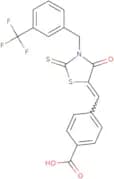
CAS :BAY-320 is a pharmaceutical-grade compound, specifically categorized as a contrast agent used in medical imaging techniques such as magnetic resonance imaging (MRI). This agent is synthesized from gadolinium-based complexes, a lanthanide metal known for its paramagnetic properties. These properties enhance the contrast of images produced during MRI scans.Formule :C26H26F2N6O2Degré de pureté :Min. 95%Masse moléculaire :492.5 g/molLifirafenib
CAS :Lifirafenib is a targeted anticancer therapy, which is a small molecule inhibitor sourced through pharmaceutical development processes. Its mode of action involves the selective inhibition of the RAF kinase family, including B-RAF, which plays a critical role in the MAPK/ERK signaling pathway. By targeting these kinases, Lifirafenib effectively disrupts the aberrant signaling that contributes to tumor growth and survival in certain cancers with mutations such as BRAF V600E.
Formule :C25H17F3N4O3Degré de pureté :Min. 95%Masse moléculaire :478.42 g/molPF 05105679
CAS :PF 05105679 is an investigational pharmaceutical compound developed by Pfizer, classified as a selective nicotinic acetylcholine receptor (nAChR) antagonist. It is synthesized through meticulous organic chemistry techniques, representing a targeted approach to modifying neural pathways. The compound functions by selectively inhibiting specific subtypes of nAChRs, which are ligand-gated ion channels integral to synaptic transmission and neurophysiological processes.
Formule :C26H21FN2O3Degré de pureté :Min. 95%Masse moléculaire :428.45 g/molETP 45658
CAS :ETP 45658 is a synthetic polymer composite, which is fabricated from a combination of organic monomers and inorganic fillers. This innovative material is produced through a controlled polymerization process that ensures a uniform distribution of fillers, enhancing its structural integrity. The polymer matrix acts as a reinforcing agent, providing enhanced thermal stability and mechanical strength.Formule :C16H17N5O2Degré de pureté :Min. 95%Masse moléculaire :311.34 g/molGne-7915 tosylate
CAS :GNE-7915 tosylate is an investigational small molecule inhibitor, which is chemically synthesized, designed to target specific kinases involved in cancer pathways. As a product of rigorous medicinal chemistry, it is derived from sophisticated laboratory synthesis processes utilizing advanced chemical techniques aimed at optimizing specificity and potency.Formule :C26H29F4N5O6SDegré de pureté :Min. 95%Masse moléculaire :615.6 g/molNsc 162535 disodium
CAS :NSC 162535 disodium is a synthetic compound, classified as a chemical agent. It is derived from chemical synthesis processes intended for research and experimental purposes. The compound acts through biochemical interactions that affect specific cellular pathways, making it of interest for a variety of investigative biological studies.
Formule :C20H13N3Na2O8S2Degré de pureté :Min. 95%Masse moléculaire :533.4 g/mol16:0 Pe-dtpa (gd)
CAS :16:0 PE-DTPA (Gd) is a gadolinium-based contrast agent, which is a modified phospholipid compound. It is derived from saturating phosphatidylethanolamine with gadolinium(III) diethylenetriaminepentaacetic acid (DTPA). This specialized molecular structure enables it to enhance the contrast in magnetic resonance imaging (MRI) due to gadolinium's paramagnetic properties, which significantly accelerate the relaxation rates of nearby hydrogen nuclei.Formule :C51H98GdN6O17PDegré de pureté :Min. 95%Masse moléculaire :1,255.58 g/molBMS 819881
CAS :BMS 819881 is a synthetic chemical compound, classified as a pharmaceutical agent. This compound originates from synthetic processes in medicinal chemistry, developed as part of a structured drug discovery program. Its mode of action involves inhibiting specific molecular targets related to metabolic pathways, which are impactful in regulating physiological processes at the cellular level.
Formule :C24H21ClN2O4SDegré de pureté :Min. 95%Masse moléculaire :469 g/mol(RS)-butyryltimolol
CAS :(RS)-butyryltimolol is a non-selective beta-adrenergic receptor antagonist, commonly known as a beta-blocker. This compound is a synthetic derivative of timolol, an established therapeutic agent with enhanced properties due to its butyrylation. The source of (RS)-butyryltimolol lies in its chemical synthesis, whereby modifications to the timolol structure yield a compound with potential refined pharmacokinetics and dynamics.Formule :C17H30N4O4SDegré de pureté :Min. 95%Masse moléculaire :386.51 g/molTAS-103
CAS :TAS-103 is an investigational anti-cancer drug, which is a synthetic compound with origins in advanced medicinal chemistry. It functions as a topoisomerase inhibitor with dual-action targeting both topoisomerase I and II enzymes. Topoisomerases are crucial for modulating DNA supercoiling during replication and transcription processes. By interfering with these enzymes, TAS-103 hinders the DNA replication machinery, leading to replication fork stalling and subsequent induction of DNA damage, which can trigger cell death.
Formule :C20H19N3O2Degré de pureté :Min. 95%Masse moléculaire :333.4 g/molLGX 818
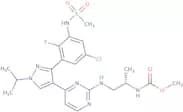
CAS :Inhibitor of B-Raf mutant (V600E); anti-neoplasticFormule :C22H27ClFN7O4SDegré de pureté :Min. 95%Couleur et forme :White/Off-White SolidMasse moléculaire :540.01 g/molBF 227
CAS :BF 227 is a diagnostic compound, which is a synthetic amyloid-imaging agent used in positron emission tomography (PET) scans. It is derived from chemical synthesis, specifically designed to bind selectively to amyloid-beta plaques, a hallmark of Alzheimer's disease pathology.Formule :C16H16FN3O2SDegré de pureté :Min. 95%Masse moléculaire :333.4 g/molUVI 3003
CAS :UVI 3003 is a light stabilizer that functions as an ultraviolet (UV) absorber, primarily utilized in the protection of various materials from UV radiation. This product is synthesized from advanced chemical compounds designed to absorb UV light and prevent its transmission through the material. The mode of action involves converting UV radiation into harmless thermal energy, which is then dissipated, thereby protecting the underlying matrix from photodegradation.
Formule :C28H36O4Degré de pureté :Min. 95%Masse moléculaire :436.58 g/molJNJ-17203212
CAS :JNJ-17203212 is a pharmacological compound, specifically a selective antagonist of the transient receptor potential vanilloid 1 (TRPV1) receptor. This compound is derived from synthetic chemical processes, emphasizing its role in modulating ion channel activity. The TRPV1 receptor is a non-selective cation channel expressed predominantly in sensory neurons.
Formule :C17H15F6N5ODegré de pureté :Min. 95%Masse moléculaire :419.32 g/molNTRC 824
CAS :NTRC 824 is an innovative bioactive compound, meticulously developed from natural sources, with unique properties that facilitate its mode of action. The compound is derived through an advanced extraction and purification process ensuring its optimal efficacy and stability. NTRC 824 operates by modulating specific molecular pathways, which are central to its function in targeted applications.
Formule :C25H26F3N3O6SDegré de pureté :Min. 95%Masse moléculaire :553.6 g/molTG53
CAS :TG53 is an innovative organic compound, which is synthesized through advanced organic chemistry techniques. Its source involves the complex coupling of select organic precursors that allows for precise control over the resultant molecular architecture. The mode of action of TG53 involves its high reactivity with specific biological macromolecules, facilitating targeted biochemical interactions that are integral for research and developmental applications.Formule :C21H22ClN5O2Degré de pureté :Min. 95%Masse moléculaire :411.9 g/molCalcitroic acid
CAS :Calcitroic acid is a metabolite of vitamin D, which is derived from the enzymatic degradation of calcitriol, the hormonally active form of vitamin D3. This compound is found within biological systems as a result of the breakdown processes occurring in the liver and kidneys, orchestrated by specific enzyme activities that convert calcitriol into calcitroic acid. Its mode of action involves participation in the metabolic pathways that facilitate the regulation of calcium and phosphate homeostasis in the body, albeit as a less active form compared to its precursor, calcitriol.Formule :C23H34O4Degré de pureté :Min. 95%Masse moléculaire :374.5 g/molPF 06465469
CAS :PF 06465469 is a monoclonal antibody, which is a form of biologic product derived from a single clone of cells, specifically engineered to interact with the immune system. This product is usually produced through recombinant DNA technology involving hybridoma techniques or phage display methods, allowing for high specificity and purity.Formule :C30H33N7O2Degré de pureté :Min. 95%Masse moléculaire :523.63 g/molMethyl 5-fluoro-2-(2-(1-methyl-1H-1,2,4-triazol-5-yl)acetyl)-3-nitrobenzoate
CAS :Methyl 5-fluoro-2-(2-(1-methyl-1H-1,2,4-triazol-5-yl)acetyl)-3-nitrobenzoate is a synthetic organic compound, which is derived from aromatic benzoate structures enhanced with fluorine, nitro, and triazole moieties. The source of this compound lies in advanced synthetic chemistry techniques, involving multiple steps that introduce these functional groups to a benzoate core, thereby enhancing its physicochemical properties.Formule :C13H11FN4O5Degré de pureté :Min. 95%Masse moléculaire :322.25 g/molEBI-2511
CAS :EBI-2511 is a novel fungicide, which is derived from synthetic chemical processes, specifically designed to inhibit fungal growth. The source of EBI-2511 is synthetic organic chemistry, where precise molecular engineering is employed to target specific pathways in fungal metabolism.Formule :C34H48N4O4Degré de pureté :Min. 95%Masse moléculaire :576.77 g/mol3-[4-(6-Quinolinyl)phenyl]-1-azabicyclo[2.2.2]octan-3-ol
CAS :3-[4-(6-Quinolinyl)phenyl]-1-azabicyclo[2.2.2]octan-3-ol is a synthetic compound known for its role as a potent dopamine reuptake inhibitor. As a compound synthesized in laboratories, it primarily serves as a tool in neuroscience research. The compound's mode of action involves the selective inhibition of dopamine transporters, which prevents the reuptake of dopamine into presynaptic neurons. This results in increased extracellular concentrations of dopamine, facilitating enhanced dopaminergic signaling in the central nervous system.Formule :C22H22N2ODegré de pureté :Min. 95%Masse moléculaire :330.42 g/molPi3K/mtor inhibitor-2
CAS :Pi3K/mTOR Inhibitor-2 is a synthetic small molecule, which is a highly specific chemical inhibitor. It is designed to simultaneously target and inhibit the phosphoinositide 3-kinase (Pi3K) and mechanistic target of rapamycin (mTOR) pathways. The source of Pi3K/mTOR Inhibitor-2 is entirely derived from lab-based chemical synthesis, ensuring a consistent and controlled formulation conducive to experimental reproducibility.
Formule :C20H13ClF2N4O4SDegré de pureté :Min. 95%Masse moléculaire :478.9 g/molApimostinel
CAS :Apimostinel is a peptide-based therapeutic agent, which is derived from a modification of endogenous neuropeptides. It is designed to selectively modulate the NMDA receptor, a subtype of glutamate receptor, which plays a crucial role in synaptic plasticity and neural communication. Apimostinel functions as a partial agonist of the glycine site on the NMDA receptor. This mechanism supports synaptic strength and plasticity without the excessive activation associated with excitotoxicity, thereby providing potential neuroprotective effects.Formule :C25H37N5O6Degré de pureté :Min. 95%Masse moléculaire :503.6 g/molPRT062607 (P505-15) HCl
CAS :PRT062607 (P505-15) HCl is a small-molecule inhibitor, which is a synthetic compound with a highly specific action on the 3-phosphoinositide-dependent protein kinase-1 (PDK1). This compound is derived through rational drug design processes aimed at modulating intracellular signaling pathways. PRT062607 acts by selectively binding to the ATP-binding site of PDK1, thereby inhibiting its kinase activity. This inhibition disrupts downstream signaling mediated by the phosphoinositide 3-kinase (PI3K) pathway, which is pivotal in regulating various cellular processes, including growth, survival, and metabolism.
Formule :C19H23N9O·HClDegré de pureté :Min. 95%Masse moléculaire :429.91 g/molCYM 5541
CAS :CYM 5541 is a selective herbicide, which is synthesized from organic chemical compounds. It functions by interfering with the metabolic processes critical to weed growth and development. Specifically, CYM 5541 targets and inhibits specific enzymes that are essential for cell division and photosynthesis in undesirable plants.
The primary application of CYM 5541 is in agricultural settings, where it is used to manage weed populations that compete with crops for light, nutrients, and water. It is particularly effective in controlling broadleaf and grassy weeds. Through its precise mode of action, CYM 5541 enables efficient, targeted suppression of non-crop vegetation, thereby maintaining the health and yield of the desired plants. Its use in integrated pest management strategies underscores its role in sustainable farming practices, minimizing the environmental impact while maximizing agricultural productivity.Formule :C19H28N2O2Degré de pureté :Min. 95%Masse moléculaire :316.44 g/molCrinecerfont hydrochloride
CAS :Crinecerfont hydrochloride is a pharmacological agent categorized as a selective corticotropin-releasing factor type 1 (CRF1) receptor antagonist. This compound is synthesized through advanced organic chemistry methodologies, deriving from a series of chemical modifications designed to achieve specificity for the CRF1 receptor.Formule :C27H29Cl2FN2OSDegré de pureté :Min. 95%Masse moléculaire :519.5 g/molDS-1001b
CAS :DS-1001b is a synthetic small molecule, which is derived from the modification of existing anti-inflammatory agents with the purpose of enhancing efficacy and minimizing side effects. Its mode of action involves the selective inhibition of specific pro-inflammatory cytokines, thereby reducing inflammation at the molecular level.Formule :C29H29Cl3FN3O4Degré de pureté :Min. 95%Masse moléculaire :608.92 g/molFluorofenidone
CAS :Fluorofenidone is an antifibrotic compound, which is a synthetic molecule. It functions by inhibiting the synthesis of collagen and other extracellular matrix components, mitigating the progression of fibrotic diseases. This mode of action involves the modulation of signaling pathways crucial to fibroblast proliferation and differentiation, ultimately reducing tissue fibrosis.Formule :C12H10FNODegré de pureté :Min. 95%Masse moléculaire :203.21 g/molSphingosine-d7
CAS :Produit contrôléSphingosine-d7 is an isotopically labeled sphingolipid, which is a derivative of sphingosine where seven hydrogen atoms are replaced with deuterium. This modification is typically produced through chemical synthesis that incorporates deuterium, an isotope of hydrogen, to replace specific hydrogen atoms in the sphingosine molecule. The deuterium labeling does not alter the biochemical properties of sphingosine but allows for detailed tracking in biological systems using mass spectrometry.Formule :C18H30D7NO2Degré de pureté :Min. 95%Masse moléculaire :306.54 g/molUNC2170 trifluoroacetate
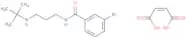
CAS :UNC2170 trifluoroacetate is a small-molecule inhibitor, which is developed through targeted synthesis at academic and research institutions. This compound is specifically designed to interact with bromodomains, which are motifs within proteins involved in recognizing and interpreting acetylated lysines on histone tails, crucial for epigenetic regulation.Formule :C14H21BrN2O·C2HF3O2Degré de pureté :Min. 95%Masse moléculaire :427.26 g/molGR 125743
CAS :GR 125743 is a small molecule compound that acts as a selective antagonist of the chemokine receptor CCR5. It is derived from a synthetic source designed to inhibit the interaction between the CCR5 receptor and its natural ligands. The primary mode of action involves blocking the CCR5 receptor, which is a critical co-receptor used by the Human Immunodeficiency Virus (HIV) to enter and infect host cells. By preventing this interaction, GR 125743 hinders the virus's ability to propagate within the host organism.Formule :C25H28N4O2Degré de pureté :Min. 95%Masse moléculaire :416.5 g/molBimolane
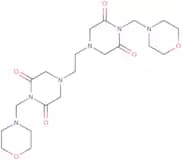
CAS :Bimolane is an immunosuppressive agent, which is a synthetic chemotherapeutic drug with a distinctive mode of action involving the interference with DNA synthesis and inhibition of lymphocyte proliferation. The compound achieves this by intercalating into DNA strands, thereby disrupting the replication process and ultimately exerting its cytotoxic effects on rapidly dividing cells, such as those in the immune system. This mechanism of action positions Bimolane as a potent agent for suppressing immune responses.Formule :C20H32N6O6Degré de pureté :Min. 95%Masse moléculaire :452.5 g/molA 37203
CAS :Please enquire for more information about A 37203 including the price, delivery time and more detailed product information at the technical inquiry form on this pageFormule :C20H27F3N6OSDegré de pureté :Min. 95%Masse moléculaire :456.5 g/mol25-Hydroxy vitamin d3 3,3'-biotinylaminopropyl ether
CAS :25-Hydroxy vitamin D3 3,3'-biotinylaminopropyl ether is a synthesized compound, which is an analog designed for specific biochemical applications. It is derived from 25-Hydroxyvitamin D3, an active form of vitamin D found in the human body, combined with a biotin moiety through a flexible linker. The mode of action involves the binding of the biotin component to avidin or streptavidin, facilitating the targeted delivery and study of vitamin D3 pathways. This compound allows for the exploration of vitamin D3 interactions and mechanisms by enabling easy tracking and manipulation.Formule :C40H65N3O4SDegré de pureté :Min. 95%Masse moléculaire :684 g/molTulrampator
CAS :Tulrampator is a selective AMPA receptor potentiator, which is a synthetic pharmaceutical compound designed to enhance glutamatergic neurotransmission efficacy. This compound acts on the α-amino-3-hydroxy-5-methyl-4-isoxazolepropionic acid (AMPA) receptors in the central nervous system. Tulrampator modulates these receptors by increasing their response to endogenous glutamate, thus facilitating synaptic transmission and plasticity.Formule :C20H17FN4O3Degré de pureté :Min. 95%Masse moléculaire :380.4 g/molTomivosertib hydrochloride
CAS :Tomivosertib hydrochloride is an investigational small molecule inhibitor targeting the mitogen-activated protein kinase interacting kinase (MNK) pathway, which is a synthetic product derived from chemical synthesis. Its mode of action involves the selective inhibition of MNK1 and MNK2 enzymes, leading to the disruption of the phosphorylation of eIF4E, a key component in the translation initiation process. This interruption suppresses the production of oncogenic proteins involved in tumor growth and metastasis.Formule :C17H21ClN6O2Degré de pureté :Min. 95%Masse moléculaire :376.8 g/molLy2444296 (fp3fbz)
CAS :Ly2444296, also known as FP3FBZ, is an experimental pharmaceutical compound, specifically a small-molecule antagonist designed to target a particular receptor system in the central nervous system. It is synthesized through a complex series of chemical reactions, leveraging advanced organic synthesis techniques. The primary mode of action for Ly2444296 is the selective inhibition of the norepinephrine transporter (NET), which results in increased levels of norepinephrine in the synaptic cleft. This modulation of neurotransmitter dynamics can have significant effects on mood and stress responses.Formule :C24H22F2N2O2Degré de pureté :Min. 95%Masse moléculaire :408.4 g/mol7-((Benzo[D]thiazol-2-ylamino)(4-(difluoromethoxy)phenyl)methyl)quinolin-8-ol
CAS :7-((Benzo[D]thiazol-2-ylamino)(4-(difluoromethoxy)phenyl)methyl)quinolin-8-ol is a synthetic investigational compound, which is typically synthesized in a laboratory setting through a series of chemical reactions involving quinoline derivatives and other complex organic molecules. This compound is designed to target and inhibit specific molecular pathways involved in cancer cell proliferation and survival. Its mode of action is believed to involve the disruption of signaling pathways critical to tumor growth, potentially through interaction with specific kinases or receptor sites on the cancer cells.Formule :C24H17F2N3O2SDegré de pureté :Min. 95%Masse moléculaire :449.5 g/molC-82
CAS :C-82 is a synthetic chemical inhibitor, which is commonly sourced from laboratory-derived compounds and characterized through organic chemistry techniques. Its mode of action involves selective inhibition of specific enzymes or proteins within particular biochemical pathways, rendering it useful for dissecting complex biological systems. This specificity allows researchers to elucidate the roles of individual components within larger networks by observing downstream effects of inhibition.Formule :C33H34N6O4Degré de pureté :Min. 95%Masse moléculaire :578.7 g/molNpba
CAS :Npba is a biochemical reagent, which is meticulously derived from synthesized organic compounds with high purity. This reagent acts through specific molecular interactions, primarily engaging in covalent bonding or through modulation of enzymatic activity. Its mode of action often involves facilitating or inhibiting biochemical pathways, making it a versatile tool in scientific research.
Formule :C16H14F3N3O3Degré de pureté :Min. 95%Masse moléculaire :353.3 g/molCM-272
CAS :CM-272 is a small-molecule inhibitor, which is synthetically derived with high specificity and selectivity. Its mode of action involves dual inhibition of G9a and DNMT (DNA methyltransferases), key enzymes responsible for histone and DNA methylation. This dual inhibition alters the epigenetic landscape, leading to changes in gene expression profiles.Formule :C28H38N4O3Degré de pureté :Min. 95%Masse moléculaire :478.63 g/molNU6027
CAS :NU6027 is a potent checkpoint kinase 1 (CHK1) inhibitor, which is synthesized as a small molecule compound designed to interfere with specific biochemical pathways in cellular biology. The source of this compound lies in synthetic organic chemistry, where it was developed to target and inhibit the activity of CHK1 kinase. This enzyme is pivotal in the cell cycle, particularly in the DNA damage response pathway. By inhibiting CHK1, NU6027 disrupts the cell's ability to manage DNA damage and repair processes, thereby promoting cell cycle arrest and apoptosis in selectively targeted cells.Formule :C11H17N5O2Degré de pureté :Min. 95%Masse moléculaire :251.28 g/molFASN-IN-2
CAS :FASN-IN-2 is a chemical inhibitor, specifically targeting fatty acid synthase (FASN), a key enzyme involved in lipogenesis. It is derived from synthetic chemical methods and engineered to interfere with the enzymatic function of FASN by binding to its active site, thereby preventing the conversion of acetyl-CoA and malonyl-CoA to fatty acids. This inhibition is crucial as FASN is overexpressed in various cancer cells, contributing to their rapid proliferation and survival by providing necessary lipids for membrane synthesis.Formule :C27H29N5ODegré de pureté :Min. 95%Masse moléculaire :439.6 g/molGlesatinib hydrochloride
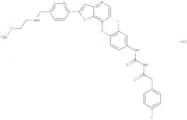
CAS :Glesatinib hydrochloride is a small-molecule kinase inhibitor, specifically targeting the MET, RON, and AXL receptor tyrosine kinases. This compound is synthesized chemically, showcasing specificity towards pathways implicated in various malignancies. The mode of action involves competitively inhibiting ATP binding, which is critical for the phosphorylation and activation of downstream signaling pathways that promote cell proliferation, survival, and metastasis. By impeding these pathways, Glesatinib hydrochloride effectively hampers the growth and spread of cancer cells.Formule :C31H28ClF2N5O3S2Degré de pureté :Min. 95%Masse moléculaire :656.17 g/mol(-)-Ibuprofenamide
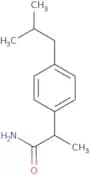
CAS :(-)-Ibuprofenamide is a chiral pharmaceutical compound, derived from the widely used nonsteroidal anti-inflammatory drug (NSAID) ibuprofen. It is obtained through the amide formation from the carboxylic acid group of ibuprofen, which involves chemical synthesis methods that focus on retaining the stereochemistry of the parent molecule. The mode of action of (-)-Ibuprofenamide involves the modulation of enzyme activity within the cyclooxygenase (COX) pathways, specifically targeting COX-1 and COX-2 enzymes. By inhibiting these enzymes, (-)-Ibuprofenamide reduces the synthesis of pro-inflammatory prostaglandins, leading to potential analgesic and anti-inflammatory effects.Formule :C13H19NODegré de pureté :Min. 95%Masse moléculaire :205.3 g/molEpertinib hydrochloride
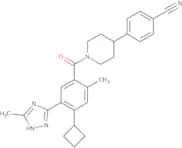
CAS :Epertinib hydrochloride is a potent tyrosine kinase inhibitor, which is a small molecule derived from rational drug design targeting specific enzymes involved in signal transduction pathways. This compound acts by selectively inhibiting the activity of epidermal growth factor receptor (EGFR) and human epidermal growth factor receptor 2 (HER2) tyrosine kinases, which are pivotal in the proliferation and survival of cancer cells.Formule :C30H28Cl2FN5O3Degré de pureté :Min. 95%Masse moléculaire :596.5 g/molPI 103 hydrochloride
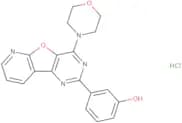
CAS :PI 103 hydrochloride is a pharmacological compound, specifically a dual inhibitor, which is synthetically derived. It acts by inhibiting both the phosphoinositide 3-kinase (PI3K) and mammalian target of rapamycin (mTOR) pathways. This compound disrupts signaling pathways critical for cell growth and survival, making it a valuable tool in cancer research. By targeting these pathways, PI 103 hydrochloride is used to investigate cellular processes and mechanisms underlying tumor growth and proliferation. Researchers employ this compound to study the effects of pathway inhibition on cancer cells, potentially leading to the development of novel therapeutic strategies. This makes PI 103 hydrochloride a significant component in the exploration of targeted cancer therapies and advanced studies in cellular biology.Formule :C19H16N4O3·HClDegré de pureté :Min. 95%Masse moléculaire :384.82 g/molSumanirole maleate
CAS :D2 receptor agonist; for treating Parkinson's disease and restless leg syndromeFormule :C11H13N3O·C4H4O4Degré de pureté :Min. 95%Couleur et forme :White PowderMasse moléculaire :319.31 g/mol(D)-PPA 1
CAS :(D)-PPA, known as (D)-phenylpropanolamine, is a chiral compound frequently utilized in chemical research and synthesis. It is derived from the stereospecific synthesis of phenylpropanolamine, a known sympathomimetic compound. The mode of action of (D)-PPA involves interaction with adrenergic receptors, exhibiting a preference for specific binding characteristics associated with its stereochemistry. This interaction can influence various biochemical pathways, making it a valuable tool in the study of adrenergic functions on a molecular level.
Formule :C70H98N20O21Degré de pureté :Min. 95%Masse moléculaire :1,555.6 g/molT 0156 Hydrochloride
CAS :T 0156 Hydrochloride is a chemical compound used primarily in neuroscience research. It is a synthetic organic molecule developed to interact with specific neuroreceptor sites. This compound is typically sourced from advanced chemical synthesis techniques in laboratory settings, ensuring high purity and stability suitable for research applications.Formule :C31H30ClN5O7Degré de pureté :Min. 95%Masse moléculaire :620 g/molMLT-747
CAS :MLT-747 is a high-performance polymer composite, which is a synthetic material derived from advanced polymerization techniques involving specific monomers and additives. Its formulation is designed to provide exceptional mechanical properties and thermal stability through the integration of reinforcing agents and proprietary chemical modifications.
Formule :C20H21Cl2N7O3Degré de pureté :Min. 95%Masse moléculaire :478.3 g/molMelanin probe-1
CAS :Melanin probe-1 is a specialized fluorescent probe, derived from chemical synthesis, designed for the selective detection and quantification of melanin. This innovative probe operates by specifically binding to melanin pigments, resulting in a measurable fluorescence signal that correlates with the concentration of melanin present. The mode of action involves the interaction of Melanin probe-1 with melanin's chemical structure, leading to its activation and subsequent emission of fluorescence, which can be detected and quantified using standard fluorescence microscopy or spectroscopy.
Formule :C12H18FN3ODegré de pureté :Min. 95%Masse moléculaire :239.29 g/molPlatelet-derived growth factor β−receptor fragment 742-758
CAS :Platelet-derived growth factor β-receptor fragment 742-758 is a synthetic peptide, which is a derivative of the PDGF β-receptor sourced through chemical synthesis. This peptide interacts with the PDGF signaling pathway by mimicking a part of the PDGF β-receptor, which plays a critical role in cellular communication and proliferation. This fragment specifically affects the interaction of the receptor with its natural ligands, PDGF-BB, thereby inhibiting its downstream signaling cascade.Formule :C84H135N19O31S3Degré de pureté :Min. 95%Masse moléculaire :2,003.27 g/molGrk2I
CAS :Grk2I is a selective inhibitor, which is a synthetic compound designed to target G protein-coupled receptor kinase 2 (GRK2). This compound is developed through intricate chemical synthesis, enabling precise modulation of GRK2 activity. Its mode of action involves the competitive inhibition of GRK2, thereby preventing it from phosphorylating target receptors. This disruption of receptor phosphorylation subsequently alters downstream signaling pathways, which can be crucial in various physiological and pathological processes.Formule :C153H256N50O41SDegré de pureté :Min. 95%Masse moléculaire :3,484 g/mol(2S)-1-(7-Ethylfuro[2,3-G]indazol-1-yl)propan-2-amine
CAS :(2S)-1-(7-Ethylfuro[2,3-G]indazol-1-yl)propan-2-amine is a pharmacologically active compound that acts as a synthetic amine derivative. This compound is derived from the indazole class of heterocyclic aromatic organic compounds, which are renowned for their significant biological activities. The mechanism of action primarily involves its interaction with molecular targets within cancerous cells, potentially leading to the modulation of signal transduction pathways or inhibition of specific enzymes crucial for tumor growth and survival.
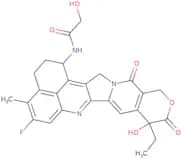
Formule :C14H17N3ODegré de pureté :Min. 95%Masse moléculaire :243.3 g/molDxd
CAS :Dxd is a type of Antibody-Drug Conjugate (ADC), which is a sophisticated therapeutic agent arising from bioconjugate chemistry. It incorporates a monoclonal antibody that specifically targets cancer cell antigens, linked to a cytotoxic payload designed to induce cell death. The mechanism of action involves the highly selective binding of the ADC to a cancer-specific antigen, followed by internalization, and subsequent release of the cytotoxic agent within the cell. This targeted approach allows for the preferential destruction of cancer cells while minimizing damage to healthy tissues.Formule :C26H24FN3O6Degré de pureté :Min. 95%Masse moléculaire :493.5 g/molIHR-1
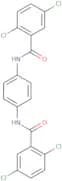
CAS :IHR-1 is a peptide-based antihypertensive product, which is derived from a specific strain of yeast through fermentation processes. Its mode of action involves the inhibition of the angiotensin-converting enzyme (ACE), an important component of the renin-angiotensin system that regulates blood pressure. By inhibiting ACE, IHR-1 effectively reduces the conversion of angiotensin I to angiotensin II, thereby helping to lower blood pressure levels.
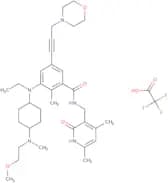
Formule :C20H12Cl4N2O2Degré de pureté :Min. 95%Masse moléculaire :454.1 g/molEpz011989 trifluoroacetate
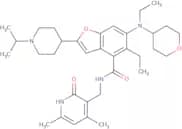
CAS :EPZ011989 trifluoroacetate is a small molecule inhibitor, specifically targeting the EZH2 methyltransferase. This enzyme is a part of the Polycomb-group proteins, originating from the human chromatin-modifying system, which plays a vital role in epigenetic gene regulation. The mode of action involves the inhibition of methyltransferase activity, reducing the trimethylation of histone H3 on lysine 27 (H3K27me3), a modification linked to the repression of gene transcription.Formule :C37H52F3N5O6Degré de pureté :Min. 95%Masse moléculaire :719.8 g/molγ-secretase modulator 1
CAS :Gamma-secretase modulator 1 is a small-molecule therapeutic agent designed to selectively target the enzymatic activity of gamma-secretase, a protease complex involved in the processing of amyloid precursor protein (APP). This compound is chemically synthesized through rational drug design focused on modulating gamma-secretase to alter the production and aggregation of amyloid-beta peptides without affecting other substrates critical to cellular function.Formule :C24H24N4OSDegré de pureté :Min. 95%Masse moléculaire :416.54 g/molMBX2546
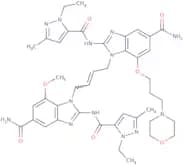
CAS :MBX2546 is a synthetic biochemical compound, which is derived from advanced chemical synthesis techniques to create a stable and reactive molecular structure. Its design leverages cutting-edge methodologies in organic chemistry, allowing for precise customization at the atomic level. With a mode of action that involves binding to specific molecular targets, MBX2546 can modulate or inhibit biochemical pathways of interest, providing a powerful tool for investigators aiming to dissect complex biological processes.Formule :C18H21N3O5SDegré de pureté :Min. 95%Masse moléculaire :391.4 g/molDiabzi sting agonist-1
CAS :Please enquire for more information about Diabzi sting agonist-1 including the price, delivery time and more detailed product information at the technical inquiry form on this pageFormule :C42H51N13O7Degré de pureté :Min. 95%Masse moléculaire :849.9 g/molCY-09
CAS :CY-09 is a fluorescent probe-based cell assay system, which is a synthetic compound designed for biomedical research. The product is developed from a combination of advanced chemical synthesis methods and molecular engineering, allowing precise interactions with cellular processes. CY-09 operates via a fluorescence-based detection mechanism, providing a highly specific and sensitive means to observe intracellular events.
Formule :C19H12F3NO3S2Degré de pureté :Min. 95%Masse moléculaire :423.43 g/molPyrisoxazole
CAS :Pyrisoxazole is a synthetic fungicide, which is a man-made chemical compound used to inhibit fungal growth. It functions by targeting and disrupting the synthesis of essential components of the fungal cell membrane, specifically inhibiting ergosterol biosynthesis, which is crucial for maintaining cell integrity and function. Pyrisoxazole is utilized primarily in agricultural settings to protect crops from various fungal pathogens. By preventing the invasion and spread of fungi, it helps in maintaining crop yield and quality. Its efficacy against a wide range of fungi makes it a valuable tool in integrated pest management strategies, ensuring sustainable agricultural practices. The ability to selectively target fungal cells while sparing plant and animal cells is a notable characteristic, underscoring its specificity and utility in crop protection.Formule :C16H17ClN2ODegré de pureté :Min. 95%Masse moléculaire :288.77 g/molPs-1145 dihydrochloride
CAS :PS-1145 dihydrochloride is a synthetic chemical compound that acts as a selective inhibitor of the enzyme IκB kinase β (IKK-β). This compound is typically derived through complex chemical synthesis techniques in laboratory environments. PS-1145 targets the NF-κB signaling pathway by directly binding to IKK-β, thereby inhibiting its activity. This inhibition prevents the phosphorylation and subsequent degradation of IκB proteins, which in turn retains NF-κB in the cytoplasm and prevents its transcriptional activity in the nucleus.
Formule :C17H13Cl3N4ODegré de pureté :Min. 95%Masse moléculaire :395.7 g/molAG 1406
CAS :AG 1406 is a small molecule that modulates the expression of genes that are involved in nerve function. The protein-protein interactions of AG 1406 were examined using a microarray and cytoscape. This agent was found to interact with nuclear factor-kappa B, which is an inflammatory pathway that is activated by cytokines and stress. AG 1406 also interacts with metal surfaces, such as those present on glyphosate, to produce an inhibitory effect on the growth of plants.Formule :C16H18N2ODegré de pureté :Min. 95%Masse moléculaire :254.33 g/molSW155246
CAS :SW155246 is a synthetic chemical compound, classified as a small-molecule inhibitor, which is derived from advanced organic synthesis techniques. Its mode of action involves the selective inhibition of specific enzymatic pathways, thereby modulating the activity of targeted proteins within cellular environments. This precision allows researchers to dissect and understand intricate biochemical processes.Formule :C16H11ClN2O5SDegré de pureté :Min. 95%Masse moléculaire :378.79 g/molQZ59S-SSS
CAS :QZ59S-SSS is an innovative biochemical reagent, which is derived from a synthetic molecular framework designed for specificity in biochemical interactions. This product operates through selective molecular binding, enabling targeted engagement with specific cellular or molecular entities. It employs precision in its mode of action, ensuring minimal non-specific interactions, which is critical for experimental accuracy in various research settings.Formule :C24H30N6O3S3Degré de pureté :Min. 95%Masse moléculaire :546.73 g/molSitoindoside I
CAS :Sitoindoside I is a naturally occurring glycoside, which is isolated from the plant Withania somnifera, commonly known as Ashwagandha. It functions as a bioactive compound with adaptogenic properties, which means it helps the body resist the physiological impacts of stress. The chemical structure of Sitoindoside I contributes to its ability to modulate various neurochemical pathways, which is critical in the regulation of stress responses.Formule :C51H90O7Degré de pureté :Min. 95%Masse moléculaire :815.3 g/molXL888
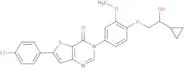
CAS :XL888 is a selective and potent inhibitor of heat shock protein 90 (HSP90), which is a molecular chaperone involved in the proper folding, stability, and function of many client proteins, including those critical in cancer progression. Sourced from rigorous medicinal chemistry processes, XL888 is designed to bind to the ATP-binding site of HSP90, thereby inhibiting its chaperone activity. This inhibition leads to the degradation of client proteins that are essential for tumor growth and survival.
Formule :C29H37N5O3Degré de pureté :Min. 95%Masse moléculaire :503.64 g/molKDM4D-IN-1
CAS :KDM4D-IN-1 is a chemical compound that acts as a selective inhibitor. It is derived synthetically to target the KDM4D enzyme, a member of the Jumonji family of histone demethylases. The mode of action involves the inhibition of the catalytic activity of KDM4D, which regulates the demethylation of lysine residues on histones, specifically demethylating H3K9me3/me2. This regulation plays a significant role in chromatin remodeling and gene expression.Formule :C11H7N5ODegré de pureté :Min. 95%Masse moléculaire :225.21 g/molTubulin, gst tagged human
CAS :Tubulin, GST tagged human, is a recombinant protein used extensively in cell biology research. It is derived from a human source, with genetic engineering employed to append a Glutathione S-transferase (GST) tag. This tagging facilitates purification and enhances solubility, crucial for downstream applications.
Degré de pureté :Min. 95%GO-203
CAS :GO-203 is an engineered peptide therapeutic, which is derived from rational design strategies targeting cancer-specific pathways. It functions by interfering with the MUC1-C oncoprotein, a transmembrane protein that plays a crucial role in the regulation of signal transduction pathways associated with oncogenesis. By binding to the MUC1-C subunit, GO-203 disrupts its dimerization and subsequent downstream signaling, thereby inhibiting cancer cell growth and survival.Formule :C89H171F3N52O21S2Degré de pureté :Min. 95%Masse moléculaire :2,426.8 g/molGLPG-0187
CAS :Please enquire for more information about GLPG-0187 including the price, delivery time and more detailed product information at the technical inquiry form on this pageFormule :C29H37N7O5SDegré de pureté :Min. 95%Masse moléculaire :595.71 g/molPF 06371900
CAS :PF 06371900 is an investigational therapeutic agent, which is a synthetic small-molecule inhibitor. It is derived from advanced chemical synthesis designed to target specific molecular pathways. The mode of action involves selective binding and inhibition of a particular enzyme, which plays a critical role in the proliferation of certain cancer cells. By inhibiting this enzyme, PF 06371900 disrupts the cellular processes required for tumor growth and survival.
Formule :C17H16N6O2SDegré de pureté :Min. 95%Masse moléculaire :368.4 g/molAMT Hydrochloride
CAS :AMT Hydrochloride is a synthetic tryptamine compound, which is derived from chemical synthesis methods. It is an analogue of alpha-methyltryptamine (AMT), specifically the hydrochloride salt form, enhancing its stability and solubility for laboratory settings. The mode of action involves acting as a non-selective agonist at serotonin receptors, primarily targeting the 5-HT2C and 5-HT2A receptors. This interaction results in psychoactive effects through the modulation of neurotransmitter systems, impacting serotonin pathways.
Formule :C5H10N2S·HClDegré de pureté :Min. 95%Masse moléculaire :130.21 g/molMS 15203
CAS :MS 15203 is a specialized biochemical reagent, which is a synthetically derived compound with a high degree of purity suitable for laboratory applications. This product functions primarily through specific interactions with biological molecules, allowing it to facilitate precise biochemical reactions or analyses. Its molecular design provides consistency in performance, making it a reliable component in various experimental protocols.Formule :C12H11NO5Degré de pureté :Min. 95%Masse moléculaire :249.22 g/molPF-04929113 (Mesylate)
CAS :PF-04929113 (Mesylate) is a small molecule inhibitor, which is derived from synthetic sources, designed to target the phosphoinositide 3-kinase (PI3K) pathway with high specificity and potency. This compound exerts its mode of action through the inhibition of PI3K activity, a pivotal signaling molecule involved in multiple cell processes including growth, metabolism, and survival. By blocking PI3K, PF-04929113 disrupts downstream signaling pathways, leading to reduced cellular proliferation and inducing apoptosis in cancer cells.Formule :C25H30F3N5O4•CH4O3SDegré de pureté :Min. 95%Masse moléculaire :521.54 g/molPy1
CAS :Py1 is a biopesticide, which is a product derived from natural sources with a focus on sustainable agriculture. It is designed to harness the bioactive compounds produced by certain microbial strains. This biopesticide functions through a multifaceted mode of action, primarily targeting specific physiological and biochemical pathways within pest organisms, thereby inhibiting their growth and reproduction.
Formule :C30H32BNO5Degré de pureté :Min. 95%Masse moléculaire :497.39 g/molPSB-SB1202
CAS :PSB-SB1202 is a biosurfactant, which is a surface-active substance produced by microorganisms. It is derived from microbial cultures, specifically engineered to secrete compounds capable of reducing surface tension. This reduction in surface tension results from the amphiphilic nature of the biosurfactant molecules, consisting of hydrophilic and hydrophobic components that interact with diverse interfaces, including those in soil and water systems.
Formule :C23H26O4Degré de pureté :Min. 95%Masse moléculaire :366.4 g/molAT406 (SM-406)
CAS :AT406 (SM-406) is a small molecule inhibitor, which is synthesized in the laboratory through chemical methods. It functions by targeting and inhibiting specific proteins involved in the regulation of apoptosis, particularly the IAP (Inhibitor of Apoptosis Proteins) family. By binding to these proteins, AT406 disrupts their activity, thereby promoting apoptotic pathways that are otherwise suppressed in cancer cells.
Formule :C32H43N5O4Degré de pureté :Min. 95%Masse moléculaire :561.71 g/molJNJ 10191584
CAS :JNJ 10191584 is a chemical compound that functions as a selective adrenergic receptor antagonist, developed through synthetic organic chemistry processes. This compound primarily affects the adrenergic system by blocking specific adrenergic receptors in the central nervous system. Its mode of action involves the inhibition of receptor activity, which modulates neurotransmitter release and influences various physiological responses.
Formule :C13H15ClN4ODegré de pureté :Min. 95%Masse moléculaire :278.74 g/molKDS-0071
CAS :KDS-0071 is a novel antibiotic compound, which is derived from a fermentation process involving specific strains of actinobacteria. With a unique mechanism of action, it targets bacterial cell wall synthesis, effectively inhibiting the growth and proliferation of Gram-positive and select Gram-negative bacteria. KDS-0071 disrupts the cross-linking of peptidoglycan layers, leading to cell lysis and death of susceptible bacterial cells.Formule :C22H23FN4O3SDegré de pureté :Min. 95%Masse moléculaire :442.5 g/molApx-115 free
CAS :Apx-115 is a small molecule compound, which acts as a selective inhibitor derived from pharmacological synthesis with targeted cellular mechanisms. It functions through the inhibition of specific enzymatic pathways that regulate oxidative stress responses and inflammation pathways in cells. The precise mode of action includes modulating the activity of enzymes involved in redox signaling, potentially impacting the regulation of reactive oxygen species (ROS) and associated cellular processes.Formule :C17H17N3ODegré de pureté :Min. 95%Masse moléculaire :279.34 g/molTB5
CAS :TB5 is a synthetic peptide that is derived from the naturally occurring Thymosin Beta-4, a protein peptide involved in various cellular processes. It works by binding to actin, a protein essential for cellular structure and movement, promoting cell migration and proliferation. This mechanism aids in accelerated wound healing, tissue repair, and anti-inflammatory responses.Formule :C15H14BrNOSDegré de pureté :Min. 95%Masse moléculaire :336.25 g/mol


![tert-Butyl 3-benzyl-4-{4-[4-(trifluoromethoxy)phenyl]-1H-1,2,3-triazole-1-carbonyl}piperazine-1-ca…](/_next/image/?url=https%3A%2Fstatic.cymitquimica.com%2Fproducts%2F3D%2Fthumb-webp%2FYYC23358.webp&w=3840&q=75)












![3-[4-(6-Quinolinyl)phenyl]-1-azabicyclo[2.2.2]octan-3-ol](/_next/image/?url=https%3A%2Fstatic.cymitquimica.com%2Fproducts%2F3D%2Fthumb-webp%2FXHA57678.webp&w=3840&q=75)





![7-((Benzo[D]thiazol-2-ylamino)(4-(difluoromethoxy)phenyl)methyl)quinolin-8-ol](/_next/image/?url=https%3A%2Fstatic.cymitquimica.com%2Fproducts%2F3D%2Fthumb-webp%2FWSA82686.webp&w=3840&q=75)






![(2S)-1-(7-Ethylfuro[2,3-G]indazol-1-yl)propan-2-amine](/_next/image/?url=https%3A%2Fstatic.cymitquimica.com%2Fproducts%2F3D%2Fthumb-webp%2FXPA16384.webp&w=3840&q=75)