


Ligands organométalliques
Dans cette catégorie, vous trouverez un grand nombre de molécules organométalliques utilisées comme ligands dans les biomolécules. Ces ligands organométalliques peuvent être utilisés en chimie organique et en synthèse au laboratoire. Ils jouent un rôle crucial dans la formation de complexes de coordination et la catalyse de diverses réactions chimiques. Chez CymitQuimica, nous offrons une sélection diversifiée de ligands organométalliques de haute qualité pour soutenir vos recherches et besoins industriels.
Sous-catégories appartenant à la catégorie "Ligands organométalliques"
- Ligands de Buchwald(22 produits)
- DPEN(4 produits)
- DPHEN(4 produits)
- JOSIPHOS(4 produits)
- Phosphine(497 produits)
- Porphyrines(75 produits)
2887 produits trouvés pour "Ligands organométalliques"
Trier par
Degré de pureté (%)
0
100
|
0
|
50
|
90
|
95
|
100
Veledimex
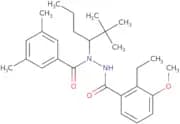
CAS :<p>Veledimex is an inducible transcriptional activator, which is synthetically derived. It operates by modulating gene expression through a regulated system that requires the presence of its specific ligand. The product utilizes a small molecule called a chemical inducer of dimerization. Upon binding, it triggers the activator to dimerize, thus initiating transcription of the target gene. This mode of action allows for precise control over gene expression, offering a controlled system to study gene functions and recombinant protein production.</p>Formule :C27H38N2O3Degré de pureté :Min. 95%Masse moléculaire :438.6 g/molBalaglitazone
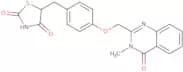
CAS :<p>Balaglitazone is an antidiabetic agent classified as a thiazolidinedione, which is a synthetic compound derived from pharmaceutical research focused on insulin sensitization. Its mode of action involves selective activation of the peroxisome proliferator-activated receptor gamma (PPARγ), a nuclear receptor that plays a critical role in adipocyte differentiation and glucose metabolism. By modulating the transcription of specific insulin-responsive genes, Balaglitazone enhances insulin sensitivity in peripheral tissues, thus facilitating more effective glucose uptake and utilization.</p>Formule :C20H17N3O4SDegré de pureté :Min. 95%Masse moléculaire :395.43 g/molDMU2105
CAS :<p>DMU2105 is a novel photosensitizer, developed from synthetic organic compounds, which operates through the absorption of specific wavelengths of light to produce reactive oxygen species. These reactive species interact with cellular components, inducing cytotoxicity and aiding in selective destruction of target cells. This mode of action is particularly effective in photodynamic therapy (PDT) and medical imaging.</p>Formule :C18H13NODegré de pureté :Min. 95%Masse moléculaire :259.3 g/molTubulin, gst tagged human
CAS :<p>Tubulin, GST tagged human, is a recombinant protein used extensively in cell biology research. It is derived from a human source, with genetic engineering employed to append a Glutathione S-transferase (GST) tag. This tagging facilitates purification and enhances solubility, crucial for downstream applications.</p>Degré de pureté :Min. 95%GO-203
CAS :<p>GO-203 is an engineered peptide therapeutic, which is derived from rational design strategies targeting cancer-specific pathways. It functions by interfering with the MUC1-C oncoprotein, a transmembrane protein that plays a crucial role in the regulation of signal transduction pathways associated with oncogenesis. By binding to the MUC1-C subunit, GO-203 disrupts its dimerization and subsequent downstream signaling, thereby inhibiting cancer cell growth and survival.</p>Formule :C89H171F3N52O21S2Degré de pureté :Min. 95%Masse moléculaire :2,426.8 g/molGLPG-0187
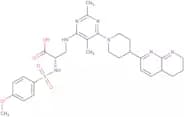
CAS :Please enquire for more information about GLPG-0187 including the price, delivery time and more detailed product information at the technical inquiry form on this pageFormule :C29H37N7O5SDegré de pureté :Min. 95%Masse moléculaire :595.71 g/molZanubrutinib
CAS :<p>Inhibitor of Bruton's tyrosine kinase (BTK)</p>Formule :C27H29N5O3Degré de pureté :Min. 95%Masse moléculaire :471.55 g/molTak-448 acetate
CAS :Produit contrôlé<p>TAK-448 acetate is a synthetic GnRH receptor antagonist, which is derived from advanced peptide engineering. Its mechanism of action involves competitive inhibition of the gonadotropin-releasing hormone receptors in the pituitary gland, subsequently leading to the suppression of luteinizing hormone and follicle-stimulating hormone release. This suppression effectively reduces the downstream production of sex steroids, such as testosterone and estradiol.</p>Formule :C60H84N16O16Degré de pureté :Min. 95%Masse moléculaire :1,285.4 g/molBMS 345541
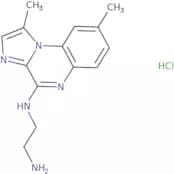
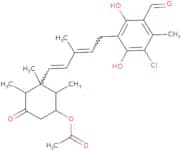
CAS :BMS 345541 is a selective inhibitor of IKK-β, which is an enzyme involved in the nuclear factor kappa-light-chain-enhancer of activated B cells (NF-κB) signaling pathway. It is synthesized through chemical synthesis, which allows for its precise targeting and modulation of specific signaling cascades.Formule :C14H17N5·HClDegré de pureté :Min. 95%Masse moléculaire :291.78 g/mol(1S,2S,3S,4R)-3-[(1E,3E)-5-(3-Chloro-5-formyl-2,6-dihydroxy-4-methylphenyl)-3-methylpenta-1,3-dien-1-yl]-2,3,4-trimethyl-5-oxocycloh exyl acetate
CAS :(1S,2S,3S,4R)-3-[(1E,3E)-5-(3-Chloro-5-formyl-2,6-dihydroxy-4-methylphenyl)-3-methylpenta-1,3-dien-1-yl]-2,3,4-trimethyl-5-oxocyclohexyl acetate is a synthetic organic compound, classified as a complex polyunsaturated ester. It originates from intricate chemical synthesis processes that involve the assembly of various functional groups, each contributing to its chemical reactivity and biological activity. The compound exhibits a unique mode of action, potentially interacting with specific enzymes or receptors due to its structural configuration, such as the presence of a cyclohexyl ring and multiple double bonds, which may facilitate binding or catalysis.Formule :C25H31ClO6Degré de pureté :Min. 95%Masse moléculaire :463 g/mol3-[[2-[4-Phenyl-3-(trifluoromethyl)phenyl]-1-benzothiophen-5-yl]methylamino]propanoic acid
CAS :Produit contrôlé<p>3-[[2-[4-Phenyl-3-(trifluoromethyl)phenyl]-1-benzothiophen-5-yl]methylamino]propanoic acid is a small organic molecule, which is a synthetically derived compound often investigated for its potential pharmacological properties. This compound originates from advanced chemical synthesis techniques designed to explore new biologically active molecules. Its mode of action typically involves modulation of specific molecular pathways or receptors, though the precise mechanisms may vary depending on the biological system studied.</p>Formule :C25H20F3NO2SDegré de pureté :Min. 95%Masse moléculaire :455.5 g/molICG 001
CAS :<p>ICG-001 is a small molecule inhibitor that specifically targets the Wnt/β-catenin signaling pathway. This compound is derived from a rational drug design approach aimed at disrupting the interaction between β-catenin and its coactivator cyclic AMP response element-binding protein (CBP). By selectively inhibiting this interaction, ICG-001 effectively downregulates the transcriptional activity mediated by β-catenin without affecting its structural role in cell adhesion.</p>Formule :C33H32N4O4Degré de pureté :Min. 95%Masse moléculaire :548.63 g/molLp-PLA2 -IN-1
CAS :Lp-PLA2-IN-1 is a small molecule inhibitor, which is derived from chemical synthesis, designed to specifically inhibit the activity of lipoprotein-associated phospholipase A2 (Lp-PLA2). This enzyme is involved in the hydrolysis of oxidized phospholipids on low-density lipoproteins (LDL), leading to the production of pro-inflammatory mediators. The mode of action involves the selective binding to the active site of Lp-PLA2, thus preventing the enzyme from catalyzing its reaction and subsequently reducing the formation of pro-inflammatory lysophosphatidylcholine and oxidized free fatty acids.Formule :C21H17F5N4O3Degré de pureté :Min. 95%Masse moléculaire :468.38 g/molPF 06371900
CAS :<p>PF 06371900 is an investigational therapeutic agent, which is a synthetic small-molecule inhibitor. It is derived from advanced chemical synthesis designed to target specific molecular pathways. The mode of action involves selective binding and inhibition of a particular enzyme, which plays a critical role in the proliferation of certain cancer cells. By inhibiting this enzyme, PF 06371900 disrupts the cellular processes required for tumor growth and survival.</p>Formule :C17H16N6O2SDegré de pureté :Min. 95%Masse moléculaire :368.4 g/molPX 20350
CAS :<p>PX 20350 is a synthetic antimicrobial compound, specifically designed for use in various scientific and industrial applications. This compound is derived from advanced chemical synthesis techniques and is structured to target and inhibit microbial growth effectively. The mode of action of PX 20350 involves disrupting cell wall integrity and interfering with essential microbial metabolic processes, which leads to the eradication of a wide range of bacteria and fungi.</p>Formule :C24H25ClN6ODegré de pureté :Min. 95%Masse moléculaire :448.9 g/molEN460
CAS :<p>Please enquire for more information about EN460 including the price, delivery time and more detailed product information at the technical inquiry form on this page</p>Formule :C22H12ClF3N2O4Degré de pureté :Min. 95%Masse moléculaire :460.79 g/molOleacein
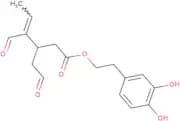
CAS :<p>Oleacein is a phenolic compound, which is a secoiridoid derivative primarily found in olive leaves and extra virgin olive oil. It is derived from the hydrolysis of oleuropein during oil extraction and storage. Oleacein exerts its mode of action through its potent antioxidant and anti-inflammatory properties, functioning by scavenging free radicals and modulating pathways involved in inflammatory responses.</p>Formule :C17H20O6Degré de pureté :Min. 95%Masse moléculaire :320.3 g/molGne 220 hydrochloride
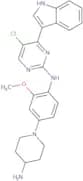
CAS :<p>Gne 220 hydrochloride is a synthetic small molecule compound, which is developed through advanced chemical synthesis processes. This compound serves as an inhibitor of specific cellular receptors, acting through targeted interaction with these receptors to modulate their signaling pathways effectively. The inhibition mechanism involves the competitive binding to the receptor sites, significantly impacting downstream biological processes.</p>Formule :C25H27ClN8Degré de pureté :Min. 95%Masse moléculaire :474.99 g/mol5-(5-Phenyl-4-(pyridin-2-ylmethylamino)quinazolin-2-yl)pyridine-3-sulfonamide
CAS :<p>5-(5-Phenyl-4-(pyridin-2-ylmethylamino)quinazolin-2-yl)pyridine-3-sulfonamide is a quinazoline derivative, which is a synthetic compound developed through rational drug design. The source of this compound is primarily through organic synthesis involving multi-step chemical reactions tailored to introduce functional groups that are critical for its biological activity.</p>Formule :C25H20N6O2SDegré de pureté :Min. 95%Masse moléculaire :468.5 g/molAMT Hydrochloride
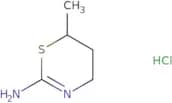
CAS :<p>AMT Hydrochloride is a synthetic tryptamine compound, which is derived from chemical synthesis methods. It is an analogue of alpha-methyltryptamine (AMT), specifically the hydrochloride salt form, enhancing its stability and solubility for laboratory settings. The mode of action involves acting as a non-selective agonist at serotonin receptors, primarily targeting the 5-HT2C and 5-HT2A receptors. This interaction results in psychoactive effects through the modulation of neurotransmitter systems, impacting serotonin pathways.</p>Formule :C5H10N2S·HClDegré de pureté :Min. 95%Masse moléculaire :130.21 g/molCiliobrevin D
CAS :Ciliobrevin D is a small molecule inhibitor, which is derived from synthetic chemical sources, specifically designed to target the function of dynein, a motor protein. It acts by inhibiting the ATPase activity of dynein, which is critical for its motor functions including cargo transport along microtubules. By impeding this action, Ciliobrevin D serves as a valuable tool in cellular and molecular biology research to probe the roles of dynein in various cellular processes.Formule :C17H8Cl3N3O2Degré de pureté :Min. 95%Masse moléculaire :392.6 g/molNebicapone
CAS :<p>Nebicapone is a pharmaceutical compound that functions as a catechol-O-methyltransferase (COMT) inhibitor. Developed through synthetic chemistry processes, it has been formulated to study its effects on neurotransmitter metabolism. By inhibiting COMT, Nebicapone decreases the breakdown of catecholamines such as dopamine. This mechanism of action leads to increased levels of these neurotransmitters in the central nervous system, making it a valuable tool for understanding neurological functions and disorders.</p>Formule :C14H11NO5Degré de pureté :Min. 95%Masse moléculaire :273.24 g/molClothiapine
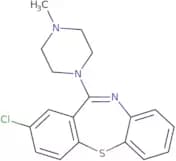
CAS :Produit contrôlé<p>Clothiapine is a psychotropic agent, which is a type of drug used in psychiatry. It is sourced from the dibenzothiazepine class of compounds. As a thioxanthene derivative, clothiapine acts as a dopamine receptor antagonist, specifically targeting D2 receptors. This mode of action results in its antipsychotic effects by modulating neurotransmitter pathways in the brain, particularly those involving dopamine, which is often implicated in psychiatric disorders.</p>Formule :C18H18ClN3SDegré de pureté :Min. 95%Masse moléculaire :343.88 g/molMS 15203
CAS :<p>MS 15203 is a specialized biochemical reagent, which is a synthetically derived compound with a high degree of purity suitable for laboratory applications. This product functions primarily through specific interactions with biological molecules, allowing it to facilitate precise biochemical reactions or analyses. Its molecular design provides consistency in performance, making it a reliable component in various experimental protocols.</p>Formule :C12H11NO5Degré de pureté :Min. 95%Masse moléculaire :249.22 g/molc8 Ceramide (d17:1/8:0)
CAS :<p>C8 Ceramide (d17:1/8:0) is a synthetic analog of natural ceramide, which is a type of sphingolipid. It is derived through chemical synthesis, mimicking the structure of naturally occurring ceramides found in cell membranes and the stratum corneum of the skin. The product incorporates a short acyl chain, which affects its solubility and facilitates specific experimental applications.</p>Formule :C25H49NO3Degré de pureté :Min. 95%Masse moléculaire :411.66 g/molML348
CAS :<p>ML348 is a chemical compound that functions as a potent MDM2 antagonist, which originates from advanced medicinal chemistry research focused on cancer therapeutics. MDM2 is a primary negative regulator of the tumor suppressor protein p53, and ML348 disrupts the interaction between MDM2 and p53, thereby enhancing p53's tumor-suppressing activities.</p>Formule :C18H17ClF3N3O3Degré de pureté :Min. 95%Masse moléculaire :415.79 g/mol(2,5-Dioxopyrrolidin-1-yl) 4-[4-[4-(2,5-dioxopyrrolidin-1-yl)oxy-4-oxobutyl]-1,4-diazoniabicyclo[2.2.2]octan-1-yl]butanoate, dibromi de
CAS :<p>(2,5-Dioxopyrrolidin-1-yl) 4-[4-[4-(2,5-dioxopyrrolidin-1-yl)oxy-4-oxobutyl]-1,4-diazoniabicyclo[2.2.2]octan-1-yl]butanoate, dibromide is a chemical compound that functions as a bifunctional cross-linking agent. It is synthesized through the reaction of specific amine and carboxylic acid compounds under controlled conditions. The compound features N-hydroxysuccinimide esters and quaternary diazabicyclooctane groups, enhancing its reactivity and solubility.</p>Formule :C22H32Br2N4O8Degré de pureté :Min. 95%Masse moléculaire :640.3 g/molGpr84 antagonist 8
CAS :<p>Gpr84 antagonist 8 is a small molecule inhibitor, which is synthetically derived, with a specific mode of action targeting the G protein-coupled receptor 84 (GPR84). This antagonist functions by inhibiting the receptor's signaling pathways, which are primarily associated with the modulation of inflammatory and metabolic processes. GPR84 is activated by medium-chain fatty acids and plays a significant role in immune cell regulation, particularly in monocytes and macrophages.</p>Formule :C23H23N3O5Degré de pureté :Min. 95%Masse moléculaire :421.4 g/molSRT3025 Hydrochloride
CAS :<p>SRT3025 Hydrochloride is a synthetic small molecule, which is developed as an activator of the SIRT1 enzyme. SRT3025 is derived from chemical synthesis, designed specifically to modulate enzymatic activity associated with aging and metabolic regulation. The compound functions by enhancing the deacetylase activity of the SIRT1 enzyme, a member of the sirtuin family, which plays a crucial role in cellular processes related to longevity and metabolic regulation.</p>Formule :C31H31N5O2S2·HClDegré de pureté :Min. 95%Masse moléculaire :606.2 g/molML150
CAS :<p>ML150 is a chemical compound, which is a synthetic molecule developed through advanced organic synthesis. The product operates as an allosteric inhibitor of a specific enzyme, modulating its activity through non-competitive binding. This mechanism allows for a highly selective interaction with the enzyme, altering its conformation and thereby influencing its function in a controlled manner.</p>Formule :C17H17N9SDegré de pureté :Min. 95%Masse moléculaire :379.4 g/molPF-04929113 (Mesylate)
CAS :<p>PF-04929113 (Mesylate) is a small molecule inhibitor, which is derived from synthetic sources, designed to target the phosphoinositide 3-kinase (PI3K) pathway with high specificity and potency. This compound exerts its mode of action through the inhibition of PI3K activity, a pivotal signaling molecule involved in multiple cell processes including growth, metabolism, and survival. By blocking PI3K, PF-04929113 disrupts downstream signaling pathways, leading to reduced cellular proliferation and inducing apoptosis in cancer cells.</p>Formule :C25H30F3N5O4•CH4O3SDegré de pureté :Min. 95%Masse moléculaire :521.54 g/molAZ-33
CAS :AZ-33 is a synthetically optimized biochemical compound, which is derived from naturally occurring plant alkaloids. With a robust mode of action, AZ-33 functions by selectively inhibiting specific enzymatic reactions, allowing precise modulation of metabolic pathways. This selectivity is achieved through its affinity for enzyme binding sites, where it interferes with substrate interactions.Formule :C25H27N3O6SDegré de pureté :Min. 95%Masse moléculaire :497.56 g/molBitopertin R enantiomer
CAS :<p>Bitopertin is a glycine reuptake inhibitor, which is sourced from the development of selective central nervous system agents. It works by inhibiting the glycine transporter type 1 (GlyT1), thereby increasing extracellular glycine levels, particularly in regions with high densities of NMDA receptors. This modulation of glycine levels plays a crucial role in enhancing NMDA receptor function, which is pivotal for synaptic plasticity and neurotransmission.</p>Formule :C21H20F7N3O4SDegré de pureté :Min. 95%Masse moléculaire :543.46 g/molTC-A2317 hydrochloride
CAS :<p>TC-A2317 hydrochloride is a selective nicotinic acetylcholine receptor (nAChR) agonist, which is synthesized through chemical methods. It acts by specifically targeting nAChRs, which are ionotropic receptors predominantly found in the central nervous system and peripheral nervous system. These receptors are ligand-gated ion channels that, upon activation by agonists like TC-A2317 hydrochloride, result in increased neuronal excitability and neurotransmitter release.</p>Formule :C19H28N6O·HClDegré de pureté :Min. 95%Masse moléculaire :392.93 g/molPF-06263276
CAS :<p>PF-06263276 is an investigational compound, classified as a small molecule inhibitor, which is derived from pharmaceutical synthesis. It functions primarily through selective inhibition of specific kinases, potentially modulating signaling pathways involved in various cellular processes. The compound's mechanism of action involves binding to the ATP-binding site of target kinases, thus preventing phosphorylation events critical for signal transduction.</p>Formule :C31H31FN8O2Degré de pureté :Min. 95%Masse moléculaire :566.63 g/molVarlitinib
CAS :<p>Varlitinib is a small molecule tyrosine kinase inhibitor, which is derived from synthetic chemical processes. Its mode of action involves the selective inhibition of the human epidermal growth factor receptor (HER) family, including EGFR, HER2, and HER4, thereby disrupting key signaling pathways involved in cancer cell proliferation and survival. This multi-targeted approach allows Varlitinib to effectively impede the growth and spread of cancer cells by interfering with critical intracellular signaling networks.</p>Formule :C22H19ClN6O2SDegré de pureté :Min. 95%Masse moléculaire :466.94 g/molErastin2
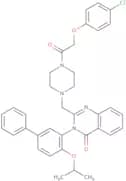
CAS :<p>Erastin2 is a small molecule, which is a synthetic compound designed to induce ferroptosis, a form of regulated cell death. It is derived through chemical synthesis and belongs to the class of compounds known as ferroptosis inducers. The mode of action of Erastin2 involves the selective inhibition of the cystine/glutamate antiporter, also known as the system Xc-. This inhibition leads to depletion of intracellular cysteine and subsequent disruption of glutathione synthesis, ultimately resulting in the accumulation of reactive oxygen species (ROS) and lipid peroxidation.</p>Formule :C36H35ClN4O4Degré de pureté :Min. 95%Masse moléculaire :623.14 g/molIloperidone hydrochloride
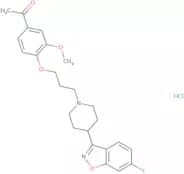
CAS :<p>Iloperidone hydrochloride is an atypical antipsychotic medication, which is a synthetic compound derived from the chemical class of benzisoxazole derivatives. The mode of action involves its antagonistic effects on various neurotransmitter receptors in the central nervous system, notably the serotonin 5-HT2A and dopamine D2 receptors. This dual mechanism balances neurotransmitter activity, potentially mitigating both positive and negative symptoms associated with schizophrenia.</p>Formule :C24H28ClFN2O4Degré de pureté :Min. 95%Masse moléculaire :462.9 g/molGQ-16
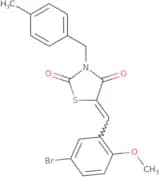
CAS :<p>GQ-16 is a synthetic photoinitiator, which is typically derived from advanced chemical synthesis processes involving aromatic ketones or similar compounds. Its primary mode of action involves the absorption of ultraviolet (UV) light to generate free radicals. These radicals then initiate polymerization by opening the double bonds in monomers, leading to the formation of polymers.</p>Formule :C19H16BrNO3SDegré de pureté :Min. 95%Masse moléculaire :418.3 g/molc11 Topfluor dihydroceramide
CAS :<p>C11 Topfluor dihydroceramide is a fluorescent lipid analog, which is synthesized as a derivative of natural sphingolipids, incorporating a bright fluorophore into the ceramide structure. This modification allows for the visualization of ceramide metabolism and distribution within cellular systems. The C11 Topfluor dihydroceramide retains the core structural components of ceramides while adding a fluorescent tag, enabling researchers to track its pathway and interactions in real-time using fluorescence microscopy.</p>Formule :C42H72N3O3F2Degré de pureté :Min. 95%Masse moléculaire :705.04 g/molNVP-BEP800
CAS :<p>NVP-BEP800 is a small molecule inhibitor, which is a synthetic compound designed to target specific proteins. This product is developed by Novartis and falls under the category of Hsp90 inhibitors. Hsp90, or Heat Shock Protein 90, is a molecular chaperone involved in the proper folding, stability, and function of many client proteins, many of which are implicated in cancer progression. NVP-BEP800 binds to the ATP-binding site of Hsp90, thereby inhibiting its chaperone activity.</p>Formule :C21H23Cl2N5O2SDegré de pureté :Min. 95%Masse moléculaire :480.41 g/molMardepodect hydrochloride
CAS :Mardepodect hydrochloride is a small molecule compound, which is a synthetic derivative developed for pharmacological applications. It is sourced from chemical synthesis processes, enabling precise control over its structural and functional properties. The mode of action of Mardepodect hydrochloride involves modulation of specific receptor pathways, potentially affecting signaling mechanisms within cellular systems. This modulation can lead to alterations in various physiological processes, making it a compound of interest in therapeutic research.Formule :C25H21ClN4ODegré de pureté :Min. 95%Masse moléculaire :428.9 g/molM 1145
CAS :<p>M 1145 is a monoclonal antibody, which is derived from a highly specific and engineered immunoglobulin source. Its mode of action involves targeting and modulating specific immune cell receptors, disrupting signaling pathways that are critical for the activation and proliferation of these cells. As a result, it can effectively modulate immune responses, making it a promising candidate for therapeutic applications in autoimmune diseases and certain types of cancers.</p>Formule :C128H205N37O32Degré de pureté :Min. 95%Masse moléculaire :2,774.2 g/molCPA inhibitor
CAS :<p>CPA inhibitor is a biochemical compound designed to selectively inhibit carboxypeptidase A (CPA), a metalloenzyme implicated in various physiological and pathological processes. It is typically sourced from synthetic chemical libraries or derivative natural compounds, characterized by their high specificity and affinity for the active site of CPA. The mode of action involves binding to the metalloenzyme’s active site, thereby obstructing substrate access and reducing enzymatic activity.</p>Formule :C18H19NO4Degré de pureté :Min. 95%Masse moléculaire :313.35 g/molCRA 026440
CAS :Produit contrôlé<p>CRA 026440 is a synthetic compound utilized in biochemical research, functioning primarily as an enzyme inhibitor, derived from complex organic synthesis. This compound acts by binding to the active site of a target enzyme, thereby preventing substrate interaction and inhibiting its biological activity. This mode of action is critical for understanding enzyme mechanisms and regulating metabolic pathways in various research contexts.</p>Formule :C23H24N4O4Degré de pureté :Min. 95%Masse moléculaire :420.5 g/mol1,2-Dimyristoyl-sn-glycero-3-phosphocholine-N,N,N-trimethyl-d9
CAS :Produit contrôlé<p>1,2-Dimyristoyl-sn-glycero-3-phosphocholine-N,N,N-trimethyl-d9 is a deuterium-labeled phospholipid, which is a synthetic construct designed for biochemical research. This compound is sourced through chemical synthesis, where specific hydrogen atoms in the molecule are replaced with deuterium, enhancing its utility in specialized analytical techniques. The deuterium labeling facilitates the compound's use in nuclear magnetic resonance (NMR) spectroscopy, as it reduces background proton signals and enhances resolution.</p>Formule :C36H63NO8PD9Degré de pureté :Min. 95%Masse moléculaire :686.99 g/molPalonidipine
CAS :<p>Palonidipine is an experimental pharmaceutical compound classified as a calcium channel blocker, which is derived from synthetic chemical processes. This product functions by inhibiting the influx of calcium ions through L-type calcium channels located on the vascular smooth muscle cells and cardiac myocytes. By blocking these channels, Palonidipine causes vasodilation, reducing systemic vascular resistance, and thereby lowering blood pressure.</p>Formule :C29H34FN3O6Degré de pureté :Min. 95%Masse moléculaire :539.6 g/molABT 925-d6 fumerate
CAS :<p>ABT 925-d6 fumerate is a deuterated chemical compound, which serves as a stable isotope-labeled reagent. It is synthesized through the substitution of hydrogen atoms with deuterium in the fumerate moiety, offering increased stability for analytical applications. The incorporation of deuterium enhances the compound's resistance to metabolic degradation and allows for precise tracking in biological systems via mass spectrometry.</p>Formule :C24H31F3N6O5SDegré de pureté :Min. 95%Masse moléculaire :572.6 g/mol5-Chloro-2-methyl-3-isothiazolone-d3
CAS :<p>5-Chloro-2-methyl-3-isothiazolone-d3 is a deuterated form of the chemical compound 5-chloro-2-methyl-3-isothiazolone, often employed in specialized research settings. This compound is derived synthetically and isotopically labeled for accurate tracking in various analytical applications. The incorporation of deuterium atoms in place of hydrogen allows for enhanced detection and precise identification in mass spectrometry-based analyses.</p>Formule :C4H4ClNOSDegré de pureté :Min. 95%Masse moléculaire :152.62 g/mol(2Z)-2-(8-Methoxy-6-thiatricyclo[8.4.0.03,7]tetradeca-1(14),3(7),4,8,10,12-hexaen-2-ylidene)acetic acid
CAS :<p>(2Z)-2-(8-Methoxy-6-thiatricyclo[8.4.0.03,7]tetradeca-1(14),3(7),4,8,10,12-hexaen-2-ylidene)acetic acid is a synthetic small molecule, designed as a specialized compound for targeting specific biochemical pathways. It is derived through precision chemical synthesis, ensuring high purity and efficacy. The compound acts by modulating certain receptor activities, altering signal transduction mechanisms at a cellular level. This modulation may influence various biological processes, making it a candidate for research in therapeutic applications.</p>Formule :C16H12O3SDegré de pureté :Min. 95%Masse moléculaire :284.3 g/mol






![3-[[2-[4-Phenyl-3-(trifluoromethyl)phenyl]-1-benzothiophen-5-yl]methylamino]propanoic acid](/_next/image/?url=https%3A%2Fstatic.cymitquimica.com%2Fproducts%2F3D%2Fthumb-webp%2FVHB24077.webp&w=3840&q=75)







![(2,5-Dioxopyrrolidin-1-yl) 4-[4-[4-(2,5-dioxopyrrolidin-1-yl)oxy-4-oxobutyl]-1,4-diazoniabicyclo[2…](/_next/image/?url=https%3A%2Fstatic.cymitquimica.com%2Fproducts%2F3D%2Fthumb-webp%2FZEC64794.webp&w=3840&q=75)








![(2Z)-2-(8-Methoxy-6-thiatricyclo[8.4.0.03,7]tetradeca-1(14),3(7),4,8,10,12-hexaen-2-ylidene)acetic…](/_next/image/?url=https%3A%2Fstatic.cymitquimica.com%2Fproducts%2F3D%2Fthumb-webp%2FYDA32039.webp&w=3840&q=75)