Ligands organométalliques
Dans cette catégorie, vous trouverez un grand nombre de molécules organométalliques utilisées comme ligands dans les biomolécules. Ces ligands organométalliques peuvent être utilisés en chimie organique et en synthèse au laboratoire. Ils jouent un rôle crucial dans la formation de complexes de coordination et la catalyse de diverses réactions chimiques. Chez CymitQuimica, nous offrons une sélection diversifiée de ligands organométalliques de haute qualité pour soutenir vos recherches et besoins industriels.
Sous-catégories appartenant à la catégorie "Ligands organométalliques"
- Ligands de Buchwald(22 produits)
- DPEN(4 produits)
- DPHEN(4 produits)
- JOSIPHOS(4 produits)
- Phosphine(497 produits)
- Porphyrines(75 produits)
2887 produits trouvés pour "Ligands organométalliques"
Trier par
Degré de pureté (%)
0
100
|
0
|
50
|
90
|
95
|
100
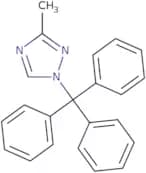
3-Methyl-1-trityl-1H-1,2,4-triazole
CAS :<p>3-Methyl-1-trityl-1H-1,2,4-triazole is a chemical compound that belongs to the class of triazole derivatives. It is synthesized in a laboratory setting through organic synthesis techniques, involving the tritylation of a triazole moiety. Its mode of action is primarily centered on its triazole ring, which is known to interact with a variety of biological targets, potentially affecting enzymatic functions and inhibiting certain pathways. Due to its unique structure, this compound is of interest in medicinal chemistry for its possible role as a bioactive agent. Applications include its use as a research tool in the study of enzyme inhibition, exploring new therapeutic pathways, and as a scaffold for the development of more complex bioactive molecules. Its structure allows for modifications that can yield analogs with diverse biological activities, making it a valuable compound for scientists working in drug discovery and development.</p>Formule :C22H19N3Degré de pureté :Min. 95%Masse moléculaire :325.4 g/mol(+)-Azasetron hydrochloride
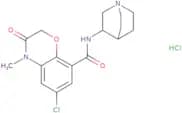
CAS :<p>(+)-Azasetron hydrochloride is a chemical compound known as a 5-HT3 receptor antagonist, which is synthesized through chemical processes. Its primary mode of action involves the selective inhibition of the serotonin 5-HT3 receptor, located in both the central and peripheral nervous systems. This block prevents serotonin from binding to its receptor, which is a crucial step in the emetic response—a physiological reaction that leads to nausea and vomiting.</p>Formule :C17H21Cl2N3O3Degré de pureté :Min. 95%Masse moléculaire :386.3 g/molNeopatulin
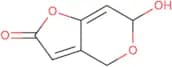
CAS :<p>Neopatulin is a naturally occurring compound classified as a bioactive agent, which is derived from certain species of fungi, particularly from Penicillium. Its mode of action involves disrupting microbial cell function, making it effective as an antimicrobial agent. The compound interferes with cell wall synthesis and metabolic processes of the microorganisms, ultimately inhibiting their growth and proliferation.<br><br>Neopatulin is utilized primarily in research settings to explore its potential applications in controlling microbial growth in various contexts, ranging from food preservation to pharmaceutical development. Its ability to inhibit a broad spectrum of pathogens highlights its importance in studies focusing on food safety and infectious disease control. Ongoing research is investigating its efficacy and safety profile, with an aim to strategically harness its antimicrobial properties while minimizing any potential adverse effects. As such, Neopatulin serves as a potent tool for scientists aiming to develop innovative solutions for microbial resistance and other challenges in microbiology and biotechnology.</p>Formule :C7H6O4Degré de pureté :Min. 95%Masse moléculaire :154.12 g/molSIRT1 Activator II
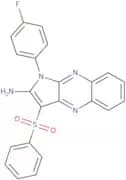
CAS :<p>SIRT1 Activator II is a biochemical compound known as a small molecule activator. It is derived from synthetic sources, specifically engineered to interact with cellular pathways involved in aging and metabolism. The mode of action of SIRT1 Activator II involves the activation of the SIRT1 enzyme, a member of the sirtuin family of NAD+-dependent deacetylases. This activation results in the modulation of gene expression relevant to cellular stress resistance, metabolic regulation, and longevity.</p>Formule :C22H15FN4O2SDegré de pureté :Min. 95%Masse moléculaire :418.44 g/molMF-438
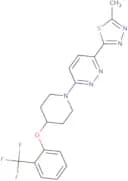
CAS :<p>MF-438 is a novel chemical catalyst, which is synthesized from specialized organic compounds. Functioning as a highly effective facilitator in chemical reactions, it accelerates reaction rates without being consumed in the process. This catalyst operates at a molecular level, optimizing the energy profile of reactions and thereby increasing yield and efficiency.</p>Formule :C19H18F3N5OSDegré de pureté :Min. 95%Masse moléculaire :421.4 g/molAumitin
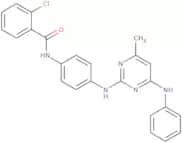
CAS :<p>Aumitin is an innovative compound that is categorized as a bioactive molecule, which is derived from natural sources such as medicinal plants or microorganisms. It exhibits its mode of action through specific interactions with cellular pathways, potentially modulating key processes within the cell. These interactions can lead to alterations in cellular functions such as signaling, metabolism, or growth regulation.</p>Formule :C24H20ClN5ODegré de pureté :Min. 95%Masse moléculaire :429.9 g/molrac-Enprostil
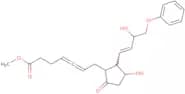
CAS :<p>rac-Enprostil is a synthetic prostaglandin analog derived from the natural compound prostaglandin E2, produced primarily via synthetic chemical processes. This compound functions by mimicking the action of endogenous prostaglandins on the gastrointestinal mucosa. It enhances the secretion of mucus and bicarbonate, promoting mucosal protection and stability. Additionally, rac-Enprostil inhibits gastric acid secretion, thus providing a protective effect against gastric lesions and ulcers.</p>Formule :C23H28O6Degré de pureté :Min. 95%Masse moléculaire :400.5 g/molASP3026
CAS :<p>ASP3026 is a selective tyrosine kinase inhibitor, which is a synthetic small molecule derived from advanced pharmaceutical research. Its mode of action involves the selective inhibition of the anaplastic lymphoma kinase (ALK), a receptor tyrosine kinase implicated in a variety of cancers. By blocking the activity of ALK, ASP3026 interferes with critical signaling pathways that are essential for cancer cell proliferation and survival.</p>Formule :C29H40N8O3SDegré de pureté :Min. 95%Masse moléculaire :580.75 g/molGAT228
CAS :<p>GAT228 is a herbicide that functions as an enzyme inhibitor, originating from synthetic chemical formulations developed for agricultural use. The mode of action involves inhibiting specific enzymes that are crucial for the growth and survival of certain plant species, thereby disrupting their normal physiological processes. This interruption prevents the synthesis of essential amino acids, ultimately leading to the death of the targeted weeds.</p>Formule :C22H18N2O2Degré de pureté :Min. 95%Masse moléculaire :342.4 g/molDPP IV Inhibitor, NVP DPP 728
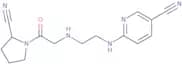
CAS :<p>NVP DPP 728 is a DPP IV Inhibitor, which is a small molecule compound derived from pharmaceutical research aimed at targeting metabolic pathways. As a potent inhibitor of dipeptidyl peptidase IV (DPP-IV), it functions by preventing the degradation of incretin hormones, primarily glucagon-like peptide-1 (GLP-1) and glucose-dependent insulinotropic polypeptide (GIP). This action enhances the body's ability to regulate glucose levels by increasing insulin secretion in a glucose-dependent manner, while simultaneously suppressing glucagon release.</p>Formule :C15H18N6O·2HClDegré de pureté :Min. 95%Masse moléculaire :371.27 g/molDinitrodenafil
CAS :<p>Dinitrodenafil is a synthetic phosphodiesterase type 5 (PDE5) inhibitor, which is developed through chemical synthesis. Its mode of action involves inhibiting the PDE5 enzyme, leading to increased levels of cyclic guanosine monophosphate (cGMP) in smooth muscle cells. This results in vasodilation and improved blood flow, particularly in the corpus cavernosum of the penis.</p>Formule :C17H18N6O6Degré de pureté :Min. 95%Masse moléculaire :402.4 g/molVapreotide acetate
CAS :Produit contrôlé<p>Vapreotide acetate is a synthetic somatostatin analog, which is derived through chemical synthesis to mimic the naturally occurring hormone somatostatin. Its mode of action involves binding to somatostatin receptors, leading to the inhibition of the secretion of several hormones and growth factors, such as growth hormone (GH), insulin, glucagon, and gastrin. This inhibitory effect is achieved due to its structural similarity to somatostatin, allowing it to effectively modulate endocrine and exocrine functions.</p>Formule :C59H74N12O11S2Degré de pureté :Min. 95%Masse moléculaire :1,191.4 g/molCEP-33779
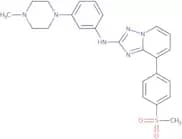
CAS :<p>CEP-33779 is a small-molecule inhibitor designed to target the Janus kinase 2 (JAK2) enzyme, which is a crucial component in the JAK-STAT signaling pathway originating from pro-inflammatory cytokine and growth factor receptors. Derived through sophisticated medicinal chemistry and pharmacological exploration, CEP-33779 functions by selectively inhibiting JAK2 activity. This inhibition is achieved by binding to the ATP-binding pocket of the JAK2 enzyme, thereby blocking the phosphorylation and subsequent activation of STAT proteins, which are essential for the transcription of genes involved in inflammation and tumor proliferation.</p>Formule :C24H26N6O2SDegré de pureté :Min. 95%Masse moléculaire :462.6 g/molPYZD-4409
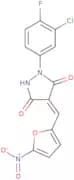
CAS :<p>PYZD-4409 is a synthetic compound designed for use in advanced materials science. It is sourced from a meticulously controlled chemical synthesis process that ensures high purity and specificity. The compound operates through a unique molecular interaction mechanism, enabling it to modify the physical properties of polymer matrices. This interaction enhances the durability and thermal stability of the materials in which it is incorporated.</p>Formule :C14H7ClFN3O5Degré de pureté :Min. 95%Masse moléculaire :351.67 g/molMilfasartan
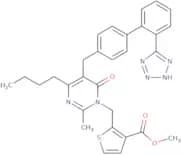
CAS :<p>Milfasartan is an angiotensin II receptor blocker (ARB), which is synthetically derived. Its mode of action involves selectively blocking the binding of angiotensin II to the angiotensin I receptor, a crucial aspect in the regulation of blood pressure. This inhibition results in vasodilation, thereby reducing blood pressure and decreasing the workload on the heart.</p>Formule :C30H30N6O3SDegré de pureté :Min. 95%Masse moléculaire :554.7 g/molBay 11-7085
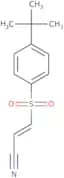
CAS :<p>Bay 11-7085 is a synthetic chemical inhibitor that is utilized in scientific research. It is derived from a class of bioactive molecules designed to interfere with specific cellular pathways. Bay 11-7085 functions as a covalent inhibitor of the NF-κB signaling pathway, a critical regulator of immune response and cell survival. By targeting the phosphorylation of IκBα, Bay 11-7085 effectively prevents the translocation of NF-κB to the nucleus, thereby modulating gene expression and inhibiting downstream effects.</p>Formule :C13H15NO2SDegré de pureté :Min. 95%Masse moléculaire :249.33 g/molN-[4-(3-Aminopiperidin-1-yl)-5-bromo-1H-indol-3-yl]cyclopropanecarboxamide
CAS :<p>Please enquire for more information about N-[4-(3-Aminopiperidin-1-yl)-5-bromo-1H-indol-3-yl]cyclopropanecarboxamide including the price, delivery time and more detailed product information at the technical inquiry form on this page</p>Formule :C17H21BrN4ODegré de pureté :Min. 95%Masse moléculaire :377.3 g/molPAT-1251 hydrochloride
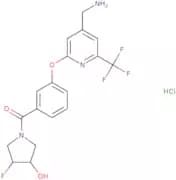
CAS :<p>PAT-1251 hydrochloride is a synthetic compound, classified as a selective serotonin receptor antagonist. It is synthesized through complex organic chemistry processes in a controlled laboratory environment, ensuring high purity and specificity. Its mode of action involves the selective inhibition of the 5-HT3 receptor, a subtype of serotonin receptors, which are ion channels involved in neurotransmission in the central and peripheral nervous systems.</p>Formule :C18H18ClF4N3O3Degré de pureté :Min. 95%Masse moléculaire :435.8 g/molDeriglidole
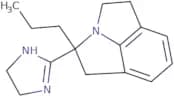
CAS :<p>Deriglidole is a synthetic compound, which is an organic molecule developed through chemical synthesis. Its source is a lab-engineered process, designed to provide consistency and precision in its molecular structure. This compound functions by inhibiting specific enzymes involved in critical metabolic pathways, thereby altering the biochemical reactions within cellular systems.</p>Formule :C16H21N3Degré de pureté :Min. 95%Masse moléculaire :255.36 g/molBrobactam sodium
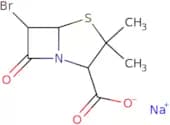
CAS :<p>Brobactam sodium is a β-lactamase inhibitor, which is a chemically synthesized compound with the primary function of inactivating β-lactamase enzymes produced by certain bacteria. These enzymes can degrade β-lactam antibiotics, such as penicillins and cephalosporins, rendering them ineffective. Brobactam sodium functions by forming a covalent bond with the active site of β-lactamase enzymes, thus inhibiting their activity and allowing the concomitantly administered β-lactam antibiotic to exert its bactericidal effect on the susceptible pathogens.</p>Formule :C8H9BrNNaO3SDegré de pureté :Min. 95%Masse moléculaire :302.12 g/molPF-03549184
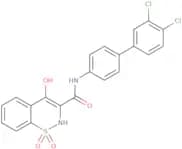
CAS :<p>PF-03549184 is a novel pharmacological compound, classified as a selective GABA_A receptor modulator. It is synthetically derived through advanced chemical processes to achieve high specificity and potency. The mode of action of PF-03549184 involves targeting specific subtypes of the GABA_A receptor, which plays a significant role in inhibitory neurotransmission in the central nervous system. By modulating these receptors, PF-03549184 enhances synaptic transmission and neural network function.</p>Formule :C21H14Cl2N2O4SDegré de pureté :Min. 95%Masse moléculaire :461.32 g/molSch-42495 racemate
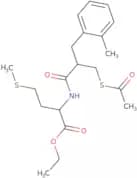
CAS :<p>Sch-42495 racemate is a synthetic compound, categorized as a central nervous system (CNS) agent, derived from laboratory synthesis. This racemate comprises a mixture of enantiomers that display activity affecting neurotransmitter systems, which makes it of particular interest in neuropharmacology. The mode of action involves modulation of specific receptor pathways in the CNS, potentially influencing neurotransmitter release and receptor sensitivity.<br><br>Scientific investigations have explored Sch-42495 racemate primarily for its potential applications in treating neurological disorders. Its effects on brain chemistry suggest possible use in addressing conditions such as depression, anxiety, and other mood disorders. Researchers are also examining its utility in neuroprotection and cognitive enhancement, given its interactions with neural signaling pathways. While still in experimental phases, the compound's dual-enantiomer profile may offer unique advantages in fine-tuning therapeutic effects and minimizing side effects, making it a promising candidate for future CNS drug development.</p>Formule :C20H29NO4S2Degré de pureté :Min. 95%Masse moléculaire :411.6 g/molAB 1010
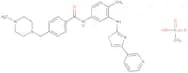
CAS :<p>AB 1010 is a natural antioxidant derived from plant sources, specifically formulated to exhibit potent free radical scavenging properties. This product operates by neutralizing reactive oxygen species (ROS) and other free radicals, thereby preventing oxidative stress and subsequent cellular damage. The primary mechanism involves the donation of electrons to unstable molecules, effectively stabilizing them and halting further oxidative chain reactions.</p>Formule :C28H30N6OS·CH4O3SDegré de pureté :Min. 95%Masse moléculaire :594.75 g/mol1-Deoxy-L-threo-sphinganine-d3
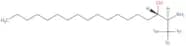
CAS :Produit contrôlé<p>1-Deoxy-L-threo-sphinganine-d3 is a deuterated sphingolipid analogue, which is a synthetic derivative obtained through selective hydrogen-deuterium exchange. This compound acts as a stable isotope-labeled internal standard, essential for accurate quantification in mass spectrometry-based lipidomics and metabolomics studies. As an analog of naturally occurring sphingolipids, it participates in cellular signaling by modulating pathways involved in cell growth, differentiation, and apoptosis.</p>Formule :C18H36D3NODegré de pureté :Min. 95%Masse moléculaire :288.53 g/molTrk-in-4
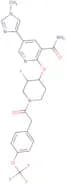
CAS :<p>Trk-in-4 is a small molecule inhibitor, which is synthetically derived to target Trk kinases. These kinases, part of the receptor tyrosine kinase family, are critically involved in neurotrophin signaling pathways, impacting cell differentiation, growth, and survival. Trk-in-4 functions by selectively binding to the ATP-binding site of Trk receptors, thereby blocking downstream signaling cascades.</p>Formule :C24H23F4N5O4Degré de pureté :Min. 95%Masse moléculaire :521.5 g/molErythro-3,4-dimethyl-α-[1-(methylamino)ethyl]benzylalcohol hydrochloride
CAS :Produit contrôlé<p>Erythro-3,4-dimethyl-alpha-[1-(methylamino)ethyl]benzylalcohol hydrochloride is a synthetic compound, which is a derivative obtained through intricate chemical synthesis. It functions primarily as a norepinephrine-dopamine reuptake inhibitor, thereby influencing the synaptic levels of these neurotransmitters by blocking their reabsorption into presynaptic neurons, which increases their availability in the synaptic cleft.</p>Formule :C12H19NODegré de pureté :Min. 95%Masse moléculaire :193.28 g/molHeparin cofactor II
CAS :<p>Heparin cofactor II is a serine protease inhibitor (serpin), which is a naturally occurring protein primarily synthesized in the liver. It plays a critical role in the regulation of thrombin, an enzyme involved in blood coagulation. The mechanism of action involves Heparin cofactor II binding to heparin or dermatan sulfate, which significantly enhances its ability to inhibit thrombin by forming a stable complex, thereby reducing thrombin’s activity and preventing the conversion of fibrinogen to fibrin.</p>Degré de pureté :90%NVX-207
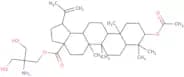
CAS :<p>NVX-207 is a nanoparticle-based vaccine platform, which is engineered using recombinant nanoparticle technology with a protein subunit approach. This vaccine is derived from a proprietary recombinant baculovirus that infects insect cells, enabling the production of dense, protein-filled nanoparticles. This unique mode of action allows for the stable presentation of antigens in a manner that mimics their native conformation, effectively enhancing the host's immune response.</p>Formule :C36H59NO6Degré de pureté :Min. 95%Masse moléculaire :601.9 g/molE 5555 hydrobromide
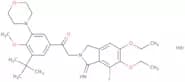
CAS :<p>E 5555 hydrobromide is a psychoactive compound, which is a synthetic derivative developed for research purposes. This product is derived from laboratory synthesis, specifically designed to interact with neurological pathways, reflecting a controlled and reproducible production process. The mode of action involves modulation of neurotransmitter systems, specifically targeting receptors commonly associated with psychiatric and neurological disorders. This interaction alters synaptic transmission, providing insights into receptor function and potential pharmacological profiles.</p>Formule :C29H38FN3O5·HBrDegré de pureté :Min. 95%Masse moléculaire :608.54 g/moliso IRX-A
CAS :<p>Iso IRX-A is a novel isomeric compound, which is synthetically derived from advanced organic chemical processes. Its molecular structure has been meticulously engineered to optimize its stability and reactivity, making it an invaluable tool for researchers investigating complex chemical reactions and synthetic pathways. This compound operates through a unique mode of action that involves precise intermolecular interactions, facilitating the formation and cleavage of chemical bonds with high specificity. The isomer's capability to engage in such targeted reactions makes it an ideal candidate for exploring reaction mechanisms and for use as a reference substance in analytical applications.</p>Formule :C24H32O2Degré de pureté :Min. 95%Masse moléculaire :352.5 g/molPhytosphingosine acetamide
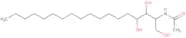
CAS :<p>Phytosphingosine acetamide is a bioactive lipid derivative, which is synthesized from phytosphingosine, a naturally occurring component present in the stratum corneum of the skin. Its mode of action involves modulation of ceramide synthesis, improvement of the skin’s barrier function, and inhibition of microbial adherence. This compound effectively integrates into the skin’s lipid matrix and influences cellular processes related to skin health.</p>Formule :C20H41NO4Degré de pureté :Min. 95%Masse moléculaire :359.5 g/molPK68
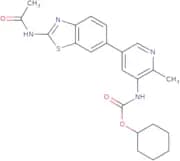
CAS :<p>PK68 is an innovative chemical compound that serves as a selective protein kinase inhibitor, derived through advanced synthetic chemistry techniques. The compound operates by binding to the ATP-binding pocket of target kinases, effectively inhibiting their activity. This mode of action allows PK68 to modulate various kinase-driven signaling pathways that are crucial in cellular processes.</p>Formule :C22H24N4O3SDegré de pureté :Min. 95%Masse moléculaire :424.5 g/mol12:0(2S-OH) ceramide
CAS :<p>12:0(2S-OH) ceramide is a bioactive lipid molecule, which is a type of ceramide characterized by a specific chemical structure denoted by its 12 carbon atoms and a 2S-hydroxy group. It is derived from sphingolipids, typically sourced from cellular membranes where sphingolipids are major components. Ceramides are integral to the maintenance of the structural integrity of cell membranes and are involved in diverse cellular functions.</p>Formule :C30H59NO4Degré de pureté :Min. 95%Masse moléculaire :497.79 g/molDeramciclane
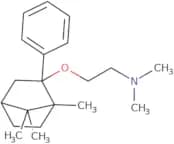
CAS :Produit contrôlé<p>Deramciclane is an anxiolytic medication, which is a synthetic compound derived from chemical synthesis. Its mode of action involves modulating the serotonergic neurotransmission system in the brain. Deramciclane primarily functions as a 5-HT2A receptor antagonist. This interaction is believed to contribute to its anxiolytic properties by balancing serotonin levels, thereby reducing symptoms of anxiety.<br><br>The uses and applications of Deramciclane are predominantly within the field of psychiatry for the management of anxiety disorders. It is administered in therapeutic settings where decreasing excessive neural excitability is desired. Unlike benzodiazepines, which also have anxiolytic effects, Deramciclane does not exhibit sedative or muscle relaxant properties, making it potentially advantageous where cognitive impairment needs to be minimized. Ongoing research is also investigating its effects on other mood disorders, contributing to a broader understanding of its clinical efficacy.</p>Formule :C20H31NODegré de pureté :Min. 95%Masse moléculaire :301.5 g/molM1001
CAS :<p>M1001 is a biochemical reagent, which is synthesized through advanced organic chemistry techniques, with a specific mode of action that targets nucleic acid structures. It functions as an intercalating agent, inserting itself between base pairs in DNA strands. This interaction alters DNA topology, making M1001 invaluable for research applications that involve DNA replication, transcription, and repair studies.</p>Formule :C17H17N3O2SDegré de pureté :Min. 95%Masse moléculaire :327.4 g/molLometrexol disodium
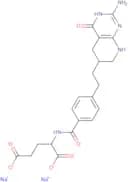
CAS :<p>Lometrexol disodium is an antifolate chemotherapeutic agent, which is a synthetic derivative of the naturally occurring compound folic acid. Its mechanism of action involves the inhibition of the enzyme glycinamide ribonucleotide formyltransferase (GARFT), which plays a critical role in the de novo purine biosynthesis pathway. By targeting GARFT, Lometrexol disodium effectively disrupts nucleotide synthesis, leading to impaired DNA replication and cell division, primarily affecting rapidly proliferating cancer cells.</p>Formule :C21H23N5Na2O6Degré de pureté :Min. 95%Masse moléculaire :487.4 g/molLevobupivacaine hydrochloride
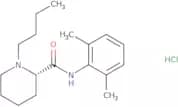
CAS :<p>Inhibitor of sodium channels; analgesic</p>Formule :C18H29ClN2ODegré de pureté :Min. 95%Couleur et forme :PowderMasse moléculaire :324.89 g/molAspochracin
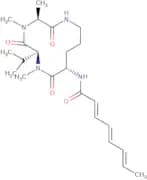
CAS :<p>Aspochracin is a mycotoxin, which is a naturally occurring product derived from certain fungi, specifically from the genus Aspergillus. It acts by inhibiting protein synthesis in susceptible organisms, altering fundamental cellular processes. As a biologically active compound, Aspochracin has been studied for its potential antibiotic and antifungal properties. Its mode of action involves the disruption of cellular mechanisms crucial for growth and replication, making it a compound of interest in the study of microbial growth inhibitors.</p>Formule :C23H36N4O4Degré de pureté :Min. 95%Masse moléculaire :432.6 g/mol6-Methoxy-2-(5-methyl-2-furyl)-N-[(1-methyl-4-piperidyl)methyl]-7-(3-pyrrolidin-1-ylpropoxy)quinolin-4-amine
CAS :<p>6-Methoxy-2-(5-methyl-2-furyl)-N-[(1-methyl-4-piperidyl)methyl]-7-(3-pyrrolidin-1-ylpropoxy)quinolin-4-amine is a synthetic quinoline derivative, which is developed through a series of targeted chemical modifications of the quinoline core structure. This compound is engineered to interact selectively with specific receptors within the central nervous system, due to its high affinity for particular receptor subtypes. Its molecular architecture facilitates the modulation of neurotransmitter pathways, by either agonistic or antagonistic activities, depending on its application.</p>Formule :C29H40N4O3Degré de pureté :Min. 95%Masse moléculaire :492.7 g/molCcr7 ligand 1
CAS :<p>Ccr7 Ligand 1 is a synthetic chemotactic cytokine, which is a product designed for research purposes sourced from a specialized laboratory synthesis process. This ligand functions by specifically binding to the CCR7 receptor, thus activating intracellular signaling pathways that are crucial for navigation of cells toward lymphoid organs. It engages in signaling pathways that influence cell migration, maturation, and activation through G-protein coupled receptor mechanisms.</p>Formule :C22H29N5O5SDegré de pureté :Min. 95%Masse moléculaire :475.56 g/molGW 311616A
CAS :<p>GW 311616A is an experimental immunomodulatory compound, which is synthesized through chemical processes designed to interact with specific biological pathways. The compound works by selectively inhibiting particular enzymes involved in the immune response, thereby modulating inflammatory processes. This mode of action allows researchers to explore its potential in regulating overactive immune systems or in conditions where immune suppression might be beneficial.</p>Formule :C19H31N3O4S·HClDegré de pureté :Min. 95%Masse moléculaire :433.99 g/mol2’-Oxo tadalafil
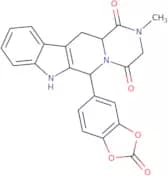
CAS :<p>2’-Oxo tadalafil is a synthetic compound, specifically a derivative of tadalafil. It is a research chemical derived from chemical modifications and is closely related to phosphodiesterase type 5 (PDE5) inhibitors. Its mode of action involves the inhibition of the PDE5 enzyme, leading to increased levels of cyclic guanosine monophosphate (cGMP) in the smooth muscle cells of the corpus cavernosum. This action facilitates smooth muscle relaxation and increased blood flow, which are key mechanisms in the treatment of erectile dysfunction.</p>Formule :C22H17N3O5Degré de pureté :Min. 95%Masse moléculaire :403.4 g/mol4-Amino-N-[2,6-bis(methylamino)-4-pyrimidinyl]-benzenesulfonamide dihydrochloride
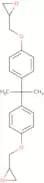
CAS :<p>4-Amino-N-[2,6-bis(methylamino)-4-pyrimidinyl]-benzenesulfonamide dihydrochloride is a sulfonamide antibiotic, commonly known as sulfadiazine dihydrochloride. It is a synthetic antimicrobial agent derived from sulfanilamide, a compound originally extracted from azo dyes. Its mode of action involves inhibiting bacterial dihydropteroate synthase, which leads to the obstruction of folic acid synthesis. This disruption is critical as folic acid is essential for bacterial growth and replication.</p>Formule :C12H17ClN6O2SDegré de pureté :Min. 95%Masse moléculaire :344.82 g/molBisphenol A-d6 diglycidyl ether
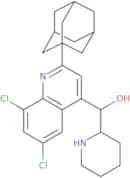
CAS :<p>Bisphenol A-d6 diglycidyl ether is a deuterated form of an epoxy resin prepolymer, which is a vital compound in polymer chemistry and materials science. It is synthesized through the glycidylation of deuterated bisphenol A, introducing stable isotopic labeling with six deuterium atoms. This isotopic form retains the structural integrity of Bisphenol A diglycidyl ether but enhances its utility in specific scientific applications.</p>Formule :C21H24O4Degré de pureté :Min. 95%Masse moléculaire :346.4 g/molNSC305787
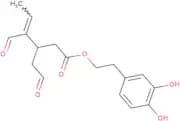
CAS :<p>NSC305787 is a small molecule modulator, which is derived from synthetic sources. It exhibits its mode of action by interfering with specific cell signaling pathways, ultimately influencing cellular processes. The compound is particularly known for its ability to inhibit or modify the activity of certain proteins involved in these pathways, offering insight into cellular behavior and potential intervention points for various biological systems.</p>Formule :C25H30Cl2N2ODegré de pureté :Min. 95%Masse moléculaire :445.42 g/molOleacein
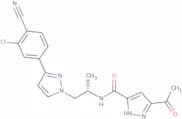
CAS :<p>Oleacein is a phenolic compound, which is a secoiridoid derivative primarily found in olive leaves and extra virgin olive oil. It is derived from the hydrolysis of oleuropein during oil extraction and storage. Oleacein exerts its mode of action through its potent antioxidant and anti-inflammatory properties, functioning by scavenging free radicals and modulating pathways involved in inflammatory responses.</p>Formule :C17H20O6Degré de pureté :Min. 95%Masse moléculaire :320.3 g/molORM-15341
CAS :<p>Please enquire for more information about ORM-15341 including the price, delivery time and more detailed product information at the technical inquiry form on this page</p>Formule :C19H17ClN6O2Degré de pureté :Min. 95%Masse moléculaire :396.83 g/molAIM-100
CAS :<p>The AIM-100 is an advanced spectrophotometer, which is a sophisticated instrument originating from the field of optical technology, and it operates through the absorption of light wavelengths for the quantification and analysis of molecular compounds. By utilizing a state-of-the-art monochromator and photodetector, it precisely measures the intensity of light absorbed by a sample as a function of wavelength. This method enables the elucidation of molecular structure, concentration, and interactions within complex mixtures. The AIM-100 is particularly valuable in biochemical and pharmaceutical laboratories, where it contributes to the identification and quantitative analysis of proteins, nucleic acids, and small molecules. Its applications are further extended to environmental science, where it assists in the analysis of pollutants and organic materials in water and soil samples. Scientists leverage the AIM-100 to obtain high-resolution spectra that are critical for research and development, ensuring enhanced accuracy and reliability in experimental outcomes.</p>Formule :C23H21N3O2Degré de pureté :Min. 95%Masse moléculaire :371.43 g/molNVP-QAV 680
CAS :<p>NVP-QAV 680 is a kinase inhibitor, which is a synthetic compound designed to obstruct the enzymatic activity of specific kinases involved in various cellular processes. It is derived from precise chemical synthesis, allowing for targeted interaction with the ATP-binding pockets of kinases pertinent to oncogenic signaling pathways. The mode of action involves competitive inhibition, where NVP-QAV 680 competes with ATP, effectively decreasing the phosphorylation of downstream substrates and resulting in the inhibition of aberrant cell proliferation.</p>Formule :C18H18N2O4SDegré de pureté :Min. 95%Masse moléculaire :358.41 g/molID 8-d3
CAS :<p>ID 8-d3 is a plant growth stimulant, which is derived from lignin, a complex organic polymer found in the cell walls of many plants and algae. With a deep focus on promoting plant growth and resilience, ID 8-d3 functions through the modulation of key plant physiological processes. Its mode of action involves enhancing nutrient uptake, stimulating root development, and bolstering stress resilience, which is mediated by biochemical pathways that synergize with the plant’s inherent metabolic processes.</p>Formule :C16H11D3N2O4Degré de pureté :Min. 95%Masse moléculaire :301.31 g/mol




![N-[4-(3-Aminopiperidin-1-yl)-5-bromo-1H-indol-3-yl]cyclopropanecarboxamide](/_next/image/?url=https%3A%2Fstatic.cymitquimica.com%2Fproducts%2F3D%2Fthumb-webp%2FXID93864.webp&w=3840&q=75)
![Erythro-3,4-dimethyl-α-[1-(methylamino)ethyl]benzylalcohol hydrochloride](/_next/image/?url=https%3A%2Fstatic.cymitquimica.com%2Fproducts%2F3D%2Fthumb-webp%2FEAA86561.webp&w=3840&q=75)



![6-Methoxy-2-(5-methyl-2-furyl)-N-[(1-methyl-4-piperidyl)methyl]-7-(3-pyrrolidin-1-ylpropoxy)quinol…](/_next/image/?url=https%3A%2Fstatic.cymitquimica.com%2Fproducts%2F3D%2Fthumb-webp%2FWYC57040.webp&w=3840&q=75)

![4-Amino-N-[2,6-bis(methylamino)-4-pyrimidinyl]-benzenesulfonamide dihydrochloride](/_next/image/?url=https%3A%2Fstatic.cymitquimica.com%2Fproducts%2F3D%2Fthumb-webp%2FXXB33395.webp&w=3840&q=75)