Composés organosiliciés
Dans cette section, vous trouverez un grand nombre de composés organosiliciés. Les composés organosiliciés sont caractérisés par des atomes de carbone liés à des atomes de silicium. D'autres composés non métalliques peuvent également être présents. Ces composés sont largement utilisés en synthèse organique, en science des matériaux et en pharmaceutique en raison de leurs propriétés chimiques uniques. Chez CymitQuimica, nous offrons une large gamme de composés organosiliciés de haute qualité pour soutenir vos recherches et projets industriels.
Sous-catégories appartenant à la catégorie "Composés organosiliciés"
4325 produits trouvés pour "Composés organosiliciés"
Trier par
Degré de pureté (%)
0
100
|
0
|
50
|
90
|
95
|
100
3-(2-Aminoethyl)3-Aminopropyltrimethoxy silane
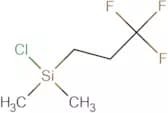
CAS :Formule :C8H22N2O3SiDegré de pureté :98%Couleur et forme :LiquidMasse moléculaire :222.36(3,3,3-Trifluoropropyl)dimethylchlorosilane
CAS :Degré de pureté :90%Couleur et forme :LiquidMasse moléculaire :190.6699981689453Methyl-n-octadecyldichlorosilane
CAS :Degré de pureté :95%Couleur et forme :Solid, Low Melting SolidMasse moléculaire :367.5100097656252-Acetoxyethyltrichlorosilane
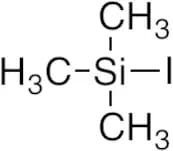
CAS :Couleur et forme :Liquid, ClearMasse moléculaire :221.52999877929688Iodotrimethylsilane (>90%)
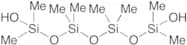
CAS :<p>Stability Moisture Sensitive (Reactive)<br>Applications Iodotrimethylsilane is a reagent used for cleaving ethers, esters, carbamates, ketals and lactones.<br> Not a dangerous good if item is equal to or less than 1g/ml and there is less than 100g/ml in the package<br>References Heck, M., et al.: Tetrahedron Lett., 35, 5445 (1994); Hiral, G., et al.: Biorg. Med. Chem. Lett., 14, 2647 (2004)<br></p>Formule :C3H9ISiDegré de pureté :>90%Couleur et forme :NeatMasse moléculaire :200.09Octamethyl-1,7-tetrasiloxanediol
CAS :Produit contrôlé<p>Applications Octamethyl-1,7-tetrasiloxanediol, can be used in the preparation of Silicone coated Celgard-2400 for the adhesion of canine platelets and leucocytes.<br>References Chawla, A. S.: Biomaterials, 2, 83 (1981)<br></p>Formule :C8H26O5Si4Couleur et forme :ColourlessMasse moléculaire :314.63Triisopropylsilane
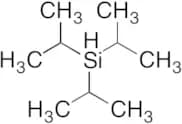
CAS :Produit contrôlé<p>Applications Triisopropylsilane is used in the design of internalizing PSMA-specific Glu-ureido-based radiotherapeuticals for prostrate cancers. Reagent for the rational design of dual peptides targeting ghrelin and Y2 receptors to regulate food intake and body weight. Also functions as a highly selective reducing agent used in the preparation of anti-1,2-diols.<br> Not a dangerous good if item is equal to or less than 1g/ml and there is less than 100g/ml in the package<br>References Wuestemann, T., et al.: Theranostics, 6, 1085 (2016); Kilian, T., et al.: J. Med. Chem., 58, 4180 (2015); Horners, L.; et al.: Organomet. Chem., 282, 155 (1985)<br></p>Formule :C9H22SiCouleur et forme :NeatMasse moléculaire :158.36N,O-Bis(trimethylsilyl)acetamide
CAS :Produit contrôlé<p>Applications N,O-Bis(trimethylsilyl)acetamide is used as a reagent in the synthesis of 4'-spirocyclic phosphono-nucleosides as potential inhibitors of hepatitis C virus NS5B polymerase. Also used as a reagent in the microwave-assisted synthesis of purine nucleosides as selective cholinesterase inhibitors.<br> Not a dangerous good if item is equal to or less than 1g/ml and there is less than 100g/ml in the package<br>References Dang, Q., et al.: Tetrahedron Lett., 55, 4407 (2014); Schwarz, S., et al.: Org. Biomol. Chem., 12, 2446 (2014)<br></p>Formule :C8H21NOSi2Couleur et forme :NeatMasse moléculaire :203.43Diphenylsilanediol
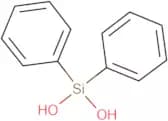
CAS :<p>S08075 - Diphenylsilanediol</p>Formule :C12H12O2SiDegré de pureté :>98.0%(GC)Couleur et forme :White powderMasse moléculaire :216.311N,O-Bis(trimethylsilyl)trifluoroacetamide (~90%)
CAS :Produit contrôlé<p>Applications Used as a reactant in the preparation of pyrimidinone ribosides and analogs that show anti-tumor properties.<br> Not a dangerous good if item is equal to or less than 1g/ml and there is less than 100g/ml in the package<br>References Driscoll, J.S. et al.: J. Med. Chem., 34, 3280 (1991); Pan, L. et al.: J. Pharm. Biomed. Anal., 52, 589 (2010);<br></p>Formule :C8H18F3NOSi2Degré de pureté :~90%Couleur et forme :Colourless To Light YellowMasse moléculaire :257.40Heptamethylcyclotetrasiloxan-2-ol
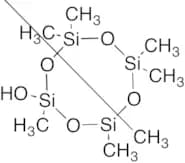
CAS :Produit contrôlé<p>Applications Heptamethylcyclotetrasiloxan-2-ol is a derivative of Octamethylcyclotetrasiloxane (O237145), which is an organometallic reagent that can be used in the preparation of siloxane polymers, with high surface-hydrophobicity restoration.<br>References Fritz, O., et al.: MRS Online Proceedings Library, 1535 (2012); Vanossi, A., et al.: Condensed Matter (2013);<br></p>Formule :C7H22O5Si4Couleur et forme :NeatMasse moléculaire :298.59Methyltris(trimethylsiloxy)silane
CAS :Formule :C10H30O3Si4Couleur et forme :NeatMasse moléculaire :310.68Tris(trimethylsiloxy)silane
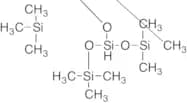
CAS :Produit contrôlé<p>Stability Moisture Sensitive<br>Applications Tris(trimethylsiloxy)silane functions as a modified siloxane elastomer for controlled cell growth or as a biomaterial surface that induces a desired cellular response.<br> Not a dangerous good if item is equal to or less than 1g/ml and there is less than 100g/ml in the package<br>References Gibson, A. L., et al.: Mater. Res. Soc. Symp. Proc., 711, 169 (2002)<br></p>Formule :C9H28O3Si4Couleur et forme :NeatMasse moléculaire :296.663-Carboxyphenylboronic Acid
CAS :Produit contrôlé<p>Applications 3-Carboxyphenylboronic Acid is used in phenylboronic acid-decorated gelatin nanoparticles for enhanced tumor targeting and penetration.<br>References Wang, X., et al.: Nanotechnology, 27, 385101 (2016); Wang, X., et al.: Eur. J. Pharm. Biopharm., 113, 168 (2017)<br></p>Formule :C7H7BO4Couleur et forme :Off WhiteMasse moléculaire :165.94Decaborane
CAS :Produit contrôlé<p>Applications Decaborane is a useful building block mostly used in the preparation of carboranes. On its own, Decaborane is able to undergo reduction via acetate as a neat liquid.<br> E0<br>References Marsh, A. V.; et al.: Angew. Chem. Int. Ed., 57, 10640 (2018); Kelley, S. P.; et al.: ACS Omega, 3, 8491 (2018).<br></p>Formule :B10H14Couleur et forme :NeatMasse moléculaire :122.221(Bromovinyl)trimethylsilane
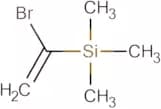
CAS :<p>S03150 - 1(Bromovinyl)trimethylsilane</p>Formule :C5H11BrSiDegré de pureté :97%Couleur et forme :Liquid, ClearMasse moléculaire :179.132Hydroxymethyltriethoxysilane 50% in ethanol
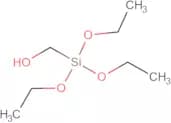
CAS :<p>S25189 - Hydroxymethyltriethoxysilane 50% in ethanol</p>Formule :C7H18O4SiCouleur et forme :LiquidMasse moléculaire :194.3020019531257-O-(Triethylsilyl) Paclitaxel
CAS :Produit contrôlé<p>Impurity Paclitaxel - Impurity K<br>Applications Protected Paclitaxel. Paclitaxel - Impurity K.<br>References Kerns, E., et al.: J. Nat. Products, 57, 1391 (1994), Golik, J., et al.: Bioorg. Med. Chem. Lett., 6, 1837 (1996),<br></p>Formule :C53H65NO14SiCouleur et forme :Off-WhiteMasse moléculaire :968.17p-Aminophenyl Arsenoxide
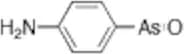
CAS :Produit contrôlé<p>Applications p-Aminophenyl Arsenoxide is a useful reagent for the study of 2-oxoacid dehydrogenase multienzyme complexes.<br> Not a dangerous good if item is equal to or less than 1g/ml and there is less than 100g/ml in the package<br>References Stevenson, et al.: Biochemistry, 17, 11, 2191 (1978)<br></p>Formule :C6H6AsNOCouleur et forme :NeatMasse moléculaire :183.042-(Diphenylphosphino)ethyltriethoxysilane
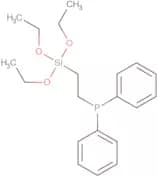
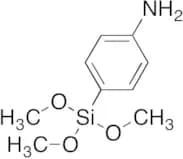
CAS :<p>S08025 - 2-(Diphenylphosphino)ethyltriethoxysilane</p>Formule :C20H29O3PSiDegré de pureté :97%Couleur et forme :Liquid, ClearMasse moléculaire :376.508Aminophenyltrimethoxysilane
CAS :Produit contrôlé<p>Applications Aminophenyltrimethoxysilane is a useful intermediate for the preparation of aromatic silanes as high thermal stability coupling agents.<br>References Pan, Y., et al.: Adv. Mat. Res., 690, 1483 (2013)<br></p>Formule :C9H15NO3SiCouleur et forme :NeatMasse moléculaire :213.31tert-Butoxydiphenylchlorosilane
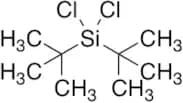
CAS :Degré de pureté :>94Couleur et forme :LiquidMasse moléculaire :290.8599853515625Di-tert-butyldichlorosilane
CAS :Produit contrôlé<p>Applications Di-tert-butyldichlorosilane (cas# 18395-90-9) is a useful research chemical.<br></p>Formule :C8H18Cl2SiCouleur et forme :NeatMasse moléculaire :213.22N-Hexylsilane
CAS :<p>S09900 - n-Hexylsilane</p>Formule :C6H16SiCouleur et forme :Liquid, ClearMasse moléculaire :116.27899932861328n-Octyldimethylchlorosilane
CAS :Degré de pureté :97%Couleur et forme :Liquid, ClearMasse moléculaire :206.8300018310547Di-n-hexyldichlorosilane
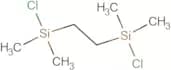
CAS :Degré de pureté :95%Couleur et forme :Liquid, ClearMasse moléculaire :269.32998657226561,2-Bis(chlorodimethylsilyl)ethane
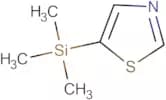
CAS :Degré de pureté :95%Couleur et forme :SolidMasse moléculaire :215.259994506835945-Trimethylsilylthiazole
CAS :<p>S20280 - 5-Trimethylsilylthiazole</p>Formule :C6H11NSSiDegré de pureté :98%Couleur et forme :Liquid, ClearMasse moléculaire :157.313-Cyanopropyltrimethoxysilane
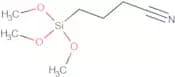
CAS :<p>S05035 - 3-Cyanopropyltrimethoxysilane</p>Formule :C7H15NO3SiCouleur et forme :Liquid, ClearMasse moléculaire :189.286Triisopropylmethoxysilane
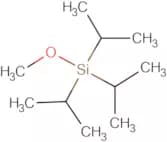
CAS :<p>S17960 - Triisopropylmethoxysilane</p>Formule :C10H24OSiCouleur et forme :Liquid, ClearMasse moléculaire :188.386Phenylboronic Acid (95%)
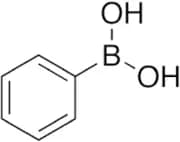
CAS :Produit contrôlé<p>Applications Phenylboronic Acid is a compound used in organic synthesis of various pharmaceutical goods.<br>References Ainley, A.D., et al.: J. Chem. Soc., 2171 (1930);<br></p>Formule :C6H7BO2Degré de pureté :95%Couleur et forme :NeatMasse moléculaire :121.93Phenyltris(methylethylketoxime)silane
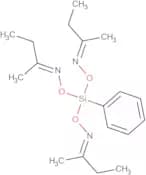
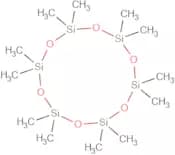
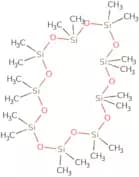
CAS :<p>S13085 - Phenyltris(methylethylketoxime)silane</p>Formule :C18H29N3O3SiCouleur et forme :Liquid, ClearMasse moléculaire :363.533Dodecamethylcyclohexasiloxane
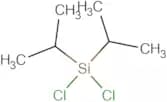
CAS :<p>S08515 - Dodecamethylcyclohexasiloxane</p>Formule :C12H36O6Si6Degré de pureté :95% ;Couleur et forme :Liquid, ClearMasse moléculaire :444.924Diisopropyldichlorosilane
CAS :<p>S06800 - Diisopropyldichlorosilane</p>Formule :C6H14Cl2SiDegré de pureté :>98.0%(GC)Couleur et forme :LiquidMasse moléculaire :185.16000366210938Tris(trimethylsiloxy)-3-methacryloxypropylsilane <4% Dimer
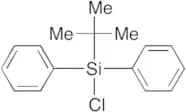
CAS :<p>S21125 - Tris(trimethylsiloxy)-3-methacryloxypropylsilane <4% Dimer</p>Formule :C16H38O5Si4Degré de pureté :>98.0%(GC)Couleur et forme :ClearMasse moléculaire :422.815tert-Butyldiphenylchlorosilane
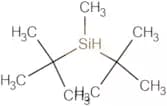
CAS :Produit contrôlé<p>Applications tert-Butyldiphenylchlorosilane is used to synthesize interphenylene phenyloxazoles, compounds that have antagonistic activity against thromboxane receptors which can be used for treatment of circulatory disorders, angina and stroke.<br> Not a dangerous good if item is equal to or less than 1g/ml and there is less than 100g/ml in the package<br>References Hadjipavlou–Litina, D. & Kontogiorgis, C.: Int. Elect. J. Mol. Des., 1, 300 (2002); Misra, R., et al.: Bioorg. Med. Chem. Lett., 2, 937 (1992)<br></p>Formule :C16H19ClSiCouleur et forme :NeatMasse moléculaire :274.86Di-t-butylmethylsilane
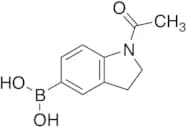
CAS :<p>S05860 - Di-t-butylmethylsilane</p>Formule :C9H22SiDegré de pureté :95%Couleur et forme :Liquid, ClearMasse moléculaire :158.36(1-acetyl-2,3-dihydro-1H-indol-5-yl)boronic Acid
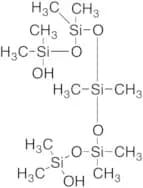
CAS :Produit contrôlé<p>Applications (1-acetyl-2,3-dihydro-1H-indol-5-yl)boronic acid (cas# 905971-97-3) is a useful research chemical.<br></p>Formule :C10H12BNO3Couleur et forme :BeigeMasse moléculaire :205.02Decamethyl-1,9-Pentasiloxanediol
CAS :Produit contrôléFormule :C10H32O6Si5Couleur et forme :ColourlessMasse moléculaire :388.78(R)-Methyl 3-((tert-butyldimethylsilyl)oxy)hex-5-enoate
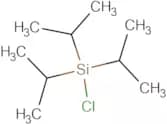
CAS :Degré de pureté :97%Masse moléculaire :258.4330139160156triisopropyl chlorosilane
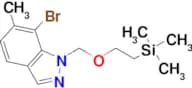
CAS :<p>S17950 - triisopropyl chlorosilane</p>Formule :C9H21ClSiDegré de pureté :97%Couleur et forme :LiquidMasse moléculaire :192.80000305175787-Bromo-6-methyl-1-((2-(trimethylsilyl)ethoxy)methyl)-1H-indazole
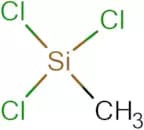
CAS :Degré de pureté :95.0%Masse moléculaire :341.3240051269531Trichloro(methyl)silane,98%
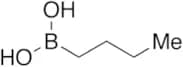
CAS :Degré de pureté :98%Couleur et forme :LiquidMasse moléculaire :149.47000122070312Butylboronic Acid
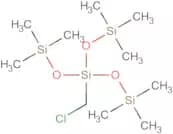
CAS :Produit contrôlé<p>Applications Butylboronic Acid is a boronic acid derivative that can be used as a transport carriers in membrane-based sugar separations. Butylboronic Acid is used as an analytical reagent in the determination of serum glucose.<br>References Smith, B.D. et al.: ACS Symp. Ser., 642, 194 (1996); Prendergast, J.L. et al.: Anal. Bional. Chem., 397, 1779 (2010);<br></p>Formule :C4H11BO2Couleur et forme :NeatMasse moléculaire :101.94Chloromethyltris(trimethylsiloxy)silane
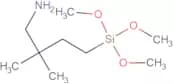
CAS :<p>S04435 - Chloromethyltris(trimethylsiloxy)silane</p>Formule :C10H29ClO3Si4Couleur et forme :Liquid, ClearMasse moléculaire :345.134-Amino-3,3-dimethylbutyltrimethoxysilane
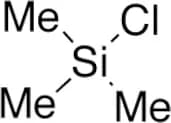
CAS :<p>S25031 - 4-Amino-3,3-dimethylbutyltrimethoxysilane</p>Formule :C9H23NO3SiDegré de pureté :97%Couleur et forme :LiquidMasse moléculaire :221.372Chlorotrimethylsilane
CAS :<p>Stability Moisture Sensitive<br>Applications Chlorotrimethylsilane have been used in the preparation of volatile derivatives of a wide range of compounds for GC analysis. Chlorotrimethylsilane has been used for silylation and as a protection group in the process of various organic synthesis.<br> E0<br>References Casimiro, M., et al.: Org. Lett., 15, 2378 (2013); Lifchits, O., et al.: J. Am. Chem. Soc., 135, 6677 (2013);<br></p>Formule :C3H9ClSiCouleur et forme :NeatMasse moléculaire :108.64n-Triacontyldimethylchlorosilane, blend
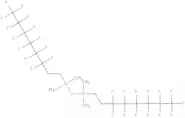
CAS :Degré de pureté :techCouleur et forme :SolidMasse moléculaire :515.4199829101562Bis(tridecafluoro-1,1,2,2-tetrahydrooctyl)tetra-methyldisiloxane
CAS :<p>S02106 - Bis(tridecafluoro-1,1,2,2-tetrahydrooctyl)tetra-methyldisiloxane</p>Formule :C20H20F26OSi2Couleur et forme :Clear to straw liquidMasse moléculaire :826.507Dodecyldimethylchlorosilane
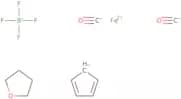
CAS :Degré de pureté :>95.0%(GC)Couleur et forme :LiquidMasse moléculaire :262.94000244140625Cyclopentadienyldicarbonyl(tetrahydrofuran)iron(II) tetrafluoroborate
CAS :<p>Cyclopentadienyldicarbonyl(tetrahydrofuran)iron(II) tetrafluoroborate is a chemical that is used as a building block in research and speciality chemical synthesis. The compound has been shown to be versatile, with many possible reactions, including the formation of a complex. This compound can also be used as an intermediate for another chemical or as a scaffold for other compounds. Cyclopentadienyldicarbonyl(tetrahydrofuran)iron(II) tetrafluoroborate is a high quality reagent that can be used in reaction processes with low toxicity.</p>Formule :C11H13FeO3•BF4Degré de pureté :Min. 95%Couleur et forme :SolidMasse moléculaire :335.87 g/mol3,6-Bis(1,1-dimethylethyl)-10-phenyl-9-(2,4,6-trimethylphenyl)-acridinium tetrafluoroborate
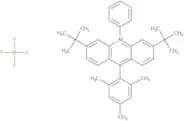
CAS :<p>3,6-Bis(1,1-dimethylethyl)-10-phenyl-9-(2,4,6-trimethylphenyl)-acridinium tetrafluoroborate is a high quality reagent that is used as an intermediate in the synthesis of other compounds. It has CAS No. 1810004-87-5 and a molecular weight of 345.7 g/mol. This compound is useful for the synthesis of complex compounds and can be used in fine chemicals. 3,6-Bis(1,1-dimethylethyl)-10-phenyl-9-(2,4,6-trimethylphenyl)-acridinium tetrafluoroborate is also useful for research purposes and can be used as a scaffold for drug discovery. It is also a versatile building block that can be used in reactions to produce speciality chemicals and reaction components such as esters or amides.</p>Formule :C36H40BF4NDegré de pureté :Min 95%Couleur et forme :PowderMasse moléculaire :573.51 g/molTris(trimethylsilyl)silane
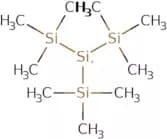
CAS :<p>Tris(trimethylsilyl)silane is a reactive functional group that is used in the synthesis of monoclonal antibodies. It reacts with halides to form an intermediate, which then undergoes chain reactions with other molecules to form the final product. Tris(trimethylsilyl)silane can be used for cancer therapy and for the detection of antibodies. It has been shown that tris(trimethylsilyl)silane will react with a light emitting compound (e.g., 4-dimethylaminopyridine) and a cationic polymerization initiator (e.g., diallyldimethylammonium chloride). This reaction produces high values of light emission, which can be detected by x-ray crystal structures.</p>Formule :C9H28Si4Degré de pureté :Min. 97 Area-%Couleur et forme :Clear LiquidMasse moléculaire :248.66 g/moltert-Butyl diphenylchlorosilane
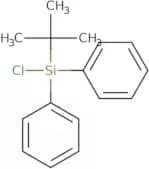
CAS :<p>Tert-butyl diphenylchlorosilane is a chemical compound that belongs to the group of organosilicon compounds. It is used for the preparation of various organosilicon compounds, such as trifluoroacetic acid, which is used in analytical chemistry. The synthesis of tert-butyl diphenylchlorosilane starts with the reaction between hydrochloric acid and sodium citrate. This yields a phosphate bond and a hydroxyl group. In order to form the desired product, tert-butyl diphenylchlorosilane, this intermediate is reacted with trifluoroacetic acid in an asymmetric synthesis to yield the desired product. The reaction mechanism of this process involves hydrogen chloride as an electrophile attacking the carbonyl carbon atom in trifluoroacetic acid, leading to an elimination reaction. This elimination reaction results in two possible products: tert-butyl acetate or tert-butyl chloros</p>Formule :C16H19ClSiDegré de pureté :Min. 97 Area-%Couleur et forme :Clear LiquidMasse moléculaire :274.87 g/mol(1-Methylethyl)boronic acid
CAS :<p>(1-Methylethyl)boronic acid is a boronic acid that can be used as a catalyst in organic synthesis. This compound is an organometallic compound that has been shown to be a good catalyst for the polymerization of olefins, and for the preparation of copolymers with polyenes. It can also be used in asymmetric synthesis and as a site-specific ligand in transition metal catalyzed reactions. (1-Methylethyl)boronic acid has been shown to inhibit protease activity and may have therapeutic potential for metabolic disorders such as obesity.</p>Formule :C3H9BO2Degré de pureté :Min. 95%Couleur et forme :PowderMasse moléculaire :87.91 g/mol2-Aminophenylboronic acid pinacol cyclic ester
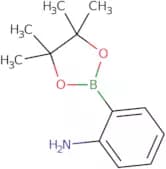
CAS :<p>This compound is a drug target that is an organic molecule found in many pharmaceuticals. It is an acidic, ammonium persulfate-sensitive biomolecule, which can be introduced into cells and tissues to study their function. This compound has been shown to have cancer-fighting abilities, and has potent inhibitory activity against microbial infections. The compound also has suzuki coupling properties, which are used to introduce hemicyanine groups onto other molecules.</p>Formule :C12H18BNO2Degré de pureté :Min. 95%Couleur et forme :White PowderMasse moléculaire :219.09 g/molBis(trimethylsilyl)cytosine
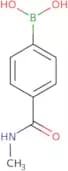
CAS :<p>Bis(trimethylsilyl)cytosine is an immunosuppressive agent that binds to the immunodeficient acceptor. It has been shown to be active against a number of viruses, including HIV-1 and HSV-1. Bis(trimethylsilyl)cytosine also inhibits the activity of purine and pyrimidine nucleotide synthesis, although it does not inhibit the activity of adenosine deaminase or ribonucleotide reductase. This compound has been shown to stimulate the immune system in mice with a deficiency in T cells by reducing the expression of genes that are responsible for cytokines such as IL-4 and IL-10.</p>Formule :C10H21N3OSi2Degré de pureté :Min. 90%Couleur et forme :PowderMasse moléculaire :255.46 g/mol(4-(Methylcarbamoyl)phenyl)boronic acid
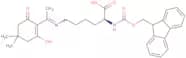
CAS :<p>Please enquire for more information about (4-(Methylcarbamoyl)phenyl)boronic acid including the price, delivery time and more detailed product information at the technical inquiry form on this page</p>Formule :C8H10BNO3Degré de pureté :Min. 95%Couleur et forme :PowderMasse moléculaire :178.98 g/molN-α-Fmoc-Nε-1-(4,4-dimethyl-2,6-dioxocyclohex-1-ylidene)ethyl-L-lysine
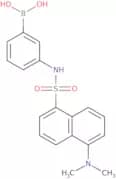
CAS :<p>N-alpha-Fmoc-Nepsilon-1-(4,4-dimethyl-2,6-dioxocyclohex-1-ylidene)ethyl-L-lysine is a synthetic amide with a peptide backbone. It has been shown to have anti tumor activity in vivo and in vitro against a variety of solid tumor xenografts. The compound was conjugated to the integrin receptor ligand RGD, which is expressed on the surface of various types of cancer cells. This modification increased the uptake of N-alpha-Fmoc-Nepsilon-1-(4,4 dimethyl 2,6 dioxocyclohex1 ylidene)ethyl L lysine by leukemia cells and solid tumor xenografts.</p>Formule :C31H36N2O6Degré de pureté :Min. 98 Area-%Couleur et forme :Slightly Yellow PowderMasse moléculaire :532.63 g/mol3-Dansylaminophenylboronic acid
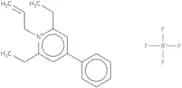
CAS :<p>3-Dansylaminophenylboronic acid is a boronic acid that forms reversible covalent bonds with dopamine. It can be used in the diagnosis of cancer, as it binds to histone lysine and magnetic particles. The fluorescence resonance of 3-Dansylaminophenylboronic acid can also be used in the diagnosis of cancer, as it produces a strong signal. This compound has been shown to have homogeneous assays for the detection of dopamine and lipoprotein lipase in urine samples. 3-Dansylaminophenylboronic acid has also been found to be effective against cancer cells in culture, although it is not active against polysialic-expressing cells.</p>Formule :C18H19BN2O4SDegré de pureté :Min. 95%Couleur et forme :PowderMasse moléculaire :370.23 g/molN-Propyl-1-ene-2,6-diethyl-4-phenylpyridinium tetrafluoroborate
CAS :<p>N-Propyl-1-ene-2,6-diethyl-4-phenylpyridinium tetrafluoroborate (NPEEDPBF) is a fine chemical that has been used as a building block in research and industrial chemistry. The synthesis of NPEEDPBF typically involves the reaction of diethyl phenylpyridinium bromide with n propyl iodide. It can be used as a reagent for organic syntheses and as an intermediate for other compounds. NPEEDPBF is also a versatile building block for complex compounds.</p>Formule :C18H22N•BF4Degré de pureté :Min. 95%Masse moléculaire :339.18 g/molFerrocenium Tetrafluoroborate
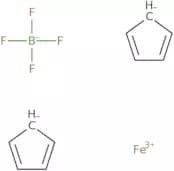
CAS :<p>Ferrocenium tetrafluoroborate is a chiral, unreactive compound that is synthesized through the reaction of ferrocene and tetrafluoroboric acid. Ferrocenium tetrafluoroborate is a kinetic polymer that can be used as a linker in the synthesis of polymeric materials. This compound has been shown to catalyze the epoxidation of aliphatic alcohols to yield epoxides. Ferrocenium tetrafluoroborate has also been shown to catalyze the epoxidation of cyclic olefins, such as 1-octene. Ferrocenium tetrafluoroborate is an achiral catalyst and does not change during the course of the reaction.</p>Formule :C10H2BF4FeCouleur et forme :Brown PowderMasse moléculaire :264.77 g/moltert-Butyldimethylsilyl trifluoromethanesulfonate
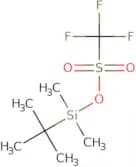
CAS :<p>tert-Butyldimethylsilyl trifluoromethanesulfonate is a nucleophilic reagent that forms an addition product with metal carbonyls. It can be used for the synthesis of indacaterol maleate, which is a phosphite prodrug for the treatment of asthma and chronic obstructive pulmonary disease. Tert-butyldimethylsilyl trifluoromethanesulfonate has been shown to catalyze asymmetric hydrogenation reactions in the presence of ammonia as a chiral auxiliary. This reagent has also been shown to inhibit the growth of bacteria and fungi through its ability to inhibit protein synthesis.</p>Formule :C7H15F3O3SSiCouleur et forme :Colorless Clear LiquidMasse moléculaire :264.34 g/mol4-(4,6-Dimethoxy-1,3,5-triazin-2-yl)-4-morpholinium tetrafluoroborate
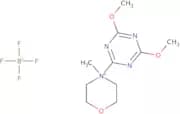
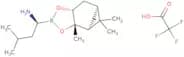
CAS :<p>4-(4,6-Dimethoxy-1,3,5-triazin-2-yl)-4-morpholinium tetrafluoroborate is a modulating agent that is used in the treatment of infectious and metabolic disorders. The compound has been shown to increase the activity of fatty acid oxidation and decrease the production of inflammatory mediators. 4-(4,6-Dimethoxy-1,3,5-triazin-2-yl)-4-morpholinium tetrafluoroborate interacts with a variety of proteins by binding to their Nterminal domains. It can be conjugated to other molecules and then used as probes for kinetic studies or as antiinflammatory compounds.</p>Formule :C10H17N4O3•BF4Degré de pureté :Min. 97 Area-%Couleur et forme :PowderMasse moléculaire :328.07 g/mol(R)-BoroLeu-(+)-pinanediol-trifluoroacetate
CAS :<p>(R)-BoroLeu-(+)-pinanediol-trifluoroacetate is a complex compound with CAS No. 179324-87-9 and can be used as a reagent, useful intermediate, or fine chemical. It is a versatile building block that can be used in the synthesis of speciality chemicals, research chemicals, and reaction components. This compound has been reported to be a useful scaffold for the synthesis of novel compounds that could have applications in medicine, such as anti-cancer drugs and antibiotics.</p>Formule :C17H29BF3NO4Couleur et forme :White Off-White PowderMasse moléculaire :379.22 g/mol4-Biphenylboronic acid
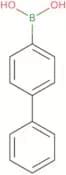
CAS :<p>4-Biphenylboronic acid is a molecule that belongs to the group of amines. It is used in plant science to study the effects of amines on plants. The molecule has been shown to have a high UV absorption and catalysis activity. 4-Biphenylboronic acid has also been shown to bind with p-hydroxybenzoic acid, which inhibits binding with proteins, leading to a change in morphology. 4-Biphenylboronic acid can be used as a chemical inhibitor for root formation and other biological functions.</p>Formule :C12H11BO2Degré de pureté :Min. 95%Couleur et forme :White Off-White PowderMasse moléculaire :198.03 g/molDimethylammonium tetrafluoroborate
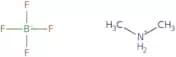
CAS :Produit contrôlé<p>Dimethylammonium tetrafluoroborate is a reagent that is used in organic chemistry. It is a solid with a melting point of -56°C and can be synthesized by the reaction of ethyl amine and hexafluoro-2-butyne. This reagent has been used to synthesize quaternary ammonium salts, anions, and aliphatic hydrocarbons. Dimethylammonium tetrafluoroborate is also employed as a solvent for some devices due to its physicochemical properties, including its low boiling point and high dielectric constant.</p>Formule :C2H8BF4NDegré de pureté :Min. 95%Masse moléculaire :132.9 g/mol2-Chloro-1-methylquinolinium tetrafluoroborate
CAS :<p>2-Chloro-1-methylquinolinium tetrafluoroborate (2CQBF) is a synthetic compound that inhibits protein synthesis. It has been used as an analytical reagent for the determination of proteins, including those in urine samples. 2CQBF has been shown to be effective in the treatment of cancer and other diseases, such as lupus erythematosus, arthritis, and psoriasis.</p>Formule :C10H9ClN•BF4Degré de pureté :Min. 95%Couleur et forme :White PowderMasse moléculaire :265.44 g/mol(3-Aminophenyl)boronic acid hydrochloride
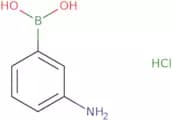
CAS :<p>3-Aminophenylboronic acid hydrochloride is a chemical compound that is used for analytical chemistry, bioconjugate chemistry, and clinical diagnostics. The compound binds to model proteins with high affinity and specificity. 3-Aminophenylboronic acid hydrochloride has been shown to have low binding constants with polyols, which make it ideal for use in cell culture. 3-Aminophenylboronic acid hydrochloride has a pK of 2.7 at pH 7.4, making it acidic at this pH. The compound also has a pK of 9.3 at pH 4.5, making it neutral at this pH. 3-Aminophenylboronic acid hydrochloride is an electrochemically active molecule and can be used as an electrode material in electrochemical impedance spectroscopy experiments.</p>Formule :C6H9BClNO2Degré de pureté :Min. 95%Couleur et forme :PowderMasse moléculaire :173.4 g/molN-α-Fmoc-N-ε-4-methyltrityl-L-lysine
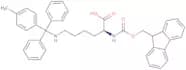
CAS :<p>N-alpha-Fmoc-Nepsilon-methyltrityl-L-lysine is a synthetic amino acid that is used in the industrial production of peptides. It has been used for the synthesis of polypeptides, which are made up of chains of amino acids, and to analyze uptake in urine samples. The uptake was tracked by using a trifluoroacetic acid analog to radiolabel the N-alpha-Fmoc-Nepsilon-methyltrityl-L-lysine. This analog was synthesized from histidine and butyric acid, and its carboxy terminal sequence was determined by solid phase synthesis. N-alpha-Fmoc-Nepsilon methyltrityl L Lysine binds to the receptor site on cells that is responsible for binding histidine residues on proteins.</p>Formule :C41H40N2O4Degré de pureté :Min. 95%Couleur et forme :White To Off-White SolidMasse moléculaire :624.77 g/molPotassium tris(3,5-dimethyl-1-pyrazolyl)borohydride
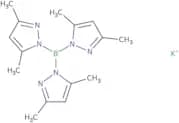
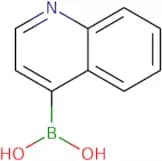
CAS :<p>Potassium tris(3,5-dimethyl-1-pyrazolyl)borohydride is a catalytic reagent that converts various ketones to their corresponding cyclic 3,5-dimethylpyrazoles. It has been used for the synthesis of 1,4-dihydropyridines and for the conversion of aliphatic nitro compounds to their corresponding anilines. The yields are high and it has been shown to be more efficient than other methods in the literature. This reagent also has an intramolecular reaction mechanism and is able to reduce chloride ions into chloride gas.</p>Formule :C15H22BKN6Degré de pureté :Min. 95%Couleur et forme :PowderMasse moléculaire :336.28 g/molQuinolin-4-ylboronic acid
CAS :<p>Quinolin-4-ylboronic acid is a heterocyclic compound with two nitrogen atoms that are attached to the ring by means of carbonyl groups. This compound is a precursor in the synthesis of the drug dorsomorphin, which is used for pain relief. It also has an important role in pharmacokinetics because it can be used as a marker for estimating blood levels of other drugs. Quinolin-4-ylboronic acid yields an active form, quinolin-4-yl boronic acid, when reacted with piperazine in basic conditions. The drug ldn-193189 is a derivative of this active form and has been evaluated as a potential drug for treating osteoporosis and cancer.</p>Formule :C9H8BNO2Degré de pureté :Min. 95 Area-%Couleur et forme :PowderMasse moléculaire :172.98 g/mol(S)-BoroLeu-(+)-pinanediol-trifluoroacetate
CAS :<p>(S)-BoroLeu-(+)-pinanediol-trifluoroacetate is a useful scaffold, building block, and intermediate for the synthesis of complex compounds. It is a high quality reagent that can be used in research chemicals and speciality chemicals. (S)-BoroLeu-(+)-pinanediol-trifluoroacetate is a versatile building block because it can be used as a reaction component in the synthesis of fine chemicals and as an intermediate in the synthesis of other reagents. CAS No. 477254-69-6</p>Formule :C15H28BNO2·C2HF3O2Degré de pureté :Min. 95%Couleur et forme :PowderMasse moléculaire :379.22 g/molN-Benzyl-4-phenyl pyridinium tetrafluoroborate
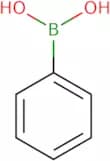
CAS :<p>N-Benzyl-4-phenyl pyridinium tetrafluoroborate is a fine chemical that can be used as a building block in the synthesis of complex compounds. It has been shown to have versatile applications in organic synthesis, such as being a useful intermediate and reaction component. N-Benzyl-4-phenyl pyridinium tetrafluoroborate is an extremely high quality reagent with few side effects and low toxicity.</p>Formule :C18H16N•BF4Degré de pureté :Min. 95%Masse moléculaire :333.13 g/molPhenylboronic acid
CAS :<p>Phenylboronic acid is a natural compound that has been shown to inhibit the growth of squamous carcinoma cells. The optical sensor can be used to measure the amount of phenylboronic acid in a solution. The sensor is made from a thin film of colloidal gold, which changes color in response to phenylboronic acid. This method of detection is not as accurate as other methods and can only be used with low concentrations. Phenylboronic acid has been shown to have anti-inflammatory properties, which may be due to its ability to inhibit toll-like receptor 4 and toll-like receptor 6 signaling pathways.</p>Formule :C6H7BO2Degré de pureté :Min. 95%Couleur et forme :White PowderMasse moléculaire :121.93 g/mol2-Methylpyridine-4-boronic acid pinacol ester
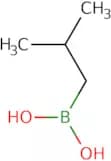
CAS :<p>Please enquire for more information about 2-Methylpyridine-4-boronic acid pinacol ester including the price, delivery time and more detailed product information at the technical inquiry form on this page</p>Formule :C12H18BNO2Degré de pureté :Min. 95%Masse moléculaire :219.09 g/molIsobutylboronic acid
CAS :<p>Isobutylboronic acid is a chemical compound that is used as an antimicrobial treatment for autoimmune diseases. This drug has a polyene structure and inhibits the production of proinflammatory cytokines such as IL-1, TNF-α, and IL-2. Isobutylboronic acid also inhibits the growth of cancer cells in vitro by inhibiting DNA synthesis. Isobutylboronic acid is also used to determine the mechanisms of organometallic compounds. It can be analyzed using liquid chromatography or gas chromatography techniques. The effective dose for this drug is not yet known.</p>Formule :C4H11BO2Degré de pureté :Min. 95%Couleur et forme :PowderMasse moléculaire :101.94 g/molγ-Chloropropyl trimethoxysilane
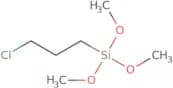
CAS :<p>Gamma-chloropropyl trimethoxysilane (CPS) is a chemical compound with the formula Cl3Si(OCH3)2. It is an organosilicon compound that is used in surface preparation and modification to improve hydrophobicity, chemical stability, and mechanical properties. CPS forms covalent linkages with organic compounds on the surface by reaction with hydroxyl groups. It has been shown to react with fatty acids such as oleic acid, forming a metal chelate. CPS reacts with sodium carbonate (Na2CO3) to form sodium chloropropoxide (NaClOCH3). This reaction is exothermic and can be used for sample preparation. The mechanism of this reaction is thought to involve the formation of a copper complex followed by its hydrolysis.</p>Formule :C6H15ClO3SiDegré de pureté :Min. 95%Couleur et forme :Clear LiquidMasse moléculaire :198.72 g/molOctadecamethylcyclononasiloxane
CAS :<p>Octadecamethylcyclononasiloxane is a silicon-containing molecule, which has been shown to have antihypertensive activity. It works by inhibiting the production of angiotensin II, a key regulator of blood pressure, and thereby reducing blood pressure. Octadecamethylcyclononasiloxane also exhibits tumor-promoting activities in some animal models. This molecule is used as a surface active agent in many household products such as dishwashing detergents, shampoos, and cosmetics. It is also used as an acid catalyst in organic synthesis and in the manufacture of magnetic particles for use in biotechnology.<br>A fatty acid ester with functional groups that can be found on its surface may contribute to octadecamethylcyclononasiloxane's cancer-promoting activities.</p>Formule :C18H54O9Si9Degré de pureté :Min. 95%Couleur et forme :Clear LiquidMasse moléculaire :667.39 g/mol6-(Trifluoromethyl)pyridine-2-boronic acid
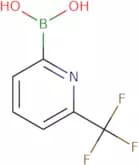
CAS :<p>6-(Trifluoromethyl)pyridine-2-boronic acid is a solid chemical that is soluble in organic solvents. It is a building block for the synthesis of more complex compounds, and also serves as an intermediate in the synthesis of pharmaceuticals. 6-(Trifluoromethyl)pyridine-2-boronic acid has been shown to be useful for the preparation of fine chemicals and has been widely used as a reagent in research.</p>Formule :C6H5BF3NO2Degré de pureté :Min. 95%Couleur et forme :PowderMasse moléculaire :190.92 g/molDichlorodiethylsilane
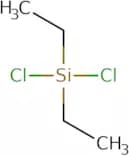
CAS :<p>Dichlorodiethylsilane is an aromatic hydrocarbon that is a colorless liquid with a pungent odor. It has been used as a chemical intermediate and in the synthesis of dyes, pharmaceuticals, and other organic chemicals. Dichlorodiethylsilane reacts with hydrogen fluoride to form hydrogen chloride and dichloroethane. The reaction products are acidic due to the presence of hydroxyl groups, which react with water vapor to form hydrochloric acid and alcohols. Dichlorodiethylsilane reacts with nucleophiles such as chlorides or hydroxides to form ether linkages. This compound also reacts with c1-c4 haloalkyls to form chlorinated alkyl groups. Dichlorodiethylsilane is soluble in water, but not in ether or benzene. It is stable at room temperature but decomposes when heated to temperatures above 200°C (392°F).</p>Formule :C4H10Cl2SiDegré de pureté :Min. 95%Couleur et forme :PowderMasse moléculaire :157.11 g/molChlorotris(trimethylsilyl)silane
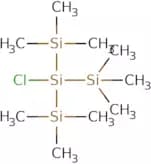
CAS :<p>Chlorotris(trimethylsilyl)silane is a chlorosilane with a trifluoromethyl group and one other organic group. It can be prepared by thermal decomposition of chlorotrimethylsilane. Chlorotris(trimethylsilyl)silane has been used in the synthesis of branched-chain alkanes and cycloalkanes, as well as in the preparation of molecular fragments for use in organometallic syntheses. This molecule absorbs ultraviolet light strongly at 254 nm, making it useful for measurements of UV absorption spectra.</p>Formule :C9H27ClSi4Degré de pureté :Min. 95 Area-%Couleur et forme :White PowderMasse moléculaire :283.11 g/molFmoc-O-tert-butyldimethylsilyl-L-serine
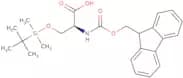
CAS :<p>Fmoc-O-tert-butyldimethylsilyl-L-serine is a monomer that can be used in the solid-phase synthesis of conjugates. It has been shown to be an efficient method for synthesizing bioconjugates, which are used in chemical biology and biotechnology. Fmoc-O-tert-butyldimethylsilyl-L-serine is also efficient for the synthesis of proteins, small organic molecules, and carbohydrates. This monomer is often used as a building block for peptide synthesis because it can be easily removed from the peptides with trifluoroacetic acid or other acid catalysts.</p>Formule :C24H31NO5SiDegré de pureté :Min. 95%Couleur et forme :SolidMasse moléculaire :441.59 g/mol1-Isopropyl-5-(4,4,5,5-tetramethyl-1,3,2-dioxaborolan-2-yl)-1H-pyrazole
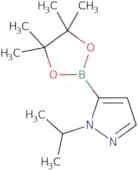
CAS :<p>1-Isopropyl-5-(4,4,5,5-tetramethyl-1,3,2-dioxaborolan-2-yl)-1H-pyrazole is a compound with a high quality and versatile building blocks. It can be used as a reagent in organic synthesis and as a research chemical. CAS No. 1282518-60-8.</p>Formule :C12H21BN2O2Degré de pureté :Min. 98 Area-%Couleur et forme :Colorless PowderMasse moléculaire :236.12 g/mol(E)-2-(1-Butenyl)-1,3,2-benzodioxaborole
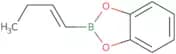
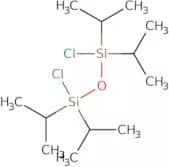
CAS :<p>(E)-2-(1-Butenyl)-1,3,2-benzodioxaborole is a novel glycogen synthase inhibitor that has been shown to be effective in diabetic animal models. It was found to inhibit the activity of glycogen phosphorylase and increase the level of glycogen in the liver. (E)-2-(1-Butenyl)-1,3,2-benzodioxaborole has been optimized by replacing one or more of its moieties with anthranilimide groups. This replacement increases potency by 2 orders of magnitude with nanomolar potency. (E)-2-(1-Butenyl)-1,3,2-benzodioxaborole inhibits xanthine oxidase and xanthine dehydrogenase enzymes and prevents the formation of uric acid from xanthine during purine metabolism. It also inhibits glycolysis and glucose production through inhibition of phosphofructokinase 1.</p>Formule :C10H11BO2Degré de pureté :Min. 95%Couleur et forme :PowderMasse moléculaire :174 g/mol1,3-Dichloro-1,1,3,3-tetraisopropyldisiloxane
CAS :<p>1,3-Dichloro-1,1,3,3-tetraisopropyldisiloxane is a chromatographic stationary phase that has been used for the analysis of oligosaccharides and hydrogen bonds. 1,3-Dichloro-1,1,3,3-tetraisopropyldisiloxane has been shown to be useful in the separation of uridine from other nucleotides. It also has been shown to be useful as a titration calorimetry standard. This stationary phase can be used with fluorescence spectrometry and tryptophan fluorescence for structural analysis of pyrimidine compounds. Molecular modeling studies have also demonstrated that this stationary phase is stereoselective with regards to hydroxyl group emissions. The 1,3-Dichloro-1,1,3,3-tetraisopropyldisiloxane stationary phase is</p>Formule :C12H28Cl2OSi2Degré de pureté :Min. 95%Couleur et forme :Colorless Slightly Yellow Clear LiquidMasse moléculaire :315.43 g/molN-Ethylbenzene-2,4,6-triphenyl pyridinium tetrafluoroborate
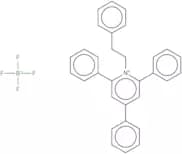
CAS :<p>N-Ethylbenzene-2,4,6-triphenyl pyridinium tetrafluoroborate is a reagent that can be used in chemical reactions. It is a fine chemical and research chemicals with high quality and a versatile scaffold. It is useful as an intermediate in the synthesis of complex compounds. N-Ethylbenzene-2,4,6-triphenyl pyridinium tetrafluoroborate has CAS number 66310-06-3.</p>Formule :C31H26N·BF4Degré de pureté :Min. 95%Couleur et forme :PowderMasse moléculaire :499.35 g/mol4,4,5,5-Tetramethyl-2-(1,4-dioxaspiro[4.5]dec-7-en-8-yl)-1,3,2-dioxaborolane
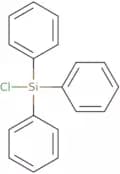
CAS :<p>4,4,5,5-Tetramethyl-2-(1,4-dioxaspiro[4.5]dec-7-en-8-yl)-1,3,2-dioxaborolane is a pinacol ester that can be polymerized to form polytetrafluoroethylene (PTFE). It has a high reactivity and is used as a monomer in the production of PTFE.</p>Formule :C14H23BO4Degré de pureté :Min. 95%Couleur et forme :PowderMasse moléculaire :266.14 g/molTriphenylchlorosilane
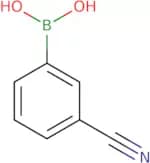
CAS :<p>Triphenylchlorosilane is a reactive compound that has been used as a model system for studying the reaction of congestive heart failure. It has been shown to inhibit energy metabolism and cell factor, which are important factors in the progression of congestive heart failure. Triphenylchlorosilane also reacts with p-hydroxybenzoic acid to form an unstable intermediate, which undergoes intramolecular hydrogen transfer to give the final product. The reaction mechanism is proposed to be a coordination geometry involving three chlorine atoms. This compound is not reactive with sodium salts or structural analysis, but it does bind signal peptide in vivo models and can be used as a probe for protein-protein interactions.</p>Formule :C18H15ClSiDegré de pureté :Min. 95%Couleur et forme :PowderMasse moléculaire :294.85 g/mol3-Cyanophenylboronic acid
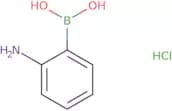
CAS :<p>3-Cyanophenylboronic acid is an organic compound that has been shown to have antimicrobial activity against Pseudomonas aeruginosa. The synthetic pathway of this compound begins with the benzamidine, which reacts with dibutyltin oxide to form 3-cyanophenylboronic acid. This molecule can then be reacted with a cationic polymerization agent such as polyethyleneimine or polyallylamine, producing a polymerized product. When tested in humans, 3-cyanophenylboronic acid showed a high oral bioavailability and low plasma protein binding. It also has a short serum half-life and is metabolized by serine proteases in the liver.</p>Formule :C7H6BNO2Degré de pureté :Min. 95%Couleur et forme :PowderMasse moléculaire :146.94 g/mol(2-Aminophenyl)boronic acid hydrochloride
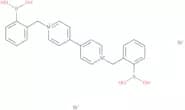
CAS :<p>(2-Aminophenyl)boronic acid hydrochloride is an analytical reagent that is used in the cross-coupling reaction between aryl bromides and organoboron compounds. It has been synthesized from 2-aminophenylboronic acid, which can be produced by the alkylation of phenol with 3-bromoquinoline. This compound has been shown to have antimalarial activity against the human malaria parasite Plasmodium falciparum in vitro. (2-Aminophenyl)boronic acid hydrochloride has also been shown to have a high intestinal absorption rate when given orally to rats. In vivo studies are needed to determine whether this chemical is safe for humans.</p>Formule :C6H9BClNO2Degré de pureté :Min. 95%Couleur et forme :PowderMasse moléculaire :173.41 g/molN,N'-4,4'-Bis(benzyl-2-boronic acid)-bipyridinium dibromide
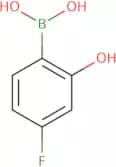
CAS :<p>N,N'-4,4'-Bis(benzyl-2-boronic acid)-bipyridinium dibromide is a high quality reagent that can be used as an intermediate for the synthesis of complex organic compounds. It is a complex compound that contains boronic acid and bipyridinium moieties. N,N'-4,4'-Bis(benzyl-2-boronic acid)-bipyridinium dibromide is useful in the synthesis of fine chemicals and speciality chemicals. It has versatile building block properties and can be used as a reaction component in many chemical reactions.</p>Formule :C24H24B2N2O4Br2Degré de pureté :Min. 95%Couleur et forme :PowderMasse moléculaire :585.89 g/molB-(4-Fluoro-2-hydroxyphenyl)-boronic acid
CAS :<p>B-(4-Fluoro-2-hydroxyphenyl)-boronic acid is a fungicide that has been synthesized to inhibit the growth of fungi. This compound is an effective fungicide against a wide variety of plant pathogens. It has been shown to be highly efficient in catalyzing intramolecular cyclization reactions, which are sometimes difficult to perform with traditional methods. The regulatory nature of this compound makes it an excellent candidate for commercial applications in agroscience and industry.</p>Formule :C6H6BFO3Degré de pureté :Min. 95%Couleur et forme :PowderMasse moléculaire :155.92 g/mol3-Aminophenylboronic acid hemisulphate
CAS :<p>3-Aminophenylboronic acid hemisulphate is a cross-linking agent that has been shown to induce apoptosis in mammalian cells. It also has the ability to bind to glycan, a sugar molecule on the surface of cells. The binding of 3-aminophenylboronic acid hemisulphate induces morphogenetic protein (MP) secretion, which leads to cell death. This compound is used as an adjuvant in vaccines and also as a research reagent for studying protein sequences and antigen/antibody interactions.</p>Formule :C6H8BNO2•(H2SO4)0Degré de pureté :Min. 95%Couleur et forme :White PowderMasse moléculaire :185.98 g/mol2,5-Diphenyl-3-(4-methoxyphenyl)pyronium tetrafluoroborate
CAS :<p>2,5-Diphenyl-3-(4-methoxyphenyl)pyronium tetrafluoroborate is a chemical compound that can be used as a reagent or building block for the synthesis of other chemical compounds. It is also useful for research and as a versatile building block in organic chemistry. 2,5-Diphenyl-3-(4-methoxyphenyl)pyronium tetrafluoroborate is classified as a speciality chemical product. This compound has CAS Number 2907-20-2 and a molecular weight of 244.12 g/mol.</p>Formule :C24H19O2·BF4Degré de pureté :90%Couleur et forme :PowderMasse moléculaire :426.21 g/molo-Carborane-9-Carboxylic acid
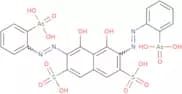
CAS :Produit contrôlé<p>o-Carborane-9-carboxylic acid (C9CA) is a new antitumour agent that has been shown to be effective against human tumour cells and tumour cell lines. C9CA also has a high affinity for the active site of the enzyme dihydrofolate reductase, which is involved in the synthesis of DNA. The antitumour activity of C9CA is mediated by its ability to inhibit DNA synthesis and induce apoptosis. C9CA has been shown to be less toxic than methotrexate and doxorubicin, with the potential for fewer side effects.</p>Degré de pureté :Min. 95%Arsenazo III
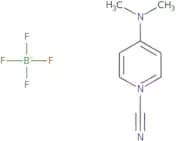
CAS :<p>Arsenazo III is a metal-binding dye that has been shown to bind to the cytosolic calcium ion. The binding of Arsenazo III to calcium has been shown to inhibit the voltage-dependent calcium channels, leading to a decrease in cytosolic calcium concentration. This reduction in cytosolic calcium is associated with energy metabolism and human serum titration calorimetry experiments. The binding of Arsenazo III to calcium is also responsible for its light signal. Arsenazo III binds to copper chloride and forms an insoluble precipitate when reacted with acidic solutions. This reaction can be used for analytical purposes as it produces a quantifiable end-point with plasma mass spectrometry.</p>Formule :C22H18As2N4O14S2Degré de pureté :(%) Min. 85%Masse moléculaire :776.37 g/mol1-Cyano-4-(dimethylamino)pyridinium tetrafluoroborate
CAS :<p>1-Cyano-4-(dimethylamino)pyridinium tetrafluoroborate (CDAP) is an organic cyanylating agent. It is reactive under acidic conditions giving CDAP an advantage over other sulfhydryl labeling agents, as it can avoid potential thiol-disulfide exchange.</p>Formule :C8H10N3BF4Degré de pureté :Min. 98 Area-%Couleur et forme :PowderMasse moléculaire :234.99 g/mol

























![4,4,5,5-Tetramethyl-2-(1,4-dioxaspiro[4.5]dec-7-en-8-yl)-1,3,2-dioxaborolane](/_next/image/?url=https%3A%2Fstatic.cymitquimica.com%2Fproducts%2F3D%2Fthumb-webp%2FFT140502.webp&w=3840&q=75)