Composés organosiliciés
Dans cette section, vous trouverez un grand nombre de composés organosiliciés. Les composés organosiliciés sont caractérisés par des atomes de carbone liés à des atomes de silicium. D'autres composés non métalliques peuvent également être présents. Ces composés sont largement utilisés en synthèse organique, en science des matériaux et en pharmaceutique en raison de leurs propriétés chimiques uniques. Chez CymitQuimica, nous offrons une large gamme de composés organosiliciés de haute qualité pour soutenir vos recherches et projets industriels.
Sous-catégories appartenant à la catégorie "Composés organosiliciés"
4327 produits trouvés pour "Composés organosiliciés"
Trier par
Degré de pureté (%)
0
100
|
0
|
50
|
90
|
95
|
100
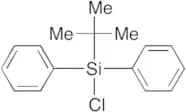
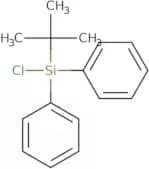
tert-Butyldiphenylchlorosilane
CAS :Produit contrôlé<p>Applications tert-Butyldiphenylchlorosilane is used to synthesize interphenylene phenyloxazoles, compounds that have antagonistic activity against thromboxane receptors which can be used for treatment of circulatory disorders, angina and stroke.<br> Not a dangerous good if item is equal to or less than 1g/ml and there is less than 100g/ml in the package<br>References Hadjipavlou–Litina, D. & Kontogiorgis, C.: Int. Elect. J. Mol. Des., 1, 300 (2002); Misra, R., et al.: Bioorg. Med. Chem. Lett., 2, 937 (1992)<br></p>Formule :C16H19ClSiCouleur et forme :NeatMasse moléculaire :274.86Triphenylchlorosilane
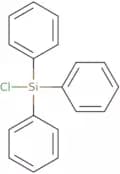
CAS :<p>Triphenylchlorosilane is a reactive compound that has been used as a model system for studying the reaction of congestive heart failure. It has been shown to inhibit energy metabolism and cell factor, which are important factors in the progression of congestive heart failure. Triphenylchlorosilane also reacts with p-hydroxybenzoic acid to form an unstable intermediate, which undergoes intramolecular hydrogen transfer to give the final product. The reaction mechanism is proposed to be a coordination geometry involving three chlorine atoms. This compound is not reactive with sodium salts or structural analysis, but it does bind signal peptide in vivo models and can be used as a probe for protein-protein interactions.</p>Formule :C18H15ClSiDegré de pureté :Min. 95%Couleur et forme :PowderMasse moléculaire :294.85 g/mol1,3-Dichloro-1,1,3,3-tetraisopropyldisiloxane
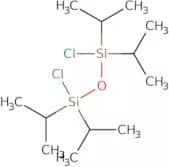
CAS :<p>1,3-Dichloro-1,1,3,3-tetraisopropyldisiloxane is a chromatographic stationary phase that has been used for the analysis of oligosaccharides and hydrogen bonds. 1,3-Dichloro-1,1,3,3-tetraisopropyldisiloxane has been shown to be useful in the separation of uridine from other nucleotides. It also has been shown to be useful as a titration calorimetry standard. This stationary phase can be used with fluorescence spectrometry and tryptophan fluorescence for structural analysis of pyrimidine compounds. Molecular modeling studies have also demonstrated that this stationary phase is stereoselective with regards to hydroxyl group emissions. The 1,3-Dichloro-1,1,3,3-tetraisopropyldisiloxane stationary phase is</p>Formule :C12H28Cl2OSi2Degré de pureté :Min. 95%Couleur et forme :Colorless Slightly Yellow Clear LiquidMasse moléculaire :315.43 g/molN-α-Boc-Nε-Z-D-lysine
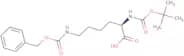
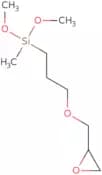
CAS :<p>N-alpha-Boc-Nepsilon-Z-D-lysine is a fusogenic peptide that has an acidic pKa. It is a potent inhibitor of survivin, which is a protein that regulates cell death. It also inhibits the uptake of l-phenylalanine to promote cancer cell death. The functional groups on this compound are epoxyketones, which have regulatory properties as well as being able to inhibit the growth of cells.</p>Formule :C19H28N2O6Degré de pureté :Min. 95%Masse moléculaire :380.44 g/mol(3-glycidoxypropyl)methyldimethoxysilane
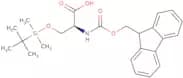
CAS :<p>3-Glycidoxypropyl methyldimethoxysilane (3-GPMDMS) is a compound that belongs to the group of organosilicon compounds. It is an organic solvent that has been used for the activation energy of ring-opening reactions. 3-GPMDMS is also suitable for immobilizing polysaccharides, proteins, and enzymes on surfaces or in polymer matrices. 3-GPMDMS has been used to produce polymers with high molecular weight and a wide range of molecular weights by polymerization. 3-GPMDMS can be synthesized by reacting glycidoxypropyltrimethoxysilane with methanol in the presence of hydrochloric acid. The chemical structure includes methoxy groups connected to silicon atoms via methylphenyl groups. 3-GPMDMS has been shown to exhibit excellent magnetic resonance properties and be a potential candidate for use as nanomaterials. It</p>Formule :C9H20O4SiDegré de pureté :Min. 95%Masse moléculaire :220.34 g/molFmoc-O-tert-butyldimethylsilyl-L-serine
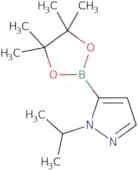
CAS :<p>Fmoc-O-tert-butyldimethylsilyl-L-serine is a monomer that can be used in the solid-phase synthesis of conjugates. It has been shown to be an efficient method for synthesizing bioconjugates, which are used in chemical biology and biotechnology. Fmoc-O-tert-butyldimethylsilyl-L-serine is also efficient for the synthesis of proteins, small organic molecules, and carbohydrates. This monomer is often used as a building block for peptide synthesis because it can be easily removed from the peptides with trifluoroacetic acid or other acid catalysts.</p>Formule :C24H31NO5SiDegré de pureté :Min. 95%Couleur et forme :SolidMasse moléculaire :441.59 g/mol1-Isopropyl-5-(4,4,5,5-tetramethyl-1,3,2-dioxaborolan-2-yl)-1H-pyrazole
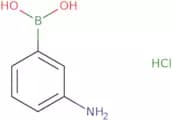
CAS :<p>1-Isopropyl-5-(4,4,5,5-tetramethyl-1,3,2-dioxaborolan-2-yl)-1H-pyrazole is a compound with a high quality and versatile building blocks. It can be used as a reagent in organic synthesis and as a research chemical. CAS No. 1282518-60-8.</p>Formule :C12H21BN2O2Degré de pureté :Min. 98 Area-%Couleur et forme :Colorless PowderMasse moléculaire :236.12 g/mol(3-Aminophenyl)boronic acid hydrochloride
CAS :<p>3-Aminophenylboronic acid hydrochloride is a chemical compound that is used for analytical chemistry, bioconjugate chemistry, and clinical diagnostics. The compound binds to model proteins with high affinity and specificity. 3-Aminophenylboronic acid hydrochloride has been shown to have low binding constants with polyols, which make it ideal for use in cell culture. 3-Aminophenylboronic acid hydrochloride has a pK of 2.7 at pH 7.4, making it acidic at this pH. The compound also has a pK of 9.3 at pH 4.5, making it neutral at this pH. 3-Aminophenylboronic acid hydrochloride is an electrochemically active molecule and can be used as an electrode material in electrochemical impedance spectroscopy experiments.</p>Formule :C6H9BClNO2Degré de pureté :Min. 95%Couleur et forme :PowderMasse moléculaire :173.4 g/molSodium tetrakis[3,5-bis(trifluoromethyl)phenyl]borate
CAS :<p>Tetrakis(3,5-bis(trifluoromethyl)phenyl)borate is a boron compound that has the formula [(CH)B] and is an ionic compound. It is a model system for studying conformational properties of organic compounds in solution. A reaction solution containing sodium tetrakis(3,5-bis(trifluoromethyl)phenyl)borate reacts with coumarin derivatives to form stable complexes. These complexes are then detected by infrared spectroscopy, mass spectrometry, and nuclear magnetic resonance (NMR). This method has been applied to urine samples and plasma from healthy subjects as well as human serum. The stable complexes can be used to measure the concentration of free coumarin derivatives in these samples. The cationic polymerization of polystyrene was studied using tetrakis(3,5-bis(trifluoromethyl)phenyl)borate</p>Formule :C32H12BF24•NaDegré de pureté :(%) Min. 95%Couleur et forme :PowderMasse moléculaire :886.2 g/mol2-Aminophenylboronic acid pinacol cyclic ester
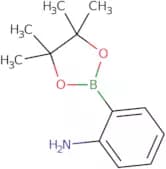
CAS :<p>This compound is a drug target that is an organic molecule found in many pharmaceuticals. It is an acidic, ammonium persulfate-sensitive biomolecule, which can be introduced into cells and tissues to study their function. This compound has been shown to have cancer-fighting abilities, and has potent inhibitory activity against microbial infections. The compound also has suzuki coupling properties, which are used to introduce hemicyanine groups onto other molecules.</p>Formule :C12H18BNO2Degré de pureté :Min. 95%Couleur et forme :White PowderMasse moléculaire :219.09 g/mol2-(MorpholinoMethyl)phenylboronic acid pinacol ester
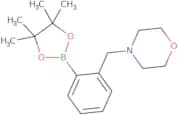
CAS :<p>2-(MorpholinoMethyl)phenylboronic acid pinacol ester is a fine chemical that can be used as a building block for the synthesis of complex compounds. It is also suitable for use in research and development, as it has been shown to be a reagent and speciality chemical. This compound is an intermediate for the synthesis of other compounds, such as pharmaceuticals, agrochemicals, and cosmetics. 2-(MorpholinoMethyl)phenylboronic acid pinacol ester can be used as a versatile building block in organic synthesis reactions. It has been shown to have high quality properties and can be used to synthesize valuable scaffolds.</p>Formule :C17H26BNO3Degré de pureté :Min. 95%Couleur et forme :PowderMasse moléculaire :303.20 g/mol1,1,1,3,5,7,7,7-Octamethyltetrasiloxane
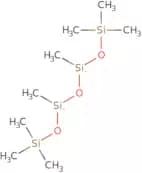
CAS :<p>1,1,1,3,5,7,7,7-Octamethyltetrasiloxane is a volatile liquid that is used as a fumigant. It is used in the manufacture of silicone elastomers and sealants. This chemical has been shown to be an effective sealant and to have good adhesion properties. It also has excellent resistance to high temperatures and chemicals. The mechanism of 1,1,1,3,5,7,7,7-octamethyltetrasiloxane is not fully understood but it may involve hydrogen bonding with the organic solvent. In addition to its use as a sealant and fumigant this chemical can be used as a ligand for bifunctional catalysts for polymerization reactions or for kinetic studies on polyolefins</p>Formule :C8H26O3Si4Degré de pureté :Min. 95%Couleur et forme :Clear LiquidMasse moléculaire :282.63 g/molDimethyl(methylthio)sulfonium Tetrafluoroborate
CAS :<p>Dimethyl(methylthio)sulfonium Tetrafluoroborate (DMTSBF) is a synthetic, activated, nucleophilic reagent that has the ability to cleave disulfide bonds in proteins. DMTSBF is used for the synthesis of fatty acids and other organic compounds. It can also be used as an analytical reagent for determining the blood group of proteins. The chloride ion is necessary for this reaction. DMTSBF reacts with a nucleophile (e.g., hydroxyl, amine, thiol) to form a new bond and release sodium carbonate and silver trifluoromethanesulfonate.</p>Formule :C3H9BF4S2Degré de pureté :Min. 95%Couleur et forme :PowderMasse moléculaire :196.04 g/molPoly(methylhydrosiloxane)
CAS :<p>Polymethylhydrosiloxane is a polymer that is used in coatings and adhesives. It has been shown to be an efficient aid for removing copper chloride from water and can be applied to the treatment of calcium carbonate sludge. Poly(methylhydrosiloxane) also has high affinity for fatty esters, which is important for its use as a mass analyzer in environmental pollution studies. This polymer has been shown to have excellent kinetic and optical properties, making it a good candidate for electrochemical studies.</p>Couleur et forme :Colorless Clear Liquid3-Acetylphenylboronic acid
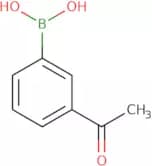
CAS :<p>3-Acetylphenylboronic acid is a functional group with an acetyl group substituted for the hydroxyl group of phenol. 3-Acetylphenylboronic acid has been shown to inhibit cholinesterase through competitive inhibition. It also binds to the endocannabinoid receptor CB1 and competes with anandamide, which is a natural ligand of this receptor. 3-Acetylphenylboronic acid may be used as a replacement for fatty acids in carbon nanotubes because it has the same basic structure but does not react with oxygen or other chemicals. 3-Acetylphenylboronic acid also reacts with metal ions such as copper and zinc, which may be due to its electron withdrawing ability.</p>Formule :C8H9BO3Degré de pureté :Min. 98 Area-%Couleur et forme :White Slightly Yellow PowderMasse moléculaire :163.97 g/moltert-Butyldimethylsilyl chloride
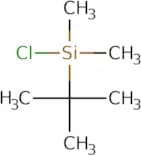
CAS :<p>Tert-butyldimethylsilyl chloride is a silicon-containing compound that is used to prepare the tert-butyl group, which is an important part of many organic compounds. Tert-butyldimethylsilyl chloride reacts with trifluoroacetic acid to form hydrogen bonds. It can also react with hydrochloric acid to form a tert-butyl chloride, which is soluble in water and hydrolyzes in human serum. Tert-butyldimethylsilyl chloride has been used for the synthesis of carbohydrates and fatty acids. It has been used as a sample preparation agent for gas chromatography mass spectrometry and high performance liquid chromatography. The reaction solution can be prepared by reacting tert-butyldimethylsilyl chloride with an alcohol or carboxylic acid in the presence of base at low temperature. Tert-butyldimethylsilyl chloride can be synthesized by reacting</p>Formule :C6H15ClSiDegré de pureté :Min. 95 Area-%Couleur et forme :Colorless PowderMasse moléculaire :150.73 g/molPotassium tris(3,5-dimethyl-1-pyrazolyl)borohydride
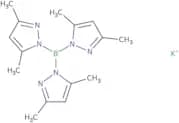
CAS :<p>Potassium tris(3,5-dimethyl-1-pyrazolyl)borohydride is a catalytic reagent that converts various ketones to their corresponding cyclic 3,5-dimethylpyrazoles. It has been used for the synthesis of 1,4-dihydropyridines and for the conversion of aliphatic nitro compounds to their corresponding anilines. The yields are high and it has been shown to be more efficient than other methods in the literature. This reagent also has an intramolecular reaction mechanism and is able to reduce chloride ions into chloride gas.</p>Formule :C15H22BKN6Degré de pureté :Min. 95%Couleur et forme :PowderMasse moléculaire :336.28 g/mol4-Amino-2-chlorophenylboronic acid pinacol ester
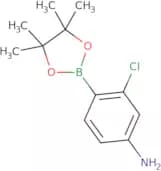
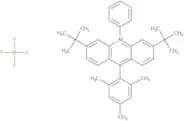
CAS :<p>4-Amino-2-chlorophenylboronic acid pinacol ester is a versatile building block that is used in the synthesis of complex compounds. It can be used as a research chemical, reagent, or speciality chemical depending on the desired use. 4-Amino-2-chlorophenylboronic acid pinacol ester reacts with nucleophiles to form covalent bonds and is also useful as a scaffold for synthesizing other compounds. This compound has been shown to be useful in the synthesis of many different types of chemicals.</p>Formule :C12H17BClNO2Degré de pureté :Min. 95%Couleur et forme :PowderMasse moléculaire :253.53 g/mol3,6-Bis(1,1-dimethylethyl)-10-phenyl-9-(2,4,6-trimethylphenyl)-acridinium tetrafluoroborate
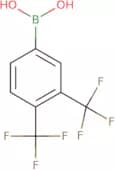
CAS :<p>3,6-Bis(1,1-dimethylethyl)-10-phenyl-9-(2,4,6-trimethylphenyl)-acridinium tetrafluoroborate is a high quality reagent that is used as an intermediate in the synthesis of other compounds. It has CAS No. 1810004-87-5 and a molecular weight of 345.7 g/mol. This compound is useful for the synthesis of complex compounds and can be used in fine chemicals. 3,6-Bis(1,1-dimethylethyl)-10-phenyl-9-(2,4,6-trimethylphenyl)-acridinium tetrafluoroborate is also useful for research purposes and can be used as a scaffold for drug discovery. It is also a versatile building block that can be used in reactions to produce speciality chemicals and reaction components such as esters or amides.</p>Formule :C36H40BF4NDegré de pureté :Min 95%Couleur et forme :PowderMasse moléculaire :573.51 g/mol(3,4-Bis(trifluoromethyl)phenyl)boronic acid
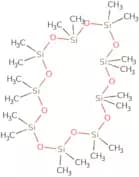
CAS :<p>3,4-Bis(trifluoromethyl)phenylboronic acid is a versatile building block that can be used as a reagent in organic synthesis. It has been shown to be a high quality product with the CAS number 1204745-88-9. This chemical is used to produce fine chemicals and research chemicals. 3,4-Bis(trifluoromethyl)phenylboronic acid is also a useful intermediate in the production of complex compounds and can be used as a building block for speciality chemicals.</p>Formule :C8H5BF6O2Degré de pureté :Min. 95%Couleur et forme :PowderMasse moléculaire :257.93 g/molOctadecamethylcyclononasiloxane
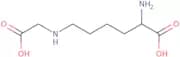
CAS :<p>Octadecamethylcyclononasiloxane is a silicon-containing molecule, which has been shown to have antihypertensive activity. It works by inhibiting the production of angiotensin II, a key regulator of blood pressure, and thereby reducing blood pressure. Octadecamethylcyclononasiloxane also exhibits tumor-promoting activities in some animal models. This molecule is used as a surface active agent in many household products such as dishwashing detergents, shampoos, and cosmetics. It is also used as an acid catalyst in organic synthesis and in the manufacture of magnetic particles for use in biotechnology.<br>A fatty acid ester with functional groups that can be found on its surface may contribute to octadecamethylcyclononasiloxane's cancer-promoting activities.</p>Formule :C18H54O9Si9Degré de pureté :Min. 95%Couleur et forme :Clear LiquidMasse moléculaire :667.39 g/molN-ε-(1-Carboxymethyl)-L-lysine
CAS :<p>N-ε-(1-Carboxymethyl)-L-lysine (NEM) is a versatile building block that is used in the synthesis of complex compounds. It is a reagent and speciality chemical that can be used as an intermediate to produce other useful chemicals or as a reaction component. It has been shown to be useful in the synthesis of peptides, oligonucleotides, and organic molecules. NEM has also been shown to have high quality and purity, making it a useful scaffold for further research into new compounds.</p>Formule :C8H16N2O4Degré de pureté :Min. 97%Couleur et forme :White PowderMasse moléculaire :204.22 g/moltert-Butyl diphenylchlorosilane
CAS :<p>Tert-butyl diphenylchlorosilane is a chemical compound that belongs to the group of organosilicon compounds. It is used for the preparation of various organosilicon compounds, such as trifluoroacetic acid, which is used in analytical chemistry. The synthesis of tert-butyl diphenylchlorosilane starts with the reaction between hydrochloric acid and sodium citrate. This yields a phosphate bond and a hydroxyl group. In order to form the desired product, tert-butyl diphenylchlorosilane, this intermediate is reacted with trifluoroacetic acid in an asymmetric synthesis to yield the desired product. The reaction mechanism of this process involves hydrogen chloride as an electrophile attacking the carbonyl carbon atom in trifluoroacetic acid, leading to an elimination reaction. This elimination reaction results in two possible products: tert-butyl acetate or tert-butyl chloros</p>Formule :C16H19ClSiDegré de pureté :Min. 97 Area-%Couleur et forme :Clear LiquidMasse moléculaire :274.87 g/molPhenylboronic acid
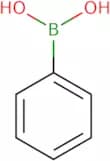
CAS :<p>Phenylboronic acid is a natural compound that has been shown to inhibit the growth of squamous carcinoma cells. The optical sensor can be used to measure the amount of phenylboronic acid in a solution. The sensor is made from a thin film of colloidal gold, which changes color in response to phenylboronic acid. This method of detection is not as accurate as other methods and can only be used with low concentrations. Phenylboronic acid has been shown to have anti-inflammatory properties, which may be due to its ability to inhibit toll-like receptor 4 and toll-like receptor 6 signaling pathways.</p>Formule :C6H7BO2Degré de pureté :Min. 95%Couleur et forme :White PowderMasse moléculaire :121.93 g/molCrisaborole
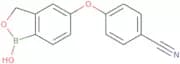
CAS :<p>Crisaborole is a topical antimicrobial peptide that was approved by the FDA in 2017 for the treatment of mild to moderate atopic dermatitis and eczema. It belongs to a class of drugs called small-molecule inhibitors of phosphodiesterase 4 (PDE4). PDE4 is an enzyme that hydrolyzes cyclic adenosine monophosphate (cAMP) and thereby reduces the levels of cAMP in cells. Crisaborole binds to the PDE4 enzyme and blocks its activity, leading to an increase in the level of cAMP. This increased concentration of cAMP leads to suppression of inflammation, which is a major symptom associated with skin diseases such as dermatitis and eczema.</p>Formule :C14H10BNO3Degré de pureté :Min. 95%Couleur et forme :PowderMasse moléculaire :251.05 g/mol4-Biphenylboronic acid
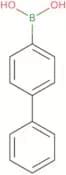
CAS :<p>4-Biphenylboronic acid is a molecule that belongs to the group of amines. It is used in plant science to study the effects of amines on plants. The molecule has been shown to have a high UV absorption and catalysis activity. 4-Biphenylboronic acid has also been shown to bind with p-hydroxybenzoic acid, which inhibits binding with proteins, leading to a change in morphology. 4-Biphenylboronic acid can be used as a chemical inhibitor for root formation and other biological functions.</p>Formule :C12H11BO2Degré de pureté :Min. 95%Couleur et forme :White Off-White PowderMasse moléculaire :198.03 g/mol3-Dansylaminophenylboronic acid
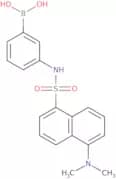
CAS :<p>3-Dansylaminophenylboronic acid is a boronic acid that forms reversible covalent bonds with dopamine. It can be used in the diagnosis of cancer, as it binds to histone lysine and magnetic particles. The fluorescence resonance of 3-Dansylaminophenylboronic acid can also be used in the diagnosis of cancer, as it produces a strong signal. This compound has been shown to have homogeneous assays for the detection of dopamine and lipoprotein lipase in urine samples. 3-Dansylaminophenylboronic acid has also been found to be effective against cancer cells in culture, although it is not active against polysialic-expressing cells.</p>Formule :C18H19BN2O4SDegré de pureté :Min. 95%Couleur et forme :PowderMasse moléculaire :370.23 g/mol(R)-BoroLeu-(+)-pinanediol-trifluoroacetate
CAS :<p>(R)-BoroLeu-(+)-pinanediol-trifluoroacetate is a complex compound with CAS No. 179324-87-9 and can be used as a reagent, useful intermediate, or fine chemical. It is a versatile building block that can be used in the synthesis of speciality chemicals, research chemicals, and reaction components. This compound has been reported to be a useful scaffold for the synthesis of novel compounds that could have applications in medicine, such as anti-cancer drugs and antibiotics.</p>Formule :C17H29BF3NO4Couleur et forme :White Off-White PowderMasse moléculaire :379.22 g/molTris(trimethylsilyl)silane
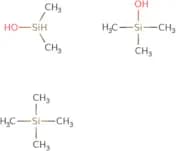
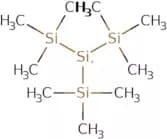
CAS :<p>Tris(trimethylsilyl)silane is a reactive functional group that is used in the synthesis of monoclonal antibodies. It reacts with halides to form an intermediate, which then undergoes chain reactions with other molecules to form the final product. Tris(trimethylsilyl)silane can be used for cancer therapy and for the detection of antibodies. It has been shown that tris(trimethylsilyl)silane will react with a light emitting compound (e.g., 4-dimethylaminopyridine) and a cationic polymerization initiator (e.g., diallyldimethylammonium chloride). This reaction produces high values of light emission, which can be detected by x-ray crystal structures.</p>Formule :C9H28Si4Degré de pureté :Min. 97 Area-%Couleur et forme :Clear LiquidMasse moléculaire :248.66 g/molBenzothiazole-5-boronic acid pinacol ester
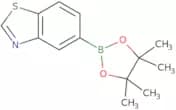
CAS :<p>Benzothiazole-5-boronic acid pinacol ester is a fine chemical that is used as a versatile building block in the synthesis of complex compounds. It can be used for research purposes, as a reagent in organic synthesis, or as a speciality chemical. This compound has been shown to be useful in the preparation of high quality and useful intermediates, which are then used in the production of other chemicals. Benzothiazole-5-boronic acid pinacol ester is also an important reaction component and can be used as a scaffold for the synthesis of new compounds.</p>Formule :C13H16BNO2SDegré de pureté :Min. 95%Couleur et forme :PowderMasse moléculaire :261.15 g/mol4-Isopropylphenylboronic acid
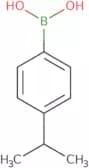
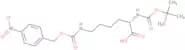
CAS :<p>4-Isopropylphenylboronic acid is a chiral organic chemical that is used as a Grignard reagent. It is an optically pure compound that can be isolated by recrystallization. The optical purity of 4-isopropylphenylboronic acid has been confirmed by the red shift observed in its IR spectrum. This compound undergoes nucleophilic substitution reactions, and it also catalyses the hydrostannylation of styrene with phenyllithium or butyllithium. The synthesis of this molecule requires relatively mild reaction conditions, and it can be obtained in high yield.</p>Formule :C9H13BO2Degré de pureté :Min. 95%Couleur et forme :PowderMasse moléculaire :164.01 g/molN-α-Boc-Nε-4-nitro-Z-L-lysine
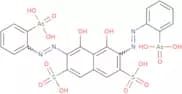
CAS :<p>Nepsilon-4-nitro-Z-L-lysine is a plant nutrient that can be used in agricultural and horticultural applications. It is a particle that can be added to the soil to improve fertility and stimulate plant growth. Nepsilon-4-nitro-Z-L-lysine has been shown to have a protective effect on plants against insect pests and fungal infections, as well as inhibiting the formation of toxic compounds during fermentation. This product also provides an alternative to chemical treatment and can be used for environmental monitoring or mesoscale studies. Nepsilon-4-nitro-Z-L-lysine has been shown to improve horse fertility and reduce the number of treatments required for resistant bacterial infections.</p>Formule :C19H27N3O8Degré de pureté :Min. 95%Couleur et forme :SolidMasse moléculaire :425.43 g/molArsenazo III
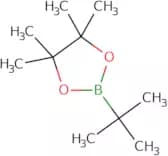
CAS :<p>Arsenazo III is a metal-binding dye that has been shown to bind to the cytosolic calcium ion. The binding of Arsenazo III to calcium has been shown to inhibit the voltage-dependent calcium channels, leading to a decrease in cytosolic calcium concentration. This reduction in cytosolic calcium is associated with energy metabolism and human serum titration calorimetry experiments. The binding of Arsenazo III to calcium is also responsible for its light signal. Arsenazo III binds to copper chloride and forms an insoluble precipitate when reacted with acidic solutions. This reaction can be used for analytical purposes as it produces a quantifiable end-point with plasma mass spectrometry.</p>Formule :C22H18As2N4O14S2Degré de pureté :(%) Min. 85%Masse moléculaire :776.37 g/moltert-Butylboronic acid pinacol ester
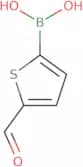
CAS :<p>tert-Butylboronic acid pinacol ester is a fine chemical reagent that is used as a building block in the synthesis of complex compounds. It is an intermediate in reactions involving the conversion of alcohols to esters with the use of acid catalysts. Tert-butylboronic acid pinacol ester has been shown to be a useful scaffold for organic synthesis, and can be used as a high quality reaction component. It also has applications as a research chemical and speciality chemical.</p>Formule :C10H21BO2Degré de pureté :Min. 95%Couleur et forme :Clear LiquidMasse moléculaire :184.08 g/mol5-Formyl-2-thiopheneboronic acid
CAS :<p>5-Formyl-2-thiopheneboronic acid is a synthetic molecule that has been shown to be an effective electron microscope stabilizer. It is a boronate ester with a formyl group at the 2-position and a thiophene ring at the 5-position. The chloride in this molecule is used as a functional group, which can then react with other molecules to form new compounds. The functional theory of 5-formyl-2-thiopheneboronic acid includes its ability to form bonds with other molecules and its use as an inorganic base. The particle size of 5-formyl-2-thiopheneboronic acid is unsymmetrical, making it different from other molecules.</p>Formule :C5H5BO3SDegré de pureté :Min. 95%Couleur et forme :PowderMasse moléculaire :155.97 g/mol3-Aminophenylboronic acid hemisulphate
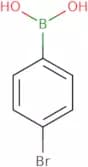
CAS :<p>3-Aminophenylboronic acid hemisulphate is a cross-linking agent that has been shown to induce apoptosis in mammalian cells. It also has the ability to bind to glycan, a sugar molecule on the surface of cells. The binding of 3-aminophenylboronic acid hemisulphate induces morphogenetic protein (MP) secretion, which leads to cell death. This compound is used as an adjuvant in vaccines and also as a research reagent for studying protein sequences and antigen/antibody interactions.</p>Formule :C6H8BNO2•(H2SO4)0Degré de pureté :Min. 95%Couleur et forme :White PowderMasse moléculaire :185.98 g/mol4-Bromophenylboronic acid
CAS :<p>4-Bromophenylboronic acid is a boronic acid with a basic structure. It has been used to synthesize picolinic acid, which is a water-soluble drug with light emission and anhydrous sodium. 4-Bromophenylboronic acid has been shown to have diagnostic properties because of its ability to enhance the concentration–time curve of sodium salts in human serum. It can also be used as an asymmetric synthesis agent for the production of fatty acids.</p>Formule :C6H6BBrO2Degré de pureté :Min. 97.5 Area-%Couleur et forme :PowderMasse moléculaire :200.83 g/molTrimethylsilylacetylene
CAS :<p>Trimethylsilylacetylene is a chemical compound that belongs to the class of organic compounds. It is an intermediate in the production of fatty acids and has been shown to be involved in the metabolism of other compounds, such as halides. Trimethylsilylacetylene is also used to inhibit inflammatory diseases and metabolic disorders, such as diabetes mellitus and Alzheimer's disease. Trimethylsilylacetylene inhibits replication by binding to the amine group on purine bases or DNA at the replication fork. This prevents DNA synthesis, which prevents cell division, causing cells to die. Trimethylsilylacetylene also inhibits cell division by reacting with carbonyl groups on proteins during replication.</p>Formule :C5H10SiDegré de pureté :Min. 95%Couleur et forme :Colorless Clear LiquidMasse moléculaire :98.22 g/mol3,7-Dibromo-5,5-dioctyl-5H-dibenzo[b,d]silole
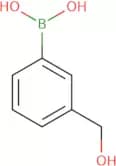
CAS :<p>3,7-Dibromo-5,5-dioctyl-5H-dibenzo[b,d]silole is a fine chemical that belongs to the group of versatile building blocks for organic synthesis. It is a complex compound that has been used in research as a reagent and speciality chemical. It also has many applications in the production of commercial chemicals such as pharmaceuticals and agrochemicals. This compound can be used as an intermediate for the production of other compounds with pharmaceutical or agricultural uses.</p>Formule :C28H40Br2SiDegré de pureté :Min. 95%Couleur et forme :Colorless PowderMasse moléculaire :564.51 g/mol3-(Hydroxymethyl)phenylboronic acid
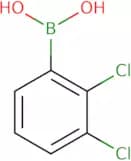
CAS :<p>3-(Hydroxymethyl)phenylboronic acid (3HMBBA) is an analog of 3-hydroxymethylphenylboronic acid. It has been used in the Suzuki coupling reaction to produce a number of biologically important compounds, such as beta-lactamase inhibitors. This compound also inhibits the activity of human liver cancer cells and human liver tissue in vitro. The hydroxy group on the left-hand side of the molecule provides a potent inhibition effect on beta-lactamases that are produced by bacteria and may be useful for treating infections caused by these bacteria. 3HMBBA is soluble in neutral pH solutions, which makes it easy to work with and store. 3HMBBA can also be used as a ferrite for permanent magnets due to its high magnetic moment.</p>Formule :C7H9BO3Degré de pureté :Min. 95%Couleur et forme :PowderMasse moléculaire :151.96 g/mol2,3-Dichlorophenylboronic acid
CAS :<p>2,3-Dichlorophenylboronic acid is a boron-containing compound. It is a substrate for the enzyme phosphatase and has been shown to inhibit the activity of the SHP2 protein kinase in vitro. This inhibition can lead to programmed cell death via apoptosis and necrosis. 2,3-Dichlorophenylboronic acid has also been shown to inhibit the growth of erythromycin resistant bacteria. The two isomers are not equally active. Dichloro(phenyl)boronic acid (1) is more potent than dichlorobis(phenyl)boronic acid (2).</p>Formule :C6H5BCl2O2Degré de pureté :Min. 97.5 Area-%Couleur et forme :White PowderMasse moléculaire :190.82 g/molBis[3-(triethoxysilyl)propyl]-disulfide
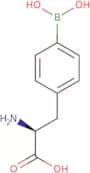
CAS :<p>Bis[3-(triethoxysilyl)propyl]-disulfide is a polymer that has been shown to inhibit tumor growth in vivo and in vitro. It also inhibits the synthesis of fatty acids. Bis[3-(triethoxysilyl)propyl]-disulfide is synthesized by reacting triethoxysilane with sulfur dioxide, followed by hydrolysis of the resultant bis(hydroxysilyl)sulfide with water. The polymer is then purified by precipitation from an alcohol solution, followed by drying to form a powder. Bis[3-(triethoxysilyl)propyl]-disulfide has a viscosity of about 1 cP at room temperature and can be used as a polymer matrix for drug delivery.</p>Formule :C18H42O6S2Si2Degré de pureté :Min. 85.0 Area-%Couleur et forme :Clear LiquidMasse moléculaire :474.83 g/mol4-Borono-L-phenylalanine
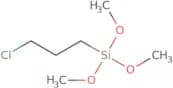
CAS :<p>4-Borono-L-phenylalanine is a boron-containing compound that has been used to study the biological effects of radiation. 4-Borono-L-phenylalanine is an analytical tool for measuring neutron scattering and other physical properties. It has also been used as a biochemical probe in studies of DNA duplexes. 4-Borono-L-phenylalanine is toxic to cells, inhibiting protein synthesis, and it can induce apoptosis in tumor cells. In experimental models, 4-borono-L phenylalanine can be administered orally or intravenously and has shown acute toxicity in animals at doses of up to 1000 mg/kg body weight.</p>Formule :C9H12BNO4Degré de pureté :Min. 95%Couleur et forme :White PowderMasse moléculaire :209.01 g/molγ-Chloropropyl trimethoxysilane
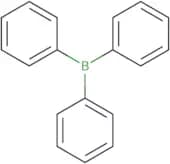
CAS :<p>Gamma-chloropropyl trimethoxysilane (CPS) is a chemical compound with the formula Cl3Si(OCH3)2. It is an organosilicon compound that is used in surface preparation and modification to improve hydrophobicity, chemical stability, and mechanical properties. CPS forms covalent linkages with organic compounds on the surface by reaction with hydroxyl groups. It has been shown to react with fatty acids such as oleic acid, forming a metal chelate. CPS reacts with sodium carbonate (Na2CO3) to form sodium chloropropoxide (NaClOCH3). This reaction is exothermic and can be used for sample preparation. The mechanism of this reaction is thought to involve the formation of a copper complex followed by its hydrolysis.</p>Formule :C6H15ClO3SiDegré de pureté :Min. 95%Couleur et forme :Clear LiquidMasse moléculaire :198.72 g/molTriphenylborane
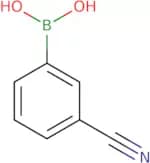
CAS :<p>Triphenylborane is a chemical compound with the formula B(C6H5)3. It is a white solid that is soluble in organic solvents, but not water. Triphenylborane reacts with phosphorus pentoxide to form diphenyl sulfoxide, and it also reacts with nitrogen gas to form diphenyl diazonium salts. Triphenylborane has been shown to be nontoxic when administered orally at doses up to 100 mg/kg in rats and mice, although it has acute toxicities when injected into rabbits and dogs. The chemical stability of triphenylborane makes it an ideal candidate for use as a high-temperature fuel additive.</p>Formule :C18H15BDegré de pureté :Min. 95%Couleur et forme :PowderMasse moléculaire :242.12 g/mol3-Cyanophenylboronic acid
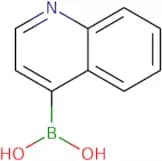
CAS :<p>3-Cyanophenylboronic acid is an organic compound that has been shown to have antimicrobial activity against Pseudomonas aeruginosa. The synthetic pathway of this compound begins with the benzamidine, which reacts with dibutyltin oxide to form 3-cyanophenylboronic acid. This molecule can then be reacted with a cationic polymerization agent such as polyethyleneimine or polyallylamine, producing a polymerized product. When tested in humans, 3-cyanophenylboronic acid showed a high oral bioavailability and low plasma protein binding. It also has a short serum half-life and is metabolized by serine proteases in the liver.</p>Formule :C7H6BNO2Degré de pureté :Min. 95%Couleur et forme :PowderMasse moléculaire :146.94 g/molQuinolin-4-ylboronic acid
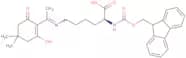
CAS :<p>Quinolin-4-ylboronic acid is a heterocyclic compound with two nitrogen atoms that are attached to the ring by means of carbonyl groups. This compound is a precursor in the synthesis of the drug dorsomorphin, which is used for pain relief. It also has an important role in pharmacokinetics because it can be used as a marker for estimating blood levels of other drugs. Quinolin-4-ylboronic acid yields an active form, quinolin-4-yl boronic acid, when reacted with piperazine in basic conditions. The drug ldn-193189 is a derivative of this active form and has been evaluated as a potential drug for treating osteoporosis and cancer.</p>Formule :C9H8BNO2Degré de pureté :Min. 95 Area-%Couleur et forme :PowderMasse moléculaire :172.98 g/molN-α-Fmoc-Nε-1-(4,4-dimethyl-2,6-dioxocyclohex-1-ylidene)ethyl-L-lysine
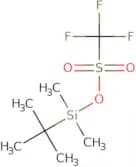
CAS :<p>N-alpha-Fmoc-Nepsilon-1-(4,4-dimethyl-2,6-dioxocyclohex-1-ylidene)ethyl-L-lysine is a synthetic amide with a peptide backbone. It has been shown to have anti tumor activity in vivo and in vitro against a variety of solid tumor xenografts. The compound was conjugated to the integrin receptor ligand RGD, which is expressed on the surface of various types of cancer cells. This modification increased the uptake of N-alpha-Fmoc-Nepsilon-1-(4,4 dimethyl 2,6 dioxocyclohex1 ylidene)ethyl L lysine by leukemia cells and solid tumor xenografts.</p>Formule :C31H36N2O6Degré de pureté :Min. 98 Area-%Couleur et forme :Slightly Yellow PowderMasse moléculaire :532.63 g/moltert-Butyldimethylsilyl trifluoromethanesulfonate
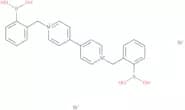
CAS :<p>tert-Butyldimethylsilyl trifluoromethanesulfonate is a nucleophilic reagent that forms an addition product with metal carbonyls. It can be used for the synthesis of indacaterol maleate, which is a phosphite prodrug for the treatment of asthma and chronic obstructive pulmonary disease. Tert-butyldimethylsilyl trifluoromethanesulfonate has been shown to catalyze asymmetric hydrogenation reactions in the presence of ammonia as a chiral auxiliary. This reagent has also been shown to inhibit the growth of bacteria and fungi through its ability to inhibit protein synthesis.</p>Formule :C7H15F3O3SSiCouleur et forme :Colorless Clear LiquidMasse moléculaire :264.34 g/molN,N'-4,4'-Bis(benzyl-2-boronic acid)-bipyridinium dibromide
CAS :<p>N,N'-4,4'-Bis(benzyl-2-boronic acid)-bipyridinium dibromide is a high quality reagent that can be used as an intermediate for the synthesis of complex organic compounds. It is a complex compound that contains boronic acid and bipyridinium moieties. N,N'-4,4'-Bis(benzyl-2-boronic acid)-bipyridinium dibromide is useful in the synthesis of fine chemicals and speciality chemicals. It has versatile building block properties and can be used as a reaction component in many chemical reactions.</p>Formule :C24H24B2N2O4Br2Degré de pureté :Min. 95%Couleur et forme :PowderMasse moléculaire :585.89 g/mol


![Sodium tetrakis[3,5-bis(trifluoromethyl)phenyl]borate](/_next/image/?url=https%3A%2Fstatic.cymitquimica.com%2Fproducts%2F3D%2Fthumb-webp%2FFS93415.webp&w=3840&q=75)




![3,7-Dibromo-5,5-dioctyl-5H-dibenzo[b,d]silole](/_next/image/?url=https%3A%2Fstatic.cymitquimica.com%2Fproducts%2F3D%2Fthumb-webp%2FFD141100.webp&w=3840&q=75)
![Bis[3-(triethoxysilyl)propyl]-disulfide](/_next/image/?url=https%3A%2Fstatic.cymitquimica.com%2Fproducts%2F3D%2Fthumb-webp%2FFB40976.webp&w=3840&q=75)