Composés organosiliciés
Dans cette section, vous trouverez un grand nombre de composés organosiliciés. Les composés organosiliciés sont caractérisés par des atomes de carbone liés à des atomes de silicium. D'autres composés non métalliques peuvent également être présents. Ces composés sont largement utilisés en synthèse organique, en science des matériaux et en pharmaceutique en raison de leurs propriétés chimiques uniques. Chez CymitQuimica, nous offrons une large gamme de composés organosiliciés de haute qualité pour soutenir vos recherches et projets industriels.
Sous-catégories appartenant à la catégorie "Composés organosiliciés"
4327 produits trouvés pour "Composés organosiliciés"
Trier par
Degré de pureté (%)
0
100
|
0
|
50
|
90
|
95
|
100
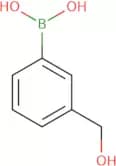
3-(Hydroxymethyl)phenylboronic acid
CAS :<p>3-(Hydroxymethyl)phenylboronic acid (3HMBBA) is an analog of 3-hydroxymethylphenylboronic acid. It has been used in the Suzuki coupling reaction to produce a number of biologically important compounds, such as beta-lactamase inhibitors. This compound also inhibits the activity of human liver cancer cells and human liver tissue in vitro. The hydroxy group on the left-hand side of the molecule provides a potent inhibition effect on beta-lactamases that are produced by bacteria and may be useful for treating infections caused by these bacteria. 3HMBBA is soluble in neutral pH solutions, which makes it easy to work with and store. 3HMBBA can also be used as a ferrite for permanent magnets due to its high magnetic moment.</p>Formule :C7H9BO3Degré de pureté :Min. 95%Couleur et forme :PowderMasse moléculaire :151.96 g/molTriphenylborane
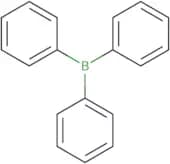
CAS :<p>Triphenylborane is a chemical compound with the formula B(C6H5)3. It is a white solid that is soluble in organic solvents, but not water. Triphenylborane reacts with phosphorus pentoxide to form diphenyl sulfoxide, and it also reacts with nitrogen gas to form diphenyl diazonium salts. Triphenylborane has been shown to be nontoxic when administered orally at doses up to 100 mg/kg in rats and mice, although it has acute toxicities when injected into rabbits and dogs. The chemical stability of triphenylborane makes it an ideal candidate for use as a high-temperature fuel additive.</p>Formule :C18H15BDegré de pureté :Min. 95%Couleur et forme :PowderMasse moléculaire :242.12 g/molSodium tetrakis[3,5-bis(trifluoromethyl)phenyl]borate
CAS :<p>Tetrakis(3,5-bis(trifluoromethyl)phenyl)borate is a boron compound that has the formula [(CH)B] and is an ionic compound. It is a model system for studying conformational properties of organic compounds in solution. A reaction solution containing sodium tetrakis(3,5-bis(trifluoromethyl)phenyl)borate reacts with coumarin derivatives to form stable complexes. These complexes are then detected by infrared spectroscopy, mass spectrometry, and nuclear magnetic resonance (NMR). This method has been applied to urine samples and plasma from healthy subjects as well as human serum. The stable complexes can be used to measure the concentration of free coumarin derivatives in these samples. The cationic polymerization of polystyrene was studied using tetrakis(3,5-bis(trifluoromethyl)phenyl)borate</p>Formule :C32H12BF24•NaDegré de pureté :(%) Min. 95%Couleur et forme :PowderMasse moléculaire :886.2 g/molFerrocenium Tetrafluoroborate
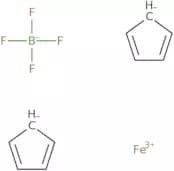
CAS :<p>Ferrocenium tetrafluoroborate is a chiral, unreactive compound that is synthesized through the reaction of ferrocene and tetrafluoroboric acid. Ferrocenium tetrafluoroborate is a kinetic polymer that can be used as a linker in the synthesis of polymeric materials. This compound has been shown to catalyze the epoxidation of aliphatic alcohols to yield epoxides. Ferrocenium tetrafluoroborate has also been shown to catalyze the epoxidation of cyclic olefins, such as 1-octene. Ferrocenium tetrafluoroborate is an achiral catalyst and does not change during the course of the reaction.</p>Formule :C10H2BF4FeCouleur et forme :Brown PowderMasse moléculaire :264.77 g/mol1-Isopropyl-5-(4,4,5,5-tetramethyl-1,3,2-dioxaborolan-2-yl)-1H-pyrazole
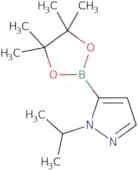
CAS :<p>1-Isopropyl-5-(4,4,5,5-tetramethyl-1,3,2-dioxaborolan-2-yl)-1H-pyrazole is a compound with a high quality and versatile building blocks. It can be used as a reagent in organic synthesis and as a research chemical. CAS No. 1282518-60-8.</p>Formule :C12H21BN2O2Degré de pureté :Min. 98 Area-%Couleur et forme :Colorless PowderMasse moléculaire :236.12 g/molPyrimidine-4-boronic acid
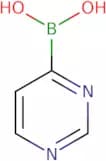
CAS :<p>Pyrimidine-4-boronic acid is a pyrimidine derivative that is used as a building block or intermediate in organic chemistry. It has the CAS number 852362-24-4 and can be found in research chemicals and speciality chemicals. Pyrimidine-4-boronic acid is a versatile chemical with many uses, including as a reaction component or reagent. This compound has many properties that make it useful for synthesis, such as its low toxicity and high quality.</p>Formule :C4H5BN2O2Degré de pureté :Min. 95 Area-%Couleur et forme :PowderMasse moléculaire :123.91 g/molFerroceneboronic acid
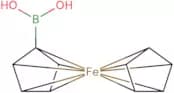
CAS :<p>Ferroceneboronic acid is a reagent, complex compound, useful intermediate, fine chemical and useful scaffold. It is also a versatile building block for the synthesis of speciality chemicals. Ferroceneboronic acid reacts with an organic halide to form a ferrocenyl-containing boronate ester that is useful as a reaction component in organic synthesis. The CAS number for ferroceneboronic acid is 12152-94-2.</p>Formule :C5H6BO2·C5H5·FeDegré de pureté :Min. 95 Area-%Couleur et forme :PowderMasse moléculaire :229.85 g/molMethylboronic acid
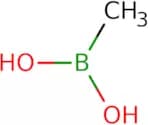
CAS :<p>Methylboronic acid is a cyclic peptide that can be found in plants. It was first discovered as an antimicrobial agent in the 1980s and has since been used to treat infectious diseases. Methylboronic acid reacts with oxygen nucleophiles such as penicillin-binding proteins, leading to their inhibition and subsequent death of bacteria. This compound also has potential for use in treating autoimmune diseases and inflammatory bowel disease due to its ability to inhibit the production of cytokines and other inflammatory mediators.</p>Formule :CH5BO2Degré de pureté :Min. 95%Couleur et forme :PowderMasse moléculaire :59.86 g/mol1-Isopropyl-o-carborane
CAS :Produit contrôlé<p>1-Isopropyl-o-carborane is a solvent that is used in the preparation of alicyclic and iso-alicyclic compounds. It can be used as an alkylating agent for the preparation of substituted cyclohexanes, butyric acid, and aldehydes. 1-Isopropyl-o-carborane has been shown to react with carbon nuclei to form organometallic reagents. This reaction allows for the substitution of hydrogen atoms in hydrocarbons with other organic groups. 1-Isopropyl-o-carborane is also an organometallic reagent that reacts with butyric acid to form 1,2,3,4,5,6,-hexahydrobenzocyclobuta[cd]pentalene and 1,2,3,4,-tetrahydrobenzocyclobuta[cd]pentalene.</p>Degré de pureté :Min. 95%Potassium tris(3,5-dimethyl-1-pyrazolyl)borohydride
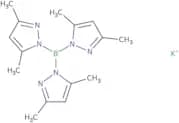
CAS :<p>Potassium tris(3,5-dimethyl-1-pyrazolyl)borohydride is a catalytic reagent that converts various ketones to their corresponding cyclic 3,5-dimethylpyrazoles. It has been used for the synthesis of 1,4-dihydropyridines and for the conversion of aliphatic nitro compounds to their corresponding anilines. The yields are high and it has been shown to be more efficient than other methods in the literature. This reagent also has an intramolecular reaction mechanism and is able to reduce chloride ions into chloride gas.</p>Formule :C15H22BKN6Degré de pureté :Min. 95%Couleur et forme :PowderMasse moléculaire :336.28 g/molN-α-Boc-Nε-4-nitro-Z-L-lysine
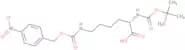
CAS :<p>Nepsilon-4-nitro-Z-L-lysine is a plant nutrient that can be used in agricultural and horticultural applications. It is a particle that can be added to the soil to improve fertility and stimulate plant growth. Nepsilon-4-nitro-Z-L-lysine has been shown to have a protective effect on plants against insect pests and fungal infections, as well as inhibiting the formation of toxic compounds during fermentation. This product also provides an alternative to chemical treatment and can be used for environmental monitoring or mesoscale studies. Nepsilon-4-nitro-Z-L-lysine has been shown to improve horse fertility and reduce the number of treatments required for resistant bacterial infections.</p>Formule :C19H27N3O8Degré de pureté :Min. 95%Couleur et forme :SolidMasse moléculaire :425.43 g/mol(1-Methylethyl)boronic acid
CAS :<p>(1-Methylethyl)boronic acid is a boronic acid that can be used as a catalyst in organic synthesis. This compound is an organometallic compound that has been shown to be a good catalyst for the polymerization of olefins, and for the preparation of copolymers with polyenes. It can also be used in asymmetric synthesis and as a site-specific ligand in transition metal catalyzed reactions. (1-Methylethyl)boronic acid has been shown to inhibit protease activity and may have therapeutic potential for metabolic disorders such as obesity.</p>Formule :C3H9BO2Degré de pureté :Min. 95%Couleur et forme :PowderMasse moléculaire :87.91 g/mol(3,4-Bis(trifluoromethyl)phenyl)boronic acid
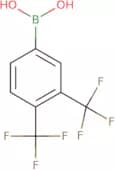
CAS :<p>3,4-Bis(trifluoromethyl)phenylboronic acid is a versatile building block that can be used as a reagent in organic synthesis. It has been shown to be a high quality product with the CAS number 1204745-88-9. This chemical is used to produce fine chemicals and research chemicals. 3,4-Bis(trifluoromethyl)phenylboronic acid is also a useful intermediate in the production of complex compounds and can be used as a building block for speciality chemicals.</p>Formule :C8H5BF6O2Degré de pureté :Min. 95%Couleur et forme :PowderMasse moléculaire :257.93 g/mol(3-glycidoxypropyl)methyldimethoxysilane
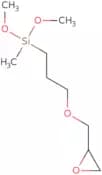
CAS :<p>3-Glycidoxypropyl methyldimethoxysilane (3-GPMDMS) is a compound that belongs to the group of organosilicon compounds. It is an organic solvent that has been used for the activation energy of ring-opening reactions. 3-GPMDMS is also suitable for immobilizing polysaccharides, proteins, and enzymes on surfaces or in polymer matrices. 3-GPMDMS has been used to produce polymers with high molecular weight and a wide range of molecular weights by polymerization. 3-GPMDMS can be synthesized by reacting glycidoxypropyltrimethoxysilane with methanol in the presence of hydrochloric acid. The chemical structure includes methoxy groups connected to silicon atoms via methylphenyl groups. 3-GPMDMS has been shown to exhibit excellent magnetic resonance properties and be a potential candidate for use as nanomaterials. It</p>Formule :C9H20O4SiDegré de pureté :Min. 95%Masse moléculaire :220.34 g/molCalcium dobesilate
CAS :<p>Calcium dobesilate is a calcium salt that emits chemiluminescence in the presence of an oxidant. It has been used as a treatment for hypercalcemia, which is caused by high levels of calcium in the blood, and to prevent skin cancer. The experimental model was conducted on human serum and showed that calcium dobesilate reduced the enzyme activities in serum samples by 30% after 15 minutes of incubation. This reduction was statistically significant when compared to untreated groups. Calcium dobesilate also inhibited the growth of skin cancer cells in a pharmacological agent-induced experimental model.</p>Formule :C8H6O5S•Ca0Degré de pureté :Min. 98 Area-%Couleur et forme :PowderMasse moléculaire :418.41 g/molTriphenylchlorosilane
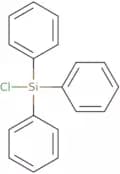
CAS :<p>Triphenylchlorosilane is a reactive compound that has been used as a model system for studying the reaction of congestive heart failure. It has been shown to inhibit energy metabolism and cell factor, which are important factors in the progression of congestive heart failure. Triphenylchlorosilane also reacts with p-hydroxybenzoic acid to form an unstable intermediate, which undergoes intramolecular hydrogen transfer to give the final product. The reaction mechanism is proposed to be a coordination geometry involving three chlorine atoms. This compound is not reactive with sodium salts or structural analysis, but it does bind signal peptide in vivo models and can be used as a probe for protein-protein interactions.</p>Formule :C18H15ClSiDegré de pureté :Min. 95%Couleur et forme :PowderMasse moléculaire :294.85 g/molPoly(methylhydrosiloxane)
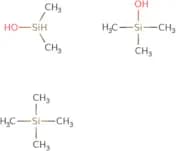
CAS :Polymethylhydrosiloxane is a polymer that is used in coatings and adhesives. It has been shown to be an efficient aid for removing copper chloride from water and can be applied to the treatment of calcium carbonate sludge. Poly(methylhydrosiloxane) also has high affinity for fatty esters, which is important for its use as a mass analyzer in environmental pollution studies. This polymer has been shown to have excellent kinetic and optical properties, making it a good candidate for electrochemical studies.Couleur et forme :Colorless Clear LiquidN-α-Boc-Nε-Z-D-lysine
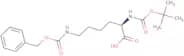
CAS :<p>N-alpha-Boc-Nepsilon-Z-D-lysine is a fusogenic peptide that has an acidic pKa. It is a potent inhibitor of survivin, which is a protein that regulates cell death. It also inhibits the uptake of l-phenylalanine to promote cancer cell death. The functional groups on this compound are epoxyketones, which have regulatory properties as well as being able to inhibit the growth of cells.</p>Formule :C19H28N2O6Degré de pureté :Min. 95%Masse moléculaire :380.44 g/mol(S)-BoroLeu-(+)-pinanediol-trifluoroacetate
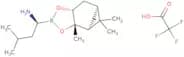
CAS :<p>(S)-BoroLeu-(+)-pinanediol-trifluoroacetate is a useful scaffold, building block, and intermediate for the synthesis of complex compounds. It is a high quality reagent that can be used in research chemicals and speciality chemicals. (S)-BoroLeu-(+)-pinanediol-trifluoroacetate is a versatile building block because it can be used as a reaction component in the synthesis of fine chemicals and as an intermediate in the synthesis of other reagents. CAS No. 477254-69-6</p>Formule :C15H28BNO2·C2HF3O2Degré de pureté :Min. 95%Couleur et forme :PowderMasse moléculaire :379.22 g/mol1-Methyl-1H-imidazole-2-boronic acid pinacolester
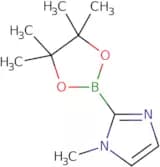
CAS :<p>1-Methyl-1H-imidazole-2-boronic acid pinacolester is a chemical compound that is used as a reagent in organic synthesis. It is also a useful building block for complex compounds, and can be used as a versatile building block for drug discovery research. 1-Methyl-1H-imidazole-2-boronic acid pinacolester is soluble in water, has good solubility in organic solvents such as ethanol, acetone, THF, and DMF. It has a CAS number of 553651-31-3 and the molecular weight of 252.24 g/mol.</p>Formule :C10H17BN2O2Degré de pureté :Min. 95 Area-%Couleur et forme :White PowderMasse moléculaire :208.07 g/molBis[3-(triethoxysilyl)propyl]-disulfide
CAS :<p>Bis[3-(triethoxysilyl)propyl]-disulfide is a polymer that has been shown to inhibit tumor growth in vivo and in vitro. It also inhibits the synthesis of fatty acids. Bis[3-(triethoxysilyl)propyl]-disulfide is synthesized by reacting triethoxysilane with sulfur dioxide, followed by hydrolysis of the resultant bis(hydroxysilyl)sulfide with water. The polymer is then purified by precipitation from an alcohol solution, followed by drying to form a powder. Bis[3-(triethoxysilyl)propyl]-disulfide has a viscosity of about 1 cP at room temperature and can be used as a polymer matrix for drug delivery.</p>Formule :C18H42O6S2Si2Degré de pureté :Min. 85.0 Area-%Couleur et forme :Clear LiquidMasse moléculaire :474.83 g/molCrisaborole
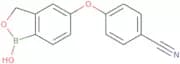
CAS :<p>Crisaborole is a topical antimicrobial peptide that was approved by the FDA in 2017 for the treatment of mild to moderate atopic dermatitis and eczema. It belongs to a class of drugs called small-molecule inhibitors of phosphodiesterase 4 (PDE4). PDE4 is an enzyme that hydrolyzes cyclic adenosine monophosphate (cAMP) and thereby reduces the levels of cAMP in cells. Crisaborole binds to the PDE4 enzyme and blocks its activity, leading to an increase in the level of cAMP. This increased concentration of cAMP leads to suppression of inflammation, which is a major symptom associated with skin diseases such as dermatitis and eczema.</p>Formule :C14H10BNO3Degré de pureté :Min. 95%Couleur et forme :PowderMasse moléculaire :251.05 g/molPolysiloxanes di-Me, Me 3,3,3-trifluoropropyl vinyl group-terminated, 14,000-18,000 Cst
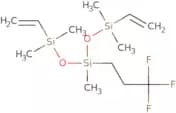
CAS :<p>14,000-18,000 Cst</p>Degré de pureté :Min. 95%Couleur et forme :Clear LiquidEthylboronic acid
CAS :<p>Ethylboronic acid is a β-amino acid with a serine protease inhibitory effect. It has been shown to inhibit the Toll-like receptor cascade, which is involved in the inflammatory response. Ethylboronic acid also inhibits the serine proteases that are responsible for cleaving peptides at their carboxy termini. This inhibition leads to an increase in the level of active peptides and a decrease in the level of inactive peptides, which can lead to an antimicrobial effect. Ethylboronic acid also inhibits chloride ion channels, which may lead to new treatments for asthma and cancer.</p>Formule :C2H7BO2Degré de pureté :Min. 95%Couleur et forme :PowderMasse moléculaire :73.89 g/mol(3R,4R)-4-Acetoxy-3-[(R)-1-(tert-butyldimethylsilyloxy)ethyl]-2-azetidinone
CAS :<p>(3R,4R)-4-Acetoxy-3-[(R)-1-(tert-butyldimethylsilyloxy)ethyl]-2-azetidinone is a versatile building block that can be used as a reagent and speciality chemical. It is also a useful scaffold for the synthesis of complex compounds. It has been shown to be useful in the manufacture of research chemicals and other fine chemicals. This compound is characterized by its high quality and can be used as an intermediate in reactions involving nucleophilic substitution, alkylation, acylation, esterification, and amination.</p>Formule :C13H25NO4SiDegré de pureté :Min. 98 Area-%Couleur et forme :White PowderMasse moléculaire :287.43 g/molN-ε-(1-Carboxymethyl)-L-lysine
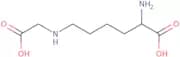
CAS :<p>N-ε-(1-Carboxymethyl)-L-lysine (NEM) is a versatile building block that is used in the synthesis of complex compounds. It is a reagent and speciality chemical that can be used as an intermediate to produce other useful chemicals or as a reaction component. It has been shown to be useful in the synthesis of peptides, oligonucleotides, and organic molecules. NEM has also been shown to have high quality and purity, making it a useful scaffold for further research into new compounds.</p>Formule :C8H16N2O4Degré de pureté :Min. 97%Couleur et forme :White PowderMasse moléculaire :204.22 g/mol4-Isopropylphenylboronic acid
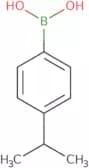
CAS :<p>4-Isopropylphenylboronic acid is a chiral organic chemical that is used as a Grignard reagent. It is an optically pure compound that can be isolated by recrystallization. The optical purity of 4-isopropylphenylboronic acid has been confirmed by the red shift observed in its IR spectrum. This compound undergoes nucleophilic substitution reactions, and it also catalyses the hydrostannylation of styrene with phenyllithium or butyllithium. The synthesis of this molecule requires relatively mild reaction conditions, and it can be obtained in high yield.</p>Formule :C9H13BO2Degré de pureté :Min. 95%Couleur et forme :PowderMasse moléculaire :164.01 g/molPhenylboronic acid
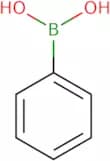
CAS :<p>Phenylboronic acid is a natural compound that has been shown to inhibit the growth of squamous carcinoma cells. The optical sensor can be used to measure the amount of phenylboronic acid in a solution. The sensor is made from a thin film of colloidal gold, which changes color in response to phenylboronic acid. This method of detection is not as accurate as other methods and can only be used with low concentrations. Phenylboronic acid has been shown to have anti-inflammatory properties, which may be due to its ability to inhibit toll-like receptor 4 and toll-like receptor 6 signaling pathways.</p>Formule :C6H7BO2Degré de pureté :Min. 95%Couleur et forme :White PowderMasse moléculaire :121.93 g/mol3,7-Dibromo-5,5-dioctyl-5H-dibenzo[b,d]silole
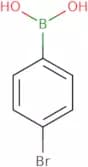
CAS :<p>3,7-Dibromo-5,5-dioctyl-5H-dibenzo[b,d]silole is a fine chemical that belongs to the group of versatile building blocks for organic synthesis. It is a complex compound that has been used in research as a reagent and speciality chemical. It also has many applications in the production of commercial chemicals such as pharmaceuticals and agrochemicals. This compound can be used as an intermediate for the production of other compounds with pharmaceutical or agricultural uses.</p>Formule :C28H40Br2SiDegré de pureté :Min. 95%Couleur et forme :Colorless PowderMasse moléculaire :564.51 g/mol4-Bromophenylboronic acid
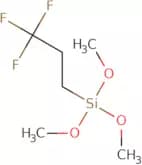
CAS :<p>4-Bromophenylboronic acid is a boronic acid with a basic structure. It has been used to synthesize picolinic acid, which is a water-soluble drug with light emission and anhydrous sodium. 4-Bromophenylboronic acid has been shown to have diagnostic properties because of its ability to enhance the concentration–time curve of sodium salts in human serum. It can also be used as an asymmetric synthesis agent for the production of fatty acids.</p>Formule :C6H6BBrO2Degré de pureté :Min. 97.5 Area-%Couleur et forme :PowderMasse moléculaire :200.83 g/molTrimethoxy(3,3,3-trifluoropropyl)silane
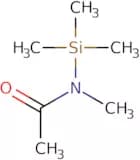
CAS :<p>Trimethoxy(3,3,3-trifluoropropyl)silane is a chemical that is used as a coating for metals and plastics. It has been shown to be an excellent lubricant and can be used as a fuel additive. Trimethoxy(3,3,3-trifluoropropyl)silane is also used in analytical chemistry for gravimetric analysis. This chemical can undergo reactions with other compounds such as hydrogen gas to form trimethoxysilane (SiH), which can be detected by FT-IR spectroscopy. Trimethoxy(3,3,3-trifluoropropyl)silane also reacts with metal ions in the presence of light to form metal complexes that have potential applications in photovoltaic devices and electrochemical studies. !--END--> !--END--></p>Formule :C6H13F3O3SiDegré de pureté :Min. 95%Couleur et forme :Clear LiquidMasse moléculaire :218.25 g/molN-Methyl-N-trimethylsilylacetamide
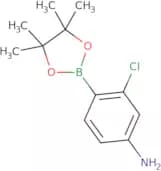
CAS :<p>N-Methyl-N-trimethylsilylacetamide is a bifunctional amide that can react with an electrophile, such as hexane, to form an N-methylated product. The amide group of the molecule can also be deprotonated by a strong base to form an enolate, which can then react with a nucleophile. The NMR spectra of this compound show that it has a multinuclear structure and contains two tautomers. It is used in analytical chemistry for sample preparation, chromatographic science for reaction intermediates, and chemical study for its reactivity.</p>Formule :C6H15NOSiDegré de pureté :Min. 97 Area-%Couleur et forme :Clear LiquidMasse moléculaire :145.27 g/mol4-Amino-2-chlorophenylboronic acid pinacol ester
CAS :<p>4-Amino-2-chlorophenylboronic acid pinacol ester is a versatile building block that is used in the synthesis of complex compounds. It can be used as a research chemical, reagent, or speciality chemical depending on the desired use. 4-Amino-2-chlorophenylboronic acid pinacol ester reacts with nucleophiles to form covalent bonds and is also useful as a scaffold for synthesizing other compounds. This compound has been shown to be useful in the synthesis of many different types of chemicals.</p>Formule :C12H17BClNO2Degré de pureté :Min. 95%Couleur et forme :PowderMasse moléculaire :253.53 g/mol4-Hydroxyphenylboronic acid pinacol ester
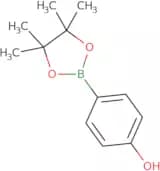
CAS :<p>4-Hydroxyphenylboronic acid pinacol ester is a hydrophilic compound that has been used as a long-acting iron chelator. It has been shown to be active in the treatment of anemic patients with chronic kidney disease. 4-Hydroxyphenylboronic acid pinacol ester has been shown to bind to hepcidin, which is a peptide hormone that regulates iron homeostasis in the body by decreasing its absorption from the gut and increasing its excretion. It also binds to functional groups on proteins and other molecules, which allow for selective targeting of certain tissues or cells. This compound can be activated by light, making it photochromic. The addition of an active oxygen atom enables this molecule to react at a faster rate than most compounds and also creates reactive oxygen species (ROS) in humans when activated.</p>Formule :C12H17BO3Degré de pureté :Min. 95%Couleur et forme :White PowderMasse moléculaire :220.1 g/mol1,3-Dichloro-1,1,3,3-tetraisopropyldisiloxane
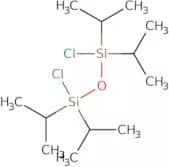
CAS :<p>1,3-Dichloro-1,1,3,3-tetraisopropyldisiloxane is a chromatographic stationary phase that has been used for the analysis of oligosaccharides and hydrogen bonds. 1,3-Dichloro-1,1,3,3-tetraisopropyldisiloxane has been shown to be useful in the separation of uridine from other nucleotides. It also has been shown to be useful as a titration calorimetry standard. This stationary phase can be used with fluorescence spectrometry and tryptophan fluorescence for structural analysis of pyrimidine compounds. Molecular modeling studies have also demonstrated that this stationary phase is stereoselective with regards to hydroxyl group emissions. The 1,3-Dichloro-1,1,3,3-tetraisopropyldisiloxane stationary phase is</p>Formule :C12H28Cl2OSi2Degré de pureté :Min. 95%Couleur et forme :Colorless Slightly Yellow Clear LiquidMasse moléculaire :315.43 g/mol1,1,1,3,5,7,7,7-Octamethyltetrasiloxane
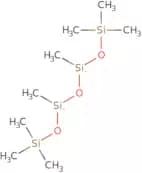
CAS :<p>1,1,1,3,5,7,7,7-Octamethyltetrasiloxane is a volatile liquid that is used as a fumigant. It is used in the manufacture of silicone elastomers and sealants. This chemical has been shown to be an effective sealant and to have good adhesion properties. It also has excellent resistance to high temperatures and chemicals. The mechanism of 1,1,1,3,5,7,7,7-octamethyltetrasiloxane is not fully understood but it may involve hydrogen bonding with the organic solvent. In addition to its use as a sealant and fumigant this chemical can be used as a ligand for bifunctional catalysts for polymerization reactions or for kinetic studies on polyolefins</p>Formule :C8H26O3Si4Degré de pureté :Min. 95%Couleur et forme :Clear LiquidMasse moléculaire :282.63 g/mol2,3-Dimethoxyphenylboronic acid
CAS :<p>2,3-Dimethoxyphenylboronic acid is a synthetic molecule that contains a boronic acid group. This compound has been shown to interact with histones H3 and L6. It has also been shown to modify lysine residues on the histone H3 protein by methylation. In addition, 2,3-dimethoxyphenylboronic acid interacts with other molecules in a way that changes their conformation and this interaction can be studied using vibrational spectroscopy. Organic chemists may use 2,3-dimethoxyphenylboronic acid as a ligand for biological targets or as a means of modifying proteins.</p>Formule :C8H11BO4Degré de pureté :Min. 95%Couleur et forme :PowderMasse moléculaire :181.98 g/mol3-Cyanophenylboronic acid
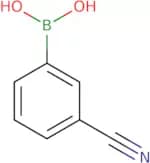
CAS :<p>3-Cyanophenylboronic acid is an organic compound that has been shown to have antimicrobial activity against Pseudomonas aeruginosa. The synthetic pathway of this compound begins with the benzamidine, which reacts with dibutyltin oxide to form 3-cyanophenylboronic acid. This molecule can then be reacted with a cationic polymerization agent such as polyethyleneimine or polyallylamine, producing a polymerized product. When tested in humans, 3-cyanophenylboronic acid showed a high oral bioavailability and low plasma protein binding. It also has a short serum half-life and is metabolized by serine proteases in the liver.</p>Formule :C7H6BNO2Degré de pureté :Min. 95%Couleur et forme :PowderMasse moléculaire :146.94 g/molN-Benzyl-4-phenyl pyridinium tetrafluoroborate
CAS :<p>N-Benzyl-4-phenyl pyridinium tetrafluoroborate is a fine chemical that can be used as a building block in the synthesis of complex compounds. It has been shown to have versatile applications in organic synthesis, such as being a useful intermediate and reaction component. N-Benzyl-4-phenyl pyridinium tetrafluoroborate is an extremely high quality reagent with few side effects and low toxicity.</p>Formule :C18H16N•BF4Degré de pureté :Min. 95%Masse moléculaire :333.13 g/mol2,5-Diphenyl-3-(4-methoxyphenyl)pyronium tetrafluoroborate
CAS :<p>2,5-Diphenyl-3-(4-methoxyphenyl)pyronium tetrafluoroborate is a chemical compound that can be used as a reagent or building block for the synthesis of other chemical compounds. It is also useful for research and as a versatile building block in organic chemistry. 2,5-Diphenyl-3-(4-methoxyphenyl)pyronium tetrafluoroborate is classified as a speciality chemical product. This compound has CAS Number 2907-20-2 and a molecular weight of 244.12 g/mol.</p>Formule :C24H19O2·BF4Degré de pureté :90%Couleur et forme :PowderMasse moléculaire :426.21 g/mol(E)-2-(1-Butenyl)-1,3,2-benzodioxaborole
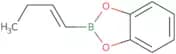
CAS :<p>(E)-2-(1-Butenyl)-1,3,2-benzodioxaborole is a novel glycogen synthase inhibitor that has been shown to be effective in diabetic animal models. It was found to inhibit the activity of glycogen phosphorylase and increase the level of glycogen in the liver. (E)-2-(1-Butenyl)-1,3,2-benzodioxaborole has been optimized by replacing one or more of its moieties with anthranilimide groups. This replacement increases potency by 2 orders of magnitude with nanomolar potency. (E)-2-(1-Butenyl)-1,3,2-benzodioxaborole inhibits xanthine oxidase and xanthine dehydrogenase enzymes and prevents the formation of uric acid from xanthine during purine metabolism. It also inhibits glycolysis and glucose production through inhibition of phosphofructokinase 1.</p>Formule :C10H11BO2Degré de pureté :Min. 95%Couleur et forme :PowderMasse moléculaire :174 g/molNα-Z-Nε-Boc-D-lysine methyl ester
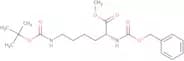
CAS :<p>Please enquire for more information about Nα-Z-Nε-Boc-D-lysine methyl ester including the price, delivery time and more detailed product information at the technical inquiry form on this page</p>Formule :C20H30N2O6Degré de pureté :Min. 95%Couleur et forme :PowderMasse moléculaire :394.46 g/molN-α-Fmoc-Nε-1-(4,4-dimethyl-2,6-dioxocyclohex-1-ylidene)ethyl-L-lysine
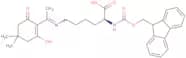
CAS :<p>N-alpha-Fmoc-Nepsilon-1-(4,4-dimethyl-2,6-dioxocyclohex-1-ylidene)ethyl-L-lysine is a synthetic amide with a peptide backbone. It has been shown to have anti tumor activity in vivo and in vitro against a variety of solid tumor xenografts. The compound was conjugated to the integrin receptor ligand RGD, which is expressed on the surface of various types of cancer cells. This modification increased the uptake of N-alpha-Fmoc-Nepsilon-1-(4,4 dimethyl 2,6 dioxocyclohex1 ylidene)ethyl L lysine by leukemia cells and solid tumor xenografts.</p>Formule :C31H36N2O6Degré de pureté :Min. 98 Area-%Couleur et forme :Slightly Yellow PowderMasse moléculaire :532.63 g/moltert-Butylboronic acid pinacol ester
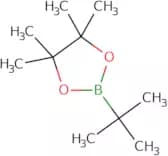
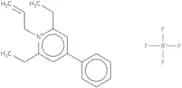
CAS :<p>tert-Butylboronic acid pinacol ester is a fine chemical reagent that is used as a building block in the synthesis of complex compounds. It is an intermediate in reactions involving the conversion of alcohols to esters with the use of acid catalysts. Tert-butylboronic acid pinacol ester has been shown to be a useful scaffold for organic synthesis, and can be used as a high quality reaction component. It also has applications as a research chemical and speciality chemical.</p>Formule :C10H21BO2Degré de pureté :Min. 95%Couleur et forme :Clear LiquidMasse moléculaire :184.08 g/molN-Propyl-1-ene-2,6-diethyl-4-phenylpyridinium tetrafluoroborate
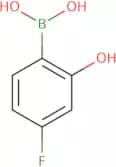
CAS :<p>N-Propyl-1-ene-2,6-diethyl-4-phenylpyridinium tetrafluoroborate (NPEEDPBF) is a fine chemical that has been used as a building block in research and industrial chemistry. The synthesis of NPEEDPBF typically involves the reaction of diethyl phenylpyridinium bromide with n propyl iodide. It can be used as a reagent for organic syntheses and as an intermediate for other compounds. NPEEDPBF is also a versatile building block for complex compounds.</p>Formule :C18H22N•BF4Degré de pureté :Min. 95%Masse moléculaire :339.18 g/molB-(4-Fluoro-2-hydroxyphenyl)-boronic acid
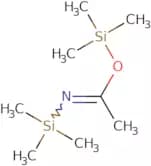
CAS :<p>B-(4-Fluoro-2-hydroxyphenyl)-boronic acid is a fungicide that has been synthesized to inhibit the growth of fungi. This compound is an effective fungicide against a wide variety of plant pathogens. It has been shown to be highly efficient in catalyzing intramolecular cyclization reactions, which are sometimes difficult to perform with traditional methods. The regulatory nature of this compound makes it an excellent candidate for commercial applications in agroscience and industry.</p>Formule :C6H6BFO3Degré de pureté :Min. 95%Couleur et forme :PowderMasse moléculaire :155.92 g/molN,O-Bis(trimethylsilyl) acetamide
CAS :<p>N,O-Bis(trimethylsilyl) acetamide is a protein that is used as a reagent for the detection of integrin receptors. It can be used to identify human immunoglobulin and human serum proteins. This compound has been shown to be pluripotent in cells, which means that it can differentiate into any type of cell. N,O-Bis(trimethylsilyl) acetamide has been shown to have surfactant properties and can be used as an alternative in toxicity studies. This compound has been shown to be toxic to bowel disease cells when tested with a dose of 3mg/mL. The disulfide bond within this molecule may be important for its biological activity. Synchronous fluorescence spectroscopy and plasma mass spectrometry are two methods that have been used to study the structure of this molecule. Electrochemical impedance spectroscopy is another method that has been used in the structural analysis of this molecule.</p>Formule :C8H21NOSi2Degré de pureté :Min. 95 Area-%Couleur et forme :Colorless Yellow Clear LiquidMasse moléculaire :203.43 g/molBis(trimethylsilyl)cytosine
CAS :<p>Bis(trimethylsilyl)cytosine is an immunosuppressive agent that binds to the immunodeficient acceptor. It has been shown to be active against a number of viruses, including HIV-1 and HSV-1. Bis(trimethylsilyl)cytosine also inhibits the activity of purine and pyrimidine nucleotide synthesis, although it does not inhibit the activity of adenosine deaminase or ribonucleotide reductase. This compound has been shown to stimulate the immune system in mice with a deficiency in T cells by reducing the expression of genes that are responsible for cytokines such as IL-4 and IL-10.</p>Formule :C10H21N3OSi2Degré de pureté :Min. 90%Couleur et forme :PowderMasse moléculaire :255.46 g/mol2-Methylpyridine-4-boronic acid pinacol ester
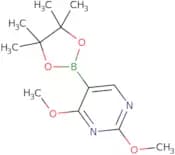
CAS :<p>Please enquire for more information about 2-Methylpyridine-4-boronic acid pinacol ester including the price, delivery time and more detailed product information at the technical inquiry form on this page</p>Formule :C12H18BNO2Degré de pureté :Min. 95%Masse moléculaire :219.09 g/mol2,4-Dimethoxypyrimidine-5-boronic acid, pinacol ester
CAS :<p>2,4-Dimethoxypyrimidine-5-boronic acid is a high quality chemical that can be used as a reagent or a complex intermediate. It is an important building block for the synthesis of many compounds and has been shown to be useful in the synthesis of 2,4-dimethoxybenzaldehyde. This compound has been used in the preparation of 2,4-dimethoxypyrimidin-5(6H)-ones and as a reaction component in organic chemistry.</p>Formule :C12H19BN2O4Degré de pureté :Min. 97%Masse moléculaire :266.1 g/mol

![Sodium tetrakis[3,5-bis(trifluoromethyl)phenyl]borate](/_next/image/?url=https%3A%2Fstatic.cymitquimica.com%2Fproducts%2F3D%2Fthumb-webp%2FFS93415.webp&w=3840&q=75)


![Bis[3-(triethoxysilyl)propyl]-disulfide](/_next/image/?url=https%3A%2Fstatic.cymitquimica.com%2Fproducts%2F3D%2Fthumb-webp%2FFB40976.webp&w=3840&q=75)
![(3R,4R)-4-Acetoxy-3-[(R)-1-(tert-butyldimethylsilyloxy)ethyl]-2-azetidinone](/_next/image/?url=https%3A%2Fstatic.cymitquimica.com%2Fproducts%2F3D%2Fthumb-webp%2FFA16979.webp&w=3840&q=75)
![3,7-Dibromo-5,5-dioctyl-5H-dibenzo[b,d]silole](/_next/image/?url=https%3A%2Fstatic.cymitquimica.com%2Fproducts%2F3D%2Fthumb-webp%2FFD141100.webp&w=3840&q=75)