Halogénures organiques
Dans cette catégorie, vous trouverez des molécules organiques contenant un ou plusieurs atomes d'halogène dans leur structure. Ces halogénures organiques incluent des composés bromés, iodés, chlorés et des halogénures cycliques. Les halogénures organiques sont largement utilisés en synthèse organique, en pharmaceutique, en agrochimie et en science des matériaux en raison de leur réactivité et de leur capacité à subir une variété de transformations chimiques. Chez CymitQuimica, nous offrons une sélection complète d'halogénures organiques de haute qualité pour soutenir vos applications de recherche et industrielles, garantissant une performance fiable et efficace dans vos projets synthétiques et analytiques.
Sous-catégories appartenant à la catégorie "Halogénures organiques"
20439 produits trouvés pour "Halogénures organiques"
Trier par
Degré de pureté (%)
0
100
|
0
|
50
|
90
|
95
|
100
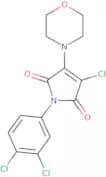
3-Chloro-1-(3,4-dichlorophenyl)-4-morpholin-4-yl-1H-pyrrole-2,5-dione
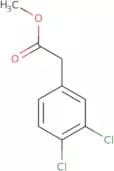
CAS :<p>3-Chloro-1-(3,4-dichlorophenyl)-4-morpholin-4-yl-1H-pyrrole-2,5-dione is a chemical compound that can be used as a reaction component, reagent, or useful scaffold for chemical synthesis. It is a high quality chemical with CAS No. 415713-60-9 and has the molecular formula C14H10Cl2N2O3. This versatile building block has been shown to be useful as an intermediate in organic chemistry and as a building block for complex compounds.</p>Formule :C14H11Cl3N2O3Degré de pureté :Min. 95%Couleur et forme :PowderMasse moléculaire :361.61 g/mol(3,4-Dichlorophenyl)acetic acid methyl ester
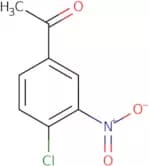
CAS :<p>(3,4-Dichlorophenyl)acetic acid methyl ester is a versatile building block and reagent that can be used in the synthesis of complex compounds. It is also a useful intermediate and reaction component for the synthesis of high-quality chemical products. This compound has been shown to be useful in the production of speciality chemicals, including research chemicals and fine chemicals.</p>Formule :C9H8Cl2O2Degré de pureté :Min. 95%Couleur et forme :PowderMasse moléculaire :219.06 g/mol4-Chloro-3-nitroacetophenone
CAS :<p>4-Chloro-3-nitroacetophenone is a phenothiazine drug that is used in the treatment of lung conditions. It binds to the active site of human cytochrome P450, which is an enzyme that metabolizes many drugs and other foreign substances. 4-Chloro-3-nitroacetophenone inhibits the reaction by binding to the chloride ion and preventing it from leaving the enzyme's active site, which is necessary for its function. The drug has been shown to have a high affinity for protozoan tetrahymena, an organism that has been widely used as a model system in biochemistry research. 4-Chloro-3-nitroacetophenone also inhibits biochemical reactions involving nucleophilic substrates such as quinoline derivatives. The reaction rate of these substrates is decreased by this drug due to its ability to compete with water molecules for the nucleophilic reaction intermediate.</p>Formule :C8H6ClNO3Degré de pureté :Min. 95%Couleur et forme :PowderMasse moléculaire :199.59 g/mol4'-Chloropropiophenone
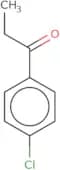
CAS :4'-Chloropropiophenone is a synthetic, non-proteinaceous binding agent that is used in the reduction of benzene and carbonyl compounds. It can be prepared by reacting cyanoborohydride with amines in an acid-binding process. The reaction can be catalyzed by chloride or oxime. 4'-Chloropropiophenone binds to the carbonyl group of carbonyl compounds and forms a tetrahedral intermediate with the chloride ion. This intermediate is then reduced by an oxidant such as chromium trioxide, resulting in the formation of a new compound with a chloride substituent.Formule :C9H9ClODegré de pureté :Min. 98%Couleur et forme :White PowderMasse moléculaire :168.62 g/molChloroquine
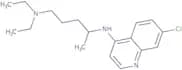
CAS :<p>Chloroquine is a 4-aminoquinolone that is used to prevent and treat malaria, caused by parasitic protozoan from the Plasmodium genus. Chloroquine is are an schizonticidal agent and is a widely prescribed antimalarial compound. The antiviral activity of chloroquine in vitro has been reported in 1960’s and recent publications have brought attention to its possible benefits in the treatment of COVID-19 patients, infected with the newly emerged coronavirus (SARS-CoV-2). Current evidence shows that chloroquine inhibits SARS CoV-2 entry in host cells by interfering with endocytosis and the glycoprofile on the S-glycoprotein.</p>Formule :C18H26ClN3Degré de pureté :Min. 95%Couleur et forme :White Off-White PowderMasse moléculaire :319.87 g/mol1-Chloro-4-iodobenzene
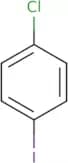
CAS :<p>1-Chloro-4-iodobenzene is a crystalline compound that can be used in the synthesis of palladium complexes. It reacts with amines to form aryl halides, which are useful intermediates for the synthesis of a variety of organic compounds. The reaction mechanism for 1-chloro-4-iodobenzene and amines is an electrophilic substitution reaction, which involves a nucleophilic attack by the amine on the carbon atom adjacent to the halogen atom. Halides are introduced as reagents in this reaction because they are nucleophiles. The reaction is thermodynamically favorable and efficient because 1-chloro-4-iodobenzene has a high concentration of iodine atoms, which react with the amine to form an intermediate diazonium salt. This salt then reacts with trifluoroacetic acid to produce the desired product and hydrogen iodide.</p>Formule :C6H4ClIDegré de pureté :Min. 98 Area-%Couleur et forme :PowderMasse moléculaire :238.45 g/mol4-Bromo-3,5-dimethoxybenzoic acid methyl ester
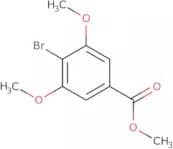
CAS :<p>4-Bromo-3,5-dimethoxybenzoic acid methyl ester is a crystalline solid that can be obtained from the reaction of 4-bromo-3,5-dimethoxybenzoic acid and methyl iodide. It has been shown to undergo an intramolecular cyclization when irradiated with ultraviolet light. This transformation is characterized by an increase in the length of the C=C bond and the appearance of a new C=O bond. The skeleton of 4-bromo-3,5-dimethoxybenzoic acid methyl ester consists of four five membered rings and two six membered rings. The molecule interacts with ligands such as styrene, mesitylene, vinylated benzyl halides, or halides.</p>Formule :C10H11BrO4Degré de pureté :Min. 95%Couleur et forme :PowderMasse moléculaire :275.1 g/mol4-Chlorophenoxyacetic acid
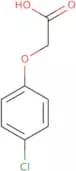
CAS :<p>4-Chlorophenoxyacetic acid is a chemical compound that is used in wastewater treatment. It can be used as a potassium dichromate substitute and exhibits synergic effects with sodium carbonate. 4-Chlorophenoxyacetic acid has been shown to have antimicrobial activity against group P2 bacteria, such as Pseudomonas aeruginosa, Staphylococcus aureus, and Enterococcus faecalis. 4-Chlorophenoxyacetic acid also inhibits the growth of human serum and monoclonal antibodies by inhibiting protein synthesis through intramolecular hydrogen linkage.</p>Formule :C8H7ClO3Couleur et forme :PowderMasse moléculaire :186.59 g/mol1,12-Dibromododecane
CAS :<p>1,12-Dibromododecane is a chemical substance that appears as an off-white solid. It has a formula weight of 45.1 g/mol and a melting point of -8.5°C. 1,12-Dibromododecane is soluble in water and alcohols and insoluble in ethers. The substance is not flammable, but it does react with strong oxidants such as nitric acid or perchloric acid to form toxic gases like nitrogen dioxide or chlorine gas respectively. 1,12-Dibromododecane is used in the manufacture of sodium carbonate, which is used for signal detection, and also as a fatty acid solvent in the production of optical properties and formula weight measurements. 1,12-Dibromododecane can be used to measure transport properties by gel chromatography and can be used as a metalloeluting agent in 4-hydroxycinnamic acid pur</p>Formule :C12H24Br2Degré de pureté :Min. 95%Couleur et forme :White PowderMasse moléculaire :328.13 g/mol2-Amino-5-bromothiazole-4-carboxylic acid methyl ester
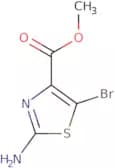
CAS :<p>2-Amino-5-bromothiazole-4-carboxylic acid methyl ester is a reagent that can be used as a building block for the synthesis of complex compounds. It is also an intermediate in the synthesis of other chemical compounds with therapeutic potential. 2-Amino-5-bromothiazole-4-carboxylic acid methyl ester is a fine chemical, which is useful for research purposes. The CAS number for this product is 850429-60-6.</p>Formule :C5H5BrN2O2SDegré de pureté :Min. 95%Couleur et forme :PowderMasse moléculaire :237.08 g/mol5-Chlorovanillyl alcohol
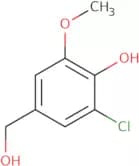
CAS :<p>5-Chlorovanillyl alcohol is a useful building block. It is a fine chemical that can be used as a research chemical, reagent, or speciality chemical. This compound is versatile and can be used as a reaction component or scaffold for complex compounds. 5-Chlorovanillyl alcohol has CAS number 20624-92-4.</p>Formule :C8H9ClO3Degré de pureté :Min. 95%Couleur et forme :PowderMasse moléculaire :188.61 g/mol3-Bromocinnamic acid
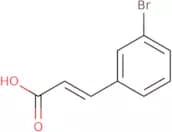
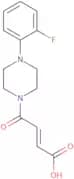
CAS :<p>3-Bromocinnamic acid is a long-term treatment that inhibits the adenosine receptor, which is an important component of the central nervous system. It has been shown to have biological properties such as cell growth inhibition, depressant effect, and inhibitory effects on HIV replication. 3-Bromocinnamic acid also inhibits the action of sodium salts in vitro and in vivo, suggesting that this drug may be useful for the treatment of epilepsy. 3-Bromocinnamic acid can be used to study the mechanisms by which sirt1 inhibitors act as anticancer drugs. In addition, 3-bromocinnamic acid has been shown to have therapeutic potential for treating Alzheimer's disease and Parkinson's disease.</p>Formule :C9H7BrO2Degré de pureté :Min. 95%Couleur et forme :PowderMasse moléculaire :227.05 g/mol3-((2-Fluorophenyl)piperazinylcarbamoyl)prop-2-enoic acid
CAS :Produit contrôlé<p>Please enquire for more information about 3-((2-Fluorophenyl)piperazinylcarbamoyl)prop-2-enoic acid including the price, delivery time and more detailed product information at the technical inquiry form on this page</p>Formule :C14H15Fn2O3Degré de pureté :Min. 80%Couleur et forme :PowderMasse moléculaire :278.29 g/molCerium trichloride heptahydrate
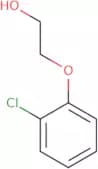
CAS :Cerium trichloride heptahydrate is a reactive compound. It reacts with amines, forming salts and other compounds. Cerium trichloride heptahydrate is highly toxic and can cause death in humans by inhalation or ingestion. This chemical has been shown to be effective against choroidal neovascularization (CNV) in a mouse model of age-related macular degeneration by intravitreal injection. The preparative method for this compound is precipitation from a solution of ceric nitrate, sodium carbonate, and hydrochloric acid. Cerium trichloride heptahydrate has an average particle diameter of about 0.4 micrometers and contains functional groups that are covalently bonded to the lanthanum atom. The reaction yield for this compound is 100%.Formule :CeCl3•(H2O)7Degré de pureté :Min. 98%Couleur et forme :PowderMasse moléculaire :372.58 g/mol2-(2-Chlorophenoxy)ethanol
CAS :<p>2-(2-Chlorophenoxy)ethanol is a versatile building block that can be used as a chemical reagent, speciality chemical, or useful intermediate. It is a high quality chemical with many uses in research and industrial chemistry. 2-(2-Chlorophenoxy)ethanol has been shown to be an efficient building block for the synthesis of complex compounds and has also been used as a reaction component in the synthesis of many other chemical compounds. This compound has been shown to have many applications and is worth consideration for any number of research or industrial endeavors.</p>Formule :C8H9ClO2Degré de pureté :Min. 95%Couleur et forme :Clear LiquidMasse moléculaire :172.61 g/mol2,6-Dichlorobenzylamine
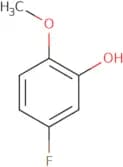
CAS :<p>2,6-Dichlorobenzylamine (2,6-DCBA) is a potent inhibitor of creatine kinase. It has been shown to be a potent inhibitor of the enzyme in muscle cells. 2,6-DCBA binds to the phosphoryl group of creatine kinase and inhibits its activity. This inhibitory effect on muscle cells causes fatigue and weakness during exercise. 2,6-DCBA also inhibits the enzyme cytosolic creatine kinase from eukaryotes and may be a potential inhibitor for treating Duchenne muscular dystrophy.</p>Formule :C7H7Cl2NDegré de pureté :Min. 95%Couleur et forme :Clear LiquidMasse moléculaire :176.04 g/mol5-Fluoro-2-methoxyphenol
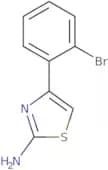
CAS :<p>5-Fluoro-2-methoxyphenol is a heterodimeric natural product that consists of anisoles and acetanilides. It has been shown to induce liver microsomes in rats, as well as hypervalent organometallic complexes with methoxy groups. 5-Fluoro-2-methoxyphenol also exhibits vinylic shift and product synthesis abilities. This compound is useful for the synthesis of acetanilides and other compounds with a methoxy group. Reagents such as phenyllithium, butyllithium, and lithium diisopropylamide are used in this synthesis.</p>Formule :C7H7FO2Degré de pureté :Min. 95%Couleur et forme :Clear LiquidMasse moléculaire :142.13 g/mol4-(2-Bromophenyl)-1,3-thiazol-2-amine
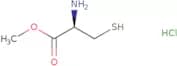
CAS :<p>Please enquire for more information about 4-(2-Bromophenyl)-1,3-thiazol-2-amine including the price, delivery time and more detailed product information at the technical inquiry form on this page</p>Degré de pureté :Min. 95%Mecysteine hydrochloride
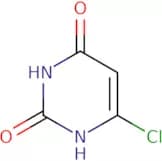
CAS :<p>Mecysteine hydrochloride is a stable complex of mecysteine and hydrochloric acid. It is an ester that is formed from the reaction of methionine and hydrochloric acid in the presence of sodium citrate. This drug has been used as a skin treatment for ichthyosis, atopic dermatitis, and other skin disorders. Mecysteine hydrochloride has also been shown to be effective against symptoms caused by oxidative stress, such as swelling, redness, pain, or itching. Mecysteine hydrochloride may act by reducing the production of reactive oxygen species (ROS) and increasing antioxidant enzymes in human serum.</p>Formule :C4H9NO2S•HClDegré de pureté :Min. 98 Area-%Couleur et forme :PowderMasse moléculaire :171.65 g/mol6-Chlorouracil
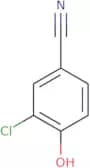
CAS :<p>Intermediate in the synthesis of alogliptin</p>Formule :C4H3ClN2O2Couleur et forme :White Slightly Yellow PowderMasse moléculaire :146.53 g/mol3-Chloro-4-hydroxybenzonitrile
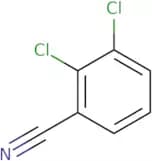
CAS :<p>3-Chloro-4-hydroxybenzonitrile (3CHBZ) is a chemical that contains chlorine and hydroxy groups. It has a basic structure with a proton and two electrons in the outer shell. 3CHBZ is an intermediate in various reactions, including electrochemical studies. 3CHBZ reacts with radiation to form a molecule that can react with other chemicals. This reaction can be used as a method for synthesizing products or destroying unwanted substances. Protonation of 3CHBZ leads to the formation of chloride ions, which are involved in thrombin inhibition.</p>Formule :C7H4ClNODegré de pureté :Min. 95%Couleur et forme :PowderMasse moléculaire :153.57 g/mol2,3-Dichlorobenzonitrile
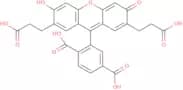
CAS :<p>2,3-Dichlorobenzonitrile is a crystalline cellulose that has anticancer activity. It is used in the treatment of cancer cells by inducing apoptosis and inhibiting cell proliferation. 2,3-Dichlorobenzonitrile also inhibits the growth of other cells such as nerve cells, by blocking the action of specific molecules that are involved in cell division. This compound can be used to treat leukemia and lymphoma. 2,3-Dichlorobenzonitrile binds with amines and caffeine molecules to form an adduct that is toxic to cells. The functional groups on the molecule are responsible for this interaction.</p>Formule :C7H3Cl2NDegré de pureté :Min. 95%Masse moléculaire :172.01 g/mol2',7'-Bis(2-carboxyethyl)-5(6)-carboxyfluorescein
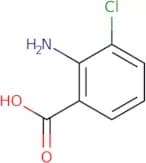
CAS :<p>2',7'-Bis(2-carboxyethyl)-5(6)-carboxyfluorescein (BCECF) is a fluorescent probe that is used to measure the intracellular concentration of Ca2+. BCECF binds to Ca2+ and transfers its energy to a fluorophore. This process results in an increase in fluorescence intensity proportional to the amount of Ca2+ present. The BCECF dye can be used for detecting mitochondrial membrane potential, as well as monitoring changes in cellular metabolism. It has been shown to be effective in mesenchymal cells, blood sampling, and internalization assays.</p>Formule :C27H20O11Degré de pureté :Min. 90 Area-%Couleur et forme :PowderMasse moléculaire :520.44 g/mol2-Amino-3-chlorobenzoic acid
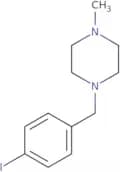
CAS :<p>2-Amino-3-chlorobenzoic acid is a chemical compound that is used as a reagent in the cross-coupling of organic compounds. 2-Amino-3-chlorobenzoic acid has been shown to inhibit the growth of cancer cells in the laboratory and has been used as a pesticide. This compound causes DNA methylation in bacteria, which may be due to its inhibition of methyltetrahydrofolate reductase. 2-Amino-3-chlorobenzoic acid is reactive and should be handled with care because it could cause burns on contact with skin. The carcinogenic potential of this compound has not been determined.</p>Formule :C7H6ClNO2Degré de pureté :Min. 95%Couleur et forme :PowderMasse moléculaire :171.58 g/mol1-(4-Iodobenzyl)-4-methylpiperazine
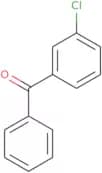
CAS :Produit contrôlé<p>1-(4-Iodobenzyl)-4-methylpiperazine is a chemical compound that is used as a building block for the synthesis of other organic compounds. It is also a reagent for organic synthesis and can be used to prepare high-quality research chemicals. 1-(4-Iodobenzyl)-4-methylpiperazine has many applications, including use as a versatile building block and a reaction component in the preparation of complex compounds. This chemical compound has CAS No. 102294-97-3 and can be found under the name <br>"1-(4-iodobenzyl)piperazine".</p>Formule :C12H17IN2Degré de pureté :Min. 95%Couleur et forme :PowderMasse moléculaire :316.18 g/mol3-Chlorobenzophenone
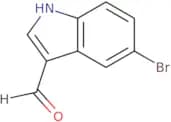
CAS :<p>3-Chlorobenzophenone is a heterocyclic organic compound with the molecular formula CHClO. It has two isomers, the ortho and para isomers. The para isomer has a lower redox potential than the ortho isomer, which means that it can undergo photoreduction more easily. 3-Chlorobenzophenone can also be used for Friedel-Crafts acylation reactions. This reaction produces an alcohol and an acid as reaction products, and the selectivity of this process depends on the difference in redox potential between the reactants.</p>Formule :C13H9ClOCouleur et forme :PowderMasse moléculaire :216.66 g/mol5-Bromoindole-3-carboxaldehyde
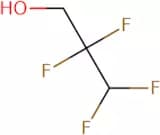
CAS :<p>5-Bromoindole-3-carboxaldehyde is a water molecule that has been crystallized in the form of an amide. It is a chemical substance with asymmetric synthesis and significant antifungal activity. 5-Bromoindole-3-carboxaldehyde is active against some strains of the fungus Candida albicans and has been shown to inhibit the growth of kidney cells. This molecule also binds to the neurokinin 1 receptor and is used as a probe for fluorescence studies. The efficient method for synthesizing 5-Bromoindole-3-carboxaldehyde includes using silico analysis to confirm the structure on a computer, then performing an asymmetric synthesis with an acid catalyst to produce this compound.</p>Formule :C9H6BrNODegré de pureté :Min. 98 Area-%Couleur et forme :PowderMasse moléculaire :224.05 g/mol2,2,3,3-Tetrafluoro-1-propanol
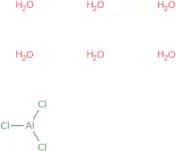
CAS :<p>2,2,3,3-Tetrafluoro-1-propanol is a solvent that has been used in the manufacture of polymers. It can be distilled from sodium trifluoroacetate at high pressure and temperature to give a constant boiling point. 2,2,3,3-Tetrafluoro-1-propanol is transported by gas or liquid diffusion. The kinetic energy of the molecules increases with increasing temperature and pressure; however, it does not have an appreciable chemical reaction with oxygen or ozone. This chemical has been used as a photoinitiator to polymerize cationic monomers such as trifluoroacetic acid and acrylamide. 2,2,3,3-Tetrafluoro-1-propanol has also been shown to react with water vapor to form hydrogen fluoride and hydrofluoric acid.</p>Formule :C3H4F4ODegré de pureté :Min. 98 Area-%Couleur et forme :Clear LiquidMasse moléculaire :132.06 g/molAluminium chloride hexahydrate
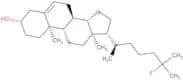
CAS :Produit contrôlé<p>Aluminium chloride hexahydrate is a chemical compound that is used to produce aluminum, as well as in the production of paper and textiles. It is also used in the manufacture of other chemicals such as chlorine, copper, and hydrochloric acid. Aluminium chloride hexahydrate has been shown to have neurotoxic effects on the central nervous system (CNS), specifically in the brain. The neurotoxic effects are due to its ability to inhibit various functions of brain cells, including cellular growth factor-β1. This chemical compound also inhibits polymerase chain reaction (PCR) with low doses. Aluminium chloride hexahydrate can be detected using electrochemical impedance spectroscopy (EIS).</p>Formule :AlCl3•(H2O)6Couleur et forme :White PowderMasse moléculaire :241.43 g/mol25-Fluorocholesterol
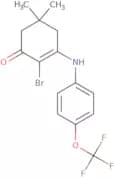
CAS :Produit contrôlé<p>25-Fluorocholesterol is a hydroxylated form of cholesterol that was originally synthesized in vitro. It has been found to inhibit cholesterol synthesis and is used to study the role of cholesterol in mitochondrial function. 25-Fluorocholesterol has also been shown to possess anti-carcinogenic properties, as it inhibits adrenocortical carcinoma cells by inhibiting the production of desmosterol, which is required for their growth. This compound is also able to inhibit cho-k1 cells by side-chain cleavage. 25-Fluorocholesterol has the ability to cross cell membranes and can be detected in non-steroidal anti-inflammatory drug studies using chromatography.</p>Formule :C27H45FODegré de pureté :Min. 95%Masse moléculaire :404.64 g/mol2-bromo-5,5-dimethyl-3-((4-(trifluoromethoxy)phenyl)amino)cyclohex-2-en-1-one
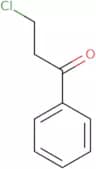
CAS :<p>Please enquire for more information about 2-bromo-5,5-dimethyl-3-((4-(trifluoromethoxy)phenyl)amino)cyclohex-2-en-1-one including the price, delivery time and more detailed product information at the technical inquiry form on this page</p>Degré de pureté :Min. 95%3-Chloropropiophenone
CAS :<p>3-Chloropropiophenone is a chiral compound that is used as an antidepressant drug. It was first synthesized in the 1950s and has been studied extensively for its pharmacological effects. 3-Chloropropiophenone is a racemic mixture of two enantiomers, one of which is active and the other inactive. The active enantiomer binds to serotonin receptors and inhibits the reuptake of serotonin, which leads to an increase in serotonin levels. The inactive enantiomer does not bind to serotonin receptors and does not inhibit the reuptake of serotonin. 3-Chloropropiophenone has been shown to be effective when administered at an optimum concentration of 5 milligrams per kilogram body weight.</p>Formule :C9H9ClODegré de pureté :Min. 95%Couleur et forme :PowderMasse moléculaire :168.62 g/molSodium tetrakis[3,5-bis(trifluoromethyl)phenyl]borate
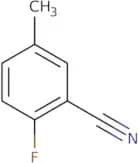
CAS :<p>Tetrakis(3,5-bis(trifluoromethyl)phenyl)borate is a boron compound that has the formula [(CH)B] and is an ionic compound. It is a model system for studying conformational properties of organic compounds in solution. A reaction solution containing sodium tetrakis(3,5-bis(trifluoromethyl)phenyl)borate reacts with coumarin derivatives to form stable complexes. These complexes are then detected by infrared spectroscopy, mass spectrometry, and nuclear magnetic resonance (NMR). This method has been applied to urine samples and plasma from healthy subjects as well as human serum. The stable complexes can be used to measure the concentration of free coumarin derivatives in these samples. The cationic polymerization of polystyrene was studied using tetrakis(3,5-bis(trifluoromethyl)phenyl)borate</p>Formule :C32H12BF24•NaDegré de pureté :(%) Min. 95%Couleur et forme :PowderMasse moléculaire :886.2 g/mol2-Fluoro-5-methylbenzonitrile
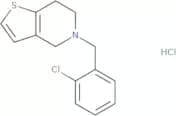
CAS :<p>2-Fluoro-5-methylbenzonitrile (2FMBC) is a molecule that has a molecular weight of 153.22 g/mol and a melting point of -30°C. It also has a boiling point of 190°C at 14 mmHg, and it is soluble in ethanol, ether, acetone, benzene, chloroform, carbon disulfide, and nitrobenzene. 2FMBC can be found in the vibrational spectrum from 400 to 700 nm with a maximum absorption frequency of 724 nm. The infrared spectrum for 2FMBC ranges from 700 cm-1 to 3200 cm-1. The molecular orbital theory predicts that the energy levels for this molecule are symmetrical and unsymmetrical. It has been shown by x-ray data that 2FMBC's dipole moment is 0 D.</p>Formule :C8H6FNDegré de pureté :Min. 95%Couleur et forme :PowderMasse moléculaire :135.14 g/molTiclopidine hydrochloride
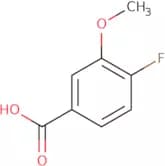
CAS :<p>P2Y12 receptor antagonist; ADP-induced platelet aggregation inhibitor</p>Formule :C14H15Cl2NSDegré de pureté :Min. 95%Couleur et forme :White PowderMasse moléculaire :300.25 g/mol4-Fluoro-3-methoxybenzoic acid
CAS :<p>4-Fluoro-3-methoxybenzoic acid is a chiral, organic compound. It is an estrogen antagonist that binds to the estrogen receptor. 4-Fluoro-3-methoxybenzoic acid has been shown to inhibit tumor growth by blocking the interaction of estradiol with its receptor in the cancer cell line MCF-7. The metabolically active form of this compound is 4′-hydroxymethyl 4′,4″-difluorobenzoate and it can be converted into other metabolites such as 3′,4′,5′,6′-tetrahydroxybenzoic acid. This conversion may be mediated by cytochrome P450 enzymes or through hydrolysis by esterases or glucuronidases. The stereoisomers of 4-fluoro-3 methoxybenzoic acid are erythro and threo forms which have different affinities for</p>Formule :C8H7FO3Degré de pureté :Min. 95%Couleur et forme :PowderMasse moléculaire :170.14 g/mol(R)-(+)-3,3'-Dibromo-5,5',6,6',7,7',8,8'-octahydro-1,1'-bi-2,2'-naphthalenediol
CAS :<p>(R)-(+)-3,3'-Dibromo-5,5',6,6',7,7',8,8'-octahydro-1,1'-bi-2,2'-naphthalenediol is a synthetic compound that is used as a ligand for asymmetric catalysis. It is an optically active compound and can be used in catalytic reactions to produce compounds that are not available through other methods. (R)-(+)-3,3'-Dibromo-5,5',6,6',7,7',8,8'-octahydro-1,1'-bi-2,2'-naphthalenediol is a reactive compound and can be used as a ligand in Diels-Alder reactions. The synthesis of this product can be achieved with high yield by using the synthetic method described.</p>Formule :C20H20Br2O2Degré de pureté :Min. 98 Area-%Couleur et forme :White PowderMasse moléculaire :452.18 g/mol2,4,6-Trifluorophenylacetic acid
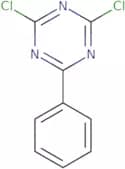
CAS :<p>2,4,6-Trifluorophenylacetic acid is a fluorinated phenylacetic acid that has been shown to inhibit the growth of the fungus Botrytis cinerea. It does this by disrupting the conformation of microtubules and inhibiting cell division. This compound has been synthesized in analogy with other known phenylacetic acids and its structure was confirmed through single-crystal x-ray diffraction studies. The heteroaryl groups on 2,4,6-Trifluorophenylacetic acid disrupt the microtubule polymerization process by binding to tubulin subunits. The fluorine atom also binds to the pyridine ring in this molecule to form an electron-deficient heterocycle.</p>Formule :C8H5F3O2Degré de pureté :Min. 95%Couleur et forme :White PowderMasse moléculaire :190.12 g/mol2,4-Dichloro-6-phenyl-1,3,5-triazine
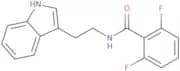
CAS :<p>2,4-Dichloro-6-phenyl-1,3,5-triazine is a triazine that has been synthesized and characterized by gel permeation chromatography and powder diffraction analysis. This compound is insoluble in organic solvents due to its high molecular weight. 2,4-Dichloro-6-phenyl-1,3,5-triazine has a number of different applications in the field of polymer science as an acceptor for activated polymers. It can also be used for thermally or photophysically activated polymers. The molecular structure of this compound was determined using x-ray crystallography and molecular modelling techniques.</p>Formule :C9H5Cl2N3Degré de pureté :Min. 98%Couleur et forme :PowderMasse moléculaire :226.06 g/mol(2,6-difluorophenyl)-N-(2-indol-3-ylethyl)formamide
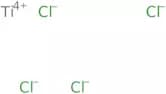
CAS :<p>Please enquire for more information about (2,6-difluorophenyl)-N-(2-indol-3-ylethyl)formamide including the price, delivery time and more detailed product information at the technical inquiry form on this page</p>Degré de pureté :Min. 95%Titanium(IV) Chloride - (14% in Dichloromethane, ca. 1.0mol/L)
CAS :<p>Titanium chloride is a chemical compound with the formula TiCl4. It is soluble in many organic solvents, and it reacts with water to form an acidic solution of hydrochloric acid. Titanium chloride is used as a catalyst for the synthesis of polymers such as poly(trifluoroethylene) and poly(vinyl chloride). This compound also has been used in clinical studies to treat chronic bronchitis. The reaction mechanism of titanium chloride is not clear, but it has been suggested that it may involve a Friedel-Crafts type reaction or an electrochemical process. The transport properties of titanium chloride are not well studied, but fluorescence spectrometry indicates that the molecule contains cationic moieties and carbonyl groups. Titanium chloride can be synthesized by a two-step process: first, iron oxide (FeO) is reacted with trifluoroacetic acid (TFA), followed by addition of TiCl4. The coordination geometry around titanium</p>Formule :TiCl4Degré de pureté :Min. 95%Couleur et forme :Colorless PowderMasse moléculaire :189.68 g/mol3-(4-chlorophenyl)spiro[1,3-thiazolidine-2,3'-indoline]-4,7-dione
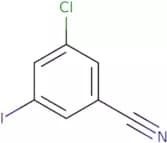
CAS :<p>Please enquire for more information about 3-(4-chlorophenyl)spiro[1,3-thiazolidine-2,3'-indoline]-4,7-dione including the price, delivery time and more detailed product information at the technical inquiry form on this page</p>Formule :C16H11ClN2O2SDegré de pureté :Min. 95%Couleur et forme :PowderMasse moléculaire :330.79 g/mol3-Chloro-5-iodobenzonitrile
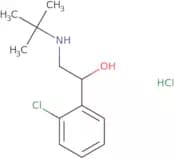
CAS :<p>3-Chloro-5-iodobenzonitrile is a versatile building block that can be used for the synthesis of diverse compounds. 3-Chloro-5-iodobenzonitrile is a highly reactive compound that can serve as an intermediate in organic synthesis and has been used as a reagent in research. This chemical is also useful as a reaction component. It has shown to be a useful scaffold in the synthesis of complex compounds. 3-Chloro-5-iodobenzonitrile can be used to synthesize speciality chemicals such as pharmaceuticals, agrochemicals, and dyes.</p>Formule :C7H3ClINDegré de pureté :Min. 95%Couleur et forme :PowderMasse moléculaire :263.46 g/molTulobuterol hydrochloride
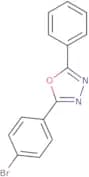
CAS :Produit contrôlé<p>β2 adrenoreceptor agonist; bronchodilator</p>Formule :C12H19Cl2NODegré de pureté :Min. 95%Couleur et forme :White Off-White PowderMasse moléculaire :264.19 g/mol2-(4-Bromophenyl)-5-phenyl-1,3,4-oxadiazole
CAS :<p>2-(4-Bromophenyl)-5-phenyl-1,3,4-oxadiazole is a fluorescent and x-ray active molecule. It is a cross-coupled compound that can be used in devices for photophysical applications such as fluorescence and x-ray detection. This compound has been shown to have efficiencies of up to 90% for the detection of excitation light at 295 nm. 2-(4-Bromophenyl)-5-phenyl-1,3,4-oxadiazole has also been used in the preparation of high performance liquid phase extraction columns with good results. The reaction time and irradiation are important factors when considering this molecule for use in photophysical applications.</p>Formule :C14H9BrN2ODegré de pureté :Min. 95%Couleur et forme :PowderMasse moléculaire :301.14 g/mol2-Amino-5-chlorothiophenol
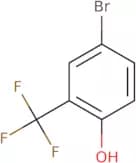
CAS :<p>2-Amino-5-chlorothiophenol is an aminothiophene derivative that has been shown to be an effective antibacterial agent. It is a substrate in the synthesis of polyesters and is used as a precursor in the synthesis of ciprofloxacin, a broad spectrum antibiotic. 2-Amino-5-chlorothiophenol has been shown to catalyze the reaction between phenyl groups and heterocycles, which is an important step in the synthesis of ciprofloxacin and fluconazole. The optimal reaction temperature for this process is between 150°C - 180°C. The irradiation time for this process varies depending on the intensity of light used, with optimal results obtained after 10 minutes at 25 kGy.</p>Formule :C6H6ClNSDegré de pureté :Min. 95 Area-%Couleur et forme :PowderMasse moléculaire :159.64 g/mol4-Bromo-2-(trifluoromethyl)phenol
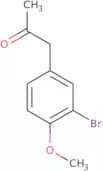
CAS :<p>4-Bromo-2-(trifluoromethyl)phenol is a compound that belongs to the family of dialdehydes. It has been used in organic chemistry as an assembly reagent, a monomer in polymer synthesis, and as a building block for oligomers and duplexes. 4-Bromo-2-(trifluoromethyl)phenol is stable under basic conditions and can be used in the presence of chloroform. This compound functions as an intermediate for the synthesis of other functionalized molecules such as phosphine oxide, oxide, and diamines.</p>Formule :C7H4BrF3ODegré de pureté :Min. 95%Couleur et forme :PowderMasse moléculaire :241.01 g/mol(5-Bromo-4-methoxyphenyl)acetone
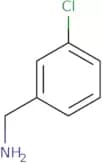
CAS :<p>5-Bromo-4-methoxyphenyl)acetone (BMA) is a versatile building block that is used in the production of fine chemicals, research chemicals, and reagents. It has been shown to be a useful scaffold for the synthesis of complex compounds. BMA is also an intermediate for the production of other chemicals. This chemical has been shown to have high quality with a wide range of uses as a reaction component or useful scaffold.</p>Formule :C10H11BrO2Degré de pureté :Min. 95%Masse moléculaire :243.1 g/mol3-Chlorobenzylamine
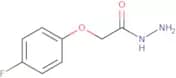
CAS :<p>3-Chlorobenzylamine is a model system for the study of the metabolism of human pathogens. It has been shown to have cytostatic effects in sarcoma cells and pain-relieving properties in animal models. 3-Chlorobenzylamine inhibits the replication of HIV, herpes virus, and adenosine receptor antagonists. This drug has also been found to be an effective anticancer agent. 3-Chlorobenzylamine is structurally similar to other anticancer agents such as methotrexate, mercaptopurine, and pyrimidine analogs.</p>Formule :C7H8ClNDegré de pureté :Min. 95%Masse moléculaire :141.6 g/mol4-Fluorophenoxyacetic acid hydrazide
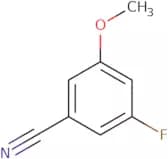
CAS :<p>4-Fluorophenoxyacetic acid hydrazide (4FPAAH) is a palladium complex with anti-cancer activity. It induces apoptosis, or programmed cell death, in myelogenous leukemia cells and breast cancer cells. 4FPAAH has been shown to bind to the ATP binding site of the catalytic domain of topoisomerase II on DNA and inhibit its activity. The molecular modeling studies show that 4FPAAH binds in the same way as cisplatin, which is a platinum-based drug commonly used for cancer treatment. The structural analysis shows that 4FPAAH binds to the nitrogen atoms of the protein and eliminates the possibility of any hydrogen bonding interactions. This mechanism may be due to an electrostatic interaction between the positively charged nitrogen atom in 4FPAAH and negative charge on topoisomerase II's active site.</p>Formule :C8H9FN2O2Degré de pureté :Min. 95%Couleur et forme :PowderMasse moléculaire :184.17 g/mol3-Fluoro-5-methoxybenzonitrile
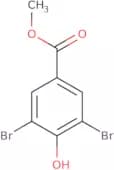
CAS :<p>3-Fluoro-5-methoxybenzonitrile is a useful chemical intermediate that can be used in organic synthesis. It is a versatile building block with a high quality and it is easy to use in the synthesis of complex compounds. 3-Fluoro-5-methoxybenzonitrile has been shown to react as a nucleophile, and it has been used as a reagent for the production of other compounds. This compound also has potential applications in research, such as being an intermediate for the production of pharmaceuticals and agrochemicals. 3-Fluoro-5-methoxybenzonitrile is not classified as hazardous and does not pose any significant risk to human health or the environment.</p>Formule :C8H6FNODegré de pureté :Min. 95%Couleur et forme :PowderMasse moléculaire :151.14 g/molMethyl 3,5-dibromo-4-hydroxybenzoate
CAS :<p>Estrogens are steroid hormones that regulate a variety of physiological processes including reproduction, bone metabolism, and the development of certain cancers. Estrogens are synthesized from C-19 and C-20 steroids such as progesterone and testosterone. The conversion of these precursors to estrogens is catalyzed by the cytochrome P450 enzyme 17 beta-hydroxysteroid dehydrogenase (17βHSD). Methyl 3,5-dibromo-4-hydroxybenzoate is a selective inhibitor for 17βHSD. It binds to the active site of 17βHSD, preventing it from catalyzing the conversion of C-19 or C-20 steroids to estrogens. This inhibition has been shown to lead to an increase in circulating levels of sex hormone binding globulin (SHBG) and consequently a decrease in free estrogen levels.</p>Formule :C8H6Br2O3Degré de pureté :Min. 95%Couleur et forme :PowderMasse moléculaire :309.94 g/molL-Alanine 4-nitroanilide hydrochloride
CAS :<p>L-alanine 4-nitroanilide hydrochloride (H-Ala-pNAHCl) functions as a substrate for L-alanine aminopeptidase, an enzyme found in bacterial cell walls that catalyzes the cleavage of L-alanine from peptides. Notably, significant activity of L-alanine aminopeptidase is specific to gram-negative microbes. Thus, the utilization of H-Ala-pNAHCl can provide evidence for distinguishing between gram-positive and gram-negative organisms. When acted upon by L-alanine aminopeptide, it undergoes cleavage into L-alanine and 4-nitroanine, with the latter compound causing bacterial suspensions to exhibit a yellow coloration.</p>Formule :C9H11N3O3•HClDegré de pureté :Min. 95%Couleur et forme :PowderMasse moléculaire :245.66 g/mol7-Fluoroisatin
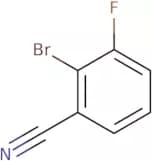
CAS :<p>7-Fluoroisatin is a crystalline compound that can exist as two different polymorphs. The metastable form of 7-fluoroisatin has been shown to have low energy vibrations and hydrogen bonding interactions, which are responsible for the intermolecular hydrogen bonding. 7-Fluoroisatin also has a tautomeric form that exists as a hydrochloride salt, which is not stable in the solid state. The protonated form of 7-fluoroisatin has been shown to be an excellent hydrogen bond acceptor, with the ability to stabilize long range interactions.</p>Formule :C8H4FNO2Degré de pureté :Min. 95%Couleur et forme :SolidMasse moléculaire :165.12 g/mol2-Bromo-3-fluorobenzonitrile
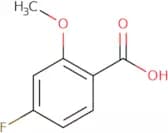
CAS :<p>2-Bromo-3-fluorobenzonitrile is a boronic acid that is used in the synthesis of organic compounds. It is made from aryl boronic acids, aryl chlorides, and chlorides. 2-Bromo-3-fluorobenzonitrile has been shown to be an effective reagent for the synthesis of boronic esters and ethers. This reagent is also used in scaleable transformations involving transition metals.</p>Formule :C7H3BrFNDegré de pureté :Min. 95%Couleur et forme :PowderMasse moléculaire :200.01 g/mol4-Fluoro-2-methoxybenzoic acid
CAS :<p>4-Fluoro-2-methoxybenzoic acid is a versatile building block that is used in the synthesis of many complex compounds. It is a reagent, which means it can be used as an intermediate in the synthesis of other compounds. 4-Fluoro-2-methoxybenzoic acid is also a useful scaffold for the preparation of new chemical entities with specific pharmaceutical properties. The CAS number for this compound is 395-82-4.</p>Formule :C8H7FO3Degré de pureté :Min. 95%Couleur et forme :PowderMasse moléculaire :170.14 g/molD-tert-Leucine methyl ester hydrochloride
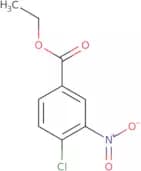
CAS :<p>Ab-fubinaca is a synthetic cannabinoid that is a potent agonist of the CB2 receptor and a weak agonist at the CB1 receptor. It has been shown to be an effective analgesic in animal models of pain, similarly to other synthetic cannabinoids. Ab-fubinaca has also been shown to have anti-inflammatory effects in mice by inhibiting the production of cytokines such as tumor necrosis factor alpha (TNF-α) and interleukin 1 beta (IL-1β). Ab-fubinaca is structurally similar to D-tert-leucine methyl ester hydrochloride, which is an amino acid derivative that acts as a pharmacological chaperone.</p>Formule :C7H16ClNO2Degré de pureté :Min 96%Couleur et forme :White PowderMasse moléculaire :181.66 g/mol4-Chloro-3-nitrobenzoic acid ethyl ester
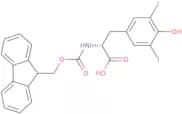
CAS :<p>4-Chloro-3-nitrobenzoic acid ethyl ester is a six-membered, planar, hydrogen bond that has a crystal structure with a six-membered ring. It has hydrogen bonds and five-membered ring. The molecule is coplanar and oriented.</p>Formule :C9H8ClNO4Degré de pureté :Min. 95%Couleur et forme :PowderMasse moléculaire :229.62 g/molFmoc-3,5-diiodo-D-tyrosine
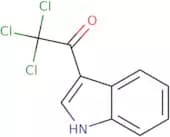
CAS :<p>Please enquire for more information about Fmoc-3,5-diiodo-D-tyrosine including the price, delivery time and more detailed product information at the technical inquiry form on this page</p>Formule :C24H19I2NO5Degré de pureté :Min. 95%Couleur et forme :PowderMasse moléculaire :655.22 g/mol3-Trichloroacetylindole
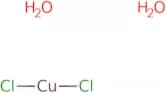
CAS :Produit contrôlé<p>3-Trichloroacetylindole is an indole derivative that is a hydrogen bond donor. It is a pharmacological agent that has been shown to have antitumor and antiproliferative activities. The crystal structure of 3-trichloroacetylindole has been determined and the interaction with solvent molecules studied. It was synthesized from indole-3-carboxylic acid, which was converted to the hemihydrate form by reacting with butyl lithium in ether. 3-Trichloroacetylindole is a 5-HT4 receptor antagonist, and it also inhibits the synthesis of serotonin and dopamine.</p>Formule :C10H6Cl3NODegré de pureté :Min. 95%Masse moléculaire :262.52 g/molCopper(II) chloride dihydrate
CAS :<p>Copper(II) chloride dihydrate (CuCl2·2H2O) is a copper compound that can be used as an antimicrobial agent. It has been shown to inhibit the growth of bacteria, yeast and fungi by inhibiting cell division at the G1/S phase boundary. Copper(II) chloride dihydrate has also been shown to inhibit cyclin D2 production in HL-60 cells and to cause coumarin derivatives to react with DNA, leading to its structural analysis. It is soluble in water but insoluble in organic solvents. When exposed to air, it reacts with water vapor to form copper chloride (CuCl). Copper(II) chloride dihydrate is acidic and can react with bases such as amines or ammonia; this reaction may result in drug interactions.</p>Formule :CuCl2·2H2ODegré de pureté :Min. 95%Couleur et forme :PowderMasse moléculaire :170.48 g/mol3-Fluoro-Dopamine
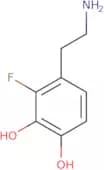
CAS :Produit contrôlé<p>3-Fluoro-Dopamine is a fluorinated catecholamine that is used in research as a radioligand and in animal models. It has been shown to be an agonist of β-adrenergic receptors and to have a safety profile similar to that of dopamine. 3-Fluoro-Dopamine has been shown to increase the uptake of dopamine in rat striatal membranes, which may be due to its affinity for β-adrenergic receptors.</p>Formule :C8H10FNO2Degré de pureté :Min. 95%Masse moléculaire :171.17 g/mol2-(2-Bromo-4-methoxyphenyl)acetic acid
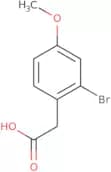
CAS :<p>2-(2-Bromo-4-methoxyphenyl)acetic acid is a versatile building block that is used as a research chemical, reaction component, and reagent. It is also used as a speciality chemical and complex compound. This compound has the CAS number 66916-99-2.</p>Formule :C9H9BrO3Couleur et forme :SolidMasse moléculaire :245.07 g/molLauryl isoquinolinium bromide
CAS :<p>Lauryl isoquinolinium bromide is a pyridinium cationic surfactant that is used as a diagnostic agent and pharmaceutical preparation. It is also used as an antimicrobial agent in liquid chromatography, which is a technique to separate chemical compounds. Lauryl isoquinolinium bromide has been shown to be effective against Gram-positive bacteria such as Staphylococcus aureus and Enterococcus faecalis, and Gram-negative bacteria such as Pseudomonas aeruginosa. Lauryl isoquinolinium bromide has also been shown to be effective against yeast such as Candida albicans. Lauryl isoquinolinium bromide is not effective against viruses or fungi. This agent can be used to enhance the permeability of membranes during cross-linking reactions between polymers.</p>Formule :C21H32NBrDegré de pureté :Min. 95%Couleur et forme :PowderMasse moléculaire :378.39 g/molBromocresol green, sodium salt
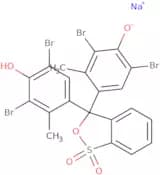
CAS :<p>Bromocresol green is a dye that is used in biological assays to measure the kinetics of fluorescence. It is a type of tryptophan-releasing compound that releases a yellowish-green light when it absorbs light at wavelengths between 350 and 450 nm. Bromocresol green has been quantified by measuring the intensity of the fluorescence emission as a function of time. This can be done visually or using an instrument called a fluorometer, which detects changes in light intensity over time. Bromocresol green can be used to detect the presence of amino acid residues in proteins through protonation reactions with their tryptophan residues and subsequent quenching with acetonitrile. The bromocresol green dye is also used in lithographic printing, where it serves as an acceptor for electrons from an arene (aromatic hydrocarbon). This process generates energy for lithography and also provides contrast between regions with different electron densities.</p>Formule :C21H14Br4O5SNaCouleur et forme :PowderMasse moléculaire :721 g/mol(4-Bromophenyl)cyclopropylmethanone
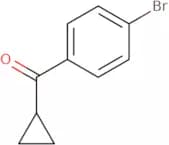
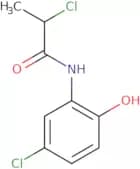
CAS :<p>(4-Bromophenyl)cyclopropylmethanone is a cyclopropane derivative that can be synthesized from 4-bromobenzaldehyde and cyclopropylmagnesium bromide. It is an important precursor to fluoroquinolones in the pharmaceutical industry, as well as to other derivatives used in the synthesis of antihistamines and antimalarial drugs. This compound has been shown to have biomolecular mediated intramolecular cyclopropane ring formation and pentacyclic cyclopropane ring formation.</p>Formule :C10H9BrODegré de pureté :Min. 95%Couleur et forme :PowderMasse moléculaire :225.09 g/molN-(5-Chloro-2-hydroxyphenyl)-2-chloropropanamide
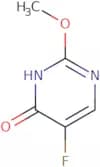
CAS :<p>Please enquire for more information about N-(5-Chloro-2-hydroxyphenyl)-2-chloropropanamide including the price, delivery time and more detailed product information at the technical inquiry form on this page</p>Degré de pureté :Min. 95%5-Fluoro-4-hydroxy-2-methoxypyrimidine
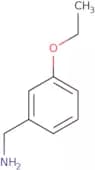
CAS :<p>5-Fluoro-4-hydroxy-2-methoxypyrimidine (5FMMP) is a chemical intermediate that is used in the synthesis of various pharmaceuticals, including antibiotics. It can be obtained by reacting phosphorus oxychloride with activated 2-methoxybenzaldehyde. This chemical intermediate is highly reactive and has been shown to be virulent against some strains of bacteria, such as E. coli and Proteus mirabilis. 5FMMP binds to the bacterial cell wall using its primary amine group, which prevents the formation of an antibiotic-inhibitor complex with the enzyme cell wall synthesis that is required for cell wall biosynthesis, inhibiting protein synthesis and cell division. The chlorinating reaction between 5FMMP and sodium hypochlorite results in hydrochloric acid generation. This chemical intermediate can also be synthesized from recycled chemicals such as ethyl chloride or chloroform.</p>Formule :C5H5FN2O2Degré de pureté :Min. 95%Couleur et forme :PowderMasse moléculaire :144.1 g/mol3-Ethoxybenzylamine hydrochloride
CAS :<p>3-Ethoxybenzylamine hydrochloride is a chemical compound that belongs to the group of industrial chemicals. It is used as an intermediate for the production of vanillin and as a catalyst for hydrogenation reactions. 3-Ethoxybenzylamine hydrochloride can be used in large-scale, industrial reactions. The target product is a reaction solvent that can be used in reduction reactions and aminations. The catalytic activity of 3-ethoxybenzylamine hydrochloride has been shown to increase with increasing pH, temperature, and concentration. The use of this product as a catalyst in the hydrogenation process results in high yield products with low levels of byproducts.</p>Formule :C9H13NO·HClDegré de pureté :Min. 95%Couleur et forme :White PowderMasse moléculaire :187.67 g/molN-[2-Iodoethyl]trifluoroacetamide
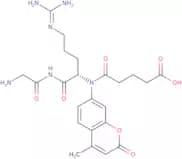
CAS :<p>N-[2-Iodoethyl]trifluoroacetamide is a reactive alkylating agent that is used in the synthesis of biologically active molecules. It reacts with lysines, tryptic and other amino acids to form covalent bonds, which can be cleaved by hydrolysis. The compound also reacts with sulfhydryl groups to produce sulfonium ions, which react with the thiol group at position C6 on the sarcoplasmic reticulum Ca2+ -ATPase to inhibit muscle contraction. N-[2-Iodoethyl]trifluoroacetamide has been shown to cause allergic reactions in rats, mice, and guinea pigs. This drug has also been observed to have an effect on the central nervous system when administered at high doses.</p>Formule :C4H5NOIF3Degré de pureté :Min. 95%Couleur et forme :PowderMasse moléculaire :266.99 g/molGlutaryl-Gly-Arg-AMC hydrochloride salt
CAS :<p>Glutaryl-Gly-Arg-AMC hydrochloride salt is a high quality, fine chemical reagent that is useful as a building block, scaffold or intermediate. It has been used in the synthesis of other complex compounds and has been shown to have potential for use in drug discovery research. Glutaryl-Gly-Arg-AMC hydrochloride salt is a versatile building block that can be used in reactions that require the presence of an amine group, such as peptide coupling. This reagent can also be used to modify the functional groups on small molecules, such as aldehydes and carboxylic acids. Glutaryl-Gly-Arg-AMC hydrochloride salt is also useful as a reaction component in the synthesis of speciality chemicals, such as pharmaceuticals and agrochemicals.</p>Formule :C23H30N6O7•HClDegré de pureté :Min. 95 Area-%Couleur et forme :PowderMasse moléculaire :538.98 g/molL-Leucine 4-nitrophenyl ester hydrochloride
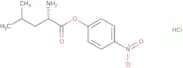
CAS :<p>L-Leucine 4-nitrophenyl ester hydrochloride is a reaction component, reagent, and useful scaffold that is used in the synthesis of complex compounds. It is a versatile building block and useful intermediate that can be used to synthesize fine chemicals such as pharmaceuticals, agrochemicals, or dyes. L-Leucine 4-nitrophenyl ester hydrochloride has CAS number 75691-76-8.</p>Formule :C12H16N2O4•HClDegré de pureté :Min. 95%Masse moléculaire :288.73 g/mol1-Chloro-3,5-dimethoxybenzene
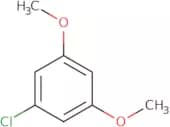
CAS :<p>1-Chloro-3,5-dimethoxybenzene is an organic chemical compound that is used for the synthesis of other chemicals. It is a cross-coupling agent and a ligand in coordination chemistry. 1-Chloro-3,5-dimethoxybenzene has been shown to be unreactive in reactions with thionyl chloride or sulfuric acid. The chloro group on the benzoic acid derivative can be replaced by bromine or iodine to give 1,4-dibromobenzene and 3,5-diiodobenzene respectively. 1-Chloro-3,5-dimethoxybenzene can also be used as an analogously reactive but less toxic replacement for 1,2,4,5,-tetrachlorobenzene. This chemical has been isolated in yields of up to 97% when reacted with boronic acids or sulfinyle compounds.</p>Formule :C8H9ClO2Degré de pureté :Min. 95%Couleur et forme :PowderMasse moléculaire :172.61 g/molIodomesitylene Diacetate
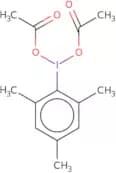
CAS :<p>Iodomesitylene Diacetate is a chemical building block with versatile applications. This compound can react with a variety of reagents to form useful scaffolds for synthetic organic chemistry, or it can be used as a useful intermediate in the synthesis of more complicated molecules. Iodomesitylene Diacetate is also an excellent starting material for the production of complex compounds such as pharmaceuticals, polymers, and agrochemicals. It is stable at room temperature and has a high quality.</p>Formule :C13H17IO4Degré de pureté :(Iodometric Titration) Min. 98%Couleur et forme :White To Off-White To Yellow SolidMasse moléculaire :364.18 g/mol2-tert-Butyl-5-chloro-1,3,4-thiadiazole
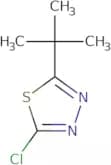
CAS :<p>2-tert-Butyl-5-chloro-1,3,4-thiadiazole is a white crystalline solid that is soluble in organic solvents. It has an antioxidant effect and can be used as a reaction system catalyst. 2-tert-Butyl-5-chloro-1,3,4-thiadiazole reacts with copper to form a red solution. The sensor of the reaction system changes color from blue to red when there is no more copper. This product also has the ability to catalyze reactions for the production of pharmaceuticals and other chemicals.</p>Formule :C6H9ClN2SDegré de pureté :Min. 95%Couleur et forme :Yellow PowderMasse moléculaire :176.67 g/mol(Asn(4-aminobutyl)1·7·23,Gln(4-aminobutyl)3·11·22)-Amyloid b-Protein (1-40) trifluoroacetate salt
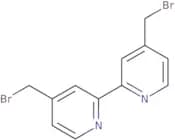
Please enquire for more information about (Asn(4-aminobutyl)1·7·23,Gln(4-aminobutyl)3·11·22)-Amyloid b-Protein (1-40) trifluoroacetate salt including the price, delivery time and more detailed product information at the technical inquiry form on this pageFormule :C218H355N65O52SDegré de pureté :Min. 95%Masse moléculaire :4,750.62 g/mol4,4'-Bis(bromomethyl)-2,2'-bipyridine
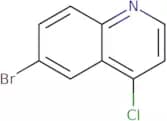
CAS :<p>4,4'-Bis(bromomethyl)-2,2'-bipyridine is a cyclic molecule that can be synthesized by the reaction of 4-bromo-2,2'-bipyridine with a brominating agent. It is used as a precursor to ruthenium catalysts in organic synthesis, and as an additive in dendrimers. The compound has been shown to have light absorption properties and can be used in photovoltaics and electropolymerization.</p>Formule :C12H10N2Br2Degré de pureté :Min. 95%Couleur et forme :PowderMasse moléculaire :342.03 g/mol6-Bromo-4-chloroquinoline
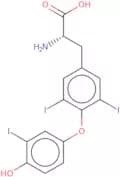
CAS :<p>6-Bromo-4-chloroquinoline is a chemical compound with the molecular formula C8H6BrClN. It belongs to the class of heterocyclic compounds and has been used in the synthesis of other compounds, such as pharmaceuticals. 6-Bromo-4-chloroquinoline has been shown to be an effective anticancer drug, with measurable levels in the blood after oral administration. This drug interacts with hydrogen bonding interactions with thp-1 cells, which are erythrocytes derived from human peripheral blood lymphocytes. 6-Bromo-4-chloroquinoline also interacts with sodium sulfide, which is found in human liver and kidney cells. The pharmacokinetic properties of 6-bromo-4-chloroquine have been studied in rats and mice.</p>Formule :C9H5BrClNDegré de pureté :Min. 95%Couleur et forme :PowderMasse moléculaire :242.5 g/mol3,3',5-Triiodo-L-thyronine
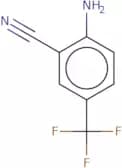
CAS :<p>Triiodothyronine (T3) is a thyroid hormone that has a high affinity for the thyrotropin receptor. It regulates the metabolic rate, cell specific transcriptional regulation, and transcriptional regulation of genes involved in fatty acid synthesis. T3 is synthesized from the amino acid tyrosine through a series of reactions catalyzed by enzymes such as tyrosine hydroxylase, thyroperoxidase, and type 2 iodothyronine deiodinase. The enzyme thyroid peroxidase converts inactive T3 to the active form of T3 (triiodothyronine). In addition, triiodothyronine can be converted to reverse T3 (rT3), which is inactive. Triiodothyronine has an optimal ph of 7.4-8.0 and an optimum igf-i concentration of 100 ng/ml, where it can stimulate growth hormone release from the anterior pituitary gland.</p>Formule :C15H12I3NO4Degré de pureté :Min. 95 Area-%Couleur et forme :Off-White PowderMasse moléculaire :650.97 g/mol2-Amino-5-(trifluoromethyl)benzonitrile
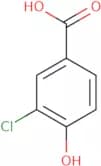
CAS :<p>2-Amino-5-(trifluoromethyl)benzonitrile is a versatile chemical building block that can be used in a variety of reactions. It has been used as a reagent and intermediate for research, as well as a speciality chemical. This compound has been found to have applications in the synthesis of complex compounds, such as pharmaceuticals and agrochemicals. 2-Amino-5-(trifluoromethyl)benzonitrile is also a useful scaffold for organic synthesis, due to its high quality and versatility.</p>Formule :C8H5F3N2Degré de pureté :Min. 95%Couleur et forme :solid.Masse moléculaire :186.13 g/mol3-Chloro-4-hydroxybenzoic acid hemihydrate
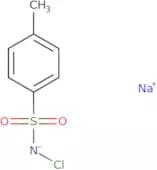
CAS :<p>3-Chloro-4-hydroxybenzoic acid hemihydrate is an analog of forskolin that is used in cancer research. It has been shown to inhibit the growth of lung cancer cells, which may be due to its ability to activate protein kinase A and phosphatase enzymes. 3-Chloro-4-hydroxybenzoic acid hemihydrate is being studied as a potential treatment for multiple sclerosis and other autoimmune disorders, although it has not yet been approved for these conditions. This drug inhibits the proliferation of tumor suppressor protein p53 and reverses the effects of a synthetic form of fty720 on the activation of the p38 mitogen activated protein kinase.</p>Formule :C7H5ClO3·H2ODegré de pureté :Min. 98 Area-%Couleur et forme :PowderMasse moléculaire :363.15 g/molN-Chloro-4-toluenesulfonamide sodium
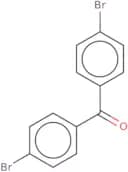
CAS :<p>N-Chloro-4-toluenesulfonamide sodium (NCTS) is a disinfectant that is used to treat wastewater and as a preservative for water. It has been shown to be effective against bacteria, fungi, and viruses. NCTS is an antimicrobial agent that reacts with the matrix in which it is applied to form chloramines-T (NHClO). The chloramines-T inhibits the activity of enzymes such as those involved in DNA synthesis and protein synthesis. This reaction also generates an electric current due to the redox potentials of the reactants. The presence of aziridines in NCTS leads to crosslinking between proteins, which enhances its effectiveness as a disinfectant.<br>NCTS has been shown to have no adverse effects on human erythrocytes or DNA when used at concentrations up to 100 µg/mL.</p>Formule :C7H8ClNO2S•NaDegré de pureté :Min. 95%Couleur et forme :PowderMasse moléculaire :228.65 g/mol4,4'-Dibromobenzophenone
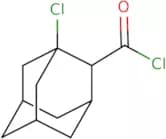
CAS :<p>4,4'-Dibromobenzophenone is a bromopropylate that has chromatographic properties. It can be used as an analytical reagent in order to detect the presence of potassium dichromate in a sample. The product reacts with potassium dichromate to form a yellow-orange compound. This reaction is catalyzed by light and the resulting product is determined using gas chromatography. 4,4'-Dibromobenzophenone can also be used for the amination reaction and is best suited for low detection levels. It also has a molecular dipole moment and interacts with other molecules more strongly than other compounds due to its carbonyl group.END></p>Formule :C13H8Br2ODegré de pureté :Min. 95%Couleur et forme :PowderMasse moléculaire :340.01 g/mol1-Chloroadamantanecarb oxylic acid chloride
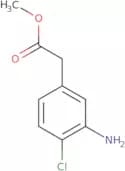
CAS :<p>1-Chloroadamantane carboxylic acid chloride is a chemical compound that can be used as a reagent, building block, or intermediate in organic synthesis. It is soluble in ether and chloroform, but insoluble in water. This chemical is often used as a reactant in organic reactions. 1-Chloroadamantane carboxylic acid chloride has the CAS number 55982-64-4 and was first synthesized by A. W. Hofmann and R. Schmidlin in 1916. 1-Chloroadamantane carboxylic acid chloride is an important precursor for the manufacture of pharmaceuticals, agrochemicals, and other specialty chemicals with high quality and purity requirements.</p>Formule :C11H14Cl2ODegré de pureté :Min. 95%Couleur et forme :PowderMasse moléculaire :233.13 g/mol3-Amino-4-chlorophenylacetic acid methyl ester
CAS :<p>3-Amino-4-chlorophenylacetic acid methyl ester is a fine chemical that is useful as a building block in the synthesis of complex compounds. It has been used as a reagent and speciality chemical, which can be used for research purposes. CAS No. 59833-69-1</p>Formule :C9H10ClNO2Degré de pureté :Min. 95%Masse moléculaire :199.63 g/mol2-Fluorophenylhydrazine HCl
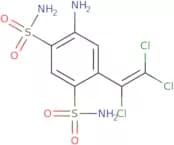
CAS :<p>2-Fluorophenylhydrazine HCl is a synthetic compound that belongs to the group of hydrazines. It is used as a cross-coupling agent in organic synthesis. The reaction solution can be impure, which may cause the formation of byproducts. 2-Fluorophenylhydrazine HCl reacts with formamide and hydrochloric acid to produce formaldehyde, ammonia, and hydrogen chloride gas. This reaction occurs at room temperature, but requires a long reaction time (several hours). 2-Fluorophenylhydrazine HCl has antioxidant effects and has been shown to inhibit the activity of metabotropic glutamate receptors. 2-Fluorophenylhydrazine HCl is structurally similar to curcumin analogues and has been shown to have antibacterial properties against Andrographis paniculata.</p>Formule :C6H7FN2Degré de pureté :Min. 95%Masse moléculaire :126.13 g/molClorsulon
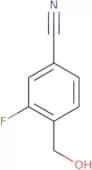
CAS :<p>Clorsulon is an anthelmintic drug that belongs to the group of benzimidazoles. It is used in veterinary medicine to treat nematode and cestode infections, as well as tapeworm infections. Clorsulon is a dispersive solid-phase extraction (DSPE) extractant that can be used for the separation of drugs and their metabolites from biological fluids. The chemical stability of clorsulon was assessed by exposing it to various solvents and pHs. Clorsulon was found to be stable in acetate, benzene, chloroform, ethyl acetate, ethanol, methanol, and water at pH 1-14 and a variety of temperatures ranging from -20 ˚C to 50 ˚C. No significant loss or degradation occurred after exposure to these conditions for up to 24 hours.</p>Formule :C8H8Cl3N3O4S2Degré de pureté :(Hplc) Min. 98.0%Couleur et forme :PowderMasse moléculaire :380.66 g/mol4-Cyano-2-fluorobenzyl alcohol
CAS :<p>4-Cyano-2-fluorobenzyl alcohol is a reagent that is used to produce chlorine and hydrochloric acid. It is also used industrially in the production of potassium chloride, a compound that is used in fertilizers, animal feed supplements, and water treatment. 4-Cyano-2-fluorobenzyl alcohol reacts with chloride ions to form hypochlorous acid (HOCl), which then reacts with water to form hydrogen chloride gas. The reaction with fluoride ions leads to the formation of hydrofluoric acid (HF).</p>Formule :C8H6FNODegré de pureté :Min. 95%Couleur et forme :White To Beige SolidMasse moléculaire :151.14 g/molDiacylglycerol kinase inhibitor II
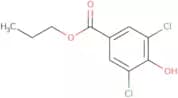
CAS :<p>Diacylglycerol kinase inhibitor II is a transcriptional regulator that inhibits diacylglycerol kinase. This inhibitor blocks the signaling pathways for growth factor-β1 by inhibiting the enzyme phosphatidic acid phosphatase, which plays an important role in cellular proliferation and migration. Diacylglycerol Kinase Inhibitor II has also been shown to inhibit cation channels and calcium release from intracellular stores. Diacylglycerol Kinase Inhibitor II binds to both cytosolic and nuclear proteins. It has been shown to inhibit cell proliferation and induce apoptosis in breast cancer cells.</p>Formule :C28H25F2N3OSDegré de pureté :Min. 97 Area-%Couleur et forme :PowderMasse moléculaire :489.58 g/molPropyl 3,5-dichloro-4-hydroxybenzoate
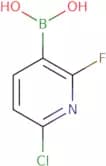
CAS :<p>Propyl 3,5-dichloro-4-hydroxybenzoate is a high quality chemical that is used as an intermediate in the synthesis of other compounds. It can be obtained from a number of sources, including the conversion of the corresponding chloride with alcohols. Propyl 3,5-dichloro-4-hydroxybenzoate is a colorless liquid with a sweet smell and has been shown to be useful in organic syntheses due to its versatility as a building block.</p>Formule :C10H10Cl2O3Degré de pureté :Min. 95%Couleur et forme :PowderMasse moléculaire :249.09 g/mol6-Chloro-2-fluoropyridine-3-boronic acid
CAS :<p>6-Chloro-2-fluoropyridine-3-boronic acid is a versatile building block for the synthesis of complex compounds, which can be used as a reagent in research or as a speciality chemical. This compound can be used as an intermediate, reaction component, or scaffold to synthesize other more complex structures. 6-Chloro-2-fluoropyridine-3-boronic acid is available in high quality and has CAS No. 1256345-66-0.</p>Formule :C5H4BClFNO2Degré de pureté :Min. 95%Couleur et forme :Light (Or Pale) Orange SolidMasse moléculaire :175.35 g/mol5-Bromopentan-1-ol
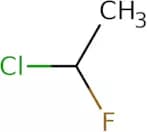
CAS :<p>5-Bromopentan-1-ol is a chemical that is used in the synthesis of other organic compounds. It has been found to be a good solvent for many organic substances, and it is also used as an intermediate in organic synthesis. 5-Bromopentan-1-ol can be acetylated with acetic anhydride, which leads to the formation of 1,5-diacetoxybutane. The reaction between 5-bromopentan-1-ol and copper oxide in chlorine gas leads to the formation of 1,5 dibromohexane. This reaction product can then be hydrolyzed to produce malonic acid.<br>The structural formula for 5-bromopentan-1-ol consists of two carbon atoms connected by a single bond and three hydrogen atoms bonded to one carbon atom. The other carbon atom is bonded to two oxygen atoms (one by a double bond) and one hydrogen atom. The</p>Formule :C5H11BrODegré de pureté :Min. 95%Couleur et forme :Clear LiquidMasse moléculaire :167.04 g/mol1-Chloro-1-Fluoroethane
CAS :Produit contrôlé<p>1-Chloro-1-fluoroethane is a chemical compound that is used as a corrosion inhibitor for steel. It binds to water molecules and prevents the formation of hydrogen bonds with other substances, such as fatty acids. It is also used as a solid catalyst for the reaction of chloride with fluorine. 1-Chloro-1-fluoroethane has low energy and can be used in a flow system. It has been shown to be an effective catalyst for the production of hydrogen chloride from hydrogen fluoride and chlorine gas. Vibrational spectroscopy data show that 1-chloro-1-fluoroethane interacts with water molecules by forming hydrogen bonds.</p>Formule :C2H4ClFDegré de pureté :Min. 95%Masse moléculaire :82.5 g/mol[1-(Morpholin-4-ylcarbonyl)butyl]amine hydrochloride
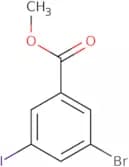
CAS :Produit contrôlé<p>Please enquire for more information about [1-(Morpholin-4-ylcarbonyl)butyl]amine hydrochloride including the price, delivery time and more detailed product information at the technical inquiry form on this page</p>Formule :C9H18N2O2Degré de pureté :Min. 95%Masse moléculaire :186.25 g/mol3-Bromo-5-iodobenzoic acid methyl ester
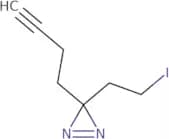
CAS :<p>3-Bromo-5-iodobenzoic acid methyl ester is a reactive, insensitive and phosphine-sensitive chemical that can be used as a probe for the detection of azides and anions. This compound has been shown to be damaging to DNA and peptidic bonds in proteins. 3-Bromo-5-iodobenzoic acid methyl ester reacts with anions such as chloride, bromide, iodide, fluoride, nitrate, and thiocyanate. It also reacts with azides such as sodium azide. The reactivity of 3-bromo-5-iodobenzoic acid methyl ester towards halides and polysulfides is not yet known.</p>Formule :C8H6BrIO2Degré de pureté :Min. 95%Couleur et forme :PowderMasse moléculaire :340.94 g/mol3-(3-Butyn-1-yl)-3-(2-iodoethyl)-3H-diazirene
CAS :<p>Please enquire for more information about 3-(3-Butyn-1-yl)-3-(2-iodoethyl)-3H-diazirene including the price, delivery time and more detailed product information at the technical inquiry form on this page</p>Formule :C7H9IN2Degré de pureté :Area-% Min. 95 Area-%Couleur et forme :White Clear LiquidMasse moléculaire :248.06 g/mol2-Chloro-4-hydroxybenzaldehyde
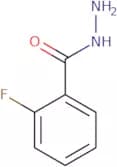
CAS :<p>2-Chloro-4-hydroxybenzaldehyde is a potent competitive inhibitor of serine proteases, including thrombin. It also has an anticoagulant effect and can be used as an anti-cancer agent. 2-Chloro-4-hydroxybenzaldehyde has been shown to have a strong affinity for the progesterone receptor, which is a protein that regulates the activity of progesterone in cells. 2-Chloro-4-hydroxybenzaldehyde also binds to the formyl group of phenols and quinones, which leads to its use as an antioxidant in various applications. This compound is found in environmental pollution, where it can chelate metal ions such as chloride and lead.</p>Formule :C7H5ClO2Degré de pureté :Min. 95%Couleur et forme :PowderMasse moléculaire :156.57 g/mol2-Fluorobenzhydrazide
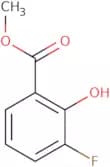
CAS :<p>2-Fluorobenzhydrazide is an antibacterial agent that belongs to the group of phthaloyl compounds. It has been shown to be active against Gram-positive bacteria and Mycobacterium tuberculosis. The crystal structure of 2-fluorobenzhydrazide shows a hydrogen bond with the chloride ion and a strong interaction with the benzodiazepine binding site. The hydroxyl group on the benzene ring may play a role in radical scavenging activity, which is a common property of quinolones. 2-Fluorobenzhydrazide has been shown to be stable in water and organic solvents, with antibacterial activity against Gram-positive and acid-fast bacteria.</p>Formule :C7H7FN2ODegré de pureté :Min. 95%Couleur et forme :PowderMasse moléculaire :154.14 g/mol3-Fluoro-2-hydroxybenzoic acid methyl ester
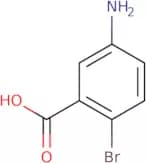
CAS :<p>3-Fluoro-2-hydroxybenzoic acid methyl ester (3-FHBA) is a high quality chemical compound that is used as an intermediate to produce other compounds. It has been shown to be a useful scaffold for the synthesis of complex compounds with various functional groups. 3-FHBA is also a reagent in the production of fine chemicals, research chemicals, and speciality chemicals. This compound has many uses, including being a versatile building block for reactions in organic synthesis and being a reaction component in the production of many types of products.</p>Formule :C8H7FO3Degré de pureté :Min. 95%Couleur et forme :White PowderMasse moléculaire :170.14 g/mol5-Amino-2-bromobenzoic acid
CAS :<p>5-Amino-2-bromobenzoic acid is an organic compound that is used in the manufacture of other chemicals. It is a white crystalline solid with a melting point of 133°C, and it has a molecular weight of 222.27 g/mol. This chemical has been shown to be mutagenic, and it may also cause adverse effects on the liver, kidneys, stomach, and skin when taken orally or applied to the skin. 5-Amino-2-bromobenzoic acid is found in many products that are used for industrial purposes such as dyes, rubber chemicals, textile chemicals, pesticides, and herbicides. The chemical can be found in products that are sold in hardware stores and supermarkets.</p>Formule :C7H6BrNO2Degré de pureté :Min. 95%Couleur et forme :PowderMasse moléculaire :216.03 g/mol



![Sodium tetrakis[3,5-bis(trifluoromethyl)phenyl]borate](/_next/image/?url=https%3A%2Fstatic.cymitquimica.com%2Fproducts%2F3D%2Fthumb-webp%2FFS93415.webp&w=3840&q=75)


![3-(4-chlorophenyl)spiro[1,3-thiazolidine-2,3'-indoline]-4,7-dione](/_next/image/?url=https%3A%2Fstatic.cymitquimica.com%2Fproducts%2F3D%2Fthumb-webp%2FFC169673.webp&w=3840&q=75)





![N-[2-Iodoethyl]trifluoroacetamide](/_next/image/?url=https%3A%2Fstatic.cymitquimica.com%2Fproducts%2F3D%2Fthumb-webp%2FFI52744.webp&w=3840&q=75)




![[1-(Morpholin-4-ylcarbonyl)butyl]amine hydrochloride](/_next/image/?url=https%3A%2Fstatic.cymitquimica.com%2Fproducts%2F3D%2Fthumb-webp%2FFM130676.webp&w=3840&q=75)