Halogénures organiques
Dans cette catégorie, vous trouverez des molécules organiques contenant un ou plusieurs atomes d'halogène dans leur structure. Ces halogénures organiques incluent des composés bromés, iodés, chlorés et des halogénures cycliques. Les halogénures organiques sont largement utilisés en synthèse organique, en pharmaceutique, en agrochimie et en science des matériaux en raison de leur réactivité et de leur capacité à subir une variété de transformations chimiques. Chez CymitQuimica, nous offrons une sélection complète d'halogénures organiques de haute qualité pour soutenir vos applications de recherche et industrielles, garantissant une performance fiable et efficace dans vos projets synthétiques et analytiques.
Sous-catégories appartenant à la catégorie "Halogénures organiques"
20437 produits trouvés pour "Halogénures organiques"
Trier par
Degré de pureté (%)
0
100
|
0
|
50
|
90
|
95
|
100
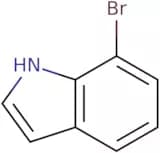
7-Bromoindole
CAS :<p>7-Bromoindole is a synthetic compound that has been used as an analog for indole. It has been shown to have some biological activity in vivo, but it is not known if this activity is due to the drug itself or its breakdown products. 7-Bromoindole can be decarboxylated under acid conditions and saponified with sodium hydroxide. The isolated yield of this reaction is about 2 grams per mole of reactant. 7-Bromoindole shows hemolytic activity against human pathogens such as Staphylococcus aureus and Escherichia coli, but not against Bacillus subtilis or Pseudomonas aeruginosa.</p>Formule :C8H6BrNCouleur et forme :PowderMasse moléculaire :196.04 g/molD-Phenylglycine tert-butyl ester hydrochloride
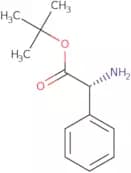
CAS :<p>D-Phenylglycine tert-butyl ester hydrochloride is a fine chemical that has versatile uses in research as a building block, intermediate, or reagent. It can be used to make complex compounds and useful scaffolds for organic chemistry. D-Phenylglycine tert-butyl ester hydrochloride is also a useful reaction component and can be used to make high-quality products.</p>Formule :C12H17NO2·HClDegré de pureté :Min. 95%Couleur et forme :PowderMasse moléculaire :243.73 g/mol2-(2,4-dichlorophenoxy)-N-(6-methoxy(3-pyridyl))ethanamide
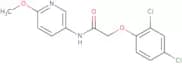
CAS :<p>Please enquire for more information about 2-(2,4-dichlorophenoxy)-N-(6-methoxy(3-pyridyl))ethanamide including the price, delivery time and more detailed product information at the technical inquiry form on this page</p>Degré de pureté :Min. 95%2-Bromo-2-nitroethanol
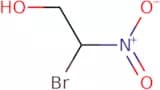
CAS :<p>2-Bromo-2-nitroethanol is a chemical reagent that has the hydroxyl group. It is a site specific biocide, which is used to kill bacteria. 2-Bromo-2-nitroethanol has bactericidal activity against gram negative and gram positive bacteria. It can be used as a preservative in food and pharmaceutical products. This chemical is also effective for killing bacteria in water and wastewater treatment plants. 2-Bromo-2-nitroethanol is applied to surfaces by spraying or dipping, or it can be added to water at concentrations of 0.5 ppm or higher. 2-Bromo-2-nitroethanol can also be used to treat textiles, paper, leather, and rubber products by dipping or spraying these materials with the chemical solution containing 2% concentration of 2-bromo-2 nitroethanol in an aqueous solution of sodium hydroxide (0.5</p>Formule :C2H4BrNO3Degré de pureté :Min. 95%Couleur et forme :Clear LiquidMasse moléculaire :169.96 g/molChloro(triphenylphosphine)gold(I)
CAS :<p>Chloro(triphenylphosphine)gold(I) is a compound that binds to proteins with high affinity and specificity. The binding constants of the two compounds are 1x10 M-1. It has been shown to bind to β-amino acid and organic molecules in human serum, as well as in other biological fluids. Chloro(triphenylphosphine)gold(I) has been shown to have apoptotic properties and can be used for the treatment of cancer cells. It has also been shown to be useful for the treatment of Alzheimer's disease, Parkinson's disease, and Huntington's disease.</p>Formule :C18H15P•AuClDegré de pureté :Min. 98 Area-%Couleur et forme :White Off-White PowderMasse moléculaire :494.7 g/mol4-Bromophthalide
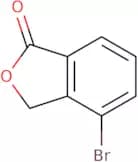
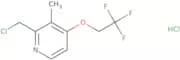
CAS :<p>4-Bromophthalide is a chemical compound that has a wide range of uses in research and industry. It reacts with organic compounds to form new substances, which can then be used as building blocks for more complex molecules. 4-Bromophthalide is an intermediate in the synthesis of pharmaceuticals such as pyrazinamide and is also useful as a starting material for the production of other chemicals such as dyes, pesticides, and pharmaceuticals.</p>Formule :C8H5BrO2Degré de pureté :Min. 95%Couleur et forme :PowderMasse moléculaire :213.03 g/mol2-Chloromethyl-3-methyl-4-(2,2,2-trifluoroethoxy)pyridine, hydrochloride
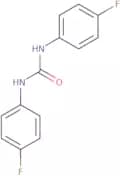
CAS :<p>Please enquire for more information about 2-Chloromethyl-3-methyl-4-(2,2,2-trifluoroethoxy)pyridine, hydrochloride including the price, delivery time and more detailed product information at the technical inquiry form on this page</p>Formule :C9H10Cl2F3NODegré de pureté :Min. 95%Masse moléculaire :276.08 g/mol1,3-Bis(4-fluorophenyl)urea
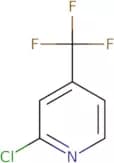
CAS :<p>1,3-Bis(4-fluorophenyl)urea is a crystalline solid that is soluble in organic solvents. It has been used as an intermediate in the synthesis of other compounds. 1,3-Bis(4-fluorophenyl)urea is an electron acceptor and can be used to produce diphenyl ethers. This compound has been synthesized using ethyl acetoacetate and anilines. It can be used to treat infectious diseases such as tuberculosis, where it inhibits protein synthesis and cell growth by disrupting the formation of bacterial DNA.</p>Formule :C13H10F2N2ODegré de pureté :Min. 98 Area-%Couleur et forme :White Off-White PowderMasse moléculaire :248.23 g/mol2-Chloro-4-(trifluoromethyl)pyridine
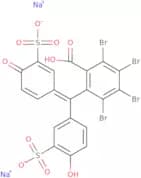
CAS :<p>2-Chloro-4-(trifluoromethyl)pyridine is a chemical compound that has been shown to have potential antitumor activity. It inhibits the activity of enzymes called non-nucleoside inhibitors of DNA polymerase, which are involved in the production of DNA. The inhibition of these enzymes by 2-chloro-4-(trifluoromethyl)pyridine results in cell death. This drug also inhibits the growth of bacteria and fungi by blocking their DNA synthesis. 2-Chloro-4-(trifluoromethyl)pyridine binds to the amine group on the enzyme's active site, thereby inhibiting its function and eventually killing it.</p>Formule :C6H3ClF3NDegré de pureté :Min. 97%Couleur et forme :Clear LiquidMasse moléculaire :181.54 g/molSulfobromophthalein disodium salt hydrate
CAS :<p>Sulfobromophthalein disodium salt hydrate is a fluorescent chemical that is used as a marker for renal function. It is most commonly used to assess the function of proximal tubules in the kidney and to assess the presence of cancer cells in various tissues. The uptake of sulfobromophthalein by the renal proximal tubules can be measured with an assay involving caco-2 cells. Multidrug resistance-associated protein (MRP) and other efflux pumps are expressed in these cells, which limits the amount of drug that can be absorbed into the cell. MRP also plays a role in multidrug resistance by pumping drugs back out of cells into the extracellular fluid, preventing them from being reabsorbed into circulation. This causes higher concentrations of drugs to accumulate inside the cell, leading to apoptosis.<br>Sulfobromophthalein has been shown to attenuate cancer progression, as well as reduce multidrug resistance</p>Formule :C20H8Br4O10S2·2Na·xH2OCouleur et forme :White PowderMasse moléculaire :838 g/mol4-Amino-2-chlorophenylboronic acid pinacol ester
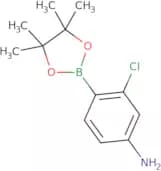
CAS :<p>4-Amino-2-chlorophenylboronic acid pinacol ester is a versatile building block that is used in the synthesis of complex compounds. It can be used as a research chemical, reagent, or speciality chemical depending on the desired use. 4-Amino-2-chlorophenylboronic acid pinacol ester reacts with nucleophiles to form covalent bonds and is also useful as a scaffold for synthesizing other compounds. This compound has been shown to be useful in the synthesis of many different types of chemicals.</p>Formule :C12H17BClNO2Degré de pureté :Min. 95%Couleur et forme :PowderMasse moléculaire :253.53 g/mol4-Methoxy-2,3,5-trifluorobenzoic acid
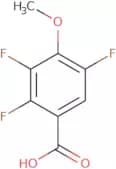
CAS :<p>4-Methoxy-2,3,5-trifluorobenzoic acid is a versatile building block that can be used in the synthesis of complex compounds. It is a high quality chemical that can be used as a reagent or speciality chemical in research. This compound has been shown to have many uses including as an intermediate for the synthesis of other chemicals and as a reaction component. 4-Methoxy-2,3,5-trifluorobenzoic acid can also be used as an important scaffold in the design of new drugs.</p>Formule :C8H5F3O3Degré de pureté :Min. 95%Couleur et forme :White PowderMasse moléculaire :206.12 g/mol4-Bromo-3-fluoronitrobenzene
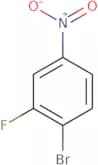
CAS :<p>Please enquire for more information about 4-Bromo-3-fluoronitrobenzene including the price, delivery time and more detailed product information at the technical inquiry form on this page</p>Formule :C6H3BrFNO2Degré de pureté :Min. 95%Couleur et forme :PowderMasse moléculaire :220 g/molIralukast Na
CAS :<p>Iralukast Na is a leukotriene receptor antagonist that prevents bronchoconstrictor response. It binds to the cystic fibrosis transmembrane conductance regulator (CFTR) and blocks the binding of leukotrienes, which are potent bronchoconstrictors. Iralukast Na also blocks the activity of inflammatory cells and reduces bowel inflammation. Iralukast Na has been shown to be effective in treating asthma, inflammatory bowel disease, and other autoimmune diseases.</p>Formule :C38H36F3NaO8SDegré de pureté :Min. 95%Masse moléculaire :732.198076-Bromo-2H-pyrido[3,2-b][1,4]oxazin-3(4H)-one
CAS :<p>6-Bromo-2H-pyrido[3,2-b][1,4]oxazin-3(4H)-one is a versatile building block that can be used in a variety of chemical reactions as an intermediate. It is also useful in the synthesis of a variety of compounds, such as pharmaceuticals and research chemicals. 6-Bromo-2H-pyrido[3,2-b][1,4]oxazin-3(4H)-one is an organic compound with a molecular formula of C8H5BrN4O. It has an mp of 152°C and decomposes to form nitrogen gas and carbon monoxide at higher temperatures.</p>Formule :C7H5BrN2O2Degré de pureté :Min. 95%Couleur et forme :SolidMasse moléculaire :229.03 g/mol4-Bromobenzoic acid
CAS :<p>4-Bromobenzoic acid is a hydroxylated aromatic compound that is used in organic synthesis. It can be prepared by the reaction of hydrochloric acid with benzoic acid. 4-Bromobenzoic acid inhibits the enzyme diphenolase, which catalyzes the conversion of p-hydroxybenzoic acid to tiglic acid. This inhibition prevents the production of tyrosine, an amino acid that is essential for protein synthesis and cell division. 4-Bromobenzoic acid also inhibits the activity of an enzyme called etoac extract, which catalyzes a reaction between tyrosine and ethanolamine to form dopamine and acetaldehyde. The inhibition of this enzyme prevents the production of dopamine, another amino acid that is important for protein synthesis and cell division.</p>Formule :C7H5BrO2Degré de pureté :Min. 95%Couleur et forme :PowderMasse moléculaire :201.02 g/mol1,3-Dimethoxy-2-methylimidazoliumbis(trifluoromethylsulfonyl)imide
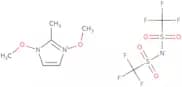
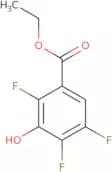
CAS :<p>Please enquire for more information about 1,3-Dimethoxy-2-methylimidazoliumbis(trifluoromethylsulfonyl)imide including the price, delivery time and more detailed product information at the technical inquiry form on this page</p>Formule :C8H11F6N3O6S2Degré de pureté :Min. 95%Couleur et forme :PowderMasse moléculaire :423.31 g/molEthyl 3-hydroxy-2,4,5-trifluorobenzoate
CAS :<p>Ethyl 3-hydroxy-2,4,5-trifluorobenzoate is a versatile building block that has been used as a reagent in organic synthesis and research. It is a fine chemical and speciality chemical that can be used for the production of complex compounds. This compound has been shown to be useful in reactions involving nucleophilic substitution, acylation, and reductive amination. Ethyl 3-hydroxy-2,4,5-trifluorobenzoate is also an intermediate for the synthesis of high quality chemicals with valuable applications such as pharmaceuticals and agrochemicals.</p>Formule :C9H7F3O3Degré de pureté :Min. 95%Couleur et forme :SolidMasse moléculaire :220.15 g/mol(S)-2-((((9H-Fluoren-9-yl)methoxy)carbonyl)amino)-3-(1H-pyrrolo[2,3-b]pyridin-3-yl)propanoic acid
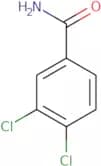
CAS :<p>Please enquire for more information about (S)-2-((((9H-Fluoren-9-yl)methoxy)carbonyl)amino)-3-(1H-pyrrolo[2,3-b]pyridin-3-yl)propanoic acid including the price, delivery time and more detailed product information at the technical inquiry form on this page</p>Formule :C25H21N3O4Degré de pureté :Min. 95%Masse moléculaire :427.45 g/mol3,4-Dichlorobenzamide
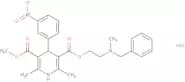
CAS :<p>3,4-Dichlorobenzamide is a synthetic opioid analgesic that binds to the μ-opioid receptor. It has a side-effect profile that is similar to other opioids, with an addiction risk and potential for abuse. 3,4-Dichlorobenzamide has been used in the synthesis of new drugs, such as phenazepam (a benzodiazepine) and etizolam (a thienodiazepine). This drug is chiral and can be synthesized in two stereoisomeric forms: 3-(+)-chloro-N-(2-chlorophenyl)benzamide and 3-(−)-chloro-N-(2-chlorophenyl)benzamide. The former form is marketed under the trade name Analgin, while the latter form is marketed under the trade name Etilex. The (+) form of this drug has a higher affinity for μ receptors than the (−) form.</p>Formule :C7H5Cl2NODegré de pureté :Min. 95%Masse moléculaire :190.03 g/molNicardipine hydrochloride
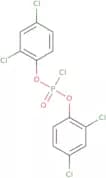
CAS :<p>L-type calcium channel blocker</p>Formule :C26H29N3O6•HClDegré de pureté :Min. 95%Couleur et forme :PowderMasse moléculaire :515.99 g/molBis(2,4-dichlorophenyl) chlorophosphate
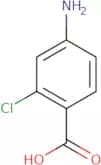
CAS :<p>Bis(2,4-dichlorophenyl) chlorophosphate is a surfactant that is used in the production of ammonium hexafluorophosphate. It is also used in the manufacture of alcohols and deionized water. Bis(2,4-dichlorophenyl) chlorophosphate has been shown to be an effective reagent for the synthesis of fluorophosphates.</p>Formule :C12H6Cl5O3PDegré de pureté :Min. 95%Couleur et forme :White To Off-White SolidMasse moléculaire :406.41 g/mol4-Amino-2-chlorobenzoic acid - 98%
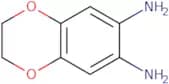
CAS :<p>4-Amino-2-chlorobenzoic acid (4ACBA) is a pharmaceutical chemical that is used in the preparation of pharmaceutical preparations. 4ACBA has been shown to be absorbed through the maternal blood and have an inhibitory effect on rat sciatic nerve. The uptake of 4ACBA was found to be dose dependent, with a maximum concentration reached after 30 minutes. The pharmacokinetic properties of 4ACBA have been shown to be nonlinear, with plasma concentrations decreasing as dosage increases.</p>Formule :C7H6ClNO2Degré de pureté :Min. 95%Couleur et forme :PowderMasse moléculaire :171.58 g/mol1,2-Diamino-3,4-ethylenedioxybenzene dihydrochloride
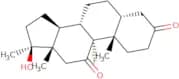
CAS :<p>1,2-Diamino-3,4-ethylenedioxybenzene dihydrochloride is a chemical compound that is used as a reference in chromatographic methods for the separation of fatty acids. It can also be used as a fluorescent derivative and has been shown to bind to chloroplasts, which are organelles that capture and store light energy. 1,2-Diamino-3,4-ethylenedioxybenzene dihydrochloride has been found in water vapor and was found to have splicing activity when bound to nucleic acid sequences. This chemical compound is an amino acid derivative with hydroxy groups and an acidic catalyst.</p>Formule :C8H10N2O2·2HClDegré de pureté :Min. 95%Couleur et forme :PowderMasse moléculaire :239.1 g/mol9-Fluoro-17β-Hydroxy-17-Methyl-5β-Androstane-3,11-Dione
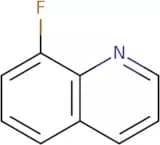
CAS :Produit contrôlé<p>9-Fluoro-17beta-Hydroxy-17-Methyl-5β-Androstane-3,11-Dione is a chemical compound that has oxidizing properties. It is a white or light yellow crystalline powder that can be prepared from potassium and 9-fluoroandrostenedione. The compound is insoluble in water, but soluble in organic solvents. It has a melting point of about 138°C, and does not react with alkali metals or bases. 9FAD has been shown to have thermal treatment applications for the fields of pulverulent materials and input introduction. Thermally applied, it can be used to increase the surface area of input materials such as coal and ore, as well as being able to convert them into more reactive forms.</p>Formule :C20H29FO3Degré de pureté :Min. 95%Masse moléculaire :336.44 g/mol8-Fluoroquinoline
CAS :<p>8-Fluoroquinoline is a quinoline derivative that has been shown to have in vitro anticancer activity against colon adenocarcinoma cells. It is a chiral molecule that can exist as two stereoisomers, (R)-8-fluoroquinoline and (S)-8-fluoroquinoline. These isomers may have different interactions with the tumorigenic cells, but both of them have anticancer activity. 8-Fluoroquinoline also interacts with cytochrome P450 enzymes, enhancing their ability to metabolize carcinogens.</p>Formule :C9H6FNDegré de pureté :Min. 95%Masse moléculaire :147.15 g/mol3-Amino-4-methylpentan-2-one hydrochloride
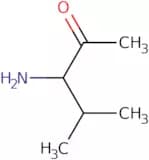
CAS :<p>3-Amino-4-methylpentan-2-one hydrochloride is a versatile building block that is used for the synthesis of high quality research chemicals, useful scaffolds, and speciality chemicals. It is also used as a reagent in organic syntheses. This chemical has a wide range of uses and is a fine chemical that can be used as an intermediate or reaction component. 3-Amino-4-methylpentan-2-one hydrochloride can be reacted with other compounds to form complex molecules that have many different applications.</p>Formule :C6H13NO•HClDegré de pureté :Min. 95%Couleur et forme :SolidMasse moléculaire :151.63 g/mol2-Bromo-4-methoxybenzonitrile
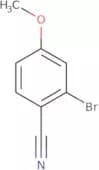
CAS :<p>2-Bromo-4-methoxybenzonitrile is a high quality reagent that is used as a versatile building block in the synthesis of complex organic compounds. It is a useful intermediate and can be used to form 2,4-dimethoxybenzaldehyde. This compound has been used as a reaction component in the production of pharmaceuticals, pesticides, and other fine chemicals. The chemical formula for 2-bromo-4-methoxybenzonitrile is C6H5BrO2.</p>Formule :C8H6BrNODegré de pureté :Min. 95%Masse moléculaire :212.04 g/mol2-Bromofluorene
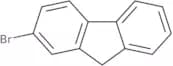
CAS :<p>2-Bromofluorene is an organic compound that belongs to the group of aryl halides. It is used in the synthesis of polymers, pesticides and pharmaceuticals. 2-Bromofluorene has been shown to be mutagenic and carcinogenic in kidney cells. The chemical structure of 2-bromofluorene consists of two phenyl groups (benzene rings) connected by a single bromine atom. The optimal reaction condition for this chemical is hydrochloric acid in acetic acid with heat and high values of optical rotation. A number of compounds are derived from 2-bromofluorene, such as 4-chlorobenzophenone, 3-chlorobenzophenone, 4-bromoacetophenone, 3-bromoacetophenone, 2-(2'-hydroxyethoxy)ethanol, 2-(2'-hydroxyethyl)phenol, and 2-(2'-</p>Formule :C13H9BrDegré de pureté :Min. 95%Masse moléculaire :245.115-Bromo-2-adamantanone
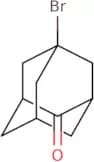
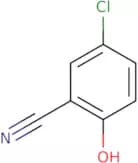
CAS :<p>5-Bromo-2-adamantanone is a potent and selective inhibitor of human alpha-amylase. It binds to the active site in the enzyme, hindering its catalytic activity. 5-Bromo-2-adamantanone has been shown to inhibit the production of glucose by inhibiting alpha amylase, an enzyme that breaks down starch into maltose. 5-Bromo-2-adamantanone has also been shown to be a potential drug for diabetes therapy.</p>Formule :C10H13BrODegré de pureté :Min. 95%Couleur et forme :PowderMasse moléculaire :229.11 g/mol5-Chloro-2-hydroxybenzonitrile
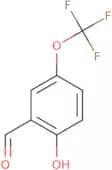
CAS :<p>5-Chloro-2-hydroxybenzonitrile is a liquid crystal compound that is used for the enhancement of phototransformation. It has been shown to be capable of absorbing light and transferring energy to electron acceptors, such as chloride ions, which react with the excited state. 5-Chloro-2-hydroxybenzonitrile shows a single band in the visible region on an absorption spectrum, which may be due to its molecular structure or anisotropy. The frequency of this compound's vibration is in the range of 3200 - 3600 cm^{-1}.</p>Formule :C7H4ClNODegré de pureté :Min. 95%Couleur et forme :PowderMasse moléculaire :153.57 g/mol5-(Trifluoromethoxy)salicylaldehyde
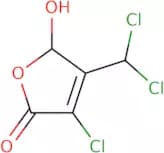
CAS :<p>5-(Trifluoromethoxy)salicylaldehyde is a ligand that binds to the active site of the enzyme catalysis, thereby inhibiting its activity. It has been shown to be effective in colon cancer and other cancers due to its ability to inhibit protein synthesis. 5-(Trifluoromethoxy)salicylaldehyde also inhibits the production of prostaglandins, which may prevent inflammation. The compound is also used in supramolecular chemistry and biological studies as a tool for studying protein-ligand interactions. 5-(Trifluoromethoxy)salicylaldehyde has been shown to have dose-dependent effects on cell proliferation and protein synthesis.</p>Formule :C8H5F3O3Degré de pureté :Min. 95%Couleur et forme :PowderMasse moléculaire :206.12 g/mol3-Chloro-4-(dichloromethyl)-5-hydroxy-2(5H)-furanone
CAS :<p>3-Chloro-4-(dichloromethyl)-5-hydroxy-2(5H)-furanone belongs to the class of polymerase chain inhibitors. It inhibits DNA synthesis by binding to the enzyme DNA polymerase and blocking the progression of DNA synthesis. 3-Chloro-4-(dichloromethyl)-5-hydroxy-2(5H)-furanone has significant cytotoxicity in mammalian cells and is genotoxic, which may be due to its mutagenicity. The mechanism of its mutagenicity is not known, but it has been shown that this compound reacts with effector proteins such as thiols and sulfhydryls. 3-Chloro-4-(dichloromethyl)-5-hydroxy-2(5H)-furanone can react with chlorine in water to form a chlorinated derivative that is more stable than the parent compound. This chemical stability has been used</p>Formule :C5H3Cl3O3Degré de pureté :(%) Min. 95%Couleur et forme :PowderMasse moléculaire :217.43 g/mol2,4,6-Tribromo-3-methoxyphenol
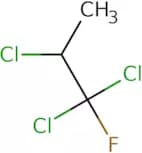
CAS :<p>2,4,6-Tribromo-3-methoxyphenol is a high quality reagent that is used as an intermediate in the production of many fine chemicals. It is also a useful building block for the synthesis of speciality chemicals and research chemicals. This chemical can be used as a versatile building block for reactions with other compounds. 2,4,6-Tribromo-3-methoxyphenol has CAS number 24967-79-1 and can be found at Chemical & Laboratory Equipment.</p>Formule :C7H5Br3O2Degré de pureté :Min. 95%Masse moléculaire :360.83 g/mol1,1,2-Trichloro-1-fluoropropane
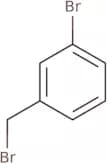
CAS :Produit contrôlé<p>1,1,2-Trichloro-1-fluoropropane is a solvent used in the production of fluorinated organic compounds. It is used as an intermediate for the manufacture of refrigerants and aerosol propellants. 1,1,2-Trichloro-1-fluoropropane has been shown to have a significant impact on the environment due to its high volatility and solubility. The emission of this chemical into the atmosphere can deplete ozone levels and cause damage to vegetation. This chemical also has a high vapor pressure and can be fatal if inhaled or absorbed through the skin. In addition, 1,1,2-Trichloro-1-fluoropropane is toxic to aquatic life because it is soluble in water and accumulates in fatty tissues of living organisms.</p>Formule :C3H4Cl3FDegré de pureté :Min. 95%Masse moléculaire :165.42 g/mol3-Bromobenzyl bromide
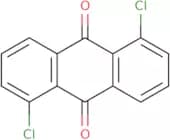
CAS :<p>3-Bromobenzyl bromide is a molecule that has been synthesized and shown to have anticancer activity. It inhibits the activity of cancer cells by binding to amines in these cells and preventing the formation of hydrogen bonds between these molecules. 3-Bromobenzyl bromide has also been shown to selectively inhibit the activity of NS5B polymerase, an enzyme that is important in the replication of the hepatitis C virus. The synthetic nature of this molecule makes it an attractive target for analytical methods such as nuclear magnetic resonance spectroscopy. This molecule also shows significant cytotoxicity against cancer cell lines in vitro, as well as inducing tumor necrosis factor-alpha (TNF-α) production in lps-stimulated murine macrophages.</p>Formule :C7H6Br2Degré de pureté :Min. 95%Couleur et forme :PowderMasse moléculaire :249.93 g/mol1,5-Dichloroanthraquinone
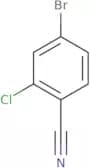
CAS :<p>1,5-Dichloroanthraquinone is a chlorine atom with a carbonyl group that is a reactive synthetic intermediate. It is used in the synthesis of palladium complexes. 1,5-Dichloroanthraquinone has been shown to react with hydrochloric acid to form an anhydrous sodium salt and calcium carbonate. The fluorescence properties of this compound have also been studied. 1,5-Dichloroanthraquinone has been found to be cytotoxic in vitro and the reaction mechanism has been determined by vibrational spectroscopy and x-ray crystal structures.</p>Formule :C14H6Cl2O2Degré de pureté :Min. 95%Couleur et forme :PowderMasse moléculaire :277.1 g/mol4-Bromo-2-chlorobenzonitrile
CAS :<p>4-Bromo-2-chlorobenzonitrile is a pharmaceutical agent that has been patented for its use in the treatment of castration-resistant prostate cancer. The compound inhibits the androgen receptor, which is important for the growth of prostate cancer cells. 4-Bromo-2-chlorobenzonitrile also binds to amines, which are involved in cross-coupling reactions, and can be used as a ligand in assays. It is a synthetic chemical that belongs to the group of alkylating agents and is used as an intermediate in organic chemistry. This compound has high selectivity for nucleophilic centers over electrophilic centers because it forms covalent bonds with electron rich functional groups.</p>Formule :C7H3BrClNDegré de pureté :Min. 95%Couleur et forme :PowderMasse moléculaire :216.46 g/molN-[1-[2-(4-Ethyl-5-Oxotetrazol-1-Yl)Ethyl]-4-Phenylpiperidin-4-Yl]-N-(2-Fluorophenyl)Propanamide
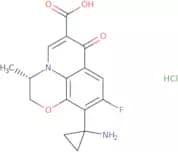
CAS :Produit contrôlé<p>N-[1-[2-(4-Ethyl-5-Oxotetrazol-1-Yl)Ethyl]-4-Phenylpiperidin-4-Yl]-N-(2-Fluorophenyl)Propanamide is a drug that is used clinically for the treatment of depression. It is an analog of amitriptyline, an antidepressant and a tricyclic compound. N-[1-[2-(4-Ethyl-5-Oxotetrazol-1-Yl)Ethyl]-4-Phenylpiperidin-4-Yl]-N-(2-Fluorophenyl)Propanamide has been shown to increase the concentration of plasma drug levels by increasing transporter gene expression in muscle tissue. This drug also has clinical pharmacology and thermal expansion properties.</p>Formule :C25H31FN6O2Degré de pureté :Min. 95%Masse moléculaire :466.55 g/molPazufloxacin hydrochloride
CAS :<p>Pazufloxacin hydrochloride is a synthetic antibacterial agent, which is derived from the fluoroquinolone class of antibiotics with a broad-spectrum activity against various bacterial pathogens. This compound, sourced through chemical synthesis, functions primarily by inhibiting bacterial DNA gyrase and topoisomerase IV, which are critical enzymes for DNA replication, transcription, repair, and recombination. The inhibition of these enzymes leads to the disruption of bacterial DNA processes, ultimately resulting in bacterial cell death.</p>Formule :C16H15FN2O4•HClDegré de pureté :Min. 95%Masse moléculaire :354.76 g/mol5-Bromosalicylhydrazide
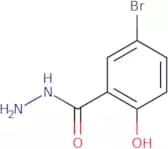
CAS :<p>5-Bromosalicylhydrazide (5BSH) is a trivalent, magnetic metal coordination compound. The square planar geometry of the molecule is stabilized by metal ions in the middle of the plane and bivalent metal ions at the corners. 5BSH has been shown to be stable in aqueous solution with a pH range from 3 to 10 and has shown no significant change in its crystal structure or magnetic properties over this pH range. 5BSH also exhibits a transition from square planar to bivalent as the concentration of salt increases.</p>Formule :C7H7BrN2O2Degré de pureté :Min. 95%Couleur et forme :PowderMasse moléculaire :231.05 g/mol3,4-Dichloromethylphenidate
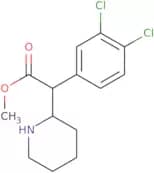
CAS :Produit contrôlé<p>3,4-Dichloromethylphenidate is a synthetic cannabinoid that is structurally related to amphetamine. It has been detected in the urine of drug users and is used as a substitute for cocaine. 3,4-Dichloromethylphenidate binds to the dopamine transporter, serotonin transporter, and norepinephrine transporter proteins in the brain. The binding of 3,4-Dichloromethylphenidate to these proteins inhibits the reuptake of these neurotransmitters into the presynaptic neuron, leading to an increase in extracellular concentrations of monoamines. This leads to increased levels of dopamine in the striatum and nucleus accumbens and increased levels of serotonin in brain regions that control mood and appetite. 3,4-Dichloromethylphenidate also inhibits the activity of human liver carboxylesterase 1 (CES1). Inhibition of CES1 causes an accumulation of toxic metabolites such as phenethylam</p>Formule :C14H17Cl2NO2Degré de pureté :Min. 95%Couleur et forme :Yellow solid.Masse moléculaire :302.2 g/molmethyl 2-(4,5-dimethoxy-2-(((3-(trifluoromethyl)phenyl)amino)sulfonyl)phenyl)acetate
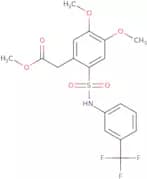
CAS :<p>Please enquire for more information about methyl 2-(4,5-dimethoxy-2-(((3-(trifluoromethyl)phenyl)amino)sulfonyl)phenyl)acetate including the price, delivery time and more detailed product information at the technical inquiry form on this page</p>Degré de pureté :Min. 95%Choline chloride - 99%
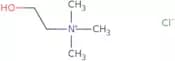
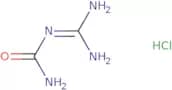
CAS :<p>Choline is an essential nutrient that is involved in the metabolism of fat and protein, as well as in the synthesis of cell membranes. It is also a precursor for neurotransmitters such as acetylcholine and phosphatidylcholine. Choline chloride is an ionic compound that contains choline and chloride ions. It has been shown to have beneficial effects on brain functions, including memory and learning, by providing choline to the brain. Choline chloride also helps regulate energy metabolism by supplying choline to cells throughout the body. In addition, it has been used as a model system for studying atherosclerosis. Choline chloride has been shown to inhibit certain enzymes such as picolinic acid carboxylase, calcium pantothenate kinase, and betaine homocysteine methyltransferase which are important for maintaining normal cell function. This inhibition leads to reduced levels of picolinic acid (a toxic metabolite), calcium pantothenate (a vitamin),</p>Formule :C5H14ClNODegré de pureté :Min. 95%Couleur et forme :White PowderMasse moléculaire :139.62 g/molCarbamoyl-guanidine amidino urea salt, hydrochloride salt
CAS :<p>Carbamoyl-guanidine amidino urea salt, hydrochloride salt is a compound that belongs to the class of amides. It has been used as a pharmacological treatment for autoimmune diseases. Carbamoyl-guanidine amidino urea salt, hydrochloride salt is also used in the preparation of pharmaceutical preparations and diagnostic agents. This drug can be found in tests for the diagnosis of autoimmune diseases and tissue culture. The carbamoyl-guanidine amidino urea salt, hydrochloride salt molecule is hydrophilic and interacts with test samples through hydrogen bonds. Carbamoyl-guanidine amidino urea salt, hydrochloride salt can be analyzed using methods such as pharmacological tests, analytical methods, and vitro assays.</p>Formule :C2H7ClN4ODegré de pureté :Min. 96 Area-%Couleur et forme :PowderMasse moléculaire :138.56 g/mol(1S,4S)-1,7,7-Trimethyl-3-(Trifluoroacetyl)Bicyclo[2.2.1]Heptan-2-One
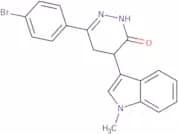
CAS :<p>(1S,4S)-1,7,7-Trimethyl-3-(Trifluoroacetyl)Bicyclo[2.2.1]Heptan-2-One is a white solid with a melting point of -76.8°C and a boiling point of 265°C at 10 mm Hg. It has the following functional groups: particle, luminescent, lanthanide, stabilizer, ligand, voltammetry, thermally stable and has nmr spectra that show light emission and coordination chemistry. This compound is a sulfoxide but can also be considered to be a phosphine or an amine depending on its structural features. The compound's nature is dependent on the temperature and pressure as well as the solvent it is being dissolved in.>>END>></p>Formule :C12H15F3O2Degré de pureté :Min. 95%Couleur et forme :Clear LiquidMasse moléculaire :248.24 g/mol3-(4-bromophenyl)-5-(1-methylindol-3-yl)-1H,4H,5H-1,2-diazin-6-one
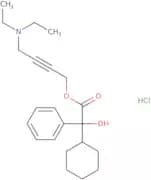
CAS :<p>Please enquire for more information about 3-(4-bromophenyl)-5-(1-methylindol-3-yl)-1H,4H,5H-1,2-diazin-6-one including the price, delivery time and more detailed product information at the technical inquiry form on this page</p>Degré de pureté :Min. 95%Oxybutynin chloride
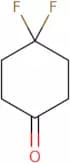
CAS :<p>Muscarinic antagonist; anti-spasmodic</p>Formule :C22H32ClNO3Degré de pureté :Min. 95%Couleur et forme :White PowderMasse moléculaire :393.95 g/mol4,4-Difluorocyclohexan-1-one
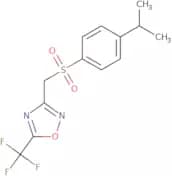
CAS :<p>4,4-Difluorocyclohexan-1-one (DFCO) is a colorless liquid that is soluble in organic solvents. It has been shown to have potential as a treatment for Alzheimer's disease due to its ability to inhibit the conformational changes in the amyloid beta peptide. DFCO was synthesized by reacting pyridazine with difluoroethanol, which led to the formation of two stereoisomers: R and S. The R stereoisomer was found to be more potent than the S stereoisomer in inhibiting acetylcholine release from human lung cells and had better binding affinity for adenosine receptors. This compound also showed antiinflammatory properties when it was used as an inhibitor of prostaglandin synthesis in mice.</p>Formule :C6H8F2ODegré de pureté :Min. 95%Couleur et forme :White PowderMasse moléculaire :134.12 g/mol4-(Isopropyl)-1-(((4-(trifluoromethyl)(3,2,5-oxadiazolyl))methyl)sulfonyl)benzene
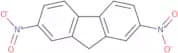
CAS :<p>Please enquire for more information about 4-(Isopropyl)-1-(((4-(trifluoromethyl)(3,2,5-oxadiazolyl))methyl)sulfonyl)benzene including the price, delivery time and more detailed product information at the technical inquiry form on this page</p>Formule :C13H13F3N2O3SDegré de pureté :Min. 95%Couleur et forme :PowderMasse moléculaire :334.32 g/mol2,7-Dinitrofluorene
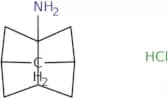
CAS :<p>2,7-Dinitrofluorene is a nitro compound that is used as an analytical reagent. It is used in the determination of redox potentials and is commonly used to measure the activity of nitroreductases. 2,7-Dinitrofluorene is also a genotoxic agent that causes DNA damage by producing reactive oxygen species (ROS), which react with DNA bases and cause strand breaks. Nitroreductase enzymes catalyze the reduction of nitro groups to amines, which are then converted to ammonia. This process produces ammonia, which reacts with other compounds in the body to form nitrosamines. Nitrosamines have been shown to be carcinogenic in animal models, and some of these compounds can be found in human tissues.</p>Formule :C13H8N2O4Degré de pureté :Min. 95%Couleur et forme :PowderMasse moléculaire :256.21 g/mol3-Noradamantaneamine hydrochloride
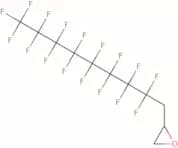
CAS :<p>3-Noradamantaneamine hydrochloride is a thioamide that has inhibitory activities on biological processes, such as the production of tumor necrosis factor-α (TNF-α). 3-Noradamantaneamine hydrochloride also inhibits angiogenesis and the proliferation of endothelial cells. The drug was shown to be neuroprotective in animal models and to have anti-angiogenic properties. The mechanism of action is not yet clear, but may involve nitric oxide synthase inhibition or nitration of the drug.</p>Formule :C9H15N·HClDegré de pureté :Min. 95%Couleur et forme :White PowderMasse moléculaire :173.68 g/mol1,2-Epoxy-1H,1H,2H,3H,3H-heptadecafluoroundecane
CAS :Produit contrôlé<p>Epoxy resins are polymers that are made from the reaction of epoxides with a compound containing a reactive hydrogen. The epoxy group is highly reactive and can form adducts with many other compounds, such as amines, alcohols, phenols, carboxylic acids, and sulfonic acids. Epoxy resins have excellent resistance to water, heat, acids, and bases. They are also resistant to ultraviolet light. Epoxy resins are used for coatings in the pharmaceutical industry because they offer good chemical resistance and high gloss. These coatings can be used on metals or plastics to protect them from corrosion. They can also be used as a base material for paints or varnishes. Epoxy resins are also used in construction materials such as flooring and roofing membranes.<br>1,2-Epoxy-1H,1H,2H,3H-heptadecafluoroundecane is an ether that has hyd</p>Formule :C11H5F17ODegré de pureté :Min. 95%Couleur et forme :Clear LiquidMasse moléculaire :476.13 g/mol(2,6-Difluorophenyl)acetone
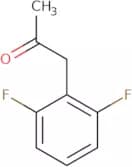
CAS :<p>(2,6-Difluorophenyl)acetone is an organic compound with the chemical formula CH3C(O)CH=CHF. It is a colorless liquid that boils at 142 °C and has a melting point of about -5 °C. This compound is mainly used as a reagent in organic synthesis, but it can also be used as a building block for complex compounds. The synthesis of (2,6-difluorophenyl)acetone starts by reacting 2-bromo-1,4-phenylene with 2,6-difluoroaniline in benzene. The product can then be purified by distillation or recrystallization to yield high quality (2,6-difluorophenyl)acetone.</p>Formule :C9H8F2ODegré de pureté :Min. 95%Couleur et forme :Clear LiquidMasse moléculaire :170.16 g/mol4-Chlororesorcinol
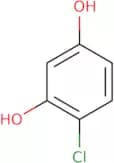
CAS :<p>4-Chlororesorcinol is a chemical compound that has been shown to have antimicrobial properties. It inhibits the growth of bacteria by reacting with tyrosinase and other enzymes that are important for the synthesis of melanin, the pigment responsible for skin, hair, and eye color. 4-Chlororesorcinol also reacts with protocatechuic acid to form chlorprotocatecholic acid and other products. This reaction is optimal at pH 3.4 and occurs at an increased rate in the presence of calcium ions. 4-Chlororesorcinol has been shown to inhibit root formation in plants, as well as inhibiting the growth of certain fungi such as Phytophthora infestans and Rhizoctonia solani.</p>Formule :C6H5ClO2Degré de pureté :Min. 95%Couleur et forme :PowderMasse moléculaire :144.56 g/mol4-Bromotriphenylamine
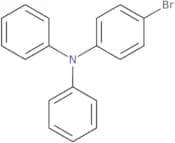
CAS :<p>4-Bromotriphenylamine is a molecule that has two acceptor groups and one donor group. It reacts with methylamine to form the product 4,4′-dibromobutyric acid. The reaction rate of this chemical is increased by the presence of an electron withdrawing substituent on the aromatic ring such as bromine. This compound is stable at higher temperatures, but not at lower ones. When heated, it undergoes thermal expansion and molecules are forced apart from each other. The butyric acid formed in this reaction may be used to synthesize butyrate esters for use in cancer therapy or light emission systems.<br>Light emission from this compound is due to its fluorescence properties, which depend on the chemical structure of the molecule and its environment. The efficiency of light emission is related to the number of electron-hole pairs created during excitation, which depends on the energy of incident photons and their wavelength.</p>Formule :C18H14BrNDegré de pureté :Min. 95%Couleur et forme :PowderMasse moléculaire :324.21 g/molConivaptan hydrochloride
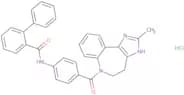
CAS :Produit contrôlé<p>Conivaptan hydrochloride is a selective, orally active vasopressin receptor antagonist that has been shown to be effective in the treatment of congestive heart failure. Conivaptan hydrochloride is used in experimental models to study its efficacy and safety. The long-term efficacy of conivaptan hydrochloride was demonstrated in a chronic oral study with rats. Optimum concentrations for conivaptan hydrochloride are between 0.5 and 2 mg/kg body weight, which should be administered three times daily. In patients with hepatic impairment, the concentration–time curve of conivaptan hydrochloride may be affected so that higher doses are required to achieve the desired effect. This drug also interacts with drugs such as warfarin, beta blockers, or calcium channel blockers. Patients with high body mass index or systolic pressure should not use this medication because it can lead to serious side effects.</p>Formule :C32H27ClN4O2Degré de pureté :Min. 95%Couleur et forme :White PowderMasse moléculaire :535.04 g/molUlifloxacin
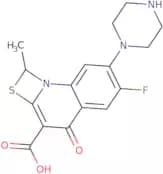
CAS :<p>Extensive research has been conducted on the antimicrobial activity of 6-fluoro-1-methyl-4-oxo-7-(1-piperazinyl)-4H-(1,3)thiazeto(3,2a)quinoline-3-carboxylic acid (FPMT). FPMT is a levorotatory compound that is rapidly metabolized by esterases to 6FMT, which is also active against bacteria. FPMT inhibits bacterial growth, but does not inhibit mammalian cell growth. The main mechanism of action for FPMT is probably through its ability to inhibit the synthesis of bacterial DNA and RNA. This drug has been shown to be effective against sinusitis caused by bacterial rhinosinusitis and urinary tract infections caused by Escherichia coli and Pseudomonas aeruginosa. FPMT can be used as an alternative to prulifloxacin for the treatment of these types of infections</p>Formule :C16H16FN3O3SDegré de pureté :Min. 98 Area-%Masse moléculaire :349.38 g/molrac-Propranolol hydrochloride
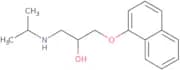
CAS :Produit contrôlé<p>Propranolol is a beta-adrenergic receptor antagonist that is used to treat high blood pressure, chest pain and heart failure. It also has been shown to be effective in the treatment of inflammatory bowel disease (IBD). Propranolol blocks the binding of proprotein convertase subtilisin/kexin type 9 (PCSK9) to its receptors, which inhibits the production of LDL cholesterol. In humans, propranolol is metabolized through hydrolysis by esterases or glucuronidases, oxidation by cytochrome P450 enzymes, reduction by glutathione reductase, or conjugation with glucuronic acid. The drug also has a synergic effect with other drugs such as erythromycin and phenobarbital. Propranolol binds to proteins in red blood cells and decreases diastolic pressure.</p>Formule :C16H22ClNO2Degré de pureté :Min. 98%Couleur et forme :White PowderMasse moléculaire :295.8 g/molN-(2-Indol-3-ylethyl)(4-(trifluoromethoxy)phenyl)formamide
CAS :<p>Please enquire for more information about N-(2-Indol-3-ylethyl)(4-(trifluoromethoxy)phenyl)formamide including the price, delivery time and more detailed product information at the technical inquiry form on this page</p>Formule :C18H15F3N2O2Degré de pureté :Min. 95%Couleur et forme :PowderMasse moléculaire :348.32 g/molDiltiazem hydrochloride
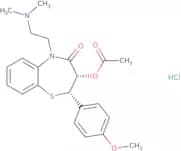
CAS :<p>L-type calcium channel blocker</p>Formule :C22H27ClN2O4SDegré de pureté :Min. 98 Area-%Couleur et forme :White PowderMasse moléculaire :450.98 g/molGhrelin trifluoroacetate
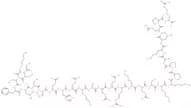
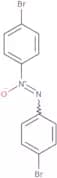
CAS :<p>Ghrelin is a peptide hormone that regulates appetite and has been shown to have potent anti-cachectic effects in animal models. It is thought to be an important regulator of body weight, insulin resistance, and metabolism. Ghrelin is synthesized in the stomach and released into the bloodstream when the stomach is empty. Ghrelin binds to ghrelin receptors in the hypothalamus, which stimulate growth hormone release from the pituitary gland. This hormone also binds to other cells in the hypothalamus, such as neurons that produce orexin, which may account for its effects on sleep patterns. Ghrelin has been shown to inhibit tumor growth by suppressing angiogenesis and inducing apoptosis. The molecular weight of ghrelin is 3497 Da. The sequence of ghrelin consists of 28 amino acids: Gly-Ser-Ser(octanoyl)-Phe-Leu-Ser-Pro-Glu-His-Gln-Lys-Ala</p>Formule :C147H245N45O42•(C2HO2F3)xDegré de pureté :Min. 95 Area-%Couleur et forme :PowderMasse moléculaire :3,314.8 g/mol4,4'-Dibromoazoxybenzene
CAS :<p>4,4'-Dibromoazoxybenzene is a functional group that contains both amines and nitroso groups. The reaction scheme for the synthesis of this compound includes hydrazines, potassium hydroxide, acetonitrile, chloride, and alkylation. The nitrogen atom in 4,4'-dibromoazoxybenzene is an aromatic amine. Cancer cells are sensitive to molecules containing aromatic amines as a functional group.</p>Formule :C12H8Br2N2ODegré de pureté :Min. 95%Masse moléculaire :356.01 g/molCarbonyl cyanide 4-(trifluoromethoxy)phenylhydrazone
CAS :<p>Carbonyl cyanide 4-(trifluoromethoxy)phenylhydrazone (FCCP) is a pharmacological agent that is used to study the mechanisms of neuronal death and mitochondrial dysfunction. FCCP is reactive with cellular components, such as proteins and nucleic acids. It also affects mitochondrial membrane potential, energy metabolism, and synchronous fluorescence in human cells. The reactive effects of FCCP are due to its ability to reduce intracellular dinucleotide phosphate (DNP). DNP binds to the electron transport chain, which leads to the production of reactive oxygen species that disrupt cellular physiology.</p>Formule :C10H5F3N4ODegré de pureté :Min. 97 Area-%Couleur et forme :White To Yellow To Green-Yellow SolidMasse moléculaire :254.17 g/molAmyloid β-Protein (40-1) hydrochloride salt
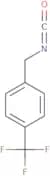
CAS :<p>Hydrochloride salt</p>Formule :C194H295N53O58SDegré de pureté :Min. 95%Masse moléculaire :4,329.81 g/mol4-(Trifluoromethyl)benzyl isocyanate
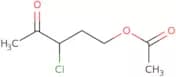
CAS :<p>4-(Trifluoromethyl)benzyl isocyanate is a chemical compound with the formula C8H4F3NOC. It is a colorless liquid that can be used as a reagent and in organic synthesis. It is also an intermediate for the production of other chemicals, such as pharmaceuticals, pesticides, and polymers. 4-(Trifluoromethyl)benzyl isocyanate has been shown to be useful in reactions involving electron-deficient species (i.e., those bearing an oxygen atom or with heteroatoms). The compound has been found to be a versatile building block for synthesizing complex compounds with high purity and good yields.</p>Formule :C9H6F3NODegré de pureté :Min. 95%Couleur et forme :Colorless PowderMasse moléculaire :201.15 g/mol5-Acetoxy-3-chloro-2-pentanone
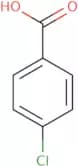
CAS :<p>5-Acetoxy-3-chloro-2-pentanone is a thioformamide that is used as an intermediate in the synthesis of vitamin B1. It is also a precursor to formic acid and formaldehyde, which are used in the production of dyes and other chemical products. 5-Acetoxy-3-chloro-2-pentanone is synthesized by reacting hydroxylamine with acetyl chloride. The reaction proceeds via a nucleophilic substitution reaction. This product has a high yield and can be produced with various alkyl groups, such as 1-4C, 2C, 3C, 4C, 5C, 6C, 7C, 8C or 9C. 5-Acetoxy-3-chloro-2-pentanone can be used to produce formic acid or formaldehyde by reacting it with sodium hydroxide or potassium hydroxide respectively.</p>Formule :C7H11ClO3Degré de pureté :Min. 95%Masse moléculaire :178.61 g/mol4-Chlorobenzoic acid
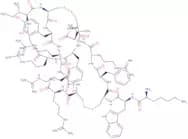
CAS :<p>4-Chlorobenzoic acid is a dehalogenase that removes chlorinated organic compounds from water. It has been shown to be effective in removing the following: trichloroethene, tetrachloroethene, and dichloroethene. 4-Chlorobenzoic acid is a member of the group P2 dehalogenases and has been shown to have an affinity for aromatic substrates like benzoate. This enzyme is an integral part of wastewater treatment systems as it prevents the accumulation of toxic chlorine-containing chemicals in soil and groundwater.</p>Formule :C7H5ClO2Degré de pureté :Min. 95%Couleur et forme :PowderMasse moléculaire :156.57 g/molTachyplesin I trifluoroacetate
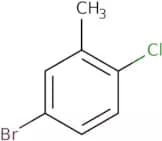
CAS :<p>Tachyplesin I trifluoroacetate is an antimicrobial peptide with action on bacterial and fungal membranes by disrupting their integrity and is used for research on antimicrobial properties and potential therapeutic applications.</p>Formule :C99H151N35O19S4•(C2HF3O2)xDegré de pureté :Min. 95%Couleur et forme :PowderMasse moléculaire :2,263.75 g/mol5-Bromo-2-chlorotoluene
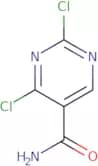
CAS :<p>5-Bromo-2-chlorotoluene is a fluorophore molecule that can be modified to produce a variety of fluorescent properties. Fluorophores are molecules that are able to absorb light and emit light at a different wavelength, which makes them useful in research as they can be used to visualize molecules and their interactions with other molecules. The discovery and modification of fluorophores has played an important role in the development of new imaging techniques such as MRI scans. A molecule's spectrum can provide information about its structure, so 5-bromo-2-chlorotoluene's spectrum provides insight into its molecular structure.</p>Formule :C7H6BrClDegré de pureté :Min. 95%Couleur et forme :Clear LiquidMasse moléculaire :205.48 g/mol2,4-Dichloropyrimidine-5-carboxamide
CAS :<p>2,4-Dichloropyrimidine-5-carboxamide is a 2,4-dichloropyrimidine derivative. It is an intermediate in the synthesis of other compounds, and can be used as a building block in the synthesis of complex compounds. It is a versatile building block that can be used to make many different products. This chemical has been shown to have high quality and is useful as a research reagent or speciality chemical. 2,4-Dichloropyrimidine-5-carboxamide is also a useful intermediate for reactions involving nucleophilic substitution reactions and can serve as a scaffold for organic synthesis.</p>Formule :C5H3Cl2N3ODegré de pureté :Min. 95%Couleur et forme :Off-White To Yellow SolidMasse moléculaire :192 g/mol3-Ethoxybenzoyl chloride
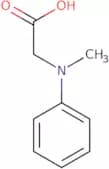
CAS :<p>3-Ethoxybenzoyl chloride is a versatile building block that can be used to synthesize complex compounds. It has been shown as a useful intermediate in research and development, as well as being a reagent for the synthesis of other chemicals. 3-Ethoxybenzoyl chloride is also a high quality chemical with a variety of uses, including as an intermediate in organic reactions and as a scaffold for the preparation of other chemical compounds.</p>Formule :C9H9ClO2Degré de pureté :Min. 80%Couleur et forme :PowderMasse moléculaire :184.62 g/molN-Methyl-N-phenylglycine hydrochloride
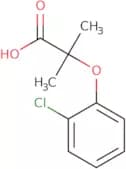
CAS :<p>N-Methyl-N-phenylglycine hydrochloride (NMPG) is a glycopeptide antibiotic and immunosuppressant that is used to treat inflammatory bowel disease. NMPG binds to the D-alanyl-D-alanine moiety of bacterial cell wall peptidoglycan, inhibiting the synthesis of bacterial cell wall and leading to bacterial death. NMPG has been shown to be active against Escherichia coli, Klebsiella pneumoniae, and Helicobacter pylori. NMPG also has antibacterial activity against Acinetobacter baumannii and Enterococcus faecalis. The asymmetric synthesis of NMPG is enhanced by the presence of acrylonitrile.</p>Formule :C9H11NO2·HClDegré de pureté :Min. 95%Couleur et forme :PowderMasse moléculaire :201.65 g/mol2-(2-Chlorophenoxy)-2-methylpropanoic acid
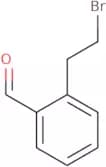
CAS :<p>2-(2-Chlorophenoxy)-2-methylpropanoic acid is a plant hormone that is involved in the mediation of plant responses to various biotic and abiotic stressors. It is synthesized from salicylic acid by the enzyme phenylalanine ammonia-lyase and its structure resembles that of hydrogen peroxide. Its linear growth-promoting activity is mediated by the formation of 2,4-dichlorophenoxyacetic acid, which activates the production of hydrogen peroxide and induces cell expansion. The biosynthesis of this compound has been shown in plants through studies on excised tissues.</p>Formule :C10H11ClO3Degré de pureté :Min. 95%Couleur et forme :PowderMasse moléculaire :214.65 g/mol2-(2-Bromoethyl)benzaldehyde
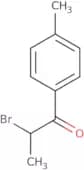
CAS :<p>2-(2-Bromoethyl)benzaldehyde is an organic compound that is used in the synthesis of many other compounds. It is produced by the acetylation of 2-bromoethanol with acetic anhydride and hydrochloric acid. This reaction mechanism starts with the formation of a carbocation from the protonated bromine and ethylene, followed by nucleophilic attack by the acetate anion to form a tertiary alcohol. The final step involves elimination of bromine to give 2-(2-bromoethyl)benzaldehyde. Techniques such as basic hydrolysis or chiral resolution can be used to produce optically pure 2-(2-bromoethyl)benzaldehyde.</p>Formule :C9H9BrODegré de pureté :(%) Min. 80%Couleur et forme :Clear LiquidMasse moléculaire :213.07 g/mol2-Bromo-4'-methylpropiophenone
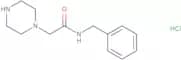
CAS :Produit contrôlé<p>2-Bromo-4'-methylpropiophenone is a chemical compound that belongs to the group of phenols. It is used as a solvent in silicone rubber and as a colorant in plastics, paints, and enamels. 2-Bromo-4'-methylpropiophenone has been shown to be an effective antioxidant for china, silica gel, and silicone rubber. This chemical also produces red color when heated and can be used as a connector or monochrome panel on copper plates. 2-Bromo-4'-methylpropiophenone is soluble in water but insoluble in organic solvents such as alcohols and ethers. This chemical has been found to have the ability to produce solar modules with high efficiency by converting sunlight into electricity.</p>Formule :C10H11BrODegré de pureté :(%) Min. 85%Couleur et forme :PowderMasse moléculaire :227.1 g/molPiperazinophenylacetic acid benzylamide hydrochloride
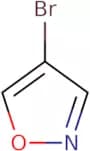
CAS :<p>Piperazinophenylacetic acid benzylamide hydrochloride is a versatile building block that can be used in the synthesis of complex compounds for research and development. It is a reagent for the preparation of speciality chemicals and also a useful intermediate for the synthesis of reaction components. Piperazinophenylacetic acid benzylamide hydrochloride is a high quality, commercially available chemical that can be used as a scaffold for the preparation of new chemical compounds.</p>Formule :C13H19N3O•HClDegré de pureté :Min. 95%Couleur et forme :PowderMasse moléculaire :269.77 g/mol4-Bromoisoxazole
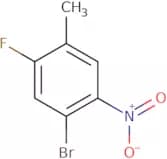
CAS :<p>4-Bromoisoxazole is a reactive isoxazole that can be prepared by the reaction of an azide and a boronic ester. This compound has been shown to be effective for the treatment of cancer, but it also has an inhibitory effect on the synthesis of proteins and enzymes. The 4-bromoisoxazole can be synthesized from phenyl substituted isoxazoles and palladium-catalyzed cross-coupling reactions. Preparative methods for this compound include the use of acetonitrile as solvent with a dipolarity of 0.5D or greater, and argon as inert gas at atmospheric pressure. Hydrochloric acid should not be used in these preparations as it will react with 4-bromoisoxazole to produce toxic hydrochloric acid fumes.</p>Formule :C3H2BrNODegré de pureté :Min. 95%Couleur et forme :PowderMasse moléculaire :147.96 g/mol4-Bromo-2-fluoro-5-nitrotoluene
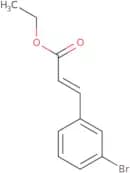
CAS :<p>4-Bromo-2-fluoro-5-nitrotoluene is a chemical building block that is used as a research and speciality chemical. It has been shown to be useful in the synthesis of complex compounds, including pharmaceuticals and dyes. 4-Bromo-2-fluoro-5-nitrotoluene is also used as a reagent for the reaction with other chemicals, such as thiourea, to form 2,4,6-trichlorophenylacetonitrile. This compound is classified as hazardous by the American Chemical Society (ACS) because it can cause irritation to the skin and eyes.</p>Formule :C7H5BrFNO2Degré de pureté :Min. 95%Couleur et forme :PowderMasse moléculaire :234.02 g/mol3-Bromocinnamic acid ethyl ester
CAS :<p>3-Bromocinnamic acid ethyl ester is a chemical that is useful as a building block for the synthesis of more complex compounds. It is an intermediate in the synthesis of organic compounds and can be used as a reaction component. 3-Bromocinnamic acid ethyl ester has CAS No. 24398-80-9 and is a reagent that can be used to synthesize other chemicals. 3-Bromocinnamic acid ethyl ester is also useful as a scaffold in the development of new drugs, because it has an amide bond, which may lead to new types of drug molecules with different properties.</p>Formule :C11H11BrO2Degré de pureté :Min. 95%Masse moléculaire :255.11 g/mol3-Nitro-5-(trifluoromethyl)benzene-1,2-diamine
CAS :<p>3-Nitro-5-(trifluoromethyl)benzene-1,2-diamine is a chemical compound that can be used as a reaction component or reagent in research. It is a useful scaffold and building block for complex compounds. 3-Nitro-5-(trifluoromethyl)benzene-1,2-diamine has CAS No. 2078-01-5 and is classified as a speciality chemical. This chemical is versatile because it has many uses in both organic chemistry and biology, including use as an intermediate or building block for more complex compounds.</p>Formule :C7H6F3N3O2Degré de pureté :Min. 95%Couleur et forme :PowderMasse moléculaire :221.14 g/mol3,4-Dichlorobenzonitrile
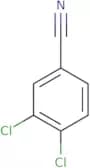
CAS :<p>3,4-Dichlorobenzonitrile is a chemical compound that is synthesized by reacting hydrochloric acid and hydrogen chloride in the presence of 3,4-dichlorophenylacetic acid. The uptake of this chemical has been shown to be increased in prostate cancer cells that are exposed to methanol concentrations at or above 10%. This chemical also has phytotoxic properties and can cause plant damage. Impurities from the synthesis process can include lead, mercury, cadmium, arsenic, or chromium. 3,4-Dichlorobenzonitrile is used as an intermediate for industrial preparations such as pesticides and pharmaceuticals. This chemical may have coordination geometry around its central atom that can vary from octahedral to tetrahedral.</p>Formule :C7H3Cl2NDegré de pureté :Min. 95%Couleur et forme :PowderMasse moléculaire :172.01 g/molL-DOPA methyl ester hydrochloride
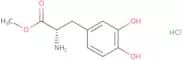
CAS :Produit contrôlé<p>L-DOPA methyl ester hydrochloride is a form of L-dopa that is used to treat Parkinson's disease. It is a prodrug of L-dopa, which has been shown to have a pharmacokinetic profile similar to that of levodopa. L-DOPA methyl ester hydrochloride is administered orally and is released slowly into the blood stream over time. This drug has been shown to interact with other drugs, such as antidepressants and antipsychotics, through its effects on neurotransmitters. In addition, this drug may cause locomotor activity in animals and can cause an increase in levels of dehydroascorbic acid in patients with chronic oral administration.</p>Formule :C10H13NO4•HClDegré de pureté :Min. 96 Area-%Couleur et forme :PowderMasse moléculaire :247.68 g/mol3-Chloro-4-hydroxybenzaldehyde
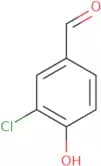
CAS :<p>3-Chloro-4-hydroxybenzaldehyde is a molecule that belongs to the class of aldehydes. It is a monocarboxylic acid and an important precursor in the production of coumarin derivatives. 3-Chloro-4-hydroxybenzaldehyde has been shown to have pharmacokinetic properties, such as vibrational, chemical, and optical properties. It is also a fluorophore with strong fluorescence emission. The hydroxymethyl group can be programmed by adding an amine or thiol group at the 4 position on the ring of 3-chloro-4-hydroxybenzaldehyde. The addition of these groups will change the optical properties of 3-chloro-4-hydroxybenzaldehyde to make it more useful for biotechnology applications.</p>Formule :C7H5ClO2Degré de pureté :Min. 95%Couleur et forme :PowderMasse moléculaire :156.57 g/molN-[6-Chloro-5-(2-methoxyphenoxy)-(2,2-bipyrimidine)4-4-yl]-(1,1-dimethylethyl)-benzenesulfonamide
CAS :<p>N-[6-Chloro-5-(2-methoxyphenoxy)-(2,2-bipyrimidine)4-4-yl]-(1,1-dimethylethyl)-benzenesulfonamide is a reagent that can be used as a reaction component in the synthesis of complex compounds. It has high quality and is a versatile building block for the synthesis of speciality chemicals. N-[6-Chloro-5-(2-methoxyphenoxy)-(2,2-bipyrimidine)4-4-yl]-(1,1-dimethylethyl)-benzenesulfonamide is also a useful intermediate in the synthesis of fine chemicals.</p>Formule :C25H24ClN5O4SDegré de pureté :Min. 95%Couleur et forme :White PowderMasse moléculaire :526.01 g/molrac Desfluoro citalopram oxalate
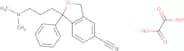
CAS :<p>Racemic Desfluoro-Citalopram Oxalate is a novel reagent for the synthesis of pharmaceuticals. It is a building block for speciality chemicals and research chemicals. Racemic Desfluoro-Citalopram Oxalate has many uses, including as an intermediate in the synthesis of Citalopram, as well as a versatile building block for organic chemistry. This compound is also used to modify the physical properties of polymers and other materials. This product can be used to synthesize research chemicals or serve as a reaction component in organic chemistry.</p>Formule :C22H24N2O5Degré de pureté :Min. 95%Couleur et forme :White PowderMasse moléculaire :396.44 g/mol2-Fluoro-6-nitrobenzoic acid
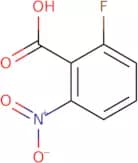
CAS :<p>Intermediate in the synthesis of idelalisib</p>Formule :C7H4FNO4Degré de pureté :Min. 95%Couleur et forme :PowderMasse moléculaire :185.11 g/mol2-(2-Fluorophenyl)piperidine hydrochloride
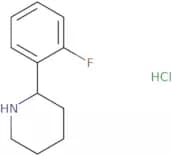
CAS :<p>Please enquire for more information about 2-(2-Fluorophenyl)piperidine hydrochloride including the price, delivery time and more detailed product information at the technical inquiry form on this page</p>Formule :C11H15ClFNDegré de pureté :Min. 95%Couleur et forme :PowderMasse moléculaire :215.69 g/mol(S,S)-N-(p-Toluenesulfonyl)-1,2-diphenyl ethanediamine(chloro)(p-cymene)ruthenium(II)
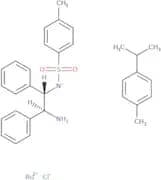
CAS :<p>(S,S)-N-(p-Toluenesulfonyl)-1,2-diphenylethanediamine(chloro)(p-cymene)ruthenium(II) is an organic compound that belongs to the class of solvents. It is a reagent that is used in acidic conditions. The elimination of hydrocarbons from (S,S)-N-(p-toluenesulfonyl)-1,2-diphenylethanediamine(chloro)(p-cymene)ruthenium(II) is carried out by chloroform or hexane and potassium hydroxide. This compound can be purified by recrystallization from aqueous ethanol or preparative thin layer chromatography with chloroform as eluent. Recycling of this compound is possible.</p>Formule :C31H35ClN2O2RuSCouleur et forme :PowderMasse moléculaire :636.21 g/mol3-(Methylamino)propiophenone hydrochloride
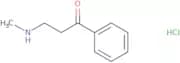
CAS :<p>3-(Methylamino)propiophenone hydrochloride is a synthetic compound that can be used as an alternative to fluoxetine in microwave irradiation. It has similar effects to the drug, including advances in neurodegenerative diseases. 3-(Methylamino)propiophenone hydrochloride has been shown to improve the effects of radiation therapy on cancer cells, by inhibiting the production of reactive oxygen species and improving cell survival.</p>Formule :C10H13NO•HClDegré de pureté :Min. 95%Couleur et forme :PowderMasse moléculaire :199.68 g/mol3-((2-bromophenyl)amino)-5-phenylcyclohex-2-en-1-one
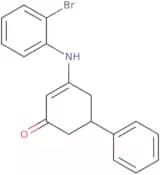
CAS :<p>Please enquire for more information about 3-((2-bromophenyl)amino)-5-phenylcyclohex-2-en-1-one including the price, delivery time and more detailed product information at the technical inquiry form on this page</p>Degré de pureté :Min. 95%Ethyl 4,5-dichloro-1H-indole-2-carboxylate
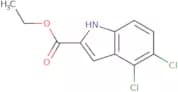
CAS :<p>Ethyl 4,5-dichloro-1H-indole-2-carboxylate is an organic chemical compound that is a reaction component, reagent, and useful scaffold in the synthesis of pharmaceuticals. It has been shown to have high quality and be a versatile building block for the synthesis of complex compounds. This chemical can be used as a speciality chemical or research chemical.</p>Formule :C11H9Cl2NO2Degré de pureté :Min. 95%Couleur et forme :White PowderMasse moléculaire :258.1 g/molγ-Chloropropyl trimethoxysilane
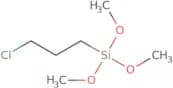
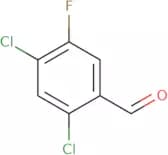
CAS :<p>Gamma-chloropropyl trimethoxysilane (CPS) is a chemical compound with the formula Cl3Si(OCH3)2. It is an organosilicon compound that is used in surface preparation and modification to improve hydrophobicity, chemical stability, and mechanical properties. CPS forms covalent linkages with organic compounds on the surface by reaction with hydroxyl groups. It has been shown to react with fatty acids such as oleic acid, forming a metal chelate. CPS reacts with sodium carbonate (Na2CO3) to form sodium chloropropoxide (NaClOCH3). This reaction is exothermic and can be used for sample preparation. The mechanism of this reaction is thought to involve the formation of a copper complex followed by its hydrolysis.</p>Formule :C6H15ClO3SiDegré de pureté :Min. 95%Couleur et forme :Clear LiquidMasse moléculaire :198.72 g/mol2,4-Dichloro-5-fluorobenzaldehyde
CAS :<p>2,4-Dichloro-5-fluorobenzaldehyde (2,4-DFCA) is a functional group that can be found in inorganic, fatty acids, and fatty acid. 2,4-DFCA has been shown to increase insulin-like growth factor I (IGF-I) levels in vitro and in vivo. 2,4-DFCA also increases the expression of IGF-I gene polymorphisms. This compound is used to induce insulin resistance by increasing serum level of IGF-I. 2,4-DFCA also inhibits the activity of a protein called impeller that is required for cardiac contractility. This compound can be found on the surface of untreated control cells.</p>Formule :C7H3Cl2FODegré de pureté :Min. 95%Couleur et forme :PowderMasse moléculaire :193 g/mol(Des-Gly10,D-His2,D-Trp6,Pro-NHEt 9)-LHRH trifluoroacetate
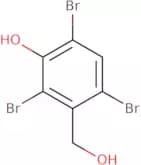
CAS :<p>Please enquire for more information about (Des-Gly10,D-His2,D-Trp6,Pro-NHEt 9)-LHRH trifluoroacetate including the price, delivery time and more detailed product information at the technical inquiry form on this page</p>Formule :C64H83N17O12•(C2HF3O2)xDegré de pureté :Min. 95%Masse moléculaire :1,282.45 g/mol3-Hydroxy-2,4,6-tribromobenzyl alcohol
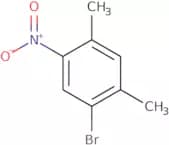
CAS :<p>3-Hydroxy-2,4,6-tribromobenzyl alcohol is a chemoenzymatic reagent that is used in the production of phenols. It is prepared from acetone and sodium bromide and catalyzes the bromination of phenols. This product has high yield and can be used as a source for 3-hydroxy-2,4,6-tribromobenzyl alcohol. 3-Hydroxy-2,4,6-tribromobenzyl alcohol is also an important reagent in the synthesis of polymers that are used in the production of paints and coatings.</p>Formule :C7H5Br3O2Degré de pureté :Min. 95%Couleur et forme :PowderMasse moléculaire :360.83 g/mol4-Bromo-6-nitro-m-xylene
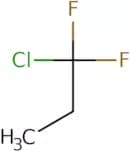
CAS :<p>4-Bromo-6-nitro-m-xylene is a fine chemical that belongs to the group of reagents and speciality chemicals. It is a versatile building block that can be used as a reaction component or intermediate in the synthesis of complex compounds. 4-Bromo-6-nitro-m-xylene has been shown to react with nucleophiles, such as amines, alcohols, and thiols, to form nitrosamines. This chemical has been used as a research tool for studying the mechanism of action for various drugs. The compound is also useful as a scaffold for other complex compounds.</p>Formule :C8H8BrNO2Degré de pureté :Min. 95%Couleur et forme :PowderMasse moléculaire :230.06 g/mol1-Chloro-1,1-Difluoropropane
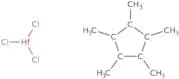
CAS :Produit contrôlé<p>1-Chloro-1,1-difluoropropane is an organic solvent that is used as a reactive chemical intermediate. It is a volatile liquid with a boiling point of -42°C and a density of 1.5 g/mL. It has been shown to be useful in the production of polyols and hydrogen fluoride, as well as in chemical reactions involving amines, chromium, and other metals. This product can be used as an absorber for heat or light energy in solar panels or other applications. 1-Chloro-1,1-difluoropropane also has the ability to transport impurities from one location to another due to its section properties. The compound can be processed using supercritical carbon dioxide or by introducing it into a diode laser.</p>Formule :C3H5ClF2Degré de pureté :Min. 95%Masse moléculaire :114.52 g/molPentamethylcyclopentadienylhafnium trichloride
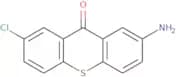
CAS :Produit contrôlé<p>Pentamethylcyclopentadienylhafniumtrichloride is a cyclopentadienyl (Cp) anion, which is a hydrocarbon with five carbon atoms. It has the ability to bind to phosphine (PH3) and alkoxides (ROOR). Pentamethylcyclopentadienylhafniumtrichloride can be contacted with halides and acetylacetonates. The transition metals that are inorganic compounds of pentamethylcyclopentadienylhafniumtrichloride are lanthanides and pyridyls. This compound is not soluble in water but is soluble in organic solvents such as acetone and benzene.</p>Formule :C10H15Cl3HfDegré de pureté :Min. 95%Couleur et forme :SolidMasse moléculaire :420.07 g/mol2-Amino-7-chloro-9H-thioxanthen-9-one
CAS :<p>Please enquire for more information about 2-Amino-7-chloro-9H-thioxanthen-9-one including the price, delivery time and more detailed product information at the technical inquiry form on this page</p>Formule :C13H8ClNOSDegré de pureté :Min. 95%Masse moléculaire :261.73 g/mol



![6-Bromo-2H-pyrido[3,2-b][1,4]oxazin-3(4H)-one](/_next/image/?url=https%3A%2Fstatic.cymitquimica.com%2Fproducts%2F3D%2Fthumb-webp%2FFB144104.webp&w=3840&q=75)

![(S)-2-((((9H-Fluoren-9-yl)methoxy)carbonyl)amino)-3-(1H-pyrrolo[2,3-b]pyridin-3-yl)propanoic acid](/_next/image/?url=https%3A%2Fstatic.cymitquimica.com%2Fproducts%2F3D%2Fthumb-webp%2FFF154979.webp&w=3840&q=75)

![N-[1-[2-(4-Ethyl-5-Oxotetrazol-1-Yl)Ethyl]-4-Phenylpiperidin-4-Yl]-N-(2-Fluorophenyl)Propanamide](/_next/image/?url=https%3A%2Fstatic.cymitquimica.com%2Fproducts%2F3D%2Fthumb-webp%2FFE102162.webp&w=3840&q=75)
![(1S,4S)-1,7,7-Trimethyl-3-(Trifluoroacetyl)Bicyclo[2.2.1]Heptan-2-One](/_next/image/?url=https%3A%2Fstatic.cymitquimica.com%2Fproducts%2F3D%2Fthumb-webp%2FFT98786.webp&w=3840&q=75)



![N-[6-Chloro-5-(2-methoxyphenoxy)-(2,2-bipyrimidine)4-4-yl]-(1,1-dimethylethyl)-benzenesulfonamide](/_next/image/?url=https%3A%2Fstatic.cymitquimica.com%2Fproducts%2F3D%2Fthumb-webp%2FFC20113.webp&w=3840&q=75)