Halogénures organiques
Dans cette catégorie, vous trouverez des molécules organiques contenant un ou plusieurs atomes d'halogène dans leur structure. Ces halogénures organiques incluent des composés bromés, iodés, chlorés et des halogénures cycliques. Les halogénures organiques sont largement utilisés en synthèse organique, en pharmaceutique, en agrochimie et en science des matériaux en raison de leur réactivité et de leur capacité à subir une variété de transformations chimiques. Chez CymitQuimica, nous offrons une sélection complète d'halogénures organiques de haute qualité pour soutenir vos applications de recherche et industrielles, garantissant une performance fiable et efficace dans vos projets synthétiques et analytiques.
Sous-catégories appartenant à la catégorie "Halogénures organiques"
20437 produits trouvés pour "Halogénures organiques"
Trier par
Degré de pureté (%)
0
100
|
0
|
50
|
90
|
95
|
100
5-Aminofluorescein
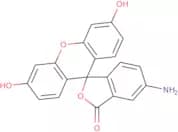
CAS :<p>5-Aminofluorescein is a fluorescence probe that is used to detect the presence of reactive groups on basic fibroblast cells. 5-Aminofluorescein reacts with an ionotropic gelation agent and forms a fluorescent gel when it contacts cells. The fluorescent gel penetrates the cell membrane and binds to enzymes, which will cause the release of cellular energy in the form of heat. This energy can be measured by calorimetry or by measuring the change in fluorescence. 5-Aminofluorescein has been shown to have significant cytotoxicity against malignant brain tumor cells, which may be due to its ability to penetrate into these cells and bind to DNA. It also has antimicrobial properties and can be used as a titration indicator for certain drugs, such as antibiotics.</p>Formule :C20H13NO5Degré de pureté :Min. 95 Area-%Couleur et forme :PowderMasse moléculaire :347.32 g/mol4,4'-Bis(bromomethyl)-2,2'-bipyridine
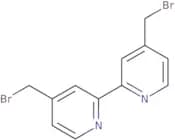
CAS :<p>4,4'-Bis(bromomethyl)-2,2'-bipyridine is a cyclic molecule that can be synthesized by the reaction of 4-bromo-2,2'-bipyridine with a brominating agent. It is used as a precursor to ruthenium catalysts in organic synthesis, and as an additive in dendrimers. The compound has been shown to have light absorption properties and can be used in photovoltaics and electropolymerization.</p>Formule :C12H10N2Br2Degré de pureté :Min. 95%Couleur et forme :PowderMasse moléculaire :342.03 g/mol2-Chloro-3-nitrobenzoic acid methyl ester
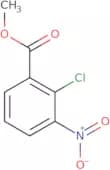
CAS :<p>2-Chloro-3-nitrobenzoic acid methyl ester is a chemical compound that has been shown to inhibit the activity of serotonin. The compound binds to the 5-HT3 receptor on the enteric neurons and inhibits the release of serotonin in the bowel, which is one of the two major sites of action for this drug. This inhibition leads to reduced motility and decreased secretion in the bowel, which helps relieve symptoms in patients with irritable bowel syndrome (IBS). It has also been shown that 2-chloro-3-nitrobenzoic acid methyl ester is able to inhibit the production of serotonin from tryptophan by inhibiting an enzyme called aromatic amino acid decarboxylase.<br>2-Chloro-3-nitrobenzoic acid methyl ester has a high affinity for both rat and human 5ht3 receptors. The kinetics and thermodynamics of this reaction have been studied using methanol as a</p>Formule :C8H6ClNO4Degré de pureté :Min. 95%Couleur et forme :PowderMasse moléculaire :215.59 g/mol2,3-Difluoro-4-methoxybenzoic acid
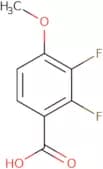
CAS :<p>2,3-Difluoro-4-methoxybenzoic acid is a versatile building block that can be used to make complex compounds. This compound is a high quality, useful intermediate and reaction component that can be used in the synthesis of pharmaceuticals and other chemical products. 2,3-Difluoro-4-methoxybenzoic acid is a reagent that can be used for research purposes or as a speciality chemical. It has been shown to have many uses as a scaffold for making new compounds with different structures.</p>Formule :C8H6F2O3Degré de pureté :Min. 95%Couleur et forme :PowderMasse moléculaire :188.13 g/molLithium 3,5-diiodosalicylic acid
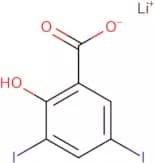
CAS :<p>Lithium 3,5-diiodosalicylic acid (Li3,5I2SA) is a cross-linking agent that has been shown to inhibit phosphatase activity and receptor binding in vitro. It also inhibits sugar transport, which is important for the functioning of human cells. Li3,5I2SA has been used to study the action of drugs on cancer cells and spermatozoa. This compound has also been tested as an inhibitor of membrane lipid peroxidation. Li3,5I2SA attaches to red blood cell membranes by binding to sites with high concentrations of monoclonal antibodies. The sequences of this compound have not yet been fully elucidated.</p>Formule :C7H4I2O3•LiDegré de pureté :Min. 98 Area-%Couleur et forme :PowderMasse moléculaire :396.85 g/mol3-Bromo-5-(trifluoromethyl)phenol
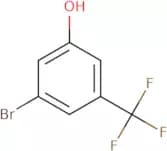
CAS :<p>3-Bromo-5-(trifluoromethyl)phenol is a versatile building block that is used as a scaffold for synthesis of complex compounds. It can be used as a reaction component in the synthesis of valuable chemical products, such as fine chemicals and research chemicals. 3-Bromo-5-(trifluoromethyl)phenol is also useful for the production of speciality chemicals. This chemical has been shown to have high quality and can be used as a reagent in organic synthesis.</p>Formule :C7H4BrF3ODegré de pureté :Min. 95%Couleur et forme :Colorless Clear LiquidMasse moléculaire :241.01 g/mol(S)-2-Pyridylthio cysteamine hydrochloride
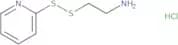
CAS :<p>(S)-2-Pyridylthio cysteamine hydrochloride is a cell-permeant, basic, thiol-containing compound that is currently being investigated as an anticancer agent. It has been shown to inhibit the growth of tumor cells in vitro and in vivo. This drug binds to the disulfide bonds of proteins, which leads to the formation of a stable covalent bond between two protein molecules. (S)-2-Pyridylthio cysteamine hydrochloride also inhibits cell proliferation by interfering with the production of epidermal growth factor. This drug can be used for cancer treatment by binding to the mitochondria and inhibiting ATP synthesis, leading to apoptosis. The uptake of this drug is dependent on its interaction with basic proteins in the plasma membrane, which may be due to its ability to induce epidermal growth factor (EGF) production in cultured cells.</p>Formule :C7H11ClN2S2Degré de pureté :Min. 97 Area-%Couleur et forme :White PowderMasse moléculaire :222.76 g/mol1,10-Dichlorodecane
CAS :<p>1,10-Dichlorodecane is a synthetic cationic surfactant with an antimicrobial effect. It has been shown to inhibit the growth of bacteria in urine samples at concentrations of less than 1 mg/mL. The inhibitory effect on bacterial growth is due to the strong interaction between the chloride ions and the ionic surfactant, which causes a decrease in the surface tension of water and disturbs cell membranes. 1,10-Dichlorodecane also inhibits the growth of other bacteria such as Staphylococcus aureus and Pseudomonas aeruginosa. This product can be used as a broad-spectrum antimicrobial agent against Gram-positive and Gram-negative bacteria.</p>Formule :C10H20Cl2Degré de pureté :Min. 95%Couleur et forme :Clear LiquidMasse moléculaire :211.17 g/mol2,3-Difluoro-4-hydroxybenzonitrile
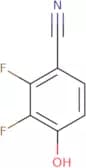
CAS :<p>2,3-Difluoro-4-hydroxybenzonitrile is a versatile compound that has various applications in different fields. It is an enantiomer of podophyllotoxin and can be used as a propionate in research chemicals. This compound exhibits reactivity towards metallic catalysts and can be used as an isothiocyanate for antiviral purposes. Additionally, it has chlorinating properties and can form hydrogen bonds. 2,3-Difluoro-4-hydroxybenzonitrile is also used in the production of microcapsules and can dissolve easily in methanol. Furthermore, this compound has been found to have interactions with ectonucleotidase and cholinergic receptors. Its unique characteristics make it a valuable component in various industries.</p>Formule :C7H3F2NODegré de pureté :Min. 95%Couleur et forme :PowderMasse moléculaire :155.1 g/mol(3-(2,6-dichlorophenyl)-5-methylisoxazol-4-yl)-N-(4-(2-pyridylthio)phenyl)formamide
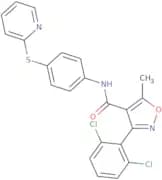
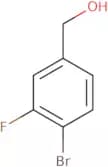
CAS :<p>Please enquire for more information about (3-(2,6-dichlorophenyl)-5-methylisoxazol-4-yl)-N-(4-(2-pyridylthio)phenyl)formamide including the price, delivery time and more detailed product information at the technical inquiry form on this page</p>Degré de pureté :Min. 95%4-Bromo-3-fluorobenzyl alcohol
CAS :<p>4-Bromo-3-fluorobenzyl alcohol is an analog of prenylation, a process that is essential for the synthesis of many cellular components. It inhibits farnesyltransferase, an enzyme involved in the process of prenylation. Farnesyltransferase catalyzes the conversion of the 5-carbon farnesol to the 15-carbon geranylgeraniol, which is then converted to a 20-carbon geranylgeranyl pyrophosphate. This reaction generates a molecule with two prenyl groups. The discovery of 4-bromo-3-fluorobenzyl alcohol was made possible by its potent inhibition of farnesyltransferase and it has been shown to have promising results as a potential treatment for cancer.</p>Formule :C7H6BrFODegré de pureté :Min. 95%Couleur et forme :PowderMasse moléculaire :205.02 g/mol5-Bromopentan-1-ol
CAS :<p>5-Bromopentan-1-ol is a chemical that is used in the synthesis of other organic compounds. It has been found to be a good solvent for many organic substances, and it is also used as an intermediate in organic synthesis. 5-Bromopentan-1-ol can be acetylated with acetic anhydride, which leads to the formation of 1,5-diacetoxybutane. The reaction between 5-bromopentan-1-ol and copper oxide in chlorine gas leads to the formation of 1,5 dibromohexane. This reaction product can then be hydrolyzed to produce malonic acid.<br>The structural formula for 5-bromopentan-1-ol consists of two carbon atoms connected by a single bond and three hydrogen atoms bonded to one carbon atom. The other carbon atom is bonded to two oxygen atoms (one by a double bond) and one hydrogen atom. The</p>Formule :C5H11BrODegré de pureté :Min. 95%Couleur et forme :Clear LiquidMasse moléculaire :167.04 g/mol5-[4'-Bromomethyl-(1,1'-biphenyl)-2-yl]-1-triphenylmethyltetrazole
CAS :<p>5-[4'-Bromomethyl-(1,1'-biphenyl)-2-yl]-1-triphenylmethyltetrazole is a fluorescent dye that is used as an analytical reagent in magnetic resonance spectroscopy. It has been shown to have nitrogen atoms and a tetrazole ring. This chemical compound has a molecular weight of 366.5 g/mol and has a melting point of 200°C. 5-[4'-Bromomethyl-(1,1'-biphenyl)-2-yl]-1-triphenylmethyltetrazole was synthesized from 1,1'-biphenyl-2-carbaldehyde and methyl 3-aminotetrazolecarboxylate by reacting them with ammonium acetate in the presence of hydrochloric acid. The purity of this compound can be determined using diffraction, magnetic resonance spectroscopy, or spectroscopic data. The structure of</p>Formule :C33H25BrN4Degré de pureté :Min. 95%Couleur et forme :White PowderMasse moléculaire :557.48 g/mol3-Fluoro-2-methylbenzonitrile
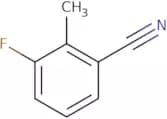
CAS :<p>3-Fluoro-2-methylbenzonitrile is a novel androgen receptor modulator that binds to the androgen receptor with high affinity and selectivity. 3-Fluoro-2-methylbenzonitrile has been shown to have agonistic activity in vivo. It has been proposed as an alternative to testosterone for the treatment of muscle wasting, osteoporosis, and other hormone deficiencies. 3-Fluoro-2-methylbenzonitrile is metabolized by CYP3A4 enzymes, which may be modified to improve its metabolic stability and thus increase its bioavailability. In addition, modifications of 3-fluoro-2-methylbenzonitrile may be made that would improve its pharmacokinetic profile (e.g., naphthalene profiles).</p>Formule :C8H6FNDegré de pureté :Min. 95%Couleur et forme :PowderMasse moléculaire :135.14 g/molDichlorodiethylsilane
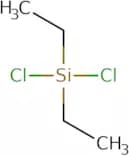
CAS :<p>Dichlorodiethylsilane is an aromatic hydrocarbon that is a colorless liquid with a pungent odor. It has been used as a chemical intermediate and in the synthesis of dyes, pharmaceuticals, and other organic chemicals. Dichlorodiethylsilane reacts with hydrogen fluoride to form hydrogen chloride and dichloroethane. The reaction products are acidic due to the presence of hydroxyl groups, which react with water vapor to form hydrochloric acid and alcohols. Dichlorodiethylsilane reacts with nucleophiles such as chlorides or hydroxides to form ether linkages. This compound also reacts with c1-c4 haloalkyls to form chlorinated alkyl groups. Dichlorodiethylsilane is soluble in water, but not in ether or benzene. It is stable at room temperature but decomposes when heated to temperatures above 200°C (392°F).</p>Formule :C4H10Cl2SiDegré de pureté :Min. 95%Couleur et forme :PowderMasse moléculaire :157.11 g/mol1-(2-Chloro-1-methylethyl)pyrrolidine hydrochloride
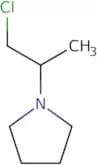
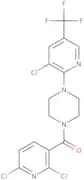
CAS :<p>1-(2-Chloro-1-methylethyl)pyrrolidine hydrochloride is a versatile building block that can be used in the synthesis of fine chemicals, complex compounds, research chemicals, reagents and specialty chemicals. This compound is also useful as a building block for the synthesis of pharmaceuticals and chemical products. 1-(2-Chloro-1-methylethyl)pyrrolidine hydrochloride is a high quality chemical that can be used as a reaction component or scaffold for the synthesis of new chemical entities.</p>Formule :C7H15Cl2NDegré de pureté :Min. 95%Couleur et forme :PowderMasse moléculaire :184.1 g/mol2,6-dichloro(3-pyridyl)4-(3-chloro-5-(trifluoromethyl)(2-pyridyl))piperazinyl ketone
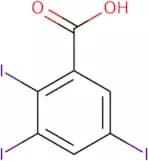
CAS :<p>Please enquire for more information about 2,6-dichloro(3-pyridyl)4-(3-chloro-5-(trifluoromethyl)(2-pyridyl))piperazinyl ketone including the price, delivery time and more detailed product information at the technical inquiry form on this page</p>Degré de pureté :Min. 95%2,3,5-Triiodobenzoic acid
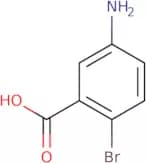
CAS :<p>Inhibitor of auxin transport in plants</p>Formule :C7H3I3O2Degré de pureté :Min. 98 Area-%Couleur et forme :PowderMasse moléculaire :499.81 g/mol5-Amino-2-bromobenzoic acid
CAS :<p>5-Amino-2-bromobenzoic acid is an organic compound that is used in the manufacture of other chemicals. It is a white crystalline solid with a melting point of 133°C, and it has a molecular weight of 222.27 g/mol. This chemical has been shown to be mutagenic, and it may also cause adverse effects on the liver, kidneys, stomach, and skin when taken orally or applied to the skin. 5-Amino-2-bromobenzoic acid is found in many products that are used for industrial purposes such as dyes, rubber chemicals, textile chemicals, pesticides, and herbicides. The chemical can be found in products that are sold in hardware stores and supermarkets.</p>Formule :C7H6BrNO2Degré de pureté :Min. 95%Couleur et forme :PowderMasse moléculaire :216.03 g/mol1-Fluoro-3-methoxy-2-nitrobenzene
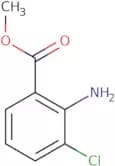
CAS :<p>1-Fluoro-3-methoxy-2-nitrobenzene is a versatile building block that can be used as a scaffold for the synthesis of complex compounds. It is also used as a reaction component in research and development, especially in the production of pharmaceuticals, pesticides and other chemicals. 1-Fluoro-3-methoxy-2-nitrobenzene has many uses in the production of high quality reagents, such as pharmaceutical intermediates, dyes, and explosives.</p>Formule :C7H6FNO3Degré de pureté :Min. 95%Masse moléculaire :171.13 g/molMethyl 3-chloro-2-aminobenzoate
CAS :<p>Methyl 3-chloro-2-aminobenzoate is an organic compound that is used as a pesticide. It can be synthesized by reacting phosphorus pentachloride with isopropyl chloride. The reaction occurs in the presence of a catalyst, such as sodium nitrate or citric acid, to produce methyl 3-chloro-2-aminobenzoate and 2-amino-3-chlorobenzoic acid. This organic compound has been modified by substituting silicon for hydrogen atoms and halide groups for chlorine. Methyl 3-chloro-2-aminobenzoate can be cross coupled with many other molecules to form new molecules. When it reacts with tetrahydrofuran, the residue left over from the reaction is a nature unknown substance.</p>Formule :C8H8ClNO2Degré de pureté :Min. 95%Couleur et forme :PowderMasse moléculaire :185.61 g/molDodecyltrimethylammonium chloride
CAS :<p>Dodecyltrimethylammonium chloride is a surfactant that belongs to the group of cationic surfactants. It has been shown to be effective as an adsorbent for phosphate ions in micelles. Dodecyltrimethylammonium chloride has also been shown to act as a detergent in solutions, and can be used as a cleaning agent. It is commonly used as a surfactant in various industrial processes, such as the production of glycol ethers. The chemical structure of dodecyltrimethylammonium chloride consists of dodecanol and trimethylamine (CH3(CH2)12N(CH3)(OH)3).</p>Formule :C15H34NClDegré de pureté :Min. 95%Couleur et forme :PowderMasse moléculaire :263.89 g/mol5-Amino-N,N'-bis(2,3-dihydroxypropyl)-2,4,6-triiodo-1,3-benzenedicarboxamide
CAS :<p>5-Amino-N,N'-bis(2,3-dihydroxypropyl)-2,4,6-triiodo-1,3-benzenedicarboxamide is an experimental compound that is used in the industrial preparation of pharmaceuticals and agricultural chemicals. It has a molecular weight of 191.14 g/mol. The crystallization process involves the use of ethanol to create supersaturation and then cooling to induce crystallization. This compound can be synthesized by an iodination reaction with x-ray irradiation at low temperatures.</p>Formule :C14H18I3N3O6Degré de pureté :Min. 95%Couleur et forme :White PowderMasse moléculaire :705.02 g/mol1-Chloro-2,2,3-Trifluoropropane
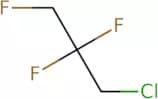
CAS :Produit contrôlé<p>1-Chloro-2,2,3-trifluoropropane is a chemical compound that belongs to the group of chlorinating agents. It is a preparative agent for chlorine and hydrochloric acid. 1-Chloro-2,2,3-trifluoropropane has been used in thermoelectric applications as an intermediate in the production of hydrogen fluoride. It has also been used as a reagent for producing fluorine gas or hydrofluoric acid. This chemical is also used in preparative methods to produce diode lasers or monofluorides.</p>Formule :C3H4ClF3Degré de pureté :Min. 95%Masse moléculaire :132.51 g/mol2,7-Di-tert-butylfluorene
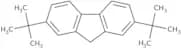
CAS :<p>2,7-Di-tert-butylfluorene is an alkylating agent that reacts with nucleophiles to form carbon-carbon bonds. It is a biphenyl that has two tert-butyl groups on the phenyl ring, which are reactive and can be used for a variety of purposes. 2,7-Di-tert-butylfluorene is stable in gaseous phase and thermodynamically stable at temperatures below 100°C. This compound has been shown to produce x-ray crystal structures in the mononuclear form, as well as cyclopentadienyl (Cp) compounds. Preparative methods for making this compound include the Friedel–Crafts reaction using zirconium dichloride or by heating 2,3,5,6,-tetrafluorohexane with a magnesium metal.</p>Formule :C21H26Degré de pureté :Min. 95%Couleur et forme :PowderMasse moléculaire :278.43 g/molZ-Val-Ala-DL-Asp-fluoromethylketone
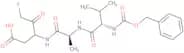
CAS :<p>Z-Val-Ala-DL-Asp-fluoromethylketone is a drug that is used for the treatment of cancer. It can be used in combination with other chemotherapeutic drugs, such as z-vad-fmk, to induce apoptosis in cancer cells. Z-Val-Ala-DL-Asp-fluoromethylketone also inhibits autophagy and neuronal death by inhibiting caspase activation, which prevents the release of proapoptotic proteins from mitochondria into the cytosol. This drug has been shown to have antiinflammatory effects on IL2 receptor signaling pathways and inhibits the production of proinflammatory cytokines by binding to IL2.</p>Formule :C21H28FN3O7Degré de pureté :Min. 95%Couleur et forme :PowderMasse moléculaire :453.46 g/mol2-Bromo-4,5-difluorobenzaldehyde
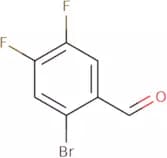
CAS :<p>2-Bromo-4,5-difluorobenzaldehyde is a chemical intermediate and speciality chemical. It is an important building block for the synthesis of organic compounds, such as pharmaceuticals and agrochemicals. This product is a versatile building block, which can be used in a wide range of reactions and is suitable for use as an intermediate or scaffold. It has high quality and complex structure that can be used to synthesize a number of different compounds.</p>Formule :C7H3BrF2ODegré de pureté :Min. 97%Couleur et forme :PowderMasse moléculaire :221 g/mol9-[Bromo(phenyl)methylene]-9H-fluorene
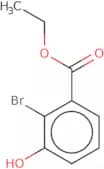
CAS :<p>9-[Bromo(phenyl)methylene]-9H-fluorene is a fine chemical and research chemical that can be used as a building block in the synthesis of complex compounds. It has been shown to be potentially useful as an intermediate in the synthesis of important chemical substances, such as pharmaceuticals, pesticides, herbicides, and more. 9-[Bromo(phenyl)methylene]-9H-fluorene has also been studied for its potential use as a scaffold for peptide and protein drug development. As it is a versatile building block with many applications in organic synthesis, it is a high quality reagent with speciality chemical properties.</p>Formule :C20H13BrDegré de pureté :Min. 95%Couleur et forme :PowderMasse moléculaire :333.22 g/mol2-Bromo-3-hydroxybenzoic acid ethyl ester
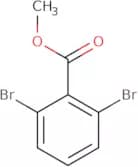
CAS :<p>2-Bromo-3-hydroxybenzoic acid ethyl ester is a versatile building block that can be used in the synthesis of complex compounds. It is a fine chemical and research chemical with CAS No. 1260889-94-8. This compound has high quality and is used as a reagent, scaffold, or intermediate in organic syntheses. 2-Bromo-3-hydroxybenzoic acid ethyl ester is also useful for the preparation of speciality chemicals and reaction components.</p>Formule :C9H9BrO3Degré de pureté :Min. 95%Couleur et forme :Yellow PowderMasse moléculaire :245.07 g/molMethyl 2,6-dibromobenzoate
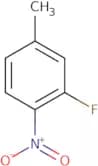
CAS :<p>Methyl 2,6-dibromobenzoate is a versatile building block that can be used in the synthesis of many different types of compounds. It is a fine chemical with CAS number 873994-34-4. Methyl 2,6-dibromobenzoate is a useful building block for research chemicals and reagents. This compound is also an intermediate or scaffold in organic synthesis. <br>Methyl 2,6-dibromobenzoate has been shown to react with boronic acid esters to produce boronate esters. The reaction proceeds via nucleophilic substitution and elimination reactions. In addition, methyl 2,6-dibromobenzoate reacts with potassium permanganate to produce hydrogen peroxide and manganese dioxide.</p>Formule :C8H6Br2O2Degré de pureté :Min. 95%Couleur et forme :Off-White PowderMasse moléculaire :293.94 g/mol3-Fluoro-4-nitrotoluene
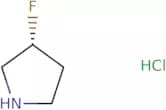
CAS :<p>3-Fluoro-4-nitrotoluene is a chemical that belongs to the class of nitro compounds. It is used as an intermediate for the synthesis of beta-cyclodextrin, which is a cyclic oligosaccharide that has been found to be effective in inhibiting influenza virus. 3-Fluoro-4-nitrotoluene can be produced through the reaction of formaldehyde with sodium nitrate and hydrofluoric acid in a liquid phase. This reaction takes place at room temperature and produces a yield of about 50%. The production of this compound is also efficient and inexpensive.</p>Formule :C7H6FNO2Degré de pureté :Min. 95%Couleur et forme :PowderMasse moléculaire :155.13 g/mol(R)-3-Fluoropyrrolidine hydrochloride
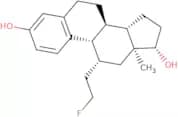
CAS :<p>(R)-3-Fluoropyrrolidine hydrochloride is a proline analog that is orally bioavailable and selective for dipeptidyl peptidase. It shows good pharmacokinetic properties and has been shown to be a potent inhibitor of both cyclohexylglycine and amides, two enzymes involved in the metabolism of proline. The drug has also been shown to be an excellent substrate for dipeptidyl peptidase, an enzyme involved in the degradation of dipeptides. (R)-3-Fluoropyrrolidine hydrochloride has not yet been tested as an inhibitor of peptidases other than dipeptidyl peptidase. (R)-3-Fluoropyrrolidine hydrochloride is currently undergoing Phase II clinical trials.</p>Formule :C4H9ClFNDegré de pureté :Min. 98%Masse moléculaire :125.57 g/mol(8S,9S,11R,13S,14S,17S)-11-(2-Fluoroethyl)-13-Methyl-6,7,8,9,11,12,14,15,16,17-Decahydrocyclopenta[a]Phenanthrene-3,17-Diol
CAS :Produit contrôlé<p>(8S,9S,11R,13S,14S,17S)-11-(2-Fluoroethyl)-13-Methyl-6,7,8,9,11,12,14,15,16,17-Decahydrocyclopenta[a]Phenanthrene-3,17-Diol is a light emitting diode (LED) that emits light in the near infrared spectrum. This LED is composed of a single layer of CdTe nanowires and has an emission wavelength of 760 nm. It also has a high quantum efficiency and low energy requirements for fabrication. The lifetime of this device is also long and its optical properties are stable over time. This device can be used to replace traditional incandescent bulbs or to emit light in specific wavelengths for biomedical applications.</p>Formule :C20H27FO2Degré de pureté :Min. 95%Masse moléculaire :318.43 g/mol3,4,5-Tribromotoluene
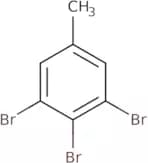
CAS :<p>3,4,5-Tribromotoluene is a halogenated toluene with three bromine atoms. It can be used for the synthesis of indole derivatives using a variety of reactions, including intermolecular cycloaddition and trikentrins. 3,4,5-Tribromotoluene has been shown to undergo efficient and regioselective cross-coupling reactions with indoles to produce butenylindoles. These reactions are often used in the synthesis of natural products such as benzylisoquinoline alkaloids that are useful in medicine.</p>Formule :C7H5Br3Degré de pureté :Min. 95%Couleur et forme :PowderMasse moléculaire :328.83 g/mol4-Desmethoxy-4-chloro omeprazole sulfide
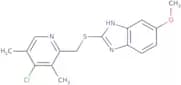
CAS :<p>4-Desmethoxy-4-chloro omeprazole sulfide is a versatile building block in the synthesis of new chemical compounds. The compound can be used as a reagent, speciality chemical, or reaction component and is suitable for use in research or as a building block. 4-Desmethoxy-4-chloro omeprazole sulfide is a valuable intermediate that can be used in the synthesis of many useful scaffolds. CAS No. 220757-74-4</p>Formule :C16H16ClN3OSDegré de pureté :Min. 95%Couleur et forme :Off-white to light pink to pink solid.Masse moléculaire :333.84 g/molD-Phenylglycine tert-butyl ester hydrochloride
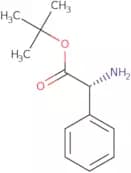
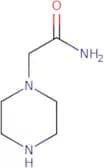
CAS :<p>D-Phenylglycine tert-butyl ester hydrochloride is a fine chemical that has versatile uses in research as a building block, intermediate, or reagent. It can be used to make complex compounds and useful scaffolds for organic chemistry. D-Phenylglycine tert-butyl ester hydrochloride is also a useful reaction component and can be used to make high-quality products.</p>Formule :C12H17NO2·HClDegré de pureté :Min. 95%Couleur et forme :PowderMasse moléculaire :243.73 g/mol2-Piperazin-1-ylacetamide
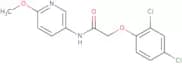
CAS :<p>2-Piperazin-1-ylacetamide hydrochloride is a drug that binds to the protein PCSK9, which transports cholesterol into cells. It blocks the transport of cholesterol and therefore lowers the level of cholesterol in blood. 2-Piperazin-1-ylacetamide hydrochloride is used for the treatment of bowel disease, atrial fibrillation (a type of irregular heartbeat), congestive heart failure, and as an anti-viral agent. This drug has been shown to reduce levels of LDL cholesterol by up to 60%. 2-Piperazin-1-ylacetamide hydrochloride has also been shown to be effective against cancers such as prostate cancer and inflammatory bowel disease.</p>Formule :C6H13N3ODegré de pureté :Min. 95%Masse moléculaire :143.19 g/mol2-(2,4-dichlorophenoxy)-N-(6-methoxy(3-pyridyl))ethanamide
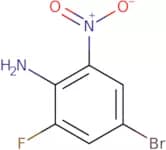
CAS :<p>Please enquire for more information about 2-(2,4-dichlorophenoxy)-N-(6-methoxy(3-pyridyl))ethanamide including the price, delivery time and more detailed product information at the technical inquiry form on this page</p>Degré de pureté :Min. 95%4-Bromo-2-fluoro-6-nitroaniline
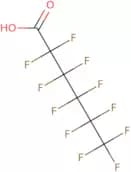
CAS :<p>Please enquire for more information about 4-Bromo-2-fluoro-6-nitroaniline including the price, delivery time and more detailed product information at the technical inquiry form on this page</p>Formule :C6H4BrFN2O2Degré de pureté :Min. 95%Masse moléculaire :235.01 g/molUndecafluorohexanoic acid
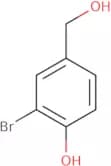
CAS :<p>Undecafluorohexanoic acid is a reactive chemical that has carcinogenic potential. It can permeate the skin and react with water to produce hexafluoropropylene oxide, which is toxic to humans. Undecafluorohexanoic acid also binds to and activates receptors in the body, which leads to many pharmacological effects. The toxicity of undecafluorohexanoic acid has been studied in vitro by measuring its effect on cell growth and mitochondrial membrane potential. It has also been tested for its ability to cause mutations in human cells. This chemical is toxic when ingested or inhaled and can lead to death if not treated quickly.</p>Formule :C6HF11O2Degré de pureté :Min. 95%Couleur et forme :Clear LiquidMasse moléculaire :314.05 g/mol3-Bromo-4-hydroxybenzyl alcohol
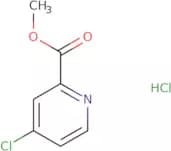
CAS :<p>3-Bromo-4-hydroxybenzyl alcohol (3BHA) is a synthetic compound that is used as an antagonist in the treatment of platelet aggregation. It inhibits the activity of benzoxazine, an enzyme involved in the synthesis of 4-hydroxybenzoic acid. 3BHA blocks this pathway at high concentrations, inhibiting biosynthesis and leading to the accumulation of bromophenols. This inhibition may explain why aspirin has a potent inhibitory effect on platelet aggregation when combined with 3BHA.</p>Formule :C7H7BrO2Degré de pureté :Min. 95%Couleur et forme :PowderMasse moléculaire :203.03 g/molMethyl 5-chloropicolinate hydrochloride
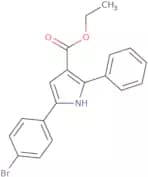
CAS :<p>Please enquire for more information about Methyl 5-chloropicolinate hydrochloride including the price, delivery time and more detailed product information at the technical inquiry form on this page</p>Formule :C7H6ClNO2•HClDegré de pureté :Min. 95%Masse moléculaire :208.04 g/molEthyl 5-(4-bromophenyl)-2-phenylpyrrole-3-carboxylate
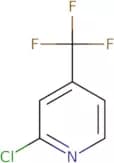
CAS :<p>Please enquire for more information about Ethyl 5-(4-bromophenyl)-2-phenylpyrrole-3-carboxylate including the price, delivery time and more detailed product information at the technical inquiry form on this page</p>Degré de pureté :Min. 95%2-Chloro-4-(trifluoromethyl)pyridine
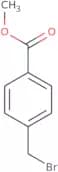
CAS :<p>2-Chloro-4-(trifluoromethyl)pyridine is a chemical compound that has been shown to have potential antitumor activity. It inhibits the activity of enzymes called non-nucleoside inhibitors of DNA polymerase, which are involved in the production of DNA. The inhibition of these enzymes by 2-chloro-4-(trifluoromethyl)pyridine results in cell death. This drug also inhibits the growth of bacteria and fungi by blocking their DNA synthesis. 2-Chloro-4-(trifluoromethyl)pyridine binds to the amine group on the enzyme's active site, thereby inhibiting its function and eventually killing it.</p>Formule :C6H3ClF3NDegré de pureté :Min. 97%Couleur et forme :Clear LiquidMasse moléculaire :181.54 g/molMethyl 4-bromomethylbenzoate
CAS :<p>Methyl 4-bromomethylbenzoate is an aryl halide with the chemical formula CHBr. It is an orally effective and selective apoptosis pathway inhibitor that blocks the release of tumor necrosis factor-α (TNF-α) induced by lipopolysaccharides in monocytes. Methyl 4-bromomethylbenzoate has also been shown to inhibit matrix metalloproteinase activity in vitro, which may be due to its ability to block the cleavage of proteoglycan precursors. The molecular modeling studies have revealed that this agent binds to DNA through a hydrophobic pocket, which inhibits transcription and replication. Methyl 4-bromomethylbenzoate has also been shown to be active against cancer cells and induce apoptosis through caspase activation and mitochondrial dysfunction.</p>Formule :C9H9BrO2Degré de pureté :Min. 95%Couleur et forme :PowderMasse moléculaire :229.07 g/molTrazodone hydrochloride
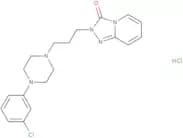
CAS :Produit contrôlé<p>Trazodone is an antidepressant that acts as a serotonin reuptake inhibitor. It has been shown to be effective in the treatment of depression and anxiety, and is also used to treat other conditions such as insomnia, chronic pain, and cancer-related symptoms. Trazodone is thought to have anti-inflammatory effects in some cases due to its ability to inhibit prostaglandin synthesis. Trazodone has a number of drug interactions, including with sedatives and other antidepressants. It can also cause drowsiness and dizziness, which may increase the risk for accidents or falls. Trazodone hydrochloride can be taken with food if stomach upset occurs.</p>Formule :C19H23Cl2N5ODegré de pureté :Min. 97 Area-%Couleur et forme :White PowderMasse moléculaire :408.32 g/mol4'-Fluoro-1'-acetonaphthone
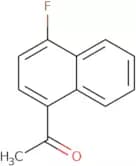
CAS :<p>4'-Fluoro-1'-acetonaphthone is a synthetic fluorinated derivative of 1-phenyl-1,2-propanedione. It has been used as a ligand in the study of interactions between substances and shift parameters. The fluoro substituent on the ring may be difficult to synthesize because it requires high temperatures and pressure. 4'-Fluoro-1'-acetonaphthone has been used in organic synthesis as a component in photocycloadditions with chloroform or benzoyl chloride to form substituted benzoic acids.</p>Formule :C12H9FODegré de pureté :Min. 95%Masse moléculaire :188.2 g/mol6-Bromo-DL-tryptophan
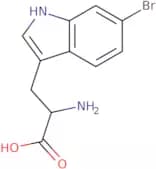
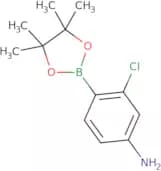
CAS :<p>6-Bromo-DL-tryptophan is an alkylating agent that has been shown to be effective in the treatment of neurodegenerative diseases. 6-Bromo-DL-tryptophan is a natural product that is synthesized from L-tryptophan by the addition of bromine. The biosynthesis of 6-bromo-DL-tryptophan occurs through a two step process, which involves conversion of L-tryptophan to L-3,4,5,6 tetrahydroisoquinoline and then to 6-(2,4dinitrophenyl)-L-tryptophan. This synthetic pathway has been optimized for industrial production using chemical and biochemical methodologies.</p>Formule :C11H11BrN2O2Degré de pureté :Min. 98 Area-%Couleur et forme :White PowderMasse moléculaire :283.12 g/mol4-Amino-2-chlorophenylboronic acid pinacol ester
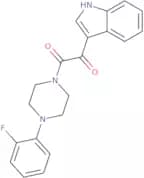
CAS :<p>4-Amino-2-chlorophenylboronic acid pinacol ester is a versatile building block that is used in the synthesis of complex compounds. It can be used as a research chemical, reagent, or speciality chemical depending on the desired use. 4-Amino-2-chlorophenylboronic acid pinacol ester reacts with nucleophiles to form covalent bonds and is also useful as a scaffold for synthesizing other compounds. This compound has been shown to be useful in the synthesis of many different types of chemicals.</p>Formule :C12H17BClNO2Degré de pureté :Min. 95%Couleur et forme :PowderMasse moléculaire :253.53 g/mol2-(4-(2-fluorophenyl)piperazinyl)-1-indol-3-ylethane-1,2-dione
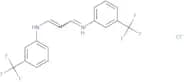
CAS :Produit contrôlé<p>Please enquire for more information about 2-(4-(2-fluorophenyl)piperazinyl)-1-indol-3-ylethane-1,2-dione including the price, delivery time and more detailed product information at the technical inquiry form on this page</p>Formule :C20H18FN3O2Degré de pureté :Min. 95%Couleur et forme :PowderMasse moléculaire :351.37 g/mol(4-aza-4-(3-(trifluoromethyl)phenyl)buta-1,3-dienyl)(3-(trifluoromethyl)phenyl)amine, hydrochloride
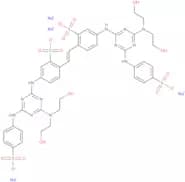
CAS :<p>Please enquire for more information about (4-aza-4-(3-(trifluoromethyl)phenyl)buta-1,3-dienyl)(3-(trifluoromethyl)phenyl)amine, hydrochloride including the price, delivery time and more detailed product information at the technical inquiry form on this page</p>Formule :C17H13ClF6N2Degré de pureté :Min. 95%Couleur et forme :PowderMasse moléculaire :394.74 g/molFluorescent Brightener 220, Technical grade
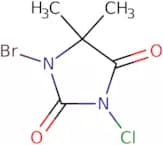
CAS :<p>Fluorescent Brightener 220, Technical grade (FB220) is a fluorescent compound that confers a bright green fluorescence in the visible spectrum upon irradiation with ultraviolet light. FB220 is used as an additive in detergent compositions for detection of soil and stains on fabrics. It also has been used as a fluorophore to monitor the progress of chemical reactions, to detect bacteria in agrochemical testing, and to measure the time required for various compounds to diffuse through microcapsules. The fluorescence intensity of FB220 can be decreased by cationic surfactants and fatty acid compounds.<br>Fluorescent Brightener 220 can be inhibited by certain drugs such as phenobarbital, phenytoin, carbamazepine, and primidone.</p>Formule :C40H40N12Na4O16S4Couleur et forme :PowderMasse moléculaire :1,165.04 g/mol1-Bromo-3-chloro-5,5-dimethylhydantoin
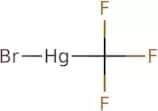
CAS :<p>1-Bromo-3-chloro-5,5-dimethylhydantoin is a disinfectant that can be made from the reaction of dry dianthus caryophyllus with sodium carbonate. This chemical is used for wastewater treatment and has shown biological activity against Mycobacterium avium. 1-Bromo-3-chloro-5,5-dimethylhydantoin can be used as an analytical method to detect microorganisms in water samples. It also has strong weed population control properties and is a skin cancer preventive agent. 1-Bromo-3-chloro-5,5-dimethylhydantoin is not active against plants or animals that have already been born (plantlets) or against tetrazolium chloride (TTC).</p>Formule :C5H6BrClN2O2Degré de pureté :Min. 95%Couleur et forme :PowderMasse moléculaire :241.47 g/mol(Trifluoromethyl)Mercuric Bromide
CAS :Produit contrôlé<p>Trifluoromethyl)Mercuric Bromide is a halogenated organometallic compound. It can be used as a reagent in organic synthesis and has magnetic resonance properties that are sensitive to the molecular structure and environment. Structural analysis of this molecule can be performed by measuring the reaction temperature, transfer rate, and molecular ion frequencies.</p>Formule :CBrF3HgDegré de pureté :Min. 95%Masse moléculaire :349.5 g/moltrans-4,5-Dichloro-4,5-dimethyl-1,3-dioxolan-2-one
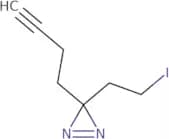
CAS :<p>Trans-4,5-Dichloro-4,5-dimethyl-1,3-dioxolan-2-one is a fine chemical that can be used as a versatile building block and as an intermediate. It is also useful in research. Trans-4,5-Dichloro-4,5-dimethyl-1,3-dioxolan-2-one has been shown to be a useful reagent in complex organic synthesis because of its high quality. This compound is used to produce useful scaffolds and reaction components.</p>Formule :C5H6Cl2O3Degré de pureté :Min. 95%Couleur et forme :PowderMasse moléculaire :185.01 g/mol3-(3-Butyn-1-yl)-3-(2-iodoethyl)-3H-diazirene
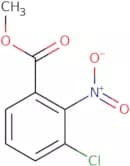
CAS :<p>Please enquire for more information about 3-(3-Butyn-1-yl)-3-(2-iodoethyl)-3H-diazirene including the price, delivery time and more detailed product information at the technical inquiry form on this page</p>Formule :C7H9IN2Degré de pureté :Area-% Min. 95 Area-%Couleur et forme :White Clear LiquidMasse moléculaire :248.06 g/molMethyl 3-chloro-2-nitrobenzoate
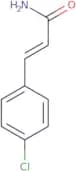
CAS :<p>Methyl 3-chloro-2-nitrobenzoate is an organic compound that has been used in a variety of cross-coupling reactions. It is a useful reagent for the synthesis of amides, esters, and nitriles. Methyl 3-chloro-2-nitrobenzoate has also been used as a ligand in biomimetic studies and crystallographic analyses. The electron density maps obtained from x-ray crystallographic studies of methyl 3-chloro-2-nitrobenzoate have shown nitrogen atoms at the position 2 and 4 on the ring. This information was used to predict the electron density map for methyl 3,5 dichloro 2 nitro benzoate with nitrogen atoms at positions 2 and 5 on the ring.</p>Formule :C8H6ClNO4Degré de pureté :Min. 95%Couleur et forme :PowderMasse moléculaire :215.59 g/mol4-Chlorocinnamide
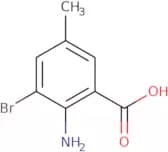
CAS :<p>4-Chlorocinnamide is an organochlorine compound that has been found to have antibacterial properties. It inhibits the shikimate pathway in bacteria, which is essential for bacterial growth. This molecule has been shown to bind with the cation channel of the nerve cells in the trigeminal nerve and inhibit their function. The inhibition of this channel leads to reduced sensitivity to pain. 4-Chlorocinnamide is also a precursor in the synthesis of stilbene derivatives, which are used as anticancer drugs.</p>Formule :C9H8ClNODegré de pureté :Min. 95%Couleur et forme :PowderMasse moléculaire :181.62 g/mol2-Amino-3-bromo-5-methylbenzoic acid
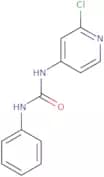
CAS :<p>2-Amino-3-bromo-5-methylbenzoic acid is a fatty acid that belongs to the group of undescribed organic acids. It is found in soil as well as in organisms such as bacteria and fungi. The 2-Amino-3-bromo-5-methylbenzoic acid molecule has been shown to be an antibiotic, inhibiting the growth of bacterial strains belonging to the phyla Actinobacteria and Proteobacteria. It may also be present in plants, where it is channeled out through the roots. This fatty acid also has nucleobase properties, which are essential for DNA replication.br>br><br>span style="font-size: 12px;">2 Amino 3 bromo 5 methyl benzoic acid (2ABMB) was first isolated from soil samples collected from a site near Beijing, China. It is one of many undescribed organic acids that are found</p>Formule :C8H8BrNO2Degré de pureté :Min. 95%Couleur et forme :PowderMasse moléculaire :230.06 g/molForchlorfenuron
CAS :<p>Forchlorfenuron is a chlorinated insecticide that is used for the control of insects in fruit trees. Forchlorfenuron has significant cytotoxicity and causes chromatographic analysis of physiological effects, such as enzyme activities and fruit growth. It also causes a matrix effect on mitochondrial membrane potential and inhibits energy metabolism. The analytical method to measure forchlorfenuron is by using colloidal gold, which enhances the detection sensitivity of the compound in plants. The structural analysis of forchlorfenuron was done using anhydrous sodium alkanoic acid and showed that it contains two chlorine atoms at carbons 1 and 3 on its para-benzoquinone ring system.</p>Formule :C12H10ClN3ODegré de pureté :Min. 95%Couleur et forme :White PowderMasse moléculaire :247.68 g/molDihexadecyl dimethyl ammonium chloride
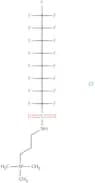
CAS :<p>Dihexadecyl dimethyl ammonium chloride is a cationic surfactant that has been used as a phase transfer agent for the isolation of picolinic acid from plant material. It has also been used as a reagent in analytical chemistry to measure the concentration of potassium dichromate. Dihexadecyl dimethyl ammonium chloride is soluble in water and it exhibits a phase transition temperature at about -2 °C. The compound's frequency shift can be observed with an nmr spectroscopy.</p>Formule :C34H72ClNDegré de pureté :Min. 95%Couleur et forme :White PowderMasse moléculaire :530.39 g/mol3-(1,1,2,2,3,3,4,4,5,5,6,6,7,7,8,8,8-Heptadecafluorooctylsulfonylamino)propyl-trimethylazanium chloride
CAS :Produit contrôlé<p>3-(1,1,2,2,3,3,4,4,5,5,6,6,7,7,8,8,8-Heptadecafluorooctylsulfonylamino)Propyl-Trimethylazanium Chloride is a polyfluoroalkyl sulfonate (PFAS) that belongs to the group of substances. It is used in the manufacturing of electroplating and other chemical processes. PFAS are persistent organic pollutants that can accumulate in human and environmental tissues. The PFAS was originally synthesized as an analytical reagent for chromatography columns. 3-(1,1,2,2,3 ,3 ,4 ,4 ,5 ,5 ,6 ,6</p>Formule :C14H16F17N2O2S•ClDegré de pureté :Min. 95%Couleur et forme :PowderMasse moléculaire :634.78 g/mol(Des-Gly10,D-Tyr5,D-Trp6,Pro-NHEt 9)-LHRH trifluoroacetate salt
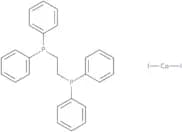
CAS :<p>Please enquire for more information about (Des-Gly10,D-Tyr5,D-Trp6,Pro-NHEt 9)-LHRH trifluoroacetate salt including the price, delivery time and more detailed product information at the technical inquiry form on this page</p>Formule :C64H83N17O12Degré de pureté :Min. 95%Couleur et forme :PowderMasse moléculaire :1,282.45 g/molDiiodo(bis(diphenylphosphino)ethane)cobalt(II)
CAS :<p>Diiodo(bis(diphenylphosphino)ethane)cobalt(II) is a chiral catalyst that is used in the synthesis of organic molecules. It can be used in reactions with halides and iodides, although it is not effective for reactions with alkynes or alkyl halides. It has been shown to be especially effective for reactions that involve zinc powder, such as cinnamyl aldehydes, acetonitrile, and ligands. Diiodo(bis(diphenylphosphino)ethane)cobalt(II) is reactive and stable at high temperatures and works well under argon conditions.</p>Formule :C26H24CoI2P2Degré de pureté :Min. 95%Couleur et forme :PowderMasse moléculaire :711.16 g/mol3-Bromobenzaldoxime
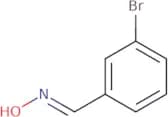
CAS :<p>3-Bromobenzaldoxime is a dialkylamino aldoxime compound that is soluble in organic solvents such as diethyl ether, chloroform, dichloromethane, and benzene. It can be synthesized from benzaldehyde and aniline through the reaction of cyclopentenes with phenylsulfonyl chloride. This reaction produces an intermediate that is then reacted with nitrobenzene to produce 3-bromobenzaldoxime. 3-Bromobenzaldoxime has been used in the synthesis of hydroxamic acids and its use as a solvent for nitro compounds.</p>Formule :C7H6BrNODegré de pureté :Min. 98 Area-%Couleur et forme :PowderMasse moléculaire :200.03 g/mol1,3-Dimethoxy-2-methylimidazoliumbis(trifluoromethylsulfonyl)imide
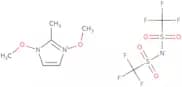
CAS :<p>Please enquire for more information about 1,3-Dimethoxy-2-methylimidazoliumbis(trifluoromethylsulfonyl)imide including the price, delivery time and more detailed product information at the technical inquiry form on this page</p>Formule :C8H11F6N3O6S2Degré de pureté :Min. 95%Couleur et forme :PowderMasse moléculaire :423.31 g/mol4-Chloro-3',4'-dimethoxychalcone
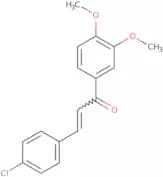
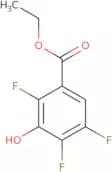
CAS :<p>Please enquire for more information about 4-Chloro-3',4'-dimethoxychalcone including the price, delivery time and more detailed product information at the technical inquiry form on this page</p>Degré de pureté :Min. 95%Ethyl 3-hydroxy-2,4,5-trifluorobenzoate
CAS :<p>Ethyl 3-hydroxy-2,4,5-trifluorobenzoate is a versatile building block that has been used as a reagent in organic synthesis and research. It is a fine chemical and speciality chemical that can be used for the production of complex compounds. This compound has been shown to be useful in reactions involving nucleophilic substitution, acylation, and reductive amination. Ethyl 3-hydroxy-2,4,5-trifluorobenzoate is also an intermediate for the synthesis of high quality chemicals with valuable applications such as pharmaceuticals and agrochemicals.</p>Formule :C9H7F3O3Degré de pureté :Min. 95%Couleur et forme :SolidMasse moléculaire :220.15 g/mol(S)-2-((((9H-Fluoren-9-yl)methoxy)carbonyl)amino)-3-(1H-pyrrolo[2,3-b]pyridin-3-yl)propanoic acid
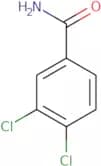
CAS :<p>Please enquire for more information about (S)-2-((((9H-Fluoren-9-yl)methoxy)carbonyl)amino)-3-(1H-pyrrolo[2,3-b]pyridin-3-yl)propanoic acid including the price, delivery time and more detailed product information at the technical inquiry form on this page</p>Formule :C25H21N3O4Degré de pureté :Min. 95%Masse moléculaire :427.45 g/mol3,4-Dichlorobenzamide
CAS :<p>3,4-Dichlorobenzamide is a synthetic opioid analgesic that binds to the μ-opioid receptor. It has a side-effect profile that is similar to other opioids, with an addiction risk and potential for abuse. 3,4-Dichlorobenzamide has been used in the synthesis of new drugs, such as phenazepam (a benzodiazepine) and etizolam (a thienodiazepine). This drug is chiral and can be synthesized in two stereoisomeric forms: 3-(+)-chloro-N-(2-chlorophenyl)benzamide and 3-(−)-chloro-N-(2-chlorophenyl)benzamide. The former form is marketed under the trade name Analgin, while the latter form is marketed under the trade name Etilex. The (+) form of this drug has a higher affinity for μ receptors than the (−) form.</p>Formule :C7H5Cl2NODegré de pureté :Min. 95%Masse moléculaire :190.03 g/mol3,3',5-Triiodo thyroacetic acid
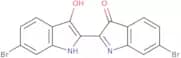
CAS :<p>3,3',5-Triiodo thyroacetic acid is a synthetic thyroid hormone that acts as a thyroid hormone receptor agonist. It binds to the thyroid hormone receptor, leading to the activation of other transcription factors and increased synthesis of proteins. 3,3',5-Triiodo thyroacetic acid has been shown to increase the metabolic rate in rats by increasing the expression of epidermal growth factor in skin cells and signal transduction in nerve cells. This drug also causes an increase in transcriptional regulation and protein synthesis. 3,3',5-Triiodo thyroacetic acid does not have any known side effects or toxicity.</p>Formule :C14H9I3O4Degré de pureté :Min. 95%Couleur et forme :White Off-White PowderMasse moléculaire :621.93 g/mol6,6'-Dibromoindigo
CAS :<p>6,6'-Dibromoindigo is a substrate for enzymes that catalyze the oxidation of aromatic compounds. It can be used to measure the activity of these enzymes in biological samples. 6,6'-Dibromoindigo is also an inhibitor of human pathogens, such as Escherichia coli and Proteus mirabilis. It has been shown to have an apoptotic effect on certain cells in a model system and to inhibit HIV-1 protease. 6,6'-Dibromoindigo binds to the receptors of some bacteria and inhibits their growth by binding to cysteine residues within the bacterial cell wall. This binding prevents formation of the final product from 2 molecules of pyruvic acid, which inhibits oxidative phosphorylation and energy production by mitochondria.</p>Formule :C16H8Br2N2O2Degré de pureté :Min. 95%Couleur et forme :Purple PowderMasse moléculaire :420.06 g/mol2-Amino-5-chlorothiophenol
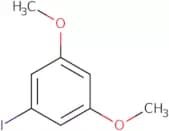
CAS :<p>2-Amino-5-chlorothiophenol is an aminothiophene derivative that has been shown to be an effective antibacterial agent. It is a substrate in the synthesis of polyesters and is used as a precursor in the synthesis of ciprofloxacin, a broad spectrum antibiotic. 2-Amino-5-chlorothiophenol has been shown to catalyze the reaction between phenyl groups and heterocycles, which is an important step in the synthesis of ciprofloxacin and fluconazole. The optimal reaction temperature for this process is between 150°C - 180°C. The irradiation time for this process varies depending on the intensity of light used, with optimal results obtained after 10 minutes at 25 kGy.</p>Formule :C6H6ClNSDegré de pureté :Min. 95 Area-%Couleur et forme :PowderMasse moléculaire :159.64 g/mol3,5-Dimethoxyiodobenzene
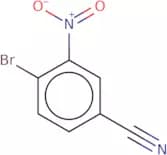
CAS :<p>3,5-Dimethoxyiodobenzene is an organic molecule that is structurally similar to biphenyl. It has been shown to inhibit the growth of cancer cells by flipping the mcf-7 protein and cross-coupling with pterostilbene. 3,5-Dimethoxyiodobenzene can be used as a substitute for biphenyl in some reactions because it has a similar structure but does not have halogen groups. 3,5-Dimethoxyiodobenzene also inhibits the production of chloride ions in bacteria and causes accumulation of phosphane, which is an enzyme inhibitor. This compound has also been shown to act as a stereoselective inhibitor of enzymes that catalyze the synthesis of phytoalexins, which are plant secondary metabolites produced under biotic stress conditions (e.g., bacterial infection).</p>Formule :C8H9IO2Degré de pureté :Min. 95%Couleur et forme :Light Brown To Brown SolidMasse moléculaire :264.06 g/mol2-Bromo-5-cyanonitrobenzene
CAS :<p>2-Bromo-5-cyanonitrobenzene is a chemical compound that has been shown to have broad-spectrum activity against drug-resistant bacteria. It is able to kill gram-negative and gram-positive bacteria, including drug-resistant strains. The mechanism of action for 2-bromo-5-cyanonitrobenzene is not well understood but it has been observed that the molecule undergoes an oxidative cyclization reaction in the presence of chloride ions or hydroxides. This process leads to the formation of a nitrosobenzene metabolite which reacts with DNA to inhibit protein synthesis and cause cell death. 2-Bromo-5-cyanonitrobenzene has also been shown to be potent against a wide range of different types of bacteria, including those most commonly associated with skin infections, respiratory tract infections, and urinary tract infections.</p>Formule :C7H3BrN2O2Degré de pureté :Min. 95%Couleur et forme :PowderMasse moléculaire :227.02 g/mol3-Fluoro-4-iodobenzonitrile
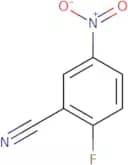
CAS :<p>3-Fluoro-4-iodobenzonitrile is an important building block that is used in the synthesis of other compounds. It is a versatile intermediate that can be used to synthesize a wide range of compounds, including pharmaceuticals, pesticides and dyes. 3-Fluoro-4-iodobenzonitrile has been shown to react with many different types of functional groups including alcohols, amines, carboxylic acids, chlorides and sulfonyl chlorides. The compound has been shown to be stable up to 200°C.</p>Formule :C7H3FINDegré de pureté :Min. 95%Couleur et forme :PowderMasse moléculaire :247.01 g/mol2-Fluoro-5-nitrobenzonitrile
CAS :<p>2-Fluoro-5-nitrobenzonitrile is a reactive chemical that has been used to study the interaction of amines with nitro groups. It can react with serine protease and acetylcholine, forming a lactam intermediate. The reaction of 2-fluoro-5-nitrobenzonitrile with hydrogen peroxide produces oxygen gas, water, and nitrous acid. The reaction of 2-fluoro-5-nitrobenzonitrile with benzamidine produces phenylhydrazine and benzoic acid. This chemical has shown anti-cancer activity in cell culture studies, as well as inhibition of cancer cell growth in vivo. 2-Fluoro-5-nitrobenzonitrile is also an inhibitor of the enzyme nitric oxide synthase (NOS). It reacts with the heme group in NOS, which prevents the formation of NO from L-arginine.</p>Formule :C7H3FN2O2Degré de pureté :Min. 95%Couleur et forme :PowderMasse moléculaire :166.11 g/mol(2-indol-3-ylethyl)((2-(trifluoromethyl)phenyl)sulfonyl)amine
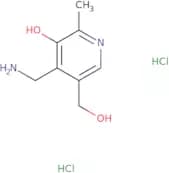
CAS :<p>Please enquire for more information about (2-indol-3-ylethyl)((2-(trifluoromethyl)phenyl)sulfonyl)amine including the price, delivery time and more detailed product information at the technical inquiry form on this page</p>Formule :C17H15F3N2O2SDegré de pureté :Min. 95%Couleur et forme :PowderMasse moléculaire :368.38 g/molPyridoxamine dihydrochloride
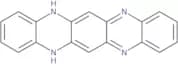
CAS :<p>Pyridoxamine dihydrochloride is a dinucleotide phosphate that is used as an antimicrobial agent. It has been shown to be toxic to certain bacteria, such as Staphylococcus aureus and Bacillus subtilis. Pyridoxamine dihydrochloride also has been shown to have inhibitory effects on the growth of yeast and fungi. This compound binds to calcium in the body, which may account for its observed toxicity to organisms that use this element for cellular processes. Pyridoxamine dihydrochloride has also been shown to have effects on the kidney and heart.</p>Formule :C8H14Cl2N2O2Couleur et forme :White PowderMasse moléculaire :241.11 g/molHomo fluorindine
CAS :Fluorindine is a fluorophor that has been shown to modulate the interaction of biomolecules with the environment. It is synthesized by reacting potassium dichromate with 4-amino-1,6-dihydroxynaphthalene. Fluorindine has been observed to be fluorescent in the visible range, and also emits light in the ultraviolet range at wavelengths shorter than 320 nm. Fluorindine is soluble in water and acetone, but insoluble in ether or chloroform. The fluorescence quantum yield for this molecule is reported to be about 0.4%.Formule :C18H12N4Degré de pureté :Min. 95%Couleur et forme :PowderMasse moléculaire :284.31 g/mol5-Amino-2-fluorobenzoic acid
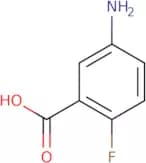
CAS :<p>5-Amino-2-fluorobenzoic acid (5AFBA) is a synthetic aniline that is used as a fluoroquinolone antibiotic. 5AFBA inhibits the synthesis of trehalose, which is vital for bacterial growth. This drug also has been shown to be active against Mycobacterium tuberculosis and Mycobacterium avium complex. 5AFBA has also been shown to have antifungal properties, inhibiting the synthesis of ergosterol in the fungal cell membrane. 5AFBA can be modified by alkylation with geranyl groups or N-methylation at the amino group. These modifications have been shown to increase its antibacterial activity against Pseudomonas aeruginosa.</p>Formule :C7H6FNO2Couleur et forme :PowderMasse moléculaire :155.13 g/molEthyl N-ethyl-N-[(heptadecafluorooctyl)sulphonyl]glycinate
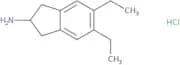
CAS :Produit contrôlé<p>Ethyl N-Ethyl-N-[(Heptadecafluorooctyl)Sulphonyl]Glycinate is a sulfonate that is used as a surfactant. It is a clear, colorless liquid with a slight odor that is soluble in water and can be used as a chemical intermediate. Ethyl N-Ethyl-N-[(Heptadecafluorooctyl)Sulphonyl]Glycinate is also known as an additive to substances, such as alcohols and other chemicals, or mixtures of substances.</p>Formule :C14H12F17NO4SDegré de pureté :Min. 95%Couleur et forme :PowderMasse moléculaire :613.29 g/mol5,6-Diethyl-2,3-dihydro-1H-inden-2-amine hydrochloride
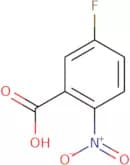
CAS :Produit contrôlé<p>5,6-Diethyl-2,3-dihydro-1H-inden-2-amine hydrochloride is the salt form of a chemical compound that belongs to the group of acetylation agents. This chemical is highly soluble in water and is used as a reagent to acetylate amines. The industrial process for this compound begins with an acetone solution of 2,3-dihydroindene. Acetyl chloride reacts with 2,3-dithiobenzoyl chloride in an acid environment to produce 5,6-diethyl-2,3-dihydroindane. The product is treated with hydrogen chloride gas to produce 5,6-diethyl-2,3 dihydroindanamine hydrochloride. This compound has been shown to be toxic for aquatic life and can cause environmental pollution when released into the environment.</p>Formule :C13H19N•HClDegré de pureté :Min. 95%Couleur et forme :White PowderMasse moléculaire :225.76 g/mol5-Fluoro-2-nitrobenzoic acid
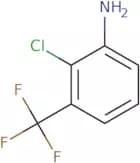
CAS :<p>5-Fluoro-2-nitrobenzoic acid is a phosphotungstic acid and an anti-inflammatory agent. It has been shown to exhibit apoptotic activity in vitro, which may be due to its ability to induce the release of cytochrome c from mitochondria. 5-Fluoro-2-nitrobenzoic acid has also been shown to inhibit the production of inflammatory cytokines such as tumor necrosis factor alpha (TNFα), interleukin 1β (IL1β) and IL6 in vitro. Its pharmacokinetic properties have been studied in rats and mice, with an oral bioavailability of 100%. The drug has also been shown to cross the blood brain barrier, with a high degree of uptake into the brain tissue.</p>Formule :C7H4FNO4Degré de pureté :Min. 95%Couleur et forme :PowderMasse moléculaire :185.11 g/mol2-chloro-3-(trifluoromethyl)aniline
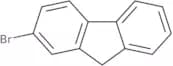
CAS :<p>2-Chloro-3-(trifluoromethyl)aniline is a chemical intermediate. It can be used in the synthesis of various organic compounds and has been shown to have a variety of applications, such as the use as a reagent, fine chemical, or speciality chemical. This compound has been used as a building block for research chemicals.</p>Formule :C7H5ClF3NDegré de pureté :Min. 98%Masse moléculaire :195.57 g/mol2-Bromofluorene
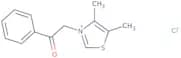
CAS :<p>2-Bromofluorene is an organic compound that belongs to the group of aryl halides. It is used in the synthesis of polymers, pesticides and pharmaceuticals. 2-Bromofluorene has been shown to be mutagenic and carcinogenic in kidney cells. The chemical structure of 2-bromofluorene consists of two phenyl groups (benzene rings) connected by a single bromine atom. The optimal reaction condition for this chemical is hydrochloric acid in acetic acid with heat and high values of optical rotation. A number of compounds are derived from 2-bromofluorene, such as 4-chlorobenzophenone, 3-chlorobenzophenone, 4-bromoacetophenone, 3-bromoacetophenone, 2-(2'-hydroxyethoxy)ethanol, 2-(2'-hydroxyethyl)phenol, and 2-(2'-</p>Formule :C13H9BrDegré de pureté :Min. 95%Masse moléculaire :245.114,5-Dimethyl-3-(2-oxo-2-phenylethyl)thiazol-3-ium chloride
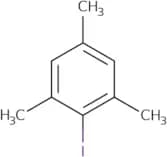
CAS :<p>4,5-Dimethyl-3-(2-oxo-2-phenylethyl)thiazol-3-ium chloride (CGP42112A) is a cytosolic calcium antagonist and a biocompatible polymer that has been shown to be effective in the treatment of diabetes. The drug binds to the endothelin A receptor, which causes the release of intracellular calcium ions from the endoplasmic reticulum. CGP42112A has been shown to demonstrate side effects profiles that are similar to those seen with other pharmacological agents, such as mitochondrial functions and glycation. It also inhibits growth factor β1, which is involved in cell proliferation and differentiation. CGP42112A has been shown to be effective in combination therapy for patients with diabetic nephropathy, tubulointerstitial injury, and neuronal death.</p>Formule :C13H14ClNOSDegré de pureté :Min. 95%Couleur et forme :SolidMasse moléculaire :267.78 g/mol2-Iodomesitylene
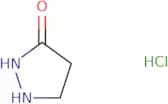
CAS :<p>2-Iodomesitylene is a chloride that reacts with an alkyl halide to form a C-C cross-coupling reaction. It is used as a polymerization initiator in cationic polymerization reactions, which are efficient and reactive. 2-Iodomesitylene is soluble in organic solvents such as trifluoroacetic acid and is therefore suitable for the synthesis of polymers containing aromatic hydrocarbons or divalent hydrocarbons. 2-Iodomesitylene has been shown to react with nucleophiles such as nitrogen or carbon nucleophiles, forming useful products such as vinyl ethers.</p>Formule :C9H11IDegré de pureté :Min. 95%Couleur et forme :PowderMasse moléculaire :246.09 g/mol4,5-Dihydro-1H-pyrazol-3-ol hydrochloride
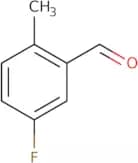
CAS :<p>4,5-Dihydro-1H-pyrazol-3-ol hydrochloride (DHPE) is a potent inhibitor of the uptake and transport of serotonin in the rat brain. DHPE inhibits serotonin uptake by blocking the binding of serotonin to its transporter protein and also inhibits serotonin reuptake at the synapse. It is also an inhibitor of lysine hydroxylase, which converts lysine to catecholamine neurotransmitters. This inhibition leads to decreased levels of dopamine, norepinephrine and epinephrine, which can cause depression. DHPE binds to acidic amino acids such as glycine and glutamate, potentiating their actions on postsynaptic neurons. This effect may be due to increased synaptic activity or decreased inhibitory neurotransmitter release.br><br>br><br>The environment can affect the pharmacokinetics of DHPE. DHPE has been shown to have higher concentrations in acidic environments than basic environments because it is more soluble</p>Formule :C3H6N2ODegré de pureté :Min. 95%Couleur et forme :PowderMasse moléculaire :86.09 g/mol5-Fluoro-2-methylbenzaldehyde
CAS :<p>5-Fluoro-2-methylbenzaldehyde is a fine chemical that is used as an intermediate in the synthesis of pharmaceuticals, agrochemicals, and other organic molecules. It is also useful in the preparation of synthetic resins, dyes, and flavors. 5-Fluoro-2-methylbenzaldehyde has been shown to be a versatile building block with many potential applications. This molecule can be used as a reaction component or as a speciality chemical to produce high quality reagents.</p>Formule :C8H7FODegré de pureté :90%Couleur et forme :Clear LiquidMasse moléculaire :138.14 g/mol2-Bromobenzaldehyde ethylene acetal
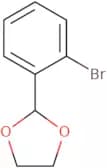
CAS :<p>2-Bromobenzaldehyde ethylene acetal is a reactive intermediate that can be used to form allyl ethers. It is prepared by the Grignard reaction of 2-bromobenzaldehyde with an ethylene acetal. This molecule may be useful for the synthesis of dioxolanes and amines, as well as for other applications such as supramolecular chemistry and emulsions.</p>Formule :C9H9BrO2Degré de pureté :Min. 95%Masse moléculaire :229.07 g/molL-Valine tert-butyl ester hydrochloride
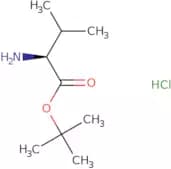
CAS :<p>L-Valine tert-butyl ester hydrochloride is a chiral diastereomeric, stereocontrolled acid ester. This product is a kinetically controlled reaction of L-valine and toluene that produces a racemic mixture of the cis and trans isomers in the ratio of 1:1. The cis isomer has been shown to be more effective than the trans isomer as a peptidomimetic. This product also exhibits stereogenic properties when reacted with acid anhydrides.</p>Formule :C9H19NO2·HClDegré de pureté :Min. 95%Couleur et forme :PowderMasse moléculaire :209.71 g/molChloroalkanes C10-13
CAS :<p>Chloroalkanes are a class of hydrocarbons that have one or more carbon atoms bonded to two or more chlorine atoms. They are used as additives in human and animal tissues, as well as coatings for industrial chemicals. Short-chain chloroalkanes are regulated by the EPA, and long-chain chloroalkanes are regulated by the International Agency for Research on Cancer (IARC). Regulatory strategies for short-chain chloroalkanes include reducing emissions from industrial sources, while strategies for long-chain chloroalkanes include reducing exposure through food packaging.</p>Degré de pureté :Min. 95%Couleur et forme :Clear Light (Or Pale) Liquid2,4,6-Tribromo-3-methoxyphenol
CAS :<p>2,4,6-Tribromo-3-methoxyphenol is a high quality reagent that is used as an intermediate in the production of many fine chemicals. It is also a useful building block for the synthesis of speciality chemicals and research chemicals. This chemical can be used as a versatile building block for reactions with other compounds. 2,4,6-Tribromo-3-methoxyphenol has CAS number 24967-79-1 and can be found at Chemical & Laboratory Equipment.</p>Formule :C7H5Br3O2Degré de pureté :Min. 95%Masse moléculaire :360.83 g/mol4-Bromo-6-amino-m-xylene
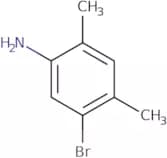
CAS :<p>4-Bromo-6-amino-m-xylene is a chemical that is used to synthesize other chemicals. It is a versatile building block and can be used as an intermediate in organic synthesis. It has been shown to react with nucleophiles, such as alcohols, amines, and thiols. 4-Bromo-6-amino-m-xylene also reacts with metal halides to form complexes. This compound has been shown to have high quality and can be used in research or as a reagent for further reactions.</p>Formule :C8H10BrNDegré de pureté :Min. 95%Couleur et forme :PowderMasse moléculaire :200.08 g/mol3-Bromobenzyl bromide
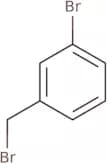
CAS :<p>3-Bromobenzyl bromide is a molecule that has been synthesized and shown to have anticancer activity. It inhibits the activity of cancer cells by binding to amines in these cells and preventing the formation of hydrogen bonds between these molecules. 3-Bromobenzyl bromide has also been shown to selectively inhibit the activity of NS5B polymerase, an enzyme that is important in the replication of the hepatitis C virus. The synthetic nature of this molecule makes it an attractive target for analytical methods such as nuclear magnetic resonance spectroscopy. This molecule also shows significant cytotoxicity against cancer cell lines in vitro, as well as inducing tumor necrosis factor-alpha (TNF-α) production in lps-stimulated murine macrophages.</p>Formule :C7H6Br2Degré de pureté :Min. 95%Couleur et forme :PowderMasse moléculaire :249.93 g/mol2,2-Bis(4-carboxyphenyl)hexafluoropropane
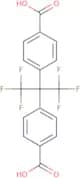
CAS :<p>2,2-Bis(4-carboxyphenyl)hexafluoropropane is a sulfonated derivative of hexafluoropropylene. It is a proton-containing compound that has been studied as a possible replacement for chlorofluorocarbons in refrigeration and insulation. The thermal expansion coefficient and the supramolecular properties of 2,2-bis(4-carboxyphenyl)hexafluoropropane have been investigated by structural analysis. This substance is also soluble in diethyl ether, which can be used to extract it from the reaction mixture. It has high uptake and gel permeation chromatography (GPC) retention times, as well as viscosity and FTIR spectroscopy absorption bands at 2900 cm−1 and 3300 cm−1. The luminescent properties of 2,2-bis(4-carboxyphenyl)hexafluoroprop</p>Formule :C17H10F6O4Degré de pureté :Min. 98 Area-%Couleur et forme :White PowderMasse moléculaire :392.25 g/mol2-Chloro-N-(3,5-dichlorophenyl)acetamide
CAS :<p>2-Chloro-N-(3,5-dichlorophenyl)acetamide is a stabilized, crystalline compound. It has a planar structure with an amide bond and hydrogen bonds. The 2-chloro group is bonded to the nitrogen atom of the acetamide group. The 3,5-dichlorophenyl group is bonded to the carbon atom of the acetamide group. The chlorine atoms are in a planar configuration with adjacent chlorine atoms forming a skeletal arrangement. This chemical is used as an intermediate for other compounds.</p>Formule :C8H6Cl3NODegré de pureté :Min. 95%Masse moléculaire :238.5 g/molPazufloxacin hydrochloride
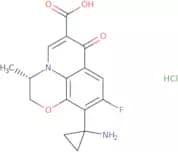
CAS :<p>Pazufloxacin hydrochloride is a synthetic antibacterial agent, which is derived from the fluoroquinolone class of antibiotics with a broad-spectrum activity against various bacterial pathogens. This compound, sourced through chemical synthesis, functions primarily by inhibiting bacterial DNA gyrase and topoisomerase IV, which are critical enzymes for DNA replication, transcription, repair, and recombination. The inhibition of these enzymes leads to the disruption of bacterial DNA processes, ultimately resulting in bacterial cell death.</p>Formule :C16H15FN2O4•HClDegré de pureté :Min. 95%Masse moléculaire :354.76 g/mol3’-Deoxy-5-fluorouridine
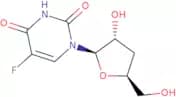
CAS :<p>3’-Deoxy-5-fluorouridine is a synthetic compound that is used as an anticancer drug. It has been shown to induce apoptosis in cancer cells through the modulation of polymerase, synthetase and other enzymes involved in DNA synthesis. 3’-Deoxy-5-fluorouridine also inhibits the activity of viral thymidylate synthase, which prevents the conversion of deoxyuridine triphosphate (dUTP) to thymidylate monophosphate (dTMP), preventing DNA replication and cell division. This chemical can be synthesized by reacting uracil with trifluoroacetic acid followed by saponification.</p>Degré de pureté :Min. 95%



![5-[4'-Bromomethyl-(1,1'-biphenyl)-2-yl]-1-triphenylmethyltetrazole](/_next/image/?url=https%3A%2Fstatic.cymitquimica.com%2Fproducts%2F3D%2Fthumb-webp%2FFB19245.webp&w=3840&q=75)



![9-[Bromo(phenyl)methylene]-9H-fluorene](/_next/image/?url=https%3A%2Fstatic.cymitquimica.com%2Fproducts%2F3D%2Fthumb-webp%2FFB135155.webp&w=3840&q=75)



![(S)-2-((((9H-Fluoren-9-yl)methoxy)carbonyl)amino)-3-(1H-pyrrolo[2,3-b]pyridin-3-yl)propanoic acid](/_next/image/?url=https%3A%2Fstatic.cymitquimica.com%2Fproducts%2F3D%2Fthumb-webp%2FFF154979.webp&w=3840&q=75)




![Ethyl N-ethyl-N-[(heptadecafluorooctyl)sulphonyl]glycinate](/_next/image/?url=https%3A%2Fstatic.cymitquimica.com%2Fproducts%2F3D%2Fthumb-webp%2FFE95451.webp&w=3840&q=75)