Halogénures organiques
Dans cette catégorie, vous trouverez des molécules organiques contenant un ou plusieurs atomes d'halogène dans leur structure. Ces halogénures organiques incluent des composés bromés, iodés, chlorés et des halogénures cycliques. Les halogénures organiques sont largement utilisés en synthèse organique, en pharmaceutique, en agrochimie et en science des matériaux en raison de leur réactivité et de leur capacité à subir une variété de transformations chimiques. Chez CymitQuimica, nous offrons une sélection complète d'halogénures organiques de haute qualité pour soutenir vos applications de recherche et industrielles, garantissant une performance fiable et efficace dans vos projets synthétiques et analytiques.
Sous-catégories appartenant à la catégorie "Halogénures organiques"
20437 produits trouvés pour "Halogénures organiques"
Trier par
Degré de pureté (%)
0
100
|
0
|
50
|
90
|
95
|
100
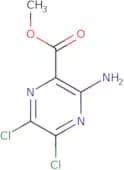
Methyl 3-amino-5,6-dichloro-2-pyrazine carboxylate
CAS :<p>Methyl 3-amino-5,6-dichloro-2-pyrazine carboxylate is a synthetic molecule that has been synthesized from dimethylamiloride. This chemical has been labeled and used for a variety of homologous and synthetic modifications. It may be used in labeling experiments to identify an unknown compound or to determine the structure of a known compound. The methyl 3-amino-5,6-dichloro-2-pyrazine carboxylate can also be used as a ligand to bind with subunits of proteins or nucleic acids. Photolabile methyl 3-amino-5,6-dichloro-2-pyrazine carboxylate can be synthesized by using light energy to cleave the ester bonds in the chemical. This chemical is useful for assays and techniques such as spectroscopy and nuclear magnetic resonance (NMR).</p>Formule :C6H5Cl2N3O2Degré de pureté :Min. 96.5 Area-%Couleur et forme :PowderMasse moléculaire :222.03 g/mol3,6-Dibromothieno[3,2-b]thiophene
CAS :<p>3,6-Dibromothieno[3,2-b]thiophene is a semiconducting material that has been shown to have electron mobility of 1.5 cm2/Vs and an enhancement factor of ~5 in pyridine as the acceptor molecule. The compound is processed into thin films using chemical vapor deposition and shows potential for use in transistors. 3,6-Dibromothieno[3,2-b]thiophene is also a natural gas sensor that can be used to detect methane concentrations in the range of 0.1% - 10% by volume.</p>Formule :C6H2Br2S2Degré de pureté :Min. 95%Couleur et forme :PowderMasse moléculaire :298.02 g/mol2,4-Dichloro-5-fluorobenzaldehyde
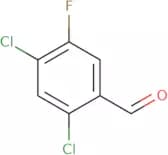
CAS :<p>2,4-Dichloro-5-fluorobenzaldehyde (2,4-DFCA) is a functional group that can be found in inorganic, fatty acids, and fatty acid. 2,4-DFCA has been shown to increase insulin-like growth factor I (IGF-I) levels in vitro and in vivo. 2,4-DFCA also increases the expression of IGF-I gene polymorphisms. This compound is used to induce insulin resistance by increasing serum level of IGF-I. 2,4-DFCA also inhibits the activity of a protein called impeller that is required for cardiac contractility. This compound can be found on the surface of untreated control cells.</p>Formule :C7H3Cl2FODegré de pureté :Min. 95%Couleur et forme :PowderMasse moléculaire :193 g/mol(Des-Gly10,D-His2,D-Trp6,Pro-NHEt 9)-LHRH trifluoroacetate
CAS :<p>Please enquire for more information about (Des-Gly10,D-His2,D-Trp6,Pro-NHEt 9)-LHRH trifluoroacetate including the price, delivery time and more detailed product information at the technical inquiry form on this page</p>Formule :C64H83N17O12•(C2HF3O2)xDegré de pureté :Min. 95%Masse moléculaire :1,282.45 g/mol(R,R)-(-)N,N'-Bis(3,5-di-tert-butylsalicylidene)-1,2-cyclohexanediaminomanganese(III) chloride
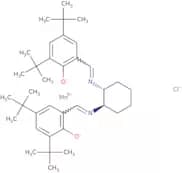
CAS :<p>(R,R)-(-)N,N'-Bis(3,5-di-tert-butylsalicylidene)-1,2-cyclohexanediaminomanganese(III) chloride is a diamine ligand that has been used for the immobilization of ethylene. The reaction proceeds via an oxidation catalyzed by a metal such as copper or manganese. The reaction products are chlorides and alcohols. The molecular modeling and x-ray crystal structures of these reactions have been studied and kinetic data have been collected. Kinetics measurements show that the reactions are fast with an activation energy of 45 kcal/mol and proceed through a hydrogen transfer mechanism.</p>Formule :C36H52ClMnN2O2Degré de pureté :Min. 95%Couleur et forme :PowderMasse moléculaire :635.2 g/mol6-Bromobenzo-(1,3)-dioxole-5-carboxylic acid
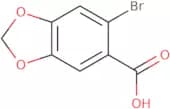
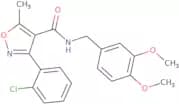
CAS :<p>6-Bromobenzo-(1,3)-dioxole-5-carboxylic acid is a natural product that is synthesised by the reaction of hydrochloric acid with bromobenzene and dioxolane. It has been used as an intermediate in the synthesis of carbaryl, which is used as an insecticide. 6-Bromobenzo-(1,3)-dioxole-5-carboxylic acid has also been shown to inhibit the biosynthesis of berberine in plants. This compound can be synthesized by reacting noradrenaline with hydrobromic acid or deuterium oxide.</p>Formule :C8H5BrO4Degré de pureté :Min. 95%Couleur et forme :PowderMasse moléculaire :245.03 g/molN-((3,4-dimethoxyphenyl)methyl)(3-(2-chlorophenyl)-5-methylisoxazol-4-yl)formamide
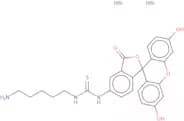
CAS :<p>Please enquire for more information about N-((3,4-dimethoxyphenyl)methyl)(3-(2-chlorophenyl)-5-methylisoxazol-4-yl)formamide including the price, delivery time and more detailed product information at the technical inquiry form on this page</p>Degré de pureté :Min. 95%Fluorescein-cadaverine dihydrobromide
CAS :<p>Fluorescein-cadaverine dibromide is a fluorescent compound that is used in diagnostic imaging. It is synthesized by the reaction of cadaverine with fluorescein, and has been shown to be as effective as phenylephrine in increasing blood pressure. Fluorescein-cadaverine dibromide has been found to inhibit the activity of efflux pumps in cancer cells and spheroids, which may have implications for cancer therapy. This fluorescent dye is also biodegradable, making it an ideal candidate for use in optical imaging techniques.</p>Formule :C26H25N3O5S•(HBr)2Degré de pureté :90%Couleur et forme :PowderMasse moléculaire :653.38 g/mol4-Bromoresorcinol
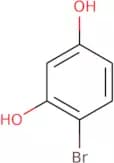
CAS :<p>4-Bromoresorcinol is a synthetic compound that belongs to the group of sulfonamides. It is used in the production of dyes, pharmaceuticals, and agricultural chemicals. 4-Bromoresorcinol is synthesized by sulfonation with trifluoroacetic acid followed by hydrolysis with hydrochloric acid. The polymerization kinetics of this compound have been studied using azobenzene as a model substrate. The reaction products are vignafuran and an organic solvent (e.g., methanol). In addition, 4-bromoresorcinol has potent antibacterial activity against bacteria such as Staphylococcus aureus and Mycobacterium tuberculosis. This drug has minimal inhibitory concentrations (MICs) less than 0.01 ppm for most strains of bacteria tested, including those resistant to penicillin G or erythromycin. The drug also inhibits hydroxylase enzymes</p>Formule :C6H5BrO2Degré de pureté :Min. 95%Couleur et forme :White PowderMasse moléculaire :189.01 g/mol2-Bromocarbazole
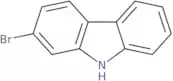
CAS :<p>2-Bromocarbazole is an organic compound that binds to the mineralocorticoid receptor. It has been shown to be a potent inhibitor of sodium transport in both anhydrous and hydrated conditions. 2-Bromocarbazole is also a cationic polymerization agent, which can be used in photophysical studies. This compound has been shown to have fluorescence properties, as well as receptor α binding capabilities. 2-Bromocarbazole was also able to inhibit the enzyme picolinic acid carboxylase, which catalyzes the conversion of picolinic acid into nicotinamide adenine dinucleotide phosphate (NADP) and CO2. The molecular docking analysis of 2-bromocarbazole with human recombinant MRAPα confirms this inhibition.</p>Formule :C12H8BrNDegré de pureté :Min. 98 Area-%Couleur et forme :PowderMasse moléculaire :246.1 g/mol2,6-Dichloro-3-methylaniline
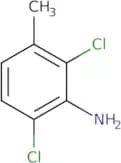
CAS :<p>2,6-Dichloro-3-methylaniline is a wastewater treatment chemical that is used to remove ammonia from wastewater. It is an allosteric modulator that can bind to different sites on the same protein and change its function. 2,6-Dichloro-3-methylaniline has been shown to inhibit the growth of bladder cancer cells in vitro and in vivo by affecting the production of dopamine. This compound may also be effective in treating other cancers such as breast cancer and prostate cancer. 2,6-Dichloro-3-methylaniline has been shown to inhibit population growth in some bacteria by binding to DNA gyrase and topoisomerase IV enzymes.</p>Formule :C7H7Cl2NDegré de pureté :Min. 95%Couleur et forme :PowderMasse moléculaire :176.04 g/mol5-Bromo-6-chloro-1H-indole-2-carboxylic acid
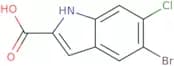
CAS :<p>Please enquire for more information about 5-Bromo-6-chloro-1H-indole-2-carboxylic acid including the price, delivery time and more detailed product information at the technical inquiry form on this page</p>Formule :C9H5BrClNO2Degré de pureté :Min. 95%Masse moléculaire :274.5 g/mol3-[[(2S,4S)-4-[4-(3-Methyl-1-phenyl-1H-pyrazol-5-yl)-1-piperazinyl]-2-pyrrolidinyl]carbonyl]-thiazolidine hydrobromide(2:5)
CAS :<p>Canagliflozin is a pharmaceutical drug that is used to treat type 2 diabetes. It is an oral medication that works by blocking the absorption of glucose in the intestine, which lowers blood sugar levels and improves insulin sensitivity. Canagliflozin has been shown to have a number of effects on metabolism, including increased bile acid production and decreased fat absorption. This drug also has a number of side effects, including diarrhea, nausea, and vomiting. Canagliflozin is used in combination with metformin or insulin for the treatment of type 2 diabetes. The drug's most common side effect is diarrhea, which can be managed by eating more fiber-rich foods and drinking plenty of fluids.</p>Formule :(C22H30N6OS)2•(HBr)5Degré de pureté :Min. 95%Couleur et forme :White/Off-White SolidMasse moléculaire :1,257.72 g/mol1-(2-Aminoethyl)pyrrolidine-2,5-dione hydrochloride
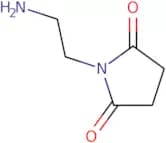
CAS :<p>1-(2-Aminoethyl)pyrrolidine-2,5-dione hydrochloride is a chemical intermediate that is used in the synthesis of biologically active compounds. It has been shown to be an excellent building block for synthesizing complex compounds, and is also a useful reagent. 1-(2-Aminoethyl)pyrrolidine-2,5-dione hydrochloride has been identified as a high quality research chemical and is commercially available in the form of bulk quantities or as a fine chemical.</p>Formule :C6H11ClN2O2Degré de pureté :Min. 95%Couleur et forme :PowderMasse moléculaire :178.62 g/molMethyl 2-chlorobenzoate
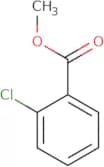
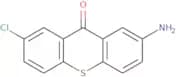
CAS :<p>Methyl 2-chlorobenzoate is a synthetic pesticide that is used as an insecticide. It has been shown to have strong neurotoxic effects on insects and mammals, which are due to its ability to bind with the amine group in the central nervous system. Methyl 2-chlorobenzoate is also used as an organic solvent. It reacts with metal ions such as aluminum, zinc, and iron and forms metal chlorides. This reaction can be observed by using nuclear magnetic resonance spectroscopy. The chemical has been shown to be reactive with aryl chlorides, chloroformate, and methylbenzene. Methyl 2-chlorobenzoate is soluble in water but insoluble in non-polar solvents such as ethers or petroleum ethers. It is stable at room temperature but can react violently if heated or exposed to sunlight. Methyl 2-chlorobenzoate is not toxic to humans at concentrations of up</p>Formule :C8H7ClO2Degré de pureté :Min. 95%Couleur et forme :Clear LiquidMasse moléculaire :170.59 g/mol2-Amino-7-chloro-9H-thioxanthen-9-one
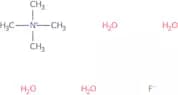
CAS :<p>Please enquire for more information about 2-Amino-7-chloro-9H-thioxanthen-9-one including the price, delivery time and more detailed product information at the technical inquiry form on this page</p>Formule :C13H8ClNOSDegré de pureté :Min. 95%Masse moléculaire :261.73 g/molTetramethylammonium fluoride tetrahydrate
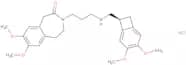
CAS :<p>Tetramethylammonium fluoride tetrahydrate (TMF) is an ionic liquid that is a reaction product of tetraethylammonium and hydrochloric acid. TMF has been shown to react reversibly with water to produce aqueous hydrogen fluoride, which can be detected at low concentrations with a variety of analytical techniques such as gas chromatography. TMF has also been shown to have selectivities for the transport of silicon and calcium carbonate ions, which are useful in electrochemical studies. The activation energies for the reaction of TMF with water were determined by electrochemical studies to be around -0.4 eV.</p>Formule :C4H12FN·4H2OCouleur et forme :White PowderMasse moléculaire :165.2 g/molN-Demethyl ivabradine hydrochloride
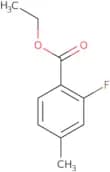
CAS :<p>Please enquire for more information about N-Demethyl ivabradine hydrochloride including the price, delivery time and more detailed product information at the technical inquiry form on this page</p>Formule :C26H35ClN2O5Degré de pureté :Min. 95%Couleur et forme :PowderMasse moléculaire :491.02 g/mol2-Fluoro-4-methylbenzoic acid ethyl ester
CAS :<p>2-Fluoro-4-methylbenzoic acid ethyl ester is a versatile building block that is used in the synthesis of complex compounds with a wide variety of biological and chemical properties. This compound has been used as a reagent for research, as well as in the production of pharmaceuticals and other speciality chemicals. It has also been found to be useful in the synthesis of compounds with high quality. 2-Fluoro-4-methylbenzoic acid ethyl ester can be used as an intermediate in reactions, or as a scaffold for further synthesis. The CAS number for this compound is 500579-61-3.</p>Formule :C10H11FO2Degré de pureté :Min. 95%Couleur et forme :Colourless LiquidMasse moléculaire :182.19 g/molFluorescent Brightener 113, Technical grade
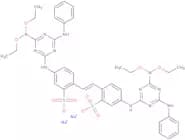
CAS :<p>Fluorescent Brightener 113 (FD-113) is a dye used in the diagnosis of apical infections with Trichophyton mentagrophytes. It has been shown to be a sensitive stain for T. mentagrophytes in stained and unstained preparations, as well as in pleural fluid. FD-113 is also used to diagnose infections caused by other dermatophytes, such as Microsporum canis and Microsporum audouinii. This dye binds to peroxide and thuringiensis, which causes it to fluoresce brightly. FD-113 is not mutagenic or carcinogenic and does not bind to DNA or RNA. It does not bind to stilbene derivatives or polymers of ethylene diamine, allowing for easy separation from the dye.<br>FD-113 is synthesized by the reaction of 2,4-diaminoanisole (2,4-DA) with diisocyanates</p>Couleur et forme :Powder3-Bromo-4-methoxybenzaldehyde
CAS :<p>3-Bromo-4-methoxybenzaldehyde is a heterocycle that contains a covalent inhibitor. It has been shown to have inhibitory activity against imines, hydroxyl groups, and human serum. 3-Bromo-4-methoxybenzaldehyde has been shown to be an efficient method for the synthesis of nitrogen containing heterocycles with potential use as pharmaceuticals. This compound has also been used in the asymmetric synthesis of diphenyl ethers, which are useful in pharmacological studies. The reaction mechanism of this compound is not well understood and needs more research before it can be applied to other areas.</p>Formule :C8H7BrO2Degré de pureté :Min. 95%Couleur et forme :PowderMasse moléculaire :215.04 g/mol6-Bromoindole-2-carboxylic acid
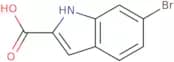
CAS :<p>6-Bromoindole-2-carboxylic acid is a useful building block that can be used in the synthesis of complex compounds. This chemical is also a versatile intermediate for research chemicals and pharmaceuticals. 6-Bromoindole-2-carboxylic acid is often used as a reaction component for organic syntheses, such as the manufacture of reagents and other specialty chemicals.</p>Formule :C9H6BrNO2Degré de pureté :Min. 95%Couleur et forme :PowderMasse moléculaire :240.05 g/molN-Boc-2-bromoethylamine
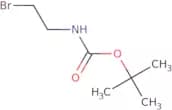
CAS :<p>N-Boc-2-bromoethylamine is a chemical compound that is used as a gadolinium chelate. This molecule has been shown to be chemically stable and can be easily synthesized in high yield, which makes it an ideal candidate for use in cell culture experiments. The reaction solution of N-Boc-2-bromoethylamine with serine proteases, such as trypsin and chymotrypsin, has been shown to result in the formation of peptides with amide bonds at the C terminus. This process is called a "Michael addition." The 2-nitroimidazole group of N-Boc-2-bromoethylamine is potent inhibitor of protein kinases and has been shown to inhibit hypoxic tumor growth by inhibiting the uptake of glucose by cancer cells. It also has antimicrobial properties, acting as an affinity ligand for binding to bacterial or fungal cells.</p>Formule :C7H14BrNO2Degré de pureté :Min. 95%Couleur et forme :PowderMasse moléculaire :224.1 g/molDidesethylflurazepam dihydrochloride
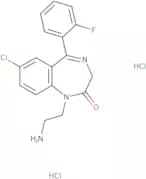
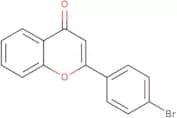
CAS :Produit contrôlé<p>Didesethylflurazepam dihydrochloride (DFZD) is a drug that belongs to the benzodiazepine class and has no significant therapeutic use. DFZD is an active metabolite of lorazepam, but its pharmacokinetics are not well understood. It is relatively stable in urine samples and may be used as a marker to determine the time of last intake for other drugs such as triazolam. DFZD may bind to receptors in the brain and interfere with the effects of GABA, which can lead to a number of side effects including depression, memory loss, and sleep disturbances. The traditional analytical method for DFZD is LC-MS/MS using an acidic mobile phase. A more recent analytical method using fluorescence detection is also available.<br>DFZD has been shown to have similar clinical properties to lorazepam, including sedation and relief from anxiety or insomnia.</p>Formule :C17H15ClFN3O•(HCl)2Degré de pureté :Min. 95%Masse moléculaire :404.69 g/mol4'-Bromoflavone
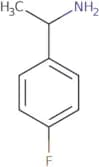
CAS :<p>4'-Bromoflavone is a flavonoid with potent enzyme-inducing properties. It has been shown to affect transcriptional regulation in murine hepatoma cells. 4'-Bromoflavone was also found to be an effective inducer of phase II detoxification enzymes, such as glutathione S-transferase and quinone reductase in the liver of humans. This drug also affects protein synthesis and enzyme activities in mice, rats, and human cells.</p>Formule :C15H9BrO2Degré de pureté :Min. 95%Couleur et forme :PowderMasse moléculaire :301.13 g/mol4-Fluoro-α-methylbenzylamine
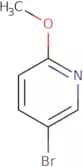
CAS :<p>4-Fluoro-a-methylbenzylamine is a chiral, protonated, and enthalpic compound. It can be synthesized by reacting anilines with 4-fluorobenzaldehyde in the presence of a base such as sodium ethoxide. The flavonoids from the plant Hedera helix have been shown to inhibit this enzyme. <br>4-Fluoro-a-methylbenzylamine has been found to be a potent inhibitor of imidazole amidohydrolase, an enzyme involved in the metabolism of histamine and other biologically active amines. This inhibition prevents the conversion of histamine to imidazole and therefore may help prevent allergic reactions such as asthma.</p>Formule :C8H10FNDegré de pureté :Min. 95%Masse moléculaire :139.17 g/mol5-Bromo-2-methoxypyridine
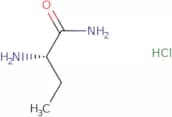
CAS :<p>5-Bromo-2-methoxypyridine is a synthetic organic chemical that is used in organic chemistry. It is a precursor to the HIV integrase inhibitor, PSC 833, and has been shown to be effective in treating idiopathic pulmonary fibrosis. 5-Bromo-2-methoxypyridine is synthesized by reacting phosphorus oxychloride with 2-bromomethoxybenzene. This reaction produces a mixture of products that are then separated using column chromatography. The desired product can be purified by recrystallization or distillation. 5-Bromo-2-methoxypyridine has three pairs of asymmetric carbon atoms and four different functional groups: halides, sulfur trifluoride, bromine, and methoxy groups.</p>Formule :C6H6BrNODegré de pureté :Min. 95%Couleur et forme :Clear LiquidMasse moléculaire :188.02 g/mol(S)-2-Aminobutyramide hydrochloride
CAS :<p>(S)-2-Aminobutyramide hydrochloride is a strong acid that can be used in the synthesis of other compounds. It is made by dissociating acetic acid with hydrogen chloride, or by reacting ammonia with hydrochloric acid. (S)-2-Aminobutyramide hydrochloride is also known as 2-aminobutyric acid dihydrochloride and protonated aminobutyric acid. It can be used to synthesize many other compounds, including amino acids, pharmaceuticals, and polymers. The virulent properties of this compound make it useful for industrial purposes.</p>Formule :C4H11ClN2ODegré de pureté :Min. 95%Couleur et forme :White PowderMasse moléculaire :138.6 g/molN-[4-[[(1-Methylethyl)amino]acetyl]phenyl]-methanesulfonamide monohydrochloride
CAS :<p>Please enquire for more information about N-[4-[[(1-Methylethyl)amino]acetyl]phenyl]-methanesulfonamide monohydrochloride including the price, delivery time and more detailed product information at the technical inquiry form on this page</p>Formule :C12H18N2O3S•HClDegré de pureté :Min. 95%Couleur et forme :PowderMasse moléculaire :306.81 g/mol1-Chloro-2-(2-methoxyethoxy)ethane
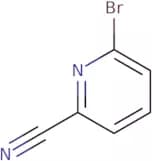
CAS :<p>Please enquire for more information about 1-Chloro-2-(2-methoxyethoxy)ethane including the price, delivery time and more detailed product information at the technical inquiry form on this page</p>Formule :C5H11ClO2Degré de pureté :Min. 95%Couleur et forme :Clear Colourless LiquidMasse moléculaire :138.59 g/mol6-Bromo-2-pyridinecarbonitrile
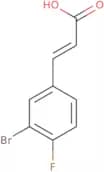
CAS :<p>6-Bromo-2-pyridinecarbonitrile is a small molecule that can be used as a sensitizer for photovoltaic cells. It has been shown to have photocurrents in the visible region of the spectrum and strong luminescence properties. 6-Bromo-2-pyridinecarbonitrile is also an effective chromophore for use in solar cells and can be functionalised by means of pyrazolyl or triazolyl groups. This compound has been shown to bind to antibodies, which are proteins that are produced by the body's immune system to identify and neutralize foreign objects, including bacteria and viruses. The binding of 6-bromo-2-pyridinecarbonitrile with monoclonal antibodies provides a possible route for the development of new biomolecules with antibacterial properties.</p>Formule :C6H3N2BrDegré de pureté :Min. 95%Couleur et forme :PowderMasse moléculaire :183.01 g/mol3-Bromo-4-fluorocinnamic acid
CAS :<p>3-Bromo-4-fluorocinnamic acid is a useful intermediate that reacts with amines to form 3-bromo-4-fluoroaniline, which is used as a building block in the synthesis of pharmaceuticals, agrochemicals, and other organic compounds.</p>Formule :C9H6BrFO2Degré de pureté :Min. 95%Couleur et forme :PowderMasse moléculaire :245.05 g/molPerfluoroalkylsulfonyl quaternary ammonium iodide
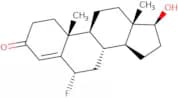
CAS :Produit contrôlé<p>Perfluoroalkylsulfonyl quaternary ammonium iodide is a chemical substance that is used as an industrial treatment for wastewater, including industrial effluents, sludge, and waste water. It is liquid at room temperature. The reaction mechanism of perfluoroalkylsulfonyl quaternary ammonium iodide is nucleophilic attack on the electron-deficient carbon atom in the aromatic ring of the target molecule. This leads to formation of a covalent bond between the two molecules. The photoelectron microscopy technique has been used to study this reaction and has shown that it occurs in three phases: liquid phase, gas phase, and solid phase. Infrared spectrometry was also used to show that perfluoroalkylsulfonyl quaternary ammonium iodide reacts with chemical substances such as triphase.</p>Formule :C14H16F17IN2O2SDegré de pureté :Min. 95%Couleur et forme :Slightly Yellow PowderMasse moléculaire :726.23 g/mol(6α,17β)-6-Fluoro-17-Hydroxyandrost-4-En-3-One
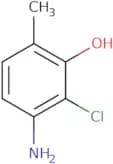
CAS :Produit contrôlé<p>(6alpha,17beta)-6-Fluoro-17-Hydroxyandrost-4-En-3-One is an androgen that has both agonistic and antagonistic effects on nuclear receptors. It activates the androgen receptor and is equipotent with testosterone. This drug also inhibits the estrogen receptor, but does not bind to the progesterone receptor. This synthetic agent is used for treating hypogonadism in males due to castration or aging and prostate cancer.</p>Formule :C19H27FO2Degré de pureté :Min. 95%Masse moléculaire :306.41 g/mol3-Amino-2-chloro-6-methylphenol
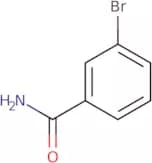
CAS :<p>3-Amino-2-chloro-6-methylphenol is a chemical substance that has been shown to have potential as a therapeutic agent for treating human cancers. 3-Amino-2-chloro-6-methylphenol has been shown to express in humans and is sensitive to the human body, which may be due to its ability to react with DNA and damage it. 3-Amino-2-chloro-6-methylphenol has also been shown to have an inhibitory effect on other chemical substances that are responsible for allergic reactions. This chemical substance has not yet been validated in animal models or clinical trials.</p>Formule :C7H8ClNODegré de pureté :Min. 95%Couleur et forme :PowderMasse moléculaire :157.6 g/mol3-Bromobenzamide
CAS :<p>3-Bromobenzamide is an amide compound, which is a functional group. It has a molecular weight of 273.3 g/mol and three amine groups. The 3-methoxybenzamide moiety in the molecule can be protonated, which provides the hydration of the molecule and increases its solubility in water. This molecule also has a dipole moment due to the presence of two amide groups.<br>The synthesis of 3-bromobenzamide starts with the reaction between 3-aminobenzoic acid and benzoyl chloride to form 3-benzoyloxybenzoic acid. This is then reacted with ammonia to form 3-aminobenzamide. Finally this is converted into 3-bromobenzamide by reacting it with bromine in the presence of potassium carbonate as a catalyst. <br>This molecule is used as an inhibitory compound for mammalian cell proliferation, specifically for cancer cells</p>Formule :C7H6BrNODegré de pureté :Min. 95%Couleur et forme :PowderMasse moléculaire :200.03 g/molPhthalocyanine Silicon Dichloride
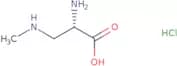
CAS :<p>Phthalocyanine Silicon Dichloride is a compound that belongs to the group of phthalocyanines. It is synthesized from 4-tert-butylbenzoic acid and silicon tetrachloride in the presence of a base. This compound has shown photophysical properties that are activated by light, and has been studied for its potential use as an organic semiconductor material. The coordination complex formed between this compound and copper ions has been determined by x-ray crystal structures to be square planar.</p>Formule :C32H16Cl2N8SiDegré de pureté :Min. 95%Couleur et forme :PowderMasse moléculaire :611.51 g/mol(S)-2-Amino-3-(methylamino)propanoic acid hydrochloride
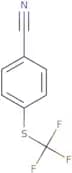
CAS :<p>(S)-2-Amino-3-(methylamino)propanoic acid hydrochloride is a synthetic compound often used in scientific research. It is derived from non-proteinogenic amino acids and has important implications for the study of neurotoxicology. This compound mimics the structural properties of certain naturally occurring amino acids, which allows it to act as a significant tool for understanding biological pathways affected by neurotoxins.</p>Formule :C4H11ClN2O2Couleur et forme :Off-White PowderMasse moléculaire :154.6 g/mol4-(Trifluoromethylthio)benzonitrile
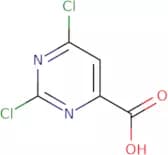
CAS :<p>4-(Trifluoromethylthio)benzonitrile is a chemical that is used as a scaffold in the synthesis of other chemicals. It can be used as a building block for complex compounds and as a starting material for research chemicals. This chemical has been reported to have high purity and quality, and it has been found to be useful as an intermediate. 4-(Trifluoromethylthio)benzonitrile is also versatile and can be used as an intermediate for organic synthesis or as a reagent in chemical reactions. It has CAS number 332-26-3.</p>Formule :C8H4F3NSDegré de pureté :Min. 95%Couleur et forme :Off-White PowderMasse moléculaire :203.19 g/mol2,6-Dichloropyrimidine-4-carboxylic acid
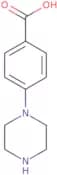
CAS :<p>2,6-Dichloropyrimidine-4-carboxylic acid is a pyrimidine that can be used as a starting material for the synthesis of other compounds. It is an intermediate in the manufacture of anilines and pyrimidines. 2,6-Dichloropyrimidine-4-carboxylic acid is also used in the production of dyes and agrochemicals.</p>Formule :C5H2Cl2N2O2Degré de pureté :Min. 95%Couleur et forme :White PowderMasse moléculaire :192.99 g/mol4-(Piperazin-1-yl)benzoic acid hydrochloride
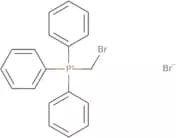
CAS :<p>4-(Piperazin-1-yl)benzoic acid hydrochloride is a chemical intermediate that is used in the synthesis of pharmaceuticals. It has been shown to be a useful scaffold, and can be used as a reaction component and building block in the synthesis of complex compounds. 4-(Piperazin-1-yl)benzoic acid hydrochloride is also versatile, as it has been shown to be an intermediate for the synthesis of fine chemicals.</p>Formule :C11H14N2O2•HClDegré de pureté :Min. 95%Couleur et forme :PowderMasse moléculaire :242.7 g/mol(Bromomethyl)triphenylphosphonium bromide
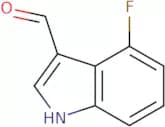
CAS :<p>Bromomethyl)triphenylphosphonium bromide is an antibacterial agent that inhibits the growth of bacteria by binding to terminal alkynes. Bromomethyl)triphenylphosphonium bromide binds to the hydroxyl group in the cell membrane and reacts with the virus, thus inhibiting its replication. It has been shown to be effective against syncytial viruses such as human respiratory syncytial virus (HRSV). The reaction scheme of this drug is not yet known.</p>Formule :C19H17Br2PDegré de pureté :Min. 95%Couleur et forme :PowderMasse moléculaire :436.12 g/mol4-Fluoro-1H-indole-3-carbaldehyde
CAS :<p>4-Fluoro-1H-indole-3-carbaldehyde is a chemical compound that can be used as a reagent, reaction component, or building block in the synthesis of more complex compounds. This chemical is also known as CAS No. 23073-31-6 and has high quality and purity. 4-Fluoro-1H-indole-3-carbaldehyde is useful for research purposes and can be used as a speciality chemical or a fine chemical.</p>Formule :C9H6FNODegré de pureté :Min. 95%Couleur et forme :Yellow To Brown SolidMasse moléculaire :163.15 g/molClobetasol Propionate - Impurity B
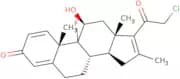
CAS :Produit contrôlé<p>(11β)-21-Chloro-9-fluoro-11-hydroxy-16-methylpregna-1,4,16-triene-3,20-dione is a chemical compound that can be used as a building block in the synthesis of other chemicals. It is structurally related to progesterone and has been found to have antiandrogenic properties. This product can also be used as a reagent or speciality chemical in research. It is high quality and versatile. (11β)-21-Chloro-9-fluoro-11-hydroxy-16-methylpregna 1,4,16 triene 3,20 dione has been shown to have an effect on the body's reproductive system by binding to the androgen receptor.</p>Formule :C22H26ClFO3Degré de pureté :Min. 95%Couleur et forme :PowderMasse moléculaire :392.89 g/mol2-Bromo-6-nicotinic acid methyl ester
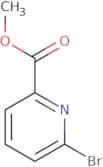
CAS :<p>2-Bromo-6-nicotinic acid methyl ester is a monomer that is used in vivo as a reactive probe. It undergoes a thermally induced reaction with sodium carbonate to form picolinic acid and 2,6-dibromonicotinic acid. The picolinic acid can be converted to its fluorescent analog, which has been shown to be useful for the detection of tumors in mice. This compound also reacts with metal ions such as copper and zinc, which allows it to act as a ligand for metal complexes.</p>Formule :C7H6BrNO2Degré de pureté :Min. 95%Couleur et forme :PowderMasse moléculaire :216.03 g/mol(2-Chlorophenyl)-N-[4-(trifluoromethyl)phenyl]carboxamide
CAS :<p>This is a high quality reagent, complex compound, useful intermediate, and fine chemical. It is also a useful scaffold and can be used as a reaction component in the synthesis of speciality chemicals. The CAS number for this compound is 3873-79-8. <br>[[Category:Chemical Compounds]]</p>Formule :C14H9ClF3NODegré de pureté :Min. 95%Masse moléculaire :299.68 g/mol2-Chloro-5,6,7,8-tetrahydro-1,6-naphthyridine hydrochloride
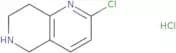
CAS :<p>2-Chloro-5,6,7,8-tetrahydro-1,6-naphthyridine hydrochloride is a fine chemical that can be used as a versatile building block in the synthesis of complex compounds. It is also an important reagent for research purposes and a speciality chemical. It has been reported to show high quality and be a useful intermediate for organic reactions. 2-Chloro-5,6,7,8-tetrahydro-1,6-naphthyridine hydrochloride is also a useful scaffold in the synthesis of novel drugs.</p>Formule :C8H10Cl2N2Degré de pureté :Min. 97 Area-%Couleur et forme :White Slightly Yellow PowderMasse moléculaire :205.08 g/mol1-Bromobutane-2,3-dione
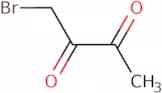
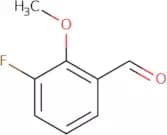
CAS :<p>1-Bromobutane-2,3-dione is a chemical reagent that is used as a building block for the synthesis of complex compounds. It is soluble in many solvents and has a boiling point of 205°C. It is also useful as an intermediate in organic chemistry. 1-Bromobutane-2,3-dione can be converted to a variety of chemicals with different functional groups such as amides, esters, nitriles, and epoxides with the use of catalysts. This compound is also used in research to create diverse chemical scaffolds or building blocks for pharmaceuticals and other fine chemicals.</p>Formule :C4H5BrO2Degré de pureté :Min. 95%Couleur et forme :Clear LiquidMasse moléculaire :164.99 g/mol3-Fluoro-2-methoxybenzaldehyde
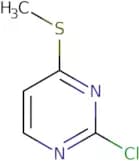
CAS :<p>3-Fluoro-2-methoxybenzaldehyde is a synthetic chemical that has been used as a precursor in the synthesis of pharmaceuticals and other organic compounds. 3-Fluoro-2-methoxybenzaldehyde can be prepared through the lithiation, chloromethylation, or trimethylation of 3-fluoroacetophenone. The compound can be oxidized to 3,4-dihydrobenzofuran with peroxide at low temperature. This conversion can be achieved using a variety of reagents, such as boron tribromide or boron trichloride.</p>Formule :C8H7FO2Degré de pureté :Min. 95%Couleur et forme :Colorless PowderMasse moléculaire :154.14 g/mol2-Chloro-4-(methylthio)pyrimidine
CAS :<p>Please enquire for more information about 2-Chloro-4-(methylthio)pyrimidine including the price, delivery time and more detailed product information at the technical inquiry form on this page</p>Formule :C5H5ClN2SDegré de pureté :Min. 95%Couleur et forme :PowderMasse moléculaire :160.62 g/mol[3-Chloro-4-(4-isobutyrylpiperazin-1-yl)phenyl]amine
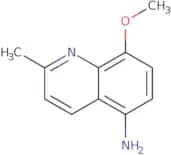
CAS :<p>3-Chloro-4-(4-isobutyrylpiperazin-1-yl)phenyl]amine is a fine chemical that can be used in the production of medicines, research chemicals, and other speciality chemicals. It has been shown to be a versatile building block with a wide range of uses. 3-Chloro-4-(4-isobutyrylpiperazin-1-yl)phenyl]amine can be used as an intermediate in organic synthesis or as a reagent to generate other chemicals. This compound is also useful as a reaction component for the production of new compounds.</p>Formule :C14H20ClN3ODegré de pureté :Min. 95%Couleur et forme :PowderMasse moléculaire :281.78 g/mol8-Methoxy-2-methylquinolin-5-amine monohydrochloride
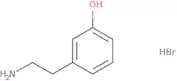
CAS :<p>8-Methoxy-2-methylquinolin-5-amine monohydrochloride is a fine chemical that is used as a versatile building block in the synthesis of complex compounds. 8-Methoxy-2-methylquinolin-5-amine monohydrochloride is an intermediate for the production of research chemicals and pharmaceuticals. It can be used to synthesize speciality chemicals, useful scaffolds, and reagents. It also has a wide range of applications as a reaction component in synthetic organic chemistry. 8-Methoxy-2-methylquinolin-5-amine monohydrochloride has high purity and quality.</p>Formule :C11H12N2O•HClDegré de pureté :Min. 95 Area-%Couleur et forme :PowderMasse moléculaire :224.73 g/mol3-Hydroxyphenethylamine hydrobromide
CAS :<p>3-Hydroxyphenethylamine hydrobromide is a synthetic compound that binds to the adenosine A1 receptor. 3-Hydroxyphenethylamine hydrobromide is used to study the interaction of adenosine A1 receptors with other compounds and its role in neuropathic pain. This drug has been shown to inhibit the contractions of guinea-pig trachea, which may be due to its ability to act as a fluorescent probe. Compounds that are able to bind to this receptor will have affinity constants (Ki) in the micromolar range. The interactions between 3-hydroxyphenethylamine hydrobromide and other compounds can also be studied using fluorescence probes, which allow for advances in research involving amines and their conjugates.</p>Formule :C8H11NO•HBrDegré de pureté :Min. 95%Couleur et forme :White to off-white solid.Masse moléculaire :218.09 g/mol5-Bromothiophene-2-carboxylic acid methyl ester
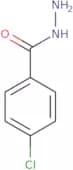
CAS :<p>5-Bromothiophene-2-carboxylic acid methyl ester is an alkene that is used in the synthesis of molybdenum trioxide and other polyhalogenated compounds. It can be prepared by alkylation of 5-bromothiophene with ethyl bromoacetate in the presence of carbon tetrachloride and a halide, such as bromine. The use of photophysical optimization has been shown to significantly improve the yield of this reaction. The reactive nature of 5-bromothiophene-2-carboxylic acid methyl ester makes it suitable for use in organic synthesis. This compound has been shown to have a positive effect on bone mass, which may be due to its ability to inhibit osteoclasts, reducing the activity of these cells that break down bone tissue.</p>Formule :C6H5BrO2SDegré de pureté :Min. 95%Couleur et forme :PowderMasse moléculaire :221.07 g/mol4-Chlorobenzhydrazide
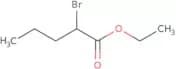
CAS :<p>4-Chlorobenzhydrazide is a potential anticancer agent that has shown to have inhibitory effects on cancer cells in vitro. It binds to copper, forming a copper complex which inhibits the activity of the enzyme tyrosinase. This leads to a decrease in melanin synthesis and reduced pigmentation. The chemical structure of 4-chlorobenzhydrazide is similar to that of phenacetin and acetanilide, two drugs that were removed from the market due to their adverse side effects on the liver. 4-Chlorobenzhydrazide has been found to be toxic for animal cells at high concentrations, but does not show any toxicity for human cells.</p>Formule :C7H7ClN2ODegré de pureté :Min. 95%Couleur et forme :PowderMasse moléculaire :170.6 g/molDL-Ethyl 2-bromovalerate
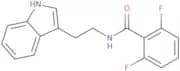
CAS :<p>DL-Ethyl 2-bromovalerate is a fatty acid that inhibits the activity of enzymes involved in fatty acid synthesis. DL-Ethyl 2-bromovalerate has been shown to have anti-inflammatory properties, which may be due to its ability to inhibit prostaglandin synthesis. It also has been found to inhibit the growth of microorganisms such as HIV and Mycobacterium tuberculosis. DL-Ethyl 2-bromovalerate has been used in the treatment of inflammatory bowel disease, as well as congestive heart failure and cardiovascular diseases. This drug also has a pharmacokinetic effect on human population growth, because it can inhibit cell proliferation.</p>Formule :C7H13BrO2Degré de pureté :Min. 95%Couleur et forme :Clear LiquidMasse moléculaire :209.08 g/mol(2,6-difluorophenyl)-N-(2-indol-3-ylethyl)formamide
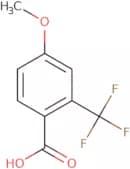
CAS :<p>Please enquire for more information about (2,6-difluorophenyl)-N-(2-indol-3-ylethyl)formamide including the price, delivery time and more detailed product information at the technical inquiry form on this page</p>Degré de pureté :Min. 95%4-Methoxy-2-(trifluoromethyl)benzoic acid
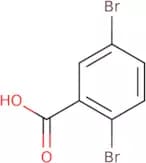
CAS :<p>4-Methoxy-2-(trifluoromethyl)benzoic acid is a useful building block for the synthesis of various organic compounds. It is used in the preparation of pharmaceuticals, agrochemicals, and pesticides. 4-Methoxy-2-(trifluoromethyl)benzoic acid is also a reagent for many organic reactions, such as Friedel–Crafts reactions, Grignard reactions, and alkylation reactions. It is also an intermediate for the synthesis of other compounds.</p>Formule :C9H7F3O3Degré de pureté :Min. 95%Couleur et forme :PowderMasse moléculaire :220.15 g/mol2,5-Dibromobenzoic acid
CAS :<p>2,5-Dibromobenzoic acid is an organic compound with the formula HO2CCHBrO2. It is a white solid that dissolves in water and organic solvents. This compound has been shown to inhibit PTP1B (protein tyrosine phosphatase 1B), which is a protein kinase involved in insulin signal transduction. Inhibition of PTP1B by 2,5-dibromobenzoic acid has been shown to lead to decreased cancer cell growth and increased apoptosis without affecting normal cells. This compound also inhibits histone methylation, which may be useful for cancer diagnosis or treatment. In addition, 2,5-dibromobenzoic acid can be used in the synthesis of polymers due to its ability to react with methacrylates or acrylates under free radical polymerization conditions.<br>2,5-Dibromobenzoic acid is a mon</p>Formule :C7H4Br2O2Degré de pureté :Min. 95%Couleur et forme :PowderMasse moléculaire :279.91 g/mol5-Chlorotryptamine hydrochloride
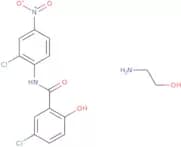
CAS :Produit contrôlé<p>5-Chlorotryptamine hydrochloride is a mitotic inhibitor that binds to the spindle. It has been shown to be an anti-proliferative agent in cells, as well as having anti-mitotic properties. 5-Chlorotryptamine hydrochloride binds to the c1-4 alkyl chains of the spindle and stops it from moving. This prevents the mitosis process and inhibits cell division. 5-Chlorotryptamine hydrochloride can also be used to inhibit kinesin, which is a protein involved in movement along microtubules.</p>Formule :C10H11ClN2·HClCouleur et forme :PowderMasse moléculaire :231.12 g/molNiclosamide ethanolamine salt
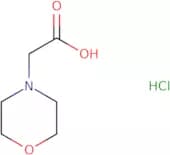
CAS :<p>Chemically a chlorinated salicylanilide, niclosamide is clinically used as an anthelmintic agent. The action of niclosamide has been proven to proceed by inhibiting the STAT3 signaling pathway. Recently, niclosamide, has been considered as an antiproliferative agent in cancer treatment, e.g. melanoma and colorectal cancer. In 2021, niclosamide has been tested for the treatment of COVID-19 patients.</p>Formule :C15H15Cl2N3O5Couleur et forme :PowderMasse moléculaire :388.2 g/mol4-Morpholinylacetic acid hydrochloride
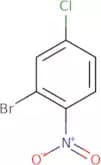
CAS :<p>4-Morpholinylacetic acid hydrochloride is a fluorescent probe that is used to study the interaction between extracellular proteins and cells. It can be detected in tissues by fluorescence microscopy and has been tested on animal tissues. The linker group allows for the encapsulation of the probe into mesoporous silica particles that can be recovered from biological fluids and analyzed using analytical methods. 4-Morpholinylacetic acid hydrochloride is not acidic, which means it does not interact with DNA or RNA. The fluorescent properties of this compound allow for easy detection in tissues and microenvironments where other probes may not be detectable.</p>Formule :C6H11NO3•HClDegré de pureté :Min. 95%Masse moléculaire :181.62 g/mol2-Bromo-4-chloro-1-nitrobenzene
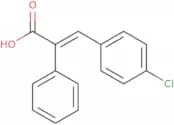
CAS :<p>2-Bromo-4-Chloro-1-Nitro-Benzene is a paraoxon compound that is used to produce chemical weapons. It has been shown to be able to neutralize nerve agent in the body and is undergoing clinical trials as an antidote for nerve agents. 2-Bromo-4-Chloro-1-Nitro-Benzene is produced by trituration from the corresponding bromide or chloride in the presence of nitric acid and hydrochloric acid and can be purified by recrystallization from water. The microreactor process was used to prepare this substance because it gave good yields, was easy to implement, and was cost effective. 2BCNB has also been shown to be a potent transport inhibitor of clozapine with configurable nature, portability, and detoxification properties.</p>Formule :C6H3BrClNO2Degré de pureté :Min. 95%Couleur et forme :PowderMasse moléculaire :236.45 g/mol4-Chloro-(α-phenyl)-cinnamic acid
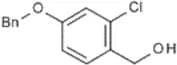
CAS :<p>4-Chloro-(alpha-phenyl)-cinnamic acid is a fine chemical that is useful as a building block for research chemicals, reagents and speciality chemicals. It is also a versatile intermediate for the synthesis of complex compounds and a useful scaffold for the synthesis of high quality products. This compound can be used in reactions such as Friedel-Crafts acylation, nitration, amination, esterification and cyclization.</p>Formule :C15H11ClO2Degré de pureté :Min. 95%Couleur et forme :PowderMasse moléculaire :258.7 g/mol4-Benzyloxy-2-chlorobenzyl alcohol
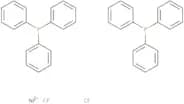
CAS :<p>4-Benzyloxy-2-chlorobenzyl alcohol is an intermediate in the synthesis of a number of complex compounds. It has been found to be useful as a reagent and as a building block in the synthesis of fine chemicals and speciality chemicals. This chemical has also been used as a reaction component in the synthesis of versatile building blocks. CAS No. 219764-60-0, this compound is often used by researchers for its versatility and ability to act as a scaffold.</p>Formule :C14H13ClO2Degré de pureté :Min. 95%Couleur et forme :PowderMasse moléculaire :248.7 g/molBis(triphenylphosphine)nickel(II) dichloride
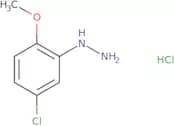
CAS :<p>Bis(triphenylphosphine)nickel(II) dichloride is a coordination compound that belongs to the group P2. It has an octahedral geometry with two adjacent nickel atoms and two chloride ligands. The metal-metal bond length is 2.14 Å, which is shorter than the average bond length of 2.54 Å for octahedral complexes. Bis(triphenylphosphine)nickel(II) dichloride reacts with quinoline derivatives to form amines and undergoes transfer reactions with amines, chlorides, and olefins. It also undergoes irreversible oxidation when in contact with water. The compound is stereoselective for substitution by halides at the para position on the phenyl ring.</p>Formule :C36H30Cl2NiP2Degré de pureté :Min. 95%Couleur et forme :PowderMasse moléculaire :654.17 g/mol5-Chloro-2-methoxyphenylhydrazine hydrochloride
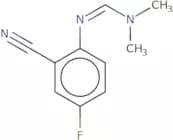
CAS :<p>5-Chloro-2-methoxyphenylhydrazine hydrochloride is a reagent, complex compound with CAS No. 5446-16-2. It is useful as an intermediate in the manufacture of a variety of fine chemicals and research chemicals. This compound can be used as a versatile building block in the synthesis of new chemical compounds and is also a reaction component.</p>Formule :C7H9ClN2O·ClHDegré de pureté :Min. 95%Couleur et forme :PowderMasse moléculaire :209.07 g/molN'-(2-Cyano-4-fluorophenyl)-N,N-dimethylimidoformamide
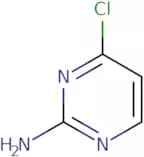
CAS :<p>N'-(2-Cyano-4-fluorophenyl)-N,N-dimethylimidoformamide is a high quality, reagent that is useful for the synthesis of complex compounds. It can be used as a fine chemical and speciality chemical in research and development. The CAS number for this compound is 1017082-62-0. N'-(2-Cyano-4-fluorophenyl)-N,N-dimethylimidoformamide has shown to be a versatile building block for the synthesis of novel compounds that are not commercially available. This product is suitable for use in reaction components as well as being an intermediate for the synthesis of other compounds.</p>Formule :C10H10FN3Degré de pureté :Min. 95%Couleur et forme :PowderMasse moléculaire :191.21 g/mol2-Amino-4-chloropyrimidine
CAS :<p>2-Amino-4-chloropyrimidine is an amido compound that is used to treat infectious diseases. It is a potent inhibitor of the enzyme topoisomerase II, which is involved in DNA replication and transcription. This drug has shown cytotoxic activity against du145 cells, an immortalized prostate cancer cell line. 2-Amino-4-chloropyrimidine has also been shown to be effective against MDA-MB-231 cells and thp1 cells, which are human breast cancer cell lines. 2-Amino-4-chloropyrimidine binds to the active site of topoisomerase II, preventing the enzyme from binding with the two ends of DNA and causing DNA breakage. The drug has also been shown to inhibit the growth of cervical cancer cells by binding with amine groups on proteins found on these cells.</p>Formule :C4H4ClN3Degré de pureté :80Couleur et forme :White PowderMasse moléculaire :129.55 g/mol3-Bromo-6-chloro-7-methylchromone
CAS :<p>3-Bromo-6-chloro-7-methylchromone is a fine chemical that is useful as a building block in organic synthesis. It is a versatile intermediate, and can be used as a reaction component in various chemical reactions. 3-Bromo-6-chloro-7-methylchromone has a CAS number of 263365-48-6 and is classified as a complex compound. This chemical is mainly used for the preparation of other chemicals with more desirable properties.</p>Formule :C10H6BrClO2Degré de pureté :Min. 95%Couleur et forme :PowderMasse moléculaire :273.51 g/molN-[5-(Phenylamino)-2,4-pentadienylidene]aniline monohydrochloride
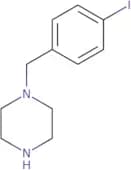
CAS :<p>N-[5-(Phenylamino)-2,4-pentadienylidene]aniline monohydrochloride is a fluorescent probe that reacts with malonic acid. The reaction produces an emission peak at 595 nm and can be detected by fluorescence microscopy. This probe has been used in the study of hypoxia imaging, as well as for detection of reactive carbonyl groups and acetylation reactions. It can also be used to monitor treatment effects on residues from emulsions.</p>Formule :C17H16N2·HClDegré de pureté :(Titration) Min 98%Couleur et forme :Red PowderMasse moléculaire :284.78 g/mol1-(4-Iodobenzyl)piperazine
CAS :Produit contrôlé<p>1-(4-Iodobenzyl)piperazine is a molecule that acts on the localization, interaction, and uptake of other molecules. It has been shown to interact with murine melanoma cells and inhibit their growth. The mechanism of action is not yet known. 1-(4-Iodobenzyl)piperazine also inhibits the uptake of radioiodinated benzylpiperazine, which is a molecule used as a tracer to study the kidney's function. The drug has been shown to be taken up by malignant tumor cells in mice, but not by normal tissues. This may be due to its ability to interfere with the cell membrane or its ability to transport water across the membrane.</p>Formule :C11H15IN2Degré de pureté :Min. 95%Couleur et forme :PowderMasse moléculaire :302.15 g/molTetrabutylammonium fluoride - 1.0M in THF
CAS :<p>Tetrabutylammonium fluoride-1.0M in THF is a solution of tetrabutylammonium fluoride in tetrahydrofuran. The compound is soluble in water and THF with solubility increasing with temperature. Tetrabutylammonium fluoride has been shown to be an effective inhibitor of the enzyme 4-hydroxycinnamic acid transaminase, which is involved in the metabolism of catecholamines. This property may be due to the ability of tetrabutylammonium fluoride to bind to the active site metal ion, copper, that participates in this reaction. Tetrabutylammonium fluoride can also inhibit other enzymes by binding to metal ions at their active sites, such as pyridoxal phosphate and hydroxyl groups.</p>Formule :C16H36FNDegré de pureté :Min. 95%Couleur et forme :Clear LiquidMasse moléculaire :261.46 g/mol4-(2- fluorophenyl)-6,8-dihydro-1,3,8-trimethyl-Pyrazolo[3,4-e][1,4]diazepin-7(1H)-one mixt. with 2-(ethylamino)-2-(2-thienyl)cycloh exanone hydrochloride
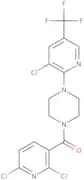
CAS :Produit contrôlé<p>Telazol is an anesthetic that belongs to the class of nonbenzodiazepine drugs. It is used as a short-term sedative and analgesic in preoperative, obstetrical, and diagnostic procedures. Telazol is a prodrug that is metabolized in vivo to its active form, 4-(2-fluorophenyl)-6,8-dihydro-1,3,8-trimethyl-Pyrazolo[3,4-e][1,4]diazepin-7(1H)-one (TFD). Telazol has been shown to have low toxicity when administered at low doses (0.5 mg/kg) to rats.</p>Formule :C27H33ClFN5O2SDegré de pureté :Min. 95%Masse moléculaire :546.1 g/mol2,6-dichloro(3-pyridyl)4-(3-chloro-5-(trifluoromethyl)(2-pyridyl))piperazinyl ketone
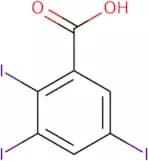
CAS :<p>Please enquire for more information about 2,6-dichloro(3-pyridyl)4-(3-chloro-5-(trifluoromethyl)(2-pyridyl))piperazinyl ketone including the price, delivery time and more detailed product information at the technical inquiry form on this page</p>Degré de pureté :Min. 95%2,3,5-Triiodobenzoic acid
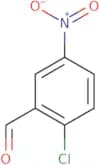
CAS :<p>Inhibitor of auxin transport in plants</p>Formule :C7H3I3O2Degré de pureté :Min. 98 Area-%Couleur et forme :PowderMasse moléculaire :499.81 g/mol2-Chloro-5-nitrobenzaldehyde
CAS :<p>2-Chloro-5-nitrobenzaldehyde (2CNB) is an antibacterial agent that has been shown to be effective against a number of bacterial species. It is a nucleophilic compound and reacts with the sulfhydryl group in cysteine. 2CNB also reacts with the thiol group of proteins, which are involved in many cellular processes. 2CNB has industrial uses, such as for the production of cyclohexanone and cyclopentanone. The structures of 2CNB and its homologues have been studied by 13CNMR spectroscopy, which provides information about the type of bonds present in the molecule and their lengths.</p>Formule :C7H4ClNO3Degré de pureté :Min. 95%Couleur et forme :PowderMasse moléculaire :185.56 g/mol1,1'-Dioctadecyl-3,3,3',3'-tetramethylindodicarbocyanine perchlorate
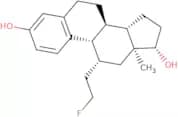
CAS :<p>1,1'-Dioctadecyl-3,3,3',3'-tetramethylindodicarbocyanine perchlorate (DiI) is a useful scaffold for the synthesis of complex compounds. It is a high-quality research chemical that is used in the synthesis of speciality chemicals and fine chemicals. DiI reacts with diazonium salts to produce blue or red fluorescent compounds. This compound can be used as a reagent for the production of amino acids or amines. It also reacts with other organic compounds to form complexes. The CAS number for DiI is 127274-91-3.</p>Formule :C61H99N2•ClO4Degré de pureté :Min. 95%Couleur et forme :Red To Brown SolidMasse moléculaire :959.9 g/mol(8S,9S,11R,13S,14S,17S)-11-(2-Fluoroethyl)-13-Methyl-6,7,8,9,11,12,14,15,16,17-Decahydrocyclopenta[a]Phenanthrene-3,17-Diol
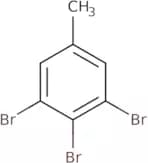
CAS :Produit contrôlé<p>(8S,9S,11R,13S,14S,17S)-11-(2-Fluoroethyl)-13-Methyl-6,7,8,9,11,12,14,15,16,17-Decahydrocyclopenta[a]Phenanthrene-3,17-Diol is a light emitting diode (LED) that emits light in the near infrared spectrum. This LED is composed of a single layer of CdTe nanowires and has an emission wavelength of 760 nm. It also has a high quantum efficiency and low energy requirements for fabrication. The lifetime of this device is also long and its optical properties are stable over time. This device can be used to replace traditional incandescent bulbs or to emit light in specific wavelengths for biomedical applications.</p>Formule :C20H27FO2Degré de pureté :Min. 95%Masse moléculaire :318.43 g/mol3,4,5-Tribromotoluene
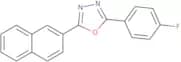
CAS :<p>3,4,5-Tribromotoluene is a halogenated toluene with three bromine atoms. It can be used for the synthesis of indole derivatives using a variety of reactions, including intermolecular cycloaddition and trikentrins. 3,4,5-Tribromotoluene has been shown to undergo efficient and regioselective cross-coupling reactions with indoles to produce butenylindoles. These reactions are often used in the synthesis of natural products such as benzylisoquinoline alkaloids that are useful in medicine.</p>Formule :C7H5Br3Degré de pureté :Min. 95%Couleur et forme :PowderMasse moléculaire :328.83 g/mol2-(4-Fluorophenyl)-5-(2-naphthyl)-1,3,4-oxadiazole
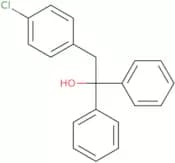
CAS :<p>2-(4-Fluorophenyl)-5-(2-naphthyl)-1,3,4-oxadiazole is a clinical drug that is used to diagnose the presence of cholesterol in human serum. It reacts with cholesterol esterase to form a fluorescent product. The fluorescence intensity of this reaction product can then be measured and used to determine the concentration of cholesterol in the sample. 2-(4-Fluorophenyl)-5-(2-naphthyl)-1,3,4-oxadiazole has been shown to have a high specificity for cholesterol esterase and does not react with enzymes such as carboxylesterases and cholesteryl esterases. This compound also inhibits uptake into cells by acting on an uptake carrier protein, which prevents it from entering cells.</p>Formule :C18H11FN2ODegré de pureté :Min. 95%Masse moléculaire :290.3 g/mol4-Chlorobenzyl diphenyl carbinol
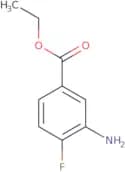
CAS :<p>4-Chlorobenzyl diphenyl carbinol is an organic compound that is used as a reagent, intermediate, and building block in the synthesis of other compounds. The product is a white, crystalline solid and has a molecular weight of 243.3 g/mol. It can be used as a scaffold for the synthesis of new chemical compounds or as a building block to create speciality chemicals. 4-Chlorobenzyl diphenyl carbinol has been shown to react with a variety of functional groups and can be used in both research and industrial contexts.</p>Formule :C20H17ClODegré de pureté :Min. 95%Couleur et forme :PowderMasse moléculaire :308.8 g/mol3-Amino-4-fluorobenzoic acid ethyl ester
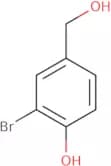
CAS :<p>3-Amino-4-fluorobenzoic acid ethyl ester is a linker that is used to attach a drug molecule to the tautomycin, an analgesic. It has been shown to have nontoxic properties in animals and does not react with intestinal contents. The 3-Amino-4-fluorobenzoic acid ethyl ester also reacts with azide, phosphatase, and hydrocarbons. It is stable in the presence of aromatic hydrocarbons and can be used as a photolabeling agent for introducing a fluorescent group into a molecule.</p>Formule :C9H10FNO2Degré de pureté :Min. 95%Couleur et forme :PowderMasse moléculaire :183.18 g/mol3-Bromo-4-hydroxybenzyl alcohol
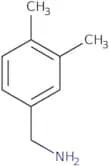
CAS :<p>3-Bromo-4-hydroxybenzyl alcohol (3BHA) is a synthetic compound that is used as an antagonist in the treatment of platelet aggregation. It inhibits the activity of benzoxazine, an enzyme involved in the synthesis of 4-hydroxybenzoic acid. 3BHA blocks this pathway at high concentrations, inhibiting biosynthesis and leading to the accumulation of bromophenols. This inhibition may explain why aspirin has a potent inhibitory effect on platelet aggregation when combined with 3BHA.</p>Formule :C7H7BrO2Degré de pureté :Min. 95%Couleur et forme :PowderMasse moléculaire :203.03 g/mol3,4-Dimethylbenzylamine hydrochloride
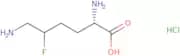
CAS :<p>3,4-Dimethylbenzylamine hydrochloride is an efficient primary alkylating agent that reacts with amines to form N,N'-bis(3,4-dimethylbenzyl)urea. This reaction can be carried out in a solvent such as ethanol or dichloromethane using one of the many amines and isocyanides listed below. This reagent is used for the synthesis of 3-aminopyridine from malononitrile and ethanol. It also has been used for the synthesis of 2-pyridinamine from 1-aminoethane and isocyanides.</p>Formule :C9H13N·HClDegré de pureté :Min. 95%Masse moléculaire :171.67 g/mol5-Fluoro-D,L-lysine hydrochloride
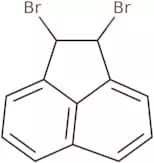
CAS :<p>Please enquire for more information about 5-Fluoro-D,L-lysine hydrochloride including the price, delivery time and more detailed product information at the technical inquiry form on this page</p>Formule :C6H13FN2O2•HClDegré de pureté :90%MinCouleur et forme :PowderMasse moléculaire :200.64 g/mol5,6-Dibromoacenaphthene
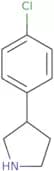
CAS :<p>5,6-Dibromoacenaphthene is a naphthalene derivative that has been used as a starting material for the synthesis of organometallic compounds. It can be synthesized by reacting butyllithium with 2-bromoacetophenone in presence of an organic acid such as ammonium salt or boronic acid. The reaction product can then be treated with allyl bromide to produce 5,6-dibromoacenaphthene. This compound has been used as a precursor for the production of diphenols and phosphines. 5,6-Dibromoacenaphthene interacts with strong bases such as alkali metals and amines.</p>Formule :C12H8Br2Degré de pureté :Min. 95%Couleur et forme :PowderMasse moléculaire :312 g/mol3-(4-Chlorophenyl)pyrrolidine
CAS :<p>3-(4-Chlorophenyl)pyrrolidine is a basic compound with two chiral centers. It has a skeletal structure of chains and rings. The stereogenic center is found at carbon 4, which has four possible arrangements: (1R,2S), (1S,2R), (1R,2R), and (1S,2S). 3-(4-Chlorophenyl)pyrrolidine is an organic compound that contains carbon chains and can be synthesized biologically. 3-(4-Chlorophenyl)pyrrolidine is a polyfunctional molecule that can function as an amino acid or as an intermediate in the synthesis of other compounds.</p>Formule :C10H12ClNDegré de pureté :Min. 95 Area-%Couleur et forme :PowderMasse moléculaire :181.66 g/mol2-[Methyl[(tridecafluorohexyl)sulphonyl]amino]ethyl acrylate
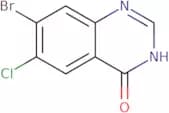
CAS :<p>Please enquire for more information about 2-[Methyl[(tridecafluorohexyl)sulphonyl]amino]ethyl acrylate including the price, delivery time and more detailed product information at the technical inquiry form on this page</p>Formule :C12H10F13NO4SDegré de pureté :80%MinCouleur et forme :PowderMasse moléculaire :511.26 g/mol7-Bromo-6-chloro-4(1H)-quinazolinone
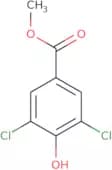
CAS :<p>7-Bromo-6-chloro-4(1H)-quinazolinone is a synthetic compound that is used as an intermediate in the synthesis of ethylene diamine. This substance has been shown to exhibit cytotoxicity against bladder cancer cells and tenella, as well as antiproliferative effects on human epidermal growth factor receptor (EGFR) and epidermal growth factor (EGF). 7-Bromo-6-chloro-4(1H)-quinazolinone can be synthesized in an efficient manner using butanol as a solvent. The compound has been found to exhibit cytotoxicity against tumor cells in the intestine.</p>Formule :C8H4BrClN2ODegré de pureté :Min. 95%Couleur et forme :White To Yellow SolidMasse moléculaire :259.49 g/molMethyl 3,5-dichloro-4-hydroxybenzoate
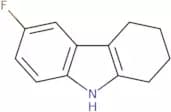
CAS :<p>Methyl 3,5-dichloro-4-hydroxybenzoate is an activated form of the drug carbamazepine. The methyl group is added to the benzoic acid in the drug to make it more soluble and increase its effectiveness in the body. Activated carbamazepine has been shown to be effective against some bacteria such as Etoac extract, Clostridium perfringens and Mycobacterium tuberculosis. It has also been used in wastewater treatment and can be used in photochemical oxidation of wastewater containing organic matter. Methyl 3,5-dichloro-4-hydroxybenzoate is also an electron donor for photocatalytic activity.</p>Formule :C8H6Cl2O3Degré de pureté :Min. 95%Couleur et forme :PowderMasse moléculaire :221.04 g/mol6-Fluoro-2,3,4,9-tetrahydro-1H-carbazole
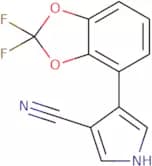
CAS :<p>Please enquire for more information about 6-Fluoro-2,3,4,9-tetrahydro-1H-carbazole including the price, delivery time and more detailed product information at the technical inquiry form on this page</p>Formule :C12H12FNDegré de pureté :Min. 95%Couleur et forme :PowderMasse moléculaire :189.23 g/mol4-(2,2-Difluoro-1,3-benzodioxol-4-yl)-1H-pyrrole-3-carbonitrile
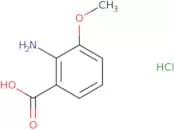
CAS :<p>4-(2,2-Difluoro-1,3-benzodioxol-4-yl)-1H-pyrrole-3-carbonitrile is a fungicide that inhibits the growth of fungi. It has been shown to be effective against postharvest fungal infections and synergizes with zirconium oxide. 4-(2,2-Difluoro-1,3-benzodioxol-4-yl)-1H-pyrrole-3-carbonitrile binds to copper ions and prevents ATP binding to ATP binding cassette transporter protein (ABC) transporters in fungi cells. This leads to apoptosis of these cells by inhibiting the mitochondrial electron transport chain.</p>Formule :C12H6F2N2O2Degré de pureté :Min. 98 Area-%Couleur et forme :PowderMasse moléculaire :248.19 g/mol3-Methoxyanthranilic acid hydrochloride
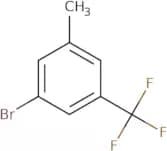
CAS :<p>3-Methoxyanthranilic acid hydrochloride is a synthetic, monosubstituted, hydrochloric acid salt of 3-methoxyanthranilic acid and the hydrochloride. It is a colorless crystalline solid that melts at 166 degrees Celsius. 3-Methoxyanthranilic acid hydrochloride is used as an intermediate in the synthesis of caprolactam, which is then used to produce polyamide fibers. The melting point of 3-Methoxyanthranilic acid hydrochloride can be used to identify other compounds with similar structures. This compound has been shown to have antihistamine effects and may be useful for treating allergies or asthma.</p>Formule :C8H9NO3•HClDegré de pureté :Min. 95%Couleur et forme :PowderMasse moléculaire :203.62 g/mol3-Bromo-5-(trifluoromethyl)toluene
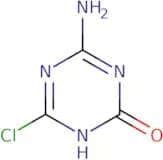
CAS :<p>3-Bromo-5-(trifluoromethyl)toluene is a hydrolase enzyme that can hydrolyze the ester bonds in 3-bromo-5-(trifluoromethyl)toluene and other compounds. The enzyme has been shown to be active against gram-negative bacteria, including Klebsiella pneumoniae. It is not active against gram-positive bacteria such as Staphylococcus aureus or Streptococcus pneumoniae. This enzyme is classified as an antibiotic resistance framework because it can modify certain antibiotics, such as piperazine and analogs, by converting them into ligands for the active site of the enzyme. 3BFT also has biosynthesis activity in which it converts pyrophosphate to ATP and PPi.</p>Formule :C8H6BrF3Degré de pureté :Min. 95%Couleur et forme :Clear LiquidMasse moléculaire :239.03 g/mol2-Amino-4-hydroxy-6-chloro-s-triazine
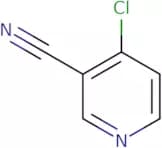
CAS :<p>2-Amino-4-hydroxy-6-chloro-s-triazine is a type strain of a chemical compound with clinical pharmacology. It is an active substance that can be used to treat cancer. 2-Amino-4-hydroxy-6-chloro-s-triazine has been shown to inhibit the growth of prostate cancer cells and phosphatase in hematopoietic cells. This drug also inhibits kinase receptor, which leads to the inhibition of protein synthesis and cell division. The reaction mechanism for 2-amino 4 hydroxy 6 chloros triazine is nucleophilic substitution.</p>Formule :C3H3ClN4ODegré de pureté :Min. 95%Couleur et forme :White PowderMasse moléculaire :146.53 g/mol4-Chloronicotinonitrile
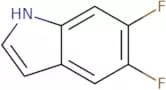
CAS :<p>4-Chloronicotinonitrile is a 4-cyanopyridine compound that is used in the palladium-catalyzed cross-coupling reaction to produce aryl chlorides. The reaction mechanism involves the formation of an organopalladium species through a palladium-catalyzed cross-coupling reaction and subsequent nucleophilic attack by an electrophile, resulting in the formation of an intermediate organopalladium species. The chlorine atom on 4-chloronicotinonitrile can be substituted with other reactive groups such as bromine, iodine, or sulfur. This substitution can lead to isomerization of the product and may affect yields. 4-Chloronicotinonitrile has been shown to cause severe skin burns when exposed to radiation.</p>Formule :C6H3ClN2Degré de pureté :Min. 95%Couleur et forme :PowderMasse moléculaire :138.55 g/mol5,6-Difluoroindole
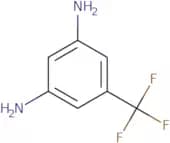
CAS :<p>5,6-Difluoroindole is a chemical compound that has been studied in biological and chemical research. It is an analog of the neurotransmitter serotonin, which binds to the 5-HT2C receptor and activates phospholipase C (PLC) to produce inositol triphosphate (IP3). This compound may be useful for the treatment of neurodegenerative diseases such as Alzheimer's disease. 5,6-Difluoroindole has been shown to block the activity of acetylcholinesterase (AChE), which is an enzyme that breaks down acetylcholine. This leads to an increase in acetylcholine levels and a decrease in AChE activity. The reaction mechanism for this process is not known.</p>Formule :C8H5NF2Couleur et forme :PowderMasse moléculaire :153.13 g/mol5-(Trifluoromethyl)benzene-1,3-diamine
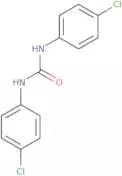
CAS :<p>5-(Trifluoromethyl)benzene-1,3-diamine is a chemical compound that is used in the synthesis of coatings and magnetic resonance imaging contrast agents. It can be used as a crosslinker for polymers, such as amides, in order to improve their hardness and strength. The synthesis of 5-(trifluoromethyl)benzene-1,3-diamine is done by reacting hydrogen chloride with magnesium oxide in an organic solvent. The product can then be reacted with other compounds to produce different products. One such compound is benzotrifluoride, which can be used to synthesize fluorinated coatings and monomers. The final product can also be reacted with sodium formate to produce a constant.</p>Formule :C7H7F3N2Degré de pureté :Min. 98 Area-%Couleur et forme :PowderMasse moléculaire :176.14 g/mol1,3-Bis(4-chlorophenyl)urea
CAS :<p>Triclocarban is a chlorinated aromatic compound that is widely used as a biocide in wastewater treatment. Triclocarban can be found in water, soil, and human and animal wastes. The analytical method for triclocarban is based on the reaction of the analyte with 1,3-bis(4-chlorophenyl)urea to form a red product that can be measured spectrophotometrically at 630 nm. Triclosan is another chlorinated aromatic compound that may contaminate water sources due to its use as an antimicrobial agent and deodorant. Triclosan has also been shown to have mutagenic properties. It has been shown to inhibit microbial growth by binding to nucleophilic sites on enzymes in the cell membrane or by forming stable complexes with metal ions necessary for cellular metabolism.</p>Formule :C13H10Cl2N2ODegré de pureté :Min. 98 Area-%Couleur et forme :White Off-White PowderMasse moléculaire :281.14 g/mol

![3,6-Dibromothieno[3,2-b]thiophene](/_next/image/?url=https%3A%2Fstatic.cymitquimica.com%2Fproducts%2F3D%2Fthumb-webp%2FFD62226.webp&w=3840&q=75)
![3-[[(2S,4S)-4-[4-(3-Methyl-1-phenyl-1H-pyrazol-5-yl)-1-piperazinyl]-2-pyrrolidinyl]carbonyl]-thiaz…](/_next/image/?url=https%3A%2Fstatic.cymitquimica.com%2Fproducts%2F3D%2Fthumb-webp%2FFM61598.webp&w=3840&q=75)

![N-[4-[[(1-Methylethyl)amino]acetyl]phenyl]-methanesulfonamide monohydrochloride](/_next/image/?url=https%3A%2Fstatic.cymitquimica.com%2Fproducts%2F3D%2Fthumb-webp%2FFI150565.webp&w=3840&q=75)


![(2-Chlorophenyl)-N-[4-(trifluoromethyl)phenyl]carboxamide](/_next/image/?url=https%3A%2Fstatic.cymitquimica.com%2Fproducts%2F3D%2Fthumb-webp%2FFC145671.webp&w=3840&q=75)
![[3-Chloro-4-(4-isobutyrylpiperazin-1-yl)phenyl]amine](/_next/image/?url=https%3A%2Fstatic.cymitquimica.com%2Fproducts%2F3D%2Fthumb-webp%2FFC134207.webp&w=3840&q=75)



![N-[5-(Phenylamino)-2,4-pentadienylidene]aniline monohydrochloride](/_next/image/?url=https%3A%2Fstatic.cymitquimica.com%2Fproducts%2F3D%2Fthumb-webp%2FFP29019.webp&w=3840&q=75)

![4-(2- fluorophenyl)-6,8-dihydro-1,3,8-trimethyl-Pyrazolo[3,4-e][1,4]diazepin-7(1H)-one mixt. with …](/_next/image/?url=https%3A%2Fstatic.cymitquimica.com%2Fproducts%2F3D%2Fthumb-webp%2FFF104101.webp&w=3840&q=75)

![2-[Methyl[(tridecafluorohexyl)sulphonyl]amino]ethyl acrylate](/_next/image/?url=https%3A%2Fstatic.cymitquimica.com%2Fproducts%2F3D%2Fthumb-webp%2FFM96258.webp&w=3840&q=75)