Halogénures organiques
Dans cette catégorie, vous trouverez des molécules organiques contenant un ou plusieurs atomes d'halogène dans leur structure. Ces halogénures organiques incluent des composés bromés, iodés, chlorés et des halogénures cycliques. Les halogénures organiques sont largement utilisés en synthèse organique, en pharmaceutique, en agrochimie et en science des matériaux en raison de leur réactivité et de leur capacité à subir une variété de transformations chimiques. Chez CymitQuimica, nous offrons une sélection complète d'halogénures organiques de haute qualité pour soutenir vos applications de recherche et industrielles, garantissant une performance fiable et efficace dans vos projets synthétiques et analytiques.
Sous-catégories appartenant à la catégorie "Halogénures organiques"
20437 produits trouvés pour "Halogénures organiques"
Trier par
Degré de pureté (%)
0
100
|
0
|
50
|
90
|
95
|
100
1,3,6,8-Tetrabromocarbazole
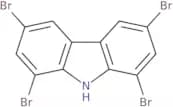
CAS :<p>1,3,6,8-Tetrabromocarbazole is a brominated aromatic hydrocarbon that absorbs light in the ultraviolet region of the electromagnetic spectrum. It has been detected in marine sediments and soils near sites where it was used as an additive for polymers or paints. In recent years, 1,3,6,8-tetrabromocarbazole has also been found in human serum samples collected from people living near these sites. The uptake of this compound by humans may be due to its ability to cross the skin barrier and its high lipophilicity. This compound is not volatile and has a low vapor pressure. It is soluble in water but insoluble in acetone or ethanol. 1,3,6,8-Tetrabromocarbazole can be easily synthesized by coupling two molecules of benzene with one molecule of tetrabromoethane using a cross-coupling reaction. The optical properties</p>Formule :C12H5Br4NDegré de pureté :Min. 95 Area-%Masse moléculaire :482.79 g/mol2-Bromo-4,5-dimethoxyphenylacetic acid
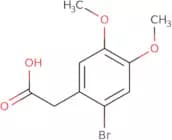
CAS :<p>2-Bromo-4,5-dimethoxyphenylacetic acid is a synthetic compound that has been shown to be effective in the treatment of cancer. It acts by inhibiting the growth and proliferation of cancer cells. 2-Bromo-4,5-dimethoxyphenylacetic acid inhibits cancer cell division by amide formation with DNA, leading to DNA strand breakage. This drug also prevents the growth and proliferation of cancer cells by preventing their division. 2-Bromo-4,5-dimethoxyphenylacetic acid is used as a precursor for other anti-cancer agents that are synthesized from it and have increased potency.</p>Formule :C10H11BrO4Degré de pureté :Min. 95%Couleur et forme :PowderMasse moléculaire :275.1 g/mol3-Fluoro-4-hydroxybenzoic acid ethyl ester
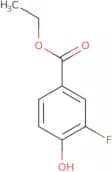
CAS :<p>3-Fluoro-4-hydroxybenzoic acid ethyl ester is a versatile building block that is used as a reagent in organic synthesis. It has the CAS number 56355-21-6. This compound has been shown to be useful for the synthesis of various pharmaceuticals and other complex compounds, such as 3-fluoro-4-(2,2,2-trifluoroethoxy)benzoic acid ethyl ester.</p>Formule :C9H9FO3Degré de pureté :Min. 95%Couleur et forme :PowderMasse moléculaire :184.16 g/mol1-Fluoro-2,4,6-trimethylpyridinium tetrafluoroborate
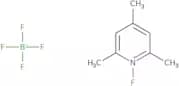
CAS :<p>1-Fluoro-2,4,6-trimethylpyridinium tetrafluoroborate is a reactive compound that is used in the synthesis of organic compounds. It can be used as a precursor to introduce fluorine into organic molecules. This reagent may also be used in reductive eliminations and dehydrogenative coupling reactions. 1-Fluoro-2,4,6-trimethylpyridinium tetrafluoroborate is thermodynamically stable and can be stored at room temperature for long periods of time.</p>Formule :C8H11BF5NDegré de pureté :Min. 98 Area-%Couleur et forme :PowderMasse moléculaire :226.98 g/mol4,5-dichloro-1-prop-2-ynylimidazole
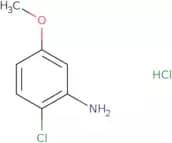
CAS :<p>Please enquire for more information about 4,5-dichloro-1-prop-2-ynylimidazole including the price, delivery time and more detailed product information at the technical inquiry form on this page</p>Degré de pureté :Min. 95%2-Chloro-5-methoxyaniline hydrochloride
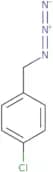
CAS :<p>2-Chloro-5-methoxyaniline hydrochloride is an intercalating agent that is used in the treatment of cancer. It binds to DNA and causes a breakage of the hydrogen bonds between the two strands, which leads to cell death. The 2-Chloro-5-methoxyaniline hydrochloride molecule has affinity for lactams, which are sugar molecules found in cell walls of bacteria, fungi, and plants. This compound can be metabolized by lactamase enzymes that are found in cancer cells and other cells. The metabolized products are fluorescent, which allows them to be detected by fluorescence microscopy. 2-Chloro-5-methoxyaniline hydrochloride has been shown to inhibit the growth of lung cancer cells and leukemia cells by interfering with their ability to synthesize DNA and RNA.</p>Formule :C7H8ClNO•HClDegré de pureté :Min. 95%Couleur et forme :PowderMasse moléculaire :194.06 g/mol1-(Azidomethyl)-4-chlorobenzene ~ 0.5 M solution in dichloromethane
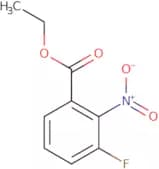
CAS :<p>1-(Azidomethyl)-4-chlorobenzene is a chemical compound that is used in organic synthesis. It is a colorless liquid with a strong smell. It inhibits the growth of fungi by inhibiting the sclerotinia phosphatase, which catalyzes the conversion of propiolic acid to p-hydroxybenzoic acid. This mechanism may also be responsible for its properties as an antifungal agent. 1-(Azidomethyl)-4-chlorobenzene has shown no inhibitory effects on mammalian phosphatases and does not show any adverse reactions when tested against animal cells.</p>Formule :C7H6ClN3Degré de pureté :Min. 95%Couleur et forme :Clear LiquidMasse moléculaire :167.6 g/mol3-Fluoro-2-nitrobenzoic acid ethyl ester
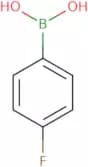
CAS :<p>3-Fluoro-2-nitrobenzoic acid ethyl ester is a fine chemical that is useful as a versatile building block in the synthesis of complex compounds. It can be used as an intermediate in the preparation of research chemicals and has been shown to react with amines to form nitrosoamines, which are useful reaction components. 3-Fluoro-2-nitrobenzoic acid ethyl ester has CAS number 163077-89-2 and is available at high quality.</p>Formule :C9H8FNO4Degré de pureté :Min. 95%Couleur et forme :PowderMasse moléculaire :213.16 g/mol4-Fluorophenylboronic acid
CAS :<p>4-Fluorophenylboronic acid is a boron compound that has been used in molecular modeling and functional assays. It has been shown to be a strong ligand for palladium complexes and can be used to synthesize metal complexes. 4-Fluorophenylboronic acid has also been shown to bind to the CB2 receptor with high affinity and selectivity, making it a potential drug for the treatment of pain. This compound can be synthesized by many different methods, but one of the most common is the synthesis from phenylacetic acid and boron trifluoride gas. The other methods include direct reaction with phenylboronic acid, or by heating anhydrous copper chloride in anhydrous hydrochloric acid with boric acid at high temperatures. Magnetic resonance spectroscopy (MRS) has also been used to study its properties. Canagliflozin is an example of a drug that contains this chemical group as</p>Formule :C6H6BFO2Degré de pureté :Min. 95%Couleur et forme :White PowderMasse moléculaire :139.92 g/mol2-Chloro-6-(trichloromethyl)pyridine
CAS :<p>2-Chloro-6-(trichloromethyl)pyridine (2CTCP) is an inorganic acid that is used as a synthetic reagent in the synthesis of pharmaceuticals, such as antihistamines, vasodilators and antipsychotics. 2CTCP inhibits the process of nitrification by competing with nitrite for the enzyme nitrate reductase. It also inhibits plant metabolism by inhibiting nitrogen fixation and hydrogen production. 2CTCP is not toxic to humans or animals under normal conditions; however, it may be hazardous if inhaled or ingested. 2CTCP can be synthesized by reacting sodium carbonate with chloroacetyl chloride followed by hydrolysis of the resulting intermediate. The analytical method for 2CTCP involves gas chromatography with electron capture detection (GC-ECD). The compound can also be analyzed using high performance liquid chromatography (HPLC).</p>Formule :C6H3Cl4NDegré de pureté :Min. 95%Masse moléculaire :230.91 g/molN,N'-Bis(2,2,6,6-tetramethylpiperidin-4-yl)hexane-1,6-diamine,2,4,6-trichloro-1,3,5-triazine,2,4,4-trimethylpentan-2-amine
CAS :<p>Bis(2,2,6,6-tetramethylpiperidin-4-yl)hexane-1,6-diamine is a nonionic hydroxyl compound and an additive in polyolefins. It is used as a polymerization initiator or accelerator for the preparation of polyolefin plastics. Bis(2,2,6,6-tetramethylpiperidin-4-yl)hexane-1,6-diamine can be used to prepare polymers by polymerization with olefins such as ethylene and propylene. The chemical stability of this compound makes it suitable for use in sample preparation before analysis by mass spectrometry. Bis(2,2,6,6-tetramethylpiperidin-4-yl)hexane-1,6-diamine is reactive with radiation and fatty acids and has been shown to have stabilizing properties for plasma mass</p>Formule :C35H69Cl3N8Degré de pureté :Min. 95%Couleur et forme :PowderMasse moléculaire :708.33 g/mol4-Desmethoxy-4-chloro omeprazole sulfide
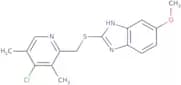
CAS :<p>4-Desmethoxy-4-chloro omeprazole sulfide is a versatile building block in the synthesis of new chemical compounds. The compound can be used as a reagent, speciality chemical, or reaction component and is suitable for use in research or as a building block. 4-Desmethoxy-4-chloro omeprazole sulfide is a valuable intermediate that can be used in the synthesis of many useful scaffolds. CAS No. 220757-74-4</p>Formule :C16H16ClN3OSDegré de pureté :Min. 95%Couleur et forme :Off-white to light pink to pink solid.Masse moléculaire :333.84 g/mol6-Epidoxycycline hydrochloride
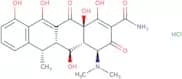
CAS :<p>6-Epidoxycycline hydrochloride is a synthetic antibiotic that is prepared by the condensation of divinylbenzene and 6-aminopenicillanic acid. It has been found to have good antibacterial activity against Gram-positive bacteria. 6-Epidoxycycline hydrochloride has also been shown to be active against Gram-negative bacteria, but not as potent as other antibiotics in this class. The compound has been found to be stable in plasma and urine samples, but can react with acetonitrile. This reaction can lead to impurities that interfere with the analysis of the sample by chromatography. The compound has not been well studied for its side effects or toxicology, but it is thought to have similar effects to other members of this class of antibiotics.</p>Formule :C22H24N2O8·HClDegré de pureté :Min. 90 Area-%Couleur et forme :White PowderMasse moléculaire :480.9 g/mol2-(2,4-dichlorophenoxy)-N-(6-methoxy(3-pyridyl))ethanamide
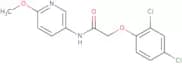
CAS :<p>Please enquire for more information about 2-(2,4-dichlorophenoxy)-N-(6-methoxy(3-pyridyl))ethanamide including the price, delivery time and more detailed product information at the technical inquiry form on this page</p>Degré de pureté :Min. 95%2-Chlorobenzoic acid
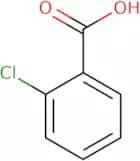
CAS :<p>Please enquire for more information about 2-Chlorobenzoic acid including the price, delivery time and more detailed product information at the technical inquiry form on this page</p>Formule :C7H5ClO2Degré de pureté :Min. 95%Couleur et forme :White PowderMasse moléculaire :156.57 g/mol2-Amino-N-[2-(5-methoxy-1H-indol-3-yl)ethyl]acetamide hydrochloride
CAS :<p>2-Amino-N-[2-(5-methoxy-1H-indol-3-yl)ethyl]acetamide hydrochloride is a magnetic compound that has been shown to be an effective cancer antigen. It is a derivative of the amino acid sequence of α,β-unsaturated fatty acids and can be used as a dietary supplement. 2-Amino-N-[2-(5-methoxy-1H-indol-3-yl)ethyl]acetamide hydrochloride has been shown to bind to fatty acid receptors on the surface of antigen presenting cells (APCs). It also activates the immune system by activating APCs, which leads to the production of cytokines and chemokines. This compound has also been shown to stimulate T cells in culture, leading to activation and proliferation of tumor cells.</p>Formule :C13H17N3O2·HClDegré de pureté :Min. 95%Couleur et forme :PowderMasse moléculaire :283.75 g/molEthyl 2,4-dichloroacetoacetate
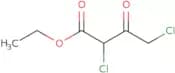
CAS :<p>Ethyl 2,4-dichloroacetoacetate is a reaction component that is used as a reagent in organic synthesis. It has been shown to be a useful scaffold for the preparation of complex compounds and fine chemicals. It can also be used as a useful intermediate or building block for the synthesis of other molecules.</p>Formule :C6H8Cl2O3Degré de pureté :Min. 95%Couleur et forme :Colorless Clear LiquidMasse moléculaire :199.03 g/mol1-(6-Chloropyridazin-3-yl)piperidin-4-ol
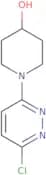
CAS :<p>1-(6-Chloropyridazin-3-yl)piperidin-4-ol (CPP) is an organic compound that is used as a corrosion inhibitor. It has been shown to be effective in the presence of hydrochloric acid and chloride ions in various media. The mechanism of CPP's anti-corrosion properties is due to its ability to form a protective film on metal surfaces, which can be attributed to its electron donating ability. This film prevents the occurrence of metal dissolution or metal oxidation, thereby preventing corrosion. CPP has been shown to inhibit the growth of bacteria by binding with DNA and RNA. It also inhibits protein synthesis through competitive inhibition of ribosomes.</p>Formule :C9H12ClN3ODegré de pureté :(%) Min. 85%Masse moléculaire :213.66 g/mol1,8-Bis(bromomethyl)naphthalene
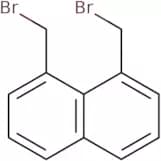
CAS :<p>1,8-Bis(bromomethyl)naphthalene is a naphthalene compound that has been shown to be a monoradical. It is synthesized by the replacement of two hydrogen atoms with bromine in the molecule. This reaction produces an alkylating agent and a molecule with a β-unsaturated aldehyde group. The compound has been studied using X-ray diffraction, where it has been found to have reactivity similar to other molecules with carbonyl groups. 1,8-Bis(bromomethyl)naphthalene has also been synthesized and studied by functional theory calculations. These calculations show that the bond lengths for this molecule are closer to those of benzene than those of naphthalene, which may account for its unusual reactivity.</p>Formule :C12H10Br2Degré de pureté :Min. 95%Couleur et forme :PowderMasse moléculaire :314.02 g/mol1,1-Dibromo-2,2-Difluoroethane
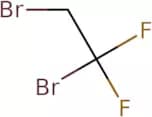
CAS :Produit contrôlé<p>1,1-Dibromo-2,2-difluoroethane is a chemical compound that is used as an inert gas. It has a boiling point of -37 degrees Celsius and can be seen in the infrared spectrum. The equilibrium constant for this substance is 7.4 x 10^10 and the quadratic vibrational constants are 0.0092 cm^-1.</p>Formule :C2H2Br2F2Degré de pureté :Min. 95%Masse moléculaire :223.84 g/molDichloro[(S,S)-ethylenebis(4,5,6,7-tetrahydro-1-indenyl)]titanium(IV)
CAS :<p>Dichloro[(S,S)-ethylenebis(4,5,6,7-tetrahydro-1-indenyl)]titanium(IV) is an organometallic compound that is a useful building block in the synthesis of fine chemicals. It can also be used as a reagent or intermediate in organic synthesis. Dichloro[(S,S)-ethylenebis(4,5,6,7-tetrahydro-1-indenyl)]titanium(IV) has a CAS number of 83462-46-8 and can be used to synthesize diverse structures. It is also versatile and can be used as a scaffold for organic molecules with varying functionality.</p>Formule :C20H24Cl2TiDegré de pureté :Min. 95%Couleur et forme :Red PowderMasse moléculaire :383.18 g/mol5-Bromo-3-methoxybenzyl alcohol
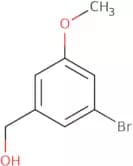
CAS :<p>5-Bromo-3-methoxybenzyl alcohol is a synthetic hydroxyphenyl compound that can be used as a coupling agent. It is prepared by the reaction of bromoacetaldehyde with 3-hydroxybenzyl alcohol in the presence of an amine base, such as pyridine. 5-Bromo-3-methoxybenzyl alcohol can also be used to synthesize pyridines and bromides.</p>Formule :C8H9BrO2Degré de pureté :Min. 95%Couleur et forme :PowderMasse moléculaire :217.06 g/molBuformin hydrochloride
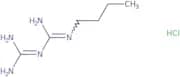
CAS :<p>Buformin hydrochloride is an oral hypoglycemic drug that belongs to the group of biguanides. It is used for the treatment of type 2 diabetes mellitus and has been shown to have a hypoglycemic effect in patients with breast cancer. The mechanism of action of buformin hydrochloride is not fully understood, but it may involve the regulation of mitochondrial membrane potential and transcription activators. Buformin hydrochloride has been shown to decrease the number of lymphocytes, which are responsible for immune responses. This drug also inhibits the growth of c. glabrata, an opportunistic fungal pathogen, by disrupting energy metabolism. Buformin hydrochloride is metabolized in humans and animals by glucuronidation or sulfation. In analytical studies, benzalkonium chloride (BAK) was used as a crystalline cellulose carrier to increase solubility and stability.</p>Formule :C6H16ClN5Degré de pureté :Min. 95%Couleur et forme :White PowderMasse moléculaire :193.68 g/molD-tert-Leucine methyl ester hydrochloride
CAS :<p>Ab-fubinaca is a synthetic cannabinoid that is a potent agonist of the CB2 receptor and a weak agonist at the CB1 receptor. It has been shown to be an effective analgesic in animal models of pain, similarly to other synthetic cannabinoids. Ab-fubinaca has also been shown to have anti-inflammatory effects in mice by inhibiting the production of cytokines such as tumor necrosis factor alpha (TNF-α) and interleukin 1 beta (IL-1β). Ab-fubinaca is structurally similar to D-tert-leucine methyl ester hydrochloride, which is an amino acid derivative that acts as a pharmacological chaperone.</p>Formule :C7H16ClNO2Degré de pureté :Min 96%Couleur et forme :White PowderMasse moléculaire :181.66 g/mol2-Bromo-2-nitroethanol
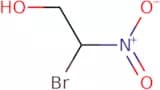
CAS :<p>2-Bromo-2-nitroethanol is a chemical reagent that has the hydroxyl group. It is a site specific biocide, which is used to kill bacteria. 2-Bromo-2-nitroethanol has bactericidal activity against gram negative and gram positive bacteria. It can be used as a preservative in food and pharmaceutical products. This chemical is also effective for killing bacteria in water and wastewater treatment plants. 2-Bromo-2-nitroethanol is applied to surfaces by spraying or dipping, or it can be added to water at concentrations of 0.5 ppm or higher. 2-Bromo-2-nitroethanol can also be used to treat textiles, paper, leather, and rubber products by dipping or spraying these materials with the chemical solution containing 2% concentration of 2-bromo-2 nitroethanol in an aqueous solution of sodium hydroxide (0.5</p>Formule :C2H4BrNO3Degré de pureté :Min. 95%Couleur et forme :Clear LiquidMasse moléculaire :169.96 g/mol5-Fluoro-2-nitrobenzonitrile
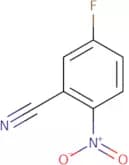
CAS :<p>5-Fluoro-2-nitrobenzonitrile is a synthetic compound that has been shown to inhibit the growth of tumor cells. It binds to nucleic acids and causes DNA damage, which leads to cell death. 5-Fluoro-2-nitrobenzonitrile inhibits the synthesis of proteins in cancer cells and also induces their apoptosis. The molecular modeling data indicates that this molecule has a hydrophobic pocket that can be used for targeting tumour cells. X-ray crystallography studies have confirmed that 5-fluoro-2-nitrobenzonitrile binds selectively to the minor groove of dna, suggesting its inhibitory potency against tumour cells.</p>Formule :C7H3FN2O2Degré de pureté :Min. 95%Couleur et forme :Off-White PowderMasse moléculaire :166.11 g/mol2-Chloro-2',5'-difluoroacetophenone - 90%
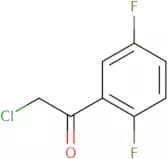
CAS :<p>2-Chloro-2',5'-difluoroacetophenone is a fine chemical, useful building block, and research chemical with CAS No. 60468-36-2. It is a versatile building block that can be used in reactions as a reagent or intermediate. 2-Chloro-2',5'-difluoroacetophenone has been used as a reactant in the synthesis of complex compounds and is also an excellent scaffold for organic synthesis. This compound is soluble in most common organic solvents and has high quality.</p>Formule :C8H5ClF2ODegré de pureté :Min. 95%Couleur et forme :SolidMasse moléculaire :190.57 g/molSodium Hexafluoroacetylacetonate
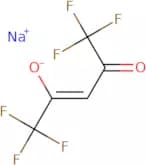
CAS :<p>Sodium hexafluoroacetylacetonate is a reactive chemical that can be used as a catalyst in organic synthesis. It is produced by the reaction of hexane and anhydrous hydrogen fluoride. The product has been shown to contain impurities and traces of non-polar solvents, such as chlorinated hydrocarbons and chloroform.</p>Formule :C5HF6NaO2Degré de pureté :Min. 95%Couleur et forme :PowderMasse moléculaire :230.04 g/mol4-Cyano-2-fluorobenzoic acid methyl ester
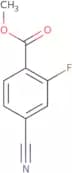
CAS :<p>4-Cyano-2-fluorobenzoic acid methyl ester is a versatile building block for complex compounds. It can be used as a reagent to synthesize other compounds and as a speciality chemical with high quality. This chemical is also an intermediate in the synthesis of other compounds, such as 4-cyano-2-fluorobenzoic acid ethyl ester, which has been shown to be useful in the synthesis of β-lactam antibiotics.</p>Formule :C9H6FNO2Degré de pureté :Min. 95%Couleur et forme :PowderMasse moléculaire :179.15 g/mol4-Chloro-2-(methylthio)pyrimidine-5-carbonitrile
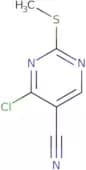
CAS :<p>4-Chloro-2-(methylthio)pyrimidine-5-carbonitrile (MTPC) is a cardiac drug that has been shown to be effective in preventing autoimmune myocarditis and heart transplant rejection. It inhibits the activity of protein kinase, which is an enzyme involved in the development of autoimmune diseases. MTPC was found to be selective for rat heart isozymes and does not inhibit other isozymes, such as those found in brain, kidney, or liver tissues. MTPC also has high selectivity for allografts over autoantigens.</p>Formule :C6H4ClN3SDegré de pureté :Min. 95%Couleur et forme :PowderMasse moléculaire :185.63 g/mol1,2-Dibromo-1,1-Difluoroethane
CAS :Produit contrôlé<p>1,2-Dibromo-1,1-difluoroethane is a hydrocarbon solvent that has proton and chlorine atoms. It is used as a section in organic chemistry to study the properties of fluorine and chlorine. 1,2-Dibromo-1,1-difluoroethane can be obtained by reacting hydrogen fluoride with an aliphatic hydrocarbon such as cyclohexane or chloromethane. This compound has liquid crystal composition and produces nmr spectra in the region of 50 ppm up to 400 ppm. 1,2-Dibromo-1,1-difluoroethane also decomposes into hydrogen chloride when heated to high temperatures.</p>Formule :C2H2Br2F2Degré de pureté :Min. 95%Masse moléculaire :223.84 g/mol2',4'-Dichloroacetophenone
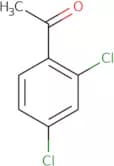
CAS :<p>2',4'-Dichloroacetophenone is a chemical intermediate used in the treatment of wastewater. It reacts with chloride ions to form 2,4-dichloro-5-chlorobenzene-1,3-diol (2,4-DCD) and dichloroacetic acid (DCAA). DCDA is an inhibitor of the synthesis of triazole antifungal agents. In addition to its use as an intermediate, 2',4'-Dichloroacetophenone has been shown to be an effective inhibitor of the enzyme carbonyl reductase and can also serve as a precursor for the synthesis of other chemicals. The reaction products are geometric isomers that differ only in their orientation about the double bond. This product's molecular weight is 188.27 g/mol and its melting point is 53 °C.</p>Formule :C8H6Cl2ODegré de pureté :Min. 95%Couleur et forme :PowderMasse moléculaire :189.04 g/mol2-Bromo-4-nitrotoluene
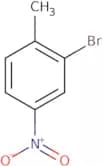
CAS :<p>2-Bromo-4-nitrotoluene (2BNT) is a mononitro substituted aromatic compound and a potent inhibitor of protein synthesis. It has been shown to have antimalarial activity, but it is not known to what extent the inhibition of protein synthesis contributes to its anti-malarial activity. 2-Bromo-4-nitrotoluene is also used in the preparation of imatinib, an anticancer drug that inhibits the growth of certain types of cancer cells. It can also be used as an inhibitor in vibrational spectroscopy.</p>Formule :C7H6BrNO2Degré de pureté :Min. 97.5%Couleur et forme :PowderMasse moléculaire :216.03 g/mol5(6)-Carboxyfluorescein diacetate N-succinimidyl ester
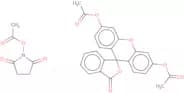
CAS :<p>5(6)-Carboxyfluorescein diacetate N-succinimidyl ester is a high quality chemical that is used as an intermediate in the synthesis of fluorescein, a complex compound. It is also useful as a reagent and building block in the synthesis of other compounds. 5(6)-Carboxyfluorescein diacetate N-succinimidyl ester is soluble in water and can be used to make fine chemicals, such as speciality chemicals and research chemicals. The chemical is also versatile and can be used as a reaction component for synthesizing other compounds.</p>Formule :C29H19NO11Degré de pureté :Min. 95%Couleur et forme :White PowderMasse moléculaire :557.46 g/mol1-(3-Chlorophenyl)-2-nitroethene
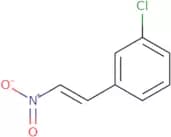
CAS :<p>1-(3-Chlorophenyl)-2-nitroethene is a reagent that is used as an intermediate in the production of fine chemicals, research chemicals, and speciality chemicals. It has been shown to provide a useful scaffold for the synthesis of complex compounds and is also a versatile building block that can be used in a variety of reactions. 1-(3-Chlorophenyl)-2-nitroethene is not intended for use as a drug or food additive.</p>Formule :C8H6ClNO2Degré de pureté :Min. 95%Couleur et forme :PowderMasse moléculaire :183.59 g/molChloro(triphenylphosphine)gold(I)
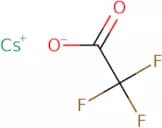
CAS :<p>Chloro(triphenylphosphine)gold(I) is a compound that binds to proteins with high affinity and specificity. The binding constants of the two compounds are 1x10 M-1. It has been shown to bind to β-amino acid and organic molecules in human serum, as well as in other biological fluids. Chloro(triphenylphosphine)gold(I) has been shown to have apoptotic properties and can be used for the treatment of cancer cells. It has also been shown to be useful for the treatment of Alzheimer's disease, Parkinson's disease, and Huntington's disease.</p>Formule :C18H15P•AuClDegré de pureté :Min. 98 Area-%Couleur et forme :White Off-White PowderMasse moléculaire :494.7 g/molCaesium trifluoroacetate
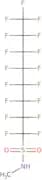
CAS :<p>Caesium trifluoroacetate is a polymerase chain reaction (PCR) reagent that is used to detect and quantify the presence of DNA or RNA. It can be used for the detection of DNA in water vapor, for the estimation of the number of bacteria in wastewater treatment, or to measure the amount of active drug in plasma samples. Caesium trifluoroacetate is a salt that consists of one molecule each of caesium trifluoroacetate and sodium trifluoroacetate. The ester hydrochloride form has an antiinflammatory effect, which may be due to its ability to inhibit prostaglandin synthesis.</p>Formule :C2CsF3O2Degré de pureté :ReportedMasse moléculaire :245.92 g/mol1,1,2,2,3,3,4,4,5,5,6,6,7,7,8,8,8-Heptadecafluoro-N-methyloctane-1-sulfonamide
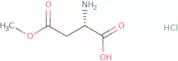
CAS :Produit contrôlé<p>1,1,2,2,3,3,4,4,5,5,6,6,7,7,8,8-heptadecafluoro-N-methyloctane-1-sulfonamide is a perfluorinated sulfonate that is used as a surfactant in wastewater treatment and to package food. This compound is not water soluble and requires an organic solvent to dissolve it. It has been shown that the use of 1HFAFMS can reduce the amount of phosphates in packaging materials by up to 50%. 1HFAFMS also has been found to be safe for humans and does not accumulate in the environment. It does not bioaccumulate and is rapidly excreted through urine.</p>Formule :C9H4F17NO2SDegré de pureté :Min. 95%Couleur et forme :PowderMasse moléculaire :513.17 g/molL-Aspartic acid b-methyl ester hydrochloride
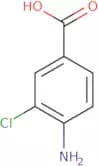
CAS :<p>L-Aspartic acid b-methyl ester hydrochloride is a high quality, versatile building block that can be used as a reaction component in the synthesis of complex compounds. L-Aspartic acid b-methyl ester hydrochloride is a useful scaffold for the preparation of novel fine chemicals and research chemicals with potential uses as pharmaceuticals, pesticides, and agricultural chemicals. It can also be used as an intermediate in the preparation of some natural products or industrial chemicals. L-Aspartic acid b-methyl ester hydrochloride has a CAS number of 16856-13-6.</p>Formule :C5H9NO4·HClCouleur et forme :White PowderMasse moléculaire :183.59 g/mol4-Amino-3-chlorobenzoic acid
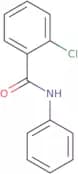
CAS :<p>4-Amino-3-chlorobenzoic acid is a white solid with a molecular weight of 170.1 g/mol, melting point of 158.5°C and boiling point of 267°C. It has the molecular formula C6H5ClNO2 and the IUPAC name 4-(aminomethyl)-3-chlorobenzoic acid. The chemical structure of this compound is shown in Figure 1.</p>Formule :C7H6ClNO2Degré de pureté :Min. 95%Couleur et forme :PowderMasse moléculaire :171.58 g/mol2-Chlorobenzanilide
CAS :<p>2-Chlorobenzanilide is a chlorine compound that has been used to inhibit the growth of soil microorganisms. It is also an inhibitor of phenanthridone, which is an important intermediate in the synthesis of many herbicides. 2-Chlorobenzanilide can be prepared by reacting phenylhydrazine with chloroacetanilide. It can also be prepared by treating benzene with phosphorus chloride and then adding aniline to the reaction product. The rate of this reaction depends on the concentration of reactants, temperature, and pH. If more water is added to the reaction mixture, there will be a lower rate of reaction because hydroxide ions will compete with chloride ions for reactant molecules. The kinetic equation for this reaction follows:</p>Formule :C13H10ClNODegré de pureté :Min. 95%Masse moléculaire :231.68 g/mol2,9-Dibromo-1,10-phenanthroline
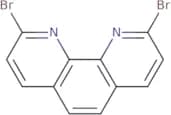
CAS :<p>2,9-Dibromo-1,10-phenanthroline is a molecule that has been shown to be an effective sensitizer for the photochemical conversion of chlorine dioxide to ozone. It has been used as a model compound in molecular orbital calculations and has been shown to enhance the yield of ozone by up to 3%. The emission spectrum of 2,9-dibromo-1,10-phenanthroline displays a peak at 362 nm, which lies in the ultraviolet region. The molecule is orthorhombic and crystallizes in space group P2/c with cell dimensions a = 17.8 Å and c = 18.7 Å.</p>Formule :C12H6Br2N2Degré de pureté :Min. 95%Couleur et forme :White PowderMasse moléculaire :338 g/mol3-Fluoro-DL-tyrosine
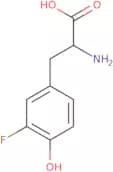
CAS :<p>3-Fluoro-DL-tyrosine is a model system for the study of tyrosine transfer reactions. It is used to study the reaction mechanism and kinetics of tyrosine transfer from a donor molecule to an acceptor molecule. 3-Fluoro-DL-tyrosine reacts with trifluoroacetic acid to form 3,4-dihydroxybenzoic acid, which is a chemical analog of tyrosine. The hydroxyl group on this molecule can react with the proton on the amino acid side chain, forming a covalent bond that does not break down under normal conditions. This reaction is reversible and has been shown to be catalyzed by polymerase chain reactions (PCR).</p>Formule :C9H10FNO3Degré de pureté :Min. 95%Couleur et forme :PowderMasse moléculaire :199.18 g/molIpratropium bromide monohydrate
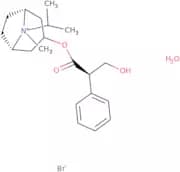
CAS :<p>Muscarinic antagonist</p>Formule :C20H32BrNO4Degré de pureté :Min. 95%Couleur et forme :White/Off-White SolidMasse moléculaire :430.38 g/mol3’-β-Amino-2’,3’-dideoxy-5-fluorouridine
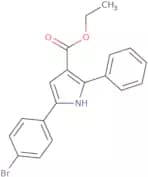
CAS :Please enquire for more information about 3’-beta-Amino-2’,3’-dideoxy-5-fluorouridine including the price, delivery time and more detailed product information at the technical inquiry form on this pageDegré de pureté :Min. 95%Ethyl 5-(4-bromophenyl)-2-phenylpyrrole-3-carboxylate
CAS :<p>Please enquire for more information about Ethyl 5-(4-bromophenyl)-2-phenylpyrrole-3-carboxylate including the price, delivery time and more detailed product information at the technical inquiry form on this page</p>Degré de pureté :Min. 95%Creatinine zinc chloride
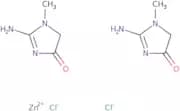
CAS :<p>Creatinine zinc chloride is a fine chemical that is useful as a scaffold for the synthesis of complex compounds. Creatinine zinc chloride has been used as an intermediate in the synthesis of research chemicals and as a reaction component in the production of speciality chemicals. It has also been used as a building block for the synthesis of high-quality reagents.</p>Formule :(C4H7N3O)2•ZnCl2Degré de pureté :Min. 95%Couleur et forme :PowderMasse moléculaire :362.52 g/mol2,4-Dichloro-3-nitrophenol
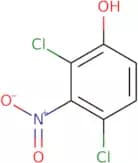
CAS :<p>2,4-Dichloro-3-nitrophenol is a synthetic chemical that is used as an intermediate in the synthesis of chloroamines. It is a derivative of phenol and has a chlorine atom on the 2 position. The alcohol group on the 4 position and the chlorine atom on the 3 position are both substituted with chlorine atoms. 2,4-Dichloro-3-nitrophenol has been shown to be effective for the synthesis of chloroamines resistant to nitro groups. This chemical has been shown to be resistant to amines and thus can be used for immobilization purposes. Furthermore, it can be used as an intermediate for chemists who work with organic chemistry due to its ability to undergo reactions with alcohols and phenols.</p>Formule :C6H3Cl2NO3Degré de pureté :Min. 95%Couleur et forme :White Clear LiquidMasse moléculaire :208 g/mol1,4'-Bipiperidine-1-carboxylic chloride hydrochloride
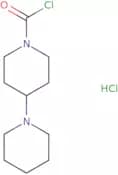
CAS :1,4'-Bipiperidine-1-carboxylic chloride hydrochloride is a phosphorus pentachloride derivative that is used as a binding agent in the synthesis of cyclic trialkylsilyl compounds. It has been shown to inhibit topoisomerase II and III and may be useful in cancer therapy. 1,4'-Bipiperidine-1-carboxylic chloride hydrochloride binds to the active site of topoisomerase II and inhibits DNA replication, leading to cell death. This compound can also be used as a solvent for acetonitrile and chloroform.Formule :C11H19ClN2O·HClDegré de pureté :Min. 95%Couleur et forme :PowderMasse moléculaire :267.19 g/molN-Propyl-1-ene-2,6-diethyl-4-phenylpyridinium tetrafluoroborate
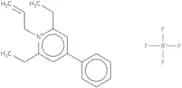
CAS :<p>N-Propyl-1-ene-2,6-diethyl-4-phenylpyridinium tetrafluoroborate (NPEEDPBF) is a fine chemical that has been used as a building block in research and industrial chemistry. The synthesis of NPEEDPBF typically involves the reaction of diethyl phenylpyridinium bromide with n propyl iodide. It can be used as a reagent for organic syntheses and as an intermediate for other compounds. NPEEDPBF is also a versatile building block for complex compounds.</p>Formule :C18H22N•BF4Degré de pureté :Min. 95%Masse moléculaire :339.18 g/mol5-Fluoro-2-nitrobenzotrifluoride
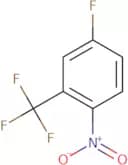
CAS :<p>5-Fluoro-2-nitrobenzotrifluoride is a triamine that stabilizes complex molecules. It has been used in the synthesis of fluorinated compounds and as a nucleophile in organic reactions. The amido group, which is present on 5-fluoro-2-nitrobenzotrifluoride, reacts with electrophilic carbon atoms to form new bonds. This type of reaction is known as an amido substitution. 5-Fluoro-2-nitrobenzotrifluoride is also able to react with sodium nitrate to form a nitro group, which can be used for the synthesis of nitro compounds. As a result, this chemical has been used as a waveguide material in the fabrication of microns and operational amplifiers.</p>Formule :C7H3F4NO2Degré de pureté :Min. 95%Couleur et forme :Clear LiquidMasse moléculaire :209.1 g/mol4-Methoxy-2,3,5-trifluorobenzoic acid
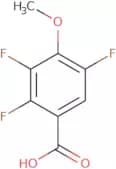
CAS :<p>4-Methoxy-2,3,5-trifluorobenzoic acid is a versatile building block that can be used in the synthesis of complex compounds. It is a high quality chemical that can be used as a reagent or speciality chemical in research. This compound has been shown to have many uses including as an intermediate for the synthesis of other chemicals and as a reaction component. 4-Methoxy-2,3,5-trifluorobenzoic acid can also be used as an important scaffold in the design of new drugs.</p>Formule :C8H5F3O3Degré de pureté :Min. 95%Couleur et forme :White PowderMasse moléculaire :206.12 g/mol5-Bromo-2,4-dimethoxypyrimidine
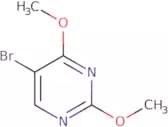
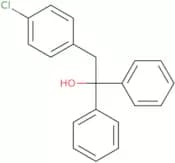
CAS :<p>5-Bromo-2,4-dimethoxypyrimidine is a compound that functions as a potent inhibitor of L-glutamic acid amidohydrolase. This enzyme is essential for the synthesis of gamma-amino butyric acid (GABA) and glutamine, which are neurotransmitters in the central nervous system. 5-Bromo-2,4-dimethoxypyrimidine inhibits the formylation of l-glutamic acid to glutamate by inhibiting the enzyme L-glutamate formate lyase. It also inhibits herpes simplex virus type 1 (HSV1) replication by preventing viral DNA polymerization. 5-Bromo-2,4-dimethoxypyrimidine has been shown to be an effective inhibitor of chloride ion transport in some bacteria. The compound also shows photochromism when exposed to ultraviolet light or visible light under certain conditions. 5BROMO 2, 4 -DIM</p>Formule :C6H7BrN2O2Degré de pureté :Min. 95%Couleur et forme :PowderMasse moléculaire :219.04 g/mol4-Chlorobenzyl diphenyl carbinol
CAS :<p>4-Chlorobenzyl diphenyl carbinol is an organic compound that is used as a reagent, intermediate, and building block in the synthesis of other compounds. The product is a white, crystalline solid and has a molecular weight of 243.3 g/mol. It can be used as a scaffold for the synthesis of new chemical compounds or as a building block to create speciality chemicals. 4-Chlorobenzyl diphenyl carbinol has been shown to react with a variety of functional groups and can be used in both research and industrial contexts.</p>Formule :C20H17ClODegré de pureté :Min. 95%Couleur et forme :PowderMasse moléculaire :308.8 g/mol(Trifluoromethyl)Mercuric Bromide
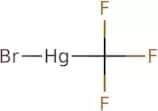
CAS :Produit contrôlé<p>Trifluoromethyl)Mercuric Bromide is a halogenated organometallic compound. It can be used as a reagent in organic synthesis and has magnetic resonance properties that are sensitive to the molecular structure and environment. Structural analysis of this molecule can be performed by measuring the reaction temperature, transfer rate, and molecular ion frequencies.</p>Formule :CBrF3HgDegré de pureté :Min. 95%Masse moléculaire :349.5 g/mol3,3'-Dimethoxybenzidine dihydrochloride
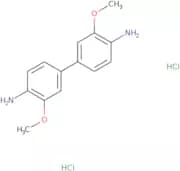
CAS :Produit contrôlé<p>3,3'-Dimethoxybenzidine dihydrochloride is a fluorogenic probe that has been shown to have activity index in the range of 0.1-0.5, which makes it suitable for use as a fluorescent dye in biological samples such as human serum or cerebrospinal fluid. 3,3'-Dimethoxybenzidine dihydrochloride can be used in histological studies for the detection of cell lysis and cardiac disease activity. It has also been shown to cause liver lesions when administered orally to rats.</p>Formule :C14H16N2O2•(HCl)2Degré de pureté :Min. 98 Area-%Couleur et forme :PowderMasse moléculaire :317.21 g/molAllylpentafluorobenzene
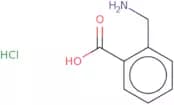
CAS :<p>Allylpentafluorobenzene is a monomer that can be used in coatings and polymers. It has a reactive functional group that reacts with phosphorus pentoxide to form a polymerization initiator. The polymerization initiator then reacts with other functional groups, such as 3-mercaptopropionic acid, to produce polymers. The diameter of these polymers is around 2 nm and they are hybridized. These polymers are able to absorb light efficiently, which makes them useful for energy efficiency applications. Allylpentafluorobenzene has been shown to react with iron oxides and phosphorus pentoxide in the presence of air to form an iron oxide-allylpentafluorobenzene complex. This complex is more stable than the original allylpentafluorobenzene, which decreases its reactivity with oxygen.</p>Formule :C9H5F5Degré de pureté :Min. 95%Couleur et forme :Clear LiquidMasse moléculaire :208.13 g/mol(3-Aminomethyl)benzoic acid hydrochloride
CAS :<p>(3-Aminomethyl)benzoic acid hydrochloride is a high-quality, versatile compound that can be used as a reagent or scaffold for the synthesis of complex compounds. It is a fine chemical that can be used as an intermediate in organic chemistry and has been shown to be useful in the synthesis of speciality chemicals. The CAS number for this chemical is 876-03-9. This chemical is also a versatile building block for reactions, and has been shown to be an excellent reaction component for research purposes.</p>Formule :C8H9NO2•HClDegré de pureté :Min. 95%Couleur et forme :PowderMasse moléculaire :187.62 g/mol6-Chloro-9-(tetrahydro-2H-pyran-2-yl)purine
CAS :<p>6-Chloro-9-(tetrahydro-2H-pyran-2-yl)purine is a nucleoside analog that is used to treat various types of cancer. It is a c–h bond regiospecific nucleophile that forms the 6-chloro 9-(tetrahydro-2H-pyran-2-yl)purine intermediate. The chloride ion acts as a nucleophile in the first step of this process, which results in the formation of an organocuprate and glyoxylate. 6CPP binds to DNA and inhibits RNA synthesis, leading to cell death by apoptosis or necrosis. This drug has been shown to be effective for treating human cell lines. 6CPP is also known for its antitumor effects, which may be due to its ability to inhibit phosphonates and cross-coupling reactions.</p>Formule :C10H11ClN4ODegré de pureté :Min. 95%Couleur et forme :SolidMasse moléculaire :238.67 g/molChlorophosphonazo III
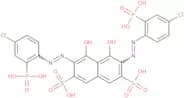
CAS :<p>Chlorophosphonazo III is a malonic acid derivative. It reacts with hydrochloric acid in the presence of an optical sensor to form a reaction solution that can be analyzed by plasma mass spectrometry. Chlorophosphonazo III has been used as a diagnostic agent and as a physiological activity indicator for damaged tissue, such as adhesions. This compound is also acidic, so it should not be stored in contact with human serum or other biological fluids because it will react with them.</p>Formule :C22H16Cl2N4O14P2S2Couleur et forme :PowderMasse moléculaire :757.36 g/mol(4-Bromophenyl)acetone
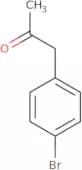
CAS :Produit contrôlé<p>4-Bromophenylacetone is a useful building block that is used in the synthesis of fine chemicals, research chemicals, and specialty chemicals. This compound can be used as a reagent or as a speciality chemical and has been shown to be highly reactive. 4-Bromophenylacetone is also a versatile building block with many possible reactions. It has also been shown to be an intermediate for the synthesis of pharmaceuticals and agrochemicals. CAS No. 6186-22-7</p>Formule :C9H9BrODegré de pureté :Min. 95%Couleur et forme :Clear LiquidMasse moléculaire :213.07 g/mol4-Chlorocinnamide
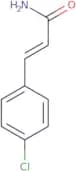
CAS :<p>4-Chlorocinnamide is an organochlorine compound that has been found to have antibacterial properties. It inhibits the shikimate pathway in bacteria, which is essential for bacterial growth. This molecule has been shown to bind with the cation channel of the nerve cells in the trigeminal nerve and inhibit their function. The inhibition of this channel leads to reduced sensitivity to pain. 4-Chlorocinnamide is also a precursor in the synthesis of stilbene derivatives, which are used as anticancer drugs.</p>Formule :C9H8ClNODegré de pureté :Min. 95%Couleur et forme :PowderMasse moléculaire :181.62 g/molIralukast Na
CAS :<p>Iralukast Na is a leukotriene receptor antagonist that prevents bronchoconstrictor response. It binds to the cystic fibrosis transmembrane conductance regulator (CFTR) and blocks the binding of leukotrienes, which are potent bronchoconstrictors. Iralukast Na also blocks the activity of inflammatory cells and reduces bowel inflammation. Iralukast Na has been shown to be effective in treating asthma, inflammatory bowel disease, and other autoimmune diseases.</p>Formule :C38H36F3NaO8SDegré de pureté :Min. 95%Masse moléculaire :732.198072-fluoro-5-methoxybenzaldehyde
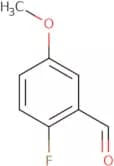
CAS :<p>2-fluoro-5-methoxybenzaldehyde is an asymmetric synthesis that has been shown to inhibit the growth of cancer cells by inhibiting a protein called MT2. 2-Fluoro-5-methoxybenzaldehyde is a nucleophilic compound and reacts with the electrophilic carbon in the enolate to form a sulfoxide, which can be hydrolyzed by acid. This reaction inhibits cancer cell growth as it prevents cellular metabolism and amino acid biosynthesis.</p>Formule :C8H7FO2Degré de pureté :Min. 95%Masse moléculaire :154.14 g/mol2,6-Dichloro-3-nitrobenzonitrile
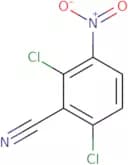
CAS :<p>2,6-Dichloro-3-nitrobenzonitrile is a chemical compound that has been synthesized by optimising the potentials of monoclonal antibodies. It has shown to have high affinity for rat brain membranes and is also able to bind to the target molecule with high affinity. 2,6-Dichloro-3-nitrobenzonitrile can be used as a pesticide and has been shown to have an affinity for the target molecule with high affinity. This chemical compound is trisubstituted and has three nitro groups, which are all located in the same position on the benzene ring. The structure of this chemical compound is optimized, meaning that it has been modified so that its physical properties are more desirable than its original form.</p>Formule :C7H2Cl2N2O2Degré de pureté :Min. 95%Couleur et forme :PowderMasse moléculaire :217.01 g/mol5-Bromovaleric acid methyl ester
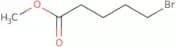
CAS :<p>5-Bromovaleric acid methyl ester is a molecule that can be used as a model system for population growth. It has been shown to activate the CB2 receptor in mice and stimulate the production of polyclonal antibodies. 5-Bromovaleric acid methyl ester may be a potential drug target for treating inflammatory conditions such as psoriasis, Crohn's disease, and ulcerative colitis. The compound has also been shown to inhibit cyclooxygenase enzymes in human platelets. 5-Bromovaleric acid methyl ester can also be used as an analytical tool for determining the concentration of conjugates in urine samples by gas chromatography.</p>Formule :C6H11BrO2Degré de pureté :Min. 95%Couleur et forme :Clear LiquidMasse moléculaire :195.05 g/mol5-(Benzyloxy)tryptamine hydrochloride
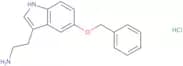
CAS :Produit contrôlé<p>5-(Benzyloxy)tryptamine hydrochloride (5-BOC-TRP) is a serotonin agonist that is used to study the effects of serotonin on various tissues. 5-BOC-TRP has been shown to increase extracellular Ca2+ concentrations in receptor cells, and it has also been shown to act as an agonist at synaptic and submandibular gland levels. It binds to specific receptors in the parotid, submandibular, and other salivary glands, where it induces a release of saliva. These effects were observed when 5-BOC-TRP was administered intravenously or intraperitoneally. The distribution of this drug within the salivary glands was determined by immunoreaction with antibodies against serotonin. The localization of 5-BOC-TRP was also confirmed by whole cell patch clamp recordings obtained from rat parotid cells perfused with 5-BOC-TRP.</p>Formule :C17H19ClN2ODegré de pureté :Min. 98.0 Area-%Couleur et forme :PowderMasse moléculaire :302.8 g/mol2-Chloro-5-methyl-1,4-benzoquinone
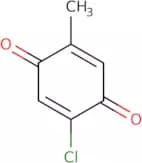
CAS :<p>2-Chloro-5-methyl-1,4-benzoquinone is a heterocyclic organic compound with the molecular formula CHClO. It is a crystalline solid that occurs in two forms, the alpha and beta forms. The alpha form consists of an asymmetric unit containing two fused rings, one with five carbon atoms and another with six. The beta form has a similar structure but the ring with six carbon atoms is replaced by a carbon atom substituted for sulfur. 2-Chloro-5-methyl-1,4-benzoquinone can be used as an emulsifying agent or to produce benzoquinone by oxidation of hydroquinone or by electrochemical reduction of methylene blue. This chemical also has been used as an electron acceptor in supramolecular chemistry studies.</p>Formule :C7H5ClO2Degré de pureté :Min. 95%Couleur et forme :PowderMasse moléculaire :156.57 g/mol1,1,1,2,2,3,3,4,4-Nonafluoro-7-Iodoheptane
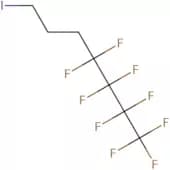
CAS :<p>1,1,1,2,2,3,3,4,4-Nonafluoro-7-Iodoheptane is a colorless crystalline compound with an industrial use as a dihydroxylation agent. It is synthesised by the addition of iodine to 1,1,2-trichloroethane and reacts with alkenes to give substituted octasubstituted hydrocarbons. The compound has shown nucleophilic properties and is used in the synthesis of pharmaceuticals. 1,1,1,2,2,3,3,4 4-Nonafluoro-7-iodoheptane is also a good transport agent for electronic properties and can spontaneously transport from one phase to another under certain conditions. This chemical has been shown to be stable at high temperatures and low pressure making it useful for surfactant applications.</p>Formule :C7H6F9IDegré de pureté :Min. 95%Couleur et forme :Colorless PowderMasse moléculaire :388.01 g/molN-α-[2,4-Dinitro-5-fluorophenyl]-L-valine amide
CAS :<p>N-alpha-[2,4-Dinitro-5-fluorophenyl]-L-valine amide is an acidic amino acid that is used as a reagent in organic synthesis. It has been shown to have amide and hydrogen bond properties. This compound has been shown to be involved in the biosynthesis of carboxylic acids and primary amino acids. It also absorbs UV light at 265 nm and can be used for determination of uv absorption using high performance liquid chromatography (HPLC).</p>Formule :C11H13N4O5FDegré de pureté :Min. 95%Couleur et forme :Yellow PowderMasse moléculaire :300.24 g/mol1-Bromo-3-isopropylbenzene
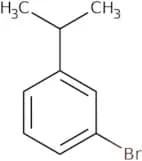
CAS :<p>1-Bromo-3-isopropylbenzene is a reactive chemical that is used to produce diazotization, which is the addition of nitrite ion or its salts to an amine. This reaction produces an unstable intermediate product called diazoaminobenzene, which reacts with water and forms nitrous acid. The production of 1-bromo-3-isopropylbenzene involves the use of a deuterium isotope, which has been shown to have different effects on the reactivity of the molecule. Deuterium substitution can lead to a termination reaction rather than the desired aromatisation, as well as other reactions that are not observed when using regular hydrogen. The presence of nitrite ions in the environment can lead to deaminate reactions in 1-bromo-3-isopropylbenzene, which leads to degradation by hydrolysis and biodegradation.</p>Formule :C9H11BrDegré de pureté :Min. 95%Couleur et forme :Clear LiquidMasse moléculaire :199.09 g/mol6-Bromo-2H-pyrido[3,2-b][1,4]oxazin-3(4H)-one
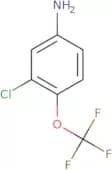
CAS :<p>6-Bromo-2H-pyrido[3,2-b][1,4]oxazin-3(4H)-one is a versatile building block that can be used in a variety of chemical reactions as an intermediate. It is also useful in the synthesis of a variety of compounds, such as pharmaceuticals and research chemicals. 6-Bromo-2H-pyrido[3,2-b][1,4]oxazin-3(4H)-one is an organic compound with a molecular formula of C8H5BrN4O. It has an mp of 152°C and decomposes to form nitrogen gas and carbon monoxide at higher temperatures.</p>Formule :C7H5BrN2O2Degré de pureté :Min. 95%Couleur et forme :SolidMasse moléculaire :229.03 g/mol3-Chloro-4-(trifluoromethoxy)aniline
CAS :<p>Please enquire for more information about 3-Chloro-4-(trifluoromethoxy)aniline including the price, delivery time and more detailed product information at the technical inquiry form on this page</p>Formule :C7H5ClF3NODegré de pureté :Min. 95%Couleur et forme :PowderMasse moléculaire :211.57 g/mol1,1,3,3-Tetrachloro-1,2,2-Trifluoropropane
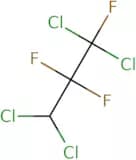
CAS :Produit contrôlé<p>1,1,3,3-Tetrachloro-1,2,2-Trifluoropropane (CFC-113) is a nonflammable and colorless gas. It is used as a solvent in the production of polyvinyl chloride and as a refrigerant. This compound has been shown to absorb water easily and can be transported by air. CFC-113 has also shown thermoelectric properties and has been used as a diode laser light source. The 1,1,3,3-Tetrachloro-1,2,2-Trifluoropropane molecule is planar with asymmetric C–F bond lengths of 1.401 Å and 1.269 Å.</p>Formule :C3HCl4F3Degré de pureté :Min. 95%Masse moléculaire :235.85 g/mol4-Bromobenzoic acid
CAS :<p>4-Bromobenzoic acid is a hydroxylated aromatic compound that is used in organic synthesis. It can be prepared by the reaction of hydrochloric acid with benzoic acid. 4-Bromobenzoic acid inhibits the enzyme diphenolase, which catalyzes the conversion of p-hydroxybenzoic acid to tiglic acid. This inhibition prevents the production of tyrosine, an amino acid that is essential for protein synthesis and cell division. 4-Bromobenzoic acid also inhibits the activity of an enzyme called etoac extract, which catalyzes a reaction between tyrosine and ethanolamine to form dopamine and acetaldehyde. The inhibition of this enzyme prevents the production of dopamine, another amino acid that is important for protein synthesis and cell division.</p>Formule :C7H5BrO2Degré de pureté :Min. 95%Couleur et forme :PowderMasse moléculaire :201.02 g/mol3-Amino-4-chlorobenzamide
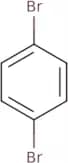
CAS :<p>3-Amino-4-chlorobenzamide is an organic compound that belongs to the class of aminobenzoic acids and is used as a coupling agent in organic synthesis. It reacts with aryl halides or halides to form 3-amino-4-chlorobenzonitrile, which can be converted into anilines by heating with ammonia and ammonium chloride. This reaction has been shown to be reversible with heat. 3-Amino-4-chlorobenzamide is also used as a water absorber in paper products, such as diapers and sanitary napkins.</p>Formule :C7H7ClN2ODegré de pureté :Min. 95%Couleur et forme :PowderMasse moléculaire :170.6 g/mol1,4-Dibromobenzene
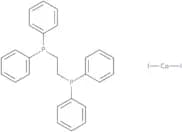
CAS :<p>1,4-Dibromobenzene is a chemical compound that belongs to the class of naphthalenes. It has been shown to be stable in the presence of light and water vapor. 1,4-Dibromobenzene is soluble in most organic solvents and can be synthesized by cationic polymerization or solid-phase synthesis. The ft-ir spectroscopy has shown significant interactions between 1,4-dibromobenzene and 4-tert-butylbenzoic acid. This chemical compound has been studied for its low energy emission of light and photoelectron properties. It has also been used for the Suzuki coupling reaction with low energy activation energies. The optical properties of this substance have not yet been studied, however it is anticipated that they will be similar to those of other naphthalenes.</p>Formule :C6H4Br2Degré de pureté :Min. 95%Couleur et forme :PowderMasse moléculaire :235.9 g/molDiiodo(bis(diphenylphosphino)ethane)cobalt(II)
CAS :<p>Diiodo(bis(diphenylphosphino)ethane)cobalt(II) is a chiral catalyst that is used in the synthesis of organic molecules. It can be used in reactions with halides and iodides, although it is not effective for reactions with alkynes or alkyl halides. It has been shown to be especially effective for reactions that involve zinc powder, such as cinnamyl aldehydes, acetonitrile, and ligands. Diiodo(bis(diphenylphosphino)ethane)cobalt(II) is reactive and stable at high temperatures and works well under argon conditions.</p>Formule :C26H24CoI2P2Degré de pureté :Min. 95%Couleur et forme :PowderMasse moléculaire :711.16 g/mol4-Fluoro-α-methylbenzylamine
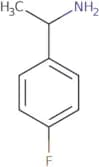
CAS :<p>4-Fluoro-a-methylbenzylamine is a chiral, protonated, and enthalpic compound. It can be synthesized by reacting anilines with 4-fluorobenzaldehyde in the presence of a base such as sodium ethoxide. The flavonoids from the plant Hedera helix have been shown to inhibit this enzyme. <br>4-Fluoro-a-methylbenzylamine has been found to be a potent inhibitor of imidazole amidohydrolase, an enzyme involved in the metabolism of histamine and other biologically active amines. This inhibition prevents the conversion of histamine to imidazole and therefore may help prevent allergic reactions such as asthma.</p>Formule :C8H10FNDegré de pureté :Min. 95%Masse moléculaire :139.17 g/mol3-Bromobenzamide
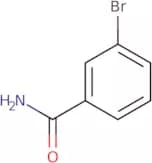
CAS :<p>3-Bromobenzamide is an amide compound, which is a functional group. It has a molecular weight of 273.3 g/mol and three amine groups. The 3-methoxybenzamide moiety in the molecule can be protonated, which provides the hydration of the molecule and increases its solubility in water. This molecule also has a dipole moment due to the presence of two amide groups.<br>The synthesis of 3-bromobenzamide starts with the reaction between 3-aminobenzoic acid and benzoyl chloride to form 3-benzoyloxybenzoic acid. This is then reacted with ammonia to form 3-aminobenzamide. Finally this is converted into 3-bromobenzamide by reacting it with bromine in the presence of potassium carbonate as a catalyst. <br>This molecule is used as an inhibitory compound for mammalian cell proliferation, specifically for cancer cells</p>Formule :C7H6BrNODegré de pureté :Min. 95%Couleur et forme :PowderMasse moléculaire :200.03 g/mol3-(2-((3-Bromophenyl)amino)ethyl)oxazolidin-2-one
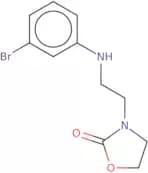
CAS :<p>Please enquire for more information about 3-(2-((3-Bromophenyl)amino)ethyl)oxazolidin-2-one including the price, delivery time and more detailed product information at the technical inquiry form on this page</p>Formule :C11H13BrN2O2Degré de pureté :Min. 95%Masse moléculaire :285.14 g/molTertiapin-Q trifluoroacetate salt
CAS :<p>A peptide found in honey bee venom; Potassium channel inhibitor</p>Formule :C106H175N35O24S4Degré de pureté :Min. 95%Masse moléculaire :2,452.01 g/mol(3-(2,6-dichlorophenyl)-5-methylisoxazol-4-yl)-N-(2-indol-3-ylethyl)formamide
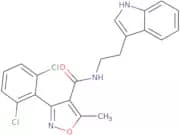
CAS :<p>Please enquire for more information about (3-(2,6-dichlorophenyl)-5-methylisoxazol-4-yl)-N-(2-indol-3-ylethyl)formamide including the price, delivery time and more detailed product information at the technical inquiry form on this page</p>Degré de pureté :Min. 95%Betazole dihydrochloride
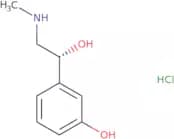
CAS :<p>Histamine H2 receptor agonist</p>Formule :C5H9N3·2HClDegré de pureté :Min. 95%Couleur et forme :White PowderMasse moléculaire :184.07 g/molPhenylephrine hydrochloride
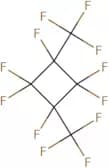
CAS :<p>(R)-Phenylephrine hydrochloride is a non selective alpha adrenergic agonist that can be used as a bronchodilator or vasopressor. Some research studies in rat liver microsomes has shown that (R)-phenylephrine can be converted to phenylephrine by alcohol dehydrogenase at a rate constant of around 1.8x10³ M-1s-1 at 37°C. The biological effects of this compound are due to its ability to cause relaxation of smooth muscle and increase blood pressure by stimulating alpha-adrenergic receptors in the body. This drug is also used in chromatography for control analysis and detection of adulteration with other compounds, such as norepinephrine, with the help of benzalkonium chloride.In ophthalmology, phenylephrine hydrochloride formulations are used for the treatment of eye disorders such as myopia, hypermetropia and astigmatism. It increases the outflow of aqueous humour from the eye by acting on alpha receptors in the ciliary body, and seems to be effective in controlling symptoms of allergic rhinitis and chronic urticaria.</p>Formule :C9H14NO2ClDegré de pureté :Min. 98 Area-%Couleur et forme :PowderMasse moléculaire :203.67 g/mol1,1,2,3,3,4-Hexafluoro-2,4-Bis(Trifluoromethyl)Cyclobutane
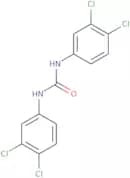
CAS :Produit contrôlé<p>1,1,2,3,3,4-Hexafluoro-2,4-Bis(trifluoromethyl)cyclobutane (HFCB) is a contaminant that is used in the production of polymers. HFCB is an example of a chiral molecule with two different structural isomers. It can be detected by gas chromatography and electron capture detection. HFCB has been shown to have analytical selectivity for substances such as 1-octene and ethylene glycol. The sensitivity of HFCB can be optimized using various experimental parameters including the type of detector used and the desorption temperature. This chemical has been studied extensively for its potential use in ion chemical analysis techniques such as ESI or APCI.</p>Formule :C6F12Degré de pureté :Min. 95%Masse moléculaire :300.05 g/mol3,3',4,4'-Tetrachlorocarbanilide
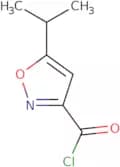
CAS :<p>3,3',4,4'-Tetrachlorocarbanilide (TCA) is an antimicrobial agent that is used in the wastewater treatment process. It is detectable by analytical methods such as chromatography and electrospray mass spectrometry. TCA has a broad spectrum of activity against bacteria, fungi, viruses and protozoa. It is also used as a biocide in deionized water systems where it can be effective against Gram-positive bacteria, Gram-negative bacteria, yeast and protozoa. TCA has been shown to inhibit the growth of triclosan-resistant bacteria found in wastewater samples. The impurities found in TCA are not known at this time.</p>Degré de pureté :Min. 95%5-Isopropylisoxazole-3-carbonyl chloride
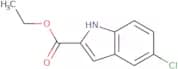
CAS :<p>5-Isopropylisoxazole-3-carbonyl chloride is a colorless to light yellow liquid that is soluble in organic solvents. It is used as a reagent, speciality chemical, or intermediate for the preparation of other chemicals. 5-Isopropylisoxazole-3-carbonyl chloride has been used in the synthesis of a variety of biologically active compounds, including pharmaceuticals and agrochemicals. This compound can be used as a building block for more complex molecules in both organic synthesis and biochemistry. 5-Isopropylisoxazole-3-carbonyl chloride has also been shown to have inhibitory effects on protein kinase C (PKC) and DNA topoisomerases I and II.</p>Formule :C7H8ClNO2Degré de pureté :Min. 95%Couleur et forme :PowderMasse moléculaire :173.6 g/molEthyl 5-chloroindole-2-carboxylate
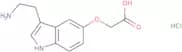
CAS :<p>Ethyl 5-chloroindole-2-carboxylate is a pro-apoptotic agent that has been shown to inhibit the replication of HIV. It inhibits the reverse transcriptase and DNA polymerases in the virus, which prevents it from being replicated. Ethyl 5-chloroindole-2-carboxylate also induces apoptosis by alkylating the cysteine residues on the host cell's proteins. This drug is not active against other viruses, such as herpes simplex virus type 1 (HSV1). It has been shown to be an analog for cannabidiol (CBD), which binds to cannabinoid receptors CB1 and CB2.</p>Formule :C11H10ClNO2Degré de pureté :Min. 95%Couleur et forme :PowderMasse moléculaire :223.66 g/mol5-Carboxymethoxytryptamine hydrochloride
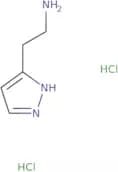
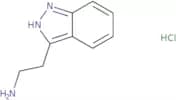
CAS :Produit contrôlé<p>5-Carboxymethoxytryptamine hydrochloride (5CMT) is a chemical compound that belongs to the group of useful building blocks. It is a versatile intermediate that can be used in the synthesis of many important compounds. 5CMT reacts with amines and alcohols to form amides and esters. It also reacts with carboxylic acids to form acid halides and anhydrides. 5CMT has been shown to be a useful scaffold in organic synthesis, as it can be converted into various derivatives. 5CMT is soluble in water, methanol, ethanol, acetone, and dichloromethane.</p>Formule :C12H14N2O3•HClDegré de pureté :Min. 95%Masse moléculaire :270.71 g/mol2-(1H-Indazol-3-yl)ethanamine hydrochloride
CAS :<p>2-(1H-Indazol-3-yl)ethanamine hydrochloride is a chemical building block that can be used as a reaction component, reagent or useful scaffold. It is also a versatile building block in organic synthesis and can be used to make fine chemicals, speciality chemicals and research compounds. 2-(1H-Indazol-3-yl)ethanamine hydrochloride has been shown to have high purity and is suitable for use in pharmaceuticals, agrochemicals, dyestuffs, flavors and fragrances.</p>Formule :C9H12ClN3Degré de pureté :Min. 95%Couleur et forme :PowderMasse moléculaire :197.66 g/mol4,5-Dihydro-2-(1-naphthylmethyl)-1H-imidazole hydrochloride
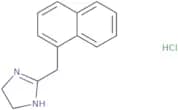
CAS :<p>4,5-Dihydro-2-(1-naphthylmethyl)-1H-imidazole hydrochloride is a fatty acid that functions as an adrenergic receptor agonist. It has been shown to be effective in the diagnosis of cutaneous squamous cell carcinoma. 4,5-Dihydro-2-(1-naphthylmethyl)-1H-imidazole hydrochloride has also shown to have anti-cancer effects in animal models of cancer. This drug binds to fatty acid esters and can be used as a crosslinking agent for polymers. 4,5-Dihydro-2-(1-naphthylmethyl)-1H-imidazole hydrochloride is available as a sodium citrate solution for injection.</p>Formule :C14H14N2·HClDegré de pureté :Min. 98 Area-%Couleur et forme :White PowderMasse moléculaire :246.74 g/mol5-Fluorosalicylic acid
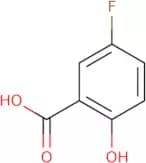
CAS :<p>5-Fluorosalicylic acid is a nonsteroidal anti-inflammatory drug that belongs to the group of 5-substituted salicylates. It has a strong affinity for human serum and can be used as an indicator in the determination of blood glucose. 5-Fluorosalicylic acid also binds to p-nitrophenyl phosphate with high affinity, which is involved in the regulation of cellular energy metabolism and plays a role in the production of ATP. The drug has been shown to form stable complexes with coumarin derivatives, which may have an effect on enzyme activities by modifying their conformational properties. 5-Fluorosalicylic acid has been shown to interact with other drugs, such as acetaminophen or ibuprofen, which may increase the risk of adverse effects.</p>Formule :C7H5FO3Degré de pureté :Min. 95%Couleur et forme :SolidMasse moléculaire :156.11 g/mol4-Bromo-3-methylpyrazole
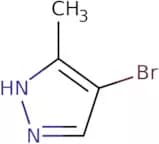
CAS :<p>4-Bromo-3-methylpyrazole is a 3-methylpyrazole that has been shown to have an inhibitory effect on the growth of plants. It is used as a predictive model for pyrazole compounds and has been shown to be an additive in crop plants. 4-Bromo-3-methylpyrazole can be activated by diazo compounds, such as nitrosamines, leading to a variety of chemical reactions. The descriptor for this compound is C6H4BrN2.</p>Formule :C4H5BrN2Couleur et forme :PowderMasse moléculaire :161 g/molBendamustine hydrochloride
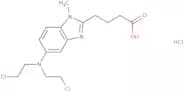
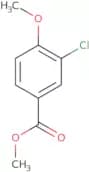
CAS :<p>DNA alkylator; purine analog</p>Formule :C16H22Cl3N3O2Degré de pureté :Min. 98 Area-%Couleur et forme :White PowderMasse moléculaire :394.72 g/mol3-Chloro-4-methoxybenzoic acid methyl ester
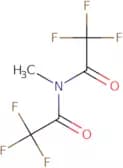
CAS :<p>3-Chloro-4-methoxybenzoic acid methyl ester is a potent antiproliferative agent that inhibits the growth of cancer cells and bacteria. It is an amide, which has been synthesized by equilibration between two equivalents of 3-chlorobenzoic acid and methylamine. The copulatory proton profile for this compound has been determined using liquid chromatography with mass spectrometry detection (LCMS). This compound is also a weak inhibitor of tyrosine kinases, but is more potent as an inhibitor of protein kinase C. Sorafenib and dasatinib are examples of compounds that have been shown to be linked to this drug. 3-Chloro-4-methoxybenzoic acid methyl ester can induce the production of TNF-α in thp-1 cells at micromolar concentrations.</p>Formule :C9H9ClO3Degré de pureté :Min. 95%Couleur et forme :PowderMasse moléculaire :200.62 g/molN-Methylbis(trifluoroacetamide)
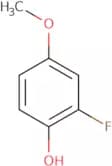
CAS :<p>N-Methylbis(trifluoroacetamide) is a molecule that is used in the preparation of an analytical method. This molecule reacts with human serum and urine to produce a reaction solution. The matrix effect can be seen in metabolic disorders, such as the case of creatine kinase which is not affected by the derivatization. N-Methylbis(trifluoroacetamide) is also used to prepare samples for solid phase microextraction with basic structures that are amines.</p>Formule :C5H3F6NO2Degré de pureté :Min. 95%Couleur et forme :Clear LiquidMasse moléculaire :223.07 g/mol2-Fluoro-4-methoxyphenol
CAS :<p>2-Fluoro-4-methoxyphenol is a white crystalline solid with a melting point of 100°C. It is soluble in water, ethanol and ether and insoluble in chloroform. The compound has been shown to be an intermediate for the synthesis of other organic compounds, such as 2-fluoro-4-(2,2,2-trifluoroethoxy)benzaldehyde, 2-fluoro-4-(3,3,3-trifluoropropoxy)benzaldehyde and 4-(2,2,2-trifluoroethoxy)-3'-nitroacetophenone. 2-Fluoro-4-methoxyphenol can also be used as a building block for speciality chemicals including research chemicals.</p>Formule :C7H7FO2Degré de pureté :Min. 95%Couleur et forme :Clear LiquidMasse moléculaire :142.13 g/mol5-Chloro-2-methoxyacetophenone
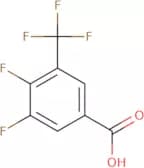
CAS :<p>5-Chloro-2-methoxyacetophenone is a byproduct of the synthesis of 2-hydroxybenzofuran. It is also used in the synthesis of tetracyclic benzopyrans, which are known to be potent analgesics and have been found to have anti-inflammatory properties. 5-Chloro-2-methoxyacetophenone can be obtained by decarbonylation (loss of carbon) or elimination reactions.</p>Formule :C9H9ClO2Degré de pureté :Min. 95%Couleur et forme :Clear LiquidMasse moléculaire :184.62 g/mol3,4-Difluoro-5-(trifluoromethyl)benzoic acid
CAS :<p>3,4-Difluoro-5-(trifluoromethyl)benzoic acid is a fine chemical that is used as a versatile building block for the synthesis of complex compounds. It is an intermediate product in the production of pharmaceuticals, such as 3,4-Difluoro-5-(trifluoromethyl)benzonitrile and 3,4-Difluoro-5-(trifluoromethyl)benzamide. This compound has been shown to be useful in the preparation of research chemicals and speciality chemicals.</p>Formule :C8H3F5O2Degré de pureté :Min. 95%Couleur et forme :White PowderMasse moléculaire :226.1 g/mol




![2-Amino-N-[2-(5-methoxy-1H-indol-3-yl)ethyl]acetamide hydrochloride](/_next/image/?url=https%3A%2Fstatic.cymitquimica.com%2Fproducts%2F3D%2Fthumb-webp%2FFA116384.webp&w=3840&q=75)

![Dichloro[(S,S)-ethylenebis(4,5,6,7-tetrahydro-1-indenyl)]titanium(IV)](/_next/image/?url=https%3A%2Fstatic.cymitquimica.com%2Fproducts%2F3D%2Fthumb-webp%2FFD165824.webp&w=3840&q=75)






![N-α-[2,4-Dinitro-5-fluorophenyl]-L-valine amide](/_next/image/?url=https%3A%2Fstatic.cymitquimica.com%2Fproducts%2F3D%2Fthumb-webp%2FFD48428.webp&w=3840&q=75)
![6-Bromo-2H-pyrido[3,2-b][1,4]oxazin-3(4H)-one](/_next/image/?url=https%3A%2Fstatic.cymitquimica.com%2Fproducts%2F3D%2Fthumb-webp%2FFB144104.webp&w=3840&q=75)