Halogénures organiques
Dans cette catégorie, vous trouverez des molécules organiques contenant un ou plusieurs atomes d'halogène dans leur structure. Ces halogénures organiques incluent des composés bromés, iodés, chlorés et des halogénures cycliques. Les halogénures organiques sont largement utilisés en synthèse organique, en pharmaceutique, en agrochimie et en science des matériaux en raison de leur réactivité et de leur capacité à subir une variété de transformations chimiques. Chez CymitQuimica, nous offrons une sélection complète d'halogénures organiques de haute qualité pour soutenir vos applications de recherche et industrielles, garantissant une performance fiable et efficace dans vos projets synthétiques et analytiques.
Sous-catégories appartenant à la catégorie "Halogénures organiques"
20440 produits trouvés pour "Halogénures organiques"
Trier par
Degré de pureté (%)
0
100
|
0
|
50
|
90
|
95
|
100
2-(2,3-Naphthalimino)ethyl trifluoromethanesulfonate
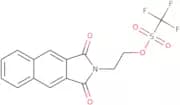
CAS :<p>2-(2,3-Naphthalimino)ethyl trifluoromethanesulfonate (2NTF) is a nonsteroidal anti-inflammatory drug that acts by inhibiting the enzyme cyclooxygenase. It is used as a sample preparation agent for epoxyeicosatrienoic acids (EETs). 2NTF is applied to a hydrophilic interaction chromatography column and then eluted with caproic acid, which selectively binds to the fatty acid component of EETs. The eluate can then be analyzed using a fluorescence detector and chromatographic methods. 2NTF has been shown to have no effect on carnitine levels in human serum.</p>Formule :C15H10F3NO5SDegré de pureté :Min. 97%Couleur et forme :White PowderMasse moléculaire :373.3 g/mol2,2'-Dibromodiphenylacetylene
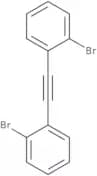
CAS :<p>2,2'-Dibromodiphenylacetylene (DBDP) is a biomolecular that belongs to the class of stilbene derivatives. It has been shown to have fluoro-transfer properties and can be used as a vapor transport or crystalline interaction. DBDP has been shown to produce diffraction with a shift angle of 8.6° in solution and yields of up to 98%. The steric effect was also observed when the molecule interacts with transfer and transistor molecules. DBDP has been shown to undergo an arylation reaction with phenanthridines, which are potent anti-inflammatory agents.</p>Formule :C14H8Br2Couleur et forme :PowderMasse moléculaire :336.02 g/mol2-Chloro-5-methylbenzoic acid
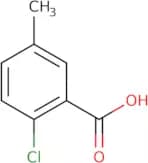
CAS :<p>2-Chloro-5-methylbenzoic acid is a carcinogenic substance that is used in the manufacturing of acridine dyes. It can be found in both solid and liquid forms and has an experimental solubility range of 0.01 to 1.0g/100ml at 25°C. 2-Chloro-5-methylbenzoic acid is soluble in water and has a solute activity coefficient of 1.2, which means it is fairly soluble in water. This chemical also exhibits high reactivity with other compounds that are dissolved in water. The chemical reacts with hydrogen sulfide to produce sulfur dioxide gas, ammonia, and hydrochloric acid, as well as with nitric oxide to produce nitrous oxide, nitrogen dioxide gas, and nitric acid.</p>Formule :C8H7ClO2Degré de pureté :Min. 95%Couleur et forme :PowderMasse moléculaire :170.59 g/mol16-Fluoroestradiol
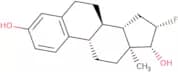
CAS :Produit contrôlé<p>16-Fluoroestradiol is a fluorinated form of estradiol that binds to the estrogen receptor. It has been shown to have high affinity for the receptor and is found in tissues such as breast, uterus, and vagina. 16-Fluoroestradiol has been used in cancer research to study uptake and metabolism of estrogens. The drug is metabolized by hydroxylation via cytochrome P450 enzymes and through the action of nucleophilic enzymes such as carboxylesterases. 16-Fluoroestradiol has also been shown to bind to muscle tissue, which may be due to its ability to inhibit uptake of glucose into cells.</p>Formule :C18H23FO2Degré de pureté :Min. 95%Masse moléculaire :290.37 g/molDiammonium N-ethylheptadecafluoro-N-[2-(phosphonatooxy)ethyl]octanesulfonamidate
CAS :Produit contrôléDiammonium N-ethylheptadecafluoro-N-[2-(phosphonatooxy)ethyl]octanesulfonamidate is a phosphonic acid that is used in the industrial process of water treatment. It has a high efficiency and low cost, which makes it an appropriate alternative to conventional chemical treatments. Diammonium N-ethylheptadecafluoro-N-[2-(phosphonatooxy)ethyl]octanesulfonamidate has been shown to be safe for the environment and for animals. Studies on its uptake by organisms have been conducted.Formule :C12H9F17NO6PS•(NH4)2Degré de pureté :Min. 95%Masse moléculaire :685.29 g/molChlormethiazole
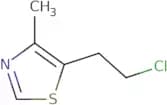
CAS :Produit contrôlé<p>Sedative and hypnotic; used in treatment of acute alcohol withdrawal</p>Formule :C6H8ClNSDegré de pureté :Min. 95%Couleur et forme :Colorless PowderMasse moléculaire :161.65 g/molH-Ala-Phe-Lys-AMC trifluoroacetate salt
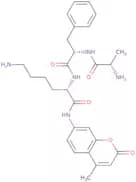
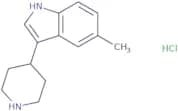
CAS :<p>H-Ala-Phe-Lys-AMC trifluoroacetate salt is a chemical compound that can be used as an intermediate in the synthesis of peptides, peptidomimetics, and other organic compounds. This reagent is a high quality, versatile building block that can be used in the synthesis of complex compounds. H-Ala-Phe-Lys-AMC trifluoroacetate salt is a fine chemical that has been assigned CAS No. 120928-02-1. It is a useful scaffold for the synthesis of novel compounds with potential pharmaceutical value.</p>Formule :C28H35N5O5•C2HF3O2Degré de pureté :Min. 95 Area-%Couleur et forme :PowderMasse moléculaire :635.63 g/mol5-Methyl-3-piperidin-4-yl-1H-indole hydrochloride
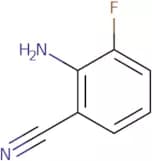
CAS :<p>5-Methyl-3-piperidin-4-yl-1H-indole hydrochloride is a synthetic chemical that is used as a building block for the synthesis of other compounds. It is a versatile intermediate, having been shown to react with amines, alcohols, phenols, and thiols. 5-Methyl-3-piperidin-4-yl-1H-indole hydrochloride can be used in the manufacture of pharmaceuticals and agrochemicals. This compound has been found to be an effective reagent for the preparation of cyclic peptides and can be used as a building block for the synthesis of other compounds. When reacted with 2-(trimethylsilyl)ethanol, it produces a high quality complex compound.</p>Formule :C14H18N2·HClDegré de pureté :Min. 97 Area-%Couleur et forme :PowderMasse moléculaire :250.77 g/mol2-Amino-3-fluorobenzonitrile
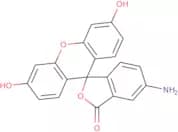
CAS :<p>A 2-aminopyridine substituent is added to the 3-position of benzonitrile to form 2-amino-3-fluorobenzonitrile. The hydrogenolysis of this compound at low temperatures yields indoles. Cyanogen bromide can be used as a catalyst for the reaction, but it must be removed before the product is purified. This reaction also produces a cyano group, which can be used in other reactions such as nitration or reduction. The glycinate molecule can also be formed by this process, and it is a neutral functional group that is capable of forming esters with carboxylic acids.</p>Formule :C7H5FN2Degré de pureté :Min. 95%Masse moléculaire :136.13 g/mol5-Aminofluorescein
CAS :<p>5-Aminofluorescein is a fluorescence probe that is used to detect the presence of reactive groups on basic fibroblast cells. 5-Aminofluorescein reacts with an ionotropic gelation agent and forms a fluorescent gel when it contacts cells. The fluorescent gel penetrates the cell membrane and binds to enzymes, which will cause the release of cellular energy in the form of heat. This energy can be measured by calorimetry or by measuring the change in fluorescence. 5-Aminofluorescein has been shown to have significant cytotoxicity against malignant brain tumor cells, which may be due to its ability to penetrate into these cells and bind to DNA. It also has antimicrobial properties and can be used as a titration indicator for certain drugs, such as antibiotics.</p>Formule :C20H13NO5Degré de pureté :Min. 95 Area-%Couleur et forme :PowderMasse moléculaire :347.32 g/molSodium 2-[[3-(trifluoromethyl)phenyl]amino]benzoate
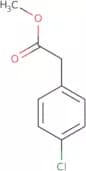
CAS :<p>Sodium 2-[[3-(trifluoromethyl)phenyl]amino]benzoate (TFPB) is a synthetic substrate that has been used in the synthesis of microcapsules. TFPB is soluble in water, which allows it to be administered orally and provides a non-toxic environment for the release of protein drugs. TFPB is also able to bind with receptors on polymorphonuclear leucocytes and can be used as an adjuvant therapy in women.</p>Formule :C14H9F3NNaO2Degré de pureté :Min. 95%Couleur et forme :PowderMasse moléculaire :303.21 g/molMethyl 4-chlorophenylacetate
CAS :<p>Methyl 4-chlorophenylacetate is an antibacterial agent that belongs to the group of decarboxylated compounds. It has been synthesised and chiral, with a pyruvic acid moiety. Methyl 4-chlorophenylacetate is bactericidal against Pyricularia oryzae and other microorganisms in vitro. It has also been shown to inhibit histamine H1 receptors in rats. The molecular modelling study showed that methyl 4-chlorophenylacetate forms hydrogen bonds with the bacterial cell membrane, which may lead to the formation of pores in the membrane, resulting in cell death.</p>Formule :C9H9ClO2Degré de pureté :Min. 95%Masse moléculaire :184.62 g/mol1,2-Dioleoyl-3-trimethylammonium-propane, chloride
CAS :<p>1,2-Dioleoyl-3-trimethylammonium-propane, chloride (DOTAP) is a cationic lipid of the phospholipid class. DOTAP has been shown to stimulate the growth and differentiation of hematopoietic cells in vivo. DOTAP also enhances the metastatic potential of tumor cells by increasing their uptake and inhibiting apoptosis. It has been found to be active against skin cancer cells, which may be due to its ability to enhance antitumor response. DOTAP is used as a fluorescent probe for intracellular pH measurements in live cells and can be used as a carrier lipid for liposomal drug delivery systems. The major biological properties of DOTAP are its ability to form vesicles and its capacity for energy metabolism.</p>Formule :C42H80ClNO4Degré de pureté :(¹H-Nmr) Min. 95 Area-%Couleur et forme :PowderMasse moléculaire :698.54 g/mol3-Fluoro-4-nitroanisole
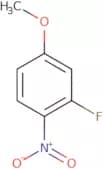
CAS :<p>3-Fluoro-4-nitroanisole is a regiospecific synthesised compound that binds to albumin in the human serum. It has been shown to be an endogenous metabolite of 3-fluoro-4-nitrophenol, which is a potent inhibitor of cellular and blood assays for amines. The binding affinity for albumin was about 100 times higher than for other amines such as histamine or tyramine. 3-Fluoro-4-nitroanisole also has a high affinity for anions, with a pKb value of 8.7, which makes it suitable as an anion receptor in applications such as the determination of anion concentration in water samples. This fluoroquinonoid is also used as a fluorescent probe for nucleophilic reactions and can be used to detect nucleophiles in organic solvents by adding it to the reaction mixture.</p>Formule :C7H6FNO3Degré de pureté :Min. 95%Couleur et forme :Beige PowderMasse moléculaire :171.13 g/molN-alpha-Benzoyl-L-arginine amide hydrochloride
CAS :<p>N-alpha-Benzoyl-L-arginine amide hydrochloride (BA) is a synthetic, noncompetitive inhibitor of phosphodiesterase. It has been shown to inhibit protease activity in vitro and rhizosphere enzyme activities in vivo. BA also inhibits the formation of hippuric acid from benzoic acid, which is a reaction catalyzed by the enzyme phosphatase. The kinetics of this inhibition have been studied using a number of different substrates and enzymes. BA binds to the catalytic site on the enzyme, sterically hindering binding of the substrate and preventing hydrolysis.</p>Formule :C13H19N5O2·HClDegré de pureté :Min. 95%Couleur et forme :PowderMasse moléculaire :313.78 g/molDesbutyl dronedarone hydrochloride
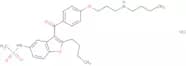
CAS :<p>Desbutyl dronedarone hydrochloride is a reaction component that can be used as a reagent for organic synthesis, or in the preparation of other compounds. It is also a useful scaffold for designing new compounds, and has been found to be high quality and research chemical. Desbutyl dronedarone hydrochloride can be used as an intermediate in the production of complex compounds, such as fine chemicals. This compound can undergo many reactions to form different products and is versatile enough to serve as a building block for many different types of molecules.</p>Formule :C27H37ClN2O5SDegré de pureté :Min. 95%Couleur et forme :White PowderMasse moléculaire :537.11 g/mol2,6-Dibromo-1,4-benzoquinone
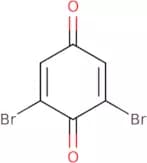
CAS :<p>2,6-Dibromo-1,4-benzoquinone is an organic compound that has been shown to be genotoxic in the bladder. It reacts with hydrochloric acid to form a dibrominated diphenyl ether, which can undergo a number of reactions. 2,6-Dibromo-1,4-benzoquinone produces reactive hydroxyl groups and chemical structures that are carcinogenic. The reaction mechanism is not well understood but it has been shown to inhibit DNA synthesis and cause cancer in laboratory animals. 2,6-Dibromo-1,4-benzoquinone also inhibits RNA synthesis and protein synthesis by forming covalent bonds with amino acids in the ribosome or by reacting with nucleotides in DNA molecules. This leads to cell death as cells are unable to synthesize proteins for growth and repair.</p>Formule :C6H2Br2O2Degré de pureté :Min. 95%Couleur et forme :PowderMasse moléculaire :265.89 g/mol(6α,17β)-6-Fluoro-17-Hydroxyandrost-4-En-3-One
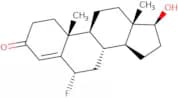
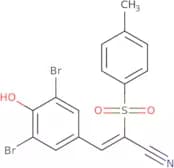
CAS :Produit contrôlé<p>(6alpha,17beta)-6-Fluoro-17-Hydroxyandrost-4-En-3-One is an androgen that has both agonistic and antagonistic effects on nuclear receptors. It activates the androgen receptor and is equipotent with testosterone. This drug also inhibits the estrogen receptor, but does not bind to the progesterone receptor. This synthetic agent is used for treating hypogonadism in males due to castration or aging and prostate cancer.</p>Formule :C19H27FO2Degré de pureté :Min. 95%Masse moléculaire :306.41 g/mol3-(3,5-dibromo-4-hydroxyphenyl)-2-((4-methylphenyl)sulfonyl)prop-2-enenitrile
CAS :<p>Please enquire for more information about 3-(3,5-dibromo-4-hydroxyphenyl)-2-((4-methylphenyl)sulfonyl)prop-2-enenitrile including the price, delivery time and more detailed product information at the technical inquiry form on this page</p>Degré de pureté :Min. 95%2-Fluoro-3-methylbenzoic acid methyl ester
CAS :<p>2-Fluoro-3-methylbenzoic acid methyl ester is a small molecule that has been shown to possess 5-HT3 receptor antagonist activity in the range of nanomolar potencies. This drug has also been shown to be orally active in mice. The physicochemical properties of 2-fluoro-3-methylbenzoic acid methyl ester include a melting point of 155.5° C, solubility in methanol and acetone, and a molecular weight of 168.2 g/mol.<br>2-Fluoro-3-methylbenzoic acid methyl ester is being developed as a targeted agent for the treatment of bowel syndrome, which is characterized by abdominal pain, nausea and diarrhea.</p>Formule :C9H9FO2Degré de pureté :Min. 95%Couleur et forme :Clear LiquidMasse moléculaire :168.16 g/molRimonabant hydrochloride
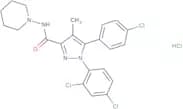
CAS :Produit contrôlé<p>CB1 cannabinoid antagonist, non-CB1/CB2 receptor (GPR55) agonist; anorectic</p>Formule :C22H22Cl4N4ODegré de pureté :Min. 98 Area-%Couleur et forme :PowderMasse moléculaire :500.25 g/mol1-Bromo-3,4-dihydroxy-5-methoxybenzene monohydrate
CAS :<p>1-Bromo-3,4-dihydroxy-5-methoxybenzene monohydrate is a versatile building block for the creation of complex compounds. It is a useful intermediate and can be used as a reagent in organic synthesis. This chemical is also used as an additive in plastics and rubber production. 1-Bromo-3,4-dihydroxy-5-methoxybenzene monohydrate is synthesized from 3,4,5-trimethoxyphenol and bromine. It has been assigned the CAS number 205748-04-5.</p>Formule :C7H7BrO3·H2ODegré de pureté :Min. 95%Couleur et forme :PowderMasse moléculaire :237.05 g/molIodoquinol
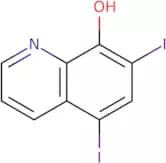
CAS :<p>Iodoquinol is a quinoline derivative that has been shown to have antifungal properties in vitro. It is used to treat bowel disease and infectious diseases, such as malaria and tuberculosis. Iodoquinol has also been shown to reduce the incidence of autoimmune diseases by inhibiting the production of pro-inflammatory cytokines. The mechanism of action for this drug is not well understood, but it is believed that it reacts with DNA and may inhibit the synthesis of proteins. It has also been shown to cause genotoxic effects in a model system by binding covalently to DNA, as well as benzalkonium chloride</p>Formule :C9H5I2NODegré de pureté :Min. 95%Couleur et forme :Yellow PowderMasse moléculaire :396.95 g/mol2-Fluoroethyl tosylate
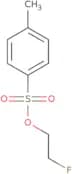
CAS :<p>2-Fluoroethyl tosylate is a potent antagonist of the benzodiazepine receptor that is used in vivo to measure the affinity and selectivity of ligands. The 2-fluoroethyl tosylate binds reversibly to the benzodiazepine receptor, so that it can be easily displaced by another ligand. This process can be quantified using positron emission tomography (PET) or optical imaging. 2-Fluoroethyl tosylate has also been used as a radiotracer for cardiac imaging and tumor xenografts. It is also used for studying glutamate receptors and uptake mechanisms in cells. The salt form of 2-fluoroethyl tosylate is sodium salts, which are water soluble and stable at high temperatures, making them useful for in vivo studies.</p>Formule :C9H11FO3SDegré de pureté :Min. 95%Couleur et forme :PowderMasse moléculaire :218.25 g/mol2-Bromo-4-methoxyaniline hydrochloride
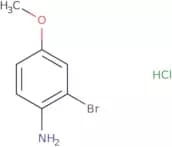
CAS :<p>2-Bromo-4-methoxyaniline hydrochloride is a high quality, reagent that is used as a useful intermediate in the production of fine chemicals. This compound has been shown to be a useful scaffold for the synthesis of speciality chemicals and research chemicals. It also functions as an excellent building block for versatile chemical reactions. 2-Bromo-4-methoxyaniline hydrochloride can be used as a reaction component in the preparation of compounds with diverse functional groups.</p>Formule :C7H8BrNO·ClHDegré de pureté :Min. 95%Couleur et forme :White PowderMasse moléculaire :238.51 g/mol2,2,2-Trifluoroacetamide
CAS :<p>2,2,2-Trifluoroacetamide is a chemical compound that is stable under normal conditions and can be stored for long periods of time. The compound has been shown to react with trifluoroacetic acid and in the presence of an electrochemical probe to give a redox reaction. This reaction mechanism has been studied by using pharmacokinetic properties of 2,2,2-trifluoroacetamide and its metabolites. The compound is not active against infectious diseases but may be used as a reagent in analytical methods. 2,2,2-Trifluoroacetamide has also been investigated for its ability to bind hydrogen atoms and form intramolecular hydrogen bonds with tryptophan residues in proteins.</p>Formule :C2H2F3NODegré de pureté :Min. 95%Couleur et forme :PowderMasse moléculaire :113.04 g/molPhenyl 2-chloroethyl ether
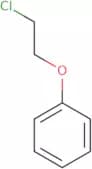
CAS :<p>Phenyl 2-chloroethyl ether is a chlorinated derivative of the chemical compound endoxifen. It is a potent antiestrogen, with IC50 values in the nanomolar range. Phenyl 2-chloroethyl ether has been shown to inhibit cell proliferation in vitro and in vivo by blocking estrogen receptors and inducing apoptotic cell death. The drug also has an inorganic acid terminus, which prevents it from being metabolized by esterases or glucuronidases, leading to its prolonged therapeutic effect.</p>Formule :C8H9ClODegré de pureté :Min. 95%Couleur et forme :Clear LiquidMasse moléculaire :156.61 g/molRosuvastatin triphenylphosphonium bromide
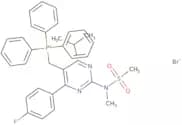
CAS :<p>Rosuvastatin is a high-quality reagent for organic synthesis. It has a CAS number of 885477-83-8 and is used as an intermediate in the production of fine chemicals, research chemicals, and speciality chemicals. Rosuvastatin is also a versatile building block for organic synthesis because it can be used to make many different chemical compounds. It is also used as a reaction component in the production of other chemical compounds.</p>Formule :C34H34BrFN3O2PSDegré de pureté :Min. 95%Couleur et forme :White PowderMasse moléculaire :678.59 g/moltrans-4-Chlorostilbene
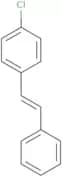
CAS :<p>Trans-4-chlorostilbene is a debromination agent that has been used to enhance the production of epoxides. It is an isomer of stilbene, which is a bicyclic molecule with two phenyl rings joined by a double bond. Trans-4-chlorostilbene belongs to the group of stereoselective agents, meaning that it reacts preferentially with one isomer over the other. This compound has a second-order rate constant for its reaction with epoxides and also undergoes thermal isomerization, which means that it changes from trans form to cis form when heated. Trans-4-chlorostilbene has acidic properties and can be used in both acidic and neutral pH environments. This compound also reacts with boric acid to create boron complexes and reacts with water molecules to produce hydrogen gas, although it does not react with air or oxygen.</p>Formule :C14H11ClDegré de pureté :Min. 95%Couleur et forme :PowderMasse moléculaire :214.69 g/molIsonicotinoyl chloride hydrochloride
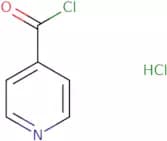
CAS :<p>Isonicotinoyl chloride HCl is a macrocyclic inhibitor of the nuclear hormone receptor (NR) that belongs to the class of organic compounds. It is used in the treatment of inflammatory diseases and infectious diseases. Isonicotinoyl chloride HCl has been shown to inhibit nitric oxide synthase, which leads to an inhibition of inflammatory reactions in various tissues. This compound also inhibits p. aeruginosa and alkylthio group, which may be due to its coordination geometry or aromatic hydrocarbon. Isonicotinoyl chloride HCl binds to mineralocorticoid receptors on cells and blocks their transcriptional activity, thereby inhibiting inflammation and oxidative stress.</p>Formule :C6H4ClNO•HClDegré de pureté :Min. 95%Couleur et forme :White To Beige SolidMasse moléculaire :178.02 g/molo-Phenanthroline monohydrochloride monohydrate
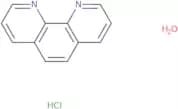
CAS :<p>o-Phenanthroline monohydrochloride monohydrate is a ligand that is used in crystallography to study the crystal structure of metal ions. It has been shown to be an efficient catalyst for the ring-opening of chloroformates, and can also be used as an analytical reagent that is capable of detecting chlorine in organic compounds. The hydrate form of o-phenanthroline monohydrochloride has a molecular formula of C12H14ClN3O4·2H2O and a molecular weight of 392.7 g/mol.</p>Formule :C12H8N2·HCl·H2OCouleur et forme :PowderMasse moléculaire :234.68 g/mol1-Bromo-8-fluoronaphthalene
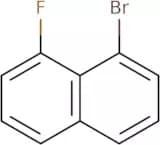
CAS :<p>1-Bromo-8-fluoronaphthalene is a versatile compound that has various applications in the field of research and medicine. It is commonly used as a building block for the synthesis of different compounds, including misoprostol, a medication used to prevent stomach ulcers. Additionally, 1-Bromo-8-fluoronaphthalene has been found to enhance the growth factor effect of allopregnanolone, a neurosteroid with potential therapeutic benefits.</p>Formule :C10H6BrFDegré de pureté :Min. 95%Couleur et forme :Clear LiquidMasse moléculaire :225.06 g/mol4-[[4-(4-Chlorophenyl)-2-thiazolyl]amino]phenol
CAS :4-[[4-(4-Chlorophenyl)-2-thiazolyl]amino]phenol is a chemical that has been used in analytical and in vitro methods to study the cellular physiology of cells. It was found to inhibit sphingosine kinase, which is an enzyme that is involved in the synthesis of sphingosine. The inhibition of this enzyme leads to decreased levels of sphingosine and the effect on the cell. 4-[[4-(4-Chlorophenyl)-2-thiazolyl]amino]phenol can also affect mitochondrial membrane potential and cyclase activity, which may be useful for treating hyperproliferative diseases such as breast cancer.Formule :C15H11ClN2OSDegré de pureté :Min. 95%Masse moléculaire :302.78 g/molTetrachlorocatechol
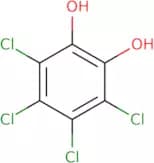
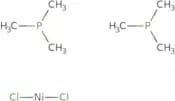
CAS :Tetrachlorocatechol is a chlorinated cyclohexanol that has been shown to have an inhibitory effect on the enzyme acyl-coenzyme A:cholesterol acyltransferase. Tetrachlorocatechol inhibits the activity of this enzyme, which is involved in the synthesis of cholesterol and bile acids. This inhibition leads to a decrease in cell growth and proliferation. Tetrachlorocatechol has also been shown to have genotoxic properties, as it reacts with DNA to form stable complexes and induces mutations in cultured cells. Tetrachlorocatechol is not toxic for mice, as it is rapidly metabolized, but can be toxic for humans at high doses.Formule :C6H2Cl4O2Degré de pureté :Min. 95%Couleur et forme :PowderMasse moléculaire :247.89 g/molDichlorobis(trimethylphosphine)nickel(II)
CAS :<p>Dichlorobis(trimethylphosphine)nickel(II) is an organometallic compound that has two isomers. It is a phosphorane and can be used to make other compounds with carbenes, such as ethylene. The molecule has been shown to have x-ray structures of different conformations in the mononuclear form. Dichlorobis(trimethylphosphine)nickel(II) reacts with nitro compounds, like nitroethane, to produce phosphoranes. These reactions are catalyzed by copper or silver salts, which act as ligands for the nickel atom. The compound's crystallography has also been studied using X-ray diffraction techniques.</p>Formule :C6H18Cl2NiP2Degré de pureté :Min. 95%Masse moléculaire :281.75 g/mol6-Bromo-4-chloroquinoline
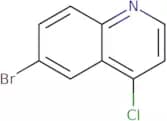
CAS :<p>6-Bromo-4-chloroquinoline is a chemical compound with the molecular formula C8H6BrClN. It belongs to the class of heterocyclic compounds and has been used in the synthesis of other compounds, such as pharmaceuticals. 6-Bromo-4-chloroquinoline has been shown to be an effective anticancer drug, with measurable levels in the blood after oral administration. This drug interacts with hydrogen bonding interactions with thp-1 cells, which are erythrocytes derived from human peripheral blood lymphocytes. 6-Bromo-4-chloroquinoline also interacts with sodium sulfide, which is found in human liver and kidney cells. The pharmacokinetic properties of 6-bromo-4-chloroquine have been studied in rats and mice.</p>Formule :C9H5BrClNDegré de pureté :Min. 95%Couleur et forme :PowderMasse moléculaire :242.5 g/mol1-Chloro-2-(2-methoxyethoxy)ethane
CAS :<p>Please enquire for more information about 1-Chloro-2-(2-methoxyethoxy)ethane including the price, delivery time and more detailed product information at the technical inquiry form on this page</p>Formule :C5H11ClO2Degré de pureté :Min. 95%Couleur et forme :Clear Colourless LiquidMasse moléculaire :138.59 g/mol3-Fluoro-6-nitrobenzoic acid ethyl ester
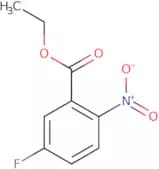
CAS :<p>3-Fluoro-6-nitrobenzoic acid ethyl ester is a high quality chemical that is used as an intermediate in the synthesis of complex compounds. It is also a useful scaffold for the synthesis of other compounds and can be used as a building block in the production of speciality chemicals. 3-Fluoro-6-nitrobenzoic acid ethyl ester has many reactions that it participates in, such as being a reaction component for the synthesis of pharmaceuticals and agrochemicals. This compound is versatile enough to be used in research or for commercial purposes.</p>Formule :C9H8FNO4Degré de pureté :Min. 95%Couleur et forme :PowderMasse moléculaire :213.16 g/mol(S)-Fluoxetine hydrochloride
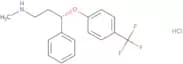
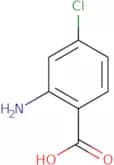
CAS :Produit contrôlé<p>Selective serotonin reuptake inhibitor; anti-depressant</p>Formule :C17H19ClF3NODegré de pureté :Min. 98 Area-%Couleur et forme :PowderMasse moléculaire :345.79 g/mol4-Chloroanthranilic acid
CAS :<p>4-Chloroanthranilic acid is an inorganic acid that has antimicrobial properties. It is a bound form of anthranilic acid, which is not water soluble and can be easily absorbed by the skin. 4-Chloroanthranilic acid is used as an antibiotic in topical preparations because it has been shown to have inhibitory effects on the growth of P. aeruginosa, epidermal growth factor, and nitrogen atoms. 4-Chloroanthranilic acid also has coordination complex with copper and inhibits the growth of bacteria by inhibiting the production of bacterial cell wall synthesis enzymes.</p>Formule :C7H6ClNO2Degré de pureté :Min. 95%Couleur et forme :Off-White PowderMasse moléculaire :171.58 g/mol(R)-BoroLeu-(+)-pinanediol-trifluoroacetate
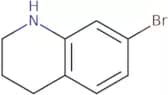
CAS :<p>(R)-BoroLeu-(+)-pinanediol-trifluoroacetate is a complex compound with CAS No. 179324-87-9 and can be used as a reagent, useful intermediate, or fine chemical. It is a versatile building block that can be used in the synthesis of speciality chemicals, research chemicals, and reaction components. This compound has been reported to be a useful scaffold for the synthesis of novel compounds that could have applications in medicine, such as anti-cancer drugs and antibiotics.</p>Formule :C17H29BF3NO4Couleur et forme :White Off-White PowderMasse moléculaire :379.22 g/mol7-Bromo-1,2,3,4-tetrahydroquinoline
CAS :<p>7-Bromo-1,2,3,4-tetrahydroquinoline is a high quality reagent that is an intermediate for the synthesis of heterocycles. It is useful as a building block for the synthesis of complex compounds. 7-Bromo-1,2,3,4-tetrahydroquinoline has been used as a useful scaffold in the synthesis of novel and versatile molecules with biological activity. This compound can be used as a reaction component in organic chemistry and can also be used to produce speciality chemicals and research chemicals. CAS No. 114744-51-3</p>Formule :C9H10BrNDegré de pureté :Min. 97 Area-%Couleur et forme :PowderMasse moléculaire :212.09 g/mol4-Chloro-2-nitrobenzylamine hydrochloride
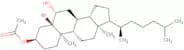
CAS :<p>4-Chloro-2-nitrobenzylamine hydrochloride is a fine chemical that can be used as a reagent or speciality chemical. It is also a versatile building block and reaction component for the preparation of various chemical compounds. 4-Chloro-2-nitrobenzylamine hydrochloride has been used as an intermediate in the synthesis of other chemicals, such as 1,2,3,4,5,6-hexahydrobenzo[e]pyrrolo[1,2-a]pyrazine. This compound has been shown to have antibacterial activity against Escherichia coli and Pseudomonas aeruginosa.</p>Formule :C7H7ClN2O2•HClDegré de pureté :Min. 95%Masse moléculaire :223.06 g/mol5-Bromo-5a-cholestane-3,6-diol 3-acetate
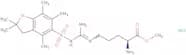
CAS :<p>Please enquire for more information about 5-Bromo-5a-cholestane-3,6-diol 3-acetate including the price, delivery time and more detailed product information at the technical inquiry form on this page</p>Formule :C29H49BrO3Degré de pureté :Min. 95%Masse moléculaire :525.6 g/molNomega-(2,2,4,6,7-Pentamethyldihydrobenzofuran-5-sulfonyl)-L-arginine methyl ester hydrochloride
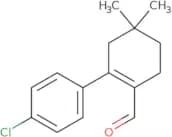
CAS :<p>Nomega-(2,2,4,6,7-Pentamethyldihydrobenzofuran-5-sulfonyl)-L-arginine methyl ester hydrochloride is a versatile building block for the preparation of complex compounds. It is a reagent for research chemicals and speciality chemicals. Nomega-(2,2,4,6,7-Pentamethyldihydrobenzofuran-5-sulfonyl)-L-arginine methyl ester hydrochloride can be used as a high quality and useful intermediate in organic synthesis or as a reaction component in various chemical reactions. This compound has been shown to be useful as a scaffold in the design of new drugs.</p>Formule :C20H32N4O5S·HClDegré de pureté :Min. 95%Couleur et forme :PowderMasse moléculaire :477.02 g/mol2-(4-Chlorophenyl)-4,4-dimethyl-1-cyclohexene-1-carboxaldehyde
CAS :<p>2-(4-Chlorophenyl)-4,4-dimethyl-1-cyclohexene-1-carboxaldehyde is a high quality reagent that can be used as a useful intermediate in the production of complex compounds. It is also a fine chemical with CAS No. 1228837-05-5 and is useful scaffold for the production of speciality chemicals. This compound has been identified as a useful building block with versatile uses in research and development, such as reaction components in organic synthesis.</p>Formule :C15H17ClODegré de pureté :Min. 95%Couleur et forme :Clear LiquidMasse moléculaire :248.75 g/molFlavoxate hydrochloride
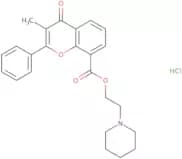
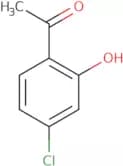
CAS :<p>Phosphodiesterase inhibitor; anti-cholinergic; incontinence treatment</p>Formule :C24H25NO4•HClDegré de pureté :Min. 95%Couleur et forme :PowderMasse moléculaire :427.92 g/mol4'-Chloro-2'-hydroxyacetophenone
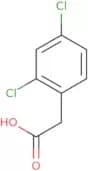
CAS :<p>4'-Chloro-2'-hydroxyacetophenone is a hydrazone compound that has been shown to have an inhibitory effect on the growth of cancer cells. The crystal structure was determined using X-ray diffraction data and the parameters were refined using a program called WITWIG. Hydrazones are classified as orthorhombic with space group Pbcn. The compound has been shown to be magnetic and it is soluble in organic solvents. 4'-Chloro-2'-hydroxyacetophenone has a molecular weight of 206.079 g/mol, which indicates that it is an organic molecule. It also contains a hydroxyl group and two chlorine atoms, one of which is attached to the acetophenone nucleus. This molecule can coordinate with metal ions to form complexes, such as mononuclear complexes, or polynuclear complexes with more than one metal ion.</p>Formule :C8H7ClO2Degré de pureté :Min. 95%Couleur et forme :Clear LiquidMasse moléculaire :170.59 g/mol2,4-Dichlorophenylacetic acid
CAS :<p>2,4-Dichlorophenylacetic acid is a metabolite of 2,4-dichlorophenoxyacetic acid. It has been used as an analytical marker for the latter compound in urine samples. The metabolic rate of 2,4-DPA is related to the concentration of pyridoxine hydrochloride in plant tissue. This chemical reacts with light to form 2,4-dichlorobenzoic acid and undergoes photochemical reactions.</p>Formule :C8H6Cl2O2Degré de pureté :Min. 95%Couleur et forme :PowderMasse moléculaire :205.04 g/mol2,7-Dihydroxy-9-fluorenone
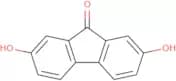
CAS :<p>2,7-Dihydroxy-9-fluorenone (2,7DF) is a quinone derivative that has been shown to exhibit immunomodulatory effects in vitro. This compound was synthesized by methylation of the hydroxy group at position 2 and esterification with 3-mercaptopropionic acid. The synthesis of 2,7DF was achieved in anhydrous conditions using potassium carbonate as a base and hydrochloric acid as a reagent. The molecule's structure has been elucidated using magnetic resonance spectroscopy. This technique showed the presence of a hydrogen bond between the hydroxyl group and the methyl esterified at position 7. This bond is also present in other molecules such as 3-mercaptopropionic acid and benzene. The synthesis of 2,7DF was also achieved through molecular modeling techniques that used quantum chemical calculations for the determination of its molecular geometry.</p>Formule :C13H8O3Degré de pureté :95%NmrCouleur et forme :PowderMasse moléculaire :212.2 g/molN-Boc-2-bromoethylamine
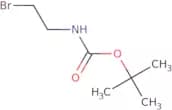
CAS :<p>N-Boc-2-bromoethylamine is a chemical compound that is used as a gadolinium chelate. This molecule has been shown to be chemically stable and can be easily synthesized in high yield, which makes it an ideal candidate for use in cell culture experiments. The reaction solution of N-Boc-2-bromoethylamine with serine proteases, such as trypsin and chymotrypsin, has been shown to result in the formation of peptides with amide bonds at the C terminus. This process is called a "Michael addition." The 2-nitroimidazole group of N-Boc-2-bromoethylamine is potent inhibitor of protein kinases and has been shown to inhibit hypoxic tumor growth by inhibiting the uptake of glucose by cancer cells. It also has antimicrobial properties, acting as an affinity ligand for binding to bacterial or fungal cells.</p>Formule :C7H14BrNO2Degré de pureté :Min. 95%Couleur et forme :PowderMasse moléculaire :224.1 g/mol(3-Chloropropyl)-trimethylammonium chloride
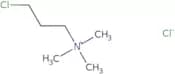
CAS :<p>Please enquire for more information about (3-Chloropropyl)-trimethylammonium chloride including the price, delivery time and more detailed product information at the technical inquiry form on this page</p>Formule :C6H15ClN•ClDegré de pureté :Min. 95%Masse moléculaire :172.1 g/mol5-Chlorooxindole
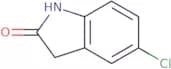
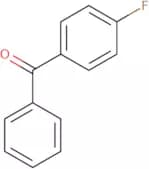
CAS :<p>5-Chlorooxindole is a synthetic, chemotherapeutic drug that has been shown to have anti-tumor activity in animal models. It is an oxindole derivative with the chemical formula CHNClO. The compound is synthesized by the reaction of 3,5-dichloroaniline and indole in chloroform and purified by column chromatography. 5-Chlorooxindole has shown potential as an antitumor agent because it inhibits cancer cell growth through mechanisms such as induction of apoptosis and suppression of tumor angiogenesis.</p>Formule :C8H6ClNODegré de pureté :Min. 95%Masse moléculaire :167.59 g/mol4-Fluorobenzophenone
CAS :<p>4-Fluorobenzophenone belongs to a class of compounds called aryl halides. They are monomers that form polymers with ether linkages. The chemical biology of 4-fluorobenzophenone has been studied, revealing its uptake and high values in the nmr spectra. This compound is nucleophilic, which means it will react with electrophiles such as hydroxyl groups to form ether bonds. 4-Fluorobenzophenone is also able to react with nitrogen atoms, forming diphenyl ethers.</p>Formule :C13H9FODegré de pureté :Min. 95%Couleur et forme :PowderMasse moléculaire :200.21 g/molIrinotecan hydrochloride trihydrate
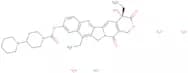
CAS :<p>Inhibitor of DNA topoisomerase I</p>Formule :C33H38N4O6•HCl•(H2O)3Degré de pureté :Min. 97 Area-%Couleur et forme :Yellow PowderMasse moléculaire :677.18 g/molPigment Orange 36
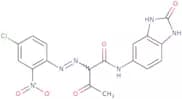
CAS :Pigment Orange 36 is an organic pigment with a light-emitting property. It is soluble in organic solvents, such as benzene and chloroform, but insoluble in water. Pigment Orange 36 has a polycyclic aromatic hydrocarbon structure with ester linkages between the aliphatic hydrocarbon and aromatic hydrocarbon moieties. The molecule consists of two sections: one section is soluble in organic solvents and the other section is soluble in water. The particle size of Pigment Orange 36 ranges from 0.1 to 1 micron in diameter, and it emits light when excited by UV radiation or visible light.Formule :C17H13ClN6O5Degré de pureté :Min. 95%Masse moléculaire :416.8 g/mol2-Bromo-4-nitrobenzoic acid
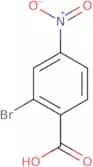
CAS :<p>2-Bromo-4-nitrobenzoic acid is a peptidomimetic that binds to farnesyltransferase and inhibits the enzyme activity. This drug is currently in preclinical development for the treatment of cancer. Preliminary studies have shown that 2-bromo-4-nitrobenzoic acid is able to inhibit tumor growth, which may be due to its inhibition of protein prenylation. This drug also has a low cell membrane permeability, which means it can only enter cells when they are actively taking up molecules from their surroundings. The lack of labelling on this drug means that it is not possible to detect its presence in vivo with positron emission tomography (PET) scans.</p>Formule :C7H4BrNO4Degré de pureté :Min. 95%Couleur et forme :PowderMasse moléculaire :246.02 g/molPerfluoro(methyldecalin), mixture of isomers
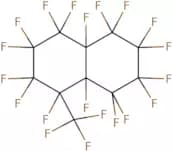
CAS :Produit contrôlé<p>Perfluoro(methyldecalin), mixture of isomers, is a perfluorinated liquid that has been used as a contrast agent in magnetic resonance imaging and computed tomography. This compound is lipophilic and is able to cross the blood-brain barrier. It can be used as a diagnostic agent for various reactions including transfer reactions, cell culture, and reaction solution. Perfluoro(methyldecalin) has a phase transition temperature at -34 °C, meaning it will become solid at this temperature. The oxygen transport properties of this molecule are polymeric matrix.</p>Formule :C11F20Degré de pureté :Min. 79.5 Area-%Couleur et forme :Clear LiquidMasse moléculaire :512.09 g/mol(1R,2R,3S,5R)-Pinanediol pyrrolidine-2S-boronate hydrochloride
CAS :<p>(1R,2R,3S,5R)-Pinanediol pyrrolidine-2S-boronate hydrochloride is a reagent that can be used in the synthesis of complex compounds. It is a fine chemical with CAS No. 149716-73-4. (1R,2R,3S,5R)-Pinanediol pyrrolidine-2S-boronate hydrochloride has a number of uses including as an intermediate for the preparation of speciality chemicals and as a building block for reactions in research. This compound is also useful as a versatile building block for many reactions.</p>Formule :C14H25BClNO2Degré de pureté :Min. 95%Couleur et forme :PowderMasse moléculaire :285.62 g/mol3-(4-Fluorobenzoyl)-6-Methoxy-2-Methyl-1H-Indole-1-Acetic Acid
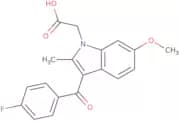
CAS :Produit contrôlé3-(4-Fluorobenzoyl)-6-Methoxy-2-Methyl-1H-Indole-1-Acetic Acid is a prodrug that is metabolized to 6-fluoro-3,4 dioxo tamoxifen in the liver. It has been shown to have anticholinergic, cytosolic calcium and c1-4 alkyl properties. 3-(4-Fluorobenzoyl)-6-Methoxy-2-Methylindole Acetic Acid also has a basic group, cyclopentane ring, and pyridine ring.Formule :C19H16FNO4Degré de pureté :Min. 95%Masse moléculaire :341.33 g/mol2-Chloro-4-nitrobenzanilide
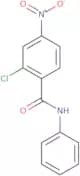
CAS :<p>2-Chloro-4-nitrobenzanilide is a reactive intermediate in organic synthesis. It has been used as a reagent for the synthesis of 2,3-dihydrobenzofuran and the preparation of 2,5-dichloroaniline. It is also a useful scaffold for the formation of complex compounds with various functional groups. This compound has been used as an intermediate to prepare other chemicals such as 4-chloroquinoline, 3-chloropyridine, and 3,4,5-trichloropyridine. It is also a versatile building block for the preparation of speciality chemicals such as 1H-[1,2]oxazolo[4,3-a]quinoxalin-1-one and 4-(2'-chlorophenyl)benzenamine.</p>Formule :C13H9ClN2O3Degré de pureté :Min. 95%Couleur et forme :PowderMasse moléculaire :276.67 g/mol3,6-Dichloropyrazine-2-carbonitrile
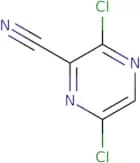
CAS :<p>3,6-Dichloropyrazine-2-carbonitrile is a synthetic nucleophilic compound that can be used to produce antiviral drugs. This chemical belongs to the class of chlorination compounds and reacts with nucleophiles in a nucleophilic substitution reaction. 3,6-Dichloropyrazine-2-carbonitrile has been optimized for synthesis by recrystallization and solvents. The reactants are heated and then mixed, where it undergoes an acid catalyzed hydrolysis followed by a dehydration reaction. 3,6-Dichloropyrazine-2-carbonitrile is synthesized by reacting a nitrile with phosgene to form the chloroformate ester which is reacted with ammonia or amines. The final product is purified using recrystallization or solvent extraction.</p>Formule :C5HCl2N3Degré de pureté :Min. 97 Area-%Couleur et forme :PowderMasse moléculaire :173.99 g/mol2'-Cyano-4-(dibromomethyl)biphenyl
CAS :<p>2'-Cyano-4-(dibromomethyl)biphenyl is a reactive component that belongs to the group of speciality chemicals. It can be used as a building block in organic synthesis and as an intermediate in the production of fine chemicals. 2'-Cyano-4-(dibromomethyl)biphenyl has been used for the synthesis of various complex compounds, such as an anti-inflammatory drug, an anti-diabetic drug, and a chemotherapeutic agent.</p>Formule :C14H9Br2NDegré de pureté :Min. 97 Area-%Couleur et forme :Off-White PowderMasse moléculaire :351.04 g/mol[5-Methyl-3-(trifluoromethyl)-1H-pyrazol-1-yl]acetic acid
CAS :<p>[5-Methyl-3-(trifluoromethyl)-1H-pyrazol-1-yl]acetic acid is a reaction component that can be used in organic synthesis as a reagent. This chemical has been shown to have high quality, and is useful for research purposes. It is also a versatile building block and useful intermediate, which can be used in the production of complex compounds. [5-Methyl-3-(trifluoromethyl)-1H-pyrazol-1-yl]acetic acid has CAS number 345637-71-0, and is a fine chemical that is useful for chemistry research.</p>Formule :C7H7F3N2O2Degré de pureté :Min. 95%Couleur et forme :PowderMasse moléculaire :208.14 g/mol2-Bromo-6-fluorobenzoic acid
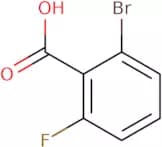
CAS :<p>2-Bromo-6-fluorobenzoic acid is a carboxylate that has been used in the treatment of prostate cancer cells. It is activated by nucleophilic attack to form a reactive intermediate, which then reacts with the fluorine or chlorine substituents on DNA bases. This reaction leads to the replacement of the fluorine or chlorine with bromine, resulting in the formation of a quinazolinone. The substituted nucleotide is then recognized by enzymes, leading to cell death.<br>2-Bromo-6-fluorobenzoic acid has also been shown to be active against other cancer cells, such as lung and breast cancer cells.</p>Formule :C7H4BrFO2Degré de pureté :Min. 95%Couleur et forme :PowderMasse moléculaire :219.01 g/molN-(2-(3,4-dimethoxyphenyl)ethyl)-2-chloropropanamide
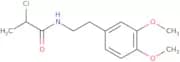
CAS :Please enquire for more information about N-(2-(3,4-dimethoxyphenyl)ethyl)-2-chloropropanamide including the price, delivery time and more detailed product information at the technical inquiry form on this pageDegré de pureté :Min. 95%N-(Methyl)nonafluorobutanesulfonamide
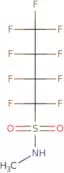
CAS :Nonafluorobutanesulfonamide (NFBS) is a volatile organic solvent that is used in the manufacture of coatings and other organic chemicals. It has been shown to have a high vapor pressure, which makes it useful for drying solvents. NFBS is also used as an intermediate in the production of fluorinated acrylates and methacrylates. NFBS reacts with styrene monomers to form ionic forms, and can be converted to its neutral form by reaction with acrylonitrile or acrylates. Nonafluorobutanesulfonamide has been shown to cause liver cancer in rats, but this effect has not been observed in humans.Formule :C5H4F9NO2SDegré de pureté :Min. 95%Couleur et forme :PowderMasse moléculaire :313.14 g/mol2-Chloro-3-nitrobenzoic acid
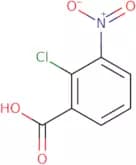
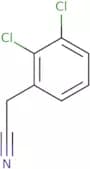
CAS :2-Chloro-3-nitrobenzoic acid is a mesomorphic organic compound that has been shown to inhibit the growth of Mycobacterium tuberculosis. It inhibits bacterial growth by binding to the factor receptor, which is a protein complex that interacts with the proton gradient and regulates cell division. The synthesis of this compound is achieved through high concentrations of nitrobenzene in a solid phase synthesis. 2-Chloro-3-nitrobenzoic acid is obtained in an isolated yield, typically greater than 90%. This compound dissolves readily in organic solvents such as ethyl acetate, ether, and chloroform.Formule :C7H4ClNO4Couleur et forme :PowderMasse moléculaire :201.56 g/mol(2,3-Dichlorophenyl)acetonitrile
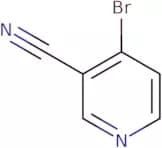
CAS :<p>(2,3-Dichlorophenyl)acetonitrile is a fine chemical that is useful as a building block in the synthesis of more complex compounds. It has been used in research as a reagent and as a speciality chemical. (2,3-Dichlorophenyl)acetonitrile reacts with many different types of compounds to form new molecules. This intermediate can be used in the synthesis of many different types of compounds and also serves as an important scaffold for larger molecules.</p>Formule :C8H5Cl2NDegré de pureté :Min. 95%Couleur et forme :PowderMasse moléculaire :186.04 g/mol4-Bromo-3-cyanopyridine
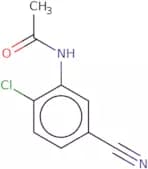
CAS :<p>4-Bromo-3-cyanopyridine is a reactive chemical that can be used as a building block in organic synthesis. It is often used as a starting material for the synthesis of heterocycles and other complex compounds. 4-Bromo-3-cyanopyridine is a versatile reagent with high quality and can be used in research, pharmaceuticals, agrochemicals, or industrial chemicals. CAS No. 154237-70-4.</p>Formule :C6H3BrN2Degré de pureté :Min. 95%Couleur et forme :PowderMasse moléculaire :183.01 g/molN-(5-Cyano-2-chlorophenyl)acetamide
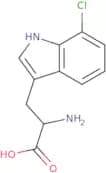
CAS :<p>N-(5-Cyano-2-chlorophenyl)acetamide is a high quality, reagent, and versatile building block. It is a fine chemical that can be used as a building block for the synthesis of other compounds. N-(5-Cyano-2-chlorophenyl)acetamide is also a speciality chemical that can be used in research or as a reaction component. It has been found to be useful as an intermediate in the synthesis of complex compounds.<br>END></p>Formule :C9H7ClN2ODegré de pureté :Min. 95%Masse moléculaire :194.62 g/mol7-Chlorotryptophan
CAS :<p>Tryptophan is an amino acid that is an essential building block for proteins, neurotransmitters, and hormones. It is also a precursor for the synthesis of vitamin B3. 7-Chlorotryptophan has been shown to inhibit the growth of bacteria by inhibiting their ability to synthesize proteins by interfering with the covalent enzyme that controls the reaction mechanism in plants. Tryptophan may also have anti-inflammatory properties due to its inhibition of prostaglandin synthesis. The chlorinating and chloride groups on 7-chlorotryptophan are responsible for its bactericidal activity against Gram-positive bacteria.</p>Formule :C11H11ClN2O2Degré de pureté :Min. 95%Couleur et forme :SolidMasse moléculaire :238.67 g/molHydroxy-[4-(4-hydroxy-5-bromo-3-iodophenoxy)-3,5-diiodophenyl]acetic acid
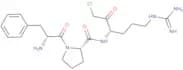
CAS :Hydroxy-[4-(4-hydroxy-5-bromo-3-iodophenoxy)-3,5-diiodophenyl]acetic acid is a fine chemical that is useful as a scaffold, versatile building block and an intermediate. Hydroxy-[4-(4-hydroxy-5-bromo-3-iodophenoxy)-3,5-diiodophenyl]acetic acid is typically used in research and development of new compounds. It has been shown to react with various compounds in different ways depending on the desired outcome. Hydroxy-[4-(4-hydroxy-5-bromo-3-iodophenoxy)-3,5-diiodophenyl]acetic acid also has CAS number 10891–02–8 and can be found in catalog numbers 3229209 and 3140016. This compound is of high quality and reagent grade.Formule :C14H8BrI3O5Degré de pureté :Min. 95%Masse moléculaire :716.83 g/molD-Phenylalanyl-prolyl-arginyl chloromethyl ketone
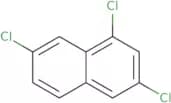
CAS :<p>D-Phenylalanyl-prolyl-arginyl chloromethyl ketone is a chemical compound that inhibits the proteolytic activity of serine proteases. It binds to the thrombin receptor on the surface of cells and prevents activation of fibrinogen by thrombin, which is an enzyme that promotes clotting. D-Phenylalanyl-prolyl-arginyl chloromethyl ketone also blocks platelet aggregation and has shown an ability to induce muscle cell proliferation. This drug has been used in pharmacological experiments as an inhibitor binding agent.</p>Formule :C21H31ClN6O3Degré de pureté :Min. 90 Area-%Couleur et forme :PowderMasse moléculaire :450.96 g/mol1,3,7-Trichloronaphthalene
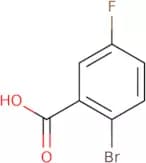
CAS :<p>This validated method for the analysis of 1,3,7-trichloronaphthalene is based on a validated experimental method. It uses a set of structural coefficients and an experimental value to calculate the bioconcentration factor (BCF). The BCF is then used to calculate the optimum vector, which is found by using descriptors and structural factors. The experimental values are also used to determine the vector. This method has been validated experimentally and theoretically.</p>Formule :C10H5Cl3Degré de pureté :Min. 95%Couleur et forme :PowderMasse moléculaire :231.5 g/mol2-Bromo-5-fluorobenzoic acid
CAS :<p>2-Bromo-5-fluorobenzoic acid is a polymerase inhibitor that inhibits the activity of the HIV-1 reverse transcriptase by competitive inhibition. It prevents the synthesis of viral DNA by binding to the RNA template and preventing chain elongation. This drug has been shown to be an effective treatment for some types of cancer, such as lung cancer, because it is not easily metabolized and can therefore reach high concentrations in tissues where it is needed. 2-Bromo-5-fluorobenzoic acid is synthesized from 5-(2′-bromophenoxy)benzothiazole and 2,3,4,5,6-pentafluorobenzoyl chloride in three steps. The synthesis involves bromination of benzothiazole with NBS followed by reaction with 4-fluoroaniline to give the intermediate which is then reacted with pentafluorobenzoyl chloride. This compound</p>Formule :C7H4BrFO2Degré de pureté :Min. 95%Couleur et forme :PowderMasse moléculaire :219.01 g/molPhthalocyanine Silicon Dichloride
CAS :<p>Phthalocyanine Silicon Dichloride is a compound that belongs to the group of phthalocyanines. It is synthesized from 4-tert-butylbenzoic acid and silicon tetrachloride in the presence of a base. This compound has shown photophysical properties that are activated by light, and has been studied for its potential use as an organic semiconductor material. The coordination complex formed between this compound and copper ions has been determined by x-ray crystal structures to be square planar.</p>Formule :C32H16Cl2N8SiDegré de pureté :Min. 95%Couleur et forme :PowderMasse moléculaire :611.51 g/molN-Ethyl-N-nitroso-1-[3-(trifluoromethyl)phenyl]-2-propanamine
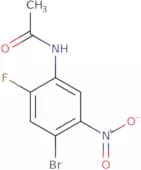
CAS :<p>Usnic acid is a dietary supplement that has been shown to have beneficial effects on the liver, including hepatoprotective and anti-inflammatory properties. Usnic acid prevents mitochondrial membrane potential from decreasing, leading to an increase in adenine nucleotide content and improved mitochondrial function. Usnic acid also reverses the inhibition of monoamine neurotransmitters caused by chemical ionization and pharmacologic agents such as acetaminophen. Usnic acid also has been shown to be effective against hepatitis A virus (HAV) infection in CD-1 mice.</p>Formule :C12H15F3N2ODegré de pureté :Min. 95%Couleur et forme :Clear LiquidMasse moléculaire :260.26 g/mol4-Bromo-2-fluoro-5-nitroacetanilide
CAS :<p>4-Bromo-2-fluoro-5-nitroacetanilide is a versatile building block that has been used in the synthesis of complex compounds. It is a reagent which can be used in the research and development of pharmaceuticals, agricultural chemicals, and other specialty chemicals. 4-Bromo-2-fluoro-5-nitroacetanilide is also a useful building block for synthesis of other chemical compounds. This compound has been shown to have high quality for use in organic synthesis and as a reaction component for the preparation of useful scaffolds. This compound is also useful as an intermediate in organic reactions. CAS No. 95635-46-4</p>Formule :C8H6BrFN2O3Degré de pureté :Min. 95%Couleur et forme :PowderMasse moléculaire :277.05 g/mol4'-Chloro-2'-fluoroacetophenone
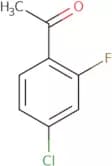
CAS :<p>4'-Chloro-2'-fluoroacetophenone is a high-quality chemical reagent that can be used to prepare complex compounds. It is also a useful intermediate for the preparation of fine chemicals, useful scaffolds, and other research chemicals. This compound is a versatile building block that can be used in the synthesis of speciality chemicals, reaction components, and other compounds.</p>Formule :C8H6ClFODegré de pureté :Min. 95%Masse moléculaire :172.58 g/mol4-Chloro-1-(3-Fluorophenyl)-1-Butanone
CAS :<p>4-Chloro-1-(3-fluorophenyl)-1-butanone is a reagent that is used in the synthesis of complex compounds. It has been used as an intermediate in the synthesis of a variety of useful compounds and as a building block for more complex molecules. This chemical is one of the most versatile building blocks available, and can be used for reactions involving deprotection, coupling, and polymerization. The CAS number for this compound is 3110-52-9.</p>Formule :C10H10ClFODegré de pureté :Min. 95%Couleur et forme :Clear LiquidMasse moléculaire :200.64 g/mol2-((3-Fluorophenyl)amino)-1,3-thiazole-4-carboxylic acid
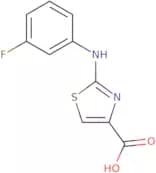
CAS :<p>Please enquire for more information about 2-((3-Fluorophenyl)amino)-1,3-thiazole-4-carboxylic acid including the price, delivery time and more detailed product information at the technical inquiry form on this page</p>Formule :C10H7FN2O2SDegré de pureté :Min. 95%Couleur et forme :PowderMasse moléculaire :238.24 g/mol7-[4-(4-Fluorophenyl)-6-(1-methylethyl)-2-(N-methyl-N-methylsulfonyl-amino)-pyrimidin-5-yl]-3,5-dihydroxy-hept-6-enoic acid ethyl es ter
CAS :<p>Rosuvastatin is a statin drug that inhibits cholesterol synthesis by inhibiting the enzyme HMG-CoA reductase. Rosuvastatin has been shown to reduce high-sensitivity C-reactive protein (hsCRP) and low-density lipoprotein cholesterol (LDL-C), which are risk factors for cardiovascular disease, in patients with hypercholesterolemia. Rosuvastatin also has a high degree of potency and specificity for the HMG-CoA reductase enzyme and shows no significant cross-reactivity with other HMG-CoA reductase inhibitors. Rosuvastatin is metabolized by CYP3A4 and CYP2C9. Drugs that inhibit these enzymes may increase the plasma levels of rosuvastatin, while drugs that induce these enzymes may decrease the plasma levels of rosuvastatin.</p>Formule :C24H32FN3O6SDegré de pureté :Min. 95%Couleur et forme :PowderMasse moléculaire :509.59 g/mol5-Bromo-2-fluorobenzoic acid methyl ester
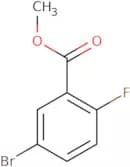
CAS :<p>5-Bromo-2-fluorobenzoic acid methyl ester (5BFME) is a synthetic, non-steroidal compound that is used to treat prostate cancer. 5BFME inhibits the production of prostate specific antigen (PSA) and other androgen levels in prostate cancer cells. 5BFME also has an effect on the cell cycle by inhibiting DNA synthesis, which is likely to have a synergistic effect with other anticancer drugs. 5BFME has shown no selectivity toward any type of cell, which may be due to its ability to modulate cellular biochemical pathways.</p>Formule :C8H6BrFO2Degré de pureté :Min. 95%Couleur et forme :PowderMasse moléculaire :233.03 g/mol3’,5’-Bis-O-benzoyl-2’-Deoxy-2’-fluoro-4-deoxy-arabinouridine
CAS :<p>Please enquire for more information about 3’,5’-Bis-O-benzoyl-2’-Deoxy-2’-fluoro-4-deoxy-arabinouridine including the price, delivery time and more detailed product information at the technical inquiry form on this page</p>Degré de pureté :Min. 95%4-(Trifluoromethylthio)benzonitrile
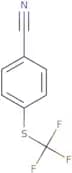
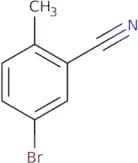
CAS :<p>4-(Trifluoromethylthio)benzonitrile is a chemical that is used as a scaffold in the synthesis of other chemicals. It can be used as a building block for complex compounds and as a starting material for research chemicals. This chemical has been reported to have high purity and quality, and it has been found to be useful as an intermediate. 4-(Trifluoromethylthio)benzonitrile is also versatile and can be used as an intermediate for organic synthesis or as a reagent in chemical reactions. It has CAS number 332-26-3.</p>Formule :C8H4F3NSDegré de pureté :Min. 95%Couleur et forme :Off-White PowderMasse moléculaire :203.19 g/mol5-Bromo-2-methylbenzonitrile
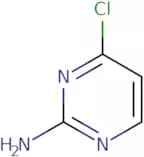
CAS :<p>5-Bromo-2-methylbenzonitrile is a substrate for the enzyme benzoate kinase and is used as an intermediate in the synthesis of cyclen. It can be activated by addition of acid, which leads to a rapid increase in the rate of reaction. The kinetic data for this reaction have been analyzed and show that it obeys first order kinetics with respect to both 5-bromo-2-methylbenzonitrile and benzoic acid. This reaction is also catalyzed by an analog of cyclen, which binds to the enzyme more tightly than 5-bromo-2-methylbenzonitrile, resulting in a higher activation energy. It is possible to analyze the kinetics of this reaction using agarose gel electrophoresis or supercoiled DNA analysis.</p>Formule :C8H6BrNDegré de pureté :Min. 95%Couleur et forme :PowderMasse moléculaire :196.04 g/mol2-Amino-4-chloropyrimidine
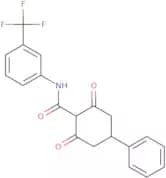
CAS :<p>2-Amino-4-chloropyrimidine is an amido compound that is used to treat infectious diseases. It is a potent inhibitor of the enzyme topoisomerase II, which is involved in DNA replication and transcription. This drug has shown cytotoxic activity against du145 cells, an immortalized prostate cancer cell line. 2-Amino-4-chloropyrimidine has also been shown to be effective against MDA-MB-231 cells and thp1 cells, which are human breast cancer cell lines. 2-Amino-4-chloropyrimidine binds to the active site of topoisomerase II, preventing the enzyme from binding with the two ends of DNA and causing DNA breakage. The drug has also been shown to inhibit the growth of cervical cancer cells by binding with amine groups on proteins found on these cells.</p>Formule :C4H4ClN3Degré de pureté :80Couleur et forme :White PowderMasse moléculaire :129.55 g/mol(2,6-dioxo-4-phenylcyclohexyl)-N-(3-(trifluoromethyl)phenyl)formamide
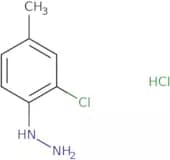
CAS :<p>Please enquire for more information about (2,6-dioxo-4-phenylcyclohexyl)-N-(3-(trifluoromethyl)phenyl)formamide including the price, delivery time and more detailed product information at the technical inquiry form on this page</p>Degré de pureté :Min. 95%(2-Chloro-4-methylphenyl)hydrazine hydrochloride
CAS :(2-Chloro-4-methylphenyl)hydrazine hydrochloride is a high quality reagent that is a useful intermediate for the synthesis of complex compounds. It has been used as a building block for the synthesis of speciality chemicals and research chemicals. This compound can be used to produce versatile building blocks and reaction components.Formule :C7H9ClN2·HClDegré de pureté :Min. 95%Couleur et forme :PowderMasse moléculaire :193.07 g/mol4-Iodo-3-nitro-1-(trifluoromethyl)benzene
CAS :<p>4-Iodo-3-nitro-1-(trifluoromethyl)benzene is a versatile building block in organic synthesis. It is an excellent reagent for the preparation of valuable heterocycles and complex molecules, such as spirocyclic amines, quinolines, benzooxazoles, and benzothiazoles. 4-Iodo-3-nitro-1-(trifluoromethyl)benzene is also used for the protection of reactive groups and as a temporary protecting group for alcohols. This chemical has CAS number 40097-5 and can be used as a research chemical or speciality chemical.</p>Formule :C7H3F3INO2Degré de pureté :Min. 95%Couleur et forme :PowderMasse moléculaire :317 g/mol2,6-Dichloropyrimidine-4-carboxylic acid
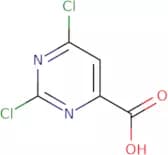
CAS :2,6-Dichloropyrimidine-4-carboxylic acid is a pyrimidine that can be used as a starting material for the synthesis of other compounds. It is an intermediate in the manufacture of anilines and pyrimidines. 2,6-Dichloropyrimidine-4-carboxylic acid is also used in the production of dyes and agrochemicals.Formule :C5H2Cl2N2O2Degré de pureté :Min. 95%Couleur et forme :White PowderMasse moléculaire :192.99 g/molR-(-)-3-Quinuclidinyl chloroformate
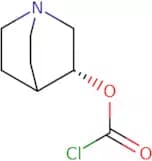
CAS :<p>R-(-)-3-Quinuclidinyl chloroformate is a chemical intermediate that is used as a reagent in organic synthesis. It reacts with amines to form quaternary ammonium salts, which are often used as reaction components in the production of pharmaceuticals. R-(-)-3-Quinuclidinyl chloroformate has been shown to be useful for the preparation of various heterocycles. This compound has been found to have several biological activities, including the ability to inhibit protein synthesis and induce apoptosis.</p>Formule :C8H12ClNO2Degré de pureté :Min. 95%Couleur et forme :White PowderMasse moléculaire :189.64 g/mol[1-(Azepan-1-ylcarbonyl)butyl]amine hydrochloride
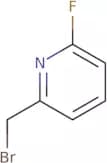
CAS :Produit contrôlé<p>Please enquire for more information about [1-(Azepan-1-ylcarbonyl)butyl]amine hydrochloride including the price, delivery time and more detailed product information at the technical inquiry form on this page</p>Formule :C11H22N2ODegré de pureté :Min. 95%Masse moléculaire :198.31 g/mol2-(bromomethyl)-6-fluoropyridine
CAS :<p>2-(bromomethyl)-6-fluoropyridine is an intermediate for the synthesis of other chemical compounds. It is a fine chemical that is used as a reagent in organic synthesis and as a building block for more complex compounds. This compound can be used in pharmaceuticals, agrochemicals, and other industries that require chemicals with specific properties. 2-(bromomethyl)-6-fluoropyridine is also useful as a building block for the synthesis of novel derivatives.</p>Formule :C6H5BrFNDegré de pureté :Min. 95%Masse moléculaire :190.01 g/mol2-Bromo-6-methyl-4-nitroaniline
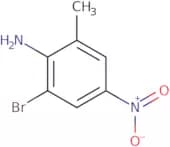
CAS :<p>2-Bromo-6-methyl-4-nitroaniline is a fine chemical that is used in the preparation of other chemicals and as a reagent. It can be used as an intermediate for organic synthesis, such as the conversion of 2-bromoindole to indoxyl, or as a building block for the preparation of more complex compounds. This chemical is also versatile in that it can be used in reactions with different reactants, including amines, carboxylic acids, thiols, and alcohols.</p>Formule :C7H7BrN2O2Degré de pureté :Min. 95%Couleur et forme :PowderMasse moléculaire :231.05 g/mol2-Chloro-4-nitro benzamide
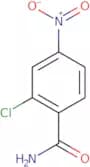
CAS :<p>2-Chloro-4-nitrobenzamide is a drug that belongs to the sulfa drugs. It has been shown to be effective in treating autoimmune diseases, particularly bowel disease and inflammatory bowel disease. 2-Chloro-4-nitrobenzamide inhibits the synthesis of fatty acids by blocking the enzyme acetyl CoA carboxylase, which is involved in the formation of long chain fatty acids. This drug also has immunosuppressive activities, which may be due to its ability to block T cell proliferation. 2-Chloro-4-nitrobenzamide is used as a chemical intermediate for antibiotics such as maduramicin ammonium and salinomycin sodium. It is also used as a dietary supplement or pharmaceutical dosage form for cardiac glycoside drugs such as digoxin.</p>Formule :C7H5ClN2O3Degré de pureté :Min. 95%Couleur et forme :PowderMasse moléculaire :200.58 g/molm-Iodobenzonitrile
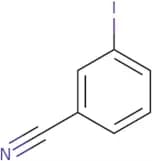
CAS :<p>m-Iodobenzonitrile is a chemical reagent that is a hydrogen bond acceptor and donor. It has been used for the analysis of dopamine, tosylates, and carbonyl compounds. It can also be used in kinetic studies of hydrogen bonding interactions. The dipole moment of m-iodobenzonitrile is 1.779 D. The transport properties of m-iodobenzonitrile are negligible due to its low vapor pressure. Kinetic studies have shown that it reacts with hydrogen gas at room temperature to form a dipole ion pair with an estimated rate constant of 6x10 M/sec. Cross-coupling reactions with aryl halides have been observed at room temperature in the presence of copper catalyst and sodium bicarbonate buffer. Analytical chemistry has shown that m-iodobenzonitrile reacts with acidic solutions to produce hydrogen ions and carbon dioxide gas.</p>Formule :C7H4INDegré de pureté :Min. 95%Couleur et forme :PowderMasse moléculaire :229.02 g/mol2,2-Dichloro-1,1,1,3,3,3-Hexafluoropropane
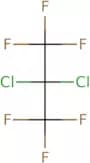
CAS :Produit contrôlé<p>2,2-Dichloro-1,1,1,3,3,3-hexafluoropropane is a chemical compound that is predominately composed of chlorine. It is a pyridinium salt that reacts with aldehydes to produce chlorinated hydrocarbons. In liquid phase 2,2-dichloro-1,1,1,3,3,3-hexafluoropropane undergoes dehydration to form an alkyl fluoride. This compound has been used in the production of pyrethroid pesticides and chrysanthemic acid (a natural insecticide). The 2 isomers are diastereomers of each other and have different physical properties.</p>Formule :C3Cl2F6Degré de pureté :Min. 95%Masse moléculaire :220.93 g/molOxybuprocaine hydrochloride
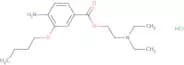
CAS :Produit contrôlé<p>Oxybuprocaine hydrochloride is a local anesthetic that belongs to the group of x-ray diffraction data. It is a chemical compound that has been shown to be effective in inducing anesthesia in humans. Oxybuprocaine hydrochloride binds to proteins, such as benzalkonium chloride, and inhibits cell growth. It also has an anti-inflammatory effect by preventing the release of prostaglandins. Oxybuprocaine hydrochloride stabilizes chemical bonds and does not react with oxygen or water, making it a suitable candidate for use in eye drops and other solutions for application to skin cells. As well as this, oxybuprocaine hydrochloride can be used as a contrast agent for x-rays when dissolved in human serum or nutrient solution and can be detected using an electrochemical detector.</p>Formule :C17H29ClN2O3Degré de pureté :Min. 95%Couleur et forme :White PowderMasse moléculaire :344.88 g/mol

![Diammonium N-ethylheptadecafluoro-N-[2-(phosphonatooxy)ethyl]octanesulfonamidate](/_next/image/?url=https%3A%2Fstatic.cymitquimica.com%2Fproducts%2F3D%2Fthumb-webp%2FFD100565.webp&w=3840&q=75)
![Sodium 2-[[3-(trifluoromethyl)phenyl]amino]benzoate](/_next/image/?url=https%3A%2Fstatic.cymitquimica.com%2Fproducts%2F3D%2Fthumb-webp%2FFS92420.webp&w=3840&q=75)





![4-[[4-(4-Chlorophenyl)-2-thiazolyl]amino]phenol](/_next/image/?url=https%3A%2Fstatic.cymitquimica.com%2Fproducts%2F3D%2Fthumb-webp%2FFC137468.webp&w=3840&q=75)





![[5-Methyl-3-(trifluoromethyl)-1H-pyrazol-1-yl]acetic acid](/_next/image/?url=https%3A%2Fstatic.cymitquimica.com%2Fproducts%2F3D%2Fthumb-webp%2FFM54360.webp&w=3840&q=75)
![Hydroxy-[4-(4-hydroxy-5-bromo-3-iodophenoxy)-3,5-diiodophenyl]acetic acid](/_next/image/?url=https%3A%2Fstatic.cymitquimica.com%2Fproducts%2F3D%2Fthumb-webp%2FFH66633.webp&w=3840&q=75)

![N-Ethyl-N-nitroso-1-[3-(trifluoromethyl)phenyl]-2-propanamine](/_next/image/?url=https%3A%2Fstatic.cymitquimica.com%2Fproducts%2F3D%2Fthumb-webp%2FFE96581.webp&w=3840&q=75)

![7-[4-(4-Fluorophenyl)-6-(1-methylethyl)-2-(N-methyl-N-methylsulfonyl-amino)-pyrimidin-5-yl]-3,5-di…](/_next/image/?url=https%3A%2Fstatic.cymitquimica.com%2Fproducts%2F3D%2Fthumb-webp%2FFF35383.webp&w=3840&q=75)


![[1-(Azepan-1-ylcarbonyl)butyl]amine hydrochloride](/_next/image/?url=https%3A%2Fstatic.cymitquimica.com%2Fproducts%2F3D%2Fthumb-webp%2FFA130693.webp&w=3840&q=75)