Halogénures organiques
Dans cette catégorie, vous trouverez des molécules organiques contenant un ou plusieurs atomes d'halogène dans leur structure. Ces halogénures organiques incluent des composés bromés, iodés, chlorés et des halogénures cycliques. Les halogénures organiques sont largement utilisés en synthèse organique, en pharmaceutique, en agrochimie et en science des matériaux en raison de leur réactivité et de leur capacité à subir une variété de transformations chimiques. Chez CymitQuimica, nous offrons une sélection complète d'halogénures organiques de haute qualité pour soutenir vos applications de recherche et industrielles, garantissant une performance fiable et efficace dans vos projets synthétiques et analytiques.
Sous-catégories appartenant à la catégorie "Halogénures organiques"
20440 produits trouvés pour "Halogénures organiques"
Trier par
Degré de pureté (%)
0
100
|
0
|
50
|
90
|
95
|
100
3-(3-Piperidinopropoxy)-1-[3-(Trifluoromethyl)Phenyl]-1H-Indazole
CAS :Produit contrôlé<p>3-(3-Piperidinopropoxy)-1-[3-(Trifluoromethyl)Phenyl]-1H-Indazole is a compound that functions as an actuator. It can be used to implement force, such as controlling a change in the position of a control or actuation, and it can also be used to shift control. 3-(3-Piperidinopropoxy)-1-[3-(Trifluoromethyl)Phenyl]-1H-Indazole is an actuation method that can be controlled by implementing force.</p>Formule :C22H24F3N3ODegré de pureté :Min. 95%Masse moléculaire :403.44 g/mol1,1,1,2,2,3,3,4,4-Nonafluoro-4-(1,1,2,2,3,3,4,4,4-Nonafluorobutoxy)Butane
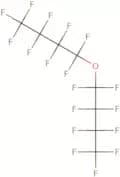
CAS :Produit contrôlé<p>1,1,1,2,2,3,3,4,4-Nonafluoro-4-(1,1,2,2,3,3-hexafluorobutoxy)butane is a reactive acyl halide. It is used as a fluorine source in the production of polymers and coatings with amines. It can also be used as a polymerization initiator in the synthesis of primary amino compounds. This chemical has been shown to be nonpolar and insoluble in water. It is not flammable or explosive.</p>Formule :C8F18ODegré de pureté :Min. 95%Masse moléculaire :454.06 g/mol2-Amino-5-nitrobenzylamine hydrochloride
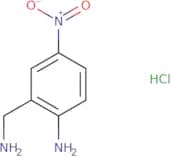
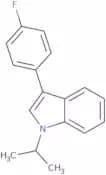
CAS :<p>2-Amino-5-nitrobenzylamine hydrochloride is a fine chemical that can be used as a building block for research chemicals and speciality chemicals. It is a versatile building block for the synthesis of complex compounds and useful scaffold for the preparation of biologically active molecules. 2-Amino-5-nitrobenzylamine hydrochloride has been shown to have high quality with CAS No. 863771-09-9. This chemical can be used as a reagent, reaction component, or useful intermediate in reactions like nitration, amination, and reductive amination.</p>Formule :C7H10ClN3O2Degré de pureté :Min. 95%Masse moléculaire :203.63 g/mol1-Isopropyl-3-(4-fluorophenyl)indole
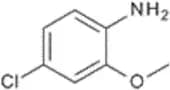
CAS :<p>1-Isopropyl-3-(4-fluorophenyl)indole is a solvent that has been shown to be useful for the deuterium enrichment of carbonyl compounds. It is also used as a reagent for the Friedel-Crafts acylation and for the synthesis of 3-methoxyacrylate. The process of wastewater treatment is made more efficient by adding 1-isopropyl-3-(4-fluorophenyl)indole to chloride. This process increases yields and decreases the amount of time it takes to complete wastewater treatment. 1-Isopropyl-3-(4-fluorophenyl)indole can also be used in the synthesis of fluvastatin, an antilipidemic agent.</p>Formule :C17H16FNDegré de pureté :Min. 95%Couleur et forme :PowderMasse moléculaire :253.31 g/mol4-Chloro-2-methoxyaniline
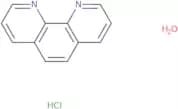
CAS :<p>4-Chloro-2-methoxyaniline is an organic compound with the chemical formula CHClNO. It is a colorless liquid that smells like benzene. 4-Chloro-2-methoxyaniline reacts with diazonium salt to produce a red-orange dye and is used to create other azo compounds. It also reacts with anionic substances and can be used in fibre production. 4-Chloro-2-methoxyaniline has been shown to have fungicidal properties, which may be due to its ability to oxidize the fungal cell membrane.</p>Formule :C7H8ClNODegré de pureté :Min. 98 Area-%Masse moléculaire :157.6 g/molo-Phenanthroline monohydrochloride monohydrate
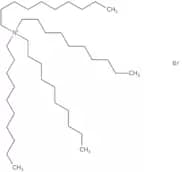
CAS :<p>o-Phenanthroline monohydrochloride monohydrate is a ligand that is used in crystallography to study the crystal structure of metal ions. It has been shown to be an efficient catalyst for the ring-opening of chloroformates, and can also be used as an analytical reagent that is capable of detecting chlorine in organic compounds. The hydrate form of o-phenanthroline monohydrochloride has a molecular formula of C12H14ClN3O4·2H2O and a molecular weight of 392.7 g/mol.</p>Formule :C12H8N2·HCl·H2OCouleur et forme :PowderMasse moléculaire :234.68 g/molTetradecylammonium bromide
CAS :<p>Tetradecylammonium bromide is a crystalline compound that has been shown to have many applications. It can be used as a denitrification agent, for example, in the removal of nitrates from water or air. Tetradecylammonium bromide also has synergistic effects when combined with other molecules such as fatty acids and human urine. Its crystalline structure consists of two subunits that are linked by hydrogen bonding. The α-subunit is made up of four tetradecylammonium cations and one chloride anion, while the β-subunit is made up of six chloride anions and one tetradecylammonium cation.</p>Formule :C40H84BrNCouleur et forme :White Off-White PowderMasse moléculaire :659.01 g/molCalcium chloride anhydrous
CAS :<p>Calcium chloride anhydrous is a buffering agent that is used to control the pH of fluids in a controlled manner. It is also used as an osmotic agent in cell culture, where it regulates the uptake of water by increasing the permeability of cells. Calcium chloride anhydrous can be used to induce pluripotent cells, which are stem cells capable of becoming any type of tissue, through transcriptional regulation. This compound has been shown to have a concentration optimum at 1-3 mM and cannot be dissolved in water at high concentrations due to its hydrophilic nature. Calcium chloride anhydrous is not soluble in water and should be dissolved before being added to solutions.</p>Formule :CaCl2Degré de pureté :Min. 95%Couleur et forme :White Clear LiquidMasse moléculaire :110.98 g/molDefluoro atorvastatin acetonide tert-butyl ester
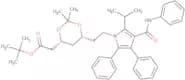
CAS :Please enquire for more information about Defluoro atorvastatin acetonide tert-butyl ester including the price, delivery time and more detailed product information at the technical inquiry form on this pageFormule :C40H48N2O5Degré de pureté :Min. 95%Couleur et forme :PowderMasse moléculaire :636.82 g/mol2-(4-Bromophenyl)-5-phenyl-1,3,4-oxadiazole
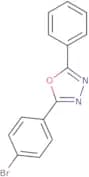
CAS :<p>2-(4-Bromophenyl)-5-phenyl-1,3,4-oxadiazole is a fluorescent and x-ray active molecule. It is a cross-coupled compound that can be used in devices for photophysical applications such as fluorescence and x-ray detection. This compound has been shown to have efficiencies of up to 90% for the detection of excitation light at 295 nm. 2-(4-Bromophenyl)-5-phenyl-1,3,4-oxadiazole has also been used in the preparation of high performance liquid phase extraction columns with good results. The reaction time and irradiation are important factors when considering this molecule for use in photophysical applications.</p>Formule :C14H9BrN2ODegré de pureté :Min. 95%Couleur et forme :PowderMasse moléculaire :301.14 g/mol2-Chloro-5-nitrobenzophenone
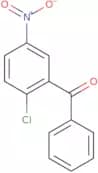
CAS :<p>2-Chloro-5-nitrobenzophenone is a reactive intermediate that belongs to the class of aryl chlorides. It has been used in organic synthesis as a monomer and homologue for the preparation of other organic compounds. 2-Chloro-5-nitrobenzophenone can be synthesized from malonic acid and an aryl chloride by treatment with sodium hydroxide or potassium carbonate in an organic solvent. This compound reacts with acetonitrile at room temperature to form chloroform, nitronium ion, and hydrogen chloride. The reaction system can also be prepared by treating 2-chloro-5-nitrobenzophenone with pyridine in acetonitrile under reflux conditions.<br>2-Chloro-5-nitrobenzophenone is used as a reagent in plant cell culture experiments where it induces DNA cleavage and inhibits protein synthesis.</p>Formule :C13H8ClNO3Degré de pureté :Min. 95%Couleur et forme :PowderMasse moléculaire :261.66 g/mol3-Chloro-4-methylbenzyl alcohol - Technical grade
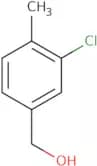
CAS :<p>3-Chloro-4-methylbenzyl alcohol is a building block chemical that is used in the synthesis of a variety of organic compounds. It is a versatile chemical that can be used as a reagent, reaction component, and intermediate. 3-Chloro-4-methylbenzyl alcohol has been found to be useful in the synthesis of complex compounds, such as 4-chloromethoxybenzoic acid and 3-(3,5-dimethoxyphenyl)acetic acid. This chemical can also be used to produce speciality chemicals, such as 3-(2-(2,4-dichlorophenoxy)ethyl)benzonitrile.</p>Formule :C8H9ClODegré de pureté :Min. 95%Couleur et forme :Colorless PowderMasse moléculaire :156.61 g/mol3-(4'-Bromo[1,1'-biphenyl]-4-yl)-1,2,3,4-tetrahydro-1-naphthalenol
CAS :3-(4'-Bromo[1,1'-biphenyl]-4-yl)-1,2,3,4-tetrahydro-1-naphthalenol is a chemical compound that belongs to the group of bromonaphthalenes. It has been used as a reaction component in organic synthesis and as a reagent for detection of DNA binding. 3-(4'-Bromo[1,1'-biphenyl]-4-yl)-1,2,3,4-tetrahydro-1-naphthalenol can be used as a building block for complex compounds with speciality applications. The compound is an intermediate in the production of pharmaceuticals such as selective estrogen receptor modulators.Formule :C22H19BrODegré de pureté :Min. 95%Couleur et forme :PowderMasse moléculaire :379.29 g/mol4-Bromo-2-(trifluoromethyl)benzylamine hydrochloride
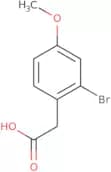
CAS :<p>4-Bromo-2-(trifluoromethyl)benzylamine hydrochloride is a versatile building block useful for the synthesis of complex compounds. It is also a research chemical, which is used as a reaction component and a speciality chemical. 4-Bromo-2-(trifluoromethyl)benzylamine hydrochloride has high purity and can be used as a reagent in the synthesis of new pharmaceuticals or fine chemicals.</p>Formule :C8H7BrF3N•HClDegré de pureté :Min. 95%Couleur et forme :PowderMasse moléculaire :290.51 g/mol2-(2-Bromo-4-methoxyphenyl)acetic acid
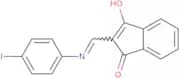
CAS :2-(2-Bromo-4-methoxyphenyl)acetic acid is a versatile building block that is used as a research chemical, reaction component, and reagent. It is also used as a speciality chemical and complex compound. This compound has the CAS number 66916-99-2.Formule :C9H9BrO3Couleur et forme :SolidMasse moléculaire :245.07 g/mol2-(((4-iodophenyl)amino)methylene)indane-1,3-dione
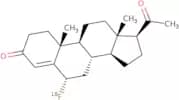
CAS :Please enquire for more information about 2-(((4-iodophenyl)amino)methylene)indane-1,3-dione including the price, delivery time and more detailed product information at the technical inquiry form on this pageFormule :C16H10INO2Degré de pureté :Min. 95%Couleur et forme :PowderMasse moléculaire :375.16 g/mol6-Fluoropregn-4-Ene-3,20-Dione
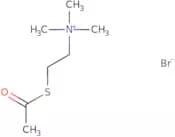
CAS :Produit contrôlé<p>6-Fluoropregn-4-Ene-3,20-Dione is a hydrocarbon that is used in the production of an oil solution for oral administration. This product is well tolerated and has been shown to have good activity against Leptosphaeria species, which are members of the class of microorganisms. 6-Fluoropregn-4-Ene-3,20-Dione may be used as diluent with other substances. It can also be used as a corynebacterium culture media or as a dehydrated culture medium for corynebacteria. 6FPD can also be used to make emulsions containing microorganisms such as Cylindrocarpon species and Hydrolysing strains. It can function as a peracid or alkylene acylate oxidising agent.</p>Formule :C21H29FO2Degré de pureté :Min. 95%Masse moléculaire :332.45 g/molAcetylthiocholine bromide
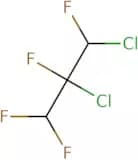
CAS :<p>Acetylthiocholine bromide is a lipase inhibitor that has been shown to be nontoxic in doses as high as 250 mg/kg. Acetylthiocholine bromide has an acetylcholinesterase-inhibiting effect, which makes it a potential drug for the treatment of Alzheimer's disease and other neurological disorders. Acetylthiocholine bromide is also used in the detection of acetylcholine in biological samples, such as serum and urine. The surface-enhanced Raman (SERS) technique is used to detect the presence of acetylthiocholine bromide. This technique uses gold nanoparticles deposited on a substrate to increase the intensity of Raman scattering from molecules adsorbed on the surface. Inhibition of acetylcholinesterase by acetylthiocholine bromide leads to increased levels of acetylcholine and prevents its breakdown by cholinesterases. This leads</p>Formule :C7H16BrNOSDegré de pureté :Min. 95%Couleur et forme :White Off-White PowderMasse moléculaire :242.18 g/mol1,2-Dichloro-1,2,3,3-tetrafluoropropane
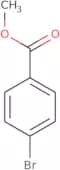
CAS :Produit contrôlé<p>1,2-Dichloro-1,2,3,3-tetrafluoropropane (1,2-DCE) is an aromatic hydrocarbon that is used in the manufacturing of polyurethane and other products. 1,2-DCE is a colorless gas with a sweet odor. It has been shown to be carcinogenic in animal studies. It can be found as a liquid or solid at room temperature and has a high vapor pressure. The gas is soluble in water and most organic solvents. The liquid form boils at -10°C and freezes at -30°C. 1,2-DCE can be detected by infrared spectroscopy due to its absorption bands at 3270 cm-1 and 3300 cm-1.</p>Formule :C3H2Cl2F4Degré de pureté :Min. 95%Masse moléculaire :184.95 g/molMethyl 4-bromobenzoate
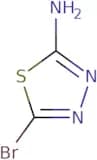
CAS :<p>Methyl 4-bromobenzoate is a molecule that has been synthesized by the reaction of bromine with methyl benzoate, which is catalyzed by palladium. This compound is soluble and can be analyzed using phase chromatography. Methyl 4-bromobenzoate has been used in the synthesis of pemetrexed, an antifolate drug used to treat cancer. The chloride ion is a product of this reaction, as well as sodium chloride. Cross-coupling reactions are also possible when methyl 4-bromobenzoate reacts with organometallic compounds such as rhodium. The calcium carbonate may be used to remove the chloride ion from the reaction mixture or to precipitate out any other organic products that are soluble in water.</p>Formule :C8H7BrO2Degré de pureté :Min. 98.5%Masse moléculaire :215.04 g/mol5-Bromo-1,3,4-thiadiazol-2-amine
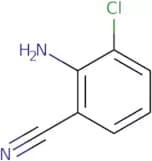
CAS :<p>5-Bromo-1,3,4-thiadiazol-2-amine is a synthetic antiplatelet agent that belongs to the thiosemicarbazide class. It has been shown to have broad-spectrum antimicrobial activity against Gram-positive and Gram-negative bacteria. 5-Bromo-1,3,4-thiadiazol-2-amine is an orally bioavailable drug that can be used in the treatment of bacterial infections caused by Gram negative bacteria. The molecular modeling study suggests that this compound binds to the enzyme active site of DNA gyrase and inhibits its activity. 5Bromo-1,3,4-thiadiazol-2 amine is deuterated and can be used for molecular modeling studies because it is soluble in organic solvents.</p>Formule :C2H2BrN3SDegré de pureté :Min. 95%Couleur et forme :PowderMasse moléculaire :180.03 g/mol2-Amino-3-chlorobenzonitrile
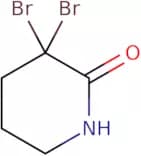
CAS :<p>2-Amino-3-chlorobenzonitrile is a linker in the synthesis of serotonin, an endogenous neurotransmitter that is involved in many physiological and psychological processes. The x-ray crystallographic studies of this molecule revealed that it has a similar structure to the analogs used for anticancer activity and bioassays. This molecule has shown anticancer activity against tumor cell lines with high levels of serotonin production, such as colon cancer cells. It also shows anti-cancer effects by binding to cryptochrome and stabilizing its structure. 2-Amino-3-chlorobenzonitrile interacts with hydrogen bonding interactions.</p>Formule :C7H5ClN2Degré de pureté :Min. 95%Couleur et forme :PowderMasse moléculaire :152.58 g/mol3,3-Dibromopiperidin-2-one
CAS :<p>3,3-Dibromopiperidin-2-one is a synthetic reaction product that is used to synthesize diisobutylaluminum. This compound can be found in the sources methylester chloride, pentachloride, thionyl, phosphorus pentachloride, coniferyl alcohol and ferulic acid. It is also an alkaloid compound that has been reported as a palladium catalyst for coupling reactions. 3,3-Dibromopiperidin-2-one is used to synthesize diisobutylaluminum. This compound can be found in the sources methylester chloride, pentachloride, thionyl, phosphorus pentachloride, coniferyl alcohol and ferulic acid. It is also an alkaloid compound that has been reported as a palladium catalyst for coupling reactions.</p>Formule :C5H7Br2NODegré de pureté :Min. 95%Couleur et forme :PowderMasse moléculaire :256.92 g/mol1-(4,5-dichloroimidazolyl)-2-(hydroxyimino)-3,3-dimethylbutane
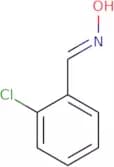
CAS :Please enquire for more information about 1-(4,5-dichloroimidazolyl)-2-(hydroxyimino)-3,3-dimethylbutane including the price, delivery time and more detailed product information at the technical inquiry form on this pageDegré de pureté :Min. 95%2-Chlorobenzaldehyde oxime
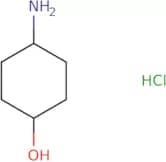
CAS :<p>2-Chlorobenzaldehyde oxime is a compound that inhibits the growth of mycobacterium tuberculosis. It reacts with chloride in the environment to form 2-chlorobenzaldehyde, which reacts with an isoxazole to produce a quinone. Quinones are toxic to mammals and are thought to be responsible for the antimycobacterial activity of this compound. The reaction mechanism of 2-chlorobenzaldehyde oxime has been studied using various techniques and its toxicity has been evaluated in both culture and animal studies. This compound has shown no significant effects on mice at up to 100 mg/kg body weight, but it was found to cause death in rats at doses as low as 0.1 mg/kg body weight.<br>2-Chlorobenzaldehyde oxime was synthesised by reacting 2-chlorobenzaldehyde with oxalyl chloride under conditions suitable for safety, and the product was purified by recrystallisation from acetone. The synthesis</p>Formule :C7H6ClNODegré de pureté :Min. 95%Couleur et forme :PowderMasse moléculaire :155.58 g/moltrans-4-Aminocyclohexanol hydrochloride
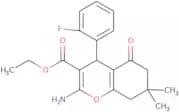
CAS :<p>Trans-4-aminocyclohexanol hydrochloride is a monomer that has been used in the synthesis of polymers, which are used in the production of medical devices. Trans-4-aminocyclohexanol hydrochloride has shown anticancer activity and is used to inhibit the growth of murine leukemia cells. It has also shown uptake in different tissues and amination reaction with amino acids. The melting point of trans-4-aminocyclohexanol hydrochloride is 198°C, constant at 1.0, and impurities are less than 0.2%. Trans-4-aminocyclohexanol hydrochloride has been found to be a colorless solid with a molecular weight of 154.2 g/mol, an amorphous morphology, and a particle size distribution between 5 nm and 10 μm.</p>Formule :C6H13NO·HClCouleur et forme :White Off-White PowderMasse moléculaire :151.63 g/molethyl 2-amino-4-(2-fluorophenyl)-7,7-dimethyl-5-oxo-4,6,7,8-tetrahydro2H-chromene-3-carboxylate
CAS :Please enquire for more information about ethyl 2-amino-4-(2-fluorophenyl)-7,7-dimethyl-5-oxo-4,6,7,8-tetrahydro2H-chromene-3-carboxylate including the price, delivery time and more detailed product information at the technical inquiry form on this pageDegré de pureté :Min. 95%Tributyltin chloride
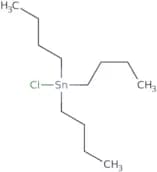
CAS :Produit contrôlé<p>Tributyltin chloride is an experimental chemical that is used as a model for apoptosis. It binds to the chloride ion and induces apoptosis in 3T3-L1 preadipocytes. The process of apoptosis involves the mitochondrial membrane potential, which is an important factor in the regulation of intracellular Ca2+ levels. Tributyltin chloride has also been shown to increase copper-induced toxicity in cells by inhibiting ryanodine receptors, which are involved in calcium homeostasis. Tributyltin chloride has a phase transition temperature of -25°C and is not soluble in water; it can be dissolved in methanol, ethanol, acetone, benzene, chloroform, hexane, or ether. Tributyltin chloride also has been shown to have physiological effects on cell nuclei and maternal blood cells.</p>Formule :C12H27ClSnDegré de pureté :Min. 95%Couleur et forme :Colourless To Yellowish LiquidMasse moléculaire :325.51 g/mol5-Chloroindole
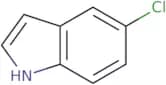
CAS :<p>5-Chloroindole is a molecule that can bind to the CB2 cannabinoid receptor. It has been shown in experiments to be an allosteric modulator of this receptor. 5-Chloroindole has been found to have an inhibitory effect on degenerative diseases, such as Huntington's disease and Alzheimer's disease, and may have therapeutic potential for these disorders. 5-Chloroindole binds to a metal surface by forming hydrogen bonds with the oxygen atom of its carboxyl group and the metal surface. The nucleophilic nature of 5-chloroindole allows it to react with chloride ions present in solution. 5-Chloroindole reacts with the carbon source in tissue culture, which leads to receptor activity and inhibition of cell proliferation.</p>Formule :C8H6ClNCouleur et forme :White PowderMasse moléculaire :151.59 g/mol5(6)-Carboxyfluorescein - mixture
CAS :<p>6-Carboxyfluorescein is a fluorescent dye widely used in PCR methodologies, it is used to label the 5' end of oligonucleotides as a reporter in the presence of a quencher at the 3' end (dual labelled probe). During the amplification process, the dye is cleaved, and the fluorescence increases proportionally with the amount of the specific sequence amplified during the PCR process. The development of the fluorescence signal is therefore specifically related to the amplification of the target sequence. It is used to tag DNA and RNA for in vivo and in vitro applications, as well as for structural studies and RNA-protein interactions.</p>Formule :C21H12O7Degré de pureté :Min. 95%Couleur et forme :PowderMasse moléculaire :376.32 g/mol4-Chloro Kynurenine
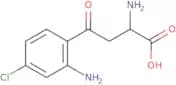
CAS :<p>4-Chloro Kynurenine is an aminotransferase activator that has been shown to produce antidepressant responses in animals. It is also a prodrug of rapamycin, which acts as an immunosuppressant and prevents the uptake of glutamate. 4-Chloro Kynurenine is used for the treatment of treatment-resistant depression. It inhibits glycogen synthase kinase-3 (GSK-3) and enhances the uptake of glutamate by organic anion transporters (OATs). This inhibition increases neurotrophic factors such as brain-derived neurotrophic factor (BDNF) and nerve growth factor (NGF). These findings suggest that 4-chloro kynurenine may be a novel drug for the treatment of depression.</p>Formule :C10H11ClN2O3Degré de pureté :Min. 95%Couleur et forme :Off-White PowderMasse moléculaire :242.66 g/mol4-Amino-3-fluorobenzoic acid
CAS :4-Amino-3-fluorobenzoic acid (4AFB) is an inhibitor of the enzyme nitric oxide synthase. It has been shown to inhibit chronic inflammation by reducing blood pressure and inhibiting the production of reactive oxygen species that can cause damage to cells in the body. 4AFB is a competitive inhibitor of nitric oxide synthase, which prevents the production of nitric oxide from L-arginine. Nitric oxide is an important signaling molecule in the nervous system, and its inhibition may lead to hyperpolarization of the membrane, which can have therapeutic benefits for certain conditions.Formule :C7H6FNO2Degré de pureté :Min. 95%Couleur et forme :PowderMasse moléculaire :155.13 g/mol5-Chloro-1-methyl-4-nitroimidazole
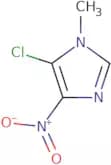
CAS :<p>5-Chloro-1-methyl-4-nitroimidazole (5C1MI) is a fatty acid that is synthesized by the reaction of phosphorus pentachloride and an aliphatic hydrocarbon. It has been shown to be effective in treating women with breast cancer. 5C1MI blocks the activity of a protein called HER2, which promotes tumor growth. The drug has been shown to cause an increase in the number of circulating lymphocytes and natural killer cells, as well as an increase in the production of antibodies in mice. These effects are likely caused by 5C1MI's ability to inhibit the proliferation of T cells and B cells. 5C1MI has also been shown to have a high solubility in water and low solubility in lipids, which makes it suitable for administration via intravenous injection.</p>Formule :C4H4ClN3O2Degré de pureté :Min. 95%Couleur et forme :PowderMasse moléculaire :161.55 g/mol2-fluoro-4-(trifluoromethyl)benzaldehyde
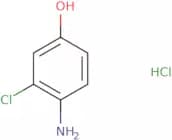
CAS :<p>2-fluoro-4-(trifluoromethyl)benzaldehyde is a chemical compound that can be synthesized by the reaction of peroxide with fluorine. It is used as a solvent in coatings and in the production of organic chemicals. 2-fluoro-4-(trifluoromethyl)benzaldehyde has been shown to be toxic to cancer cells at high concentrations, but not normal cells. The waveguide effect can be observed at temperatures below -60°C and it has three functional groups that are hydrolyzed by HCl.</p>Formule :C8H4F4ODegré de pureté :Min. 95%Couleur et forme :Clear LiquidMasse moléculaire :192.11 g/mol4-Amino-3-chlorophenol hydrochloride
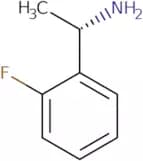
CAS :<p>Intermediate in the synthesis of lenvatinib</p>Formule :C6H7Cl2NODegré de pureté :Min. 95%Couleur et forme :PowderMasse moléculaire :180.03 g/mol(S)-1-(2-Fluorophenyl)ethylamine
CAS :<p>(S)-1-(2-Fluorophenyl)ethylamine is a fine chemical that is used as a versatile building block and reaction component. It has been shown to be an intermediate in the synthesis of other compounds such as (±) -N-benzyl-2,4-dioxo-3-piperidinamine. This compound can also be used as a reagent for the preparation of other high quality chemicals. The CAS Registry Number for this compound is 68285-25-6.</p>Formule :C8H10FNDegré de pureté :Min. 95%Couleur et forme :Colorless Clear LiquidMasse moléculaire :139.17 g/mol2-[4-(2,2-Dichlorocyclopropyl)phenoxy]-2-methylpropanoic acid
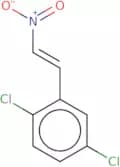
CAS :<p>2-[4-(2,2-Dichlorocyclopropyl)phenoxy]-2-methylpropanoic acid (CGP) is a drug that blocks the nuclear receptor PPARγ. It has been shown to reduce cholesterol levels by inhibiting the synthesis of cholesterol, as well as reducing liver lesions in vivo. CGP also inhibits the growth of cancer cells through its ability to bind to DNA and regulate transcriptional activity. The response element for this compound is found in the promoter region of the gene encoding the growth factor-β1 (GF-β1), which is an important regulator of cell proliferation, differentiation, and apoptosis. CGP also inhibits peroxisome proliferator activator receptor α (PPARα) and γ (PPARγ). This inhibition leads to decreased expression of genes involved in lipid metabolism, such as acyl CoA synthase and fatty acid synthetase. CGP has also been shown to be carcinogenic in vivo</p>Formule :C13H14Cl2O3Degré de pureté :Min. 98 Area-%Couleur et forme :PowderMasse moléculaire :289.15 g/mol1-(2,5-Dichlorophenyl)-2-nitroethene
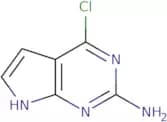
CAS :<p>1-(2,5-Dichlorophenyl)-2-nitroethene is a chemical compound that is used as a research chemical. It's an aromatic organic compound that can be used as a versatile building block for the synthesis of complex compounds. It's also a good intermediate for many fine chemicals. 1-(2,5-Dichlorophenyl)-2-nitroethene has CAS number 1056473-63-2 and is classified as an "Aromatic Organic Chemical".</p>Formule :C8H5Cl2NO2Degré de pureté :Min. 95%Couleur et forme :PowderMasse moléculaire :218.04 g/mol6-Chloro-7-deazaguanine
CAS :<p>6-Chloro-7-deazaguanine (6CDG) is a pyrimidine nucleoside that is used in the treatment of hepatoblastoma and hepatitis. 6CDG is an alkylating agent that binds to DNA and causes strand breakage by forming covalent bonds with the N-7 position of guanine. It can also be used as an antiviral agent against herpes simplex virus, as it inhibits viral replication by inhibiting the viral DNA polymerase. 6CDG does not inhibit human DNA polymerase. The drug has been shown to be cytotoxic to MRC5 cells, which are resistant to pyrimidine analogs.</p>Formule :C6H5ClN4Degré de pureté :Min. 95%Couleur et forme :PowderMasse moléculaire :168.58 g/mol6-Chloro L-tryptophan
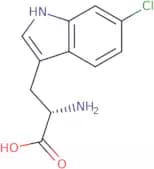
CAS :<p>6-Chloro L-tryptophan is an aminotransferase inhibitor that is activated by the enzyme, aminotransferase. 6-Chloro L-tryptophan has been shown to inhibit the growth of tumour cells, which may be due to its ability to induce apoptosis and inhibit the production of tumour necrosis factor alpha (TNFα). This drug has also been shown to exhibit antiinflammatory effects and can inhibit the activation of microglia in human brain cells. 6-Chloro L-tryptophan is activated by liver cells and human macrophages, leading to the inhibition of 3-hydroxyanthranilic acid synthesis and the neutralization of acidic conditions. It also inhibits uptake in thp-1 cells, a type of white blood cell that lines blood vessels in lymph nodes. In addition, 6-chloro L-tryptophan has been shown to have antiviral effects</p>Formule :C11H11ClN2O2Degré de pureté :Min. 98 Area-%Couleur et forme :PowderMasse moléculaire :238.67 g/mol3-Fluoro-4-nitroanisole
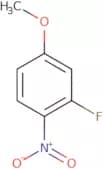
CAS :<p>3-Fluoro-4-nitroanisole is a regiospecific synthesised compound that binds to albumin in the human serum. It has been shown to be an endogenous metabolite of 3-fluoro-4-nitrophenol, which is a potent inhibitor of cellular and blood assays for amines. The binding affinity for albumin was about 100 times higher than for other amines such as histamine or tyramine. 3-Fluoro-4-nitroanisole also has a high affinity for anions, with a pKb value of 8.7, which makes it suitable as an anion receptor in applications such as the determination of anion concentration in water samples. This fluoroquinonoid is also used as a fluorescent probe for nucleophilic reactions and can be used to detect nucleophiles in organic solvents by adding it to the reaction mixture.</p>Formule :C7H6FNO3Degré de pureté :Min. 95%Couleur et forme :Beige PowderMasse moléculaire :171.13 g/mol3-(3,5-dibromo-4-hydroxyphenyl)-2-((4-methylphenyl)sulfonyl)prop-2-enenitrile
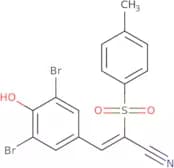
CAS :<p>Please enquire for more information about 3-(3,5-dibromo-4-hydroxyphenyl)-2-((4-methylphenyl)sulfonyl)prop-2-enenitrile including the price, delivery time and more detailed product information at the technical inquiry form on this page</p>Degré de pureté :Min. 95%Benanserin hydrochloride
CAS :Produit contrôlé<p>Benanserin hydrochloride is a potassium-competitive antagonist of the muscarinic acetylcholine receptor. It has been shown to reduce the glomerular filtration rate in animals, but not in humans. Benanserin hydrochloride has also been shown to be more effective at inhibiting protease activity in vitro than other known cholinesterase inhibitors, such as physostigmine and neostigmine. It binds to the active site of the enzyme and prevents it from breaking down other substances. Benanserin hydrochloride is used for the treatment of chronic kidney disease and high blood pressure, and is an ingredient in some weight loss supplements.</p>Formule :C19H23ClN2ODegré de pureté :Min. 95%Masse moléculaire :330.85 g/molN-Benzyl-4-phenyl pyridinium tetrafluoroborate
CAS :<p>N-Benzyl-4-phenyl pyridinium tetrafluoroborate is a fine chemical that can be used as a building block in the synthesis of complex compounds. It has been shown to have versatile applications in organic synthesis, such as being a useful intermediate and reaction component. N-Benzyl-4-phenyl pyridinium tetrafluoroborate is an extremely high quality reagent with few side effects and low toxicity.</p>Formule :C18H16N•BF4Degré de pureté :Min. 95%Masse moléculaire :333.13 g/mol4-Chloroanthranilic acid
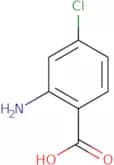
CAS :<p>4-Chloroanthranilic acid is an inorganic acid that has antimicrobial properties. It is a bound form of anthranilic acid, which is not water soluble and can be easily absorbed by the skin. 4-Chloroanthranilic acid is used as an antibiotic in topical preparations because it has been shown to have inhibitory effects on the growth of P. aeruginosa, epidermal growth factor, and nitrogen atoms. 4-Chloroanthranilic acid also has coordination complex with copper and inhibits the growth of bacteria by inhibiting the production of bacterial cell wall synthesis enzymes.</p>Formule :C7H6ClNO2Degré de pureté :Min. 95%Couleur et forme :Off-White PowderMasse moléculaire :171.58 g/molN-Demethyl ivabradine hydrochloride
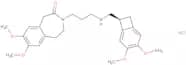
CAS :<p>Please enquire for more information about N-Demethyl ivabradine hydrochloride including the price, delivery time and more detailed product information at the technical inquiry form on this page</p>Formule :C26H35ClN2O5Degré de pureté :Min. 95%Couleur et forme :PowderMasse moléculaire :491.02 g/mol2-Fluoro-4-methylbenzoic acid ethyl ester
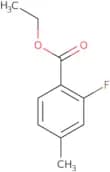
CAS :<p>2-Fluoro-4-methylbenzoic acid ethyl ester is a versatile building block that is used in the synthesis of complex compounds with a wide variety of biological and chemical properties. This compound has been used as a reagent for research, as well as in the production of pharmaceuticals and other speciality chemicals. It has also been found to be useful in the synthesis of compounds with high quality. 2-Fluoro-4-methylbenzoic acid ethyl ester can be used as an intermediate in reactions, or as a scaffold for further synthesis. The CAS number for this compound is 500579-61-3.</p>Formule :C10H11FO2Degré de pureté :Min. 95%Couleur et forme :Colourless LiquidMasse moléculaire :182.19 g/mol5-Bromo-L-tryptophan
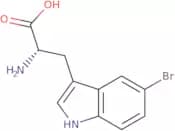
CAS :<p>5-Bromo-L-tryptophan is a chemical compound that is an important intermediate in the biosynthesis of serotonin and melatonin. This molecule is a member of the class of compounds called indole alkaloids. 5-Bromo-L-tryptophan has been shown to be synthesized from tryptamine and secologanin by Aureol, a wild type strain of bacteria. The biosynthesis starts with the addition of two bromine atoms at the C5 position, which are then removed as volatile bromide ions. X-ray crystallography data have shown that this reaction proceeds via an asymmetric syn addition, with a reaction time on the order of milliseconds. 5-Bromo-L-tryptophan can be obtained from marine sponges such as Semenospongia sp., using x-ray data to determine its molecular structure.</p>Formule :C11H11BrN2O2Degré de pureté :Min. 97 Area-%Couleur et forme :White PowderMasse moléculaire :283.12 g/mol2-Chloromethyl-3,5-dimethyl-4-methoxypyridine
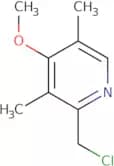
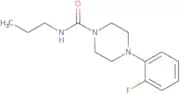
CAS :<p>2-Chloromethyl-3,5-dimethyl-4-methoxypyridine is a drug substance that is used as a pump inhibitor. The optimal reaction conditions for the synthesis of this molecule are a Grignard reagent, chlorinating agent, and magnesium salt. Impurities may arise during the synthetic process due to chloride or inorganic acid catalyst. This drug substance is not soluble in water but can be dissolved in organic solvents such as ethers, chloroform, or benzene. It reacts with magnesium to form a chelate ring with an organic molecule.</p>Formule :C9H12ClNODegré de pureté :Min. 95%Couleur et forme :PowderMasse moléculaire :185.65 g/mol(4-(2-Fluorophenyl)piperazinyl)-N-propylformamide
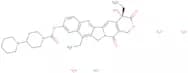
CAS :Produit contrôlé<p>Please enquire for more information about (4-(2-Fluorophenyl)piperazinyl)-N-propylformamide including the price, delivery time and more detailed product information at the technical inquiry form on this page</p>Formule :C14H20FN3ODegré de pureté :Min. 95%Couleur et forme :PowderMasse moléculaire :265.33 g/molIrinotecan hydrochloride trihydrate
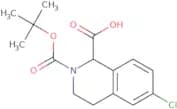
CAS :<p>Inhibitor of DNA topoisomerase I</p>Formule :C33H38N4O6•HCl•(H2O)3Degré de pureté :Min. 97 Area-%Couleur et forme :Yellow PowderMasse moléculaire :677.18 g/mol2-Boc-6-Chloro-3,4-dihydro-1H-isoquinoline-1-carboxylic acid
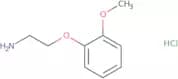
CAS :<p>2-Boc-6-Chloro-3,4-dihydro-1H-isoquinoline-1-carboxylic acid is a useful scaffold for the production of various chemical compounds. It is a versatile building block that can be used as an intermediate in various chemical reactions or as a speciality chemical. 2-Boc-6-Chloro-3,4-dihydro-1H-isoquinoline-1 carboxylic acid has been shown to be a high quality and reliable reagent for use in research and development.</p>Formule :C15H18ClNO4Degré de pureté :Min. 95%Couleur et forme :White PowderMasse moléculaire :311.76 g/mol2-(2-Methoxyphenoxy)ethylamine hydrochloride
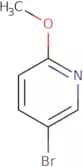
CAS :<p>2-(2-Methoxyphenoxy)ethylamine hydrochloride is a fine chemical with the CAS No. of 64464-07-9. It is a versatile building block that can be used as an intermediate for research chemicals, reaction components and specialty chemicals. This compound has been shown to work as a reagent in high quality synthesis.</p>Formule :C9H14ClNO2Degré de pureté :Min. 95%Couleur et forme :PowderMasse moléculaire :203.67 g/mol5-Bromo-2-methoxypyridine
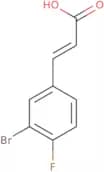
CAS :<p>5-Bromo-2-methoxypyridine is a synthetic organic chemical that is used in organic chemistry. It is a precursor to the HIV integrase inhibitor, PSC 833, and has been shown to be effective in treating idiopathic pulmonary fibrosis. 5-Bromo-2-methoxypyridine is synthesized by reacting phosphorus oxychloride with 2-bromomethoxybenzene. This reaction produces a mixture of products that are then separated using column chromatography. The desired product can be purified by recrystallization or distillation. 5-Bromo-2-methoxypyridine has three pairs of asymmetric carbon atoms and four different functional groups: halides, sulfur trifluoride, bromine, and methoxy groups.</p>Formule :C6H6BrNODegré de pureté :Min. 95%Couleur et forme :Clear LiquidMasse moléculaire :188.02 g/mol3-Bromo-4-fluorocinnamic acid
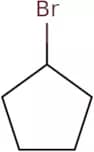
CAS :<p>3-Bromo-4-fluorocinnamic acid is a useful intermediate that reacts with amines to form 3-bromo-4-fluoroaniline, which is used as a building block in the synthesis of pharmaceuticals, agrochemicals, and other organic compounds.</p>Formule :C9H6BrFO2Degré de pureté :Min. 95%Couleur et forme :PowderMasse moléculaire :245.05 g/molCyclopentyl bromide
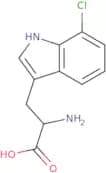
CAS :<p>Cyclopentyl bromide is a cyclic hydrocarbon, which has a nitrogen atom in its ring. It is also an activator of the Toll-like receptor and can be used for the treatment of infectious diseases. Cyclopentyl bromide can be synthesized by reacting cyclopentanol with bromine in the presence of a base. This synthesis method is known to produce a number of side products, including alcohols and other organic compounds. Cyclopentyl bromide has been shown to have pharmacokinetic properties that are similar to those observed with other related drugs. It binds to the Toll-like receptor on macrophages and neutrophils, which leads to an increase in locomotor activity. Cyclopentyl bromide also has been found to have antidepressant effects due to its ability to bind with dopamine receptors and inhibit monoamine oxidase activity.</p>Formule :C5H9BrDegré de pureté :Min. 95%Couleur et forme :Colorless Clear LiquidMasse moléculaire :149.03 g/mol7-Chlorotryptophan
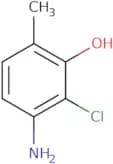
CAS :<p>Tryptophan is an amino acid that is an essential building block for proteins, neurotransmitters, and hormones. It is also a precursor for the synthesis of vitamin B3. 7-Chlorotryptophan has been shown to inhibit the growth of bacteria by inhibiting their ability to synthesize proteins by interfering with the covalent enzyme that controls the reaction mechanism in plants. Tryptophan may also have anti-inflammatory properties due to its inhibition of prostaglandin synthesis. The chlorinating and chloride groups on 7-chlorotryptophan are responsible for its bactericidal activity against Gram-positive bacteria.</p>Formule :C11H11ClN2O2Degré de pureté :Min. 95%Couleur et forme :SolidMasse moléculaire :238.67 g/mol3-Amino-2-chloro-6-methylphenol
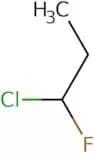
CAS :<p>3-Amino-2-chloro-6-methylphenol is a chemical substance that has been shown to have potential as a therapeutic agent for treating human cancers. 3-Amino-2-chloro-6-methylphenol has been shown to express in humans and is sensitive to the human body, which may be due to its ability to react with DNA and damage it. 3-Amino-2-chloro-6-methylphenol has also been shown to have an inhibitory effect on other chemical substances that are responsible for allergic reactions. This chemical substance has not yet been validated in animal models or clinical trials.</p>Formule :C7H8ClNODegré de pureté :Min. 95%Couleur et forme :PowderMasse moléculaire :157.6 g/mol1-Chloro-1-fluoropropane
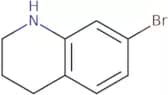
CAS :Produit contrôlé<p>1-Chloro-1-fluoropropane is a fluorinated hydrocarbon that can be used as a refrigerant. It has the chemical formula CHClF (Cl = chlorine, H = hydrogen). 1-Chloro-1-fluoropropane is produced by the chlorination of propylene. It can also be synthesized through the reaction of ethylene with hydrogen chloride and hydrochloric acid. This process is catalyzed by magnesium oxide. The product is then distilled to remove any water or other compounds that may have formed during synthesis. 1-Chloro-1-fluoropropane is used as an alternative to chlorofluorocarbons (CFCs) and hydrochlorofluorocarbons (HCFCs), which are ozone depleting substances. It has an evaporation energy efficiency of approximately 2,500 BTU/lb, compared to 4,000 BTU/lb for CFCs</p>Formule :C3H6ClFDegré de pureté :Min. 95%Masse moléculaire :96.53 g/mol7-Bromo-1,2,3,4-tetrahydroquinoline
CAS :<p>7-Bromo-1,2,3,4-tetrahydroquinoline is a high quality reagent that is an intermediate for the synthesis of heterocycles. It is useful as a building block for the synthesis of complex compounds. 7-Bromo-1,2,3,4-tetrahydroquinoline has been used as a useful scaffold in the synthesis of novel and versatile molecules with biological activity. This compound can be used as a reaction component in organic chemistry and can also be used to produce speciality chemicals and research chemicals. CAS No. 114744-51-3</p>Formule :C9H10BrNDegré de pureté :Min. 97 Area-%Couleur et forme :PowderMasse moléculaire :212.09 g/molPhthalocyanine Silicon Dichloride
CAS :<p>Phthalocyanine Silicon Dichloride is a compound that belongs to the group of phthalocyanines. It is synthesized from 4-tert-butylbenzoic acid and silicon tetrachloride in the presence of a base. This compound has shown photophysical properties that are activated by light, and has been studied for its potential use as an organic semiconductor material. The coordination complex formed between this compound and copper ions has been determined by x-ray crystal structures to be square planar.</p>Formule :C32H16Cl2N8SiDegré de pureté :Min. 95%Couleur et forme :PowderMasse moléculaire :611.51 g/mol4-Chloro-2-nitrobenzylamine hydrochloride
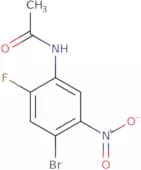
CAS :<p>4-Chloro-2-nitrobenzylamine hydrochloride is a fine chemical that can be used as a reagent or speciality chemical. It is also a versatile building block and reaction component for the preparation of various chemical compounds. 4-Chloro-2-nitrobenzylamine hydrochloride has been used as an intermediate in the synthesis of other chemicals, such as 1,2,3,4,5,6-hexahydrobenzo[e]pyrrolo[1,2-a]pyrazine. This compound has been shown to have antibacterial activity against Escherichia coli and Pseudomonas aeruginosa.</p>Formule :C7H7ClN2O2•HClDegré de pureté :Min. 95%Masse moléculaire :223.06 g/mol4-Bromo-2-fluoro-5-nitroacetanilide
CAS :<p>4-Bromo-2-fluoro-5-nitroacetanilide is a versatile building block that has been used in the synthesis of complex compounds. It is a reagent which can be used in the research and development of pharmaceuticals, agricultural chemicals, and other specialty chemicals. 4-Bromo-2-fluoro-5-nitroacetanilide is also a useful building block for synthesis of other chemical compounds. This compound has been shown to have high quality for use in organic synthesis and as a reaction component for the preparation of useful scaffolds. This compound is also useful as an intermediate in organic reactions. CAS No. 95635-46-4</p>Formule :C8H6BrFN2O3Degré de pureté :Min. 95%Couleur et forme :PowderMasse moléculaire :277.05 g/mol(Des-Gly10,D-Trp6,D-Leu7,Pro-NHEt 9)-LHRH trifluoroacetate salt
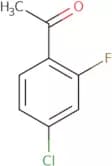
<p>Please enquire for more information about (Des-Gly10,D-Trp6,D-Leu7,Pro-NHEt 9)-LHRH trifluoroacetate salt including the price, delivery time and more detailed product information at the technical inquiry form on this page</p>Formule :C64H83N17O12Degré de pureté :Min. 95%Couleur et forme :PowderMasse moléculaire :1,282.45 g/mol4'-Chloro-2'-fluoroacetophenone
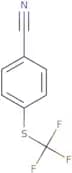
CAS :<p>4'-Chloro-2'-fluoroacetophenone is a high-quality chemical reagent that can be used to prepare complex compounds. It is also a useful intermediate for the preparation of fine chemicals, useful scaffolds, and other research chemicals. This compound is a versatile building block that can be used in the synthesis of speciality chemicals, reaction components, and other compounds.</p>Formule :C8H6ClFODegré de pureté :Min. 95%Masse moléculaire :172.58 g/mol4-(Trifluoromethylthio)benzonitrile
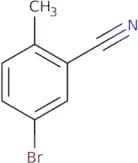
CAS :<p>4-(Trifluoromethylthio)benzonitrile is a chemical that is used as a scaffold in the synthesis of other chemicals. It can be used as a building block for complex compounds and as a starting material for research chemicals. This chemical has been reported to have high purity and quality, and it has been found to be useful as an intermediate. 4-(Trifluoromethylthio)benzonitrile is also versatile and can be used as an intermediate for organic synthesis or as a reagent in chemical reactions. It has CAS number 332-26-3.</p>Formule :C8H4F3NSDegré de pureté :Min. 95%Couleur et forme :Off-White PowderMasse moléculaire :203.19 g/mol5-Bromo-2-methylbenzonitrile
CAS :<p>5-Bromo-2-methylbenzonitrile is a substrate for the enzyme benzoate kinase and is used as an intermediate in the synthesis of cyclen. It can be activated by addition of acid, which leads to a rapid increase in the rate of reaction. The kinetic data for this reaction have been analyzed and show that it obeys first order kinetics with respect to both 5-bromo-2-methylbenzonitrile and benzoic acid. This reaction is also catalyzed by an analog of cyclen, which binds to the enzyme more tightly than 5-bromo-2-methylbenzonitrile, resulting in a higher activation energy. It is possible to analyze the kinetics of this reaction using agarose gel electrophoresis or supercoiled DNA analysis.</p>Formule :C8H6BrNDegré de pureté :Min. 95%Couleur et forme :PowderMasse moléculaire :196.04 g/mol2-Aza-7-bromocycloheptanone
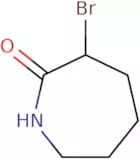
CAS :<p>2-Aza-7-bromocycloheptanone is a heterocyclic system that can be synthesized from the condensation of ethyl 2-bromocaproate and triethyloxonium chloride. This compound has been shown to have lactam ring opening activity, as well as the ability to form azepine rings with amines. The synthesis of this compound is limited by its instability, which may be due to the presence of an azepine group. The ethylation of this heterocycle leads to a more stable product with increased lactam ring opening activity.</p>Formule :C6H10BrNODegré de pureté :Min. 80 Area-%Couleur et forme :PowderMasse moléculaire :192.05 g/moltrans-4-Fluorocinnamaldehyde
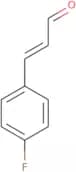
CAS :<p>Trans-4-fluorocinnaMaldehyde is a molecule that was synthesized as part of an asymmetric synthesis. It has been shown to inhibit serotonin reuptake in vitro (in human lung) and have light emission properties. Trans-4-fluorocinnaMaldehyde is chemically stable and has active substances with optical properties. Furthermore, it can be used for the production of nanowires.</p>Formule :C9H7FODegré de pureté :(%) Min. 90%Couleur et forme :PowderMasse moléculaire :150.15 g/mol2,6-Dichloropyrimidine-4-carboxylic acid
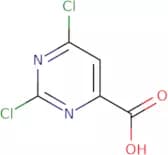
CAS :2,6-Dichloropyrimidine-4-carboxylic acid is a pyrimidine that can be used as a starting material for the synthesis of other compounds. It is an intermediate in the manufacture of anilines and pyrimidines. 2,6-Dichloropyrimidine-4-carboxylic acid is also used in the production of dyes and agrochemicals.Formule :C5H2Cl2N2O2Degré de pureté :Min. 95%Couleur et forme :White PowderMasse moléculaire :192.99 g/molBenzylhydrochlorothiazide
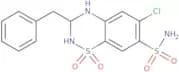
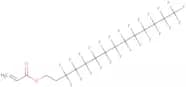
CAS :<p>Benzylhydrochlorothiazide is a prodrug that is hydrolyzed to benazeprilat, its active form. Benazeprilat is a potent inhibitor of angiotensin-converting enzyme (ACE) and has been shown to be effective in the treatment of cardiac hypertrophy and other tissue conditions. It has also been shown to have an anti-diabetic effect, which may be due to its ability to increase glucose uptake and reduce insulin resistance. Benzylhydrochlorothiazide has been extensively studied in vitro and in vivo for its effects on skin conditions such as psoriasis and ichthyosis.</p>Formule :C14H14ClN3O4S2Degré de pureté :Min. 95%Couleur et forme :White PowderMasse moléculaire :387.86 g/mol2-(Perfluorododecyl)ethyl acrylate
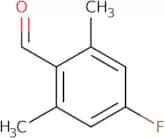
CAS :<p>2-(Perfluorododecyl)ethyl acrylate (FDAE) is a reactive monomer that belongs to the group of methacrylates. It is a colorless, dry powder with a low viscosity. FDAE has hydrophobic properties and a low molecular weight, which makes it suitable for use in coatings and adhesives. This product may be used in the production of polymers, plastics, elastomers, fibers, and rubber products. FDAE can be used as an additive to improve the surface properties of polymers and plastics or as a coating to prevent corrosion. It can also be used as a plasticizer for thermoplastics such as PVC. FDAE reacts with fluorine or chloride ions in the environment, forming highly crosslinkable compounds that are resistant to degradation by sunlight or weathering.</p>Formule :C17H7F25O2Degré de pureté :Min. 95%Couleur et forme :PowderMasse moléculaire :718.2 g/mol2,6-Dimethyl-4-fluorobenzaldehyde
CAS :<p>2,6-Dimethyl-4-fluorobenzaldehyde is a fine chemical that is used as a building block in the synthesis of other chemicals. It can be used as a reagent and as a speciality chemical. This product has high purity and quality and is versatile in its use as both an intermediate or scaffold molecule. It can be used in reactions to create complex compounds with useful properties.</p>Formule :C9H9FODegré de pureté :Min. 95%Couleur et forme :PowderMasse moléculaire :152.17 g/mol[1-(Azepan-1-ylcarbonyl)butyl]amine hydrochloride
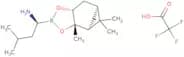
CAS :Produit contrôlé<p>Please enquire for more information about [1-(Azepan-1-ylcarbonyl)butyl]amine hydrochloride including the price, delivery time and more detailed product information at the technical inquiry form on this page</p>Formule :C11H22N2ODegré de pureté :Min. 95%Masse moléculaire :198.31 g/mol(S)-BoroLeu-(+)-pinanediol-trifluoroacetate
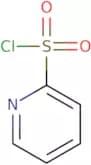
CAS :<p>(S)-BoroLeu-(+)-pinanediol-trifluoroacetate is a useful scaffold, building block, and intermediate for the synthesis of complex compounds. It is a high quality reagent that can be used in research chemicals and speciality chemicals. (S)-BoroLeu-(+)-pinanediol-trifluoroacetate is a versatile building block because it can be used as a reaction component in the synthesis of fine chemicals and as an intermediate in the synthesis of other reagents. CAS No. 477254-69-6</p>Formule :C15H28BNO2·C2HF3O2Degré de pureté :Min. 95%Couleur et forme :PowderMasse moléculaire :379.22 g/molPyridin-2-sulfonyl chloride
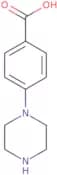
CAS :<p>Pyridin-2-sulfonyl chloride is a kinase receptor inhibitor that binds to and inhibits the activity of certain protein kinases. It is used in the treatment of cardiovascular disorders and can be administered intravenously or orally. Pyridin-2-sulfonyl chloride has been shown to inhibit tumor necrosis factor-α (TNF-α) production in vivo, which may be due to its ability to inhibit the release of proinflammatory cytokines from macrophages. This drug also has pharmacokinetic properties that are similar to those of other sulfonamides, with an elimination half life of about 2 hours. Pyridin-2-sulfonyl chloride is not reactive with amines, which makes it a useful reagent for organic synthesis.</p>Formule :C5H4ClNO2SDegré de pureté :Min. 95%Couleur et forme :Colorless Clear LiquidMasse moléculaire :177.61 g/mol4-(Piperazin-1-yl)benzoic acid hydrochloride
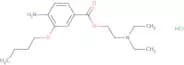
CAS :<p>4-(Piperazin-1-yl)benzoic acid hydrochloride is a chemical intermediate that is used in the synthesis of pharmaceuticals. It has been shown to be a useful scaffold, and can be used as a reaction component and building block in the synthesis of complex compounds. 4-(Piperazin-1-yl)benzoic acid hydrochloride is also versatile, as it has been shown to be an intermediate for the synthesis of fine chemicals.</p>Formule :C11H14N2O2•HClDegré de pureté :Min. 95%Couleur et forme :PowderMasse moléculaire :242.7 g/molOxybuprocaine hydrochloride
CAS :Produit contrôlé<p>Oxybuprocaine hydrochloride is a local anesthetic that belongs to the group of x-ray diffraction data. It is a chemical compound that has been shown to be effective in inducing anesthesia in humans. Oxybuprocaine hydrochloride binds to proteins, such as benzalkonium chloride, and inhibits cell growth. It also has an anti-inflammatory effect by preventing the release of prostaglandins. Oxybuprocaine hydrochloride stabilizes chemical bonds and does not react with oxygen or water, making it a suitable candidate for use in eye drops and other solutions for application to skin cells. As well as this, oxybuprocaine hydrochloride can be used as a contrast agent for x-rays when dissolved in human serum or nutrient solution and can be detected using an electrochemical detector.</p>Formule :C17H29ClN2O3Degré de pureté :Min. 95%Couleur et forme :White PowderMasse moléculaire :344.88 g/molChlorphenesin
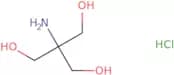
CAS :Chlorphenesin is a preservative that is used as an analytical agent in vivo to determine chemical stability and to maintain the pH of a solution. It has been shown to be stable in human serum at a concentration of 0.1% (w/v). Chlorphenesin is also a carbamate, which reacts with acidic compounds, such as benzalkonium chloride, to form chlorhexidine. In vitro assays have shown that chlorphenesin inhibits the enzyme acetylcholinesterase, which breaks down acetylcholine. This effect may be due to its ability to bind with serine hydroxyl groups on the protein. Chlorphenesin also has been shown to inhibit the activity of isoxsuprine hydrochloride, an inhibitor of cyclooxygenase-2 (COX-2), through competitive inhibition.Formule :C9H11ClO3Degré de pureté :Min. 98 Area-%Couleur et forme :PowderMasse moléculaire :202.63 g/molTRIS hydrochloride
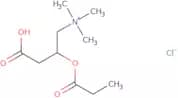
CAS :<p>Tris-HCl is the same as Tris base with the addition of HCl. It is used as a buffering agent to prepare buffer solutions.</p>Formule :C4H11NO3•HClCouleur et forme :PowderMasse moléculaire :157.6 g/mol(+/-)-Propionylcarnitine chloride
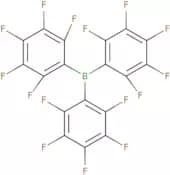
CAS :<p>Propionylcarnitine chloride is a prodrug that is hydrolyzed to propionyl-l-carnitine, its active form. Propionylcarnitine chloride has been shown to improve the activity of propionyl-l-carnitine in patients with bowel disease, congestive heart failure and other conditions. It binds to the carboxyl group of propionyl-CoA and inhibits carnitine biosynthesis by inhibiting the enzyme carnitine acetyltransferase. Propionylcarnitine chloride is also used as a diagnostic agent for muscle diseases because it can be detected in erythrocytes and plasma. The diagnosis can be confirmed by measuring the concentration of carnitine in blood samples from different body parts (e.g., trigeminal nerve).</p>Formule :C10H20NO4•ClDegré de pureté :Min. 95%Couleur et forme :White PowderMasse moléculaire :253.72 g/molTris(pentafluorophenyl)borane
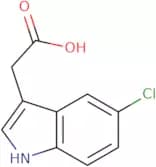
CAS :<p>Tris(pentafluorophenyl)borane is a cationic polymerization agent that can be used to form stable complexes with amines. These complexes are useful for the synthesis of polymers, which are used in a variety of applications such as coatings and adhesives. Tris(pentafluorophenyl)borane is also an important reagent in transfer reactions, electrochemical impedance spectroscopy, kinetic studies, and chemical stability. It has been shown to react with intramolecular hydrogen atoms to form polymeric matrixes that have high kinetic energy and transport properties. In coordination geometry, tris(pentafluorophenyl)borane has a planar geometry with a triangular arrangement around the boron atom.</p>Formule :C18BF15Degré de pureté :Min. 95%Couleur et forme :PowderMasse moléculaire :511.98 g/mol5-Chloroindole-3-acetic acid
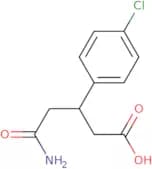
CAS :<p>5-Chloroindole-3-acetic acid (5CI3A) is a compound that belongs to the indole class of compounds. It is structurally similar to the amino acid tryptophan, which makes it a good template molecule for the synthesis of other indoles. 5CI3A is mainly found in plants and bacteria, where it acts as an auxin. In plants, 5CI3A stimulates cell elongation and leaf growth by interacting with plant hormones such as auxins and gibberellins. This compound also binds to serum albumin, which may be responsible for its low toxicity in humans. 5CI3A has been shown to inhibit the activity of human serum albumin by forming hydrogen bonds with it. This inhibition reduces the binding affinity of 5CI3A for other proteins in serum, making it less likely to interact with them than if there were no binding competition.</p>Formule :C10H8ClNO2Couleur et forme :PowderMasse moléculaire :209.63 g/mol3-(4-Chlorophenyl)glutaramic acid
CAS :<p>3-(4-Chlorophenyl)glutaramic acid (3-PGA) is a nucleophilic compound that has been used for the treatment of trigeminal neuralgia. 3-PGA reacts with monomers, such as butanol and alkene, to form condensation products, which are then degraded by imine or additives. This process can be reversed by adding magnesium to the reaction mixture. 3-PGA is also used in polymerization reactions to produce copolymers from monomers like vinyl chloride and ethylene. The polymerization inhibitor 3-PGA prevents the formation of high molecular weight polymers that cannot be degraded by enzymes.</p>Formule :C11H12ClNO3Degré de pureté :Min. 95%Couleur et forme :PowderMasse moléculaire :241.67 g/molPoly(vinyl chloride)
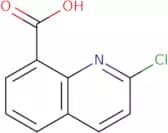
CAS :<p>Polyvinyl chloride (PVC) is a polymer consisting of vinyl and chlorine. It is widely used in the manufacture of plastics, especially for pipes, cables, and wall coverings. PVC has been found to have genotoxic effects, which may be due to its ability to cause DNA strand breaks. Polyvinyl chloride has also been shown to be toxic to the liver and can cause liver lesions in rats. The toxicity of polyvinyl chloride is increased when it reacts with other chemicals such as methyl ethyl ketone (MEK) or diphenyl ether.</p>Formule :(C2H3Cl)nDegré de pureté :Min. 95%Couleur et forme :PowderMasse moléculaire :62.50 g/mol2-Chloroquinoline-8-carboxylic acid
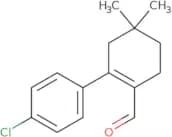
CAS :<p>2-Chloroquinoline-8-carboxylic acid is a fine chemical that is useful as a scaffold for the synthesis of other compounds. It is a versatile building block and can be used in the production of the drug chloroquine. 2-Chloroquinoline-8-carboxylic acid has been used as an intermediate in research chemicals, reaction components in speciality chemical and complex compound. This compound has high quality and can be used as a reagent.</p>Formule :C10H6ClNO2Degré de pureté :Min. 95 Area-%Couleur et forme :White Off-White PowderMasse moléculaire :207.61 g/mol2-(4-Chlorophenyl)-4,4-dimethyl-1-cyclohexene-1-carboxaldehyde
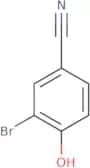
CAS :<p>2-(4-Chlorophenyl)-4,4-dimethyl-1-cyclohexene-1-carboxaldehyde is a high quality reagent that can be used as a useful intermediate in the production of complex compounds. It is also a fine chemical with CAS No. 1228837-05-5 and is useful scaffold for the production of speciality chemicals. This compound has been identified as a useful building block with versatile uses in research and development, such as reaction components in organic synthesis.</p>Formule :C15H17ClODegré de pureté :Min. 95%Couleur et forme :Clear LiquidMasse moléculaire :248.75 g/mol3-Bromo-4-hydroxybenzonitrile
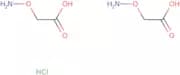
CAS :<p>3-Bromo-4-hydroxybenzonitrile is an acidic compound with a basic structure. It has been shown to inhibit the activity of thrombin, which is an enzyme that plays a key role in blood clotting. 3-Bromo-4-hydroxybenzonitrile also inhibits bacterial growth by binding to DNA and interfering with transcription. This compound can be synthesized from bromine and nitrite under acidic conditions or from chlorobenzene and hydroxylamine under basic conditions. 3-Bromo-4-hydroxybenzonitrile can be phototransformed into the corresponding phenol by UV irradiation, which may have potential health effects on humans and animals if it is absorbed through the skin or if ingested. The coating industry uses this compound to produce coatings for metal surfaces that are resistant to corrosion, because it prevents oxidation of metal surfaces.</p>Formule :C7H4BrNODegré de pureté :Min. 95%Couleur et forme :PowderMasse moléculaire :198.02 g/molCarboxymethoxyamine hemihydrochloride
CAS :Carboxymethoxyamine hemihydrochloride (CMAH) is a gamma-aminobutyric acid analogue that has inhibitory properties. It is used in the treatment of syncytial virus infections and has been shown to reduce the severity of symptoms, as well as shorten the course of the disease. CMAH binds to the receptors in cells that are sensitive to gamma-aminobutyric acid. This binding inhibits uptake of calcium ions into cells, thereby reducing intracellular Ca2+ levels and inhibiting synaptic transmission. CMAH also has an effect on aminotransferase activity, which may be due to its ability to inhibit protein synthesis or dephosphorylate proteins.Formule :C2H5NO3HClCouleur et forme :White PowderMasse moléculaire :109.3 g/mol2,5-Dichloroterephthalic acid
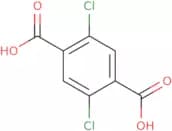
CAS :<p>2,5-Dichloroterephthalic acid is a luminescent chemical that has been shown to be able to act as a probe for transcription-polymerase chain reactions. It can be used as a luminescent probe to detect hydrogen bond interactions by measuring the amount of light emitted by the compound. 2,5-Dichloroterephthalic acid has an ether linkages and is stable in many solvents, including organic solvents and water. The reaction time for this compound is fast and it emits a green light when it reacts with oxygen.</p>Formule :C8H4Cl2O4Degré de pureté :Min. 95%Couleur et forme :PowderMasse moléculaire :235.02 g/mol3,5-Dibromoanthranilic acid
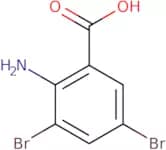
CAS :<p>3,5-Dibromoanthranilic acid is an anthranilic acid derivative that has been the subject of a number of chemical studies. The compound possesses the functional groups found in many other aromatic compounds and isomers. It can be used as a precursor to make other chemicals, such as dyes. 3,5-Dibromoanthranilic acid has been shown to have antitumour activity and cytotoxic potency. It also binds to DNA and inhibits RNA synthesis, which leads to cell death by inhibiting protein synthesis. This compound has been found in urine samples with concentrations of up to 0.2 mg/L, suggesting that it may be metabolized in the body.</p>Formule :C7H5Br2NO2Degré de pureté :Min. 95%Couleur et forme :PowderMasse moléculaire :294.93 g/mol(2-Chlorophenyl)-N-[4-(trifluoromethyl)phenyl]carboxamide
CAS :<p>This is a high quality reagent, complex compound, useful intermediate, and fine chemical. It is also a useful scaffold and can be used as a reaction component in the synthesis of speciality chemicals. The CAS number for this compound is 3873-79-8. <br>[[Category:Chemical Compounds]]</p>Formule :C14H9ClF3NODegré de pureté :Min. 95%Masse moléculaire :299.68 g/mol2-Chloro-5,6,7,8-tetrahydro-1,6-naphthyridine hydrochloride
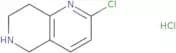
CAS :<p>2-Chloro-5,6,7,8-tetrahydro-1,6-naphthyridine hydrochloride is a fine chemical that can be used as a versatile building block in the synthesis of complex compounds. It is also an important reagent for research purposes and a speciality chemical. It has been reported to show high quality and be a useful intermediate for organic reactions. 2-Chloro-5,6,7,8-tetrahydro-1,6-naphthyridine hydrochloride is also a useful scaffold in the synthesis of novel drugs.</p>Formule :C8H10Cl2N2Degré de pureté :Min. 97 Area-%Couleur et forme :White Slightly Yellow PowderMasse moléculaire :205.08 g/mol(4-Iodophenyl)acetone
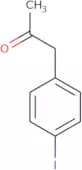
CAS :Produit contrôlé<p>4-Iodophenylacetone is a chemical compound that is used as a radioactive label in animal and human studies. 4-Iodophenylacetone has been shown to be taken up by the nervous system, specifically the brain, when injected into animals. This uptake is constant with time and dose, indicating that it may be used as a radiopharmaceutical for imaging of the brain. 4-Iodophenylacetone has also been shown to have characteristics similar to those of acetate extraction (i.e., lipid solubility) and can be used for the analysis of tissue samples in liquid chromatography. The use of 4-iodophenylacetone as a labeling agent may provide information about the uptake of this compound in humans and its effects on blood pressure.</p>Formule :C9H9IODegré de pureté :Min. 95%Couleur et forme :Clear LiquidMasse moléculaire :260.07 g/mol2-Bromo-4-iodobenzoic acid
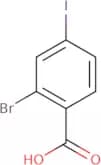
CAS :<p>2-Bromo-4-iodobenzoic acid is a high quality, versatile building block that is used as an intermediate in the synthesis of many fine chemicals and speciality chemicals. It has been found to be useful in the preparation of various pharmaceuticals and agrochemicals, as well as research chemicals. This compound is also a useful scaffold for the synthesis of complex compounds with biological activity. 2-Bromo-4-iodobenzoic acid has been used as a reagent in organic synthesis, and can be used to generate new chemical reaction components for use in laboratory experiments.</p>Formule :C7H4BrIO2Degré de pureté :Min. 95%Couleur et forme :PowderMasse moléculaire :326.91 g/mol4-(Bromomethyl)biphenyl
CAS :<p>4-(Bromomethyl)biphenyl is a biphenyl with a linear response to light. It has been shown to have high activity in hydrocarbon solvents, and can be used as a transfer agent. The reaction mechanism of 4-(Bromomethyl)biphenyl involves an alkoxycarbonyl group that reacts with an electron-deficient aromatic ring and the bromide ion (Br-) to produce the final product. The nmr spectra of this compound show the presence of hydrophilic compounds. 4-(Bromomethyl)biphenyl can be detected by liquid chromatography.</p>Formule :C13H11BrDegré de pureté :Min. 95%Couleur et forme :PowderMasse moléculaire :247.13 g/molFuran-2-carboximidamide hydrochloride
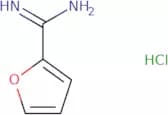
CAS :<p>Please enquire for more information about Furan-2-carboximidamide hydrochloride including the price, delivery time and more detailed product information at the technical inquiry form on this page</p>Formule :C5H6N2O•HClDegré de pureté :Min. 95%Masse moléculaire :146.57 g/mol1-Chloro-1,1,2,3,3,3-Hexafluoropropane
CAS :Produit contrôlé<p>1-Chloro-1,1,2,3,3,3-Hexafluoropropane (CFC-114) is a hydrofluorocarbon that is used in refrigeration and air conditioning. It is a colorless liquid with a sweet odor. CFC-114 has been found to be environmentally friendly as it does not deplete the ozone layer and has low global warming potential. The chemical properties of CFC-114 are constant over long periods of time and at different temperatures. This property can be measured using calorimetry and thermodynamics and can be calculated by parameters such as liquid phase and efficiency.</p>Formule :C3HClF6Degré de pureté :Min. 95%Masse moléculaire :186.48 g/mol1,1,1-Trichloro-2,2-Difluoroethane
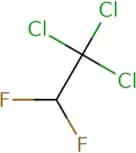
CAS :Produit contrôlé<p>1,1,1-Trichloro-2,2-difluoroethane is a high molecular weight compound used as a refrigerant. It is not flammable and does not pose an explosion hazard at normal temperatures. 1,1,1-Trichloro-2,2-difluoroethane has a vapor pressure of 19.7 kPa at 20 °C and a boiling point of -41 °C. The viscosity of 1,1,1-trichloro-2,2-difluoroethane is 4.3 centipoise at 20 °C and the density is 1.07 g/cm3 at 20 °C. The chemical formula for 1,1,1-trichloro-2,2-difluoroethane is CClF 2 Cl 2 .</p>Formule :C2HCl3F2Degré de pureté :Min. 95%Masse moléculaire :169.38 g/mol4'-Chloro-2'-hydroxyacetophenone
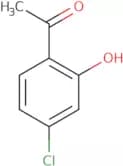
CAS :<p>4'-Chloro-2'-hydroxyacetophenone is a hydrazone compound that has been shown to have an inhibitory effect on the growth of cancer cells. The crystal structure was determined using X-ray diffraction data and the parameters were refined using a program called WITWIG. Hydrazones are classified as orthorhombic with space group Pbcn. The compound has been shown to be magnetic and it is soluble in organic solvents. 4'-Chloro-2'-hydroxyacetophenone has a molecular weight of 206.079 g/mol, which indicates that it is an organic molecule. It also contains a hydroxyl group and two chlorine atoms, one of which is attached to the acetophenone nucleus. This molecule can coordinate with metal ions to form complexes, such as mononuclear complexes, or polynuclear complexes with more than one metal ion.</p>Formule :C8H7ClO2Degré de pureté :Min. 95%Couleur et forme :Clear LiquidMasse moléculaire :170.59 g/mol
![3-(3-Piperidinopropoxy)-1-[3-(Trifluoromethyl)Phenyl]-1H-Indazole](/_next/image/?url=https%3A%2Fstatic.cymitquimica.com%2Fproducts%2F3D%2Fthumb-webp%2FFP97740.webp&w=3840&q=75)


![3-(4'-Bromo[1,1'-biphenyl]-4-yl)-1,2,3,4-tetrahydro-1-naphthalenol](/_next/image/?url=https%3A%2Fstatic.cymitquimica.com%2Fproducts%2F3D%2Fthumb-webp%2FFB164965.webp&w=3840&q=75)





![2-[4-(2,2-Dichlorocyclopropyl)phenoxy]-2-methylpropanoic acid](/_next/image/?url=https%3A%2Fstatic.cymitquimica.com%2Fproducts%2F3D%2Fthumb-webp%2FFD11320.webp&w=3840&q=75)




![[1-(Azepan-1-ylcarbonyl)butyl]amine hydrochloride](/_next/image/?url=https%3A%2Fstatic.cymitquimica.com%2Fproducts%2F3D%2Fthumb-webp%2FFA130693.webp&w=3840&q=75)

![(2-Chlorophenyl)-N-[4-(trifluoromethyl)phenyl]carboxamide](/_next/image/?url=https%3A%2Fstatic.cymitquimica.com%2Fproducts%2F3D%2Fthumb-webp%2FFC145671.webp&w=3840&q=75)