Halogénures organiques
Dans cette catégorie, vous trouverez des molécules organiques contenant un ou plusieurs atomes d'halogène dans leur structure. Ces halogénures organiques incluent des composés bromés, iodés, chlorés et des halogénures cycliques. Les halogénures organiques sont largement utilisés en synthèse organique, en pharmaceutique, en agrochimie et en science des matériaux en raison de leur réactivité et de leur capacité à subir une variété de transformations chimiques. Chez CymitQuimica, nous offrons une sélection complète d'halogénures organiques de haute qualité pour soutenir vos applications de recherche et industrielles, garantissant une performance fiable et efficace dans vos projets synthétiques et analytiques.
Sous-catégories appartenant à la catégorie "Halogénures organiques"
20440 produits trouvés pour "Halogénures organiques"
Trier par
Degré de pureté (%)
0
100
|
0
|
50
|
90
|
95
|
100
3-Chloro-4-morpholino-1,2,5-thiadiazole
CAS :<p>3-Chloro-4-morpholino-1,2,5-thiadiazole is a nucleophilic reagent that is used in analytical chemistry. The purity of this chemical can be determined by the use of chromatographic and phase chromatography methods. Impurities can be removed through the use of radiation or by using chloride as a solvent. 3-Chloro-4-morpholino-1,2,5-thiadiazole has two isomers: maleate and morpholine. It also contains preservatives such as anhydrase and benzalkonium chloride.</p>Formule :C6H8ClN3OSDegré de pureté :Min. 95%Couleur et forme :PowderMasse moléculaire :205.67 g/molSultopride hydrochloride
CAS :Produit contrôlé<p>Sultopride hydrochloride is a drug that has been shown to be effective in treating treatment-resistant schizophrenia. It has also been shown to have cardiac effects, such as prolonging the QT interval on an electrocardiogram, and can cause amisulpride-like side effects. Sultopride hydrochloride is a dopamine receptor antagonist and it has been shown to reduce serum prolactin levels in rats. Ziprasidone, an antipsychotic drug, was found to have moderate interactions with sultopride hydrochloride. In addition, sultopride hydrochloride has been used in the past as an analytical model system for studying biological samples. This drug can also be used to treat infectious diseases, such as malaria or tuberculosis.</p>Formule :C17H27ClN2O4SDegré de pureté :Min. 95%Couleur et forme :PowderMasse moléculaire :390.93 g/mol4-Amino-5-chloro-2-ethoxybenzoic acid
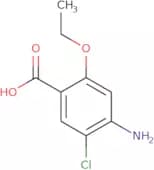
CAS :<p>4-Amino-5-chloro-2-ethoxybenzoic acid is a phenoxy compound that is synthesized in the laboratory. The chemical structure of this compound has been studied using high performance liquid chromatography and it was found to have pharmacokinetic properties that are consistent with those of other drugs in its class. This drug is being developed as an anti-depressant, targeting the 5HT4 receptor. The bioactive metabolite of 4-amino-5-chloro-2-ethoxybenzoic acid is 4-(4′ hydroxybutyl)phenol, which has been shown to be a potent inhibitor of phosphodiesterase activity.</p>Formule :C9H10ClNO3Degré de pureté :Min. 95%Couleur et forme :White Off-White PowderMasse moléculaire :215.63 g/mol5-Chloroindole-3-carboxylic acid
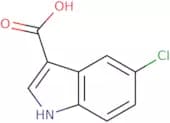
CAS :5-Chloroindole-3-Carboxylic Acid is a ring system that is a dimer of two indole rings and one carboxyl group. It has the ability to form hydrogen bonds with itself, which allows it to stack together in an orderly manner. The carboxyl group on the 5-chloroindole-3-carboxylic acid molecule can form hydrogen bonds with water molecules due to its electronegativity. This property enables 5-chloroindole-3-carboxylic acid molecules to be soluble in water, which is why it is used for water treatment and as a corrosion inhibitor.Formule :C9H6ClNO2Degré de pureté :Min. 95%Masse moléculaire :195.6 g/mol2-Chloro-5-iodotoluene
CAS :<p>2-Chloro-5-iodotoluene is an estrogen receptor antagonist that inhibits the activity of estrogen. 2CIT has been shown to be a potent aromatase inhibitor, and can be used for the treatment of endometriosis and breast cancer. 2CIT has been shown to inhibit the production of estrogen by binding to the aromatase enzyme and preventing it from converting testosterone into estrogen in peripheral tissues such as adipose tissue. This drug can also prevent the conversion of androgens into estrogens in target tissues, including breast tissue. As a result, this drug inhibits tumor growth by preventing the formation of new blood vessels needed for tumor growth. 2CIT may also have anti-cancer properties due to its ability to inhibit DNA synthesis in tumor cells.</p>Formule :C7H6ClIDegré de pureté :Min. 95%Couleur et forme :PowderMasse moléculaire :252.48 g/mol(4)6-Chlorothymol
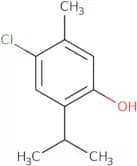
CAS :<p>(4)6-Chlorothymol is a fatty acid that has antimicrobial activity. It is used in biocides, such as anhydrous sodium thymol, and it has been shown to have toxicity studies in vitro. (4)6-Chlorothymol has been shown to have activity index of 0.32 and an antimicrobial activity against Gram-positive bacteria. In vivo studies show that this compound also inhibits the growth of cervical cancer cells in vitro.</p>Formule :C10H13ClODegré de pureté :Min. 95%Couleur et forme :PowderMasse moléculaire :184.66 g/mol3-(1,1,2,2-Tetrafluoroethoxy)aniline
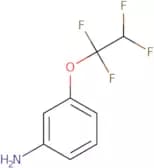
CAS :3-(1,1,2,2-Tetrafluoroethoxy)aniline is a reagent that belongs to the group of complex compounds. It has CAS No. 831-75-4 and is used as an intermediate in the synthesis of fine chemicals, useful scaffolds and building blocks. This versatile chemical can be used as a reaction component for the production of speciality chemicals and research chemicals. 3-(1,1,2,2-Tetrafluoroethoxy)aniline can be used as a starting material for the production of other reagents such as fluoroalkylating agents and fluorinating agents.Formule :C8H7F4NODegré de pureté :Min. 95%Couleur et forme :Colorless Clear LiquidMasse moléculaire :209.14 g/mol6-Fluoro-2,3,4,9-tetrahydro-1H-carbazole
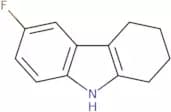
CAS :Please enquire for more information about 6-Fluoro-2,3,4,9-tetrahydro-1H-carbazole including the price, delivery time and more detailed product information at the technical inquiry form on this pageFormule :C12H12FNDegré de pureté :Min. 95%Couleur et forme :PowderMasse moléculaire :189.23 g/mol(8S,9R,10S,11S,13S)-9-Fluoro-11-Hydroxy-10,13-Dimethyl-1,2,6,7,8,11,12,14,15,16-Decahydrocyclopenta[a]Phenanthrene-3,17-Dione
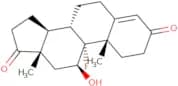
CAS :Produit contrôlé(8S,9R,10S,11S,13S)-9-Fluoro-11-Hydroxy-10,13-Dimethyl-1,2,6,7,8,11,12,14,15,16-Decahydrocyclopenta[a]Phenanthrene-3,17-Dione is a corticosteroid that is used in the treatment of inflammatory diseases. It has been shown to have immunosuppressive and antiinflammatory effects in animals. The drug is metabolized by cytochrome P450 enzymes to produce the active form prednisolone. Prednisolone binds to glucocorticoid receptors and blocks the production of inflammatory leukotrienes. The drug also inhibits neovascularization and ophthalmic disorders.Formule :C19H25FO3Degré de pureté :Min. 95%Masse moléculaire :320.4 g/mol4-Bromo-2-hydroxybenzoic acid methyl ester
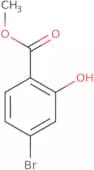
CAS :4-Bromo-2-hydroxybenzoic acid methyl ester is a versatile building block that can be used as a research chemical, reagent, or speciality chemical. It is a high quality, versatile compound that can be used in the synthesis of complex compounds. CAS No. 22717-56-2 is an intermediate for the synthesis of other compounds and has been shown to be a useful scaffold for organic chemistry.Formule :C8H7BrO3Degré de pureté :Min. 95%Couleur et forme :PowderMasse moléculaire :231.04 g/mol4-Fluoro-3-nitrobenzoic acid
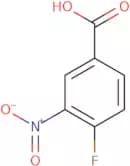
CAS :4-Fluoro-3-nitrobenzoic acid (4FNBA) is a molecule that has been studied for its ability to inhibit the activity of amine oxidases and haloperoxidases. 4FNBA was shown to be a substrate for the model protein, with an equilibrium constant of 2.6 x 10^6 M^(-1). The conversion of 4FNBA to the corresponding quinoxalines was also observed. Molecular docking analysis revealed that 4FNBA binds to the chloride ion and hydrogen bond interactions with nitrogen and oxygen atoms in the protein. This molecule is structurally diverse and may be useful in chemical synthesis or as a drug for treating certain medical conditions.Formule :C7H4FNO4Couleur et forme :PowderMasse moléculaire :185.11 g/mol7-Bromo-6-chloro-4(1H)-quinazolinone
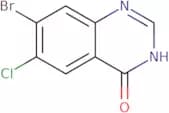
CAS :<p>7-Bromo-6-chloro-4(1H)-quinazolinone is a synthetic compound that is used as an intermediate in the synthesis of ethylene diamine. This substance has been shown to exhibit cytotoxicity against bladder cancer cells and tenella, as well as antiproliferative effects on human epidermal growth factor receptor (EGFR) and epidermal growth factor (EGF). 7-Bromo-6-chloro-4(1H)-quinazolinone can be synthesized in an efficient manner using butanol as a solvent. The compound has been found to exhibit cytotoxicity against tumor cells in the intestine.</p>Formule :C8H4BrClN2ODegré de pureté :Min. 95%Couleur et forme :White To Yellow SolidMasse moléculaire :259.49 g/mol3,3',5'-Triiodo-L-thyronine
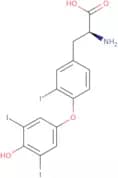
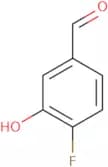
CAS :<p>Triiodothyronine is a thyroid hormone that is used for oral hypoglycaemic therapy in patients with diabetes mellitus. It has been shown to be effective in the treatment of congestive heart failure and experimental models of cardiac hypertrophy. Triiodothyronine has also been shown to have strong pharmacological effects on voltage-dependent calcium channels and integrin receptors. The clinical use of triiodothyronine is limited by its toxicity, which may be caused by its interference with the production of thyroxine or triiodothyronine, as well as its ability to alter the level of iodide in the blood.</p>Formule :C15H12I3NO4Degré de pureté :Min. 95%Couleur et forme :White PowderMasse moléculaire :650.97 g/mol4-Fluoro-3-hydroxybenzaldehyde
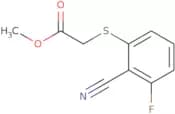
CAS :4-Fluoro-3-hydroxybenzaldehyde is a fluorescent chemical that belongs to the group of alcohols. It has been shown to have the following properties: an excitation wavelength of 285 nm, a fluorescence wavelength of 350 nm, and a quantum yield of 0.004%. The solvent effect on 4-fluoro-3-hydroxybenzaldehyde's fluorescence intensity is approximately linear with concentration, but the fluorescence profile is dependent on the polarity of the solvent. The phenyl group of 4-fluoro-3-hydroxybenzaldehyde causes it to be more polarizable than other molecules in its class. The kinetic rate constants for 4-fluoro-3-hydoxybenzaldehyde were found by measuring the decay rates of its fluorescence emission as a function of time.Formule :C7H5FO2Degré de pureté :Min. 95%Couleur et forme :PowderMasse moléculaire :140.11 g/molMethyl 2-(2-nitrilo-3-fluorophenylthio)acetate
CAS :Please enquire for more information about Methyl 2-(2-nitrilo-3-fluorophenylthio)acetate including the price, delivery time and more detailed product information at the technical inquiry form on this pageFormule :C10H8FNO2SDegré de pureté :Min. 95%Couleur et forme :PowderMasse moléculaire :225.24 g/mol1,1,1,2,2,3,3-Heptachloro-3-Fluoropropane
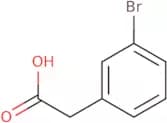
CAS :Produit contrôlé1,1,1,2,2,3,3-Heptachloro-3-Fluoropropane (HFC-227ea) is a synthetic chlorofluorocarbon that was developed as an environmentally friendly substitute for chlorodifluoromethane. HFC-227ea is used in refrigeration and air conditioning systems due to its high heat capacity. This chemical has been shown to inhibit serotonin reuptake and may play a role in the control of moods. HFC-227ea can also be used as a solvent for organic materials that cannot be dissolved by other chemicals. It is reactive with water and may react with other chemicals or cause fires if exposed to open flames. HFC 227ea has been shown to have toxic effects on the nervous system when injected into rats. The LD50 (the dose at which 50% of animals die) for this chemical is between 2 and 6 milligrams per kilogram of body weightFormule :C3Cl7FDegré de pureté :Min. 95%Masse moléculaire :303.2 g/mol3-Bromophenylacetic acid
CAS :<p>3-Bromophenylacetic acid is a metabolic disorder that belongs to the group of substances that have hydrogen bond. It is a receptor binding substance and can be used as an analog. 3-Bromophenylacetic acid has been shown to inhibit the CB1 receptor, which is involved in the regulation of appetite and pain perception. This compound has also been shown to have an inhibitory effect on cb1 receptor, which may be due to its ability to act as a solute in vitro. 3-Bromophenylacetic acid has been shown to be an efficient method for phase liquid chromatography when it is combined with proton exchange resin and solutes.</p>Formule :C8H7BrO2Degré de pureté :Min. 95%Couleur et forme :PowderMasse moléculaire :215.04 g/mol3-Bromo-5-iodobenzoic acid
CAS :3-Bromo-5-iodobenzoicacid is a drug substance that belongs to the group of acylation reaction products. It is a white crystalline powder that has been shown to have activity against staphylococcus bacteria. 3-Bromo-5-iodobenzoicacid has been used for the synthesis of antibacterial agents by cross-coupling, such as ampicillin and cefotaxime. 3-Bromo-5-iodobenzoicacid may also be used in supramolecular systems with antimicrobial properties. The compound has also been shown to have an inhibitory effect on bacterial growth by interacting with mannose residues in plasma mass spectrometry. This product can be synthesized using scalable methods and is stable for storage.Formule :C7H4BrIO2Degré de pureté :Min. 95%Couleur et forme :PowderMasse moléculaire :326.91 g/mol4-Bromo-3,5-dinitrobenzoic acid
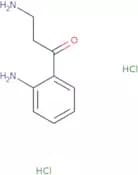
CAS :4-Bromo-3,5-dinitrobenzoic acid is a potent anticancer agent that inhibits cancer cell growth and is used to treat colon cancer, ovarian cancer, and prostate cancer. It is a prodrug that enters the cell through passive diffusion and reacts with intracellular nucleophiles to generate reactive oxygen species. This causes disruption of DNA replication and repair, leading to apoptosis. 4-Bromo-3,5-dinitrobenzoic acid has been shown to be active against a variety of human cancer cells in culture, including colorectal (colorectal adenocarcinoma), lung (lung adenocarcinoma), breast (MCF-7), and prostate (PC3) cells. The drug also has potent activity against some leukemia cells.Formule :C7H3BrN2O6Degré de pureté :90%Couleur et forme :PowderMasse moléculaire :291.01 g/molKynuramine dihydrochloride
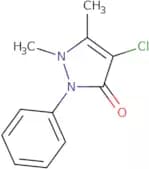
CAS :Kynuramine dihydrochloride is a chemical compound that is used as a reagent to produce other chemicals. It has been found to have a variety of applications, such as being used as a reaction component, a reagent for the synthesis of polymers and fine chemicals, or for use in research and development. Kynuramine dihydrochloride is also an important building block in the manufacture of pharmaceuticals and pesticides.Formule :C9H12N2O·2HClDegré de pureté :Min. 95%Couleur et forme :Green PowderMasse moléculaire :237.13 g/mol4-chloro-2,3-dimethyl-1-phenyl-3-pyrazolin-5-one
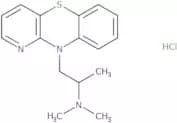
CAS :<p>Please enquire for more information about 4-chloro-2,3-dimethyl-1-phenyl-3-pyrazolin-5-one including the price, delivery time and more detailed product information at the technical inquiry form on this page</p>Degré de pureté :Min. 95%Isothipendyl hydrochloride
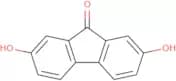
CAS :<p>Isothipendyl hydrochloride is a crystalline cellulose derivative that is used as an excipient in pharmaceutical preparations. It has been shown to inhibit the growth of animal cells and bacteria, including Gram-positive and Gram-negative bacteria, with optimum concentrations ranging from 3 to 30%. Isothipendyl hydrochloride has also been shown to have anti-inflammatory properties against inflammatory diseases, such as allergic rhinitis and asthma. Isothipendyl hydrochloride may also be used for the treatment of autoimmune diseases, such as psoriasis or rheumatoid arthritis. Isothipendyl hydrochloride has also been shown to have anti-cancer activity, inhibiting skin cancer cell growth. This may be due to its effects on receptor activity by inhibiting certain cellular functions necessary for tumor cell proliferation. Isothipendyl hydrochloride can be prepared by reacting thiourea with 2-aminoethanol followed by hydro</p>Formule :C16H20ClN3SDegré de pureté :Min. 95%Couleur et forme :PowderMasse moléculaire :321.87 g/mol2,7-Dihydroxy-9-fluorenone
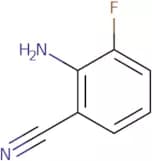
CAS :<p>2,7-Dihydroxy-9-fluorenone (2,7DF) is a quinone derivative that has been shown to exhibit immunomodulatory effects in vitro. This compound was synthesized by methylation of the hydroxy group at position 2 and esterification with 3-mercaptopropionic acid. The synthesis of 2,7DF was achieved in anhydrous conditions using potassium carbonate as a base and hydrochloric acid as a reagent. The molecule's structure has been elucidated using magnetic resonance spectroscopy. This technique showed the presence of a hydrogen bond between the hydroxyl group and the methyl esterified at position 7. This bond is also present in other molecules such as 3-mercaptopropionic acid and benzene. The synthesis of 2,7DF was also achieved through molecular modeling techniques that used quantum chemical calculations for the determination of its molecular geometry.</p>Formule :C13H8O3Degré de pureté :95%NmrCouleur et forme :PowderMasse moléculaire :212.2 g/mol2-Amino-3-fluorobenzonitrile
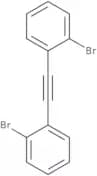
CAS :<p>A 2-aminopyridine substituent is added to the 3-position of benzonitrile to form 2-amino-3-fluorobenzonitrile. The hydrogenolysis of this compound at low temperatures yields indoles. Cyanogen bromide can be used as a catalyst for the reaction, but it must be removed before the product is purified. This reaction also produces a cyano group, which can be used in other reactions such as nitration or reduction. The glycinate molecule can also be formed by this process, and it is a neutral functional group that is capable of forming esters with carboxylic acids.</p>Formule :C7H5FN2Degré de pureté :Min. 95%Masse moléculaire :136.13 g/mol2,2'-Dibromodiphenylacetylene
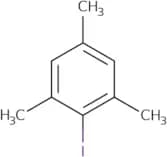
CAS :2,2'-Dibromodiphenylacetylene (DBDP) is a biomolecular that belongs to the class of stilbene derivatives. It has been shown to have fluoro-transfer properties and can be used as a vapor transport or crystalline interaction. DBDP has been shown to produce diffraction with a shift angle of 8.6° in solution and yields of up to 98%. The steric effect was also observed when the molecule interacts with transfer and transistor molecules. DBDP has been shown to undergo an arylation reaction with phenanthridines, which are potent anti-inflammatory agents.Formule :C14H8Br2Couleur et forme :PowderMasse moléculaire :336.02 g/mol2-Iodomesitylene
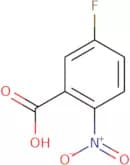
CAS :2-Iodomesitylene is a chloride that reacts with an alkyl halide to form a C-C cross-coupling reaction. It is used as a polymerization initiator in cationic polymerization reactions, which are efficient and reactive. 2-Iodomesitylene is soluble in organic solvents such as trifluoroacetic acid and is therefore suitable for the synthesis of polymers containing aromatic hydrocarbons or divalent hydrocarbons. 2-Iodomesitylene has been shown to react with nucleophiles such as nitrogen or carbon nucleophiles, forming useful products such as vinyl ethers.Formule :C9H11IDegré de pureté :Min. 95%Couleur et forme :PowderMasse moléculaire :246.09 g/mol5-Fluoro-2-nitrobenzoic acid
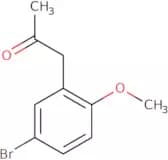
CAS :<p>5-Fluoro-2-nitrobenzoic acid is a phosphotungstic acid and an anti-inflammatory agent. It has been shown to exhibit apoptotic activity in vitro, which may be due to its ability to induce the release of cytochrome c from mitochondria. 5-Fluoro-2-nitrobenzoic acid has also been shown to inhibit the production of inflammatory cytokines such as tumor necrosis factor alpha (TNFα), interleukin 1β (IL1β) and IL6 in vitro. Its pharmacokinetic properties have been studied in rats and mice, with an oral bioavailability of 100%. The drug has also been shown to cross the blood brain barrier, with a high degree of uptake into the brain tissue.</p>Formule :C7H4FNO4Degré de pureté :Min. 95%Couleur et forme :PowderMasse moléculaire :185.11 g/mol(5-Bromo-2-methoxyphenyl)acetone
CAS :5-Bromo-2-methoxyphenyl)acetone (BMPA) is a versatile building block used in the synthesis of complex compounds and speciality chemicals. BMPA has been shown to be a useful intermediate for the synthesis of pharmaceuticals, agrochemicals, perfumes, and other products. It is also used as a reagent for research purposes. The compound was first synthesized by the condensation of aniline with acetaldehyde in 1885 by two French chemists, but has since been prepared in various ways. CAS number: 205826-73-9Formule :C10H11BrO2Degré de pureté :Min. 95%Masse moléculaire :243.1 g/mol6-Aminoindoline dihydrochloride
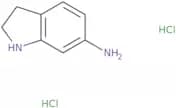
CAS :<p>Please enquire for more information about 6-Aminoindoline dihydrochloride including the price, delivery time and more detailed product information at the technical inquiry form on this page</p>Formule :C8H10N2•(HCl)2Degré de pureté :Min. 95%Masse moléculaire :207.1 g/mol4-Bromo-3-fluorobenzaldehyde
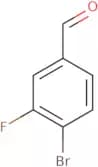
CAS :4-Bromo-3-fluorobenzaldehyde is a drug substance that can be used in cancer therapy. It is a cross-linking agent that can form covalent bonds with DNA and proteins, which inhibits the ability of cells to replicate. 4-Bromo-3-fluorobenzaldehyde has been shown to have cytotoxic activity against human cancer cells in culture. This compound is synthesized by an unsymmetrical nitroaldol reaction, followed by Suzuki coupling with 3-(4′-methoxyphenyl) propanone. The structural formula for this product is C9H5BrFO2.Formule :C7H4BrFODegré de pureté :Min. 95%Masse moléculaire :203.01 g/molPropyl 3,5-dichloro-4-hydroxybenzoate
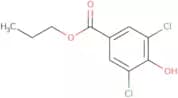
CAS :Propyl 3,5-dichloro-4-hydroxybenzoate is a high quality chemical that is used as an intermediate in the synthesis of other compounds. It can be obtained from a number of sources, including the conversion of the corresponding chloride with alcohols. Propyl 3,5-dichloro-4-hydroxybenzoate is a colorless liquid with a sweet smell and has been shown to be useful in organic syntheses due to its versatility as a building block.Formule :C10H10Cl2O3Degré de pureté :Min. 95%Couleur et forme :PowderMasse moléculaire :249.09 g/mol4'-Fluoro-2'-hydroxyacetophenone
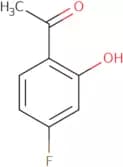
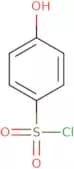
CAS :4'-Fluoro-2'-hydroxyacetophenone is a chemical that is used as an antibacterial agent. It inhibits the growth of bacteria by interfering with microbial metabolism and inhibiting the synthesis of proteins, DNA, RNA and cell wall components. 4'-Fluoro-2'-hydroxyacetophenone has been shown to be active against P. aeruginosa, Enterococci and other bacterial strains. The compound also reduces the number of viable cells in culture supernatants from these bacteria. The mechanism of action of 4'-fluoro-2'-hydroxyacetophenone is not known but may be related to its ability to form covalent bonds with carbonyl groups present in enzymes or protein structures. The compound can also spontaneously combust when heated to decomposition. This combustion releases fluorine gas which could cause environmental pollution if released into the atmosphere during its manufacture or use.Formule :C8H7FO2Degré de pureté :Min. 95%Couleur et forme :PowderMasse moléculaire :154.14 g/mol4-Hydroxybenzenesulfonyl chloride
CAS :<p>4-Hydroxybenzenesulfonyl chloride is a thionyl chloride derivative that reacts with pyridine in the presence of an dehydrating agent to form a polyurethane. The dehydration of 4-hydroxybenzenesulfonyl chloride is conducted by reacting it with magnesium and carboxylate in xylene, with subsequent reaction with chlorine to produce thiomorpholine. Thiomorpholine can be further reacted with thionyl chloride to produce sulfate. This compound has been shown to induce TNF-α production in mouse macrophages, which may be due to its ability to inhibit protein synthesis and induce apoptosis. 4-Hydroxybenzenesulfonyl chloride also has high yield for the synthesis of polyurethane, making it a popular choice for use in industrial applications.</p>Formule :C6H5ClO3SDegré de pureté :Min. 85 Area-%Couleur et forme :PowderMasse moléculaire :192.62 g/mol3-Bromo-6-chloro-7-methylchromone
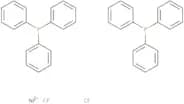
CAS :<p>3-Bromo-6-chloro-7-methylchromone is a fine chemical that is useful as a building block in organic synthesis. It is a versatile intermediate, and can be used as a reaction component in various chemical reactions. 3-Bromo-6-chloro-7-methylchromone has a CAS number of 263365-48-6 and is classified as a complex compound. This chemical is mainly used for the preparation of other chemicals with more desirable properties.</p>Formule :C10H6BrClO2Degré de pureté :Min. 95%Couleur et forme :PowderMasse moléculaire :273.51 g/molBis(triphenylphosphine)nickel(II) dichloride
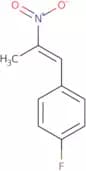
CAS :Bis(triphenylphosphine)nickel(II) dichloride is a coordination compound that belongs to the group P2. It has an octahedral geometry with two adjacent nickel atoms and two chloride ligands. The metal-metal bond length is 2.14 Å, which is shorter than the average bond length of 2.54 Å for octahedral complexes. Bis(triphenylphosphine)nickel(II) dichloride reacts with quinoline derivatives to form amines and undergoes transfer reactions with amines, chlorides, and olefins. It also undergoes irreversible oxidation when in contact with water. The compound is stereoselective for substitution by halides at the para position on the phenyl ring.Formule :C36H30Cl2NiP2Degré de pureté :Min. 95%Couleur et forme :PowderMasse moléculaire :654.17 g/mol1-(4-Fluorophenyl)-2-nitropropene
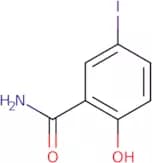
CAS :1-(4-Fluorophenyl)-2-nitropropene is a versatile building block that is used in the synthesis of a wide range of complex chemical compounds. This compound is also found to be useful as a key component in the synthesis of pharmaceuticals, research chemicals, and other fine chemicals. 1-(4-Fluorophenyl)-2-nitropropene can be used as a reagent for organic reactions, and it has been shown to react with amines to form nitrosoamines. This compound is an intermediate in the synthesis of 4-fluoroaniline, which has various industrial applications. The chemical formula for 1-(4-Fluorophenyl)-2-nitropropene is C8H6FO3N3O2.Formule :C9H8FNO2Degré de pureté :Min. 95%Couleur et forme :PowderMasse moléculaire :181.16 g/mol5-Iodosalicylamide
CAS :<p>5-Iodosalicylamide is a chemical building block. 5-Iodosalicylamide can be reacted with appropriately functionalised aromatic compounds to afford the corresponding anilides, which have been shown to exhibit anti-fungal and bactericidal properties.</p>Formule :C7H6INO2Degré de pureté :Min. 95%Couleur et forme :PowderMasse moléculaire :263.03 g/mol5'-Bromo-2'-chloroacetophenone
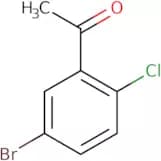
CAS :5'-Bromo-2'-chloroacetophenone is a chemical intermediate that is used in the synthesis of many organic compounds. It is a brominated ketone that has a variety of reactions and can be used as a building block or as an intermediate. 5'-Bromo-2'-chloroacetophenone is also used in research and development, as well as in high-quality chemical production.Formule :C8H6BrClODegré de pureté :Min. 95%Couleur et forme :Clear LiquidMasse moléculaire :233.49 g/mol2-Bromo-4,5-difluoroanisole
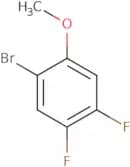
CAS :2-Bromo-4,5-difluoroanisole is a reactive intermediate that can be used as a building block in organic synthesis. It has been shown to be a useful reagent in the synthesis of heterocycles, including pyrrolidines, imidazoles and oxazoles. 2-Bromo-4,5-difluoroanisole is also used as an intermediate for the production of pharmaceuticals and pesticides. This chemical is soluble in water, ethanol and ether and has a boiling point of 111°C.Formule :C7H5BrF2ODegré de pureté :Min. 95%Masse moléculaire :223.01 g/mol2-Bromo-4-chloro-1-nitrobenzene
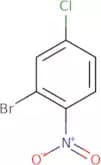
CAS :2-Bromo-4-Chloro-1-Nitro-Benzene is a paraoxon compound that is used to produce chemical weapons. It has been shown to be able to neutralize nerve agent in the body and is undergoing clinical trials as an antidote for nerve agents. 2-Bromo-4-Chloro-1-Nitro-Benzene is produced by trituration from the corresponding bromide or chloride in the presence of nitric acid and hydrochloric acid and can be purified by recrystallization from water. The microreactor process was used to prepare this substance because it gave good yields, was easy to implement, and was cost effective. 2BCNB has also been shown to be a potent transport inhibitor of clozapine with configurable nature, portability, and detoxification properties.Formule :C6H3BrClNO2Degré de pureté :Min. 95%Couleur et forme :PowderMasse moléculaire :236.45 g/molL-Methionine methyl ester hydrochloride
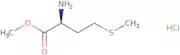
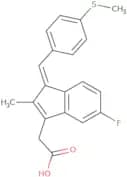
CAS :L-Methionine methyl ester hydrochloride is an amide that has been used in the treatment of bowel diseases. It has been shown to have a polymerase chain reaction (PCR) diagnostic application for the detection of DNA duplexes and intramolecular hydrogen bonds. L-Methionine methyl ester hydrochloride inhibits the activity of enzymes such as protein kinase, phosphodiesterase, and proteases. L-Methionine methyl ester hydrochloride also has receptor activities and can be used as a diagnostic agent for malignant brain tumors or congestive heart failure. It is also able to block radiation and positron emission tomography (PET) scanning.Formule :C6H13NO2S·HClDegré de pureté :Min. 98 Area-%Couleur et forme :PowderMasse moléculaire :199.7 g/molZ-Sulindac sulphide
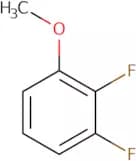
CAS :(Z)-5-Fluoro-2-methyl-1-[p-(methylthio)benzylidene]indene-3-acetic acid is a potent inhibitor of protein synthesis. It has been shown to inhibit the activity of sulindac sulfide, a cyclase inhibitor and nonsteroidal anti-inflammatory agent, in human polymorphonuclear leukocytes and cancer cells. (Z)-5-Fluoro-2-methyl-1-[p-(methylthio)benzylidene]indene-3-acetic acid also inhibits the mitochondrial membrane potential and reduces the growth of cancer cells by inhibiting proteins that are involved in cell proliferation.Formule :C20H17FO2SDegré de pureté :Min. 95%Couleur et forme :PowderMasse moléculaire :340.41 g/mol2,3-Difluoroanisole
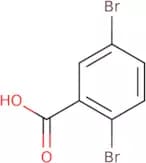
CAS :2,3-Difluoroanisole is a synthetic organic compound that is used in the preparation of other organic compounds. It is prepared by the amination reaction of chloroacetic acid and 2,3-difluoroethanol. The anticancer activity of 2,3-difluoroanisole has been studied extensively. This compound inhibits the growth of cancer cells by inhibiting DNA synthesis and protein synthesis. The inhibitory effects are due to the chlorine atom on the molecule, which can react with hydrogen atoms on amino groups on enzymes, thereby preventing these enzymes from functioning properly. 2,3-Difluoroanisole also has inhibitory properties against olefinic reactions such as formylation or chemists reactions at high temperatures.Formule :C7H6F2ODegré de pureté :Min. 95%Masse moléculaire :144.12 g/mol2,5-Dibromobenzoic acid
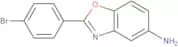
CAS :2,5-Dibromobenzoic acid is an organic compound with the formula HO2CCHBrO2. It is a white solid that dissolves in water and organic solvents. This compound has been shown to inhibit PTP1B (protein tyrosine phosphatase 1B), which is a protein kinase involved in insulin signal transduction. Inhibition of PTP1B by 2,5-dibromobenzoic acid has been shown to lead to decreased cancer cell growth and increased apoptosis without affecting normal cells. This compound also inhibits histone methylation, which may be useful for cancer diagnosis or treatment. In addition, 2,5-dibromobenzoic acid can be used in the synthesis of polymers due to its ability to react with methacrylates or acrylates under free radical polymerization conditions. 2,5-Dibromobenzoic acid is a monFormule :C7H4Br2O2Degré de pureté :Min. 95%Couleur et forme :PowderMasse moléculaire :279.91 g/mol2-(4-Bromophenyl)-1,3-benzoxazol-5-amine
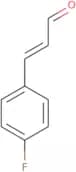
CAS :<p>2-(4-Bromophenyl)-1,3-benzoxazol-5-amine is an organic compound with a molecular formula of C14H10BrN2O and a molecular weight of 270.44 g/mol. 2-(4-Bromophenyl)-1,3-benzoxazol-5-amine is white to off white crystalline powder that is soluble in ether and ethanol but insoluble in water. It is a versatile building block for the synthesis of other fine chemicals. This compound has been used as a research chemical and as an intermediate in the synthesis of complex compounds.</p>Formule :C13H9BrN2ODegré de pureté :Min. 95%Couleur et forme :PowderMasse moléculaire :289.13 g/mol4-Fluorocinnamaldehyde
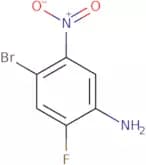
CAS :<p>4-Fluorocinnamaldehyde is a reactive molecule that can be used in the catalytic asymmetric synthesis of 4-fluoroalkylbenzenes, which are used as intermediates in the production of pharmaceuticals. It reacts with hydroxymethyl groups to form 4-fluoroalkylbenzene derivatives, which are substrates for asymmetric reactions. This compound has been shown to react with amines and thiols to form Michael acceptors and Michael donors respectively. The crystallographic data obtained from this molecule shows that it belongs to space group P2 and its crystal system is orthorhombic. It also has optical properties that make it suitable for use as an optical material or nanowires.</p>Formule :C9H7FODegré de pureté :Min. 80%Couleur et forme :Clear LiquidMasse moléculaire :150.15 g/mol4-Bromo-2-fluoro-5-nitroaniline
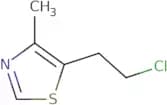
CAS :<p>4-Bromo-2-fluoro-5-nitroaniline is a chemical intermediate that has shown potential for use in research. This compound has been used as a building block for the synthesis of other compounds, and it has proven to be an excellent reagent for the reaction of amines with ketones. The CAS number for this product is 87547-06-6.</p>Formule :C6H4BrFN2O2Degré de pureté :Min. 95%Couleur et forme :PowderMasse moléculaire :235.01 g/molChlormethiazole
CAS :Produit contrôlé<p>Sedative and hypnotic; used in treatment of acute alcohol withdrawal</p>Formule :C6H8ClNSDegré de pureté :Min. 95%Couleur et forme :Colorless PowderMasse moléculaire :161.65 g/mol1-Bromo-4-chloro-2-fluorobenzene
CAS :<p>1-Bromo-4-chloro-2-fluorobenzene is an antifungal agent that has been shown to be active against staphylococci, gram-negative bacteria, and fungi. The combination of 1-bromo-4-chloro-2-fluorobenzene with formaldehyde yields a synergistic effect. The inhibitory concentration for the growth of cereus and carbonation is 0.5% and 0.1%, respectively. It also shows antibacterial properties towards Gram positive bacteria, including Staphylococcus aureus and Enterococcus faecalis. 1–Bromo-4–chloro–2–fluorobenzene inhibits bacterial growth by binding to DNA gyrase, which prevents transcription and replication. The high frequency of human activity has been shown using a patch clamp technique on human erythrocytes. This active form is metabolized through a number of metabolic transformations,</p>Formule :C6H3BrClFDegré de pureté :Min. 95%Couleur et forme :Clear LiquidMasse moléculaire :209.44 g/molSDF-1β (human) trifluoroacetate salt
CAS :Please enquire for more information about SDF-1beta (human) trifluoroacetate salt including the price, delivery time and more detailed product information at the technical inquiry form on this pageFormule :C382H620N114O97S5Degré de pureté :Min. 95%Masse moléculaire :8,522.05 g/mol2,2,2-Trifluoroacetamide
CAS :<p>2,2,2-Trifluoroacetamide is a chemical compound that is stable under normal conditions and can be stored for long periods of time. The compound has been shown to react with trifluoroacetic acid and in the presence of an electrochemical probe to give a redox reaction. This reaction mechanism has been studied by using pharmacokinetic properties of 2,2,2-trifluoroacetamide and its metabolites. The compound is not active against infectious diseases but may be used as a reagent in analytical methods. 2,2,2-Trifluoroacetamide has also been investigated for its ability to bind hydrogen atoms and form intramolecular hydrogen bonds with tryptophan residues in proteins.</p>Formule :C2H2F3NODegré de pureté :Min. 95%Couleur et forme :PowderMasse moléculaire :113.04 g/mol1-Chloro-2-(2-methoxyethoxy)ethane
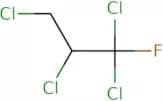
CAS :<p>Please enquire for more information about 1-Chloro-2-(2-methoxyethoxy)ethane including the price, delivery time and more detailed product information at the technical inquiry form on this page</p>Formule :C5H11ClO2Degré de pureté :Min. 95%Couleur et forme :Clear Colourless LiquidMasse moléculaire :138.59 g/mol1,1,2,3-Tetrachloro-1-fluoropropane
CAS :Produit contrôlé<p>1,1,2,3-Tetrachloro-1-fluoropropane is a solvent that can be used to solvate organic compounds. It is volatile and has a boiling point of -78°C. This compound is used in the chlorination of methane and ethane, which produces 1,1,2-trichloroethane and 1,2-dichloroethane respectively. Hydrogen fluoride is also produced as an unwanted byproduct. The chlorine produced by this process is then catalyzed to form fluorine gas. This gas can be vaporized or depletes depending on the reaction conditions and the temperature of the reactor. Fluorine gas reacts with atmospheric water vapor to produce hydrofluoric acid (HF). When HF comes into contact with moist surfaces it will corrode them and produce hydrogen ions that react with metal oxides to produce metal salts and water. The emission of HF from chlorofluorocarbons</p>Formule :C3H3Cl4FDegré de pureté :Min. 95%Masse moléculaire :199.87 g/molFluorescein
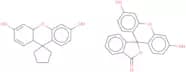
CAS :Fluorescein is a fluorescent molecule often used in in vitro assays, immunohistochemistry, microscopy, and clinical analytics. Fluorescein is not a natural product and was first synthesized in 1871 by Adolf von Baeyer, a later Nobel-prize winner for his work on organic dyes. Fluorescein has an absorption maximum of 494 nm and an emission maximum of 512 nm; these values can however slightly change depending on the solution medium. Fluorescein is used clinically in ophthalmology to assess the blood flow in the eye blood vessels and to detect eye injuries such as foreign bodies and possible abrasions. Interestingly, fluorescein has been found to possess peroxidase activity under certain conditions.Formule :C20H12O5Couleur et forme :PowderMasse moléculaire :332.31 g/mol2-Chloro-5-methylthiazole-4-carbonitrile
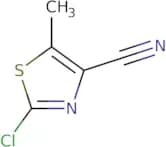
CAS :Please enquire for more information about 2-Chloro-5-methylthiazole-4-carbonitrile including the price, delivery time and more detailed product information at the technical inquiry form on this pageFormule :C5H3ClN2SDegré de pureté :Min. 95%Masse moléculaire :158.61 g/mol3-Fluorophthalodinitrile
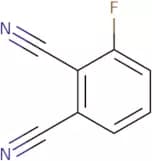
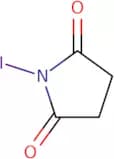
CAS :<p>3-Fluorophthalodinitrile is a hydroxylated aromatic hydrocarbon with a chloride substituent. It has been shown to yield high percentages of the chloride ion in crystalline form. The compound is also photochemically stable and has been used as an absorber for infrared radiation in the preparation of pharmaceutical preparations, such as thrombin receptor antagonists. 3-Fluorophthalodinitrile has a crystalline structure and belongs to the class of phthalocyanines. It has been shown to bind to thrombin receptors and inhibit platelet aggregation, which may be due to its ability to inhibit calcium from binding to phospholipids on the platelet membrane surface.</p>Formule :C8H3FN2Degré de pureté :Min. 95%Couleur et forme :Yellow PowderMasse moléculaire :146.12 g/molN-Iodosuccinimide
CAS :<p>N-Iodosuccinimide is a reagent that is used in the synthesis of monoclonal antibodies. It reacts with the amino groups of proteins to form stable complexes that are soluble in organic solvents. N-Iodosuccinimide can also be used for the treatment of tumors by reacting with DNA to form cross-links and inhibiting tumor cell growth. N-Iodosuccinimide reacts with methyl ketones to form mixtures of stable complexes, which are useful for the synthesis of polymers and polyesters. This reaction mechanism is a variation on the Suzuki coupling reaction and has been shown to be effective for cervical cancer cells in culture.</p>Formule :C4H4INO2Couleur et forme :Brown Clear LiquidMasse moléculaire :224.98 g/molFmoc-L-proline pentafluorophenyl ester
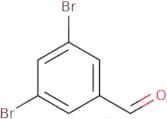
CAS :Fmoc-L-proline pentafluorophenyl ester is an estrogen analog that binds to the estrogen receptor α. It has been shown to inhibit cancer cell growth in vitro and in vivo. In addition, Fmoc-L-proline pentafluorophenyl ester inhibits the formation of new cancer cells by inducing cell death and inhibiting proliferation. This drug also has anti-inflammatory properties and is able to bind with calmodulin, which may be related to its ability to inhibit breast cancer cell growth.Formule :C26H18F5NO4Degré de pureté :Min. 95%Masse moléculaire :503.42 g/mol3,5-Dibromobenzaldehyde
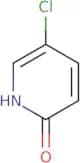
CAS :3,5-Dibromobenzaldehyde is an analytical reagent that has been used as a chemosensor. The compound was synthesized by the reaction of benzaldehyde with bromine and potassium hydroxide (KOH). 3,5-Dibromobenzaldehyde has a skeleton consisting of three phenyl groups and two aldehyde groups. The compound also contains two active methylene groups and two vinylene groups. 3,5-Dibromobenzaldehyde can be detected by fluorescence probe or low energy electron diffraction. This chemical is an effective antibacterial agent with an LD50 value of 1.6 milligrams per kilogram in rats.Formule :C7H4Br2ODegré de pureté :Min. 95%Couleur et forme :White PowderMasse moléculaire :263.91 g/mol5-Chloro-2-hydroxypyridine
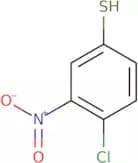
CAS :<p>5-Chloro-2-hydroxypyridine is an organic molecule that contains a water molecule. It has been shown to inhibit the enzyme diaphorase, which is involved in the production of acid in the body. 5-Chloro-2-hydroxypyridine also interacts with dipole molecules and forms a carbonyl group with them, which is a chemical bond. This compound has been shown to be effective against mouse mammary carcinoma cells, human colon carcinoma cells, and human carcinoma cells. FTIR spectroscopy has revealed that 5-chloro-2-hydroxypyridine absorbs light at around 1615 cm−1 and 1742 cm−1.</p>Formule :C5H4ClNODegré de pureté :Min. 95%Couleur et forme :PowderMasse moléculaire :129.55 g/mol4-Chloro-3-nitrobenzenethiol
CAS :<p>4-Chloro-3-nitrobenzenethiol (4CNBT) is a micropet that is used as a radiotracer to measure the uptake of serotonin in the brain. This compound has been shown to bind to the serotonin transporter, which is responsible for reuptake of serotonin from the synapse. The radiolabeled 4CNBT can be used for positron emission tomography (PET) scanning and postinjection autoradiography. 4CNBT has also been used as a ligand in pharmacological studies on serotonin transporters.</p>Formule :C6H4ClNO2SDegré de pureté :Min. 95%Couleur et forme :White PowderMasse moléculaire :189.62 g/mol4-Bromo-2,6-difluorobenzoic acid
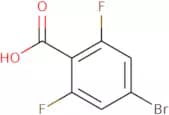
CAS :4-Bromo-2,6-difluorobenzoic acid is a liquid crystal that belongs to the class of fluorinated benzoic acids. It is an activated liquid crystal composed of chiral molecules with substituents on the 4- and 6-positions of the aromatic ring. The compound has been shown to have excellent fluoroarene solubilizing properties in a glycol matrix and can be used as an additive to produce liquid crystals with desired properties.Formule :C7H3BrF2O2Degré de pureté :Min. 95%Couleur et forme :PowderMasse moléculaire :237 g/molCycloguanil hydrochloride
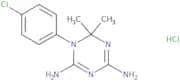
CAS :Cycloguanil hydrochloride is an anti-malarial drug that inhibits the activity of dihydrofolate reductase, which is a target enzyme for many drugs. The drug is structurally similar to proguanil, but the latter has more potent activity against the parasite and better oral bioavailability. Cycloguanil hydrochloride binds to the enzyme's active site and blocks its action, thereby inhibiting essential enzymes in the synthesis of DNA. This leads to a decrease in production of malarial parasites and inhibition of their growth. Cycloguanil hydrochloride can also be used for chemoprophylaxis in falciparum malaria when combined with other drugs such as sulfadoxine or pyrimethamine.Formule :C11H14ClN5•HClDegré de pureté :Min. 98 Area-%Couleur et forme :PowderMasse moléculaire :288.18 g/molN-Methyl-L-isoleucine hydrochloride
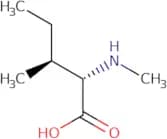
CAS :<p>N-Methyl-L-isoleucine hydrochloride is a molecule that has been found to have significant cytotoxicity against cancer cells. It has also been shown to inhibit the growth of Molt-4 and MCF-7 cells, both of which are human tumor cell lines. The molecular structure of N-Methyl-L-isoleucine hydrochloride is similar to that of L-isoleucine, but with an additional methyl group. Analysis by gas chromatography/mass spectroscopy revealed no other significant peaks in the nmr spectra. This compound may be a promising lead for developing new drugs for the treatment of cancer.</p>Formule :C7H15NO2·HClDegré de pureté :Min. 95%Couleur et forme :PowderMasse moléculaire :181.66 g/mol(S)-trans-2-Amino-4-(2-aminoethoxy)-3-butenoic acid hydrochloride
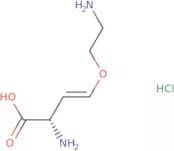
CAS :(S)-trans-2-Amino-4-(2-aminoethoxy)-3-butenoic acid hydrochloride is a chemical pesticide that inhibits the production of ethylene in plants. It is used to control growth and enhance the fruit quality of horticultural crops. It is also used as an inhibitor of serine proteases, which are enzymes that catalyze the hydrolysis of proteins. This product has been shown to act as a growth regulator by inhibiting the activity of serine proteases and blocking the biosynthesis of ethylene. (S)-trans-2-Amino-4-(2-aminoethoxy)-3-butenoic acid hydrochloride also blocks the biosynthesis of human chorionic gonadotropin, a hormone involved in reproduction and development.Formule :C6H13ClN2O3Degré de pureté :Min. 97 Area-%Couleur et forme :Off-White PowderMasse moléculaire :196.63 g/mol2-Chloro-3-nitrotoluene
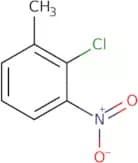
CAS :<p>2-Chloro-3-nitrotoluene (2CNT) is a primary site test compound that is used to determine the activity of enzymes that metabolize nitrate. It has been shown to inhibit inorganic nitrate reductase and plant nitrate reductase, which are important enzymes for the transport of nitrogen. The rate of 2CNT degradation increases with increasing temperature, and it is resistant to heat and oxygen. 2CNT also inhibits tobacco N-acetyltransferase, an enzyme involved in the metabolism of nicotine. 2CNT can be used as an inhibitor to study plant physiology because it evaporation occurs rapidly at room temperature.</p>Formule :C7H6ClNO2Degré de pureté :Min. 95%Couleur et forme :Clear LiquidMasse moléculaire :171.58 g/molDiosmetinidin chloride
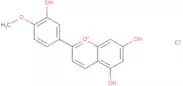
CAS :Diosmetinidin chloride is a fine chemical that can be used as a versatile building block for the synthesis of complex compounds. Diosmetinidin chloride has been shown to have useful scaffolding properties and is useful as a reaction component in research chemicals and speciality chemicals. It reacts with alcohols, phenols, amines, thiols, sulfides, and carboxylic acid derivatives to form new compounds. This compound is also used as a reagent in organic synthesis.Formule :C16H13ClO5Degré de pureté :Min. 95%Couleur et forme :PowderMasse moléculaire :320.72 g/mol4-Chloro-3-nitrobenzoic acid ethyl ester
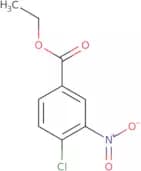
CAS :4-Chloro-3-nitrobenzoic acid ethyl ester is a six-membered, planar, hydrogen bond that has a crystal structure with a six-membered ring. It has hydrogen bonds and five-membered ring. The molecule is coplanar and oriented.Formule :C9H8ClNO4Degré de pureté :Min. 95%Couleur et forme :PowderMasse moléculaire :229.62 g/molN-Methyltryptamine hydrochloride
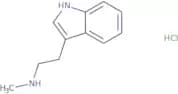
CAS :Produit contrôléN-Methyltryptamine hydrochloride is a chemical that has been shown to be an antagonist of the serotonin receptor 5-HT7 in vivo. This drug is also a potent inhibitor of acetylcholinesterase, which may be due to its ability to inhibit the methylation of serotonergic receptors. It has been shown to have clinical efficacy in treating depression, although it is not currently approved by the FDA for this use. N-Methyltryptamine hydrochloride has been shown to have an antidepressant effect in wild-type mice and in mouse models of depression. It inhibits the growth of cancer cells by inducing apoptosis and inhibiting cell proliferation.Formule :C11H15ClN2Degré de pureté :Min. 95%Couleur et forme :PowderMasse moléculaire :210.7 g/mol4-Chloro-2-methylaniline
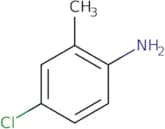
CAS :<p>4-Chloro-2-methylaniline (CMA) is a chemical that belongs to the group of amines and is used as an intermediate in the manufacture of dyes, pesticides and pharmaceuticals. CMA has been shown to be toxic to humans through skin contact, inhalation or ingestion. This substance also disrupts the activity of enzymes such as acetylcholinesterase, which is responsible for breaking down acetylcholine and regulating muscle contractions. Long-term exposure to this chemical may lead to bladder cancer. CMA can also be used as a model for carcinogenic potential studies due to its ability to induce cancer in animals.</p>Formule :C7H8ClNDegré de pureté :Min. 95%Masse moléculaire :141.6 g/mol4-Nitro-3-iodoanisole
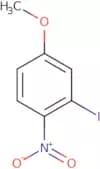
CAS :<p>4-Nitro-3-iodoanisole is a bauerine that is used as a ligand in asymmetric catalysis. It is an atropisomeric compound, meaning it can exist in two different forms. The two forms of 4-nitro-3-iodoanisole are identical except for the orientation of the axial ligands on opposite sides of the molecule. The axial ligands on one form are biphenyl and nitrous oxide, while the axial ligands on the other form are nitrous oxide and biphenyl. 4-Nitro-3-iodoanisole has been used to catalyze reactions such as alkylation and coupling reactions with a variety of substrates, including β-carbolines, phenols, and amines.</p>Formule :C7H6INO3Degré de pureté :Min. 95%Couleur et forme :PowderMasse moléculaire :279.03 g/mol3',5'-Dichloro-2'-hydroxyacetophenone
CAS :3',5'-Dichloro-2'-hydroxyacetophenone is a hydrogen bond donor and has a crystal system of orthorhombic. It is soluble in water and insoluble in organic solvents. 3',5'-Dichloro-2'-hydroxyacetophenone binds to the progesterone receptor, which is a nuclear hormone receptor that regulates gene transcription by binding to specific DNA sequences called hormone response elements. There are two cleavage products of progesterone receptor, Malondialdehyde (MDA) and estradiol (E2). 3',5'-Dichloro-2'-hydroxyacetophenone also binds to estrogen receptors, which are proteins located inside or on the surface of cells that bind to hormones and regulate the activity of certain genes. The biochemical function of 3',5'-dichloro-2' hydroxyacetophenone is not well understood but it has been shown to have antioxidant properties.Formule :C8H6Cl2O2Degré de pureté :Min. 95%Masse moléculaire :205.04 g/mol2-Amino-5-chlorothiophenol
CAS :2-Amino-5-chlorothiophenol is an aminothiophene derivative that has been shown to be an effective antibacterial agent. It is a substrate in the synthesis of polyesters and is used as a precursor in the synthesis of ciprofloxacin, a broad spectrum antibiotic. 2-Amino-5-chlorothiophenol has been shown to catalyze the reaction between phenyl groups and heterocycles, which is an important step in the synthesis of ciprofloxacin and fluconazole. The optimal reaction temperature for this process is between 150°C - 180°C. The irradiation time for this process varies depending on the intensity of light used, with optimal results obtained after 10 minutes at 25 kGy.Formule :C6H6ClNSDegré de pureté :Min. 95 Area-%Couleur et forme :PowderMasse moléculaire :159.64 g/mol2-Amino-N-[2-(2-chlorobenzoyl)-4-nitrophenyl]acetamide
CAS :2-Amino-N-[2-(2-chlorobenzoyl)-4-nitrophenyl]acetamide is a fine chemical that is used as a building block in organic synthesis. It is a versatile intermediate for the synthesis of other compounds and can be used to make a variety of useful scaffolds. 2-Amino-N-[2-(2-chlorobenzoyl)-4-nitrophenyl]acetamide has been used in research and development of pharmaceuticals, agrochemicals, herbicides, and other compounds.Formule :C15H12ClN3O4Degré de pureté :Min. 95%Couleur et forme :Slightly Yellow PowderMasse moléculaire :333.73 g/molSex Pheromone Inhibitor iPD1 trifluoroacetate salt
CAS :<p>Sex pheromone inhibitor IPD1 is an antibody that inhibits the production of sex pheromones by Streptococcus faecalis. It is used to diagnose and treat allergic diseases, such as atopic dermatitis or bronchial asthma. This antibody binds to a protein called polypide, which is involved in the synthesis of sex pheromones, and inhibits its activity. It has been shown to inhibit the production of sex pheromones by Streptococcus faecalis when analyzed using an SDS-polyacrylamide gel electrophoresis method. Sex pheromone inhibitor IPD1 also binds to antibodies against streptococcus, acari, and other bacteria.</p>Formule :C39H72N8O11Degré de pureté :Min. 95%Couleur et forme :PowderMasse moléculaire :829.04 g/molZinc difluoromethanesulfinate
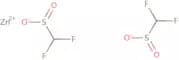
CAS :<p>Zinc difluoromethanesulfinate is used as a precursor in the production of pharmaceuticals and other organic chemicals. It is an inorganic compound that has a structural formula of Zn(CH)SOF. When heated, this compound decomposes to produce zinc oxide, SO2, and HF. The vibrational properties of zinc difluoromethanesulfinate have been measured using infrared techniques. This compound has shown biological activity in hyperproliferative diseases such as cancer and mental disorders such as psychosis and chronic kidney disease. Zinc difluoromethanesulfinate also has a number of biological effects on the cardiovascular system, including stimulating ganglia cells and inhibiting the release of potassium ions from heart muscle cells.</p>Formule :C2H2F4O4S2ZnDegré de pureté :Min. 95%Couleur et forme :White PowderMasse moléculaire :295.54 g/mol3,5-Dibromobenzylamine hydrochloride
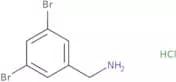
CAS :<p>3,5-Dibromobenzylamine hydrochloride is a versatile building block that is used as a reaction component and intermediate in the synthesis of pharmaceuticals. It is also useful as a research chemical and speciality chemical, which are substances that are not typically found in consumer products. 3,5-Dibromobenzylamine hydrochloride can be used as a building block for the synthesis of new compounds by reacting with other chemicals. This compound has been registered under CAS 202982-73-8 and has high quality standards.</p>Formule :C7H8Br2ClNDegré de pureté :Min. 95%Couleur et forme :PowderMasse moléculaire :301.41 g/mol2-chloro-n-(4-chlorophenyl)acetamide
CAS :<p>2-Chloro-N-(4-chlorophenyl)acetamide (2CPA) is an antimycobacterial agent that inhibits the growth of Mycobacterium tuberculosis. The antimycobacterial activity of 2CPA has been demonstrated in a dilution method, where it reduced the number of viable cells in cultures of M. tuberculosis and Mycobacterium smegmatis. The antimicrobial activity of 2CPA was confirmed using a fluorescence assay, which showed that this compound is active against M. tuberculosis H37Rv and M. smegmatis at concentrations above 0.1 mM. 2CPA also has a potent bactericidal effect on Staphylococcus aureus with an MIC value of 0.06 mg/mL at 30 minutes and is active against Enterococcus faecalis with an MIC value of 4 mg/mL at 30 minutes.</p>Formule :C8H7Cl2NODegré de pureté :Min. 95%Masse moléculaire :204.05 g/mol2-Bromo-5-nitroaniline
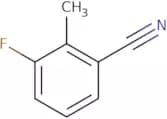
CAS :2-Bromo-5-nitroaniline is an aminobenzothiazole that is synthesized in an amination reaction with acetonitrile. It is an acidic chemical and can be introduced as a pharmacokinetic probe for studying the uptake of drugs by cells. The properties of 2-bromo-5-nitroaniline have been studied in mice and rats, where it has been shown to be metabolized by nitroreductases. 2-Bromo-5-nitroaniline can also be used as a chemokine receptor antagonist, which could lead to the optimization of other chemokines.Formule :C6H5BrN2O2Degré de pureté :Min. 95%Couleur et forme :PowderMasse moléculaire :217.02 g/mol3-Fluoro-2-methylbenzonitrile
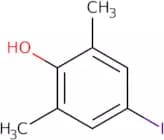
CAS :<p>3-Fluoro-2-methylbenzonitrile is a novel androgen receptor modulator that binds to the androgen receptor with high affinity and selectivity. 3-Fluoro-2-methylbenzonitrile has been shown to have agonistic activity in vivo. It has been proposed as an alternative to testosterone for the treatment of muscle wasting, osteoporosis, and other hormone deficiencies. 3-Fluoro-2-methylbenzonitrile is metabolized by CYP3A4 enzymes, which may be modified to improve its metabolic stability and thus increase its bioavailability. In addition, modifications of 3-fluoro-2-methylbenzonitrile may be made that would improve its pharmacokinetic profile (e.g., naphthalene profiles).</p>Formule :C8H6FNDegré de pureté :Min. 95%Couleur et forme :PowderMasse moléculaire :135.14 g/mol2,6-Dimethyl-4-iodophenol
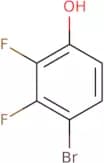
CAS :<p>2,6-Dimethyl-4-iodophenol is a small organic molecule that has been shown to be an inhibitor of the virus SARS coronavirus. 2,6-Dimethyl-4-iodophenol inhibits the virus in a specific test for inhibition activity against SARS coronavirus. The compound binds to the viral membrane and blocks a hydrogen bonding interaction with the viral envelope protein. This binding prevents the formation of an active complex with the enzyme RNA polymerase, which is required for transcription of viral RNA. 2,6-Dimethyl-4-iodophenol has also been shown to inhibit other viruses in addition to SARS coronavirus, such as influenza A virus and poliovirus.</p>Formule :C8H9IODegré de pureté :Min. 95%Couleur et forme :PowderMasse moléculaire :248.06 g/mol2,3-Difluoro-4-bromo phenol
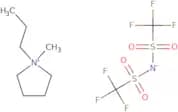
CAS :2,3-Difluoro-4-bromophenol (2,3-DFBP) is a phenolic compound that has been synthesized by a multistep process. It has been shown to have low birefringence, high optical anisotropy, and high yield of synthesis. 2,3-DFBP has also been shown to have mesomorphic properties and can be used in the development of devices such as microscopy.Formule :C6H3BrF2ODegré de pureté :Min. 95%Masse moléculaire :208.99 g/mol1-Methyl-1-propylpyrrolidinium bis(trifluoromethanesulfonyl)imide
CAS :<p>1-Methyl-1-propylpyrrolidinium bis(trifluoromethanesulfonyl)imide (MPP+) is a high-affinity ligand for lithium ion batteries. It is used as a dopant in battery electrodes to improve the electrochemical performance of the electrode. MPP+ has been used extensively to study transport phenomena, transport properties, and solvation effects. The solvents that are compatible with MPP+ include anions such as ClO4-, BF4-, PF6-, SbF6-, SO3H2SO3, and CF3SO3H. MPP+ also has a very low viscosity and thermal expansion coefficient, which are desirable properties for use in lithium ion batteries. MPP+ has been shown to be stable up to 300 °C and can be used at temperatures up to 150 °C. Molecular simulation studies have shown that MPP+ is able to</p>Formule :C10H18F6N2O4S2Degré de pureté :Min. 95%Couleur et forme :Clear LiquidMasse moléculaire :408.38 g/mol[(1E)-1,2-Difluoro-1,2-ethenediyl]bistributylstannane
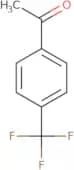
CAS :Produit contrôlé[(1E)-1,2-Difluoro-1,2-ethenediyl]bistributylstannane is a β-lactamase inhibitor that is used as an antibacterial. It inhibits the activity of β-lactamases, which are enzymes that hydrolyze β-lactams in bacteria and render them ineffective. This compound has been shown to inhibit the growth of microorganisms in culture and to be effective against hydrogenated and nonhydrogenated cultures. The inhibition of growth by [(1E)-1,2-difluoro-1,2-ethenediyl]bistributylstannane is due to its structural similarity to penicillin. It also has been shown to have potential as an anticancer agent because it can induce homologous recombination repair in human cells.Degré de pureté :Min. 95%4'-(Trifluoromethyl)acetophenone
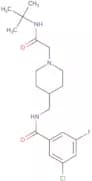
CAS :<p>4'-(Trifluoromethyl)acetophenone is a phosphatase inhibitor that has been shown to have inhibitory activity against chemokines. Chemokines are a type of cytokine that are secreted by immune cells and play an important role in inflammation. 4'-(Trifluoromethyl)acetophenone has also been shown to have an effect on the cell membrane permeability of amines and 2-aminobenzyl alcohol, which are substrates for the enzyme. 4'-(Trifluoromethyl)acetophenone reacts with imidazole derivatives, such as trifluoride, forming hydrogen bonds between the two molecules. Kinetic studies have demonstrated that this reaction is reversible in solution at room temperature.</p>Formule :C9H7F3ODegré de pureté :Min. 95%Couleur et forme :PowderMasse moléculaire :188.15 g/molN-((1-(2-(tert-Butylamino)-2-oxoethyl)piperidin-4-yl)methyl)-3-chloro-5-fluorobenzamide
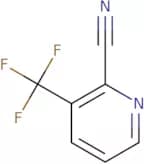
CAS :<p>N-((1-(2-(tert-Butylamino)-2-oxoethyl)piperidin-4-yl)methyl)-3-chloro-5-fluorobenzamide is a novel antiarrhythmic drug that inhibits the activation of cardiac cells. It was shown to inhibit proliferation and migration of human leukemia cells in vitro and to inhibit tumor growth in vivo. N-(1-(2-(tert-Butylamino)-2-oxoethyl)piperidin-4-yl)methyl)-3-chloro-5-fluorobenzamide has been shown to have cardioprotective effects in Sprague Dawley rats, reducing the incidence of ventricular tachycardia and fibrillation. The clinical studies conducted so far have not revealed any adverse effects on the heart or other organs.</p>Formule :C19H27ClFN3O2Degré de pureté :Min. 95%Couleur et forme :White SolidMasse moléculaire :383.89 g/mol2-Cyano-3-trifluoromethylpyridine
CAS :<p>2-Cyano-3-trifluoromethylpyridine is a fine chemical that is used as a versatile building block in the synthesis of complex compounds. It can be used as an intermediate in research chemicals, reaction components, and speciality chemicals. 2-Cyano-3-trifluoromethylpyridine is a high quality reagent that can be used for the synthesis of various derivatives. It is also a useful scaffold for the development of new drugs and other chemical compounds.</p>Formule :C7H3F3N2Degré de pureté :Min. 95%Couleur et forme :liquid.Masse moléculaire :172.11 g/mol2-[[(4-Anilinophenyl)imino]methyl]-4,6-dichlorophenol
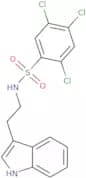
CAS :2-[[(4-Anilinophenyl)imino]methyl]-4,6-dichlorophenol is a chemical that has been used in the synthesis of pharmaceuticals and other organic compounds. It is a versatile building block for the preparation of complex compounds and fine chemicals. This product can be used as a reagent or reaction component for research purposes. It is also useful as an intermediate or building block in the synthesis of drugs and other organic compounds. CAS No. 303215-67-0Formule :C19H14Cl2N2ODegré de pureté :Min. 95%Couleur et forme :Red PowderMasse moléculaire :357.23 g/mol(2-Indol-3-ylethyl)((2,4,5-trichlorophenyl)sulfonyl)amine
CAS :Please enquire for more information about (2-Indol-3-ylethyl)((2,4,5-trichlorophenyl)sulfonyl)amine including the price, delivery time and more detailed product information at the technical inquiry form on this pageFormule :C16H13Cl3N2O2SDegré de pureté :Min. 95%Couleur et forme :PowderMasse moléculaire :403.71 g/molTriphenylchlorosilane
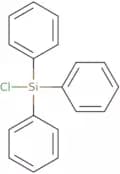
CAS :<p>Triphenylchlorosilane is a reactive compound that has been used as a model system for studying the reaction of congestive heart failure. It has been shown to inhibit energy metabolism and cell factor, which are important factors in the progression of congestive heart failure. Triphenylchlorosilane also reacts with p-hydroxybenzoic acid to form an unstable intermediate, which undergoes intramolecular hydrogen transfer to give the final product. The reaction mechanism is proposed to be a coordination geometry involving three chlorine atoms. This compound is not reactive with sodium salts or structural analysis, but it does bind signal peptide in vivo models and can be used as a probe for protein-protein interactions.</p>Formule :C18H15ClSiDegré de pureté :Min. 95%Couleur et forme :PowderMasse moléculaire :294.85 g/molL-Tryptophan-7-amido-4-methylcoumarin
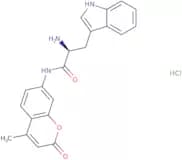
CAS :Please enquire for more information about L-Tryptophan-7-amido-4-methylcoumarin including the price, delivery time and more detailed product information at the technical inquiry form on this pageFormule :C21H19N3O3Degré de pureté :Min. 95%Couleur et forme :PowderMasse moléculaire :361.39 g/mol(2-Aminophenyl)boronic acid hydrochloride
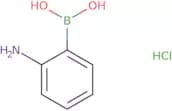
CAS :(2-Aminophenyl)boronic acid hydrochloride is an analytical reagent that is used in the cross-coupling reaction between aryl bromides and organoboron compounds. It has been synthesized from 2-aminophenylboronic acid, which can be produced by the alkylation of phenol with 3-bromoquinoline. This compound has been shown to have antimalarial activity against the human malaria parasite Plasmodium falciparum in vitro. (2-Aminophenyl)boronic acid hydrochloride has also been shown to have a high intestinal absorption rate when given orally to rats. In vivo studies are needed to determine whether this chemical is safe for humans.Formule :C6H9BClNO2Degré de pureté :Min. 95%Couleur et forme :PowderMasse moléculaire :173.41 g/mol3-Chloro-4-fluorophenylhydrazine hydrochloride
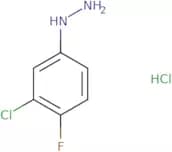
CAS :3-Chloro-4-fluorophenylhydrazine hydrochloride is a fine chemical that has been used in research as a reagent and building block. It is also used as an intermediate in the synthesis of other compounds with high commercial value, such as pharmaceuticals and agrochemicals. 3-Chloro-4-fluorophenylhydrazine hydrochloride can be used to synthesize complex molecules that are difficult to make, such as pharmaceuticals, agrochemicals, and speciality chemicals. This compound can be reacted with other compounds to form new compounds or reactants that are useful in a variety of reactions.Formule :C6H7Cl2FN2Degré de pureté :Min. 95%Couleur et forme :PowderMasse moléculaire :197.04 g/mol3-(4-Bromophenyl)propionic acid
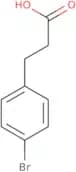
CAS :<p>3-(4-Bromophenyl)propionic acid is a potent linker that is synthesized from trifluoromethanesulfonic acid by the reaction of bromine and 4-bromobenzene. 3-(4-Bromophenyl)propionic acid inhibits the biosynthesis of fatty acids by inhibiting the enzyme fatty acid synthase. 3-(4-Bromophenyl)propionic acid has been shown to be an effective inhibitor of cellular growth in glioma cells. It also decreases blood pressure through inhibition of angiotensin II receptors.</p>Formule :C9H9BrO2Degré de pureté :Min. 95%Couleur et forme :PowderMasse moléculaire :229.07 g/molFluorescein-5-thiosemicarbazide hydrochloride
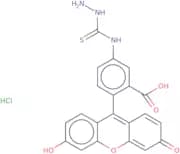
CAS :<p>Fluorescein-5-thiosemicarbazide HCl is a fluorescent compound that has been used extensively as a dye in biological research. It is commonly used with other compounds to measure the transfer of resonance energy, the interaction between two molecules, or the solubility of one molecule in another. Fluorescein-5-thiosemicarbazide HCl can be used to measure cellulose because it reacts with hydroxyl groups on the surface of the material. The quantum yield for this compound is 0.06%.</p>Formule :C21H15N3O5S•HClDegré de pureté :Min. 95%Couleur et forme :PowderMasse moléculaire :457.89 g/molPhosgeneiminium chloride
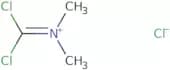
CAS :<p>Phosgeneiminium chloride is a polycarboxylic acid that is synthesized by the reaction of phosphorus pentachloride and hydroxylamine. It has been shown to have an active form with regiospecificity in nucleophilic attack and amide synthesis. Phosgeneiminium chloride can be used as a reagent for the preparation of organic compounds, such as 3-hydroxybenzoic acid, which are intermediates for medicines such as tamoxifen. This compound also shows antitumor activity against leukemia cells and may be useful for fighting cancer. The efficient method of this compound is coordination chemistry.</p>Formule :C3H6Cl3NDegré de pureté :Min. 95%Masse moléculaire :162.44 g/mol[2-(1,3-Benzoxazol-2-yl)ethyl]amine hydrochloride
CAS :<p>2-(1,3-Benzoxazol-2-yl)ethyl]amine hydrochloride is a fine chemical that is used as a building block in the synthesis of other chemicals. It can be used as an intermediate in the production of pharmaceuticals and agrochemicals. 2-(1,3-Benzoxazol-2-yl)ethyl]amine hydrochloride is also used to synthesize useful scaffolds and reaction components. This compound has been shown to be stable at high temperatures and has low toxicity.</p>Formule :C9H10N2O·HClDegré de pureté :Min. 95%Couleur et forme :White PowderMasse moléculaire :198.65 g/mol2,4-Dichloro-β-methyl-β-nitrostyrene
CAS :2,4-Dichloro-beta-methyl-beta-nitrostyrene is a versatile building block that can be used as a reaction component or reagent for the synthesis of other fine chemicals. It is also a useful intermediate for the production of complex compounds. 2,4-Dichloro-beta-methyl-beta-nitrostyrene has been widely used in research and development due to its high quality and versatility. This compound is also available from Sigma Aldrich at competitive prices.Formule :C9H7Cl2NO2Degré de pureté :Min. 95%Masse moléculaire :232.06 g/mol3-Bromobenzaldoxime
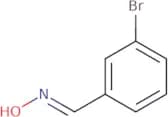
CAS :<p>3-Bromobenzaldoxime is a dialkylamino aldoxime compound that is soluble in organic solvents such as diethyl ether, chloroform, dichloromethane, and benzene. It can be synthesized from benzaldehyde and aniline through the reaction of cyclopentenes with phenylsulfonyl chloride. This reaction produces an intermediate that is then reacted with nitrobenzene to produce 3-bromobenzaldoxime. 3-Bromobenzaldoxime has been used in the synthesis of hydroxamic acids and its use as a solvent for nitro compounds.</p>Formule :C7H6BrNODegré de pureté :Min. 98 Area-%Couleur et forme :PowderMasse moléculaire :200.03 g/mol4-Chloro-3,5-dinitrobenzamide
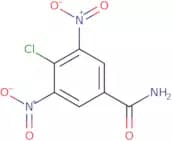
CAS :<p>4-Chloro-3,5-dinitrobenzamide is a bifunctional molecule that contains a chlorine atom. It has been found to react with dipolar solutes as well as vicinal dioxan arylation. The nucleophilic amide group is also labile and can be hydrolyzed by strong acids or bases. The electron lone pair of the chlorine atom in 4-chloro-3,5-dinitrobenzamide can be used for electrophilic substitution reactions with aromatic rings or amines. This molecule has been found to undergo an arylation reaction with imidazole in the presence of dioxan solvent at room temperature.</p>Formule :C7H4ClN3O5Degré de pureté :Min. 95%Masse moléculaire :245.58 g/mol













![2-Amino-N-[2-(2-chlorobenzoyl)-4-nitrophenyl]acetamide](/_next/image/?url=https%3A%2Fstatic.cymitquimica.com%2Fproducts%2F3D%2Fthumb-webp%2FFA17795.webp&w=3840&q=75)



![[(1E)-1,2-Difluoro-1,2-ethenediyl]bistributylstannane](/_next/image/?url=https%3A%2Fstatic.cymitquimica.com%2Fproducts%2F3D%2Fthumb-webp%2FFD93559.webp&w=3840&q=75)
![2-[[(4-Anilinophenyl)imino]methyl]-4,6-dichlorophenol](/_next/image/?url=https%3A%2Fstatic.cymitquimica.com%2Fproducts%2F3D%2Fthumb-webp%2FFA71703.webp&w=3840&q=75)
![[2-(1,3-Benzoxazol-2-yl)ethyl]amine hydrochloride](/_next/image/?url=https%3A%2Fstatic.cymitquimica.com%2Fproducts%2F3D%2Fthumb-webp%2FFB123800.webp&w=3840&q=75)