Halogénures organiques
Sous-catégories appartenant à la catégorie "Halogénures organiques"
20442 produits trouvés pour "Halogénures organiques"
4-Chloropyridine-3-carboxaldehyde
CAS :4-Chloropyridine-3-carboxaldehyde (4CPCA) is a potent inhibitor of the enzyme, formylation. 4CPCA is synthesized in an experimental method involving reaction of 4-chloropyridine and 3-bromoformaldehyde with a base, followed by hydrolysis to produce the desired product. This compound has been shown to inhibit formylation in vitro with inhibition potentials as high as 5000 μM. The IC 50 value for 4CPCA was found to be 0.6 mM. Formylation activity was inhibited in cell free systems and in cells from rat liver and human erythrocytes. The pharmacokinetic profile of 4CPCA is dose dependent and it is metabolized into inactive compounds by oxidation or conjugation with glucuronic acid.
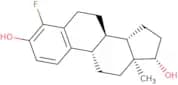
Formule :C6H4ClNODegré de pureté :Min. 95%Couleur et forme :Yellow SolidMasse moléculaire :141.55 g/mol4-Fluoroestradiol
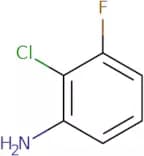
CAS :Produit contrôlé4-Fluoroestradiol is an estrogen with a molecular weight of 270.4 g/mol that has been shown to be carcinogenic in animal models. 4-Fluoroestradiol binds to the estrogen receptor and activates the gene product, which stimulates cell growth and proliferation. This drug has been shown to induce cancer in tissues such as the liver, biliary tract, and mammary glands when administered at doses higher than 0.3 mg/kg/day. 4-Fluoroestradiol also interacts with hydrogen bonds in enzymes such as retinol dehydrogenase, all-trans-retinoic acid (ATRA), and specific agents such as retinoic acid (RA). This interaction may inhibit the catalytic rate of these enzymes or alter their substrate specificity.Formule :C18H23FO2Degré de pureté :Min. 95%Couleur et forme :PowderMasse moléculaire :290.37 g/mol2-Chloro-3-fluoroaniline
CAS :2-Chloro-3-fluoroaniline is a chemical compound that is used as a reagent, solvent, and building block in the synthesis of many other compounds. 2-Chloro-3-fluoroaniline can be used in the chemical industry to produce high quality research chemicals. This compound is also useful as an intermediate for the synthesis of pharmaceuticals and pesticides. The CAS number for this compound is 21397-08-0.Formule :C6H5ClFNDegré de pureté :Min. 95%Couleur et forme :Clear LiquidMasse moléculaire :145.56 g/molcis-4-Chloro-3-nitrocinnamic acid
Cis-4-Chloro-3-nitrocinnamic acid is an aromatic organic compound with potential utility in biochemical research and synthesis. This compound is typically derived from synthetic chemical processes involving chlorination and nitration reactions on cinnamic acid derivatives. Its molecular structure, characterized by both chloro and nitro functional groups, allows it to interact in unique ways with various biochemical pathways and molecular frameworks.
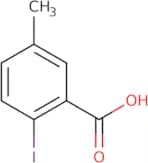
Formule :C9H6ClNO4Degré de pureté :Min. 95%Couleur et forme :White PowderMasse moléculaire :227.6 g/mol2-Iodo-5-methylbenzoic acid
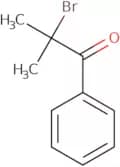
CAS :2-Iodo-5-methylbenzoic acid is a fine chemical, useful building block and reagent that is used in the synthesis of complex compounds. It is versatile because it can be used as a reactant, intermediate or scaffold in many chemical reactions. It has been shown to be an effective catalyst for the Suzuki reaction and Buchwald-Hartwig amination reaction. 2-Iodo-5-methylbenzoic acid has also been found to be a useful intermediate for the synthesis of many pharmaceuticals, such as tamoxifen, griseofulvin, mesalazine, and risperidone.Formule :C8H7IO2Degré de pureté :Min. 95%Couleur et forme :PowderMasse moléculaire :262.04 g/mol2-Bromo-2-methylpropiophenone
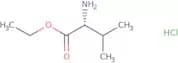
CAS :2-Bromo-2-methylpropiophenone is a chemical compound that is used as a fungicide. It is primarily applied to the soil, but can also be sprayed onto plants. It inhibits the growth of fungi and other pathogens by interfering with nucleic acid synthesis. This agent is catalytic, meaning it does not need an external source of energy to function. 2-Bromo-2-methylpropiophenone can be used in organic solvents because it dehalogenates chloroacetone into acetone, which is then removed from the reaction medium.Formule :C10H11BrODegré de pureté :Min. 95%Masse moléculaire :227.10 g/molD-Valine ethyl ester hydrochloride
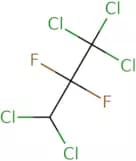
CAS :D-Valine ethyl ester hydrochloride is a reagent that is used in the synthesis of complex compounds. It can be used as an intermediate for fine chemicals and research chemicals, or as a building block for versatile building blocks. D-Valine ethyl ester hydrochloride can also be used in reactions to form other compounds, such as pharmaceuticals.Formule :C7H15NO2·HClDegré de pureté :Min. 95%Couleur et forme :PowderMasse moléculaire :181.66 g/mol1,1,1,3,3-Pentachloro-2,2-difluoropropane
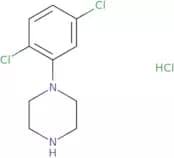
CAS :Produit contrôlé1,1,1,3,3-Pentachloro-2,2-difluoropropane (PDFP) is an organofluorine compound that has been used as an anti-infective agent. It has a low molecular weight and high volatility, which allows for easy transport of the agent to the site of infection. PDFP also exhibits stability against oxidation and hydrolysis reactions. PDFP is most effective against amines and dichloroethylene. It can be used in conjunction with other antiviral agents to enhance their effects. PDFP is not flammable and does not degrade in sunlight.Formule :C3HCl5F2Degré de pureté :Min. 95%Masse moléculaire :252.3 g/mol1-(2,5-Dichlorophenyl)piperazine hydrochloride
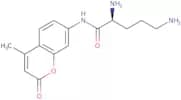
CAS :Produit contrôlé1-(2,5-Dichlorophenyl)piperazine hydrochloride is a versatile building block that can be used for the synthesis of complex compounds. It is a research chemical, reagent and speciality chemical useful for the synthesis of high-quality useful intermediates. This compound is also a reaction component and useful scaffold in organic synthesis. 1-(2,5-Dichlorophenyl)piperazine hydrochloride is an important intermediate in the production of pharmaceuticals, agrochemicals and dyes. It has been used to produce antihistamines, opioid receptor antagonists, antihypertensives and antipsychotics.Formule :C10H12Cl2N2·HClDegré de pureté :Min. 95%Couleur et forme :PowderMasse moléculaire :267.58 g/molH-Orn-AMC hydrochloride salt
CAS :H-Orn-AMC hydrochloride salt is a white solid with a melting point of about 150°C. It is used as a reactant in the manufacture of pharmaceuticals, research chemicals and other speciality chemicals. H-Orn-AMC hydrochloride salt is also an intermediate for the synthesis of complex compounds, useful as building blocks for chemical synthesis, and can be used as a reagent in analytical chemistry.Formule :C15H20ClN3O3Degré de pureté :Min. 98 Area-%Couleur et forme :PowderMasse moléculaire :325.79 g/mol6α-Fluoroprednisolone acetate
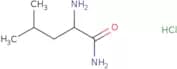
CAS :Produit contrôlé6alpha-Fluoroprednisolone acetate is a corticosteroid that is used for the treatment of inflammatory diseases. It has a high therapeutic index and does not bind to mineralocorticoid receptors in the body. 6alpha-Fluoroprednisolone acetate is administered as an aerosol or a microsphere. It can be used in cell culture because it does not inhibit protein synthesis or cause morphological changes to cells. The drug has been shown to have a low cytotoxicity profile, which may be due to its ability to suppress pd-l1 and Mcl-1 proteins, which are associated with cancer metastasis. Clinical data suggests that 6alpha-fluoroprednisolone acetate has no adverse effects on the liver, kidney, or bone marrow.Formule :C23H29FO6Degré de pureté :Min. 95%Masse moléculaire :420.47 g/molDL-Leucine amide hydrochloride
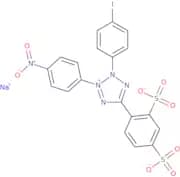
CAS :DL-Leucine amide hydrochloride is a fine chemical that can be used as a building block for research chemicals, as a reagent for the preparation of other compounds, and as a speciality chemical. DL-Leucine amide hydrochloride has been shown to be effective in the synthesis of complex compounds. The compound is also versatile and can be used as an intermediate or scaffold in the synthesis of other compounds. DL-Leucine amide hydrochloride is useful in reactions such as condensation, substitution, elimination, and Grignard reactions. It is also used in peptide synthesis and polymerization reactions.Formule :C6H14N2O·HClDegré de pureté :Min. 95%Masse moléculaire :166.65 g/molWST-1
CAS :WST-1 is a water soluble cell permeable dye. Upon NADH-dependent enzymatic cleavage by cellular mitochondrial dehydrogenases, formazan is released, which can be quantified by colorimetric detection at 450 nm.
Formule :C19H11IN5NaO8S2Degré de pureté :Min. 95 Area-%Couleur et forme :PowderMasse moléculaire :651.35 g/mol(1S,4S)-1,7,7-Trimethyl-3-(Trifluoroacetyl)Bicyclo[2.2.1]Heptan-2-One
CAS :(1S,4S)-1,7,7-Trimethyl-3-(Trifluoroacetyl)Bicyclo[2.2.1]Heptan-2-One is a white solid with a melting point of -76.8°C and a boiling point of 265°C at 10 mm Hg. It has the following functional groups: particle, luminescent, lanthanide, stabilizer, ligand, voltammetry, thermally stable and has nmr spectra that show light emission and coordination chemistry. This compound is a sulfoxide but can also be considered to be a phosphine or an amine depending on its structural features. The compound's nature is dependent on the temperature and pressure as well as the solvent it is being dissolved in.>>END>>
Formule :C12H15F3O2Degré de pureté :Min. 95%Couleur et forme :Clear LiquidMasse moléculaire :248.24 g/molAnisodine hydrobromide
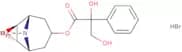
CAS :Anisodine hydrobromide is a compound that modulates transcriptional regulation. It has been shown to inhibit the proliferation of cultured human renal proximal cells and to reduce the development of kidney fibrosis in rats. Anisodine also inhibits locomotor activity and improves sample preparation in a statistically significant way. Anisodine hydrobromide has not been found to be toxic at doses up to 2000 mg/kg, which is its highest dose studied so far. The study used an experimental model of neurotrophic factors, soybean extract and fluorescein angiography with LC-MS/MS method as the analytical technique.
Formule :C17H22BrNO5Degré de pureté :Min. 98%Couleur et forme :PowderMasse moléculaire :400.26 g/mol2,3-Dichloro-6-nitrobenzonitrile
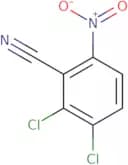
CAS :2,3-Dichloro-6-nitrobenzonitrile is an organic chemical compound that has a nitrile group and a nitro group. It can be synthesized by the cycloalkylation of ethyl bromoacetate with hydroxylamine. The resulting 2,3-dichloro-6-nitrobenzonitrile is extracted from the reaction mixture with water, acidified with dilute hydrochloric acid, and then precipitated as its ethyl ester salt. The 3D structure of this chemical was determined by X-ray crystallography.
Formule :C7H2Cl2N2O2Degré de pureté :Min. 95%Couleur et forme :Yellow SolidMasse moléculaire :217.01 g/molMethyl 3,5-diiodo-4-methoxybenzoate
CAS :Please enquire for more information about Methyl 3,5-diiodo-4-methoxybenzoate including the price, delivery time and more detailed product information at the technical inquiry form on this pageFormule :C9H8I2O3Degré de pureté :Min. 95%Couleur et forme :PowderMasse moléculaire :417.97 g/mol2-Chlorobenzhydrazide
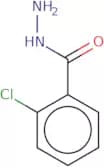
CAS :2-Chlorobenzhydrazide is a nitrogen-containing heterocyclic compound that has antibacterial activity. In vivo assays show that 2-chlorobenzhydrazide inhibits the growth of bacteria by binding to their DNA, leading to apoptotic cell death. The molecule also inhibits the proliferation of cancer cells in vitro (in a culture dish) and in vivo assays. 2-Chlorobenzhydrazide binds to copper ions and forms a copper complex, which inhibits bacterial growth. This ligand is selective for bacterial cells because it does not bind to mammalian cells.Formule :C7H7ClN2ODegré de pureté :Min. 95%Couleur et forme :PowderMasse moléculaire :170.6 g/molHalquinol, mixture of 5,7-Dichloro-8-quinolinol, 5-Chloro-8-quinolinol, 7-Chloro-8-quinolinol and 8-Hydroxyquinoline
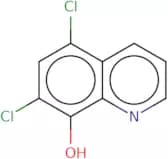
CAS :Halquinol, a mixture of 5,7-dichloro-8-quinolinol, 5-chloro-8-quinolinol, 7-chloro-8-quinolinol and 8-hydroxyquinoline, is an important intermediate in organic synthesis. It has been used as a reagent in the synthesis of a variety of complex compounds. Halquinol has also been used as a building block for the synthesis of many other chemical products. The CAS number for halquinol is 806769-4.Formule :C18H11Cl3N2O2Degré de pureté :Min. 95%Couleur et forme :Off-White PowderMasse moléculaire :393.65 g/mol2-Bromobenzaldoxime
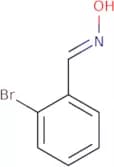
CAS :2-Bromobenzaldoxime is a chemical compound that belongs to the class of isoxazoles. It is used as an agrochemical to control nematodes and insects in crops. 2-Bromobenzaldoxime has been shown to have a high transformation efficiency, with a low response of resistant strains, and is effective against acarids and insects. The product yields are high when 2-bromobenzaldoxime is applied on soil or as a foliar spray. This chemical can be used as an alternative to diethyl ether when it comes to controlling pests in agricultural environments.Formule :C7H6BrNODegré de pureté :Min. 95%Masse moléculaire :200.03 g/molBambuterol hydrochloride
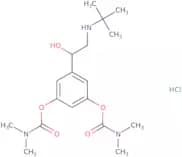
CAS :β-adrenoceptor agonist; bronchodilatorFormule :C18H30ClN3O5Degré de pureté :Min. 95%Couleur et forme :PowderMasse moléculaire :403.9 g/mol3-((2-Fluorophenyl)piperazinylcarbamoyl)prop-2-enoic acid
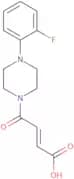
CAS :Produit contrôléPlease enquire for more information about 3-((2-Fluorophenyl)piperazinylcarbamoyl)prop-2-enoic acid including the price, delivery time and more detailed product information at the technical inquiry form on this page
Formule :C14H15Fn2O3Degré de pureté :Min. 80%Couleur et forme :PowderMasse moléculaire :278.29 g/mol(E)-N-(3-Methylaminopropyl)-2-thiopheneacrylamide hydrochloride
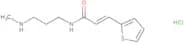
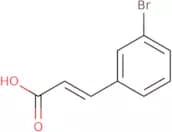
CAS :(E)-N-(3-Methylaminopropyl)-2-thiopheneacrylamide hydrochloride is a high quality, reagent, complex compound, useful intermediate, fine chemical. It has CAS No. 1449108-90-0 and is used as a research chemical and building block in the synthesis of other compounds. (E)-N-(3-Methylaminopropyl)-2-thiopheneacrylamide hydrochloride can be used as a versatile building block in organic synthesis reactions and is an important reaction component for the preparation of speciality chemicals.Formule :C11H17N2OSClDegré de pureté :Min. 95%Couleur et forme :White PowderMasse moléculaire :260.78 g/mol3-Bromocinnamic acid
CAS :3-Bromocinnamic acid is a long-term treatment that inhibits the adenosine receptor, which is an important component of the central nervous system. It has been shown to have biological properties such as cell growth inhibition, depressant effect, and inhibitory effects on HIV replication. 3-Bromocinnamic acid also inhibits the action of sodium salts in vitro and in vivo, suggesting that this drug may be useful for the treatment of epilepsy. 3-Bromocinnamic acid can be used to study the mechanisms by which sirt1 inhibitors act as anticancer drugs. In addition, 3-bromocinnamic acid has been shown to have therapeutic potential for treating Alzheimer's disease and Parkinson's disease.Formule :C9H7BrO2Degré de pureté :Min. 95%Couleur et forme :PowderMasse moléculaire :227.05 g/mol1-[4-Methyl-6-(trifluoromethyl)pyrimidin-2-yl]piperidine-3-carboxylic acid
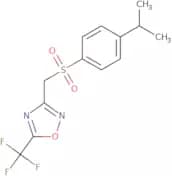
CAS :1-[4-Methyl-6-(trifluoromethyl)pyrimidin-2-yl]piperidine-3-carboxylic acid is a reagent that is used as a complex compound, as a useful intermediate, and as a fine chemical. It has been used in the manufacture of pharmaceuticals, agrochemicals, dyes, and pigments. It also has many applications in research such as its use as a building block for organic synthesis or to synthesize other compounds with potential uses in medicine.Formule :C12H14F3N3O2Degré de pureté :Min. 95%Couleur et forme :PowderMasse moléculaire :289.25 g/mol4-(Isopropyl)-1-(((4-(trifluoromethyl)(3,2,5-oxadiazolyl))methyl)sulfonyl)benzene
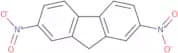
CAS :Please enquire for more information about 4-(Isopropyl)-1-(((4-(trifluoromethyl)(3,2,5-oxadiazolyl))methyl)sulfonyl)benzene including the price, delivery time and more detailed product information at the technical inquiry form on this pageFormule :C13H13F3N2O3SDegré de pureté :Min. 95%Couleur et forme :PowderMasse moléculaire :334.32 g/mol2,7-Dinitrofluorene
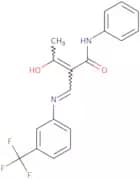
CAS :2,7-Dinitrofluorene is a nitro compound that is used as an analytical reagent. It is used in the determination of redox potentials and is commonly used to measure the activity of nitroreductases. 2,7-Dinitrofluorene is also a genotoxic agent that causes DNA damage by producing reactive oxygen species (ROS), which react with DNA bases and cause strand breaks. Nitroreductase enzymes catalyze the reduction of nitro groups to amines, which are then converted to ammonia. This process produces ammonia, which reacts with other compounds in the body to form nitrosamines. Nitrosamines have been shown to be carcinogenic in animal models, and some of these compounds can be found in human tissues.Formule :C13H8N2O4Degré de pureté :Min. 95%Couleur et forme :PowderMasse moléculaire :256.21 g/mol2-acetyl-N-phenyl-3-((3-(trifluoromethyl)phenyl)amino)prop-2-enamide
CAS :Please enquire for more information about 2-acetyl-N-phenyl-3-((3-(trifluoromethyl)phenyl)amino)prop-2-enamide including the price, delivery time and more detailed product information at the technical inquiry form on this pageFormule :C18H15F3N2O2Degré de pureté :Min. 95%Couleur et forme :PowderMasse moléculaire :348.32 g/mol3-Bromophenylurea
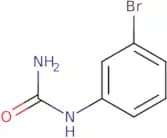
CAS :3-Bromophenylurea is an organic compound that has been synthesized for use as a catalyst in the production of silver ions. The product can be used in scalable synthesis and amines are the nucleophilic component. 3-Bromophenylurea is an advance in the field of bioassay and has been shown to be efficient when used at an optimum concentration. 3-Bromophenylurea is a substructural analogue to urea, which can be prepared from inexpensive materials and reused many times.
Degré de pureté :Min. 95%1,12-Dibromododecane
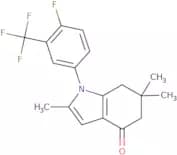
CAS :1,12-Dibromododecane is a chemical substance that appears as an off-white solid. It has a formula weight of 45.1 g/mol and a melting point of -8.5°C. 1,12-Dibromododecane is soluble in water and alcohols and insoluble in ethers. The substance is not flammable, but it does react with strong oxidants such as nitric acid or perchloric acid to form toxic gases like nitrogen dioxide or chlorine gas respectively. 1,12-Dibromododecane is used in the manufacture of sodium carbonate, which is used for signal detection, and also as a fatty acid solvent in the production of optical properties and formula weight measurements. 1,12-Dibromododecane can be used to measure transport properties by gel chromatography and can be used as a metalloeluting agent in 4-hydroxycinnamic acid purFormule :C12H24Br2Degré de pureté :Min. 95%Couleur et forme :White PowderMasse moléculaire :328.13 g/mol1-(4-Fluoro-3-(trifluoromethyl)phenyl)-2,6,6-trimethyl-5,6,7-trihydroindol-4-one
CAS :Please enquire for more information about 1-(4-Fluoro-3-(trifluoromethyl)phenyl)-2,6,6-trimethyl-5,6,7-trihydroindol-4-one including the price, delivery time and more detailed product information at the technical inquiry form on this pageFormule :C18H17F4NODegré de pureté :Min. 95%Couleur et forme :PowderMasse moléculaire :339.33 g/mol2-Amino-6-bromo-4-methoxyphenol
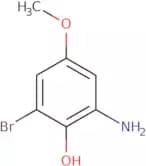
CAS :2-Amino-6-bromo-4-methoxyphenol (2ABMP) is a benzyl compound that can be used as a substitute for 2,4-diaminophenol. It has been shown to have estrogenic activity and may function as an estrogen receptor agonist. 2ABMP has also been shown to inhibit the growth of breast cancer cells in culture. The role of this drug in the treatment of breast cancer is not yet clear, but it may be useful in combination therapy with other drugs.Formule :C7H8BrNO2Degré de pureté :Min. 95%Couleur et forme :PowderMasse moléculaire :218.05 g/mol(2,6-Difluorophenyl)acetone
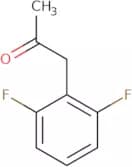
CAS :(2,6-Difluorophenyl)acetone is an organic compound with the chemical formula CH3C(O)CH=CHF. It is a colorless liquid that boils at 142 °C and has a melting point of about -5 °C. This compound is mainly used as a reagent in organic synthesis, but it can also be used as a building block for complex compounds. The synthesis of (2,6-difluorophenyl)acetone starts by reacting 2-bromo-1,4-phenylene with 2,6-difluoroaniline in benzene. The product can then be purified by distillation or recrystallization to yield high quality (2,6-difluorophenyl)acetone.
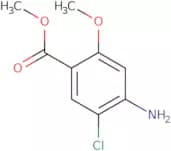
Formule :C9H8F2ODegré de pureté :Min. 95%Couleur et forme :Clear LiquidMasse moléculaire :170.16 g/molMethyl 4-amino-5-chloro-2-methoxybenzoate
CAS :Methyl 4-amino-5-chloro-2-methoxybenzoate is an organic compound with the chemical formula CH3C6H4(OCH3)2Cl. It is a useful building block, reagent, and speciality chemical. This compound can be used as a versatile building block for the synthesis of complex compounds. Methyl 4-amino-5-chloro-2-methoxybenzoate can also be used as a reaction component or a useful intermediate.
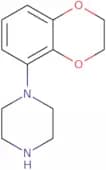
Formule :C9H10ClNO3Degré de pureté :Min. 95%Couleur et forme :PowderMasse moléculaire :215.63 g/molEltoprazine hydrochloride
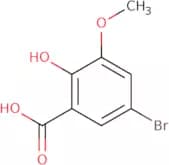
CAS :Produit contrôléEltoprazine hydrochloride is a 5-HT agonist that is used to treat chronic oral, locomotor activity disorders. It stimulates the release of dopamine and inhibits the reuptake of serotonin and norepinephrine. Eltoprazine hydrochloride binds to 5-HT1A receptors at higher doses, but has little affinity for 5-HT2 receptors. The drug also binds to gamma-aminobutyric acid (GABA) receptors, which may contribute to its effects on locomotion. Eltoprazine hydrochloride also has shown an ability to bind to the 5-HT1 receptor in vitro and has been shown to inhibit locomotor activity in CD-1 mice.Formule :C12H17ClN2O2Degré de pureté :Min. 95%Couleur et forme :White To Yellow SolidMasse moléculaire :256.73 g/mol5-Bromo-2-hydroxy-3-methoxybenzoic acid
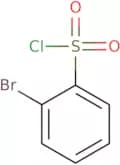
CAS :5-Bromo-2-hydroxy-3-methoxybenzoic acid (5BHB) is a phenolic compound that has been shown to have fungicidal properties. The uptake of 5BHB in the brain was studied using positron emission tomography and computerized tomography scans in monkeys. The affinity of 5BHB for the dopamine D2 receptor, and its ability to inhibit methylation reactions, were also investigated. The results show that 5BHB is able to cross the blood-brain barrier and bind with high affinity to the dopamine D2 receptor. These findings suggest that 5BHB may be used as a therapeutic agent for Parkinson's disease.Formule :C8H7BrO4Degré de pureté :Min. 95%Couleur et forme :PowderMasse moléculaire :247.04 g/mol2-Bromobenzene sulfonyl chloride
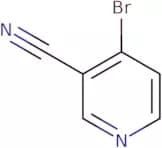
CAS :2-Bromobenzene sulfonyl chloride is a halide that reacts with electron-deficient molecules to form electrophilic bromonium ions. These electrophiles react with nucleophiles in biological systems to form covalent adducts. The reaction can be carried out in the presence of oxygen or in an inert atmosphere, and the product can be isolated by extraction or distillation. 2-Bromobenzene sulfonyl chloride has been found to be an efficient method for the synthesis of biomolecules, such as proteins and peptides, using arylation reactions. This agent also has cell-specific properties and is toxic to BV2 microglial cells but not PC3 cells.Formule :C6H4BrClO2SDegré de pureté :Min. 95%Couleur et forme :White PowderMasse moléculaire :255.52 g/mol4-Bromo-3-cyanopyridine
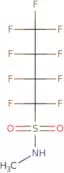
CAS :4-Bromo-3-cyanopyridine is a reactive chemical that can be used as a building block in organic synthesis. It is often used as a starting material for the synthesis of heterocycles and other complex compounds. 4-Bromo-3-cyanopyridine is a versatile reagent with high quality and can be used in research, pharmaceuticals, agrochemicals, or industrial chemicals. CAS No. 154237-70-4.Formule :C6H3BrN2Degré de pureté :Min. 95%Couleur et forme :PowderMasse moléculaire :183.01 g/molN-(Methyl)nonafluorobutanesulfonamide
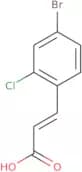
CAS :Nonafluorobutanesulfonamide (NFBS) is a volatile organic solvent that is used in the manufacture of coatings and other organic chemicals. It has been shown to have a high vapor pressure, which makes it useful for drying solvents. NFBS is also used as an intermediate in the production of fluorinated acrylates and methacrylates. NFBS reacts with styrene monomers to form ionic forms, and can be converted to its neutral form by reaction with acrylonitrile or acrylates. Nonafluorobutanesulfonamide has been shown to cause liver cancer in rats, but this effect has not been observed in humans.Formule :C5H4F9NO2SDegré de pureté :Min. 95%Couleur et forme :PowderMasse moléculaire :313.14 g/mol4-Bromo-2-chlorocinnamic acid
CAS :4-Bromo-2-chlorocinnamic acid is a useful chemical in the synthesis of organic compounds. It is an intermediate in the production of pharmaceuticals and other organic compounds. The compound has been used as a research chemical and as a building block for the production of complex chemicals. 4-Bromo-2-chlorocinnamic acid has also been used as a building block for the production of fine chemicals, such as dyes, perfumes, and pesticides.
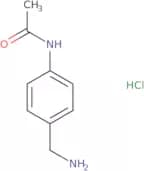
Formule :C9H6BrClO2Degré de pureté :Min. 95%Couleur et forme :PowderMasse moléculaire :261.5 g/mol4-Acetamidobenzylamine hydrochloride
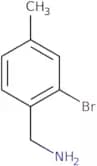
CAS :4-Acetamidobenzylamine hydrochloride is a chemical intermediate that belongs to the group of complex compounds. It is used as a reactant in the synthesis of other chemicals and can be used as a building block for the preparation of fine chemicals or research chemicals. 4-Acetamidobenzylamine hydrochloride has versatile uses due to its ability to react with many other chemical substances. This reagent also has high purity and can be used as a research tool in organic chemistry.Formule :C9H12N2O•HClDegré de pureté :Min. 95%Couleur et forme :Off-White To Yellow SolidMasse moléculaire :200.67 g/mol2-Bromo-4-methylbenzylamine hydrochloride
CAS :2-Bromo-4-methylbenzylamine hydrochloride is a fine chemical that is used as a building block for other chemicals or as a reagent in research. It has CAS No. 1293323-97-3 and can be used in reactions where an amine is needed. This product is high quality, versatile, and useful for many different types of reactions.
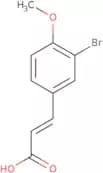
Formule :C8H10BrN·HClDegré de pureté :Min. 95%Couleur et forme :PowderMasse moléculaire :236.54 g/mol3-Bromo-4-methoxycinnamic acid
CAS :3-Bromo-4-methoxycinnamic acid is an organic compound that is used as a reagent, a useful scaffold, and a useful intermediate. It has been shown to be an excellent building block for the synthesis of complex compounds. 3-Bromo-4-methoxycinnamic acid can be used in the production of fine chemicals.
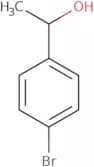
Formule :C10H9BrO3Degré de pureté :Min. 95%Couleur et forme :PowderMasse moléculaire :257.08 g/mol4-Bromo-alpha-methylbenzyl alcohol
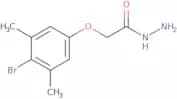
CAS :4-Bromo-alpha-methylbenzyl alcohol is a reactive compound, which can be synthesized in two different forms. The first form is an isomer with the bromine atom on the alpha position and the second form has the bromine atom on the beta position. 4-Bromo-alpha-methylbenzyl alcohol reacts with hydrogen peroxide in order to produce borohydride reduction products. It has also been shown to inhibit protein synthesis by binding to DNA and RNA molecules, such as primary alcohols and benzyl groups. 4-Bromo-alpha-methylbenzyl alcohol may have potential therapeutic uses in cancer treatment due its ability to inhibit cell growth in prostate cancer cells (Mcf7) and breast cancer cells (MCF7).Formule :C8H9BrODegré de pureté :Min. 95%Couleur et forme :White Clear LiquidMasse moléculaire :201.06 g/molN-amino-2-(4-bromo-3,5-dimethylphenoxy)ethanamide
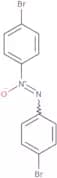
CAS :Please enquire for more information about N-amino-2-(4-bromo-3,5-dimethylphenoxy)ethanamide including the price, delivery time and more detailed product information at the technical inquiry form on this pageFormule :C10H13BrN2O2Degré de pureté :Min. 95%Couleur et forme :PowderMasse moléculaire :273.13 g/mol4,4'-Dibromoazoxybenzene
CAS :4,4'-Dibromoazoxybenzene is a functional group that contains both amines and nitroso groups. The reaction scheme for the synthesis of this compound includes hydrazines, potassium hydroxide, acetonitrile, chloride, and alkylation. The nitrogen atom in 4,4'-dibromoazoxybenzene is an aromatic amine. Cancer cells are sensitive to molecules containing aromatic amines as a functional group.Formule :C12H8Br2N2ODegré de pureté :Min. 95%Masse moléculaire :356.01 g/molCarbonyl cyanide 4-(trifluoromethoxy)phenylhydrazone
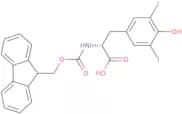
CAS :Carbonyl cyanide 4-(trifluoromethoxy)phenylhydrazone (FCCP) is a pharmacological agent that is used to study the mechanisms of neuronal death and mitochondrial dysfunction. FCCP is reactive with cellular components, such as proteins and nucleic acids. It also affects mitochondrial membrane potential, energy metabolism, and synchronous fluorescence in human cells. The reactive effects of FCCP are due to its ability to reduce intracellular dinucleotide phosphate (DNP). DNP binds to the electron transport chain, which leads to the production of reactive oxygen species that disrupt cellular physiology.Formule :C10H5F3N4ODegré de pureté :Min. 97 Area-%Couleur et forme :White To Yellow To Green-Yellow SolidMasse moléculaire :254.17 g/molFmoc-3,5-diiodo-D-tyrosine
CAS :Please enquire for more information about Fmoc-3,5-diiodo-D-tyrosine including the price, delivery time and more detailed product information at the technical inquiry form on this pageFormule :C24H19I2NO5Degré de pureté :Min. 95%Couleur et forme :PowderMasse moléculaire :655.22 g/mol2-[[1-Methyl-2-[3-(Trifluoromethyl)Phenyl]Ethyl]Amino]Ethyl
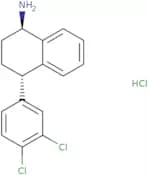
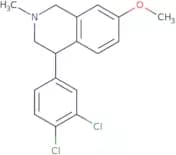
CAS :Produit contrôlé2-[[1-Methyl-2-[3-(Trifluoromethyl)Phenyl]Ethyl]Amino]Ethyl (2ME2EAE) is a natriuretic drug that is used to treat congestive heart failure. It has been shown to reduce the production of brain natriuretic peptide (BNP) by the kidneys and to increase blood flow in the lungs. 2ME2EAE has also been shown to have positive effects on blood pressure, glycerides, and fatty acid levels in animals with congestive heart failure. 2ME2EAE can be taken orally or injected into the pleural cavity. It should not be given intravenously as it may cause kidney damage.Formule :C19H20ClF3N2O4SDegré de pureté :Min. 95%Masse moléculaire :464.89 g/molrac-trans-N-Desmethyl sertraline hydrochloride
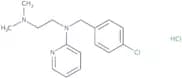
CAS :Racemic trans-N-desmethyl sertraline hydrochloride, also known as desmethylsertraline or N-desmethylsertraline, is a member of the selective serotonin reuptake inhibitor (SSRI) class of antidepressants. It has been found to have nootropic effects in animal studies and to attenuate some of the behavioural effects of amphetamine in rats. Racemic trans-N-desmethyl sertraline hydrochloride is a chiral compound with two enantiomers, ("R")-(+)-trans-N-desmethyl sertraline and ("S")-(−)-trans-N-desmethyl sertraline, which are mirror images of each other. The drug is marketed as a racemate; however, only the "R" enantiomer is active. Racemic trans-N-desmethyl sertraline hydrochloride has not been shown to produce any clinically significant drug interactions.Formule :C16H16Cl3NDegré de pureté :Min. 95%Couleur et forme :PowderMasse moléculaire :328.66 g/molChloropyramine HCl
CAS :Chloropyramine is a drug that has been used to treat autoimmune diseases, such as rheumatoid arthritis and systemic lupus erythematosus. It is an antihistamine drug that acts by blocking the histamine receptor. Chloropyramine has been shown to have an effect on diastolic pressure in animal models. The model system used was human serum with locomotor activity as the endpoint. The sample preparation involved calcium pantothenate, which is a precursor of coenzymes A and C. The pharmacological agent chloropyramine binds to the agonist binding site, which is located at the end of the cell membrane and regulates ion channels, including those for calcium ions. Tricyclic antidepressant drugs are known to bind to this same binding site, inhibiting the action of both histamine and chloropyramine. Histamine causes increased blood flow due to vasodilation by stimulating H1 receptors in smooth muscles cells. HistamineFormule :C16H20ClN3·HClDegré de pureté :Min. 98 Area-%Couleur et forme :White PowderMasse moléculaire :326.26 g/mol1,1,1-Trifluoro-2-propanol
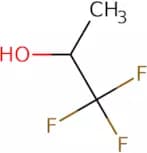
CAS :1,1,1-Trifluoro-2-propanol (TFHP) is a molecule that contains three hydrogen atoms and two fluorine atoms. It has a frequency shift of 0.00116 cm−1 in the infrared spectrum due to the conformational properties of its hydroxyl group, which causes the OH stretching vibration to be shifted. TFHP is a weak acid that reacts with sodium trifluoroacetate to form trifluoroacetic acid and hydroxyl ions. TFHP has been shown to have biological properties in bacteria, such as inhibiting bacterial growth and suppressing protein synthesis. The molecular structure of TFHP is made up of a hydrogen atom on each nitrogen atom, which is then bonded to an intramolecular hydrogen bond and an intermolecular hydrogen bond with other TFHP molecules. The deuterium isotope can also be found in this compound, which will cause a shift in IR frequency from 0.00116 cm
Formule :C3H5F3ODegré de pureté :Min. 95%Couleur et forme :Clear LiquidMasse moléculaire :114.07 g/molPerfluoro-2,5-dimethyl-3,6-dioxanonanoic acid
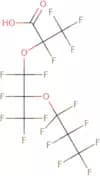
CAS :Perfluoro-2,5-dimethyl-3,6-dioxanonanoic acid (PFDA) is an activated perfluoroalkyl substance that has been shown to be toxic in animal studies. PFDA is a fluorinated organic compound that does not contain chlorine. It belongs to the group of polyfluoroalkyl substances and is used as a solvent in the manufacture of semiconductors and other electronic devices. PFDA can enter the environment through wastewater treatment plants or by atmospheric deposition. PFDA is found in drinking water, food, and human blood samples at low levels. PFDA has been shown to have health effects on laboratory animals and humans such as changes in thyroid hormone levels, decreased fertility rates, increased cholesterol levels, liver damage, and developmental toxicity.Formule :C9HF17O4Degré de pureté :Min. 95%Couleur et forme :Clear LiquidMasse moléculaire :496.07 g/molN-(1,4-Benzodioxan-2-carbonyl)-piperazine hydrochloride
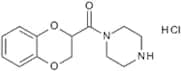
CAS :Please enquire for more information about N-(1,4-Benzodioxan-2-carbonyl)-piperazine hydrochloride including the price, delivery time and more detailed product information at the technical inquiry form on this pageFormule :C13H16N2O3•HClDegré de pureté :Min. 95%Couleur et forme :PowderMasse moléculaire :284.74 g/mol(Ethoxycarbonylmethyl)dimethylsulfonium bromide
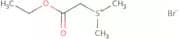
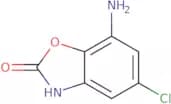
CAS :(Ethoxycarbonylmethyl)dimethylsulfonium bromide is an isoxazoline. It is used in the synthesis of oxime derivatives, which are bioactive molecules that have a wide range of applications in the field of medicine, including as intermediates for anti-inflammatory, anti-viral and antibacterial drugs. This compound has shown to be active against methicillin resistant Staphylococcus aureus (MRSA). The mechanism by which this molecule inhibits MRSA involves its nitro group and the release of nitric oxide.Formule :C6H13BrO2SDegré de pureté :Min. 97.5 Area-%Couleur et forme :PowderMasse moléculaire :229.14 g/mol7-Amino-5-chloro-2(3H)-benzoxazolone
CAS :7-Amino-5-chloro-2(3H)-benzoxazolone is a high quality, versatile building block that has been used in the synthesis of many complex compounds. It has been used as an intermediate for the synthesis of reagents and fine chemicals. 7-Amino-5-chloro-2(3H)-benzoxazolone can be used as a speciality chemical and research chemical. CAS No. 889884-60-0.Formule :C7H5ClN2O2Degré de pureté :Min. 95%Masse moléculaire :184.58 g/mol4-Chlorobenzoic acid
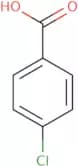
CAS :4-Chlorobenzoic acid is a dehalogenase that removes chlorinated organic compounds from water. It has been shown to be effective in removing the following: trichloroethene, tetrachloroethene, and dichloroethene. 4-Chlorobenzoic acid is a member of the group P2 dehalogenases and has been shown to have an affinity for aromatic substrates like benzoate. This enzyme is an integral part of wastewater treatment systems as it prevents the accumulation of toxic chlorine-containing chemicals in soil and groundwater.Formule :C7H5ClO2Degré de pureté :Min. 95%Couleur et forme :PowderMasse moléculaire :156.57 g/mol4,6-Dichloro-1H-pyrrolo[2,3-b]pyridine
CAS :4,6-Dichloro-1H-pyrrolo[2,3-b]pyridine is a nucleophilic reagent that can be used in the synthesis of 7-azaindole derivatives. It has been shown to react efficiently with phenolates and other nucleophiles. 4,6-Dichloro-1H-pyrrolo[2,3-b]pyridine reacts with activated methylene compounds by forming a three membered ring. This reaction is efficient and produces high yields.Formule :C7H4Cl2N2Degré de pureté :Min. 95%Couleur et forme :White To Yellow SolidMasse moléculaire :187.03 g/molDidecyl dimethyl ammonium chloride - 95%min
CAS :Didecyl dimethyl ammonium chloride is a quaternary ammonium compound. It has been used in toxicity studies on animals and as an analytical reagent for the detection of ammonium and chloride ions in the presence of copper chloride. Didecyl dimethyl ammonium chloride is also used as a disinfectant, with some reports of its use to treat infectious diseases. It has been found to have some effect on diptera larvae, but has no effect on epithelial mesenchymal cells. The phase transition temperature of this product is between -10°C and +20°C. This product can be purified by preparative high-performance liquid chromatography (HPLC).
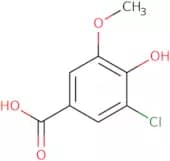
Formule :C22H48ClNDegré de pureté :Min. 95%Couleur et forme :White To Cream To Light (Or Pale) Yellow To Yellow To Brown SolidMasse moléculaire :361.347535-Chlorovanillic acid
CAS :5-Chlorovanillic acid is a weight compound that belongs to the group of methoxylated compounds. It is a precursor in the catabolic pathway of vanillic acid, which is synthesized from p-hydroxybenzoic acid. This compound can be found as one of the major phenolic acids in many plants and fruits, such as strawberries and apples. 5-Chlorovanillic acid has been shown to be an inhibitor for the growth of bacterial strains in culture, including C. perfringens. It has also been shown to have anti-inflammatory properties by inhibiting prostaglandin synthesis.
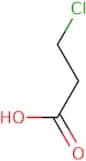
Formule :C8H7ClO4Degré de pureté :80%Couleur et forme :PowderMasse moléculaire :202.59 g/mol3-Chloropropionic acid
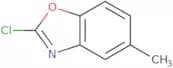
CAS :3-Chloropropionic acid is a non-toxic organic compound that exhibits significant cytotoxicity against many bacterial strains. It is a white solid, which is soluble in water and has no odor. 3-Chloropropionic acid can be synthesized by the reaction of malonic acid with ethylene diamine or by the reaction of bromoacetic acid with sodium salts. The optimum pH for this reaction is 6.5 to 7.5 and the optimum temperature is 25°C to 30°C. This compound has been shown to inhibit the synthesis of fatty acids in bacteria, which may be due to its hydroxyl group. 3-Chloropropionic acid reacts with trifluoroacetic acid, giving an ester product, which can then be hydrolyzed back to 3-chloropropionic acid. This chemical also has a physiological function as an intermediate in the synthesis of other chemicals such as biotin and pantothenFormule :C3H5ClO2Degré de pureté :Min. 95%Couleur et forme :PowderMasse moléculaire :108.52 g/mol2-Chloro-5-methyl-1,3-benzoxazole
CAS :2-Chloro-5-methyl-1,3-benzoxazole (CMB) is a regioselective synthetic intermediate that can be used to synthesize other compounds. It is produced by the reaction of chloromethyl methyl ether with anhydrous magnesium chloride in the presence of a solvent such as THF or diethyl ether. CMB can also be prepared by the reaction of 2,4,6-trichlorobenzoyl chloride with magnesium metal and a solvent such as THF or diethyl ether. This intermediate can be used in cross-coupling reactions with Grignard reagents to produce different compounds.Formule :C8H6ClNODegré de pureté :Min. 95 Area-%Couleur et forme :PowderMasse moléculaire :167.59 g/molN-(2-(3,4-dimethoxyphenyl)ethyl)(2-(4-chlorophenoxy)(3-pyridyl))formamide
CAS :Please enquire for more information about N-(2-(3,4-dimethoxyphenyl)ethyl)(2-(4-chlorophenoxy)(3-pyridyl))formamide including the price, delivery time and more detailed product information at the technical inquiry form on this page
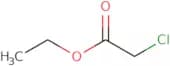
Degré de pureté :Min. 95%Ethyl chloroacetate
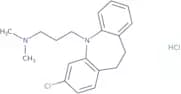
CAS :Used in the preparation of 5-member heterocyclesFormule :C4H7ClO2Degré de pureté :Min. 95%Couleur et forme :Colorless Clear LiquidMasse moléculaire :122.55 g/molClomipramine hydrochloride
CAS :Produit contrôléClomipramine hydrochloride is the hydrochloride salt form of clomipramine, an amphiphilic drug, derivative of dibenzazepine. It is presumed that this tricyclic compound affects serotonin uptake in the brain increasing thus the activity of serotonin. Also, clomipramine reduces the re-uptake of norepinephrine (active metabolite desmethylclomipramine) and binds to alpha-adrenergic, histaminergic, and cholinergic receptors (side effects). Clomipramine is antidepressant, used to treat obsessive compulsive disorder, panic disorders and cataplexy. Clomipramine is shown to modulate immune activation, shows constant anti-inflammatory properties at therapeutic concentrations by consistently decreasing pro- inflammatory cytokines. Clomipramine could be a good candidate to counteract SARS-CoV-2 infection worsening thanks to its high penetration in the brain and its anti-inflammatory effects.Formule :C19H24Cl2N2Degré de pureté :Min. 95%Couleur et forme :SolidMasse moléculaire :351.31 g/mol[(2-Methylimidazo[2,1-b][1,3,4]thiadiazol-6-yl)methyl]amine dihydrochloride
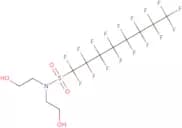
CAS :[(2-Methylimidazo[2,1-b][1,3,4]thiadiazol-6-yl)methyl]amine dihydrochloride is a high quality reagent with many uses. It is a complex compound that is used as an intermediate in the synthesis of many other compounds. This chemical has been shown to be useful as a scaffold for drug design and development. It also has been found to be a valuable building block for the synthesis of speciality chemicals and pharmaceuticals. This chemical can be used in reactions as a versatile building block and reaction component.Formule :C6H8N4S·2HClDegré de pureté :Min. 95%Couleur et forme :White PowderMasse moléculaire :241.14 g/molHeptadecafluoro-N,N-Bis(2-Hydroxyethyl)Octanesulphonamide
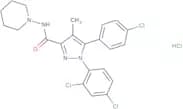
CAS :Produit contrôléHeptadecafluoro-N,N-Bis(2-Hydroxyethyl)Octanesulphonamide is a lubricant that is used in the manufacture of polyester films. It is insoluble and has excellent compressive properties. This compound is soluble in both organic solvents and water, and can be applied as a transfer agent or to obviate the need for a separate lubricant. Heptadecafluoro-N,N-Bis(2-Hydroxyethyl)Octanesulphonamide is an inorganic material that does not react with other materials. It also has good deformation resistance and low hardness. The particle size of this compound is between 5 and 10 microns.Formule :C12H10F17NO4SDegré de pureté :Min. 95%Masse moléculaire :587.25 g/molRimonabant hydrochloride
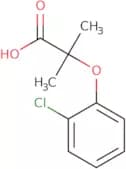
CAS :Produit contrôléCB1 cannabinoid antagonist, non-CB1/CB2 receptor (GPR55) agonist; anorecticFormule :C22H22Cl4N4ODegré de pureté :Min. 98 Area-%Couleur et forme :PowderMasse moléculaire :500.25 g/mol2-(2-Chlorophenoxy)-2-methylpropanoic acid
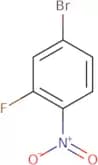
CAS :2-(2-Chlorophenoxy)-2-methylpropanoic acid is a plant hormone that is involved in the mediation of plant responses to various biotic and abiotic stressors. It is synthesized from salicylic acid by the enzyme phenylalanine ammonia-lyase and its structure resembles that of hydrogen peroxide. Its linear growth-promoting activity is mediated by the formation of 2,4-dichlorophenoxyacetic acid, which activates the production of hydrogen peroxide and induces cell expansion. The biosynthesis of this compound has been shown in plants through studies on excised tissues.Formule :C10H11ClO3Degré de pureté :Min. 95%Couleur et forme :PowderMasse moléculaire :214.65 g/mol4-Bromo-2-fluoro-1-nitrobenzene
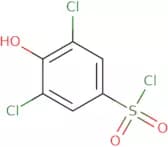
CAS :4-Bromo-2-fluoro-1-nitrobenzene is a molecule that has anticancer activity. It inhibits cancer cells, but does not affect normal cells. The mechanism of action of 4-bromo-2-fluoro-1-nitrobenzene is not yet known. However, it may be due to its ability to react with the prenyl group in the cell membrane, which is important for cell growth and division. The human liver metabolizes 4-bromo-2-fluoro-1-nitrobenzene by kinetic and thermodynamic properties. This drug also has pharmacokinetic properties and can be detected in the bloodstream, urine, and feces for up to two weeks after administration. Fatty acid metabolism can cause drug reactions when taken with 4bromo2furo1nitrobenzene. Protein–protein interactions can also lead to side effects when taking this drug, such as enzyme inhibitionFormule :C6H3BrFNO2Degré de pureté :Min. 95%Couleur et forme :PowderMasse moléculaire :220 g/mol3,5-Dichloro-4-hydroxybenzenesulfonyl chloride
CAS :Please enquire for more information about 3,5-Dichloro-4-hydroxybenzenesulfonyl chloride including the price, delivery time and more detailed product information at the technical inquiry form on this pageFormule :C6H3Cl3O3SDegré de pureté :Min. 95%Masse moléculaire :261.51 g/molPentaerythrityl tetrabromide
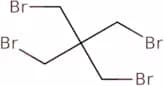
CAS :Pentaerythrityl tetrabromide is a brominated derivative of pentaerythritol. It can be used as a radiation-absorbing coating, and has been shown to have good hydrophobic properties. The FTIR spectrum of pentaerythrityl tetrabromide shows features at 3,000-3,600 cm-1 that are attributed to the NH and OH groups in the molecule. This compound has been shown to have good water permeability in cell culture experiments, which may be due to its acidic nature. Pentaerythrityl tetrabromide reacts with hydrochloric acid and sodium carbonate to produce chloride ions, which may be responsible for its acidic nature.
Formule :C5H8Br4Degré de pureté :Min. 95%Couleur et forme :White Clear LiquidMasse moléculaire :387.73 g/mol1-[4-(Benzyloxy)phenyl]-2-bromopropan-1-one
CAS :1-[4-(Benzyloxy)phenyl]-2-bromopropan-1-one is an estrogenic compound. It is a reactive substance that can be synthesized by reductive amination of hydroxybenzaldehyde with benzyl bromide. 1-[4-(Benzyloxy)phenyl]-2-bromopropan-1-one has been shown to be metabolized in the liver by cytochrome P450 enzymes to form the corresponding alcohol and carboxylic acid. It binds to estrogen receptors, which may be due to its ability to bind to DNA. The binding of this substance to estrogen receptors may induce transcriptional activation and increase protein synthesis in cells.
Formule :C16H15O2BrDegré de pureté :Min. 95%Couleur et forme :PowderMasse moléculaire :319.19 g/mol1,1,1-Trichloro-2-Fluoroethane
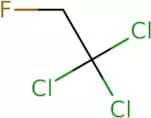
CAS :Produit contrôlé1,1,1-Trichloro-2-Fluoroethane (TCFE) is a low volatility, colorless liquid that is used as an oxidation catalyst in the production of polymers and resins. TCFE can be used to produce hydrochloric acid and hydrogen fluoride when heated with a mixture of water and hydrochloric acid. It also has been shown to have a depressant effect on n-dimethyl formamide polymerization. The toxicity of TCFE has been studied extensively over the past two decades. This chemical has been shown to cause cancer in laboratory animals and to be toxic for humans. TCFE has also been shown to inhibit growth factor signaling pathways in cells.
Formule :C2H2Cl3FDegré de pureté :Min. 95%Masse moléculaire :151.39 g/mol3-Chloropropiophenone
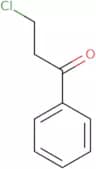
CAS :3-Chloropropiophenone is a chiral compound that is used as an antidepressant drug. It was first synthesized in the 1950s and has been studied extensively for its pharmacological effects. 3-Chloropropiophenone is a racemic mixture of two enantiomers, one of which is active and the other inactive. The active enantiomer binds to serotonin receptors and inhibits the reuptake of serotonin, which leads to an increase in serotonin levels. The inactive enantiomer does not bind to serotonin receptors and does not inhibit the reuptake of serotonin. 3-Chloropropiophenone has been shown to be effective when administered at an optimum concentration of 5 milligrams per kilogram body weight.
Formule :C9H9ClODegré de pureté :Min. 95%Couleur et forme :PowderMasse moléculaire :168.62 g/mol4-Bromoisoxazole
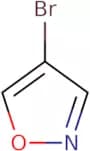
CAS :4-Bromoisoxazole is a reactive isoxazole that can be prepared by the reaction of an azide and a boronic ester. This compound has been shown to be effective for the treatment of cancer, but it also has an inhibitory effect on the synthesis of proteins and enzymes. The 4-bromoisoxazole can be synthesized from phenyl substituted isoxazoles and palladium-catalyzed cross-coupling reactions. Preparative methods for this compound include the use of acetonitrile as solvent with a dipolarity of 0.5D or greater, and argon as inert gas at atmospheric pressure. Hydrochloric acid should not be used in these preparations as it will react with 4-bromoisoxazole to produce toxic hydrochloric acid fumes.
Formule :C3H2BrNODegré de pureté :Min. 95%Couleur et forme :PowderMasse moléculaire :147.96 g/molDiclofensine hydrochloride
CAS :Produit contrôléDiclofensine hydrochloride is a synthetic cannabinoid that has been shown to produce amphetamine-like locomotor stimulation in rats. It is also an inhibitor of the uptake of dopamine and norepinephrine in the rat striatum, and it inhibits the mitochondrial membrane potential in cells from the rat striatum. Diclofensine is a potent agonist at human dopamine D2 receptors, with low potency for other neurotransmitter receptors. The drug binds to the dopamine transporter and blocks its activity, leading to increased levels of synaptic dopamine. This increase in synaptic dopamine may be responsible for diclofensine's effect on locomotor activity.Formule :C17H18Cl3NODegré de pureté :Min. 95%Couleur et forme :SolidMasse moléculaire :358.69 g/molMyristoylcholine chloride
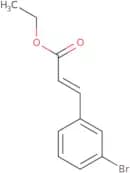
CAS :Myristoylcholine chloride is a monolayer-forming cationic surfactant that can be used as an antimicrobial agent. It forms stable complexes with fatty acids, which are non-polymeric and hydrophobic. This product has been shown to have hemolytic activity, and also exhibits antibacterial properties against gram-positive bacteria, such as Streptococcus pneumoniae and Staphylococcus aureus. Myristoylcholine chloride is not active against gram-negative bacteria, such as Pseudomonas aeruginosa. Myristoylcholine chloride forms stable complexes with pentacosanoic acid (PCA) when mixed in solution. The chemical structure of PCA is shown below: CH(CH)COOH The enzyme hydrolysis of PCA by choline esterases results in the formation of choline and pentacosanoic acid.Formule :C19H40ClNO2Degré de pureté :Min. 95%Couleur et forme :White PowderMasse moléculaire :349.98 g/mol3-Bromocinnamic acid ethyl ester
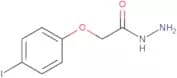
CAS :3-Bromocinnamic acid ethyl ester is a chemical that is useful as a building block for the synthesis of more complex compounds. It is an intermediate in the synthesis of organic compounds and can be used as a reaction component. 3-Bromocinnamic acid ethyl ester has CAS No. 24398-80-9 and is a reagent that can be used to synthesize other chemicals. 3-Bromocinnamic acid ethyl ester is also useful as a scaffold in the development of new drugs, because it has an amide bond, which may lead to new types of drug molecules with different properties.Formule :C11H11BrO2Degré de pureté :Min. 95%Masse moléculaire :255.11 g/molN-Amino-2-(4-iodophenoxy)ethanamide
CAS :Please enquire for more information about N-Amino-2-(4-iodophenoxy)ethanamide including the price, delivery time and more detailed product information at the technical inquiry form on this page
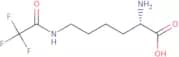
Formule :C8H9IN2O2Degré de pureté :Min. 95%Couleur et forme :PowderMasse moléculaire :292.07 g/molNe-Trifluoroacetyl-L-lysine
CAS :Ne-Trifluoroacetyl-L-lysine is a trifluoroacetylated lysine derivative. It is the first compound to inhibit the production of serum alanine aminotransferase, which is an enzyme that catalyzes the conversion of amino acids to sugars. Ne-Trifluoroacetyl-L-lysine has been shown to be effective in animal models of chronic kidney disease and hepatitis. The compound inhibits the formation of disulfide bonds in proteins by binding to free sulfhydryl groups on cysteine residues. This inhibition prevents protein denaturation and subsequent liver damage. Ne-Trifluoroacetyl-L-lysine is also active against human hepatoma cells in vitro and may be useful in diagnosing liver diseases such as hepatitis.Formule :C8H13N2O3F3Degré de pureté :Min. 95%Couleur et forme :PowderMasse moléculaire :242.2 g/mol2-Hydroxy-N,N,N-trimethylethanaminium salt with 1,1,1-trifluoro-N-[(trifluoromethyl)sulfonyl]methanesulfonamide
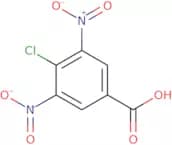
CAS :2-Hydroxy-N,N,N-trimethylethanaminium salt with 1,1,1-trifluoro-N-[(trifluoromethyl)sulfonyl]methanesulfonamide is a hydroxyl group containing ionic liquid that has been used as an extractant. It is activated by a proton to form an oxyanion, which can be protonated again by the extractant to regenerate the ionic liquid. The thermodynamic properties of this ionic liquid are dependent on the concentration of solute and solvent. This ionic solute has been shown to inhibit bacterial growth and is toxic for animals.Formule :C5H14NO•C2F6NO4S2Degré de pureté :Min. 95%Couleur et forme :White PowderMasse moléculaire :384.32 g/mol4-Chloro-3,5-dinitrobenzoic acid
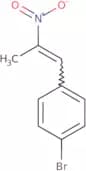
CAS :4-Chloro-3,5-dinitrobenzoic acid is a redox potential chemical that has been shown to be reactive in the presence of nucleophiles. The toxicological studies on this chemical have focused on its hemolytic activity and conformational properties. 4-Chloro-3,5-dinitrobenzoic acid is a molecule with neutral ph and can react with lysine residues in proteins, which may lead to the release of caproic acid and nitrite ions. This chemical also has protease activity and can undergo transfer reactions with other molecules.Formule :C7H3ClN2O6Degré de pureté :Min. 90%Couleur et forme :PowderMasse moléculaire :246.56 g/mol1-(4-Bromophenyl)-2-nitropropene
CAS :1-(4-Bromophenyl)-2-nitropropene is a synthetic molecule that undergoes an efficient cycloaddition reaction with aldehydes. This reaction is used to synthesize 1,3-dienes and alpha,beta-unsaturated carbonyl compounds. When the substrate is an aldehyde, the final product is a 1,3-diene. When the substrate is an alpha,beta-unsaturated carbonyl compound, the final product is an alpha,beta-unsaturated ketone.
Formule :C9H8BrNO2Degré de pureté :Min. 95%Couleur et forme :PowderMasse moléculaire :242.07 g/molDodecylpyridinium bromide
CAS :Dodecylpyridinium bromide is a glycol ether surfactant that is used as an inhibitor molecule. It inhibits multidrug efflux pumps, which are proteins in the membrane of cells that pump drugs out of the cell. Dodecylpyridinium bromide is also used as a surfactant in water-based paints and coatings, as well as in printing ink formulations. This chemical has been shown to have amoebicidal activity by interacting with the phospholipids on the surface of the amoeba, causing it to go into spore formation. Dodecylpyridinium bromide is also used for its ability to inhibit the growth of bacteria such as Staphylococcus epidermidis and Pseudomonas aeruginosa, which can cause infection in burn patients. Dodecylpyridinium bromide can be synthesized from benzalkonFormule :C17H30BrNDegré de pureté :Min. 95%Couleur et forme :PowderMasse moléculaire :328.33 g/molDimethyldistearylammonium chloride
CAS :Dimethyldistearylammonium chloride is a chemical compound that is used as an antimicrobial agent. It is a cationic quaternary ammonium salt that functions by forming a covalent bond with the sulfhydryl group of cysteine residues in proteins, which disrupts the disulfide bonds in the protein's tertiary or quaternary structure. Dimethyldistearylammonium chloride has been shown to have high antimicrobial activity against gram-positive bacteria and fungi but low activity against gram-negative bacteria. The optimum concentration for this compound is 0.2%. Dimethyldistearylammonium chloride has been used as a model system to study the effect of molecular weight on transfer reactions and polymer compositions, and it has also been used to study the biological properties of human immunoglobulin G (IgG).
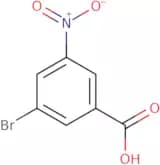
Formule :C38H80ClNCouleur et forme :PowderMasse moléculaire :586.5 g/mol3-Bromo-5-nitrobenzoic acid
CAS :3-Bromo-5-nitrobenzoic acid is a cancer drug that inhibits the proliferation of cancer cells by binding to amines, which are protonated at physiological pH. This binding leads to an electronic interaction between the bromine atom and the electron cloud of the amine group. The bromine atom is then more attracted to the nucleus, causing it to emit a photon of light. This process is called fluorescence and can be used for imaging cancer cells. 3-Bromo-5-nitrobenzoic acid also has potent antiproliferative activity against cancer cells, which may be due to its ability to bind ligands on target proteins in the cell membrane. It can also lead to apoptosis by interfering with the formation of supramolecular complexes or inhibiting protein synthesis.Formule :C7H4BrNO4Degré de pureté :Min. 95%Couleur et forme :PowderMasse moléculaire :246.02 g/molN-[(S)-(2,3,4,5,6-Pentafluorophenoxy)phenoxyphosphinyl]-L-alanine 1-methylethyl ester
CAS :Intermediate in the synthesis of sofosbubirFormule :C18H17F5NO5PDegré de pureté :Min. 97 Area-%Couleur et forme :White PowderMasse moléculaire :453.3 g/molPoly(vinylidene fluoride-co-hexafluoropropylene)
CAS :Poly(vinylidene fluoride-co-hexafluoropropylene) (PVDF-HFP) is a polymer that is used in the manufacture of membranes, electrodes, and electrolytes. PVDF-HFP has been shown to be an excellent candidate for use as an electrolyte in fuel cells due to its high proton conductivity, which results from the presence of fluorine and hydrogen. PVDF-HFP also has a phase transition temperature of about 300°C.
Formule :(C3F6)x•(C2H2F2)xDegré de pureté :Min. 95%Couleur et forme :Powder3’-Deoxy-3’-fluoro-6-thioinosine
CAS :Please enquire for more information about 3’-Deoxy-3’-fluoro-6-thioinosine including the price, delivery time and more detailed product information at the technical inquiry form on this page
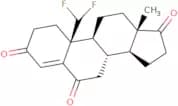
Degré de pureté :Min. 95%19,19-Difluoroandrost-4-Ene-3,6,17-Trione
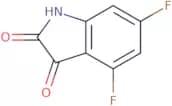
CAS :Produit contrôlé19,19-Difluoroandrost-4-ene-3,6,17-trione is a steroid that inhibits aromatase activity. It has been shown to inhibit the production of estrogen in human placental cells. The inhibition constant for this compound is 0.69 μM. Rate constants for the inhibition of aromatase activity in human placental cells are 0.0014/min and 0.0011/min at concentrations of 0.1 and 1 μM respectively. This compound is biphasic with an inactivation half-life of 8 min at a concentration of 10 μM and a time dependent inhibition constant of 11 min at a concentration of 10 μM. 19,19-Difluoroandrost-4-ene-3,6,17-trione is a competitive inhibitor that binds to the heme moiety on the enzyme's active site and prevents substrate binding by sterically blocking access to it. This drug also hasFormule :C19H22F2O3Degré de pureté :Min. 95%Masse moléculaire :336.37 g/mol4,6-Difluoroisatin
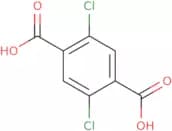
CAS :4,6-Difluoroisatin is a chemical that is useful in the synthesis of complex compounds. It has been used as a reagent for the preparation of 4,6-difluoropyridinium salts and as a reaction component in the synthesis of polymers. 4,6-Difluoroisatin is also one of the building blocks in the synthesis of a number of other compounds. This chemical has been shown to be an effective scaffold for peptides and proteins.Formule :C8H3F2NO2Degré de pureté :Min. 95%Masse moléculaire :183.11 g/mol2,5-Dichloroterephthalic acid
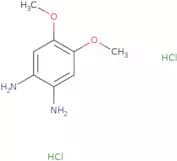
CAS :2,5-Dichloroterephthalic acid is a luminescent chemical that has been shown to be able to act as a probe for transcription-polymerase chain reactions. It can be used as a luminescent probe to detect hydrogen bond interactions by measuring the amount of light emitted by the compound. 2,5-Dichloroterephthalic acid has an ether linkages and is stable in many solvents, including organic solvents and water. The reaction time for this compound is fast and it emits a green light when it reacts with oxygen.Formule :C8H4Cl2O4Degré de pureté :Min. 95%Couleur et forme :PowderMasse moléculaire :235.02 g/mol4,5-Dimethoxy-1,2-phenylenediamine hydrochloride
CAS :Produces fluorescent benzimidazole derivatives; detects aromatic aldehydes
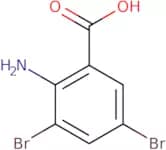
Formule :C8H14N2O2•xHClDegré de pureté :Min. 98%Couleur et forme :Purple PowderMasse moléculaire :241.11 g/mol3,5-Dibromoanthranilic acid
CAS :3,5-Dibromoanthranilic acid is an anthranilic acid derivative that has been the subject of a number of chemical studies. The compound possesses the functional groups found in many other aromatic compounds and isomers. It can be used as a precursor to make other chemicals, such as dyes. 3,5-Dibromoanthranilic acid has been shown to have antitumour activity and cytotoxic potency. It also binds to DNA and inhibits RNA synthesis, which leads to cell death by inhibiting protein synthesis. This compound has been found in urine samples with concentrations of up to 0.2 mg/L, suggesting that it may be metabolized in the body.Formule :C7H5Br2NO2Degré de pureté :Min. 95%Couleur et forme :PowderMasse moléculaire :294.93 g/mol4-(Bromomethyl)biphenyl
CAS :4-(Bromomethyl)biphenyl is a biphenyl with a linear response to light. It has been shown to have high activity in hydrocarbon solvents, and can be used as a transfer agent. The reaction mechanism of 4-(Bromomethyl)biphenyl involves an alkoxycarbonyl group that reacts with an electron-deficient aromatic ring and the bromide ion (Br-) to produce the final product. The nmr spectra of this compound show the presence of hydrophilic compounds. 4-(Bromomethyl)biphenyl can be detected by liquid chromatography.
Formule :C13H11BrDegré de pureté :Min. 95%Couleur et forme :PowderMasse moléculaire :247.13 g/molPyridin-3-Yl-[4-[3-(Trifluoromethyl)Phenyl]Piperazin-1-Yl]Methanone Dihydrochloride
CAS :Produit contrôléThis polymer is a high efficiency, low cost particle that can be used to store electricity at temperatures of up to 300 degrees Celsius. It has a cycle life of more than 10,000 cycles and can be recharged in less than one minute. This polymer has been shown to have excellent structural stability and structural reversibility with lithium ion insertion/extraction. The coulombic efficiency is greater than 99%.Formule :C17H18Cl2F3N3ODegré de pureté :Min. 95%Masse moléculaire :408.25 g/mol5-Iodo-2-methoxybenzonitrile
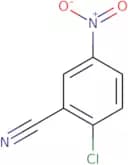
CAS :5-Iodo-2-methoxybenzonitrile is a fine chemical that is used as a building block in the synthesis of other chemicals or pharmaceuticals. The compound reacts with strong bases to produce an aryl amine and iodoethane, and can be used to make derivatives as well. 5-Iodo-2-methoxybenzonitrile has a number of uses, including as a research chemical, reagent, specialty chemical, and intermediate. It is also useful in the synthesis of other complex compounds. 5-Iodo-2-methoxybenzonitrile belongs to the group of organoiodine compounds that are classified as speciality chemicals. This compound has CAS number 933672-32-3.Formule :C8H6INOCouleur et forme :PowderMasse moléculaire :259.04 g/mol2-Chloro-5-nitrobenzonitrile
CAS :2-Chloro-5-nitrobenzonitrile (2C5N) is a chemical compound that is used in the synthesis of other chemicals. 2C5N has been shown to inhibit the replication of poliovirus, but does not affect the replication of rhinovirus or adenovirus. This compound inhibits the production of pro-inflammatory cytokines and interferon gamma in human macrophages by interfering with the diazonium salt reaction. 2C5N also has a high affinity for aromatic hydrocarbons, which may be due to its ability to act as a monoclonal antibody in affinity chromatography. The molecule's vibrational spectrum consists of stretching bands at 1725 cm-1 and 1375 cm-1, which are typical for an aromatic hydrocarbon. 2C5N can be administered orally, although it is more commonly used as an intermediate in organic synthesis reactions involving aromatic hydrocarbons.Formule :C7H3ClN2O2Degré de pureté :Min. 95%Couleur et forme :PowderMasse moléculaire :182.56 g/molMercury(I) chloride
CAS :Produit contrôléMercury chloride is a compound that consists of mercury and chlorine. It is used as an electrode in mercury-in-glass thermometers, which are used to measure temperature. Mercury chloride has also been used to detect the presence of mercurous ions in water. In addition, it is used as a reagent for qualitative determination of hydrogen peroxide and sulfur dioxide. Mercury chloride can be prepared by reacting sodium carbonate with mercurous nitrate or mercurous oxide at high temperatures. The reaction solution must be heated for about an hour to drive off the water vapor and produce the solid product. Mercury(I) chloride has been shown to have high resistance to oxidation and reduction reactions, making it a useful model system for studying redox potentials. The detection sensitivity of mercury(I) chloride is very low, but this can be increased by using t84 cells as a model system. This compound reacts with water molecules in the air, so sample preparation should include drying under vacuum or heating onFormule :Hg2Cl2Degré de pureté :Min. 95%Masse moléculaire :472.09 g/mol



![(1S,4S)-1,7,7-Trimethyl-3-(Trifluoroacetyl)Bicyclo[2.2.1]Heptan-2-One](/_next/image/?url=https%3A%2Fstatic.cymitquimica.com%2Fproducts%2F3D%2Fthumb-webp%2FFT98786.webp&w=3840&q=75)

![1-[4-Methyl-6-(trifluoromethyl)pyrimidin-2-yl]piperidine-3-carboxylic acid](/_next/image/?url=https%3A%2Fstatic.cymitquimica.com%2Fproducts%2F3D%2Fthumb-webp%2FFM129640.webp&w=3840&q=75)


![2-[[1-Methyl-2-[3-(Trifluoromethyl)Phenyl]Ethyl]Amino]Ethyl](/_next/image/?url=https%3A%2Fstatic.cymitquimica.com%2Fproducts%2F3D%2Fthumb-webp%2FFM101485.webp&w=3840&q=75)
![4,6-Dichloro-1H-pyrrolo[2,3-b]pyridine](/_next/image/?url=https%3A%2Fstatic.cymitquimica.com%2Fproducts%2F3D%2Fthumb-webp%2FFD144171.webp&w=3840&q=75)


![[(2-Methylimidazo[2,1-b][1,3,4]thiadiazol-6-yl)methyl]amine dihydrochloride](/_next/image/?url=https%3A%2Fstatic.cymitquimica.com%2Fproducts%2F3D%2Fthumb-webp%2FFM123820.webp&w=3840&q=75)
![1-[4-(Benzyloxy)phenyl]-2-bromopropan-1-one](/_next/image/?url=https%3A%2Fstatic.cymitquimica.com%2Fproducts%2F3D%2Fthumb-webp%2FFB15610.webp&w=3840&q=75)

![2-Hydroxy-N,N,N-trimethylethanaminium salt with 1,1,1-trifluoro-N-[(trifluoromethyl)sulfonyl]metha…](/_next/image/?url=https%3A%2Fstatic.cymitquimica.com%2Fproducts%2F3D%2Fthumb-webp%2FFH103048.webp&w=3840&q=75)


![N-[(S)-(2,3,4,5,6-Pentafluorophenoxy)phenoxyphosphinyl]-L-alanine 1-methylethyl ester](/_next/image/?url=https%3A%2Fstatic.cymitquimica.com%2Fproducts%2F3D%2Fthumb-webp%2FFP59695.webp&w=3840&q=75)


![Pyridin-3-Yl-[4-[3-(Trifluoromethyl)Phenyl]Piperazin-1-Yl]Methanone Dihydrochloride](/_next/image/?url=https%3A%2Fstatic.cymitquimica.com%2Fproducts%2F3D%2Fthumb-webp%2FFP100969.webp&w=3840&q=75)