Halogénures organiques
Sous-catégories appartenant à la catégorie "Halogénures organiques"
20442 produits trouvés pour "Halogénures organiques"
2,4,6-Tribromo-3-methoxyphenol
CAS :2,4,6-Tribromo-3-methoxyphenol is a high quality reagent that is used as an intermediate in the production of many fine chemicals. It is also a useful building block for the synthesis of speciality chemicals and research chemicals. This chemical can be used as a versatile building block for reactions with other compounds. 2,4,6-Tribromo-3-methoxyphenol has CAS number 24967-79-1 and can be found at Chemical & Laboratory Equipment.
Formule :C7H5Br3O2Degré de pureté :Min. 95%Masse moléculaire :360.83 g/mol1,1,2-Trichloro-1-fluoropropane
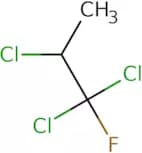
CAS :Produit contrôlé1,1,2-Trichloro-1-fluoropropane is a solvent used in the production of fluorinated organic compounds. It is used as an intermediate for the manufacture of refrigerants and aerosol propellants. 1,1,2-Trichloro-1-fluoropropane has been shown to have a significant impact on the environment due to its high volatility and solubility. The emission of this chemical into the atmosphere can deplete ozone levels and cause damage to vegetation. This chemical also has a high vapor pressure and can be fatal if inhaled or absorbed through the skin. In addition, 1,1,2-Trichloro-1-fluoropropane is toxic to aquatic life because it is soluble in water and accumulates in fatty tissues of living organisms.
Formule :C3H4Cl3FDegré de pureté :Min. 95%Masse moléculaire :165.42 g/molFmoc-6-chloro L-tryptophan
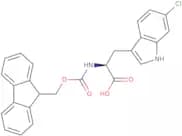
CAS :Fmoc-6-chloro L-tryptophan is a heterocycle with methylene and active methylene groups that can be used as a building block for 1,3-dipolar cycloadditions. It has been shown to react with perchlorates in the presence of catalysts such as dibromodifluoromethane (DBDM) and perchloric acid to form an exocyclic azomethine imine. This reaction generates a proton, which shifts the equilibrium to the right, forming more product. The optimal conditions for this reaction are pH 8, 50% DBDM, and 10% HClO4.
Formule :C26H21ClN2O4Degré de pureté :Min. 97 Area-%Couleur et forme :White PowderMasse moléculaire :460.91 g/mol2,6-Dichloro-3-fluoropyridine
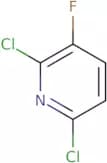
CAS :2,6-Dichloro-3-fluoropyridine is a synthetic organic chemical that can be used as a diazo compound in the synthesis of heterocycles. It is used in industrial applications for the production of nitrobenzene, an intermediate for the synthesis of pharmaceuticals. The reaction time and yield are high, and the selectivity is good. 2,6-Dichloro-3-fluoropyridine can be synthesized by reacting sodium nitrite with piperidine and acidifying with hydrochloric acid. This chemical is mainly used as an industrial intermediate to produce nitrobenzene.
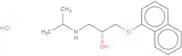
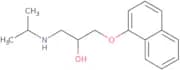
Formule :C5H2Cl2FNDegré de pureté :(%) Min. 95%Couleur et forme :PowderMasse moléculaire :165.98 g/mol(S)-Propranolol hydrochloride
CAS :Produit contrôléPropranolol hydrochloride is a prodrug that is converted to the active form, (S)-propranolol, by deesterification in vivo. Propranolol hydrochloride has been used for more than 50 years as a beta-blocker for the treatment of hypertension and angina pectoris. It is also used to treat other cardiovascular diseases such as arrhythmias and myocardial infarction. Propranolol hydrochloride inhibits the activity of human estrogen receptor (ER) and blocks the synthesis of proteins that are necessary for tumor growth. This drug has been shown to be effective against metastable polymorphs in urine samples and can be used as an analytical method to differentiate enantiomers.
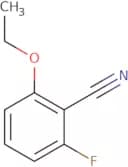
Formule :C16H21NO2•HClDegré de pureté :Min. 95%Masse moléculaire :295.8 g/mol2-Ethoxy-6-fluorobenzonitrile
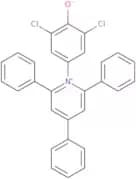
CAS :2-Ethoxy-6-fluorobenzonitrile is a versatile building block that can be used as a reagent, a speciality chemical, or an intermediate in research. It is also used as a high quality compound for the production of fine chemicals. It can be used to make many different compounds with its versatile functional groups. 2-Ethoxy-6-fluorobenzonitrile has been shown to undergo reactions with other compounds to produce useful scaffolds.Formule :C9H8FNODegré de pureté :Min. 95%Couleur et forme :PowderMasse moléculaire :165.16 g/mol2,6-Dichloro-4-(2,4,6-triphenyl-1-pyridinio)phenolate
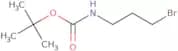
CAS :2,6-Dichloro-4-(2,4,6-triphenyl-1-pyridinio)phenolate is a protonated form of the anion of 2,6-dichloro-4-(2,4,6-triphenyl-1-pyridinio)phenolate. It has hydrophobic properties and a low solubility in water. The solution temperature is close to 0°C. It can be analyzed by regression and chloride or physicochemical methods. This compound has a polarizability that is similar to that of nitrogen atoms and hydrogen bonds with chloride ions.Formule :C29H19Cl2NODegré de pureté :Min. 95%Couleur et forme :PowderMasse moléculaire :468.37 g/mol3-(Boc-amino)propyl bromide
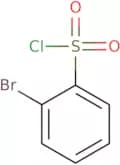
CAS :3-(Boc-amino)propyl bromide is an antimicrobial agent that has been shown to be a potent inhibitor of cancer cell growth in vitro. The mechanism of action of 3-(Boc-amino)propyl bromide is not yet known, but it may be due to its ability to inhibit the uptake of radiotracers by mda-mb-231 cells. 3-(Boc-amino)propyl bromide has also been shown to have a high affinity for proteins and is able to hydrogen bond with them. This property may explain the high salt requirement for its solubility, as well as its toxicity towards bacteria and other microorganisms.Formule :C8H16BrNO2Degré de pureté :Min. 95 Area-%Couleur et forme :Colorless PowderMasse moléculaire :238.12 g/mol2-Bromobenzene sulfonyl chloride
CAS :2-Bromobenzene sulfonyl chloride is a halide that reacts with electron-deficient molecules to form electrophilic bromonium ions. These electrophiles react with nucleophiles in biological systems to form covalent adducts. The reaction can be carried out in the presence of oxygen or in an inert atmosphere, and the product can be isolated by extraction or distillation. 2-Bromobenzene sulfonyl chloride has been found to be an efficient method for the synthesis of biomolecules, such as proteins and peptides, using arylation reactions. This agent also has cell-specific properties and is toxic to BV2 microglial cells but not PC3 cells.Formule :C6H4BrClO2SDegré de pureté :Min. 95%Couleur et forme :White PowderMasse moléculaire :255.52 g/molrac-Propranolol hydrochloride
CAS :Produit contrôléPropranolol is a beta-adrenergic receptor antagonist that is used to treat high blood pressure, chest pain and heart failure. It also has been shown to be effective in the treatment of inflammatory bowel disease (IBD). Propranolol blocks the binding of proprotein convertase subtilisin/kexin type 9 (PCSK9) to its receptors, which inhibits the production of LDL cholesterol. In humans, propranolol is metabolized through hydrolysis by esterases or glucuronidases, oxidation by cytochrome P450 enzymes, reduction by glutathione reductase, or conjugation with glucuronic acid. The drug also has a synergic effect with other drugs such as erythromycin and phenobarbital. Propranolol binds to proteins in red blood cells and decreases diastolic pressure.
Formule :C16H22ClNO2Degré de pureté :Min. 98%Couleur et forme :White PowderMasse moléculaire :295.8 g/molN-(2-Indol-3-ylethyl)(4-(trifluoromethoxy)phenyl)formamide
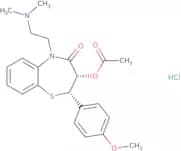
CAS :Please enquire for more information about N-(2-Indol-3-ylethyl)(4-(trifluoromethoxy)phenyl)formamide including the price, delivery time and more detailed product information at the technical inquiry form on this pageFormule :C18H15F3N2O2Degré de pureté :Min. 95%Couleur et forme :PowderMasse moléculaire :348.32 g/molDiltiazem hydrochloride
CAS :L-type calcium channel blockerFormule :C22H27ClN2O4SDegré de pureté :Min. 98 Area-%Couleur et forme :White PowderMasse moléculaire :450.98 g/molN-[4-[1-(2-Fluorobenzyl)-3-butyl-2,6-dixo-2,3,6,7-tetrahydro-1H-purin-8-ylmethyl]phenyl]acetamide
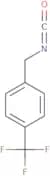
CAS :Produit contrôléN-[4-[1-(2-Fluorobenzyl)-3-butyl-2,6-dixo-2,3,6,7-tetrahydro-1H-purin-8-ylmethyl]phenyl]acetamide is a fine chemical with a diverse range of potential applications. It can be used as a versatile building block in the synthesis of complex compounds and is useful as a reaction component or reagent. Its CAS number is 628279-07-2.Formule :C25H26FN5O3Degré de pureté :Min. 95%Couleur et forme :White PowderMasse moléculaire :463.5 g/mol4-(Trifluoromethyl)benzyl isocyanate
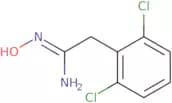
CAS :4-(Trifluoromethyl)benzyl isocyanate is a chemical compound with the formula C8H4F3NOC. It is a colorless liquid that can be used as a reagent and in organic synthesis. It is also an intermediate for the production of other chemicals, such as pharmaceuticals, pesticides, and polymers. 4-(Trifluoromethyl)benzyl isocyanate has been shown to be useful in reactions involving electron-deficient species (i.e., those bearing an oxygen atom or with heteroatoms). The compound has been found to be a versatile building block for synthesizing complex compounds with high purity and good yields.Formule :C9H6F3NODegré de pureté :Min. 95%Couleur et forme :Colorless PowderMasse moléculaire :201.15 g/mol2-(2,6-Dichlorophenyl)-1-(hydroxyimino)ethylamine
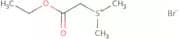
CAS :Please enquire for more information about 2-(2,6-Dichlorophenyl)-1-(hydroxyimino)ethylamine including the price, delivery time and more detailed product information at the technical inquiry form on this pageDegré de pureté :Min. 95%(Ethoxycarbonylmethyl)dimethylsulfonium bromide
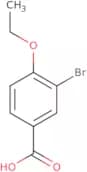
CAS :(Ethoxycarbonylmethyl)dimethylsulfonium bromide is an isoxazoline. It is used in the synthesis of oxime derivatives, which are bioactive molecules that have a wide range of applications in the field of medicine, including as intermediates for anti-inflammatory, anti-viral and antibacterial drugs. This compound has shown to be active against methicillin resistant Staphylococcus aureus (MRSA). The mechanism by which this molecule inhibits MRSA involves its nitro group and the release of nitric oxide.Formule :C6H13BrO2SDegré de pureté :Min. 97.5 Area-%Couleur et forme :PowderMasse moléculaire :229.14 g/mol3-Bromo-4-ethoxybenzoic acid
CAS :3-Bromo-4-ethoxybenzoic acid is an organic compound that has been shown to have biological activity against pathogens. 3-Bromo-4-ethoxybenzoic acid inhibits the growth of bacteria by binding to the enzyme chloride channel and regulating its function. It also has a regulatory effect on chloride channels and can be used as a catalyst for many reactions in organic synthesis.Formule :C9H9BrO3Degré de pureté :Min. 95%Masse moléculaire :245.07 g/molN-(2-(3,4-dimethoxyphenyl)ethyl)(2-(4-chlorophenoxy)(3-pyridyl))formamide
CAS :Please enquire for more information about N-(2-(3,4-dimethoxyphenyl)ethyl)(2-(4-chlorophenoxy)(3-pyridyl))formamide including the price, delivery time and more detailed product information at the technical inquiry form on this page
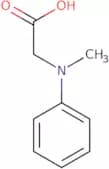
Degré de pureté :Min. 95%N-Methyl-N-phenylglycine hydrochloride
CAS :N-Methyl-N-phenylglycine hydrochloride (NMPG) is a glycopeptide antibiotic and immunosuppressant that is used to treat inflammatory bowel disease. NMPG binds to the D-alanyl-D-alanine moiety of bacterial cell wall peptidoglycan, inhibiting the synthesis of bacterial cell wall and leading to bacterial death. NMPG has been shown to be active against Escherichia coli, Klebsiella pneumoniae, and Helicobacter pylori. NMPG also has antibacterial activity against Acinetobacter baumannii and Enterococcus faecalis. The asymmetric synthesis of NMPG is enhanced by the presence of acrylonitrile.Formule :C9H11NO2·HClDegré de pureté :Min. 95%Couleur et forme :PowderMasse moléculaire :201.65 g/mol4-Chlorobenzanilide
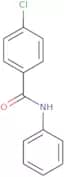
CAS :4-Chlorobenzanilide is an efficient method for the synthesis of aryl chlorides. 4-Chlorobenzanilide is used as an antibacterial agent in the treatment of intestinal infections, and has been shown to have a suppressive effect on cancer. 4-Chlorobenzanilide inhibits bacterial growth by binding to DNA-dependent RNA polymerase, thereby preventing transcription and replication. It also has an antibacterial activity that is mediated by the desulfurisation of sulfhydryl groups present in amides.
Formule :C13H10ClNODegré de pureté :Min. 95%Couleur et forme :SolidMasse moléculaire :231.68 g/molDefluoro prasugrel hydrochloride
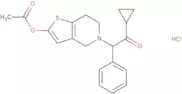
CAS :Defluoro prasugrel hydrochloride is a chemical compound that is used as a research chemical, a speciality chemical, or an intermediate for the synthesis of other chemicals. Defluoro prasugrel hydrochloride is a versatile building block that can be used in the synthesis of complex compounds. This product has been assigned CAS No. 1391053-53-4 and is soluble in water.Formule :C20H22ClNO3SDegré de pureté :Min. 95 Area-%Couleur et forme :PowderMasse moléculaire :391.91 g/molPentaerythrityl tetrabromide
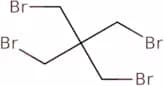
CAS :Pentaerythrityl tetrabromide is a brominated derivative of pentaerythritol. It can be used as a radiation-absorbing coating, and has been shown to have good hydrophobic properties. The FTIR spectrum of pentaerythrityl tetrabromide shows features at 3,000-3,600 cm-1 that are attributed to the NH and OH groups in the molecule. This compound has been shown to have good water permeability in cell culture experiments, which may be due to its acidic nature. Pentaerythrityl tetrabromide reacts with hydrochloric acid and sodium carbonate to produce chloride ions, which may be responsible for its acidic nature.
Formule :C5H8Br4Degré de pureté :Min. 95%Couleur et forme :White Clear LiquidMasse moléculaire :387.73 g/mol2-Bromo-4'-methylpropiophenone
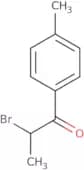
CAS :Produit contrôlé2-Bromo-4'-methylpropiophenone is a chemical compound that belongs to the group of phenols. It is used as a solvent in silicone rubber and as a colorant in plastics, paints, and enamels. 2-Bromo-4'-methylpropiophenone has been shown to be an effective antioxidant for china, silica gel, and silicone rubber. This chemical also produces red color when heated and can be used as a connector or monochrome panel on copper plates. 2-Bromo-4'-methylpropiophenone is soluble in water but insoluble in organic solvents such as alcohols and ethers. This chemical has been found to have the ability to produce solar modules with high efficiency by converting sunlight into electricity.Formule :C10H11BrODegré de pureté :(%) Min. 85%Couleur et forme :PowderMasse moléculaire :227.1 g/molPiperazinophenylacetic acid benzylamide hydrochloride
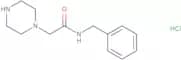
CAS :Piperazinophenylacetic acid benzylamide hydrochloride is a versatile building block that can be used in the synthesis of complex compounds for research and development. It is a reagent for the preparation of speciality chemicals and also a useful intermediate for the synthesis of reaction components. Piperazinophenylacetic acid benzylamide hydrochloride is a high quality, commercially available chemical that can be used as a scaffold for the preparation of new chemical compounds.Formule :C13H19N3O•HClDegré de pureté :Min. 95%Couleur et forme :PowderMasse moléculaire :269.77 g/molPropantheline bromide
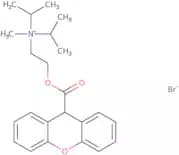
CAS :Propantheline bromide is a drug that belongs to the group of chemical stabilizers. It is an anti-inflammatory agent that is used for the treatment of bowel disease, especially in elderly patients. Propantheline bromide has been shown to have long-term efficacy with good tolerability in the treatment of overactive bladder syndrome and other urinary disorders. This drug can be administered orally or intravenously and has little effect on the body's water balance or blood pressure. Propantheline bromide works by blocking nerve signals from the gastrointestinal tract to the detrusor muscle, which is responsible for contraction and relaxation of the bladder.
Formule :C23H30BrNO3Degré de pureté :Min. 95%Couleur et forme :PowderMasse moléculaire :448.39 g/mol3-((4,5-dichloroimidazolyl)methyl)-4-bromo-2-methyl-1-phenyl-3-pyrazolin-5-one
CAS :Please enquire for more information about 3-((4,5-dichloroimidazolyl)methyl)-4-bromo-2-methyl-1-phenyl-3-pyrazolin-5-one including the price, delivery time and more detailed product information at the technical inquiry form on this page
Degré de pureté :Min. 95%5-Bromo-2-fluoro-3-methylpyridine
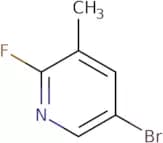
CAS :5-Bromo-2-fluoro-3-methylpyridine is a fine chemical that is used as a scaffold for building more complex compounds. This chemical can be used in the synthesis of sulfonamides, thiocarbamates, and other organic compounds. 5-Bromo-2-fluoro-3-methylpyridine is also a versatile intermediate that can be used in the production of research chemicals and speciality chemicals. The purity of this compound is high and it has been shown to be a useful reagent in various reactions.
Formule :C6H5BrFNDegré de pureté :Min. 95%Masse moléculaire :190.02 g/mol3,7-Dibromo-5,5-dioctyl-5H-dibenzo[b,d]silole
CAS :3,7-Dibromo-5,5-dioctyl-5H-dibenzo[b,d]silole is a fine chemical that belongs to the group of versatile building blocks for organic synthesis. It is a complex compound that has been used in research as a reagent and speciality chemical. It also has many applications in the production of commercial chemicals such as pharmaceuticals and agrochemicals. This compound can be used as an intermediate for the production of other compounds with pharmaceutical or agricultural uses.Formule :C28H40Br2SiDegré de pureté :Min. 95%Couleur et forme :Colorless PowderMasse moléculaire :564.51 g/mol3-Bromocinnamic acid ethyl ester
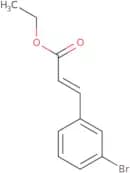
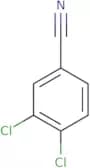
CAS :3-Bromocinnamic acid ethyl ester is a chemical that is useful as a building block for the synthesis of more complex compounds. It is an intermediate in the synthesis of organic compounds and can be used as a reaction component. 3-Bromocinnamic acid ethyl ester has CAS No. 24398-80-9 and is a reagent that can be used to synthesize other chemicals. 3-Bromocinnamic acid ethyl ester is also useful as a scaffold in the development of new drugs, because it has an amide bond, which may lead to new types of drug molecules with different properties.Formule :C11H11BrO2Degré de pureté :Min. 95%Masse moléculaire :255.11 g/mol3,4-Dichlorobenzonitrile
CAS :3,4-Dichlorobenzonitrile is a chemical compound that is synthesized by reacting hydrochloric acid and hydrogen chloride in the presence of 3,4-dichlorophenylacetic acid. The uptake of this chemical has been shown to be increased in prostate cancer cells that are exposed to methanol concentrations at or above 10%. This chemical also has phytotoxic properties and can cause plant damage. Impurities from the synthesis process can include lead, mercury, cadmium, arsenic, or chromium. 3,4-Dichlorobenzonitrile is used as an intermediate for industrial preparations such as pesticides and pharmaceuticals. This chemical may have coordination geometry around its central atom that can vary from octahedral to tetrahedral.
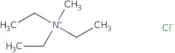
Formule :C7H3Cl2NDegré de pureté :Min. 95%Couleur et forme :PowderMasse moléculaire :172.01 g/molTriethylmethylammonium chloride
CAS :Triethylmethylammonium chloride is a disulfide bond forming agent that reacts with 4-benzoyloxybenzoic acid to produce an inorganic acid. It also reacts with the substrate film to form a nitrogen atom. This product has been used as a phase transition temperature indicator and as a probe for investigating the effects of thermal expansion on electrochemical impedance spectroscopy measurements. Triethylmethylammonium chloride has also been shown to cause acid formation from sodium carbonate, which can be used in the production of hydroxyl groups, amides or fatty acids.
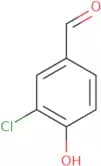
Formule :C7H18ClNDegré de pureté :Min. 95%Couleur et forme :PowderMasse moléculaire :151.68 g/mol3-Chloro-4-hydroxybenzaldehyde
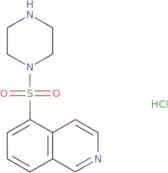
CAS :3-Chloro-4-hydroxybenzaldehyde is a molecule that belongs to the class of aldehydes. It is a monocarboxylic acid and an important precursor in the production of coumarin derivatives. 3-Chloro-4-hydroxybenzaldehyde has been shown to have pharmacokinetic properties, such as vibrational, chemical, and optical properties. It is also a fluorophore with strong fluorescence emission. The hydroxymethyl group can be programmed by adding an amine or thiol group at the 4 position on the ring of 3-chloro-4-hydroxybenzaldehyde. The addition of these groups will change the optical properties of 3-chloro-4-hydroxybenzaldehyde to make it more useful for biotechnology applications.Formule :C7H5ClO2Degré de pureté :Min. 95%Couleur et forme :PowderMasse moléculaire :156.57 g/mol1-(5-Isoquinolinesulfonyl)piperazine hydrochloride
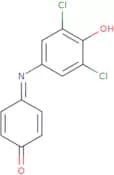
CAS :1-(5-Isoquinolinesulfonyl)piperazine hydrochloride (1-ISOQ-PIP) is a chemical compound that has been shown to inhibit the growth of leukemia cells. It inhibits the expression of leukemia inhibitory factor, which may be due to its ability to introduce modifications into the sequence of DNA. 1-ISOQ-PIP also inhibits pluripotent stem cells and induces adipocyte differentiation. This substance can be used for cancer treatment by inhibiting the growth of leukemia cells and inducing differentiation.Formule :C13H16ClN3O2SDegré de pureté :Min. 95%Couleur et forme :PowderMasse moléculaire :313.8 g/mol2,6-Dichlorophenolindophenol
CAS :2,6-Dichlorophenolindophenol is a redox indicator that can be used as an optical sensor for the measurement of hydrogen peroxide and other reactive oxygen species. It has been shown to inhibit caspase-independent cell death in carcinoma cells and is active against the opportunistic fungus Candida glabrata. The optimum concentration for this compound has been determined to be 1 mM.
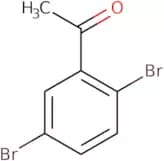
Formule :C12H7Cl2NO2Degré de pureté :Min. 95%Couleur et forme :Black Green PowderMasse moléculaire :268.09 g/mol1-(2,5-Dibromophenyl)ethanone
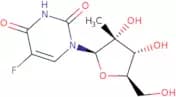
CAS :2',5'-Dibromoacetophenone is an imine that has been shown to be a potent inhibitor of NS5A. It is used in the synthesis of elbasvir and other pharmaceuticals. The enantioselective synthesis of 2',5'-dibromoacetophenone is achieved by using a chiral catalyst derived from camphor, which can produce the desired product in large quantities with high purity.Formule :C8H6Br2ODegré de pureté :Min. 95%Couleur et forme :PowderMasse moléculaire :277.94 g/mol2’-C-Methyl-5-fluorouridine
CAS :2’-C-Methyl-5-fluorouridine is a fine chemical that is used as a versatile building block for the synthesis of various complex compounds. It is also used as a reaction component in the synthesis of research chemicals and speciality chemicals. 2’-C-Methyl-5-fluorouridine is an important intermediate in organic chemistry and has many applications, such as being a reaction component in the synthesis of pharmaceuticals, agrochemicals, dyes, and perfumes.
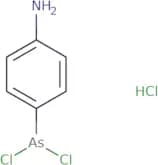
Formule :C10H13FN2O6Degré de pureté :Min. 95%Couleur et forme :SolidMasse moléculaire :276.22 g/molp-Aminophenyldichloroarsine hydrochloride
CAS :p-Aminophenyldichloroarsine hydrochloride (APD) is a reversible alkylating agent that binds to sulphydryls and reversibly inhibits the activity of nicotinic acetylcholine receptors. It is also an arsenical that has been shown to react with other proteins, such as acetylcholine receptor subunits. When it reacts with the acetylcholine receptor, it forms stable complexes and irreversible bonds. This prevents the receptor from functioning normally and leads to paralysis of muscles. The APD also binds to the reactive sites on DNA and blocks rRNA synthesis, leading to cell death.
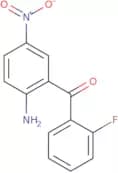
APD is active against many bacteria, including Mycobacterium tuberculosis, but not against Gram-positive bacteria such as staphylococci or streptococci. It is also active against some fungi and protozoa but not against viruses.Formule :C6H7AsCl3NDegré de pureté :Min. 95%Couleur et forme :PowderMasse moléculaire :274.41 g/mol2-Amino-5-nitro-2'-fluorobenzophenone
CAS :2-Amino-5-nitro-2'-fluorobenzophenone is a prodrug that is activated by thiourea, a chemical agent that is used to break down the drug. It is an anti-inflammatory drug that acts as a selective COX inhibitor and has been shown to be effective in vivo against primary tumors. 2-Amino-5-nitro-2'-fluorobenzophenone has also been shown to have antiangiogenic properties and has been used to treat inflammatory diseases such as arthritis and psoriasis. This drug can be radiolabeled with carbon, fluorine, or iodine isotopes for use in positron emission tomography (PET) imaging of primary tumors. The drug binds to response elements on cells through electrostatic interactions between the molecular orbitals of the 2 amino groups and the nucleophilic centers of these molecules.
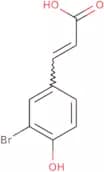
Formule :C13H9FN2O3Degré de pureté :Min. 95%Couleur et forme :PowderMasse moléculaire :260.22 g/mol3-Bromo-4-hydroxycinnamic acid
CAS :3-Bromo-4-hydroxycinnamic acid is a useful building block that is obtained from cinnamic acid by substitution of the hydroxyl group with a bromine atom. It has been used in research as a reagent, speciality chemical, and reaction component. 3-Bromo-4-hydroxycinnamic acid is also an important intermediate for the synthesis of various organic compounds. This compound can be used as a scaffold for the synthesis of complex compounds.Formule :C9H7BrO3Couleur et forme :PowderMasse moléculaire :243.05 g/mol2-Chloroinosine 3',4',6'-triacetate
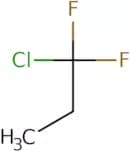
CAS :2-Chloroinosine 3',4',6'-triacetate is a reagent, useful intermediate, fine chemical, and speciality chemical. It is used as an important building block in organic synthesis. 2-Chloroinosine 3',4',6'-triacetate can be used as a versatile building block for the synthesis of many other compounds. The high quality and usefulness of this compound make it a good choice for research chemicals.Formule :C16H17ClN4O8Degré de pureté :Min. 95%Couleur et forme :White to pale yellow solid.Masse moléculaire :428.78 g/mol1-Chloro-1,1-Difluoropropane
CAS :Produit contrôlé1-Chloro-1,1-difluoropropane is an organic solvent that is used as a reactive chemical intermediate. It is a volatile liquid with a boiling point of -42°C and a density of 1.5 g/mL. It has been shown to be useful in the production of polyols and hydrogen fluoride, as well as in chemical reactions involving amines, chromium, and other metals. This product can be used as an absorber for heat or light energy in solar panels or other applications. 1-Chloro-1,1-difluoropropane also has the ability to transport impurities from one location to another due to its section properties. The compound can be processed using supercritical carbon dioxide or by introducing it into a diode laser.
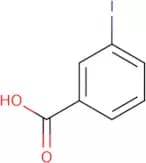
Formule :C3H5ClF2Degré de pureté :Min. 95%Masse moléculaire :114.52 g/mol3-Iodobenzoic acid
CAS :3-Iodobenzoic acid is a crystalline solid that has been shown to inhibit the growth of epidermal cells by binding to the epidermal growth factor receptor. 3-Iodobenzoic acid is an x-ray crystal structure that is hydrated and forms hydrogen bonds with DNA. It can be used as a model system for studying the effects of drugs on DNA synthesis. 3-Iodobenzoic acid has shown to bind to the plasma membrane in cardiac cells, which may be due to its hydroxyl group. The compound also has been shown to form benzoate from benzoic acid in wastewater treatment plants, which can have adverse effects on aquatic life.
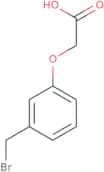
Formule :C7H5IO2Degré de pureté :Min. 95%Couleur et forme :PowderMasse moléculaire :248.02 g/mol3-(Bromomethyl)phenoxyacetic acid
CAS :3-(Bromomethyl)phenoxyacetic acid is a versatile building block that has been used as a reagent for the synthesis of complex compounds. It has also been used in the synthesis of research chemicals, such as 3-bromophenoxyacetic acid, and in the preparation of useful scaffolds. This product is high quality and can be used as an intermediate in the production of pharmaceuticals or other specialty chemicals. The CAS number for this compound is 136645-25-5.
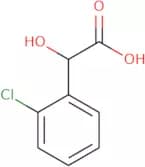
Formule :C9H9BrO3Degré de pureté :Min. 90%Couleur et forme :PowderMasse moléculaire :245.07 g/mol2-Chloromandelic acid
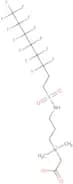
CAS :2-Chloromandelic acid is an organic compound that belongs to the class of compounds called chloroacetic acids. It has been shown to react with hydroxylamine and form a trifluoroacetamide, which is a useful building block in organic synthesis. 2-Chloromandelic acid can be synthesized from mandelic acid by reacting it with phosphorus pentachloride in the presence of carbon tetrachloride. 2-Chloromandelic acid has been shown to inhibit the growth of Pseudomonas aeruginosa, an opportunistic human pathogen in cystic fibrosis patients. 2-Chloromandelic acid crystallizes as one of two possible polymorphs: Form I or Form II. The solubility data for both forms are available, but only Form I is metastable at room temperature and pressure.Formule :C8H7ClO3Degré de pureté :Min. 95%Couleur et forme :PowderMasse moléculaire :186.59 g/molCapstone product B
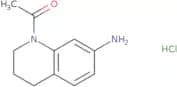
CAS :Capstone product B is a magnetic resonance spectroscopy agent that has been deacetylated. It can be broken down by photolysis, and is metabolized by hydrocarbon-degrading enzymes. Capstone product B contains a betaine group that is sensitive to light, and can be detected by resonance spectroscopy. The experiment was conducted on soil samples with the use of a surfactant to increase the solubility of the analyte in water.Formule :C15H19F13N2O4SDegré de pureté :(Elemental Analysis) Min. 95%Couleur et forme :PowderMasse moléculaire :570.37 g/mol1-Acetyl-1,2,3,4-tetrahydroquinolin-7-amine hydrochloride
CAS :1-Acetyl-1,2,3,4-tetrahydroquinolin-7-amine hydrochloride is a versatile building block that can be used in the synthesis of complex compounds with high quality and as a speciality chemical. This compound is useful as a reagent and reaction component in organic synthesis. It has been shown to be useful in the synthesis of new scaffolds for drug discovery.
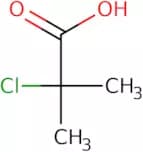
Formule :C11H14N2O·HClDegré de pureté :Min. 95%Couleur et forme :Off-White PowderMasse moléculaire :226.7 g/mol2-Chloro-2-methylpropionic acid
CAS :2-Chloro-2-methylpropionic acid (MCPA) is a chemical compound that belongs to the group of organic compounds called acyl chlorides. It is used in industry for the production of acrylic acid and polyacrylic acid, as well as in the production of herbicides. MCPA is produced by reacting an alkali metal with 2-chloroethanol and thioacetic acid. This reaction can be catalyzed by a variety of compounds, including palladium chloride, nickel chloride, and titanium tetrachloride. The high yield of this reaction makes it suitable for commercial use. MCPA also has been shown to stimulate cell growth through its inhibition of monomers from polymerization into polymers.
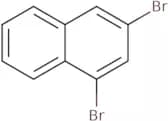
Formule :C4H7ClO2Degré de pureté :Min. 95%Couleur et forme :PowderMasse moléculaire :122.55 g/mol1,3-Dibromonaphthalene
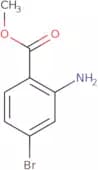
CAS :1,3-Dibromonaphthalene is a brominated derivative of naphthalene. It can be synthesized by reacting methoxy with chloride in the presence of a base (e.g., sodium hydroxide) and brominating the resulting 1,2-dibromoethane with bromine. The compound has been used as an analytical standard for natural gas and has been shown to have good trackability. 1,3-Dibromonaphthalene is used in research, primarily as a precursor to other compounds that are more reactive or less toxic. This molecule has been shown to undergo elimination reactions with alcohols and phenols, which can be useful for synthesis of other molecules. Synopses are available for this molecule at the following links: a) https://pubchem.ncbi.nlm.nih.gov/compound/1,3-Dibromonaphthalene#section=SynonymsFormule :C10H6Br2Degré de pureté :Min. 95%Couleur et forme :PowderMasse moléculaire :285.96 g/molMethyl 2-amino-4-bromobenzoate
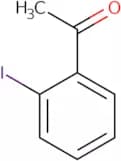
CAS :Methyl 2-amino-4-bromobenzoate is an amide that has a potential use as a cross-coupling agent in organic synthesis. It is labile and must be handled with care; it can also be used as an additive to polymerize natural polymers. Methyl 2-amino-4-bromobenzoate has been shown to enhance the efficiency of chemical reactions, including those between carboxylic acid and amines, and has been used in the synthesis of peptides. This chemical has functional groups that are compatible with a wide range of sequences, allowing for its use as a toolkit in synthetic chemistry. Methyl 2-amino-4-bromobenzoate is an analog of methyl 4-(aminomethyl)benzoate (MAMB).Formule :C8H8BrNO2Degré de pureté :Min. 95%Couleur et forme :PowderMasse moléculaire :230.06 g/mol2'-Iodoacetophenone
CAS :2'-Iodoacetophenone is a bioactive molecule that reacts with boronic acids to form aryl boronic acid derivatives. This reaction can be carried out in chlorobenzene or dihedral solvents, and it is scalable and applicable to a variety of boronic acids. The product of this reaction is an organocatalyst for the synthesis of bioactive molecules. 2'-Iodoacetophenone also reacts with dipole-containing additives to form dichlorodiphenyldichloroethane, which has been used as a fungicide, insecticide, and herbicide.
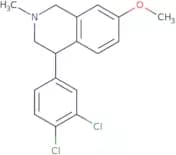
Formule :C8H7IODegré de pureté :Min. 95%Couleur et forme :Clear LiquidMasse moléculaire :246.05 g/molDiclofensine hydrochloride
CAS :Produit contrôléDiclofensine hydrochloride is a synthetic cannabinoid that has been shown to produce amphetamine-like locomotor stimulation in rats. It is also an inhibitor of the uptake of dopamine and norepinephrine in the rat striatum, and it inhibits the mitochondrial membrane potential in cells from the rat striatum. Diclofensine is a potent agonist at human dopamine D2 receptors, with low potency for other neurotransmitter receptors. The drug binds to the dopamine transporter and blocks its activity, leading to increased levels of synaptic dopamine. This increase in synaptic dopamine may be responsible for diclofensine's effect on locomotor activity.Formule :C17H18Cl3NODegré de pureté :Min. 95%Couleur et forme :SolidMasse moléculaire :358.69 g/mol1-[4-(Benzyloxy)phenyl]-2-bromopropan-1-one
CAS :1-[4-(Benzyloxy)phenyl]-2-bromopropan-1-one is an estrogenic compound. It is a reactive substance that can be synthesized by reductive amination of hydroxybenzaldehyde with benzyl bromide. 1-[4-(Benzyloxy)phenyl]-2-bromopropan-1-one has been shown to be metabolized in the liver by cytochrome P450 enzymes to form the corresponding alcohol and carboxylic acid. It binds to estrogen receptors, which may be due to its ability to bind to DNA. The binding of this substance to estrogen receptors may induce transcriptional activation and increase protein synthesis in cells.
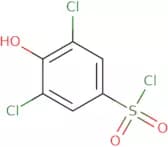
Formule :C16H15O2BrDegré de pureté :Min. 95%Couleur et forme :PowderMasse moléculaire :319.19 g/mol3,5-Dichloro-4-hydroxybenzenesulfonyl chloride
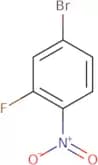
CAS :Please enquire for more information about 3,5-Dichloro-4-hydroxybenzenesulfonyl chloride including the price, delivery time and more detailed product information at the technical inquiry form on this pageFormule :C6H3Cl3O3SDegré de pureté :Min. 95%Masse moléculaire :261.51 g/mol4-Bromo-2-fluoro-1-nitrobenzene
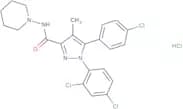
CAS :4-Bromo-2-fluoro-1-nitrobenzene is a molecule that has anticancer activity. It inhibits cancer cells, but does not affect normal cells. The mechanism of action of 4-bromo-2-fluoro-1-nitrobenzene is not yet known. However, it may be due to its ability to react with the prenyl group in the cell membrane, which is important for cell growth and division. The human liver metabolizes 4-bromo-2-fluoro-1-nitrobenzene by kinetic and thermodynamic properties. This drug also has pharmacokinetic properties and can be detected in the bloodstream, urine, and feces for up to two weeks after administration. Fatty acid metabolism can cause drug reactions when taken with 4bromo2furo1nitrobenzene. Protein–protein interactions can also lead to side effects when taking this drug, such as enzyme inhibitionFormule :C6H3BrFNO2Degré de pureté :Min. 95%Couleur et forme :PowderMasse moléculaire :220 g/molRimonabant hydrochloride
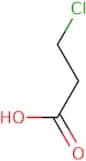
CAS :Produit contrôléCB1 cannabinoid antagonist, non-CB1/CB2 receptor (GPR55) agonist; anorecticFormule :C22H22Cl4N4ODegré de pureté :Min. 98 Area-%Couleur et forme :PowderMasse moléculaire :500.25 g/mol3-Chloropropionic acid
CAS :3-Chloropropionic acid is a non-toxic organic compound that exhibits significant cytotoxicity against many bacterial strains. It is a white solid, which is soluble in water and has no odor. 3-Chloropropionic acid can be synthesized by the reaction of malonic acid with ethylene diamine or by the reaction of bromoacetic acid with sodium salts. The optimum pH for this reaction is 6.5 to 7.5 and the optimum temperature is 25°C to 30°C. This compound has been shown to inhibit the synthesis of fatty acids in bacteria, which may be due to its hydroxyl group. 3-Chloropropionic acid reacts with trifluoroacetic acid, giving an ester product, which can then be hydrolyzed back to 3-chloropropionic acid. This chemical also has a physiological function as an intermediate in the synthesis of other chemicals such as biotin and pantothenFormule :C3H5ClO2Degré de pureté :Min. 95%Couleur et forme :PowderMasse moléculaire :108.52 g/mol3-Bromo lidocaine
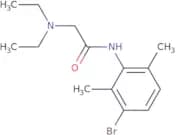
CAS :3-Bromo lidocaine is a useful building block for the synthesis of complex compounds. It is a chemical intermediate that is used in the manufacture of pharmaceuticals and other organic chemicals. 3-Bromo lidocaine has a CAS number of 1044658-01-6, which identifies it as a reagent that can be used in organic synthesis. It is an important reaction component with high quality and versatility, making it an excellent choice for research chemical or speciality chemical purposes.Formule :C14H21BrN2ODegré de pureté :Min. 95%Couleur et forme :PowderMasse moléculaire :313.23 g/mol3-Bromo-4-methoxyphenylacetic acid
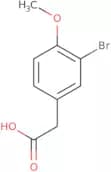
CAS :3-Bromo-4-methoxyphenylacetic acid is a benzyl ester of hydroxybenzoic acid. It is used as a synthetic precursor for the synthesis of curare and related compounds. 3-Bromo-4-methoxyphenylacetic acid was first synthesized in 1869 by German chemist Wilhelm Koenigs and has been widely used as a synthetic intermediate in organic chemistry. This compound can be prepared from bromobenzene, methoxybenzene, and acetic acid in the presence of dimethyl ether or nitrite. 3-Bromo-4-methoxyphenylacetic acid is also used to produce nitromethane, an alkylating agent that reacts with amines, alcohols, thiols, and sulfides to form N-substituted nitro compounds.
Formule :C9H9BrO3Degré de pureté :Min. 95%Couleur et forme :PowderMasse moléculaire :245.07 g/mol3-Fluorocinnamic acid
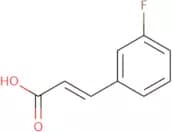
CAS :3-Fluorocinnamic acid is an organic compound that belongs to the class of amides. It reacts with metal ions such as copper, silver, or gold. 3-Fluorocinnamic acid has a constant boiling point and can be used in the preparation of cinnamic acid derivatives. 3-Fluorocinnamic acid also has redox potential and is used as a substrate in enzyme preparations. 3-Fluorocinnamic acid can be synthesized by hydrolysis of malonic acid and metal salts with hydrochloric acid, which then reacts with triticum aestivum. The product is purified by recrystallization from water. This compound inhibits the reaction that converts lactose into glucose and galactose, leading to the production of lactic acid from milk.
Formule :C9H7FO2Degré de pureté :Min. 98 Area-%Couleur et forme :PowderMasse moléculaire :166.15 g/molApelin-17 trifluoroacetate
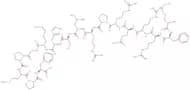
CAS :Apelin-17 trifluoroacetate is a reaction component, reagent and useful scaffold for the synthesis of complex compounds. It is a high quality, research chemical that is used in the synthesis of fine chemicals. Apelin-17 trifluoroacetate has versatile building block and can be used as a useful intermediate or as a speciality chemical. It also has high reactivity and is soluble in organic solvents.
Formule :C96H156N34O20S•C2HF3O2Degré de pureté :Min. 95%Couleur et forme :PowderMasse moléculaire :2,252.57 g/mol3-Fluoro-4-hydroxyphenylpropanenitrile
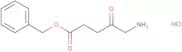
CAS :3-Fluoro-4-hydroxyphenylpropanenitrile is a reagent and building block for chemical synthesis, with potential applications in the manufacture of pharmaceuticals, agrochemicals, and fine chemicals. 3-Fluoro-4-hydroxyphenylpropanenitrile is an important intermediate or building block in organic synthesis due to its versatility and variety of reactions. In particular, it can be used as a starting material for the synthesis of new compounds or as a building block in complex syntheses. 3-Fluoro-4-hydroxyphenylpropanenitrile has been reported to be useful in the preparation of many complex molecules including fluoroquinolones, nitrile oxides, and azole antifungals.Formule :C9H8FNODegré de pureté :Min. 95%Couleur et forme :PowderMasse moléculaire :165.16 g/mol5-Amino-4-oxopentanoic acid benzyl ester hydrochloride
CAS :Please enquire for more information about 5-Amino-4-oxopentanoic acid benzyl ester hydrochloride including the price, delivery time and more detailed product information at the technical inquiry form on this page
Formule :C12H15NO3·HClDegré de pureté :Min. 97%Couleur et forme :PowderMasse moléculaire :257.71 g/molCreatine zinc chloride
CAS :Creatine zinc chloride is a basic protein that is metabolized to creatinine and guanidinoacetate. Creatine zinc chloride has been shown to inhibit the mitochondrial membrane potential, leading to the inhibition of cardiac muscle contraction and myocardial infarct size. Creatine zinc chloride also has physiological functions in energy metabolism, cytosolic calcium regulation, and glomerular filtration rate. Creatine zinc chloride may be used for the treatment of metabolic disorders, such as obesity and diabetes mellitus type II.
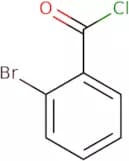
Formule :C4H9N3O2·ZnCl2Degré de pureté :Min. 99%Couleur et forme :PowderMasse moléculaire :267.43 g/mol2-Bromobenzoyl chloride
CAS :2-Bromobenzoyl chloride (2BB) is an aromatic hydrocarbon that can be used to synthesize a variety of organic compounds. 2BB has been shown to have cytotoxic activity in vitro, but it is not yet known what the mechanism of action is. In addition, 2BB binds to DNA and RNA, and it has been used as a reagent for the synthesis of phenyl groups. The compound also reacts with copper or carbonate ions to form bromocarbenes or chlorocarbenes respectively. 2BB is also used for the Friedel-Crafts reaction, Suzuki coupling reaction, and acylation reactions.
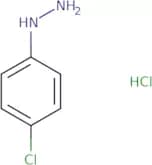
Formule :C7H4BrClODegré de pureté :Min. 95%Masse moléculaire :219.46 g/mol4-Chlorophenylhydrazine hydrochloride
CAS :4-Chlorophenylhydrazine hydrochloride is a chemical compound that contains a pyrazole ring, chlorine and anhydrous sodium. This substance is used as a reactant in the production of diazonium salts. 4-Chlorophenylhydrazine hydrochloride also inhibits the reaction of benzodiazepines with their binding site on the GABA receptor, which prevents the formation of reactive intermediates. It has been shown to have an inhibitory effect on wastewater treatment and can be used for the treatment of acidic water. 4-Chlorophenylhydrazine hydrochloride reacts with fluorescence probes to form intermolecular hydrogen bonds and hydrogen bonds that are used for determining pH values in solution.
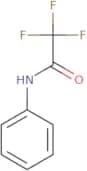
Formule :C6H8Cl2N2Couleur et forme :Off-White PowderMasse moléculaire :179.05 g/mol2,2,2-Trifluoro-n-phenylacetamide
CAS :2,2,2-Trifluoro-n-phenylacetamide is a functionalized trifluoroacetic acid. It is inactive and can be used for diagnostic purposes. 2,2,2-Trifluoro-n-phenylacetamide reacts with amines to form the corresponding deuterium isotope labeled amine. The heterocyclic amines that are formed react with diazonium salt to produce an enolate anion that reacts with chloride to form the corresponding carboxylic acid derivative. The proton of the carboxylic acid leaves as a protonated ammonium ion, which is stable in alkaline solutions. Amides have a negative charge on the nitrogen atom due to its electron withdrawing properties.Formule :C8H6F3NODegré de pureté :Min. 95%Couleur et forme :PowderMasse moléculaire :189.13 g/molAmyloid beta peptide(1-40) trifluoroxalate - synthetic
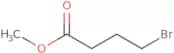
CAS :Amyloid beta peptide (Aβ) is a neurotrophic factor that is involved in the pathogenic mechanism of Alzheimer's disease. This drug inhibits the production of Aβ by binding to the enzyme, secretase. It has been shown that Aβ binds to a transporter protein and is transported into cells, where it accumulates in the cytoplasm. The physiological levels of Aβ are regulated by proteins called "gene chaperones" which prevent Aβ from aggregating into plaques. Dextran sulfate inhibits this process by binding to amyloid and preventing it from accumulating in the cytoplasm. Amyloid beta peptide trifluoroxalate (ATFX) has been shown to inhibit the production of Aβ with structural analysis, inhibition of cellular uptake and secretion, and inhibition of fibrillization. ATFX also has potential as a biomarker for Alzheimer's disease because it can be detected at low concentrations in urine or serumFormule :C194H295N53O58S·C2HF3O2Degré de pureté :Min. 95%Couleur et forme :White PowderMasse moléculaire :4,443.83 g/mol4-Bromobutyric acid methyl ester
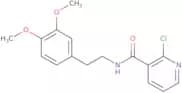
CAS :4-Bromobutyric acid methyl ester is a synthetic compound that can be used to inhibit the activity of the G1 phase cyclin-dependent kinases. It has been shown to inhibit protein synthesis by alkylating the amino groups of proteins and fatty acids. 4-Bromobutyric acid methyl ester also inhibits the growth of cancer cell lines, such as renal carcinoma cells. The mechanism of action for this drug is not well understood, but it may be due to its ability to bind with monoclonal antibodies and enter kidney cells by passive diffusion.Formule :C5H9BrO2Degré de pureté :Min. 95%Couleur et forme :Clear LiquidMasse moléculaire :181.03 g/molN-(2-(3,4-dimethoxyphenyl)ethyl)(2-chloro(3-pyridyl))formamide
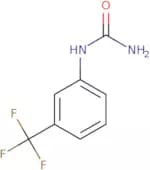
CAS :Please enquire for more information about N-(2-(3,4-dimethoxyphenyl)ethyl)(2-chloro(3-pyridyl))formamide including the price, delivery time and more detailed product information at the technical inquiry form on this pageDegré de pureté :Min. 90%3-(Trifluoromethyl)Phenylurea
CAS :3-(Trifluoromethyl)phenylurea is a chemotherapeutic agent that is used to treat leukemia and other cancers. It has been shown to be effective in the regression of tumors in mice, when given at a concentration of 1-2 mg/kg. 3-(Trifluoromethyl)phenylurea inhibits cell growth by binding to DNA and inhibiting RNA synthesis. The optimal concentrations for 3-(trifluoromethyl)phenylurea are determined using an equation that includes coefficients obtained from stepwise regression analysis. The coefficient values are also optimized using topological descriptors and genetic algorithms.
Formule :C8H7F3N2ODegré de pureté :Min. 95%Masse moléculaire :204.15 g/mol[(N-Acryloylamino)phenyl]mercuric chloride
CAS :Produit contrôlé[(N-Acryloylamino)phenyl]mercuric chloride is a compound that can be used to treat bladder cancer. It is a small molecule that has been shown to inhibit the growth of bladder cancer cells in vitro, and it may have potential as a treatment for primary tumors in other tissues. The therapeutic efficacy of [(N-acryloylamino)phenyl]mercuric chloride was investigated in two multicenter phase II trials conducted by the National Cancer Institute. The results of these trials showed that it had a response rate of 30% and an overall survival rate of 59%. This drug is effective against primarily women with body mass index greater than or equal to 25 kg/m2. It binds to the receptor on the surface of cells, which inhibits proliferation and induces cell death.
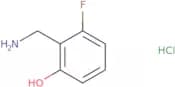
Formule :C9H8ClHgNODegré de pureté :Min. 95%Couleur et forme :White PowderMasse moléculaire :382.21 g/mol2-Fluoro-6-hydroxybenzylamine hydrochloride
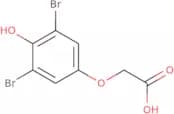
CAS :2-Fluoro-6-hydroxybenzylamine hydrochloride is a chemical intermediate that can be used for the synthesis of more complex compounds. It reacts with acetic anhydride to produce 2-fluoro-6-acetoxybenzamide. It also reacts with chloroacetic acid to produce 2,6-dichloroquinoline. This compound has been shown to be useful in research and development as a versatile building block or a reagent for the synthesis of various complex compounds. CAS No. 2094868-94-5.Formule :C7H8FNO•HClDegré de pureté :Min. 95%Couleur et forme :PowderMasse moléculaire :177.6 g/mol3,5-Dibromo-4-hydroxyphenoxyacetic acid
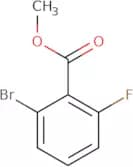
CAS :3,5-Dibromo-4-hydroxyphenoxyacetic acid is a versatile building block that can be used as a reagent in the synthesis of various complex compounds. It is also useful for research and development of new drugs. This chemical has been shown to be an effective precursor for the synthesis of pharmaceuticals, such as HTS-1 and HTS-2.Formule :C8H6Br2O4Degré de pureté :Min. 95%Couleur et forme :PowderMasse moléculaire :325.94 g/mol2-Bromo-6-fluorobenzoic acid methyl ester
CAS :2-Bromo-6-fluorobenzoic acid methyl ester is a fine chemical that belongs to the family of brominated compounds. It is a useful building block in the synthesis of diverse organic molecules, as well as a reagent for research and speciality chemicals. 2-Bromo-6-fluorobenzoic acid methyl ester is used as a versatile building block in the synthesis of complex compounds, as well as an intermediate or scaffold in organic chemistry. This product can be used to synthesize many diverse products while maintaining high quality and purity.Formule :C8H6BrFO2Degré de pureté :Min. 95%Couleur et forme :PowderMasse moléculaire :233.03 g/mol4-tert-Butylbenzoyl chloride
CAS :4-tert-Butylbenzoyl chloride is a chemical used in the production of polymers. It is a reactive compound that has been shown to cause metabolic disorders in light-exposed primary cells and polymerase chain reactions, inhibiting the transcription of DNA to RNA and protein synthesis. The process by which 4-tert-Butylbenzoyl chloride causes these effects is still unknown. This chemical also alters the body mass index of mice by increasing the fat content of their livers, as well as reducing their levels of epidermal growth factor (EGF). 4-tert-Butylbenzoyl chloride has also been shown to inhibit the synthesis of proteins by binding to nuclear DNA, preventing transcription from occurring. Although it was hypothesized that 4-tert-Butylbenzoyl chloride inhibits cellular proliferation due to its ability to bind with DNA, this has not been proven conclusively.
Formule :C11H13ClODegré de pureté :Min. 95%Masse moléculaire :196.67 g/mol2-Amino-5-iodobenzoic acid methyl ester
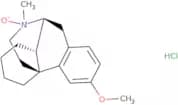
CAS :2-Amino-5-iodobenzoic acid methyl ester (2AIBA) is a molecule that can be used as an activatable probe for imaging cancer. It has a profile suitable for radionuclide therapy and is also senescent. 2AIBA binds to DNA and inhibits the synthesis of proteins, leading to cell death. 2AIBA has potent inhibitory activity against murine melanoma cells and synergistic effects when combined with acridone. The section of tumour cells was shown to be reduced by 42% in mice when treated with 2AIBA, acridone, and radiation compared to mice treated with radiation alone.Formule :C8H8INO2Degré de pureté :Min. 95%Couleur et forme :PowderMasse moléculaire :277.06 g/molDextromethorphan N-oxide hydrochloride
CAS :Produit contrôléDextromethorphan N-oxide hydrochloride is a fine chemical that can be used as a versatile building block in the synthesis of complex compounds. Dextromethorphan N-oxide hydrochloride is a useful reagent and speciality chemical that can be used as an intermediate in the synthesis of reaction components, useful scaffolds, and high quality compounds. This compound has been shown to have antibacterial properties against some bacteria.Formule :C18H26ClNO2Degré de pureté :Min. 90 Area-%Couleur et forme :White PowderMasse moléculaire :323.86 g/molDidecyl dimethyl ammonium bromide
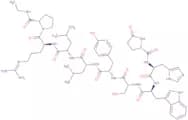
CAS :Didecyl dimethyl ammonium bromide is an antimicrobial peptide that has high resistance to antibiotic-resistant strains. It is a phosphonate compound that is used in the analytical method of titration calorimetry. The didecyl dimethyl ammonium bromide molecule can be seen as having two reactive centers, one on the phosphorus atom and one on the methyl group. These reactive centers are involved in intramolecular hydrogen transfer reactions and transfer reactions with other molecules, leading to its antimicrobial activity. Didecyl dimethyl ammonium bromide can also be used as a disinfectant or as a monoethyl ether for organic synthesis.Formule :C22H48BrNDegré de pureté :Min. 98%Couleur et forme :PowderMasse moléculaire :406.53 g/mol(Des-Gly10,D-Ser4,D-Leu6,Pro-NHEt 9)-LHRH trifluoroacetate
CAS :Please enquire for more information about (Des-Gly10,D-Ser4,D-Leu6,Pro-NHEt 9)-LHRH trifluoroacetate including the price, delivery time and more detailed product information at the technical inquiry form on this page
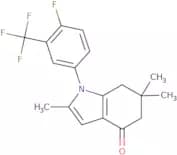
Formule :C59H84N16O12•(C2HF3O2)xDegré de pureté :Min. 98 Area-%Couleur et forme :PowderMasse moléculaire :1,209.4 g/mol1-(4-Fluoro-3-(trifluoromethyl)phenyl)-2,6,6-trimethyl-5,6,7-trihydroindol-4-one
CAS :Please enquire for more information about 1-(4-Fluoro-3-(trifluoromethyl)phenyl)-2,6,6-trimethyl-5,6,7-trihydroindol-4-one including the price, delivery time and more detailed product information at the technical inquiry form on this pageFormule :C18H17F4NODegré de pureté :Min. 95%Couleur et forme :PowderMasse moléculaire :339.33 g/mol5-Bromo-2-hydrazinopyrimidine
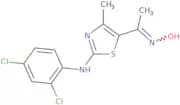
CAS :5-Bromo-2-hydrazinopyrimidine is a heterocyclic compound with the chemical formula C5H4N3Br. It is used as reagent, high quality, and complex intermediate in fine chemicals, research chemicals, and speciality chemicals. It is also a versatile building block for many reactions in synthesis of other compounds.Formule :C4H5BrN4Degré de pureté :Min. 98 Area-%Masse moléculaire :189.01 g/mol(2,4-dichlorophenyl)(3-((hydroxyimino)ethyl)-4-methyl(2,5-thiazolyl))amine
CAS :Please enquire for more information about (2,4-dichlorophenyl)(3-((hydroxyimino)ethyl)-4-methyl(2,5-thiazolyl))amine including the price, delivery time and more detailed product information at the technical inquiry form on this page
Degré de pureté :Min. 95%2,5-Dimethoxy-N-[(2-methoxyphenyl)methyl]-4-(trifluoromethyl)benzeneethanamine
CAS :Produit contrôlé2,5-Dimethoxy-N-[(2-methoxyphenyl)methyl]-4-(trifluoromethyl)benzeneethanamine is a synthetic drug that belongs to the group of psychotropic drugs. It has been shown to cause death in rats, which is likely due to its ability to inhibit serotonin uptake by neurons. 2,5-Dimethoxy-N-[(2-methoxyphenyl)methyl]-4-(trifluoromethyl)benzeneethanamine also inhibits the enzyme monoamine oxidase and prevents the breakdown of monoamines such as serotonin. This drug has been shown to have both stimulant and depressant properties. 2,5-Dimethoxy-N-[(2-methoxyphenyl)methyl]-4-(trifluoromethyl)benzeneethanamine can be quantified in human blood samples using liquid chromatography with aFormule :C19H22F3NO3Degré de pureté :Min. 95%Masse moléculaire :369.38 g/mol2-Bromo-4'-phenylacetophenone
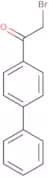
CAS :2-Bromo-4'-phenylacetophenone is a methanol solvent that is used as an intermediate in the synthesis of phenacyl. It is also used as a reagent for the titration of fatty acids and for the determination of terminal alkynes. 2-Bromo-4'-phenylacetophenone has been shown to have antibacterial activity against Mycobacterium tuberculosis, which may be due to its ability to inhibit protein biosynthesis. This compound can also be used as an analytical tool for determining the mass of organic acids. The solubility properties of 2-bromo-4'-phenylacetophenone are similar to those of ethyl acetate and ethanol, making it useful as a solvent in analytical methods.Formule :C14H11BrODegré de pureté :Min. 95%Couleur et forme :PowderMasse moléculaire :275.14 g/mol5-Chlorovanillyl alcohol
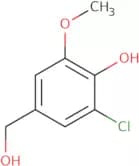
CAS :5-Chlorovanillyl alcohol is a useful building block. It is a fine chemical that can be used as a research chemical, reagent, or speciality chemical. This compound is versatile and can be used as a reaction component or scaffold for complex compounds. 5-Chlorovanillyl alcohol has CAS number 20624-92-4.Formule :C8H9ClO3Degré de pureté :Min. 95%Couleur et forme :PowderMasse moléculaire :188.61 g/mol3-Bromocinnamic acid
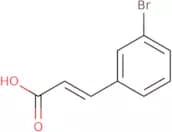
CAS :3-Bromocinnamic acid is a long-term treatment that inhibits the adenosine receptor, which is an important component of the central nervous system. It has been shown to have biological properties such as cell growth inhibition, depressant effect, and inhibitory effects on HIV replication. 3-Bromocinnamic acid also inhibits the action of sodium salts in vitro and in vivo, suggesting that this drug may be useful for the treatment of epilepsy. 3-Bromocinnamic acid can be used to study the mechanisms by which sirt1 inhibitors act as anticancer drugs. In addition, 3-bromocinnamic acid has been shown to have therapeutic potential for treating Alzheimer's disease and Parkinson's disease.Formule :C9H7BrO2Degré de pureté :Min. 95%Couleur et forme :PowderMasse moléculaire :227.05 g/mol3-((2-Fluorophenyl)piperazinylcarbamoyl)prop-2-enoic acid
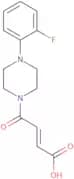
CAS :Produit contrôléPlease enquire for more information about 3-((2-Fluorophenyl)piperazinylcarbamoyl)prop-2-enoic acid including the price, delivery time and more detailed product information at the technical inquiry form on this page
Formule :C14H15Fn2O3Degré de pureté :Min. 80%Couleur et forme :PowderMasse moléculaire :278.29 g/mol2,6-Dichlorobenzylamine
CAS :2,6-Dichlorobenzylamine (2,6-DCBA) is a potent inhibitor of creatine kinase. It has been shown to be a potent inhibitor of the enzyme in muscle cells. 2,6-DCBA binds to the phosphoryl group of creatine kinase and inhibits its activity. This inhibitory effect on muscle cells causes fatigue and weakness during exercise. 2,6-DCBA also inhibits the enzyme cytosolic creatine kinase from eukaryotes and may be a potential inhibitor for treating Duchenne muscular dystrophy.
Formule :C7H7Cl2NDegré de pureté :Min. 95%Couleur et forme :Clear LiquidMasse moléculaire :176.04 g/molClorgyline Hydrochloride
CAS :Clorgyline hydrochloride is a monoamine neurotransmitter inhibitor that blocks the enzyme monoamine oxidase (MAO). It is used to treat Parkinson's disease and depression. Clorgyline hydrochloride also has been shown to decrease locomotor activity in rats and cause neuronal death in the hippocampal formation. This drug has been shown to inhibit the enzyme activities of MAO-A, MAO-B and tyrosine hydroxylase at chronic doses. In addition, clorgyline hydrochloride increases the number of 5-HT2 receptors on rat brain membranes. The inhibition of MAO-A by clorgyline hydrochloride results in irreversible inhibition of all three types of MAO enzymes. Clorgyline hydrochloride also inhibits protein synthesis by decreasing levels of tyrosine hydroxylase, an enzyme that is necessary for the production of dopamine and norepinephrine.
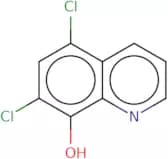
Formule :C13H15Cl2NO·HClDegré de pureté :Min. 98 Area-%Couleur et forme :White Off-White PowderMasse moléculaire :308.63 g/molHalquinol, mixture of 5,7-Dichloro-8-quinolinol, 5-Chloro-8-quinolinol, 7-Chloro-8-quinolinol and 8-Hydroxyquinoline
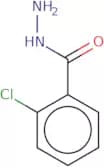
CAS :Halquinol, a mixture of 5,7-dichloro-8-quinolinol, 5-chloro-8-quinolinol, 7-chloro-8-quinolinol and 8-hydroxyquinoline, is an important intermediate in organic synthesis. It has been used as a reagent in the synthesis of a variety of complex compounds. Halquinol has also been used as a building block for the synthesis of many other chemical products. The CAS number for halquinol is 806769-4.Formule :C18H11Cl3N2O2Degré de pureté :Min. 95%Couleur et forme :Off-White PowderMasse moléculaire :393.65 g/mol2-Chlorobenzhydrazide
CAS :2-Chlorobenzhydrazide is a nitrogen-containing heterocyclic compound that has antibacterial activity. In vivo assays show that 2-chlorobenzhydrazide inhibits the growth of bacteria by binding to their DNA, leading to apoptotic cell death. The molecule also inhibits the proliferation of cancer cells in vitro (in a culture dish) and in vivo assays. 2-Chlorobenzhydrazide binds to copper ions and forms a copper complex, which inhibits bacterial growth. This ligand is selective for bacterial cells because it does not bind to mammalian cells.Formule :C7H7ClN2ODegré de pureté :Min. 95%Couleur et forme :PowderMasse moléculaire :170.6 g/mol3-Chloro-5-hydroxybenzoic acid
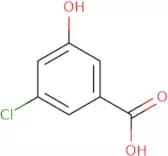
CAS :3-Chloro-5-hydroxybenzoic acid is a fluorescent compound that has been used to study insulin resistance in rats. Using fluorescence resonance energy transfer, this study found that 3-chloro-5-hydroxybenzoic acid increases insulin sensitivity and decreases blood pressure levels. It is hypothesized that the observed effects are due to an increase in the uptake of 3,5-dihydroxybenzoic acid into cells, which helps regulate the release of nitric oxide from afferent arterioles. Increased nitric oxide leads to vasodilation and increased uptake of glucose by muscle cells. This mechanism may be responsible for the observed decrease in blood pressure and improved insulin sensitivity.
Formule :C7H5ClO3Degré de pureté :Min. 95%Couleur et forme :PowderMasse moléculaire :172.56 g/mol2,3-Dichlorobenzonitrile
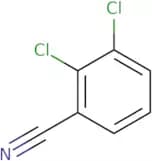
CAS :2,3-Dichlorobenzonitrile is a crystalline cellulose that has anticancer activity. It is used in the treatment of cancer cells by inducing apoptosis and inhibiting cell proliferation. 2,3-Dichlorobenzonitrile also inhibits the growth of other cells such as nerve cells, by blocking the action of specific molecules that are involved in cell division. This compound can be used to treat leukemia and lymphoma. 2,3-Dichlorobenzonitrile binds with amines and caffeine molecules to form an adduct that is toxic to cells. The functional groups on the molecule are responsible for this interaction.
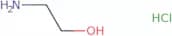
Formule :C7H3Cl2NDegré de pureté :Min. 95%Masse moléculaire :172.01 g/molEthanolamine hydrochloride
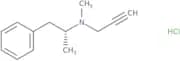
CAS :Ethanolamine hydrochloride is an ethylene diamine salt of ethanolamine. It has been shown to have a receptor activity in amines, such as human serum and monoclonal antibodies. Ethanolamine hydrochloride is used in sample preparation for the detection of proteins by western blotting and immunohistochemistry. It is also used for the production of monoclonal antibodies, which are used to detect antigens on cells.Formule :C2H7NO·HClDegré de pureté :Min. 98%Couleur et forme :PowderMasse moléculaire :97.54 g/molSelegiline hydrochloride
CAS :Produit contrôléMonoamine oxidase B inhibitor
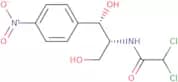
Formule :C13H18ClNDegré de pureté :(Hplc) Min. 98 Area-%Couleur et forme :White PowderMasse moléculaire :223.74 g/molD-erythro-Chloramphenicol
CAS :D-erythro-Chloramphenicol is a chloramphenicol antibiotic that has been shown to inhibit the uptake of nucleic acids by bacteria. It binds to the ribosomal RNA in the bacterial cell and prevents protein synthesis, causing bacterial death. D-erythro-Chloramphenicol is also able to inhibit the uptake of glycine, which is an important amino acid for bacteria. D-erythro-Chloramphenicol has been shown to be active against many different types of bacteria, including those that are resistant to other antibiotics such as penicillin.
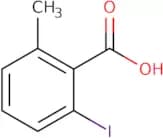
Formule :C11H12Cl2N2O5Degré de pureté :Min. 95%Masse moléculaire :323.13 g/mol2-Iodo-6-methylbenzoic acid
CAS :2-Iodo-6-methylbenzoic acid is a chemical used as an additive in the manufacture of plastics, paints and rubber. It is also a ligand for some transition metals. 2-Iodo-6-methylbenzoic acid has been found to be an active natural product that can be synthesized from phthalimides or other amines. 2-Iodo-6-methylbenzoic acid reacts with donepezil to form a multistep reaction intermediate called A, which is then oxidized by a transition metal to form the final product, aricept. The operational mechanism of this reaction is not yet fully understood, but it may involve an alkene intermediate.Formule :C8H7IO2Degré de pureté :Min. 95%Couleur et forme :PowderMasse moléculaire :262.04 g/molMethyl 2-amino-4-(trifluoromethyl)benzoate
CAS :Methyl 2-amino-4-(trifluoromethyl)benzoate is a non-steroidal anti-inflammatory drug that is structurally related to anthranilic acid. It has been shown to reduce the proliferation of human breast cancer cells in vitro. This drug inhibits the activity of cellular senescence, which has been implicated in aging and cancer progression. Methyl 2-amino-4-(trifluoromethyl)benzoate binds to receptor sites on the cell nucleus and prevents the binding of ligands to these receptors, thereby inhibiting transcriptional activity. This compound also increases cell sensitivity to radiation and chemotherapeutic agents by preventing DNA repair mechanisms from functioning properly. Methyl 2-amino-4-(trifluoromethyl)benzoate inhibits the production of reactive oxygen species by inducing oxidative stress in cells and may inhibit protein synthesis through its ability to bind tightly to proteins.Formule :C9H8F3NO2Degré de pureté :Min. 95%Couleur et forme :Slightly Yellow PowderMasse moléculaire :219.16 g/mol7,8,9,10-Tetrahydro-8-(trifluoroacetyl)-6,10-methano-6H-pyrazino[2,3-h][3]benzazepine
CAS :7,8,9,10-Tetrahydro-8-(trifluoroacetyl)-6,10-methano-6H-pyrazino[2,3-h][3]benzazepine is a chemical compound that is used as a reagent in the synthesis of other compounds. It is an intermediate for the production of fine chemicals and useful scaffolds. This compound has been shown to be a versatile building block for a variety of reactions. 7,8,9,10-Tetrahydro-8-(trifluoroacetyl)-6,10-methano-6H-pyrazino[2,3-h][3]benzazepine also has CAS number 230615-70-0 and can be found on the Chemical Abstracts Service Registry Number.Formule :C15H12F3N3ODegré de pureté :Min. 98 Area-%Couleur et forme :Slightly Yellow PowderMasse moléculaire :307.27 g/mol3-Bromocinnamic acid methyl ester
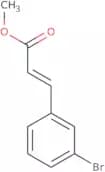
CAS :3-Bromocinnamic acid methyl ester is a chemical compound that belongs to the group of useful scaffolds. It is a versatile building block and can be used as an intermediate in the synthesis of complex compounds. 3-Bromocinnamic acid methyl ester has been found to be a useful research chemical, reaction component, and speciality chemical. This chemical can be used in the production of fine chemicals and other products. 3-Bromocinnamic acid methyl ester is also useful as a reagent for organic reactions.Formule :C10H9BrO2Degré de pureté :Min. 95%Couleur et forme :PowderMasse moléculaire :241.08 g/mol



![N-[4-[1-(2-Fluorobenzyl)-3-butyl-2,6-dixo-2,3,6,7-tetrahydro-1H-purin-8-ylmethyl]phenyl]acetamide](/_next/image/?url=https%3A%2Fstatic.cymitquimica.com%2Fproducts%2F3D%2Fthumb-webp%2FFF23426.webp&w=3840&q=75)


![3,7-Dibromo-5,5-dioctyl-5H-dibenzo[b,d]silole](/_next/image/?url=https%3A%2Fstatic.cymitquimica.com%2Fproducts%2F3D%2Fthumb-webp%2FFD141100.webp&w=3840&q=75)

![1-[4-(Benzyloxy)phenyl]-2-bromopropan-1-one](/_next/image/?url=https%3A%2Fstatic.cymitquimica.com%2Fproducts%2F3D%2Fthumb-webp%2FFB15610.webp&w=3840&q=75)


![[(N-Acryloylamino)phenyl]mercuric chloride](/_next/image/?url=https%3A%2Fstatic.cymitquimica.com%2Fproducts%2F3D%2Fthumb-webp%2FFA17210.webp&w=3840&q=75)




![2,5-Dimethoxy-N-[(2-methoxyphenyl)methyl]-4-(trifluoromethyl)benzeneethanamine](/_next/image/?url=https%3A%2Fstatic.cymitquimica.com%2Fproducts%2F3D%2Fthumb-webp%2FFD100429.webp&w=3840&q=75)



![7,8,9,10-Tetrahydro-8-(trifluoroacetyl)-6,10-methano-6H-pyrazino[2,3-h][3]benzazepine](/_next/image/?url=https%3A%2Fstatic.cymitquimica.com%2Fproducts%2F3D%2Fthumb-webp%2FFT11986.webp&w=3840&q=75)