Halogénures organiques
Sous-catégories appartenant à la catégorie "Halogénures organiques"
20442 produits trouvés pour "Halogénures organiques"
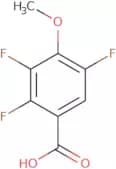
4-Methoxy-2,3,5-trifluorobenzoic acid
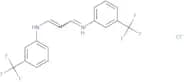
CAS :4-Methoxy-2,3,5-trifluorobenzoic acid is a versatile building block that can be used in the synthesis of complex compounds. It is a high quality chemical that can be used as a reagent or speciality chemical in research. This compound has been shown to have many uses including as an intermediate for the synthesis of other chemicals and as a reaction component. 4-Methoxy-2,3,5-trifluorobenzoic acid can also be used as an important scaffold in the design of new drugs.Formule :C8H5F3O3Degré de pureté :Min. 95%Couleur et forme :White PowderMasse moléculaire :206.12 g/mol(4-aza-4-(3-(trifluoromethyl)phenyl)buta-1,3-dienyl)(3-(trifluoromethyl)phenyl)amine, hydrochloride
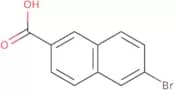
CAS :Please enquire for more information about (4-aza-4-(3-(trifluoromethyl)phenyl)buta-1,3-dienyl)(3-(trifluoromethyl)phenyl)amine, hydrochloride including the price, delivery time and more detailed product information at the technical inquiry form on this pageFormule :C17H13ClF6N2Degré de pureté :Min. 95%Couleur et forme :PowderMasse moléculaire :394.74 g/mol6-Bromo-2-naphtholic acid
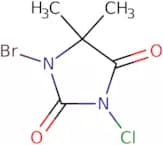
CAS :6-Bromo-2-naphtholic acid is a methanol solvent. It has been shown to have biological properties and can be used in optical imaging. 6-Bromo-2-naphtholic acid is also used to synthesize 1-adamantanol, which is an organic compound that has been shown to have antimicrobial properties. A solution of 6-bromo-2-naphthol in hydrochloric acid was found to react with 4-methoxyphenyl boronic acid to produce a mixture of products that include the desired 1,4,5,8,9,10,11,12 hexahydrobenzo[a]phenanthrene. The vibrational frequencies for this product were determined using IR spectroscopy and the binding constants were calculated using DFT computational methods. The molecular structure of this product was determined using molecular modeling and quantum chemistry. Naphthalene is the parentFormule :C11H7O2BrDegré de pureté :Min. 95%Couleur et forme :PowderMasse moléculaire :251.08 g/mol1-Bromo-3-chloro-5,5-dimethylhydantoin
CAS :1-Bromo-3-chloro-5,5-dimethylhydantoin is a disinfectant that can be made from the reaction of dry dianthus caryophyllus with sodium carbonate. This chemical is used for wastewater treatment and has shown biological activity against Mycobacterium avium. 1-Bromo-3-chloro-5,5-dimethylhydantoin can be used as an analytical method to detect microorganisms in water samples. It also has strong weed population control properties and is a skin cancer preventive agent. 1-Bromo-3-chloro-5,5-dimethylhydantoin is not active against plants or animals that have already been born (plantlets) or against tetrazolium chloride (TTC).Formule :C5H6BrClN2O2Degré de pureté :Min. 95%Couleur et forme :PowderMasse moléculaire :241.47 g/mol9-Fluorenone
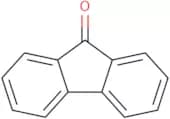
CAS :9-Fluorenone is a fluorenone derivative that has been shown to have an intermolecular hydrogen bonding ability. It also has a matrix effect, which is the property of being able to dissolve organic solutes in water by forming hydrogen bonds with them. 9-Fluorenone has been shown to be a receptor activator for group P2 purinergic receptors in rat brain tissue and can inhibit the activity of xanthine oxidase, which is an enzyme involved in purine metabolism. 9-Fluorenone was also found to increase the activity of α7 nicotinic acetylcholine receptors in rat brain tissue and reduce infarct size in rats with myocardial infarction.
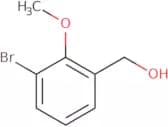
Formule :C13H8ODegré de pureté :Min. 95%Couleur et forme :PowderMasse moléculaire :180.21 g/mol3-Bromo-2-methoxybenzyl alcohol
CAS :3-Bromo-2-methoxybenzyl alcohol is a reaction component that is used in the synthesis of a number of chemical compounds. It has been shown to be a useful scaffold, with versatile building blocks and intermediates. 3-Bromo-2-methoxybenzyl alcohol is an intermediate for the synthesis of complex compounds such as antihypertensive drugs, anti-inflammatory agents, and immunosuppressant drugs. This compound also has a variety of uses in research including as a reagent for the determination of enzyme activity and as an analytical reference standard.Formule :C8H9BrO2Degré de pureté :Min. 95%Couleur et forme :PowderMasse moléculaire :217.06 g/mol(Trifluoromethyl)Mercuric Bromide
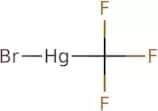
CAS :Produit contrôléTrifluoromethyl)Mercuric Bromide is a halogenated organometallic compound. It can be used as a reagent in organic synthesis and has magnetic resonance properties that are sensitive to the molecular structure and environment. Structural analysis of this molecule can be performed by measuring the reaction temperature, transfer rate, and molecular ion frequencies.
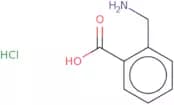
Formule :CBrF3HgDegré de pureté :Min. 95%Masse moléculaire :349.5 g/mol(3-Aminomethyl)benzoic acid hydrochloride
CAS :(3-Aminomethyl)benzoic acid hydrochloride is a high-quality, versatile compound that can be used as a reagent or scaffold for the synthesis of complex compounds. It is a fine chemical that can be used as an intermediate in organic chemistry and has been shown to be useful in the synthesis of speciality chemicals. The CAS number for this chemical is 876-03-9. This chemical is also a versatile building block for reactions, and has been shown to be an excellent reaction component for research purposes.Formule :C8H9NO2•HClDegré de pureté :Min. 95%Couleur et forme :PowderMasse moléculaire :187.62 g/mol2,5-Difluorotoluene
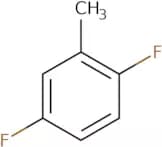
CAS :2,5-Difluorotoluene is an organic compound that belongs to the class of polyethers. It is a colorless liquid with a mild, sweet odor. The benzyl group and methyl groups in this compound give it special physical properties, such as the ability to dissolve in organic solvents. The phenyl rings are arranged in a symmetrical pattern that makes the molecule chiral. This means that 2,5-difluorotoluene has two different chemical forms: one form is levorotatory (rotates polarized light to the left) and one form is dextrorotatory (rotates polarized light to the right). These two forms are called enantiomers. The differences in their physical properties can be seen when they are dissolved in polar solvents or nonpolar solvents. 2,5-Difluorotoluene is used as an intermediate for making other chemicals.Formule :C7H6F2Degré de pureté :Min. 95%Couleur et forme :Clear LiquidMasse moléculaire :128.12 g/mol4-Chlorocinnamide
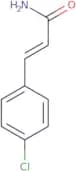
CAS :4-Chlorocinnamide is an organochlorine compound that has been found to have antibacterial properties. It inhibits the shikimate pathway in bacteria, which is essential for bacterial growth. This molecule has been shown to bind with the cation channel of the nerve cells in the trigeminal nerve and inhibit their function. The inhibition of this channel leads to reduced sensitivity to pain. 4-Chlorocinnamide is also a precursor in the synthesis of stilbene derivatives, which are used as anticancer drugs.Formule :C9H8ClNODegré de pureté :Min. 95%Couleur et forme :PowderMasse moléculaire :181.62 g/mol4-Bromoanisole
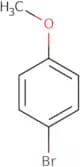
CAS :4-Bromoanisole is a halogenated aromatic compound that can be used as a catalyst in the Suzuki coupling reaction. The reaction mechanism involves the addition of a bromide to an arene, which forms a carbanion intermediate. This intermediate reacts with carbonyl compounds to form carbon-carbon bonds, yielding an alcohol or ketone. 4-Bromoanisole is typically used in conjunction with other catalysts, such as copper and palladium. The structural analysis of 4-bromoanisole has shown that it can coordinate in either a square planar geometry or tetrahedral geometry. It can also form hydrogen bonding interactions by donating pairs of electrons to electronegative atoms like oxygen or nitrogen on nearby molecules.Formule :C7H7BrODegré de pureté :Min. 95%Couleur et forme :Clear LiquidMasse moléculaire :187.03 g/molIralukast Na
CAS :Iralukast Na is a leukotriene receptor antagonist that prevents bronchoconstrictor response. It binds to the cystic fibrosis transmembrane conductance regulator (CFTR) and blocks the binding of leukotrienes, which are potent bronchoconstrictors. Iralukast Na also blocks the activity of inflammatory cells and reduces bowel inflammation. Iralukast Na has been shown to be effective in treating asthma, inflammatory bowel disease, and other autoimmune diseases.
Formule :C38H36F3NaO8SDegré de pureté :Min. 95%Masse moléculaire :732.19807N-α-[2,4-Dinitro-5-fluorophenyl]-L-valine amide
CAS :N-alpha-[2,4-Dinitro-5-fluorophenyl]-L-valine amide is an acidic amino acid that is used as a reagent in organic synthesis. It has been shown to have amide and hydrogen bond properties. This compound has been shown to be involved in the biosynthesis of carboxylic acids and primary amino acids. It also absorbs UV light at 265 nm and can be used for determination of uv absorption using high performance liquid chromatography (HPLC).Formule :C11H13N4O5FDegré de pureté :Min. 95%Couleur et forme :Yellow PowderMasse moléculaire :300.24 g/mol6-Bromo-2H-pyrido[3,2-b][1,4]oxazin-3(4H)-one
CAS :6-Bromo-2H-pyrido[3,2-b][1,4]oxazin-3(4H)-one is a versatile building block that can be used in a variety of chemical reactions as an intermediate. It is also useful in the synthesis of a variety of compounds, such as pharmaceuticals and research chemicals. 6-Bromo-2H-pyrido[3,2-b][1,4]oxazin-3(4H)-one is an organic compound with a molecular formula of C8H5BrN4O. It has an mp of 152°C and decomposes to form nitrogen gas and carbon monoxide at higher temperatures.Formule :C7H5BrN2O2Degré de pureté :Min. 95%Couleur et forme :SolidMasse moléculaire :229.03 g/molDihexadecyl dimethyl ammonium chloride
CAS :Dihexadecyl dimethyl ammonium chloride is a cationic surfactant that has been used as a phase transfer agent for the isolation of picolinic acid from plant material. It has also been used as a reagent in analytical chemistry to measure the concentration of potassium dichromate. Dihexadecyl dimethyl ammonium chloride is soluble in water and it exhibits a phase transition temperature at about -2 °C. The compound's frequency shift can be observed with an nmr spectroscopy.Formule :C34H72ClNDegré de pureté :Min. 95%Couleur et forme :White PowderMasse moléculaire :530.39 g/mol4-Bromobenzoic acid
CAS :4-Bromobenzoic acid is a hydroxylated aromatic compound that is used in organic synthesis. It can be prepared by the reaction of hydrochloric acid with benzoic acid. 4-Bromobenzoic acid inhibits the enzyme diphenolase, which catalyzes the conversion of p-hydroxybenzoic acid to tiglic acid. This inhibition prevents the production of tyrosine, an amino acid that is essential for protein synthesis and cell division. 4-Bromobenzoic acid also inhibits the activity of an enzyme called etoac extract, which catalyzes a reaction between tyrosine and ethanolamine to form dopamine and acetaldehyde. The inhibition of this enzyme prevents the production of dopamine, another amino acid that is important for protein synthesis and cell division.
Formule :C7H5BrO2Degré de pureté :Min. 95%Couleur et forme :PowderMasse moléculaire :201.02 g/mol(Des-Gly10,D-Tyr5,D-Trp6,Pro-NHEt 9)-LHRH trifluoroacetate salt
CAS :Please enquire for more information about (Des-Gly10,D-Tyr5,D-Trp6,Pro-NHEt 9)-LHRH trifluoroacetate salt including the price, delivery time and more detailed product information at the technical inquiry form on this page
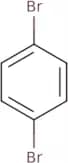
Formule :C64H83N17O12Degré de pureté :Min. 95%Couleur et forme :PowderMasse moléculaire :1,282.45 g/mol1,4-Dibromobenzene
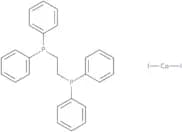
CAS :1,4-Dibromobenzene is a chemical compound that belongs to the class of naphthalenes. It has been shown to be stable in the presence of light and water vapor. 1,4-Dibromobenzene is soluble in most organic solvents and can be synthesized by cationic polymerization or solid-phase synthesis. The ft-ir spectroscopy has shown significant interactions between 1,4-dibromobenzene and 4-tert-butylbenzoic acid. This chemical compound has been studied for its low energy emission of light and photoelectron properties. It has also been used for the Suzuki coupling reaction with low energy activation energies. The optical properties of this substance have not yet been studied, however it is anticipated that they will be similar to those of other naphthalenes.Formule :C6H4Br2Degré de pureté :Min. 95%Couleur et forme :PowderMasse moléculaire :235.9 g/molDiiodo(bis(diphenylphosphino)ethane)cobalt(II)
CAS :Diiodo(bis(diphenylphosphino)ethane)cobalt(II) is a chiral catalyst that is used in the synthesis of organic molecules. It can be used in reactions with halides and iodides, although it is not effective for reactions with alkynes or alkyl halides. It has been shown to be especially effective for reactions that involve zinc powder, such as cinnamyl aldehydes, acetonitrile, and ligands. Diiodo(bis(diphenylphosphino)ethane)cobalt(II) is reactive and stable at high temperatures and works well under argon conditions.
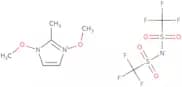
Formule :C26H24CoI2P2Degré de pureté :Min. 95%Couleur et forme :PowderMasse moléculaire :711.16 g/mol1,3-Dimethoxy-2-methylimidazoliumbis(trifluoromethylsulfonyl)imide
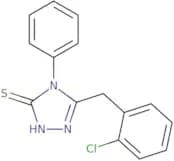
CAS :Please enquire for more information about 1,3-Dimethoxy-2-methylimidazoliumbis(trifluoromethylsulfonyl)imide including the price, delivery time and more detailed product information at the technical inquiry form on this pageFormule :C8H11F6N3O6S2Degré de pureté :Min. 95%Couleur et forme :PowderMasse moléculaire :423.31 g/mol3-((2-chlorophenyl)methyl)-4-phenyl-1,2,4-triazoline-5-thione
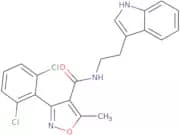
CAS :Please enquire for more information about 3-((2-chlorophenyl)methyl)-4-phenyl-1,2,4-triazoline-5-thione including the price, delivery time and more detailed product information at the technical inquiry form on this pageDegré de pureté :Min. 95%(3-(2,6-dichlorophenyl)-5-methylisoxazol-4-yl)-N-(2-indol-3-ylethyl)formamide
CAS :Please enquire for more information about (3-(2,6-dichlorophenyl)-5-methylisoxazol-4-yl)-N-(2-indol-3-ylethyl)formamide including the price, delivery time and more detailed product information at the technical inquiry form on this pageDegré de pureté :Min. 95%2-Chloro-5-methylbenzylamine hydrochloride
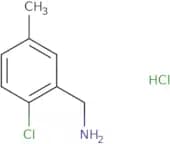
CAS :2-Chloro-5-methylbenzylamine hydrochloride is a chemical that is used as a versatile building block in the synthesis of complex compounds. It has a wide range of uses, including as a research chemical, reagent, and speciality chemical. 2-Chloro-5-methylbenzylamine hydrochloride is also used as an intermediate in the synthesis of other chemicals and can be used as an organic building block, reaction component, and scaffold. This product can be used to produce high-quality products, such as pharmaceuticals and agrochemicals.Formule :C8H10ClN•HClDegré de pureté :Min. 95%Masse moléculaire :192.09 g/molPhenylephrine hydrochloride
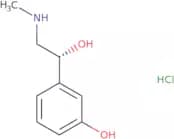
CAS :(R)-Phenylephrine hydrochloride is a non selective alpha adrenergic agonist that can be used as a bronchodilator or vasopressor. Some research studies in rat liver microsomes has shown that (R)-phenylephrine can be converted to phenylephrine by alcohol dehydrogenase at a rate constant of around 1.8x10³ M-1s-1 at 37°C. The biological effects of this compound are due to its ability to cause relaxation of smooth muscle and increase blood pressure by stimulating alpha-adrenergic receptors in the body. This drug is also used in chromatography for control analysis and detection of adulteration with other compounds, such as norepinephrine, with the help of benzalkonium chloride.In ophthalmology, phenylephrine hydrochloride formulations are used for the treatment of eye disorders such as myopia, hypermetropia and astigmatism. It increases the outflow of aqueous humour from the eye by acting on alpha receptors in the ciliary body, and seems to be effective in controlling symptoms of allergic rhinitis and chronic urticaria.
Formule :C9H14NO2ClDegré de pureté :Min. 98 Area-%Couleur et forme :PowderMasse moléculaire :203.67 g/mol3,3',4,4'-Tetrachlorocarbanilide
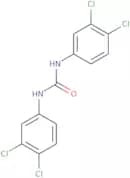
CAS :3,3',4,4'-Tetrachlorocarbanilide (TCA) is an antimicrobial agent that is used in the wastewater treatment process. It is detectable by analytical methods such as chromatography and electrospray mass spectrometry. TCA has a broad spectrum of activity against bacteria, fungi, viruses and protozoa. It is also used as a biocide in deionized water systems where it can be effective against Gram-positive bacteria, Gram-negative bacteria, yeast and protozoa. TCA has been shown to inhibit the growth of triclosan-resistant bacteria found in wastewater samples. The impurities found in TCA are not known at this time.Degré de pureté :Min. 95%Tiotropium bromide monohydrate
CAS :Muscarinic antagonist; bronchodilator
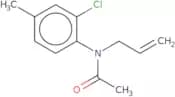
Formule :C19H22NO4S2•Br•H2ODegré de pureté :Min. 95%Couleur et forme :PowderMasse moléculaire :490.43 g/molN-Allyl-n-(4-cyano-2-chlorophenyl)acetamide
CAS :N-Allyl-N-(4-cyano-2-chlorophenyl)acetamide is a high quality reagent that has been used as an intermediate in the synthesis of fine chemicals, useful scaffolds and building blocks. It is also a versatile building block that can be used to synthesize high quality compounds with a wide range of functionalities. N-Allyl-N-(4-cyano-2-chlorophenyl)acetamide is a speciality chemical that can be used for research purposes. This compound has been shown to produce reactions with other compounds, such as nitrobenzene, to generate useful products.
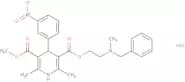
Formule :C12H11ClN2ODegré de pureté :Min. 95%Masse moléculaire :234.68 g/molNicardipine hydrochloride
CAS :L-type calcium channel blockerFormule :C26H29N3O6•HClDegré de pureté :Min. 95%Couleur et forme :PowderMasse moléculaire :515.99 g/mol5-Chloro-2-methoxyacetophenone
CAS :5-Chloro-2-methoxyacetophenone is a byproduct of the synthesis of 2-hydroxybenzofuran. It is also used in the synthesis of tetracyclic benzopyrans, which are known to be potent analgesics and have been found to have anti-inflammatory properties. 5-Chloro-2-methoxyacetophenone can be obtained by decarbonylation (loss of carbon) or elimination reactions.
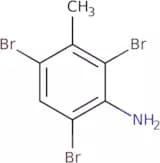
Formule :C9H9ClO2Degré de pureté :Min. 95%Couleur et forme :Clear LiquidMasse moléculaire :184.62 g/mol3-Amino-2,4,6-tribromotoluene
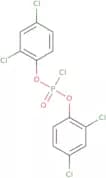
CAS :3-Amino-2,4,6-tribromotoluene is a reactive organic compound that is a highly flammable additive. It has been used as an oxidizing agent in the production of polymeric materials and as a catalyst in the vulcanization of rubber. 3-Amino-2,4,6-tribromotoluene can react with hydrogen peroxide to form bromophenols and hydrochloric acid. When heated or exposed to light, 3-amino-2,4,6-tribromotoluene can produce toxic fumes such as hydrogen bromide and phosphorus pentoxide. This substance has been shown to be toxic to animals and humans if ingested or inhaled.Formule :C7H6Br3NDegré de pureté :Min. 95%Couleur et forme :PowderMasse moléculaire :343.84 g/molBis(2,4-dichlorophenyl) chlorophosphate
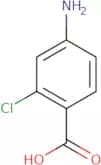
CAS :Bis(2,4-dichlorophenyl) chlorophosphate is a surfactant that is used in the production of ammonium hexafluorophosphate. It is also used in the manufacture of alcohols and deionized water. Bis(2,4-dichlorophenyl) chlorophosphate has been shown to be an effective reagent for the synthesis of fluorophosphates.Formule :C12H6Cl5O3PDegré de pureté :Min. 95%Couleur et forme :White To Off-White SolidMasse moléculaire :406.41 g/mol4-Amino-2-chlorobenzoic acid - 98%
CAS :4-Amino-2-chlorobenzoic acid (4ACBA) is a pharmaceutical chemical that is used in the preparation of pharmaceutical preparations. 4ACBA has been shown to be absorbed through the maternal blood and have an inhibitory effect on rat sciatic nerve. The uptake of 4ACBA was found to be dose dependent, with a maximum concentration reached after 30 minutes. The pharmacokinetic properties of 4ACBA have been shown to be nonlinear, with plasma concentrations decreasing as dosage increases.Formule :C7H6ClNO2Degré de pureté :Min. 95%Couleur et forme :PowderMasse moléculaire :171.58 g/mol(2-indol-3-ylethyl)((2-(trifluoromethyl)phenyl)sulfonyl)amine
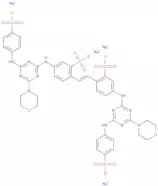
CAS :Please enquire for more information about (2-indol-3-ylethyl)((2-(trifluoromethyl)phenyl)sulfonyl)amine including the price, delivery time and more detailed product information at the technical inquiry form on this pageFormule :C17H15F3N2O2SDegré de pureté :Min. 95%Couleur et forme :PowderMasse moléculaire :368.38 g/molFluorescent Brightener 210, Technical grade
CAS :Fluorescent Brightener 210 is a water-soluble, non-toxic, non-irritating, and non-sensitizing penetrant that fluoresces under ultraviolet light. It is used in the textile industry as a dye for cotton and wool and to increase the brightness of colors on paper. Fluorescent Brightener 210 is also used as an effective drug for mycoses, such as tinea pedis and ringworm of the body. This drug can be applied topically or taken by mouth. Fluorescent Brightener 210 has been shown to be effective against tinea pedis when irradiated with ultraviolet light at a dosage of 2 milligrams per square centimeter of skin for 8 hours per day for 4 weeks. The drug must be applied twice daily to the affected area during this time period. When used orally, Fluorescent Brightener 210 has been shown to reduce symptoms of tinea corporis and tinea cruris within 3 days of treatment in most
Formule :C40H36N12O14S4Na4Couleur et forme :Clear LiquidMasse moléculaire :1,129 g/mol4-Bromo-2-nitrocinnamic acid
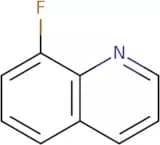
CAS :4-Bromo-2-nitrocinnamic acid is a naturally occurring amino acid that is a component of wheat, carrots, and cereals. It is an enzyme inhibitor and has been found to be stable under heat treatment. 4-Bromo-2-nitrocinnamic acid has been shown to inhibit the activity of 3 lysine hydrolase enzymes (LysE1, LysE2, LysE3) in vitro. This inhibition decreases lysine levels and may have health implications for infants fed with 4-bromo-2-nitrocinnamic acid treated wheat flour. The efficiency of 4-bromo-2 nitrocinnamic acid as an enzymatic inhibitor for these enzymes was determined by measuring the release of free lysine from various substrates at different concentrations of the inhibitor. These parameters were then used to calculate the theoretical inhibition percentage for each substrate at a given concentration.Formule :C9H6BrNO4Degré de pureté :Min. 95%Masse moléculaire :272.05 g/mol8-Fluoroquinoline
CAS :8-Fluoroquinoline is a quinoline derivative that has been shown to have in vitro anticancer activity against colon adenocarcinoma cells. It is a chiral molecule that can exist as two stereoisomers, (R)-8-fluoroquinoline and (S)-8-fluoroquinoline. These isomers may have different interactions with the tumorigenic cells, but both of them have anticancer activity. 8-Fluoroquinoline also interacts with cytochrome P450 enzymes, enhancing their ability to metabolize carcinogens.
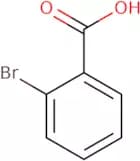
Formule :C9H6FNDegré de pureté :Min. 95%Masse moléculaire :147.15 g/mol2-Bromobenzoic acid
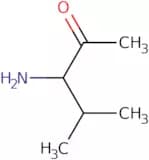
CAS :2-Bromobenzoic acid is a sodium salt that has been reported to be used in the treatment of autoimmune diseases and bowel disease. It is a prodrug that is hydrolyzed in vivo to 2-bromophenol, its active form. 2-Bromobenzoic acid has been shown to inhibit the production of inflammatory mediators, such as prostaglandins, leukotrienes, and cytokines by inhibiting cyclooxygenase 1 and 2 enzymes. This drug also inhibits the activation of nuclear factor kappa B (NF-κB) in vitro. 2-Bromobenzoic acid may have an anti-inflammatory effect through its ability to inhibit NF-κB activation by preventing the release of tumor necrosis factor alpha (TNFα).Formule :C7H5BrO2Degré de pureté :Min. 95%Couleur et forme :PowderMasse moléculaire :201.02 g/mol3-Amino-4-methylpentan-2-one hydrochloride
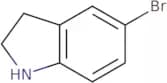
CAS :3-Amino-4-methylpentan-2-one hydrochloride is a versatile building block that is used for the synthesis of high quality research chemicals, useful scaffolds, and speciality chemicals. It is also used as a reagent in organic syntheses. This chemical has a wide range of uses and is a fine chemical that can be used as an intermediate or reaction component. 3-Amino-4-methylpentan-2-one hydrochloride can be reacted with other compounds to form complex molecules that have many different applications.Formule :C6H13NO•HClDegré de pureté :Min. 95%Couleur et forme :SolidMasse moléculaire :151.63 g/mol5-Bromo-2,3-dihydro-1H-indole
CAS :Please enquire for more information about 5-Bromo-2,3-dihydro-1H-indole including the price, delivery time and more detailed product information at the technical inquiry form on this page
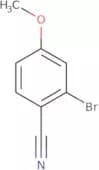
Formule :C8H8BrNDegré de pureté :Min. 95%Couleur et forme :PowderMasse moléculaire :198.06 g/mol2-Bromo-4-methoxybenzonitrile
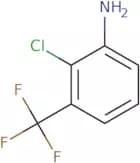
CAS :2-Bromo-4-methoxybenzonitrile is a high quality reagent that is used as a versatile building block in the synthesis of complex organic compounds. It is a useful intermediate and can be used to form 2,4-dimethoxybenzaldehyde. This compound has been used as a reaction component in the production of pharmaceuticals, pesticides, and other fine chemicals. The chemical formula for 2-bromo-4-methoxybenzonitrile is C6H5BrO2.Formule :C8H6BrNODegré de pureté :Min. 95%Masse moléculaire :212.04 g/mol2-chloro-3-(trifluoromethyl)aniline
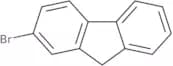
CAS :2-Chloro-3-(trifluoromethyl)aniline is a chemical intermediate. It can be used in the synthesis of various organic compounds and has been shown to have a variety of applications, such as the use as a reagent, fine chemical, or speciality chemical. This compound has been used as a building block for research chemicals.Formule :C7H5ClF3NDegré de pureté :Min. 98%Masse moléculaire :195.57 g/mol2-Bromofluorene
CAS :2-Bromofluorene is an organic compound that belongs to the group of aryl halides. It is used in the synthesis of polymers, pesticides and pharmaceuticals. 2-Bromofluorene has been shown to be mutagenic and carcinogenic in kidney cells. The chemical structure of 2-bromofluorene consists of two phenyl groups (benzene rings) connected by a single bromine atom. The optimal reaction condition for this chemical is hydrochloric acid in acetic acid with heat and high values of optical rotation. A number of compounds are derived from 2-bromofluorene, such as 4-chlorobenzophenone, 3-chlorobenzophenone, 4-bromoacetophenone, 3-bromoacetophenone, 2-(2'-hydroxyethoxy)ethanol, 2-(2'-hydroxyethyl)phenol, and 2-(2'-Formule :C13H9BrDegré de pureté :Min. 95%Masse moléculaire :245.11 g/mol5-Bromo-2-adamantanone
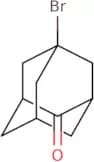
CAS :5-Bromo-2-adamantanone is a potent and selective inhibitor of human alpha-amylase. It binds to the active site in the enzyme, hindering its catalytic activity. 5-Bromo-2-adamantanone has been shown to inhibit the production of glucose by inhibiting alpha amylase, an enzyme that breaks down starch into maltose. 5-Bromo-2-adamantanone has also been shown to be a potential drug for diabetes therapy.
Formule :C10H13BrODegré de pureté :Min. 95%Couleur et forme :PowderMasse moléculaire :229.11 g/molBethanechol chloride
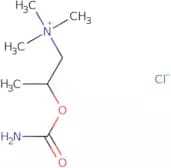
CAS :Bethanechol chloride is an ester of bethanechol and phosphorus oxychloride. It has been used as a cholinergic agent to treat urinary infections and other disorders in which the bladder muscles are not working properly. Bethanechol chloride functions by increasing the activity of the group P2 receptors in the hippocampus, which can increase cytosolic calcium levels. The drug is absorbed when applied topically or taken orally, with absorption being greater when applied topically. Bethanechol chloride has shown little toxicity in animals, but has been shown to cause headache, nausea, vomiting, diarrhea, abdominal pain and cramps, dry mouth and throat, thirstiness, dizziness, drowsiness or fatigue after oral administration.Formule :C7H17ClN2O2Degré de pureté :Min. 95%Couleur et forme :PowderMasse moléculaire :196.67 g/molN-(2,5-dimethylphenyl)(3-chlorobenzo[b]thiophen-2-yl)formamide
CAS :Please enquire for more information about N-(2,5-dimethylphenyl)(3-chlorobenzo[b]thiophen-2-yl)formamide including the price, delivery time and more detailed product information at the technical inquiry form on this pageDegré de pureté :Min. 95%Chloroalkanes C10-13
CAS :Chloroalkanes are a class of hydrocarbons that have one or more carbon atoms bonded to two or more chlorine atoms. They are used as additives in human and animal tissues, as well as coatings for industrial chemicals. Short-chain chloroalkanes are regulated by the EPA, and long-chain chloroalkanes are regulated by the International Agency for Research on Cancer (IARC). Regulatory strategies for short-chain chloroalkanes include reducing emissions from industrial sources, while strategies for long-chain chloroalkanes include reducing exposure through food packaging.
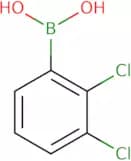
Degré de pureté :Min. 95%Couleur et forme :Clear Light (Or Pale) Liquid2,3-Dichlorophenylboronic acid
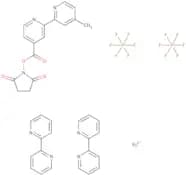
CAS :2,3-Dichlorophenylboronic acid is a boron-containing compound. It is a substrate for the enzyme phosphatase and has been shown to inhibit the activity of the SHP2 protein kinase in vitro. This inhibition can lead to programmed cell death via apoptosis and necrosis. 2,3-Dichlorophenylboronic acid has also been shown to inhibit the growth of erythromycin resistant bacteria. The two isomers are not equally active. Dichloro(phenyl)boronic acid (1) is more potent than dichlorobis(phenyl)boronic acid (2).Formule :C6H5BCl2O2Degré de pureté :Min. 97.5 Area-%Couleur et forme :White PowderMasse moléculaire :190.82 g/molBis(2,2'-bipyridine)-4'-methyl-4-carboxybipyridine-ruthenium N-succinimidyl ester-bis(hexafluorophosphate)
CAS :Bis(2,2'-bipyridine)-4'-methyl-4-carboxybipyridine-ruthenium N-succinimidyl ester-bis(hexafluorophosphate) is a molecule that inhibits the activity of matrix metalloproteinases. It binds to the active site of the enzyme and blocks its activity. This drug has been shown to be effective in inhibiting the activity of MMPs in cells, but not in tissue culture because it does not cross cell membranes. Bis(2,2'-bipyridine)-4'-methyl-4-carboxybipyridine-ruthenium N-succinimidyl ester-bis(hexafluorophosphate) has also been shown to have a low detection limit and can detect low levels of matrix metalloproteinase activity in cells.
Formule :C36H29F12N7O4P2RuDegré de pureté :Min. 95%Couleur et forme :PowderMasse moléculaire :1,014.66 g/molLithium chloride
CAS :Lithium chloride is a cyclic peptide drug that has anthelmintic properties. It is active against various nematodes and cestodes, such as Ascaris lumbricoides, Toxocara canis, and Taenia pisiformis. Lithium chloride induces autophagy in cultured cells by increasing the permeability of the cell membrane to water vapor. This leads to the release of intracellular contents into the extracellular space and subsequent cell death. In vivo studies using a rat model have shown that lithium chloride is also capable of inducing autophagy in the gastrointestinal tract and inhibiting food intake. Lithium chloride has been shown to be effective in treating metabolic disorders, such as obesity and diabetes mellitus type II, due to its ability to increase GLP-1 production.Formule :LiClCouleur et forme :White PowderMasse moléculaire :42.39 g/mol1,1,2-Trichloro-1-fluoropropane
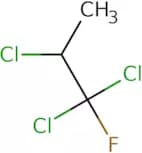
CAS :Produit contrôlé1,1,2-Trichloro-1-fluoropropane is a solvent used in the production of fluorinated organic compounds. It is used as an intermediate for the manufacture of refrigerants and aerosol propellants. 1,1,2-Trichloro-1-fluoropropane has been shown to have a significant impact on the environment due to its high volatility and solubility. The emission of this chemical into the atmosphere can deplete ozone levels and cause damage to vegetation. This chemical also has a high vapor pressure and can be fatal if inhaled or absorbed through the skin. In addition, 1,1,2-Trichloro-1-fluoropropane is toxic to aquatic life because it is soluble in water and accumulates in fatty tissues of living organisms.
Formule :C3H4Cl3FDegré de pureté :Min. 95%Masse moléculaire :165.42 g/mol2,3-Difluoro-4-nitroanisole
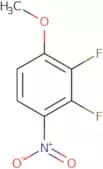
CAS :2,3-Difluoro-4-nitroanisole is a chemical compound with CAS No. 66684-59-1. It is a useful intermediate that can be used to synthesize other chemicals and compounds. 2,3-Difluoro-4-nitroanisole can be used for the synthesis of research chemicals and speciality chemicals. This compound has been found to be a versatile building block that can be used in many reactions as a reagent. 2,3-Difluoro-4-nitroanisole has high quality and is a fine chemical with many uses.
Formule :C7H5F2NO3Degré de pureté :Min. 95%Masse moléculaire :189.12 g/molcis-3-(2-Chloro-3,3,3-trifluoro-1-propenyl)-2,2-dimethyl-cyclopropanecarboxylic acid
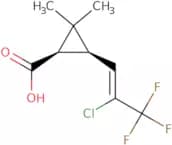
CAS :Cis-3-(2-Chloro-3,3,3-trifluoro-1-propenyl)-2,2-dimethyl-cyclopropanecarboxylic acid is a synthetic pyrethroid insecticide that is used in pest control. It has been detected in urine samples at concentrations of up to 10 ng/mL and has been found to be an enantiomer of the natural pyrethroid cis-3-(2,2,2-trifluoroethoxy)-2,2-dimethylcyclopropanecarboxylic acid. Cis-3-(2-Chloro-3,3,3-trifluoro-1-propenyl)-2,2,-dimethylcyclopropanecarboxylic acid is also known as "RIVM" and has been shown to have high detection rates for naphthalene. This compound is acidic and can be hydro
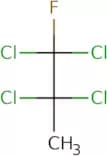
Formule :C9H10ClF3O2Degré de pureté :Min. 95%Couleur et forme :White PowderMasse moléculaire :242.62 g/mol1,1,3,3-Tetrachloro-1-Fluoropropane
CAS :Produit contrôlé1,1,3,3-Tetrachloro-1-fluoropropane is an efficient fluorinating agent with azeotropic properties. It is an intermediate in the production of fluorine compounds such as hydrogen fluoride and 1,1,2-trichloroethane. 1,1,3,3-Tetrachloro-1-fluoropropane can be used to efficiently fluorinate other compounds.Formule :C3H3Cl4FDegré de pureté :Min. 95%Masse moléculaire :199.87 g/molFmoc-6-chloro L-tryptophan
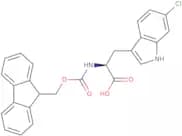
CAS :Fmoc-6-chloro L-tryptophan is a heterocycle with methylene and active methylene groups that can be used as a building block for 1,3-dipolar cycloadditions. It has been shown to react with perchlorates in the presence of catalysts such as dibromodifluoromethane (DBDM) and perchloric acid to form an exocyclic azomethine imine. This reaction generates a proton, which shifts the equilibrium to the right, forming more product. The optimal conditions for this reaction are pH 8, 50% DBDM, and 10% HClO4.
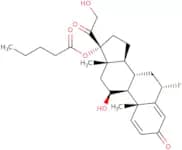
Formule :C26H21ClN2O4Degré de pureté :Min. 97 Area-%Couleur et forme :White PowderMasse moléculaire :460.91 g/mol6α-Fluoro-11β,17,21-Trihydroxypregna-1,4-Diene-3,20-Dione 17-Valerate
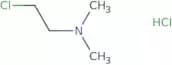
CAS :Produit contrôlé6alpha-Fluoro-11beta,17,21-Trihydroxypregna-1,4-Diene-3,20-Dione 17-Valerate is a hydrogenated and esterified form of 6alpha-fluoro-11beta,17,21-trihydroxypregna1,4diene3,20dione. It is an oil with a fatty acid ester that has been synthetically modified to be more hydrophobic. 6alpha-Fluoro-11beta,17,21-Trihydroxypregna1,4diene3,20dione 17valerate is used in the synthesis of pharmaceuticals and hormones. It can also be used as an enhancer for the stability of pharmaceutical preparations.Formule :C26H35FO6Degré de pureté :Min. 95%Masse moléculaire :462.55 g/molN,N-Dimethylaminoethyl chloride HCl
CAS :Produit contrôléN,N-Dimethylaminoethyl chloride HCl is a reactive compound that inhibits the amine binding site on chitosan. It is used for the preparation of chitosan quaternary ammonium salts and esters. N,N-Dimethylaminoethyl chloride HCl has an inhibitory effect on both chitosan and suzuki coupling reactions. This compound also has a safety profile similar to other halides such as chlorine and hydrogen chloride.Formule :C4H10ClN·HClDegré de pureté :Min. 98%Masse moléculaire :144.04 g/molSodium chloride
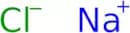
CAS :Sodium chloride is a chemical compound that belongs to the group of inorganic salts. It is an important electrolyte, which regulates fluid balance and pH levels. Sodium chloride has been used as a model system for polymerase chain reactions and has been shown to inhibit the growth of malignant cells in the brain under constant pressure. The reaction solution may be pre-treated with hydrogen fluoride to remove interfering impurities prior to addition of sodium chloride. This process can be used for an in vitro method, where the reaction solution is exposed to plasma mass spectrometry or laser ablation before being analyzed for drug interactions with plasma mass spectrometry or electrochemical impedance spectroscopy. Sodium chloride can cause water vapor to form when it reacts with hydrochloric acid, producing hydrogen gas and hydrochloric acid.
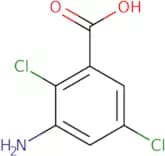
Formule :NaClCouleur et forme :PowderMasse moléculaire :58.44 g/mol3-Amino-2,5-dichlorobenzoic acid
CAS :2,5-Dichlorobenzoic acid is a chemical compound that is used as an intermediate in the production of herbicides and other agricultural chemicals. It is also used for the synthesis of pharmaceuticals and dyes. 2,5-Dichlorobenzoic acid has been shown to have significant physiological effects at high doses. The use of 2,5-dichlorobenzoic acid may cause death in humans through kidney failure, although it has not been shown to be toxic to humans at low doses. The mechanism by which this effect occurs is not known. 2,5-Dichlorobenzoic acid has been found to be moderately toxic in animal studies with acute oral LD50 values ranging from 1,000 mg/kg body weight (mg/kg BW) to 10,000 mg/kg BW depending on the animal species tested.Formule :C7H5Cl2NO2Degré de pureté :Min. 95%Couleur et forme :White PowderMasse moléculaire :206.03 g/molN-[1-[2-(4-Ethyl-5-Oxotetrazol-1-Yl)Ethyl]-4-Phenylpiperidin-4-Yl]-N-(2-Fluorophenyl)Propanamide
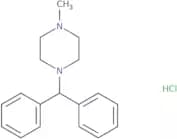
CAS :Produit contrôléN-[1-[2-(4-Ethyl-5-Oxotetrazol-1-Yl)Ethyl]-4-Phenylpiperidin-4-Yl]-N-(2-Fluorophenyl)Propanamide is a drug that is used clinically for the treatment of depression. It is an analog of amitriptyline, an antidepressant and a tricyclic compound. N-[1-[2-(4-Ethyl-5-Oxotetrazol-1-Yl)Ethyl]-4-Phenylpiperidin-4-Yl]-N-(2-Fluorophenyl)Propanamide has been shown to increase the concentration of plasma drug levels by increasing transporter gene expression in muscle tissue. This drug also has clinical pharmacology and thermal expansion properties.Formule :C25H31FN6O2Degré de pureté :Min. 95%Masse moléculaire :466.55 g/molCyclizine hydrochloride
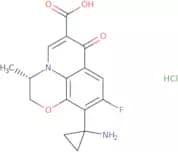
CAS :Produit contrôléCyclizine hydrochloride is a histamine H1 receptor antagonist that has been shown to have antioxidative properties. It is used to treat infectious diseases such as influenza, herpes, and malaria. Cyclizine hydrochloride has also been shown to have antimicrobial resistance and can be used for the treatment of autoimmune diseases such as lupus erythematosus. The drug binds to the histamine H1 receptor on the surface of certain cells in the body and blocks the action of histamine, which is a chemical messenger that causes allergic reactions. This binding prevents activation of mast cells or basophils, thereby preventing release of inflammatory mediators such as leukotrienes and prostaglandins. Cyclizine hydrochloride is available in oral tablet form or nasal spray form.Formule :C18H23ClN2Degré de pureté :Min 98%Couleur et forme :White PowderMasse moléculaire :302.84 g/molPazufloxacin hydrochloride
CAS :Pazufloxacin hydrochloride is a synthetic antibacterial agent, which is derived from the fluoroquinolone class of antibiotics with a broad-spectrum activity against various bacterial pathogens. This compound, sourced through chemical synthesis, functions primarily by inhibiting bacterial DNA gyrase and topoisomerase IV, which are critical enzymes for DNA replication, transcription, repair, and recombination. The inhibition of these enzymes leads to the disruption of bacterial DNA processes, ultimately resulting in bacterial cell death.
Formule :C16H15FN2O4•HClDegré de pureté :Min. 95%Masse moléculaire :354.76 g/mol[1-(Morpholin-4-ylcarbonyl)propyl]amine hydrochloride
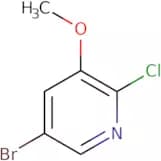
CAS :Produit contrôléPlease enquire for more information about [1-(Morpholin-4-ylcarbonyl)propyl]amine hydrochloride including the price, delivery time and more detailed product information at the technical inquiry form on this pageFormule :C8H16N2O2Degré de pureté :Min. 95%Masse moléculaire :172.22 g/mol5-Bromo-2-chloro-3-methoxypyridine
CAS :5-Bromo-2-chloro-3-methoxypyridine is a kinase inhibitor that belongs to the class of compounds called analogues. This compound has been shown to be an efficient, selective and potent inhibitor of the csf1R protein kinase. 5-Bromo-2-chloro-3-methoxypyridine has also been shown to inhibit the activity of other kinases such as cdc2, cdk4, cdk6 and cdk7. The structure of this compound was used as a starting point in the development of a new class of kinase inhibitors.
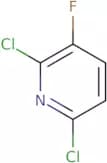
Formule :C6H5BrClNODegré de pureté :Min. 95%Couleur et forme :SolidMasse moléculaire :222.47 g/mol2,6-Dichloro-3-fluoropyridine
CAS :2,6-Dichloro-3-fluoropyridine is a synthetic organic chemical that can be used as a diazo compound in the synthesis of heterocycles. It is used in industrial applications for the production of nitrobenzene, an intermediate for the synthesis of pharmaceuticals. The reaction time and yield are high, and the selectivity is good. 2,6-Dichloro-3-fluoropyridine can be synthesized by reacting sodium nitrite with piperidine and acidifying with hydrochloric acid. This chemical is mainly used as an industrial intermediate to produce nitrobenzene.
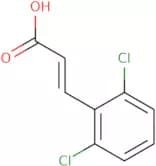
Formule :C5H2Cl2FNDegré de pureté :(%) Min. 95%Couleur et forme :PowderMasse moléculaire :165.98 g/mol2,6-Dichlorocinnamic acid
CAS :2,6-Dichlorocinnamic acid is an organic compound that is used as a reagent in the synthesis of other chemicals. 2,6-Dichlorocinnamic acid has been used as a component in the synthesis of various kinds of fine chemicals and useful building blocks. This chemical is also used as a speciality chemical and research chemical. 2,6-Dichlorocinnamic acid can be used as a versatile building block for the preparation of various compounds. It can be synthesized by heating cinnamic acid with chlorine gas and then reacting it with sodium hydroxide.
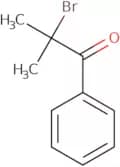
Formule :C9H6Cl2O2Degré de pureté :Min. 95%Couleur et forme :PowderMasse moléculaire :217.05 g/mol2-Bromo-2-methylpropiophenone
CAS :2-Bromo-2-methylpropiophenone is a chemical compound that is used as a fungicide. It is primarily applied to the soil, but can also be sprayed onto plants. It inhibits the growth of fungi and other pathogens by interfering with nucleic acid synthesis. This agent is catalytic, meaning it does not need an external source of energy to function. 2-Bromo-2-methylpropiophenone can be used in organic solvents because it dehalogenates chloroacetone into acetone, which is then removed from the reaction medium.Formule :C10H11BrODegré de pureté :Min. 95%Masse moléculaire :227.10 g/molDL-alanine-β-naphthylamide hydrochloride
CAS :DL-Alanine-beta-naphthylamide hydrochloride is a fine chemical that is used as a building block for other compounds. It can be used in the synthesis of complex compounds and as a reagent to synthesize speciality chemicals and research chemicals. DL-Alanine-beta-naphthylamide hydrochloride is also a versatile building block that can be used as an intermediate in organic reactions or as a reaction component. This compound has CAS No. 74144-49-3 and is soluble in water.Formule :C13H15ClN2ODegré de pureté :Min. 95%Couleur et forme :PowderMasse moléculaire :250.72 g/molN-[2-Chloro-4-(trifluoromethyl)phenyl]-D-Valine
CAS :N-[2-Chloro-4-(trifluoromethyl)phenyl]-D-Valine is a chemical compound that has been used as a useful scaffold for the synthesis of a variety of compounds. It can be used as an intermediate or research chemical, or as a reaction component in the synthesis of other compounds. This compound is often used for the preparation of complex compounds and has been shown to produce high quality reagents.
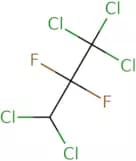
Formule :C12H12ClF3NO2Degré de pureté :Min. 95%Couleur et forme :PowderMasse moléculaire :294.68 g/mol1,1,1,3,3-Pentachloro-2,2-difluoropropane
CAS :Produit contrôlé1,1,1,3,3-Pentachloro-2,2-difluoropropane (PDFP) is an organofluorine compound that has been used as an anti-infective agent. It has a low molecular weight and high volatility, which allows for easy transport of the agent to the site of infection. PDFP also exhibits stability against oxidation and hydrolysis reactions. PDFP is most effective against amines and dichloroethylene. It can be used in conjunction with other antiviral agents to enhance their effects. PDFP is not flammable and does not degrade in sunlight.Formule :C3HCl5F2Degré de pureté :Min. 95%Masse moléculaire :252.3 g/mol2-Bromo-1-bromomethyl-5-chlorobenzene
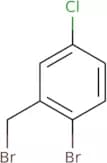
CAS :2-Bromo-1-bromomethyl-5-chlorobenzene is a brominated chloride with a 2,4,6-trichlorophenyl group. It is used as a reagent in organic synthesis and as a speciality chemical in the production of other chemicals. It is also used as an intermediate in the manufacture of pharmaceuticals, pesticides and dyestuffs. 2-Bromo-1-bromomethyl-5-chlorobenzene has been shown to be useful in the synthesis of complex compounds and versatile building blocks.
Formule :C7H5Br2ClDegré de pureté :Min. 95%Couleur et forme :PowderMasse moléculaire :284.38 g/mol5-Amino-2-chlorobenzonitrile
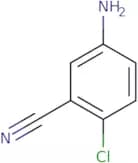
CAS :5-Amino-2-chlorobenzonitrile is a functional theory that has been optimised for the synthesis of pesticides. It has been shown to have high affinity constants and to be a good potential for monitoring. 5-Amino-2-chlorobenzonitrile is synthesized in the form of monoclonal antibodies, which are then optimised using vibrational frequencies. The parameters of these molecules are optimized by comparing the calculated frequencies with those obtained from experimental data. This theory can be used to develop new pesticides that are less harmful to humans and animals, as well as being more environmentally friendly.
Formule :C7H5ClN2Degré de pureté :Min. 95%Couleur et forme :PowderMasse moléculaire :152.58 g/mol4-Bromo-m-xylene
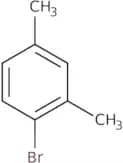
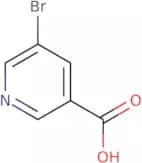
CAS :4-Bromo-m-xylene is a halogenated aromatic compound with chemical properties similar to those of the other trifluoroacetic acid derivatives. 4-Bromo-m-xylene can be synthesized by reacting ethyl acetate with a mixture of copper chloride and bromine. This reaction can also be catalyzed by palladium in the presence of biphenyl as a ligand. The reaction temperature for this synthesis is typically between -30°C and 20°C, although it may be increased to between 0°C and 50°C if desired. 4-Bromo-m-xylene is used in the production of fatty acids, fatty acid esters, and polymers.Formule :C8H9BrDegré de pureté :Min. 95%Couleur et forme :Clear LiquidMasse moléculaire :185.06 g/mol5-Bromonicotinic acid
CAS :5-Bromonicotinic acid is a chemical compound that is used in the synthesis of many other compounds. It is a white, crystalline solid that is soluble in water. 5-Bromonicotinic acid has been shown to have antioxidant properties and has been found to have therapeutic effects against degenerative diseases such as Alzheimer's disease. 5-Bromonicotinic acid has been used for the synthesis of carboxylic acids and amides, which are widely used in pharmaceuticals. The Suzuki coupling reaction was developed using 5-bromonicotinic acid as a key intermediate. This chemical compound also reacts with hydrogen peroxide to form reactive intermediates that can initiate chain reactions, which are useful in organic synthesis.
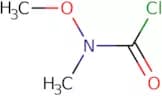
The structural analysis of this compound reveals an n-oxide group and two methoxy groups on the ring structure. Magnetic resonance spectroscopy data revealed the presence of a carboxylate group as well as hydrogen bonding interactions with daunorubFormule :C6H4BrNO2Degré de pureté :Min. 95%Couleur et forme :PowderMasse moléculaire :202.01 g/molN-Methoxy-N-methylcarbamoyl chloride
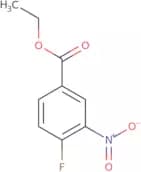
CAS :N-Methoxy-N-methylcarbamoyl chloride is a synthetic compound that can be used to synthesize organic compounds. N-Methoxy-N-methylcarbamoyl chloride can be produced using cross coupling reactions. It is also used in agrochemical synthesis, such as the production of isobutyl clopidogrel, and in the synthesis of boronic acids.Formule :C3H6ClNO2Degré de pureté :Min. 95%Couleur et forme :PowderMasse moléculaire :123.54 g/molEthyl 4-Fluoro-3-nitrobenzoate
CAS :Ethyl 4-fluoro-3-nitrobenzoate is a molecule that has been shown to have significant cytotoxicity and antiproliferative activities against cancer cells. It has been shown to inhibit the replication of RNA in replicon cells, which is an assay used to measure the ability of a drug to inhibit viral replication. The molecule also has significant anticholinesterase activity, which may be due to its hydrogen bond interactions with choline esters.Formule :C9H8FNO4Degré de pureté :Min. 95%Couleur et forme :PowderMasse moléculaire :213.16 g/mol6α-Fluoroprednisolone acetate
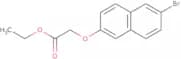
CAS :Produit contrôlé6alpha-Fluoroprednisolone acetate is a corticosteroid that is used for the treatment of inflammatory diseases. It has a high therapeutic index and does not bind to mineralocorticoid receptors in the body. 6alpha-Fluoroprednisolone acetate is administered as an aerosol or a microsphere. It can be used in cell culture because it does not inhibit protein synthesis or cause morphological changes to cells. The drug has been shown to have a low cytotoxicity profile, which may be due to its ability to suppress pd-l1 and Mcl-1 proteins, which are associated with cancer metastasis. Clinical data suggests that 6alpha-fluoroprednisolone acetate has no adverse effects on the liver, kidney, or bone marrow.Formule :C23H29FO6Degré de pureté :Min. 95%Masse moléculaire :420.47 g/molethyl 2-(6-bromo-2-naphthyloxy)acetate
CAS :Please enquire for more information about ethyl 2-(6-bromo-2-naphthyloxy)acetate including the price, delivery time and more detailed product information at the technical inquiry form on this page
Degré de pureté :Min. 95%Choline chloride - 99%
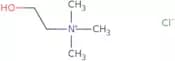
CAS :Choline is an essential nutrient that is involved in the metabolism of fat and protein, as well as in the synthesis of cell membranes. It is also a precursor for neurotransmitters such as acetylcholine and phosphatidylcholine. Choline chloride is an ionic compound that contains choline and chloride ions. It has been shown to have beneficial effects on brain functions, including memory and learning, by providing choline to the brain. Choline chloride also helps regulate energy metabolism by supplying choline to cells throughout the body. In addition, it has been used as a model system for studying atherosclerosis. Choline chloride has been shown to inhibit certain enzymes such as picolinic acid carboxylase, calcium pantothenate kinase, and betaine homocysteine methyltransferase which are important for maintaining normal cell function. This inhibition leads to reduced levels of picolinic acid (a toxic metabolite), calcium pantothenate (a vitamin),
Formule :C5H14ClNODegré de pureté :Min. 95%Couleur et forme :White PowderMasse moléculaire :139.62 g/molChlorpromazine hydrochloride
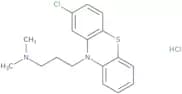
CAS :Produit contrôléChlorpromazine hydrochloride is an amphiphilic drug, derivative of phenothiazine, that blocks post-synaptic dopaminergic receptors (D1-D4) in mesolimbic area (antipsychotic effects). It is an antagonist at histamine (H1), serotonin (5HT1 and 5-HT2) and alpha-1, alpha 2 adrenergic receptors and possess antimuscarinic properties. Chlorpromazine hydrochloride salt is used in the treatment of: agitation and aggression in bipolar disorder and schizophrenia, in behaviour problems and hyperactivity in children, and for the treatment of chronic hiccups. Also, it helps in: tetanus therapy and intermittent porphyria, the treatment of severe migraines, and helps control nausea and vomiting. Chlorpromazine performs clathrin- mediated endocytosis at non-toxic concentrations and it can be used as a potential broad-spectrum inhibitor of viruses.
Formule :C17H20Cl2N2SDegré de pureté :Min. 95%Couleur et forme :White PowderMasse moléculaire :355.33 g/molCarbamoyl-guanidine amidino urea salt, hydrochloride salt
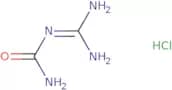
CAS :Carbamoyl-guanidine amidino urea salt, hydrochloride salt is a compound that belongs to the class of amides. It has been used as a pharmacological treatment for autoimmune diseases. Carbamoyl-guanidine amidino urea salt, hydrochloride salt is also used in the preparation of pharmaceutical preparations and diagnostic agents. This drug can be found in tests for the diagnosis of autoimmune diseases and tissue culture. The carbamoyl-guanidine amidino urea salt, hydrochloride salt molecule is hydrophilic and interacts with test samples through hydrogen bonds. Carbamoyl-guanidine amidino urea salt, hydrochloride salt can be analyzed using methods such as pharmacological tests, analytical methods, and vitro assays.Formule :C2H7ClN4ODegré de pureté :Min. 96 Area-%Couleur et forme :PowderMasse moléculaire :138.56 g/mol(1S,4S)-1,7,7-Trimethyl-3-(Trifluoroacetyl)Bicyclo[2.2.1]Heptan-2-One
CAS :(1S,4S)-1,7,7-Trimethyl-3-(Trifluoroacetyl)Bicyclo[2.2.1]Heptan-2-One is a white solid with a melting point of -76.8°C and a boiling point of 265°C at 10 mm Hg. It has the following functional groups: particle, luminescent, lanthanide, stabilizer, ligand, voltammetry, thermally stable and has nmr spectra that show light emission and coordination chemistry. This compound is a sulfoxide but can also be considered to be a phosphine or an amine depending on its structural features. The compound's nature is dependent on the temperature and pressure as well as the solvent it is being dissolved in.>>END>>
Formule :C12H15F3O2Degré de pureté :Min. 95%Couleur et forme :Clear LiquidMasse moléculaire :248.24 g/molMethyl 3,5-diiodo-4-methoxybenzoate
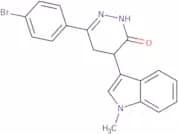
CAS :Please enquire for more information about Methyl 3,5-diiodo-4-methoxybenzoate including the price, delivery time and more detailed product information at the technical inquiry form on this pageFormule :C9H8I2O3Degré de pureté :Min. 95%Couleur et forme :PowderMasse moléculaire :417.97 g/mol3-(4-bromophenyl)-5-(1-methylindol-3-yl)-1H,4H,5H-1,2-diazin-6-one
CAS :Please enquire for more information about 3-(4-bromophenyl)-5-(1-methylindol-3-yl)-1H,4H,5H-1,2-diazin-6-one including the price, delivery time and more detailed product information at the technical inquiry form on this pageDegré de pureté :Min. 95%4-Methylbenzyl chloride
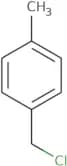
CAS :4-Methylbenzyl chloride is a chemical substance that can be used in the synthesis of other substances. It is a colorless liquid with a sweet odor that boils at 121°C and has a molecular weight of 103.4 g/mol. The reaction product is an organic compound with the chemical formula CH3C6H4Cl. The hydrogen chloride reacts with the hydroxyl group to form methyl nicotinate, which is an anti-microbial treatment for bacteria, fungi, and viruses. 4-Methylbenzyl chloride can also be used as an anhydrous sodium chloride control analysis or in the preparation of mutant strains of bacteria.Formule :C8H9ClDegré de pureté :Min. 95%Masse moléculaire :140.61 g/molOxybutynin chloride
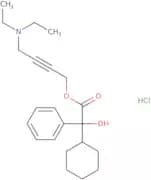
CAS :Muscarinic antagonist; anti-spasmodic
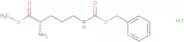
Formule :C22H32ClNO3Degré de pureté :Min. 95%Couleur et forme :White PowderMasse moléculaire :393.95 g/molNd-Z-L-ornithine methyl ester hydrochloride
CAS :Please enquire for more information about Nd-Z-L-ornithine methyl ester hydrochloride including the price, delivery time and more detailed product information at the technical inquiry form on this page
Formule :C14H20N2O4·HClDegré de pureté :Min. 95%Couleur et forme :PowderMasse moléculaire :316.78 g/molDichlorotetrafluoroethane
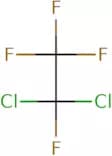
CAS :Produit contrôléDichlorotetrafluoroethane is a chemical compound that belongs to the group of halocarbons. It was first synthesized in 1930 and has been used as a refrigerant since the 1940s. Dichlorotetrafluoroethane is a powerful antimicrobial agent that also functions as a catalyst. The rates of reaction depend on kinetic data, such as the rate of diffusion, temperature, and pressure. Dichlorotetrafluoroethane is an excellent solvent for some organic compounds and has applications in degreasing metal parts or removing oil from concrete floors.
Dichlorotetrafluoroethane is produced by the reaction of hydrogen fluoride with sodium carbonate in an isomeric mixture at high temperature. The product contains equal amounts of two geometric isomers: 1,1-dichloro-2,2-difluoroethene (DFEE) and 2,2-dichloro-Formule :C2Cl2F4Degré de pureté :Min. 95%Masse moléculaire :170.92 g/mol6-(Trifluoromethyl)pyridine-2-boronic acid
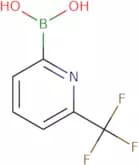
CAS :6-(Trifluoromethyl)pyridine-2-boronic acid is a solid chemical that is soluble in organic solvents. It is a building block for the synthesis of more complex compounds, and also serves as an intermediate in the synthesis of pharmaceuticals. 6-(Trifluoromethyl)pyridine-2-boronic acid has been shown to be useful for the preparation of fine chemicals and has been widely used as a reagent in research.
Formule :C6H5BF3NO2Degré de pureté :Min. 95%Couleur et forme :PowderMasse moléculaire :190.92 g/mol(E)-N-(3-Methylaminopropyl)-2-thiopheneacrylamide hydrochloride
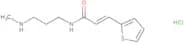
CAS :(E)-N-(3-Methylaminopropyl)-2-thiopheneacrylamide hydrochloride is a high quality, reagent, complex compound, useful intermediate, fine chemical. It has CAS No. 1449108-90-0 and is used as a research chemical and building block in the synthesis of other compounds. (E)-N-(3-Methylaminopropyl)-2-thiopheneacrylamide hydrochloride can be used as a versatile building block in organic synthesis reactions and is an important reaction component for the preparation of speciality chemicals.Formule :C11H17N2OSClDegré de pureté :Min. 95%Couleur et forme :White PowderMasse moléculaire :260.78 g/mol4,4-Difluorocyclohexan-1-one
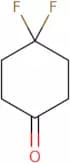
CAS :4,4-Difluorocyclohexan-1-one (DFCO) is a colorless liquid that is soluble in organic solvents. It has been shown to have potential as a treatment for Alzheimer's disease due to its ability to inhibit the conformational changes in the amyloid beta peptide. DFCO was synthesized by reacting pyridazine with difluoroethanol, which led to the formation of two stereoisomers: R and S. The R stereoisomer was found to be more potent than the S stereoisomer in inhibiting acetylcholine release from human lung cells and had better binding affinity for adenosine receptors. This compound also showed antiinflammatory properties when it was used as an inhibitor of prostaglandin synthesis in mice.Formule :C6H8F2ODegré de pureté :Min. 95%Couleur et forme :White PowderMasse moléculaire :134.12 g/mol2-Ethoxy-6-fluorobenzonitrile
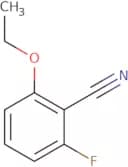
CAS :2-Ethoxy-6-fluorobenzonitrile is a versatile building block that can be used as a reagent, a speciality chemical, or an intermediate in research. It is also used as a high quality compound for the production of fine chemicals. It can be used to make many different compounds with its versatile functional groups. 2-Ethoxy-6-fluorobenzonitrile has been shown to undergo reactions with other compounds to produce useful scaffolds.Formule :C9H8FNODegré de pureté :Min. 95%Couleur et forme :PowderMasse moléculaire :165.16 g/mol2-Bromo-4-methoxybenzyl alcohol
CAS :2-Bromo-4-methoxybenzyl alcohol is a fine chemical that can be used as a versatile building block, intermediate, or reaction component in research. It is also a useful building block for the synthesis of complex compounds. 2-Bromo-4-methoxybenzyl alcohol has been shown to be a reagent with high quality and can be used as a speciality chemical. This compound has been shown to react with ammonia to form an amide bond, which has led to the development of several new drugs.Formule :C8H9BrO2Degré de pureté :Min. 95%Couleur et forme :PowderMasse moléculaire :217.06 g/mol(S)-(2-Guanidino-4-thiazolyl)methylisothiourea dihydrochloride
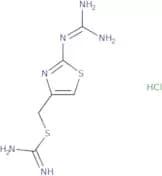
CAS :(S)-(2-Guanidino-4-thiazolyl)methylisothiourea dihydrochloride is a fine chemical that is useful as a versatile building block and reaction component in research. It has been extensively used as a high quality reagent for the preparation of complex compounds. (S)-(2-Guanidino-4-thiazolyl)methylisothiourea dihydrochloride has also been used as a speciality chemical, which is not commercially available.Formule :C6H12Cl2N6S2Degré de pureté :Min. 95%Couleur et forme :White PowderMasse moléculaire :303.24 g/mol4-(Isopropyl)-1-(((4-(trifluoromethyl)(3,2,5-oxadiazolyl))methyl)sulfonyl)benzene
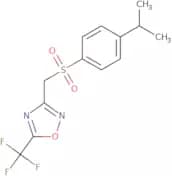
CAS :Please enquire for more information about 4-(Isopropyl)-1-(((4-(trifluoromethyl)(3,2,5-oxadiazolyl))methyl)sulfonyl)benzene including the price, delivery time and more detailed product information at the technical inquiry form on this pageFormule :C13H13F3N2O3SDegré de pureté :Min. 95%Couleur et forme :PowderMasse moléculaire :334.32 g/mol2,7-Dinitrofluorene
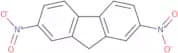
CAS :2,7-Dinitrofluorene is a nitro compound that is used as an analytical reagent. It is used in the determination of redox potentials and is commonly used to measure the activity of nitroreductases. 2,7-Dinitrofluorene is also a genotoxic agent that causes DNA damage by producing reactive oxygen species (ROS), which react with DNA bases and cause strand breaks. Nitroreductase enzymes catalyze the reduction of nitro groups to amines, which are then converted to ammonia. This process produces ammonia, which reacts with other compounds in the body to form nitrosamines. Nitrosamines have been shown to be carcinogenic in animal models, and some of these compounds can be found in human tissues.Formule :C13H8N2O4Degré de pureté :Min. 95%Couleur et forme :PowderMasse moléculaire :256.21 g/molCarcinine hydrochloride salt
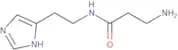
CAS :Carcinine is a natural compound that inhibits the activities of enzymes involved in energy metabolism, including carnosine, which is a dipeptide found in muscle and brain tissue. Carnosine has been shown to be effective against eye disorders such as glaucoma and optic nerve degeneration, as well as cardiac effects. Carcinine has also been shown to inhibit histamine release, which may be due to its ability to suppress the activation of toll-like receptor 4 by lipopolysaccharides or its ability to inhibit the production of pro-inflammatory cytokines. Carcinine hydrochloride salt is a model system for studying carcinine's interactions with carnosine in vivo and in vitro.Formule :C8H14N4O·XHClDegré de pureté :Min. 95%(1-Ethylcyclopropyl)amine hydrochloride
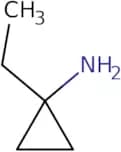
CAS :1-Ethylcyclopropyl)amine hydrochloride is a fine chemical that is used as a versatile building block and reaction component. It has been shown to be an effective intermediate in the synthesis of complex compounds. 1-Ethylcyclopropyl)amine hydrochloride has been used in the synthesis of useful scaffolds for drug discovery, such as cycloprolyl-diamine, which is a useful building block for the preparation of other compounds. Additionally, 1-Ethylcyclopropyl)amine hydrochloride is a reagent for the preparation of pharmaceutically active compounds.Formule :C5H11N·HClDegré de pureté :Min. 95%Couleur et forme :White PowderMasse moléculaire :121.61 g/mol3-Fluoro-4-methylanisole
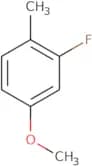
CAS :3-Fluoro-4-methylanisole is a nucleophilic, ring substituted electron acceptor that can be activated by electron donors. The nitro group and the electron donating substituents on the ring are important for this reactivity. 3-Fluoro-4-methylanisole can form substitution products with methyl or formyl groups in the presence of a strong base such as palladium, 3-fluoro-4-methylphenol, or nitro groups. This reactivity is regiospecific, meaning that the substitution will only occur at one of two possible sites on the ring. 3-Fluoro-4-methylanisole's chemical properties give it both activating and deactivating properties in organic reactions.Formule :C8H9FODegré de pureté :Min. 95%Couleur et forme :Clear LiquidMasse moléculaire :140.15 g/mol3-Noradamantaneamine hydrochloride
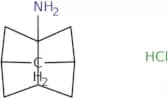
CAS :3-Noradamantaneamine hydrochloride is a thioamide that has inhibitory activities on biological processes, such as the production of tumor necrosis factor-α (TNF-α). 3-Noradamantaneamine hydrochloride also inhibits angiogenesis and the proliferation of endothelial cells. The drug was shown to be neuroprotective in animal models and to have anti-angiogenic properties. The mechanism of action is not yet clear, but may involve nitric oxide synthase inhibition or nitration of the drug.
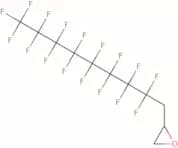
Formule :C9H15N·HClDegré de pureté :Min. 95%Couleur et forme :White PowderMasse moléculaire :173.68 g/mol1,2-Epoxy-1H,1H,2H,3H,3H-heptadecafluoroundecane
CAS :Produit contrôléEpoxy resins are polymers that are made from the reaction of epoxides with a compound containing a reactive hydrogen. The epoxy group is highly reactive and can form adducts with many other compounds, such as amines, alcohols, phenols, carboxylic acids, and sulfonic acids. Epoxy resins have excellent resistance to water, heat, acids, and bases. They are also resistant to ultraviolet light. Epoxy resins are used for coatings in the pharmaceutical industry because they offer good chemical resistance and high gloss. These coatings can be used on metals or plastics to protect them from corrosion. They can also be used as a base material for paints or varnishes. Epoxy resins are also used in construction materials such as flooring and roofing membranes. 1,2-Epoxy-1H,1H,2H,3H-heptadecafluoroundecane is an ether that has hydFormule :C11H5F17ODegré de pureté :Min. 95%Couleur et forme :Clear LiquidMasse moléculaire :476.13 g/mol


![N-α-[2,4-Dinitro-5-fluorophenyl]-L-valine amide](/_next/image/?url=https%3A%2Fstatic.cymitquimica.com%2Fproducts%2F3D%2Fthumb-webp%2FFD48428.webp&w=3840&q=75)
![6-Bromo-2H-pyrido[3,2-b][1,4]oxazin-3(4H)-one](/_next/image/?url=https%3A%2Fstatic.cymitquimica.com%2Fproducts%2F3D%2Fthumb-webp%2FFB144104.webp&w=3840&q=75)







![N-(2,5-dimethylphenyl)(3-chlorobenzo[b]thiophen-2-yl)formamide](/_next/image/?url=https%3A%2Fstatic.cymitquimica.com%2Fproducts%2F3D%2Fthumb-webp%2FFD169538.webp&w=3840&q=75)


![N-[1-[2-(4-Ethyl-5-Oxotetrazol-1-Yl)Ethyl]-4-Phenylpiperidin-4-Yl]-N-(2-Fluorophenyl)Propanamide](/_next/image/?url=https%3A%2Fstatic.cymitquimica.com%2Fproducts%2F3D%2Fthumb-webp%2FFE102162.webp&w=3840&q=75)
![[1-(Morpholin-4-ylcarbonyl)propyl]amine hydrochloride](/_next/image/?url=https%3A%2Fstatic.cymitquimica.com%2Fproducts%2F3D%2Fthumb-webp%2FFM130661.webp&w=3840&q=75)

![N-[2-Chloro-4-(trifluoromethyl)phenyl]-D-Valine](/_next/image/?url=https%3A%2Fstatic.cymitquimica.com%2Fproducts%2F3D%2Fthumb-webp%2FFC90388.webp&w=3840&q=75)

![(1S,4S)-1,7,7-Trimethyl-3-(Trifluoroacetyl)Bicyclo[2.2.1]Heptan-2-One](/_next/image/?url=https%3A%2Fstatic.cymitquimica.com%2Fproducts%2F3D%2Fthumb-webp%2FFT98786.webp&w=3840&q=75)