Halogénures organiques
Sous-catégories appartenant à la catégorie "Halogénures organiques"
20442 produits trouvés pour "Halogénures organiques"
1-Methyl-3-propylamine hydrochloride
CAS :1-Methyl-3-propylamine hydrochloride is a fine chemical, research chemicals, and speciality chemical. It is a versatile building block for organic synthesis and has been used as a reagent in the production of other compounds. 1-Methyl-3-propylamine hydrochloride is also used as an intermediate in reactions involving complex compounds. This product has CAS number 578-72-5 and is of high quality.Formule :C4H11N•HClDegré de pureté :Min. 95%Masse moléculaire :109.6 g/mol3-Chloro-2-nitrobenzaldehyde
CAS :3-Chloro-2-nitrobenzaldehyde is an analog of 2-nitrobenzaldehyde. It can be synthesized by reacting a halogen with benzaldehyde, such as chlorine or bromine. 3-Chloro-2-nitrobenzaldehyde is unreactive and can be used in the production of other compounds, such as pharmaceuticals. 3-Chloro-2-nitrobenzaldehyde has been shown to react with sodium methoxide to produce a methoxide. The methoxide is then reacted with an alcohol to produce an ester.
Formule :C7H4ClNO3Degré de pureté :Min. 95%Masse moléculaire :185.56 g/mol4-Benzyloxy-1-bromobenzene
CAS :4-Benzyloxy-1-bromobenzene is a halide that can be synthesized by reacting 4-hydroxybenzaldehyde with 1-bromoethane in the presence of copper(II) acetate. This reaction is catalyzed by copper(II) acetate and occurs at room temperature. The product has an enantiomeric purity of 99% and is a scalable synthesis, which makes it ideal for commercial production. It has been shown to bind to the CB1 receptor, which may lead to therapeutic applications. 4-Benzyloxy-1-bromobenzene has also been shown to have estrogenic activity and may be used as a synthetic precursor to drugs that are metabolized by CYP3A4.Formule :C13H11BrODegré de pureté :Min. 95%Couleur et forme :PowderMasse moléculaire :263.13 g/mol2-Chloro-5-nitrocinnamic acid
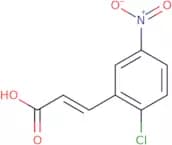
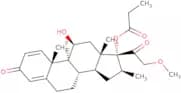
CAS :2-Chloro-5-nitrocinnamic acid is a plant growth regulator that inhibits the root development of plants by interfering with the synthesis of 3-chlorocinnamic acid, which is a precursor in the biosynthesis of lignin. 2-Chloro-5-nitrocinnamic acid inhibits the enzyme cinnamoyl CoA reductase, which catalyzes the first step in this biosynthetic pathway. This compound also has shown to be a strong inhibitor of ester derivatives and pesticides, such as carbaryl and dichlorvos.Formule :C9H6ClNO4Degré de pureté :Min. 95%Couleur et forme :PowderMasse moléculaire :227.6 g/mol[(8S,9R,10S,11S,13S,14S,16S,17R)-9-Fluoro-11-Hydroxy-17-(2-Methoxyacetyl)-10,13,16-Trimethyl-3-Oxo-6,7,8,11,12,14,15,16-Octahydrocyc lopenta[a]Phenanthren-17-Yl] Propanoate
CAS :Produit contrôléBetamethasone is a corticosteroid that is used to treat inflammation, ankylosing spondylitis, and rheumatoid arthritis. It has been shown to have efficacy in the treatment of pediatric patients with asthma, as well as animal models of cardiac arrest and stroke. Betamethasone has also been shown to be effective in the treatment of potassium ion-associated death due to cardiac arrhythmia or repolarization abnormalities. This drug can be administered orally or topically; it binds to the glucocorticoid receptor on cells and modulates gene transcription. The primary mechanism of action for betamethasone is not fully understood but may involve inhibition of protein synthesis and suppression of inflammatory cells.Formule :C26H35FO6Degré de pureté :Min. 95%Masse moléculaire :462.55 g/molN-[(2-Fluorophenyl)methyl]-4-iodo-2,5-dimethoxybenzeneethanamine
CAS :Produit contrôléN-[(2-Fluorophenyl)methyl]-4-iodo-2,5-dimethoxybenzeneethanamine (25I-NBOMe) is a synthetic drug that acts as a potent agonist of the serotonin receptor 5-HT2A. It has been used in bioassays to study the function of this receptor and has been shown to be able to inhibit human liver metabolism. 25I-NBOMe is also an analytical tool for the detection and identification of cannabinoid derivatives, which are often found in synthetic cannabinoids. This compound can be analyzed by liquid chromatography tandem mass spectrometry (LC/MS/MS) methods with modifications that allow for the detection of metabolites.Formule :C17H19FINO2Degré de pureté :Min. 95%Masse moléculaire :415.24 g/molEthyl 5-(4-bromophenyl)-2-phenylpyrrole-3-carboxylate
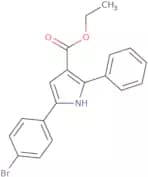
CAS :Please enquire for more information about Ethyl 5-(4-bromophenyl)-2-phenylpyrrole-3-carboxylate including the price, delivery time and more detailed product information at the technical inquiry form on this pageDegré de pureté :Min. 95%2-Amino-5-nitro-2'-chlorobenzophenone
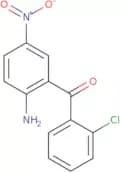
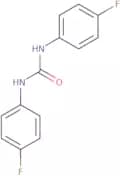
CAS :2-Amino-5-nitro-2'-chlorobenzophenone (2ACCB) is a precursor for the synthesis of 2,4,6-trichlorophenol. 2ACCB reacts with hydrochloric acid in the presence of a scrubber to produce diphenyl ether and activated 2ACCB. The reaction rate can be increased by adding sodium hydroxide solution to the reaction solution. The hydroxy group on the 2ACCB molecule can be converted to a terpene by transfer reactions with glycol esters. This compound has been used as a sterilant and disinfectant in reaction solutions containing chlorine atoms or carbonyl groups.Formule :C13H9ClN2O3Degré de pureté :Min. 95%Couleur et forme :PowderMasse moléculaire :276.67 g/mol1,3-Bis(4-fluorophenyl)urea
CAS :1,3-Bis(4-fluorophenyl)urea is a crystalline solid that is soluble in organic solvents. It has been used as an intermediate in the synthesis of other compounds. 1,3-Bis(4-fluorophenyl)urea is an electron acceptor and can be used to produce diphenyl ethers. This compound has been synthesized using ethyl acetoacetate and anilines. It can be used to treat infectious diseases such as tuberculosis, where it inhibits protein synthesis and cell growth by disrupting the formation of bacterial DNA.
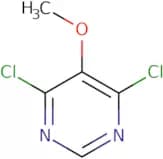
Formule :C13H10F2N2ODegré de pureté :Min. 98 Area-%Couleur et forme :White Off-White PowderMasse moléculaire :248.23 g/mol4,6-Dichloro-5-methoxypyrimidine
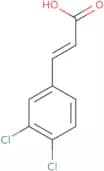
CAS :4,6-Dichloro-5-methoxypyrimidine is a reactive intermediate in the synthesis of sulfadoxine. It is a chlorinating agent that reacts with alkanes and alkenes to produce halogenated products. 4,6-Dichloro-5-methoxypyrimidine can be used as a reagent to synthesize malonic acid and formamide. This compound has been used as an isotopic label for studies of the efficiency of the reaction between malonic acid and formamide. The chloride ions are used in this study to monitor the reaction rate. 4,6-Dichloro-5-methoxypyrimidine is also an intermediate in the synthesis of sulfanilamide and aminophenol.Formule :C5H4Cl2N2ODegré de pureté :Min. 95%Couleur et forme :PowderMasse moléculaire :179 g/mol3,4-Dichlorocinnamic acid
CAS :3,4-Dichlorocinnamic acid is a pentane that has a molecular weight of 144.2 g/mol and melting point of -12 °C. It is soluble in organic solvents such as ethanol and acetone, but insoluble in water. 3,4-Dichlorocinnamic acid is an intermediate in the synthesis of cinnamates from phenylacetic acid and chloroform via methyl esterification with methanol followed by alkylation with chlorine. The reaction rate for this conversion is slow, making it difficult to produce at commercial scale. 3,4-Dichlorocinnamic acid can be obtained by irradiation of 3-chloro-1,2-propanediol with ultraviolet light or by heating hydrotalcite at high temperatures. Hydrotalcite is heated to 600°C where it reacts with air to form 3,4-dichlorocinnamic acid and
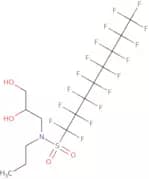
Formule :C9H6Cl2O2Degré de pureté :Min. 95%Couleur et forme :PowderMasse moléculaire :217.05 g/molN-Propyl-N-(2,3-dihydroxypropyl)perfluoro-n-octylsulfonamide
CAS :Produit contrôléN-Propyl-N-(2,3-dihydroxypropyl)perfluoro-n-octylsulfonamide is a fine chemical that can be used as a reagent and speciality chemical. It is a versatile building block that can react with other compounds to produce new products. The compound is a complex compound that has been shown to have high quality in the laboratory.
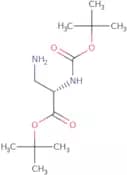
Formule :C14H14F17NO4SDegré de pureté :Min. 95%Couleur et forme :PowderMasse moléculaire :615.3 g/molBoc-Dap-OtBu hydrochloride salt
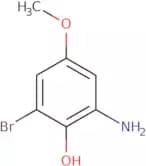
CAS :Boc-Dap-OtBu hydrochloride salt is a chemical that is synthesized by anhydride and trifluoroacetic acid. It can be used in the laboratory for protein visualization, as well as to detect proteins using LC-MS. The presence of trifluoroacetic acid makes the Boc-Dap-OtBu hydrochloride salt fluorescent, which makes it possible to visualize the reaction products under UV light. This chemical is often used in fluorescence spectrometry to identify amino acids and other compounds.Formule :C12H24N2O4Degré de pureté :Min. 95%Couleur et forme :PowderMasse moléculaire :260.33 g/mol2-Amino-6-bromo-4-methoxyphenol
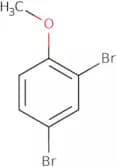
CAS :2-Amino-6-bromo-4-methoxyphenol (2ABMP) is a benzyl compound that can be used as a substitute for 2,4-diaminophenol. It has been shown to have estrogenic activity and may function as an estrogen receptor agonist. 2ABMP has also been shown to inhibit the growth of breast cancer cells in culture. The role of this drug in the treatment of breast cancer is not yet clear, but it may be useful in combination therapy with other drugs.Formule :C7H8BrNO2Degré de pureté :Min. 95%Couleur et forme :PowderMasse moléculaire :218.05 g/mol2,4-Dibromoanisole
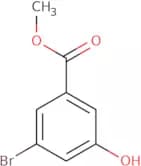
CAS :2,4-Dibromoanisole is a methoxylated aromatic compound. The compound has been shown to cleave bonds in the presence of bromophenols and other methoxylated compounds. It has also been shown to be an irreversible oxidation agent that can oxidize 2,4-dichlorobenzoic acid. The potential use for this compound is as a stopper for bottles or containers. The reactions of 2,4-dibromoanisole with trifluoroacetic acid and demethylation lead to the formation of ethylbenzene and phenol, which are used in manufacturing plastics. Mass spectrometric techniques have been used to study the reaction products that form during this process.Formule :C7H6Br2ODegré de pureté :Min. 95%Couleur et forme :PowderMasse moléculaire :265.93 g/molMethyl 3-bromo-5-hydroxybenzoate
CAS :Methyl 3-bromo-5-hydroxybenzoate is a fine chemical that belongs to the group of useful building blocks. It is a versatile building block that can be used as a reagent and reaction component in organic synthesis. Methyl 3-bromo-5-hydroxybenzoate has been shown to be an intermediate in the synthesis of various compounds, including pharmaceuticals, pesticides, and other fine chemicals. This product is also used as a scaffold for research chemicals.Formule :C8H7BrO3Degré de pureté :Min. 95%Couleur et forme :White PowderMasse moléculaire :231.04 g/molDidecyl dimethyl ammonium bromide
CAS :Didecyl dimethyl ammonium bromide is an antimicrobial peptide that has high resistance to antibiotic-resistant strains. It is a phosphonate compound that is used in the analytical method of titration calorimetry. The didecyl dimethyl ammonium bromide molecule can be seen as having two reactive centers, one on the phosphorus atom and one on the methyl group. These reactive centers are involved in intramolecular hydrogen transfer reactions and transfer reactions with other molecules, leading to its antimicrobial activity. Didecyl dimethyl ammonium bromide can also be used as a disinfectant or as a monoethyl ether for organic synthesis.Formule :C22H48BrNDegré de pureté :Min. 98%Couleur et forme :PowderMasse moléculaire :406.53 g/molMethyl 3-bromopropiolate
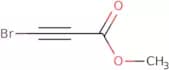
CAS :Methyl 3-bromopropiolate is an acetylcholine esterase inhibitor. It is a broad spectrum, reversible inhibitor of acetylcholine esterase and has been shown to have biological properties that are similar to those of curare. Methyl 3-bromopropiolate is used as a control agent in experiments on the effects of acetylcholine and other neurotransmitters. It also has antimicrobial activity against gram-positive bacteria such as Staphylococcus aureus and Enterococcus faecalis. In addition, methyl 3-bromopropiolate reacts with halides to form reactive intermediates that can cross-link DNA strands, which may be important for its efficient asymmetric synthesis. Methyl 3-bromopropiolate is synthesized by reacting an amide with methyl bromoacetate. This reaction generates an asymmetric product in high yield due to the use of a chiralFormule :C4H3BrO2Degré de pureté :Min. 95%Couleur et forme :Colourless To Pale Yellow LiquidMasse moléculaire :162.97 g/mol5-Bromo-2,4-dihydroxybenzoic acid
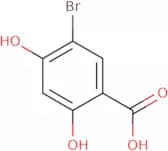
CAS :5-Bromo-2,4-dihydroxybenzoic acid is an organic compound that is found in plants and animals. It is a metabolite of benzoic acid and can be produced by the metabolism of phenylalanine. 5-Bromo-2,4-dihydroxybenzoic acid has been shown to inhibit acetylsalicylic acid synthase, which prevents production of the antiinflammatory drug acetylsalicylic acid. This inhibition also leads to a decrease in the production of malonic acid and hippuric acid. The enzyme synthase gene that produces this metabolite can be found on a miniaturized DNA microchip. This gene has been cloned and sequenced by spatially mapping the genes that produce 5-bromo-2,4-dihydroxybenzoic acid using a microchip. Chromatographic analysis has shown that this compound is resistant to some toxins.Formule :C7H5BrO4Degré de pureté :Min. 98 Area-%Couleur et forme :PowderMasse moléculaire :233.02 g/mol2-Amino-3-chloro-5-nitrobenzonitrile
CAS :2-Amino-3-chloro-5-nitrobenzonitrile is a hydroxyalkyl compound. It is sensitive to light, sulfamic acid and heat. The compound has been expressed in E. coli, but it is not possible to crystallize it due to its sensitivity to ph changes and organic solvents. The substance can be used as a dyestuff or dye intermediate. Due to its stability in crystal form, this substance can also be used as a raw material for the production of nitrite.Formule :C7H4ClN3O2Degré de pureté :Min. 95%Couleur et forme :PowderMasse moléculaire :197.58 g/mol2,4-Dichloro-3-nitrophenol
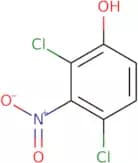
CAS :2,4-Dichloro-3-nitrophenol is a synthetic chemical that is used as an intermediate in the synthesis of chloroamines. It is a derivative of phenol and has a chlorine atom on the 2 position. The alcohol group on the 4 position and the chlorine atom on the 3 position are both substituted with chlorine atoms. 2,4-Dichloro-3-nitrophenol has been shown to be effective for the synthesis of chloroamines resistant to nitro groups. This chemical has been shown to be resistant to amines and thus can be used for immobilization purposes. Furthermore, it can be used as an intermediate for chemists who work with organic chemistry due to its ability to undergo reactions with alcohols and phenols.Formule :C6H3Cl2NO3Degré de pureté :Min. 95%Couleur et forme :White Clear LiquidMasse moléculaire :208 g/mol2-Chloro-4-(trifluoromethyl)pyridine
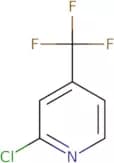
CAS :2-Chloro-4-(trifluoromethyl)pyridine is a chemical compound that has been shown to have potential antitumor activity. It inhibits the activity of enzymes called non-nucleoside inhibitors of DNA polymerase, which are involved in the production of DNA. The inhibition of these enzymes by 2-chloro-4-(trifluoromethyl)pyridine results in cell death. This drug also inhibits the growth of bacteria and fungi by blocking their DNA synthesis. 2-Chloro-4-(trifluoromethyl)pyridine binds to the amine group on the enzyme's active site, thereby inhibiting its function and eventually killing it.Formule :C6H3ClF3NDegré de pureté :Min. 97%Couleur et forme :Clear LiquidMasse moléculaire :181.54 g/mol3-Nitro-4-(trifluoromethyl)phenol
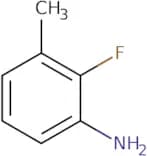
CAS :3-Nitro-4-(trifluoromethyl)phenol is an amino acid that has been found in fossils of the proterozoic era. It is believed to have played a role in evolution and the onset of life because it was resistant to damage by oxygen free radicals. 3-Nitro-4-(trifluoromethyl)phenol has been shown to be damaging to mesenchymal cells, which are cells that form cartilage and bone, leading to cell death. The chemical damages mesenchymal stem cells, which can lead to diseases such as osteoarthritis or rheumatoid arthritis. Researchers believe that this chemical may have played a role in the orogeny, or mountain formation, that occurred during the late Proterozoic Era.Formule :C7H4F3NO3Degré de pureté :Min. 95%Couleur et forme :PowderMasse moléculaire :207.11 g/mol2-Fluoro-3-methylaniline
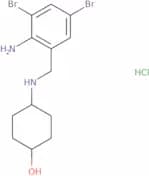
CAS :2-Fluoro-3-methylaniline is a reactive, biomolecular, research chemical that belongs to the class of allosteric modulators. It has been shown to have muscarinic M1 receptor antagonist activity and can be used as a pharmacophore for the development of cholinergic drugs. 2-Fluoro-3-methylaniline also has carbonylation and formylation properties. It forms 1-bromo-2-iodobenzene through reductive amination with benzyne. This reaction is both intramolecular and allosteric, thus making it a useful tool for studying these types of reactions.Formule :C7H8FNDegré de pureté :Min. 95%Couleur et forme :Clear LiquidMasse moléculaire :125.14 g/molAmbroxol hydrochloride
CAS :Antioxidant; secretolytic; anti-inflammatory; sodium channel blocker
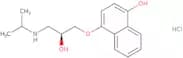
Formule :C13H18Br2N2O•HClDegré de pureté :Min. 98 Area-%Couleur et forme :White PowderMasse moléculaire :414.56 g/mol(S)-4-Hydroxy propranolol hydrobromide
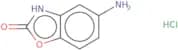
CAS :(S)-4-Hydroxy propranolol hydrobromide is an enantiomer of propranolol. It is a beta blocker that blocks the action of the neurotransmitter noradrenaline. The (S)-enantiomer of propranolol has been shown to be more potent in inhibiting the release of noradrenaline from nerve endings than the (R)-enantiomer and also to have a longer duration of action. This product is used as an antihypertensive agent and for beta-blockade during myocardial infarction. It can be used in assays to assess drug metabolism, quantify alprenolol, or assess the effects on carbon source, ionic environment, and fluorescence by measuring changes in pH.Formule :C16H22BrNO3Degré de pureté :Min. 95 Area-%Couleur et forme :PowderMasse moléculaire :356.25 g/mol5-Amino-1,3-benzoxazol-2(3H)-one hydrochloride
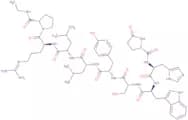
CAS :5-Amino-1,3-benzoxazol-2(3H)-one hydrochloride is a fine chemical that belongs to the group of compounds known as benzoxazoles. Benzoxazoles are used as building blocks for the preparation of other compounds. 5-Amino-1,3-benzoxazol-2(3H)-one hydrochloride is soluble in water, and it can be used as a research chemical or intermediate in organic synthesis. This compound has a CAS number of 77408-77-6 and can be purchased at high quality.Formule :C7H6N2O2·HClDegré de pureté :Min. 95%Couleur et forme :Off-White PowderMasse moléculaire :186.6 g/mol(Des-Gly10,D-Ser4,D-Leu6,Pro-NHEt 9)-LHRH trifluoroacetate
CAS :Please enquire for more information about (Des-Gly10,D-Ser4,D-Leu6,Pro-NHEt 9)-LHRH trifluoroacetate including the price, delivery time and more detailed product information at the technical inquiry form on this page
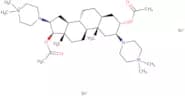
Formule :C59H84N16O12•(C2HF3O2)xDegré de pureté :Min. 98 Area-%Couleur et forme :PowderMasse moléculaire :1,209.4 g/molPipecurium bromide
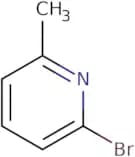
CAS :Pipecurium bromide is a neuromuscular blocking agent that inhibits the enzyme acetylcholinesterase. It is used as a diagnostic aid in clinical practice and for intubation of patients with respiratory failure due to paralysis of the respiratory muscles. Pipecurium bromide has been shown to reduce serum aminotransferase levels and cardiac arrhythmias when given intravenously. This drug also has a low toxicity profile and does not affect body mass index or kinetic energy. Pipecurium bromide is chemically stable in nitrous oxide, which can be used for administration through an endotracheal tube.Formule :C35H62N4O4·2BrDegré de pureté :Min. 95%Couleur et forme :PowderMasse moléculaire :762.7 g/mol2-Bromo-6-methylpyridine
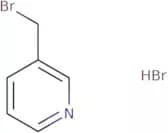
CAS :2-Bromo-6-methylpyridine (2BMPy) is an organic compound that belongs to the group of pyridinium halides. It is soluble in common solvents such as water, ethanol, and acetone. 2BMPy has been shown to act as a glutamate receptor antagonist and has been used in the study of glutamate receptors, including their subtypes. This chemical has also been shown to have antioxidant properties and can be used in the prevention of atherosclerosis.Formule :C6H6BrNDegré de pureté :Min. 95%Couleur et forme :Clear LiquidMasse moléculaire :172.02 g/mol3-(Bromomethyl)pyridine hydrobromide
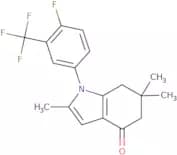
CAS :3-(Bromomethyl)pyridine hydrobromide is a small molecule that inhibits the influenza virus by binding to its neuraminidase enzyme. This binding prevents the virus from attaching to host cells and spreading. 3-(Bromomethyl)pyridine hydrobromide has been shown to inhibit the growth of influenza A in both cell culture and animal models. The drug also has anti-influenza virus activity against strains of the virus that are resistant to amantadine and rimantadine. 3-(Bromomethyl)pyridine hydrobromide could be used as a diagnostic tool for influenza, as well as an antiviral agent for treatment of influenza infections.Formule :C6H7Br2NDegré de pureté :Min. 95%Couleur et forme :PowderMasse moléculaire :252.93 g/mol1-(4-Fluoro-3-(trifluoromethyl)phenyl)-2,6,6-trimethyl-5,6,7-trihydroindol-4-one
CAS :Please enquire for more information about 1-(4-Fluoro-3-(trifluoromethyl)phenyl)-2,6,6-trimethyl-5,6,7-trihydroindol-4-one including the price, delivery time and more detailed product information at the technical inquiry form on this pageFormule :C18H17F4NODegré de pureté :Min. 95%Couleur et forme :PowderMasse moléculaire :339.33 g/mol4'-Fluoro-1'-acetonaphthone
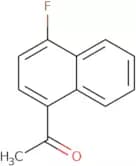
CAS :4'-Fluoro-1'-acetonaphthone is a synthetic fluorinated derivative of 1-phenyl-1,2-propanedione. It has been used as a ligand in the study of interactions between substances and shift parameters. The fluoro substituent on the ring may be difficult to synthesize because it requires high temperatures and pressure. 4'-Fluoro-1'-acetonaphthone has been used in organic synthesis as a component in photocycloadditions with chloroform or benzoyl chloride to form substituted benzoic acids.Formule :C12H9FODegré de pureté :Min. 95%Masse moléculaire :188.2 g/molMethyl 5-iodosalicylate
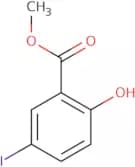
CAS :Methyl 5-iodosalicylate is an amide compound that has been found to be effective in the treatment of cancer cells. This drug is a structural analog of salicylic acid, which also exhibits anti-inflammatory, antipyretic and analgesic properties. Methyl 5-iodosalicylate is chiral and bioisosteric with salicylic acid. It has been shown to inhibit the proliferation of human colon cancer cells in vitro. The anticancer activity of methyl 5-iodosalicylate may be due to its ability to induce apoptosis in cancer cells by inhibiting DNA synthesis and RNA transcription. Methyl 5-iodosalicylate also inhibits DNA synthesis through competitive inhibition of deoxyribonucleotide triphosphates (dNTPs).Formule :C8H7IO3Degré de pureté :Min. 95%Couleur et forme :PowderMasse moléculaire :278.04 g/molAspidosine hydrobromide
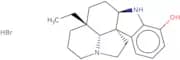
CAS :Produit contrôléAspidosine hydrobromide is a fine chemical that is used as an intermediate for synthesis of other compounds. The CAS number for this compound is 206196-96-5. This compound can be used as a building block to synthesize more complex compounds, and it has been shown to be useful in the preparation of research chemicals and reaction components. Aspidosine hydrobromide has been shown to have high quality, making it a sought after reagent and speciality chemical. This compound has a versatile scaffold, which makes it useful as a building block in the synthesis of other compounds.
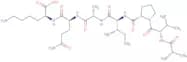
Formule :C19H26N2O•BrHDegré de pureté :Min. 95%Masse moléculaire :379.33 g/molSmac-N7 Peptide trifluoroacetate salt
CAS :Smac-N7 is a peptide that binds to the mitochondrial pathway of apoptosis and inhibits the activation of caspase-3. This peptide has been shown to inhibit the death ligand, which would normally trigger the release of cytochrome c from mitochondria and activate other caspases. In addition, Smac-N7 has been shown to induce cleavage activity in cells. It also prevents the protein survivin from binding to cellular receptors, which may be responsible for its ability to inhibit cell proliferation.Formule :C33H59N9O9Degré de pureté :Min. 95%Masse moléculaire :725.88 g/mol[2-(1H-Benzimidazol-1-yl)ethyl]amine dihydrochloride
CAS :2-(1H-Benzimidazol-1-yl)ethyl]amine dihydrochloride is a lead compound that has been shown to have antibacterial activity. It is a potent inhibitor of bacterial ribonucleotide reductase and thus inhibits DNA synthesis. The homology model of the enzyme shows that the chemical could bind to the active site and inhibit the production of ATP, preventing cell division. 2-(1H-Benzimidazol-1-yl)ethyl]amine dihydrochloride has been shown to have an effect on Clostridium and Bacillus anthracis, with MIC values of 1.0 µg/mL and 0.5 µg/mL respectively. This chemical also has potential for use as a drug in humans due to its lack of toxicity in mice at high doses (LD50 = 5 g/kg).
Formule :C9H11N3·2HClDegré de pureté :Min. 95%Couleur et forme :White PowderMasse moléculaire :234.13 g/mol5-Bromo-2-hydrazinopyrimidine
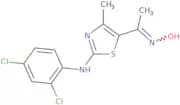
CAS :5-Bromo-2-hydrazinopyrimidine is a heterocyclic compound with the chemical formula C5H4N3Br. It is used as reagent, high quality, and complex intermediate in fine chemicals, research chemicals, and speciality chemicals. It is also a versatile building block for many reactions in synthesis of other compounds.Formule :C4H5BrN4Degré de pureté :Min. 98 Area-%Masse moléculaire :189.01 g/mol(2,4-dichlorophenyl)(3-((hydroxyimino)ethyl)-4-methyl(2,5-thiazolyl))amine
CAS :Please enquire for more information about (2,4-dichlorophenyl)(3-((hydroxyimino)ethyl)-4-methyl(2,5-thiazolyl))amine including the price, delivery time and more detailed product information at the technical inquiry form on this page
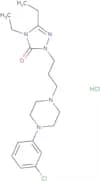
Degré de pureté :Min. 95%Etoperidone hydrochloride
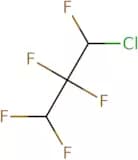
CAS :Etoperidone hydrochloride is a drug that is an antagonist of the dopamine D2 receptor. It is used to treat Parkinson's disease and psychosis. Etoperidone hydrochloride binds to the dopamine D2 receptor and blocks its function, which may be due to its ability to inhibit locomotor activity in mice. This drug also inhibits population growth by preventing antibody production, which is essential for fighting infectious diseases. Etoperidone hydrochloride has been shown to be effective in clinical trials against symptoms of Parkinson's disease and psychosis, as well as experimental models of schizophrenia.Formule :C19H29Cl2N5ODegré de pureté :Min. 95%Couleur et forme :White PowderMasse moléculaire :414.37 g/mol1-Chloro-1,1,2,2,3-Pentafluoropropane
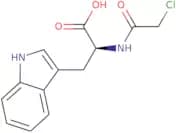
CAS :Produit contrôlé1-Chloro-1,1,2,2,3-Pentafluoropropane (HFC-245fa) is a fluorocarbon that has an electronegative and anisotropic nature. It is a liquid with a boiling point of -95°C. The chemical shift of the methyl group at 2.6 ppm in the 1H NMR spectrum is indicative of a trifluoromethyl group (-CF3). This compound is also soluble in many organic solvents. In addition to being used as a refrigerant and aerosol propellant, it is also used as a surfactant and optical brightener in plastics. Furthermore, 1-chloro-1,1,2,2,3-pentafluoropropane can react with caprylic acid to form HFC-245ea. This reaction occurs because of the steric effect of the trifluoromethyl group on theFormule :C3H2ClF5Degré de pureté :Min. 95%Masse moléculaire :168.49 g/molN-Chloroacetyl-L-tryptophan
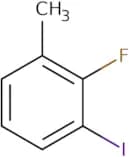
CAS :N-Chloroacetyl-L-tryptophan is a synthetic biomimetic that inhibits the chloride channel in the intestine. It has been shown to inhibit the replication of a number of viruses, including HIV and influenza virus. N-Chloroacetyl-L-tryptophan has also been shown to have an inhibitory effect on intestinal sodium taurocholate, which is involved in fatty acid metabolism. This compound is a cyclic peptide with a lactam structure that contains a trifluoromethyl group. The kinetic data for this compound was obtained by measuring the rate of hydrolysis of L-tryptophan by pepsin at pH 2.5 and 37°C.Formule :C13H12ClN2O3Degré de pureté :Min. 95%Couleur et forme :PowderMasse moléculaire :280.7 g/mol2-Fluoro-3-iodotoluene
CAS :2-Fluoro-3-iodotoluene is a useful building block which has found use as a versatile intermediate in organic synthesis, as a reaction component in research chemical reactions, and as a speciality chemical. It is also used as a reagent for the fluorination of alcohols. This compound can be used as an effective building block in the synthesis of high-quality complex compounds with a range of properties. 2-Fluoro-3-iodotoluene is classified as an extremely hazardous substance and should be handled with care.Formule :C7H6FIDegré de pureté :Min. 95%Couleur et forme :Yellow PowderMasse moléculaire :236.03 g/mol1,12-Dibromododecane
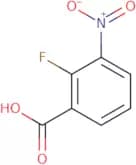
CAS :1,12-Dibromododecane is a chemical substance that appears as an off-white solid. It has a formula weight of 45.1 g/mol and a melting point of -8.5°C. 1,12-Dibromododecane is soluble in water and alcohols and insoluble in ethers. The substance is not flammable, but it does react with strong oxidants such as nitric acid or perchloric acid to form toxic gases like nitrogen dioxide or chlorine gas respectively. 1,12-Dibromododecane is used in the manufacture of sodium carbonate, which is used for signal detection, and also as a fatty acid solvent in the production of optical properties and formula weight measurements. 1,12-Dibromododecane can be used to measure transport properties by gel chromatography and can be used as a metalloeluting agent in 4-hydroxycinnamic acid purFormule :C12H24Br2Degré de pureté :Min. 95%Couleur et forme :White PowderMasse moléculaire :328.13 g/mol2-Fluoro-3-nitrobenzoic acid
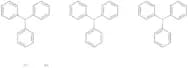
CAS :2-Fluoro-3-nitrobenzoic acid is a fine chemical that has been used as a building block for research chemicals, reagents, and speciality chemicals. It is also a versatile building block for the synthesis of complex compounds and useful scaffolds. 2-Fluoro-3-nitrobenzoic acid can be used as an intermediate in organic reactions or as a reaction component in the synthesis of pharmaceuticals. This compound has been shown to have high purity and good quality with CAS No. 317-46-4.Formule :C7H4O4NFDegré de pureté :Min. 95%Couleur et forme :PowderMasse moléculaire :185.11 g/molTris(triphenylphosphine)rhodium(I) chloride
CAS :Homogeneous hydrogenation catalyst
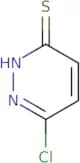
Formule :C54H45ClP3RhDegré de pureté :Min. 95%Couleur et forme :PowderMasse moléculaire :925.21 g/mol6-Chloropyridazine-3-thiol
CAS :6-Chloropyridazine-3-thiol is a potent inhibitor of platelet aggregation. This drug binds to the active site of the enzyme ADP-thrombin, thereby blocking the conversion of ADP to thrombin. 6-Chloropyridazine-3-thiol has been shown to have a high affinity for human liver microsomes, and is metabolized by conjugation with glutathione or glucuronide. 6CpT also inhibits the activation of factor V and factor VIII, which are involved in blood clotting. It is hypothesized that this inhibition may be due to its ability to bind to reactive chlorine atoms found on these proteins. 6-Chloropyridazine-3-thiol is a potent inhibitor of platelet aggregation, but it does not show any antiplatelet activity when used at low doses.
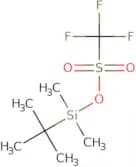
Formule :C4H3ClN2SDegré de pureté :Min. 95%Couleur et forme :White PowderMasse moléculaire :146.6 g/moltert-Butyldimethylsilyl trifluoromethanesulfonate
CAS :tert-Butyldimethylsilyl trifluoromethanesulfonate is a nucleophilic reagent that forms an addition product with metal carbonyls. It can be used for the synthesis of indacaterol maleate, which is a phosphite prodrug for the treatment of asthma and chronic obstructive pulmonary disease. Tert-butyldimethylsilyl trifluoromethanesulfonate has been shown to catalyze asymmetric hydrogenation reactions in the presence of ammonia as a chiral auxiliary. This reagent has also been shown to inhibit the growth of bacteria and fungi through its ability to inhibit protein synthesis.Formule :C7H15F3O3SSiCouleur et forme :Colorless Clear LiquidMasse moléculaire :264.34 g/mol3-Bromomethylthiophene
CAS :3-Bromomethylthiophene is a monomer that has been shown to inhibit the synthesis of cholesterol. This inhibition is due to the inhibition of 3-hydroxy-3-methylglutaryl coenzyme A reductase, which converts HMGCoA to mevalonate and is an enzyme involved in the synthesis of cholesterol. The kinetics of this reaction were studied using UV spectroscopy and kinetic analysis. The optical properties of 3-bromomethylthiophene have also been examined using fluorescence microscopy. It has also been shown to have antihypertensive activity, which may be due to its ability to inhibit angiotensin converting enzyme (ACE).
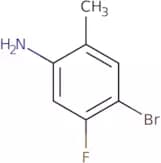
Formule :C5H5BrSDegré de pureté :Min. 90%Couleur et forme :Clear LiquidMasse moléculaire :177.06 g/mol4-Bromo-5-fluoro-2-methylaniline
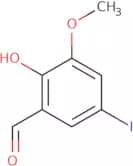
CAS :4-Bromo-5-fluoro-2-methylaniline is a fine chemical that is used as a building block in the synthesis of other chemicals. It is also used as a research chemical and can be found in certain pharmaceuticals. 4-Bromo-5-fluoro-2-methylaniline has been shown to be an intermediate for the synthesis of various drugs, such as fluoxetine and lorcaserin. This useful scaffold can also be used in reactions to produce amines, amides, and nitriles.Formule :C7H7BrFNDegré de pureté :Min. 95%Couleur et forme :PowderMasse moléculaire :204.04 g/mol2-Hydroxy-5-iodo-3-methoxybenzaldehyde
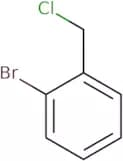
CAS :Please enquire for more information about 2-Hydroxy-5-iodo-3-methoxybenzaldehyde including the price, delivery time and more detailed product information at the technical inquiry form on this pageFormule :C8H7IO3Degré de pureté :Min. 98%Couleur et forme :PowderMasse moléculaire :278.04 g/mol2-Bromobenzylchloride
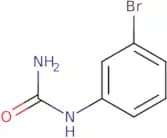
CAS :2-Bromobenzylchloride is an enantiopure, non-racemic chiral boronic ester that can be used as a chemical building block for the synthesis of pharmaceuticals and agrochemicals. 2-Bromobenzylchloride can undergo alkylation reactions with diphosphines to form a ligand, which is then attached to a metal center. This reaction has been shown to be efficient and suitable for the synthesis of complex molecules. 2-Bromobenzylchloride is also useful in cross-coupling reactions, which are a highly efficient method for carbon–carbon bond formation in organic synthesis. The use of this compound has led to the discovery of novel compounds, including nitroestradiol and estrogens.Formule :C7H6BrClDegré de pureté :Min. 95%Couleur et forme :Clear LiquidMasse moléculaire :205.48 g/mol3-Bromophenylurea
CAS :3-Bromophenylurea is an organic compound that has been synthesized for use as a catalyst in the production of silver ions. The product can be used in scalable synthesis and amines are the nucleophilic component. 3-Bromophenylurea is an advance in the field of bioassay and has been shown to be efficient when used at an optimum concentration. 3-Bromophenylurea is a substructural analogue to urea, which can be prepared from inexpensive materials and reused many times.
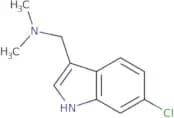
Degré de pureté :Min. 95%6-Chlorogramine
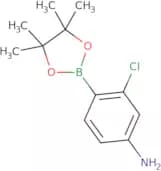
CAS :6-Chlorogramine is a chemical compound with the molecular formula CHN. It is a colorless liquid that is soluble in organic solvents, such as dimethylformamide and chloroform. 6-Chlorogramine can be used as a source of dimethylamine, which is used for the production of various amines. This compound also reacts with formaldehyde to produce cyanide.Formule :C11H13ClN2Degré de pureté :Min. 95%Masse moléculaire :208.69 g/mol4-Amino-2-chlorophenylboronic acid pinacol ester
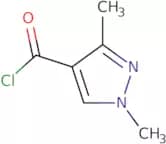
CAS :4-Amino-2-chlorophenylboronic acid pinacol ester is a versatile building block that is used in the synthesis of complex compounds. It can be used as a research chemical, reagent, or speciality chemical depending on the desired use. 4-Amino-2-chlorophenylboronic acid pinacol ester reacts with nucleophiles to form covalent bonds and is also useful as a scaffold for synthesizing other compounds. This compound has been shown to be useful in the synthesis of many different types of chemicals.Formule :C12H17BClNO2Degré de pureté :Min. 95%Couleur et forme :PowderMasse moléculaire :253.53 g/mol1,3-Dimethyl-1H-pyrazole-4-carbonyl chloride
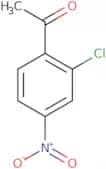
CAS :1,3-Dimethyl-1H-pyrazole-4-carbonyl chloride is a fine chemical that can be used as a building block in research or as a reagent in the synthesis of other chemicals. It is also used as a speciality chemical and has many useful applications. 1,3-Dimethyl-1H-pyrazole-4-carbonyl chloride is produced by reacting methyl pyrazole with chloroacetyl chloride. It is soluble in acetone and insoluble in water. The CAS number for this chemical is 113100-61-1.Formule :C6H7ClN2ODegré de pureté :Min. 95%Couleur et forme :PowderMasse moléculaire :158.59 g/mol2'-Chloro-4'-nitroacetophenone
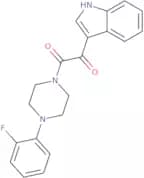
CAS :2'-Chloro-4'-nitroacetophenone is a reagent that is used in the synthesis of tulobuterol, an oxirane that binds to β2-adrenergic receptors. 2'-Chloro-4'-nitroacetophenone is also used for the synthesis of other drugs, such as benzylated alcohols and phenols. This product has been shown to be metabolized into a number of metabolites, including hydroxybenzyl alcohol and hydroxybenzyl glucuronide.Formule :C8H6ClNO3Degré de pureté :Min. 95%Couleur et forme :Dark yellow solid.Masse moléculaire :199.59 g/mol2-(4-(2-fluorophenyl)piperazinyl)-1-indol-3-ylethane-1,2-dione
CAS :Produit contrôléPlease enquire for more information about 2-(4-(2-fluorophenyl)piperazinyl)-1-indol-3-ylethane-1,2-dione including the price, delivery time and more detailed product information at the technical inquiry form on this page
Formule :C20H18FN3O2Degré de pureté :Min. 95%Couleur et forme :PowderMasse moléculaire :351.37 g/mol2,5-Dimethoxy-N-[(2-methoxyphenyl)methyl]-4-(trifluoromethyl)benzeneethanamine
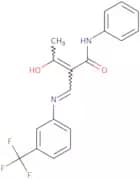
CAS :Produit contrôlé2,5-Dimethoxy-N-[(2-methoxyphenyl)methyl]-4-(trifluoromethyl)benzeneethanamine is a synthetic drug that belongs to the group of psychotropic drugs. It has been shown to cause death in rats, which is likely due to its ability to inhibit serotonin uptake by neurons. 2,5-Dimethoxy-N-[(2-methoxyphenyl)methyl]-4-(trifluoromethyl)benzeneethanamine also inhibits the enzyme monoamine oxidase and prevents the breakdown of monoamines such as serotonin. This drug has been shown to have both stimulant and depressant properties. 2,5-Dimethoxy-N-[(2-methoxyphenyl)methyl]-4-(trifluoromethyl)benzeneethanamine can be quantified in human blood samples using liquid chromatography with aFormule :C19H22F3NO3Degré de pureté :Min. 95%Masse moléculaire :369.38 g/mol2-acetyl-N-phenyl-3-((3-(trifluoromethyl)phenyl)amino)prop-2-enamide
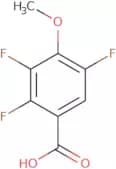
CAS :Please enquire for more information about 2-acetyl-N-phenyl-3-((3-(trifluoromethyl)phenyl)amino)prop-2-enamide including the price, delivery time and more detailed product information at the technical inquiry form on this pageFormule :C18H15F3N2O2Degré de pureté :Min. 95%Couleur et forme :PowderMasse moléculaire :348.32 g/mol4-Methoxy-2,3,5-trifluorobenzoic acid
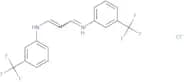
CAS :4-Methoxy-2,3,5-trifluorobenzoic acid is a versatile building block that can be used in the synthesis of complex compounds. It is a high quality chemical that can be used as a reagent or speciality chemical in research. This compound has been shown to have many uses including as an intermediate for the synthesis of other chemicals and as a reaction component. 4-Methoxy-2,3,5-trifluorobenzoic acid can also be used as an important scaffold in the design of new drugs.Formule :C8H5F3O3Degré de pureté :Min. 95%Couleur et forme :White PowderMasse moléculaire :206.12 g/mol(4-aza-4-(3-(trifluoromethyl)phenyl)buta-1,3-dienyl)(3-(trifluoromethyl)phenyl)amine, hydrochloride
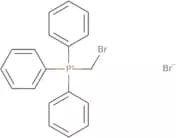
CAS :Please enquire for more information about (4-aza-4-(3-(trifluoromethyl)phenyl)buta-1,3-dienyl)(3-(trifluoromethyl)phenyl)amine, hydrochloride including the price, delivery time and more detailed product information at the technical inquiry form on this pageFormule :C17H13ClF6N2Degré de pureté :Min. 95%Couleur et forme :PowderMasse moléculaire :394.74 g/mol(Bromomethyl)triphenylphosphonium bromide
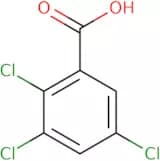
CAS :Bromomethyl)triphenylphosphonium bromide is an antibacterial agent that inhibits the growth of bacteria by binding to terminal alkynes. Bromomethyl)triphenylphosphonium bromide binds to the hydroxyl group in the cell membrane and reacts with the virus, thus inhibiting its replication. It has been shown to be effective against syncytial viruses such as human respiratory syncytial virus (HRSV). The reaction scheme of this drug is not yet known.Formule :C19H17Br2PDegré de pureté :Min. 95%Couleur et forme :PowderMasse moléculaire :436.12 g/mol2,3,5-Trichlorobenzoic acid
CAS :2,3,5-Trichlorobenzoic acid is a chemical compound that can be synthesized from phenacyl chloride and phthalic anhydride. The synthesis of 2,3,5-trichlorobenzoic acid is accomplished in two steps. First, the phenacyl chloride and ammonium sulfate are mixed together at a temperature of about 100°C for about 12 hours to produce 2-chloro-4-(phenylazo)benzene-1,3-diol (2). This product is then mixed with phthalic anhydride at a temperature of about 150°C for about 6 hours to produce 2,3,5-trichlorobenzoic acid (1). The synthesis of this compound has been shown to be thermophilic and reactive. It has also been shown to have single crystal x-ray diffraction properties.Formule :C7H3Cl3O2Degré de pureté :Min. 95%Couleur et forme :White PowderMasse moléculaire :225.46 g/mol6-Bromo-2-naphtholic acid
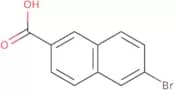
CAS :6-Bromo-2-naphtholic acid is a methanol solvent. It has been shown to have biological properties and can be used in optical imaging. 6-Bromo-2-naphtholic acid is also used to synthesize 1-adamantanol, which is an organic compound that has been shown to have antimicrobial properties. A solution of 6-bromo-2-naphthol in hydrochloric acid was found to react with 4-methoxyphenyl boronic acid to produce a mixture of products that include the desired 1,4,5,8,9,10,11,12 hexahydrobenzo[a]phenanthrene. The vibrational frequencies for this product were determined using IR spectroscopy and the binding constants were calculated using DFT computational methods. The molecular structure of this product was determined using molecular modeling and quantum chemistry. Naphthalene is the parentFormule :C11H7O2BrDegré de pureté :Min. 95%Couleur et forme :PowderMasse moléculaire :251.08 g/mol(3,5-Dichlorophenyl)acetone
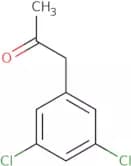
CAS :(3,5-Dichlorophenyl)acetone is a versatile building block that can be used as a research chemical or a speciality chemical. It is an intermediate for the synthesis of other compounds and has been used in the synthesis of complex compounds. The compound is also useful as a reaction component for organic syntheses and is a useful building block for high quality fine chemicals.Formule :C9H8Cl2ODegré de pureté :Min. 95%Masse moléculaire :203.06 g/mol(2-Aminophenyl)boronic acid hydrochloride
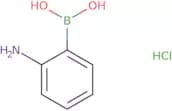
CAS :(2-Aminophenyl)boronic acid hydrochloride is an analytical reagent that is used in the cross-coupling reaction between aryl bromides and organoboron compounds. It has been synthesized from 2-aminophenylboronic acid, which can be produced by the alkylation of phenol with 3-bromoquinoline. This compound has been shown to have antimalarial activity against the human malaria parasite Plasmodium falciparum in vitro. (2-Aminophenyl)boronic acid hydrochloride has also been shown to have a high intestinal absorption rate when given orally to rats. In vivo studies are needed to determine whether this chemical is safe for humans.Formule :C6H9BClNO2Degré de pureté :Min. 95%Couleur et forme :PowderMasse moléculaire :173.41 g/mol2,5-Dibromothiazole
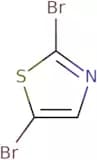
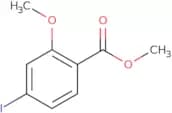
CAS :2,5-Dibromothiazole is a heterocyclic compound that reacts with nucleophilic compounds to form highly reactive anions. It has been shown to be effective against gram-negative bacteria and has potent antibacterial activity. 2,5-Dibromothiazole inhibits bacterial growth by binding to the cell wall and preventing the synthesis of proteins required for cell division. This compound can also be used as a solvent for organic reactions and may be used for the production of pharmaceuticals.Formule :C3HBr2NSDegré de pureté :Min. 95%Couleur et forme :Off-White To Light Brown SolidMasse moléculaire :242.92 g/mol4-Iodo-2-methoxybenzoic acid methyl ester
CAS :4-Iodo-2-methoxybenzoic acid methyl ester is a high quality chemical that can be used as a versatile building block in chemical synthesis. It is a complex compound that has been shown to be an effective reagent for research, which can be used in the synthesis of new complex compounds. 4-Iodo-2-methoxybenzoic acid methyl ester is also useful as an intermediate or reaction component in organic syntheses. This chemical is available for purchase at a CAS number of 148490-97-5.Formule :C9H9IO3Degré de pureté :Min. 95%Couleur et forme :PowderMasse moléculaire :292.07 g/mol1-[1-[4-(4-Fluorophenyl)-4-Oxobutyl]Piperidin-4-Yl]-3-Methylbenzimidazol-2-One
CAS :Produit contrôlé1-[1-[4-(4-Fluorophenyl)-4-Oxobutyl]Piperidin-4-Yl]-3-Methylbenzimidazol-2-One is a novel dopamine agonist that has been shown to be an alerting agent with potential therapeutic use in the treatment of ADHD and other sleep disorders. Studies have also shown that it has a stimulatory effect on dopamine receptors, which are located in the striatum. 1-[1-[4-(4-Fluorophenyl)-4-Oxobutyl]Piperidin-4-Yl]-3-Methylbenzimidazol-2-One binds to both D2 and D3 dopamine receptors with high affinity and selectivity. It has been shown that 1-[1-[4-(4-Fluorophenyl)-4-Oxobutyl]Piperidin-4-Yl]-3-MethylFormule :C23H26FN3O2Degré de pureté :Min. 95%Masse moléculaire :395.47 g/mol4-n-Butylphenylhydrazine hydrochloride
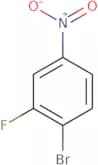
CAS :4-n-Butylphenylhydrazine hydrochloride is a chromatographic reagent used in the analysis of compounds. It is a colorless crystalline solid that can be dissolved in water, ethanol, acetone, and other organic solvents. The most common use of 4-n-butylphenylhydrazine hydrochloride is for reversed-phase liquid chromatography (LC) analysis. In this application, it is typically used as an internal standard to calibrate the LC system. This compound also has applications in mass spectrometry, where it is used as an ionization reagent for electrospray and electrospray ionization (ESI) mass spectrometry. ESIMS data can be obtained by using this compound to ionize the analyte and then measure the molecular weight of the resulting ions using a mass spectrometer with an orbitrap or quadrupole detector. 4-n-ButylphenylhydFormule :C10H16N2•HClDegré de pureté :Min. 95%Couleur et forme :PowderMasse moléculaire :200.71 g/mol4-Bromo-3-fluoronitrobenzene
CAS :Please enquire for more information about 4-Bromo-3-fluoronitrobenzene including the price, delivery time and more detailed product information at the technical inquiry form on this page
Formule :C6H3BrFNO2Degré de pureté :Min. 95%Couleur et forme :PowderMasse moléculaire :220 g/mol9-Fluorenone
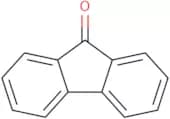
CAS :9-Fluorenone is a fluorenone derivative that has been shown to have an intermolecular hydrogen bonding ability. It also has a matrix effect, which is the property of being able to dissolve organic solutes in water by forming hydrogen bonds with them. 9-Fluorenone has been shown to be a receptor activator for group P2 purinergic receptors in rat brain tissue and can inhibit the activity of xanthine oxidase, which is an enzyme involved in purine metabolism. 9-Fluorenone was also found to increase the activity of α7 nicotinic acetylcholine receptors in rat brain tissue and reduce infarct size in rats with myocardial infarction.
Formule :C13H8ODegré de pureté :Min. 95%Couleur et forme :PowderMasse moléculaire :180.21 g/mol3-Bromo-2-methoxybenzyl alcohol
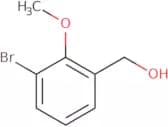
CAS :3-Bromo-2-methoxybenzyl alcohol is a reaction component that is used in the synthesis of a number of chemical compounds. It has been shown to be a useful scaffold, with versatile building blocks and intermediates. 3-Bromo-2-methoxybenzyl alcohol is an intermediate for the synthesis of complex compounds such as antihypertensive drugs, anti-inflammatory agents, and immunosuppressant drugs. This compound also has a variety of uses in research including as a reagent for the determination of enzyme activity and as an analytical reference standard.Formule :C8H9BrO2Degré de pureté :Min. 95%Couleur et forme :PowderMasse moléculaire :217.06 g/mol3-[(4-Fluorophenyl)amino]cyclohex-2-en-1-one
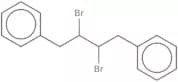
CAS :3-[(4-Fluorophenyl)amino]cyclohex-2-en-1-one is a drug that has been shown to have both inotropic and chronotropic effects on the heart. It also has a hypotensive activity, which may be due to its ability to reduce peripheral resistance by blocking alpha 1 receptors. 3-[(4-Fluorophenyl)amino]cyclohex-2-en-1-one is an anaesthetic agent with the potential for use in surgical procedures. The structural similarity of 3-[(4-Fluorophenyl)amino]cyclohex-2-en-1-one to acrylonitrile suggests that this drug may be toxic to the heart, as acrylonitrile is a known cardiotoxin.Formule :C12H12FNODegré de pureté :Min. 95%Couleur et forme :PowderMasse moléculaire :205.23 g/mol2,3-Dibromo-1,4-diphenylbutane
CAS :2,3-Dibromo-1,4-diphenylbutane (2,3-DBPB) is a high quality reagent that can be used as an intermediate for the synthesis of complex compounds. It is a useful building block and scaffold in organic chemistry. 2,3-DBPB is also used in fine chemicals and research chemicals synthesis. The CAS number is 93342-77-9.Formule :C16H16Br2Degré de pureté :Min. 95%Masse moléculaire :368.11 g/mol2-Chloro-5-hydroxybenzoic acid ethyl ester
CAS :2-Chloro-5-hydroxybenzoic acid ethyl ester is synthesized by the substitution of anthranilic acid with an aryl ring. The substituents on the aryl ring are chloro and hydroxy, which are attached to carbon atoms. 2-Chloro-5-hydroxybenzoic acid ethyl ester can be metabolized into a number of different metabolites. For example, it can be converted into acid metabolites that have substituents on the benzene ring such as nitro or nitroso groups. These metabolites are then excreted in urine or bile.Formule :C9H9ClO3Degré de pureté :Min. 95%Couleur et forme :Off-White To Yellow To Brown SolidMasse moléculaire :200.62 g/molAllylpentafluorobenzene
CAS :Allylpentafluorobenzene is a monomer that can be used in coatings and polymers. It has a reactive functional group that reacts with phosphorus pentoxide to form a polymerization initiator. The polymerization initiator then reacts with other functional groups, such as 3-mercaptopropionic acid, to produce polymers. The diameter of these polymers is around 2 nm and they are hybridized. These polymers are able to absorb light efficiently, which makes them useful for energy efficiency applications. Allylpentafluorobenzene has been shown to react with iron oxides and phosphorus pentoxide in the presence of air to form an iron oxide-allylpentafluorobenzene complex. This complex is more stable than the original allylpentafluorobenzene, which decreases its reactivity with oxygen.
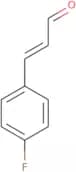
Formule :C9H5F5Degré de pureté :Min. 95%Couleur et forme :Clear LiquidMasse moléculaire :208.13 g/moltrans-4-Fluorocinnamaldehyde
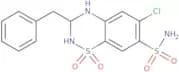
CAS :Trans-4-fluorocinnaMaldehyde is a molecule that was synthesized as part of an asymmetric synthesis. It has been shown to inhibit serotonin reuptake in vitro (in human lung) and have light emission properties. Trans-4-fluorocinnaMaldehyde is chemically stable and has active substances with optical properties. Furthermore, it can be used for the production of nanowires.Formule :C9H7FODegré de pureté :(%) Min. 90%Couleur et forme :PowderMasse moléculaire :150.15 g/molBenzylhydrochlorothiazide
CAS :Benzylhydrochlorothiazide is a prodrug that is hydrolyzed to benazeprilat, its active form. Benazeprilat is a potent inhibitor of angiotensin-converting enzyme (ACE) and has been shown to be effective in the treatment of cardiac hypertrophy and other tissue conditions. It has also been shown to have an anti-diabetic effect, which may be due to its ability to increase glucose uptake and reduce insulin resistance. Benzylhydrochlorothiazide has been extensively studied in vitro and in vivo for its effects on skin conditions such as psoriasis and ichthyosis.Formule :C14H14ClN3O4S2Degré de pureté :Min. 95%Couleur et forme :White PowderMasse moléculaire :387.86 g/mol2-Amino-3-chloro-5-(trifluoromethyl)pyridine
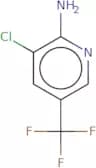
CAS :2-Amino-3-chloro-5-(trifluoromethyl)pyridine is a versatile building block that can be used in the synthesis of complex compounds. It is a useful intermediate for synthetic organic chemistry, and can be used as a reagent or speciality chemical. This compound has shown to have high quality and is useful as a scaffold in the synthesis of research chemicals.Formule :C6H4ClF3N2Degré de pureté :Min. 95%Couleur et forme :PowderMasse moléculaire :196.56 g/mol2-(Perfluorododecyl)ethyl acrylate
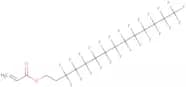
CAS :2-(Perfluorododecyl)ethyl acrylate (FDAE) is a reactive monomer that belongs to the group of methacrylates. It is a colorless, dry powder with a low viscosity. FDAE has hydrophobic properties and a low molecular weight, which makes it suitable for use in coatings and adhesives. This product may be used in the production of polymers, plastics, elastomers, fibers, and rubber products. FDAE can be used as an additive to improve the surface properties of polymers and plastics or as a coating to prevent corrosion. It can also be used as a plasticizer for thermoplastics such as PVC. FDAE reacts with fluorine or chloride ions in the environment, forming highly crosslinkable compounds that are resistant to degradation by sunlight or weathering.Formule :C17H7F25O2Degré de pureté :Min. 95%Couleur et forme :PowderMasse moléculaire :718.2 g/mol2,6-Dimethyl-4-fluorobenzaldehyde
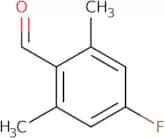
CAS :2,6-Dimethyl-4-fluorobenzaldehyde is a fine chemical that is used as a building block in the synthesis of other chemicals. It can be used as a reagent and as a speciality chemical. This product has high purity and quality and is versatile in its use as both an intermediate or scaffold molecule. It can be used in reactions to create complex compounds with useful properties.Formule :C9H9FODegré de pureté :Min. 95%Couleur et forme :PowderMasse moléculaire :152.17 g/mol3,3'-Dimethoxybenzidine dihydrochloride
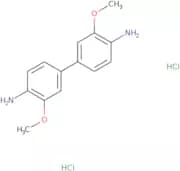
CAS :Produit contrôlé3,3'-Dimethoxybenzidine dihydrochloride is a fluorogenic probe that has been shown to have activity index in the range of 0.1-0.5, which makes it suitable for use as a fluorescent dye in biological samples such as human serum or cerebrospinal fluid. 3,3'-Dimethoxybenzidine dihydrochloride can be used in histological studies for the detection of cell lysis and cardiac disease activity. It has also been shown to cause liver lesions when administered orally to rats.
Formule :C14H16N2O2•(HCl)2Degré de pureté :Min. 98 Area-%Couleur et forme :PowderMasse moléculaire :317.21 g/mol((4-bromo-2-methyl-5-oxo-1-phenyl(3-pyrazolin-3-yl))methyl)thiocarboxamidine, hydrobromide
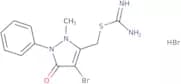
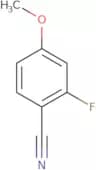
CAS :Please enquire for more information about ((4-bromo-2-methyl-5-oxo-1-phenyl(3-pyrazolin-3-yl))methyl)thiocarboxamidine, hydrobromide including the price, delivery time and more detailed product information at the technical inquiry form on this pageDegré de pureté :Min. 95%2-Fluoro-4-methoxybenzonitrile
CAS :2-Fluoro-4-methoxybenzonitrile is a tetracyclic molecule with two electron deficient rings. It has intramolecular coupling, yielding four stereoisomers that show different biological activities. 2-Fluoro-4-methoxybenzonitrile is an electron deficient compound that can be synthesized by reacting dioxane with amines. It also reacts with alcohols to form ethers. This heteroaromatic compound has electron withdrawing groups that make it less stable than other heteroaromatic compounds and more reactive. 2-Fluoro-4-methoxybenzonitrile can be used in the Buchwald reaction to produce aryl chlorides from alkyl halides and aryl bromides.
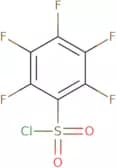
Degré de pureté :Min. 95%Pentafluorobenzenesulfonyl chloride
CAS :Pentafluorobenzenesulfonyl chloride is a monosodium salt that is used as an inhibitor in the synthesis of pharmaceuticals and other organic chemicals. It has been shown to inhibit human liver cytochrome P450 enzymes by binding to their heme group. Pentafluorobenzenesulfonyl chloride is also an effective reagent for the determination of the proton concentration in aqueous solutions. This compound reacts with hydrochloric acid (HCl) to form pentafluorobenzenesulfonic acid, which can be detected in urine samples at low concentrations. The reaction rate of this compound with HCl is temperature dependent, and its formation rate increases as the temperature decreases. Pentafluorobenzenesulfonyl chloride has also been shown to possess anticancer properties, due to its reactive functional group. Magnetic particles coated with this substance are being developed for use in cancer treatment.Formule :C6ClF5O2SDegré de pureté :Min. 98 Area-%Couleur et forme :Colorless Clear LiquidMasse moléculaire :266.57 g/molPolyvinylidene fluoride
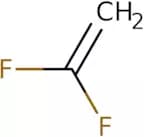
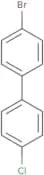
CAS :Polyvinylidene fluoride is a polymer that has been used for water purification in wastewater treatment. It is made from polyvinylidene and hydrogen fluoride, which react to form polyvinylidene fluoride. This polymer has a high dielectric constant, which means it can be used as an insulator, and a low water permeability, which means it does not dissolve in water. Polyvinylidene fluoride is also piezoelectric and has been shown to have the ability to generate kinetic energy.Formule :(C2H2F2)nCouleur et forme :White Powder4-Bromo-4'-chloro-1,1'-biphenyl
CAS :4-Bromo-4'-chloro-1,1'-biphenyl is a volatile compound that is used as a model species for the determination of halogenated aromatic compounds. It has been found to be present in the environment as a result of its use in commercial products and industrial processes. It has been detected in human tissues at levels up to 10 times higher than background levels. 4-Bromo-4'-chloro-1,1'-biphenyl can react with chlorine from the atmosphere to form dibenzofurans and other chlorinated benzenes. It is not reactive towards other chemicals and does not degrade under normal conditions.Formule :C12H8BrClDegré de pureté :Min. 95%Couleur et forme :PowderMasse moléculaire :267.55 g/mol(S)-BoroLeu-(+)-pinanediol-trifluoroacetate
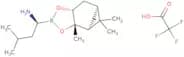
CAS :(S)-BoroLeu-(+)-pinanediol-trifluoroacetate is a useful scaffold, building block, and intermediate for the synthesis of complex compounds. It is a high quality reagent that can be used in research chemicals and speciality chemicals. (S)-BoroLeu-(+)-pinanediol-trifluoroacetate is a versatile building block because it can be used as a reaction component in the synthesis of fine chemicals and as an intermediate in the synthesis of other reagents. CAS No. 477254-69-6Formule :C15H28BNO2·C2HF3O2Degré de pureté :Min. 95%Couleur et forme :PowderMasse moléculaire :379.22 g/mol3-Fluoropyridine-4-carboxaldehyde
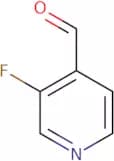
CAS :3-Fluoropyridine-4-carboxaldehyde is a reactivator that can be used in the treatment of bladder cancer. It binds to pyridinium and oxime derivatives, which are present in proteins, to form a reactive intermediate. This intermediate reacts with aldehyde groups on hemoglobin, restoring the oxygen binding capacity of hemoglobin to levels seen in healthy individuals. 3-Fluoropyridine-4-carboxaldehyde has been shown to have anticancer activity against bladder cancer cells and also has potential use as an additive for the treatment of red blood cells.
Formule :C6H4FNODegré de pureté :Min. 95%Couleur et forme :Colorless Yellow Clear LiquidMasse moléculaire :125.1 g/molDL-Propylhexedrine hydrochloride
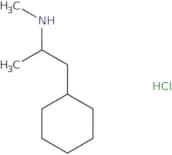
CAS :Produit contrôléDL-Propylhexedrine hydrochloride is a lipase inhibitor that binds to the active site of the enzyme, blocking access by substrate or competitive inhibitors. It also binds to calcium ions within the enzyme's active site, which may alter the enzyme's conformation and reduce its activity. DL-Propylhexedrine hydrochloride has been shown to inhibit fatty acid binding to cevimeline hydrochloride, an inhibitor molecule for lipases, as well as receptor activity and receptor binding in vitro. The kinetic data was obtained using a model system of human erythrocytes. This drug also has transport properties and can be used in sample preparation techniques such as hydrolysis with hydrochloric acid or amines.Formule :C10H22ClNDegré de pureté :Min. 95%Couleur et forme :PowderMasse moléculaire :191.74 g/mol2-Amino-4-chloropyrimidine
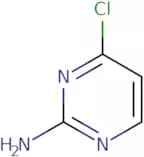
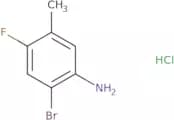
CAS :2-Amino-4-chloropyrimidine is an amido compound that is used to treat infectious diseases. It is a potent inhibitor of the enzyme topoisomerase II, which is involved in DNA replication and transcription. This drug has shown cytotoxic activity against du145 cells, an immortalized prostate cancer cell line. 2-Amino-4-chloropyrimidine has also been shown to be effective against MDA-MB-231 cells and thp1 cells, which are human breast cancer cell lines. 2-Amino-4-chloropyrimidine binds to the active site of topoisomerase II, preventing the enzyme from binding with the two ends of DNA and causing DNA breakage. The drug has also been shown to inhibit the growth of cervical cancer cells by binding with amine groups on proteins found on these cells.Formule :C4H4ClN3Degré de pureté :80Couleur et forme :White PowderMasse moléculaire :129.55 g/mol2-Bromo-4-fluoro-5-methylaniline hydrochloride
CAS :2-Bromo-4-fluoro-5-methylaniline hydrochloride is a versatile building block that can be used in the synthesis of complex compounds. It has two bromine atoms, two chlorine atoms, and one fluorine atom and is classified as a research chemical. This compound is used as a reagent in organic chemistry and as a speciality chemical. 2-Bromo-4-fluoro-5-methylaniline hydrochloride is also an intermediate for the synthesis of other chemicals and has been shown to be useful for the synthesis of new scaffolds.Formule :C7H7BrFN·HClDegré de pureté :Min. 95%Couleur et forme :PowderMasse moléculaire :240.5 g/molPyridin-2-sulfonyl chloride
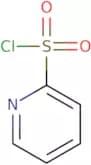
CAS :Pyridin-2-sulfonyl chloride is a kinase receptor inhibitor that binds to and inhibits the activity of certain protein kinases. It is used in the treatment of cardiovascular disorders and can be administered intravenously or orally. Pyridin-2-sulfonyl chloride has been shown to inhibit tumor necrosis factor-α (TNF-α) production in vivo, which may be due to its ability to inhibit the release of proinflammatory cytokines from macrophages. This drug also has pharmacokinetic properties that are similar to those of other sulfonamides, with an elimination half life of about 2 hours. Pyridin-2-sulfonyl chloride is not reactive with amines, which makes it a useful reagent for organic synthesis.Formule :C5H4ClNO2SDegré de pureté :Min. 95%Couleur et forme :Colorless Clear LiquidMasse moléculaire :177.61 g/mol4-(Piperazin-1-yl)benzoic acid hydrochloride
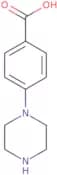
CAS :4-(Piperazin-1-yl)benzoic acid hydrochloride is a chemical intermediate that is used in the synthesis of pharmaceuticals. It has been shown to be a useful scaffold, and can be used as a reaction component and building block in the synthesis of complex compounds. 4-(Piperazin-1-yl)benzoic acid hydrochloride is also versatile, as it has been shown to be an intermediate for the synthesis of fine chemicals.Formule :C11H14N2O2•HClDegré de pureté :Min. 95%Couleur et forme :PowderMasse moléculaire :242.7 g/mol2,3,5-Triiodobenzoic acid
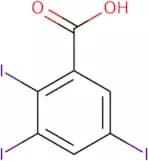
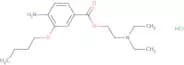
CAS :Inhibitor of auxin transport in plantsFormule :C7H3I3O2Degré de pureté :Min. 98 Area-%Couleur et forme :PowderMasse moléculaire :499.81 g/molOxybuprocaine hydrochloride
CAS :Produit contrôléOxybuprocaine hydrochloride is a local anesthetic that belongs to the group of x-ray diffraction data. It is a chemical compound that has been shown to be effective in inducing anesthesia in humans. Oxybuprocaine hydrochloride binds to proteins, such as benzalkonium chloride, and inhibits cell growth. It also has an anti-inflammatory effect by preventing the release of prostaglandins. Oxybuprocaine hydrochloride stabilizes chemical bonds and does not react with oxygen or water, making it a suitable candidate for use in eye drops and other solutions for application to skin cells. As well as this, oxybuprocaine hydrochloride can be used as a contrast agent for x-rays when dissolved in human serum or nutrient solution and can be detected using an electrochemical detector.Formule :C17H29ClN2O3Degré de pureté :Min. 95%Couleur et forme :White PowderMasse moléculaire :344.88 g/mol5-Bromo-2,4-dimethoxypyrimidine
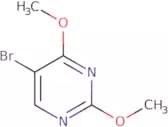
CAS :5-Bromo-2,4-dimethoxypyrimidine is a compound that functions as a potent inhibitor of L-glutamic acid amidohydrolase. This enzyme is essential for the synthesis of gamma-amino butyric acid (GABA) and glutamine, which are neurotransmitters in the central nervous system. 5-Bromo-2,4-dimethoxypyrimidine inhibits the formylation of l-glutamic acid to glutamate by inhibiting the enzyme L-glutamate formate lyase. It also inhibits herpes simplex virus type 1 (HSV1) replication by preventing viral DNA polymerization. 5-Bromo-2,4-dimethoxypyrimidine has been shown to be an effective inhibitor of chloride ion transport in some bacteria. The compound also shows photochromism when exposed to ultraviolet light or visible light under certain conditions. 5BROMO 2, 4 -DIMFormule :C6H7BrN2O2Degré de pureté :Min. 95%Couleur et forme :PowderMasse moléculaire :219.04 g/mol2,6-dichloro(3-pyridyl)4-(3-chloro-5-(trifluoromethyl)(2-pyridyl))piperazinyl ketone
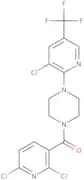
CAS :Please enquire for more information about 2,6-dichloro(3-pyridyl)4-(3-chloro-5-(trifluoromethyl)(2-pyridyl))piperazinyl ketone including the price, delivery time and more detailed product information at the technical inquiry form on this pageDegré de pureté :Min. 95%


![N-[(2-Fluorophenyl)methyl]-4-iodo-2,5-dimethoxybenzeneethanamine](/_next/image/?url=https%3A%2Fstatic.cymitquimica.com%2Fproducts%2F3D%2Fthumb-webp%2FFF97685.webp&w=3840&q=75)



![[2-(1H-Benzimidazol-1-yl)ethyl]amine dihydrochloride](/_next/image/?url=https%3A%2Fstatic.cymitquimica.com%2Fproducts%2F3D%2Fthumb-webp%2FFB126620.webp&w=3840&q=75)



![2,5-Dimethoxy-N-[(2-methoxyphenyl)methyl]-4-(trifluoromethyl)benzeneethanamine](/_next/image/?url=https%3A%2Fstatic.cymitquimica.com%2Fproducts%2F3D%2Fthumb-webp%2FFD100429.webp&w=3840&q=75)
![1-[1-[4-(4-Fluorophenyl)-4-Oxobutyl]Piperidin-4-Yl]-3-Methylbenzimidazol-2-One](/_next/image/?url=https%3A%2Fstatic.cymitquimica.com%2Fproducts%2F3D%2Fthumb-webp%2FFF100333.webp&w=3840&q=75)

![3-[(4-Fluorophenyl)amino]cyclohex-2-en-1-one](/_next/image/?url=https%3A%2Fstatic.cymitquimica.com%2Fproducts%2F3D%2Fthumb-webp%2FFF123027.webp&w=3840&q=75)