Halogénures organiques
Sous-catégories appartenant à la catégorie "Halogénures organiques"
20442 produits trouvés pour "Halogénures organiques"
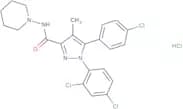
Rimonabant hydrochloride
CAS :Produit contrôléCB1 cannabinoid antagonist, non-CB1/CB2 receptor (GPR55) agonist; anorecticFormule :C22H22Cl4N4ODegré de pureté :Min. 98 Area-%Couleur et forme :PowderMasse moléculaire :500.25 g/molPolyvinylidene fluoride
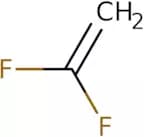
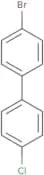
CAS :Polyvinylidene fluoride is a polymer that has been used for water purification in wastewater treatment. It is made from polyvinylidene and hydrogen fluoride, which react to form polyvinylidene fluoride. This polymer has a high dielectric constant, which means it can be used as an insulator, and a low water permeability, which means it does not dissolve in water. Polyvinylidene fluoride is also piezoelectric and has been shown to have the ability to generate kinetic energy.Formule :(C2H2F2)nCouleur et forme :White Powder4-Bromo-4'-chloro-1,1'-biphenyl
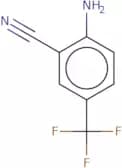
CAS :4-Bromo-4'-chloro-1,1'-biphenyl is a volatile compound that is used as a model species for the determination of halogenated aromatic compounds. It has been found to be present in the environment as a result of its use in commercial products and industrial processes. It has been detected in human tissues at levels up to 10 times higher than background levels. 4-Bromo-4'-chloro-1,1'-biphenyl can react with chlorine from the atmosphere to form dibenzofurans and other chlorinated benzenes. It is not reactive towards other chemicals and does not degrade under normal conditions.Formule :C12H8BrClDegré de pureté :Min. 95%Couleur et forme :PowderMasse moléculaire :267.55 g/mol2-Amino-5-(trifluoromethyl)benzonitrile
CAS :2-Amino-5-(trifluoromethyl)benzonitrile is a versatile chemical building block that can be used in a variety of reactions. It has been used as a reagent and intermediate for research, as well as a speciality chemical. This compound has been found to have applications in the synthesis of complex compounds, such as pharmaceuticals and agrochemicals. 2-Amino-5-(trifluoromethyl)benzonitrile is also a useful scaffold for organic synthesis, due to its high quality and versatility.Formule :C8H5F3N2Degré de pureté :Min. 95%Couleur et forme :solid.Masse moléculaire :186.13 g/mol3-Aminophthalic acid hydrochloride
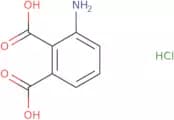
CAS :3-Aminophthalic acid hydrochloride is a diazonium salt that emits light when it reacts with chloride. This compound has been shown to be photophysically active in the presence of human serum, tumor tissue, and micelles. 3-Aminophthalic acid hydrochloride has also been found to be cytotoxic in a number of cancer models. It may also cause death by chemiexcitation of tissues. Furthermore, 3-aminophthalate and acetyl derivatives have shown anticancer activity.
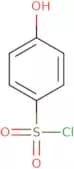
Formule :C8H7NO4HClDegré de pureté :80%Couleur et forme :PowderMasse moléculaire :217.61 g/mol4-Hydroxybenzenesulfonyl chloride
CAS :4-Hydroxybenzenesulfonyl chloride is a thionyl chloride derivative that reacts with pyridine in the presence of an dehydrating agent to form a polyurethane. The dehydration of 4-hydroxybenzenesulfonyl chloride is conducted by reacting it with magnesium and carboxylate in xylene, with subsequent reaction with chlorine to produce thiomorpholine. Thiomorpholine can be further reacted with thionyl chloride to produce sulfate. This compound has been shown to induce TNF-α production in mouse macrophages, which may be due to its ability to inhibit protein synthesis and induce apoptosis. 4-Hydroxybenzenesulfonyl chloride also has high yield for the synthesis of polyurethane, making it a popular choice for use in industrial applications.Formule :C6H5ClO3SDegré de pureté :Min. 85 Area-%Couleur et forme :PowderMasse moléculaire :192.62 g/molMethyl 4-chlorophenylacetate
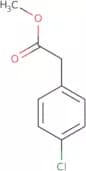
CAS :Methyl 4-chlorophenylacetate is an antibacterial agent that belongs to the group of decarboxylated compounds. It has been synthesised and chiral, with a pyruvic acid moiety. Methyl 4-chlorophenylacetate is bactericidal against Pyricularia oryzae and other microorganisms in vitro. It has also been shown to inhibit histamine H1 receptors in rats. The molecular modelling study showed that methyl 4-chlorophenylacetate forms hydrogen bonds with the bacterial cell membrane, which may lead to the formation of pores in the membrane, resulting in cell death.Formule :C9H9ClO2Degré de pureté :Min. 95%Masse moléculaire :184.62 g/molEsmolol hydrochloride
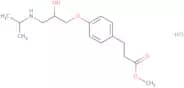
CAS :Produit contrôléBeta adrenergic antagonist; anti-arrhythmicFormule :C16H26ClNO4Degré de pureté :Min. 95%Couleur et forme :PowderMasse moléculaire :331.83 g/molCreatinine zinc chloride
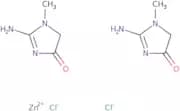
CAS :Creatinine zinc chloride is a fine chemical that is useful as a scaffold for the synthesis of complex compounds. Creatinine zinc chloride has been used as an intermediate in the synthesis of research chemicals and as a reaction component in the production of speciality chemicals. It has also been used as a building block for the synthesis of high-quality reagents.
Formule :(C4H7N3O)2•ZnCl2Degré de pureté :Min. 95%Couleur et forme :PowderMasse moléculaire :362.52 g/mol2-Amino-4-chloropyrimidine
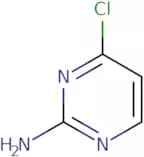
CAS :2-Amino-4-chloropyrimidine is an amido compound that is used to treat infectious diseases. It is a potent inhibitor of the enzyme topoisomerase II, which is involved in DNA replication and transcription. This drug has shown cytotoxic activity against du145 cells, an immortalized prostate cancer cell line. 2-Amino-4-chloropyrimidine has also been shown to be effective against MDA-MB-231 cells and thp1 cells, which are human breast cancer cell lines. 2-Amino-4-chloropyrimidine binds to the active site of topoisomerase II, preventing the enzyme from binding with the two ends of DNA and causing DNA breakage. The drug has also been shown to inhibit the growth of cervical cancer cells by binding with amine groups on proteins found on these cells.Formule :C4H4ClN3Degré de pureté :80Couleur et forme :White PowderMasse moléculaire :129.55 g/mol[1-(3-Methoxyphenyl)-1-methylethyl]amine hydrochloride
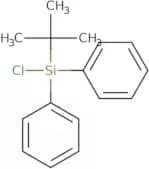
CAS :[1-(3-Methoxyphenyl)-1-methylethyl]amine hydrochloride is an organic compound that can be used as a reagent and a building block. It has been shown to be a useful intermediate in the synthesis of various other compounds, such as pharmaceuticals. This chemical is also used in research, as it is versatile and can react with other compounds easily. [1-(3-Methoxyphenyl)-1-methylethyl]amine hydrochloride can be purchased at our store if you are interested in purchasing this product.Formule :C10H15NO·HClDegré de pureté :Min. 95%Couleur et forme :PowderMasse moléculaire :201.69 g/moltert-Butyl diphenylchlorosilane
CAS :Tert-butyl diphenylchlorosilane is a chemical compound that belongs to the group of organosilicon compounds. It is used for the preparation of various organosilicon compounds, such as trifluoroacetic acid, which is used in analytical chemistry. The synthesis of tert-butyl diphenylchlorosilane starts with the reaction between hydrochloric acid and sodium citrate. This yields a phosphate bond and a hydroxyl group. In order to form the desired product, tert-butyl diphenylchlorosilane, this intermediate is reacted with trifluoroacetic acid in an asymmetric synthesis to yield the desired product. The reaction mechanism of this process involves hydrogen chloride as an electrophile attacking the carbonyl carbon atom in trifluoroacetic acid, leading to an elimination reaction. This elimination reaction results in two possible products: tert-butyl acetate or tert-butyl chlorosFormule :C16H19ClSiDegré de pureté :Min. 97 Area-%Couleur et forme :Clear LiquidMasse moléculaire :274.87 g/molCadmium chloride hemipentahydrate - ACS
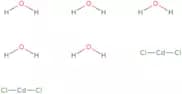
CAS :Cadmium chloride hemipentahydrate is a chemical compound that has been shown to have genotoxic effects on animals and humans. Cadmium chloride hemipentahydrate has been shown to inhibit protein synthesis and enzyme activity in vitro and in vivo. It also has been shown to cause cell death and cytotoxicity in brain cells. This chemical compound is used as a model system for the study of cadmium toxicity, because it can be administered to animals without causing any adverse effects. When cadmium chloride hemipentahydrate is injected into rodents, it causes DNA damage, oxidative stress, inhibition of energy metabolism, and induction of apoptosis in brain cells.
Formule :CdCl2•(H2O)2Degré de pureté :(Titration) 79.5 To 81.0%Couleur et forme :White PowderMasse moléculaire :228.35 g/mol2,4-Dichloro-6-phenyl-1,3,5-triazine
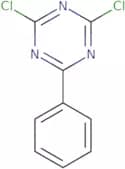
CAS :2,4-Dichloro-6-phenyl-1,3,5-triazine is a triazine that has been synthesized and characterized by gel permeation chromatography and powder diffraction analysis. This compound is insoluble in organic solvents due to its high molecular weight. 2,4-Dichloro-6-phenyl-1,3,5-triazine has a number of different applications in the field of polymer science as an acceptor for activated polymers. It can also be used for thermally or photophysically activated polymers. The molecular structure of this compound was determined using x-ray crystallography and molecular modelling techniques.
Formule :C9H5Cl2N3Degré de pureté :Min. 98%Couleur et forme :PowderMasse moléculaire :226.06 g/molN-Chloro-4-toluenesulfonamide sodium
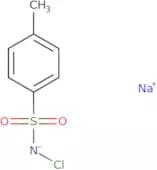
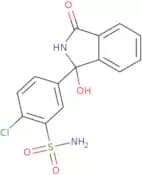
CAS :N-Chloro-4-toluenesulfonamide sodium (NCTS) is a disinfectant that is used to treat wastewater and as a preservative for water. It has been shown to be effective against bacteria, fungi, and viruses. NCTS is an antimicrobial agent that reacts with the matrix in which it is applied to form chloramines-T (NHClO). The chloramines-T inhibits the activity of enzymes such as those involved in DNA synthesis and protein synthesis. This reaction also generates an electric current due to the redox potentials of the reactants. The presence of aziridines in NCTS leads to crosslinking between proteins, which enhances its effectiveness as a disinfectant. NCTS has been shown to have no adverse effects on human erythrocytes or DNA when used at concentrations up to 100 µg/mL.Formule :C7H8ClNO2S•NaDegré de pureté :Min. 95%Couleur et forme :PowderMasse moléculaire :228.65 g/mol2-Chloro-5-(2,3-dihydro-1-hydroxy-3-oxo-1H-isoindol-1-yl)-benzenesulfonamide
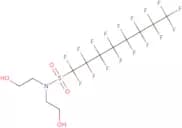
CAS :Produit contrôlé2-Chloro-5-(2,3-dihydro-1-hydroxy-3-oxo-1H-isoindol-1-yl)-benzenesulfonamide is a drug that belongs to the class of sulfonamides which is used in pharmaceutical formulations. It has been shown to have potent antihypertensive effects, and it also lowers blood pressure by inhibiting an enzyme called carbonic anhydrase. 2CCHIB binds to the chloride channel in kidney tubule cells and prevents the reabsorption of chloride ions in these cells. This leads to more water being excreted from the body, which reduces blood volume and pressure. The low density lipoprotein (LDL) cholesterol levels are also reduced when this drug is taken orally. 2CCHIB increases high sensitivity C reactive protein (hsCRP), a marker for inflammation, but it can also have antioxidant effects.Formule :C14H11ClN2O4SDegré de pureté :Min. 95%Couleur et forme :PowderMasse moléculaire :338.77 g/molHeptadecafluoro-N,N-Bis(2-Hydroxyethyl)Octanesulphonamide
CAS :Produit contrôléHeptadecafluoro-N,N-Bis(2-Hydroxyethyl)Octanesulphonamide is a lubricant that is used in the manufacture of polyester films. It is insoluble and has excellent compressive properties. This compound is soluble in both organic solvents and water, and can be applied as a transfer agent or to obviate the need for a separate lubricant. Heptadecafluoro-N,N-Bis(2-Hydroxyethyl)Octanesulphonamide is an inorganic material that does not react with other materials. It also has good deformation resistance and low hardness. The particle size of this compound is between 5 and 10 microns.Formule :C12H10F17NO4SDegré de pureté :Min. 95%Masse moléculaire :587.25 g/mol4-(2- fluorophenyl)-6,8-dihydro-1,3,8-trimethyl-Pyrazolo[3,4-e][1,4]diazepin-7(1H)-one mixt. with 2-(ethylamino)-2-(2-thienyl)cycloh exanone hydrochloride
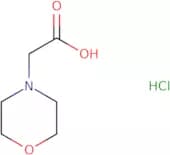
CAS :Produit contrôléTelazol is an anesthetic that belongs to the class of nonbenzodiazepine drugs. It is used as a short-term sedative and analgesic in preoperative, obstetrical, and diagnostic procedures. Telazol is a prodrug that is metabolized in vivo to its active form, 4-(2-fluorophenyl)-6,8-dihydro-1,3,8-trimethyl-Pyrazolo[3,4-e][1,4]diazepin-7(1H)-one (TFD). Telazol has been shown to have low toxicity when administered at low doses (0.5 mg/kg) to rats.Formule :C27H33ClFN5O2SDegré de pureté :Min. 95%Masse moléculaire :546.1 g/mol4-Morpholinylacetic acid hydrochloride
CAS :4-Morpholinylacetic acid hydrochloride is a fluorescent probe that is used to study the interaction between extracellular proteins and cells. It can be detected in tissues by fluorescence microscopy and has been tested on animal tissues. The linker group allows for the encapsulation of the probe into mesoporous silica particles that can be recovered from biological fluids and analyzed using analytical methods. 4-Morpholinylacetic acid hydrochloride is not acidic, which means it does not interact with DNA or RNA. The fluorescent properties of this compound allow for easy detection in tissues and microenvironments where other probes may not be detectable.
Formule :C6H11NO3•HClDegré de pureté :Min. 95%Masse moléculaire :181.62 g/mol3’-β-Amino-2’,3’-dideoxy-5-fluorouridine
CAS :Please enquire for more information about 3’-beta-Amino-2’,3’-dideoxy-5-fluorouridine including the price, delivery time and more detailed product information at the technical inquiry form on this pageDegré de pureté :Min. 95%Magnesium chloride hexahydrate
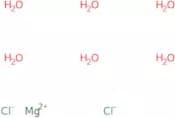
CAS :Magnesium chloride hexahydrate is a chemical compound with the formula MgCl2·6H2O. It is used as an electrolyte in wastewater treatment and for the production of magnesium metal. The optimum concentration for this chemical is between 0.1-0.3 mol/L, which can be found in nature. Magnesium chloride hexahydrate is also used as a component in dextran sulfate, which is an additive to prevent clumping of particles suspended in water or other liquids. This compound has been shown to affect the activity of enzymes such as xylanase, protease, and amylase. Magnesium chloride hexahydrate has a phase transition temperature of 40 °C and can form coordination geometry structures with copper(II) ions at high temperatures.Formule :MgCl2·6H2OCouleur et forme :PowderMasse moléculaire :203.3 g/molN-[5-(Phenylamino)-2,4-pentadienylidene]aniline monohydrochloride
CAS :N-[5-(Phenylamino)-2,4-pentadienylidene]aniline monohydrochloride is a fluorescent probe that reacts with malonic acid. The reaction produces an emission peak at 595 nm and can be detected by fluorescence microscopy. This probe has been used in the study of hypoxia imaging, as well as for detection of reactive carbonyl groups and acetylation reactions. It can also be used to monitor treatment effects on residues from emulsions.Formule :C17H16N2·HClDegré de pureté :(Titration) Min 98%Couleur et forme :Red PowderMasse moléculaire :284.78 g/molIpratropium bromide monohydrate
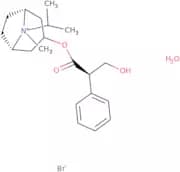
CAS :Muscarinic antagonistFormule :C20H32BrNO4Degré de pureté :Min. 95%Couleur et forme :White/Off-White SolidMasse moléculaire :430.38 g/mol4,6-Diamino-5-(formylamino)pyrimidine hydrochloride
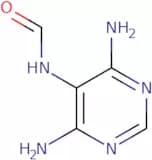
CAS :4,6-Diamino-5-(formylamino)pyrimidine hydrochloride (4,6-dA-FAP) is a nucleic acid polymerase chain reaction probe that binds to damaged DNA. It can be used to identify the presence of nuclear DNA in human polymorphonuclear leukocytes. 4,6-Diamino-5-(formylamino)pyrimidine hydrochloride is also known as a redox indicator and has been shown to have antioxidant properties. This drug is not toxic at physiological levels, but it has been found to be an inhibitor of a number of enzymes. 4,6-Diamino-5-(formylamino)pyrimidine hydrochloride has been used in studies on cancer tissues and biological samples.Formule :C5H7N5O•HClDegré de pureté :Min. 95%Couleur et forme :PowderMasse moléculaire :189.6 g/mol(2,4-Dichlorophenoxy)acetic acid methyl ester
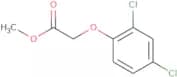
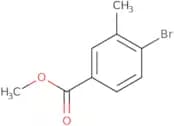
CAS :2,4-Dichlorophenoxyacetic acid methyl ester is a herbicide that inhibits the growth of plants by inhibiting photosynthesis. It is an organic compound with a molecular weight of 168.2 g/mol. This product has been shown to biodegrade in soil and water, as well as be non-persistent in the environment. 2,4-Dichlorophenoxyacetic acid methyl ester is also a pesticide that kills plants by blocking the synthesis of chlorophyll and other plant pigments. This product can be used on trees and shrubs for control of broadleaf weeds and grasses.Formule :C9H8Cl2O3Degré de pureté :Min. 95%Couleur et forme :PowderMasse moléculaire :235.06 g/molMethyl 4-bromo-3-methylbenzoate
CAS :Methyl 4-bromo-3-methylbenzoate is an aryl boronic acid that has been used in the study of lactams. It has been shown to interact with acidic substances and crystal x-ray diffraction has revealed it to be a carbonyl reductant. Functional theory suggests that this compound is capable of reducing an ester or carboxylic acid using hydrogen gas, forming an alcohol and a carboxylic acid. Methyl 4-bromo-3-methylbenzoate also reacts with maleic anhydride, unsymmetrical dihydroxyacetone, photochromism, and constant light. X-ray crystal structures have revealed the molecule's molecular structure. The methyl group is attached to the 3rd carbon atom on the benzene ring, while the bromine atom is located at the 4th carbon atom on the benzene ring. The carbon atoms are connected through single bonds and there are twoFormule :C9H9BrO2Degré de pureté :Min. 95%Masse moléculaire :229.07 g/molEtoperidone hydrochloride
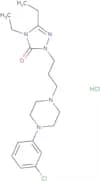
CAS :Etoperidone hydrochloride is a drug that is an antagonist of the dopamine D2 receptor. It is used to treat Parkinson's disease and psychosis. Etoperidone hydrochloride binds to the dopamine D2 receptor and blocks its function, which may be due to its ability to inhibit locomotor activity in mice. This drug also inhibits population growth by preventing antibody production, which is essential for fighting infectious diseases. Etoperidone hydrochloride has been shown to be effective in clinical trials against symptoms of Parkinson's disease and psychosis, as well as experimental models of schizophrenia.Formule :C19H29Cl2N5ODegré de pureté :Min. 95%Couleur et forme :White PowderMasse moléculaire :414.37 g/molTris[N-Ethyl-1,1,2,2,3,3,4,4,5,5,6,6,7,7,8,8,8-heptadecafluoro-N-(2-hydroxyethyl)-1-Octanesulfonamide] phosphate
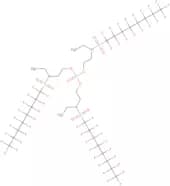
CAS :Produit contrôléTris[N-ethyl-1,1,2,2,3,3,4,4,5,5,6,6,7,7,8,8-heptadecafluoro-N-(2-hydroxyethyl)-1-octanesulfonamide] phosphate is a sulfonate that has been mixed with other chemicals. It is used as a chemical substance for the production of other substances. Tris[N-ethyl-1,1,2,2,3]3,[4],4,[5],5,[6],6-[7],7,[8],8-[heptadecafluoro-N-(2-hydroxyethyl)-1-octanesulfonamide] phosphate has not been classified by the International Agency for Research on Cancer (IARC).Formule :C36H27F51N3O10PS3Degré de pureté :Min. 95%Masse moléculaire :1,757.7 g/mol2,5-Diiodopyridine
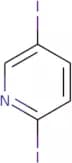
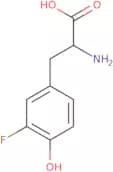
CAS :2,5-Diiodopyridine is regiospecific and has been shown to have a high affinity for the nicotinic acetylcholine receptor. It has been synthesised by cross-coupling reactions of boronic acids with halides. 2,5-Diiodopyridine can also be used as a precursor for epibatidine. Epibatidine is a drug that binds to nicotinic acetylcholine receptors and activates them, which in turn leads to activation of voltage-gated calcium channels. This process leads to an increase in the release of dopamine, serotonin and norepinephrine from neurons. The uptake of 2,5-diiodopyridine was found at the level of 0.7% after 3 hours and 1% after 12 hours in mesoporous silica nanoparticles. 2,5-Diiodopyridine can be used as a precursor for epibatidine which is a drug thatFormule :C5H3I2NDegré de pureté :Min. 95 Area-%Couleur et forme :PowderMasse moléculaire :330.89 g/mol3-Fluoro-DL-tyrosine
CAS :3-Fluoro-DL-tyrosine is a model system for the study of tyrosine transfer reactions. It is used to study the reaction mechanism and kinetics of tyrosine transfer from a donor molecule to an acceptor molecule. 3-Fluoro-DL-tyrosine reacts with trifluoroacetic acid to form 3,4-dihydroxybenzoic acid, which is a chemical analog of tyrosine. The hydroxyl group on this molecule can react with the proton on the amino acid side chain, forming a covalent bond that does not break down under normal conditions. This reaction is reversible and has been shown to be catalyzed by polymerase chain reactions (PCR).
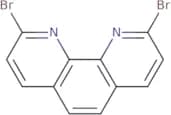
Formule :C9H10FNO3Degré de pureté :Min. 95%Couleur et forme :PowderMasse moléculaire :199.18 g/mol2,9-Dibromo-1,10-phenanthroline
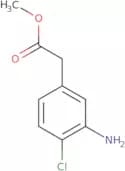
CAS :2,9-Dibromo-1,10-phenanthroline is a molecule that has been shown to be an effective sensitizer for the photochemical conversion of chlorine dioxide to ozone. It has been used as a model compound in molecular orbital calculations and has been shown to enhance the yield of ozone by up to 3%. The emission spectrum of 2,9-dibromo-1,10-phenanthroline displays a peak at 362 nm, which lies in the ultraviolet region. The molecule is orthorhombic and crystallizes in space group P2/c with cell dimensions a = 17.8 Å and c = 18.7 Å.Formule :C12H6Br2N2Degré de pureté :Min. 95%Couleur et forme :White PowderMasse moléculaire :338 g/mol3-Amino-4-chlorophenylacetic acid methyl ester
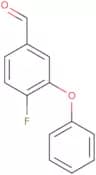
CAS :3-Amino-4-chlorophenylacetic acid methyl ester is a fine chemical that is useful as a building block in the synthesis of complex compounds. It has been used as a reagent and speciality chemical, which can be used for research purposes. CAS No. 59833-69-1Formule :C9H10ClNO2Degré de pureté :Min. 95%Masse moléculaire :199.63 g/mol4-Fluoro-3-phenoxybenzaldehyde
CAS :4-Fluoro-3-phenoxybenzaldehyde is a chiral organic compound that has been synthesized in the laboratory. This compound has a linear response to peroxide and can be used as an environmental pollutant indicator. It is produced by the reaction of phenol with peroxide in deionized water, which is catalyzed by acid. The reaction time is dependent on the diluent used, and ultrasonic irradiation can be used to speed up the reaction. 4-Fluoro-3-phenoxybenzaldehyde's structure consists of two isomers, each containing either a fluorine atom or hydrogen atom on one of the phenyl rings. 4-Fluoro-3-phenoxybenzaldehyde can be purified using distillation or recrystallization techniques.Formule :C13H9FO2Degré de pureté :Min. 95%Couleur et forme :LiquidMasse moléculaire :216.21 g/molClomipramine hydrochloride
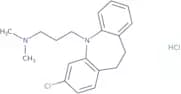
CAS :Produit contrôléClomipramine hydrochloride is the hydrochloride salt form of clomipramine, an amphiphilic drug, derivative of dibenzazepine. It is presumed that this tricyclic compound affects serotonin uptake in the brain increasing thus the activity of serotonin. Also, clomipramine reduces the re-uptake of norepinephrine (active metabolite desmethylclomipramine) and binds to alpha-adrenergic, histaminergic, and cholinergic receptors (side effects). Clomipramine is antidepressant, used to treat obsessive compulsive disorder, panic disorders and cataplexy. Clomipramine is shown to modulate immune activation, shows constant anti-inflammatory properties at therapeutic concentrations by consistently decreasing pro- inflammatory cytokines. Clomipramine could be a good candidate to counteract SARS-CoV-2 infection worsening thanks to its high penetration in the brain and its anti-inflammatory effects.Formule :C19H24Cl2N2Degré de pureté :Min. 95%Couleur et forme :SolidMasse moléculaire :351.31 g/mol4-Iodoguaiacol
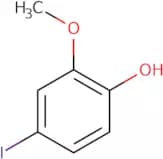
CAS :4-Iodoguaiacol is a chemical compound that has selective inhibitory effects on neuroinflammation. It is an isoquinoline alkaloid, which means that it contains nitrogen and carbon atoms in its structure. This molecule contains two vinyl ether groups and one methyl methacrylate group. The vinyl ether groups are responsible for the selectivity of 4-iodoguaiacol by binding to a protein called signal transducer and activator of transcription (STAT) 1. STAT1 is a signaling molecule that regulates inflammation in the brain. 4-Iodoguaiacol inhibits the production of amyloid beta proteins, which are linked to Alzheimer's disease, and can be used as a treatment for this condition.
Formule :C7H7IO2Degré de pureté :Min. 95%Couleur et forme :White PowderMasse moléculaire :250.03 g/mol1,1,1,3-Tetrachloro-3,3-Difluoropropane
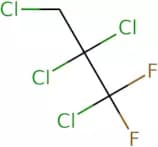
CAS :Produit contrôlé1,1,1,3-Tetrachloro-3,3-difluoropropane is a colorless, volatile liquid that is miscible with water. It has a high vapor pressure and low solubility in water. 1,1,1,3-Tetrachloro-3,3-difluoropropane is used as a solvent for organic compounds and as an intermediate in the production of other chlorocarbons. It can be used to produce calcium chloride and chlorine gas. 1,1,1,3-Tetrachloro-3,3-difluoropropane also has fumigant properties because it absorbs moisture from the air and releases it later.Formule :C3H2Cl4F2Degré de pureté :Min. 95%Masse moléculaire :217.86 g/mol2-Fluoro-6-methoxybenzoic acid
CAS :2-Fluoro-6-methoxybenzoic acid is a monocarboxylic acid that is synthesized from 2,6-dichlorobenzoic acid by a mediated, synthetic sequence. This compound can be used as a substrate for kinetic analyses of the transport of carboxylic acids across cellular membranes. The uptake of 2-fluoro-6-methoxybenzoic acid is expressed in the apical surface membrane of Caco2 cells. Kinetic studies indicate that this compound reacts rapidly with butyllithium to form an enamine intermediate. The enamine intermediate then reacts with either water or methanol to produce a final product, depending on the reaction time.Formule :C8H7FO3Degré de pureté :Min. 95%Couleur et forme :PowderMasse moléculaire :170.14 g/mol4-Amino-5-chloro-2,3-dihydro-N-[1-(3-methoxypropyl)-4-piperidinyl]-7-benzofurancarboxamide
CAS :The drug 4-Amino-5-chloro-2,3-dihydro-N-[1-(3-methoxypropyl)-4-piperidinyl]-7-benzofurancarboxamide (BZP) is a histamine H2 receptor antagonist. It binds to the histamine H2 receptor in the stomach and duodenum, thereby blocking stomach acid production. BZP has been shown to be effective for treating symptoms of constipation or diarrhoea caused by inflammatory bowel disease or abdominal surgery. BZP also reduces the risk of relapse after surgery but does not affect long term efficacy. This drug is not available in the United States and has significant interactions with other drugs and symptoms including constipation, bowel disease, long term efficacy, and analytical method.Formule :C18H26ClN3O3Degré de pureté :Min. 95%Couleur et forme :White PowderMasse moléculaire :367.87 g/mol2-(N-Ethylperfluorooctanesulfonamido)ethyl acrylate
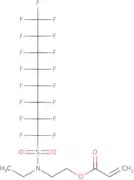
CAS :Produit contrôlé2-(N-Ethylperfluorooctanesulfonamido)ethyl acrylate is a synthetic polymer that forms supramolecular aggregates in water. 2-(N-Ethylperfluorooctanesulfonamido)ethyl acrylate has viscosity and molecular weight properties similar to those of polyacrylamide, but it is more soluble in water. The polymer concentration can be increased by adding ammonium persulfate, which acts as an initiator for the polymerization process. The polymerization reaction produces beta-cyclodextrin as a byproduct, which is also a supramolecular aggregate. When the polymer concentration exceeds 10 mg/mL, the self-assembly process becomes irreversible and the formation of nanodomains is enhanced. This process can be observed using dynamic light scattering with a constant enhancement factor that is greater than one. The hydrophobic bonds between the monomers are responsible for this phenomenon.Formule :C15H12F17NO4SDegré de pureté :Min. 95%Couleur et forme :PowderMasse moléculaire :625.3 g/mol2-Bromo-6-fluorobenzoic acid ethyl ester
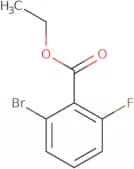
CAS :2-Bromo-6-fluorobenzoic acid ethyl ester is a chemical that reacts with other chemicals to form new substances. It is a useful scaffold for complex compounds and can be used as a building block for fine chemicals, pharmaceuticals, agrochemicals, and other organic compounds. 2-Bromo-6-fluorobenzoic acid ethyl ester is also a versatile building block or intermediate in the synthesis of many different substances.Formule :C9H8BrFO2Degré de pureté :Min. 90%Couleur et forme :PowderMasse moléculaire :247.06 g/mol4-Bromo-3,5-dimethoxybenzaldehyde
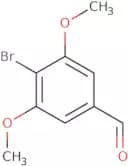
CAS :4-Bromo-3,5-dimethoxybenzaldehyde is a compound that inhibits the replication of cells. It has been shown to induce apoptosis and inhibit tumor growth, including skin tumors and malignant melanoma cells. This chemical is synthesized by reacting an acrylonitrile with sodium hydroxide in a biphenyl amide. 4-Bromo-3,5-dimethoxybenzaldehyde has been used to inhibit bacterial growth, but it is not active against Mycobacterium tuberculosis or Mycobacterium avium complex.
Formule :C9H9BrO3Degré de pureté :Min. 95%Couleur et forme :PowderMasse moléculaire :245.07 g/molRetigabine
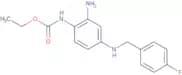
CAS :Produit contrôléRetigabine is a carbamate that binds to the benzodiazepine binding site of the gamma-aminobutyric acid receptor. It has been shown to have analgesic properties in animal studies, and has also been investigated as a potential treatment for epilepsy. Retigabine may be used in combination with other drugs, such as flumazenil, which can reverse its effects. The structural analog of retigabine is flumazenil, a drug that can reverse the effects of benzodiazepines such as diazepam and midazolam. Retigabine also interacts with other drugs through significant effects on their pharmacokinetics and pharmacodynamics.Formule :C16H18FN3O2Degré de pureté :Min. 98 Area-%Couleur et forme :White PowderMasse moléculaire :303.33 g/mol4-Fluoroisoquinoline
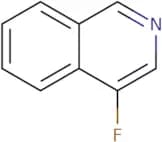
CAS :4-Fluoroisoquinoline is a synthetic compound that can be produced by the reduction of an acetonitrile-chlorinated isoquinoline compound. It is also possible to produce 4-fluoroisoquinoline by the reaction of chlorinating agents with an aldehyde, followed by the addition of phosphorus oxychloride and fluorine. The reductive sulfonation of 4-fluoroisoquinoline can be achieved by reacting it with sulfur trioxide, which is in turn generated from phosphorous oxychloride and sulfur dioxide. This process produces the desired product in good yields.
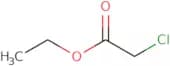
Formule :C9H6FNDegré de pureté :Min. 95%Couleur et forme :Brown PowderMasse moléculaire :147.15 g/molEthyl chloroacetate
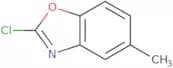
CAS :Used in the preparation of 5-member heterocyclesFormule :C4H7ClO2Degré de pureté :Min. 95%Couleur et forme :Colorless Clear LiquidMasse moléculaire :122.55 g/mol2-Chloro-5-methyl-1,3-benzoxazole
CAS :2-Chloro-5-methyl-1,3-benzoxazole (CMB) is a regioselective synthetic intermediate that can be used to synthesize other compounds. It is produced by the reaction of chloromethyl methyl ether with anhydrous magnesium chloride in the presence of a solvent such as THF or diethyl ether. CMB can also be prepared by the reaction of 2,4,6-trichlorobenzoyl chloride with magnesium metal and a solvent such as THF or diethyl ether. This intermediate can be used in cross-coupling reactions with Grignard reagents to produce different compounds.Formule :C8H6ClNODegré de pureté :Min. 95 Area-%Couleur et forme :PowderMasse moléculaire :167.59 g/molClorsulon
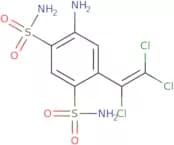
CAS :Clorsulon is an anthelmintic drug that belongs to the group of benzimidazoles. It is used in veterinary medicine to treat nematode and cestode infections, as well as tapeworm infections. Clorsulon is a dispersive solid-phase extraction (DSPE) extractant that can be used for the separation of drugs and their metabolites from biological fluids. The chemical stability of clorsulon was assessed by exposing it to various solvents and pHs. Clorsulon was found to be stable in acetate, benzene, chloroform, ethyl acetate, ethanol, methanol, and water at pH 1-14 and a variety of temperatures ranging from -20 ˚C to 50 ˚C. No significant loss or degradation occurred after exposure to these conditions for up to 24 hours.Formule :C8H8Cl3N3O4S2Degré de pureté :(Hplc) Min. 98.0%Couleur et forme :PowderMasse moléculaire :380.66 g/mol4-Cyano-2-fluorobenzyl alcohol
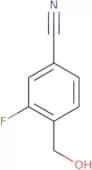
CAS :4-Cyano-2-fluorobenzyl alcohol is a reagent that is used to produce chlorine and hydrochloric acid. It is also used industrially in the production of potassium chloride, a compound that is used in fertilizers, animal feed supplements, and water treatment. 4-Cyano-2-fluorobenzyl alcohol reacts with chloride ions to form hypochlorous acid (HOCl), which then reacts with water to form hydrogen chloride gas. The reaction with fluoride ions leads to the formation of hydrofluoric acid (HF).Formule :C8H6FNODegré de pureté :Min. 95%Couleur et forme :White To Beige SolidMasse moléculaire :151.14 g/mol3-Bromo-6-chloro-7-methylchromone
CAS :3-Bromo-6-chloro-7-methylchromone is a fine chemical that is useful as a building block in organic synthesis. It is a versatile intermediate, and can be used as a reaction component in various chemical reactions. 3-Bromo-6-chloro-7-methylchromone has a CAS number of 263365-48-6 and is classified as a complex compound. This chemical is mainly used for the preparation of other chemicals with more desirable properties.
Formule :C10H6BrClO2Degré de pureté :Min. 95%Couleur et forme :PowderMasse moléculaire :273.51 g/molDiacylglycerol kinase inhibitor II
CAS :Diacylglycerol kinase inhibitor II is a transcriptional regulator that inhibits diacylglycerol kinase. This inhibitor blocks the signaling pathways for growth factor-β1 by inhibiting the enzyme phosphatidic acid phosphatase, which plays an important role in cellular proliferation and migration. Diacylglycerol Kinase Inhibitor II has also been shown to inhibit cation channels and calcium release from intracellular stores. Diacylglycerol Kinase Inhibitor II binds to both cytosolic and nuclear proteins. It has been shown to inhibit cell proliferation and induce apoptosis in breast cancer cells.
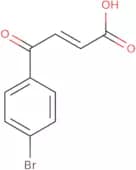
Formule :C28H25F2N3OSDegré de pureté :Min. 97 Area-%Couleur et forme :PowderMasse moléculaire :489.58 g/mol3-(4-Bromobenzoyl)-acrylic acid
CAS :3-(4-Bromobenzoyl)-acrylic acid is a chiral secondary amine that was synthesised in the laboratory. It is an inhibitor of xanthine oxidase, which is an enzyme involved in purine metabolism. The compound inhibits the enzyme by binding to it and preventing it from breaking down xanthine into uric acid. This has been shown to inhibit xanthine oxidase activity in vitro, but not in vivo. 3-(4-Bromobenzoyl)-acrylic acid has been shown to be more potent than some other inhibitors, such as thiourea and erythromycin. However, it has only been studied at low concentrations so far and its effects on human cells are unknown.
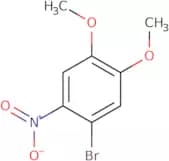
Formule :C10H7BrO3Degré de pureté :Min. 95%Couleur et forme :PowderMasse moléculaire :255.06 g/mol1-Bromo-3,4-dimethoxy-6-nitrobenzene
CAS :1-Bromo-3,4-dimethoxy-6-nitrobenzene is a pharmacological agent that has been used as a catalyst and cleavable complex. It can be used to synthesize melamine, anilines and other moieties. The 1,2,3-triazole ring of the molecule is modified by substitution with nitroarenes or nitrobenzene to form a protoberberine alkaloid. This chemical compound has been shown to be a competitive inhibitor of topoisomerase I with an IC50 value of 0.2μM in calf thymus DNA gyrase assays. It also has thermal stability up to 90°C for at least 24 hours when treated with phenol and chloroform for purification purposes.Formule :C8H8BrNO4Degré de pureté :Min. 95%Couleur et forme :PowderMasse moléculaire :262.06 g/mol2-Chloro-1H-imidazo[4,5-b]pyridine
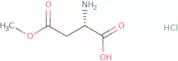
CAS :2-Chloro-1H-imidazo[4,5-b]pyridine is a sulfonylating agent that reacts with hydantoins to produce 2-chloro-1H-imidazo[4,5b]pyridines. The reaction is catalyzed by acetonitrile and chlorination in the presence of ammonium chloride. The reaction can be carried out in acidic or basic conditions. This process leads to alkylation of the nitrogen atom and formation of a chiral product. It takes about 12 hours for the reaction to complete. It is not known if there are any age restrictions for this product.Formule :C6H4ClN3Degré de pureté :Min. 95%Couleur et forme :PowderMasse moléculaire :153.57 g/molL-Aspartic acid b-methyl ester hydrochloride
CAS :L-Aspartic acid b-methyl ester hydrochloride is a high quality, versatile building block that can be used as a reaction component in the synthesis of complex compounds. L-Aspartic acid b-methyl ester hydrochloride is a useful scaffold for the preparation of novel fine chemicals and research chemicals with potential uses as pharmaceuticals, pesticides, and agricultural chemicals. It can also be used as an intermediate in the preparation of some natural products or industrial chemicals. L-Aspartic acid b-methyl ester hydrochloride has a CAS number of 16856-13-6.
Formule :C5H9NO4·HClCouleur et forme :White PowderMasse moléculaire :183.59 g/molCarbonyldiiodo(pentamethylcyclopentadienyl)cobalt(III)
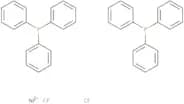
CAS :Carbonyldiiodo(pentamethylcyclopentadienyl)cobalt(III) is a high-quality, reagent, complex compound that is useful as a reaction component in the production of fine chemicals and speciality chemicals. It is also used as a building block for more complex compounds. This versatile building block can be used to produce research chemicals, useful scaffolds and building blocks for organic synthesis. Carbonyldiiodo(pentamethylcyclopentadienyl)cobalt(III) has CAS number 35886-64-7.Formule :C11H15CoI2ODegré de pureté :Min. 95%Couleur et forme :Black SolidMasse moléculaire :475.98 g/molBis(triphenylphosphine)nickel(II) dichloride
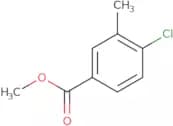
CAS :Bis(triphenylphosphine)nickel(II) dichloride is a coordination compound that belongs to the group P2. It has an octahedral geometry with two adjacent nickel atoms and two chloride ligands. The metal-metal bond length is 2.14 Å, which is shorter than the average bond length of 2.54 Å for octahedral complexes. Bis(triphenylphosphine)nickel(II) dichloride reacts with quinoline derivatives to form amines and undergoes transfer reactions with amines, chlorides, and olefins. It also undergoes irreversible oxidation when in contact with water. The compound is stereoselective for substitution by halides at the para position on the phenyl ring.Formule :C36H30Cl2NiP2Degré de pureté :Min. 95%Couleur et forme :PowderMasse moléculaire :654.17 g/molMethyl 4-chloro-3-methylbenzoate
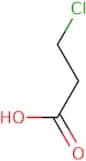
CAS :Please enquire for more information about Methyl 4-chloro-3-methylbenzoate including the price, delivery time and more detailed product information at the technical inquiry form on this pageFormule :C9H9ClO2Degré de pureté :Min. 95%Masse moléculaire :184.62 g/mol3-Chloropropionic acid
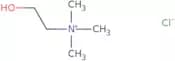
CAS :3-Chloropropionic acid is a non-toxic organic compound that exhibits significant cytotoxicity against many bacterial strains. It is a white solid, which is soluble in water and has no odor. 3-Chloropropionic acid can be synthesized by the reaction of malonic acid with ethylene diamine or by the reaction of bromoacetic acid with sodium salts. The optimum pH for this reaction is 6.5 to 7.5 and the optimum temperature is 25°C to 30°C. This compound has been shown to inhibit the synthesis of fatty acids in bacteria, which may be due to its hydroxyl group. 3-Chloropropionic acid reacts with trifluoroacetic acid, giving an ester product, which can then be hydrolyzed back to 3-chloropropionic acid. This chemical also has a physiological function as an intermediate in the synthesis of other chemicals such as biotin and pantothenFormule :C3H5ClO2Degré de pureté :Min. 95%Couleur et forme :PowderMasse moléculaire :108.52 g/molCholine chloride - 75% water solution
CAS :Choline chloride is a water solution of choline chloride that is 75% by weight. It has been shown to be effective in preventing atherosclerotic lesions and metabolic disorders. Choline chloride also has thermal expansion properties, which can be used for the manufacture of plastic containers. This compound can inhibit complex enzyme activity by forming complexes with the enzyme, thus inhibiting its activity. Choline chloride may also be used as a model system for studying reaction mechanisms, structural analysis, and calcium pantothenate metabolism. Choline chloride is an essential nutrient that plays a role in energy metabolism and polyunsaturated fatty acid synthesis. It is also important for electrochemical impedance spectroscopy (EIS) because it enhances electrical conductivity across cell membranes.br>br>
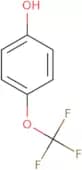
br>Formule :C5H14ClNOCouleur et forme :Colorless Clear LiquidMasse moléculaire :139.62 g/mol4-(Trifluoromethoxy)phenol
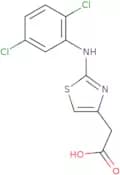
CAS :4-(Trifluoromethoxy)phenol is an anti-tuberculosis drug. It is a diode that has been shown to have pharmacokinetic properties in rats and mice. 4-(Trifluoromethoxy)phenol has been shown to act as a prodrug, which is activated by conversion to the active form. This active form inhibits the growth of Mycobacterium tuberculosis by binding to the 50S ribosomal subunit and preventing bacterial transcription and replication. The molecular structure of 4-(trifluoromethoxy)phenol is similar to phenoxypropanoid compounds, such as biphenyl, which may be responsible for its anti-tuberculosis effects. 4-(Trifluoromethoxy)phenol also binds DNA at specific sites with high affinity and specificity, inhibiting gene expression and RNA synthesis.Formule :C7H5F3O2Degré de pureté :Min. 95%Couleur et forme :Clear LiquidMasse moléculaire :178.11 g/mol2-(4-(2,5-Dichlorophenylamino)-3,5-thiazolyl)acetic acid
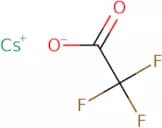
CAS :Please enquire for more information about 2-(4-(2,5-Dichlorophenylamino)-3,5-thiazolyl)acetic acid including the price, delivery time and more detailed product information at the technical inquiry form on this pageDegré de pureté :Min. 80%Caesium trifluoroacetate
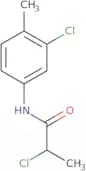
CAS :Caesium trifluoroacetate is a polymerase chain reaction (PCR) reagent that is used to detect and quantify the presence of DNA or RNA. It can be used for the detection of DNA in water vapor, for the estimation of the number of bacteria in wastewater treatment, or to measure the amount of active drug in plasma samples. Caesium trifluoroacetate is a salt that consists of one molecule each of caesium trifluoroacetate and sodium trifluoroacetate. The ester hydrochloride form has an antiinflammatory effect, which may be due to its ability to inhibit prostaglandin synthesis.Formule :C2CsF3O2Degré de pureté :ReportedMasse moléculaire :245.92 g/mol2-Chloro-N-(3-chloro-4-methylphenyl)propanamide
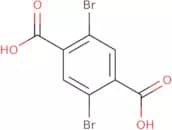
CAS :Please enquire for more information about 2-Chloro-N-(3-chloro-4-methylphenyl)propanamide including the price, delivery time and more detailed product information at the technical inquiry form on this pageFormule :C10H11Cl2NODegré de pureté :Min. 95%Masse moléculaire :232.11 g/mol2,5-Dibromoterephthalic acid
CAS :2,5-Dibromoterephthalic acid is a compound that belongs to the group of dibromoterephthalic acid. The molecule has a supramolecular structure and contains water molecules. 2,5-Dibromoterephthalic acid can be oxidized to form the redox potential and is soluble in water. It has been shown that 2,5-Dibromoterephthalic acid can be absorbed by plants and animals through the skin or through the respiratory system. This compound has been used as an element analysis reagent for chlorine and carboxylates. 2,5-Dibromoterephthalic acid reacts with trifluoroacetic acid to form diethyl ester and hydrogen bond.Formule :C8H4Br2O4Degré de pureté :Min. 95%Couleur et forme :PowderMasse moléculaire :323.92 g/mol2,3,5,6-Tetrafluoro-4-hydrazinopyridine
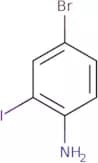
CAS :2,3,5,6-Tetrafluoro-4-hydrazinopyridine is a hydroxide ion analog of pentafluoropyridine. It has been shown to undergo a coupling reaction to yield the corresponding organometallic compound with methoxide in dimethylformamide. The yields for this reaction are high and range from 76% to 98%. This technique has been shown to be applicable for the synthesis of other organometallic compounds.Formule :C5H3F4N3Degré de pureté :Min. 95%Couleur et forme :PowderMasse moléculaire :181.09 g/mol4-Bromo-2-iodoaniline
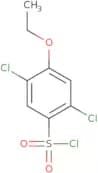
CAS :4-Bromo-2-iodoaniline is a peroxide with a hydrophobic nature. It is an intermediate in the synthesis of the herbicide Arbidol and the pharmaceuticals 4-Bromo-2,6-dinitroaniline and aminopyridine. Oxidation of 4-bromo-2-iodoaniline can be accomplished by halogenation with hydrogen peroxide or trifluoroacetic acid. The halides are then replaced by chlorine to form bromochlorodianisole, which is an intermediate for the synthesis of aminopyridine. Other functional groups that react with 4-bromo-2-iodoaniline are amines, arbidol, chloride, and potassium thioacetate. Fluorescent tests indicate that this compound has a strong absorption at 360 nm and emission at 420 nm. This reaction is also used as a virus detection test due to itsFormule :C6H5BrINDegré de pureté :Min. 95%Couleur et forme :PowderMasse moléculaire :297.92 g/mol2,5-Dichloro-4-ethoxybenzenesulfonyl chloride
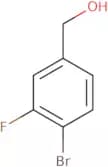
CAS :2,5-Dichloro-4-ethoxybenzenesulfonyl chloride is a chlorosulfonyl reagent that is used in the synthesis of organic compounds. It can be used as a building block, a research chemical, or an intermediate compound. This material has been shown to be useful in the synthesis of many different types of compounds and it provides a versatile scaffold for chemical reactions. The reaction component has shown high quality and was obtained from a reliable source.Formule :C8H7Cl3O3SDegré de pureté :Min. 95 Area-%Couleur et forme :PowderMasse moléculaire :289.56 g/mol4-Bromo-3-fluorobenzyl alcohol
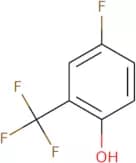
CAS :4-Bromo-3-fluorobenzyl alcohol is an analog of prenylation, a process that is essential for the synthesis of many cellular components. It inhibits farnesyltransferase, an enzyme involved in the process of prenylation. Farnesyltransferase catalyzes the conversion of the 5-carbon farnesol to the 15-carbon geranylgeraniol, which is then converted to a 20-carbon geranylgeranyl pyrophosphate. This reaction generates a molecule with two prenyl groups. The discovery of 4-bromo-3-fluorobenzyl alcohol was made possible by its potent inhibition of farnesyltransferase and it has been shown to have promising results as a potential treatment for cancer.Formule :C7H6BrFODegré de pureté :Min. 95%Couleur et forme :PowderMasse moléculaire :205.02 g/mol4-Fluoro-2-(trifluoromethyl)phenol
CAS :4-Fluoro-2-(trifluoromethyl)phenol is a reactive compound that can be used for the synthesis of a variety of functionalized molecules. It is prepared by a cross-coupling reaction with an organometallic reagent and a chloride such as methylene chloride or chloroform. The 4-fluoro group on the phenol provides the desired electrophilic character to react with electron rich nucleophiles, such as an allylbenzene or styrene. The product of this reaction is an alkylating agent that has been shown to have signalling properties, operational capabilities, and fabricating benefits.Formule :C7H4F4ODegré de pureté :Min. 95%Couleur et forme :PowderMasse moléculaire :180.1 g/mol(2-Chloro-4-hydroxyphenyl)acetone
CAS :2-Chloro-4-hydroxyphenyl)acetone is a chemical that is used as a reaction component and reagent in organic synthesis. It is also used for the production of fine chemicals, such as pharmaceuticals and pesticides. This chemical has several attractive features, such as its high quality, low toxicity, and versatility. 2-Chloro-4-hydroxyphenyl)acetone can be used to produce a wide range of compounds with different structures. The CAS number for this compound is 1314924-14-5.br>br>
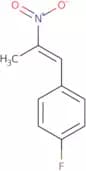
2-Chloro-4-hydroxyphenyl)acetone is an important building block that can be used to synthesize complex compounds with a variety of structures. It can also be used as an intermediate for other reactions or as a building block for other compounds. 2-Chloro-4-hydroxyphenyl)acetone may be useful in the production of pharmaceuticalFormule :C9H9ClO2Degré de pureté :Min. 95%Couleur et forme :PowderMasse moléculaire :184.62 g/mol1-(4-Fluorophenyl)-2-nitropropene
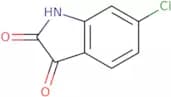
CAS :1-(4-Fluorophenyl)-2-nitropropene is a versatile building block that is used in the synthesis of a wide range of complex chemical compounds. This compound is also found to be useful as a key component in the synthesis of pharmaceuticals, research chemicals, and other fine chemicals. 1-(4-Fluorophenyl)-2-nitropropene can be used as a reagent for organic reactions, and it has been shown to react with amines to form nitrosoamines. This compound is an intermediate in the synthesis of 4-fluoroaniline, which has various industrial applications. The chemical formula for 1-(4-Fluorophenyl)-2-nitropropene is C8H6FO3N3O2.Formule :C9H8FNO2Degré de pureté :Min. 95%Couleur et forme :PowderMasse moléculaire :181.16 g/mol6-Chloroisatin
CAS :6-Chloroisatin is a potent inhibitor of bacterial growth that binds to the 50S ribosomal subunit. It has been shown to have strong inhibitory activity against tuberculosis and sulphamethoxazole-resistant strains of Mycobacterium tuberculosis. 6-Chloroisatin inhibits bacterial growth by binding to the 50S ribosomal subunit, thereby preventing protein synthesis and cell division. The electron deficient form of 6-chloroisatin reacts with the electron rich sulphamethoxazole by displacement of chloride ion from the sulphonamide ring, forming a regiospecific product that inhibits bacterial respiration. This reaction system is inhibited by activated carbon, which may be a potential therapeutic strategy for patients with drug resistant tuberculosis.
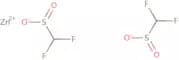
Formule :C8H4ClNO2Degré de pureté :Min. 95%Masse moléculaire :181.58 g/molZinc difluoromethanesulfinate
CAS :Zinc difluoromethanesulfinate is used as a precursor in the production of pharmaceuticals and other organic chemicals. It is an inorganic compound that has a structural formula of Zn(CH)SOF. When heated, this compound decomposes to produce zinc oxide, SO2, and HF. The vibrational properties of zinc difluoromethanesulfinate have been measured using infrared techniques. This compound has shown biological activity in hyperproliferative diseases such as cancer and mental disorders such as psychosis and chronic kidney disease. Zinc difluoromethanesulfinate also has a number of biological effects on the cardiovascular system, including stimulating ganglia cells and inhibiting the release of potassium ions from heart muscle cells.
Formule :C2H2F4O4S2ZnDegré de pureté :Min. 95%Couleur et forme :White PowderMasse moléculaire :295.54 g/mol2-(4,5-dichloroimidazolyl)-N-(2-indol-3-ylethyl)ethanamide
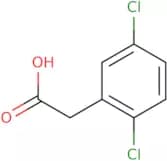
CAS :Please enquire for more information about 2-(4,5-dichloroimidazolyl)-N-(2-indol-3-ylethyl)ethanamide including the price, delivery time and more detailed product information at the technical inquiry form on this pageDegré de pureté :Min. 95%(2,5-Dichlorophenyl)acetic acid
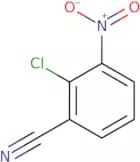
CAS :2,5-Dichlorophenylacetic acid is an electrophilic compound that reacts with nucleophiles such as alcohols, amines, and thiols. It is used in the synthesis of pharmaceuticals and other organic compounds. 2,5-Dichlorophenylacetic acid has been shown to be a substrate for oxidation by autoxidation. This substance also undergoes sequence reactions with nucleophiles.Formule :C8H6Cl2O2Degré de pureté :Min. 95%Couleur et forme :PowderMasse moléculaire :205.04 g/mol2-Chloro-3-nitrobenzonitrile
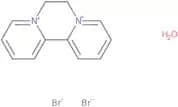
CAS :2-Chloro-3-nitrobenzonitrile is a high quality, reagent, and complex compound that is useful as an intermediate for the synthesis of fine chemicals. It has CAS No. 34662-24-3 and can be obtained from chemical suppliers worldwide. The compound is also useful as a building block for the synthesis of pharmaceuticals and other speciality chemicals. 2-Chloro-3-nitrobenzonitrile is a versatile building block that can be used in organic reactions to produce research chemicals such as derivatives of indole or phenol compounds.Formule :C7H3ClN2O2Degré de pureté :Min. 95%Couleur et forme :PowderMasse moléculaire :182.56 g/molDiquat dibromide monohydrate
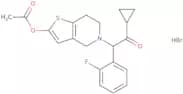
CAS :Diquat is a herbicide that belongs to the family of herbicides called contact herbicides. It is used to control weeds and grasses in many agricultural crops such as soybeans, wheat, corn, cotton, sugar cane, and sorghum. Diquat dibromide monohydrate is a chemical compound that can be prepared by reacting trifluoroacetic acid with quaternary ammonium bromide. Diquat has been shown to have a matrix effect on analytical methods for urine samples when silver ions are used for detection. It also enhances Raman spectroscopy for detecting toxicities in multi-walled carbon nanotubes (MWCNTs).Formule :C12H14Br2N2ODegré de pureté :Min. 95%Couleur et forme :PowderMasse moléculaire :362.06 g/molPrasugrel Hydrobromide
CAS :Prasugrel is a thienopyridine prodrug that inhibits the enzyme ADP-dependent P2Y purinergic receptor. Prasugrel inhibits platelet aggregation and the formation of blood clots by blocking the conversion of ADP to ATP on the surface of platelets, thus preventing the release of serotonin from platelets. The reaction products formed by prasugrel are similar to those formed by clopidogrel and include hydrogen sulfate ions and a thiol-containing metabolite. It has also been shown to have potent cytotoxic activity against melanoma cells and anti-inflammatory properties.Degré de pureté :Min. 95%3-Fluoro-5-methylpyridine
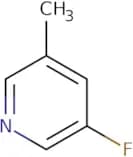
CAS :3-Fluoro-5-methylpyridine is a fine chemical, useful building block and research chemical. It is a versatile building block that can be used as a reaction component or as an intermediate in the synthesis of various other organic compounds. 3-Fluoro-5-methylpyridine is also a reagent for the preparation of pharmaceuticals and agrochemicals. This compound can be used in the synthesis of complex compounds with high quality and purity, such as inorganic salts, metal complexes and organometallic compounds. 3-Fluoro-5-methylpyridine has CAS No. 407-21-6 and has been assigned to category 1B by the European Union's classification system (EU CLP).Formule :C6H6FNDegré de pureté :Min. 95%Masse moléculaire :111.12 g/mol1-bromo-3-fluoro-2-nitrobenzene
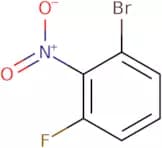
CAS :1-Bromo-3-fluoro-2-nitrobenzene is the target compound in this reaction. The starting materials are triethylamine, trichloride and ethyl alcohol. The reagents are mixed at a high temperature to produce the target product. This procedure can be scaled up for large-scale production using hydrazine as a solvent.Formule :C6H3BrFNO2Degré de pureté :Min. 95%Couleur et forme :PowderMasse moléculaire :220 g/molTetrabutylammonium fluoride - 1.0M in THF
CAS :Tetrabutylammonium fluoride-1.0M in THF is a solution of tetrabutylammonium fluoride in tetrahydrofuran. The compound is soluble in water and THF with solubility increasing with temperature. Tetrabutylammonium fluoride has been shown to be an effective inhibitor of the enzyme 4-hydroxycinnamic acid transaminase, which is involved in the metabolism of catecholamines. This property may be due to the ability of tetrabutylammonium fluoride to bind to the active site metal ion, copper, that participates in this reaction. Tetrabutylammonium fluoride can also inhibit other enzymes by binding to metal ions at their active sites, such as pyridoxal phosphate and hydroxyl groups.
Formule :C16H36FNDegré de pureté :Min. 95%Couleur et forme :Clear LiquidMasse moléculaire :261.46 g/molDomiphen bromide
CAS :Domiphen bromide is a quaternary ammonium compound. It is a white, odorless crystalline powder, soluble in water and organic solvents. Domiphen bromide inhibits the growth of bacteria by disrupting their cell membranes. This effect is achieved through the release of free fatty acids from the lipid bilayer of the cell membrane and by the formation of pores in the membrane that allow ions to leak out. Domiphen bromide also has an antimicrobial effect against Gram-positive bacteria such as C. glabrata and Gram-negative bacteria such as Cetylpyridinium or P-hydroxybenzoic acid, which are resistant to other disinfectants. Domiphen bromide is used as a preservative in pharmaceutical products and cosmetics, as well as a disinfectant for surfaces and materials.
Formule :C22H40BrNODegré de pureté :Min. 95%Couleur et forme :PowderMasse moléculaire :414.46 g/molChlorfluazuron
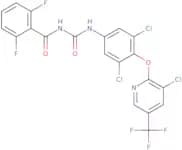
CAS :Chlorfluazuron is a pesticide that inhibits the activity of an enzyme, amino transferase, which is involved in nitrogen metabolism. Chlorfluazuron has been shown to be effective against a wide range of insects and weeds. It is used for the control of pests on crops such as cotton, soybean, corn, sorghum, wheat, rice and vegetables. Chlorfluazuron also has a synergistic effect with other pesticides such as carbaryl and pyrethroid.
Formule :C20H9Cl3F5N3O3Degré de pureté :Min. 95%Couleur et forme :PowderMasse moléculaire :540.65 g/mol6-Chloro-2-fluoropyridine-3-boronic acid
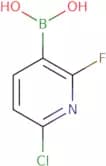
CAS :6-Chloro-2-fluoropyridine-3-boronic acid is a versatile building block for the synthesis of complex compounds, which can be used as a reagent in research or as a speciality chemical. This compound can be used as an intermediate, reaction component, or scaffold to synthesize other more complex structures. 6-Chloro-2-fluoropyridine-3-boronic acid is available in high quality and has CAS No. 1256345-66-0.Formule :C5H4BClFNO2Degré de pureté :Min. 95%Couleur et forme :Light (Or Pale) Orange SolidMasse moléculaire :175.35 g/mol2-(Bromomethyl)-1-methylpyrrolidine HBr
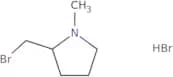
CAS :2-(Bromomethyl)-1-methylpyrrolidine HBr is a high quality, reagent grade compound that belongs to the category of complex compounds. It is an intermediate for the production of fine chemicals and speciality chemicals. 2-(Bromomethyl)-1-methylpyrrolidine HBr has been found to be a useful scaffold for the synthesis of various bioactive molecules, including pharmaceuticals, natural products and agrochemicals. This compound is also a versatile building block that can be used in reactions in order to produce high quality compounds.Formule :C6H12BrN·HBrDegré de pureté :Min. 95%Couleur et forme :PowderMasse moléculaire :258.98 g/mol2,4-Bis(trifluoromethyl)benzoic acid
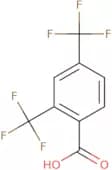
CAS :2,4-Bis(trifluoromethyl)benzoic acid (2,4-BTFBA) is a styrene derivative that can be used as a matrix in the preparation of polystyrene for MALDI mass spectrometry analysis. 2,4-BTFBA is a monomer that has been shown to lead to high yields and transfer in the production of polystyrene and poly(methyl methacrylate). It has also been found to be an effective inhibitor of 2,5-dihydroxybenzoic acid (DHBA) and other DHBA derivatives. The inhibition mechanism of 2,4-BTFBA on DHBA activity is not yet clear. The nature of this compound as well as its use in matrix-assisted laser desorption/ionization are still under investigation.Formule :C9H4F6O2Degré de pureté :Min. 95%Couleur et forme :PowderMasse moléculaire :258.12 g/mol3-Chloro-4-fluorobenzoic acid
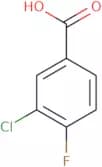
CAS :3-Chloro-4-fluorobenzoic acid is a prodrug that is converted to fluvoxamine maleate, its active form, by esterases. It is an inhibitor of the enzyme nitric oxide synthase and is used in the treatment of cancer. 3-Chloro-4-fluorobenzoic acid has been shown to inhibit cellular growth and proliferation in cancer cells. The molecular modeling study showed that 3-chloro-4-fluorobenzoic acid binds to the kinesin motor domain in a manner similar to fluvoxamine maleate but has a lower inhibitory potency than fluvoxamine maleate. Nonetheless, it was found that 3-chloro-4-fluorobenzoic acid could be used as a prodrug for fluvoxamine maleate.Formule :C7H4ClFO2Degré de pureté :Min. 95%Couleur et forme :PowderMasse moléculaire :174.56 g/mol(3-(2,6-dichlorophenyl)-5-methylisoxazol-4-yl)-N-(4-(2-pyridylthio)phenyl)formamide
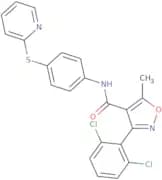
CAS :Please enquire for more information about (3-(2,6-dichlorophenyl)-5-methylisoxazol-4-yl)-N-(4-(2-pyridylthio)phenyl)formamide including the price, delivery time and more detailed product information at the technical inquiry form on this pageDegré de pureté :Min. 95%3,5-Dibromobenzylamine hydrochloride
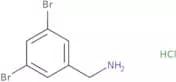
CAS :3,5-Dibromobenzylamine hydrochloride is a versatile building block that is used as a reaction component and intermediate in the synthesis of pharmaceuticals. It is also useful as a research chemical and speciality chemical, which are substances that are not typically found in consumer products. 3,5-Dibromobenzylamine hydrochloride can be used as a building block for the synthesis of new compounds by reacting with other chemicals. This compound has been registered under CAS 202982-73-8 and has high quality standards.Formule :C7H8Br2ClNDegré de pureté :Min. 95%Couleur et forme :PowderMasse moléculaire :301.41 g/mol2-Chloro-N-(4-chlorophenyl)propanamide
CAS :2-Chloro-N-(4-chlorophenyl)propanamide is an acetanilide that is used as a research chemical in the preparation of other compounds. It also has been used to synthesize chloroacetanilides and chloroanilides. 2-Chloro-N-(4-chlorophenyl)propanamide can be prepared by reacting 4-chloroaniline with acetic anhydride and potassium chloride in a basic solution. The reaction will take place at room temperature, but will produce a greater yield when heated to 40°C for 1 hour. This compound can be used as a starting material for the synthesis of other compounds, such as chlorinated analogues of acetaminophen (paracetamol).Formule :C9H9Cl2NODegré de pureté :Min. 95%Masse moléculaire :218.08 g/mol4-Iodobenzenesulphonamide
CAS :4-Iodobenzenesulphonamide is a drug with antifungal and anticancer activity. The compound has been shown to inhibit the growth of cancer cells in vitro. It also has an antifungal effect in vitro, which is most likely due to its ability to inhibit the synthesis of ergosterol, a component of the cell membrane. 4-Iodobenzenesulphonamide may be used for the treatment of cervical cancer and vulvovaginal candidiasis. This drug does not show any serious side effects, but it has been shown to have some adverse effects on liver function tests and red blood cells.
Formule :C6H6INO2SDegré de pureté :Min. 95%Couleur et forme :PowderMasse moléculaire :283.09 g/mol3-Bromo lidocaine
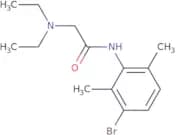
CAS :3-Bromo lidocaine is a useful building block for the synthesis of complex compounds. It is a chemical intermediate that is used in the manufacture of pharmaceuticals and other organic chemicals. 3-Bromo lidocaine has a CAS number of 1044658-01-6, which identifies it as a reagent that can be used in organic synthesis. It is an important reaction component with high quality and versatility, making it an excellent choice for research chemical or speciality chemical purposes.Formule :C14H21BrN2ODegré de pureté :Min. 95%Couleur et forme :PowderMasse moléculaire :313.23 g/mol1-(4-Fluorophenyl)-2,6,6-trimethyl-5,6,7-trihydroindol-4-one
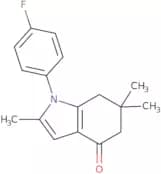
CAS :Please enquire for more information about 1-(4-Fluorophenyl)-2,6,6-trimethyl-5,6,7-trihydroindol-4-one including the price, delivery time and more detailed product information at the technical inquiry form on this pageFormule :C17H18FNODegré de pureté :Min. 95%Couleur et forme :PowderMasse moléculaire :271.33 g/mol5-Iodosalicylamide
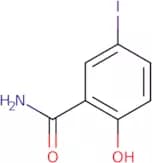
CAS :5-Iodosalicylamide is a chemical building block. 5-Iodosalicylamide can be reacted with appropriately functionalised aromatic compounds to afford the corresponding anilides, which have been shown to exhibit anti-fungal and bactericidal properties.
Formule :C7H6INO2Degré de pureté :Min. 95%Couleur et forme :PowderMasse moléculaire :263.03 g/mol1-Chloro-3-[4-(2-methoxyethyl)phenoxy]-2-propanol
CAS :1-Chloro-3-[4-(2-methoxyethyl)phenoxy]-2-propanol is a potent antihypertensive agent that is synthesized by the chemoenzymatic process. It differs from other antihypertensive drugs in that it incorporates an oxirane group, which makes it more hydrophobic than other drugs. 1-Chloro-3-[4-(2-methoxyethyl)phenoxy]-2-propanol is a crystalline solid with a melting point of 128°C and a density of 1.0 g/mL. The chemical name for this drug is 4-[(1E)-1-(chloromethoxy)propyl]phenol, which has potent antihypertensive activity and high enantioselectivity.
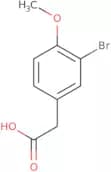
Formule :C12H17ClO3Degré de pureté :Min. 95%Masse moléculaire :244.71 g/mol3-Bromo-4-methoxyphenylacetic acid
CAS :3-Bromo-4-methoxyphenylacetic acid is a benzyl ester of hydroxybenzoic acid. It is used as a synthetic precursor for the synthesis of curare and related compounds. 3-Bromo-4-methoxyphenylacetic acid was first synthesized in 1869 by German chemist Wilhelm Koenigs and has been widely used as a synthetic intermediate in organic chemistry. This compound can be prepared from bromobenzene, methoxybenzene, and acetic acid in the presence of dimethyl ether or nitrite. 3-Bromo-4-methoxyphenylacetic acid is also used to produce nitromethane, an alkylating agent that reacts with amines, alcohols, thiols, and sulfides to form N-substituted nitro compounds.
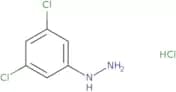
Formule :C9H9BrO3Degré de pureté :Min. 95%Couleur et forme :PowderMasse moléculaire :245.07 g/mol3,5-Dichlorophenylhydrazine hydrochloride
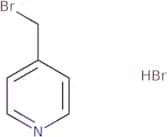
CAS :3,5-Dichlorophenylhydrazine hydrochloride is a chemical compound that can be used in the synthesis of other chemical compounds. 3,5-Dichlorophenylhydrazine hydrochloride is a versatile building block for the preparation of complex chemicals such as pharmaceuticals and agrochemicals. It has been shown to form a high quality reagent that is useful for research purposes. 3,5-Dichlorophenylhydrazine hydrochloride can be used as a reaction component or an intermediate in organic synthesis reactions. The CAS Registry Number for this chemical is 63352-99-8.Formule :C6H6Cl2N2•HClDegré de pureté :Min. 95%Masse moléculaire :213.49 g/mol4-(Bromomethyl)pyridine hydrobromide
CAS :4-Bromomethylpyridine hydrobromide is a carboxylate that has the molecular formula C5H6BrN. It has been shown to be a potent inhibitor of Leishmania, the protozoan parasite that causes leishmaniasis. The molecular structure of 4-bromomethylpyridine hydrobromide may be derived from pyridinium or phosphate groups. This molecule has been synthesized using electrochemical methods in which the oxidation catalyst is protonated on a platinum electrode and reacts with methylpyridine to form 4-bromomethylpyridine. This synthetic pathway also produces nucleobases such as thymine, cytosine, and uracil, which are used for DNA synthesis and repair.
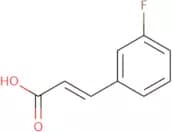
Formule :C6H6BrN•HBrDegré de pureté :(%) Min. 85%Couleur et forme :PowderMasse moléculaire :252.93 g/mol3-Fluorocinnamic acid
CAS :3-Fluorocinnamic acid is an organic compound that belongs to the class of amides. It reacts with metal ions such as copper, silver, or gold. 3-Fluorocinnamic acid has a constant boiling point and can be used in the preparation of cinnamic acid derivatives. 3-Fluorocinnamic acid also has redox potential and is used as a substrate in enzyme preparations. 3-Fluorocinnamic acid can be synthesized by hydrolysis of malonic acid and metal salts with hydrochloric acid, which then reacts with triticum aestivum. The product is purified by recrystallization from water. This compound inhibits the reaction that converts lactose into glucose and galactose, leading to the production of lactic acid from milk.
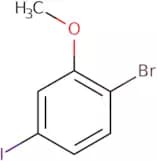
Formule :C9H7FO2Degré de pureté :Min. 98 Area-%Couleur et forme :PowderMasse moléculaire :166.15 g/mol2-bromo-5-iodoanisole
CAS :2-bromo-5-iodoanisole (BIA) is an aryl halide that undergoes electrophilic substitution reactions. It has been used as a chlorinating agent to produce monochlorobenzene, dichlorobenzene, and trichlorobenzene. 2-bromo-5-iodoanisole can also be used to synthesize butyllithiums and mesylates. These compounds are bifunctional, meaning they can act as both an electrophile and a nucleophile in substitution reactions. When 2-bromo-5-iodoanisole reacts with methoxy groups, it forms the highly reactive fluorine compound which then activates the aromatic heterocycles. 2-bromo-5-iodoanisole is labile, meaning that it easily undergoes hydrolysis or other chemical reactions. This reactivity makes 2BIA useful for organic synthesis because it canFormule :C7H6BrIODegré de pureté :Min. 95%Couleur et forme :PowderMasse moléculaire :312.93 g/mol4-Methoxyphenylmagnesium bromide - 0.5M solution in THF
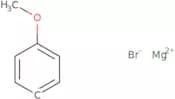
CAS :4-Methoxyphenylmagnesium bromide - 0.5M solution in THF is a cytotoxic agent that binds to the estrogen receptor, which is involved in breast cancer cell proliferation and differentiation. It is an azide that has been shown to react with hydrochloric acid to form an amide. This reaction may be stereoselective and involve dehydration of the amine group. The mechanism of this reaction involves the formation of a trifluoroacetic acid derivative, which undergoes unsaturated alkyl halogenation followed by chloride ion attack on the double bond. 4-Methoxyphenylmagnesium bromide - 0.5M solution in THF has been shown to inhibit the proliferation of human MCF-7 breast cancer cells, as well as other estrogen receptor modulators such as amines and trifluoroacetic acid.Formule :C7H7BrMgODegré de pureté :Min. 95%Couleur et forme :PowderMasse moléculaire :211.34 g/mol

![[1-(3-Methoxyphenyl)-1-methylethyl]amine hydrochloride](/_next/image/?url=https%3A%2Fstatic.cymitquimica.com%2Fproducts%2F3D%2Fthumb-webp%2FFM136868.webp&w=3840&q=75)
![4-(2- fluorophenyl)-6,8-dihydro-1,3,8-trimethyl-Pyrazolo[3,4-e][1,4]diazepin-7(1H)-one mixt. with …](/_next/image/?url=https%3A%2Fstatic.cymitquimica.com%2Fproducts%2F3D%2Fthumb-webp%2FFF104101.webp&w=3840&q=75)
![N-[5-(Phenylamino)-2,4-pentadienylidene]aniline monohydrochloride](/_next/image/?url=https%3A%2Fstatic.cymitquimica.com%2Fproducts%2F3D%2Fthumb-webp%2FFP29019.webp&w=3840&q=75)

![4-Amino-5-chloro-2,3-dihydro-N-[1-(3-methoxypropyl)-4-piperidinyl]-7-benzofurancarboxamide](/_next/image/?url=https%3A%2Fstatic.cymitquimica.com%2Fproducts%2F3D%2Fthumb-webp%2FFA27248.webp&w=3840&q=75)


![2-Chloro-1H-imidazo[4,5-b]pyridine](/_next/image/?url=https%3A%2Fstatic.cymitquimica.com%2Fproducts%2F3D%2Fthumb-webp%2FFC141721.webp&w=3840&q=75)







![1-Chloro-3-[4-(2-methoxyethyl)phenoxy]-2-propanol](/_next/image/?url=https%3A%2Fstatic.cymitquimica.com%2Fproducts%2F3D%2Fthumb-webp%2FFC27415.webp&w=3840&q=75)