Halogénures organiques
Sous-catégories appartenant à la catégorie "Halogénures organiques"
20442 produits trouvés pour "Halogénures organiques"
1-Bromononane
CAS :Produit contrôléApplications 1-Bromononane is a useful synthetic intermediate. It is used in the synthesis of cyclooxygenase-2 (COX-2), a new class of selective COX-2 inactivators. It is also used to prepare alkylimidazoles by N-alkylation of imidazoles as antibacterial agents.
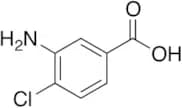
References Kalgutkar, A., et al.: J. Med. Chem., 41, 4800 (1998); Khabnadideh, S., et al.: Bioorg. Med. Chem. Lett., 13, 2863 (2003)Formule :C9H19BrCouleur et forme :NeatMasse moléculaire :207.153-Amino-4-chlorobenzoic Acid
CAS :Produit contrôléApplications 3-Amino-4-chlorobenzoic acid (cas# 2840-28-0) is a useful research chemical.
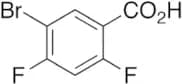
Formule :C7H6ClNO2Couleur et forme :NeatMasse moléculaire :171.583-Bromo-4,6-difluorobenzoic Acid
CAS :Produit contrôléApplications 3-Bromo-4,6-difluorobenzoic Acid (cas# 28314-83-2) is a compound useful in organic synthesis.
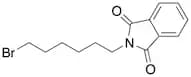
Formule :C7H3BrF2O2Couleur et forme :NeatMasse moléculaire :237.0N-(6-Bromohexyl)phthalimide
CAS :Produit contrôléApplications N-(6-Bromohexyl)Phthalimide (cas# 24566-79-8) is a useful research chemical.
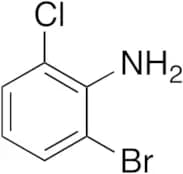
Formule :C14H16NO2BrCouleur et forme :NeatMasse moléculaire :310.192-Bromo-6-chloroaniline
CAS :Produit contrôléApplications 2-Bromo-6-chloroaniline is an intermediate in the synthesis of Diclofenac Monobromo Sodium Salt (D436490), which is a bromide impurity of Diclofenac (D436450).
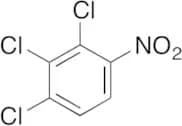
References Moser, P., et al.: J. Med. Chem., 33, 2358 (1990),Formule :C6H5BrClNCouleur et forme :NeatMasse moléculaire :206.472,3,4-Trichloronitrobenzene
CAS :Produit contrôléApplications 2,3,4-Trichloronitrobenzene is a useful synthetic intermediate that is mainly used as the starting material in the synthesis of third generation quinolone antibacterial drugs, such as Lomefloxacin (L469415, HCl) and Ofloxacin (O245750). 2,3,4-Trichloronitrobenzene is also used as the starting material in the synthesis of Aclonifen (A190200); a compound used as a pesticide and herbicide.
Not a dangerous good if item is equal to or less than 1g/ml and there is less than 100g/ml in the package
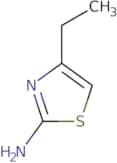
References Lu, Y., et al.: Guangdong Huagong, 36, 20 (2009); Laini, A., et al.: Sci. Total Environ., 438, 312 (2012); Fantke, P., et al.: Enviorn. Int., 49, 9 (2012)Formule :C6H2Cl3NO2Couleur et forme :Off-WhiteMasse moléculaire :226.444-Ethyl-1,3-thiazol-2-amine
CAS :4-Ethyl-1,3-thiazol-2-amine is a tertiary amine that is used as an alkylating agent. It has been shown to react with alcohols and form tertiary amines. 4-Ethyl-1,3-thiazol-2-amine can also react with carboxylic acids to form esters and with aldehydes to form acetals. This compound has been used in the synthesis of compounds such as aminothiazoles and thiazole.
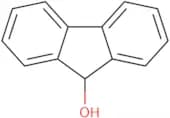
Formule :C5H8N2SDegré de pureté :Min. 95%Masse moléculaire :128.2 g/mol9-Hydroxyfluorene
CAS :Produit contrôlé9-Hydroxyfluorene is a chiral compound that exhibits antimicrobial activity. It has been shown to inhibit the growth of bacteria by interacting with bacterial DNA and preventing RNA synthesis. 9-Hydroxyfluorene binds to bacterial DNA, specifically the nitrogen atoms, which are not present in mammalian DNA. This binding causes the formation of intramolecular hydrogen bonds that inhibits bacterial DNA replication. 9-Hydroxyfluorene also interacts with cellular membranes, inhibiting protein synthesis and cell division. The antimicrobial properties of 9-hydroxyfluorene are due to its ability to bind to bacterial membranes and form hydrogen bonds at specific sites on the membrane surface. This binding alters the membrane's physical properties, leading to cell death.Formule :C13H10ODegré de pureté :Min. 95%Masse moléculaire :182.22 g/molMethyl 4-bromopicolinate
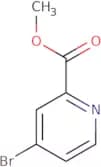
CAS :Methyl 4-bromopicolinate is a high quality, reagent and complex compound that is useful as an intermediate for the synthesis of fine chemicals. It is a useful scaffold for the synthesis of other compounds and has been used as a building block for research chemicals. Methyl 4-bromopicolinate is also versatile, being used as a reaction component in the synthesis of pharmaceuticals, agrochemicals, and other compounds.Formule :C7H6BrNO2Degré de pureté :Min. 95%Couleur et forme :White PowderMasse moléculaire :216.03 g/mol2-(3-Bromophenyl)ethanamine
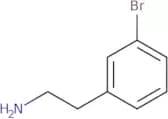
CAS :Produit contrôlé2-(3-Bromophenyl)ethanamine is an affinity ligand for the 5-hydroxytryptamine receptor 7 (5-HT7). It has a high affinity for the 5-HT7 receptor and can also be used to study other serotonin receptors. This compound has been shown to bind to the 5-HT7 with a Kd of 0.3 nM and no significant binding at other serotonin receptors. It was found that 2-(3-bromophenyl)ethanamine does not inhibit the uptake of serotonin from synaptosomal preparations, but does inhibit the uptake of serotonin from cerebrospinal fluid. These results were confirmed in vitro using radioligand binding assays and autoradiography, demonstrating that 2-(3-bromophenyl)ethanamine binds selectively to the 5-HT7 receptor.Formule :C8H10BrNDegré de pureté :Min. 95%Couleur et forme :Colorless PowderMasse moléculaire :200.08 g/mol4-(3-Fluorophenyl)-4-piperidinol
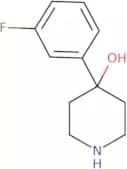
CAS :4-(3-Fluorophenyl)-4-piperidinol is a useful chemical intermediate that can be used as a versatile building block in organic synthesis. It can be used as a reaction component and can serve as a speciality chemical, complex compound, or reagent. 4-(3-Fluorophenyl)-4-piperidinol has been identified by the Chemical Abstracts Service (CAS) number 80119-54-6. This product is of high quality and is not harmful to humans.Formule :C11H14FNODegré de pureté :Min. 95%Couleur et forme :Orange PowderMasse moléculaire :195.23 g/mol8-Hydroxyguanine hydrochloride
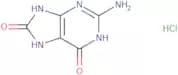
CAS :8-Hydroxyguanine hydrochloride is a fine chemical that is used as a building block in the synthesis of pharmaceuticals, agrochemicals and other organic compounds. It is also used as a reagent for research into the mechanisms of DNA damage. CAS No. 1246818-54-1 8-Hydroxyguanine hydrochloride is a complex compound that can be used as a versatile building block for the synthesis of many different types of molecules, including valuable intermediates and scaffolds for drug discovery.
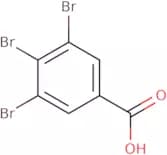
Formule :C5H5N5O2•HClDegré de pureté :Min. 90 Area-%Couleur et forme :White PowderMasse moléculaire :203.59 g/mol3,4,5-Tribromobenzoic acid - technical grade
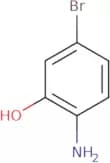
CAS :3,4,5-Tribromobenzoic acid is a benzoic acid with the molecular formula C6H3Br3O2. It is used as a plant growth regulator in agriculture and gardening. 3,4,5-Tribromobenzoic acid may be applied to the surface of plants to stimulate abscission (the natural shedding of leaves) or excision (the removal of flowers). This chemical also has been shown to inhibit physiological activity in plants by inhibiting 2,3,5-triiodobenzoic acid synthesis. This inhibition leads to a reduction in the production of substances that are involved in physiological processes such as photosynthesis and protein synthesis.Formule :C7H3Br3O2Degré de pureté :Min. 95%Masse moléculaire :358.81 g/mol2-Amino-5-bromophenol
CAS :2-Amino-5-bromophenol is a chemical that is used as a substrate in the study of intracellular Ca2+ levels. 2-Amino-5-bromophenol can also be used to study the activity of microperoxidases, enzymes that are involved in the metabolism of hydrogen peroxide and organic hydroperoxides. 2-Amino-5-bromophenol has been shown to have anticancer activity against MCF7 cells, an estrogen receptor positive cell line. The anticancer activity may be due to the inhibition of protein synthesis by 2-amino-5-bromophenol binding to DNA. This binding prevents transcription and translation of genes that code for proteins involved in cancer cell proliferation and survival.Formule :C6H6BrNODegré de pureté :Min. 95%Couleur et forme :Off-White To Brown SolidMasse moléculaire :188.02 g/mol4-(3-Chloro-benzyloxy)benzoic acid
CAS :4-(3-Chloro-benzyloxy)benzoic acid (4CBA) is a useful scaffold for the synthesis of complex compounds. It is a versatile building block that can be used as an intermediate in the synthesis of fine chemicals and research chemicals. 4CBA is also a reactive compound that can be used in reactions to form covalent bonds, such as amide formation. 4CBA has a CAS number of 84403-70-3 and can be used in reactions involving organic chemistry, such as esterification, etherification, nitration, sulfonation, amidation, and chlorination.
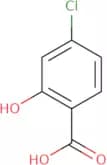
Formule :C14H11ClO3Degré de pureté :Min. 95%Couleur et forme :White PowderMasse moléculaire :262.69 g/mol4-Chlorosalicylic acid
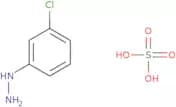
CAS :4-Chlorosalicylic acid is an inhibitor of bacterial growth that belongs to the group of phenolic compounds. It has been shown to inhibit the growth of bacteria in cell culture and be effective against a wide range of species, including Escherichia coli and Staphylococcus aureus. 4-Chlorosalicylic acid inhibits bacterial enzyme activities, such as 5-nitrosalicylic acid hydroxylase and diphenolase activities. This compound has also been shown to have anti-inflammatory properties, which may be due to its ability to inhibit prostaglandin synthesis. 4-Chlorosalicylic acid is an active intermediate in the production of other drugs such as 2,4-dichloroacetophenone and 2,5-dichlorobenzonitrile.Formule :C7H5ClO3Degré de pureté :Min. 95%Couleur et forme :PowderMasse moléculaire :172.57 g/mol3-Chlorophenylhydrazine sulphate
CAS :3-Chlorophenylhydrazine sulphate is a chemical compound that is made by the reaction of 3-chlorophenol and hydrazine. It has been shown to be stable when mixed with other compounds, such as acetone. 3-Chlorophenylhydrazine sulphate has a reaction time of one hour when it is reacted with sodium hydrogen sulfate and zinc powder in a liquid chromatography column. The final product is detected using chromatography detection, which can detect the presence of sulfates. This chemical compound can be used to make other chemicals, such as thiosulfate or hydrochloric acid.
Formule :C12H14Cl2N4•H2O4SDegré de pureté :Min. 95%Couleur et forme :PowderMasse moléculaire :383.25 g/molS-Benzyl-L-cysteine methyl ester hydrochloride
CAS :S-Benzyl-L-cysteine methyl ester hydrochloride is a thioether that can be synthesized from benzyl mercaptan and cysteine. It is used as an optical reagent in the determination of amines. This chemical has a helical conformation and it has been shown to have a transition at 280 nm. S-Benzyl-L-cysteine methyl ester hydrochloride is also a monomer in porphyrins, which are important for the production of heme and chlorophyll. This chemical is also catalytic, and its conformation changes when it reacts with amines.Formule :C11H15NO2S·HClDegré de pureté :Min. 95%Couleur et forme :PowderMasse moléculaire :261.77 g/molL-Isoleucine amide hydrochloride
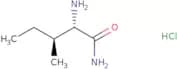
CAS :L-Isoleucine amide hydrochloride is a high quality reagent that is useful as an intermediate, fine chemical or speciality chemical. It can be used to synthesize compounds with a wide range of properties and uses. L-Isoleucine amide hydrochloride can be used in research for the development of new drugs or other chemicals. The versatility of this reagent makes it a useful building block for reactions involving amino acids, peptides, nucleosides, and carbohydrates.Formule :C6H14N2O·HClDegré de pureté :Min. 95%Couleur et forme :White PowderMasse moléculaire :166.65 g/mol1-Isoquinolin-1-ylmethanamine dihydrochloride
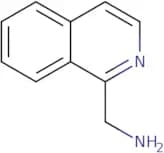
CAS :1-Isoquinolin-1-ylmethanamine dihydrochloride is a versatile building block that can be used for the synthesis of a wide variety of compounds. It is a reagent and speciality chemical, as well as an intermediate or reaction component in the production of pharmaceuticals, agrochemicals, plastics, dyes and other chemicals. 1-Isoquinolin-1-ylmethanamine dihydrochloride has been shown to have high purity and quality.Formule :C10H10N2·2HClDegré de pureté :Min. 95%Couleur et forme :Light Blue SolidMasse moléculaire :231.12 g/molPotassiumtetrachloroaurate(III)
CAS :Potassiumtetrachloroaurate(III) is a chemical compound with the molecular formula KAuCl4. It is a white solid that has been shown to have anti-cancer properties in animal studies. Potassiumtetrachloroaurate(III) has also been found to be toxic to bacteria, such as Pseudomonas aeruginosa. The redox potential of potassiumtetrachloroaurate(III) can be changed by adding copper chloride or sodium citrate, which may affect its toxicity towards bacteria.
Formule :AuCl4KDegré de pureté :Min. 95%Masse moléculaire :377.88 g/mol2-Trifluoromethylphenazine
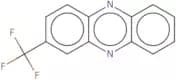
CAS :2-Trifluoromethylphenazine is a fine chemical that can be used as a building block for research chemicals and as a reagent in organic synthesis. 2-Trifluoromethylphenazine has a CAS number of 581-24-8. It is also classified as a speciality chemical and has many uses in the field of chemistry. The compound is versatile, making it an excellent scaffold for complex compounds. 2-Trifluoromethylphenazine is a versatile intermediate that can be used in many reactions, such as cycloadditions, reductive aminations, and reductions.Formule :C13H7F3N2Degré de pureté :Min. 95%Masse moléculaire :248.2 g/mol3-Chloro-2-methylbenzoic acid
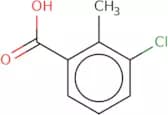
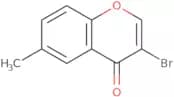
CAS :3-Chloro-2-methylbenzoic acid is a fine chemical, useful building block and versatile compound. It is a reagent for the production of other chemicals, such as pharmaceuticals and cosmetics. 3-Chloro-2-methylbenzoic acid is also used in research, where it can be used as a building block or scaffold for the synthesis of complex molecules. This chemical has many industrial applications, including use in manufacturing pesticides and herbicides.Formule :C8H7ClO2Degré de pureté :Min. 95%Couleur et forme :PowderMasse moléculaire :170.59 g/mol3-Bromo-6-methylchromone
CAS :3-Bromo-6-methylchromone is a versatile building block that can be used in the synthesis of a variety of chemicals. It is an intermediate for the synthesis of 3,4-dimethylbenzaldehyde and is also used as a reagent in research. This chemical has been found to be useful in the synthesis of high-quality compounds with a wide range of applications. The compound is also used as an intermediate for the production of pharmaceuticals and pesticides. 3-Bromo-6-methylchromone can also be used as a scaffold for synthesizing new compounds with interesting properties.Formule :C10H7BrO2Degré de pureté :Min. 95%Couleur et forme :PowderMasse moléculaire :239.07 g/mol3-Bromothiophene-2-carbaldehyde
CAS :3-Bromothiophene-2-carbaldehyde is an organic compound that has been shown to have antibacterial activity. It can be synthesized by reacting triethyl orthoformate with methyl ketones in the presence of a photocatalyst such as titanium dioxide or zinc oxide. This reaction produces 3-bromothiophene-2-carboxylic acid which reacts with ammonia and hydrogen bromide to form 3-bromothiophene-2-carbaldehyde. 3-Bromothiophene-2-carbaldehyde has been shown to inhibit the growth of cancer cells and induce apoptosis, which may be due to its ability to inhibit angiogenesis. The anticancer properties are most likely due to its ability to bind DNA and inhibit protein synthesis, leading to cell death.
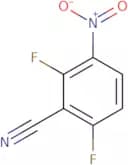
Formule :C5H3BrOSDegré de pureté :Min. 95%Couleur et forme :White To Yellow To Light Brown SolidMasse moléculaire :191.05 g/mol2,6-Difluoro-3-nitrobenzonitrile
CAS :2,6-Difluoro-3-nitrobenzonitrile is an aliphatic compound that inhibits the activity of monoamines by binding to the endogenously produced 2,6-difluoro-3-nitrobenzonitrile (DNFB). DNFB is a nitrosamine that has been shown to be a potent inhibitor of muscle contraction. This inhibition occurs at high concentrations and has been found in muscle cells. It has also been shown to inhibit the production of nitric oxide from monoxide or homologous nitrates, which may lead to atherosclerosis. 2,6-Difluoro-3-nitrobenzonitrile is also an amine and exhibits structural similarities with other members of this family.Formule :C7H2F2N2O2Degré de pureté :Min. 95%Couleur et forme :PowderMasse moléculaire :184.1 g/mol2-Fluoro-3-nitrotoluene
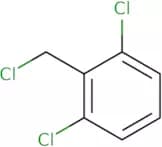
CAS :2-Fluoro-3-nitrotoluene is a synthetic compound that is used as a drug substance to produce other drugs. It has been shown to inhibit cardiac contractility and can be used in the treatment of cardiogenic shock. This drug also has a low degree of toxicity and can be administered in an outpatient setting. 2-Fluoro-3-nitrotoluene is not symmetrical, which means it has two different shapes or configurations. One of these configurations is more stable than the other one. 2-Fluoro-3-nitrotoluene has two possible isomers that are mirror images of each other, called enantiomers. These two isomers have opposite effects on cardiac contractility and the effect depends on the type of heart disease being treated.Formule :C7H6FNO2Degré de pureté :Min. 95%Couleur et forme :Yellow Clear LiquidMasse moléculaire :155.13 g/mol2,6-Dichloro benzyl chloride
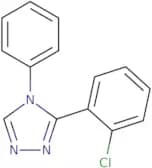
CAS :2,6-Dichloro benzyl chloride is a dichlorobenzyl that has been shown to have antitubercular activity. It reacts with chlorine in the presence of a catalyst to form 2,6-dichlorobenzaldehyde and hydrogen chloride. This reaction yields an excellent yield of 70% or more. The antitubercular activity of 2,6-dichlorobenzyl chloride is due to its ability to inhibit the growth rate of Mycobacterium tuberculosis. Studies have shown that this compound inhibits the synthesis of nucleic acids by inhibiting RNA and DNA synthesis in bacteria, which prevents protein synthesis and cell division.Formule :C7H5Cl3Degré de pureté :Min. 95%Couleur et forme :PowderMasse moléculaire :195.47 g/mol5-(2-Chlorophenyl)-1-phenyl-1,3,4-triazole
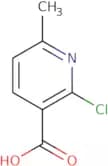
CAS :5-(2-Chlorophenyl)-1-phenyl-1,3,4-triazole is a useful reagent and building block for the synthesis of various chemical compounds. It has been used as a reaction component in organic synthesis as well as a useful scaffold for new chemical compounds. 5-(2-Chlorophenyl)-1-phenyl-1,3,4-triazole is an intermediate in the production of pharmaceuticals and pesticides. It is also used as a speciality chemical for research purposes. Additionally, this compound can be used to make fine chemicals such as dyes and perfumes.Formule :C14H10N3ClDegré de pureté :Min. 95%Couleur et forme :PowderMasse moléculaire :255.7 g/mol2-Chloro-6-methylnicotinic acid
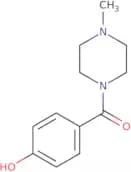
CAS :2-Chloro-6-methylnicotinic acid is a protonated nicotinic acid derivative with potent inhibitory activity against hepatitis C virus. It has been shown to inhibit the replication of the virus by competitive inhibition at the 2-chloro-6-methylnicotinic acid site on the viral genome. It also inhibits the synthesis of viral proteins, which are necessary for viral replication. The molecule has been shown to have an inhibitory effect on other RNA viruses such as influenza and HIV, but it is not active against DNA viruses such as herpes simplex or adenovirus. 2-Chloro-6-methylnicotinic acid is absorbed orally and its pharmacokinetic properties are well understood. This compound can be used as a probe in supramolecular chemistry to study hydrogen bonding and biomolecular interactions.Formule :C7H6ClNO2Degré de pureté :Min. 95%Couleur et forme :Yellow SolidMasse moléculaire :171.58 g/mol1-(4-Hydroxybenzoyl)-4-methyl-piperazine hydrochloride
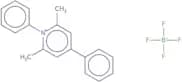
CAS :1-(4-Hydroxybenzoyl)-4-methyl-piperazine hydrochloride is a fine chemical that is used as a building block in organic synthesis, research and development of pharmaceuticals, and the production of agrochemicals. It can be used as a reagent or speciality chemical to produce high quality chemicals with various functional groups. 1-(4-Hydroxybenzoyl)-4-methyl-piperazine hydrochloride can be used in reactions such as nucleophilic substitution reactions, esterification reactions, amide bond formation, amidation reactions, and other reactions to produce versatile scaffolds.Formule :C12H16N2O2Degré de pureté :Min. 95%Masse moléculaire :220.27 g/mol2,6-Dimethyl-1,4-diphenylpyridinium tetrafluoroborate
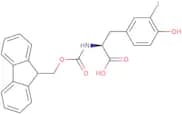
CAS :2,6-Dimethyl-1,4-diphenylpyridinium tetrafluoroborate is a high quality reagent that can be used as a useful intermediate in the synthesis of fine chemicals. It is used as an important building block in the synthesis of many organic compounds and is also an important reaction component. This compound has a wide range of uses and can be used as a versatile building block in organic synthesis or as a speciality chemical for research purposes.Formule :C19H18N·BF4Degré de pureté :Min. 95%Masse moléculaire :347.16 g/molFmoc-3-iodo-L-tyrosine
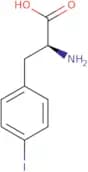
CAS :Fmoc-3-iodo-L-tyrosine is a fine chemical that belongs to the category of versatile building blocks. It can be used as a reagent, speciality chemical, and useful scaffold in the synthesis of complex compounds. Fmoc-3-iodo-L-tyrosine is a high quality material with a purity of 98%. It has been used as an intermediate for research chemicals and useful building blocks.Formule :C24H20NO5IDegré de pureté :Min. 97.5 Area-%Couleur et forme :PowderMasse moléculaire :529.32 g/mol4-Iodo-L-phenylalanine
CAS :4-Iodo-L-phenylalanine is an unlabeled amino acid that has been shown to inhibit the protein synthesis of cancer cells. It binds to the thrombin receptor and inhibits the activation of proteases, thereby inhibiting cancer cell growth. 4-Iodo-L-phenylalanine also inhibits translation by binding to the ribosome during the translation process and binding to the hydroxyl group on a mRNA molecule during transcription. This inhibition leads to a decrease in protein synthesis and cell proliferation.Formule :C9H10INO2Degré de pureté :Min. 95%Couleur et forme :White Off-White PowderMasse moléculaire :291.09 g/mol4-(Trifluoromethyl)benzyl bromide
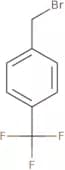
CAS :4-Trifluoromethylbenzyl bromide is a choline derivative that acts as an anticancer agent. It is structurally similar to the anticancer drug doxorubicin, which has been shown to be effective against breast cancer and leukemia. 4-Trifluoromethylbenzyl bromide interacts with cellular proteins, including choline kinase, and inhibits the mitochondrial pathway. This leads to cell death through apoptosis. The molecule also interacts with nucleotide bases such as thymine and cytosine in DNA, inhibiting transcription and replication. 4-Trifluoromethylbenzyl bromide binds strongly to the hydroxyl group of cholesterol by an electrophilic substitution mechanism to form a covalent bond with its hydroxy group. The molecule can also bind to chloride ions by an ionic bond.
Formule :C8H6BrF3Degré de pureté :Min. 95%Couleur et forme :White PowderMasse moléculaire :239.03 g/molRaloxifene hydrochloride
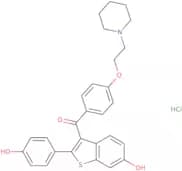
CAS :Produit contrôléEstrogen receptor modulatorFormule :C28H28ClNO4SDegré de pureté :Min. 95%Couleur et forme :Off-White PowderMasse moléculaire :510.04 g/molIodomethylboronic acid, pinacol ester
CAS :Iodomethylboronic acid is a synthetic compound that contains a boron atom. Iodomethylboronic acid can be used to produce other compounds, such as dibutyl iodide and epoxides, by introducing an oxygenated linker. The properties of iodomethylboronic acid have been extensively studied using modelling and assays. It has been shown to form stable complexes with aromatic hydrocarbons and amines. Iodomethylboronic acid can also be used in the synthesis of radionuclides, which are radioactive isotopes of elements that emit radiation spontaneously or when they undergo radioactive decay. Iodomethylboronic acid is often used in chemical reactions as a quaternary ammonium salt, which is a positively charged ion (cation) with four groups attached to it. These groups may be either organic or inorganic in nature.Formule :C7H14BIO2Degré de pureté :Min. 95%Couleur et forme :PowderMasse moléculaire :267.9 g/mol4-Iodo-3-methylbenzoic acid methyl ester
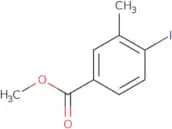
CAS :4-Iodo-3-methylbenzoic acid methyl ester is a chemical that is structurally analogous to 4-iodo-2,5-dimethoxybenzoic acid methyl ester. It is synthesized by the reaction of 3-methylbenzoic acid with ethyl chloroformate and iodomethane. 4-Iodo-3-methylbenzoic acid methyl ester has been shown to inhibit o6 alkylguanine DNA alkyltransferase (AGT) and o6 alkylguanine dna glycosylase (AGG). AGT and AGG are enzymes that repair DNA damage caused by reactive oxygen species. This inhibition leads to the accumulation of DNA damage in cells and induces apoptosis.Formule :C9H9IO2Degré de pureté :90%Couleur et forme :PowderMasse moléculaire :276.07 g/mol1-((Diiodomethyl)sulfonyl)-4-methylbenzene
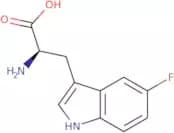
CAS :1-((Diiodomethyl)sulfonyl)-4-methylbenzene is a preservative that is used in cosmetics and pharmaceuticals. The toxicity of this compound was studied using the cationic surfactant tebuconazole as a probe. 1-((Diiodomethyl)sulfonyl)-4-methylbenzene has been shown to have antimicrobial properties, with biocidal activity against bacteria, fungi, and yeasts. It has been shown to be effective against Staphylococcus aureus, Escherichia coli, Pseudomonas aeruginosa, and Aspergillus niger at concentrations of 0.5%. This compound also showed good antibacterial efficacy in water vapor byproducts.Formule :C8H8I2O2SDegré de pureté :Min. 95 Area-%Couleur et forme :PowderMasse moléculaire :422.02 g/mol5-Fluoro-D-Tryptophan
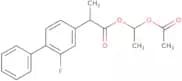
CAS :5-Fluoro-D-Tryptophan is a fluorescent substrate for the enzyme indoleamine 2,3 dioxygenase (IDO) that is used in assays to determine the activity of this enzyme. IDO is an enzyme that is found in animals and catalyzes the first step in tryptophan metabolism by converting it to 5-fluoro-kynurenine. The amount of fluorescence generated can be detected with a fluorescence detector. 5-Fluoro-D-Tryptophan has been shown to have higher levels of uptake by tumor tissue than by normal tissue, which may be due to its ability to inhibit protein synthesis and cell division.Formule :C11H11FN2O2Degré de pureté :Min. 95%Couleur et forme :White/Off-White SolidMasse moléculaire :222.22 g/mol1-Acetoxyethyl 2-(2-fluoro-4-biphenylyl)propionate
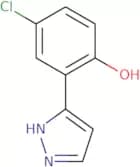
CAS :1-Acetoxyethyl 2-(2-fluoro-4-biphenylyl)propionate is a synthetic analog of flurbiprofen that has potent nonsteroidal anti-inflammatory drug activity. It binds to the same receptor as flurbiprofen, but with a higher affinity. 1-Acetoxyethyl 2-(2-fluoro-4-biphenylyl)propionate is used for the treatment of postoperative pain and inflammation following abdominal surgery. This compound is also used for the prevention of ischemic brain damage after cardiac bypass surgery or other types of vascular surgery, such as carotid endarterectomy. 1-Acetoxyethyl 2-(2-fluoro-4-biphenylyl)propionate can be synthesized by reacting bisphenol A with carbonyldiimidazole and 4-[2-(2,4 -difluorophenyl)-Formule :C19H19FO4Degré de pureté :Min. 95%Couleur et forme :Orange PowderMasse moléculaire :330.35 g/mol3-(5-Chloro-2-hydroxyphenyl)pyrazole
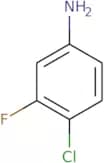
CAS :3-(5-Chloro-2-hydroxyphenyl)pyrazole is a monosubstituted, stepwise, substituted pyrazole. It has been shown to exhibit antibacterial and antifungal properties against phytopathogens. 3-(5-Chloro-2-hydroxyphenyl)pyrazole binds to metal ions in the active site of the enzyme and inhibits its activity. The phenylhydrazine group is reduced by NADH to form a covalent bond with the enzyme's cysteine residue. The binding of this compound prevents the formation of an enzyme-substrate complex that catalyzes an essential reaction, leading to cell death.Formule :C9H7ClN2ODegré de pureté :Min. 95%Couleur et forme :PowderMasse moléculaire :194.62 g/mol4-Chloro-3-fluoroaniline
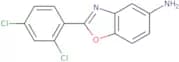
CAS :4-Chloro-3-fluoroaniline is a synthetic compound with a molecular formula of C6H4ClFNO. It is an epoxide hydrolase inhibitor and has been shown to produce a frequency shift in the infrared spectrum. This compound also has an additive reaction yield and produces hydrogen fluoride when reacted with hydrochloric acid. 4-Chloro-3-fluoroaniline has two isomers, one that is fluorescent and the other that is not. The reaction product of the two isomers can be determined by mass spectrometry analysis. The dipole moment of this compound can be detected by fluorescence spectroscopy.Formule :C6H5ClFNDegré de pureté :Min. 95%Couleur et forme :PowderMasse moléculaire :145.56 g/mol2-(2,4-Dichlorophenyl)-1,3-benzoxazol-5-amine
CAS :2-(2,4-Dichlorophenyl)-1,3-benzoxazol-5-amine is a versatile building block that can be used in a wide range of chemical reactions. The compound is a reagent and speciality chemical with CAS No. 293737-83-4. It is an intermediate in the synthesis of pharmaceuticals and pesticides, as well as a useful scaffold for the synthesis of other compounds. 2-(2,4-Dichlorophenyl)-1,3-benzoxazol-5-amine has been shown to have high quality and can be used as a reaction component or building block in research labs.
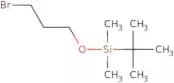
Formule :C13H8Cl2N2ODegré de pureté :Min. 95%Couleur et forme :PowderMasse moléculaire :279.12 g/mol(3-Bromopropoxy)-tert-butyldimethylsilane
CAS :(3-Bromopropoxy)-tert-butyldimethylsilane is a synthetic molecule that has been shown to inhibit prostate cancer cells. It binds to the phosphate group on the enzyme and inhibits its activity. (3-Bromopropoxy)-tert-butyldimethylsilane can be used as a chemical probe for identifying enzymes involved in phosphatase activity. This molecule has also been shown to have anti-cancer effects in vitro and in vivo assays, by preventing tumor growth and metastasis.Formule :C9H21BrOSiDegré de pureté :Min. 95%Couleur et forme :PowderMasse moléculaire :253.25 g/mol1-Fluoro-3,5-dimethoxybenzene
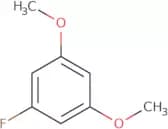
CAS :1-Fluoro-3,5-dimethoxybenzene has been shown to be a ferroelectric material with a dielectric constant of approximately 3000. It is soluble in organic solvents and can be isolated as an oil or solid. The crystalline form of 1-fluoro-3,5-dimethoxybenzene is obtained by sublimation at −20 °C. The compound has a molecular weight of 204.17 and melting point of 155 °C. This compound is used as a starting material for the synthesis of fluorotriphenylmethane analogs that are potential CB2 receptor agonists and other organic compounds, including tetrahydrocannabinol (THC) and its analogues. 1-Fluoro-3,5-dimethoxybenzene also reacts with chloride to form difluorobenzene (DFB). DFB's ability to bind aluminium ions allows it to catalyFormule :C8H9FO2Degré de pureté :Min. 98 Area-%Couleur et forme :Clear LiquidMasse moléculaire :156.15 g/mol2-Chloro-4-methylaniline
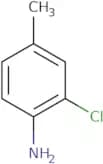
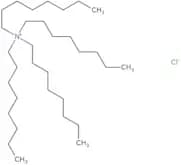
CAS :2-Chloro-4-methylaniline is a molecule that can be classified as an amine. It is a functional theory, which is a chemical ionization technique used to study the structure of molecules. 2-Chloro-4-methylaniline has been shown to have high metabolic profiles and to produce many metabolic products when it reacts with chlorine in the environment. This chemical has been studied extensively for its potential carcinogenic properties. It was found that 2-chloro-4-methylaniline causes DNA damage in human erythrocytes and induces mutations in calf thymus DNA, suggesting that this molecule may be carcinogenic. 2-Chloro-4-methylaniline also binds to hemoglobin, which may lead to the formation of methemoglobin that reduces oxygen transport in red blood cells. The matrix effect of this chemical on clinical pathology is not known.Formule :C7H8ClNDegré de pureté :Min. 95%Masse moléculaire :141.6 g/molTetraoctyl ammoniumchloride
CAS :Tetraoctyl ammoniumchloride is an inexpensive chemical that has a high affinity for membranes. It is a cationic surfactant with a structure of four octyl chains, each containing an amine group. Tetraoctyl ammoniumchloride has been used to study the kinetics of ion transport in membranes and has been shown to be able to inhibit nitrate uptake by plant roots. This chemical also has light resistance properties and can be used to protect gold nanoparticles from degradation by light.
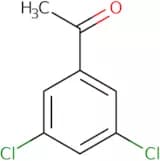
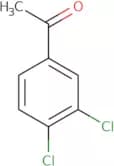
Formule :C32H68ClNDegré de pureté :Min. 95%Couleur et forme :PowderMasse moléculaire :502.34 g/mol3',4'-Dichloroacetophenone
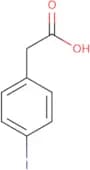
CAS :3',4'-Dichloroacetophenone is a tetranuclear compound that is used in the synthesis of chromatographic assays. It has been shown to inhibit the growth of infectious diseases, cancer, and bacteria. 3',4'-Dichloroacetophenone inhibits trichomonas vaginalis and chlamydia by binding to imine nitrogen, which prevents the formation of an enzyme (NAD-dependent), which is required for bacterial DNA synthesis. 3',4'-Dichloroacetophenone also inhibits p. aeruginosa by binding with phosphane groups on this organism's cell wall, preventing bacterial cell division.Formule :C8H6Cl2ODegré de pureté :Min. 95%Couleur et forme :Off-White PowderMasse moléculaire :189.04 g/mol(4-Iodophenyl)acetic acid
CAS :(4-Iodophenyl)acetic acid is a chemical compound that is used as an analog in the synthesis of other compounds. This compound has been shown to be effective against solid tumours, such as prostate and bladder cancer. The asymmetric synthesis of (4-iodophenyl)acetic acid has been achieved by using a constant of 2,2'-dichloro-1,1'-binaphthyl and the corresponding 1-bromoalkene. The uptake of this chemical compound in cells has been shown to be rapid and concentration dependent. It binds to two subunits of the prostacyclin receptor and blocks its activation by prostaglandins. (4-Iodophenyl)acetic acid also interacts with the membrane surface through hydrogen bonding with phosphatidylethanolamine and phosphatidylcholine lipids.Formule :C8H7IO2Degré de pureté :Min. 95%Couleur et forme :Red PowderMasse moléculaire :262.04 g/mol[(1,2-Dimethyl-1H-benzimidazol-5-yl)methyl]amine dihydrochloride
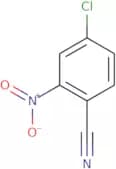
CAS :[(1,2-Dimethyl-1H-benzimidazol-5-yl)methyl]amine dihydrochloride is a reagent that is used as a reaction component in the synthesis of organic and inorganic compounds. It is used as a high quality research chemical for use in the production of fine chemicals and pharmaceuticals. This compound has many uses as a versatile building block, useful intermediate, or useful building block in the synthesis of complex compounds. It can also be used to make various speciality chemicals. [(1,2-Dimethyl-1H-benzimidazol-5-yl)methyl]amine dihydrochloride is stable at room temperature and can be stored under ambient conditions indefinitely.Formule :C10H13N3·2HClDegré de pureté :Min. 95%Couleur et forme :White PowderMasse moléculaire :248.15 g/mol4-Chloro-2-nitrobenzonitrile
CAS :4-Chloro-2-nitrobenzonitrile is a nitroarene that can be used to synthesize gold nanoparticles. It has been shown to inhibit the growth of Candida parapsilosis, an opportunistic fungal pathogen, with a halide anion and a catalytic inorganic base. 4-Chloro-2-nitrobenzonitrile also inhibits the activity of butyrylcholinesterase, which is an enzyme that breaks down acetylcholine in the brain and nervous system. This compound may be useful in the synthesis of pharmaceuticals as well as other synthetic applications.
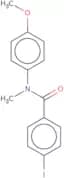
Formule :C7H3ClN2O2Masse moléculaire :182.56 g/mol4-Iodo-N-(4-methoxyphenyl)-N-methylbenzamide
CAS :4-Iodo-N-(4-methoxyphenyl)-N-methylbenzamide is a useful scaffold that can be used in the synthesis of complex compounds. It is also a versatile building block and has been found to be useful as an intermediate and building block. 4-Iodo-N-(4-methoxyphenyl)-N-methylbenzamide is a fine chemical with CAS No. 320734-40-5. This reagent is high quality, research chemicals, and can be used in the synthesis of speciality chemicals.Formule :C15H14INO2Degré de pureté :Min. 95%Masse moléculaire :367.18 g/mol3-Chlorophenylhydrazine hydrochloride
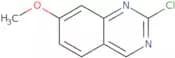
CAS :3-Chlorophenylhydrazine hydrochloride is a pyrazole that has been shown to have potent antibacterial activity. It is used in the treatment of inflammatory diseases and has been shown to be effective against Helicobacter pylori, which causes gastritis, peptic ulcers, and stomach cancer. 3-Chlorophenylhydrazine hydrochloride is an acidic compound with a molecular weight of 192.2 g/mol. It contains a pyrazole ring that is eluted with hydrochloric acid and reacts with gyrase enzymes in bacteria, inhibiting DNA synthesis. 3-Chlorophenylhydrazine hydrochloride also has anti-inflammatory properties due to its ability to inhibit prostaglandin synthesis.Formule :C6H7ClN2•HClDegré de pureté :Min. 95%Couleur et forme :PowderMasse moléculaire :179.05 g/mol2-Chloro-7-methoxyquinazoline
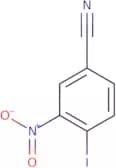
CAS :2-Chloro-7-methoxyquinazoline is a useful chemical that is used in the production of other compounds. It can be used as a building block for the synthesis of various organic compounds, such as pharmaceuticals and pesticides. This compound has been shown to have useful properties, such as high purity and low cost.Formule :C9H7ClN2ODegré de pureté :Min. 95%Couleur et forme :Yellow PowderMasse moléculaire :194.62 g/mol4-Iodo-3-nitrobenzonitrile
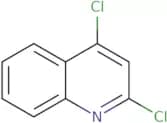
CAS :4-Iodo-3-nitrobenzonitrile is a chemical intermediate that can be used to synthesize other chemicals. It is an aromatic compound with the formula CHNO. 4-Iodo-3-nitrobenzonitrile can be used as a reactive building block in organic synthesis and has shown to be useful in the preparation of complex compounds that are difficult to prepare by other methods. This chemical has been shown to have high quality and is stable at room temperature.Formule :C7H3IN2O2Degré de pureté :Min. 95 Area-%Couleur et forme :PowderMasse moléculaire :274.02 g/mol2,4-Dichloroquinoline
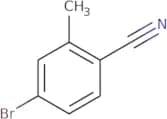
CAS :2,4-Dichloroquinoline is a chlorinated heterocyclic chemical compound. This drug is used as a monosubstituted palladium complex in organic synthesis. It can be obtained by refluxing 2,4-dichloroquinoline with hydrochloric acid, phosphorus oxychloride, and a terminal alkene in the presence of an excess of dichloromethane. The resulting chloroquine can be converted to the corresponding dichloroquinolines by treatment with acetonitrile in the presence of malonic acid. The final step is the demethylation of the quinoline ring using sodium methoxide in methanol. 2,4-Dichloroquinoline has been shown to exhibit antibacterial activity against gram-negative organisms such as Escherichia coli and Pseudomonas aeruginosa. Magnetic resonance analysis (NMR) has also been used to study its properties.Formule :C9H5Cl2NDegré de pureté :Min. 95%Couleur et forme :SolidMasse moléculaire :198.05 g/mol4-Bromo-2-methylbenzonitrile
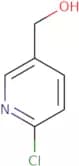
CAS :4-Bromo-2-methylbenzonitrile (4BMB) is a biphenyl derivative that inhibits the activity of tyrosine kinase enzymes. It has been shown to be a virulence factor for Streptococcus, which causes lysis of red blood cells. 4BMB has also been shown to inhibit the growth of Escherichia coli and other bacteria, including Streptococcus pneumoniae, by inducing cell lysis. The mechanism of action for this drug is through binding to an anion in the active site, causing reversible inhibition of ATP synthase. This causes an increase in intracellular pH and leads to cell death. 4BMB is fluorescent under UV light and can be used as a molecular probe for studying hydrogen bond formation and interactions with anions.Formule :C8H6BrNDegré de pureté :Min. 95%Couleur et forme :PowderMasse moléculaire :196.04 g/mol2-Chloro-5-hydroxymethylpyridine
CAS :2-Chloro-5-hydroxymethylpyridine is a metabolite of the active substance 2-chloro-5,6-dihydroxymethylpyridine (mk-0674), which has been shown to inhibit cytochrome P450 enzymes. It is found in urine samples from patients treated with mk-0674 and can be used to monitor the efficacy of treatment. The biochemical properties of 2-chloro-5,6-dihydroxymethylpyridine have been studied in yeast cells and it has been shown that this compound is glucuronidated and excreted as a conjugate with glycine. The yeast strain Saccharomyces cerevisiae was used for these studies.Formule :C6H6ClNODegré de pureté :Min. 95%Couleur et forme :Off-White To Light Brown SolidMasse moléculaire :143.57 g/mol3-Chloroisoquinoline
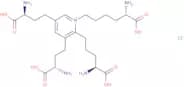
CAS :3-Chloroisoquinoline is a thiolate, which is a reactive chemical group. 3-Chloroisoquinoline has been shown to react with trifluoromethanesulfonic acid to form a compound with biological properties. The amide and palladium complexes of 3-chloroisoquinoline have been prepared in the past. Additionally, the two isomers of 3-chloroisoquinoline are known as the halides and magnetic resonance spectroscopy of this compound has been studied. Structural isomers and functional groups of 3-chloroisoquinoline have also been studied in detail. Tautomers and lactams are structural isomers of 3-chloroisoquinoline that have also been researched extensively. Finally, trifluoroacetic acid reacts with 3-chloroisoquinoline to form an ester product.Formule :C9H6ClNDegré de pureté :Min. 95%Masse moléculaire :163.6 g/molIsodesmosine chloride
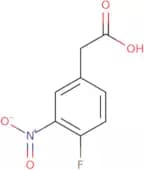
CAS :Isodesmosine chloride is an amino acid derivative, which is a naturally occurring component found in the elastin protein. This organic compound is originally sourced from the structural protein elastin, prevalent in connective tissues such as skin, lungs, and blood vessels. It plays a critical role in the cross-linking and stabilization of elastin fibers, contributing to the elastic properties of these tissues.Formule :C24H40ClN5O8Degré de pureté :Min. 95%Masse moléculaire :562.06 g/mol4-Fluoro-3-nitrophenylacetic acid
CAS :4-Fluoro-3-nitrophenylacetic acid is a chiral monomer that can be used to synthesize diphenyl ethers. The reaction requires a carbamic acid as the acid catalyst and a nucleophilic reagent, such as an amine. 4-Fluoro-3-nitrophenylacetic acid has been shown to have anti-cancer properties in vitro and in vivo. 4-Fluoro-3-nitrophenylacetic acid may also inhibit the synthesis of dihydroisoquinolines, which are important for the function of DNA polymerase. There are two strategies for synthesizing this compound: one is based on the condensation of two molecules of phenylacetaldehyde in the presence of an acid catalyst; the other employs a Lewis acid catalyst with a pyridine nucleophile.Formule :C8H6FNO4Degré de pureté :Min. 95%Couleur et forme :SolidMasse moléculaire :199.14 g/mol4-Fluoro-3-methylphenol
CAS :4-Fluoro-3-methylphenol is a low molecular weight compound that has been shown to have antibacterial activity. It inhibits the growth of Mycobacterium tuberculosis, and this inhibition may be due to a transfer mechanism. 4-Fluoro-3-methylphenol also inhibits the enzyme activities of esterases and glutathione reductase, which may contribute to its antitubercular activity. This molecule has been shown to have vibrational and optical properties. It has been used in microscopy experiments for the detection of mineralization in bone tissue.Formule :C7H7FODegré de pureté :Min. 95%Masse moléculaire :126.13 g/molPhenylthiophosphonic Dichloride
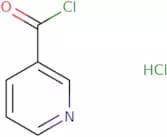
CAS :Formule :C6H5Cl2PSDegré de pureté :>98.0%(GC)(T)Couleur et forme :Colorless to Light orange to Yellow clear liquidMasse moléculaire :211.04Nicotinoyl chloride hydrochloride
CAS :Nicotinoyl chloride hydrochloride is a coordination complex with a hydroxyl group. It is an antimicrobial agent that inhibits the growth of bacteria by binding to the adenosine A3 receptor and inhibiting adenylate cyclase activity. Nicotinoyl chloride hydrochloride has been shown to inhibit the proliferation of muscle cells in vitro and may be used as an anti-inflammatory agent in pharmaceutical preparations. This compound also has proton transport properties, which are related to its amide group. The nicotinic acid moiety of nicotinoyl chloride hydrochloride is metabolized by fatty acid synthase, which produces fatty acids that can be used as a source of energy by muscle cells. Nicotinoyl chloride hydrochloride also has growth factor activity and can modulate brain functions such as memory and learning.Formule :C6H5Cl2NODegré de pureté :Min. 95%Couleur et forme :PowderMasse moléculaire :178.02 g/mol5-Chloro-8-iodoimidazo[1,2-a]pyridine HBr
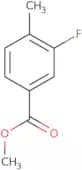
CAS :5-Chloro-8-iodoimidazo[1,2-a]pyridine HBr is a fine chemical that can be used as a versatile building block in the synthesis of complex compounds. This chemical is also useful as a reagent or speciality chemical for research purposes. This product has been shown to have high quality and is an efficient reaction component for organic synthesis. 5-Chloro-8-iodoimidazo[1,2-a]pyridine HBr has CAS No. 1031289-77-6 and is a useful scaffold for the preparation of other compounds.Formule :C7H4ClIN2·HBrDegré de pureté :Min. 95%Couleur et forme :Pale yellow solid.Masse moléculaire :359.39 g/mol3-Fluoro-4-methylbenzoic acid methyl ester
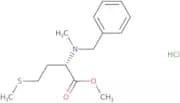
CAS :3-Fluoro-4-methylbenzoic acid methyl ester is a benzoate that can be converted to 3-fluoro-4-methylbenzoic acid (3FMB) by decarboxylation. 3FMB can be used in the synthesis of phenylacetic acid and other aromatic compounds. It also has been shown to function as a radical scavenger, which may have applications in medical research and treatment of neurodegenerative diseases. 3FMB has been shown to inhibit the growth of bacteria when it is applied topically or orally, due to its ability to inhibit DNA synthesis.Formule :C9H9FO2Degré de pureté :Min. 95%Masse moléculaire :168.16 g/molN-Benzyl-N-methyl-L-methionine methyl ester hydrochloride
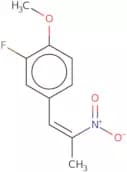
CAS :N-Benzyl-N-methyl-L-methionine methyl ester hydrochloride is a chemical substance that has been used as a reaction component in organic synthesis. It has also been used as a reagent for the quantitative determination of N,N'-dimethylbenzidine by measuring its absorption at 450 nm. It is soluble in water and ethanol and is stable up to 100 °C. The CAS Registry Number for this compound is 1272754-99-0.Formule :C14H21NO2S·HClDegré de pureté :Min. 95%Couleur et forme :PowderMasse moléculaire :303.85 g/mol1-(3-Fluoro-4-methoxyphenyl)-2-nitropropene
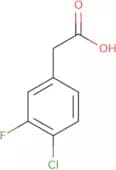
CAS :1-(3-Fluoro-4-methoxyphenyl)-2-nitropropene is a chemical compound with the molecular formula CHNO. It is a high quality reagent that is useful for preparing complex compounds, scaffolds and building blocks for use in research and development. 1-(3-Fluoro-4-methoxyphenyl)-2-nitropropene is a fine chemical that can be used as a versatile building block in reactions.Formule :C10H10FNO3Degré de pureté :Min. 95%Masse moléculaire :211.19 g/mol4-Chloro-3-fluorophenylacetic acid
CAS :4-Chloro-3-fluorophenylacetic acid is a high quality reagent that is used as a complex compound. It has CAS No. 883500-51-4, and it is useful in the manufacture of fine chemicals, speciality chemicals, research chemicals, and versatile building blocks. The chemical can be used as a reaction component for the production of various compounds with different molecular structures.
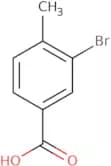
Formule :C8H6ClFO2Degré de pureté :Min. 95%Couleur et forme :PowderMasse moléculaire :188.58 g/mol3-Bromo-4-methylbenzoic acid
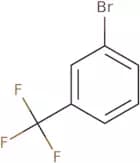
CAS :3-Bromo-4-methylbenzoic acid is a labile chemical compound that is used in the synthesis of retinoic acid, an analog of vitamin A. 3-Bromo-4-methylbenzoic acid can be synthesized by a two step process involving the boronic ester and biphenyl. The biphenyl is first treated with phosphorus pentachloride to produce a phenoxyacetate which reacts with 3-bromo-4-methylbenzoyl chloride in the presence of base to produce 3-bromo-4-methylbenzoic acid. This conversion can also be done via a solid phase synthesis where the biphenyl is anchored on silica gel and reacted with 3-bromo-4 methylbenzoyl chloride. The boronic esters are then cleaved from the solid support by treatment with sodium hydroxide under reflux conditions. 3 - Bromo -Formule :C8H7BrO2Degré de pureté :Min. 95%Couleur et forme :PowderMasse moléculaire :215.04 g/mol3-Bromobenzotrifluoride
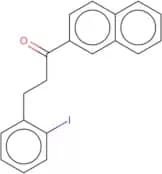
CAS :3-Bromobenzotrifluoride is a chemical reagent that is used to synthesize aryl halides. It can be used in the cross-coupling reaction of an aryl bromide with an organopalladium complex to form an aryl triflate. 3-Bromobenzotrifluoride has been shown to be stable when heated, making it a good choice for synthesis reactions. The use of 3-bromobenzotrifluoride and other halides in chemical reactions was first demonstrated by Alder Wright in 1843. 3-Bromobenzotrifluoride can be used to synthesize isoxazolidines from diazonium salts and isoxazolidines from dehydrating agents such as phosphorus pentoxide. Isolation yields are also high, with chloride being the most common impurity found in the product.Formule :C7H4BrF3Degré de pureté :Min. 95%Couleur et forme :Clear LiquidMasse moléculaire :225.01 g/mol2-Naphthyl-3-(2-iodophenyl)propanone
CAS :2-Naphthyl-3-(2-iodophenyl)propanone (IPA) is a chemical intermediate that can be used in the synthesis of pharmaceuticals, agrochemicals, and other organic chemicals. IPA is soluble in common solvents such as water, ethanol, ether, and acetone. It is also stable to air and light. IPA has been shown to react with aniline under basic conditions to form 2-naphthylacetanilide. This reaction component can be used in the synthesis of complex compounds such as carboxylic acid derivatives and amides.Formule :C19H15IODegré de pureté :Min. 95%Masse moléculaire :386.23 g/mol5-Bromo-2-nitrophenol
CAS :5-Bromo-2-nitrophenol is an organic compound that is used in the industrial production of drugs and dyes. It is soluble in ethanol, but insoluble in water. 5-Bromo-2-nitrophenol can be obtained by extracting it from the filtrate of a solution of potassium tert-butyl ether with aqueous ethanol. The extraction process involves adding morpholine to the solution, which is then heated and refluxed. This process yields high yields of 5-bromo-2-nitrophenol.Formule :C6H4BrNO3Degré de pureté :Min. 95%Couleur et forme :Yellow solid.Masse moléculaire :218 g/molNesfatin-1 (human) trifluoroacetate salt
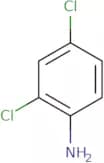
CAS :Please enquire for more information about Nesfatin-1 (human) trifluoroacetate salt including the price, delivery time and more detailed product information at the technical inquiry form on this pageFormule :C427H691N113O134Degré de pureté :Min. 95%Masse moléculaire :9,551.74 g/mol2,4-Dichloroaniline
CAS :2,4-Dichloroaniline is an organic compound that is used in analytical chemistry for the preparation of samples. 2,4-Dichloroaniline reacts with p-hydroxybenzoic acid to form a diazonium salt. This reaction takes place at room temperature and produces a deep violet color. The detection sensitivity of this reaction is 0.1 µg/mL. The glucuronide conjugate of 2,4-dichloroaniline has been detected in human urine samples and can be used as a marker for exposure to this chemical. 2,4-Dichloroaniline also inhibits protein synthesis by binding to amines or by affecting the availability of the amino acids required for protein synthesis. The hydrochloric acid present in stomachs converts 2,4-dichloroaniline into phenylglyoxylic acid, which is then excreted in the urine as its glucuronide conjugate
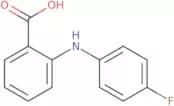
Formule :C6H5Cl2NDegré de pureté :Min. 95%Couleur et forme :White To Beige To Grey To Red To Brown SolidMasse moléculaire :162.02 g/molN-(4-Fluorophenyl)Anthranilic Acid
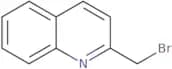
CAS :N-(4-Fluorophenyl)Anthranilic Acid is a fine chemical that is used as a scaffold for research chemicals, reaction components, and speciality chemicals. It can be used as a building block for complex compounds and useful building blocks. This compound has been shown to have high quality and can be used as an intermediate in the synthesis of other chemicals. N-(4-Fluorophenyl)Anthranilic Acid is a versatile building block that can be used in the synthesis of many different types of compounds. It also has been shown to be useful in the production of pharmaceuticals, dyes, pesticides, and herbicides.Formule :C13H10FNO2Degré de pureté :Min. 95%Couleur et forme :Green PowderMasse moléculaire :231.22 g/mol2-Bromomethylquinoline
CAS :2-Bromomethylquinoline is a quinoline derivative that has been synthesized to study the interaction between metal ions, such as copper and zinc, and chelate rings. The reaction products formed by 2-bromomethylquinoline have been shown to have antifungal activity in vitro. It has been found that the addition of a fluorescent probe can be used to detect quinoline derivatives, which fluoresce when excited with light. This makes them useful as fluorescent probes for reactions involving metal ions.Formule :C10H8BrNDegré de pureté :Min. 95%Couleur et forme :SolidMasse moléculaire :222.08 g/mol3,4-Difluoro-2-methoxybenzonitrile
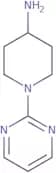
CAS :3,4-Difluoro-2-methoxybenzonitrile is an organic chemical compound that is a useful scaffold for the synthesis of complex compounds. It reacts with nucleophiles such as Grignard reagents to form a wide range of products. 3,4-Difluoro-2-methoxybenzonitrile has been shown to be a versatile building block for the synthesis of high quality and speciality chemicals, including pharmaceuticals and agrochemicals. This chemical is also used as a research chemical, which can be used in drug discovery and development. The CAS number for this chemical is 886496-72-6.Formule :C8H5F2NODegré de pureté :Min. 95%Couleur et forme :Clear LiquidMasse moléculaire :169.13 g/mol1-Pyrimidin-2-ylpiperidin-4-amine dihydrochloride
CAS :1-Pyrimidin-2-ylpiperidin-4-amine dihydrochloride is a high quality, crystalline compound with a CAS number of 1179369-48-2. It is an intermediate in the synthesis of various fine chemicals, including pharmaceuticals and pesticides. 1-Pyrimidin-2-ylpiperidin-4-amine dihydrochloride also has applications as a versatile building block for the synthesis of other compounds and is used as a reaction component in organic chemistry. This reagent can be used to synthesize many different compounds for use in research or medical purposes.Formule :C9H14N4·2HClDegré de pureté :Min. 95%Couleur et forme :PowderMasse moléculaire :251.16 g/molTris(2-methoxyphenyl)bismuth dichloride
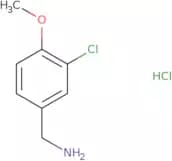
CAS :Tris(2-methoxyphenyl)bismuth dichloride is a coordination compound with the chemical formula BiCl(OMeCH). It crystallizes in the triclinic crystal system and its molecular structure is trigonal. Tris(2-methoxyphenyl)bismuth dichloride has been characterized by X-ray and infrared spectroscopy, as well as by analysis of the axial, apical, and trigonal coordinates. The compound has been shown to form perchlorate and diperchlorate salts. The presence of bismuth atoms in this molecule produces a bright yellow color.Formule :C21H21BiCl2O3Degré de pureté :Min. 95%Couleur et forme :Off-White PowderMasse moléculaire :601.28 g/mol3-Chloro-4-methoxybenzylamine hydrochloride
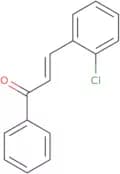
CAS :3-Chloro-4-methoxybenzylamine hydrochloride is a quinoline derivative that inhibits the activity of phosphodiesterase 5, an enzyme that breaks down cGMP in the brain. This drug has been shown to increase levels of cGMP and decrease levels of low energy (i.e., low ATP) in synaptosomes. 3-Chloro-4-methoxybenzylamine hydrochloride may be useful for the treatment of Alzheimer's disease, as it has been shown to improve cognitive function and memory in animal models. The mechanism of action is not fully understood but may involve inhibition of cholinergic neurotransmission or activation of nitric oxide synthase.Formule :C8H10ClNO•HClDegré de pureté :Min. 95%Couleur et forme :PowderMasse moléculaire :208.08 g/mol3-(2-Chlorophenyl)-1-phenylpropene-1-one
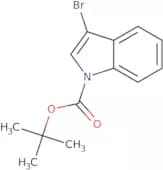
CAS :3-(2-Chlorophenyl)-1-phenylpropene-1-one is an amide that is synthesized by the acylation of 3-phenylpropene-1-one with 2,3,5,6-tetrafluorobenzoyl chloride in the presence of a base. The proton transport mechanism is initiated by the addition of a proton to the carbonyl group and then proceeds through an intermediate called a chalcone. This reaction can be accomplished using biomimetic methods or by using chalcones and halides as intermediates.Formule :C15H11ClODegré de pureté :Min. 95%Masse moléculaire :242.7 g/moltert-Butyl 3-bromo-1H-indole-1-carboxylate
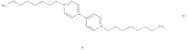
CAS :Tert-Butyl 3-bromo-1H-indole-1-carboxylate is a versatile building block that can be used in the synthesis of complex compounds. It is a useful reagent and speciality chemical, as well as a useful intermediate in the production of research chemicals. Tert-Butyl 3-bromo-1H-indole-1-carboxylate has been found to be a useful scaffold for drug design and development, with potential applications in cancer treatment.Formule :C13H14BrNO2Degré de pureté :Min. 95%Couleur et forme :White To Off-White SolidMasse moléculaire :296.16 g/mol1,1'-Di-n-octyl-4,4'-bipyridinium Dibromide
CAS :1,1'-Di-n-octyl-4,4'-bipyridinium Dibromide is a bifunctional organometallic compound. It is used as a catalyst in the reduction of nitro groups or other electron-deficient centers and in the transfer process with azides. This chemical has shown selectivity for aliphatic substrates over aromatic ones. The catalytic activity of 1,1'-Di-n-octyl-4,4'-bipyridinium Dibromide can be enhanced by replacing the hydrogen atom on the nitrogen atom with an alkene group. 1,1'-Di-n-octyl-4,4'-bipyridinium Dibromide is also a radical cation that can be reduced by electron donors to form radicals.Formule :C26H42Br2N2Degré de pureté :Min. 95%Couleur et forme :Slightly Yellow PowderMasse moléculaire :542.43 g/mol3-Fluoro-4-(4-morpholinyl) benzenamine
CAS :3-Fluoro-4-(4-morpholinyl) benzenamine is an antibiotic drug that belongs to the group of nitro compounds. It is active against bacteria and fungi, but not against viruses. It has been shown to inhibit bacterial growth by binding to the gyrase enzyme, which is essential for DNA replication. 3-Fluoro-4-(4-morpholinyl) benzenamine also inhibits protein synthesis by topoisomerase inhibition and has been shown to be effective against a wide range of bacteria including Pseudomonas aeruginosa, Escherichia coli, Enterobacter cloacae, Klebsiella pneumoniae, Proteus mirabilis, Serratia marcescens, and Staphylococcus aureus. 3-Fluoro-4-(4-morpholinyl) benzenamine has low toxicity in humans because it reacts with nitric oxide (NO), producing harmless fluoroacetate
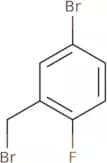
Formule :C10H13FN2ODegré de pureté :Min. 95%Couleur et forme :PowderMasse moléculaire :196.22 g/mol5-Bromo-2-fluorobenzyl bromide
CAS :5-Bromo-2-fluorobenzyl bromide is a fine chemical that is used as an intermediate in research and development of pharmaceuticals. It can also be used as a reagent for the synthesis of pharmaceuticals, agrochemicals, and other organic compounds. 5-Bromo-2-fluorobenzyl bromide has been shown to be a versatile building block for the preparation of high quality products. CAS No. 99725-12-9Formule :C7H5Br2FDegré de pureté :Min. 95%Couleur et forme :Yellow PowderMasse moléculaire :267.92 g/mol4-Methylphenyl hydrazine hydrochloride
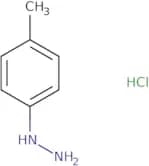
CAS :4-Methylphenyl hydrazine hydrochloride is a chemical compound that has been shown to be an effective treatment for lung tumors. It has been shown to inhibit tumorigenesis in animal models by the inhibition of angiogenesis and tumor growth. This drug is administered as a subcutaneous injection and can cause hemorrhaging, inflammation, and necrosis at the injection site. 4-Methylphenyl hydrazine hydrochloride has also been postulated to have anti-tumorigenic properties in animals.
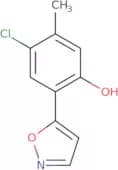
4-Methylphenyl hydrazine hydrochloride inhibits the production of adenomas and adenocarcinomas in rats when given orally or intragastrically, but not when given intravenously.Formule :C7H10N2·HClDegré de pureté :Min 98%Masse moléculaire :158.63 g/mol5-(5'-Chloro-2'-hydroxy-4'-methylphenyl)-isoxazole
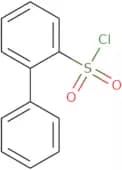
CAS :5-(5'-Chloro-2'-hydroxy-4'-methylphenyl)-isoxazole is a fine chemical that is an intermediate in the synthesis of other chemicals. It has been used as a reaction component, complex compound and research chemical. 5-(5'-Chloro-2'-hydroxy-4'-methylphenyl)-isoxazole is a versatile building block that can be used to synthesize many different chemicals, including pharmaceuticals, dyes, agrochemicals and pesticides. This compound has been shown to be useful as a reagent in the synthesis of high quality products.Formule :C10H8ClNO2Degré de pureté :Min. 95%Couleur et forme :PowderMasse moléculaire :209.63 g/molBiphenyl-2-sulfonyl chloride
CAS :Biphenyl-2-sulfonyl chloride is a solvate that has anti-cancer properties. It inhibits the activity of histone deacetylase, which is an enzyme that controls gene expression. Biphenyl-2-sulfonyl chloride also prevents deformylation and hydroxamates, which are important in the development of neurodegenerative diseases such as Parkinson's disease and Alzheimer's disease.
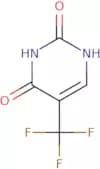
Formule :C12H9ClO2SDegré de pureté :Min. 95%Couleur et forme :PowderMasse moléculaire :252.72 g/mol5-Trifluorothymine
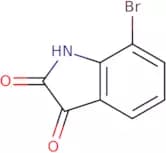
CAS :Intermediate in the synthesis of tipiracil + trifluridineFormule :C5H3F3N2O2Degré de pureté :Min. 95%Couleur et forme :PowderMasse moléculaire :180.08 g/mol7-Bromo-2,3-dioxoindoline
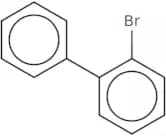
CAS :7-Bromo-2,3-dioxoindoline is a synthetic compound with a vibrational frequency of 249.2 cm−1. It is an inhibitor of the enzyme synthetase and has been shown to have an inhibitory effect on cancer cell viability in vitro. 7-Bromo-2,3-dioxoindoline inhibits the production of cancerous cells by interfering with their ability to synthesize DNA, which is necessary for cell division. This inhibition may be due to its ability to form intermolecular hydrogen bonding interactions with the amine group on the enzyme synthetase. 7-Bromo-2,3-dioxoindoline has also been shown to block the synthesis of 5-chloroisatin, one of its reaction products. The bioassay was carried out by measuring the amount of granulosa cells that were able to produce estrogen after treatment with this compound.Formule :C8H4BrNO2Degré de pureté :Min. 98 Area-%Couleur et forme :PowderMasse moléculaire :226.03 g/mol2-Bromobiphenyl
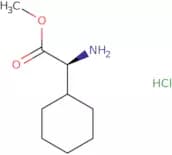
CAS :2-Bromobiphenyl is a halogenated aromatic hydrocarbon that is used in the synthesis of phenanthrene. It can be synthesized by the reaction of sodium carbonate with biphenyl and bromine. This reaction produces 2-bromobiphenyl, sodium chloride, and hydrogen bromide. The synthesis of 2-bromobiphenyl can also be achieved by the Suzuki coupling reaction of n-dimethyl formamide and boron trichloride. 2-Bromobiphenyl has a high melting point (269 degrees Celsius) and is a solid at room temperature (25 degrees Celsius). Due to its hydrophobic properties, it is insoluble in water but soluble in organic solvents such as ethylene dichloride or chloroform. 2-Bromobiphenyl is used as an analytical method for determining fatty acids in lipids, which are present in many industrial chemicals such asFormule :C12H9BrDegré de pureté :Min. 95%Couleur et forme :Colourless To Yellow SolidMasse moléculaire :233.1 g/molH-Chg-OMe hydrochloride
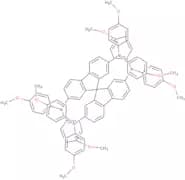
CAS :H-Chg-OMe hydrochloride is a fine chemical and reagent that is used in the synthesis of complex organic compounds and pharmaceuticals. This compound can be used as a versatile building block for a variety of reactions, such as reductive amination, reductive amination, reductive amination, and reductive amination. H-Chg-OMe hydrochloride has been shown to react with primary amines to form secondary amines. It has also been shown to react with alcohols to form ethers. CAS No. 14328-63-3Formule :C9H18ClNO2Degré de pureté :Min. 95%Couleur et forme :White/Off-White SolidMasse moléculaire :207.7 g/mol2,2',7,7'-Tetrakis-(N,N-di-4-methoxyphenylamino)-9,9'-spirobifluorene - Sublimed grade
CAS :2,2',7,7'-Tetrakis-(N,N-di-4-methoxyphenylamino)-9,9'-spirobifluorene (TPB) is a model system for investigating the transport of light signal in polymers. TPB can be used as a component in solar cells to increase their efficiency and improve their resistance to heat. TPB has shown high resistance to hydrochloric acid and other aggressive chemicals. TPB has been shown to be an effective photoelectron donor with a redox potential that is close to the one of copper; this property can be used for electrochemical impedance spectroscopy.Formule :C81H68N4O8Degré de pureté :Min. 95%Couleur et forme :Off-white to yellow solid.Masse moléculaire :1,225.43 g/mol3',5'-Dichloroacetophenone
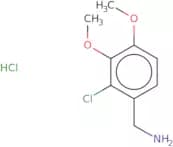
CAS :3',5'-Dichloroacetophenone is a synthetic pyrazoline that is a colorless liquid with an aromatic odor. It is soluble in ethyl acetate, chloroform, benzene, and other organic solvents. 3',5'-Dichloroacetophenone has significant effects on the protonation of amines, which are compounds containing nitrogen and hydrogen. This chemical has been shown to be able to react with anions like chloride or sulfide to form hypophosphorous acid. The symmetric structure of 3',5'-dichloroacetophenone is also susceptible to halide attack and can be synthesized from phenylhydrazine and piperidine.Formule :C8H6Cl2ODegré de pureté :Min. 95%Couleur et forme :LiquidMasse moléculaire :189.04 g/mol2-Chloro-3,4-dimethoxybenzylamine HCl
CAS :2-Chloro-3,4-dimethoxybenzylamine HCl is a fine chemical that can be used as a building block to synthesize new compounds. It is also a useful intermediate in the production of pharmaceuticals and other organic chemicals. 2-Chloro-3,4-dimethoxybenzylamine HCl has been used as a reaction component for the synthesis of various complex compounds. This compound has been shown to have high purity and quality.Formule :C9H12ClNO2·HClDegré de pureté :Min. 95%Masse moléculaire :238.11 g/molBromo-PEG3-acid
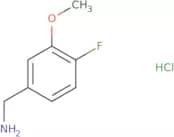
CAS :Bromo-PEG3-acid is a PEG compound with two different functional groups (also known as heterobifunctional). Unlike homobifunctional PEG compounds (same functional group on both ends), this type of compounds are more versatile as have two different anchor points. Bromo-PEG3-acid is used as a linker and spacer to add a PEG moiety, via pegylation (a bioconjugation technique) to proteins, peptides, oligonucleotides, small molecules and nanoparticles.Formule :C9H17BrO5Degré de pureté :Min. 95%Couleur et forme :Colorless PowderMasse moléculaire :285.13 g/mol4-Fluoro-3-methoxybenzylamine hydrochloride
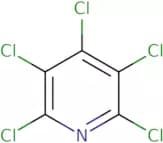
CAS :4-Fluoro-3-methoxybenzylamine hydrochloride is a fine chemical that can be used as a building block in research, as a reagent in the synthesis of complex compounds, and as a versatile scaffold for the synthesis of natural products. This compound is an intermediate for the production of other pharmaceuticals and has been shown to be useful in the production of various drugs. It is also used as a reactant in organic chemistry reactions due to its high quality. 4-Fluoro-3-methoxybenzylamine hydrochloride has CAS No. 869296-41-3 and can be found on the Chemical Abstract Service (CAS) database.Formule :C8H11ClFNODegré de pureté :Min. 95%Masse moléculaire :191.63 g/molPentachloropyridine
CAS :Please enquire for more information about Pentachloropyridine including the price, delivery time and more detailed product information at the technical inquiry form on this pageFormule :C5Cl5NDegré de pureté :Min. 95%Couleur et forme :White To Off-White SolidMasse moléculaire :251.32 g/mol










![[(1,2-Dimethyl-1H-benzimidazol-5-yl)methyl]amine dihydrochloride](/_next/image/?url=https%3A%2Fstatic.cymitquimica.com%2Fproducts%2F3D%2Fthumb-webp%2FFD135142.webp&w=3840&q=75)





![5-Chloro-8-iodoimidazo[1,2-a]pyridine HBr](/_next/image/?url=https%3A%2Fstatic.cymitquimica.com%2Fproducts%2F3D%2Fthumb-webp%2FFC07295.webp&w=3840&q=75)