Halogénures organiques
Sous-catégories appartenant à la catégorie "Halogénures organiques"
20442 produits trouvés pour "Halogénures organiques"
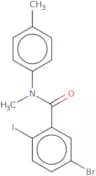
2-Iodo-N-methyl-N-p-tolylbenzamide
CAS :2-Iodo-N-methyl-N-p-tolylbenzamide is a fine chemical that has the CAS No. 1387529-49-8 and is a versatile building block with a wide range of applications, including research chemicals, reaction components and speciality chemicals. 2-Iodo-N-methyl-N-p-tolylbenzamide is soluble in organic solvents such as ethers, chloroform and benzene, while insoluble in water. It has been shown to be a useful intermediate for the synthesis of complex compounds and can be used as a reagent to prepare other compounds. 2Iodo-Nmethyl--Np--tolylbenzamide has been shown to have high quality and is an excellent building block for synthesizing pharmaceuticals.
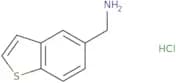
Formule :C15H13BrINODegré de pureté :Min. 95%Masse moléculaire :430.08 g/mol(1-Benzothien-5-ylmethyl)amine hydrochloride
CAS :(1-Benzothien-5-ylmethyl)amine hydrochloride is a white crystalline solid that is soluble in organic solvents. It has been used as a research chemical, reagent, and speciality chemical. It is also an intermediate for the synthesis of other compounds.Formule :C9H9NS·HClDegré de pureté :Min. 95%Couleur et forme :SolidMasse moléculaire :199.7 g/mol2,6-Bistrifluoromethyl benzoic acid
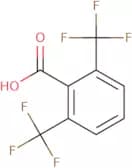
CAS :2,6-Bistrifluoromethyl benzoic acid is a chiral compound that can be detected in urine samples at high concentrations. The compound can be detected by high-performance liquid chromatography (HPLC) after being derivatized with methyl ester. It has been shown to have a dihedral angle of about 180° and an enantiomeric purity of 99%. The efficient method for the synthesis of 2,6-Bistrifluoromethyl benzoic acid is also described. This method involves the use of a template molecule, which is prepared from 1-phenylethyl alcohol and 4-bromobutyraldehyde. The reaction proceeds smoothly using a solvent such as benzene or toluene in the presence of sodium borohydride. After purification, 2,6-Bistrifluoromethyl benzoic acid is obtained in excellent yield and enantiomerically pureFormule :C9H4F6O2Degré de pureté :Min. 95%Couleur et forme :White To Light (Or Pale) Yellow SolidMasse moléculaire :258.12 g/mol2-Chlorobenzophenone
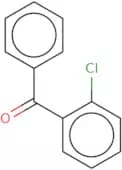
CAS :2-Chlorobenzophenone is a group P2 compound that is synthesized by the thermodynamic approach. It is also produced by the solid-phase synthesis of 2-chlorobenzoyl chloride and phosphorus pentachloride in a nonpolar solvent. This chemical can be purified through chromatographic methods. The chloride ion present in 2-chlorobenzophenone is replaced by an amine to form an amide or ester, which are more soluble in water than the chloride ion. 2-Chlorobenzophenone is used as a precursor for many other organic compounds, including benzodiazepines and organometallic compounds. This chemical has been shown to have sequences that are similar to benzodiazepine receptors and can act as a ligand for these receptors, blocking neurotransmission at synapses.>>END>>Formule :C13H9ClODegré de pureté :Min. 95%Couleur et forme :PowderMasse moléculaire :216.66 g/mol2,5-Dibromothiophene
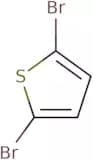
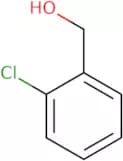
CAS :2,5-Dibromothiophene is a reactive intermediate that has been used in the synthesis of ondansetron hydrochloride. 2,5-Dibromothiophene can be prepared by the reaction of triethyl orthoformate and thiophene. The compound spontaneously undergoes bond cleavage to give the dibromo derivative followed by oxidation with aqueous hydrogen peroxide. 2,5-Dibromothiophene has been shown to have photocatalytic activity under visible light irradiation. This compound functions as a monomer in the polymerization of polythiophenes. 2,5-Dibromothiophene can also be used in palladium-catalyzed cross-coupling reactions with azasetron hydrochloride to form x-ray crystal structures and nmr spectra.Formule :C4H2Br2SDegré de pureté :Min. 95%Couleur et forme :Colourless To Yellow LiquidMasse moléculaire :241.93 g/mol2-Chlorobenzyl alcohol
CAS :2-Chlorobenzyl alcohol is a chemical compound that is used to synthesize other compounds. It is produced by the reaction of ethyl formate and hydrogen chloride in a reaction vessel. It reacts with benzoates to produce 2-chlorobenzoates, which are used as intermediates in the synthesis of pharmaceuticals. Hydroxyl groups can react with hydrogen fluoride to produce hydrofluoric acid, which is used as an industrial solvent. 2-Chlorobenzyl alcohol also reacts with hydroxide ions to produce ethylene glycol, which is used in making polyester fibers and plastics. This chemical compound has structural studies that show it has a proton and two hydroxyl groups that can react with hydrogen bond. Hydrogen bonds are important for the stability of DNA structures. The molecular structures of velvetleaf plants contain 2-chlorobenzyl alcohol, which may be due to its role in transferring oxygen from leaves to roots for respiration during
Formule :C7H7ClODegré de pureté :Min. 95%Couleur et forme :PowderMasse moléculaire :142.58 g/mol6-Bromo-4-chloro-1H-indazole
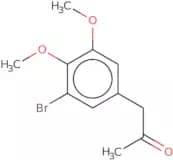
CAS :6-Bromo-4-chloro-1H-indazole is an organic compound that has been reported as a reaction component, reagent, and useful scaffold in the synthesis of complex compounds. It is also a speciality chemical with versatile building block and useful intermediate properties. 6-Bromo-4-chloro-1H-indazole is a fine chemical with complex structure and high purity.Formule :C7H4BrClN2Degré de pureté :Min. 95%Couleur et forme :Off-white to brown solid.Masse moléculaire :231.48 g/mol(3-Bromo-4,5-dimethoxyphenyl)acetone
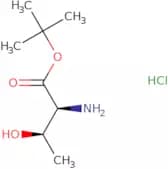
CAS :(3-Bromo-4,5-dimethoxyphenyl)acetone is a reagent that is used as an intermediate in the synthesis of a variety of compounds. It also has potential use as a building block for the synthesis of a wide range of complex compounds. (3-Bromo-4,5-dimethoxyphenyl)acetone can be used as a building block for chemical reactions and research chemicals. This compound has been shown to have versatile applications and is useful in the synthesis of fine chemicals, speciality chemicals, and research chemicals.Formule :C11H13BrO3Degré de pureté :Min. 95%Masse moléculaire :273.12 g/molL-Threonine tert-butyl ester hydrochloride
CAS :L-Threonine tert-butyl ester hydrochloride is a fine chemical that is used as a building block for complex compounds. It is also a reagent and speciality chemical with many uses in research, including the synthesis of pharmaceuticals. L-Threonine tert-butyl ester hydrochloride can be used as an intermediate in the synthesis of high quality pharmaceuticals, such as antibiotics and antifungals. This product is also useful as a scaffold for new drug development.
Formule :C8H17NO3·HClDegré de pureté :Min. 95%Couleur et forme :White PowderMasse moléculaire :211.69 g/mol5,7-Dichloro-1H-imidazo[4,5-b]pyridine
CAS :5,7-Dichloro-1H-imidazo[4,5-b]pyridine is a synthetic compound that has been shown to inhibit the replication of herpes simplex virus in cell culture. It is active against a broad range of viruses including HIV and influenza A. The antiviral potency of 5,7-dichloro-1H-imidazo[4,5-b]pyridine against herpes simplex virus may be due to its ability to act as an agonist on adenosine receptor subtypes such as A2aR. This drug also has immunosuppressive properties and can be used for the treatment of immunodeficiency disorders.
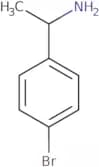
Formule :C6H3Cl2N3Degré de pureté :Min. 95%Couleur et forme :PowderMasse moléculaire :188.01 g/mol1-(4-Bromophenyl)ethylamine
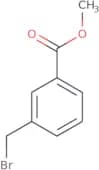
CAS :1-(4-Bromophenyl)ethylamine is a hdac inhibitor. This drug has been shown to be an amide, which is a class of chemical compounds that are the basis of many pharmaceuticals. It has been shown to have degenerative diseases, such as Alzheimer's disease and Parkinson's disease, and may also have an effect on amines. 1-(4-Bromophenyl)ethylamine inhibits hydrogen chloride and enantiomer with inflammatory diseases. It also has antiinflammatory activity, which may be due to its ability to inhibit acid molecules and biological studies.Formule :C8H10BrNDegré de pureté :Min. 95%Couleur et forme :Colorless Clear LiquidMasse moléculaire :200.08 g/molMethyl 3-(bromomethyl)benzoate
CAS :Methyl 3-(bromomethyl)benzoate is a hydroxamic acid that has been shown to have potent inhibitory activity against DPP-4, an enzyme that regulates the production of the incretin hormones, GLP-1 and GIP. The compound was also found to have a strong ability to form coordination complexes with palladium and metal ions. Methyl 3-(bromomethyl)benzoate is structurally similar to other hydroxamic acids such as Covid-19 pandemic, which is a drug used for the treatment of HIV infections.
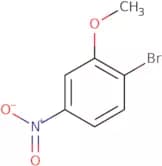
Formule :C9H9BrO2Degré de pureté :Min. 95%Couleur et forme :PowderMasse moléculaire :229.07 g/mol2-Bromo-5-nitroanisole
CAS :2-Bromo-5-nitroanisole is a chemical compound that has been shown to have glutamate receptor modulating properties. This molecule also has been shown to have allosteric modulating effects on metabotropic glutamate receptors. The molecular mechanism of 2-Bromo-5-nitroanisole involves the formation of a covalent bond with glutamine residues, which may be due to its nucleophilic character. This drug has been studied in clinical trials for the treatment of Alzheimer's disease and Parkinson's disease. It has also been studied for its effects on the frequency and severity of migraines.Formule :C7H6BrNO3Degré de pureté :Min. 98 Area-%Couleur et forme :PowderMasse moléculaire :232.03 g/mol1-(Chloromethyl)-4-fluoronaphthalene
CAS :1-(Chloromethyl)-4-fluoronaphthalene is a halogenated, organic compound with two different forms, a trans and cis form. The trans form is the more stable, inactive form. The cis form is more reactive and can be converted to the trans form by heating or light. It has been studied for use in polymer synthesis and as an insecticide. 1-(Chloromethyl)-4-fluoronaphthalene has not been observed in the gas phase because it does not have any dipole moments in this state. However, it does show infrared and vibrational spectra that are explainable when it is in the gaseous phase. 1-(Chloromethyl)-4-fluoronaphthalene also emits Raman spectra when it is heated or exposed to light. These spectra help to characterize the molecule quantitatively by observing its transitions at different frequencies.Formule :C11H8ClFDegré de pureté :Min. 95%Couleur et forme :White To Beige SolidMasse moléculaire :194.63 g/mol(R)-Benzyl-2-[4-(trifluoromethyl)phenyl]-6,7-dihydro-5H-pyrrolo[2,1-c][1,2,4]triazolium Tetrafluoroborate
CAS :(R)-Benzyl-2-[4-(trifluoromethyl)phenyl]-6,7-dihydro-5H-pyrrolo[2,1-c][1,2,4]triazolium Tetrafluoroborate is a bactericide that inhibits the production of proteins necessary for cellular growth. It has been shown to inhibit the growth of bacteria such as E. coli in vitro and in animal models. The effective dose for this drug is not known at this time.
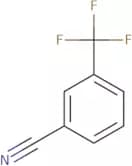
Formule :C19H17BF7N3Degré de pureté :Min. 95%Couleur et forme :White PowderMasse moléculaire :431.16 g/mol3-(Trifluoromethyl)benzonitrile
CAS :3-(Trifluoromethyl)benzonitrile is an efficient method for the synthesis of diphenyl ethers. 3-(Trifluoromethyl)benzonitrile can be synthesized in a few steps from commercially available starting materials. The luminescence properties of 3-(Trifluoromethyl)benzonitrile make it an excellent candidate for use as a fluorescent probe. This compound has been used to study receptor binding and acceptor interactions in amine-containing monolayers, with molybdenum as the electron donor and benzonitrile as the electron acceptor. The bond cleavage of cyclopentane ring has also been studied using 3-(Trifluoromethyl)benzonitrile.
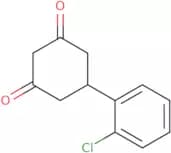
Formule :C8H4F3NDegré de pureté :Min. 95%Couleur et forme :Clear LiquidMasse moléculaire :171.12 g/mol5-(2-Chlorophenyl)cyclohexane-1,3-dione
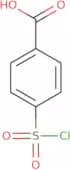
CAS :Please enquire for more information about 5-(2-Chlorophenyl)cyclohexane-1,3-dione including the price, delivery time and more detailed product information at the technical inquiry form on this pageFormule :C12H11ClO2Degré de pureté :Min. 95%Couleur et forme :PowderMasse moléculaire :222.67 g/mol4-(Chlorosulfonyl)benzoic acid
CAS :4-(Chlorosulfonyl)benzoic acid is a growth factor that has been shown to stimulate epidermal growth. It is used in the treatment of glaucoma, carbonic anhydrase inhibitor therapy, and immobilization. 4-(Chlorosulfonyl)benzoic acid may also be useful in the treatment of viral infections, as it inhibits viral replication by binding to the virus's envelope protein. This drug has been shown to act as an adrenergic receptor agonist and has molecular modeling properties. 4-(Chlorosulfonyl)benzoic acid inhibits matrix metalloproteinase activity and increases the expression of matrix metalloproteinase inhibitors. The drug was not found to inhibit collagenase and elastase activities in vitro.
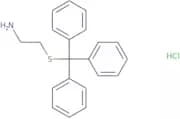
Formule :C7H5ClO4SDegré de pureté :Min. 95%Couleur et forme :SolidMasse moléculaire :220.63 g/molTrt-cysteamine hydrochloride
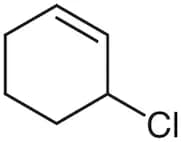
CAS :Trt-cysteamine hydrochloride is a prodrug that is metabolized to cysteamine in vivo. Cysteamine inhibits the production of tumor necrosis factor (TNF) by binding to its receptor and blocking NF-κB signaling pathways. In vitro models have shown that trt-cysteamine hydrochloride has minimal effects on cells, but when used in vivo, it can inhibit oxidative stress and induce cell death. Trt-cysteamine hydrochloride also binds to molecular targets with disulfide bonds, which may be potential therapeutic targets for cancer treatment.Formule :C21H21NS·HClDegré de pureté :Min. 95%Couleur et forme :White Off-White PowderMasse moléculaire :355.92 g/mol3-Chlorocyclohexene
CAS :Formule :C6H9ClDegré de pureté :>95.0%(GC)Couleur et forme :Colorless to Light yellow clear liquidMasse moléculaire :116.59(1R,2S)-2-(3,4-Difluorophenyl)cyclopropanamine hydrochloride
CAS :(1R,2S)-2-(3,4-Difluorophenyl)cyclopropanamine hydrochloride is a fine chemical that has been used as a building block to make other compounds. It is also an intermediate in organic synthesis and research chemicals. (1R,2S)-2-(3,4-Difluorophenyl)cyclopropanamine hydrochloride can be used in the production of complex compounds with high quality.Formule :C9H9F2N·HClDegré de pureté :Min. 95%Couleur et forme :White PowderMasse moléculaire :205.63 g/mol2-Fluorobenzophenone
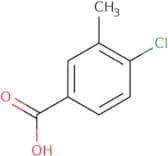
CAS :2-Fluorobenzophenone is a carbonyl group that is used as a sterilant. 2-Fluorobenzophenone is a precursor to 4-fluorobenzophenone, which can be synthesized by reacting with chlorine gas, chloromethyl ether, or polychlorinated biphenyls. 2-Fluorobenzophenone has been shown to be chemically stable and resistant to chemical ionization and thermal decomposition. It has been used as a photoinitiator for the polymerization of oxetane resins. 2-Fluorobenzophenones are also useful for the synthesis of functional groups such as oxetanes, epoxides, and dioxetanes. These compounds are typically found in polymers with an oxetane backbone.Formule :C13H9FODegré de pureté :Min. 95%Masse moléculaire :200.21 g/mol4-Chloro-3-methylbenzoic acid
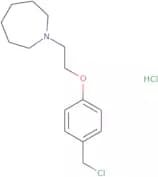
CAS :4-Chloro-3-methylbenzoic acid is a white crystalline solid that is soluble in water and alcohol. It has a melting point of 247°C and a boiling point of 305°C. This compound is used as an intermediate for the production of dyes and pharmaceuticals, such as anti-inflammatory drugs. 4-Chloro-3-methylbenzoic acid has been shown to be an inhibitor of DNA synthesis, RNA synthesis, and protein synthesis in bacteria. In addition, this compound inhibits the growth of Mycobacterium tuberculosis by inhibiting the metabolic pathways necessary for cell proliferation. 4-Chloro-3-methylbenzoic acid also has been shown to inhibit the growth of other bacteria such as Staphylococcus aureus, Escherichia coli, Streptococcus pyogenes, and Pseudomonas aeruginosa.Formule :C8H7ClO2Degré de pureté :Min. 95%Couleur et forme :PowderMasse moléculaire :170.59 g/mol1-(2-(4-(Chloromethyl)phenoxy)ethyl)azepane HCl
CAS :1-(2-(4-(Chloromethyl)phenoxy)ethyl)azepane HCl is a versatile building block that can be used as a reagent, speciality chemical, or intermediate. It is also a useful scaffold for the synthesis of complex compounds. The compound has been shown to be useful in research and industry due to its high quality and versatility. 1-(2-(4-(Chloromethyl)phenoxy)ethyl)azepane HCl has CAS No. 223251-25-0 and can be used as a reaction component in organic synthesis reactions.Formule :C15H23Cl2NODegré de pureté :Min. 95%Couleur et forme :Off-White PowderMasse moléculaire :304.25 g/mol8-Hydroxyguanine hydrochloride
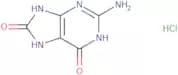
CAS :8-Hydroxyguanine hydrochloride is a fine chemical that is used as a building block in the synthesis of pharmaceuticals, agrochemicals and other organic compounds. It is also used as a reagent for research into the mechanisms of DNA damage. CAS No. 1246818-54-1 8-Hydroxyguanine hydrochloride is a complex compound that can be used as a versatile building block for the synthesis of many different types of molecules, including valuable intermediates and scaffolds for drug discovery.
Formule :C5H5N5O2•HClDegré de pureté :Min. 90 Area-%Couleur et forme :White PowderMasse moléculaire :203.59 g/molPyrithioxin dihydrochloride
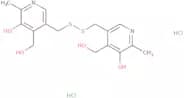
CAS :Pyrithioxin dihydrochloride is a pharmaceutical dosage form used to treat degenerative diseases. It has been shown to have an inhibitory effect on the activity of cholinergic neurons, and can be used to treat symptoms such as muscle weakness, muscle atrophy, and difficulty with movement. Pyrithioxin dihydrochloride may also be used in long-term treatment for Alzheimer's disease or Parkinson's disease. Pyrithioxin dihydrochloride inhibits the synthesis of acetylcholine by binding to the enzyme choline acetyltransferase and blocking the transfer of acetyl-coenzyme A from the coenzyme A pool. This drug also inhibits brain infarction in animal models by preventing accumulation of fatty acids in the blood vessels.Formule :C16H20N2O4S2·2HClDegré de pureté :Min. 95%Couleur et forme :White To Off-White To Light (Or Pale) Yellow SolidMasse moléculaire :441.39 g/mol3-Bromo-2-methylbenzoic acid
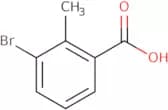
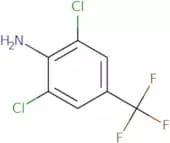
CAS :3-Bromo-2-methylbenzoic acid is a hydrogen bond donor. Hydrogen bonding may provide an explanation for the functional theory of 3-bromo-2-methylbenzoic acid, which has been shown to have anticancer properties in vitro and in vivo. This compound has been shown to be effective against cancer cells that express PDL1 (programmed cell death protein 1) and is being studied as a potential therapeutic agent for cancers that are resistant to conventional anticancer drugs. 3-Bromo-2-methylbenzoic acid has low solubility in water and is poorly absorbed from the gastrointestinal tract. It also does not bind to plasma proteins, which makes it pharmacologically active even at low doses. 3BBMBA inhibits viral replication by binding to the viral RNA polymerase enzyme, thereby inhibiting transcription and replication of the virus genome. In addition, it inhibits the proliferation of human cancer cells through inhibition of protein synthesis and DNA synthesisFormule :C8H7BrO2Degré de pureté :Min. 95%Couleur et forme :PowderMasse moléculaire :215.04 g/mol2,6-Dichloro-4-(trifluoromethyl)aniline
CAS :2,6-Dichloro-4-(trifluoromethyl)aniline is a colorless solid that is soluble in organic solvents. It is used as an absorber of chloride gas and other gases. 2,6-Dichloro-4-(trifluoromethyl)aniline reacts with hydrochloric acid to produce diazonium salt and chloride ions. The diazonium salt reacts with organic solvent and hydrogen gas to form the reaction products. In the presence of carbon dioxide and hydrogen chloride, 2,6-dichloro-4-(trifluoromethyl)aniline undergoes chlorinating reactions to produce hydrogen chloride gas and the chlorinated product.Formule :C7H4Cl2F3NDegré de pureté :Min. 95%Couleur et forme :PowderMasse moléculaire :230.01 g/mol3-Chlorophenylhydrazine hydrochloride
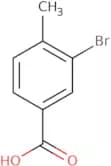
CAS :3-Chlorophenylhydrazine hydrochloride is a pyrazole that has been shown to have potent antibacterial activity. It is used in the treatment of inflammatory diseases and has been shown to be effective against Helicobacter pylori, which causes gastritis, peptic ulcers, and stomach cancer. 3-Chlorophenylhydrazine hydrochloride is an acidic compound with a molecular weight of 192.2 g/mol. It contains a pyrazole ring that is eluted with hydrochloric acid and reacts with gyrase enzymes in bacteria, inhibiting DNA synthesis. 3-Chlorophenylhydrazine hydrochloride also has anti-inflammatory properties due to its ability to inhibit prostaglandin synthesis.Formule :C6H7ClN2•HClDegré de pureté :Min. 95%Couleur et forme :PowderMasse moléculaire :179.05 g/mol3-Bromo-4-methylbenzoic acid
CAS :3-Bromo-4-methylbenzoic acid is a labile chemical compound that is used in the synthesis of retinoic acid, an analog of vitamin A. 3-Bromo-4-methylbenzoic acid can be synthesized by a two step process involving the boronic ester and biphenyl. The biphenyl is first treated with phosphorus pentachloride to produce a phenoxyacetate which reacts with 3-bromo-4-methylbenzoyl chloride in the presence of base to produce 3-bromo-4-methylbenzoic acid. This conversion can also be done via a solid phase synthesis where the biphenyl is anchored on silica gel and reacted with 3-bromo-4 methylbenzoyl chloride. The boronic esters are then cleaved from the solid support by treatment with sodium hydroxide under reflux conditions. 3 - Bromo -Formule :C8H7BrO2Degré de pureté :Min. 95%Couleur et forme :PowderMasse moléculaire :215.04 g/mol5-Iodocytosine
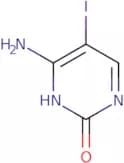
CAS :5-Iodocytosine (5-IC) is an analog of cytosine that can be used as a precursor for the synthesis of thymine. 5-IC has been shown to cross-couple with DNA, which may contribute to its antiviral potency. 5-IC is also a potent inhibitor of dna replication and herpes simplex virus. The biochemical properties of 5-IC have been extensively studied, including its ability to react with hydrochloric acid to form the corresponding tautomers. The hydrolysis rate increases at higher pH values and decreases at lower pH values. Bioconjugate chemistry has been applied to synthesize a bioconjugated prodrug of 5-IC for cancer treatment.
Formule :C4H4IN3ODegré de pureté :Min. 95%Couleur et forme :PowderMasse moléculaire :237 g/mol1-Bromo-2-(4-bromophenyl)ethylene
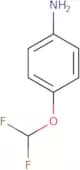
CAS :The 1-Bromo-2-(4-bromophenyl)ethylene (1-BPEE) is a highly reactive anion radical that can be generated from the reaction of chlorine with various organic compounds. The 1-BPEE is often used as an analytical method for the determination of the concentration of bromine in environmental samples. It has been shown to have antiviral and antimicrobial properties, and has been found to inhibit hepatitis B virus and human immunodeficiency virus type 1. The 1-BPEE is also a potential candidate for use in removing chlorinated organics from wastewater effluent.Formule :C8H6Br2Degré de pureté :Min. 95%Couleur et forme :Off-White To Light (Or Pale) Yellow SolidMasse moléculaire :261.94 g/mol4-Difluoromethoxyaniline
CAS :4-Difluoromethoxyaniline is an allosteric modulator for glutamate receptors. It is a chemical compound that can be used to modify glutamate receptors to act as either metabotropic or ionotropic. 4-Difluoromethoxyaniline is used in the treatment of Parkinson's disease and other movement disorders, such as dyskinesia. It has been shown that 4-difluoromethoxyaniline increases the activity of activated glutamate receptors, which leads to increased levels of the neurotransmitter dopamine in the brain. This drug may also inhibit nitric oxide production and corticotropin-releasing hormone (CRH) synthesis.Formule :C7H7F2NODegré de pureté :Min. 95%Masse moléculaire :159.13 g/mol4-Methylphenyl hydrazine hydrochloride
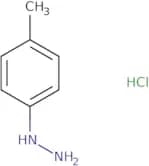
CAS :4-Methylphenyl hydrazine hydrochloride is a chemical compound that has been shown to be an effective treatment for lung tumors. It has been shown to inhibit tumorigenesis in animal models by the inhibition of angiogenesis and tumor growth. This drug is administered as a subcutaneous injection and can cause hemorrhaging, inflammation, and necrosis at the injection site. 4-Methylphenyl hydrazine hydrochloride has also been postulated to have anti-tumorigenic properties in animals.
4-Methylphenyl hydrazine hydrochloride inhibits the production of adenomas and adenocarcinomas in rats when given orally or intragastrically, but not when given intravenously.Formule :C7H10N2·HClDegré de pureté :Min 98%Masse moléculaire :158.63 g/mol2-Chlorobenzyl cyanide
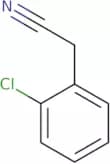
CAS :2-Chlorobenzyl cyanide (2CBA) is a disinfectant that has been used as an alternative to chlorine. It is not only effective against bacteria, but also against fungi, viruses, and parasites. 2CBA functions by the aerobic photooxidation of cells in water or air. In addition to its antimicrobial activity, 2CBA is also toxic to human ovary cells at high concentrations.
2CBA has a number of isomers, which differ in their solubility and ph-optimum. The most common form of 2CBA is the cis form, which has a higher solubility than the trans form. The cis form can be synthesized from benzyl chloride and sodium cyanide with sulfonation as the final step in production.
2CBA has an optimum ph value of 5-6 for its disinfectant activity; however, it can be used at a concentration of 1% at pH values below 5 or above 7Formule :C8H6ClNDegré de pureté :Min. 95%Couleur et forme :Colorless PowderMasse moléculaire :151.59 g/mol5-(5'-Chloro-2'-hydroxy-4'-methylphenyl)-isoxazole
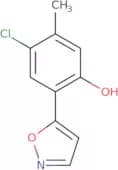
CAS :5-(5'-Chloro-2'-hydroxy-4'-methylphenyl)-isoxazole is a fine chemical that is an intermediate in the synthesis of other chemicals. It has been used as a reaction component, complex compound and research chemical. 5-(5'-Chloro-2'-hydroxy-4'-methylphenyl)-isoxazole is a versatile building block that can be used to synthesize many different chemicals, including pharmaceuticals, dyes, agrochemicals and pesticides. This compound has been shown to be useful as a reagent in the synthesis of high quality products.Formule :C10H8ClNO2Degré de pureté :Min. 95%Couleur et forme :PowderMasse moléculaire :209.63 g/molFmoc-3-iodo-L-tyrosine
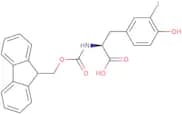
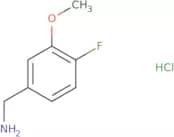
CAS :Fmoc-3-iodo-L-tyrosine is a fine chemical that belongs to the category of versatile building blocks. It can be used as a reagent, speciality chemical, and useful scaffold in the synthesis of complex compounds. Fmoc-3-iodo-L-tyrosine is a high quality material with a purity of 98%. It has been used as an intermediate for research chemicals and useful building blocks.Formule :C24H20NO5IDegré de pureté :Min. 97.5 Area-%Couleur et forme :PowderMasse moléculaire :529.32 g/mol4-Fluoro-3-methoxybenzylamine hydrochloride
CAS :4-Fluoro-3-methoxybenzylamine hydrochloride is a fine chemical that can be used as a building block in research, as a reagent in the synthesis of complex compounds, and as a versatile scaffold for the synthesis of natural products. This compound is an intermediate for the production of other pharmaceuticals and has been shown to be useful in the production of various drugs. It is also used as a reactant in organic chemistry reactions due to its high quality. 4-Fluoro-3-methoxybenzylamine hydrochloride has CAS No. 869296-41-3 and can be found on the Chemical Abstract Service (CAS) database.Formule :C8H11ClFNODegré de pureté :Min. 95%Masse moléculaire :191.63 g/mol3-(1,1,2,2-Tetrafluoroethoxy)phenol
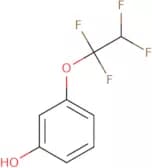
CAS :3-(1,1,2,2-Tetrafluoroethoxy)phenol is a versatile building block that can be used in the synthesis of complex compounds. It is also a reagent and speciality chemical and has CAS No. 53997-99-2. 3-(1,1,2,2-Tetrafluoroethoxy)phenol is a useful building block for organic synthesis and has been used as a reaction component or scaffold.
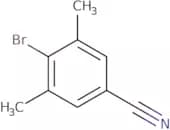
Formule :C8H6F4O2Degré de pureté :Min. 95%Masse moléculaire :210.13 g/mol4-Bromo-3,5-dimethylbenzonitrile
CAS :4-Bromo-3,5-dimethylbenzonitrile is a high quality reagent that has been used as an intermediate in the synthesis of complex compounds. This compound has been shown to be useful in the synthesis of fine chemicals and research chemicals. 4-Bromo-3,5-dimethylbenzonitrile is also a versatile building block for use in reactions for the production of speciality chemicals. The CAS number for this compound is 75344-77-3.Formule :C9H8BrNDegré de pureté :Min. 95%Couleur et forme :PowderMasse moléculaire :210.07 g/mol4-Chloro-2-fluorobenzaldehyde
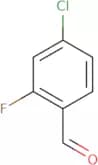
CAS :4-Chloro-2-fluorobenzaldehyde is an aryl aldehyde that belongs to the class of chemical compounds known as chloroaldehydes. It can be synthesized from 4-chlorophenylacetic acid and 2,3-dichloroacetone. The compound is chiral and has two enantiomers. One enantiomer is less reactive than the other, which is more reactive. 4-Chloro-2-fluorobenzaldehyde can be used in the synthesis of a variety of organic compounds, such as pharmaceuticals, herbicides, pesticides, and dyes. This compound can also be used for microbial strain identification by liquid chromatography (LC) with ultraviolet (UV) detection. The yields are typically high (>90%), and the process can be performed at room temperature without any need for vacuum or pressure conditions.Formule :C7H4ClFODegré de pureté :Min. 95%Couleur et forme :PowderMasse moléculaire :158.56 g/molDichloro[9,9-dimethyl-4,5-bis(diphenylphosphino)xanthene]palladium(II)
CAS :Produit contrôléDichloro[9,9-dimethyl-4,5-bis(diphenylphosphino)xanthene]palladium(II) is a fine chemical that can be used as a building block in the synthesis of compounds with diverse structures. It is a research chemical and reagent that has been found to be useful in the synthesis of complex organic compounds. This compound is also versatile enough to be used as an intermediate or scaffold in the synthesis of many different types of organic compounds.Formule :C39H32Cl2OP2PdDegré de pureté :Min. 95%Couleur et forme :Yellow PowderMasse moléculaire :755.94 g/mol2-Chloro-4-methylaniline
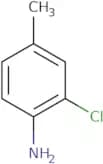
CAS :2-Chloro-4-methylaniline is a molecule that can be classified as an amine. It is a functional theory, which is a chemical ionization technique used to study the structure of molecules. 2-Chloro-4-methylaniline has been shown to have high metabolic profiles and to produce many metabolic products when it reacts with chlorine in the environment. This chemical has been studied extensively for its potential carcinogenic properties. It was found that 2-chloro-4-methylaniline causes DNA damage in human erythrocytes and induces mutations in calf thymus DNA, suggesting that this molecule may be carcinogenic. 2-Chloro-4-methylaniline also binds to hemoglobin, which may lead to the formation of methemoglobin that reduces oxygen transport in red blood cells. The matrix effect of this chemical on clinical pathology is not known.Formule :C7H8ClNDegré de pureté :Min. 95%Masse moléculaire :141.6 g/mol2-Iodo-N-(4-methoxyphenyl)-N-methylbenzamide
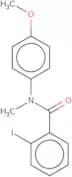
CAS :2-Iodo-N-(4-methoxyphenyl)-N-methylbenzamide is a versatile building block that can be used in research and as a reagent. It is a high quality chemical and useful as a building block or intermediate for the synthesis of more complex compounds. This chemical is also a useful scaffold for the synthesis of more complex molecules.Formule :C15H14INO2Degré de pureté :Min. 95%Masse moléculaire :367.18 g/molLevofloxacin hydrochloride
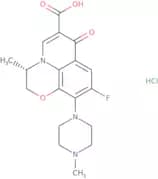
CAS :Levofloxacin is a fluoroquinolone antibiotic that inhibits bacterial DNA gyrase and topoisomerase IV, which are enzymes that maintain the integrity of bacterial DNA. It binds to bacterial 16S ribosomal RNA and inhibits protein synthesis, leading to cell death by inhibiting the production of proteins vital for cell division. Levofloxacin has been shown to be effective against many infectious diseases, including urinary tract infections and some types of pneumonia. Levofloxacin also has inhibitory properties against gram-positive bacteria such as Streptococcus pyogenes and Staphylococcus aureus. The mechanism of action is not fully understood, but it is believed that levofloxacin interferes with protein synthesis by binding to the 30S subunit of the bacterial ribosome. The drug also binds to benzalkonium chloride (BAK) in wastewater treatment systems, which may contribute to its effectiveness in theseFormule :C18H20FN3O4•HClDegré de pureté :Min. 95%Couleur et forme :PowderMasse moléculaire :397.83 g/molN-alpha-[2,4-Dinitro-5-fluorophenyl]-D-alanine amide
CAS :N-alpha-[2,4-Dinitro-5-fluorophenyl]-D-alanine amide is a potential drug for the treatment of cancer. It has been shown to be effective in inhibiting the proliferation of human prostate carcinoma cells in culture. This compound is a potential anticancer drug that binds to DNA and inhibits topoisomerase II, which is an enzyme involved in DNA replication. The mechanism of action of this drug was studied using methods such as optimization, isomers, plates, trifluoroacetic acid, tautomers, amino acid analysis and nanomolar concentrations. N-alpha-[2,4-Dinitro-5-fluorophenyl]-D-alanine amide has also been shown to inhibit cyanobacteria growth.Formule :C9H9N4O5FDegré de pureté :Min. 95%Couleur et forme :Light (Or Pale) Yellow To Yellow SolidMasse moléculaire :272.05571-Acetoxyethyl 2-(2-fluoro-4-biphenylyl)propionate
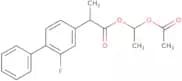
CAS :1-Acetoxyethyl 2-(2-fluoro-4-biphenylyl)propionate is a synthetic analog of flurbiprofen that has potent nonsteroidal anti-inflammatory drug activity. It binds to the same receptor as flurbiprofen, but with a higher affinity. 1-Acetoxyethyl 2-(2-fluoro-4-biphenylyl)propionate is used for the treatment of postoperative pain and inflammation following abdominal surgery. This compound is also used for the prevention of ischemic brain damage after cardiac bypass surgery or other types of vascular surgery, such as carotid endarterectomy. 1-Acetoxyethyl 2-(2-fluoro-4-biphenylyl)propionate can be synthesized by reacting bisphenol A with carbonyldiimidazole and 4-[2-(2,4 -difluorophenyl)-Formule :C19H19FO4Degré de pureté :Min. 95%Couleur et forme :Orange PowderMasse moléculaire :330.35 g/mol2,6-Dimethyl-1,4-diphenylpyridinium tetrafluoroborate
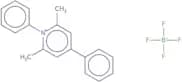
CAS :2,6-Dimethyl-1,4-diphenylpyridinium tetrafluoroborate is a high quality reagent that can be used as a useful intermediate in the synthesis of fine chemicals. It is used as an important building block in the synthesis of many organic compounds and is also an important reaction component. This compound has a wide range of uses and can be used as a versatile building block in organic synthesis or as a speciality chemical for research purposes.Formule :C19H18N·BF4Degré de pureté :Min. 95%Masse moléculaire :347.16 g/mol3-Chloro-2-fluoroaniline
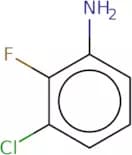
CAS :3-Chloro-2-fluoroaniline is an industrial chemical, which is used to manufacture a variety of other chemicals. 3-Chloro-2-fluoroaniline is the product of the chlorinating reaction between 2-fluoroaniline and hydrochloric acid. It has been used in the synthesis of drugs such as probenecid and sulfinpyrazone, which are used for the treatment of cardiac disease. 3-Chloro-2-fluoroaniline also has chloride ion activity and can be used as a synthetic intermediate for other organic acids.
Formule :C6H5ClFNCouleur et forme :Clear LiquidMasse moléculaire :145.56 g/mol3-(5-Chloro-2-hydroxyphenyl)pyrazole
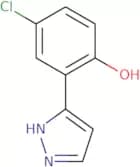
CAS :3-(5-Chloro-2-hydroxyphenyl)pyrazole is a monosubstituted, stepwise, substituted pyrazole. It has been shown to exhibit antibacterial and antifungal properties against phytopathogens. 3-(5-Chloro-2-hydroxyphenyl)pyrazole binds to metal ions in the active site of the enzyme and inhibits its activity. The phenylhydrazine group is reduced by NADH to form a covalent bond with the enzyme's cysteine residue. The binding of this compound prevents the formation of an enzyme-substrate complex that catalyzes an essential reaction, leading to cell death.Formule :C9H7ClN2ODegré de pureté :Min. 95%Couleur et forme :PowderMasse moléculaire :194.62 g/mol(S)-2-Bromopropionic acid
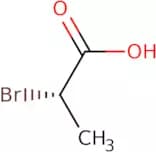
CAS :(S)-2-Bromopropionic acid is a synthetic compound that has been shown to bind to an antigen. The structure activity relationship of this compound has been studied in order to find a suitable surrogate for the synthesis of (S)-2-Bromopropionic acid. This compound was synthesized using solid-phase chemistry and the resulting product was purified by HPLC. The synthetic route for (S)-2-Bromopropionic acid included d-alanine, which was used as the biomolecular building block. The alkylation reaction involved the use of chloroacetic acid and methyl iodide, which were reacted with d-alanine in aqueous solution at room temperature. After hydrolysis, ester linkages were introduced with methanol and acetic anhydride. The final product was purified by recrystallization from methanol and acetone.Formule :C3H5BrO2Degré de pureté :Min. 95%Couleur et forme :Slightly Yellow Clear LiquidMasse moléculaire :152.97 g/molN-Benzyltrifluoroacetamide
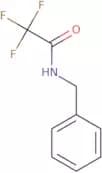
CAS :N-Benzyltrifluoroacetamide is an amide that inhibits the activity of the enzyme fatty acid synthase, which catalyzes the synthesis of fatty acids. It has been shown to be effective against a number of cancers and has been used in the treatment of patients infected with HIV. N-Benzyltrifluoroacetamide is active against a range of cancer cell lines, including breast, pancreatic, ovarian, prostate, and colorectal carcinomas. Its mechanism of action is not known but may involve inhibition of protein synthesis or induction of apoptosis.Formule :C9H8F3NODegré de pureté :Min. 95%Couleur et forme :White To Off-White SolidMasse moléculaire :203.16 g/mol2-(2,4-Dichlorophenyl)-1,3-benzoxazol-5-amine
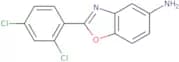
CAS :2-(2,4-Dichlorophenyl)-1,3-benzoxazol-5-amine is a versatile building block that can be used in a wide range of chemical reactions. The compound is a reagent and speciality chemical with CAS No. 293737-83-4. It is an intermediate in the synthesis of pharmaceuticals and pesticides, as well as a useful scaffold for the synthesis of other compounds. 2-(2,4-Dichlorophenyl)-1,3-benzoxazol-5-amine has been shown to have high quality and can be used as a reaction component or building block in research labs.
Formule :C13H8Cl2N2ODegré de pureté :Min. 95%Couleur et forme :PowderMasse moléculaire :279.12 g/mol4,4'-Difluorodiphenyliodonium chloride
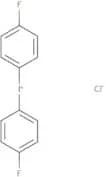
CAS :4,4'-Difluorodiphenyliodonium chloride is a hydrolyzed derivative of 4,4'-difluorodiphenyliodonium bromide that has been optimized for use in the rumen. It is used to reduce the population of ruminal microbes and to increase the digestibility of fiber in cattle rations. 4,4'-Difluorodiphenyliodonium chloride is also capable of reducing bacterial populations in plant cell cultures by inhibiting microbial growth. This compound is able to inhibit the production of fatty acids from dietary protein and may be useful as an anti-obesity agent.Formule :C12H8ClF2IDegré de pureté :Min. 98 Area-%Couleur et forme :PowderMasse moléculaire :352.55 g/mol5-Bromo-6-azauracil
CAS :5-Bromo-6-azauracil is a nucleophilic compound that can be used to treat wastewater. It is also able to lyse cells and has been used as an immobilizing agent. The reactive nature of 5-Bromo-6-azauracil enables it to undergo nucleophilic substitutions with amines, which are present in the cell wall and other biomolecules. This process results in the formation of amide bonds, which leads to the inhibition of protein synthesis. 5-Bromo-6-azauracil has shown inhibitory effects on glucans, which may be due to its ability to form covalent bonds with glucose molecules.Formule :C3H2BrN3O2Degré de pureté :Min. 95%Couleur et forme :White To Off-White SolidMasse moléculaire :191.97 g/mol3-(5-Iodo-4-hydroxy-3-methoxy)cinnamic acid
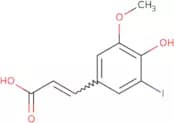
CAS :3-(5-Iodo-4-hydroxy-3-methoxy)cinnamic acid is a chemical compound that can be used as a starting material for synthesis of complex compounds. It is a white solid with a melting point of about 100°C, and it is soluble in water. This product is an excellent reagent for the synthesis of new chemicals, and it has been widely used as a reaction component in organic syntheses. 3-(5-Iodo-4-hydroxy-3-methoxy)cinnamic acid also has antibacterial properties.Formule :C10H9IO4Degré de pureté :Min. 95%Masse moléculaire :320.08 g/mol4-Iodo-3-nitrobenzonitrile
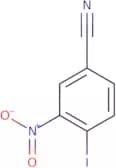
CAS :4-Iodo-3-nitrobenzonitrile is a chemical intermediate that can be used to synthesize other chemicals. It is an aromatic compound with the formula CHNO. 4-Iodo-3-nitrobenzonitrile can be used as a reactive building block in organic synthesis and has shown to be useful in the preparation of complex compounds that are difficult to prepare by other methods. This chemical has been shown to have high quality and is stable at room temperature.Formule :C7H3IN2O2Degré de pureté :Min. 95 Area-%Couleur et forme :PowderMasse moléculaire :274.02 g/mol4-(3-Chloropropyl)morpholine
CAS :4-(3-Chloropropyl)morpholine is a hydrochloride salt of the potent inhibitor 4-(3-chloropropyl)morpholine. It has an inhibitory effect on cancer, and is used in chromatographic science to separate amines from aliphatic hydrocarbons. 4-(3-Chloropropyl)morpholine inhibits epidermal growth factor (EGF) and has been shown to have a potent inhibitory effect on EGF receptor tyrosine kinase activity. It also inhibits the proliferation of cells by inhibiting DNA synthesis. This compound causes cell death through the inhibition of protein synthesis, which may be due to its ability to inhibit nucleophilic reactions that are involved in protein synthesis. 4-(3-Chloropropyl)morpholine can also fluoresce under UV light, which makes it useful for research purposes.
Formule :C7H14ClNODegré de pureté :Min. 95%Couleur et forme :Clear LiquidMasse moléculaire :163.64 g/mol4-Fluorophthalonitrile
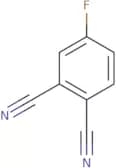
CAS :4-Fluorophthalonitrile is a colorless liquid that is insoluble in water and has a strong odor. This chemical is found naturally in coal tar and has been used to synthesize supramolecular devices, such as those that are capable of producing light. 4-Fluorophthalonitrile can be obtained synthetically by cross-coupling reactions with aryl chlorides or chlorine. It exhibits fluorescence when irradiated with light. 4-Fluorophthalonitrile also reacts with terminal alkynes to form aryl fluorides.Formule :C8H3FN2Degré de pureté :Min. 95%Masse moléculaire :146.12 g/molN-(2-Chlorophenyl)-2-mercaptoacetamide
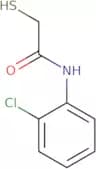
CAS :2-Chloroacetamide is a useful building block that can be used to synthesize a variety of compounds. This chemical is also a versatile intermediate and can be used in the preparation of fine chemicals, research chemicals, and speciality chemicals. It is also a reaction component that can be used in the synthesis of complex compounds. 2-Chloroacetamide has been shown to have high quality properties and is often used as a reagent.Formule :C8H8ClNOSDegré de pureté :Min. 95%Couleur et forme :White PowderMasse moléculaire :201.67 g/mol3-Iodo-2-methylpyridine
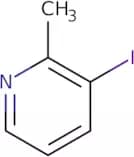
CAS :3-Iodo-2-methylpyridine is a fluorescent probe that is used to measure mitochondrial membrane potential in muscle cells. It has been shown to be effective in the treatment of autoimmune diseases and HIV infection. 3-Iodo-2-methylpyridine is soluble in water, alcohols, ethers, and chloroform. This compound has a liquid crystal composition and can form crystals with different morphologies upon cooling. 3-Iodo-2-methylpyridine has been used as an optical probe for the detection of silicon in biological samples. The hydroxy group on this molecule makes it active against nitro groups.Formule :C6H6INDegré de pureté :Min. 95%Couleur et forme :Yellow PowderMasse moléculaire :219.02 g/mol2-(4-Methoxyphenyl)-4,6-bis(trichloromethyl)-1,3,5-triazine
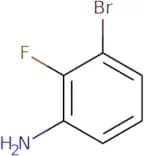
CAS :2-(4-Methoxyphenyl)-4,6-bis(trichloromethyl)-1,3,5-triazine is a chemical compound that belongs to the class of cyanine dyes. It is used as a developer in photopolymerization and as an electron donor in electron-sensitive materials. 2-(4-Methoxyphenyl)-4,6-bis(trichloromethyl)-1,3,5-triazine has a viscosity of 0.56 Pa·s at 25°C and is sensitive to light with wavelengths ranging from 300 to 400 nm. This dye also has a yield of 1.0 g/g and a phenolic content of 0.2%.Formule :C12H7Cl6N3ODegré de pureté :Min. 95%Couleur et forme :White PowderMasse moléculaire :421.92 g/mol3-Bromo-2-fluoroaniline
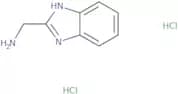
CAS :3-Bromo-2-fluoroaniline is a reagent, complex compound, and useful intermediate. It is used as a building block for chemical syntheses, such as the synthesis of pharmaceuticals and agrochemicals. 3-Bromo-2-fluoroaniline can be used in chemical reactions to form amines or nitriles, which are useful scaffolds for the synthesis of other compounds. 3-Bromo-2-fluoroaniline is also used as a building block in organic chemistry reactions that require an electron acceptor. This chemical has many applications in research chemicals and speciality chemicals production.Formule :C6H5BrFNDegré de pureté :Min. 95%Couleur et forme :Colourless To Pale Yellow LiquidMasse moléculaire :190.01 g/mol1H-Benzimidazol-2-ylmethylamine dihydrochloride
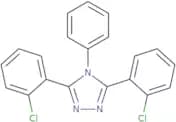
CAS :VX-950 is an antibacterial agent that inhibits the synthesis of bacterial protein. It binds to a small molecule, benzimidazol-2-ylmethylamine, which reduces the production of proteins in the bacterial cell by inhibiting the enzyme dihydrofolate reductase. VX-950 has been shown to be effective against a number of pathogens including fungi and bacteria. VX-950 has also been shown to bind to two ligands, imidazolines and diazepinones, that are found in mammalian tissue. This binding allows it to reduce the production of proteins in hepatocytes as well as inhibit growth in Saccharomyces cerevisiae strain.Formule :C8H9N3•(HCl)2Degré de pureté :Min. 95%Couleur et forme :PowderMasse moléculaire :220.1 g/mol2,5-(2-Chlorophenyl)-phenyl-1,3,4-triazole
CAS :2,5-(2-Chlorophenyl)-phenyl-1,3,4-triazole is a versatile building block that can be used as a reagent in organic synthesis. It is also a useful intermediate for the preparation of other compounds and an important reaction component for the synthesis of complex compounds. CAS No. 88032-13-7.
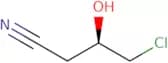
Formule :C20H13Cl2N3Degré de pureté :Min. 95%Masse moléculaire :366.24 g/mol(R)-4-Chloro-3-hydroxybutyronitrile
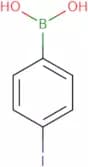
CAS :(R)-4-Chloro-3-hydroxybutyronitrile is a chiral pharmaceutical that has been shown to have hypotensive effects and hypoglycaemic properties. It is formed by the asymmetric synthesis of a ketone, utilising a synthetic route. This drug has been shown to be effective in treating cerebral infarction and other conditions related to poor blood flow. The mechanism of action of (R)-4-Chloro-3-hydroxybutyronitrile is not yet known, but it is believed that it may act as an alcohol or nutrient utiliser.Formule :C4H6ClNODegré de pureté :Min. 95%Couleur et forme :Clear LiquidMasse moléculaire :119.55 g/mol4-Iodophenylboronic acid
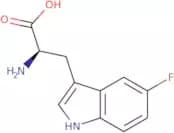
CAS :4-Iodophenylboronic acid is a chemical compound that has been shown to bind to disaccharides and form hydrogen bonding interactions. It has also been shown to enhance the chemiluminescence of ethylene diamine in a light emission assay, which is due to its ability to bind to fatty acids. 4-Iodophenylboronic acid has been used in studies on tumor xenografts and optical properties. 4-Iodophenylboronic acid has also been shown to have vibrational and nmr spectra that differ from other boronic acids. This compound is unique because it binds with water molecules more strongly than any other boronic acid.Formule :C6H6BIO2Degré de pureté :Min. 95%Couleur et forme :PowderMasse moléculaire :247.83 g/mol5-Fluoro-D-Tryptophan
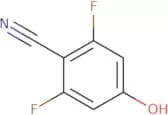
CAS :5-Fluoro-D-Tryptophan is a fluorescent substrate for the enzyme indoleamine 2,3 dioxygenase (IDO) that is used in assays to determine the activity of this enzyme. IDO is an enzyme that is found in animals and catalyzes the first step in tryptophan metabolism by converting it to 5-fluoro-kynurenine. The amount of fluorescence generated can be detected with a fluorescence detector. 5-Fluoro-D-Tryptophan has been shown to have higher levels of uptake by tumor tissue than by normal tissue, which may be due to its ability to inhibit protein synthesis and cell division.Formule :C11H11FN2O2Degré de pureté :Min. 95%Couleur et forme :White/Off-White SolidMasse moléculaire :222.22 g/mol4-Cyano-3,5-difluorophenol
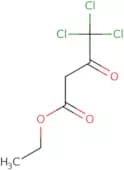
CAS :4-Cyano-3,5-difluorophenol (4CF) is a mesomorphic compound that has a number of reactions with chloride. 4CF is synthesized from 3,5-difluoroaniline and the reaction product is then heated with chlorine to produce 4CF. The optimal reaction temperature is between 100°C and 120°C. When exposed to light, 4CF will react with chloride ions in the presence of heat to form a hydrophobic chlorinated product. This product reacts with proton donors such as NaOH or KOH to produce hydrogen gas. At room temperature, 4CF can be used as a gas sensor.Formule :C7H3F2NODegré de pureté :Min. 95 Area-%Masse moléculaire :155.1 g/molEthyl 4,4,4-Trichloroacetoacetate
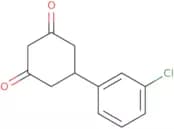
CAS :Ethyl 4,4,4-trichloroacetoacetate is a chloroalkyl compound that belongs to the class of activated esters. It is synthesized by the reaction of ethyl alcohol with chloride and potassium hydroxide in the presence of a base. The synthetic method for this compound was first developed in the mid-1930s by German chemists. This compound also has been used in the synthesis of coumarin derivatives as well as a catalyst in organic reactions. Ethyl 4,4,4-trichloroacetoacetate has been shown to be effective in treating neurodegenerative diseases such as Alzheimer's disease and Parkinson's disease.Formule :C6H7Cl3O3Degré de pureté :Min. 95%Couleur et forme :Colourless To Pale Yellow LiquidMasse moléculaire :233.48 g/mol5-(3-Chlorophenyl)cyclohexane-1,3-dione
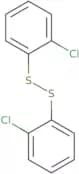
CAS :5-(3-Chlorophenyl)cyclohexane-1,3-dione is a versatile building block. It can be used as a reagent, speciality chemical, or useful building block in the synthesis of complex compounds. 5-(3-Chlorophenyl)cyclohexane-1,3-dione is also used as a reaction component or scaffold in the synthesis of valuable chemicals. This chemical has high purity and quality.Formule :C12H11ClO2Degré de pureté :Min. 95%Couleur et forme :White PowderMasse moléculaire :222.67 g/mol2,2'-Dichloro diphenyl disulfide
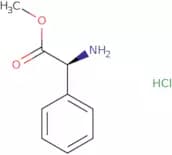
CAS :2,2'-Dichloro diphenyl disulfide is a high quality chemical that is widely used as a reagent. It belongs to the category of complex compounds and has been extensively studied as an intermediate for the synthesis of pharmaceuticals. 2,2'-Dichloro diphenyl disulfide is also useful as a building block or scaffold for the preparation of a wide range of useful chemicals. This product can be used in research laboratories and by industry as a versatile building block in organic synthesis, with applications including use as a reaction component in the production of pharmaceuticals and agrochemicals.Formule :C12H8Cl2S2Degré de pureté :Min. 95%Couleur et forme :PowderMasse moléculaire :287.23 g/mol(S)-(+)-2-Phenylglycine methyl ester hydrochloride
CAS :(S)-(+)-2-Phenylglycine methyl ester hydrochloride is a nitro compound that inhibits the production of nitric oxide (NO) by inhibiting the enzyme nitric oxide synthase. It has shown inhibitory effects on bronchial hyperresponsiveness in animals with bronchial asthma and ischemic reperfusion injury. The compound also inhibits nitrogen-induced allergic reactions and inflammatory diseases. (S)-(+)-2-Phenylglycine methyl ester hydrochloride has been shown to have a protective effect against prostate cancer in animal models, although it was not active against prostate cancer cells in vitro. This may be due to its inability to cross the cell membrane or its inability to effectively penetrate the nucleus, which is where cancerous cells originate. The functional groups present on this molecule include amide, carbonyl, and hydroxyl groups.Formule :C9H12ClNO2Degré de pureté :Min. 95%Couleur et forme :White To Off-White SolidMasse moléculaire :201.65 g/mol4,6-Dichloro-5-fluoropyrimidine
CAS :4,6-Dichloro-5-fluoropyrimidine is a diluent that is used for the isolation of alkali metal chlorides and formamidine acetate. It reacts with phosphorus oxychloride and formamide to produce dichloroform, which can be used as a reactant in the synthesis of 4,6-dichloro-5-fluoropyrimidine. This compound can also be synthesized from chlorinating ethyl alcohol or methyl alcohol in the presence of an alkoxide. 4,6-Dichloro-5-fluoropyrimidine has been shown to be stable in an environment with high levels of chlorine (i.e., bleach).
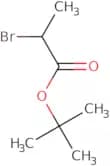
Formule :C4HCl2FN2Degré de pureté :Min. 95%Couleur et forme :Colourless LiquidMasse moléculaire :166.97 g/mol2-Bromopropionic acid tert-butyl ester
CAS :2-Bromopropionic acid tert-butyl ester is a chemical compound that belongs to the group of alkylation agents. It is used in organic synthesis as a reagent for the preparation of enolates and acrylates by transfer reactions. This compound can be used to prepare styrene copolymers with acrylic acid, methacrylic acid, and crotonic acid. 2-Bromopropionic acid tert-butyl ester has been shown to react with chloride ions in an electrophilic substitution reaction to form a radical species that reacts with oxygen in the presence of light or heat to form a dipole. This process has been shown using techniques such as gel permeation chromatography and mass spectroscopy.Formule :C7H13BrO2Degré de pureté :Min. 95%Couleur et forme :Colorless Clear LiquidMasse moléculaire :209.08 g/molBis (iodomethyl) ether
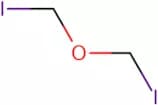
CAS :Bis (iodomethyl) ether is a metabolic disorder that is used as an organic solvent. It is a chemical compound that can be used to form alkylating agents, including tetronic acid and chloromethyl ketone. Bis (iodomethyl) ether can also be used to form anions, such as iodide and acetate. The biosynthesis of bis (iodomethyl) ether in animals involves the conversion of phosphate derivatives into iodides, which are then converted into bis (iodomethyl) ether. Bis (iodomethyl) ether has been shown to have insulin-resistance-modulating effects on type 2 diabetes in mice and guanosine diphosphate levels in perovskite cells. This drug has also been shown to increase hyperglycemia in animal models.
Formule :C2H4I2ODegré de pureté :Min. 95%Couleur et forme :Light (Or Pale) Yellow To Brown LiquidMasse moléculaire :297.86 g/mol2-Chloro-4,6-diphenyl-1,3,5-triazine
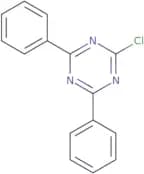
CAS :2-Chloro-4,6-diphenyl-1,3,5-triazine is a linker that can be activated to accept an electron from a donor molecule. It is often used as a transport material in organic light emitting diodes (OLEDs) and organic photovoltaics (OPVs). 2-Chloro-4,6-diphenyl-1,3,5-triazine has been shown to have high efficiencies when it is thermally activated. This compound also has high efficiency when it is activated by light with a wavelength of 400 nm. The luminescent properties of 2-Chloro-4,6-diphenyl-1,3,5 - triazine are due to its electron deficient nature and the presence of methoxy groups.
Formule :C15H10ClN3Degré de pureté :Min. 95%Couleur et forme :White PowderMasse moléculaire :267.71 g/mol3,5-Difluorophenylhydrazine HCl
CAS :3,5-Difluorophenylhydrazine HCl is a versatile building block. It is a fine chemical that is used in research chemicals and speciality chemicals. 3,5-Difluorophenylhydrazine HCl has been used as a reagent and as a reaction component for the synthesis of complex compounds. This chemical may be useful as a scaffold for the construction of novel molecules with desired properties.Formule :C6H6F2N2·HClDegré de pureté :Min. 95%Masse moléculaire :180.58 g/mol2,6-Dichloro-4-methylpyridine
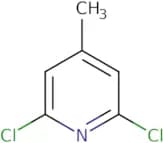
CAS :2,6-Dichloro-4-methylpyridine is a chemical compound that belongs to the class of dendrons. It is used for the functionalisation of imidazole and propiolate moieties. The derivates of 2,6-dichloro-4-methylpyridine can be made by coupling with pyrazole or dimethylacetal. This compound reacts with methylene halides in nucleophilic substitution reactions to produce methyl propiolate.Formule :C6H5Cl2NDegré de pureté :Min. 95%Couleur et forme :PowderMasse moléculaire :162.02 g/mol2-Bromo-3-fluorophenol
CAS :2-Bromo-3-fluorophenol is a bifunctional chemical that reacts with glycols, such as ethylene glycol, to form epoxy ethers. It is also used as a stabilizer for polyurethane plastics and rubbers. 2-Bromo-3-fluorophenol is used in the production of dibenzoyl peroxide and phenolic resins. This compound has been shown to be stable when exposed to both heat and light.Formule :C6H4BrFODegré de pureté :Min. 95%Couleur et forme :PowderMasse moléculaire :191 g/mol2-Hydroxy-3,5-diiodomethylnitrostyrene
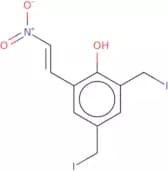
CAS :2-Hydroxy-3,5-Diiodomethylnitrostyrene is a high quality chemical that is useful as a reagent and an intermediate. It has been shown to be a useful scaffold in the synthesis of complex compounds and is also used as a building block in the synthesis of speciality chemicals. The compound can be used in reactions as both a reactant and a catalyst, which makes it versatile for research purposes. This chemical reacts with ketones to form nitroalkenes and has been shown to have good activity with aromatic amines, hydrocarbons, alcohols, carboxylic acids, esters, ethers and nitriles.
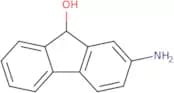
Formule :C10H9I2NO3Degré de pureté :Min. 95%Masse moléculaire :444.99 g/mol2-Amino-9-fluorenol
CAS :2-Amino-9-fluorenol is a hydrophobic compound that binds to RNA. 2-Amino-9-fluorenol has been shown to have a binding constant of 1.2 x 10, which is much higher than the binding constant for curculigoside (5.2 x 10). This substance has shown to be an effective inhibitor of RNA synthesis in HL60 cells and various bacterial strains by binding to the ribose moiety of RNA and preventing transcription. The metabolic pathway for 2-amino-9-fluorenol consists of two steps: one involving a reactive intermediate, potassium ion, and another with methylamine as the reactant. These reactions are catalyzed by enzymes such as acetaldehyde dehydrogenase and amino transferases, respectively.Formule :C13H11NODegré de pureté :Min. 95%Couleur et forme :Yellow solid.Masse moléculaire :197.23 g/mol(R)-(+)-1-(4-Bromophenyl)ethylamine
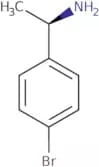
CAS :(R)-(+)-1-(4-Bromophenyl)ethylamine is a chiral anion that can be used as a ligand for supramolecular chemistry. It reacts with primary amines to form a diazenyl (an anion with two nitrogen atoms and one carbon atom). The diazenyl molecule has been shown to have chemotactic activity and to stimulate the immune system. The (R)-(+)-1-(4-bromophenyl)ethylamine is generally stable when it is in contact with water, but is unstable when heated due to decomposition by light or oxygen.
Formule :C8H10BrNDegré de pureté :Min. 95%Couleur et forme :Clear LiquidMasse moléculaire :200.08 g/mol2-Amino-3,5-dichlorobenzoic acid
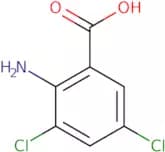
CAS :2-Amino-3,5-dichlorobenzoic acid is a petrochemical that has been used in the production of other chemicals, such as phosphorus pentachloride. It also serves as a precursor for molybdenum and ATP binding cassette transporter. 2-Amino-3,5-dichlorobenzoic acid binds to the hydrochloric acid and sodium hydroxide solution present in the stomach to produce hydrochloric acid and sodium chloride. 2-Amino-3,5-dichlorobenzoic acid is also a precursor for quinazolone, which is used in the production of dyes and pharmaceuticals. It has also been shown to inhibit plant physiology by inhibiting chlorophyll synthesis.Formule :C7H5Cl2NO2Degré de pureté :Min. 95%Couleur et forme :PowderMasse moléculaire :206.03 g/mol4-Chloro-3-(trifluoromethyl)benzonitrile
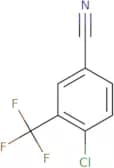
CAS :4-Chloro-3-(trifluoromethyl)benzonitrile is a polyketone that is synthesized from biphenylene and chloroform. It is an isomer of 3-chlorobenzonitrile and can be used as a monomer for the synthesis of polyketones. 4-Chloro-3-(trifluoromethyl)benzonitrile undergoes sequential acylation with acetyl chloride to form 4-chloro-3-(trifluoromethyl)phenol, which undergoes electrophilic polycondensation with ethylene glycol to form the final product. This process can be done in one step by reacting the biphenylene, chloroform, and acetyl chloride together in presence of heat.Formule :C8H3ClF3NDegré de pureté :Min. 95%Couleur et forme :SolidMasse moléculaire :205.56 g/molIsodesmosine chloride
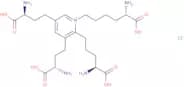
CAS :Isodesmosine chloride is an amino acid derivative, which is a naturally occurring component found in the elastin protein. This organic compound is originally sourced from the structural protein elastin, prevalent in connective tissues such as skin, lungs, and blood vessels. It plays a critical role in the cross-linking and stabilization of elastin fibers, contributing to the elastic properties of these tissues.Formule :C24H40ClN5O8Degré de pureté :Min. 95%Masse moléculaire :562.06 g/mol9-Hydroxyfluorene
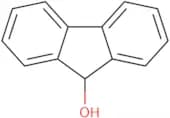
CAS :Produit contrôlé9-Hydroxyfluorene is a chiral compound that exhibits antimicrobial activity. It has been shown to inhibit the growth of bacteria by interacting with bacterial DNA and preventing RNA synthesis. 9-Hydroxyfluorene binds to bacterial DNA, specifically the nitrogen atoms, which are not present in mammalian DNA. This binding causes the formation of intramolecular hydrogen bonds that inhibits bacterial DNA replication. 9-Hydroxyfluorene also interacts with cellular membranes, inhibiting protein synthesis and cell division. The antimicrobial properties of 9-hydroxyfluorene are due to its ability to bind to bacterial membranes and form hydrogen bonds at specific sites on the membrane surface. This binding alters the membrane's physical properties, leading to cell death.Formule :C13H10ODegré de pureté :Min. 95%Masse moléculaire :182.22 g/mol2,5-Dibromoterephthalaldehyde
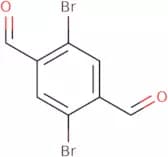
CAS :2,5-Dibromoterephthalaldehyde is a red fluorescent compound that has been shown to have potential as a cancer therapy. The compound is able to bind to the electron acceptor 2,5-dibromoterephthalate (DBT) and can be used in photocatalytic reactions. It has been shown that 2,5-dibromoterephthalaldehyde can cause high levels of cell death in cancer cells with low levels of toxicity to healthy cells. This property may be due to its ability to target cancerous cells by binding with their mitochondria. The compound is also fluorescent and emits light when excited with UV light. 2,5-Dibromoterephthalaldehyde has been shown to form structured metallacycles in the presence of copper ions. !--Formule :C8H4Br2O2Degré de pureté :Min. 95%Couleur et forme :PowderMasse moléculaire :291.92 g/molN-Methyl-3,4-methylenedioxyphenylpropane hydrochloride
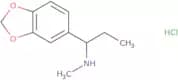
CAS :Produit contrôléN-Methyl-3,4-methylenedioxyphenylpropane hydrochloride is a high quality reagent that is a useful intermediate in the synthesis of complex compounds. It is used as a fine chemical and research chemicals in the manufacture of speciality chemicals. N-Methyl-3,4-methylenedioxyphenylpropane hydrochloride has been shown to be an excellent scaffold for the synthesis of many different compounds with high versatility. It can also be used as a building block or reaction component.Formule :C11H15NO2·HClCouleur et forme :PowderMasse moléculaire :229.7 g/mol2,3-Difluorophenylacetic acid
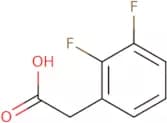
CAS :2,3-Difluorophenylacetic acid is an industrial chemical that has been used as a solvent and an additive in paint, varnish, lacquer, and rubber. It is also used to make other chemicals such as cyclen. 2,3-Difluorophenylacetic acid has been shown to have fluorescence properties that can be detected by chromatography. The use of this compound is not restricted by any major regulations or health concerns. It can be prepared industrially from carbon tetrachloride with the use of modifiers and additives. This chemical can also be localized in the environment by using chloride techniques for detection.Formule :C8H6F2O2Degré de pureté :Min. 95%Masse moléculaire :172.13 g/molp-Amino-L-phenylalanine hydrochloride
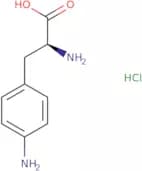
CAS :p-Amino-L-phenylalanine hydrochloride (PABA) is a type of amino acid that is used in the synthesis of melphalan hydrochloride, a drug used to treat cancer. PABA is a white crystalline powder that can be dissolved in water and formic acid. It has been shown to interact with the hydrophilic interaction chromatography column and flow rate sensor in order to improve the chromatographic separation of ammonium formate. PABA has also been found to be chiral and can be converted into its enantiomeric form by means of an organic solvent, such as acetonitrile. The impurities of PABA are mandelic acid and l-phenylalanine. These impurities are separated from PABA by means of HPLC analysis.Formule :C9H13ClN2O2Degré de pureté :Min. 95%Couleur et forme :White/Off-White SolidMasse moléculaire :216.66 g/mol2-(3-Bromophenyl)ethanamine
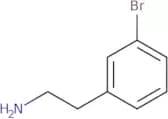
CAS :Produit contrôlé2-(3-Bromophenyl)ethanamine is an affinity ligand for the 5-hydroxytryptamine receptor 7 (5-HT7). It has a high affinity for the 5-HT7 receptor and can also be used to study other serotonin receptors. This compound has been shown to bind to the 5-HT7 with a Kd of 0.3 nM and no significant binding at other serotonin receptors. It was found that 2-(3-bromophenyl)ethanamine does not inhibit the uptake of serotonin from synaptosomal preparations, but does inhibit the uptake of serotonin from cerebrospinal fluid. These results were confirmed in vitro using radioligand binding assays and autoradiography, demonstrating that 2-(3-bromophenyl)ethanamine binds selectively to the 5-HT7 receptor.Formule :C8H10BrNDegré de pureté :Min. 95%Couleur et forme :Colorless PowderMasse moléculaire :200.08 g/mol1,5-Di(4-Chlorophenyl)penta-1,4-dien-3-one
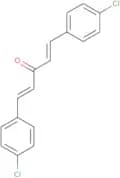
CAS :1,5-Di(4-chlorophenyl)penta-1,4-dien-3-one is a chromophore that has been extensively studied for its vibrational and optical properties. This compound has shown biological activity in the form of antitumor activity, as well as an ability to inhibit radiation and carcinogenesis. The optical properties of 1,5-di(4-chlorophenyl)penta-1,4-dien-3-one are determined by its polarizability and carbonyl group. Further research is needed to determine the functional theory and techniques used to study this compound's optical properties.Formule :C17H12Cl2ODegré de pureté :Min. 95%Masse moléculaire :303.18 g/mol1-[[2-(4-Chlorophenyl)-4,4-dimethylcyclohex-1-enyl]methyl]piperazine
CAS :1-[[2-(4-Chlorophenyl)-4,4-dimethylcyclohex-1-enyl]methyl]piperazine is a high quality compound that can be used as a reagent or intermediate. It is a complex compound with the CAS No. 1228780-72-0 that is useful in the production of fine chemicals, research chemicals and speciality chemicals. 1-[2-(4-Chlorophenyl)-4,4-dimethylcyclohex-1-enyl]methyl]piperazine is a versatile building block that can be used in reactions to produce specialized products such as pharmaceuticals, agrochemicals, dyes and fragrances.Formule :C19H27ClN2Degré de pureté :Min. 95%Couleur et forme :White PowderMasse moléculaire :318.88 g/mol1-Octyl-3-methylimidazolium hexafluorophosphate
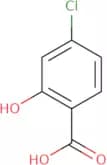
CAS :1-Octyl-3-methylimidazolium hexafluorophosphate is a polymerase chain reaction (PCR) reagent that has been widely used in DNA amplification. It has been shown to have a low thermal expansion coefficient, which makes it an ideal material for the preparation of PCR tubes. 1-Octyl-3-methylimidazolium hexafluorophosphate is also used in the analysis of fatty acids and can be used to determine the constant pressure volume at which these molecules are soluble. The analytical method is based on hydrogen bonding interactions, enzyme activities, and plasma mass spectrometry. This extractant can also be used to remove excess water from samples prior to extraction by using electrophoresis or other methods.Formule :C12H23F6N2PDegré de pureté :Min. 95%Couleur et forme :Colorless Clear LiquidMasse moléculaire :340.29 g/mol4-Chlorosalicylic acid
CAS :4-Chlorosalicylic acid is an inhibitor of bacterial growth that belongs to the group of phenolic compounds. It has been shown to inhibit the growth of bacteria in cell culture and be effective against a wide range of species, including Escherichia coli and Staphylococcus aureus. 4-Chlorosalicylic acid inhibits bacterial enzyme activities, such as 5-nitrosalicylic acid hydroxylase and diphenolase activities. This compound has also been shown to have anti-inflammatory properties, which may be due to its ability to inhibit prostaglandin synthesis. 4-Chlorosalicylic acid is an active intermediate in the production of other drugs such as 2,4-dichloroacetophenone and 2,5-dichlorobenzonitrile.Formule :C7H5ClO3Degré de pureté :Min. 95%Couleur et forme :PowderMasse moléculaire :172.57 g/mol4-Fluoro-3-nitrophenylacetic acid
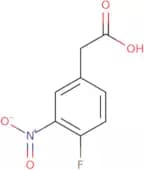
CAS :4-Fluoro-3-nitrophenylacetic acid is a chiral monomer that can be used to synthesize diphenyl ethers. The reaction requires a carbamic acid as the acid catalyst and a nucleophilic reagent, such as an amine. 4-Fluoro-3-nitrophenylacetic acid has been shown to have anti-cancer properties in vitro and in vivo. 4-Fluoro-3-nitrophenylacetic acid may also inhibit the synthesis of dihydroisoquinolines, which are important for the function of DNA polymerase. There are two strategies for synthesizing this compound: one is based on the condensation of two molecules of phenylacetaldehyde in the presence of an acid catalyst; the other employs a Lewis acid catalyst with a pyridine nucleophile.Formule :C8H6FNO4Degré de pureté :Min. 95%Couleur et forme :SolidMasse moléculaire :199.14 g/molCalcium fluoride
CAS :Calcium fluoride crystals are the mineral form of calcium fluoride, which is a high-resistance ionic conductor. Calcium fluoride has been used for many purposes, such as in the production of semiconductors and lasers. Calcium fluoride is also used as a radiation shield and in the production of hydrogen fluoride, which is an important chemical reagent. The crystal structure of calcium fluoride has been determined using x-ray crystallography and electron diffraction studies. This mineral has a hexagonal crystal system (space group P6 3 /mmc) with lattice constants a = 5.9 Å and c = 6.3 Å, where c equals the length of one side of an equilateral triangle that fits within the unit cell. The space group indicates that each unit cell contains twelve atoms: six Ca2+ and six F-. The unit cell dimensions are given by a = b = 1/2 × 10−8 m and c = 2 × 10⁻⁷ m. TheseFormule :CaF2Degré de pureté :Min. 95%Masse moléculaire :78.07 g/mol2-Bromostyrene
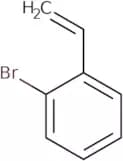
CAS :2-Bromostyrene is a chemical that has been used as an analytical method for detecting the presence of cyclopentane rings in wastewater. The use of 2-bromostyrene has been shown to be an efficient method for the elimination of anilines and amines from wastewater, which are both active substances. This chemical also has a hydrophilic property, which enables it to be used as a control agent for efficient treatment of wastewater.Formule :C8H7BrDegré de pureté :Min. 95%Couleur et forme :Colorless PowderMasse moléculaire :183.05 g/mol2-Fluoro-3-nitrotoluene
CAS :2-Fluoro-3-nitrotoluene is a synthetic compound that is used as a drug substance to produce other drugs. It has been shown to inhibit cardiac contractility and can be used in the treatment of cardiogenic shock. This drug also has a low degree of toxicity and can be administered in an outpatient setting. 2-Fluoro-3-nitrotoluene is not symmetrical, which means it has two different shapes or configurations. One of these configurations is more stable than the other one. 2-Fluoro-3-nitrotoluene has two possible isomers that are mirror images of each other, called enantiomers. These two isomers have opposite effects on cardiac contractility and the effect depends on the type of heart disease being treated.Formule :C7H6FNO2Degré de pureté :Min. 95%Couleur et forme :Yellow Clear LiquidMasse moléculaire :155.13 g/mol


![5,7-Dichloro-1H-imidazo[4,5-b]pyridine](/_next/image/?url=https%3A%2Fstatic.cymitquimica.com%2Fproducts%2F3D%2Fthumb-webp%2FFD139433.webp&w=3840&q=75)

![(R)-Benzyl-2-[4-(trifluoromethyl)phenyl]-6,7-dihydro-5H-pyrrolo[2,1-c][1,2,4]triazolium Tetrafluor…](/_next/image/?url=https%3A%2Fstatic.cymitquimica.com%2Fproducts%2F3D%2Fthumb-webp%2FFB59921.webp&w=3840&q=75)





![Dichloro[9,9-dimethyl-4,5-bis(diphenylphosphino)xanthene]palladium(II)](/_next/image/?url=https%3A%2Fstatic.cymitquimica.com%2Fproducts%2F3D%2Fthumb-webp%2FFD60980.webp&w=3840&q=75)
![N-alpha-[2,4-Dinitro-5-fluorophenyl]-D-alanine amide](/_next/image/?url=https%3A%2Fstatic.cymitquimica.com%2Fproducts%2F3D%2Fthumb-webp%2FFD48427.webp&w=3840&q=75)






![1-[[2-(4-Chlorophenyl)-4,4-dimethylcyclohex-1-enyl]methyl]piperazine](/_next/image/?url=https%3A%2Fstatic.cymitquimica.com%2Fproducts%2F3D%2Fthumb-webp%2FFC145625.webp&w=3840&q=75)